Stereo 230
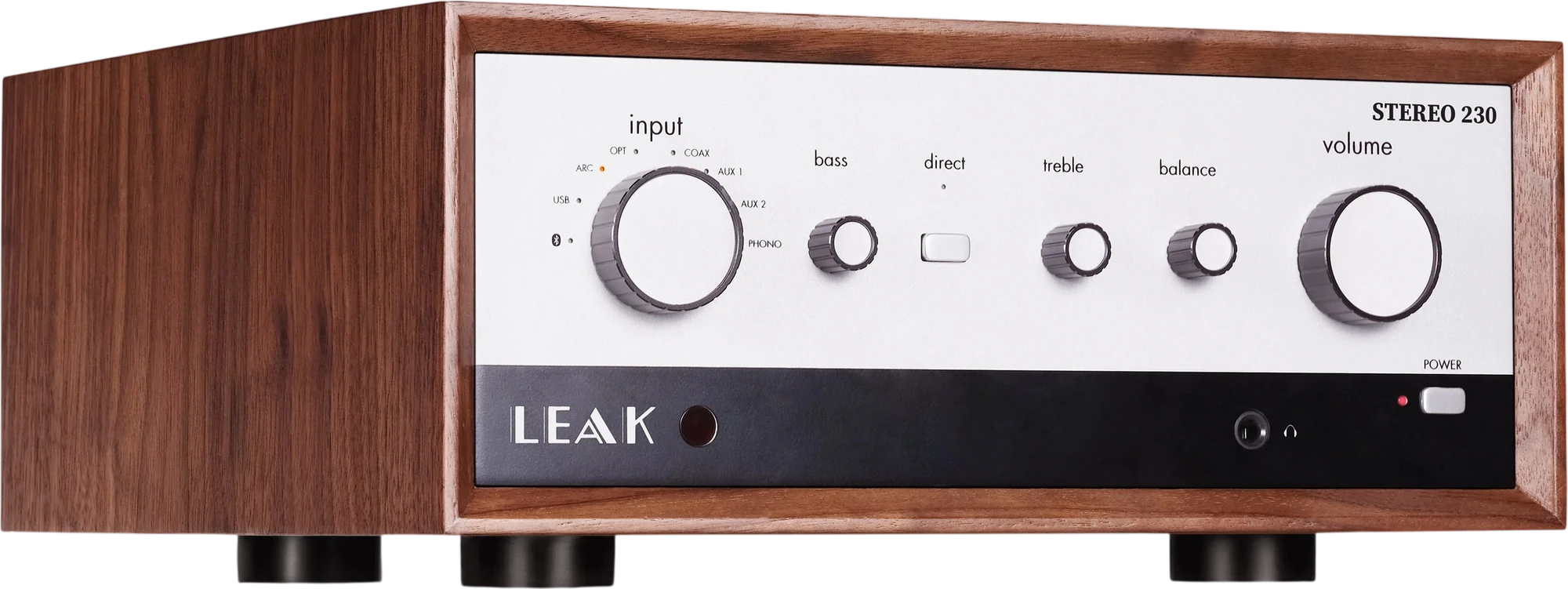
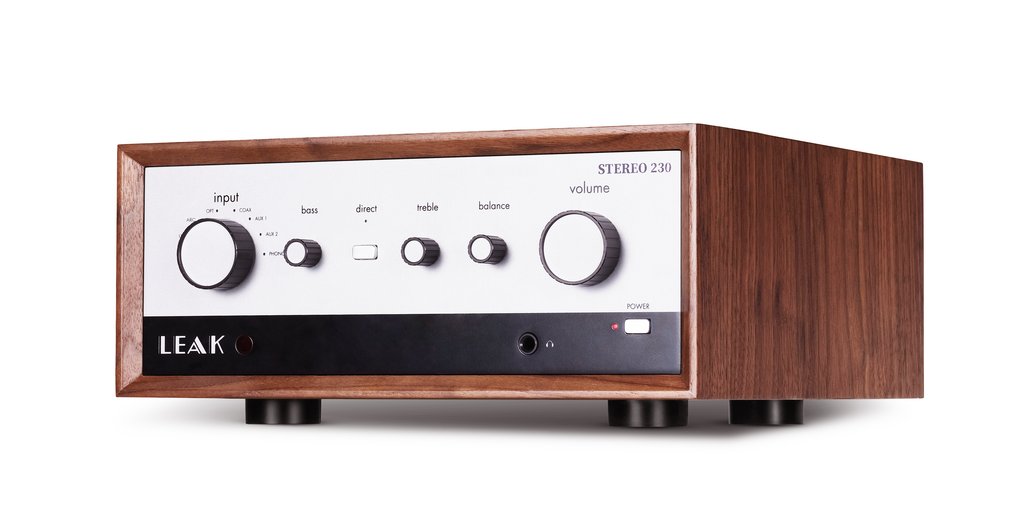
LEAK's Stereo 230 is an integrated amplifier with 75 watts per channel for your speakers, a built-in phono stage for a turntable, optical and coaxial inputs for digital sources, USB, Bluetooth and a headphone output. Reviewers single out its warm tone and strong, present bass.
New here? ExtremeHiFi is a free hifi encyclopedia: reviews, prices and used listings. We don’t sell anything.
Summary
LEAK's Stereo 230 is an integrated amplifier with 75 watts per channel for your speakers, a built-in phono stage for a turntable, optical and coaxial inputs for digital sources, USB, Bluetooth and a headphone output. Reviewers single out its warm tone and strong, present bass.
What reviewers love
The Leak Stereo 230 is a retro-styled integrated amplifier that offers a good blend of vintage aesthetics and modern features with a warm sound. It's a good option for those seeking a well-rounded amplifier with a classic look.
Product Strengths
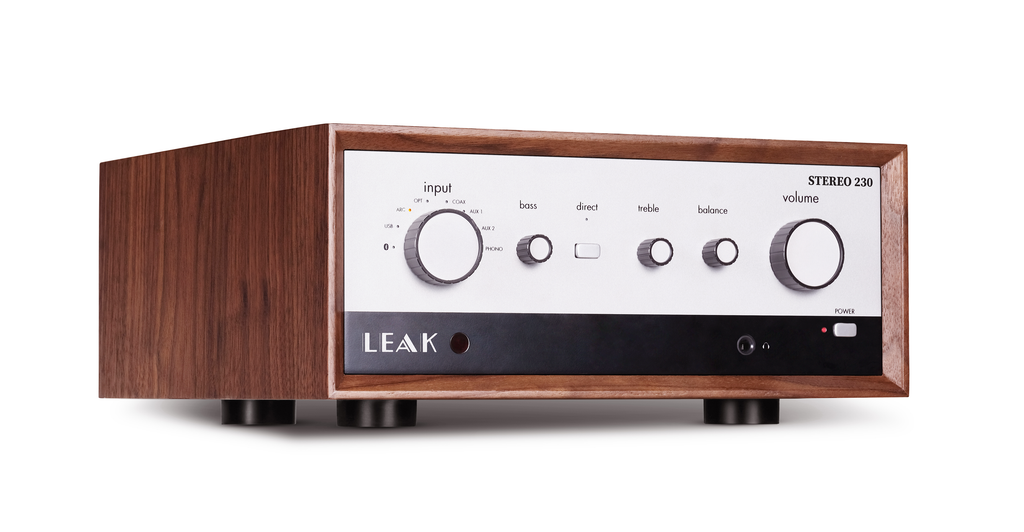
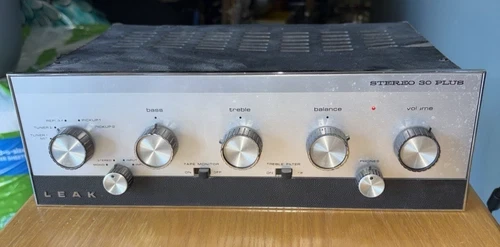
- Has a vintage look that is comparable to the original Leak Stereo 30
- Sound is warm, yet natural
- The phono input is above average in its sound quality and very quiet
- Weighs 28 pounds, which is heavy
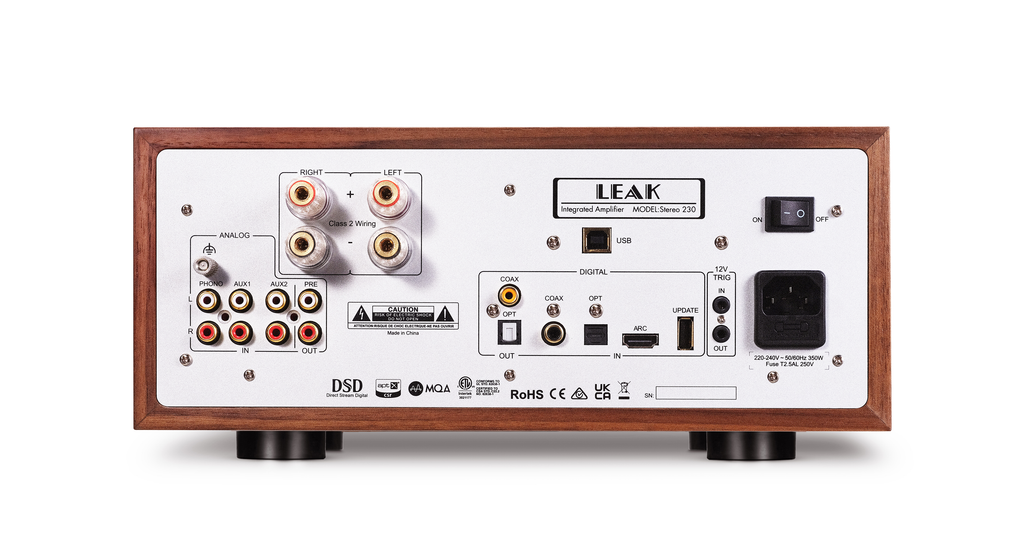
- Has all the features one could want in a modern integrated amplifier, HDMI ARC, digital coax, and optical inputs, as well as two RCA inputs, and a moving magnet phono stage on the analog side
Product Considerations
- Switching between inputs can be a little slow
- The remote control felt cheap and physically oversized, as it's made of plastic
- Some may not want a retro look
Comparisons (according to reviewers)
- Vs Musical Fidelity A1, the Leak Stereo 230 is a more neutral sounding design
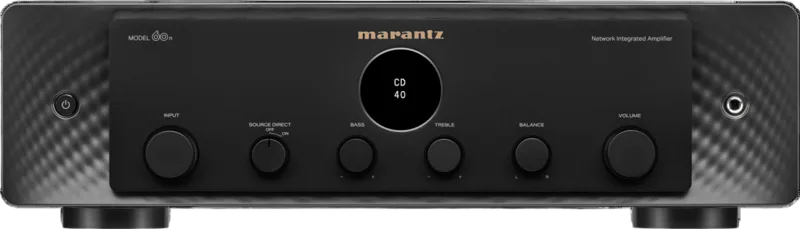
- Vs Marantz Cinema 70S, the Stereo 230 had a deeper, bigger bass, and the mids were more clear and coherent
- Vs Emotiva/Schiit separates, the Leak 230 sounded more powerful in that it had more weight to the sound, more oomph—more drive to it
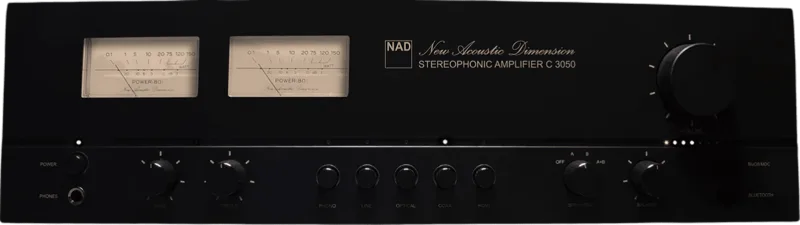
- Vs NAD C 3050, the NAD is larger and uses Class D power, and has a different, more neutral sound
Takeaway: The Leak Stereo 230 is a retro-styled integrated amplifier that offers a good blend of vintage aesthetics and modern features with a warm sound. It's a good option for those seeking a well-rounded amplifier with a classic look.
Written reviews0
Awards0

Integrated, power, and headphone amplifiers compared by power, design class (A, AB, D, or tube), and the features that matter for a given pair of speakers.
Buying tips that apply to the Stereo 230
- Size power to the speakers and room. Each 3 dB of speaker sensitivity halves the power needed, so check sensitivity before watts. A desk setup needs 20–30 W; less sensitive speakers in a large room may need 100 W or more.
- Below about $2,000, integrated amps usually give better value than separates, because the money goes into one chassis and power supply instead of two.
- Used amps from established brands such as Bryston, Pass Labs, and Parasound hold up well and are often good value.
- Check power into 4 ohms as well as 8. An amp that nearly doubles its output into 4 ohms has a strong power supply and will handle difficult speakers.
- Look for continuous power across the full 20 Hz–20 kHz band. Peak figures or power at a single frequency make an amp look stronger than it is.
- A signal-to-noise ratio above 100 dB keeps background hiss inaudible, which matters most with sensitive speakers.
- Low-impedance speakers such as Magnepans need an amp that's stable into 4 ohms or lower, so check the spec before buying.
- Good amps differ more in how they handle dynamics and high volume than in frequency response, so audition them at normal listening levels.
Stereo 230 photos
Features and specs
Specs
- D/A Converter: ES9038Q2M 32-bit DAC
- Input Sampling Rates: Optical/Coaxial: 44.1kHz~192kHz PC USB: 44.1kHz-768kHz (PCM) / DSD64, DSD128, DSD256, DSD512
- FTC Power Output Rating (RMS): 2 x 75W (8ohm) / 2 x 115W (4ohm)
- Total Harmonic Distortion: <0.003% (1kHz @30W/8ohm)
- Frequency Response: 20Hz-20kHz (+/-0.3dB)
- Input Sensitivity: 480mV (RCA AUX IN); 4.1mV (phono MM)
- Input Impedance: 10Kohm (AUX) ; 47Kohm //100pF (phono MM)
- Signal to Noise Ratio: ≥109dB (A-weighted, ref.45W)
- Bluetooth: A2DP, aptX (priority), SBC
- USB Input: 1 x USB (B-type)
- Digital Audio Inputs: 2 x Optical TOSlink ,1 x RCA COAX
- Digital Audio Outputs: 1 x Optical TOSlink ,1 x RCA COAX
- Analog Inputs: 2 x RCA (AUX1, AUX2) ,1 x RCA (phono MM)
- Analog Output: 1 x RCA (PRE OUT)
- Power Requirement: 100-120V ~ 50/60Hz
- Dimensions (W x H x D): 12.83" x 5.74" x 16.2"
- Weight: 28 lbs
- Shipping Dimensions (W x H x D): 20.2" x 8.2" x 16.8"
- Shipping Weight: 33.5 lbs
Manufacturer's description
Product release timeline


All used LEAK
Where to buy the Stereo 230128 dealers
About LEAK
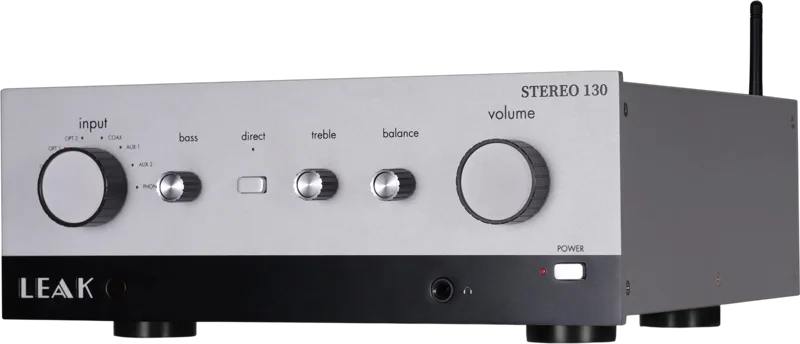
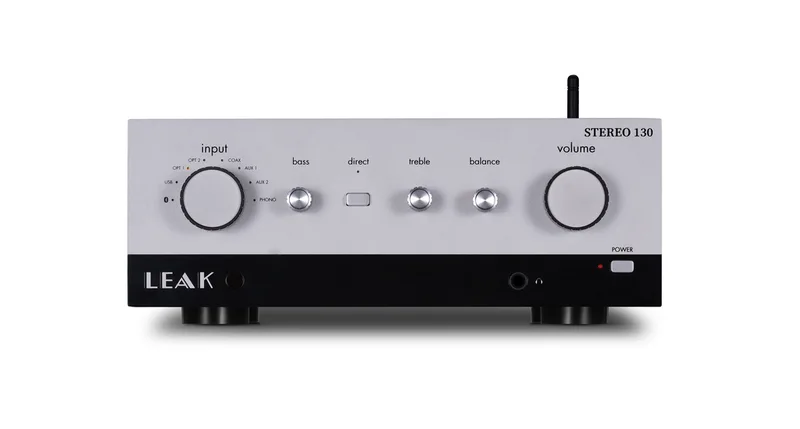
Leak is a British hifi brand, founded in 1934 by Harold Joseph Leak. Its TL/12 tube amplifier became a BBC standard in 1951, and its 1961 Sandwich speaker used a diaphragm of expanded polystyrene between two aluminum skins. The brand returned in 2020 with modern electronics in classic Leak styling, in walnut or silver. The Stereo 130 has a JFET phono stage for moving magnet cartridges, a dedicated headphone amplifier and an ESS Sabre DAC, which makes it a complete compact system. The matching CDT CD Transport also plays files from USB.
Brand highlights
- Leak's commitment to vintage aesthetics and designs is a central element of the brand, influencing the visual appearance of their products to evoke a sense of nostalgia.
- They incorporate modern technology, such as high-resolution DACs and Bluetooth connectivity, into their retro-styled products, blending classic design with contemporary functionality.
- The brand offers components, like CD transports, designed specifically to visually match and complement their integrated amplifiers, creating a cohesive system aesthetic.