

Welcome
Your headphone amp's output stage isn't just another component—it's the heart that gives your music its character, whether through Class A's silky smoothness, Class AB's time-tested performance, or tubes' three-dimensional magic.
Each design leaves its fingerprint on everything you hear, fundamentally shaping how your music comes alive.
Getting the most from your amp comes down to one crucial factor: matching its power and impedance to your headphones' specific needs. This becomes even more critical with demanding headphones like high-impedance or planar magnetic models, where a proper amp can reveal hidden details, unleash dynamic swings, and create a vastly wider soundstage than a low-end built-in amp could.
What to look for when choosing an amp


So you want to buy a new amplifier, but you are not sure what you should pay attention to. At ExtremeHiFi, we have the world's largest database for audio products. Here is a brief overview of the most important functions and design aspects that distinguish amplifiers and that you should pay attention to.
The first and most important aspect of an amplifier is how much power it has. Can it actually drive your speakers? The easiest way to check this is to look at what the manufacturer recommends for your speakers. At ExtremeHiFi, you can see the recommended performance in the specifications section and ask your manufacturer if they don't provide this information.
Certain types of speakers, such as horns, are often much more sensitive and in many cases require only a little wattage to become extraordinarily loud. Therefore, you shouldn't buy a 100W per channel amplifier for sensitive horns, as you won't use most of the dynamic range of the amplifier. You'll achieve better results with a lower-powered amplifier. However, if you have something like Focal Grande Utopias that require a few hundred watts, you should make sure that you buy an amplifier with sufficient power to drive the speakers properly, without being too quiet or distorted from overexertion.
In the upper market segment, many people prefer monoblock amplifiers. These amplifiers only have one channel, so you have to buy two of them. This can have some advantages in terms of quality. They take up more space and probably cost more than a corresponding stereo amplifier. However, since the amplifiers are spatially distant from each other, there is no possibility of electrical interference or so-called crosstalk between the two channels. In addition, they have their own power supply. So if one channel is heavily tasked, the other is not affected in any way. They have their own heat dissipation, and with monoblock amplifiers, you can generally achieve a slightly higher performance limit than with a stereo amplifier.
When deciding which amplifier to buy, there is a third criterion that can have a drastic influence on the sound that you actually get and on some compromises that you have to make. This is the class of the amplifier, where the three most common options are Class A, Class AB, and Class D.
Class A amplifiers have the reputation among audio experts to offer the best sound quality. This is mainly because Class A amplifiers are the purest form of audio amplification. They have a single or a group of transistors that amplify the entire cycle of the audio signal—completely positive and negative. This means that the behavior at different levels is extremely consistent, and many people think that Class A amplifiers sound best.
But that's a trend, not a rule. There are many terrible Class A amplifiers, but also many fantastic Class AB and Class D amplifiers.
In fact, most people do not use Class A amplifiers because the compromises that you have to make are quite large. They generate a huge amount of heat. If you need a stereo amplifier with 100W per channel, a Class A amplifier could permanently draw 800W from the socket, even at idle, and release this power as heat into your room. Especially if you have high power demands for your speakers, a Class A amplifier may simply not be practical.
Class AB amplifiers work similarly to Class A amplifiers. Instead of a single group of transistors that amplify the entire positive and negative cycle, they have one group that amplifies the positive cycle, another group that amplifies the negative cycle, and the summed output signal is the intended audio signal. This has the advantage that they are much more efficient. At idle, they don't consume as much energy as a Class A amplifier. They run much cooler, and you can often get much more power from a physically smaller device because you don't have to dissipate so much heat.
However, this also means that the distortion behavior of Class AB amplifiers in relation to the output level can be slightly different from that of Class A amplifiers. Nowadays, however, the quality difference between Class A and Class AB amplifiers has diminished significantly compared to earlier times, possibly even no longer existing. There are some fantastic Class AB amplifiers on the market.
So if you have very sensitive speakers, it can still be worthwhile to look at Class A amplifiers, as it is much easier to get a Class A amplifier with 20W per channel than one with 100 or 200W.
However, if you have power-hungry speakers, don't think that you have to sacrifice a lot when buying a Class AB amplifier, as some of the Class AB products on the market are really extraordinary.
Now, there is a third category of amplifiers that is becoming more and more popular, the so-called Class D. These amplifiers work completely differently than Class A and Class AB. Instead of amplifying the signal one-to-one, they actually turn it into a series of extremely high-frequency pulses. If you then use a low-pass filter that filters out the high-frequency components, the originally intended signal is reproduced.
Class D is particularly suitable for requirements with very high power and a small form factor. It is often found in subwoofers, in car radios, or in places where you need a lot of power in a small housing. This is because Class D is the most efficient amplifier type, often over 90 percent efficient. This means that they consume almost no more electricity than they actually output. They emit almost no heat.
Another important aspect to consider in addition to the amplifier class is whether you want a transistor or a tube amplifier. Tube amplifiers are usually Class A amplifiers but use tubes instead of transistors and are objectively less accurate than most transistor amplifiers. They have higher distortion and color the sound more than a typical transistor amplifier. But the reason why so many of them are still produced and why they are still so popular is that some of these distortions and colorations provide a really pleasant end result that many people prefer over a more neutral, linear, or accurate sound. So if you prefer a warmer, slightly colored, but more pleasant sound, a tube amplifier could be something for you.
Regardless of how powerful your required amplifier should be or which amplifier class you prefer, you should consider whether you need a power amplifier or an integrated amplifier. Power amplifiers are extremely common in audio technology and do not have their own volume control. They are called power amplifiers because they provide a fixed gain. They take an input signal that is amplified by a fixed amount, and that's all. For this reason, when buying power amplifiers, you should make sure that either your DAC has an integrated volume control that you can use, or that you use a separate preamplifier for the volume control.
Power amplifiers don't omit volume controls for cost reasons, but because for quality reasons you don't want to have the sensitive line-level circuit as close to a large, powerful amplifier as possible. For higher-quality setups, instead of an amplifier with an integrated volume control (which is referred to as an integrated amplifier), you usually use a separate power amplifier and then a preamplifier or a DAC with an integrated volume control, rather than having all the sensitive circuitry in the same device as the amplifier itself.
However, if you have limited space, you can look for an integrated amplifier, which combines the functions of the power amplifier and the preamplifier and often includes both the input circuit and the volume control. Sometimes the DAC itself is also housed in the same device.
There are so many different amplifiers on the market, which are all suitable for different tastes and preferences. The best way to find out what is actually suitable for your personal preferences is to read the reviews and see what people say about them. With ExtremeHiFi, this is very easy thanks to our rating system. You can go to each product page and take a quick look. This gives you an overview of what people think about it and which competing products you should pay attention to.
Products on this list




.svg)
What reviewers think
Product Strengths
- World-class audiophile component with numerous features and a high degree of engineering excellence
- Stellar build quality and very advanced processing
- True dual-mono design, input to output, with a machined-aluminum case and internally isolated compartments
- PCM and DSD are both decoded
- Bass response sounded better than ever, with very detailed low frequencies
Product Considerations
- There are no options for up-sampling
- Two standard AC power cords are needed because of the dual-mono design
- Lateral side-to-side imaging was not as wide as desired
- Leans slightly on the side of accuracy instead of having a warm, lush sonic signature
Comparisons (according to reviewers)
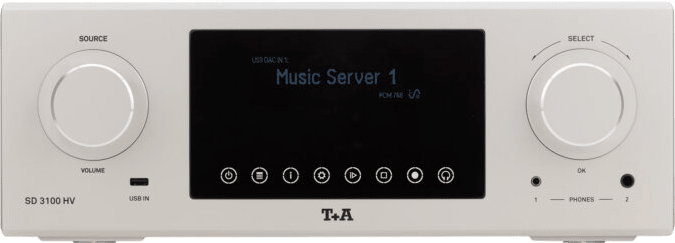
- Vs PS Audio Direct Stream DAC II—the SD was superior in every way
- Vs Meitner MA3 DAC—the MA3 had a softer, more rounded presentation, while the SD had a more detailed presentation and larger-scale dynamics
- Vs Bricasti M21 Platinum Edition—the SD had a more detailed presentation and slightly larger-scale dynamics, while the M21 had a slight edge in overall tonality and wider side-to-side imaging
Takeaway: The T+A SD 3100 HV DAC has great features and is engineered to high standards, making digital music sound superb. This is a high-end DAC that is worth checking out.
Video review
About the brand

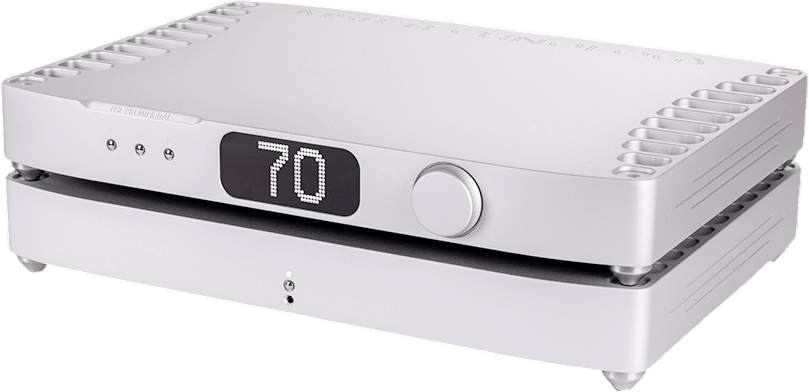

What reviewers think
Product Strengths
- Another layer of resolution and openness compared to the Discrete
- Natural sound
- Flexible due to modular design
- Connectivity options
Product Considerations
- Expensive
- Some reviewers found the remote control non-intuitive to use
Comparisons (according to reviewers)
- Compared to the MSB Discrete DAC, the Premier provides another layer of resolution and openness—giving that other 90th percentile of detail and extreme resolution
- Silence is not more silent than the Discrete; it produces a 'black' background from which music emerges, just like the Discrete
- The Premier was that much more engaging to listen to than the Discrete
- Compared to the Aries Cerat Kassandra II Reference DAC, the Premier's bass performance lacks the propulsive bass drive of the tube-based Aries Cerat
- Compared to the aqua acoustic quality Formula xHD DAC, the Premier lacks the rendering of pitch and note-to-note pitch relationships in the bass of the Aqua
- The Premier is more neutral than the Aries Cerat and the Aqua
Takeaway: The MSB Premier is a modular DAC that gives the user flexibility in terms of digital audio needs. It supports new formats and configurations to simply upgrade with a simple input change for better musical enjoyment through modules.
Video review
About the brand
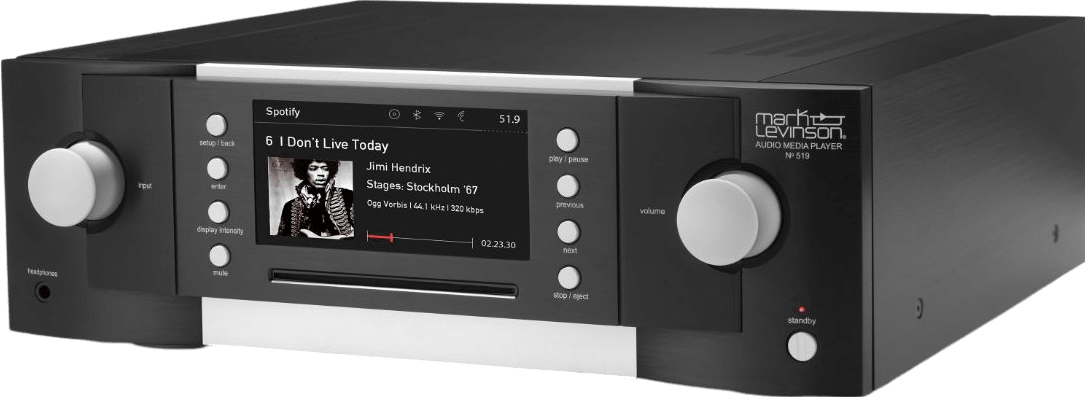

What reviewers think
Product Strengths
- Delivers a plethora of features without much compromise, making it an outstanding performer in almost every way
- Sounds spectacular, with digital processing performing at a level expected from a high-end DAC
- The fit and finish is impeccable
- Has impressive soundstaging capabilities, with a clean and luminous presentation
- Can play a deep bass note
Product Considerations
- The iPad application is a bit quirky and slow at times, especially when searching for music
- The menu navigation on the app could be more thoughtfully designed and is due for a major firmware update
- The CD slot drive operation is far from smooth and noise-free
- The unit isn't really plug-and-play, needing to be set up by a dealer, at least originally
- Although the DAC supports DSD, the transport does not support SACDs
Comparisons (according to reviewers)
- Vs Accuphase DP-720: The Mark Levinson № 519 was more on the dry side, like top studio gear, with massive amounts of effortlessness and unforced resolution, while the Accuphase provided a hint of ripe fruitiness and analog seduction
Takeaway: The Mark Levinson № 519 is a high-end digital player that provides a complete, modern digital audio experience for enjoying music from various digital sources. It is built to last and delivers excellent sound quality, making it a great addition to any high-end audio system.
Video review
About the brand
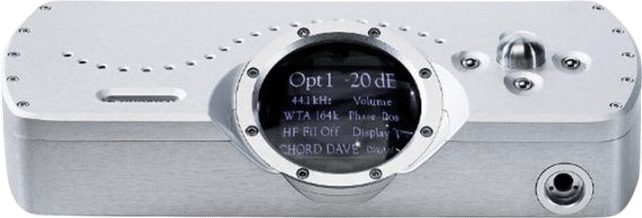

What reviewers think
Product Strengths
- Top tier DAC is custom made.
- Detail, texture, dynamics, realism, and excitement are delivered, along with a mind-altering 3-dimensionality and body to every note.
- 'Tank-proof' build quality.
Product Considerations
- Design is odd, and not universally liked, and the square display can detract from the round display.
- May sound slightly lean in some brighter, or even dead neutral, systems.
- Ports remain unused.
Comparisons (according to reviewers)
- Vs Denafrips Pontus II: Excelled in details, body, impact, dynamics, 3 dimensionality, soundstage, imaging and clarity.
- Vs dCS Bartok: Provides more inner beauty, transparency, and PRAT.
- Vs Denafrips Terminator II: Is doing things in system that the Terminator is not doing.
Takeaway: The Chord DAVE is a world-class DAC that brings details, body, and air to a system's sound, creating a mesmerizing and realistic listening experience. It stands as a statement piece in audio technology.
Video review
About the brand


What reviewers think
Product Strengths
- Exceptional transparency, detail, and purity put performances on full auditory display
- The soundstage is vast, holographic, and immersive, creating a 'you-are-there' experience
- Tone/timbre and texture are natural, beautifully realized, and engaging
- Astounding dynamics, with swift transients and impressive contrasts
- The design is sculptural art masquerading as a superb headphone Amp/DAC
- Absence of unbalanced (RCA) outputs may require XLR-to-RCA adapters for some setups
Product Considerations
- The digital volume control might not be ideal for all systems, and can result in a less engaging sound compared to using an analog preamplifier
- Some found the pairing dry, so a Makua preamp was added
- As a standalone front end, it might not be ideal, but is great when an analog preamp is in the chain
Comparisons (according to reviewers)
- Tambaqui is just as resolving as the Bartók, but a bit more forgiving, while the dCS is bigger, pushing out soundstages deeper and wider
- On piano recordings, Tambaqui sounded true in the same manner as the HoloAudio May in OS mode, but with more dynamics and tonal brilliance, tighter, quicker bass, and denser images
- Soundstages were consistently deeper and wider than those projected by the DAC in the Hegel H590
- The Aqua Formula xHD is slightly leaner and also a little brighter than the Tambaqui
- It delivers every crunching guitar and bassdrum wallop on a massive stage, with scorching energy
Takeaway: The Mola Mola Tambaqui is a top-tier DAC known for its exceptional clarity, detail, and immersive soundstage, bringing recordings to life. It's a beautifully designed piece of equipment that can elevate any high-end audio system.
Video review
About the brand


What reviewers think
Product Strengths
- Delivers a balance of detail and warmth, with a natural and organic sound quality
- Offers a wide array of digital inputs, including AES/EBU, S/PDIF, optical, USB, and Ethernet, making it a versatile digital hub
- The USB2 board upgrade significantly improves sound quality, with a richer tone, larger soundstage, and reduced noise floor
- Can function as a preamplifier due to its volume control, and includes headphone jacks for balanced and unbalanced operation
- When using the USB2 board and latest firmware, the Ayre MP filter can be bypassed with a 16FS input, allowing for use of external upsampling
Product Considerations
- The QX-5 Twenty runs hot and requires good ventilation
- Some reviewers note that the measured performance of the DAC is not superb, citing non-linear distortions and filter issues
- High frequency reduction with the Music filter can result in loss of reverberation and a reduced sense of recording space
Comparisons (according to reviewers)
- Vs PS Audio PerfectWave DirectStream Junior: Both were detailed and nuanced with similar soundstages, with slightly more air around vocals through the QX-5
- Vs Bryston BDA-2: The QX-5 sounds warmer and provides greater airiness, with a bigger soundstage
Takeaway: The Ayre QX-5 Twenty is a versatile digital hub with excellent sound quality, especially after the USB2 upgrade, making it a great centerpiece for a high-end hifi system. With its detailed and warm sound, it can reinvigorate the listening experience.
Video review
About the brand
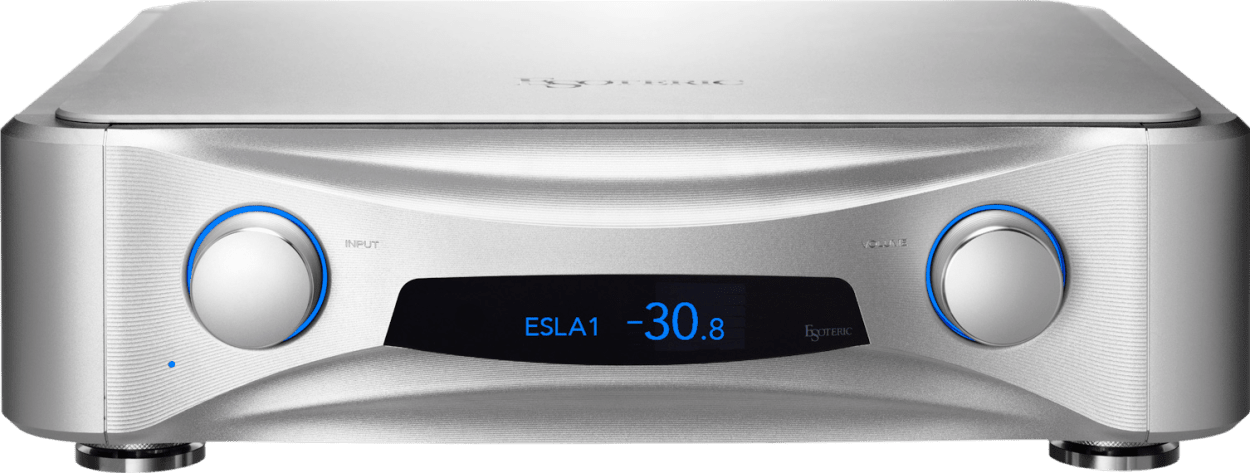

What reviewers think
Product Strengths
- Delivers a satisfying, wonderful, natural, and magical sound
- A versatile product that functions as a network streamer, preamplifier, DAC, and headphone amplifier
- Reproduces music with dynamics and energy and delivers resolution and clarity and a big soundstage
- Easy to use, and intuitive enough for inexperienced users, but still refined enough for experienced users
- High-quality build and finish and neat, elegant, and sexy design
- Connectivity options
Product Considerations
- The 'Japanese sound' has been deemed as thin-sounding, sharp, missing physique and bass shy, though this stereotype has been revised
- May require additional investment in a master clock for enhanced temporal and spatial accuracy
Takeaway: The ESOTERIC N-05XD is a versatile and high-performing unit that combines streaming, preamplification, DAC, and headphone amplification into one elegant device. It is a great choice for anyone wanting an all-in-one high-end audio solution.
Video review
About the brand

What reviewers think
Product Strengths
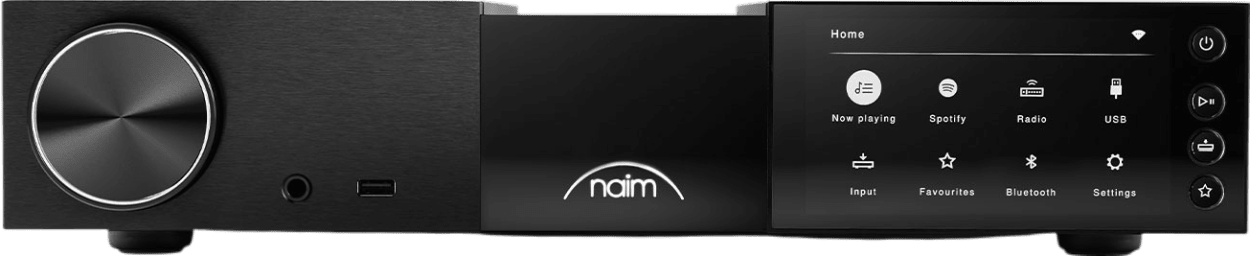
- Naim's streaming platform is built in, giving listeners access to popular services like Spotify, Tidal, and Qobuz, while allowing them to see the metadata and cover art on the NSC's large color screen
- Versatile, supporting numerous streaming services, pre-programmed internet radio stations, is Rune-ready, and supports Airplay 2 Bluetooth with aptX, Chromecast, and more
- Both analog and digital input options are available, including a very high-quality moving magnet phono preamp and a headphone jack and amplifier
- Exceptional build quality, constructed from thick aluminum plates that have a subtle brush texture
- The new Naim Focal App is a huge improvement and very stable, and the remote is also excellent, lighting up when picked up
Product Considerations
- Lacks an HDMI port
- Audible hiss was exhibited from both the KEF and Klipsch tweeters from distances up to 4 feet
- The feel of the volume dial disappoints
- There is no USB Type B input
Takeaway: The NSC 222 is a versatile streaming preamplifier packed with useful features. It's designed for those wanting quality separates without a lot of clutter and offers high-quality sound, making it a worthwhile consideration for audiophiles.
Video review
About the brand

What reviewers think
Product Strengths
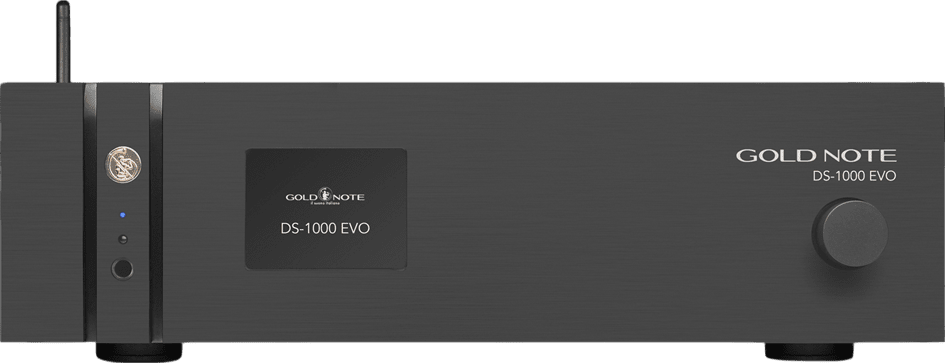
- High-resolution streaming DAC with comprehensive capabilities, including Airplay, Tidal, Spotify, Qobuz, vTuner, and Deezer playback
- Excellent detail retrieval and soundstage depth
- High-quality built-in digital-to-analogue converter employs two AKM AK4493 dual-mono converter chips
- Beautifully assembled and solid build quality
- Comprehensive connectivity options including USB-B, USB-A, RCA, AES/EBU, dual Optical, dual-band Wi-Fi, and LAN
Product Considerations
- The color display can be inconsistent in displaying the artwork
- A firmware update may be required to address the artwork display issue
- Substantial size requires adequate rack space
- 30W power consumption might be considered high for some users
Takeaway: The DS-1000 EVO is a streaming DAC and digital audio hub that is simple to set up and use, offering a combination of convenience and high-end audio performance. With its detailed sound and comprehensive features, it could be a valuable addition to a sophisticated audio system.
Video review
About the brand
What reviewers think
Product Strengths
- Exceptional sound quality is achieved with precise and accurate reproduction, enhanced clarity and depth
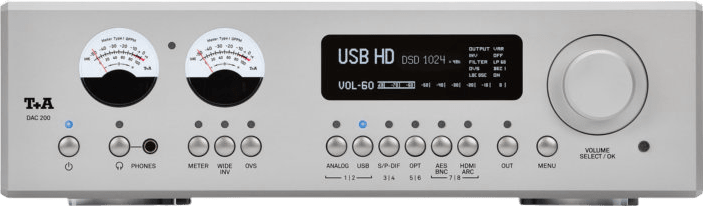
- Versatile input options include S/PDIF, TOSLink, AES/EBU, BNC, USB, and optional HDMI, offering compatibility with various digital devices
- Excellent build quality is exhibited in its solid, retro-German appearance with high-quality materials
- Separate PCM and DSD processing use path separation technology with independent converters optimized for each media type
- Effective de-jittering employs T+A's De-Jitter Masterclock to minimize timing errors from connected digital components
Product Considerations
- A network audio input is absent, limiting standalone use without the MP200 music player
- Limited analog connectivity means the desired balanced analog input could enhance the preamplifier section's capabilities
- Remote control is reported to be far from intuitive, despite its solid build
- Output voltage in fixed mode may be lower than expected, requiring the use of the variable output setting
Comparisons (according to reviewers)
- Compared to iFi Pro iDSD, the DAC 200 outperforms as a reference
- Compared to Linn Organik series DACs and MSB Premier DAC, the lush playback recalls more expensive options
Takeaway: The T+A DAC 200 is a versatile and high-performing DAC with many inputs that delivers great sound quality. Its robust build quality and comprehensive features make it a great choice for audiophiles seeking a top-tier digital-to-analog converter.
Video review
About the brand
What reviewers think
Video review
About the brand

What reviewers think
Product Strengths
- Little if any sonic coloration, offering a 'clean' sound
- Works great with various amplifier pairings
- Quality-built solid state preamplifier
- Simple to setup and use
- Plenty of voltage to drive most any amplifier
Product Considerations
- High gain seemed to limit the amount of volume control on some amplifiers, dependent on speaker efficiency and amplifier slew rate
- Front to back imagining wasn't the best heard
Comparisons (according to reviewers)
- Vs Schiit Ragnarok 2 linestage output: Didn't have that hint of tubes goodness, but was quieter, imaged just as well right to left, gave up just a pinch of front to back depth to the DarkVoice
- Vs McIntosh C49: There's some similarities in the character of these preamps, both are no nonsense sonically, have a quality that seems to let the other equipment take the sonic forefront
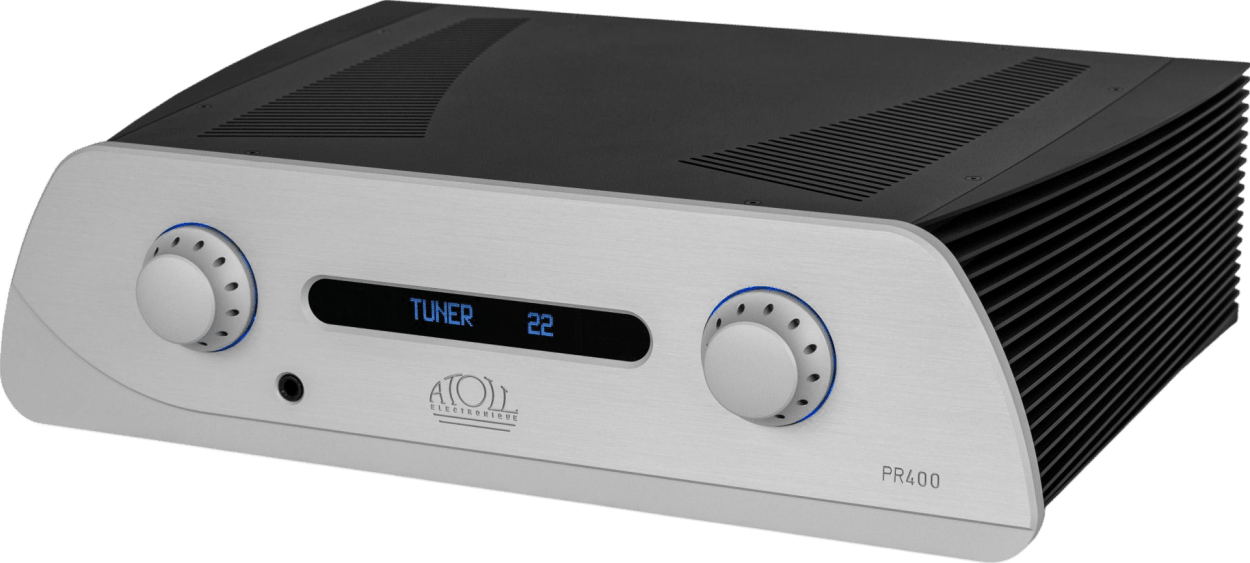
Takeaway: The Atoll Gamme PR400 Signature preamplifier is a highly recommended product that provides a clean and neutral sound, allowing the music and other components in the system to shine. It is worth a listen for audiophiles seeking a high-quality linestage.
Video review
About the brand


What reviewers think
Product Strengths
- Modularity allows users to customize and upgrade capabilities over time, making it a future-proof design
- Linn's 'Space Optimisation' room correction technology effectively manages undesirable room acoustics, resulting in a more natural and engaging presentation
- Excellent clarity, detail, and control allow for a fast, direct, and punchy presentation of music
- The 'Edition Hub' features a luxurious design with high-quality materials, improved isolation, and enhanced aesthetics
- A wide range of connectivity options, including digital, analog, and streaming inputs, makes it a versatile core for any music system
Product Considerations
- The analogue inputs—particularly the phono stage and line-level input—may not be as transparent or exhibit the same vigor as the digital sections
- The remote control is considered unremarkable compared to the quality of the unit itself
- While Space Optimisation is effective, some reviewers wish it was automated and microphone-based rather than manual
- Some versions lack features like Bluetooth and Wi-Fi
Comparisons (according to reviewers)
- Vs Naim Uniti Nova: The Selekt DSM has a drier sound and a more satisfying bass, and differences are substantial with the Katalyst DAC in place
Takeaway: The Linn Selekt DSM offers a highly configurable and upgradable streaming experience, making it a versatile core for any high-end music system. Its excellent clarity and unique room optimization make listening more enjoyable in any room.
Video review
About the brand
.png)
What reviewers think
Video review
About the brand

What reviewers think
Product Strengths
- A versatile 'one-stop solution' for preamp, streaming, and digital-to-analog conversion needs
- A precise, clear, detailed and dynamic sound, conveying inner subtleties of complex musical arrangements
- Features the Tesla G3 platform, with faster processing, reduced jitter and galvanic isolation to minimize electrical noise
- High-quality build with a sleek design and a high-resolution display
- Supports various streaming platforms like Spotify, Amazon Music, AirPlay2, TIDAL, Qobuz and Roon
Product Considerations
- The Lightning DS app may have some quirks and be less intuitive in design, requiring extra steps for navigation
- The Altair G2.2 does not work with Android devices directly, requiring the use of alternative apps
- Adjusting filters via the app pauses playback briefly
- The app design could be more intuitive
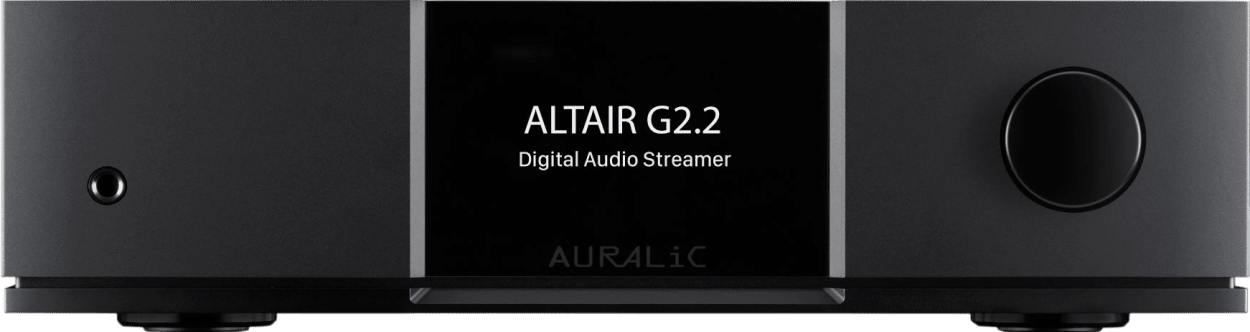
Takeaway: The AURALiC Altair G2.2 is a feature-rich streaming DAC preamp that delivers a compelling and highly capable sound. With its advanced technology and versatile functionality, it's an excellent choice for upgrading a digital audio setup.
Video review
About the brand
What reviewers think
Product Strengths
- Excellent sound quality with detail and an expansive soundstage
- Functions as a preamplifier with both digital and analogue inputs and analogue volume control
- Features Direct Data Recording (DDR) technology using a memory buffer to reclock audio data
- Has a dual-chassis design with copper shielding for electrical isolation
- Gains greater clarity and clout with everything from driving rock to complex classical music
Product Considerations
- The AURALiC control app (Lightning DS) is only compatible with Apple iOS devices and not Android
- Has only one analogue input, which might be limiting for some users
Comparisons (according to reviewers)
- Vega G2.2 preferred to a DAC that cost 5x more
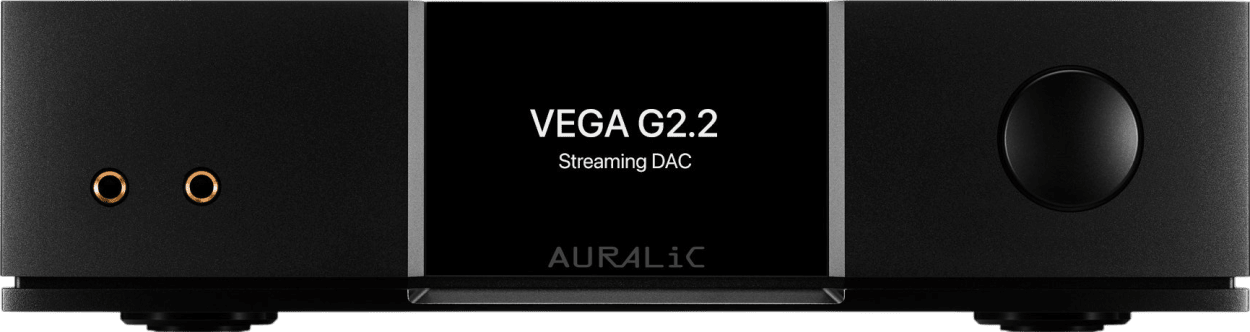
Takeaway: The Vega G2.2 is a great streaming DAC and preamplifier that is easy to use. It can be slotted into a system to immediately bring more clarity, soundstage, and depth to music.
Video review
About the brand
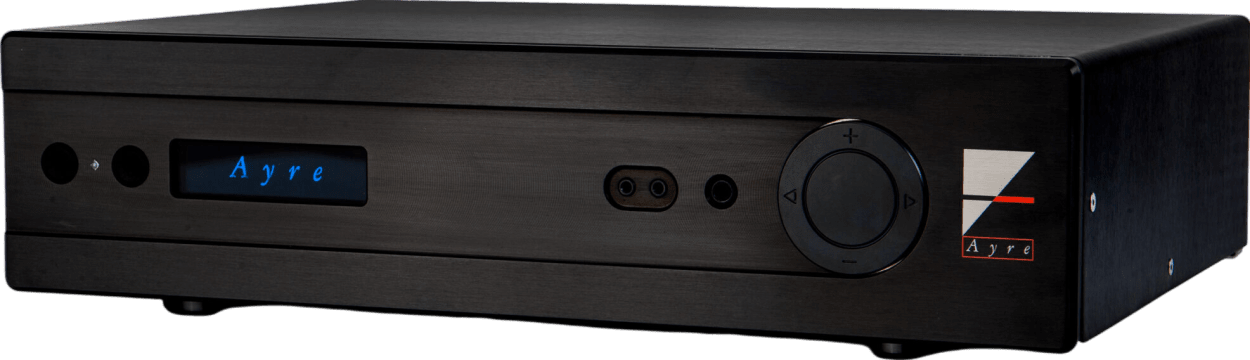
What reviewers think
Product Strengths
- The QX-8 delivers a sound signature that is dynamic, non-fatiguing, and smooth, while providing ample resolution and a large soundstage
- It delivers the 'Ayre Acoustics Sound'—extremely neutral, dynamic with very well-controlled bass, and an overall lack of hardness
- Refined tonality and is tonally accurate in its overall presentation
- The QX-8 is Roon Ready, simplifying installation and performance for users with a Roon server
- Features a modular design, allowing users to select and pay only for the input options they need (USB, Ethernet), and upgrade later if desired
Product Considerations
- If warmth or midbass fullness is desired, one might be disappointed by the QX-8
- A substantial burn-in period (100-500 hours) is required to reach its best sound quality
- The single transformer in the QX-8 may limit dynamics compared to DACs with more robust power supplies or external power supply options
Comparisons (according to reviewers)
- Vs Ayre Codex: The QX-8 sounds similar, but better—more dynamic and expansive, while retaining the Codex's tonality
- Vs Mytek Brooklyn DAC+ and Uptone JS-2 PSU: The QX-8 had a bigger and deeper soundstage, and individual instruments were easier to distinguish
- Vs Schiit Yggdrasil: The QX-8 had better texture and resolution on percussion, more coherent soundstage, smoother tone, and matched the Yggdrasil's dynamics
- Vs Ayre QX-5 Twenty: The QX-5 Twenty provides better dynamics, bass, resolution, and refinement
Takeaway: The QX-8 is a high-end DAC that offers a refined and neutral sound with impressive resolution and soundstage, making it a serious contender in the high-end DAC market. It is a great choice for those seeking exceptional tonal neutrality and an engaging musical experience.
Video review
About the brand
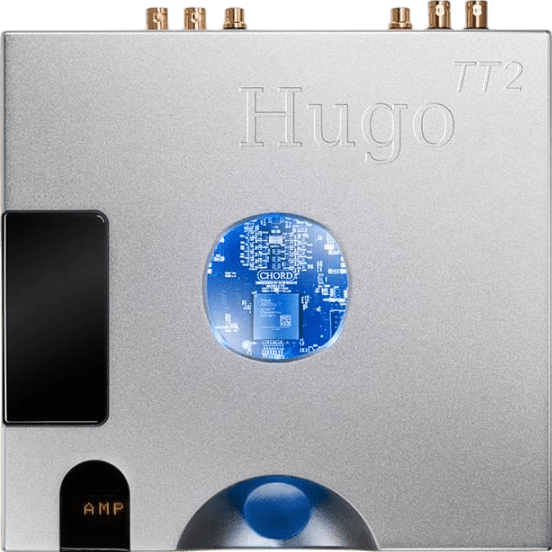
What reviewers think
Product Strengths
- Excellent build quality with a solid aluminum casing
- Functions as a versatile device that can be used as a DAC, preamplifier, and headphone amplifier
- Produces a highly detailed, clear, and balanced sound
- Powerful amplification stage capable of driving a wide range of headphones
- Can be upgraded with the Hugo M Scaler for improved performance
Product Considerations
- Ergonomics can be frustrating due to the scrolling menu system
- The display turns off too quickly, which can be annoying to some
- The crossfeed function may not be very effective for high-end headphones
- No balanced headphone output on the front of the unit
- Use of third-party power supplies will invalidate the warranty
Comparisons (according to reviewers)
- Vs original Hugo TT—The Hugo TT2 offers significant performance improvements with better resolution, clarity, focus, and power
- Vs Chord DAVE—The Hugo TT2 doesn't have the same level of focus and precision as the DAVE, which is the king of micro detail with a more transparent and nuanced presentation, and is a bit less bright
- Vs iFi iDSD Black Label/Marantz amplifier combo—The Hugo TT2 offers superior clarity, detail, and texture
Takeaway: The Chord Hugo TT2 is a versatile and powerful device that can improve the listening experience whether headphones or speakers are used. It delivers detailed and balanced sound and can be upgraded further.
Video review
About the brand
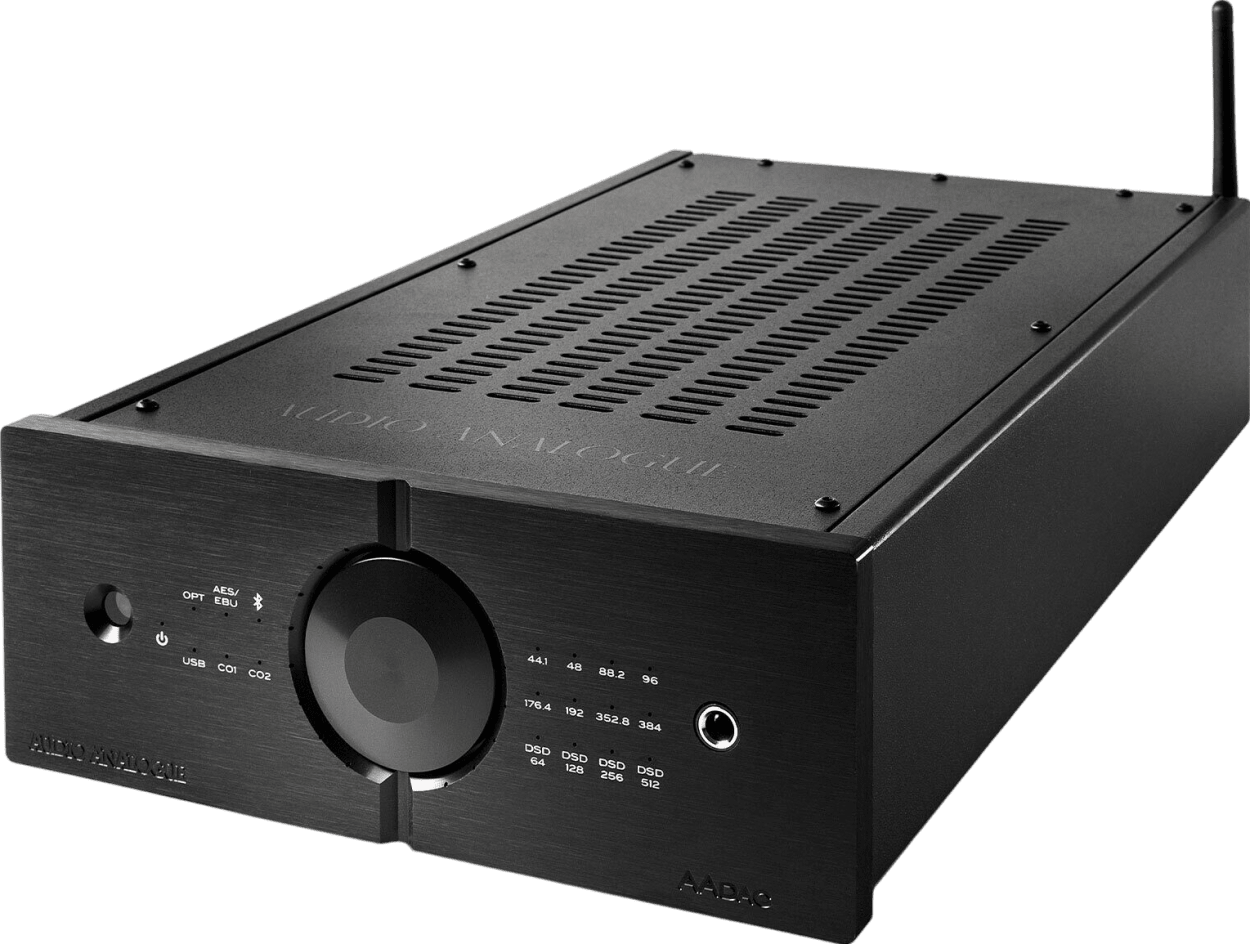

What reviewers think
Product Strengths
- Remarkable sound performance and great care for the finish, materials, and parts selection
- Features are plentiful, and it has more to offer than many other converters within its price range—it has a remote, a headphone output, the intensity of its front panel LEDs can be regulated, it has a Bluetooth receiver, one can change its channels balance, and it has seven different digital filters, and if this DAC is set to volume regulated mode it enables it to also work as a preamplifier
- Transparency to the source
- High-quality headphone output
- Flexibility and variety of functions, including the ability to select one of seven different digital filters, to set the unit to volume regulated mode to allow it to operate as a preamplifier, to change the channels' balance, and even to regulate the brightness of the LED display
- Insightful of good digital sounds and surprisingly forgiving bad ones
- Combines the required level of analog qualities and transparency, and a high level of detail is not foreign to it
Product Considerations
- Set-up process is a little fiddly
- Lacks a proper display, relying on LEDs for secondary functions, which can be clumsy
- Does not include network playback capability
- Is compact but chunky, being a long way from some other bijou products with its thick aluminum fascia in black or silver, 'split' by a styling line across which sits the single main control—straddled by banks of indicator LEDs
- The very last bit of frequency extension and slight midrange forwardness that can be heard when listening through very pricey speakers and a system to match will not be of concern to most audiophiles
Comparisons (according to reviewers)
- While a preamp of the quality of the Burmester—almost five times the price of the AAdac—still produces a better overall sound when included in the system, the Audio Analogue's preamp section will more than hold its own in more price compatible set-ups
Takeaway: The 'Pureaa' recKDq9viSnEQa3i3 offers a feature-rich digital hub with high-performance audio and a great attention to detail, able to deliver high engaging music reproduction. It provides both convenience and quality, making it a worthwhile consideration for a modern hifi setup.
Video review
About the brand

What reviewers think
Product Strengths
- Consistently excellent sonic results were offered across the board, no matter the technology used
- Installation was flawless, allowing for immediate music listening
- It can be hooked up to a laptop server and headphones for a satisfying listening experience
- Listening sessions were imbued with a sense of discovery
Product Considerations
- The casework isn't as extravagant as some other DACs
Takeaway: The CEC DA5 offers great sound and makes listening to digital music fun and easy. It is a good choice for those who want to rediscover their music collection.
Video review
About the brand

What reviewers think
Product Strengths
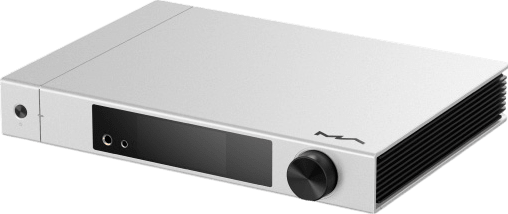
- Flagship-level DAC (ES9038 Pro) and clock (CCHD950) contribute to excellent sound quality
- Improved power output with a built-in preamp allows for driving more powerful headphones efficiently
- Enhanced streaming functionality and connectivity options
- Features a new 3.46-inch LCD touchscreen
- Minimalist design is both beautiful and functional—reducing noise and vibrations
Product Considerations
- Instructions for accessing all the features are not very clear
- Low end presence is good, but may not be ideal for bass-heavy genres without pairing with warmer headphones
- The triple XLR ports that existed on the last Element X were discontinued
- Remote does not come paired and requires manual setup
Comparisons (according to reviewers)
- The X2 has RCA aux in ports, while the Element M2 does not, and the M2 also has a downgraded DAC
- The Element i2 removes the HDMI ARC port and trigger ports
- The X2 has increased streaming functionality, added touchscreen, improved power measurements, and better IO, compared to the original Element X
Takeaway: The Matrix Audio Element X2 is a detail-rich sounding music streamer with a forward sound signature that has great build quality and improved features, especially in power and streaming. If one wants a modern all-in-one device for playing high-resolution audio, the Element X2 could be a suitable choice.
Video review
About the brand

What reviewers think
Product Strengths
- Feature-packed all-in-one device with DAC, headphone amplifier, preamp, streamer, and music player functions
- Offers a detailed, transparent, and natural sound presentation
- MA Remote app for convenient and fast control of settings
- Solid build quality
- Has many digital inputs
Product Considerations
- Headphone output may not be the most powerful or impressive, potentially benefiting from a dedicated headphone amplifier for demanding headphones
- Setting up the streaming capabilities and other inputs can be a little clunky
- It is heavy and takes up a lot of desktop space
Comparisons (according to reviewers)
- Versus Mytek Brooklyn DAC Plus, the Element X has wider soundstage
- Versus Benchmark DAC3, the Element X has wider soundstage
- Versus X-Sabre Pro, the Element X is tighter sounding and has more micro-detail
- Versus Mytek Liberty, the Element X takes it to the next level, and it refines it and just does it slightly better
- Versus Bifrost 2, the Element X sounds more accurate, true, and realistic
Takeaway: The Element X is a versatile all-in-one device that offers a clean and detailed sound, making it a great choice for those who want a single unit to handle digital audio needs for speakers and headphones. Its robust feature set and convenient app control make it a modern and user-friendly option.
Video review
About the brand

What reviewers think
Video review
About the brand
What reviewers think
Video review
About the brand
What reviewers think
Product Strengths
- Class-leading clarity and insight, a noticeable upgrade from previous models, makes the music feel like it's coming from inside the room
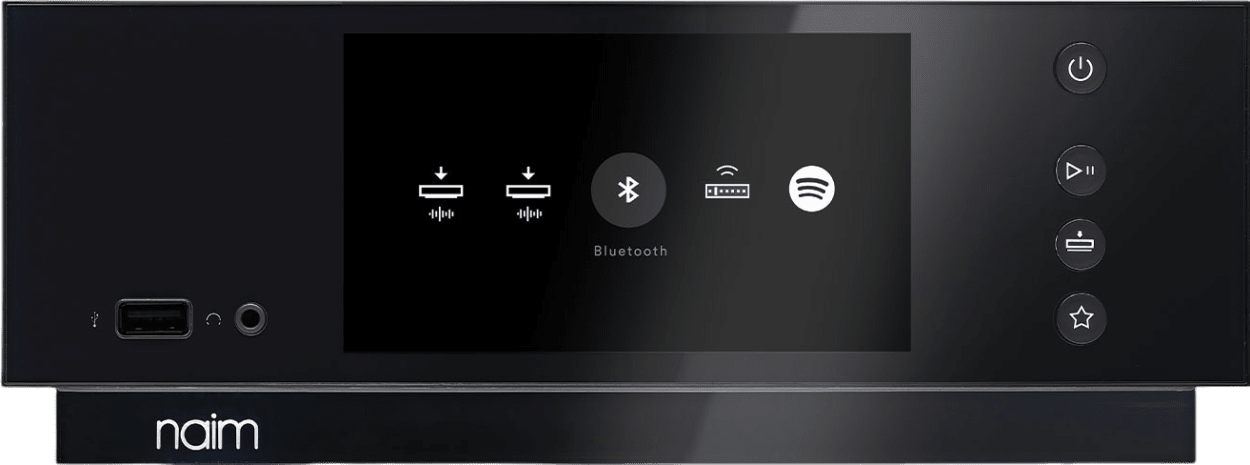
- Beautifully designed with clean lines and a responsive 5" color TFT panel
- Offers compatibility with every music source including high-res streaming, Bluetooth, and vinyl
- Well-built from sturdy, brushed and anodized aluminum, it has a satisfyingly smooth volume wheel action
- Well-designed, stable, intuitive, and simple to use app
- Non-standard speaker connectors requiring banana plugs
- Naim hangs their hats on UPnP as a method of getting networked music into their systems, which can be cryptic in their setup and less than stellar in performance
Product Considerations
- Does not come with an internal phono stage, requiring the end user to supply their own
- Felt just a tad lacking with low-end thump
Comparisons (according to reviewers)
- Atom has better clarity and insight, compared to the Naim Uniti Qute 2
- Musical delivery is a double shot espresso to the Peachtree nova300's long black or the AURALiC Polaris' ristretto
- The difference between the Atom's DAC and the Chord Qutest was only modest when played over the Falcon's
Takeaway: The Naim Uniti Atom is a beautifully designed, versatile all-in-one system that provides a wealth of connectivity options and high-quality audio. It simplifies the audio experience, making it a great centerpiece for a modern music system.
Video review
About the brand
What reviewers think
Product Strengths
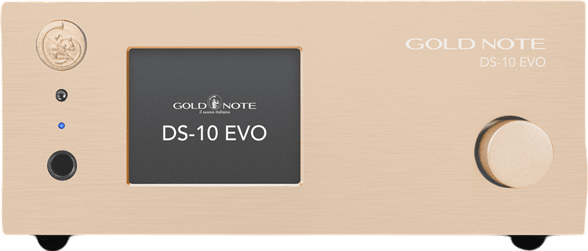
- Offers versatile 3-in-1 functionality as a DAC, preamplifier, and headphone amplifier
- Delivers remarkable sonic performance with clarity and precision
- Supports an extensive range of high-resolution formats, including PCM up to 32bit/768kHz and DSD up to DSD512
- Has a chameleon DAC that allows adjustments to the digital filters
- Features extensive connectivity options, including multiple digital inputs (USB, AES/EBU, RCA, TOS-Link), balanced XLR and unbalanced RCA outputs, and a professional-grade 6.3mm headphone output
Product Considerations
- The single knob approach for controls can be a hassle to use
- User experience with the software app can be frustrating and can kill musical enjoyment
- The DS10 EVO cannot automatically switch on and switch to the network input
- Every input retains the last used volume individually, which can lead to unexpected loud playback
Comparisons (according to reviewers)
- The DS-10 held up nicely as one of the more exciting sounding DACs in a blind test when compared to iFi Audio Neo Stream, with a smidge more excitement that for some will be translated to more edge with some music
Takeaway: The Gold Note DS-10 EVO is a versatile device that combines a DAC, preamp, and headphone amp into one unit, offering a wide range of features and high-resolution audio support for audiophiles. Its distinct and exciting sound can spice up the listening experience when paired with the right system.
Video review
About the brand
What reviewers think
Product Strengths
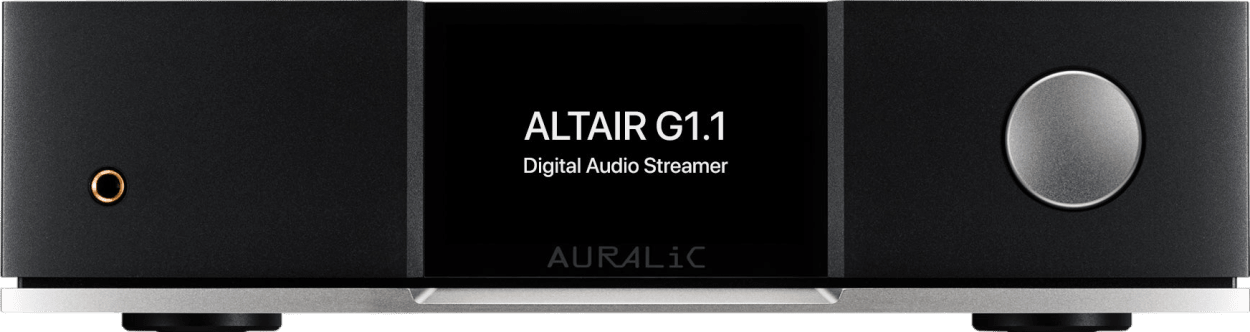
- Well-constructed with a chassis made from thick anodised aluminum plates
- Ready to work with the vast majority of signal formats and sources in the digital realm
- Excellent sound quality that is accurate, unforced, clean, detailed, and natural
- Easy to set up and simple to use with a streamlined design
- Integrates a DAC, preamplifier, server, and wireless streamer into one unit
Product Considerations
- The Lightning DS app is only compatible with iOS devices
- Has no digital outputs for connecting external DACs, master clocks, and DDCs
- Using the internal digital volume control drops performance down a little
- No remote control is provided, but a smart remote control can be programmed to control a host of functions
Comparisons (according to reviewers)
- Versus Gustard R26, the AURALiC Altair G1.1 has almost identical sound quality, but it is better built and has a color screen and DSP engine
- The Altair G1.1 is not as refined or revealing as the AURALiC Aries G1.1 with a good DAC
- The AURALiC Altair G1.1 has more air and insight than a Naim streamer
Takeaway: The AURALiC Altair G1.1 is a superbly constructed streaming DAC that is easy to hook up and provides a simple hifi solution. Offering excellent sound quality with a clean and natural character, it makes it a great choice for those looking for a one-box digital solution.
Video review
About the brand
What reviewers think
Product Strengths
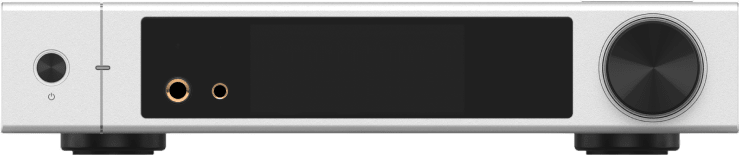
- Stylish and clean design with good build quality
- Good and well-resolved sound structure
- Supports various streaming services like Tidal, Qobuz, and Spotify Connect, and is Roon Ready
- Offers a wide range of digital inputs (Coaxial, Optical, I2S LVDS, USB B, HDMI ARC) and outputs (balanced XLR and single-ended RCA)
Product Considerations
- The touchscreen is functional, but small, making operation difficult
- The app is not as elegant as it looks and lacks a search function for internet radio
- Leans slightly clinical, with some brightness, possibly needing more weight and authority in the low end for some users
- High output impedance on the headphone outputs
Comparisons (according to reviewers)
- Vs AURALiC Altair G1.1, soundstage dimensions are some way off AURALiC Altair G1.1, and doesn't have the same depth
- Vs Naim ND5 XS 2, bass is not on par with Naim, but is not far off—soundstage is slightly larger
- Vs Wattson Madison, has tighter bass with more punch and power
Takeaway: The Element M2 is a versatile all-in-one product with great sound quality and numerous connection options, perfect for those who want a single device to handle streaming and audio needs. It supports various music services and offers a user-friendly experience, making it a worthwhile addition to any hifi audio setup.
Video review
About the brand
What reviewers think
Product Strengths
- Offers a rich range of features, including Roon Readiness, Tidal, Qobuz, and Spotify Connect
- Has a wide range of digital inputs, including Coaxial, Optical, I2S LVDS, USB B, and HDMI ARC
- Sound quality is very good
- Connectivity options include Coaxial, Optical, I2S LVDS, USB B, and HDMI ARC
Product Considerations
- The virtual keyboard on the touchscreen gets very small
- The app is not as elegant as it looks and could do with more options
- Apple Music is not supported
- Headphone outputs have quite a high output impedance, 4.4mm out being 22 Ohms, while the single ended is rated at 11 Ohms
Comparisons (according to reviewers)
- Vs Wattson Madison: Bass is tighter with more punch and power in rhythmic music
- Vs Naim ND5 XS 2: It's not on par with Naim, but it's not far off
- Vs Naim ND5 XS 2: The space in the soundstage is experienced as slightly larger
Takeaway: The Matrix Audio Element M2 is a versatile all-in-one product with great sound, offering a wide array of connectivity options for different audio sources and streaming services. It could be a good choice for those wanting to combine their computer, TV, and streaming needs into one device.
Video review
About the brand

What reviewers think
Product Strengths
- Employs twin ESS Sabre ES9038Q2M DAC chips running in dual differential mode, which enhances audio processing capabilities
- Supports high-resolution audio formats, up to 768kHz/32-bit PCM and DSD512 via USB input, catering to audiophiles seeking top-tier audio fidelity
- Features a headphone stage, useful for head-fi fans
Product Considerations
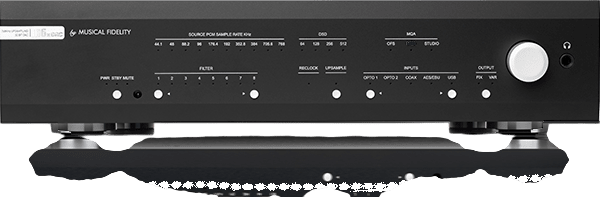
- Many LEDs are disconcerting
- The buttons are more fiddly than they should be, making this DAC a mixed bag ergonomically
- The variable output is not as good as the fixed output, making the sound less immediate and involving
Comparisons (according to reviewers)
- Vs Benchmark DAC3 B—the M6x is more exuberant and endearing, while the DAC3 B is more forensic and wooden
Takeaway: The Musical Fidelity M6x DAC provides very good sound quality at a relatively modest price and it includes a headphone amplifier. It is a classy-sounding product that offers a wide array of features.
Video review
About the brand
What reviewers think
Product Strengths
- Solid digital sound, good authority, solid bass, and a weighty sound with good scale
- Excellent clarity, very good timing, and a very good soundstage
- Outstanding build quality—solidly made and near indestructible
- Versatile unit that can become the hub of the digital audio world
- Clean and effortless digital processing
- Connectivity options
Product Considerations
- The Lightning DS app is only available for iOS
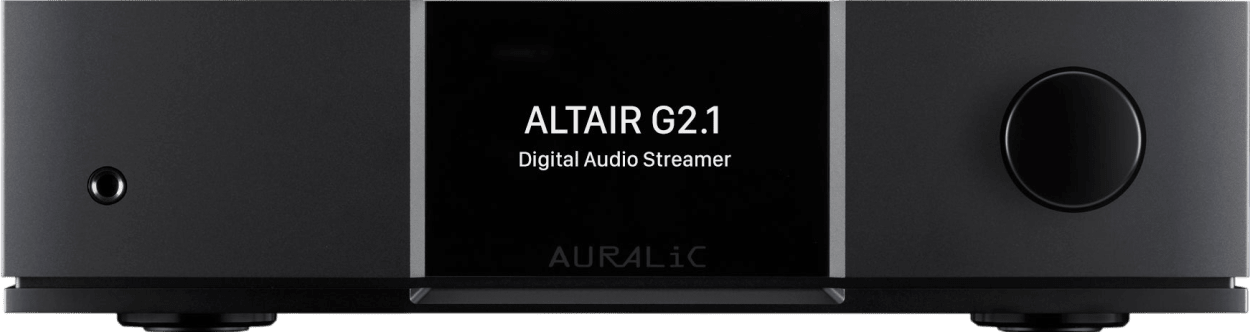
- The 4-inch non-touch screen is adequate, but not exceptional
- When written instructions feature on the screen, the words can be small and difficult to see
- The alphabetical order of the albums is not followed when used with an external hard drive
- Some reviewers felt a need for a high-end turntable setup, as the analog input feeds directly to the analog output stage—bypassing the digital stage altogether
Comparisons (according to reviewers)
- Vs NAD M10 V2: The Altair offers a step up in sound quality
- Vs AURALiC Aries G1: The Altair G2.1 chassis is a significant upgrade with an internal copper sub-chassis, tuned feet, and a solid steel base
Takeaway: The AURALiC Altair G2.1 is a versatile and well-built streaming DAC preamplifier that offers a clean and detailed sound. Comprehensive features and excellent sound quality make it a great choice for audiophiles looking for an all-in-one solution.
Video review
About the brand

What reviewers think
Product Strengths
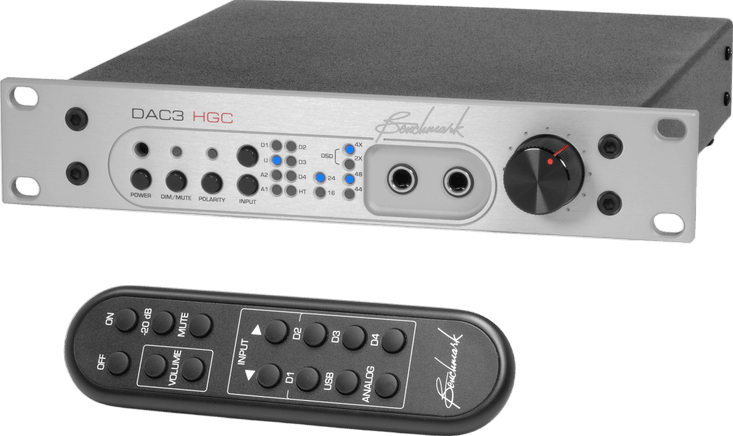
- Excellent sound quality, often described as clear, neutral, transparent, detailed, and dynamic, aiming for accuracy and sonic transparency
- Versatile, functioning as a DAC, headphone amplifier (with two outputs), and preamplifier
- Compact size, making it suitable for environments where space is limited
- Well-engineered with good build quality and robust construction, common with pro-audio equipment
- High SNR, retaining its full signal/noise ratio of 128dB, A-weighted
- Functions as a DAC, headphone amplifier, and preamplifier
Product Considerations
- Aesthetic appearance may be considered utilitarian or lacking a luxury feel, resembling lab equipment more than premium hifi
- User interface relies on a series of LED lights, which some reviewers find confusing and requiring constant reference to the manual
- Some advanced features or settings require physically moving jumpers inside the unit
- The included remote control may feel cheap or less refined compared to the unit itself
- Lacks some modern features such as streaming capabilities or app control
- It only takes DSD up to DSD64, meaning those looking for super high resolution audio may need to look elsewhere
Comparisons (according to reviewers)
- Vs Benchmark DAC1/DAC2: DAC3 offers improved tonal balance, with both the clarity of the DAC1 and the refinement of the DAC2
- Vs Chord DAVE: While DAVE is superior, DAC3 offers closer performance than expected at a fraction of the cost
- Vs Schiit Yggdrasil+: Similar price point, but DAC3 is described as different, as the Schiit Yggdrasil+ is more atmospheric and has a deeper soundstage
- Vs Sony TA-ZH1ES: The DAC3 performs its preamp functions better than the Sony
Takeaway:
The Benchmark DAC3 HGC is a versatile and well-engineered component that delivers excellent sound quality and value, combining a DAC, headphone amp, and preamp into one compact unit. If a DAC with clear and accurate sound is desired, the DAC3 HGC is worth considering.
Video review
About the brand

What reviewers think
Product Strengths
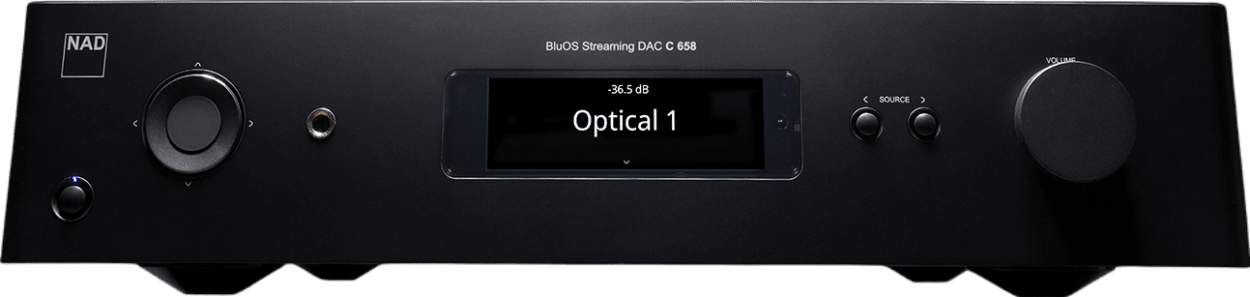
- Complete streaming solution, a DAC and preamplifier combination
- The BluOS streaming platform is simple and intuitive
- Has inputs for multiple digital and analog sources, along with a built-in moving magnet phono stage
- Dirac Live room correction optimizes performance according to the room's acoustics
- Design incorporates modular construction, allowing for future upgrades
Product Considerations
- The looks don't match the price tag
- The front display screen is small
- Slower volume adjustment
Comparisons (according to reviewers)
- Vs AudioQuest DragonFly Red, the C 658's bass was lighter but more detailed, soundstage was wider and deeper, and midrange resolution was greater
- Vs Cambridge Audio Azur 851N, the NAD C 658 counters with unmatched lucidity
- Vs Naim Audio ND5 XS 2, the Naim had a warmer, rounder, more tactile sound—microdynamics were superior with the Naim, and the C 658 had crystalline quality
Takeaway: The NAD C 658 is a versatile all-in-one device that combines streaming, DAC, and preamplifier functions, making it an excellent choice for anyone seeking a comprehensive high-resolution audio solution, as well as a great solution for playing in a multi-room environment. It delivers a satisfying sound quality that's hard to beat.
Video review
About the brand

What reviewers think
Product Strengths
- Natural reproduction of instrument colors, especially with classical music
- Very great and honest listening experience
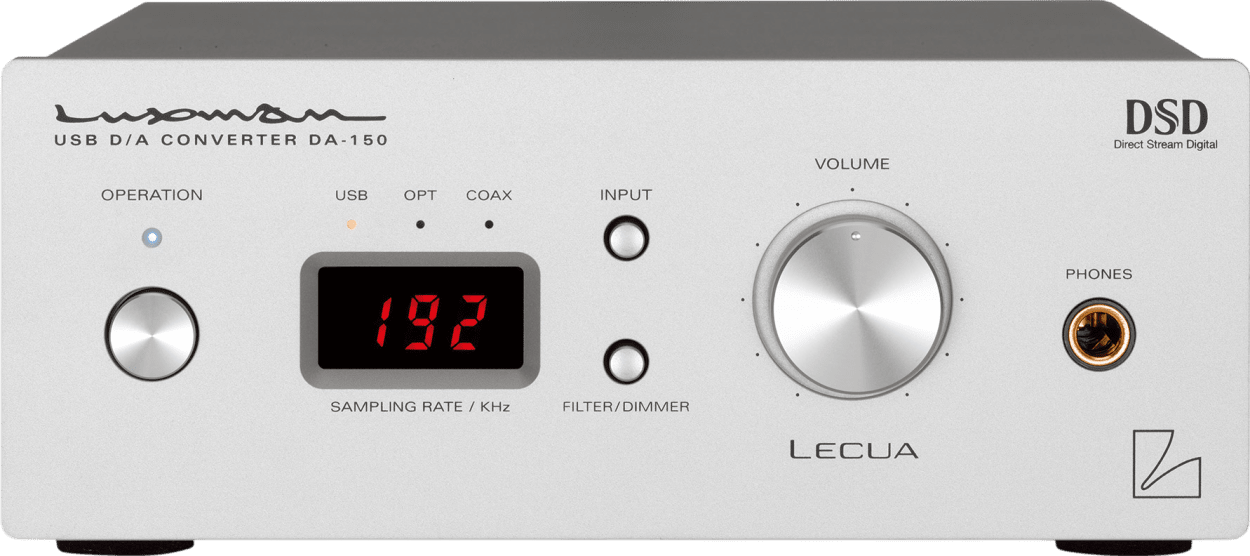
- Versatile, offering coax, optical, and asynchronous USB inputs
- Can be hooked up to a normal stereo amp and used as a headphone amp
Product Considerations
- Won't drive the toughest headphones around, with about 400 milliwatts at 32 ohms
Takeaway: The Luxman DA-150 is a versatile DAC and headphone amp that provides a great listening experience, especially with its natural and honest sound reproduction. It is a great option to get started with Luxman products and acquire a versatile piece of audio equipment.
Video review
About the brand
What reviewers think
Product Strengths
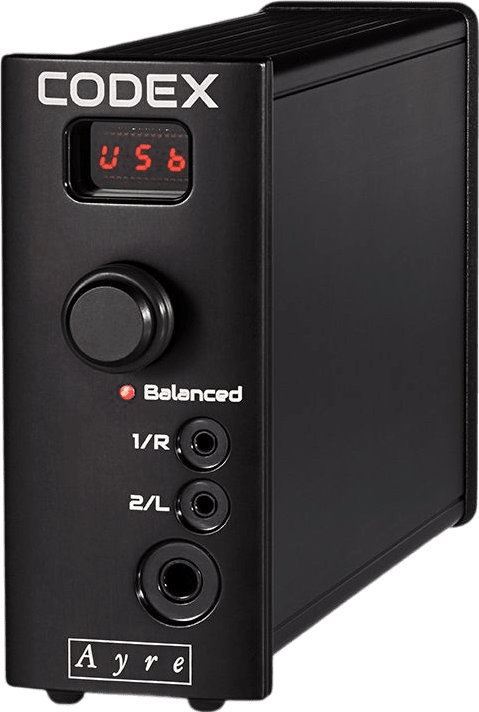
- Versatile, as it can be used as a headphone amp, DAC, and digital preamp
- Good sound quality, described as very natural, dynamic, clean, and detailed, also warm, rich, and inviting
- Balanced mode offers cleaner, slightly more focused, and natural sound
- Enough power to drive demanding headphones
- Provides a whisper-quiet background, even with sensitive headphones
Product Considerations
- Appearance isn't particularly stylish and looks plain
- Pushing the volume knob can cause the device to slide
- The case gets fairly hot after prolonged use
- 3.5mm jacks can be an issue with over sized barrels, not making full contact with the jack or preventing both jacks from being used at the same time
- The front volume control is purely in the digital domain
Comparisons (according to reviewers)
- On par with the Chord 2Qute, though the Chord sounded a bit more etched, detailed, and bright, where the Ayre Codex is a little more fleshy and real sounding
- Doesn't have quite the same level of midrange presence and body as the PS Audio Directstream Junior, but it's pretty darn close
- The Ayre Codex didn't throw as wide or deep a soundstage as the Ayre C-5xeMP universal stereo disc player
Takeaway: The Ayre Codex is a versatile and powerful device offering good sound quality in a compact, well-built package, making it a great option for desktop audio or as an entry point into high-end audio. It delivers consistent performance across different applications and headphone types, while also sounding good.
Video review
About the brand

What reviewers think
Product Strengths
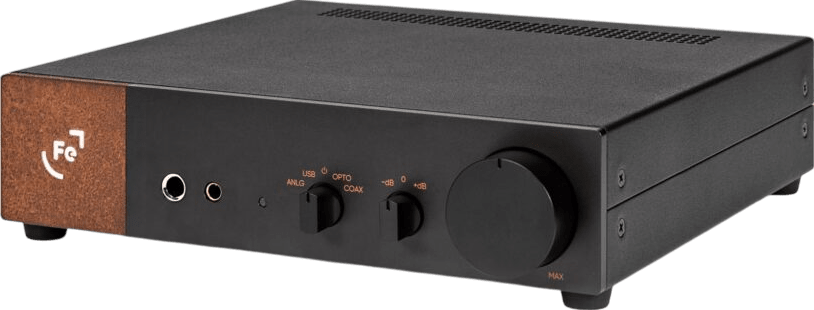
- Great detail retrieval while staying as transparent as possible
- Uniformly dead quiet amp stage, no matter which gain setting it's on
- Comparatively better clarity
- Clean, detailed and ever so slightly cozy sounds will provide immense musical enjoyment
- Consistently fatigue-free
Product Considerations
- One quibble with the Erco's usability is the lack of a remote
Comparisons (according to reviewers)
- The Erco Gen 2 will bring our entry-level DAC one step closer to the performance levels of Wandla, their flagship converter
- The Erco 2 can compete with the sound quality of Wandla due to its bigger DAC chip and DSP engine
- The Erco easily steps up the performance across the board, even though the reviewer enjoys the punchy sound of the Schiit Modi DAC
- It was not as transparent as the Denafrips Hades preamplifier
Takeaway: The Ferrum Erco 2nd Gen is a nice entry to high-end audio that will allow one to hear exceptional detail and offers a natural tonality in the audio reproduction. The Erco's features were designed to last, making it worth the buy.
Video review
About the brand

What reviewers think
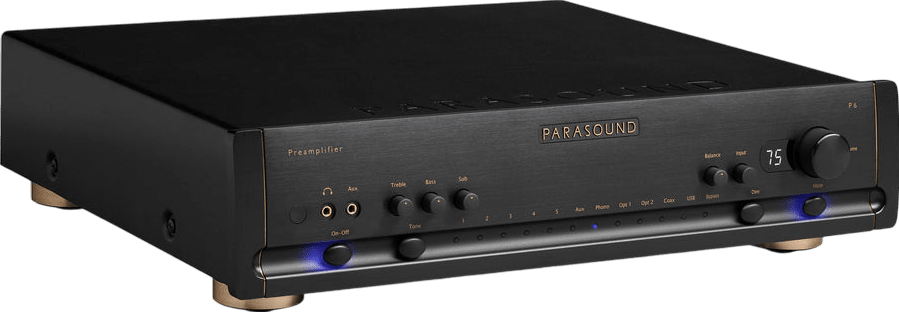
Product Strengths
- Flexible connectivity with myriad inputs and outputs intelligently arranged on the rear panel
- Great sound, a bit better than the decades-old predecessor on the analog side
Product Considerations
- Superfluous treble/bass controls for audio purists, though easy to disable
- The manual has a small bug, turn-on volume "Vol-Set" doesn't work if following the instructions literally
Comparisons (according to reviewers)
- Vs Linn Kairn: The sound is a bit better on the analog side
Takeaway: The Parasound Halo P 6 is a flexible and great-sounding preamp with many useful features and easy setup. It offers extreme value and has a well-reviewed remote.
Video review
About the brand
What reviewers think
Product Strengths
- Top-of-the-line streaming features in a well-constructed package
- Built-in preamp with 10dB analog gain resulting in great measurements for dynamic listening sessions
- Offers comprehensive streaming functionality with Tidal Connect, Qobuz, Spotify Connect, Internet Radio, Podcast, VTuner, External Library Access via network or USB, RuneReady, DLNA, Airplay 2, and more
- Improved I/O including a new ARC HDMI port and a USB-C port for external storage
Product Considerations
- The remote that comes with the X2 doesn't come paired already to the device, it requires manual pairing
- Instructions on how to pair the remote to the device are not very clear and might be difficult to find
- The sound signature might be too forward for some listeners, requiring pairing with warmer headphones for genres like R&B, EDM, or heavy metal
Comparisons (according to reviewers)
- Compared to the Element X (original), the Element X2 has increased streaming functionality, added touchscreen, improved power measurements, and better I/O
- Compared to the Element M2, the Element X2 has a better DAC chip, better CPU, a built-in pre-amp, and the RCA input feature
- Compared to the Element i2, the Element X2 has a better DAC chip, better CPU, and a built-in preamp
Takeaway: The Element X2 is a feature-rich music streamer with a detailed and forward sound signature, offering a wide range of streaming options and improved power. It is a great choice for those seeking a top-tier all-in-one streaming experience.
Video review
About the brand

What reviewers think
Product Strengths
- Very detailed, open, and neutral sound with great clarity and clean background, improving balance considerably
- Employs high-quality components including the AKM Velvetsound Verita 4499EXEQ DAC chip and AK4191EQ delta-sigma modulator, resulting in crisp and detailed sound
- Provides excellent dynamics and separation of instruments
- Represents a solid value, and the price-to-performance ratio is hard to beat
- Offers versatile functionality as both a streamer and a standalone DAC with SPDIF input, and can function as a pre-amp
Product Considerations
- Utilitarian, DIY industrial design and barebones presentation may not appeal to everyone
- Lacks built-in Wi-Fi, relying on a wired Ethernet connection for optimal performance
- Requires careful selection of desired features (like outputs) during purchase, as all options cannot be accommodated simultaneously due to space limitations
- Volume control is only manual via the volume knob when using the SPDIF input
- Lacks features like a dedicated app, a screen, or a remote control
Comparisons (according to reviewers)
- PecanPi+ retrieves more details and offers better tone texture than the Topping E70 Velvet, making the E70 Velvet sound slightly veiled in comparison
- PecanPi+ sounds crisper and more focused than the SMSL SU10, while the SU10 projects a wider soundstage with a warmer tonality
- RME ADI-2 DAC FS has a nicer package with display, remote, EQ settings, and more I/O, but PecanPi+ is a streamer, and the sound quality is very similar
- Gustard A26 has a bigger soundstage, better dynamics, and a more premium build—but is noticeably pricier
- The Plus version is more transparent, incisive and revealing than the Original PecanPi
- Both devices have similar price but different set of features, and the PecanPi+ has an edge when it comes to sheer resolution compared to the EverSolo DMP-A6
Takeaway: The PecanPi+ is a high-performing, versatile streamer/DAC that focuses on delivering exceptional sound quality. Its clean, neutral sound and high-quality components make it a great option for those prioritizing audio fidelity, especially given its good value.
Video review
About the brand

What reviewers think
Product Strengths
- Clean, clear, precise, accurate, natural, and neutral sound
- Improved dynamics, resolution, and transient speed compared to built-in DACs in devices like the Bluesound Node
- Robust linear power supply with a toroidal transformer, contributing to improved sound quality
- Capable headphone amplifier, delivering ample power for most headphones
- Provides connectivity options
Product Considerations
- Headphone output impedance may cause some very sensitive IEMs to hiss, requiring an impedance adapter
- Some reviewers wished for the original's colored LED volume indicator to be retained
- May be too honest and linear for listeners preferring a warmer, more colored sound
Comparisons (according to reviewers)
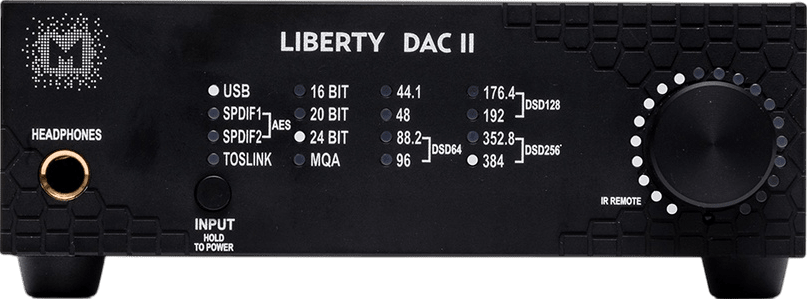
- The Liberty DAC 2 exceeds the original in detail, resolution, naturalness, and neutrality, making everything sound more alive
- The Liberty DAC II is better than the original Liberty DAC with SBooster Power Supply, sounding fresher and more open with greater detail
- The Liberty DAC II triumphs over the Cambridge Edge NQ's Internal DAC by sounding more open, detailed, and having a more palpable 3-D soundstage
- The Liberty DAC II offers greater resolution and a more nuanced sound than the Denafrips ARES II
- The Liberty DAC II provides a deeper soundstage with better clarity than the Brooklyn DAC
Takeaway: The Liberty DAC 2 enhances music by making it sound natural and detailed, and works great with different audio sources. For those wanting a clean sound, this could be a great upgrade.
Video review
About the brand

What reviewers think
Product Strengths
- Versatile all-in-one unit combining a DAC, balanced headphone amplifier, and music streamer
- Delivers a natural and organic sound that is easy to love for casual listening sessions
- Compact form factor and sleek aesthetic allows it to blend perfectly into existing audio setups
- Able to drive most headphones on the market, with 2,200mW output power (33 Ohms; balanced) and 1,200mW (33 Ohms; single ended)
- Features a wide selection of digital inputs, including Coax, Optical, HDMI (ARC), and USB
Product Considerations
- The MA Remote App is basic compared to some more sophisticated apps
- No Bluetooth connectivity
- A USB cable is not included
Comparisons (according to reviewers)
- Mini-i Pro 4 has no noise over the headphone outputs, while the Matrix Element E does
- Mini-i Pro 4 is much sleeker and more compact than the FIIO K9 Pro
Takeaway: The Matrix Audio Mini-i Pro 4 is a versatile and easy-to-use device that combines streaming, DAC, and headphone amplification into one compact unit, making it a great choice for audiophiles and music enthusiasts. It offers flexible connectivity options and delivers a natural sound, making it perfect for everyday listening.
Video review
About the brand


What reviewers think
Video review
About the brand

What reviewers think
Product Strengths
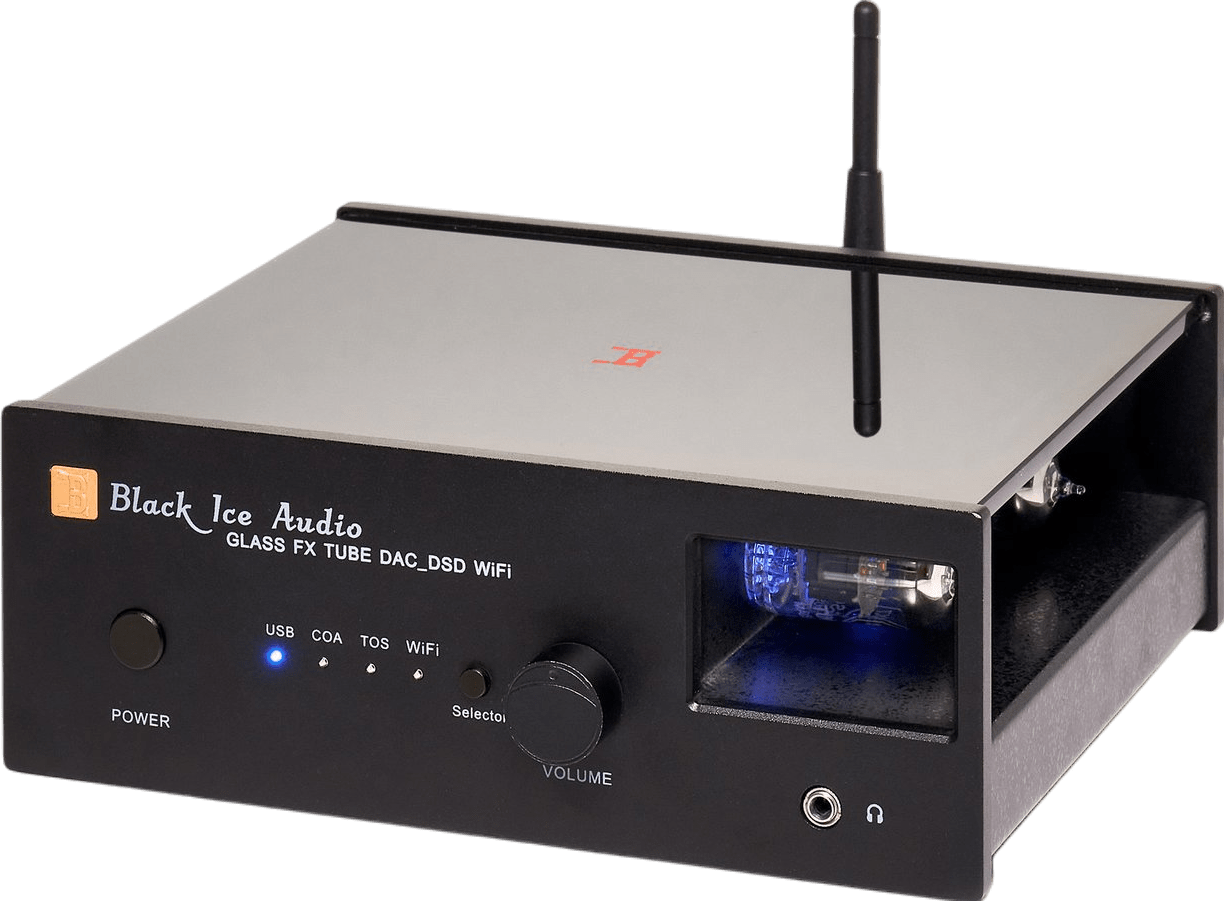
- Nice tube-y sound, useful for accentuating the bass if someone has speakers that need more bass extension
- Broad and deep imaging for any kind of music
- Combines cutting edge function, DSD capabilities and Wi-Fi input, with a vacuum tube analog output section
- Spacious soundstage
- Better bass than the Denafrips Aries 2
Product Considerations
- Runs hot
- Defaults back to USB input every time it's turned off
- Owner's manual is confusing
- Lacks remote-controlled volume
Comparisons (according to reviewers)
- It was rated as better than the Schiit Yggy and the PS Audio Direct Stream DAC by the Arizona Audio Society
Takeaway: This tube DAC gives music a special sound and has features like Wi-Fi, making it a cool choice to upgrade a hifi system. It can make music sound more spacious, but might need some getting used to because there's no remote.
Video review
About the brand

What reviewers think
Product Strengths
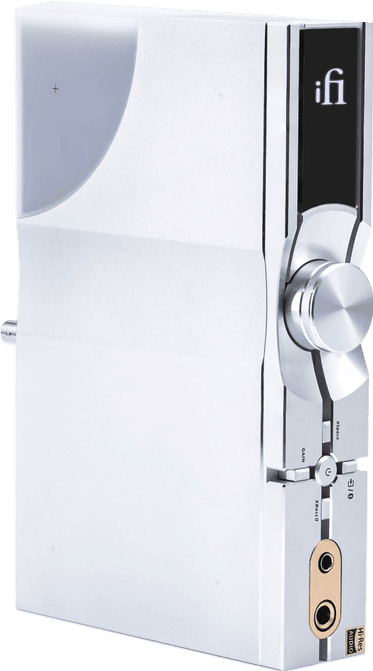
- The NEO iDSD 2 functions as a versatile all-in-one (AIO) solution, working as a DAC, headphone amplifier, and preamplifier
- It has a significantly more powerful amplifier section than its predecessor, making it better at driving a wider range of headphones
- Includes sound-shaping features such as XBass and XSpace, plus selectable digital filters, allowing users to customize the sound
- Comprehensive connectivity options include USB, S/PDIF (coaxial/optical), Bluetooth 5.4 with aptX Lossless, and both balanced XLR and single-ended RCA outputs
Product Considerations
- The amplifier section may not be powerful enough to drive some very power-hungry headphones to their full potential
- The Nexis app only works with a 2.4ghz WiFi signal
- There is a slight click or noise when switching inputs as a pre-amp
- Some reviewers would have preferred the inclusion of the iPower X power adapter instead of the iPower V2, considering the unit's price
- The variable volume output may not save the last used settings
Takeaway: The iFi Audio NEO iDSD 2 combines a high-quality DAC with a significantly improved headphone amplifier, making it a good all-in-one solution for desktop audio. With its wide range of features, solid build quality, and pleasing sound, the NEO iDSD 2 is a worthwhile upgrade.
Video review
About the brand

What reviewers think
Product Strengths
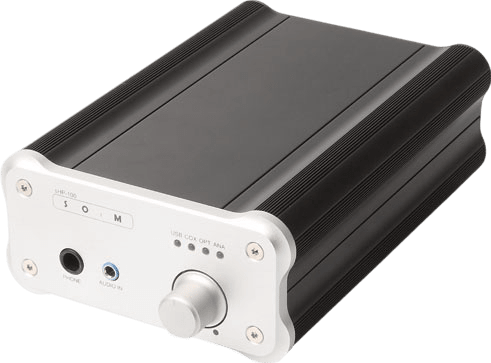
- Sturdy build quality, resembling the SOtM sMS-100
- Very flexible, can be used as a DAC or headphone amplifier separately
- Good transparency, especially when powered well
- Sound is quite neutral, making matching with different headphones and gear easier
- Good details in instruments and voices
Product Considerations
- Power wise, the amplifier is not very strong
- No input selector button, the volume knob is used as input selector
Takeaway: The sHP-100 is a versatile and well-built device that can be used as a DAC or headphone amplifier, offering a neutral sound signature and good detail. It's a good match for many headphones and gear.
Video review
About the brand
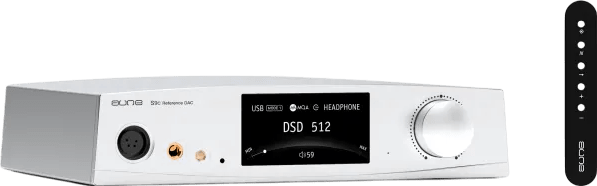
.png)
What reviewers think
Product Strengths
- High-end sound quality, comparable to more expensive stacks, making it a great value
- High-quality components, including dual 32-bit DAC chips (ESS 9068), a 50-watt transformer, and a fully discrete amplifier stage with JFET transistors
- A neutral and balanced sound signature that is also colorful, rich, and vibrant, making it engaging for various types of music and highlighting the characteristics of the connected headphones
- Ample power (5W balanced) to drive a wide range of headphones, including demanding planars, without clipping or limiting dynamics
- A well-machined aluminum case with a premium feel and comes with a useful aluminum remote control
Product Considerations
- The screen is not very bright and lacks options for customization, making it look less premium and harder to read
- Lacks analog inputs and EQ adjustments, which some users may find limiting for specific needs
- The angled design may not be ideal for vertical placement
- It can run a bit warm
Comparisons (according to reviewers)
- Vs Topping A70 Pro/D70 Pro stack: Equivalent sound quality in an all-in-one form factor, offering value
- Vs Topping DX7: More powerful, better build quality, but larger in size
- Vs Schiit Jotunheim: Similar power but fewer input options, the S9C has a better screen, Bluetooth, and build
- Vs Modius and Magnius stack: Better sound quality
- Vs HIFIMAN EF400 R2R DAC: The S9C PRO sounds like it has greater bass strength, while EF400 has more force in the midrange
- Vs Singxer SDA-2: The S9C PRO has a much higher power output and a more vivid/detailed sound
Takeaway: The Aune S9C is a versatile and powerful all-in-one DAC/amp that delivers excellent sound quality and a premium experience. It is well-built and offers a clean, balanced sound suitable for various headphones and listening preferences.
Video review
About the brand
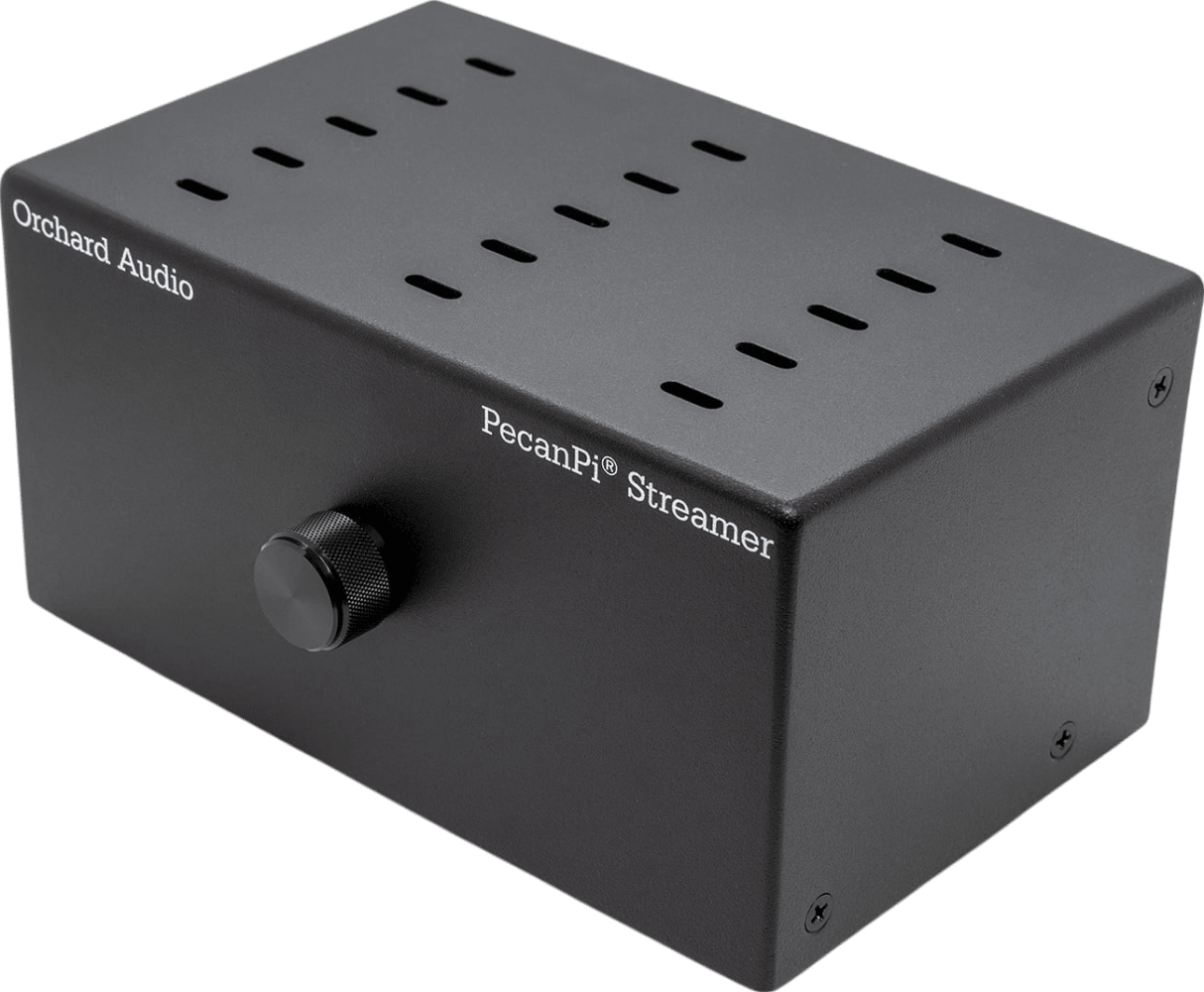
What reviewers think
Product Strengths
- High-quality components produce the best sound possible
- Amazing detail with depth and warmth, even with average speakers
- Spotted a local Plex DLNA server immediately and played music without delay
- Demands a wired Ethernet connection
Product Considerations
- Bluetooth and wireless LAN are unavailable due to unwanted radio interference
Takeaway: The PecanPi Streamer v3 is dedicated to providing the best sound possible using high-quality components. This product could change the way someone thinks about sound and music if they care deeply about audio quality.
Video review
About the brand
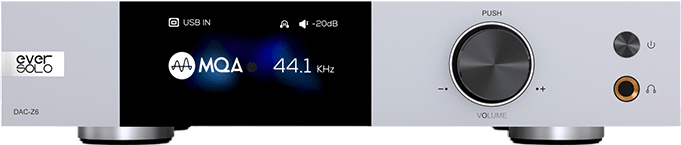

What reviewers think
Product Strengths
- Exceptional build quality with a robust aluminum alloy chassis and sleek design
- Features dual ESS Sabre ES9068 DAC chips for exceptional audio processing capabilities
- Offers comprehensive input/output options, including USB-B, USB-C, Optical, Coaxial, XLR, RCA, and a 6.3mm headphone output
- Provides a clean, detailed, dynamic, and punchy sound signature, with a wide and holographic soundstage
Product Considerations
- The headphone amplifier might be relatively weak, with a maximum of about 230mW at 32 ohms
- The unit's size may require consideration in compact setups
- May be feature-rich for basic users
- Some may find it on the neutral/bright side
- While the headphone output is designed with a 6.3mm jack in mind, there is no balanced output for headphones
Comparisons (according to reviewers)
- Vs aune X1S GT—the DAC-Z6 offers more vivid and dynamic sound with a better soundstage
- Vs SMSL M1 Mini—the DAC-Z6 has a wider, more holographic soundstage, better balance in the midrange, and a more relaxed tuning
Takeaway: The Eversolo DAC-Z6 is a versatile device that sounds great and looks good on a desk. Its many features and excellent sound make it a good choice for those wanting a high-quality DAC.
Video review
About the brand
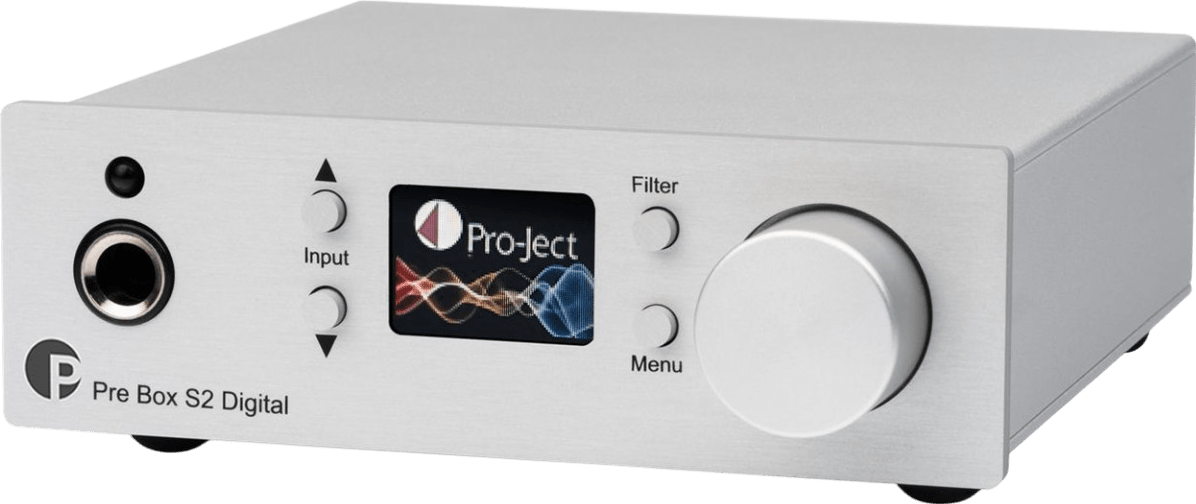

What reviewers think
Product Strengths
- Offers great file compatibility, supporting PCM files up to 32-bit/768kHz and DSD512
- Small and compact unit, so it can fit almost anywhere
- Well-balanced sound, providing plenty in terms of clarity and crisp micro details, without ever sounding bright or splashy
- Capable of creating more soundstage depth than expected from a device in this price range
- Remembers volume control for RCA pre-out and headphone-out separately
Product Considerations
- The OLED display does not have any dimming or turn-off functions, which means that screen is slowly—but steadily—going through the wear and tear process
- Micro-USB connector used for the external power supply is of the surface mount variety and not sturdy
- Might lack a little in terms of natural warmth and richness
- Headphone amp may be gain-challenged with low-sensitivity headphones
- Some reviewers found the overall sound quality to be affectless, substituting a digital-artificial blankness for transparency
Comparisons (according to reviewers)
- Vs Topping E30: S2 Digital provides less bloom in upper bass and midrange and sounds smoother
- Vs AudioQuest's Dragonfly Red: Dragonfly Red offers a louder, easier-to-feel bass line and slightly more air, dynamics, and tonal richness
- Vs Schiit Modi Multibit: S2 creates a soundstage that starts farther away from the listener but also goes deeper behind the speakers, creating a spacier presentation
- Vs EarMen TR-Amp: The Pro-Ject sounds a touch richer in midrange and crisper in micro details
- Vs Mytek Liberty DAC/pre: The Pro-Ject's performance was not a big step downward, but more like sideways
Takeaway: The Pro-Ject Pre Box S2 Digital is a feature-rich and compact device that delivers balanced sound and supports high-resolution audio formats, making it a great value for its price. Its versatile connectivity and ability to function as both a DAC and preamp makes it a worthwhile addition to any audio setup.
Video review
About the brand

What reviewers think
Product Strengths
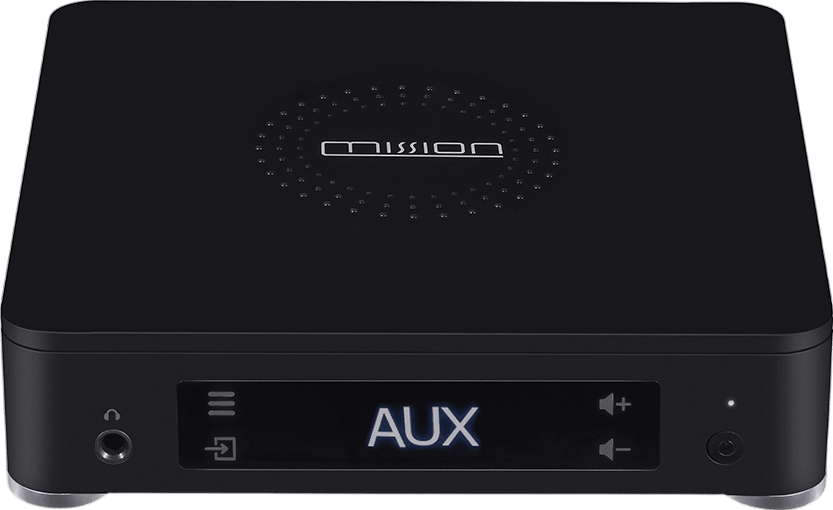
- Powerful, homogeneous, and dynamic sound as a complete system with a connection hub and radio transmission
- Lively, dynamic, and homogeneous sound
- Delivers powerful bass for its size
- Easy to use
- Well-equipped preamp/hub
Product Considerations
- Trebles could be finer
- Does not allow streaming via app directly into the speakers
- The box should not be placed directly against the wall
Comparisons (according to reviewers)
- Vs Nubert nupro SP-200, the Mission LX Connect offers more comfort and doesn't require as much cabling, but the Nubert offers more resolution and dynamics
Takeaway: The Mission LX Connect is a convenient, classically operated system with wireless speakers that delivers great sound and spatial imaging for the price. With its included HDMI input and headphone amplifier, it provides a complete, user-friendly audio experience.
Video review
About the brand
What reviewers think
Product Strengths
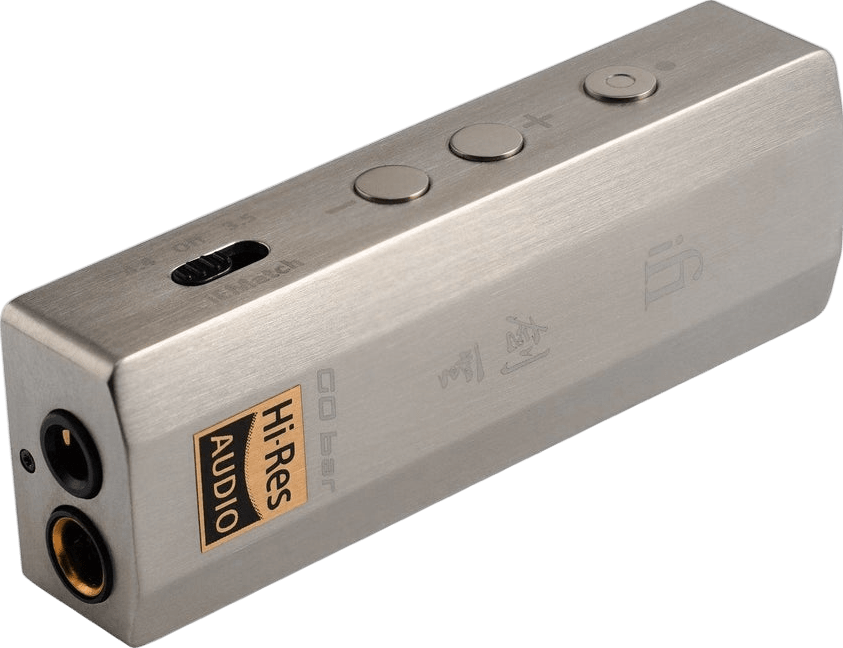
- Detailed, organized, and spacious sound.
- Strong output power for a dongle.
- Premium build quality with tactile Japanese stainless steel.
- Feature-rich with exclusive sound-tuning options, like K2HD processing, XBass, XSpace, and digital filters.
- Improved clocking and circuitry contribute to less background noise, no jitter, and increased audio quality.
Product Considerations
- Treble can sound rather relentless—overstated, hard-edged, and thin.
- The device can get quite warm during use.
- High power draw can drain a mobile phone battery quickly.
- Stainless steel exterior is prone to collecting fingerprints and scratches.
- Controls can be difficult to understand at first, necessitating the manual.
Comparisons (according to reviewers)
- The Kensei offers slight improvements in clarity and bass accuracy compared to the original GO Bar, with less warmth in the lower mids.
Takeaway: The iFi GO Bar Kensei is a premium, well-built portable DAC/amp that delivers a detailed and powerful sound experience. It's packed with features and offers a noticeable upgrade for those serious about high-quality mobile hifi listening.
Video review
About the brand

What reviewers think
Product Strengths
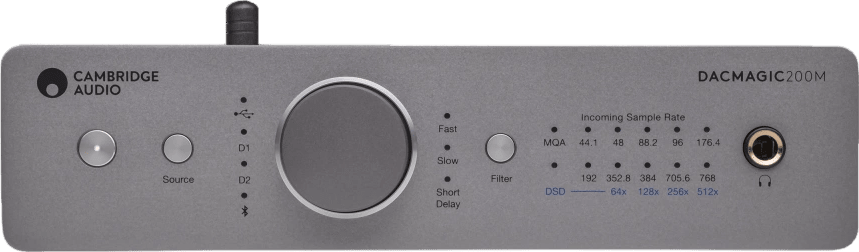
- Rich feature set is its ace card
- Presents a very clean, detailed, and dynamically punchy sound
- Tonal smoothness and expansive soundstage
- Balanced and unbalanced outputs, plus a headphone output
Product Considerations
- Front fascia is a wee bit cluttered
- Lacklustre feel of the volume control
- No remote control
- The headphone output is a useful convenience feature, but it doesn't live up to the unit's performance in other areas
- Auto-shut-off feature turns it off after a little while of not being used
Comparisons (according to reviewers)
- Vs Chord Mojo: Chord edges ahead in performance, delivering even greater subtlety and rhythmic precision, but it can't match the DacMagic 200M's impressive feature versatility
- Vs Schiit Bifrost: Bifrost offers more meat on music's bones, making the DacMagic 200M sound comparatively lighter weight, presenting a skinnier version of the music at hand
- Vs Denafrips ARES II: The DacMagic 200M sounds pale as it does its best to tease out music's kaleidoscope of tone colors
- Vs Audiolab M-DAC+: Rhythmically the DacMagic 200 does a good enough job, it can't compete with the next tier up of DACs costing close to twice its price
- Vs Pro-Ject Pre Box S2 Digital: The sound of the Pro-Ject DAC was not as different from that of the DacMagic
Takeaway: The DacMagic 200M is a feature-rich device with good sound, offering balanced and unbalanced outputs, plus a headphone output. Its versatile feature set makes it a great all-rounder at its price point.
Video review
About the brand


What reviewers think
Product Strengths
- Delivers a clean and transparent audio output
- Has a neutral sonic character that allows the user to hear music as it is
- Improves the sonic performance of iDevices
- The amp section has good control, even with hard-to-drive headphones
- Versatile with multiple inputs and outputs, allowing it to function in different setups (portable, desktop, preamp)
Product Considerations
- Hiss can be an issue with high-sensitivity in-ear monitors
- The volume control knob may not offer fine enough graduations, making it hard to match levels critically
- Recessed USB DAC/iDevice switch can be difficult to locate
- Physical placement may require some thought due to the single mini-stereo analogue output, balancing reach for volume adjustment and proximity to the computer
- Does not support DSD playback
Comparisons (according to reviewers)
- Vs FiiO Alpen E17, the X1 has a more relaxed and natural presentation than the slightly mechanical-sounding E17
- Vs Rotel RD-1580 USB DAC, the X1's Toslink feed matches the Rotel in image specificity, depth, and low-level detail
- Vs ADL Cruise, the X1 is much more natural and neutral feeling
- Vs Leckerton UHA-6S MKII and ODAC, the X1 has higher levels of detail, better imaging, a larger space, and more resolution overall
Takeaway: The ADL X1 is a versatile portable amplifier and DAC that will improve the listening experience. With its clean and transparent sound, it can be used with headphones, iDevices, and even as a preamp.
Video review
About the brand

What reviewers think
Product Strengths
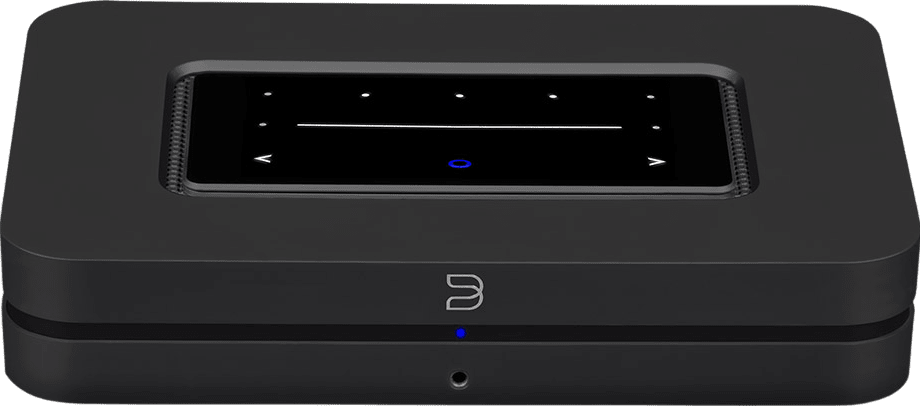
- The BluOS software and ecosystem are excellent, stable, intuitive, and easy to use, offering a wide range of control
- Vast features, including HDMI ARC port, Bluetooth, WIFI, Ethernet, and Airplay 2
- A significantly larger touch control panel that is made of glass with proximity sensors and five handy preset shortcuts
- Supports multiple audio formats like FLAC, WAV, and AIFF
- It is Roon Ready
Product Considerations
- The BluOS app can be counter-intuitive and requires some getting used to
- The new NODE is a valuable update but not significantly better, if a NODE 2i is already owned
- The touch controls require the streamer to be placed at the top of any audio equipment in order for the controls to be accessible
Comparisons (according to reviewers)
- Compared to the Bluesound NODE 2i, the new device has a more explicit soundstage with better center fill and extra presence and immediacy—bass is slightly deeper with more thump
- Compared to the Bluesound NODE 2i, usability has improved significantly over its predecessor, with a snappier, easier, and more stable user interface
- Compared to the internal DAC of the McIntosh C47, the DAC of the N130 sounds very similar, with a little bit more focus on the upper end of the frequency range
Takeaway: The Bluesound NODE N130 is a versatile streamer with excellent software that provides a satisfying musical experience. It is easy to use and has enough processing power to satisfy most users.
Video review
About the brand

What reviewers think
Product Strengths
- Ability to switch between quarter inch, balanced, or RCA outputs with a button press
- Multiple options and functions can be assigned to a button
Product Considerations
- Screen is loose and jiggles
- Unit leaks signal to the pre-outs when headphones are in use
- Knob can get stuck on a volume number and not return to the screen
- Button is hard to press
- Needs firmware updates
Takeaway: The M9 has multiple features, including a screen and multiple output options. It sounds good and could be a worthwhile purchase if you can get it at a discount and don't mind its flaws.
Video review
About the brand
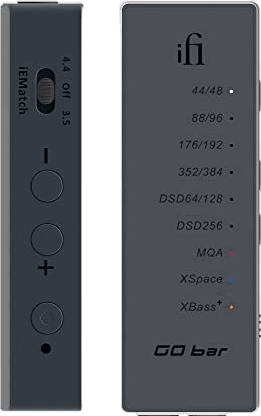
What reviewers think
Product Strengths
- Comprehensive specifications, aiming to equal or improve upon existing portable DACs
- Features a balanced 4.4mm output and a single-ended 3.5mm headphone output
- High power output, described as the most powerful headphone amp of its size
- Includes XBass+ and XSpace analog processing for sound enhancement
- Supports PCM up to 384kHz, DSD up to 256, and DXD
Product Considerations
- The blue text on the blue chassis is hard to read in almost any lighting condition
- Can be considered chunky compared to other dongle DACs
- Can be noisy and produce audible hiss with sensitive IEMs, though IEMatch can help mitigate this
- High power consumption potentially impacts battery life of the source device
- The digital filters can be tricky to access, according to one review
Takeaway: The iFi Audio GO bar is a powerful and versatile portable DAC/amp that can drive most headphones, providing a clean and detailed sound. It is packed with features and offers good sound quality, making it a great option for enjoying high-resolution music on the go.
Video review
About the brand

What reviewers think
Product Strengths
- Interesting functions and features enhance sound fidelity
- Clean presentation and controlled bass make it suitable for upscaling various earphones
- Highly-resolving sound, lots of high-frequency details, and sharp, precise edges, as well as a deep bassline with energy and control
Product Considerations
- The volume knob is recessed and protected by a metal plate, making volume adjustments difficult
- The mid-range may be a little on the thinner side—almost to the point of being a little bit analytical
- The 2.5mm balanced output may not be as future-proof as the increasingly common 4.4mm balanced output
- Bluetooth connectivity does not support LDAC, and the sound is softer with lower high-frequency details compared to a USB connection
- Pairing with overly bright and analytical earphones and headphones might result in excessive prominence of upper mid-range and highest frequencies
Comparisons (according to reviewers)
- Vs Topping EX-5: BU2 offers higher fidelity and sounds airier and more open, especially with reasonably demanding headphones that do not need too much power
Takeaway: The Aune BU2 is a versatile portable DAC/amp that enhances the music experience and can drive a variety of headphones and earphones, making it a good solution for audiophiles seeking high-quality sound on the go. The robust build and feature set offer a comprehensive solution for both wired and wireless listening.
Video review
About the brand
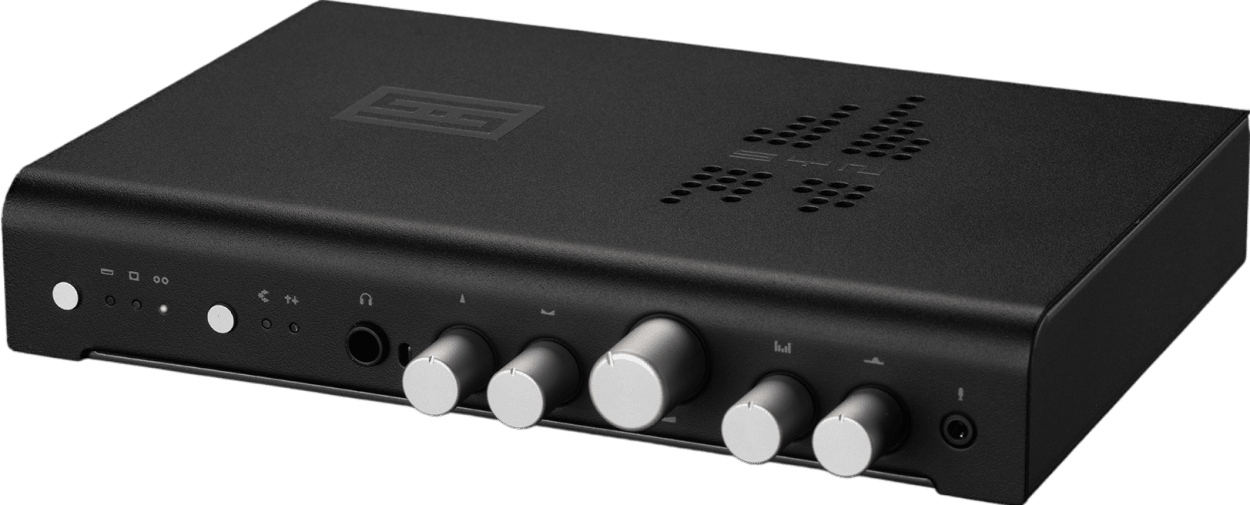

What reviewers think
Product Strengths
- It's a DAC, headphone amp, and surround processor all in one device
- Very flexible to configure and grow with
- Allows for tuning the sound for different music or moods, giving the ability to fit the moment
- Fully analog surround sound processor, compatible with anything with an analog stereo output
- Easy to tweak the levels
- Sound quality is neutral, but smooth
Product Considerations
- The remote is tiny, and the labels are cryptic
- The SYN is too small and light for all those cables
- Preamp volume control is unavailable on the USB, so you have to use the remote
- Not for audiophiles looking for absolute top quality audio
Takeaway: The SYN is great for someone who wants an all-in-one device that's versatile and allows one to tweak the sound. It's especially useful for those wanting to create their own custom multi-channel mixes of two-channel content.
Video review
About the brand
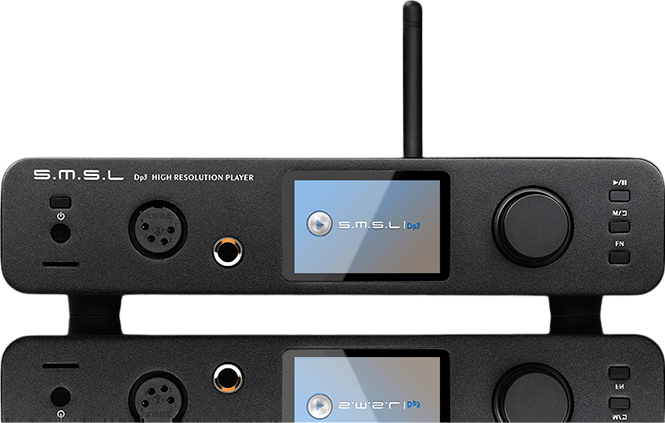
What reviewers think
Product Strengths
- CNC'ed aluminum chassis has a hefty, high-quality feel
- Feature-rich, offering DLNA, AirPlay, HiBy Link, WiFi, and Bluetooth with aptX support
- Can be controlled by a smartphone through the HiBy app
- Offers many input options, including microSD and USB storage
Product Considerations
- The 9018Q2C DAC implementation is not ideal for high-end headphones, only passable in terms of fidelity for higher-end products
- Bluetooth connections can be slow to register a source device
- Adjusting volume and navigating menus is made difficult by poor controls
- The unit cannot play from online sources
- The DAC selection needs improvement
Takeaway: The SMSL DP3 offers many useful features and connectivity options, making it a versatile all-in-one solution for accessing and playing digital music. It is a good option for basic usage that comprises streaming content from a local network or playback from microSD or USB devices.
Video review
About the brand
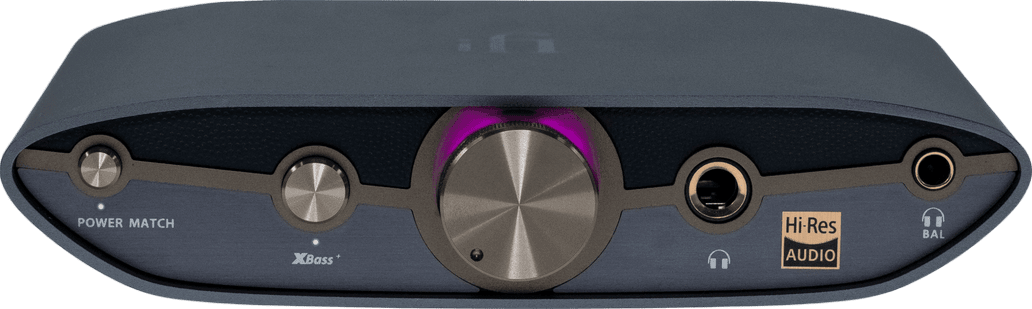
What reviewers think
Product Strengths
- Delivers clean, musical, and entertaining sound
- Features a new USB-C input
- Good build quality and aesthetic design
- Includes XBass+ for bass enhancement
- Simple to set up and use
Product Considerations
- Audible noise floor reported, especially with sensitive IEMs
- May not have enough power for demanding planar headphones
- Simultaneous output to all connected devices may require manual switching
- XBass+ may be too much for some users or cause distortion at higher volumes
- Some reviewers feel the power output is a downgrade from previous models
Comparisons (according to reviewers)
- ZEN DAC 3 has more practical outputs for desktop use, but Go Bar has lower noise floor and is more portable
- ZEN DAC 3 is more colorful, dynamic, and crisp, while C200 sounds flatter
- Similar vivid sound, but ZEN DAC 3 has warmer, punchier bass
- ZEN DAC 3 sounds warmer and punchier, while X5 creates a wider soundstage
- DX3 Pro+ offers more power and a more neutral sound, while ZEN DAC 3 offers a more musical sound signature
Takeaway: The iFi ZEN DAC 3 is a stylish and easy-to-use DAC/AMP that delivers a musical and engaging sound, making it a good all-around choice for desktop audio. It offers a lot of features for the price, like balanced outputs and XBass+, so listeners can enjoy music with great sound.
Video review
About the brand
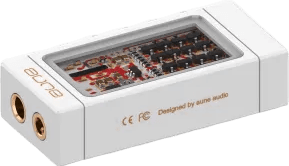
What reviewers think
Product Strengths
- Superb detail and resolution, providing a clean signature with excellent instrument separation
- Wide, three-dimensional soundstage, offering a natural sense of spaciousness
- Good transparency and imaging
- Beautiful and distinguished design, featuring a glass window to view the internal circuitry
- Supports UAC1.0 and UAC2.0 for increased device compatibility
Product Considerations
- Volume control buttons are small and may be difficult to use, especially with a protective case
- Draws quite a bit of power from the source
- Rear button placement was found to be not very practical for daily use
- SE output is not as good with more demanding IEM, even on hi gain
- Behavior of the sub-bass reveals subtle colouring with some IEMs with dynamic drivers or DD+BA hybrids
Comparisons (according to reviewers)
- Compared to the Fosi Audio DS2, the Yuki provides a more extensive soundstage, improved layering, upgraded imaging accuracy, and a richer sound
- Compared to the Fiio KA17, the Aune delivers a warmer and richer sound, whereas the Fiio offers a slightly more airy and sweeter sound
Takeaway: The Aune Yuki is a beautiful and well-built dongle DAC/AMP that delivers a detailed, high-resolution sound with a wide soundstage. If the user wants great sound in a small package, the Yuki could be a great choice.
Video review
About the brand
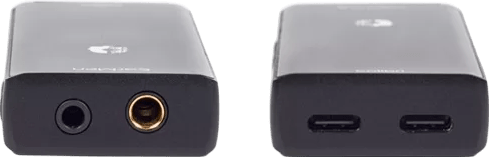

What reviewers think
Product Strengths
- Fully balanced 4.4mm output and a 3.5mm single-ended output
- Battery-powered, providing ultra-clean and stable DC current, avoiding noise-inducing RFI/EMI pollution and not draining the sound source battery
- Excellent build quality, often made from a CNC milled aluminum block with glass surfaces for durability and a premium look
- Neutral and transparent sound signature
- Has hardware controls
- Dead silent without EMI interference
Product Considerations
- Battery life is around 5 hours
- The size is larger than most dongle DACs due to the internal battery
- Stock USB cable may be too long and stiff for portable use
- Bass boost can muddy details
Comparisons (according to reviewers)
- Compared to EarMen Sparrow, the Colibri has enhanced overall performance due to the internal battery, providing cleaner power, wider soundstage, and deeper detail retrieval, although both use the same DAC chip (ES9281 Pro)
- Compared to Cayin RU6, the Colibri has a slight edge in spacing as a result of less aliasing and its lower noise floor
- Compared to AudioQuest Dragonfly, the Colibri is a major step up
Takeaway: The EarMen Colibri offers high-fidelity sound in a portable package, making it a great choice for audiophiles on the go because it delivers clean, powerful audio without draining a device's battery, allowing for extended listening.
Video review
About the brand
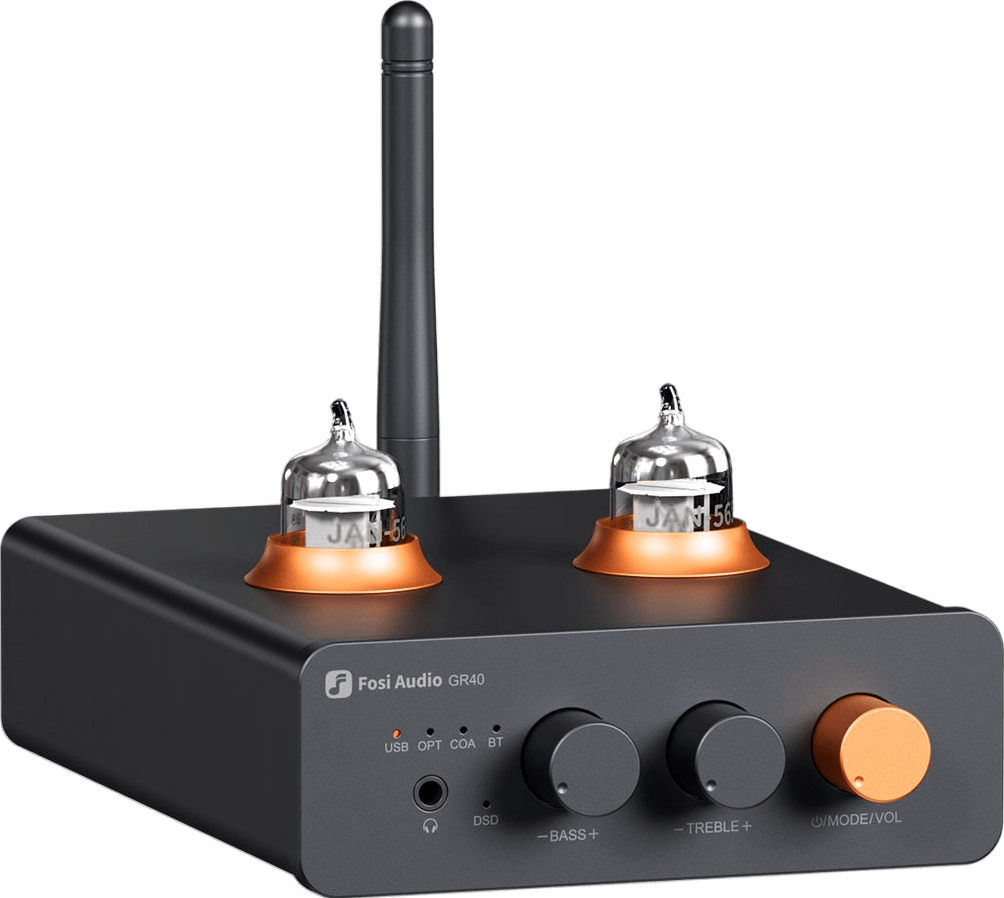

What reviewers think
Product Strengths
- Solid build quality with a fully aluminum alloy construction
- Feature-rich with USB, Optical, Coaxial, and Bluetooth 5.1 inputs
- Offers a unique, warm, and rounded sound signature typical of vacuum tubes
- Includes dedicated analogue bass and treble tuning knobs for sound customization
- Easy to use with a straightforward control system and no complicated menus
Product Considerations
- Tubes can be a bit hard to install
- Can sound a bit too smooth and lacking texture
- Not ideal for pairing with sensitive IEMs due to noise
- EQ knobs can be finicky to use
- The treble and bass knobs required significant force to rotate them
Takeaway: The GR40 is a well-built and versatile tube amplifier that offers a warm and unique sound. With its easy-to-use design and customizable sound, it can bring a new listening experience to headphones.
Video review
About the brand
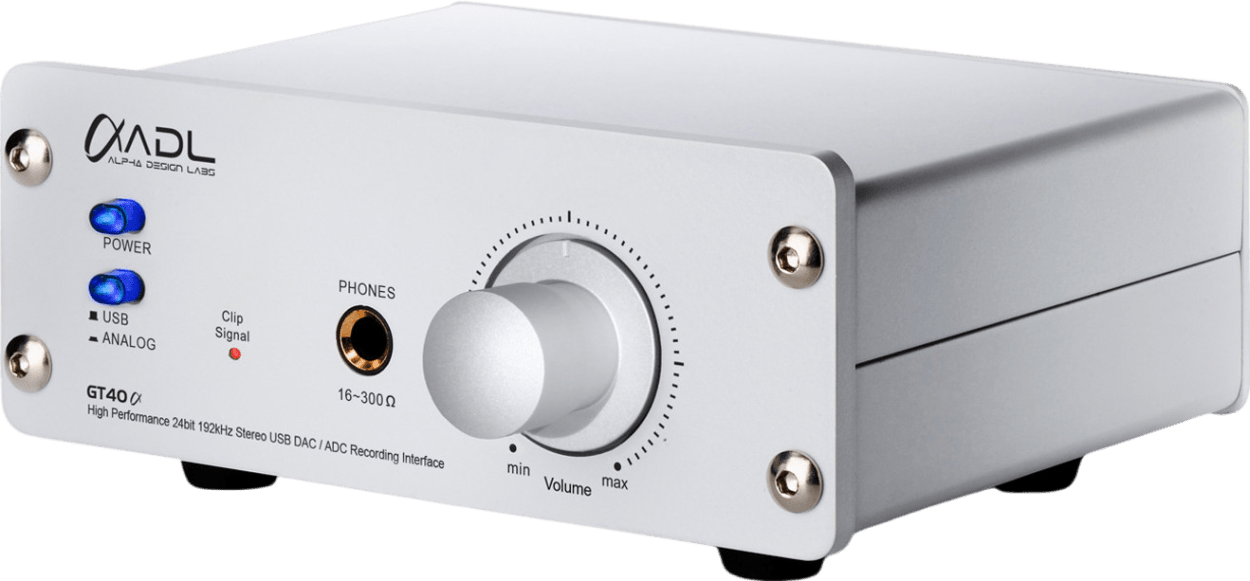
What reviewers think
Product Strengths
- Extensive range of functionality effectively puts the ADL GT40a in a class of its own, offering phono stage, DAC, and headphone amp capabilities in a small footprint
- A smooth and natural sound while avoiding sounding rounded off, delivering plenty of punch, detail, and texture
- Phono stage performance is a surprise, with high gain, quiet operation, and warmer—more involving sound compared to its digital performance
- Casework is all metal and extremely well finished with a level of integrity that isn't often found
Product Considerations
- Can only really do one thing at once, as using it as a phono stage precludes switching it straight over to use as a USB DAC
- A slight lack of warmth in the midrange means that when listening to something delicate, the GT40a can sound very slightly sterile
- Lacks DSD support
Takeaway: The GT40a is a versatile device, packing a DAC, headphone amp, and phono stage into one well-built unit. It's a good option if multiple audio functions are needed in a single device.
Video review
About the brand


What reviewers think
Product Strengths
- Spacious and well-balanced sound with a decent amount of detail
- Numerous inputs, including Bluetooth, optical, digital coaxial inputs, as well as two USB inputs
- The first M-DAC with a built-in battery, offering up to seven hours of mains-free use
- Delivers a cohesive and precise performance that engages on an emotional and technical level
- Upgrades the sound quality significantly from standard Bluetooth connections
Product Considerations
- Casework/chassis feels a bit lightweight and underwhelming—made almost entirely from plastic
- Falls short of expression and dynamic impetus, a little too reserved
- Compared to other portable DACs, the M-DAC Mini feels rather large and cumbersome
- Not a suitable choice for smartphone users looking for an ever-present companion, due to its size
- 3.5mm headphone jack is not included
Takeaway: The M-DAC Mini is a versatile and functional device with a balanced and detailed sound, offering a step up in audio quality, especially via Bluetooth. It could be worth buying if you value having a portable DAC with comprehensive connectivity for both home and on-the-go use.
Video review
About the brand
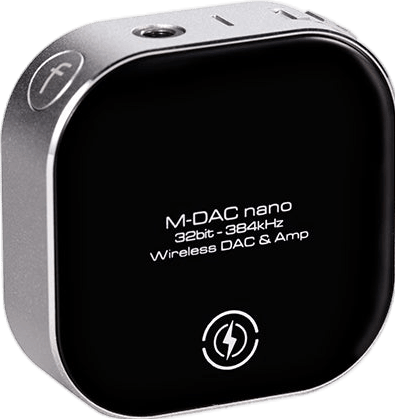
What reviewers think
Product Strengths
- Delivers a crisp, clean, and open sound with a decent degree of power and a low noise floor
- Improves sound quality of portable music, making it more detailed and refined
- The upsampling feature gives more vibrancy and dynamics to music
- Portable and lightweight design
- Connectivity options
Product Considerations
- Battery life could be longer, especially with the upsampling feature enabled
- Volume knob/button can be mushy and hard to press correctly
- Does not support higher data rate codecs
- Amp and charger feel plasticky
Comparisons (according to reviewers)
- M-DAC Nano is far easier to use than iFi Audio hipdac, and offers a more liberating mobile listening experience
- M-DAC Nano works with any device with minimum fuss, and doesn't drain the phone's battery as quickly as Dragonfly Red
Takeaway: The M-DAC Nano is a portable and convenient way to improve sound quality of music on the go, providing a wireless solution without sacrificing audio fidelity. It's a great option for those seeking better sound without the hassle of wires.
Video review
About the brand

What reviewers think
Product Strengths
- Excellent build quality with sturdy construction and premium materials
- Sophisticated and refined sound with extended airy treble and lots of detail, avoiding harshness
- User-selectable digital filters (7 for PCM, 4 for DSD) allow customization of the sound
- Expansive and precise soundstage with excellent imaging
- Versatile connectivity options with a comprehensive list of inputs and outputs
Product Considerations
- Could ideally use just a touch more drive and attack when recordings really demand it
- OLED display is smaller and less informative than its predecessor, M-DAC
- Bass is a tiny bit lightweight, mostly due to there not being any excess oomph in the upper bass
Comparisons (according to reviewers)
- Vs AURALiC Vega, the M-DAC+ is less clinical and arguably more forgiving, although not as expressively detailed or dynamic
- Vs Ayre QB-9, there is similar midrange purity and tonality, but the M-DAC+ has a tighter—more solid—quality
- Vs PS Audio NWD, the NWD has beefier bass and fuller tonality, but not the same level of neutrality, resolution, and refinement as the M-DAC+
- Vs Cambridge Audio DacMagic 200M, the Cambridge Audio DacMagic 200M delivers a smooth and insightful sound that's easy to live with and suits a wide range of headphones
Takeaway: The M-DAC+ is a well-built and versatile DAC that provides a detailed and refined sound, making it a great choice for those seeking high-quality audio reproduction. With its extensive features and customizable settings, it offers an enjoyable listening experience for a wide range of music.
Video review
About the brand
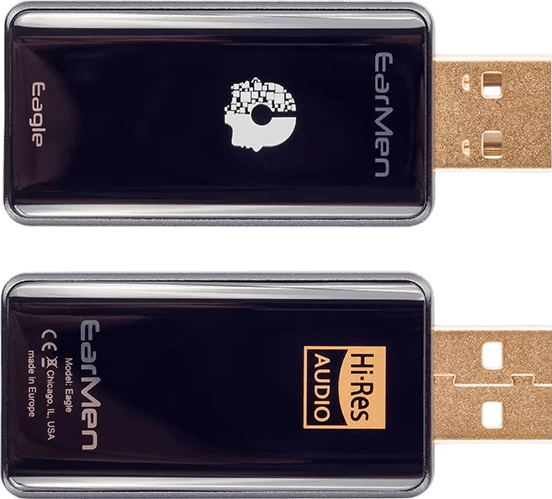
What reviewers think
Product Strengths
- Refined, natural, and premium sound quality
- Compact and lightweight device, easy to carry around
- Sturdy and elegant build with a metal body and glass panels
- Very good detail and soundstage for a DAC in its price range
- Compatible with multiple devices including Windows, Mac OS, Android, and iOS (with the appropriate Apple adapter)
Product Considerations
- May not be powerful enough to drive high-impedance headphones, more suited for IEMs and moderately demanding headphones
- Could benefit from more power output compared to competitors like the AudioQuest Dragonfly Red
- Protective case/pouch not included
- Lacks hardware volume control and microphone support
Comparisons (according to reviewers)
- Vs AudioQuest Dragonfly Red: A better value due to its lower price, providing a better implemented sound
- Vs AudioQuest Dragonfly Red: Sound is more focused and less intimate, with better space and layering
- Vs Shanling UA2/Hidizs S9 PRO: Excels in timbre and natural sound quality compared to these options, which prioritize balanced circuits and higher power output
- Vs Earstudio HUD100: The HUD100 is less dynamic but more linear
- Vs Zorloo Ztella: Better build quality and sound, with more vivid output
- Vs Audirect Beam 2: Better build quality and a more impactful sound
Takeaway: The EarMen Eagle is a portable DAC/Amp offering a significant upgrade in sound quality with its detailed and balanced output and high-quality build. It's perfect for on-the-go listening with IEMs or easy-to-drive headphones and good file compatibility.
Video review
About the brand
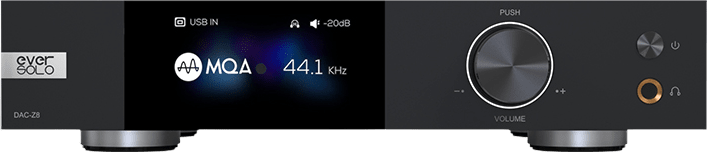
What reviewers think
Product Strengths
- Exceptional build quality, with a premium feel thanks to the aluminum chassis and attention to detail
- Clean, crisp, and clear sound, with a neutral presentation that resolves detail well
- Well-implemented headphone amplifier that can drive a wide range of headphones, and the headphone level reverts to the last used
- Bright and crisp LCD screen with VU meters adding to its visual appeal
- Versatile connectivity with USB-B, USB-C, optical, coaxial, and Bluetooth inputs, as well as balanced XLR and RCA outputs
Product Considerations
- Lacks HDMI ARC input, which would be useful for hybrid setups
- Some reviewers find the treble a little aggressive and fatiguing with certain recordings or speakers
- No Wi-Fi or Ethernet connectivity, meaning a computer or other network streaming device is needed
- No dedicated subwoofer output
- Not a tone control, those looking for a colored or editorialized sound should look elsewhere
Comparisons (according to reviewers)
- The Z8 has a more nuanced presentation and better separation than the Cambridge Audio DACMagic 200M
- The Z8 is smoother with a darker background on the headphone output, but the SMSL M500 MKII is warmer and fuller sounding on the line outputs
- The Z8 has a cleaner sound, darker background, and deeper soundstage on the line-outs than the Topping DX5, but the DX5 has more powerful headphone amplification
- Java Hi-Fi gives a slightly cleaner presentation with more authority in the bass than the Z8
Takeaway: The Eversolo DAC-Z8 is a well-built and versatile DAC that delivers a clean and detailed sound. It is a great option for users looking for a high-quality DAC with a range of features, including a headphone amplifier and preamp capabilities.
Video review
About the brand
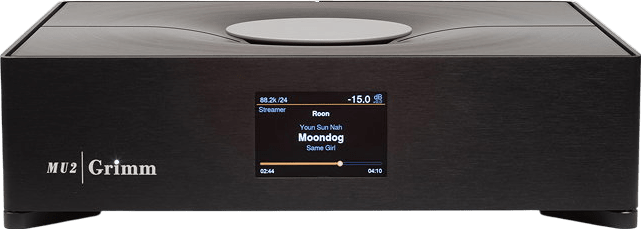

What reviewers think
Product Strengths
- The MU2 is an all-in-one device combining a Roon core/endpoint, DAC, preamplifier, and headphone amplifier
- Major DAC provides exceptional digital music reproduction, described as 'the best... by an obvious and distinct margin' and more 'lifelike'
- Offers a very quiet background and deep, wide, layered soundstage with stunning holographic reality
- The analog preamplifier section is high quality, described as Class A throughout, with ultra-low harmonic distortion
- Excels in revealing copious amounts of detail throughout the frequency range and making a deep emotional connection
Product Considerations
- Roon is required to operate the MU2 (although Grimm is reportedly working on another option)
- There is no wireless connectivity, requiring an Ethernet connection
- Some reviewers found the MU2 to be 'polite' or 'calm', which may not suit all preferences
- Parts are allegedly not worth the price
Comparisons (according to reviewers)
- vs AURALiC ARIES G1.1 + Totaldac d1-triunity/Mola Mola Tambaqui—MU2 provides more fully fleshed out sound
- vs Grimm MU1—the MU2's integral implementation and direct internal connection give it an advantage, sounding more expansive and expressive
- vs Aqua Formula xHD DAC—the MU2 is calmer and more composed, while the Aqua is upfront and explicit
Takeaway: The Grimm MU2 is a versatile, all-in-one music player that delivers exceptional sound quality for digital music, and it simplifies your system by combining a streamer, DAC, and preamp. It is designed to bring you closer to your music with its impressive detail and engaging sound.
Video review
About the brand


What reviewers think
Product Strengths
- Impressive sound field, supported by deep bass and a clean, open mid-range
- Refined treble, clear of the problems that often spoil the sound of digital players in its price range
- Compact and lightweight
- The Lindemann app displays the file format, sampling rate, and bit depth
- Supports Spotify, Tidal, Qobuz, and Deezer
Product Considerations
- One review had difficulty linking it using WIFI
- Limited i/o due to its compact form factor
- The Tidal interface differs from Spotify, as the Lindemann app must be used to control the device
- Lacks an optical input, which could be useful for connecting to a TV or console
Comparisons (according to reviewers)
- Compared to the AURALiC Aries G2 and the Mytek Brooklyn with Ferrum Hypsus power supply, the resolution is lower
Takeaway: The Lindemann Network II music streamer provides a new way of listening to music, and its sound qualities are impressive for its price, making it a worthwhile addition to a sound system. With a connection to Qobuz, the Network II provides a true high-end audio experience in a small package.
Video review
About the brand

What reviewers think
Product Strengths
- Smooth, analog-like sound with good dynamics and texture
- Very neutral, transparent, and more alive than most digital sources, appealing to the emotional side of listening
- Good soundstage
- Offers the XMOS 24/192 asynchronous USB interface and jitter reduction to 50ps
Product Considerations
- The output level is 1.4V, which is lower than the standard 2.0V, requiring higher gain to match other sources
- The supplied USB cable may be too short for some setups
Comparisons (according to reviewers)
- Vs heavily modified ART DI/O DAC—the Lindemann USB-DAC 24/192 was more dynamic and produced slightly better pace, rhythm and timing
Takeaway: The Lindemann USB-DAC 24/192 is an appealing device with a smooth, detailed sound, and is good for computer-based systems. This DAC is designed and manufactured in Germany.
Video review
About the brand
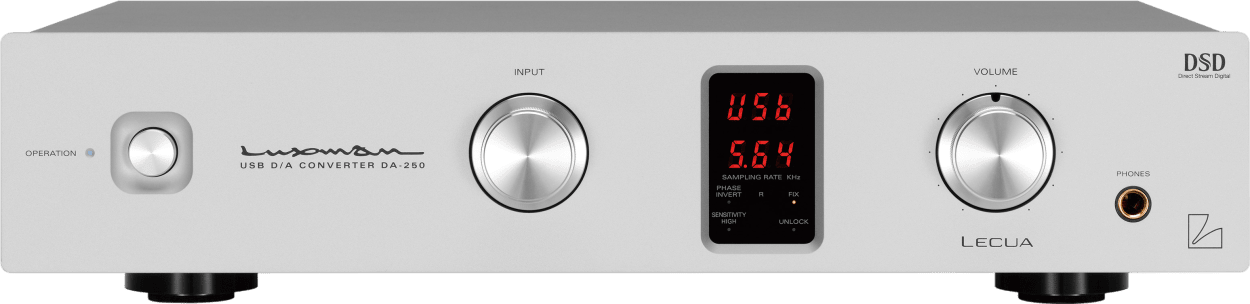
What reviewers think
Product Strengths
- The DA-250 provides clarity while retaining a comfortably smooth sound
- It evokes the sensation of listening to music, not just a digital-to-audio converter
- The headphone amplifier section is a surprisingly good find
- Higher resolution files really demonstrate its expertise
Takeaway: The DA-250 is an important addition to the Luxman line because it delivers a sound that reflects the manufacturer's commitment to enduring value. It has a headphone amplifier as an added bonus.
Video review
About the brand
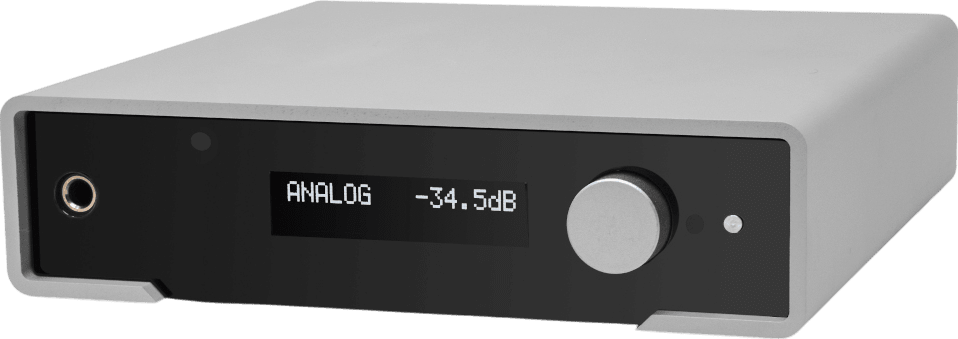

What reviewers think
Product Strengths
- A big jump in detail resolution, precision, and clarity is offered, making the decay on piano far more obvious
- Excellent depth of image is delivered, and is a tremendously fluent and well-timed converter
- There is a relaxed, calm presentation with excellent depth of tone and finely nuanced detail
- A very decent preamplifier section is featured, comparable to standalone preamplifiers at its price point
- App control is available via Bluetooth for adjusting various parameters
Product Considerations
- The included wall-wart power supply is the basic option, with an upgraded power supply (Van Der Graaf MkII) available separately
- Styling is straightforward, and the unit is presented in a small box, which may not convey its capabilities
Takeaway: The Young MkIV is a remarkably good sounding and capable DAC and preamplifier with many features that offers great value for the sound quality it delivers. It is an audiophile bargain especially when combined with the upgrade power supply.
Video review
About the brand

What reviewers think
Product Strengths
- High price/performance ratio
- Heavy power supply (30VA + 44'000µF) adds a headphone amp which can drive 16Ω
- Improved DAC linearity, boosting the converters to top specs
- More articulated transients, more focus, better top-end visibility, and depth specificity
- Unique R2R D/A conversion
- Amethyst features no balanced outputs
Product Considerations
- Volume control covers headfi only, piping directly into a speaker amp runs full throttle regardless of setting, needing a preamp or integrated amp
- Casework makes do without the range toppers' glass lid and massive sides
- Lacks color intensity and has leaner textures compared to some alternatives
Comparisons (according to reviewers)
- Compared to AURALiC Vega, Amethyst has more articulated transients, more focus, better top-end visibility, and depth specificity, but at a lower color intensity and with leaner textures
Takeaway: The Metrum offers great value with its unique R2R D/A conversion and ability to drive headphones, making it a compelling entry-level option from Metrum Acoustics. It provides clear and focused sound, making it a worthwhile consideration for those looking for quality audio.
Video review
About the brand
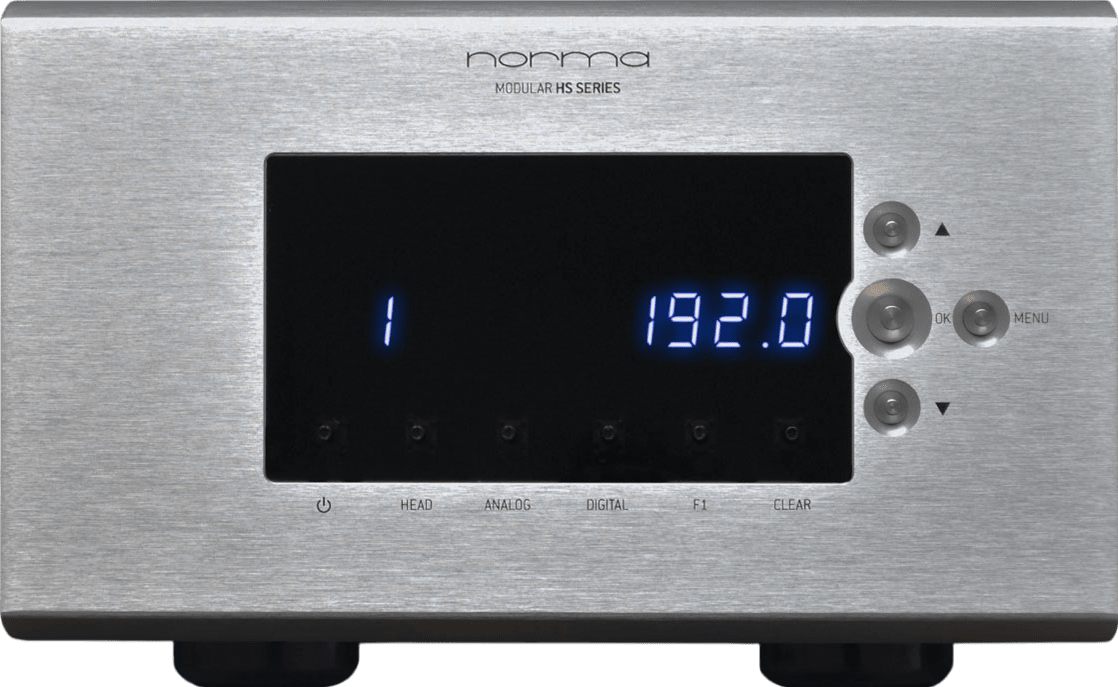

What reviewers think
Product Strengths
- Lush and rich tonal textures draw the listener in
- Coherence, saturation, and vividness are noted strengths
- Smooth sound, free of harshness, with proper density and contouring
- Renders music with an element of life, leading to more emotional and involving listening
- Impeccable internal design with ultra-wide bandwidth
Product Considerations
- Bass at times may sound rounded off at the edges
- Does not support DSD playback without first converting DSD files to PCM
Comparisons (according to reviewers)
- Vs Lampizator Amber, the HS-DA1 VAR is gentler, more punchy in the lowest octaves, with a stronger attack
- Vs Hegel H160 internal DAC, the HS-DA1 VAR offers tangible vocals, clearer separation, and a more three-dimensional soundstage
Takeaway: The Norma Audio HS-DA1 VAR/PRE is a high-quality DAC that provides a lush, detailed, and engaging listening experience. Its focus on natural sound and build quality makes it a strong choice for audiophiles seeking a refined digital source.
Video review
About the brand
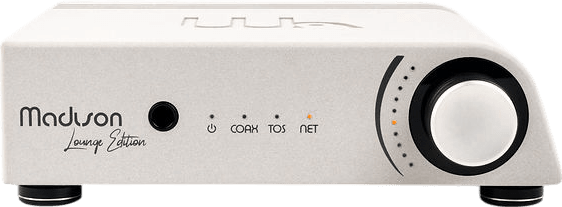

What reviewers think
Product Strengths
- Sophisticated DSP-driven DAC with clever, lossless LEEDH digital volume control, and balanced and single-ended outputs
- The Madison merges advanced, upgradable digital technology with thoughtfully planned circuitry, specifically crafted to offer exceptional musical performance in an elegant, compact, and surprisingly affordable design
- Wattson Audio Remote for Android and Wattson Music for iOS apps allow control of Madison parameters and access to streaming sources from a phone or tablet
- Accepts S/PDIF digital signals via TOSlink and Coaxial, as well as a wide range of streaming sources via RJ45 network, such as UPnP, Roon, Qobuz Connect, and Tidal Connect
- The network interface uses Wattson Audio's acclaimed streaming engine, a proprietary solution based on the Texas Instruments Sitara processor with updatable software
Product Considerations
- A specially selected energy-efficient external Switch-Mode power supply provides power
Takeaway: The Madison is a compact and elegant device that brings together advanced digital tech and thoughtful circuitry, giving great music quality without unnecessary extras. It is a good choice for people who want a mix of performance and convenience.
Video review
About the brand
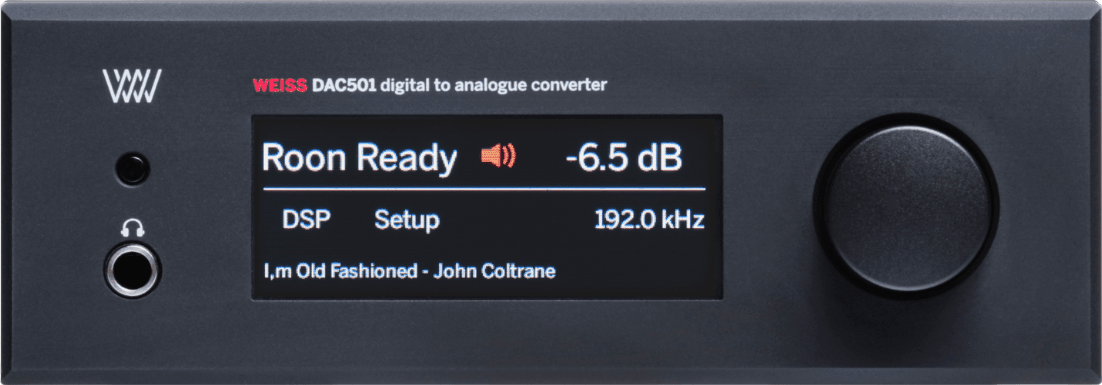

What reviewers think
Product Strengths
- Extensive DSP options for sound improvement and customization
- Well-built with a robust chassis of steel sheets and a thick aluminum fascia
- Excellent resolution, transparency, and delivers an abundance of details
- High-quality DAC and streamer packed into a half-size box
- Very versatile—DAC, various filters, a streamer and even a headphone amplifier
Product Considerations
- The controls—touchscreen and knob—were not particularly easy to use
- Some reviewers felt that the DSP features are unnecessary or do not achieve the desired effect
- Volume control is not lossless
Comparisons (according to reviewers)
- The Chord Hugo has a musical performance that is on a par with the Weiss DAC501
- When used as a streamer, the Weiss bested the Lumin U1 Mini streamer
- The reviewer preferred the Nagra Classic DAC for spaciousness and air, but missed the body of the Weiss DAC501 when switching to the Nagra
- The Denafrips TII is a shade darker in sound in the system than the Weiss
- Where the Chord DAVE excels at dynamics, the Weiss is a touch more laid back in comparison—but it is not laid back
Takeaway: The Weiss DAC501 is a versatile and well-engineered DAC that provides clean, detailed, and high-quality sound, along with many interesting DSP features. It is a solid product and could be worth buying for those who want to experiment with tweaking their sound.
Video review
About the brand
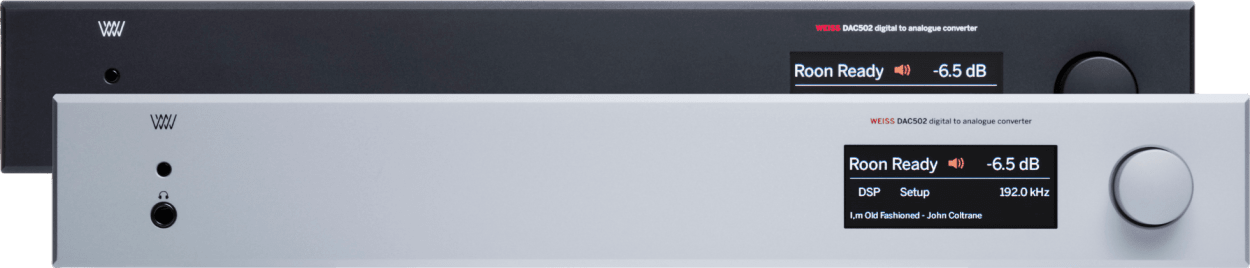
What reviewers think
Product Strengths
- Incredible speed, resolution, and detail
- Simple, sturdy, and utilitarian design, built for precision and function
- Spectacular core sound, with vivid imaging and a huge soundstage
Product Considerations
- No balanced headphone output on the front
- Small LCD display screen
Comparisons (according to reviewers)
- Vs Chord Dave, the 502 more than held its own, especially when it came to linearity, detail, and imaging
- Vs Topping DX5, the DAC-502 contributed to a more tonally balanced presentation, with increased resolution across the entire frequency range, and, most notably—far better imaging
- Vs Chord Qutest & Questyle CMA Fifteen, Weiss DAC502 gives the ability to have it all with musicality, clarity, imaging, and detail, and provides features designed to tune for every preference
Takeaway: The DAC502 unlocks the original intent of the artist with incredible musicality and features to tune the listening experience. It has the ability to reach back in time and recapture the original performance, delivering it.
Video review
About the brand
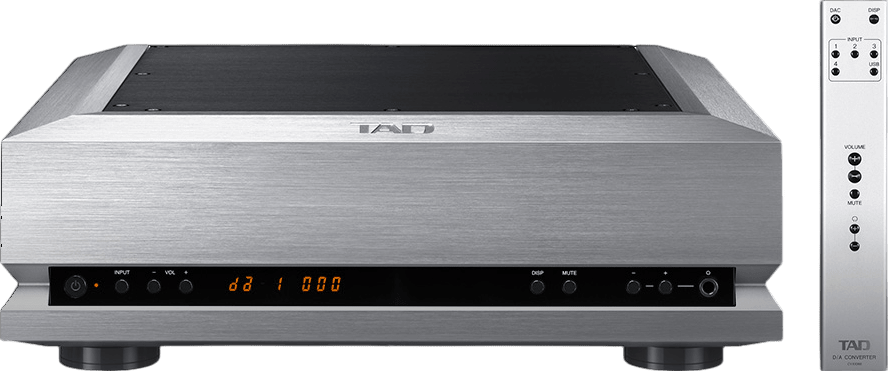

What reviewers think
Product Strengths
- Precise, clean, and articulate sound
- Excellent as a digital preamp
- Superb build and finish
- Delivers a wide open soundstage populated with crisply drawn instruments
- Balanced, neutral, and revealing sound
- Connectivity options are available
Product Considerations
- Some may find the presentation a little too cultured
- A slight click comes through the speakers every time file types change
- It doesn't quite capture the energy of some recordings
- It prefers to err on the side of politeness, and on some more aggressive forms of music, one can feel the loss of energy
Comparisons (according to reviewers)
- Vs Chord DAVE: Chord DAVE captures more of the verve and drive of the track
Takeaway: The TAD DA1000TX is a capable and beautifully engineered unit that delivers a sophisticated and refined sound. It's a great choice for those who value precision and clarity in their audio experience.
Video review
About the brand


What reviewers think
Product Strengths
- Fully balanced design with balanced XLR outputs, which is uncommon at this price point
- Neutral and uncolored sound signature, suitable for various uses like music and gaming
- Remote control provides convenient operation
- Presents exceptional value for its price
- Versatile connectivity with multiple inputs, including USB, optical, coaxial, and Bluetooth
Product Considerations
- Bluetooth only supports SBC and AAC, which is not ideal for high-quality wireless audio
- The 3.5mm single-ended output is less common than RCA outputs
- Front panel buttons are a bit mushy
- The display is very small, making it hard to read from a distance
- SMSL indicates that auxiliary power is required when using headphones for the best sound, especially in the bass region
Comparisons (according to reviewers)
- The M300 SE has similar sound to the SMSL C200 but costs half the price, making it more appealing unless the amp is the primary use-case, the C200 is warmer in the bass and mid-range
- The M300 SE offers a broader range of inputs and outputs and better dynamics than the Topping DX1
- The M300 SE offers cleaner sound, lower distortion, and better precision than the Fosi Audio K5 PRO
- The M300 SE has dedicated line outs and a remote than the HIDIZS XO
- The SMSL M300 SE is an upgrade over the Topping E50
Takeaway: The SMSL M300 SE is an affordable and versatile DAC/AMP combo that offers a balanced output and a neutral sound, as well as many features for the price. It is a good option for someone looking for an entry-level DAC with good connectivity and a small form factor.
Video review
About the brand
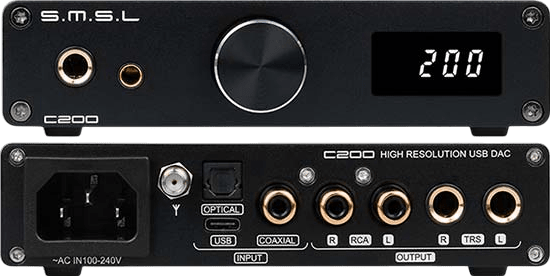
What reviewers think
Product Strengths
- Nice and solid build quality, with rounded edges and rubber feet to prevent scratching
- Delivers a flat, neutral tuning with linear frequency response and low distortion
- Near zero ohm output impedance makes it ideal for sensitive IEMs and headphones
- Bluetooth connectivity with high-res codecs including aptX HD, aptX LL, and LDAC, providing a solid connection
- Versatile with multiple inputs (USB, Optical, Coaxial, Bluetooth) and outputs (RCA, TRS balanced, 6.35mm & 4.4mm headphone)
Product Considerations
- Headphone output might not be powerful enough for very demanding headphones, although it can drive most headphones
- The 4.4mm balanced headphone output does not provide an actual increase in channel separation or more power output, it is for accommodation
- Some find that the sound of the C200 needs music with higher dynamic range to sound its best
- Short 3ft/0.9m power cord
Comparisons (according to reviewers)
- Vs Topping DX3 Pro Plus: SMSL C200 has 4.4 mm and TRS outputs that the Topping lacks, C200 is warmer and softer sounding, with a better tone timbre
- Vs Topping L30 Mark II: C200 has the option of a balanced headphone out
- Vs SMSL DO100 + SMSL HO100 Stack: C200 offers almost the same performance at a lower cost, though the stack has better power and a lower noise floor
- Vs JDS Labs Atom: The SMSL C200 is more lively, has a better staging presence, and darker blacks in the midrange
- Vs aune X1s GT: Driving power is higher on the C200, but the X1s GT has a slightly warmer—more full and deeper—sound
Takeaway: The SMSL C200 is a versatile and compact all-in-one DAC/Amp that delivers a neutral sound and a wide array of features, making it a great choice for those seeking a simple and high-performing audio solution. It is an ideal device for both IEMs and headphones and can serve as a solid foundation for building a desktop audio setup.
Video review
About the brand
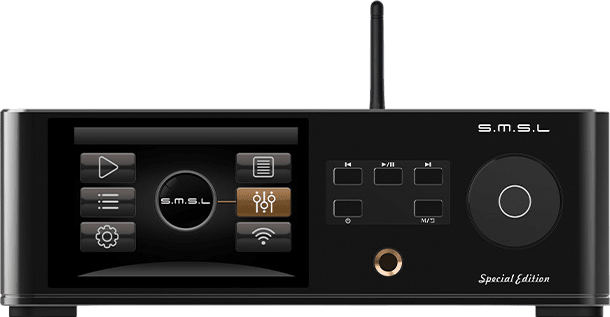
What reviewers think
Video review
About the brand
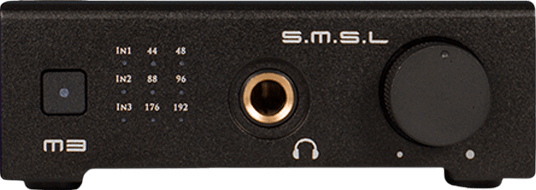
What reviewers think
Product Strengths
- Solid build quality and premium materials give it a more expensive feel
- Easy to use and compatible with smartphones, tablets, and computers
- Powers all headphones
- Connectivity options available
Product Considerations
- The plastic volume knob is the weakest part of the construction
- Micro USB connections are clumsy and troublesome
- It colors the sound quite a bit, making it warmer
Comparisons (according to reviewers)
- Vs FIIO E10K: The SMSL M3 sounds just as clean, perhaps a little sharper in the highs, and gains 2-3 different inputs, and full size RCA outputs
Takeaway: The SMSL M3 is a quality unit with solid build that powers all headphones. It is a good option for an easy to set up headphone amp and DAC combo.
Video review
About the brand
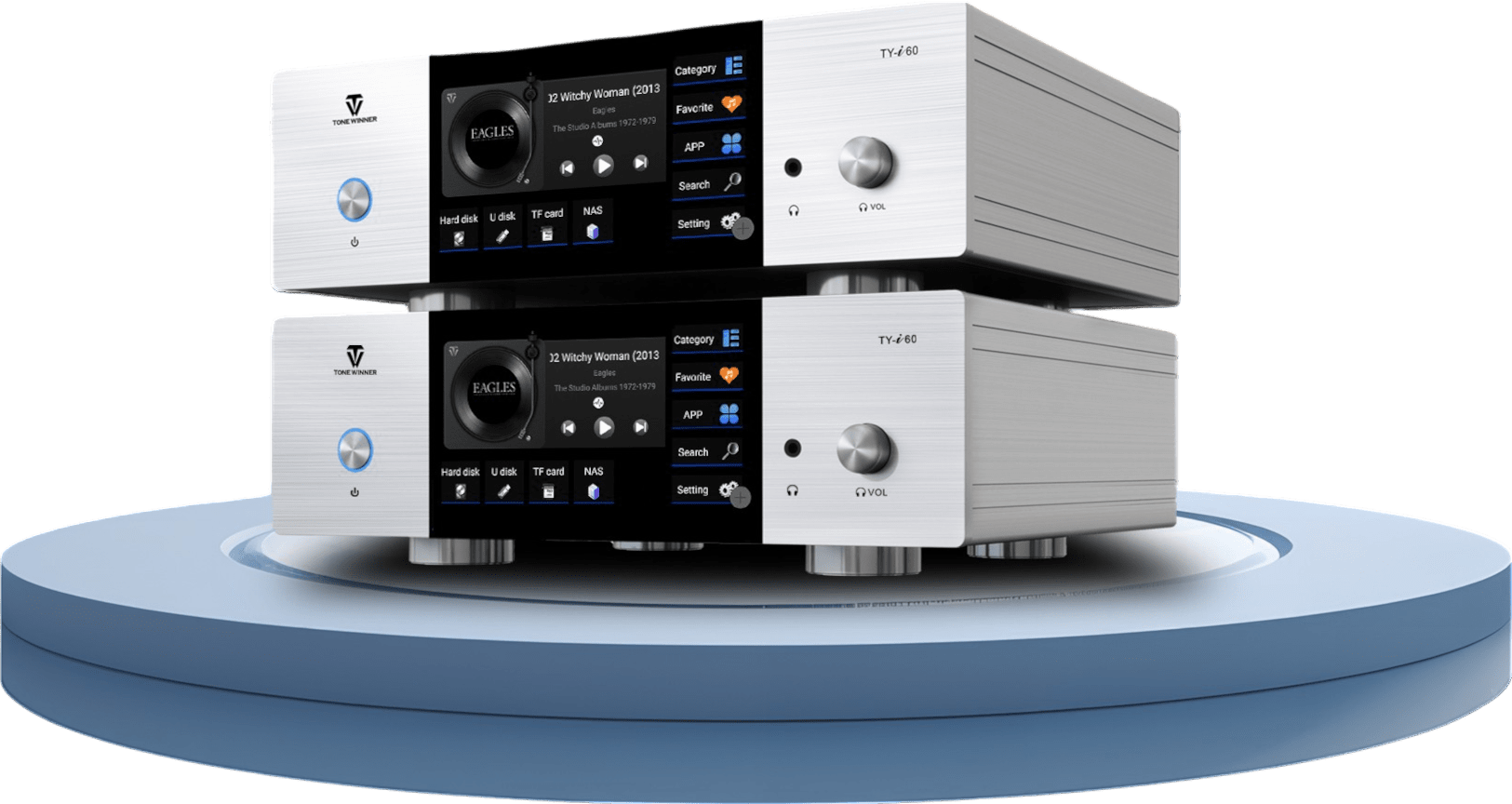

What reviewers think
Video review
About the brand


What reviewers think
Product Strengths
- Provides a simple, effective, and affordable solution to improve sound quality from computers
- Delivers a bold sound that is brimming with punch and detail, offering a more natural and vivid listening experience
- Improves clarity and cohesiveness of sound with seamless transitions between low, middle, and high frequencies
- Offers excellent value for money, representing a worthwhile upgrade for those who care about sound quality and listen to music on laptops, tablets, or smartphones
- The slow roll-off filter in the Cobalt allows for a more natural and balanced sound
- Connectivity options offer usage with a variety of devices
Product Considerations
- Maximum output voltage before clipping drops quite early on as load impedance decreases, due to the output stage's finite current supply
- Maximum PCM sample rate remains 96/24, and DSD is not supported natively
- DragonTail adaptor fits poorly
- Some users reported a firmware bug, on some mobile devices turning volume down to zero results in full blast volume
Takeaway: The DragonFly Cobalt is a small, portable device that improves music sound quality. It is a great choice for anyone wanting to improve their listening experience.
Video review
About the brand
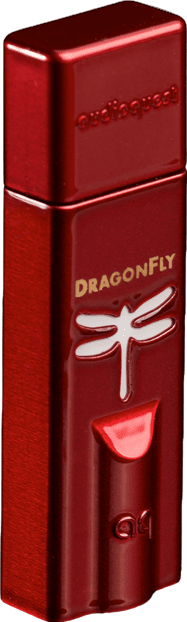
What reviewers think
Product Strengths
- Small size and portability
- Simple plug-and-play operation with computers
- Upgradable firmware via a desktop app
- Can improve the sound quality coming from a laptop or smartphone compared to the internal DAC
- Better DAC/AMP sections compared to the Black version, as well as a bit perfect volume controller included in the DAC chip itself
- An output of 2.1V compared to 1.2V on the Black, so it is a better pair with more power hungry headphones
Product Considerations
- Requires adapters for use with phones, specifically Apple's Lightning to USB Camera Adapter or similar
- Presents more detail, but it's also pretty compressed
- A very flat sounding device—the tonal balance is off because it lacks dynamics
- Bass gets a little muddy
- Volume control management on MacBooks can be cumbersome
- Some reviewers have experienced having to reboot their phones to get it to be recognized, or a sharp pop and sound muting
Takeaway: The AudioQuest DragonFly Red is a portable DAC/amp that improves sound quality and is easy to use with various devices. Its small size and convenience make it a great option for on-the-go listening.
Video review
About the brand
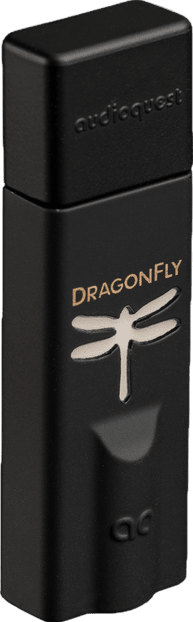
What reviewers think
Product Strengths
- Compact size and plug-and-play functionality with iOS, Android, Mac, and PC
- Musically cohesive sound with detail far above what a $99.00 DAC should bring
- Improves the volumetric growth of the musical soundstage
- Bass is substantial, relatively fast with good body and layering
- Elevates the computer-listening experience by delivering a much smoother, more relaxed, and warmer sound
Product Considerations
- The Black version is designed for easier-to-drive headphones, with a 1.2 volt output
- Treble extension is not the last word in extension
- Housing is made of metal, with a soft-touch rubbery paint applied to the exterior that looks great, but unfortunately–chips easily
Takeaway: The DragonFly Black represents a solution for those wishing to rescue their computers and smart devices from unmusicality with a more cohesive musical experience. It will engage heart, mind, and soul for music lovers on a budget.
Video review
About the brand
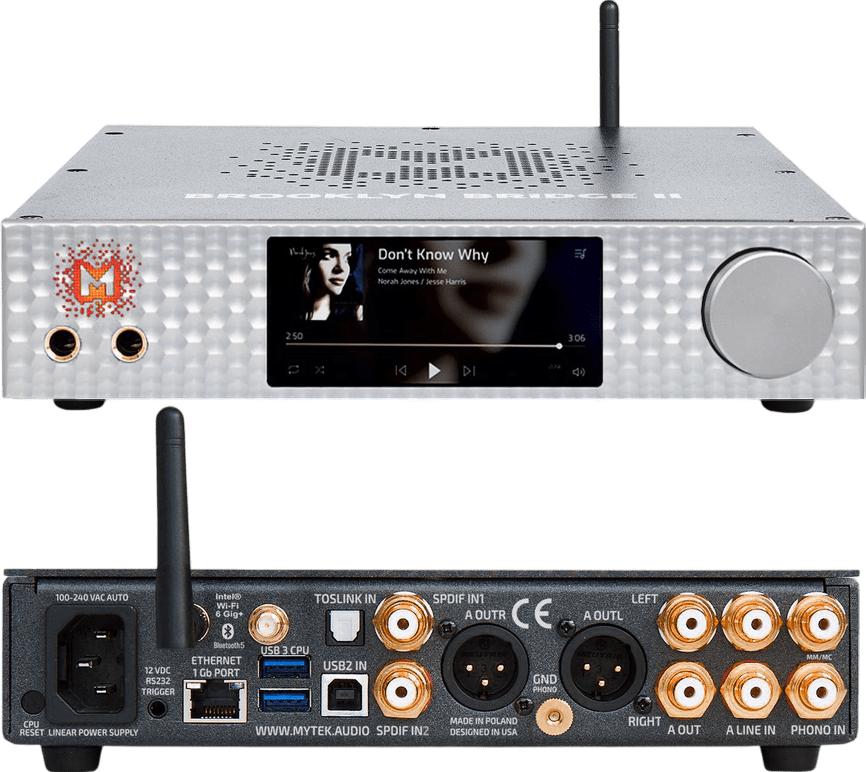
What reviewers think
Product Strengths
- It is a self-contained system that can perform all the functions of a Roon core, Roon Nucleus, and more
- It has a full-featured DAC with USB connectivity, as well as coaxial S/PDIF and TosLink inputs
- It has a high-quality headphone output and a phono preamp
- The system is powerful, flexible, and upgradable via regular system updates
- It can manage music from internal storage, locally and network-attached storage, and streaming services
Product Considerations
- To use all functions, an internet connection (Wi-Fi or Ethernet) and a Roon subscription are needed
- The touchscreen is too small, and there are too many submenus
- The touchscreen swipe-scrolls too slowly
- The BBII does not currently display the sample rate and bit depth for music played via a USB connection
- Low-level noise and hash can leak through the unbalanced outputs if using a Wi-Fi network
Comparisons (according to reviewers)
- Vs dCS Bartók streaming DAC: Mosaic (dCS's software) is not as feature-rich as Roon, but makes it easy to find and play files stored on a NAS and streamed from Qobuz
Takeaway: The Mytek Brooklyn Bridge II is a complex music machine with a wide range of connectivity—functioning as a Roon core, DAC, and preamp—making it a versatile centerpiece for a digital-centric audiophile. With its ability to integrate streaming services and local files, and the promise of future software improvements, it offers a comprehensive and evolving listening experience
Video review
About the brand
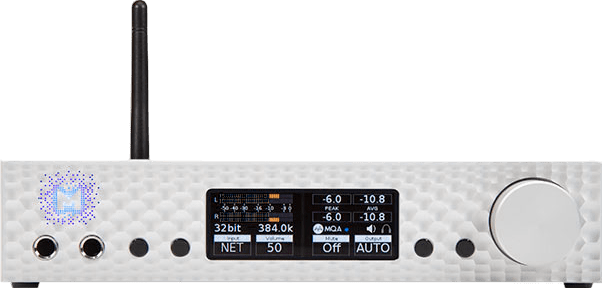
What reviewers think
Product Strengths
- Retains the main features of the Mytek Brooklyn DAC+ such as asynchronous USB, high-rez PCM and DSD-decoding, preamp functionality, and a very good headphone amplifier
- Adds streaming and network-server capabilities, wireless and via Ethernet
- Has a good built-in phono stage for both MM and MC cartridges
- Neutral and highly resolving digital convertor, able to extract the musical essence from a variety of digital formats
- Has a redesigned headphone amplifier section
Product Considerations
- Loses the DAC+'s AES/EBU digital input
- There's a formatting limit on high-res audio via the network input, unable to play PCM beyond 192 kHz and DSD higher than standard DSD64
- The MC input has too high gain and noise, with added MW radio intrusion
- The analogue pre-amp sounds matte
- Gapless playback has issues
Comparisons (according to reviewers)
- Mytek delivers a slightly better sense of detail and has an even blacker background than Audio-gd Master 7 DAC
- Mytek is a tad more articulated, with a little bit better micro-contrast, than RME ADI-2 DAC FS
- The Bridge holds up quite well, though AURALiC Taurus is more spacious and dynamic
- Mytek has a warmer and fuller sounding midrange than Violectric V200
- Burson Conductor 3 Reference is slightly more rounded and organic and natural sounding, even though Mytek really does a good job
- Chord Electronics Hugo/2go has better image focus within the soundstage and slightly superior stage depth than Mytek
Takeaway: The Mytek Brooklyn Bridge is a versatile device that combines a DAC, pre-amp, streamer and headphone amp into one compact unit with very good sound. It is a solid choice for those seeking an all-in-one solution for digital audio, especially if they value streaming capabilities and a good headphone experience.
Video review
About the brand
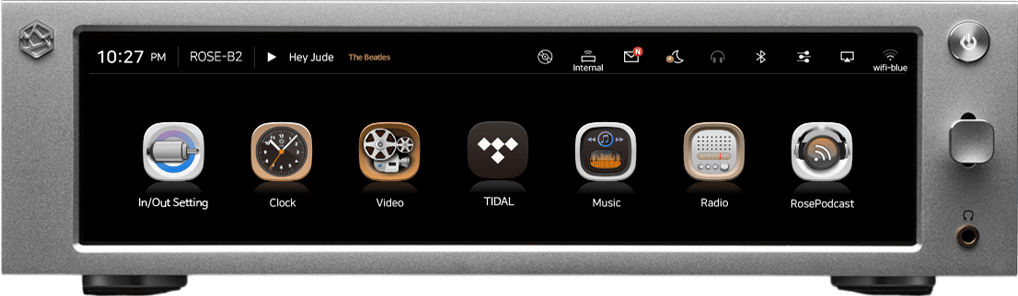

What reviewers think
Product Strengths
- Easy-to-use, responsive touchscreen allows for direct selection of functions, and can display video
- Able to stream and play back video, which will be of value for people who want an easy way to connect a media player to a HDTV, and it supports 4K video output
- Excellent sound quality with a clean and precise output
- Supports a wide range of digital audio and video from multiple sources
- The Rose Connect app is stable, natural to use, and looks great, making it easy to perform basic control functions
Product Considerations
- The sound quality, while excellent, is a little bit on the clinical side
- The remote control isn't great, and some found the Rose OS Android dialogue boxes baffling
- The built-in Tidal app can be hit and miss, and YouTube videos don't always like being skipped drastically forward
- Not the most powerful amplifier, and the bass response is not deep and punchy
Comparisons (according to reviewers)
- Vs Naim Uniti Atom and Cambridge Audio Evo, the RS201E may be comparable but is unique in several ways, being more of a media player
- Vs Naim Uniti Atom, the on-screen interface is one of its strongest features and it was not far behind the Naim in that regard
- Vs Bluesound NODE, the NODE has a more robust sound, but it may be too warm sounding for some—while the RS201E is far more neutral sounding when used as an amplifier
- Vs NAD M10 and QUAD Artera Solus, the RS201E is a little smaller which helps it to look bespoke
- Vs Vincent Audio SV-1000, the bass response of the RS201E is more like Filet Mignon (leaner, cleaner, tight, precise) compared to the SV-1000's ribeye steak (nice, fat, juicy bass)
Takeaway: The RS201E is a versatile streaming system with a unique touchscreen interface and impressive sound quality that offers lots of value. It is a great option for users who want an easy-to-use, all-in-one system that can handle both audio and video playback.
Video review
About the brand
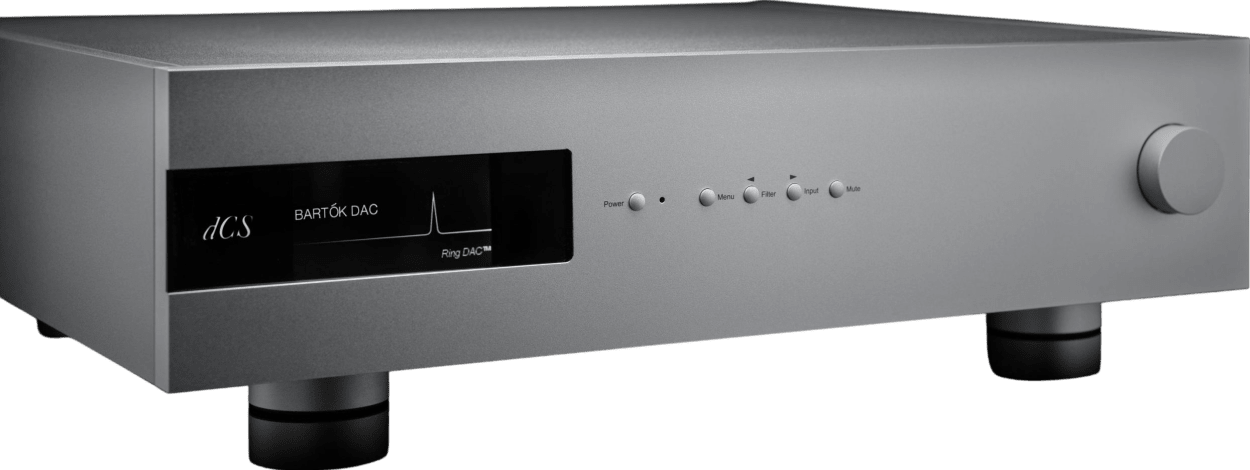

What reviewers think
Product Strengths
- dCS Bartók APEX offers more refined and coherent sound compared to previous versions
- The APEX Ring DAC reduces noise and increases linearity, resulting in greater dynamic range, detail, and vitality
- The dCS Mosaic app allows for comprehensive remote control, OTA updates, and efficient streaming options
- The headphone amplifier can drive a vast range of headphone models regardless of efficiency or impedance
- Implementation of the APEX Ring DAC delivers a more profound listening experience by reducing 3rd-order harmonic distortion
Product Considerations
- The dCS Bartók APEX is heavy and large
- The dCS Lina system performance could provide a dilemma for some potential buyers
- The headphone amp option is only available at point of purchase
Comparisons (according to reviewers)
- Vs original Bartók—the Bartók APEX upgrade sounds much more refined than previously
Takeaway: The Bartók APEX is a very high-quality music player that offers both simplicity and scalability, with the ability to be upgraded in the future. It is a worthwhile investment for an excellent sound experience.
Video review
About the brand