
Welcome
In-ear monitors seal in the ear canal, so they need far less power than full-size headphones and block the room around you. The interesting engineering is in the drivers: dynamic for bass, balanced armature for detail, electrostatic tweeters in the expensive ones, and hybrids that stack all three. These are the sets with the most reviewer coverage. The cheaper Chinese brands here are reviewed as seriously as the flagships, and often come out well.


Products on this list




What reviewers think
Product Strengths
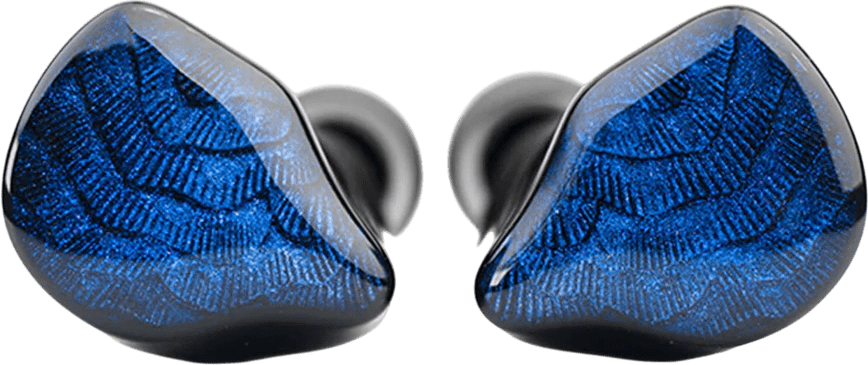
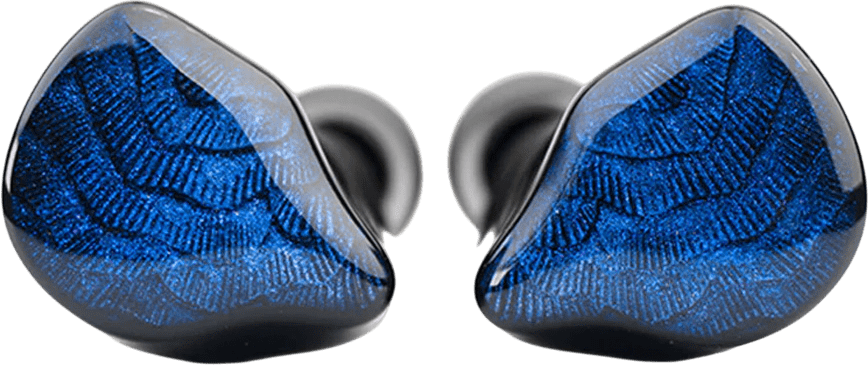
- Sound signature is likely to be palatable for a wide range of people at its price point.
- Good emphasis in the upper midrange, decent timbre, good resolution, the upper midrange is upfront with the vocals, nice details, and it works well with a smooth treble.
- Very smooth treble and the absence of sibilance.
- Good dynamic bass that's nicely textured and has a decent rumble.
- Imaging is accurate.
Product Considerations
- The Truth Ear Nova does not sound better or more balanced than the Hexa, since the reviewer prefers a more balanced sound signature.
- Nova is not a thick-sounding IEM, it's quite thin.
- The midrange is chiefly defined by a cavernous suckout in the low-midrange.
- Soundstage is a little narrower than preferred.
- Shell size may be slightly large for smaller ears.
Comparisons (according to reviewers)
- Vs. Moondrop Variations: Nova is significantly cheaper and close enough in performance that one should save money and go for Nova.
- Vs. Truthear Hexa: Nova easily has a smoother treble presentation, has more dynamic bass, and is more ergonomic, but Hexa has one of the best midranges in this price tier.
- Vs. Truthear Zero: RED: Zero: RED beats Nova almost across the board in tuning and simply sounds more normal.
Takeaway: The Truth Ear Nova is commendable for achieving its tuning at its price point, especially for those looking for a V-shaped presentation or Harman-esque kind of sound signature. If the Harman IE target is to one's liking, Nova is probably as safe a choice as any of the other Harman options out there.
Video review
About the brand


What reviewers think
Product Strengths
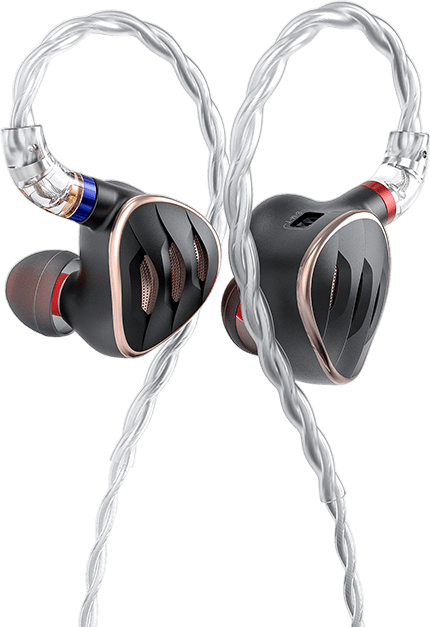
- Detailed and clean sound, putting plenty of micro-details on the foreground
- Good build quality and comfortable design
- Swappable audio plugs included
- Tuning switches featured
- Open and wide soundstage
Product Considerations
- Treble can be a bit sharp and metallic sounding
- A dedicated DAP, Bluetooth dongle, or external DAC/Amp is needed to shine
- Below-average noise isolation due to its semi-open nature
Comparisons (according to reviewers)
- Approaches the FiiO FH7 closely, but is not exactly as punchy and engaging when bass notes are coming to play, FH7 has a better midrange rendition
- The FH5s gives a harder edge to treble notes, but at the same time creates a wider and more spacious soundstage
- The FiiO FD5 emphasizes warmth, smoothness, and a lush sound with prominent bass and midrange, where the FH5S has a more textured midrange, and a cleaner bass with less emphasis
Takeaway: The FiiO FH5S provides an outstanding unboxing experience and impressive features, along with a clear sound. The IEM allows for long listening sessions.
Video review
About the brand

What reviewers think
Product Strengths
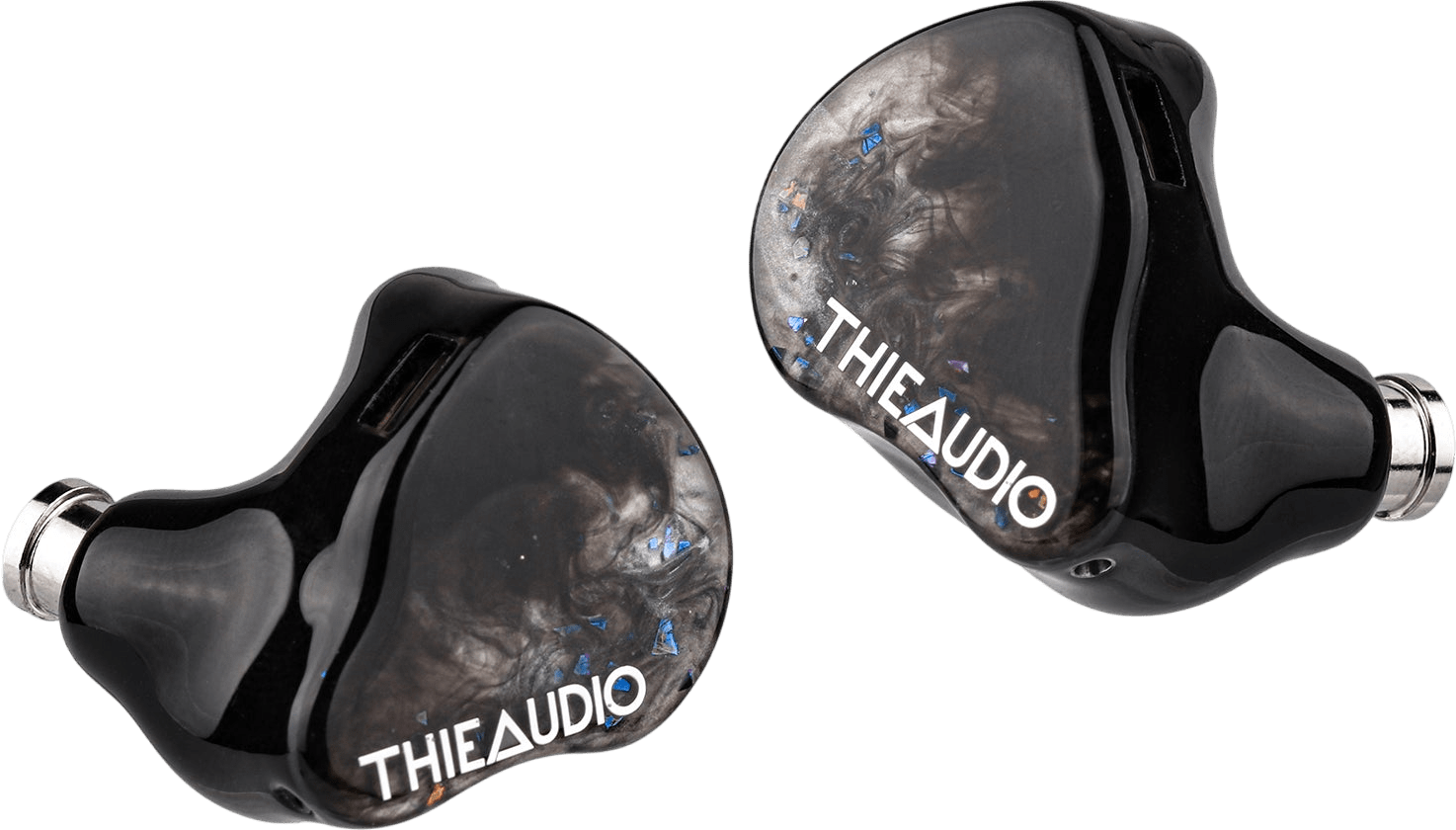
- Offers excellent midrange resolution, highlighting subtle details in instruments
- Features a safe yet exciting U-shaped tuning suitable for all genres
- Presents a dynamic and exciting sound signature, clear vocal performances, and a resolving staging performance
- The included cable is of high quality and features interchangeable plugs
- Has great audio reproduction accuracy and consistent audio delivery
Product Considerations
- The upper treble may be a little exaggerated for some listeners
- The shell is larger than average for a universal IEM, which may cause fit issues for some
- Stock ear tips are just okay
- Bass resolution could be better
- Does not have an integrated microphone, so a standalone mic is needed to take calls
Comparisons (according to reviewers)
- Vs. Monarch MKII: The MKIII has increased richness in its midrange and an upper treble exaggeration, offering a slightly U-shaped signature compared to the MkII's balanced profile
- Vs. Symphonium Helios: MkIII's midbass body contrasts Helios' dipped lower mids, MkIII has better overall resolution, but a more exaggerated treble
- Vs. 64 Audio U4s: The MkIII is better tuned compared to the U4s, with the U4s having a thicker midrange and weightier timbre
- Vs. MOONDROP x Crinacle DUSK: The THIEAUDIO have a more detailed treble range
- Vs. MOONDROP Blessing 3: The THIEAUDIO have a more elevated bass range
- Vs. TRUTHEAR x Crinacle ZERO: RED: The THIEAUDIO do a better job blocking out external noise and leak less audio
Takeaway: The Monarch MKIII is a well-tuned IEM that is great for all kinds of music and has excellent technical performance. If one is looking for a high-end IEM with a versatile sound, this could be a great choice.
Video review
About the brand

What reviewers think
Product Strengths
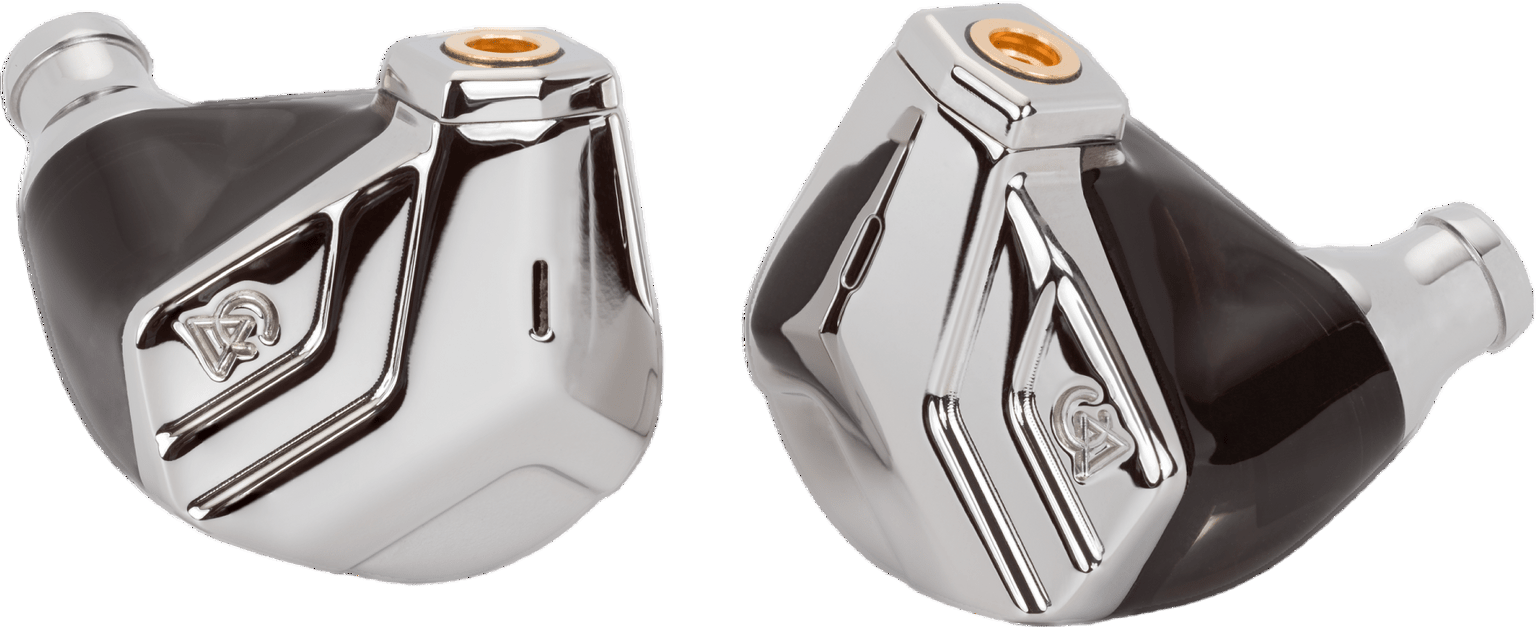
- Impressive technical performance, clarity, detail retrieval, and resolution due to its planar magnetic drivers.
- Features a new, comfortable, and ergonomic shell design that's also lightweight and durable.
- Includes two upgraded Time Stream Metal cables, providing both 3.5mm and 4.4mm terminations.
- Delivers a strong, extended bass response, with texture and speed, plus a nimble, airy top-end.
- Exhibits a spacious, wide, and holographic soundstage with good imaging and instrument separation.
Product Considerations
- Lower sensitivity might require a dedicated DAP or amplifier for optimal performance, and can sound anemic when paired with just a phone.
- Can be sensitive to source pairings, warmer DACs might wash out the mids and some pairings may bring out sibilance.
- Stock tips might not provide the best seal for everyone, and the stock tip selection is poor.
- Silicone eartips can make the treble sound harsh.
- The mirror-finished stainless steel faceplate is prone to fingerprints and smudges.
Comparisons (according to reviewers)
- Vs. Campfire Audio Bonneville: Astrolith has superior mids, clarity, detail and transparency, and better treble extension, articulation, and overall resolution.
- Vs 64 Audio Volür: Astrolith offers bigger bass and a more exciting presentation, as well as faster and more resolving sound, but Volür is more accurate overall.
- Vs. Oriolus Monachaa: Astrolith has a faster and more controlled bass with better texture, a more natural and realistic midrange with a fabulous timbre.
- Vs. Elysian Acoustic Labs Annihilator: Astrolith delivers a more robust and organic mid-range with realistic and natural timbre and more defined lower mids.
Takeaway: The Astrolith is a technically impressive IEM with a comfortable design that delivers a powerful and detailed sound. It could be a great pick for listeners who want high-end sound that can play all kinds of music well.
Video review
About the brand

What reviewers think
Product Strengths
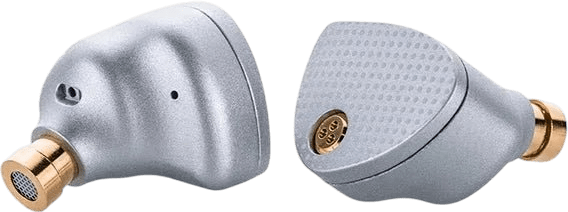
- Improved build quality with a new alloy casing that feels solid and durable
- Comes with a high-quality cable, including swappable jacks, supporting 3.5mm TRS and 4.4mm balanced ends
- Balanced U-shaped signature that works well with many genres
- Improved clarity and lower distortion compared to its predecessors, enhancing the overall listening experience
- Good soundstage and imaging for a sub-$100 IEM
Product Considerations
- Weight (11.8g per earbud) can lead to discomfort over time for some users
- Upper mids can sometimes sound a bit shouty
- Some reviewers find the bass response leaner compared to the original Aria
- Stock tips are not great and reduce clarity
- Some listeners may be disappointed by the boosted treble prominence over the bass
Comparisons (according to reviewers)
- Vs. Moondrop Aria 1: Deeper bass, better midrange clarity, and improved soundstage and imaging
- Vs. Moondrop Aria Snow: Deeper bass and more presence in both sub-bass and mid-bass
- Vs. Truthear ZERO: RED: Better build quality, while the ZERO: RED is more technically capable with better clarity
- Vs. Moondrop KATO: Measures essentially identically to the KATO, but the KATO is clearly more detailed and technical
Takeaway: The Moondrop Aria 2 is a well-built IEM that provides good sound quality and useful features. It's a solid choice for anyone looking for an enjoyable listening experience, especially as an entry point into higher-performance IEMs or as a companion to more analytical sets.
Video review
About the brand

What reviewers think
Product Strengths
- Cohesive sound due to single dynamic driver design.
- Nostalgic design reminiscent of 1940s with beautifully built stainless steel and chrome finish.
- Comes with a high-quality 8-core silver coated copper cable with swappable plugs (3.5mm, 2.5mm balanced, 4.4mm Pentaconn).
- Full-bodied and punchy bass, warm and well-defined mids, and smooth, liquid highs.
- Wide soundstage compared to other IEMs, with instruments rendered with natural timbre and great separation.
Product Considerations
- Treble can get shouty and harsh at higher volumes, possibly requiring longer burn-in.
- Stock sound signature is a bass-heavy v-shape, which might veil the mid-range for some listeners.
- Included tri-flange tips and interchangeable tubes may not significantly change the sound.
- Semi-open design offers mediocre isolation, making it unsuitable for very noisy environments.
Comparisons (according to reviewers)
- Vs FD3: FD5 is a little more refined and has sufficient detail for the price, whereas FD3 is a little too veiled.
- Vs Softears Twilight/Kingfisher: Softears Twilight and Kingfisher completely outperform the FD5 in sheer level of tuning and detail.
- Vs Letshuoer S12: The S12 tunes better with a bass that is just as strong as the FT5, while not bleeding into the mid-range in any way.
- Vs SIVGA Nightingale: The Nightingale has a somewhat larger sound with more air, and the imaging is more precise, but the FD5 has a fuller sounding midrange and stronger midbass presence.
- Vs FiiO FH5S: FD5 is thick, warm, smooth, and lush, the FH5S offers crisper highs, a more textured midrange, and a tighter bass with less fullness.
Takeaway: The FD5 offers a cohesive and nostalgic listening experience. With great build and an included modular cable, this IEM is a good choice for listeners who enjoy a bass-forward sound with musicality.
Video review
About the brand

What reviewers think
Product Strengths
- Well-constructed with a nice design, comfortable for long listening sessions with no rough edges
- Versatile IEM suitable for various genres with good sub-bass and treble extension, and uncongested vocals
- Good soundstage, wider than average for IEMs under $150 or even $200
- Package offers great value with a wide selection of ear tips and carry cases
- Good imaging, fast attack, and nuanced texture
Product Considerations
- Mid-bass can feel textureless with weak details
- Some reviewers find the bass boomy, lacking articulation, and being slightly out of balance with the other drivers
- The cable may have a memory, not hanging straight, and being somewhat rubbery/stiff
- Has a more intimate rather than wide-open soundstage
- There is fairly significant driver flex
Comparisons (according to reviewers)
- Compared to the FH5, the FH5 is more detailed, neutral, and cleaner sounding overall, while the FH3 is more V-shaped and fun to listen to
- Compared to the Moondrop Starfield, the FH3 has much stronger imaging and separation, while the Starfield is smoother and more relaxing with a more forward upper mid-range
Takeaway: The FH3 is a great choice if someone wants fun sound and good soundstage in an IEM at a reasonable price. This IEM provides a great listening experience that will not be fatiguing.
Video review
About the brand

What reviewers think
Product Strengths
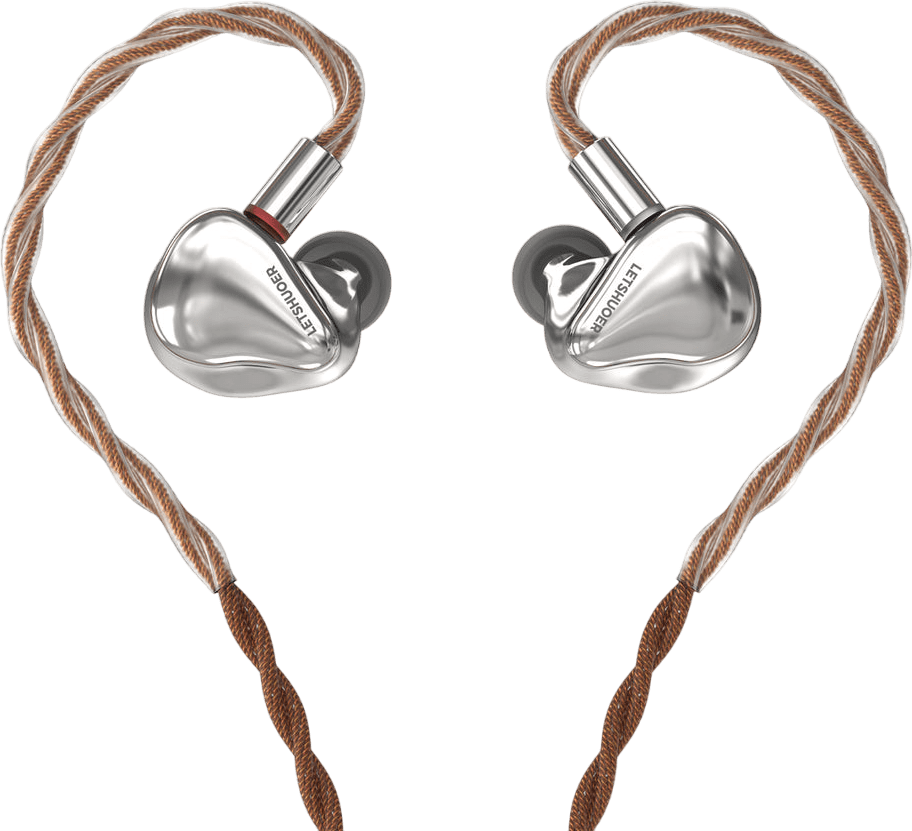
- Praised for its beautiful design
- Very comfortable, almost expected from an IEM based on resin
- Easy to drive due to its low impedance and high sensitivity
- Provides a lot of clarity
- Has a very natural tonality, even with balanced drivers
Product Considerations
- Its design might be too fragile and prone to scratches
- May lack impact and slam for music with a lot of low-octave focus
- Some amplifiers might not synergize well, needing experimentation
Comparisons (according to reviewers)
- Compared to the Moondrop variations, the Cadenza is preferred for its handling of transitions
Takeaway: The Cadenza is a beautiful IEM with great clarity that's also comfortable to wear. It is an easy to drive IEM, with great potential to provide enjoyable listening sessions.
Video review
About the brand

What reviewers think
Product Strengths
- Captures the sound of the original Svanar, with a balanced tuning emphasizing bass and treble while maintaining the mids
- Incredible imaging performance, offering a wide, well-rounded, three-dimensional soundstage with excellent positioning and separation—highly competitive, even compared to non-TWS IEMs under $1000
- Has an R2R DAC which permits unreachable technical performance
- Very light and comfortable
- Excellent connectivity and usability
Product Considerations
- LDAC connectivity issues with invasive intermittence and noise cutting
- ANC and Transparency mode aren’t very useful and lack dynamic, delivering leaner dynamic, less musicality
- Plastic build might not be most durable if dropped
- High-frequencies are quite sensible to the source, making it one of the least forgiving TWS
- Hiss is also present
Comparisons (according to reviewers)
- The Svanar Wireless is punchier, with better bass detail and imaging, and a wider soundstage, while the Final ZE8000 has a warmer, more neutral sound
- The Svanar Wireless has stronger imaging performance, a wider soundstage, and a better balance between separation and cohesion
- The Svanar Wireless is superior in technicalities and tonal balance, as well as timbre and tone naturalness, and ultimately musicality
- The Svanar Wireless' soundstage is taller and wider but not as deep, since clarity isn’t as sharp and clean, silence being more "noisy"
- The Svanar Wireless has better sound and performs better technically
- The Sony TWS has bloated bass that overwhelms everything else; in comparison, the soundstage and treble performance of the Svanar Wireless is miles ahead, presenting a much more detailed, natural, and sophisticated kind of sound
Takeaway: The Svanar Wireless sounds impressive for wireless earbuds, and it has great connectivity and features. For those seeking high-end wireless sound, these are worth considering.
Video review
About the brand

What reviewers think
Product Strengths
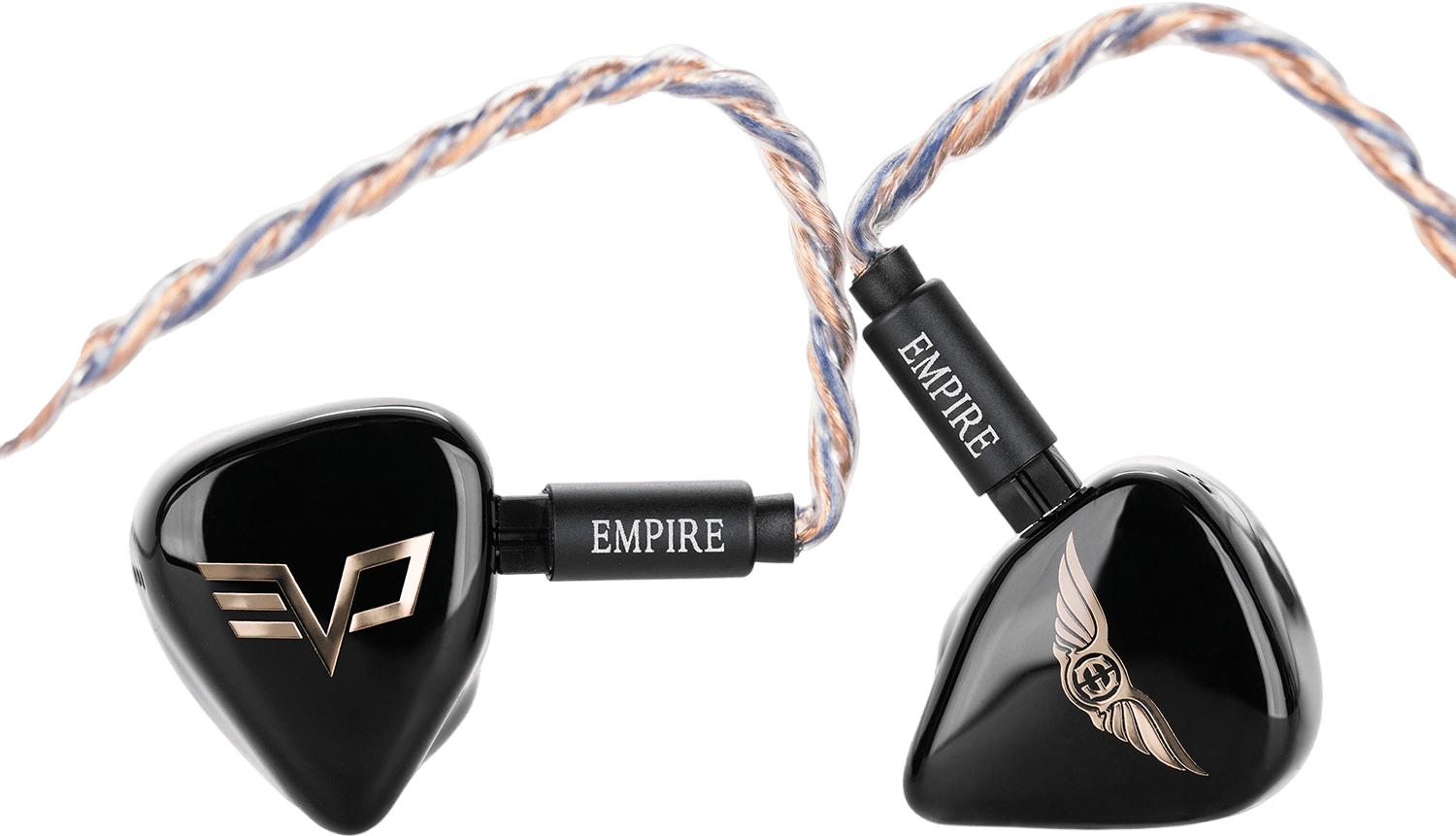
- Excellent technical performance and detail retrieval, considered several cuts above other IEMs
- Outstanding imaging performance, with precise soundstage and instrument separation
- The bass response is a highlight, delivering a punchy sub-bass with texture and articulation
- Offers a warmer tonal balance that is easy to get into with a mostly 'neutral' sound
- Bone conduction enhances low-frequency extension, reverb, and detail
Product Considerations
- Large chassis that may be uncomfortable for some users, particularly those with smaller ears
- The subdued treble range may not provide enough energy and sparkle for some listeners
- Stock cable is lackluster in terms of usability due to its plasticky feel, rigidity, and microphonic feedback
- Driver flex (a harmless crinkling sound upon insertion) is present
Comparisons (according to reviewers)
- Legend Evo delivers a stronger bass impact, depth, and extension than the Legend X
- Legend Evo produces better constructed highs than the Legend X
- Legend Evo shows better clarity than the Legend X, and has more detail
- The Legend X can sound veiled concerning the Legend Evo
- The Legend Evo feels a touch smoother than the Empire Ears ODIN
Takeaway: The Legend Evo is a top-tier IEM with innovative bone conduction technology that creates a unique and immersive listening experience with enhanced bass. It is a great option for those seeking flagship-level performance with a warm, bass-focused sound signature.
Video review
About the brand


What reviewers think
Product Strengths
- Smooth, natural, and easy to listen to sound signature that is not fatiguing
- Impressive and beautiful design, with unique 3D faceplate and premium feel
- Good build quality and comfortable ergonomic fit for most ears
- High-quality modular cable with interchangeable plugs (3.5mm, 2.5mm, 4.4mm)
- Full-bodied vocals and a versatile sound that works well with various genres
Product Considerations
- Can be considered large and thick, protruding from the ears
- Bass can lack definition, separation, and impact for some listeners
- Stock cable may not unleash the full potential of the IEMs, and an upgraded cable is recommended by some reviewers
- Midrange separation could be better for some users
Comparisons (according to reviewers)
- Vs. the FiiO FH7: The URD is less aggressive, more charming, and has a wider soundstage, the FH7 has faster, more controlled bass but can be fatiguing
- Vs. the DITA Audio Twins Fealty: The URD prioritizes weight, soft tonal balance, and timbre density, the Fealty emphasizes amplified resolution and detailed texture
Takeaway: The Kinera URD is a beautiful and comfortable IEM that offers a smooth and natural sound, making it a great choice for long listening sessions across many music genres. It stands out with its design, accessories, and non-fatiguing sound.
Video review
About the brand

What reviewers think
Product Strengths
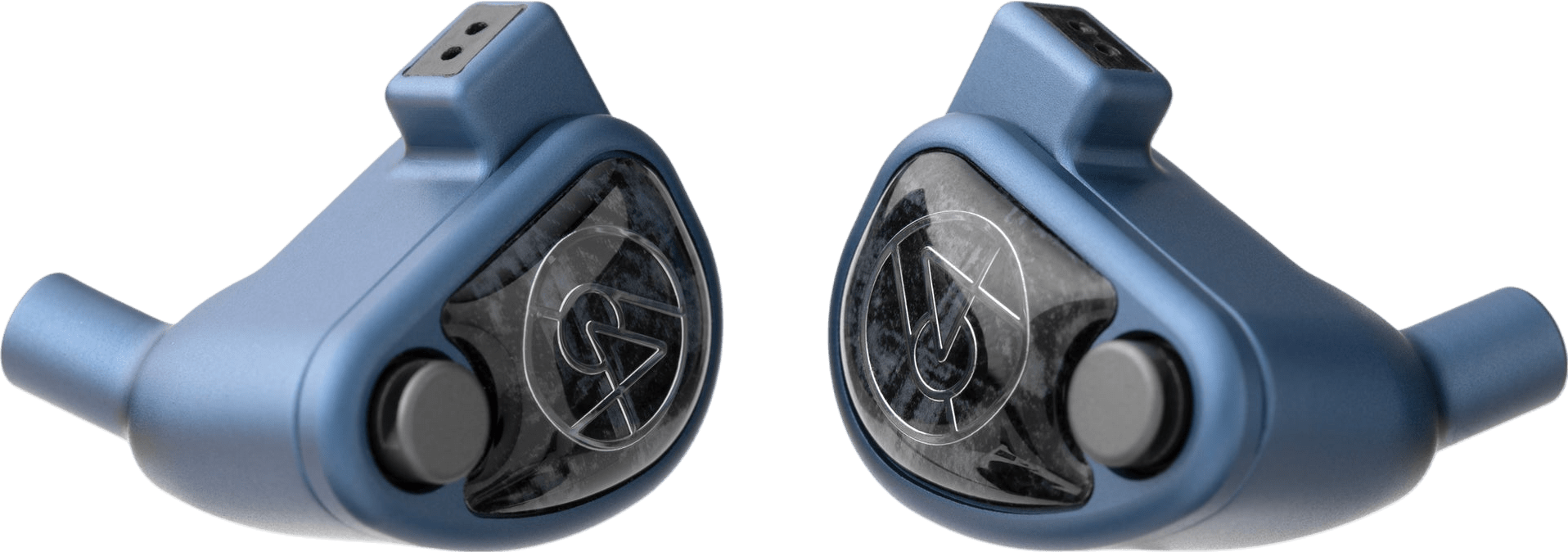
- Versatile sound signature, going from bassy to neutral with the use of included tuning modules
- Excellent bass response with a dynamic driver, providing strong texture, deep extension, and impact
- Very good treble extension, air, and sparkle for detail retrieval without harshness
- Expertly captures the 64 Audio character of balancing pro audio sensibilities and a more audiophile-friendly sound
- Comfortable and durable design, with a lightweight anodized aluminum shell and well-thought-out accessories
Product Considerations
- Imaging and instrument separation are decent, but not standout for the price range
- Mid-range may sound a bit thin to some, with a more relaxed upper mid-range that results in vocals being a little bit on the husky side
- The nozzle doesn’t have lip holder and is a bit problematic
- Isolation isn't exceptional due to the apex module
Comparisons (according to reviewers)
- Vs 64 Audio Neo: U4S is preferred due to the U4S being the cheaper IEM
- Vs Thieaudio Monarch MkII: The Monarch is comparatively lean sounding
- Vs 64 Audio U6T: U6T is a little more neutral overall with a stronger technicality, but the U4S injects a little more fun into the sound
- Vs Campfire Audio Andromeda Emerald Sea: The U4S offers a more natural mid-range presentation
- Vs 64 Audio Nio: The U4s effectively undercuts the Nio by a third of the price with comparable sound quality
- Vs Custom Art Fibae 5: If you want technicalities and details, Fibae 5 is superior, if you want a very capable yet slightly musical and mainstream IEM, opt for the U4s
Takeaway:
The 64 Audio U4s is a well-rounded IEM that offers a fun and engaging sound signature with the ability to customize the bass response. With its comfortable fit and excellent build quality, it's a great option for those looking for a versatile and enjoyable listening experience.
Video review
About the brand

What reviewers think
Product Strengths
- Very comfortable and lightweight design thanks to the use of aluminum in the chassis
- Impressive soundstage, imaging, and layering, creating an open and expansive experience
- Delivers excellent detail retrieval and internal resolution, surfacing intricate vocal and instrument tones
- The Tia system allows sound to travel to the ear more naturally, resulting in an expansive soundstage and smooth frequency response
- All-around great sound complements just about every genre
Product Considerations:
- Stock tonality is often described as poor or quirky, with a V-shaped tuning and recessed upper mid-range
- The stock cable is considered tangle-prone, with significant cable noise
- Significant peaks in the lower treble can introduce glare, sibilance, and tinniness
- Some reviewers feel that the overall tuning diminishes the emotional effect of music and negatively impacts instrument timbre
- Some reviews indicate it's not as linear for its tonality and more classically audiophile, which may disappoint some
Comparisons (according to reviewers)
- Vs. Empire Ears Legend X: The Fourté is far more balanced overall for its tonality
- Vs. 64 Audio Trio: The Fourté does much better at space and stage, detail retrieval is a little bit better in the mid-range
- Vs. U12T: The Fourté does better as far as its technical aspects go but not as linear for its tonality, it gives you something that is a different flavor from the ones that might be used to
- Vs. ODIN: The ODIN is slightly more organic and clear, while the listening experience with the Fourté is more intimate
Takeaway: The Fourté IEM is a comfortable and technically proficient IEM with excellent soundstage and detail. With EQ, it delivers the technical performance that is desired from a high-end set of headphones.
Video review
About the brand
What reviewers think
Product Strengths
- Good sense of detail and instrument separation.
- Bass has good quantity and quality.
- Mids are clean, detailed, and natural.
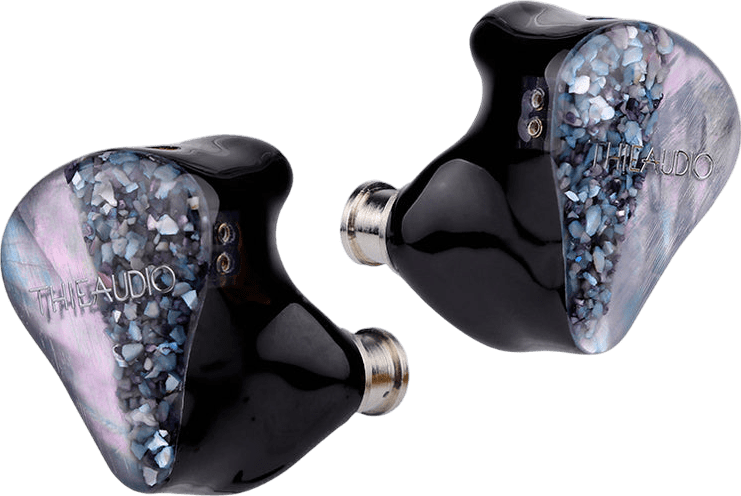
- Comfortable and ergonomic shell design.
Product Considerations
- Highs are somewhat unnatural sounding and sound incoherent.
- Bass could have more impact/resolution.
- Treble may become overly exaggerated, leading to sharpness and fatigue.
- The selection of included ear tips feels a bit limited.
Comparisons (according to reviewers)
- The MKIII is a neutral with bass boost, plus some slight colorations when compared to the Oracle.
- The MKIII has a smoother treble than the Oracle MKII.
- The MKIII shells are slightly larger than the Hype 4.
Takeaway: The ThieAudio Oracle MKIII has a balanced sound with nice detail and is comfortable to wear, making it a good choice for people who want a versatile IEM. Its technical capabilities make it a strong contender in its price range.
Video review
About the brand
What reviewers think
Product Strengths
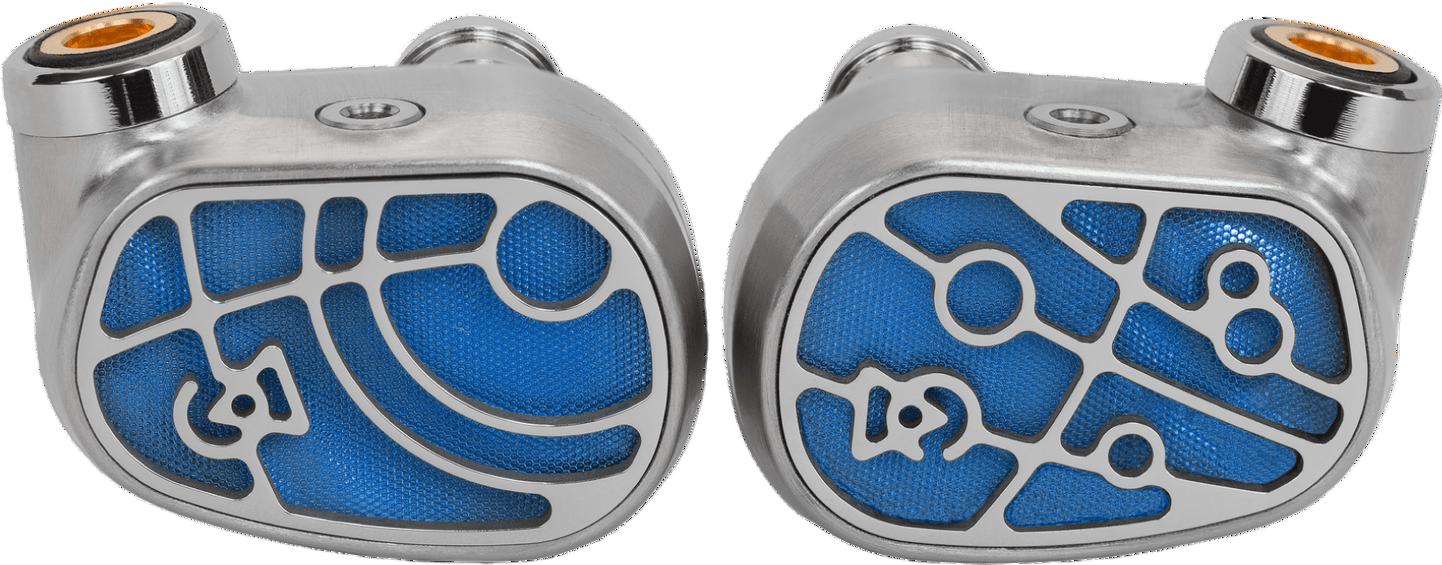
- Unique and visually appealing design with a brushed stainless steel housing and intricate gold inlay faceplate
- Excellent detail retrieval and clarity across the entire frequency spectrum
- Wide and three-dimensional soundstage, with precise imaging
- Balanced and natural sound signature, improving upon previous Solaris versions
- High-quality packaging and accessories, including multiple Time Stream cables and a display box
Product Considerations
- Bass response could lack significant impact or be considered lean
- Highs may have a metallic timbre and could potentially be fatiguing for some listeners
- A high-quality source and amplification are required to avoid revealing weaknesses in the gear
- Fit can be hit or miss for some users due to the nozzle length
- Driver flex may be experienced
Comparisons (according to reviewers)
- Vs. Noble Audio Sultan: Solaris Stellar Horizon has a better build, design, and package
- Vs. 64 Audio U12t: Solaris Stellar Horizon demonstrates stronger detail and texture in the bass
Takeaway: The Solaris Stellar Horizon offers great design and a well-balanced, detailed sound that audiophiles can enjoy across many genres. It is an IEM that can bring a new level of listening to music.
Video review
About the brand

What reviewers think
Product Strengths
- Excellent bass response, especially in the sub-bass frequencies, providing a clean and distinct bass experience.
- Well-tuned treble response with good extension, creating a smooth and enjoyable high-frequency experience.
- Very good detail retrieval for its price point, considered one of the most resolving sets in its price range.
- Cohesive sound signature with the tribrid driver system working harmoniously, providing a balanced listening experience.
- Solid build quality with a unique and appealing design using 3D printed resin and a stainless steel faceplate.
Product Considerations
- Midrange can be forward and shouty, especially in louder environments, potentially causing fatigue for some listeners.
- Lower midrange can lean on the thinner side, making notes sound crisp, but potentially anemic for some.
- Soundstage is good, but not the widest, with some cheaper IEMs offering a wider soundstage experience.
- Fit can be an issue for those with smaller ears due to the larger size.
- The lack of sizzle in the upper midrange to highs makes the Variations slightly dull for some listeners.
Comparisons (according to reviewers)
- Vs. Moondrop Blessing 2/Dusk: Considered an upgrade, offering better bass texture and treble extension.
- Vs. Dunu SA6: More aggressive, while the SA6 offers a smoother, more laid-back presentation.
- Vs. Shure EJ07M: More technical with better detail retrieval, while the EJ07M has a smoother presentation.
- Vs. ThieAudio Monarch/Clairvoyance: Considered on par or better in technicalities.
- Vs. Sennheiser IE900: The IE900 has better bass response.
Takeaway: The Moondrop Variations are a solid choice for those seeking a well-built IEM with excellent bass response and a smooth, extended treble. Its detailed sound and unique design make it a worthwhile consideration for many listeners.
Video review
About the brand
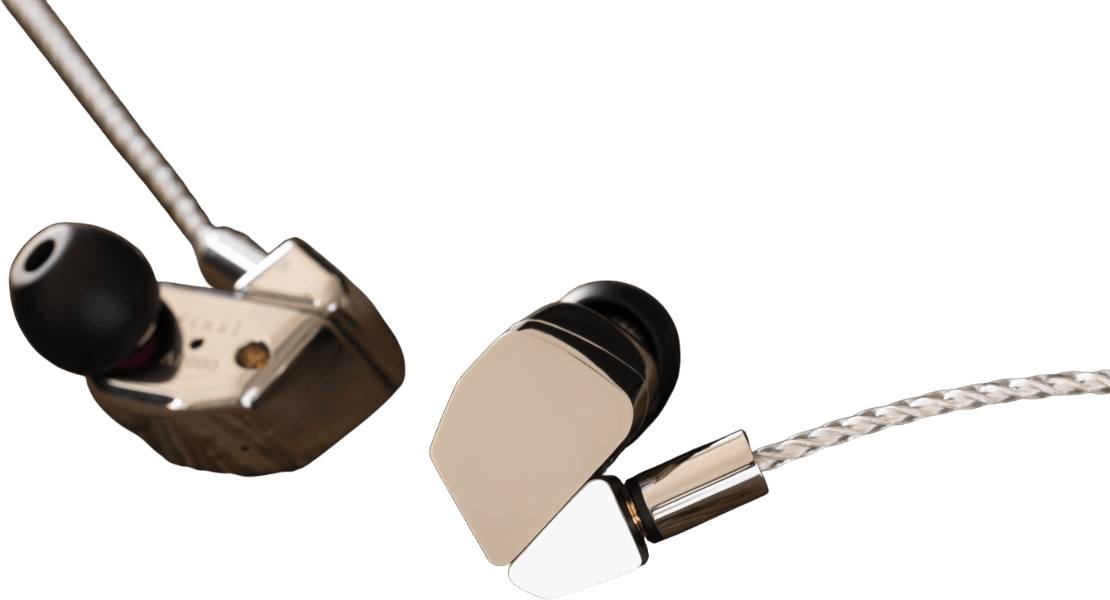

What reviewers think
Product Strengths
- Excellent clarity and works well with different genres of music, sounding upbeat and uncolored.
- A lot of micro-detail with great control over sudden volume changes, with terrific response speed, while keeping articulation smooth.
- Superior bass with the linearity of the bass, how tight, lean, and linear the bass sounds compared to other models.
- Astonishing in all kinds of ways, giving detail and a sense of presence.
Product Considerations
- Ergonomics aren’t quite as amazing as they look because the shell is on the larger side, and the nozzle is quite short.
- The shells pick up scratches and scuffs fairly easily.
- They were a little bit tiring to listen to in the upper ranges, in some of the tracks it just sounded like the music was getting slightly swamped with just too much treble information.
- Very bright.
Comparisons (according to reviewers)
- Vs Sennheiser IE 800: Sennheiser is a very distant second to the A8000 in every department, the Sennheiser IE 800 sounded thin and harsh.
- Vs JH Audio Roxans: Technical performance was not as good as the technical performance of the JH Audio, by which the reviewer meant there was clearer instrumentation and clearer vocals on the JH Audios, however, there was just something so good about the bass and the vocals.
- Vs DUNU Luna: More transparent and spacious in sound and a league ahead in picking out brilliant treble detail, while maintaining excellent control of the bass in comparison to DUNU Luna.
- Vs Final B1: Some similarities with the B1, mainly in how the mids are rendered, but with a much faster response speed and a more refreshing treble tuning.
- Vs HIFIMAN RE2000 Silvers: The sound seemed just slightly cleaner in the mids, so the tracks were easier to follow and just slightly less fatiguing with HIFIMAN RE2000 Silvers.
Takeaway: The Final Audio A8000 is worth buying for the great sound quality, the attention to detail that went into making it, and the fact it can work with different kinds of music. It has amazing details and is made well, so one should be happy with it.
Video review
About the brand