Welcome
A bookshelf speaker gives up the lowest octave to a floorstander and gets imaging and placement freedom in return. Put a good pair on stands a little way from the wall and they disappear in a way big speakers rarely do. This is the ranked list across all prices; the under-$1,000 list is the budget cut of it. Review count decides the order.


Products on this list





What reviewers think
Product Strengths
- Superb value for money in terms of looks, build quality, and sound quality
- Full bass and overall full and bassy sound, impressive for its size and price
- Clear and precise soundstage with good width
- Impressive detail and a coherent, unforced presentation
- Excellent tonal balance with both upper and lower frequencies in sync
Product Considerations
- Mid-range may not deliver a sound to match the bass, with some softening of certain notes or vocals
- Soundstage doesn't rise very high above the physical speakers
- Not the prettiest speaker, with unusual proportions that may not be aesthetically pleasing
- Limitations can be revealed when driven hard
Comparisons (according to reviewers)
- Vs Bowers & Wilkins 606: The 3030i sounds more substantial in its bass
- Vs Q Acoustics 3020i: The 3030i offers a sense of space and air around the soundstage, and bass weight is more substantial
- Vs Martin Logan 15i: The 15i speakers provide an impressive precision that the 3030i speakers couldn't match, but the bass did travel a tad further downwards than the 15i speakers could fall
Takeaway: The Q Acoustics 3030i offers amazing quality at a low price point, making it a terrific value and a perfect first hifi speaker. It is an easy-going speaker that is easy to set up and is very undemanding for a new user on their system quality and setup.
Video review
About the brand



What reviewers think
Product Strengths
- The GoldenEar BRX is a compact speaker that delivers a large, high-quality sound
- The HVFR tweeter contributes to a bright, airy, and detailed presentation
- Authoritative and accurate bass response, even at higher volumes, is achieved thanks to its passive radiators
- It images precisely and soundstages well
- The BRX exhibits a smoothish midrange and relative lack of harshness
- Exceptional engineering, design, and quality control
- The BRX reproduces the timbral and harmonic complexities and spatial qualities of real acoustic settings
- The tweeter is agile, airily transparent, and non-fatiguing, and the critical sibilance range is smooth and natural
Product Considerations
- At lower volumes, the bass can be less pronounced, leading to a leaner tonal balance
- Some reviewers noted a flatter soundstage with less depth and spaciousness compared to more expensive speakers
- The tweeter's output drops significantly when not listening on-axis, requiring careful positioning and stand height
- The BRX requires a fair amount of power to sound confident and alive—needing a more muscular amp
- May sound slightly soft and polite in the high frequencies
- Passive radiators look awkward with the grilles removed
Comparisons (according to reviewers)
- Vs Magnepan .7: The BRX has more bite and sparkle in sitar plucks and harmonics, while the .7s sound slightly muffled, and the .7s have a bigger and more solid sound in the 50Hz-500Hz range, reproducing the Carnegie stage floor better
- Vs KEF LS50: The BRX specializes in reproducing luster and harmonically charged atmospherics, unlike the drier, more precise LS50, and the LS50's notes seem tight and slightly hardened compared to the supple-sounding BRX
- Vs Falcon Acoustics LS3/5a: The BRX goes much louder and deeper than the LS3/5a
- Vs Focal Chora 806: The BRX has punchier, faster bass, and cleaner sound in the complex chorus sections than the Chora 806
- Vs Revel M126Be: The BRX is close to the Revel M126Be in overall sound, particularly in tonal balance, but the Revels go deeper in bass and retrieve a bit more detail
Takeaway: The GoldenEar BRX is an affordable speaker with a well-rounded performance, particularly excelling in clarity, imaging, and bass for its size. For listeners seeking high-end sound without a huge speaker, these could be a suitable choice.
Video review
About the brand


What reviewers think
Product Strengths
- Vocals sound good and natural, and are engaging
- Horns and certain drums, especially snare drums, sound good
- Open speaker with a decent soundstage
- Easy to push with low sensitivity
- Best at sale price
Product Considerations
- Lacks depth with certain types of bass instruments
- Mid-range is not the clearest, and vocals can come off a bit nasally
- Top end can be a little bright, which means some may find it a bit fatiguing for long-term listening
- Does not come with grills
- Limited layering and depth
Comparisons (according to reviewers)
- Compared to the KEF LS50, the Q150 has surprisingly full and pleasant bass, is more balanced, and pleasant to listen to
- Compared to the Emotiva B1+, the KEF Q150 is preferred due to its soundstage depth
Takeaway: The KEF Q150 is a good value, especially when on sale, because it offers an engaging listening experience and good soundstage. These speakers are small enough to fit most spaces and provide good sound.
Video review
About the brand

What reviewers think
Product Strengths
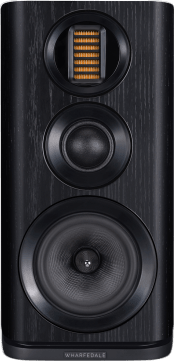
- Excellent focus and separation, with the speakers 'disappearing' to create a natural soundstage
- Impressive low-end performance, adding authority to the music
- Cohesive driver integration, with no perceivable handover between the AMT tweeter, midrange dome, and woofer
- Remarkable neutrality in the midrange, with a detailed yet smooth treble—avoiding harshness even at higher volumes
- Clear and detailed sound reproduction, extracting nuances and levels of information outstanding for its price
Product Considerations
- Vertical off-axis performance of the AMT tweeter is not good, so correct speaker height and toe-in are important
- Soundstage is not super wide, with the presentation mostly between the speakers
- Some reviewers found the aesthetics or proportions to be awkward or not to suit all tastes
- Bass may be a bit polite for some listeners wanting subwoofer-type rumble
- The midrange can be fatiguing if the listener's ear is at the midrange driver level
Takeaway: The Evo4.2 is a well-rounded speaker that delivers excellent sound quality with impressive imaging, detail, and tonal balance. It is capable of providing an audiophile experience at an affordable price.
Video review
About the brand

What reviewers think
Product Strengths
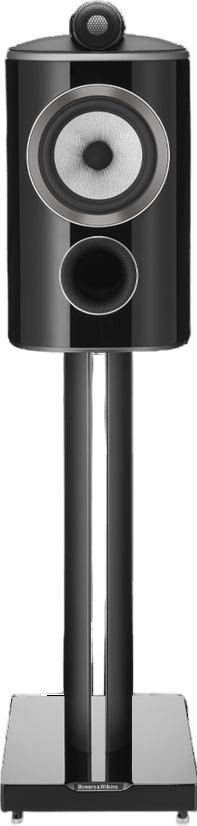
- Excellent build quality, featuring a blend of aluminum, leather, and wood veneer, or gloss paint.
- Detailed sound with excellent stereo imagery.
- Good detail and clarity.
- Wide and deep soundstage.
- Design features contribute to cabinet rigidity and reduced coloration.
Product Considerations
- May sound bright with the wrong amplifier or cables.
- May require a high-power solid-state amp.
- Needs quality amplification and may sound soft if underpowered.
- Requires stands, adding to the overall cost.
- Bass may not satisfy those seeking high-output bass without a subwoofer.
Takeaway: The 805 D4 is an excellent speaker that is beautifully built and delivers a detailed and engaging sound. It's a great option for those seeking a premium listening experience.
Video review
About the brand

What reviewers think
Product Strengths
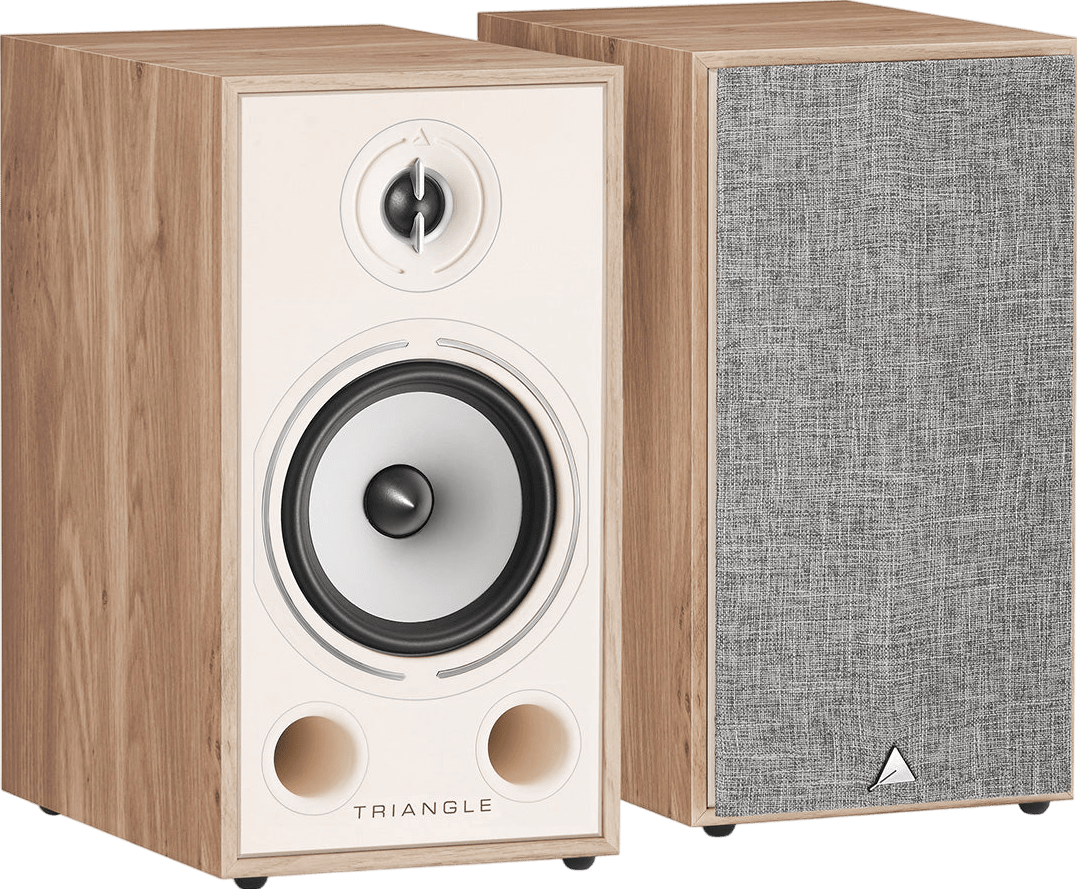
- Open, airy, lively midrange that was smooth yet rich, and with inviting tonality
- Imaging prowess and transparency were evident, with every nuance of the sounds of plucked strings untainted by any speaker-cabinet colorations
- The tweeter is designed to make high frequencies less directional, thus improving off-axis performance
- Positions every tone with precision, creating a good soundstage width
Product Considerations
- Treble can be bright, requiring careful matching with other equipment to avoid excessive brightness
- A lack of midrange was noticed, giving a mellow sound rather than a warm one
- One reviewer found inconsistent sound and technical flaws, like resonances, breakups, and other problems that make the midrange sound recessed compared to the higher frequencies
- Bass extension and fullness were a bit underwhelming for a ported minimonitor of this size
- The speaker's sound has a definite character with a little bit of emphasis in the midrange and the top of the treble
Comparisons (according to reviewers)
- Vs Q Acoustics 3030i: The Borea BR03 is more engaging and forward-sounding, with more punch and a livelier sound overall—but probably needs more care with pairing
- Vs Klipsch RP-600M: The RP-600M can create an even wider soundstage and equals Triangle when it comes to dynamics, but the Borea BR03 is better when it comes to imaging and layering
- Vs ELAC Debut 2.0 B5.2: The Elac is tonally more balanced and its frequency spectrum is more coherent, while the Triangle Borea BR03 offers bassline authority, dynamics, speed, resolution, and overall engagement that Elac simply can't match
- Vs Bowers & Wilkins 685 S1: The Borea BR03 presented a more spacious, detailed, and airy midrange, and better high-frequency extension
Takeaway: The Triangle Borea BR03 is an engaging speaker that offers a lively sound, especially in the midrange and treble frequencies. With its detailed sound and good imaging, it can bring a lot of enjoyment to listening sessions.
Video review
About the brand

What reviewers think
Product Strengths
- Uni-Q driver array technology creates a wide sweet spot
- Good imaging and soundstage definition
- Cabinet is built very solid and weighty, minimizing resonance
- Smooth and controlled off-axis response
- Detailed and accurate sound reproduction
- Produces more detail than expected for the price
Product Considerations
- Requires a gutsy amplifier to drive them properly due to 85dB sensitivity and impedance dipping below 4 ohms
- Bass extension limited to around 47Hz, may require a subwoofer for full-range listening
- Won't play very loud, struggles at high volumes and may not satisfy listeners who prefer loud playback levels
- Detail in mid-range and soundstage can become muddy if not paired with good amplification
- Some reviewers found them to be boring
Comparisons (according to reviewers)
- Vs Neat Iota Alpha, the LS50 Meta has better soundstage depth and bass/treble balance, but Neat has wider dispersion and more biting treble
- Vs Definitive Technology Demand D11s, the LS50 Meta has better detail and dynamics for small/medium rooms, while D11s are more dispersive and suit larger rooms
- With tighter bass and no concern for punch/volume, the LS50 challenge the PMC 2523
- Metas offer transparency reminiscent of the Magnepan 1.7i, and sweet—airy highs similar to the Harbeth SHL5
Takeaway: The LS50 Meta is a well-built speaker that delivers a detailed and accurate sound with impressive imaging. With the right amplifier and positioning, these speakers can provide a very enjoyable listening experience in smaller to medium-sized rooms.
Video review
About the brand
What reviewers think
Product Strengths
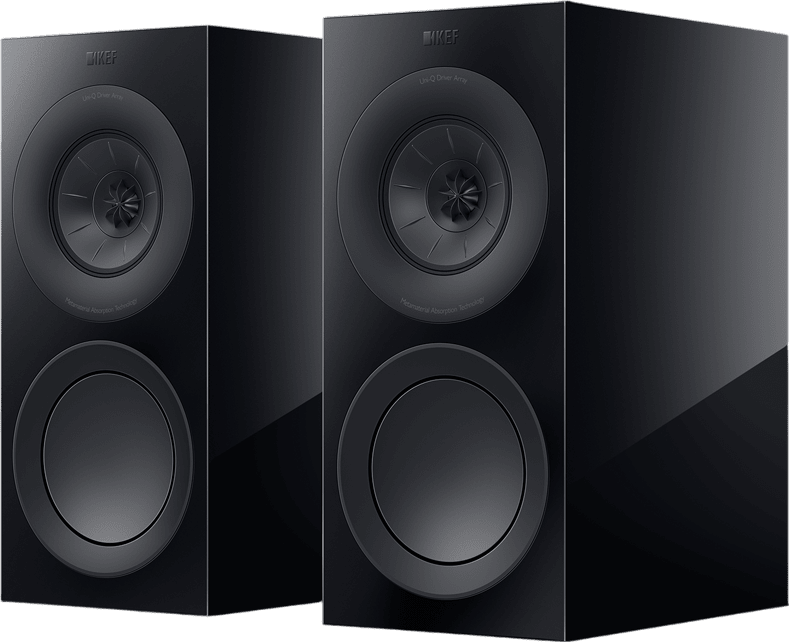
- Remarkably precise, unusually musical, and vivid sound, creating an open, inviting sound and bringing superb clarity and resolution to music
- Wide, airy, and holographic soundstage with excellent directivity, spreading reflections evenly for a consistent sound experience even when not in the 'sweet spot'
- Innovative Meta Material Absorption Technology (MAT) absorbs 99% of unwanted sound coming from the rear of the tweeter, leading to improved clarity, precision, and detail in the high frequencies—and better overall composure when the mix gets complicated
- A dedicated woofer handles the bass, allowing the coaxial system to focus on the important midrange without interference, which results in improved bass performance and power handling
- Neutrality and balanced frequency response, combined with excellent linearity, makes it very suitable for equalization, allowing users to adjust the sound to their preferences
Product Considerations
- The bass, while tight and tuneful, might not provide the 'gut punch' or chest-thumping experience some listeners prefer, and a subwoofer is recommended for those seeking more pronounced low-end dynamics
- The treble response, while detailed and airy, may sound a bit bright when the speaker is aimed directly at the listener (on-axis), and a slight toe-out (5-10 degrees) is recommended to relax the high frequencies
- Some reviewers note that they may sound a little flat or leaner at very low listening volumes, excelling more when given some 'juice' and volume
- The piano black finish, while beautiful, is prone to fingerprints and requires care to maintain its appearance
Comparisons (according to reviewers)
- Vs. LS50 Meta: Considered a better, more complete speaker with a more balanced presentation from top to bottom—and a more fleshed-out sound
- Vs. Bowers & Wilkins 705 S3: Puts the treble on a much tighter leash, while the 705 S3 can come on as just too much in that lower treble region
- Vs. Buchardt S400 Mark II: Is leaner, airier, and more spatial, while the Buchardt is warmer, thicker, and has more bass punch
- Vs. Revel M106: The Revel M106's directivity is nowhere near as good as the Kef R3 meta
Takeaway: The KEF R3 Meta is a well-rounded and high-performing loudspeaker, offering a detailed and balanced sound signature with excellent imaging capabilities. It is a great choice for those seeking a neutral and engaging listening experience.
Video review
About the brand
What reviewers think
Product Strengths
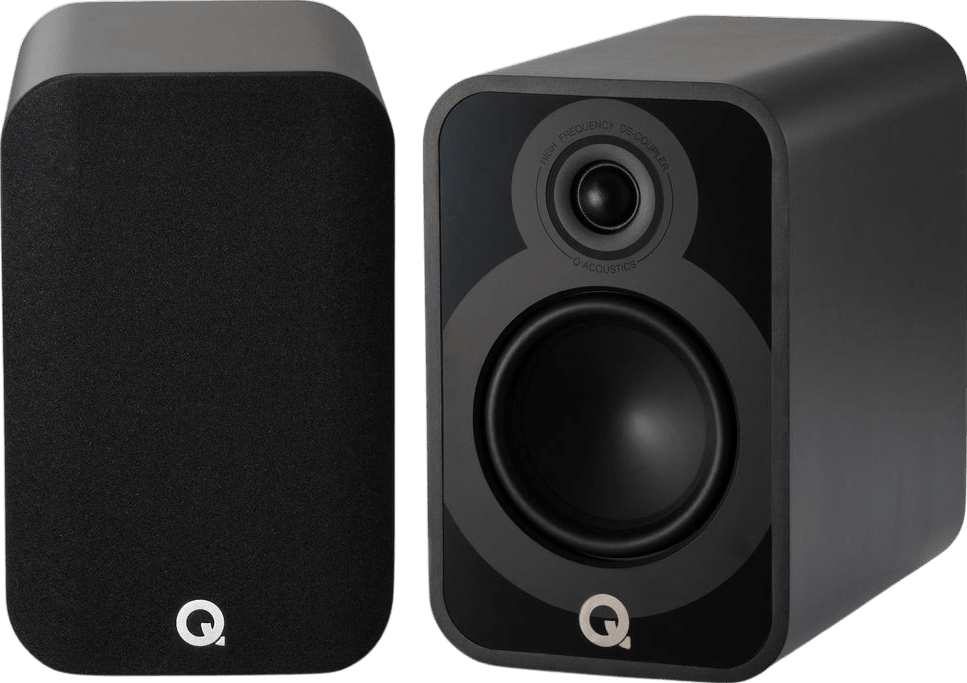
- Attractive design with rounded cabinet edges and multiple finish options (Satin Black, Satin White, Santos Rosewood, Holme Oak)
- Good midrange reproduction—clean and uncolored—especially for the price
- Clear and detailed sound with good separation of instruments
- Taut and agile bass performance
- Internal bracing (P2P) stiffens the cabinet, reducing vibrations and improving stereo image
- Connectivity options such as binding posts
Product Considerations
- Can tend towards brightness, potentially causing fatigue during longer listening sessions—especially with the wrong equipment pairing
- Cabinet size is relatively large for a bookshelf speaker
- Bass response is somewhat subdued
- Some reviewers noted imaging issues, with vocals lacking a firm presence in the center
- Grilles muddle the sound
Takeaway: The Q Acoustics 5020 is a great-looking speaker that offers a rich and musical sound, making it a very entertaining listen for the price. With its ability to reveal details from recordings, it's a wise choice for those looking for a well-built and sonically pleasing speaker.
Video review
About the brand

What reviewers think
Product Strengths
- Exceptional sound quality with topflight neutrality and resolution
- Surprising bass extension and weight for its size
- Detailed and spacious soundstage
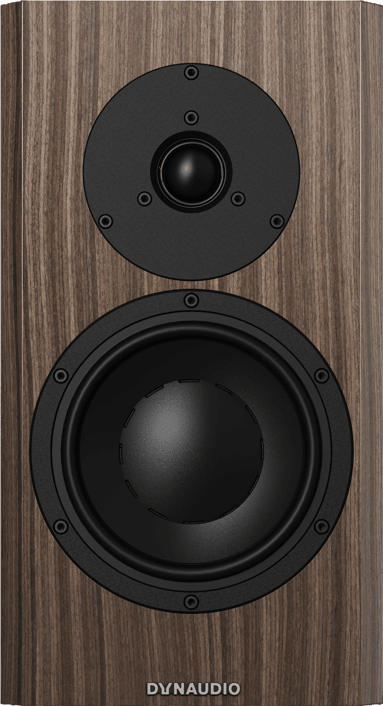
- Beautiful cabinet finish
- Good build quality
Product Considerations
- Cabinet resonance has been noted by some reviewers
- May sound a tad forward or hard in the upper midrange to some listeners
- Requires a quality amplifier with high current to reach its full potential
- Grilles degrade the sound
Comparisons (according to reviewers)
- Vs Klipsch Cornwall III, the Special 40's have more detail, spaciousness, and a 3-dimensional soundstage, vocals are amazing, and there is more detail
- Vs Sonus Faber Guarneri Evolutions, the Special 40's are lighter and smaller sounding, not as full in the mid-bass, have more detail and do not exaggerate any frequency
- Vs Focal Sopra 2, the Special 40 pumps out more quality bass
- Vs Focal Sopra 1, the S40 is better with a more recessed thinner midrange
- Vs KEF LS50, the Special 40 has better bass and power range
- Vs ATC SCM19, the S40's are more relaxed in the treble region with voices being sublimely smooth with perfect body
Takeaway: The Dynaudio Special Forty is a well-regarded speaker offering a balanced and detailed sound, surprising bass, and beautiful aesthetics, making it a standout choice for audiophiles. Its ability to create a spacious soundstage and deliver realistic vocals makes it a compelling option for music lovers seeking a high-performance standmount loudspeaker.
Video review
About the brand


What reviewers think
Product Strengths
- Extremely revealing with a huge amount of clarity for its price point, natural and neutral presentation
- Very good rhythm section rendering, with good speed characteristics and a feeling of flow and fullness
- Considerable potential for detail description and very good behavior in dynamics towards the lower part of the spectrum
- Excellent behavior when performing at high levels without any hint of audible compression
- Tight, tuneful bass that few ported models can match and a well-balanced transparent mid-frequency region
Product Considerations
- The bass cuts off at around 50 hertz (54Hz), and the roll off can necessitate a subwoofer for full musical satisfaction
- Needs a quality amplifier with a bit of poke, not forgiving of low-quality source material
- Sensitive to positioning and tweaks to get them sounding right
- The metal grilles look less than classy
Comparisons (according to reviewers)
- Vs Buchardt S400, the ATC SCM19's base is tighter and faster—but more rolled off
- Vs ProAc Response 1SCs, the ATC SCM19's base is tighter and faster—but more rolled off
- Vs KEF LS50, the SM19 tops all the songs and is the better speaker in pretty much every category
- Vs Tekton Impact Monitors, the 19s do 4 out of 5, losing out thanks to the low and loud bass of the Tektons
Takeaway: The ATC SCM19 is an extremely capable speaker that comes very highly recommended for its revealing nature and clarity. Partnered with a decent subwoofer, it can be hard to beat.
Video review
About the brand


What reviewers think
Product Strengths
- Some reviewers consider the Falcon Acoustics LS3/5A the best version of the LS3/5A they have ever heard
- Offers a charming, engaging, and satisfying sound that has spawned a whole hifi subculture centered around the delights of small speakers
- Can be played harder and louder than most classic LS3/5A designs, while retaining composure
- Reviewers mention versatility and ability to play all types of music with commitment
- Is a design icon
Product Considerations
- Lacks bass extension and has limited maximum output level
- Some reviewers noted that the aesthetics of the 2024 Limited Edition might be an acquired taste
- Some claim there's virtually no bass at all
Takeaway: The Falcon Acoustics LS3/5A is a special speaker with excellent build and sound quality, worth the cost for those looking for the best version of this iconic design. It provides an engaging listening experience with a classic sound signature.
Video review
About the brand
What reviewers think
Product Strengths
- Smooth, refined, and punchy performance, with a big, open, and clear sound makes listening enjoyable
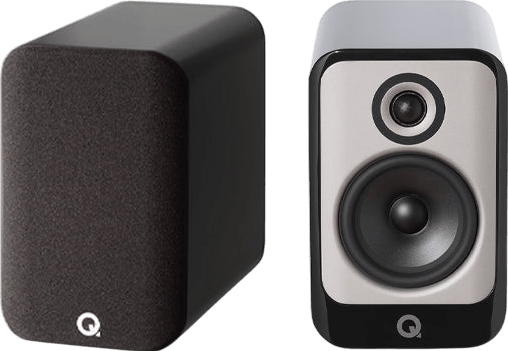
- The cabinet design with Gelcore technology helps to reduce unwanted resonance, resulting in a cleaner, more detailed sound
- Excellent imaging creates a three-dimensional listening space
- Tonal accuracy is maintained across the frequency range and coloration is avoided, giving a natural sound
- Exceptional design and build quality make for an elegant-looking speaker
Product Considerations
- May lack dynamic subtlety, failing to fully communicate the interplay and changes in feeling within some musical pieces
- The stands, while visually appealing, are an expensive optional extra and can be difficult to assemble
- May not be as forgiving with poor recordings, revealing any flaws in the source material
- While the bass is controlled and natural, it may not extend as low as some competitors
Comparisons (according to reviewers)
- Vs KEF LS50 Meta: The Concept 30 offers a smoother and more forgiving listen, and matches the KEF's creation of a three-dimensional listening space
- Vs Sonus Faber Lumina II: The Concept 30 retains the joy and ease of drive of the Lumina II, while being technically accomplished as the LS50 Meta
- Vs Acoustic Energy AE500: The Concept 30 has a presentational energy and perceived speed closer to the Acoustic Energy AE500
- Vs Q Acoustics 3030i: Concept 30 provides more forceful, focused, and precise bass, the treble is more delicate, and describes the cymbal itself in a realistic manner, giving a mature and tonally accurate presentation
- Vs Martin Logan 15i: The Concept 30 had a far stronger hold on what was going on—giving an organized and structured sound, unlike the naive and undisciplined Martin Logan 15i
Takeaway: The Concept 30 is an outstanding speaker that combines exceptional sound quality with a stunning design, making it a stylish addition to any listening room. It is a great choice for listeners who want a detailed and engaging musical experience.
Video review
About the brand


What reviewers think
Product Strengths
- Gorgeous design, available in different color options
- Vast soundstage with amazing clarity
- Easy to position in a room
- The 7-inch wood fiber woofer has a unique and cool look, and is lightweight
- Balanced in price, performance, and aesthetics
Product Considerations
- Need a little room to breathe because of its bass reflex port
- When toed in, the treble seemed a bit aggressive, and taking the grilles off heightened the effect
- Bigger than average, which affects low-level dynamics
- Lack finesse, voices are not sounding as open and intimate as they do on other speakers
- Could not resolve the lower octaves in the same way as another product
Comparisons (according to reviewers)
- Vs ELAC Debut 2.0 B5.2: The DALI made the ELAC sound like it was pasted to a Shrinky Dink sheet and sent through the oven
- Vs GoldenEar BRX: The GoldenEar BRX gives more weight and a richer, more full-bodied presentation as compared to the Oberon 3
Takeaway: The DALI Oberon 3 speakers have a compact, elegant design and deliver a warm, pleasant, and clear sound. They can be used in both stereo and surround sound systems.
Video review
About the brand

What reviewers think
Product Strengths
- Extremely good build quality, feeling solid and carefully assembled
- Delivers well-defined, three-dimensional imaging and a snappy sense of timing
- Combines exceptional midrange coherency
- Known for a natural, open, and detailed sound
- A beautifully three-dimensional speaker with very little perception of cabinet coloration or even cabinet presence
Product Considerations
- Inherent bass response drops away slowly
- Some recordings may sound a little sharp in the treble, but this is not the fault of the speakers
- Some limits to detail retrieval
- On the brighter side
Comparisons (according to reviewers)
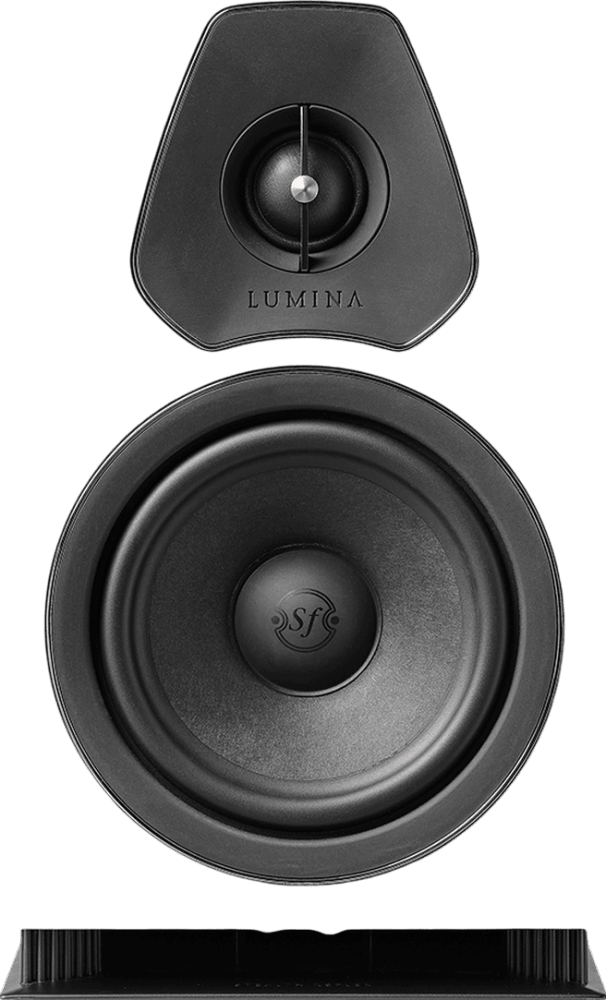
- Vs Lumina I: The Lumina II has meaningful extension below 50Hz, creating a believable weight and scale to the performance
- Vs KEF LS50 Meta: The Sonus faber is easier to drive, more forgiving of less pristine recordings, and has an emotional quality that the LS50 Meta lacks
Takeaway: The Lumina II is a speaker that delivers many of the qualities that make Sonus faber loudspeakers stand out, offering an inviting and spirited sound that is also beautiful to look at. It represents an affordable way to experience Sonus faber's Italian-made craftsmanship and sonic signature.
Video review
About the brand

What reviewers think
Product Strengths
- Precise and stable stereo imaging
- Good detail retrieval
- Neutral tonal balance
- Versatile directivity
Product Considerations
- Bass extension requires a subwoofer for full-range playback, especially below the mid-40Hz range
- Potential for brightness, especially when toed-in directly towards the listening position
- Requires careful setup and experimentation with placement to optimize sound, especially in relation to the rear wall and toe-in
Comparisons (according to reviewers)
- The SourcePoint 8 is more neutral, with a less elevated top end, while the SourcePoint 10 is brighter
Takeaway: The SourcePoint 8 is a well-engineered speaker that stands out for its clear imaging and ability to convey musical detail across different genres. It offers a balanced and neutral sound that makes it an engaging listening experience.
Video review
About the brand


What reviewers think
Product Strengths
- Sound reproduction is realistic, detailed, and exceptionally clear, with an ability to reveal subtle nuances in recordings
- Excellent imaging capabilities create a wide and deep soundstage with precise instrument placement
- The Beryllium tweeter contributes to a smooth, extended, and neutral treble response without harshness or glare
- Solid and well-braced cabinet construction minimizes resonances and contributes to overall sound quality
- Accurate frequency response allows for integration with a subwoofer
Product Considerations
- More expensive than many comparable bookshelf speakers
- Bass extension is limited, requiring a subwoofer for deeper frequencies and significant low-end punch, especially in larger rooms
- High-gloss finishes may require more maintenance to keep clean
- Revealing nature requires high-quality source components and amplification to sound their best
- Best suited for small to medium-sized rooms
Comparisons (according to reviewers)
- Vs Revel Performa3 F206—offers greater clarity and more precise imaging, while the F206 provides greater bass weight and output
Takeaway: The Revel M126Be is a high-performing bookshelf speaker that provides exceptional clarity and detail, impressive imaging, and a refined treble. This speaker is a great fit for the listener who prioritizes accuracy and detail.
Video review
About the brand