


Welcome
R2R DACs (also known as ladder DACs) work their magic through a simple but elegant system of matched resistors. These resistors, arranged in a ladder-like pattern using just two values (R and 2R), transform digital signals into flowing analog sound.
Unlike other DACs that rely heavily on oversampling and noise-shaping, R2R DACs take a more direct route to conversion. This straightforward approach is why many listeners say R2R DACs capture music with an uncanny natural quality, rich in detail and true to the original recording.
The heart of an R2R DAC is its precision-matched resistor network, with each digital bit flowing through its own dedicated section. While this design makes R2R DACs more expensive to build, the payoff comes in their distinctive warmth and organic sound.


Products on this list




.svg)
What reviewers think
Video review
About the brand


What reviewers think
Product Strengths
- Smooth, natural sound signature with impressive depth in the 3D soundstage.
- Allows music reproduction closest to a private performance in the listening room.
- Delivers a natural, smooth, and organic sound, reproducing every detail with maximum resolution.
- Exceptional clarity and black background of the sound.
- Performs excellently even with lower-quality content because of its smooth, clean playback and three-dimensional soundstage.
Product Considerations
- The price is far beyond the reach of most audiophiles.
- Comes with only one digital module as standard.
- For optimal performance, it's recommended to place the units on separate shelves.
- The reviewer only tested it as a DAC and did not evaluate its functionality as a preamplifier or streamer.
Comparisons (according to reviewers)
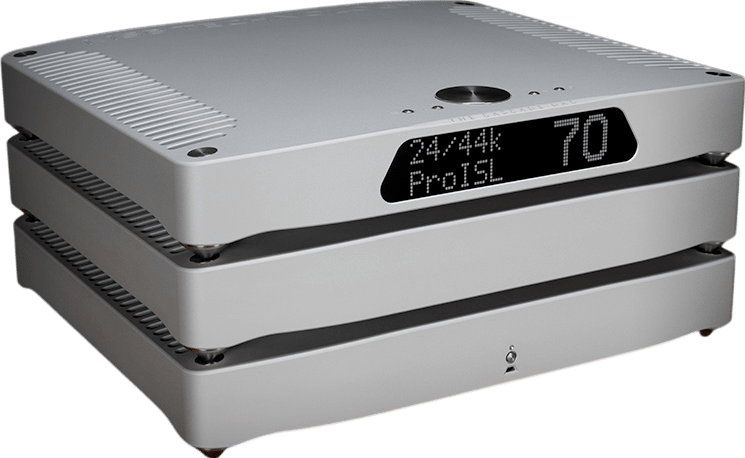
- Vs MSB Reference DAC—the Cascade represents a significant upgrade.
Takeaway: The MSB Cascade DAC sets new standards for sound quality and is a digital marvel, providing a unique and powerful listening experience. It offers incredibly smooth and natural sound, creating a live music sensation.
Video review
About the brand
What reviewers think
Video review
About the brand

What reviewers think
Product Strengths
- Retains all the music's delicacy, refinement, and fluidity, being revealing without becoming clinical
- Offers a wide and deep soundstage, is timbrally spot-on and very natural, well-focused, richly textured, and well-endowed in terms of transient attack and dynamic impact
- Is significantly more revealing, without introducing any negative by-products, and is still the superbly musical and emotionally involving DAC that the C1 was, only better
- Capable of being more discerning of differences in sources and source material
Product Considerations
- Precise calibration is of paramount importance for any multi-bit DAC chip
- Files played directly from the Swiss device have a slightly contoured character
Comparisons (according to reviewers)
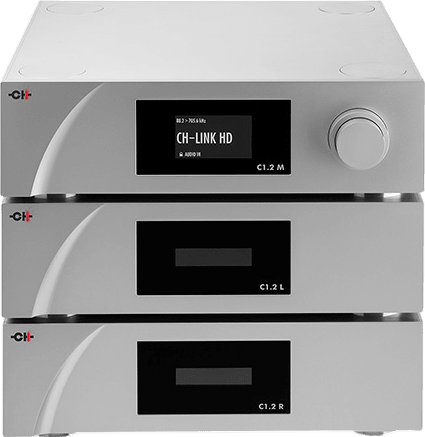
- The C1.2 is even more neutral and even more revealing than the C1, without sacrificing even the slightest hint of refinement, delicacy, fluidity, decay, or flow
- The original C1 DAC has always sounded fuller and more sonorous than other CH Precision products, for instance, the L1 preamp, with the C1.2 upgrade, the DAC has become more neutral and now sounds more in line with the L1
- The CH Precision device combines the opening of the sound with the lack of brightness better than the Ayon player
- The CH Precision delivers recordings in an uncommonly precise manner than the Weiss DA502 D/A converter
Takeaway: The C1.2 is a DAC that retains all of its virtues while becoming more neutral and revealing, and it is still superbly musical and emotionally involving. It is worth buying because of the overall enhancement in audio quality.
Video review
About the brand
What reviewers think
Video review
About the brand
What reviewers think
Video review
About the brand

What reviewers think
Video review
About the brand
What reviewers think
Product Strengths
- Another layer of resolution and openness compared to the Discrete
- Natural sound
- Flexible due to modular design
- Connectivity options
Product Considerations
- Expensive
- Some reviewers found the remote control non-intuitive to use
Comparisons (according to reviewers)
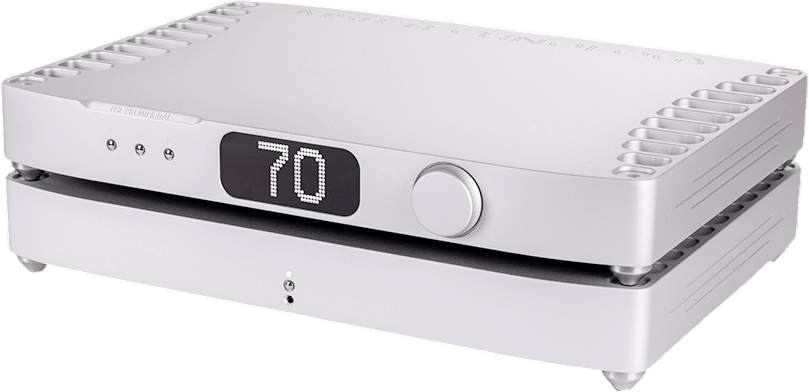
- Compared to the MSB Discrete DAC, the Premier provides another layer of resolution and openness—giving that other 90th percentile of detail and extreme resolution
- Silence is not more silent than the Discrete; it produces a 'black' background from which music emerges, just like the Discrete
- The Premier was that much more engaging to listen to than the Discrete
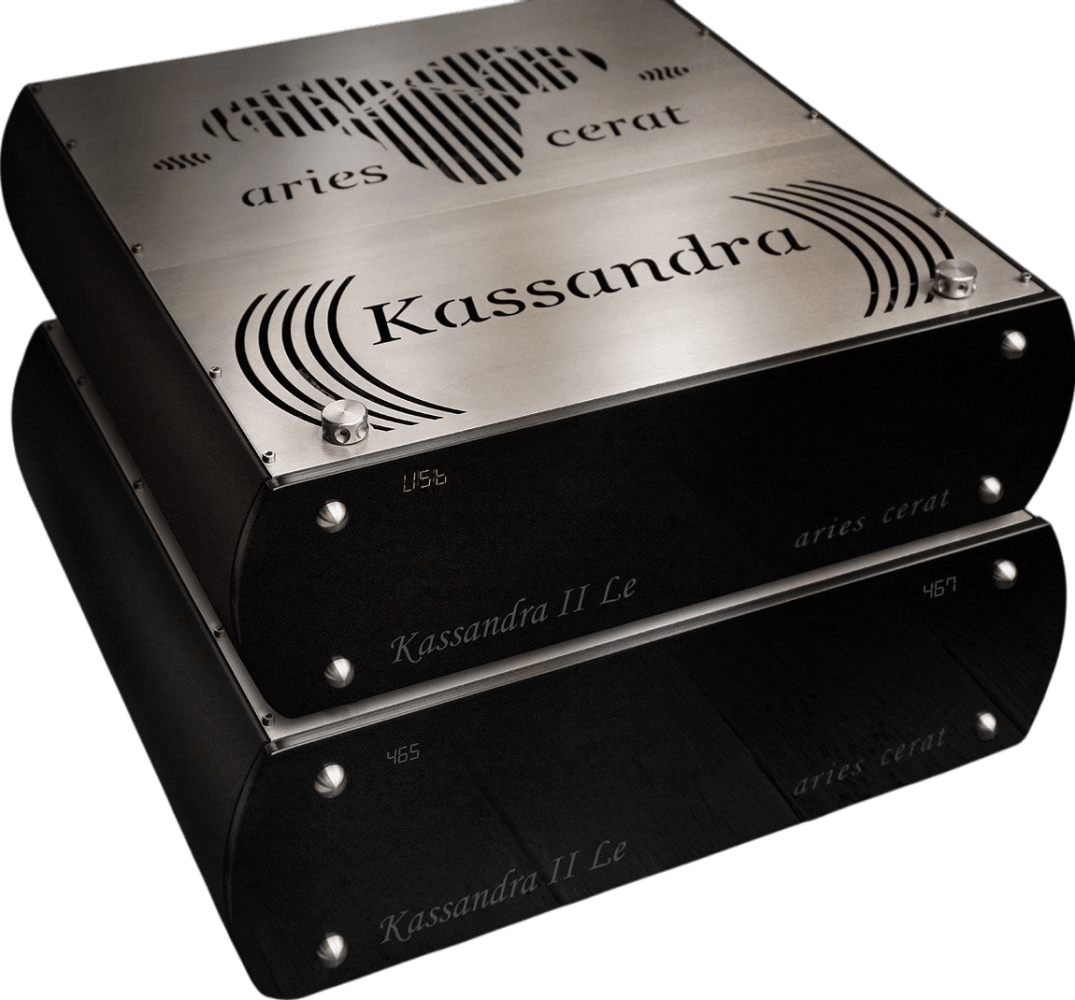
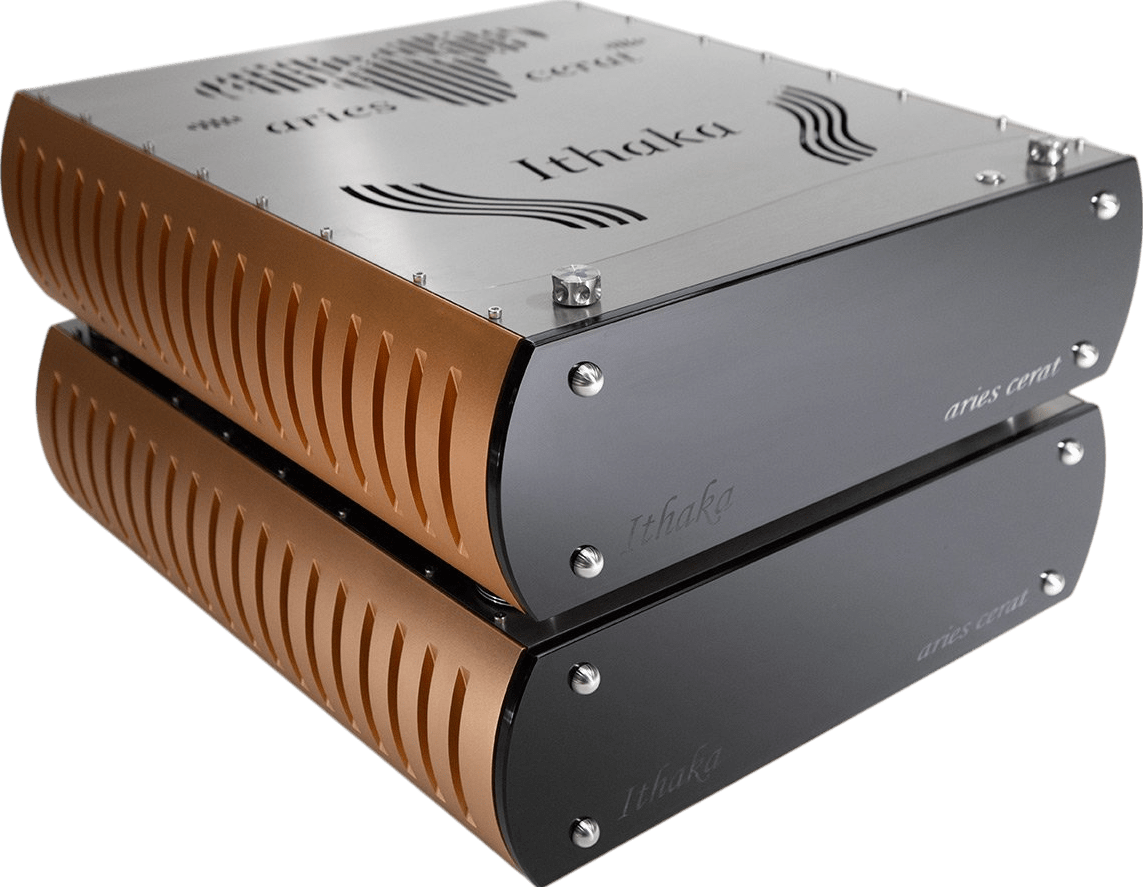
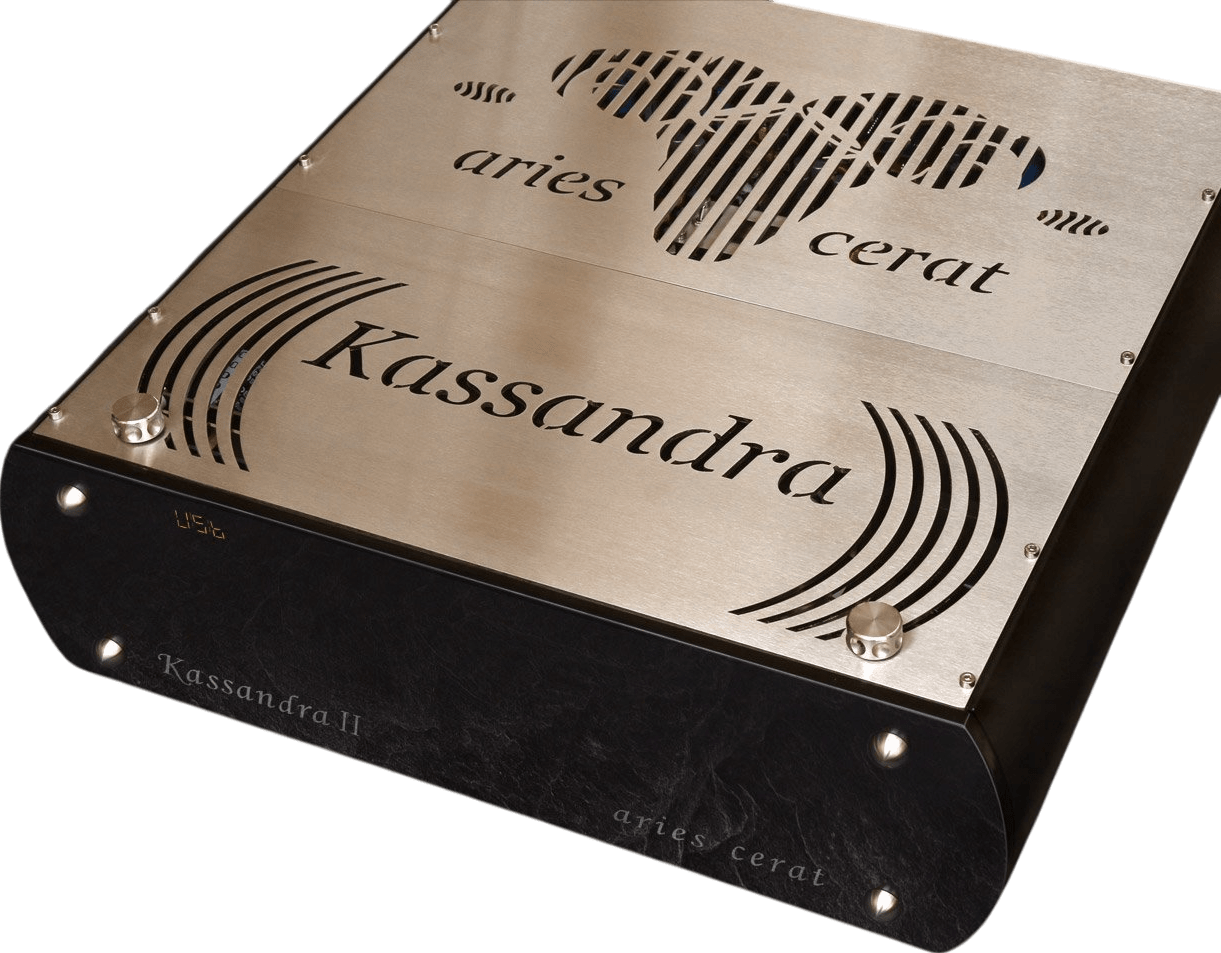
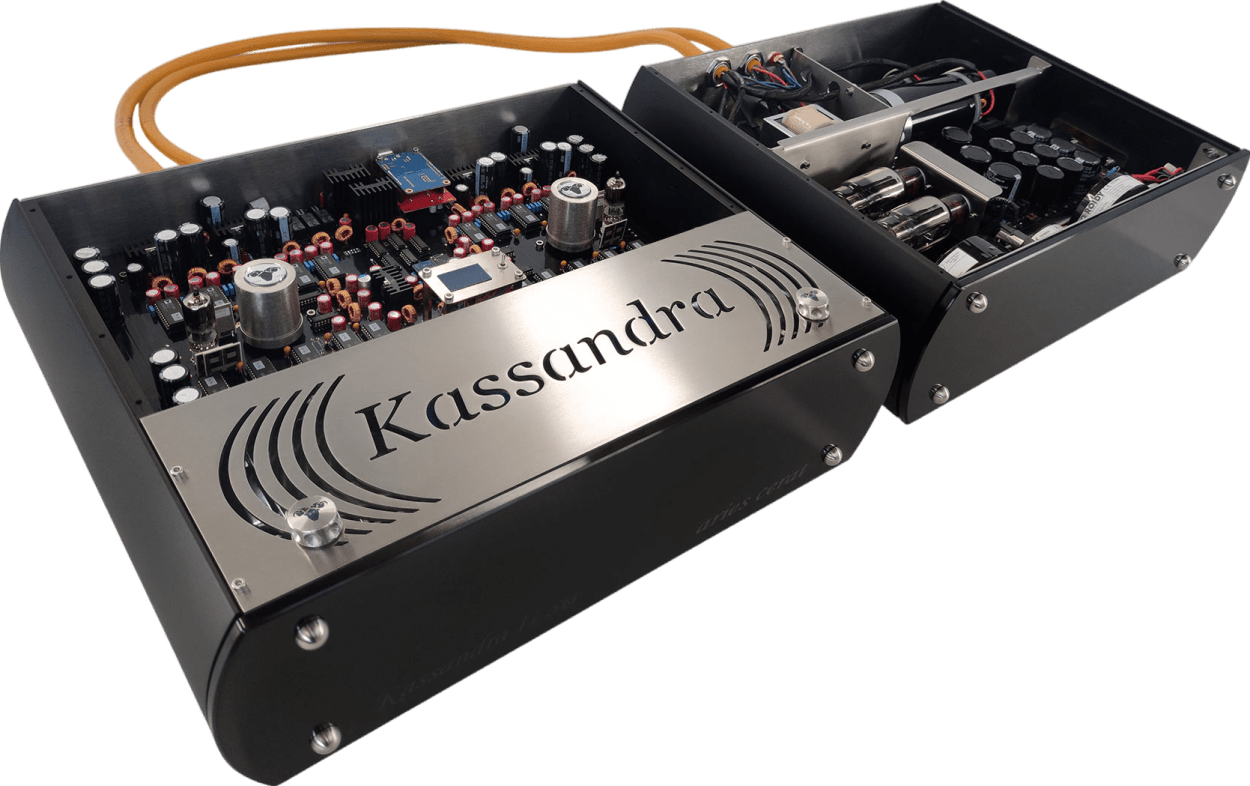
- Compared to the Aries Cerat Kassandra II Reference DAC, the Premier's bass performance lacks the propulsive bass drive of the tube-based Aries Cerat
- Compared to the aqua acoustic quality Formula xHD DAC, the Premier lacks the rendering of pitch and note-to-note pitch relationships in the bass of the Aqua
- The Premier is more neutral than the Aries Cerat and the Aqua
Takeaway: The MSB Premier is a modular DAC that gives the user flexibility in terms of digital audio needs. It supports new formats and configurations to simply upgrade with a simple input change for better musical enjoyment through modules.
Video review
About the brand
.png)
What reviewers think
Video review
About the brand

What reviewers think
Product Strengths
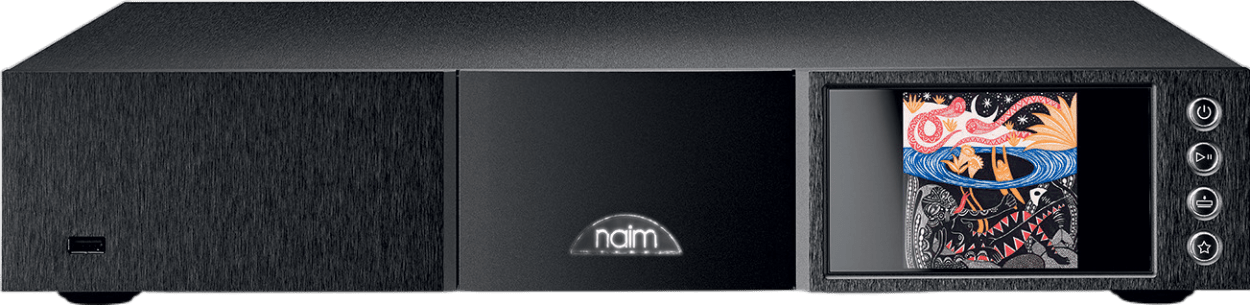
- Impressive clarity and dynamics
- Exceptional rhythmic coherence
- Offers compatibility with a vast range of digital sources, including Chromecast, Tidal, Qobuz, Spotify, internet radio, and Roon
- Built around Naim's 'platform for the future,' enhancing performance and functionality
- Convincingly full-bodied sound that studiously avoids sounding soft or polite
- Ability to convey momentum brilliantly—with a confident handling of timing
- Capable of outperforming most other players on the market, including CD players
Product Considerations
- Requires a separate power supply (555 PS DR) to operate
- The variable output is primarily intended for multiroom AirPlay functionality, and is not recommended for direct connection to a power amplifier
- Setting up the ND555 requires careful attention to the quick start guide, especially regarding the transit screws
- Initial power-up may result in harsh sound, requiring a burn-in period
Comparisons (according to reviewers)
- Vs dCS Vivaldi, the Naim ND 555 offers more inner detail and dynamic contrast, while the dCS Vivaldi has more weight and a smoother top end
- Vs Naim NDS, the ND 555 moves things along significantly, both in terms of flexibility and performance
Takeaway: The Naim ND 555 is a digital streaming source offering a direct, punchy, and organized sound. It is a flexible player, able to stream from various sources and to deliver impressive audio quality.
Video review
About the brand
What reviewers think
Product Strengths
- The d1-triunity DAC is praised for its ability to reflect the core characteristics of music with purism and vibrancy
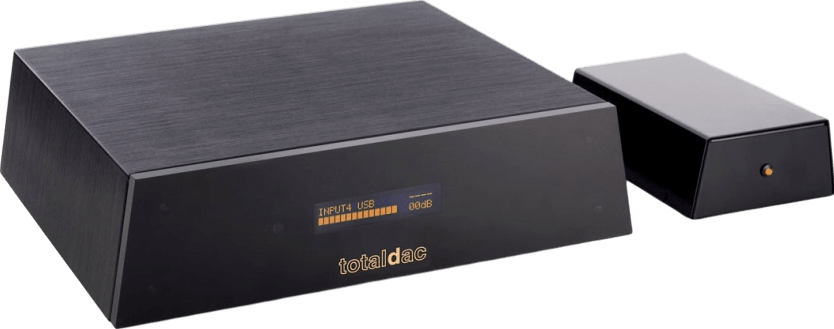
- The 'unity' architecture provides more presence, more contrast between the timbres and sizes of each instrument, more clarity, and at the same time more body and more dynamics—making the sound more realistic and natural
- Offers a richer, sweeter, fuller sound and a more spacious presentation compared to the d1-unity
- Achieves dynamic power, low-frequency depth, and punch with a skillfully engineered Class-A output stage providing double the voltage
- Transmits detail and nuance without sounding etched or bright, and provides great tonality, especially with acoustic instruments
Product Considerations
- The chassis is constructed from folded steel and the rear panel is of a thin gauge, which makes the external construction less substantial than some rivals
- Maximum resolution of 24-bit/192 kHz without the optional DSD module might be a limitation
Comparisons (according to reviewers)
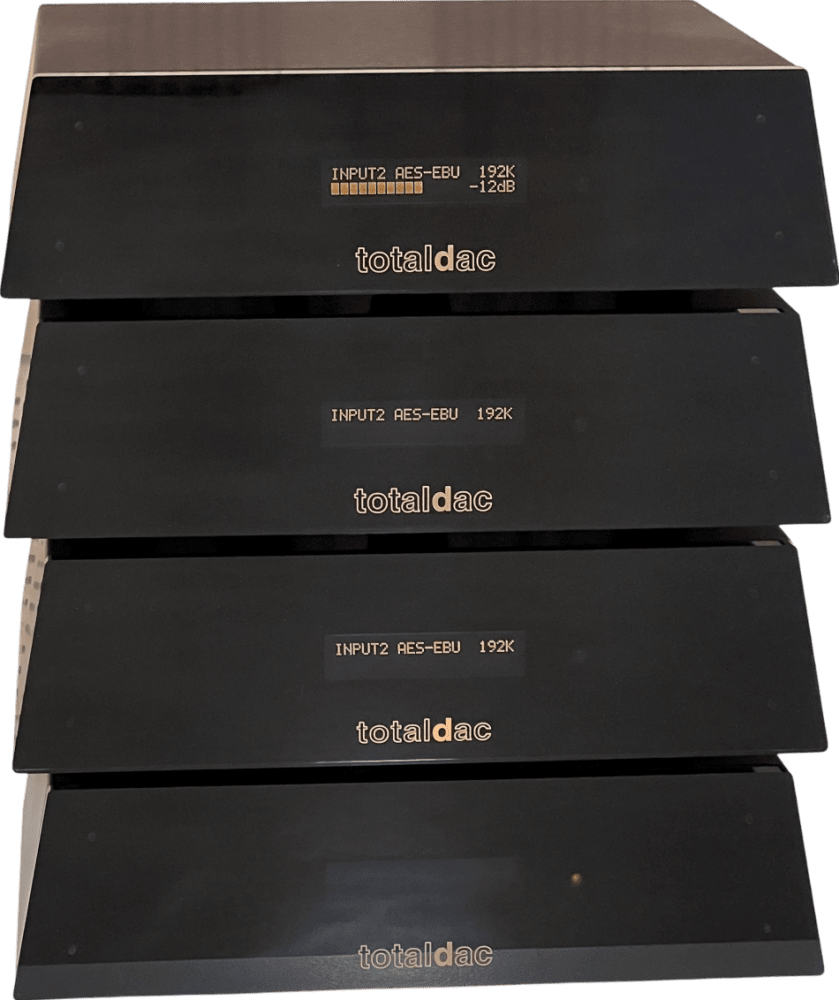
- The d1-triunity brings improvements that make music sound more vibrant and alive, while offering a finer-grained view compared to the Totaldac d1-unity
- The d1-triunity provides universal compatibility in terms of voltage output, and advances the sonic performance aspect compared to the Totaldac d1-direct
Takeaway: The d1-triunity is an impressive DAC that effortlessly handles music and makes it emotion-tugging with crystallizing quality. It offers remarkable musical insight without sacrificing speed and clarity, making it a worthwhile addition to any high-end audio system.
Video review
About the brand

What reviewers think
Product Strengths
- Musically engaging and thoroughly lyrical DAC
- Sounds rich and lush, even a little voluptuous with AES/EBU or S/PDIF inputs
- Becomes tighter, faster, more open and articulate, and highly expressive while retaining its seductive qualities when using USB input
- Provides a level of performance that is particularly hard to beat in its price class, especially when using the USB input
- Absence of noise due to Nixie tubes
Product Considerations
- Does not decode DSD, only converts PCM
- Can be a little laid-back in terms of midrange expression with AES/EBU or S/PDIF inputs
- If bass tightness is valued above all else, there may be better options
Comparisons (according to reviewers)
- vs Accuphase E600 DAC board—the Heléne DAC excels in refinement, fluidity, and flow, whereas the Accuphase does well in pacing, articulation, and dynamics
Takeaway: The Heléne DAC is a musically engaging and thoroughly lyrical product that provides great performance, especially when using the USB input. It is a great option to consider if one is looking for a rich and lush sound.
Video review
About the brand
What reviewers think
Video review
About the brand
What reviewers think
Product Strengths
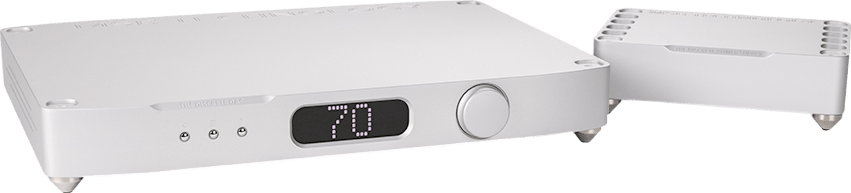
- High build quality, with the case milled from a single block of aluminum
- Modular design allows for repairability and upgradability
- Delivers a 'clean' analogue output, offering more instrument separation and a leaner edge to the music
- Excellent detail retrieval and transparency, allowing for a real insight into the makeup of a track
- Strong sense of timing, bringing a sense of 'rightness' to rhythm tracks
Product Considerations
- No analogue inputs unless going up the MSB food chain
- Cost increases significantly with optional second power supply, which is preferred by reviewers
- The display is limited and not especially informative
- The Black case finish marks easily
- One minor inconvenience with the external power supply is that it has a relatively short connecting cable
Takeaway: The MSB Discrete DAC is a well-built and modular DAC that provides detailed and transparent sound, creating a wide soundstage that is true to the original recording. It is a good option for audiophiles looking for a high-quality DAC with upgrade options.
Video review
About the brand
What reviewers think
Product Strengths
- Surprisingly technical, with resolution on par or better than anything else heard at its price point
- Conveys the time of music extremely well, notably with exceptional leading-edge portrayal and high resolution/micro dynamics
- Offers excellent timbre
- The internal streamer presented better clarity in the bass
Product Considerations
- With signals above PCM 24 bits and 192 kHz, the converter down-samples the signals
- DSD signal is converted internally to a PCM signal, since the R2R resistor ladder is a 24-bit circuit
- Treble compensation may be needed for optimal sound, or to lower excessive treble energy
Comparisons (according to reviewers)
- Versus Totaldac d1-tube DAC/Streamer, the d1-unity offers greater clarity, voice, and impact, providing a more fully resolved picture
- Versus Mola Mola Tambaqui DAC, the d1-unity offers more body, tone, and texture, whereas the Mola Mola emphasizes upper frequencies a bit more
- Matches the resolution and dynamic presentation of the Chord Dave
- The internal streamer is marginally better than the Sonore Optical Rendu
Takeaway: The d1-unity is a good option for those seeking an engaging and high-resolution digital source. It is especially suited for listeners who appreciate a physical and vibrant presentation of music.
Video review
About the brand


What reviewers think
Video review
About the brand

What reviewers think
Product Strengths
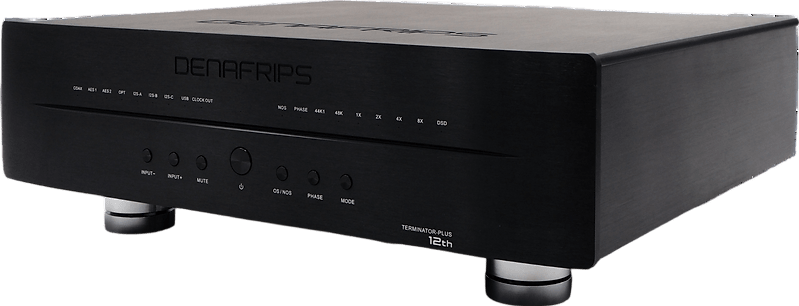
- Top-notch build quality and impressive part selection.
- Noise and distortion-free performance with a black background.
- Holographic, open, and wide soundstage with impressive depth, layering, and imaging.
- Full-bodied, organic, and natural sound with a warmer tonality.
- Covers the frequency response in full, without roll-offs.
Product Considerations
- Only a DAC—lacking preamp functionalities or a remote control.
- Not the most detailed sounding unit in its stock form.
- Not the fastest sounding unit in its stock form.
- Denafrips GAIA is a must-have upgrade to squeeze the absolute best out of it.
Comparisons (according to reviewers)
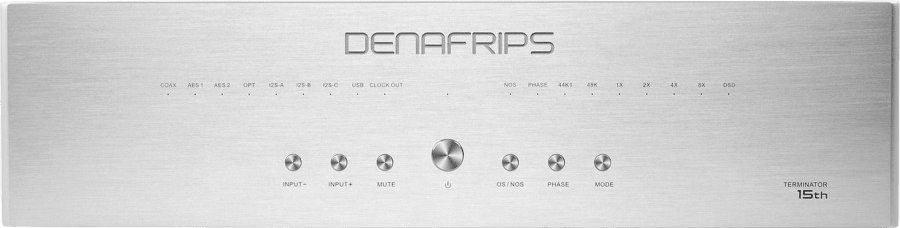
- Terminator Plus terminates other R-2R dacs like Denafrips Venus, Audio-gd R7 and Musician Aquarius.
- Terminator Plus delivers a clearer, punchier, and faster overall performance than Matrix Audio Element X and Gustard X26 PRO.
- Terminator Plus was just by a hair smoother and considerably more impactful than Gold Note DS-10 Plus.
- Terminator Plus added a much-needed weight and punch in the lowest octaves compared to Denafrips Venus or Ares.
- Terminator Plus was adding a lot more meat on their bones than SMSL DO200 and Gustard X18.
Takeaway: The Denafrips Terminator Plus is an impressively built DAC that offers an emotional and engaging listening experience with its open soundstage and natural sound, making it easy to enjoy your music. It brings a level of realism and impact that can make your system sound its best.
Video review
About the brand
Video review
About the brand


What reviewers think
Video review
About the brand

What reviewers think
Product Strengths
- Solid digital sound, good authority, solid bass, and a weighty sound with good scale
- Excellent clarity, very good timing, and a very good soundstage
- Outstanding build quality—solidly made and near indestructible
- Versatile unit that can become the hub of the digital audio world
- Clean and effortless digital processing
- Connectivity options
Product Considerations
- The Lightning DS app is only available for iOS
- The 4-inch non-touch screen is adequate, but not exceptional
- When written instructions feature on the screen, the words can be small and difficult to see
- The alphabetical order of the albums is not followed when used with an external hard drive
- Some reviewers felt a need for a high-end turntable setup, as the analog input feeds directly to the analog output stage—bypassing the digital stage altogether
Comparisons (according to reviewers)
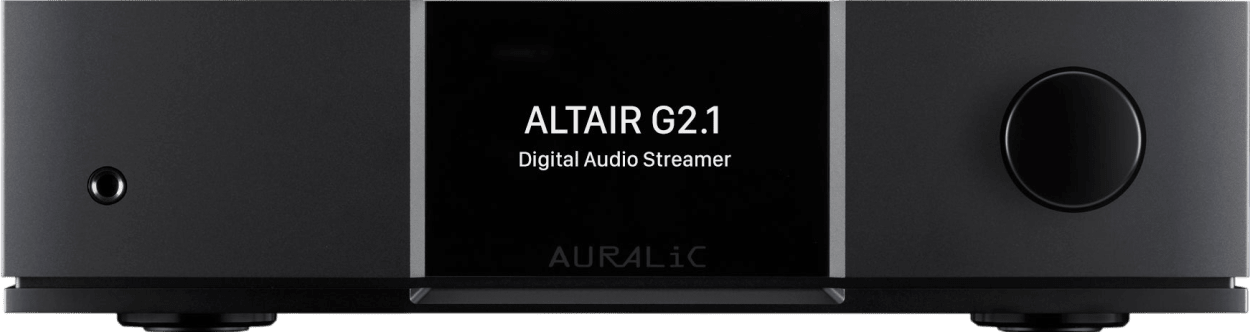
- Vs NAD M10 V2: The Altair offers a step up in sound quality
- Vs AURALiC Aries G1: The Altair G2.1 chassis is a significant upgrade with an internal copper sub-chassis, tuned feet, and a solid steel base
Takeaway: The AURALiC Altair G2.1 is a versatile and well-built streaming DAC preamplifier that offers a clean and detailed sound. Comprehensive features and excellent sound quality make it a great choice for audiophiles looking for an all-in-one solution.
Video review
About the brand


What reviewers think
Product Strengths
- Rare ability to reproduce acoustic music, on a level with some of the best DACs.
- Modular design allows for a significant degree of future-readiness and upgradability.
- Instrument timbre is presented evenly, providing more musical data from instrumental tones to overtones, attacks—and decays.
- Clear sonic details without brightness, especially in the upper registers, result in a sound that is right.
Product Considerations
- Audible ticks and clicks may occur, although they do not affect the music and only occur during pauses or between tracks.
- A full-sized component, which may be a concern for those with limited space.
- Some perceive the Yggdrasil Less is More's presentation as sonically balanced and more evenly sorted per the recording, at the cost of the energy that presents a recording in ways emphasizing certain things in a recording.
- Sound differences between the different versions are nuanced and much harder to detect.
Comparisons (according to reviewers)
- Vs Benchmark DAC3 HGC: The reviewer prefers the Yggdrasil over the Benchmark, but notes that the Benchmark is relentlessly accurate to the signal it receives.
- Vs iFi Audio Pro iDSD Signature: The Yggy is slightly more detailed, slightly less warm, and also better dynamically.
Takeaway: The Schiit Yggdrasil is a well-regarded DAC known for its ability to reproduce music and its upgradability, making it a potentially smart choice for audiophiles. Different versions cater to different preferences, so doing some research is important.
Video review
About the brand
What reviewers think
Product Strengths
- Flawless build quality and built like a tank with an all-metal body and tactile buttons
- Delivers a linear presentation and keeps the soul of the music intact, sounds inviting, smooth, and transparent
- Provides an open, deep, and wide soundstage
- Excels in micro detail and nuanced sound and airiness with excellent clear vocals
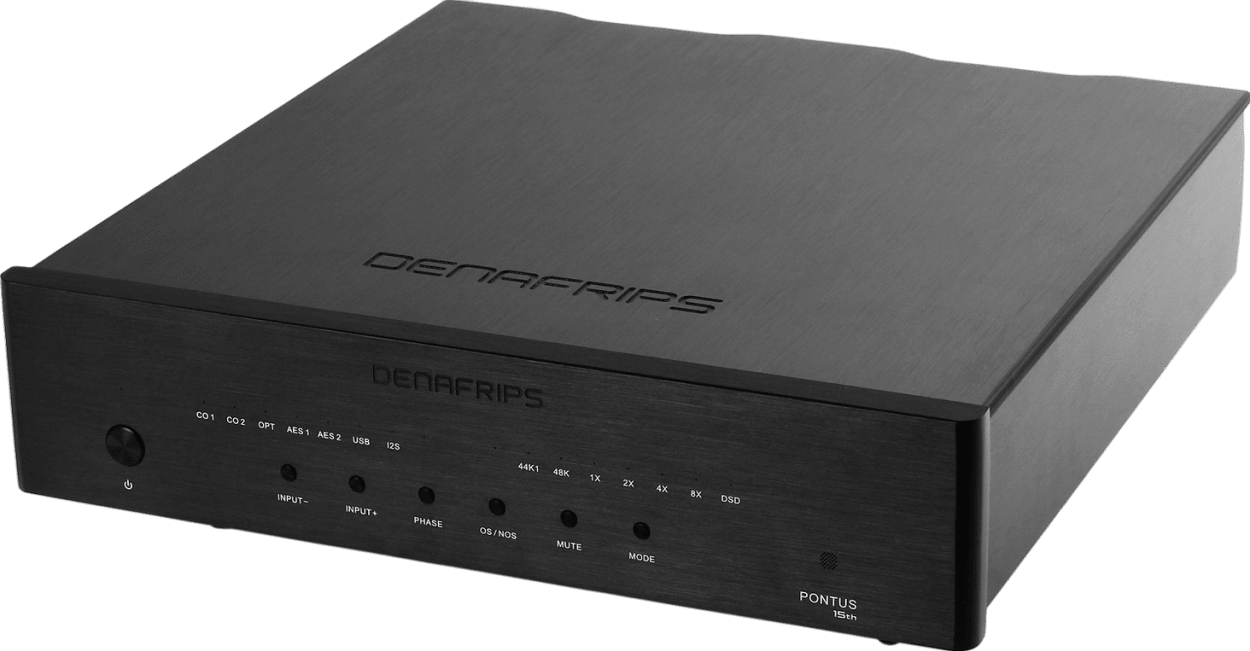
- Is an upgrade from the original Pontus and provides better layering
- Offers great connectivity with all the digital inputs needed, including I2S
Product Considerations
- Denafrips makes incremental changes, which can be annoying if a newer version is released soon after purchase
- Does not include a remote, and one must be purchased separately
- May be a little bright for a lean or bright sound system, it is best in a neutral to warm system
- There is no middleman/distributor anymore, which may mean loss of personal touch from customer to the company—especially with warranty issues
Takeaway: The Pontus 15th Anniversary Edition is a well-built DAC that delivers a refined and detailed sound with a wide soundstage, making it a great choice if you have a warm or neutral system that needs some sparkle. It has excellent connectivity options.
Video review
About the brand
What reviewers think
Video review
About the brand
What reviewers think
Product Strengths
- Smoother and clearer sound compared to the Gungnir 1
- More depth in sound and good separation between foreground, middle ground, and background elements of the music
- Punchier bass compared to other products
- Wider and deeper soundstage compared to other products
- Creates an emotional connection to the music
Product Considerations
- The Gungnir 1 Analog 2 has a flatter sound
- The Iggy OG has sharp and nasty highs
- The Iggy OG had a veil to it
Comparisons (according to reviewers)
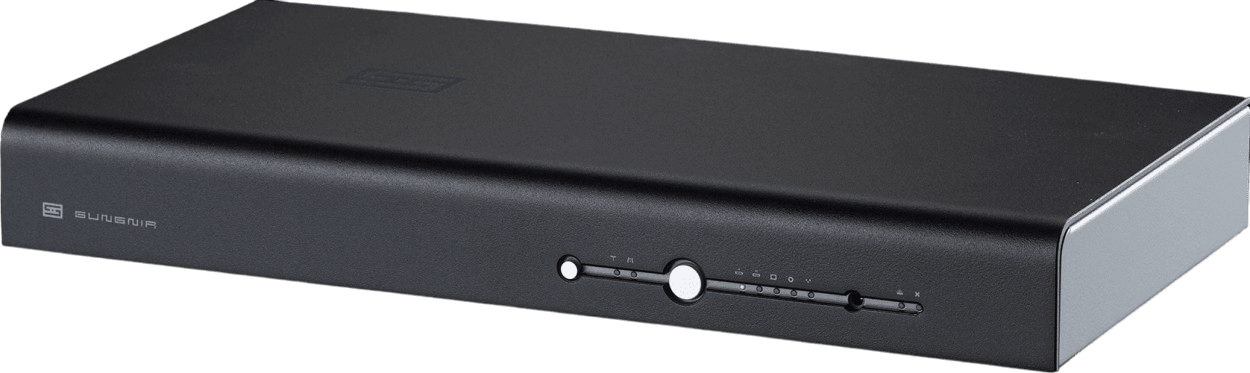
- Vs. Gungnir 1—the Gungnir 2 is smoother, clearer, and has more depth
- Vs. Denafrips Yggdrasil—the Gungnir 2 has punchier bass, while the Denafrips Yggdrasil has more present low and sub bass
Takeaway: The Gungnir 2 offers an emotionally engaging and sonically superior experience. For those seeking enhanced clarity, punchier bass, and a deeper soundstage, the Gungnir 2 could be an ideal upgrade.
Video review
About the brand

What reviewers think
Product Strengths
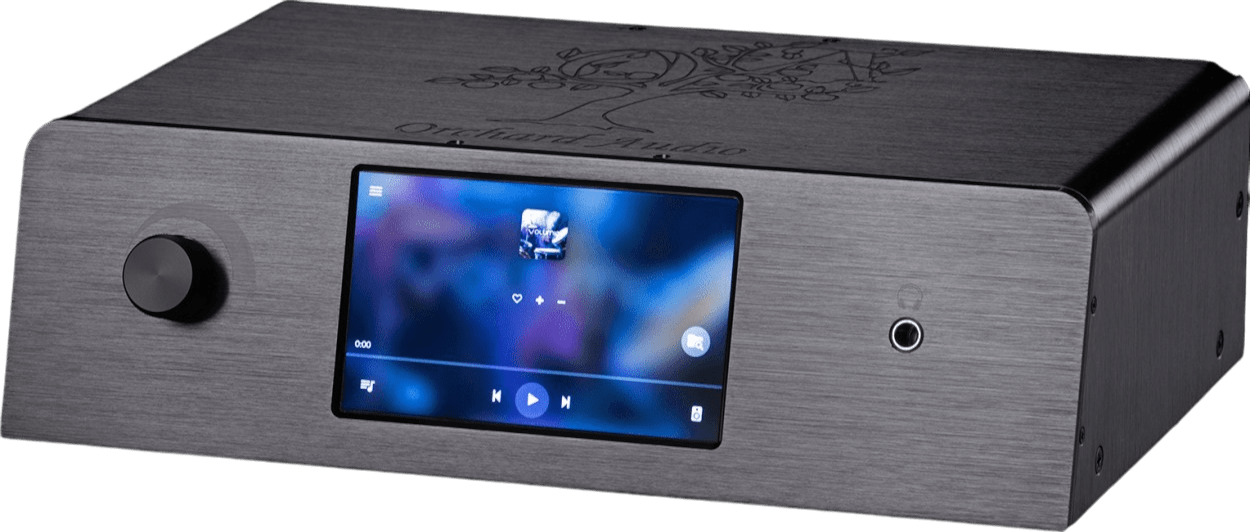
- Very detailed, open, and neutral sound with great clarity and clean background, improving balance considerably
- Employs high-quality components including the AKM Velvetsound Verita 4499EXEQ DAC chip and AK4191EQ delta-sigma modulator, resulting in crisp and detailed sound
- Provides excellent dynamics and separation of instruments
- Represents a solid value, and the price-to-performance ratio is hard to beat
- Offers versatile functionality as both a streamer and a standalone DAC with SPDIF input, and can function as a pre-amp
Product Considerations
- Utilitarian, DIY industrial design and barebones presentation may not appeal to everyone
- Lacks built-in Wi-Fi, relying on a wired Ethernet connection for optimal performance
- Requires careful selection of desired features (like outputs) during purchase, as all options cannot be accommodated simultaneously due to space limitations
- Volume control is only manual via the volume knob when using the SPDIF input
- Lacks features like a dedicated app, a screen, or a remote control
Comparisons (according to reviewers)
- PecanPi+ retrieves more details and offers better tone texture than the Topping E70 Velvet, making the E70 Velvet sound slightly veiled in comparison
- PecanPi+ sounds crisper and more focused than the SMSL SU10, while the SU10 projects a wider soundstage with a warmer tonality
- RME ADI-2 DAC FS has a nicer package with display, remote, EQ settings, and more I/O, but PecanPi+ is a streamer, and the sound quality is very similar
- Gustard A26 has a bigger soundstage, better dynamics, and a more premium build—but is noticeably pricier
- The Plus version is more transparent, incisive and revealing than the Original PecanPi
- Both devices have similar price but different set of features, and the PecanPi+ has an edge when it comes to sheer resolution compared to the EverSolo DMP-A6
Takeaway: The PecanPi+ is a high-performing, versatile streamer/DAC that focuses on delivering exceptional sound quality. Its clean, neutral sound and high-quality components make it a great option for those prioritizing audio fidelity, especially given its good value.
Video review
About the brand

What reviewers think
Product Strengths
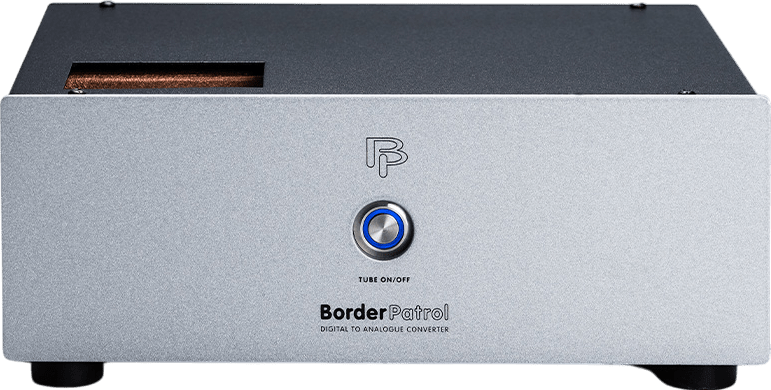
- The Border Patrol SE-i DAC brings the music naturally, organically, with great coherence and resolution
- It excels in the midrange
- The soundstage is quite large and can be vast, synergy providing
- There is a natural musicality and an organic quality to the music
- This DAC will give the music lover some of the finest reproduction qualities that may be experienced in a digital-to-analog converter
Product Considerations
- It will not play the various high-resolution formats or DSD or DXD or anything above 24/96kHz
- It only converts PCM (pulse code modulation) digital at sampling frequencies of 44.1K, 48K, 88.2K, and 96K
- If one is looking for extreme sonic range, it's best to move on from here
- Synergy with equipment is important to get the best sound
Comparisons (according to reviewers)
- Vs Audio Note CD3.1x/2: The Border Patrol may be a touch more accurate in its midrange response than Audio Note, but this was also highly dependent on the program sources employed
- Vs Prism Sound Callia: The Border Patrol equals the Callia in every way, but its presentation gives out a touch more softness with a little more naturalness in its fundamental tonality and harmonic presentation
- Vs Wyred 4 Sound's 10th Anniversary DAC: The main differences alongside the Border Patrol would be a touch more upper-frequency lift in comparison, whereas the Border Patrol still exudes a more romantic—slightly smoother—sound presentation
Takeaway: The Border Patrol SE-i DAC is great at making music sound natural and draws the listener into the music. It could be perfect for those who enjoy a natural sound and do not need to play super high-resolution files.
Video review
About the brand

What reviewers think
Product Strengths
- Improved dynamic attack, texture, body, and detail reproduction compared to previous generations
- Significantly more dynamic than the Ares 2 and many modern DACs, including Delta Sigma DACs
- Stereo image is nice and precise, especially for the price point, with good reproduction of vocals and instruments
- Has a shadow of tube sound, where the mid-range sounds full and thick and sounds more analog than many other DACs
- Bass quality is fantastic with lots of information in the bass area
Product Considerations
- Clarity in the upper mid-range area could be improved
- Not a neutral DAC; it is slightly colored
- Has no volume control, so it cannot be used as a preamp
- When paired with a tube amp it sounded a little blurry and loose in bass region, as well as mid bands and mid-range area
- May not be ideal for systems that already have a lot of mid-range thickness
Comparisons (according to reviewers)
- Vs Denafrips Ares 2: The difference between NOS and OS modes is more distinct, and the Ares 15 is significantly more dynamic
- Vs Gustard MK3/Gustard 26: The Ares 15 has some coloration compared to these newer—more neutral—DACs
Takeaway: The Denafrips Ares 15 is a good DAC that offers a dynamic and musical sound with an analog flavor. It could be a worthwhile upgrade, especially if wanting to add body to the mid-range of a system or are looking for R2R sound.
Video review
About the brand
What reviewers think
Product Strengths
- Better clarity than previous versions
- Better low-end definition, layering, wider soundstage, and dynamics compared to previous versions
- Is upgradable with user-serviceable cards and firmware
- High build quality, and products are made in the USA
- Has a warmer sonic climate, and a slightly laid-back groove
Product Considerations
- The original Bifrost had a hazy sound, while the AK4399 version was a little bright with not a lot of bass
- The multibit version can sound hazy, with less low-end definition and not much punch
- The highs on the BF 2/64 may stick out a little bit more than the original BF 2
- On its own, the Bifrost 2 can be unrelentingly sharp in its presentation, and sometimes come across as too harsh or focused
Comparisons (according to reviewers)
- Vs Schiit Gungnir: The Bifrost 2 offers almost the same performance as the Gungnir for almost half the price
- Vs Schiit Modius: The Bifrost has added front–back dimensionality, with layering and sparkle in the treble making it more exciting than the Modius
- Vs Schiit Asgard 3 Multibit: The Bifrost feels like turning up the brightness and vividness on your TV by a couple of percent
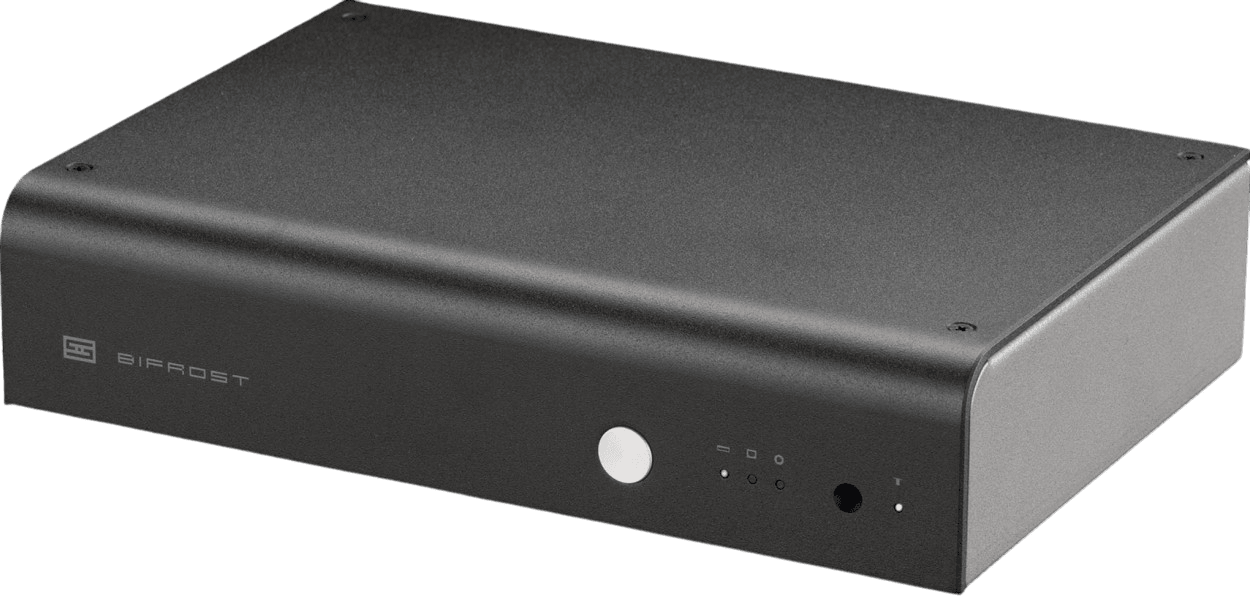
Takeaway: The Bifrost is a great DAC that connects the listener to their music, giving excellent clarity and a wider soundstage. It is a steal of a deal because it has a better low end and is very dynamic.
Video review
About the brand
What reviewers think
Product Strengths
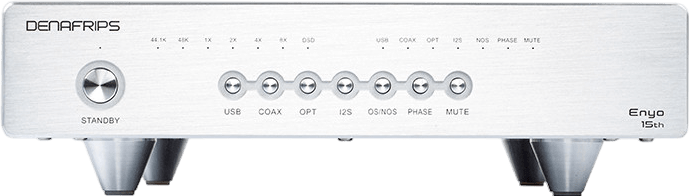
- Constructed from thick aluminum, making it substantial and incredibly solid
- Buttons have a strong tactile feel, are firm and responsive
- Delivers bass with remarkable extension and control
- Creates a wide and spacious soundstage, extending well beyond the boundaries of the speakers
- Presents music with a sense of warmth, texture and realism that's incredibly engaging
Product Considerations
- Bass is not as clean as some other gear, though some may like it that way
Takeaway: The ENEO offers a natural and musical sound, making it a special listening experience. It connects you with the music on an emotional level and is worth the price.
Video review
About the brand
What reviewers think
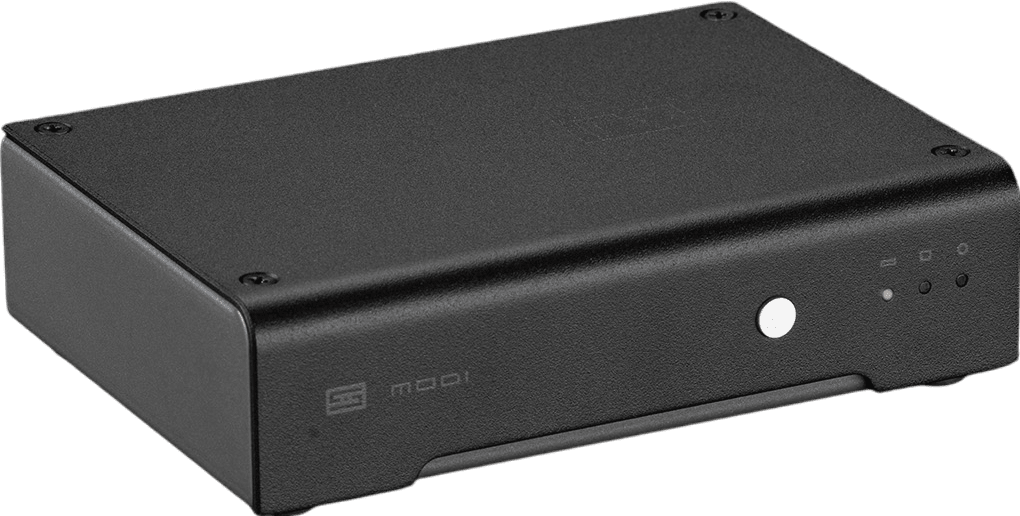
Product Strengths
- Excellent value for its price point, competing with more expensive DACs
- More relaxed, organic, and lush sound, with less of the harshness often associated with digital audio
- A linear power supply inside the case itself is unusual, but nice because upgrading it is unnecessary
- Good instrument separation, especially in the lower mids and bass, with definitively defined instruments
- A bold and thick mid-range gives a typical sound signature that is not often heard
Product Considerations
- The Modi Multibit may sound a little rolled off in the upper range compared to Delta Sigma DACs, but all the information is still there
- Early versions had complaints about too thick/fatty bass, though this is not relevant in the version 2
- Right out of the box, the Modi Multibit can sound compressed and not very good, requiring a burn-in period of a day or two to reach its full potential
- Instrument timbres still seemed a touch off and lacked the last bit of finesse, flow, and air
Comparisons (according to reviewers)
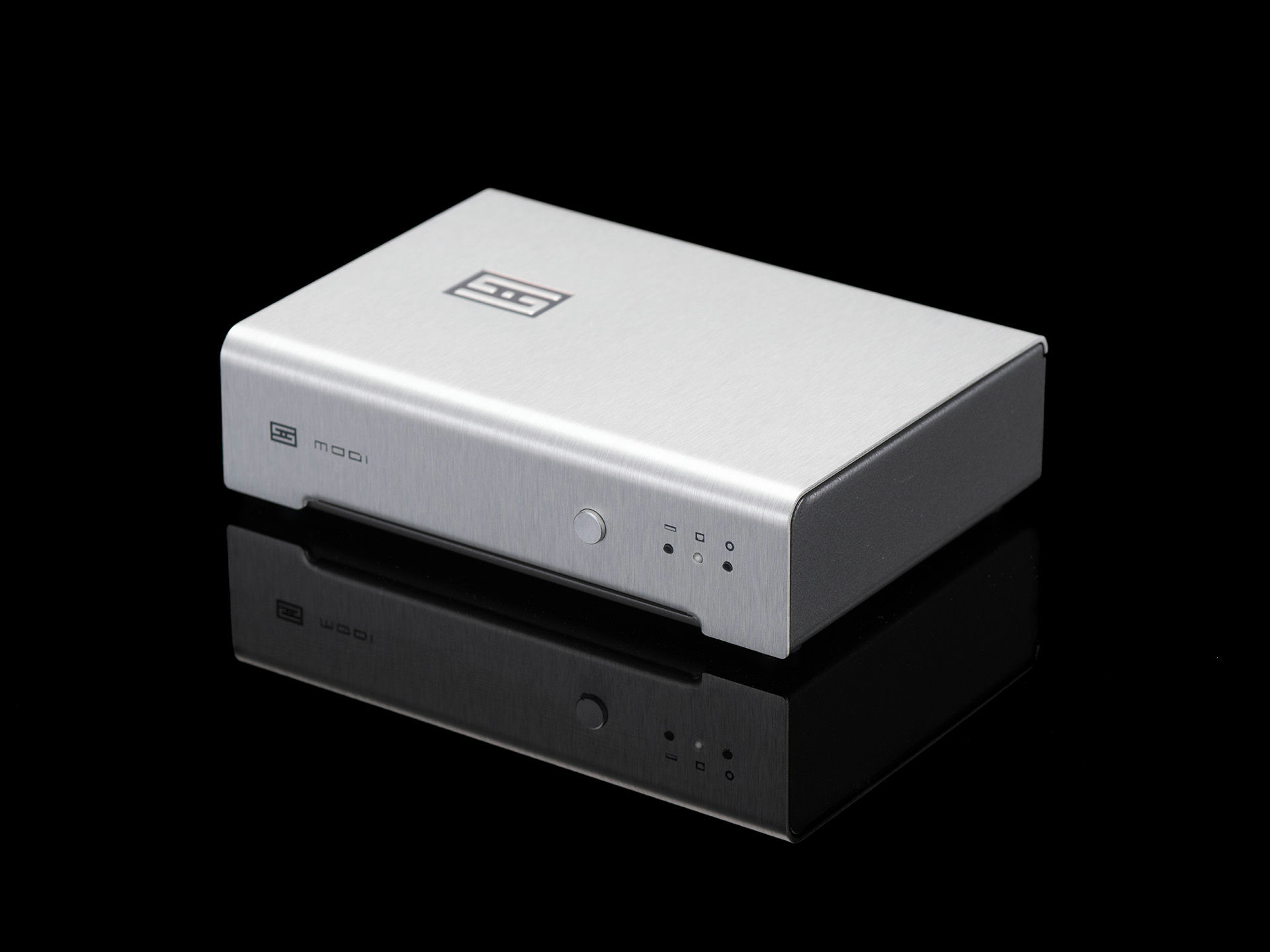
- Vs Geshelli Labs J2, the Modi Multibit is a little bit more forward in vocals and more resolving, Geshelli is smoother and has a good soundstage
- Modi Multibit provides a better sound quality—like a pointillist painting on canvas vs a fresco watercolored on stucco
Takeaway: The Modi Multibit is a small but capable DAC that offers great sound quality for the price. It's a simple to use and versatile option that can bring a more enjoyable and realistic listening experience to a system.
Video review
About the brand

What reviewers think
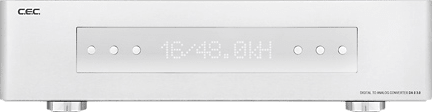
Product Strengths
- Discrete, multi-bit 32/384 DAC made by MSB instead of an off-the-shelf DAC chip
- Incredibly natural sound with a particularly rich, full, and firm presentation, having no hint of any digital artifacts
- Delivers a palpable sound—providing a reliable presentation of the instrument's sound or of a voice
- Great white display that is large and easy to read
- Superlink input (CEC Superlink—Digital Signal Transmission System Connection), based on four 75 Ω BNC cables
Product Considerations
- Sound when playing using S/PDIF is, in comparison to Superlink, 'gray'—or in other words, colorless
- Display may be a little too short, because it cannot fit the whole displayed information at once
Comparisons (according to reviewers)
- Compared to dCS, dCS offers even smoother, more "illuminated" sound, but CEC differs with more substantial presentation, better bass extension, and better drive
- Compared to Totaldac, the French system, with 3.0 TL0 as a signal source, delivered even purer sound, with even more open treble area, with a very large soundstage than DA0 3.0
- Compared to Ancient Audio, the Polish digital source is not so phenomenally resolving in the bass, nor is its performance so remarkably rhythmic, but the midrange is pure magic through the depth, saturation, and refinement
Takeaway: The DA0 3.0 offers an incredibly natural sound, delivering a rich, full, and firm presentation without digital artifacts. It allows the listener to appreciate both the recording process and the music, making it a valuable addition to any high-end audio system.
Video review
About the brand
What reviewers think
Video review
About the brand

What reviewers think
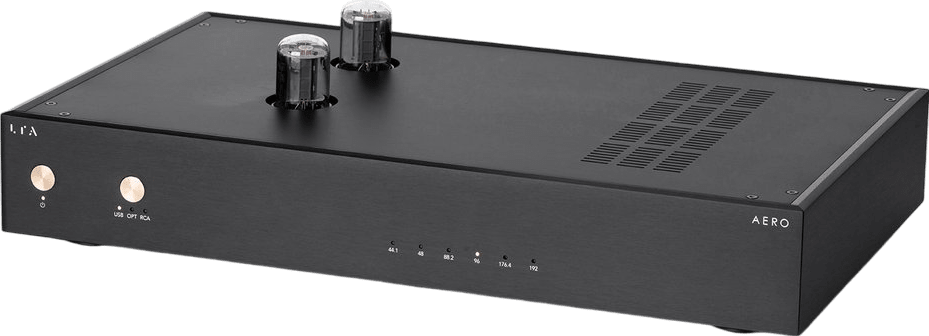
Product Strengths
- Natural and engaging sound, praised for its 'non-digital digital sound' and ability to connect the listener to the music's emotive power
- Richness and fullness to the sound, achieving a balance between not being overly warm or rich nor clinical or sterile, offering a natural tonality
- Wide and deep soundstage with precise instrument placement, creating spatial dimensions comparable to higher-priced DACs
- Dynamically lively and snappy, handling complex musical passages without sounding overwhelmed
- High-quality internal parts, robust build quality, and elegant appearance
Product Considerations
- Lacks some of the detail retrieval and resolution compared to other DACs, meaning it may not deliver the same level of micro-textures
- PCM only up to 192k sampling rate, so there is no DSD support
- Some reviewers wished for I squared S and also AESEBU, the XLR input
Comparisons (according to reviewers)
- Vs Mola Mola Tembaki, the Tembaki gave more high-frequency air, clarity and better portrayed the acoustics of the recording venue, but the Aero sounded more humid, with more weight and richness
- Vs Border Patrol DAC, the Aero is more transparent and pure
- Vs Laiv Harmony DAC, the Aero slots in between with a more pleasing and engaging balance between color and resolution
Takeaway: The Linear Tube Audio Aero DAC offers a natural, engaging, and enjoyable listening experience with great soundstage. It brings musical enjoyment for those who prioritize tonality and timbrel accuracy.
Video review
About the brand

What reviewers think
Product Strengths
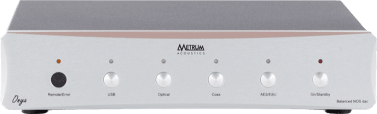
- Creates a big, solid sound with a wide, well-defined soundstage and lots of detail
- Delivers drive and energy behind the music with a solid and full bass
- Presents music with smoothness and gracefulness, especially in the midrange and treble delivery
- Upgradeable with new technologies developed by Metrum Acoustics, such as the Transient DAC Three modules
Product Considerations
- Build quality feels light and less substantial initially, though it is heavier than some competitors
- Lacks DSD processing
Comparisons (according to reviewers)
- Onyx has a smoother and more easy-going sound than Chord Hugo TT2, but the timing is not quite as crisp
- The Onyx has less authority and is a little less detailed than Metrum Acoustics Pavane, but is otherwise very similar
Takeaway: The Metrum Onyx offers a unique blend of smoothness and immediacy. Its full and nicely textured sound makes it a worthwhile consideration for audiophiles seeking a high-performing DAC.
Video review
About the brand
What reviewers think
Product Strengths
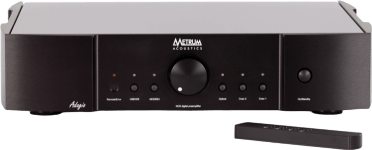
- More weight, body, and tonal richness create a fuller sound
- Capable of reproducing music up to a high quality level
- Easy to use, with simple digital inputs and single ended/balanced outputs
- Improves realism in music reproduction
Product Considerations
- Lacks analog inputs, making it less suitable for turntable users
- When changing the volume with the remote, all the DAC LEDs illuminate
Comparisons (according to reviewers)
- The Adagio is a much smoother sounding DAC overall, compared to Metrum Acoustics Onyx
- The Adagio with the new Transient modules, a more powerful supply and higher working voltage is clearly better than the Metrum Acoustics Pavane
Takeaway: The Adagio provides impressive sound quality, fleshing out music with more weight and tonal richness, making it more engaging. It is a very interesting DAC and pre-amplifier that could be brilliant for many audiophiles.
Video review
About the brand
What reviewers think
Product Strengths
- High price/performance ratio
- Heavy power supply (30VA + 44'000µF) adds a headphone amp which can drive 16Ω
- Improved DAC linearity, boosting the converters to top specs
- More articulated transients, more focus, better top-end visibility, and depth specificity
- Unique R2R D/A conversion
- Amethyst features no balanced outputs
Product Considerations
- Volume control covers headfi only, piping directly into a speaker amp runs full throttle regardless of setting, needing a preamp or integrated amp
- Casework makes do without the range toppers' glass lid and massive sides
- Lacks color intensity and has leaner textures compared to some alternatives
Comparisons (according to reviewers)
- Compared to AURALiC Vega, Amethyst has more articulated transients, more focus, better top-end visibility, and depth specificity, but at a lower color intensity and with leaner textures
Takeaway: The Metrum offers great value with its unique R2R D/A conversion and ability to drive headphones, making it a compelling entry-level option from Metrum Acoustics. It provides clear and focused sound, making it a worthwhile consideration for those looking for quality audio.
Video review
About the brand

What reviewers think
Product Strengths
- Exceptional detail retrieval is offered
- Strong dynamics and impact are delivered
- An expansive and holographic soundstage is created
- Clean and transparent sound is exhibited
- Superb build quality is demonstrated
Product Considerations
- Digital volume control may reduce dynamic range, like other DACs
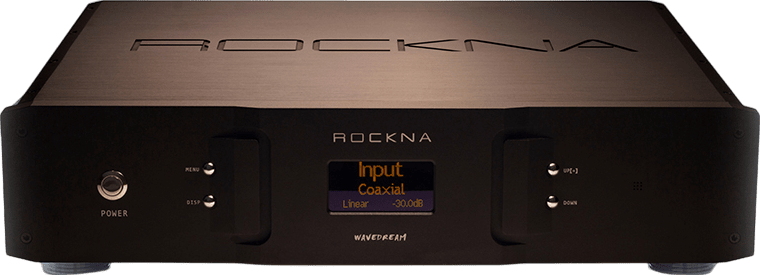
- I2S inputs use the PS Audio standard, which may require adapters for devices with other pinouts
- The internal Roon core can be slow
Comparisons (according to reviewers)
- The WaveDream Signature comes very close to the Ideon Audio Absolute Epsilon's technical performance at a significantly lower price
- The WaveDream is preferred by some, being seen as more enjoyable, punchy and visceral than the Chord Dave, though the Dave has slightly more microdetails
Takeaway: The Rockna WaveDream is a high-performing DAC with incredible detail and dynamics that creates an engaging and immersive listening experience. It is a great choice for those who want a top-tier DAC to elevate their music to new heights.
Video review
About the brand

What reviewers think
Video review
About the brand
What reviewers think
Video review
About the brand
What reviewers think
Video review
About the brand
What reviewers think
Product Strengths
- Notable focus and density to the midrange that is unparalleled compared to other DACs
- Exceeding naturalness and deep detail
- Top end is smooth, and the low end is present and provides a substantial foundation
- More precise, revealing, and dynamic presentation
Product Considerations
- The review unit lacked a USB input, only offering AES/EBU and S/PDIF over Coax as inputs
- Might not suit audiophiles who prize dry, bright, or hard-sounding digital audio
Comparisons (according to reviewers)
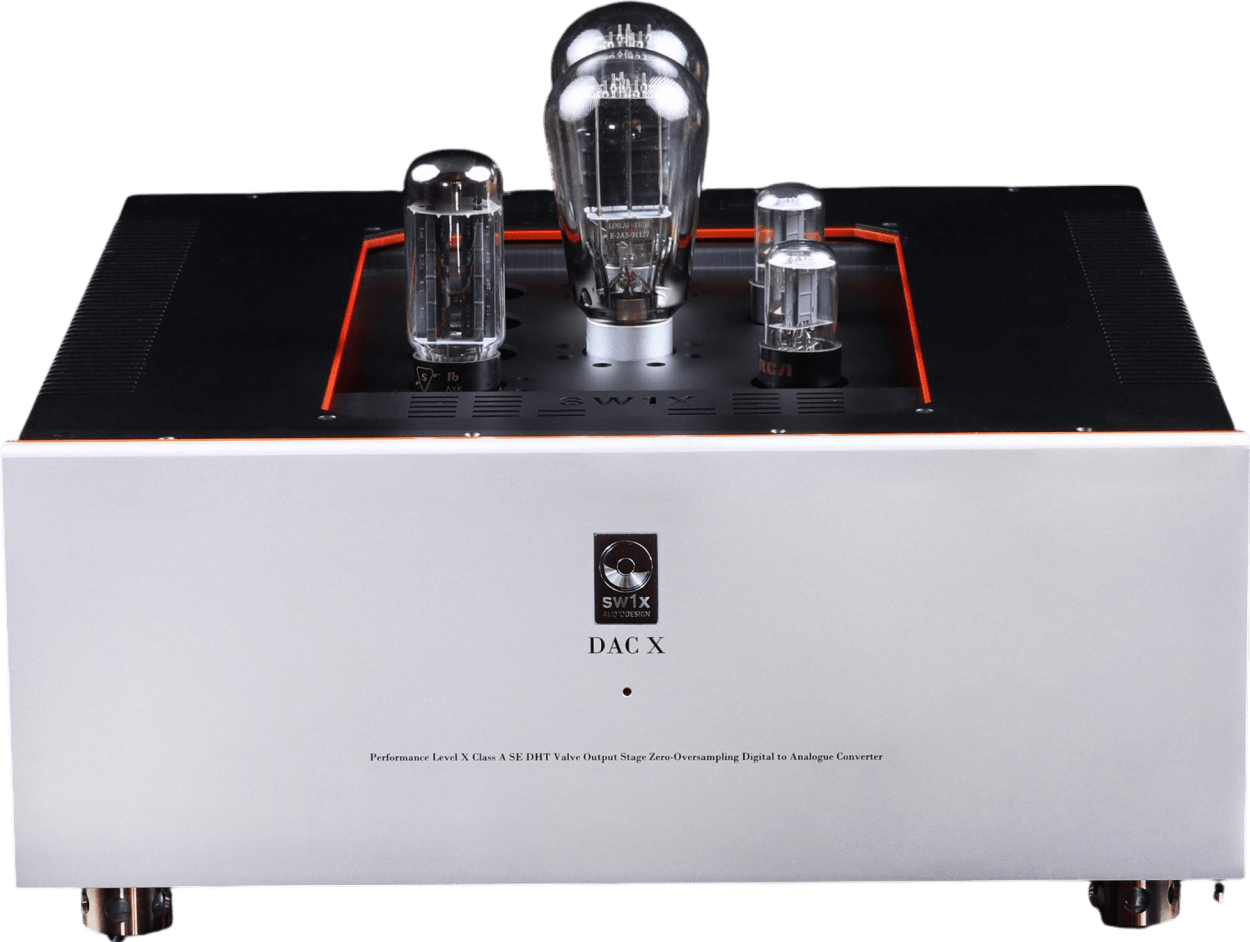
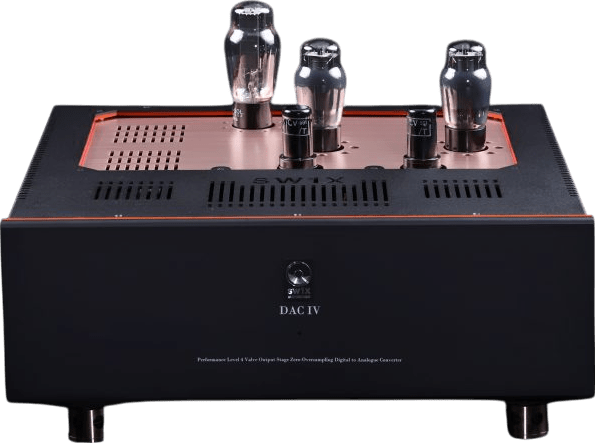
- Compared to solid-state DACs, the SW1X DAC IV Special has unparalleled focus and immediacy of dynamics, especially in the midrange
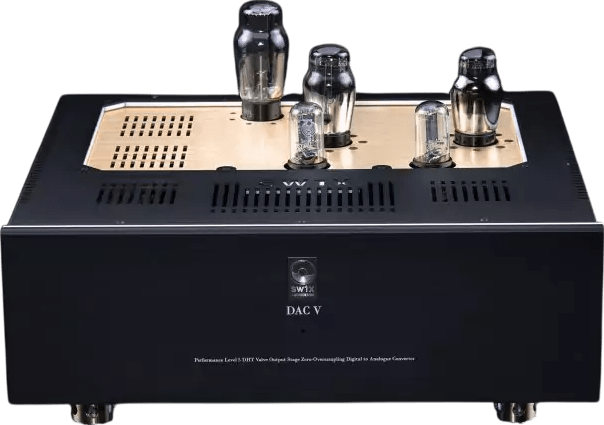
- Compared to the SW1X DAC V—the DAC IV has a more precise, revealing, and dynamic presentation
Takeaway: The SW1X DAC IV Special could be the answer if one wants to feel more emotionally connected to their music and escape the constant analysis of typical audiophile listening. It's designed to provide a musically engaging experience.
Video review
About the brand
What reviewers think
Product Strengths
- Known for analog-like qualities in dealing with transcoding zeros and ones
- Conveys low-level musical complexity and subtle spatial nuances that other DACs have difficulty with
- Produces voices that expand in three dimensions with a refreshing sense of presence, reminiscent of vinyl reproduction
- Returns energy to the music, instead of taking it away
- Reproduces details and anchor points with refreshing vividness, presenting the actuality with the least fragmentation of the sound image
Product Considerations
- A single-ended into a balanced pre configuration caused occasional static, making image difficult to discern during those moments
- Clarity could be improved on very complex choirs and instruments, and more separation would also be beneficial
- The attack on drums is slightly slow—perhaps medium paced—compared to some DACs
Comparisons (according to reviewers)
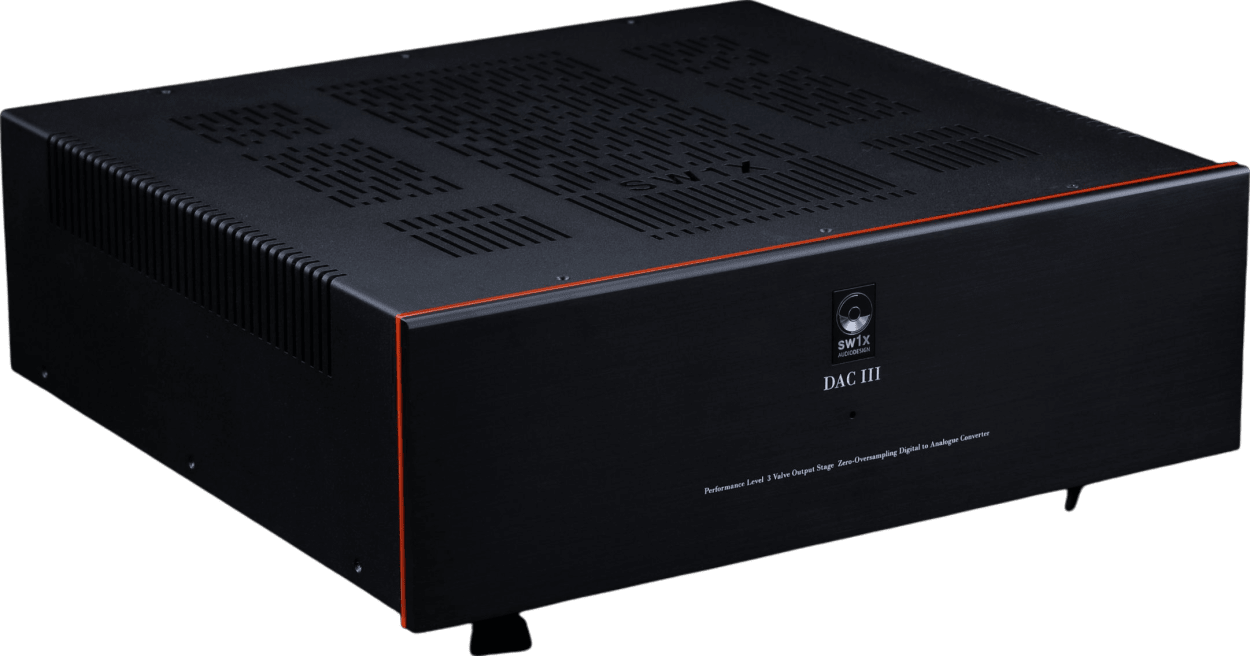
- Compared to CH Precision C1.2 DAC, the DAC III is more emotionally involving, while the CH Precision sounds markedly cooler, flatter, and more emotionally restrained
- Compared to aqua acoustic quality Formula xHD, the Formula xHD retrieves detail, bass precision, articulation, and transparency better, while the DAC III is airier, more fluid, and more refined
- Compared to Holo Audio May, the attack on drums is slightly slow—perhaps medium paced—and behind the Holo Audio May as well
Takeaway: The SW1X Audio Design DAC III Balanced has a musicality that makes it worth considering. It expresses music in a way that is closer to analog, with a natural transparency and higher degree of contrast.
Video review
About the brand

What reviewers think
Video review
About the brand
What reviewers think
Video review
About the brand
What reviewers think
Product Strengths
- Instruments are separate and easy to hear, producing a well-integrated piece of music
- Bass has real swing, dynamics, and tone
- A real 3D image of the singer is provided
- It mixes the best qualities of DAC 1 Active and Passive, sounding upbeat, lively, fluid, rich, and relaxed
- Midrange is smoother, better integrated, very dynamic but not shouty, with an overall more balanced, more natural presentation
- It offers an increase in soundstage width and the air within it, images are freer, and occupy their own space
- It possesses a very appealing liquidity with a nice dose of added richness, very dynamic and highly entertaining
- Designed with a focus on musicality rather than specifications, it aims to sound like real music
- Voicing and harmonic matching of the components contribute decisively to how the products sound in the end
- It makes the user want to listen to music instead of dissecting technical properties
Product Considerations
- The Bricasti M1 is more neutral top to bottom, making it seem a little uneven by comparison
- The Audionote 4.1x had greater dynamics, more intense tonal color, and superbly timed bass, it was good but could not match the AN 4.1x
Comparisons (according to reviewers)
- It sounds better, clearer, makes it easier to hear lyrics, and provides more intense emotion than the Audionote DAC2.1x
- The DAC 2 has a much higher level of refinement and is just as lively and enthusiastic, without all of the very punchy active DAC 1 bass
- The DAC 2 sounds more like the passive DAC 1 in terms of bass but more like the active DAC 1 in terms of even-handedness
- It sounds warmer and smoother than the Wadia 521 DAC, the Wadia sounds a bit static in comparison
- The Bricasti M1 offers a higher level of resolution, and has more powerful deep bass, but it has more punchy mid-bass and still trumps the Bricasti in terms of liquidity and overall emotional delivery
- The Exogal Comet is more refined and even-handed, but it has more muscular bass and packs more dynamic power overall, and is a more emotionally involving performer
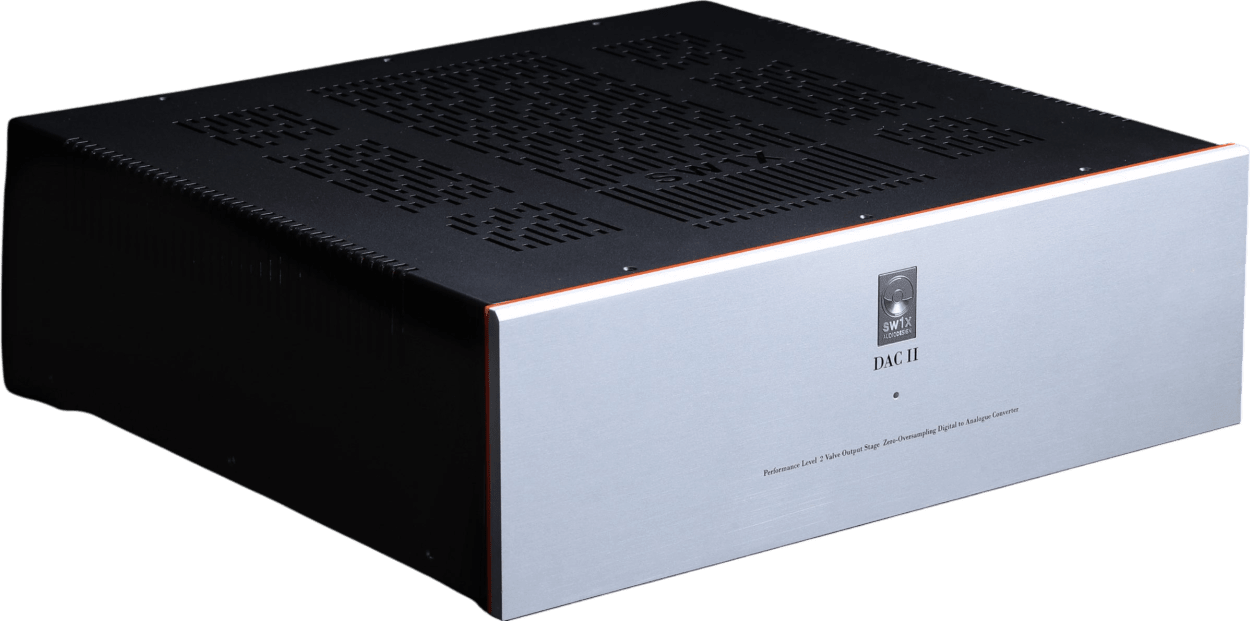
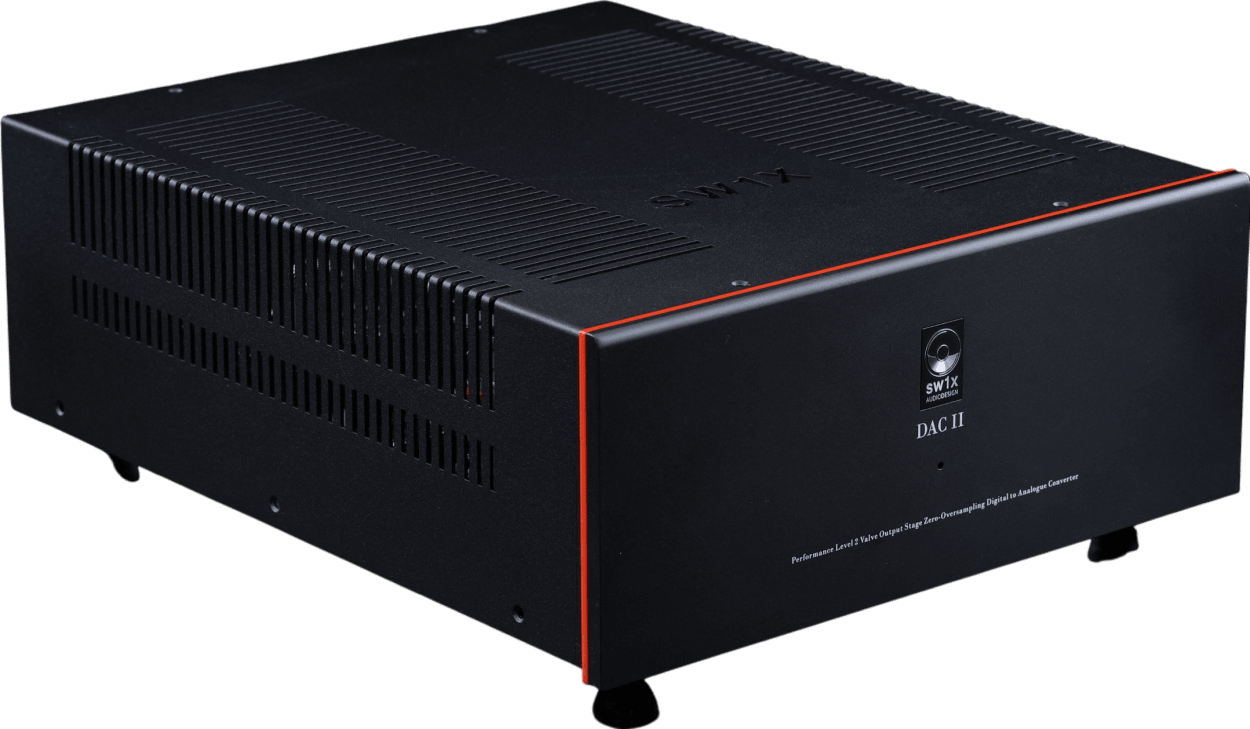
Takeaway: The SW1X DAC II Special is a DAC designed for musical enjoyment, not just technical specifications, and is capable of rendering music with a sense of realism and emotion, making it a great choice for listeners who want to connect with their music on a deeper level. The SW1X DAC 2 has a very appealing liquidity with a nice dose of added richness, and is very dynamic and highly entertaining.
Video review
About the brand
What reviewers think
Product Strengths
- Enthusiastic, transparent, and lively sound with a rare purity
- Communicative and free-flowing midrange, a trademark of tube deployment, without sounding slow or undynamic
- Good levels of detail are retrieved
- Accurate and fast bass
Product Considerations
- Does not paint as wide and intricate a soundstage as top-tier DACs, packing individual sounds more closely together
- Focuses on the overall performance rather than individual strands, potentially lacking nuance and refinement for critical audiophiles
- May be a little too lively and enthusiastic when combined with already lively equipment
- Passive version bass is less nimble and precise than the active counterpart
Comparisons (according to reviewers)
- Vs Bricasti M1: The DAC 1 is more outgoing and lively, while the M1 is more soft-spoken, warmer, richer in the midrange and airier
- The active version is more controlled overall, more precise in the bass, and more 'immediate'—with faster transients and more attack—while the passive version is more freely enthusiastic
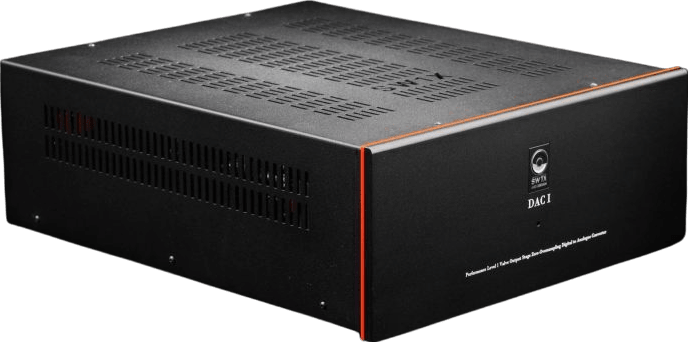
Takeaway: The DAC 1 is a breath of fresh air, with a lively sound that is easy to like. It delivers engaging sound and retrieves good levels of detail, making it a great addition to a system needing more energy.
Video review
About the brand
What reviewers think
Video review
About the brand
What reviewers think
Video review
About the brand

What reviewers think
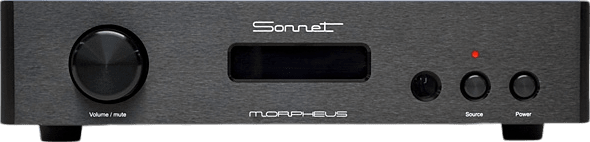
Product Strengths
- Musical and natural sound, avoiding harshness or fatigue
- High linearity and a realistic 24-bit dynamic range
- Bit-perfect volume control by varying reference voltage directly from the DAC chips
- Roon Ready, easy to set up and use
Product Considerations
- Does not support DSD playback
- The I2S input uses an RJ45 connector, not the more common HDMI, limiting cable compatibility
- Some reviewers would like a sample rate/bit depth display on the front panel
- Direct-to-amp usage might not sound as good as using a separate preamplifier, depending on the system
Comparisons (according to reviewers)
- Morpheus offers performance equal to Metrum Acoustics Adagio/Pavane without the heavy casing
- Morpheus is better than Metrum Acoustics Onyx or Jade, with more options, expansions, and better build
- Morpheus offers greater apparent resolution and a broader dynamic range than Totaldac d1-tube DAC/Streamer
- Morpheus is better than Denafrips Pontus with soundstage, timbre, tones, and attack, and no listening fatigue on the Sonnet
- Hermes and I2S was simply much better in every way than Primare Prisma NP5 Network Player, where music sounded paler, softer, and less exciting
Takeaway: The Morpheus DAC is a great option for audiophiles seeking accurate, natural, and musically pleasing sound. Sonnet designs deliver high quality sound and could convert even the most stubborn digital skeptics.
Video review
About the brand

What reviewers think
Video review
About the brand


What reviewers think
Product Strengths
- Drop-dead gorgeous design aesthetic
- Music comes alive, offering a real taste of what reference-quality digital audio can sound like
- Reproduces layers of detail and offers a warm tonal balance, low noise floor, and superb top-to-bottom coherency
- Soundstage is recreated with excellent depth and width, and the imaging is spot on, with musicians and instruments locked firmly in place
- Connected to the Unison Research Triode 25 Integrated Amplifier and Linear Tube Audio MZ3, it was one of the best sounding DAC/amplifier combinations heard in many years, undeniably captivating
Product Considerations
- The display seems half-baked with non-functional bands restricting the functional real estate
- The remote makes a rattling noise, which some may find disconcerting initially, but is by design
- Outputs are extremely hot
- May be overhyped, the sound quality not quite matching up to the hype, or more importantly, matching up to the price tag
Comparisons (according to reviewers)
- Vs SMSL VMV-D1SE: The Spring 3 has better refinement and more of that airy quality on top
- Vs Denafrips Pontus 2: The Spring 3 was a little cleaner in the mid-range, with better bass definition and control, but the Denafrips had a warmer—more full-bodied—presentation and deeper soundstage
Takeaway: The Spring 3 KTE is a beautiful DAC that can bring listeners closer to their music. It may be worth buying to experience high-quality digital audio.
Video review
About the brand
What reviewers think
Product Strengths
- Analog-like sound, minimizing digital harshness and glare
- Exceptional bass performance, providing impactful and controlled low frequencies
- Holographic image of the musical performance, with great separation between instruments and vocals
- Smooth, rich, and textured sound
- PLL may cause delays when locking onto signals from sources via some inputs other than USB, though PLL can be disabled, or USB input can be used
Product Considerations
- Can be perceived as neutral, and may not provide as immediate 'wow' factor as some DACs
- Warm-up period needed from cold start to achieve full sound quality
Comparisons (according to reviewers)
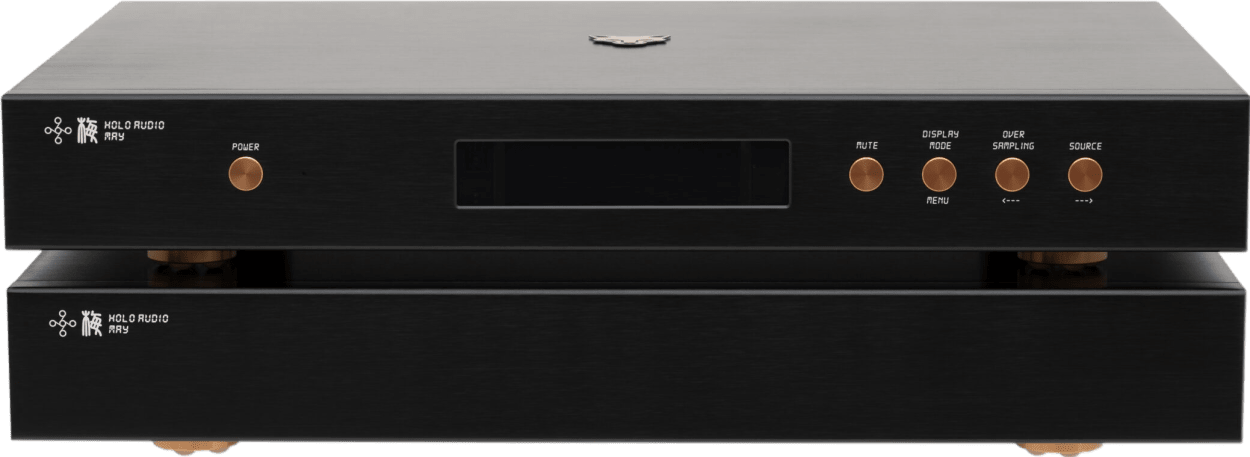
- Compared to Weiss DACs (e.g., 501), the May is richer, more spatial, and has fuller bass/mids—sounding more analog
- Compared to Denafrips Pontus 15th, the May is wider, deeper, and smoother with more bass impact, and the Pontus is cleaner, crisper, and detailed
- Compared to aqua acoustic quality La Voce S3 DAC, the May has a blacker background, more musically relevant detail, and refined tonal nuance
Takeaway: The HoloAudio May is a high-performing DAC that brings an analog-like warmth and richness to digital music, and its spacious and detailed sound makes listening more enjoyable. It is a great option for listeners seeking a refined sound with strong bass and natural presentation.
Video review
About the brand

What reviewers think
Product Strengths
- Natural and organic timbre with rich and vibrant overtones, offering a remarkable sense of realism
- Stands out as a highly musical DAC within its category, while maintaining an impressively competitive level of technical performance
- Exceptional build quality, made of thick aluminum, ensuring durability and a sleek appearance
- Almost inaudible noise floor, remaining dead silent and free from any hint of distortion
- Wide range of digital inputs, and an integrated streamer, offering versatility and convenience
Product Considerations
- The LCD screen can be difficult to read from a distance greater than 20-30 cm
- The embedded streamer can experience occasional interruptions and buffering issues when streaming high-resolution files
- Some reviewers experienced small hiccups when skipping songs using the internal streamer
Comparisons (according to reviewers)
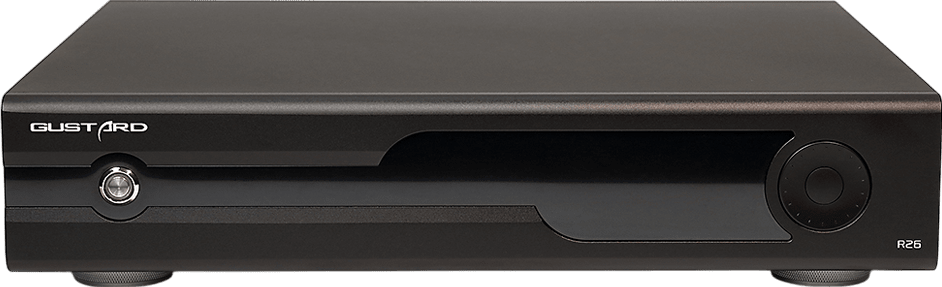
- Vs Chord Qutest: Has a bigger soundstage, equally sweet highs, much fuller tone timbre and a more muscly bassline—sounding more lifelike
- Vs Ladder Schumann: Gustard R26 hits with more clarity and speed, with a darker background, and an even deeper soundstage
Takeaway: The Gustard DAC-R26 is a musical and technically impressive DAC with excellent build quality and versatile features, including a streamer, making it a great choice for a top-notch audio experience. The natural sound and engaging performance create a lasting impression.
Video review
About the brand