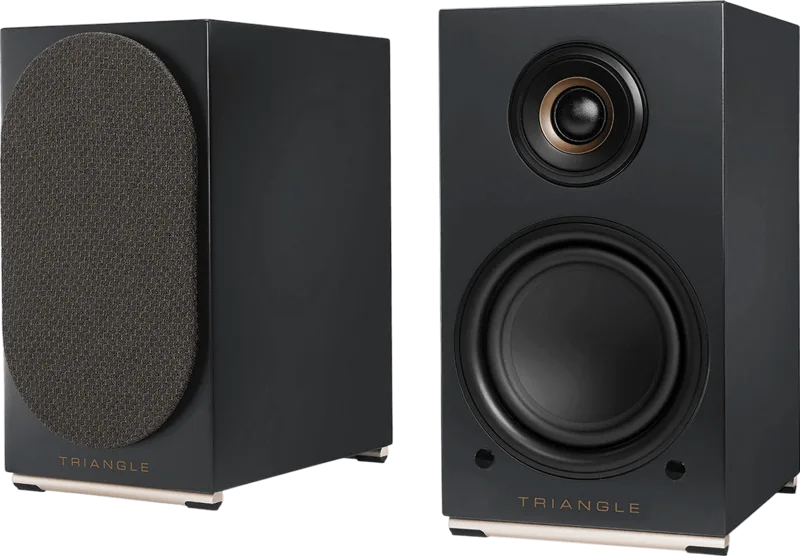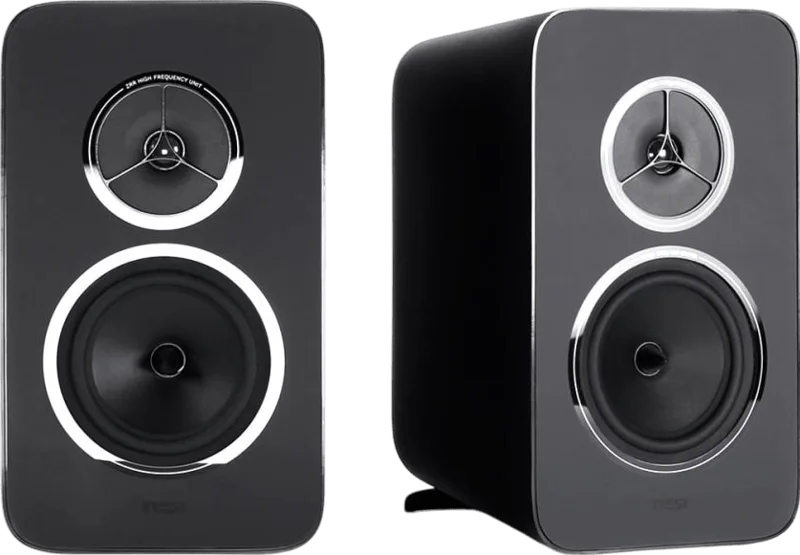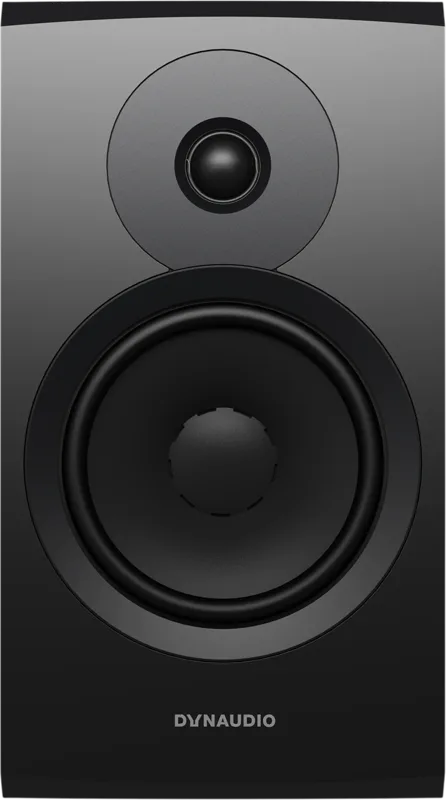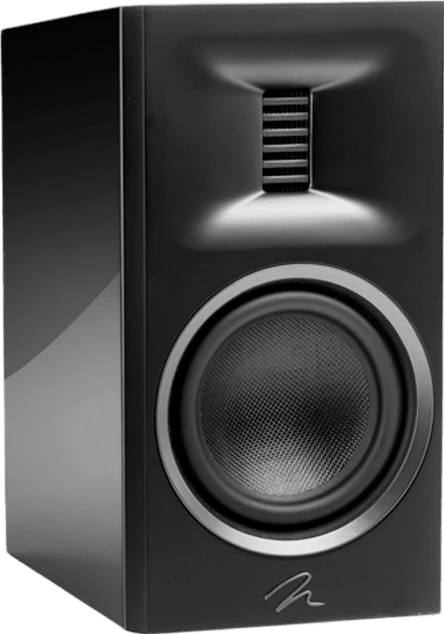
Aon 3
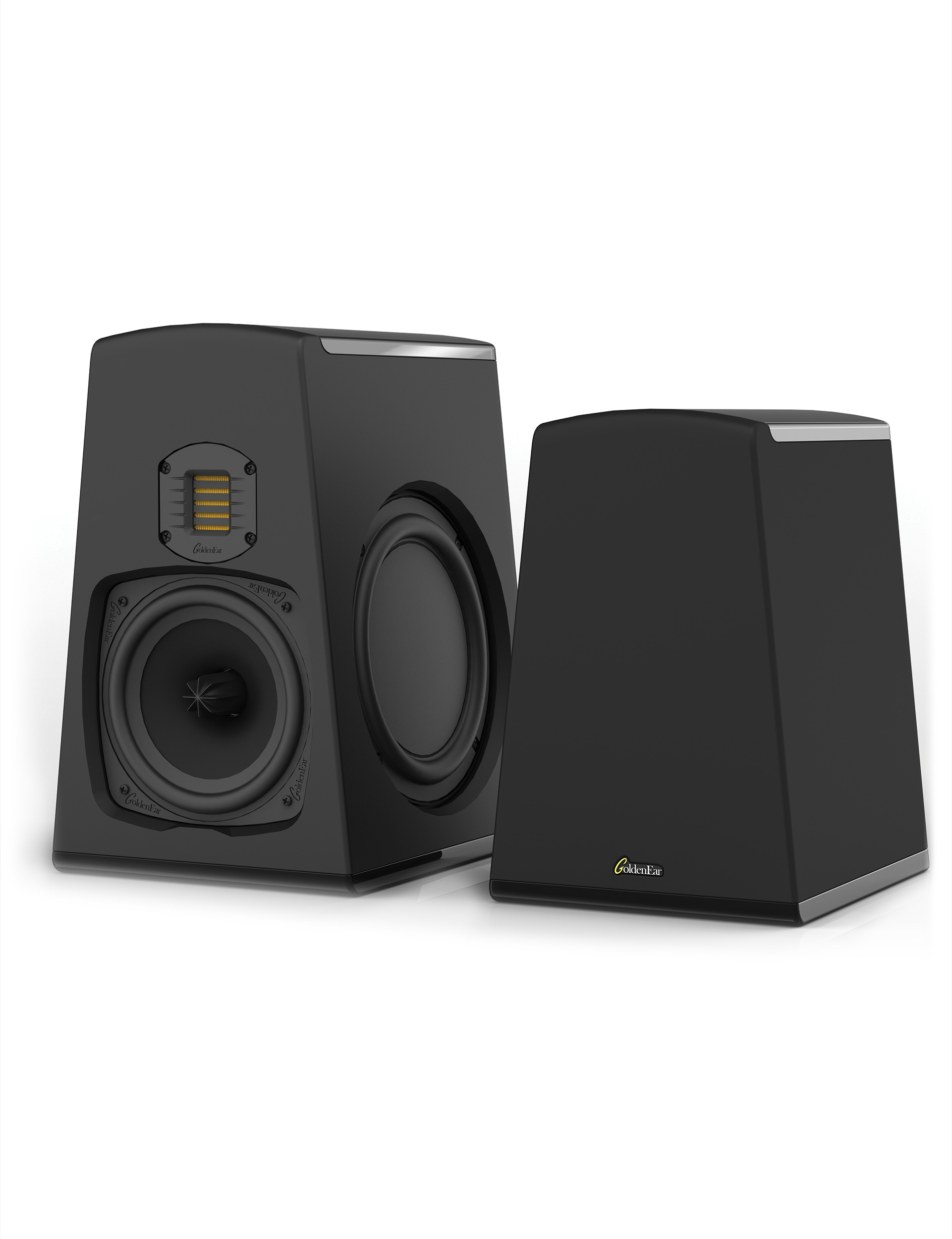
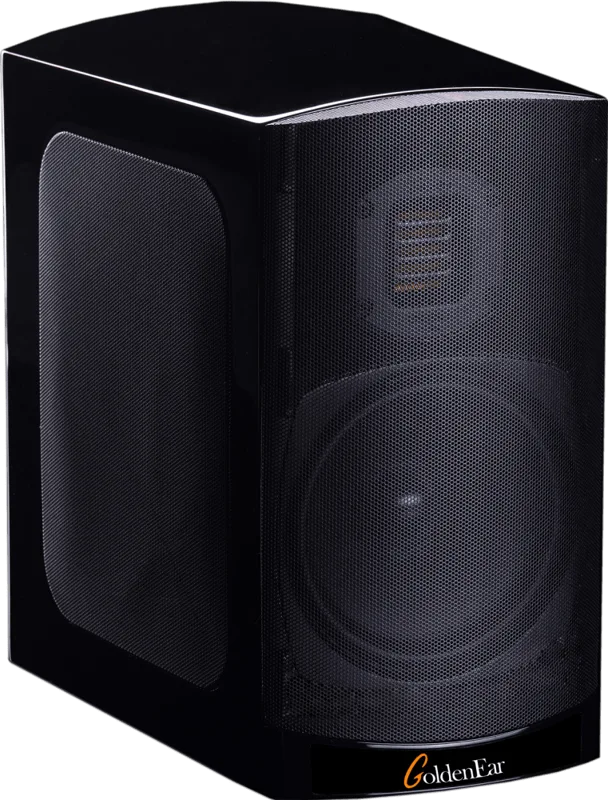
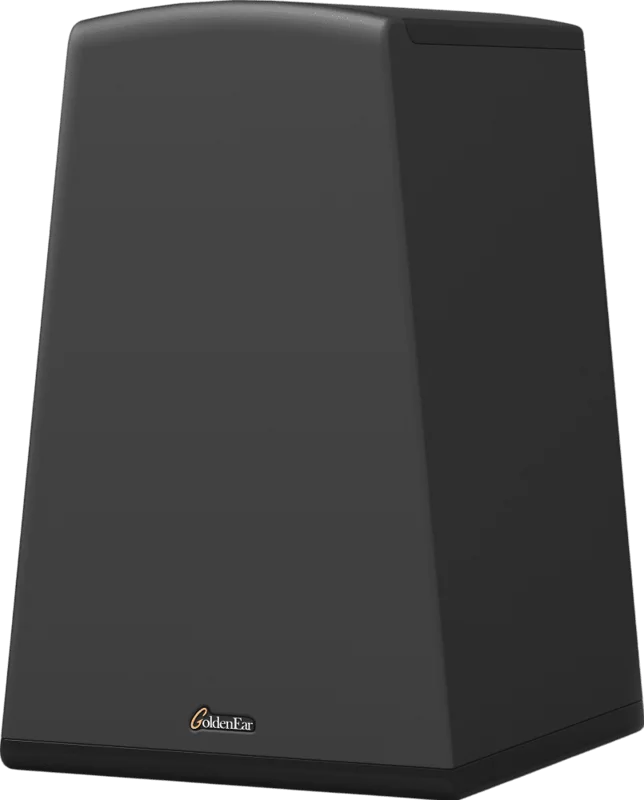
GoldenEar's Aon 3 is a compact bookshelf speaker with two side-mounted 8-inch bass radiators and a ribbon tweeter, and it suits small rooms. Its large, spacious soundstage drew the most praise from reviewers, along with a neutral, natural midrange.

New here? ExtremeHiFi is a free hifi encyclopedia: reviews, prices and used listings. We don’t sell anything.
Summary
GoldenEar's Aon 3 is a compact bookshelf speaker with two side-mounted 8-inch bass radiators and a ribbon tweeter, and it suits small rooms. Its large, spacious soundstage drew the most praise from reviewers, along with a neutral, natural midrange.
What reviewers love
The Aon 3 is a brilliant little bookshelf monitor that offers transparency, detail, and impressive bass output for a compact speaker. It could easily pass for a far more expensive speaker than it actually is and offers remarkable value for money.
Product Strengths
- Combines the imaging of a mini monitor with bass expected from a floorstander
- Offers excellent high frequency extension, superb detailing, and transient speed, and is free from apparent edginess
- Produces images that are quite realistic in height and scale, with desirable qualities of spaciousness and three-dimensionality
- Offers a wonderfully seamless blend between its mid-bass driver and tweeter
- Has a big, spacious sound that belied their small size, and a neutral, natural balance
Product Considerations
- Has a somewhat narrow dynamic envelope; the bookshelf monitors works well in small and mid-size rooms, it may or may not offer enough dynamic oomph to fill larger spaces
- Requires careful placement in order to deliver optimal bass, which can be affected by the proximity to the rear wall
- Styling is so-so
- Can sound a little congested and woolly at above-normal listening levels
- Lacks a little in dynamism
Takeaway: The Aon 3 is a brilliant little bookshelf monitor that offers transparency, detail, and impressive bass output for a compact speaker. It could easily pass for a far more expensive speaker than it actually is and offers remarkable value for money.
Written reviews0
Awards0

Bookshelf, floorstanding, in-wall, and powered speakers, compared on the specs that matter in a real room: bass extension, sensitivity, and tweeter type.
Buying tips that apply to the Aon 3
- Get placement right before anything else. Pulling speakers 2–3 feet (60–90 cm) from the wall behind them tames boomy bass; the listening seat should sit at the third point of an equilateral triangle, with toe-in adjusted to set the width of the image.
- Match speaker size to the room. Large towers in a small room often sound bloated, and nearfield listening at a desk favors small two-way designs.
- Each 3 dB of extra sensitivity halves the power needed for the same volume. For moderate listening levels, speakers rated 90 dB or more allow a smaller, cheaper amp.
- Treat the room before spending more on speakers. Bass traps in the corners and absorption at the first reflection points often do more than a step up in speakers.
- Used speakers lose value quickly, so two- or three-year-old models from established brands often sell well below their new price.
- Three-way designs free the midrange driver from bass duty, which can lower distortion in voices, though a well-designed two-way can image just as precisely.
- Tweeter dispersion matters more than its frequency response. Wide dispersion gives a bigger sweet spot but lights up more room reflections; controlled directivity suits lively rooms.
- Open-plan rooms lose bass. If the room opens onto other spaces, budget for a subwoofer instead of bigger main speakers.
- Audition with familiar music. Voicing varies a lot between brands, and a pair that excites on rock can grow tiring on strings.
- Many brands put their flagship tweeter into smaller models. A bookshelf speaker from a brand's top range often beats a cheaper tower in a small room.
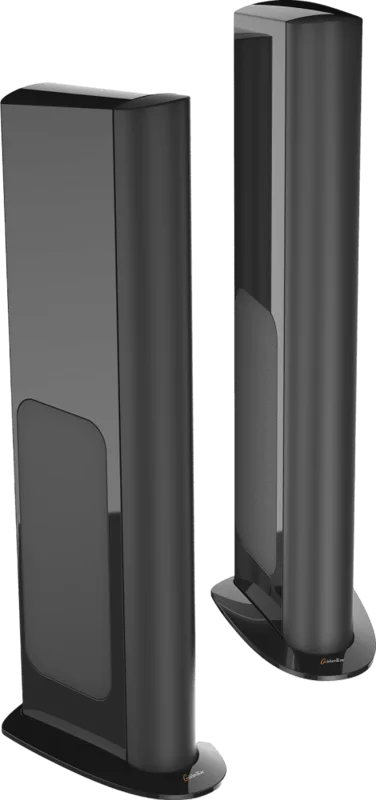
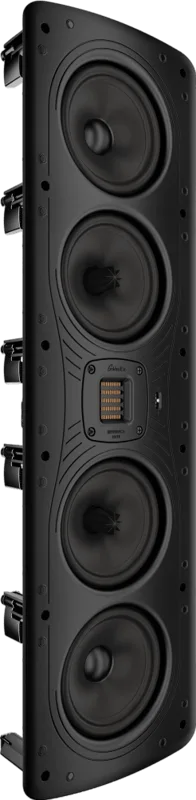
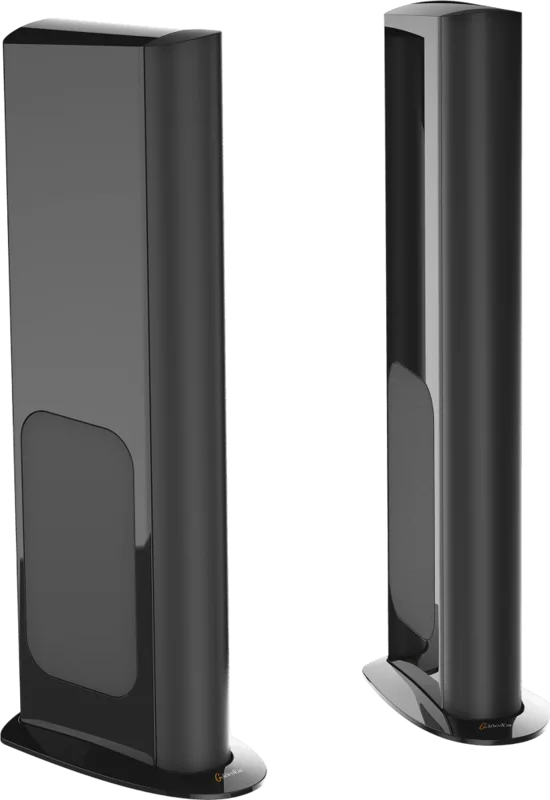
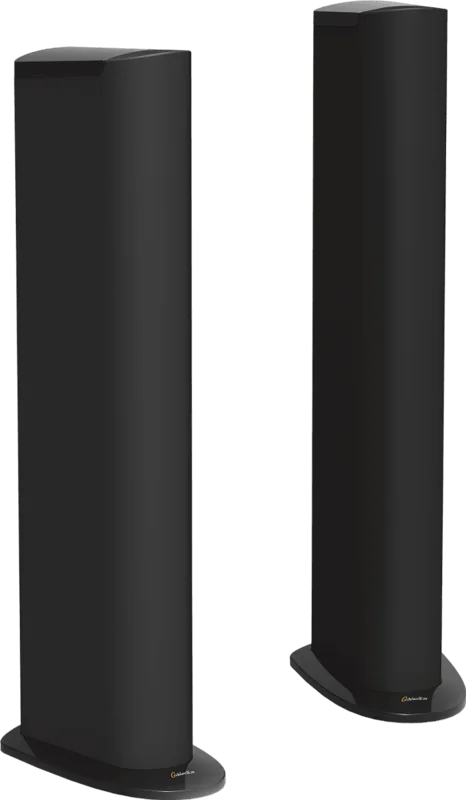
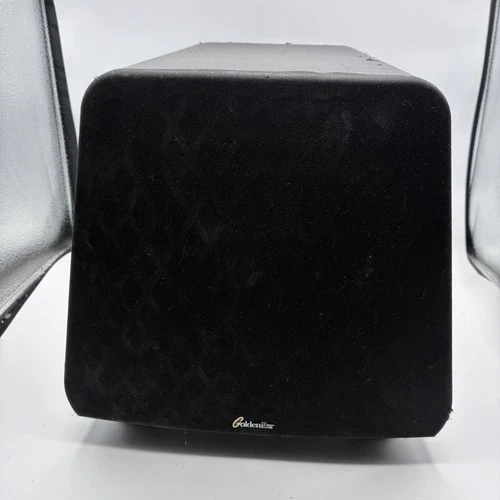
Aon 3 photos
Features and specs
Specs
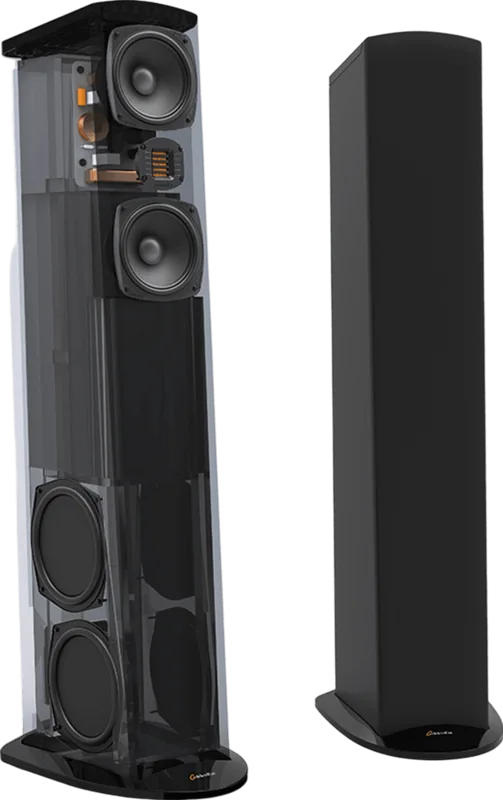
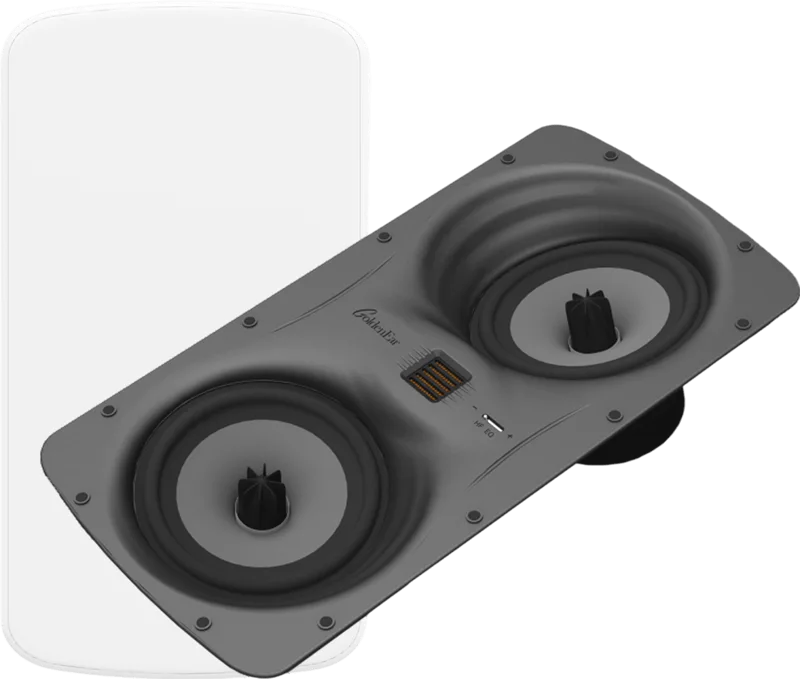
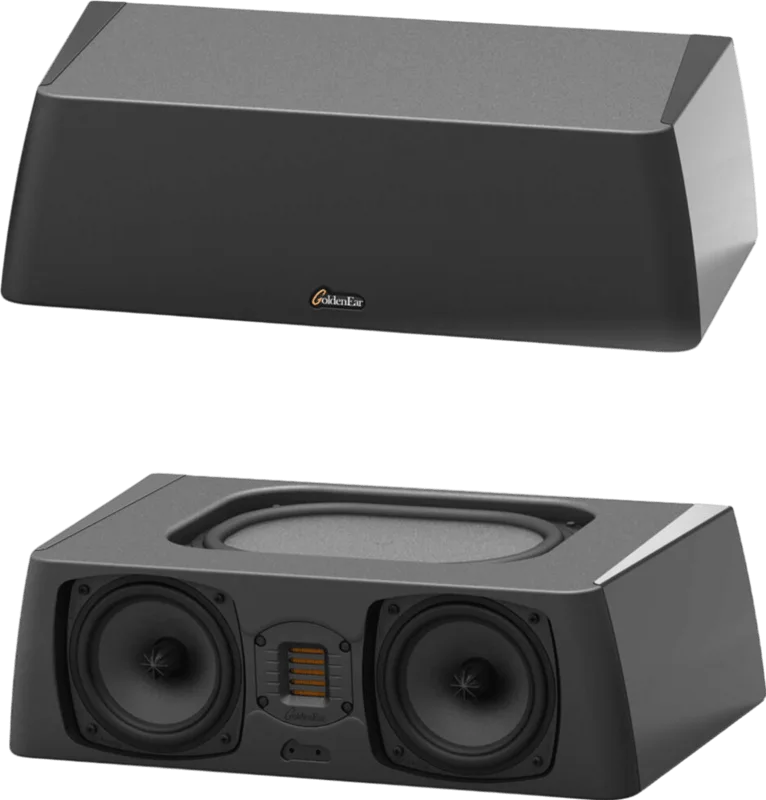
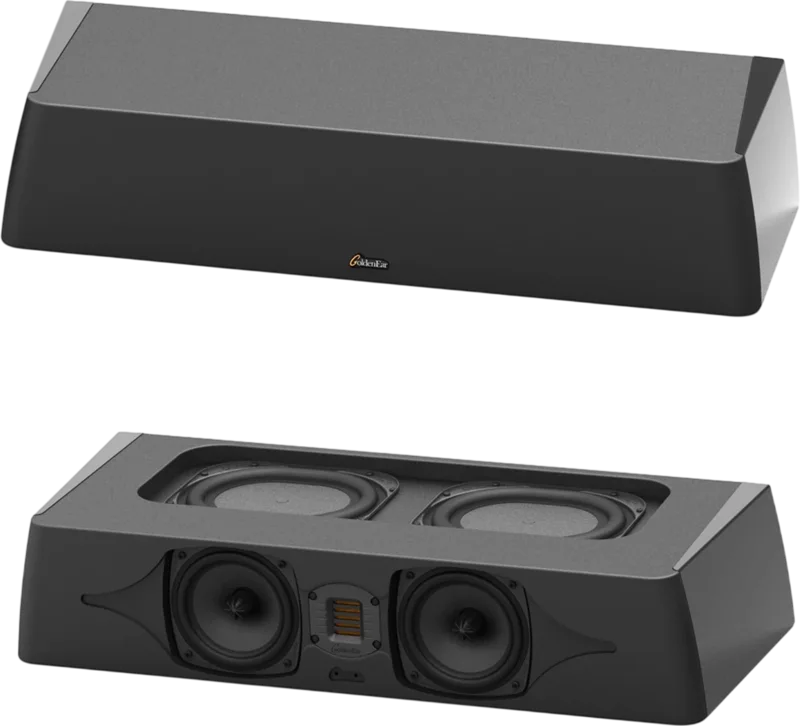
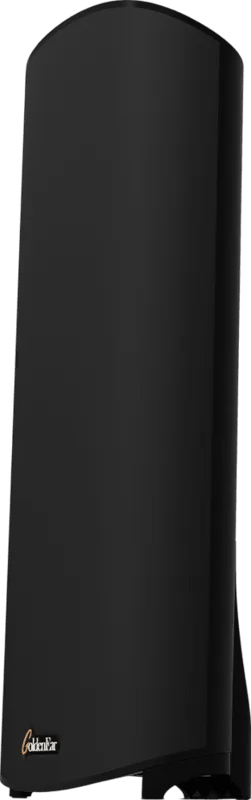
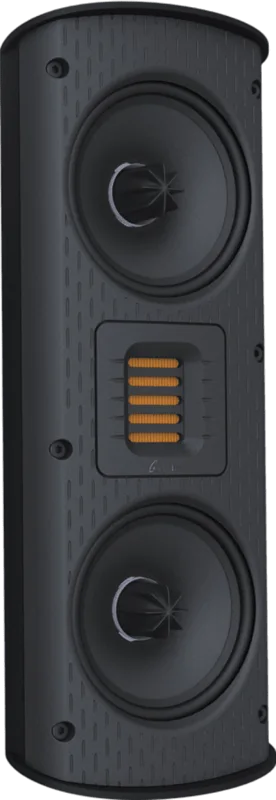
- Driver Complement: One High-Velocity Folded Ribbon AMT Tweeter, One 7" Cast-Basket Mid/Bass Driver, Two 8" Side-Mounted Planar Low-Frequency Radiators
- Passive Radiator Surface Area: 32.74in2 (211.24cm2)
- Efficiency: 88dB 1W/1M @ 4Ω (2.83V/1M)
- Frequency Response: 40Hz–25kHz typical (-6dB on axis @ 66Hz, anechoic bass response)
- Nominal Impedance: 4Ω
- Recommended Amplification: 10 - 250Wpc
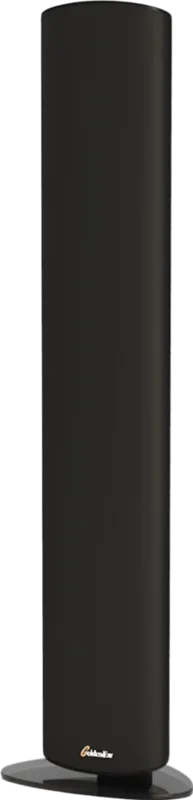
- Dimensions: 9" (22.9cm) W x 11" (27.9cm) D x 14" (35.6cm) H
- Weight: Product: 15lbs (6.8kg); Shipping: 17lbs (7.7kg)
Manufacturer's description
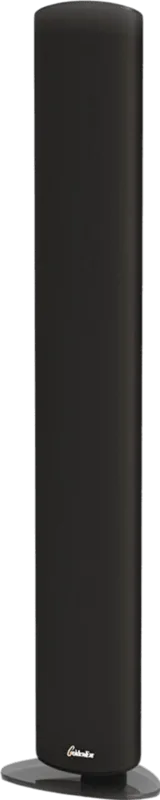
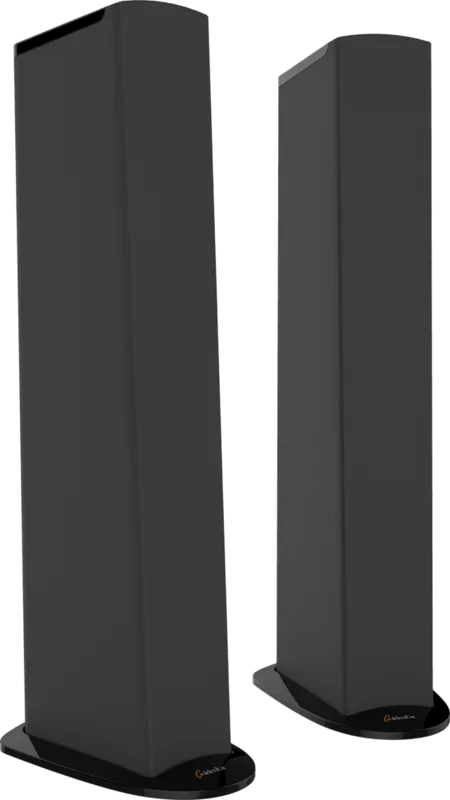
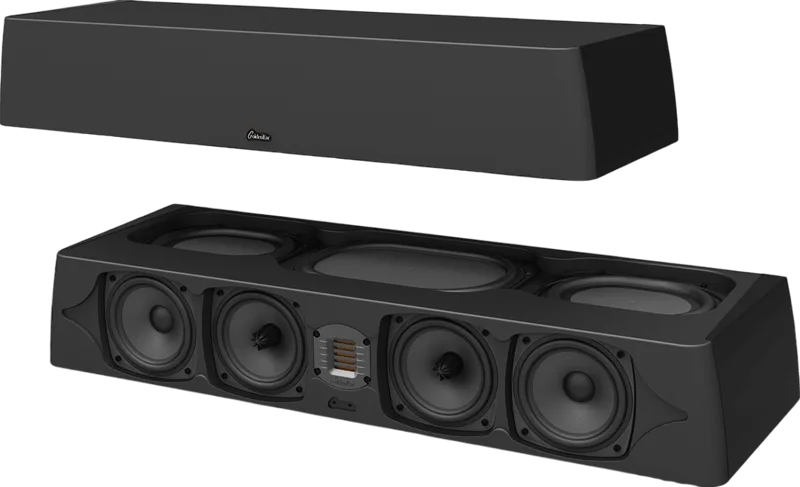

All used GoldenEar



Where to buy the Aon 3114 dealers
About GoldenEar
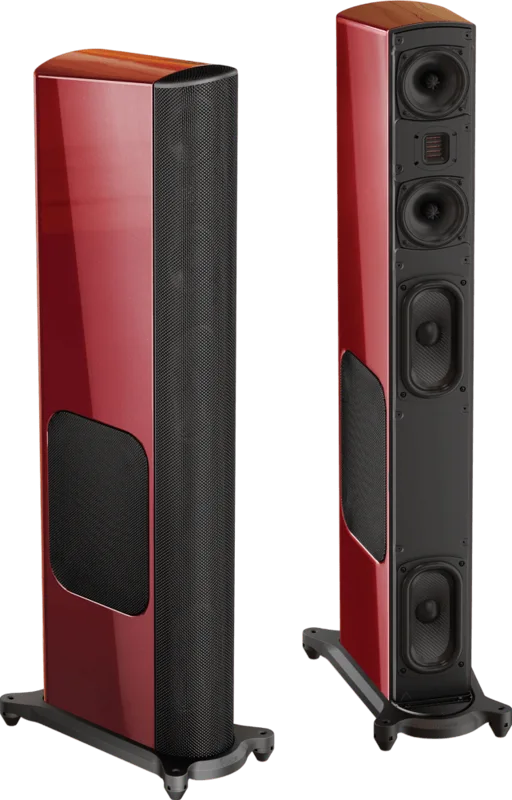
GoldenEar is an American speaker company, launched in 2010 by Sandy Gross. Its signature driver is the High-Velocity Folded Ribbon tweeter, and reviewers hear fine, dynamic treble that stays smooth. Many of its towers are semi-active, with a DSP-controlled powered subwoofer built into the cabinet, so the bass needs no extra amplifier and placement is more flexible. The T66 works this way and is on our Best Floorstanding Speakers list, while the Triton Five uses four side-mounted bass radiators.
Brand highlights
- GoldenEar speakers strive to balance high-fidelity sound reproduction with practicality for everyday living, designed to integrate seamlessly into a variety of hifi and home theater scenarios.
- They are known for their semi-active speaker designs which incorporate powered subwoofers, giving users greater placement flexibility and robust bass without requiring additional amplification for the low end.
- GoldenEar speakers utilize a proprietary High-Velocity Folded Ribbon (HVFR) tweeter which allows for fine resolution and dynamic high frequencies, in addition to avoiding screechiness.
- The brand leverages access to extensive research and development capabilities including its own anechoic chamber to develop drivers tuned to their intended role.