New here? ExtremeHiFi is a free hifi encyclopedia: reviews, prices and used listings. We don’t sell anything.
Summary
What reviewers love
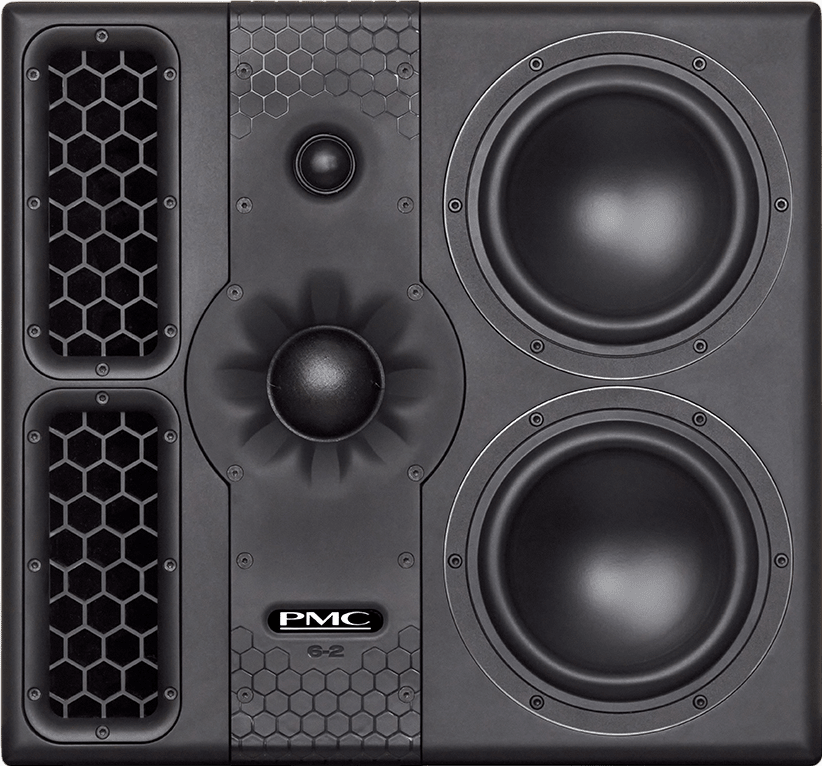
The PMC6-2 is a high-performance studio monitor that delivers exceptional clarity and detail. For those seeking accurate and dependable sound at all volumes, these monitors are worth consideration.
Product Strengths
- Extremely clear sound, making them better for mixing and mastering than many other monitors
- Sound like main monitors, offering a large sound footprint not typically found in near-field or mid-field monitors
- Wide bandwidth accuracy and dependability at any volume level
- Midrange performance is particularly notable for realistic, unhyped accuracy, especially on naturally recorded human voices
- Bass performance combines extended bandwidth with great dynamic, pitch, and temporal accuracy
Product Considerations
- Require a significant break-in period
- To get the most out of them, an interface that can connect via AES is needed, as the conversion when using analog is not as transparent
- Correct placement is crucial; at least four and a half feet of distance is needed between the listener and the monitor to be able to get all of the sound that it's trying to give
- SoundAlign software, while useful for EQ adjustments, may introduce unwanted digital artifacts to the sound
- Expensive, these monitors are at the higher end of this sector and share that space with some well-respected designs
Comparisons (according to reviewers)
- Vs ATC SCM25a: The reviewer finds an absence of 'not hearing the box' evident in the 6-2 compared to the ATCs
- Vs Neumann KH310s: The 6-2s outperform them in every respect, sounding much better, with other monitors sounding colored by comparison
- Vs ATC 150s: The reviewer prefers these PMC6-2s over the ATC 150s
Takeaway: The PMC6-2 is a high-performance studio monitor that delivers exceptional clarity and detail. For those seeking accurate and dependable sound at all volumes, these monitors are worth consideration.
Written reviews0
Awards0

Bookshelf, floorstanding, in-wall, and powered speakers, compared on the specs that matter in a real room: bass extension, sensitivity, and tweeter type.
Buying tips that apply to the PMC6-2
- Get placement right before anything else. Pulling speakers 2–3 feet (60–90 cm) from the wall behind them tames boomy bass; the listening seat should sit at the third point of an equilateral triangle, with toe-in adjusted to set the width of the image.
- Match speaker size to the room. Large towers in a small room often sound bloated, and nearfield listening at a desk favors small two-way designs.
- Each 3 dB of extra sensitivity halves the power needed for the same volume. For moderate listening levels, speakers rated 90 dB or more allow a smaller, cheaper amp.
- Treat the room before spending more on speakers. Bass traps in the corners and absorption at the first reflection points often do more than a step up in speakers.
- Used speakers lose value quickly, so two- or three-year-old models from established brands often sell well below their new price.
- Three-way designs free the midrange driver from bass duty, which can lower distortion in voices, though a well-designed two-way can image just as precisely.
- Tweeter dispersion matters more than its frequency response. Wide dispersion gives a bigger sweet spot but lights up more room reflections; controlled directivity suits lively rooms.
- Open-plan rooms lose bass. If the room opens onto other spaces, budget for a subwoofer instead of bigger main speakers.
- Audition with familiar music. Voicing varies a lot between brands, and a pair that excites on rock can grow tiring on strings.
- Many brands put their flagship tweeter into smaller models. A bookshelf speaker from a brand's top range often beats a cheaper tower in a small room.
Features and specs
Specs
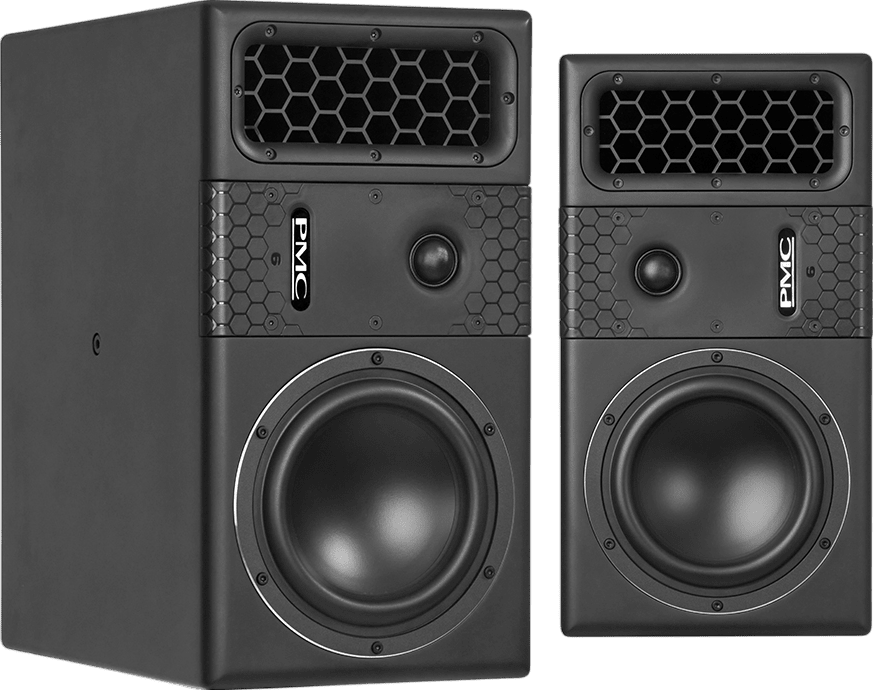
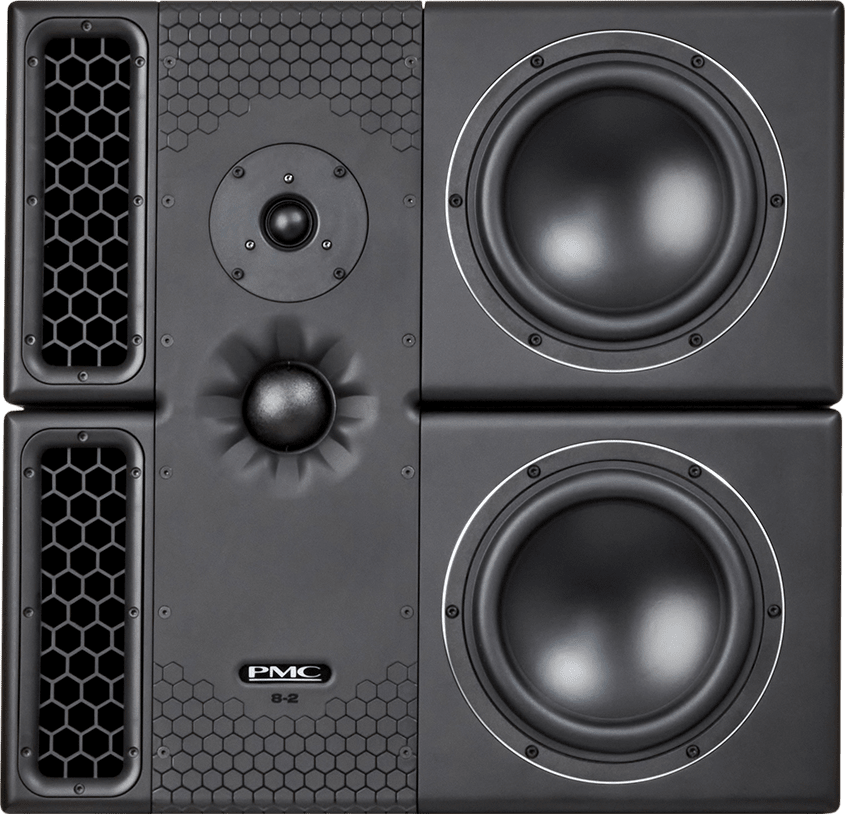
- Type: Active 3-way nearfield reference monitor with ATL™ bass loading
- Drive Units: LF 2 x PMC 150mm (6") studio 6 drivers, MF PMC 55mm (2") soft dome mid-range, HF PMC 27mm (1") soft dome tweeter
- Effective ATL™ Length: 2m (6.6ft)
- Frequency Response: 33Hz - 25kHz (- 3dB) (@1m full space, on-axis)
- Sensitivity: +4dBu input signal = 98dB SPL @ 1m
- Max continuous SPL: 109dB @1m
- Max Peak SPL: 121dB @1m
- Directivity: H +/-50 degrees V +60/-40 degrees (-6dB off axis @10kHz)
- Amplifier Power: LF 2 x 400Wrms, MF 1 x 400Wrms, HF 1 x 400Wrms
- Power consumption (idle): 50W
- Power consumption (max): 1500W
- Dimensions: H 400mm (15.7") W 430mm (16.9") D 372mm (14.6")
- Weight: 21.3kg (47lbs) each
Manufacturer's description






All used PMC
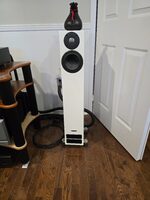
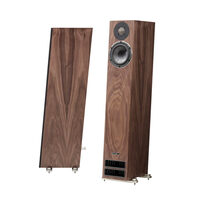
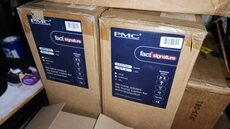
Where to buy the PMC6-2112 dealers
About PMC
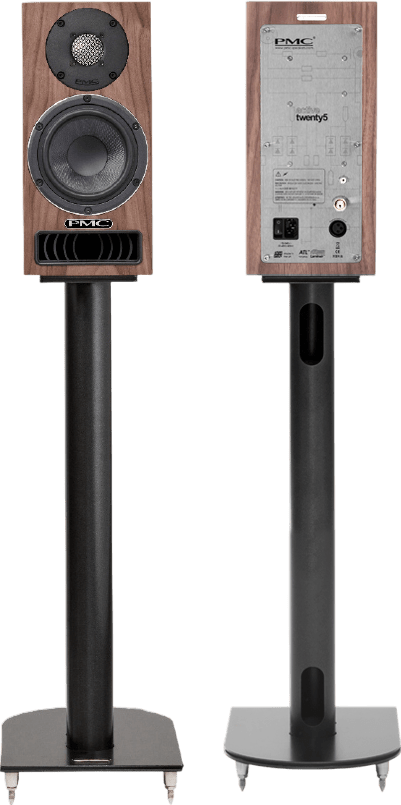
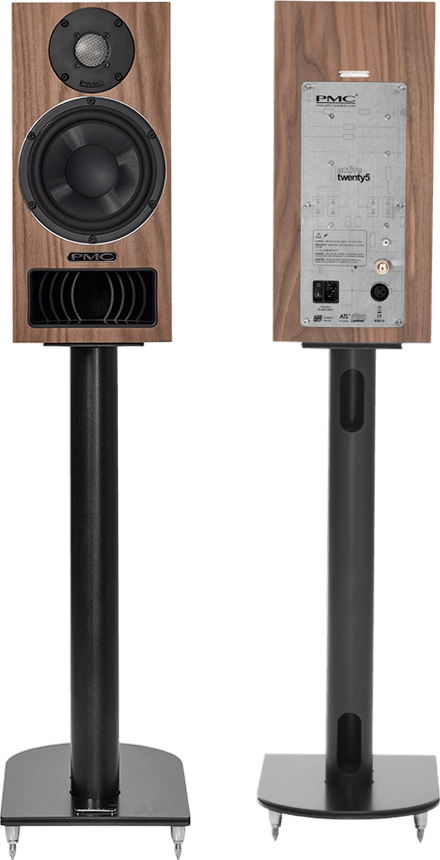
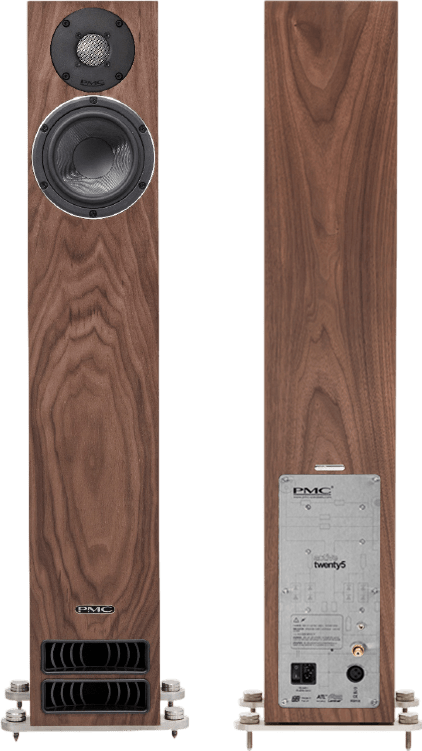
PMC is a British speaker maker, founded in 1991, that brings its professional studio monitor work into hifi. Its speakers use Advanced Transmission Line (ATL) technology, which reviewers hear as tight, extended bass. PMC works to keep its cabinets quiet, using decoupled designs, mass damping and plinth stands. The Prophecy series uses LaminairX to reduce turbulence, and the active twenty5 models have amplification built in. The prodigy5 is a compact floorstander with twin Laminair vents for small and medium rooms, and the twenty5.23i is on our Best Floorstanding Speakers list.
Brand highlights
- PMC leverages its professional studio monitor expertise to create hifi speakers, resulting in accurate and detailed sound reproduction at home.
- The brand utilizes Advanced Transmission Line (ATL) technology in their speaker designs, producing tight, extended, and well-balanced bass.
- They pay significant attention to minimizing cabinet vibrations through decoupled designs, mass damping, and plinth stands to improve imaging and overall clarity.