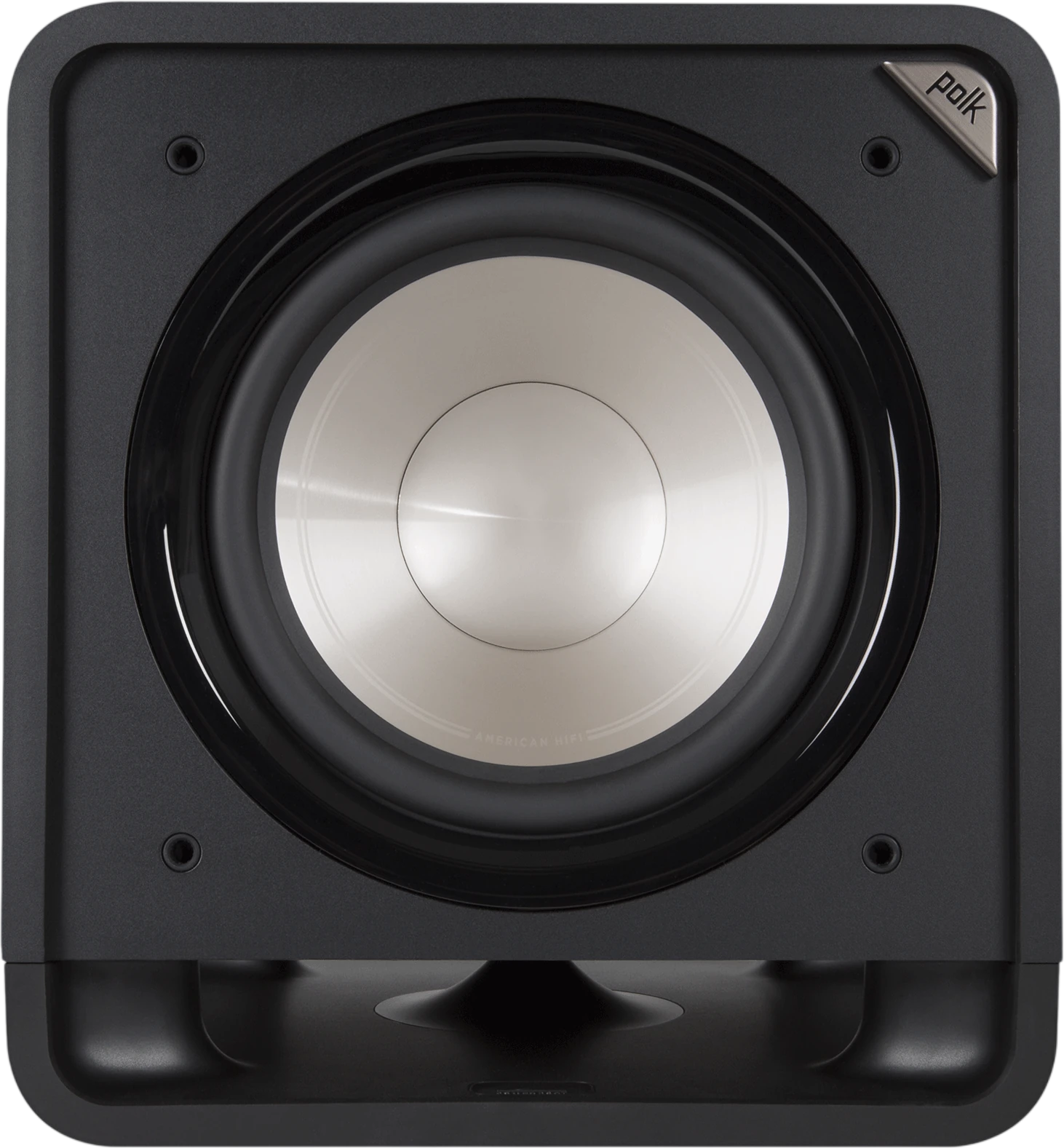
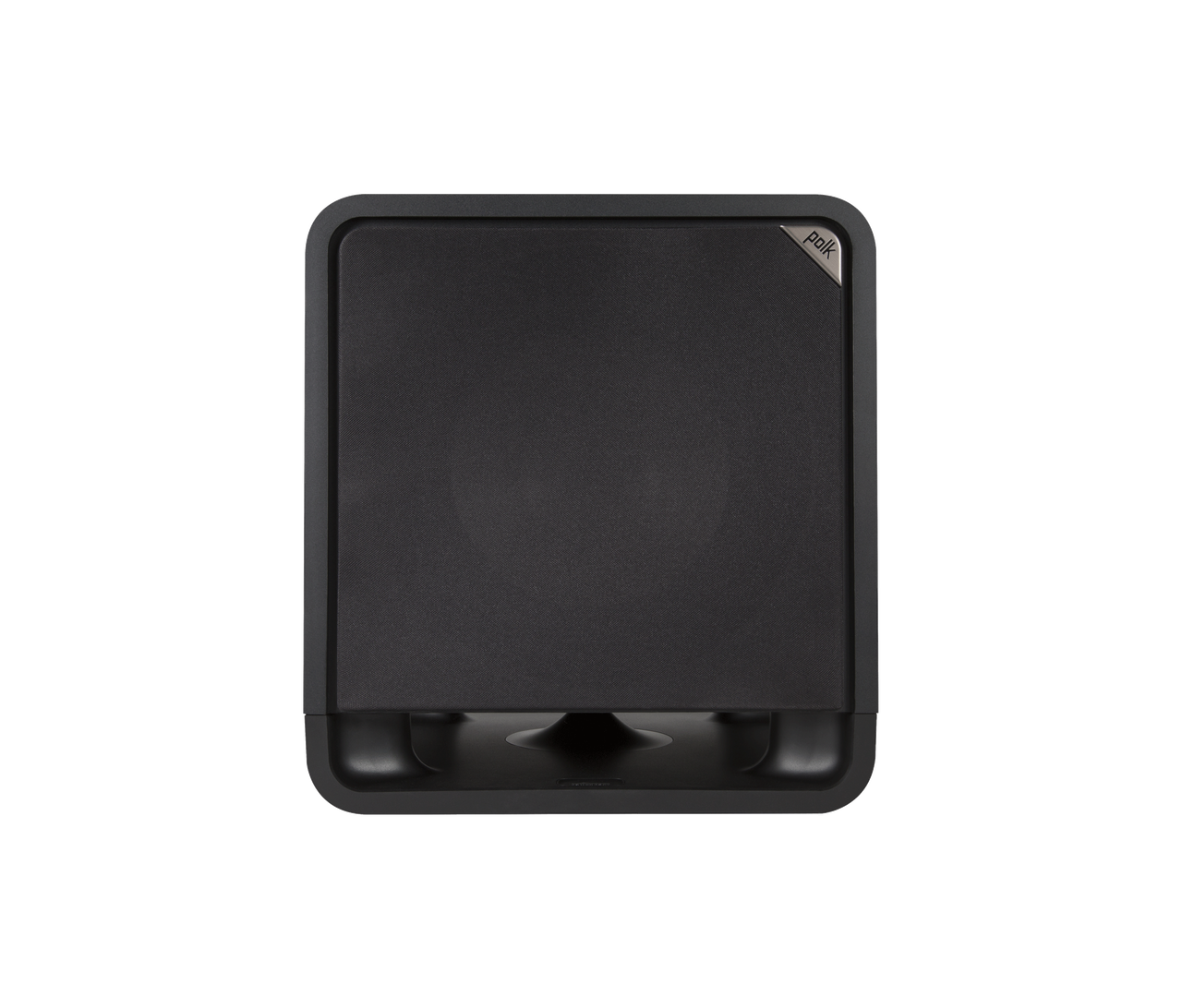
HTS 12
Polk's HTS 12 is a powered subwoofer with a 12-inch driver for home theater and music. It takes an LFE input or stereo line-level RCA inputs, and has a 12V trigger for automatic power on. The review that covered it points to tight, punchy bass that blends well in Dolby Atmos movies.
New here? ExtremeHiFi is a free hifi encyclopedia: reviews, prices and used listings. We don’t sell anything.
Summary
Polk's HTS 12 is a powered subwoofer with a 12-inch driver for home theater and music. It takes an LFE input or stereo line-level RCA inputs, and has a 12V trigger for automatic power on. The review that covered it points to tight, punchy bass that blends well in Dolby Atmos movies.
What reviewers love
The Polk HTS-12 is a solidly built subwoofer that can deliver a punchy bass and blends in nicely for movie experiences. It's an impressive product that doesn't distort even during demanding low-frequency scenes.
Product Strengths
- Solid build quality
- Doesn't heat up even after long movie sessions
- Can pack a punch with tight and punchy bass
- Impressive performance, as it did not produce distortion or port noise on a challenging scene
- Blends in nicely during movie scenes
Product Considerations
- Bottom portion seems to be made out of plastic
- Only has two phase control settings
- Does not have a remote, unlike another Polk product
- Bass feels slightly boomy and not that fast or tactile
- Not as fast or agile, the bass lingers around a bit—which can drown out other frequencies
Comparisons (according to reviewers)
- The HTS-12's impact is way bigger, compared to the Polk DSW-PRO 440
- The HTS-12 is not as fast, compared to the KF92
Takeaway: The Polk HTS-12 is a solidly built subwoofer that can deliver a punchy bass and blends in nicely for movie experiences. It's an impressive product that doesn't distort even during demanding low-frequency scenes.
Written reviews0
Awards0

Powered subwoofers for music and home theater, compared by driver size and real bass extension, from compact 8-inch models to 18-inch giants.
Buying tips that apply to the HTS 12
- Two smaller subs often beat one big one, because they even out room modes and give smoother bass across more seats. A pair of 10- or 12-inch subs is often a better buy than a single 15-inch.
- Sealed subs roll off gradually and sound tighter, which suits music. Ported subs play deeper and louder for the money, which suits film, and sealed designs need more amplifier power for the same output.
- Room correction with a measurement microphone or app is worth paying for. A single "room EQ" switch on a budget sub offers little real control.
- Check the controls: a variable low-pass crossover, continuous phase adjustment, and an LFE input for use with an AV receiver.
- Ported subs can chuff at high output as air rushes through the port. Large, flared ports avoid it.
- For film and games, look for clean output down to 20 Hz. For music, prioritize low distortion and fast decay between 30 and 60 Hz, where most bass instruments sit.
- Try the subwoofer crawl: put the sub at the listening seat, play a bass-heavy track, crawl around the room, and place the sub where the bass sounds most even.
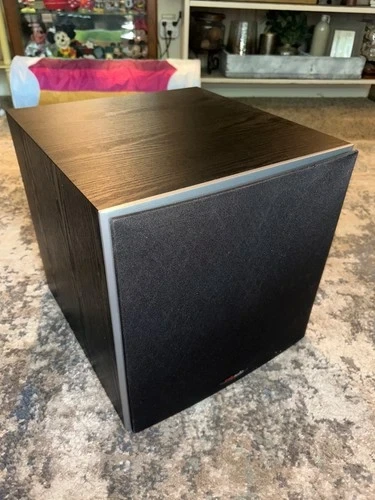
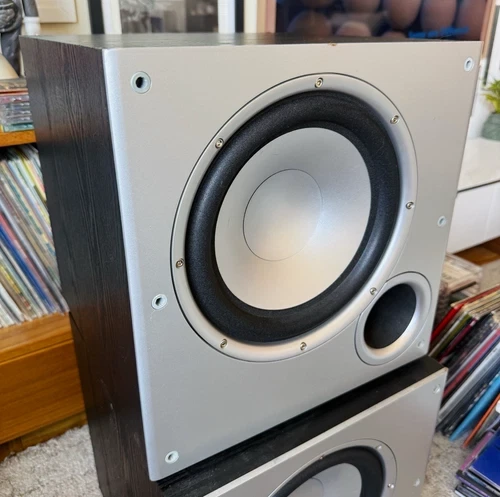
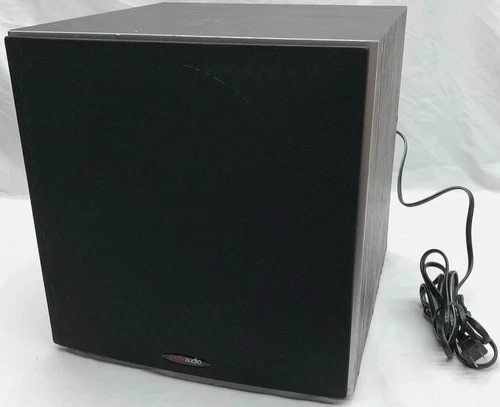
HTS 12 photos
Features and specs
Specs
- Height: 18.5" (46.99 cm)
- Width: 17.126" (43.5 cm)
- Depth: 18.11" (46 cm)
- Weight: 49.9 lbs (22.63 kg)
- Driver: 12" (30.48 cm)
- Frequency Response: 22 Hz → 180 Hz
- -3dB Limits: 28 Hz → 120 Hz
- Nominal Impedance: 8 ohms
- Amplifier Class: Class D
- Inputs: LFE (Unfiltered), Stereo Line Level - (2) RCA
- Controls: Volume +/-, Low Pass Filter (40Hz-160Hz), Phase (0/180°), Power Auto on/off, Power DC control (12V trigger)
Manufacturer's description

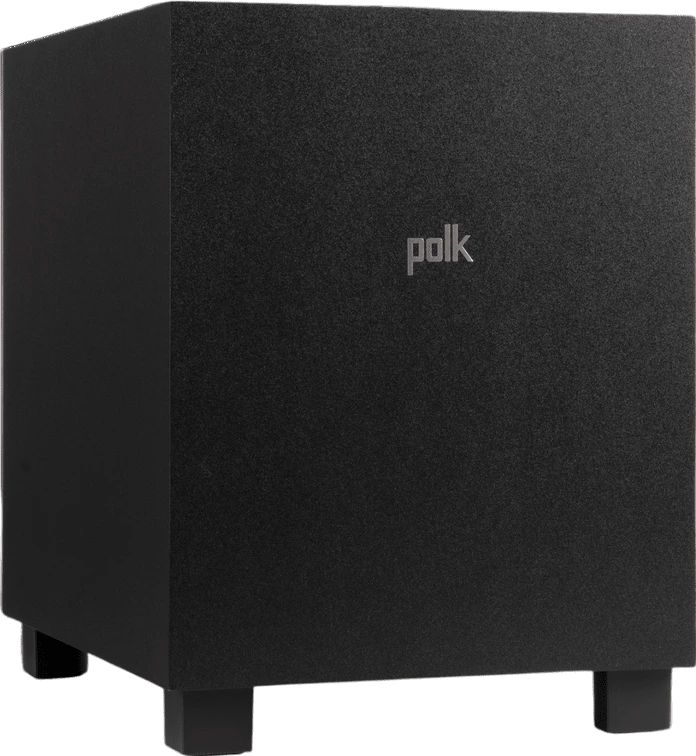
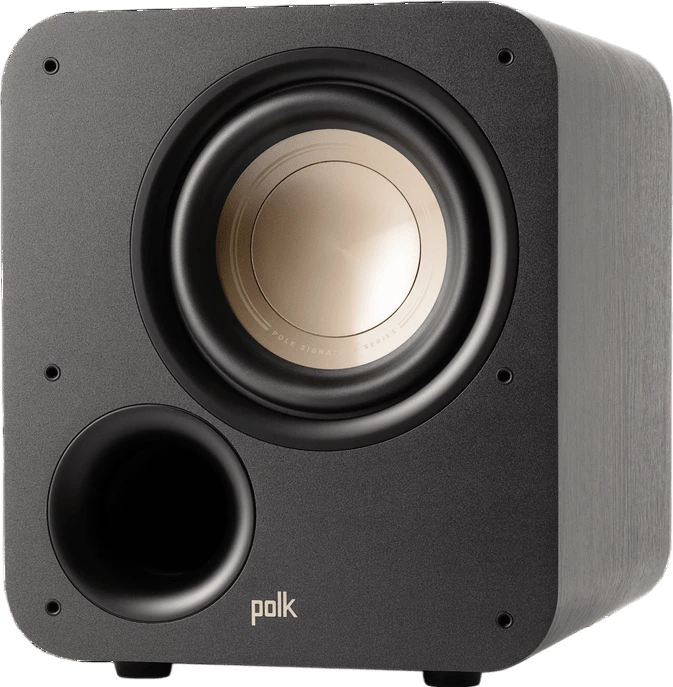

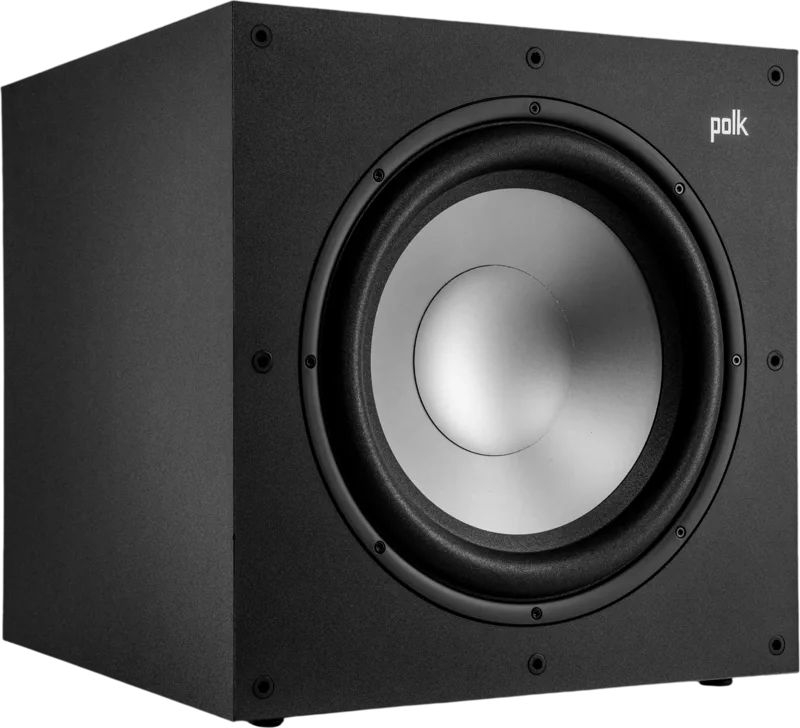
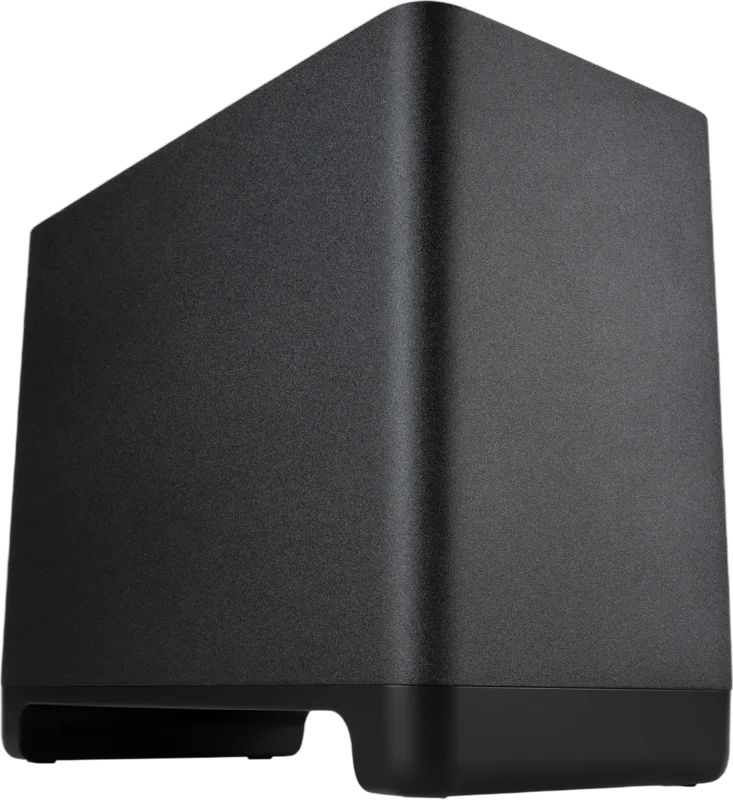





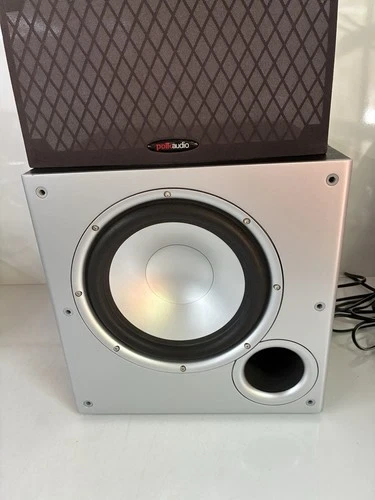
All used Polk

Where to buy the HTS 1289 dealers
About Polk
Polk's idea is to carry technology from its flagship speakers down into affordable ones. The American company was started in Baltimore in 1972 by Matthew Polk, Sandy Gross and George Klopfer, and it still engineers its speakers there. Its signature technology is SDA, or Stereo Dimensional Array, which addresses the crosstalk between the ears that narrows a stereo image, and the Legend L800 uses it. The Reserve series brings Legend acoustic technology to more affordable models. Owners who want sound outdoors can look at the Atrium 6.
Brand highlights
- They stand out for incorporating technologies typically found in their higher-end lines, such as ring radiator tweeters and Power Port designs, into more accessible product lines like the Monitor and Signature Elite series.
- Polk specifically designs many of their speakers, especially in-wall and outdoor models, to be versatile and weather-resistant, making them suitable for a variety of listening environments beyond traditional living rooms.