F206
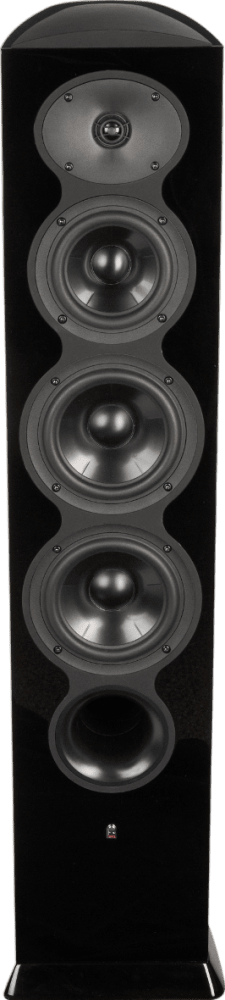
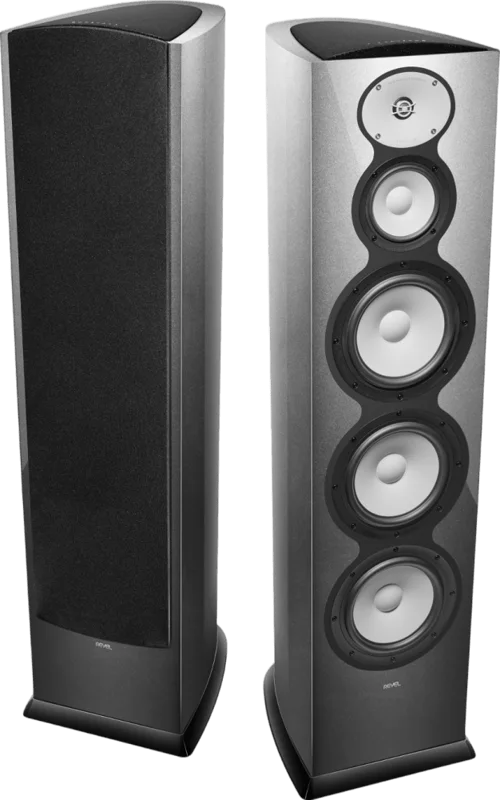
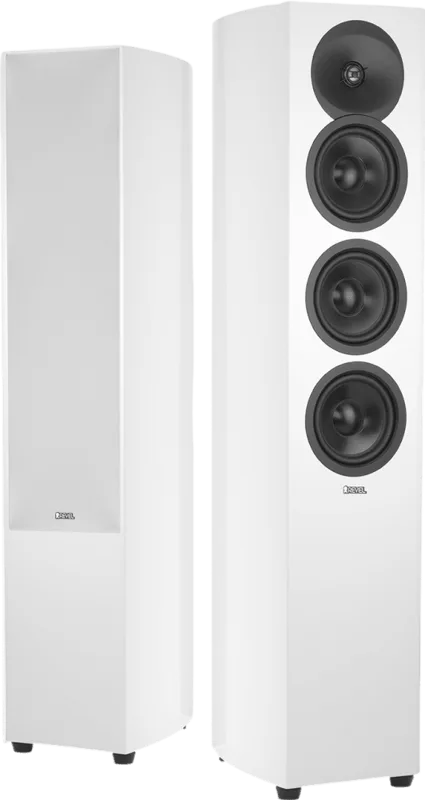
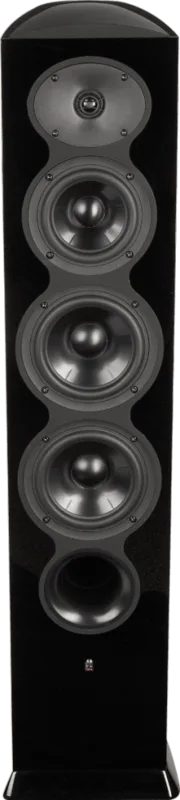
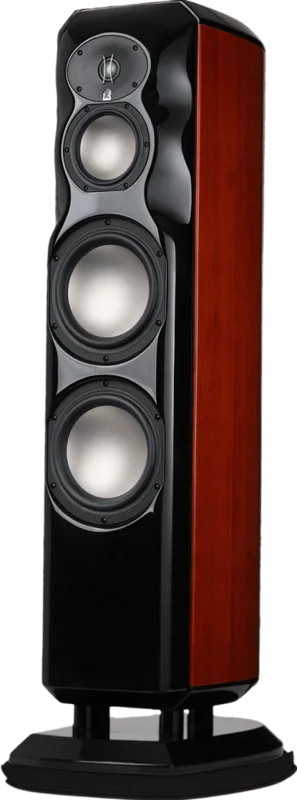
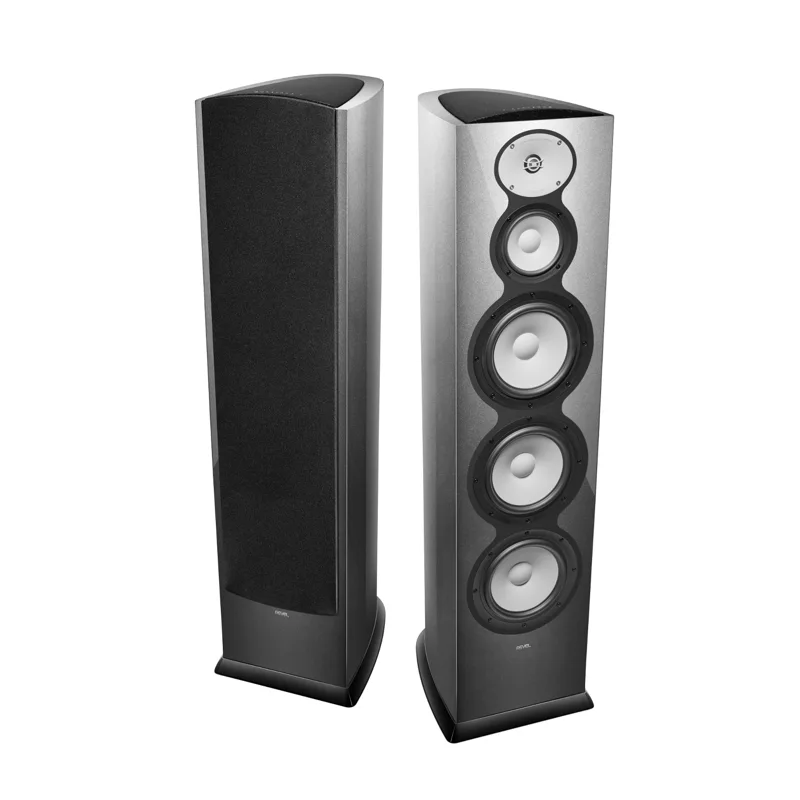
Revel's F206 is a floorstanding speaker with dual 6.5-inch woofers, a 5.25-inch midrange driver and a bass-reflex design with a front-firing port. Reviews praise its midrange, with voices that sound large, saturated and rewarding.


New here? ExtremeHiFi is a free hifi encyclopedia: reviews, prices and used listings. We don’t sell anything.
Summary
Revel's F206 is a floorstanding speaker with dual 6.5-inch woofers, a 5.25-inch midrange driver and a bass-reflex design with a front-firing port. Reviews praise its midrange, with voices that sound large, saturated and rewarding.
What reviewers love
The F206 sounds strong, full and well-focused and looks beautiful. Its sonic characteristics demonstrate overcoming various problems that prove too difficult for many other manufacturers.
Product Strengths
- Combines cleanness, selectivity, and a carefully judged tonal balance
- Voices are large, saturated and located slightly upfront
- Good sound definition, especially in the lower midrange, with splendid attacks and nice sustains
Product Considerations
- With steeper transients, the stronger upper midrange becomes more apparent and remains worth remembering
- Should be at least 2.5m away, and preferably more than 3 meters
- Lowest bass octave sounds a bit weaker compared to those above it
Comparisons (according to reviewers)
- Revels' apparent room-fill 'volume' was not significantly different from the Harbeths just like their tonal balance, but Harbeths provide a more overwhelming experience
- PSB Imagine T2's bass extended as low as that of competitors of similar size and price, such as PSB's Imagine T2, and it also seemed to be somewhat tighter in the bass than the T2
- F206's bass didn't go as low as Definitive Technology's Mythos ST-L
Takeaway: The F206 sounds strong, full and well-focused and looks beautiful. Its sonic characteristics demonstrate overcoming various problems that prove too difficult for many other manufacturers.
Written reviews0
Awards0

Bookshelf, floorstanding, in-wall, and powered speakers, compared on the specs that matter in a real room: bass extension, sensitivity, and tweeter type.
Buying tips that apply to the F206
- Get placement right before anything else. Pulling speakers 2–3 feet (60–90 cm) from the wall behind them tames boomy bass; the listening seat should sit at the third point of an equilateral triangle, with toe-in adjusted to set the width of the image.
- Match speaker size to the room. Large towers in a small room often sound bloated, and nearfield listening at a desk favors small two-way designs.
- Each 3 dB of extra sensitivity halves the power needed for the same volume. For moderate listening levels, speakers rated 90 dB or more allow a smaller, cheaper amp.
- Treat the room before spending more on speakers. Bass traps in the corners and absorption at the first reflection points often do more than a step up in speakers.
- Used speakers lose value quickly, so two- or three-year-old models from established brands often sell well below their new price.
- Three-way designs free the midrange driver from bass duty, which can lower distortion in voices, though a well-designed two-way can image just as precisely.
- Tweeter dispersion matters more than its frequency response. Wide dispersion gives a bigger sweet spot but lights up more room reflections; controlled directivity suits lively rooms.
- Open-plan rooms lose bass. If the room opens onto other spaces, budget for a subwoofer instead of bigger main speakers.
- Audition with familiar music. Voicing varies a lot between brands, and a pair that excites on rock can grow tiring on strings.
- Many brands put their flagship tweeter into smaller models. A bookshelf speaker from a brand's top range often beats a cheaper tower in a small room.
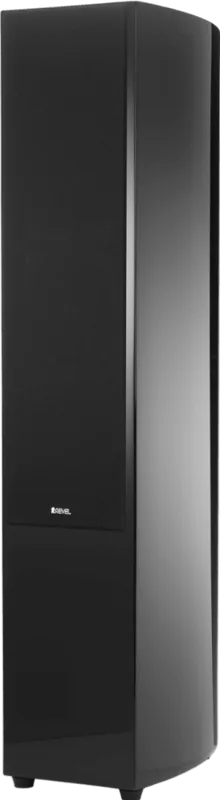
F206 photos
Features and specs
Specs
- Net Weight: 58 lb (26 kg)
- Crossover Frequencies: 275 Hz, 2150 Hz
- Enclosure Type: Bass-reflex via Front-firing Port
- Finishes: Piano Black, Piano White, or High Gloss Walnut
- High-frequency Driver: 1" (2.5 cm) Aluminum Tweeter with Acoustic Lens Waveguide
- Nominal Impedance: 8 Ohms
- Input Connections: Binding Posts
- Low Frequency Extension: -10dB@33Hz -6dB@40Hz -3dB@52Hz
- Low-frequency Driver: Dual 6.5" (16.5 cm) Aluminum Cone, Cast-frame Woofers
- Mid-frequency Driver: 5.25" (13.3 cm) Aluminum Cone, Cast-frame Midrange
- Recommended Amplifier Power: 50-200
- Sensitivity: 88dB
- Dimensions: 41.4" x 9.8" x 13.6" (1052mm x 249mm x 347mm)
Manufacturer's description
Revel F206's low-frequency and midrange transducers feature distortion reduction mechanisms that stabilize the flux field during operation, assuring low distortion even at high listening volumes. These precision transducers utilize ribbed aluminum cones for ideal piston-like behavior that eliminates a major source of resonances that are clearly audible in most other loudspeakers. Their cast aluminum frames eliminate another source of resonances that is common in many lesser-quality loudspeakers.

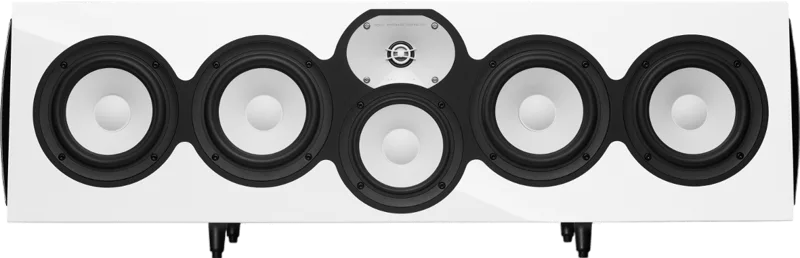
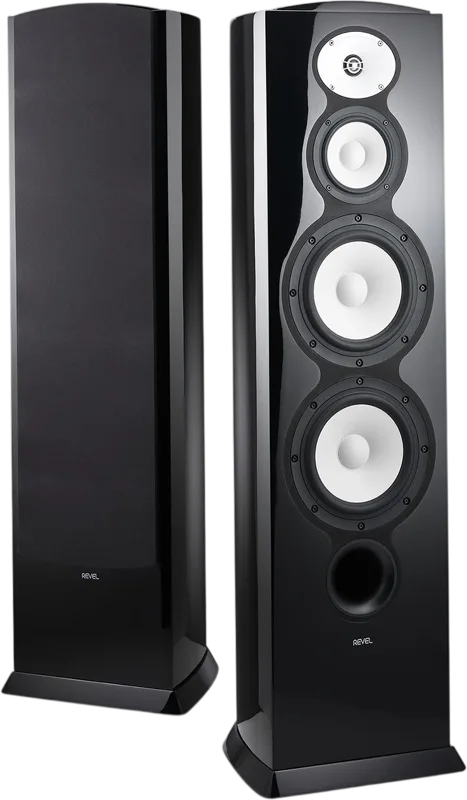
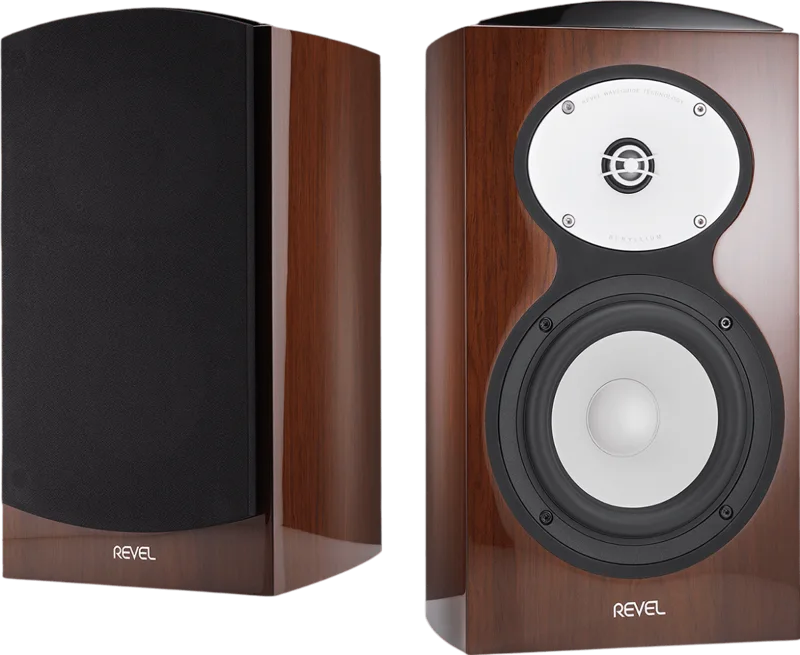
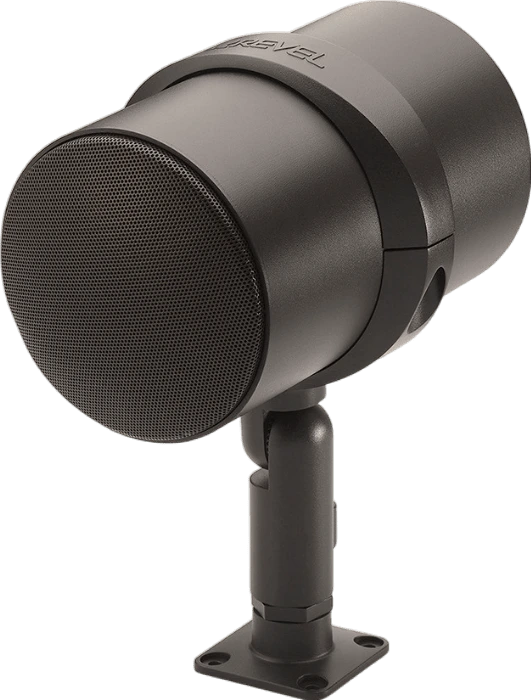
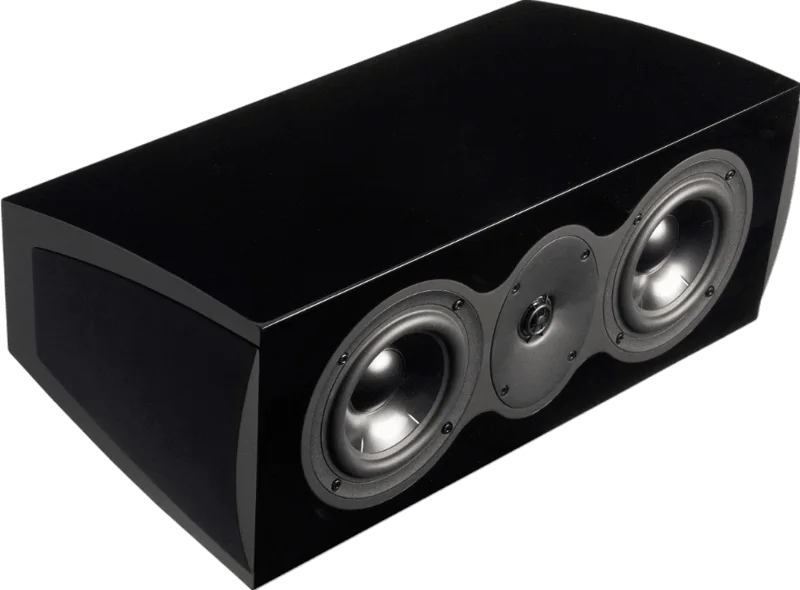
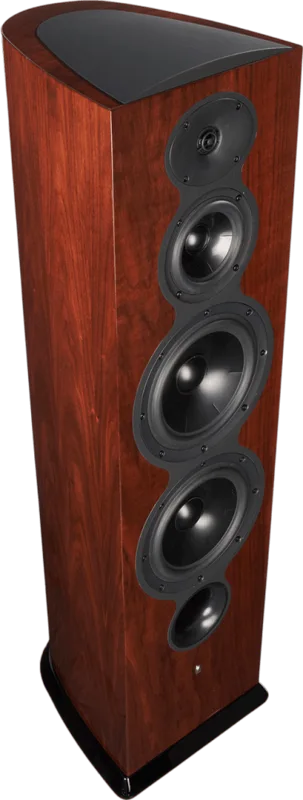
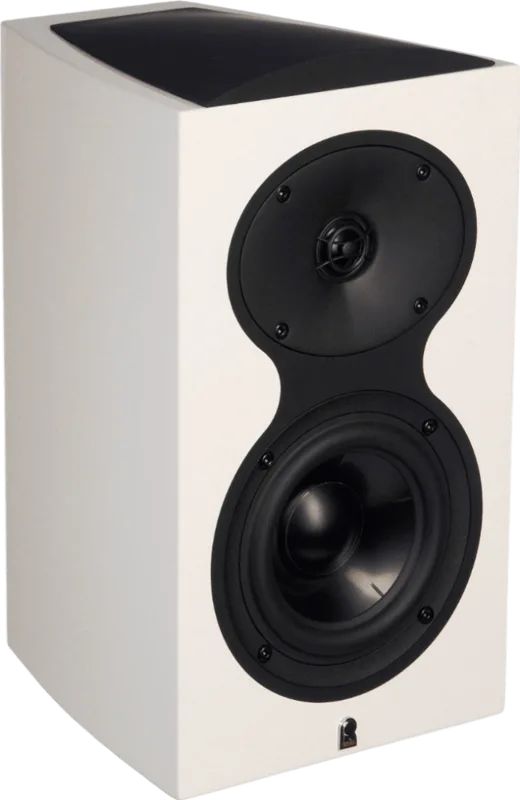
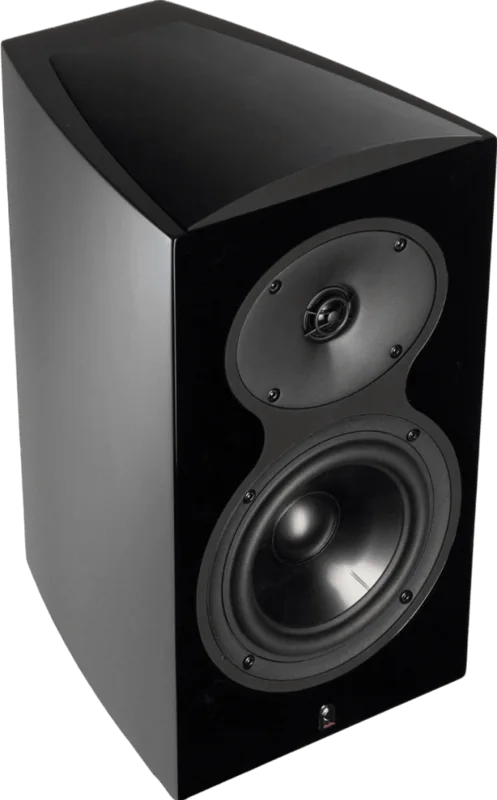
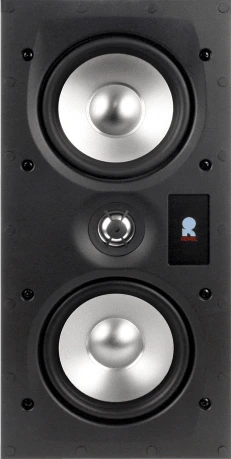
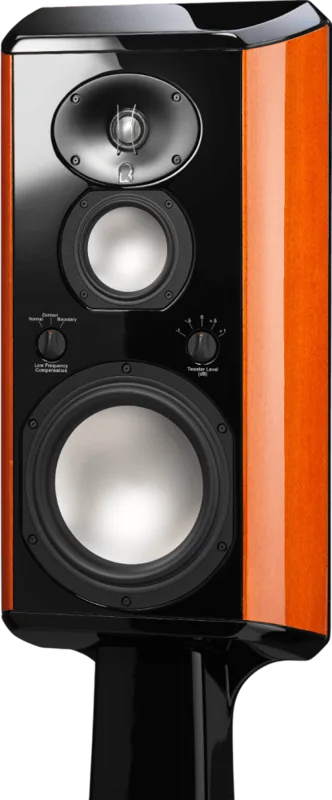
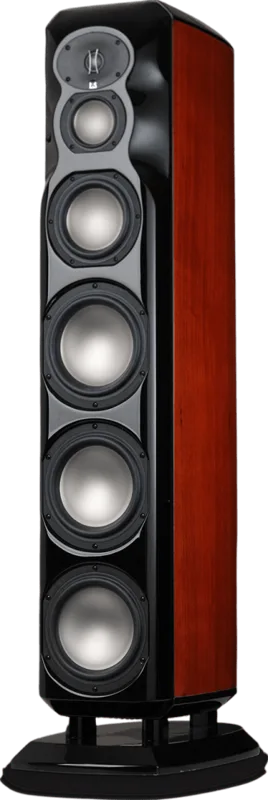
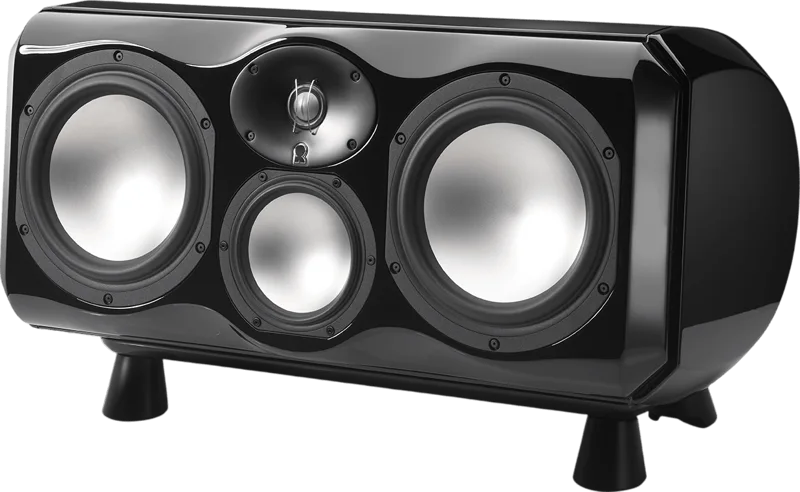

All used Revel
Where to buy the F20682 dealers
About Revel
Revel is an American loudspeaker maker whose designs come out of acoustic research and double-blind listening tests. It uses custom-designed drivers in aluminum, titanium and beryllium, and the flagship PerformaBe model, the F328Be, pairs a beryllium tweeter with three 8-inch woofers. The Acoustic Lens Waveguide spreads sound widely and evenly into the room, and reviewers describe the voicing as neutral and accurate with strong dynamics. The F36, in the Concerta2 series, uses three 6.5-inch aluminum woofers and suits medium-sized rooms. The M126Be is on our Best Bookshelf Speakers list.
Brand highlights
- Revel's speaker designs are rooted in extensive research and double-blind listening tests conducted at Harman's advanced R&D facilities.
- They use custom-designed drivers with advanced materials, such as aluminum, titanium, and beryllium.
- Revel speakers offer a wide and even sound dispersion thanks to their Acoustic Lens Waveguide technology and sophisticated crossover designs.
- The brand balances a neutral and accurate sound with dynamic capabilities, creating immersive experiences for both music and movies.