A1
Spendor's A1 is a compact bookshelf speaker for a small room or living space, and it can sit close to a wall. Reviewers single out its wide, open soundstage and its tight, controlled bass.

New here? ExtremeHiFi is a free hifi encyclopedia: reviews, prices and used listings. We don’t sell anything.
Summary
Spendor's A1 is a compact bookshelf speaker for a small room or living space, and it can sit close to a wall. Reviewers single out its wide, open soundstage and its tight, controlled bass.
What reviewers love
The Spendor A1 is a high-quality standmount speaker that delivers accurate, realistic, and engaging sound with exceptional imaging. It's a good choice for listeners who prioritize tonal accuracy and a refined listening experience in smaller spaces.
Product Strengths
- Excellent tonal accuracy, especially with voices and instruments, offering a realistic reproduction
- Produces a large and sophisticated sound that belies its small size, capable of filling a room with ease
- Superb stereo imaging creates a broad and expansive soundstage
- Smooth mid-range and extended treble contribute to a refined and entertaining listening experience
- Easy to place due to its sealed-box design, making it room-friendly
Product Considerations
- Limited bass response may not satisfy those seeking very deep bass
- Can sound slightly thin with less well-recorded material, revealing flaws in the source
- Requires a capable amplifier to produce the sound you desire, as it doesn't embellish or alter the basic characteristics
- Low sensitivity requires a more powerful amplifier to achieve reasonably loud volumes
Comparisons (according to reviewers)
- The A1 is described as an improvement over the Spendor S3/5R2, with fewer caveats
- The A1 feels like it's already getting ready for the next beat as it delivers the current one, in contrast to the KEF Q350, which sounds composed and controlled
- The A1s were more forgiving, the Martin Logan 15i provided a more vital—exciting performance, with extra clarity
Takeaway: The Spendor A1 is a high-quality standmount speaker that delivers accurate, realistic, and engaging sound with exceptional imaging. It's a good choice for listeners who prioritize tonal accuracy and a refined listening experience in smaller spaces.
Written reviews0
Awards0

Bookshelf, floorstanding, in-wall, and powered speakers, compared on the specs that matter in a real room: bass extension, sensitivity, and tweeter type.
Buying tips that apply to the A1
- Get placement right before anything else. Pulling speakers 2–3 feet (60–90 cm) from the wall behind them tames boomy bass; the listening seat should sit at the third point of an equilateral triangle, with toe-in adjusted to set the width of the image.
- Match speaker size to the room. Large towers in a small room often sound bloated, and nearfield listening at a desk favors small two-way designs.
- Each 3 dB of extra sensitivity halves the power needed for the same volume. For moderate listening levels, speakers rated 90 dB or more allow a smaller, cheaper amp.
- Treat the room before spending more on speakers. Bass traps in the corners and absorption at the first reflection points often do more than a step up in speakers.
- Used speakers lose value quickly, so two- or three-year-old models from established brands often sell well below their new price.
- Three-way designs free the midrange driver from bass duty, which can lower distortion in voices, though a well-designed two-way can image just as precisely.
- Tweeter dispersion matters more than its frequency response. Wide dispersion gives a bigger sweet spot but lights up more room reflections; controlled directivity suits lively rooms.
- Open-plan rooms lose bass. If the room opens onto other spaces, budget for a subwoofer instead of bigger main speakers.
- Audition with familiar music. Voicing varies a lot between brands, and a pair that excites on rock can grow tiring on strings.
- Many brands put their flagship tweeter into smaller models. A bookshelf speaker from a brand's top range often beats a cheaper tower in a small room.
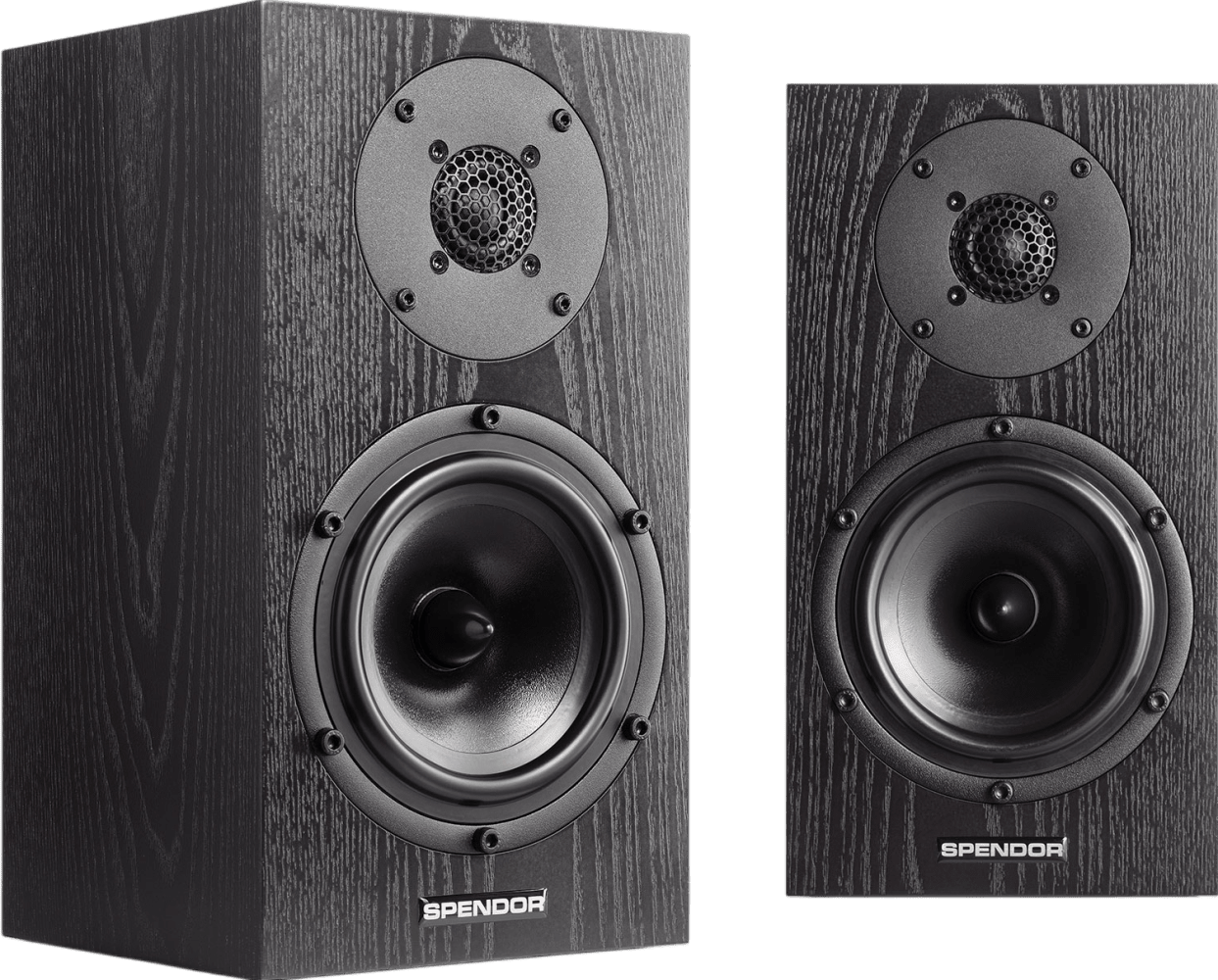
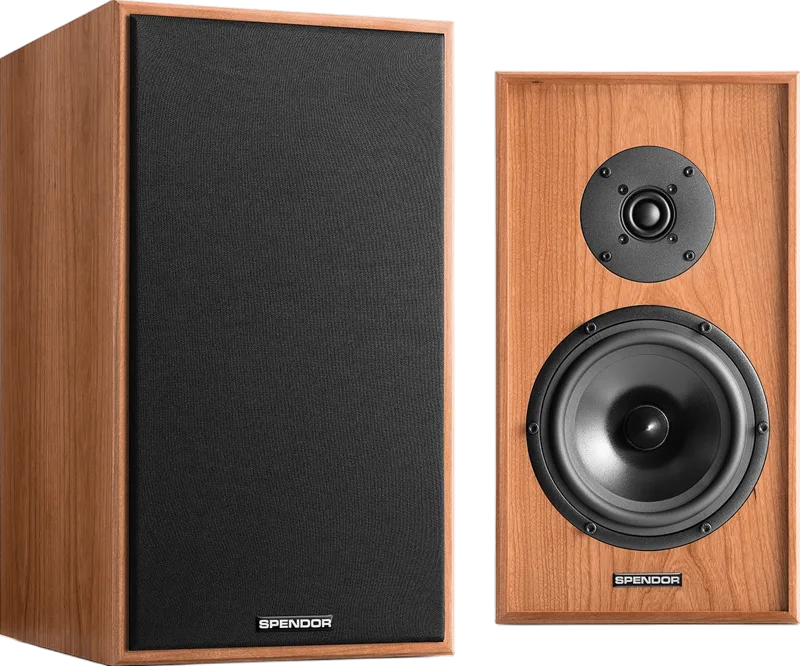
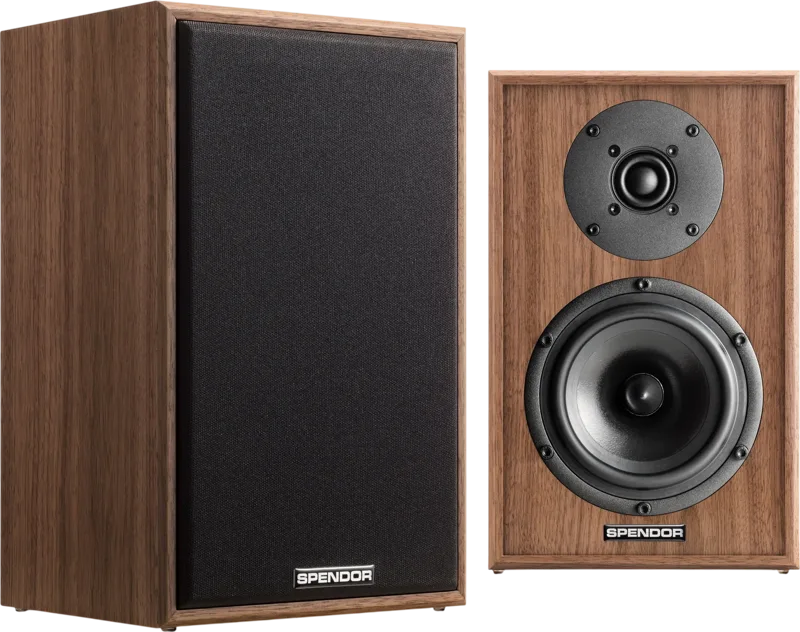
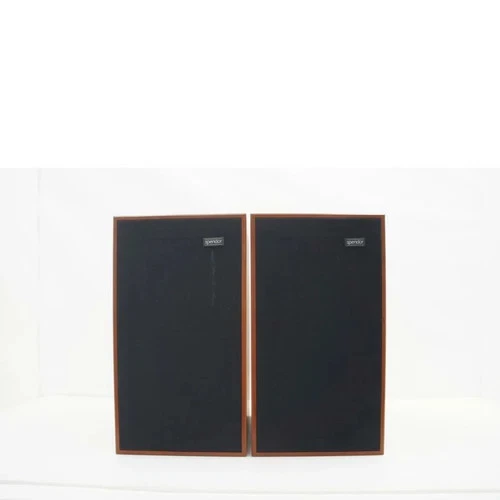
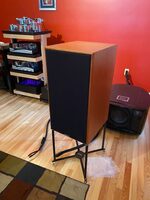
A1 photos
Features and specs
Specs
- Type: 2-way stand mount loudspeaker
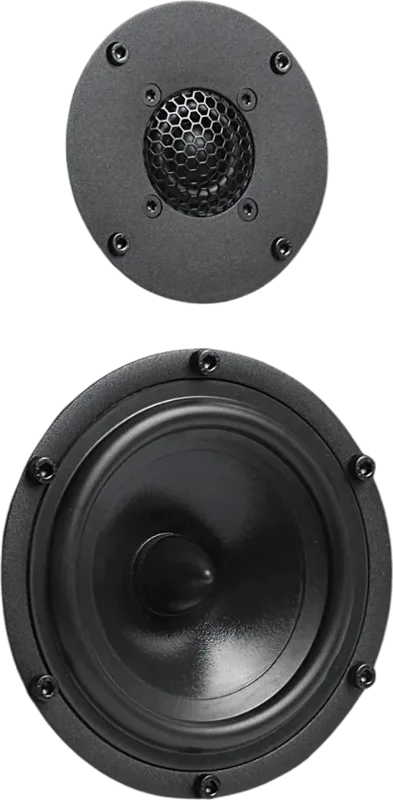
- Tweeter: 22mm polyester dome
- Bass/midrange: 150mm EP77 polymer cone
- Sensitivity: 88dB/1W at 1m
- Impedance: 8 ohms nominal
- Frequency response: 45Hz - 25kHz
- Power handling: 30 - 150W
- Dimensions (HxWxD): 305 x 165 x 190mm
- Weight: 5kg
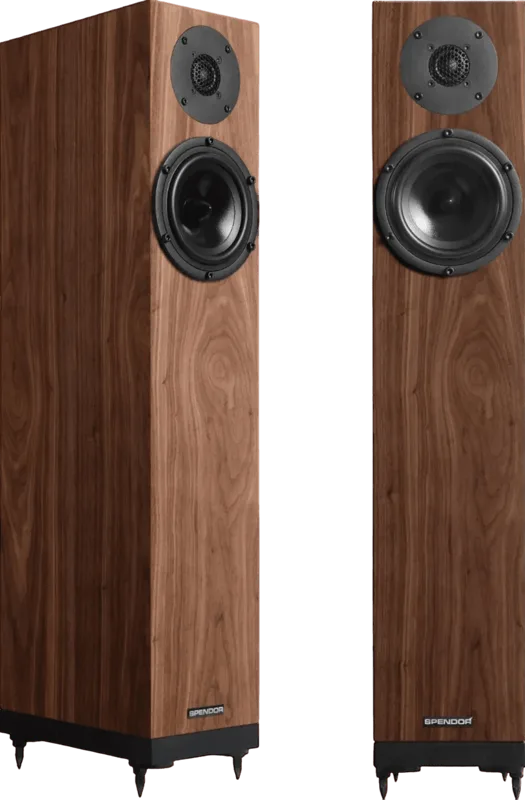
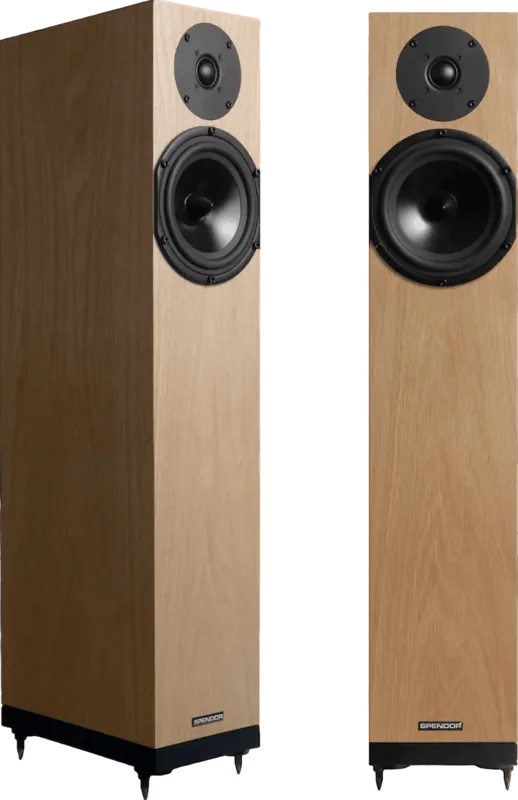
- Finishes: Black oak, walnut, natural oak
Manufacturer's description
The Spendor A is a compact shelf mount design. The slim modern cabinet fi ts easily and unobtrusively into any living space. It delivers music with captivating clarity and a sensitively judged element of warmth and charm. Music remains tuneful and articulate even when the A is positioned close to a wall or in a small room. The A is easy to drive and it brings out the best from your amplifier.
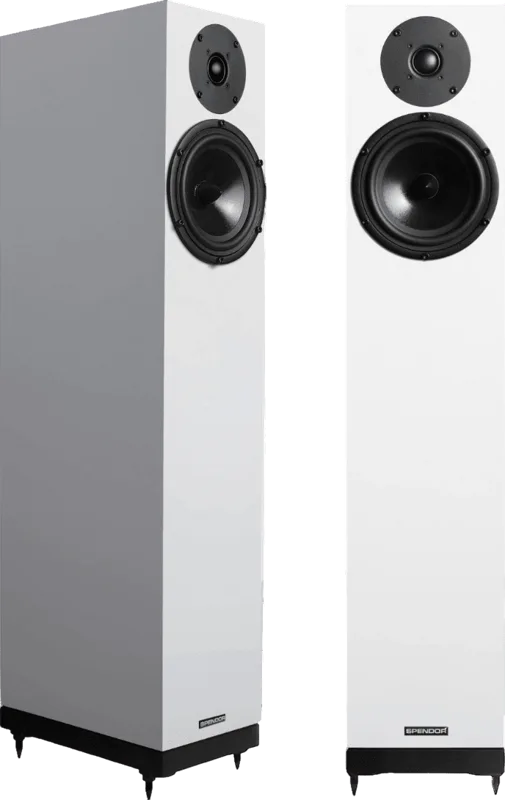
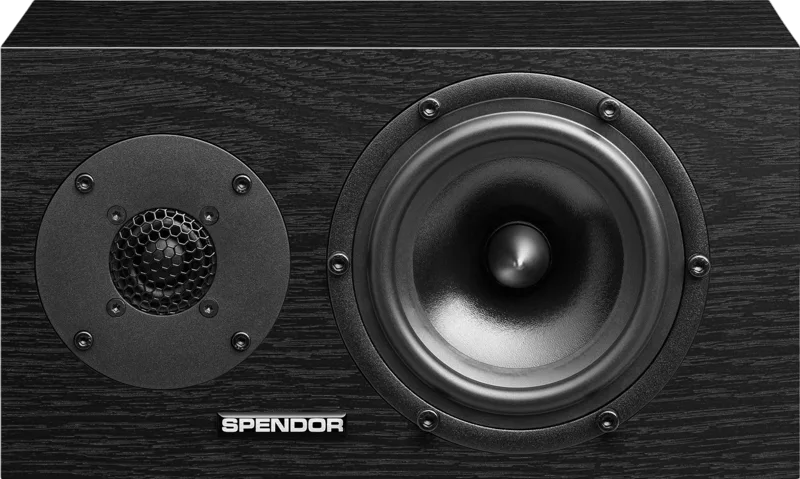
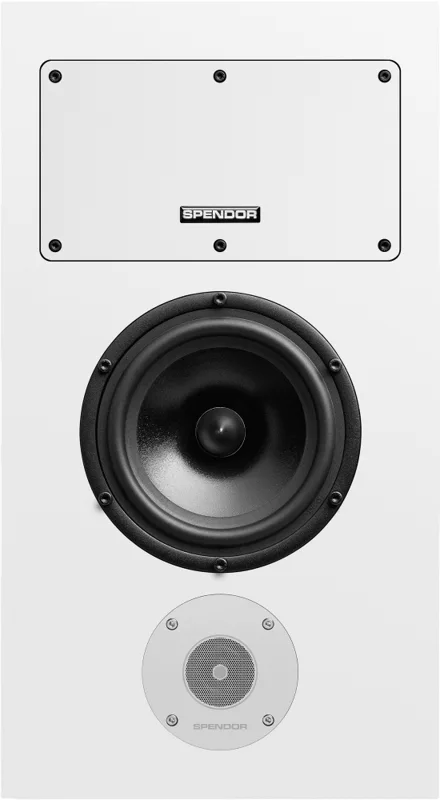
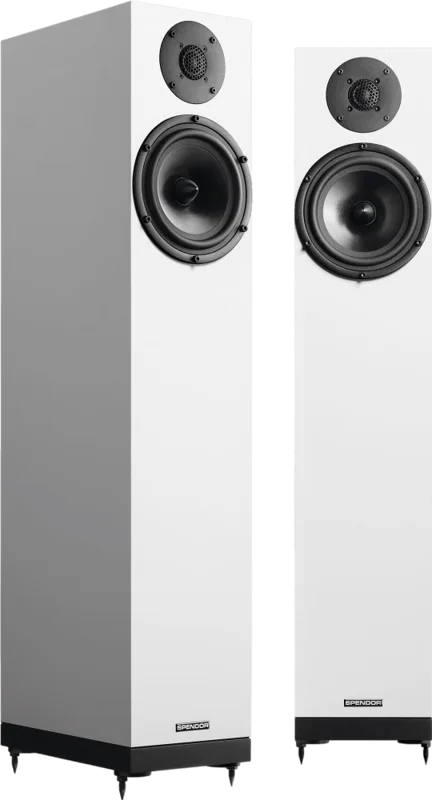
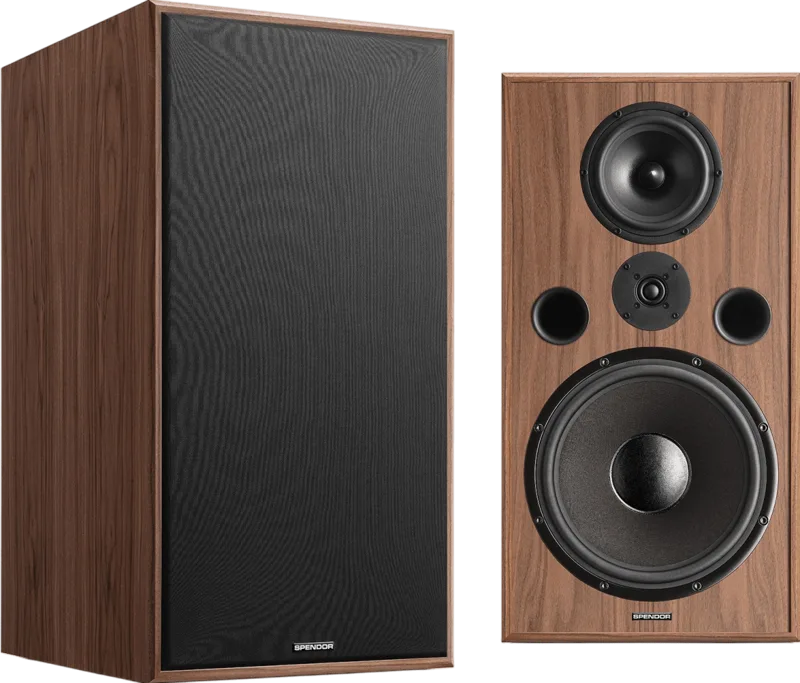
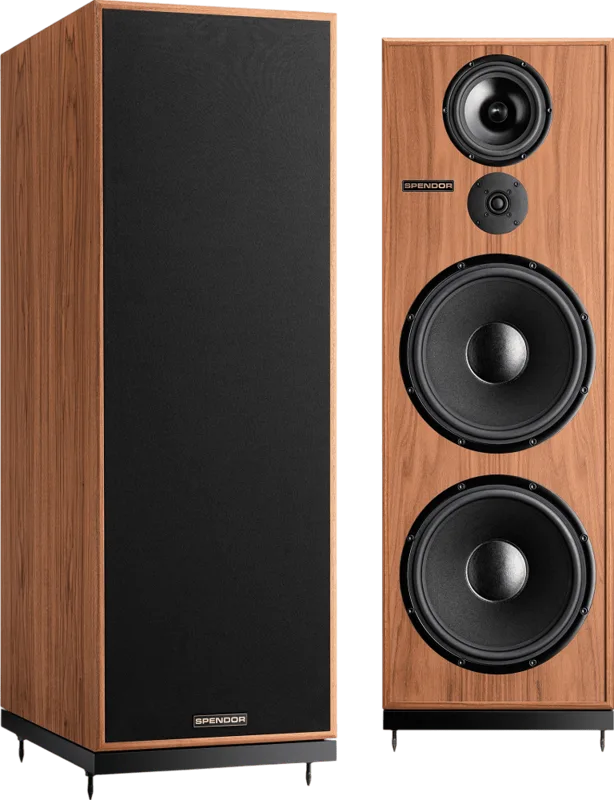
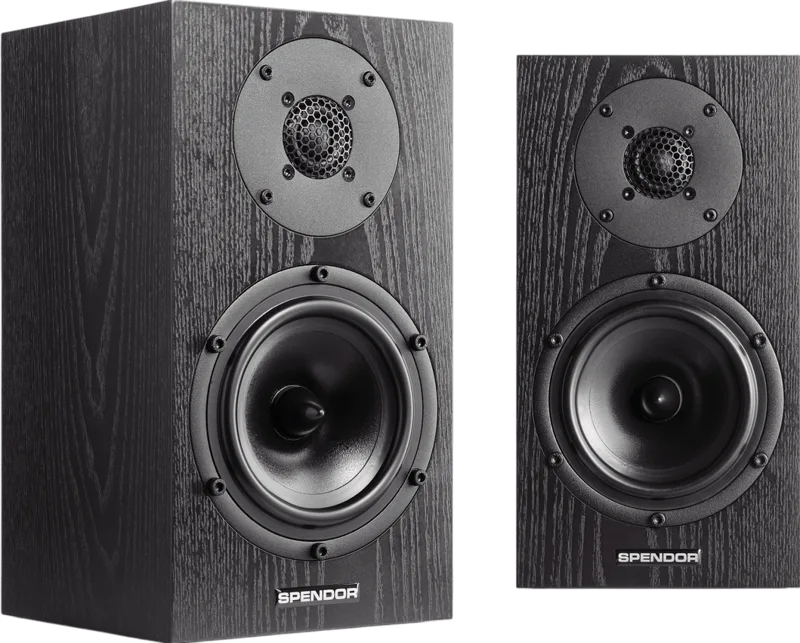
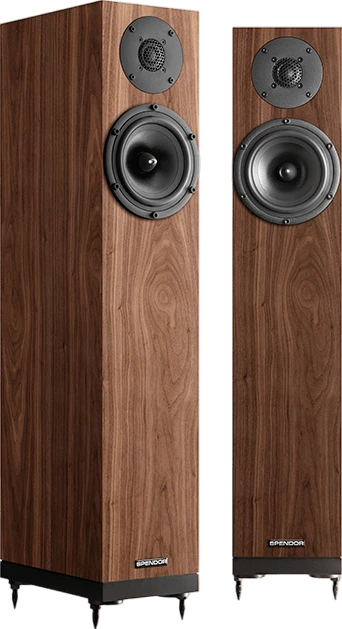
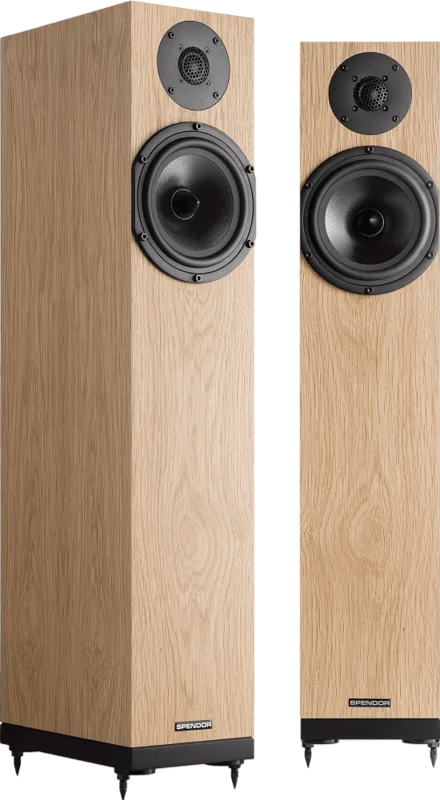
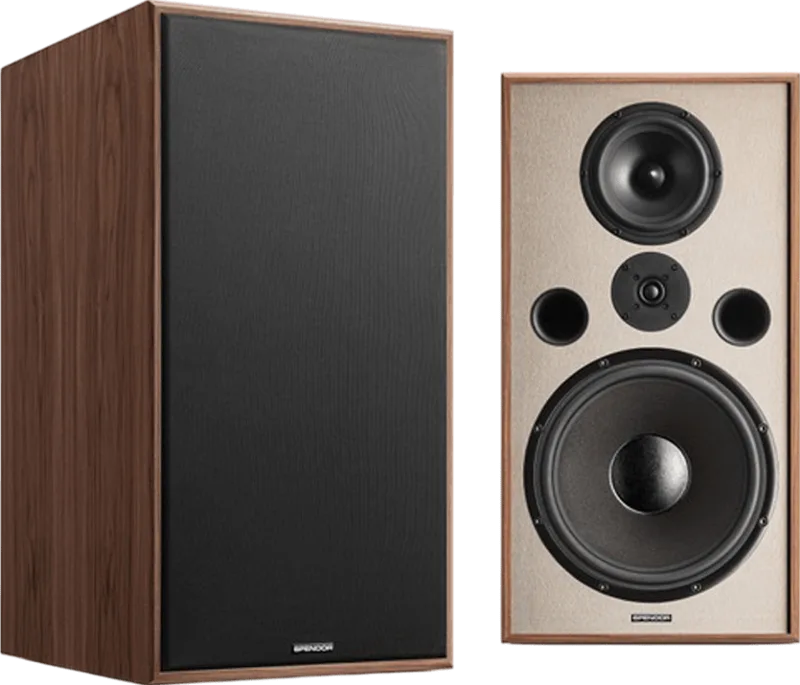

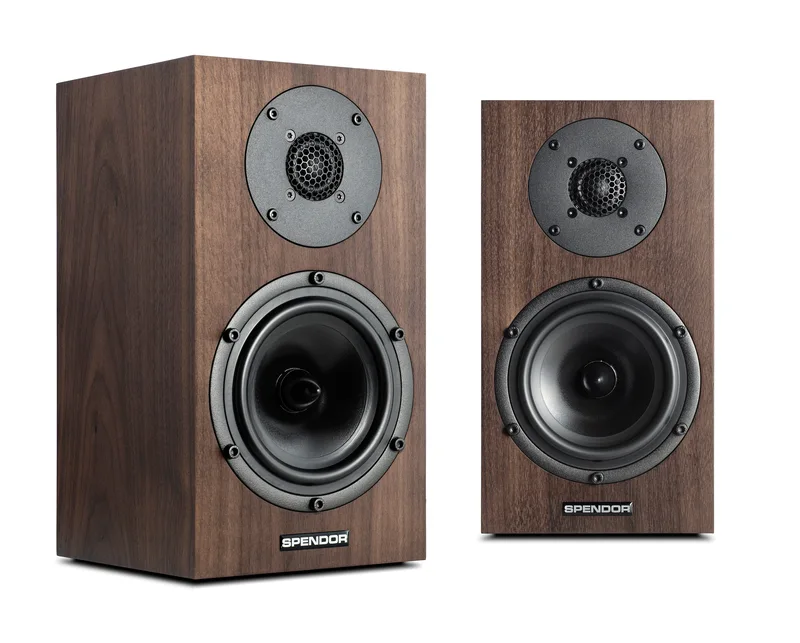
All used Spendor



Where to buy the A195 dealers
About Spendor
Spendor is a British speaker maker, founded in 1969 by Spencer and Dorothy Hughes, whose names make up the brand. Spencer Hughes had been a BBC sound engineer, and his first speaker, the BC1, became a broadcast and studio monitor. Spendor still builds thin-walled cabinets with viscoelastic damping pads, designed to flex with the music, and makes its own drive units at its factory in South Yorkshire. The Classic series keeps the vintage look, and the compact A-line uses a Linear Flow port so it still sounds right close to a wall.
Brand highlights
- Spendor loudspeakers are uniquely designed to flex and interact with the music, achieved via thin-walled cabinets with strategically placed viscoelastic damping pads, rather than heavy damping, to reduce blurring.
- The brand's drivers are designed and manufactured in-house, including specialized EP77 polymer cones, to achieve specific performance goals and seamless integration within their speakers.
- Their 'Linear Flow' port technology uses aerodynamically profiled baffles to create a tapered twin-venturi port, resulting in a low phase shift and improved bass agility.
Our interview with Spendor
What makes you different from other brands?
First up: our 5th-generation Linear‑Flow (twin‑Venturi) port used in our D7.2 and D9.2 loudspeakers. Inspired by aerodynamics research, even F1 diffuser tech, it enables controlled airflow with reduced turbulence, giving you bass that’s tight, accurate, and uncoloured - even in smaller rooms or loudspeakers placed close to a wall.
Second: Again, used in our D-Line series, our LPZ tweeter paired with EP77 polymer cones. The LPZ tweeter uses a stainless-steel front plate and precision micro‑foil to create a linear, phase-correct output-imagine the clarity of a finely focused camera lens. That, together with our EP77 polymer mid/bass cones and Kevlar bass units, delivers Spendor’s unmistakeable clarity, neutrality, and musical realism.
What pairs best with your products?
We design our loudspeakers to be honest and revealing, so we’re proud to say they work well with a wide range of quality electronics. That said, we’re always a little cautious about making specific recommendations. Taste in sound is personal, and what suits one listener may not suit another.
That said, over the years we've found that products from Naim, Cyrus, Exposure, Chord Electronics, and Auralic consistently complement our speakers. They bring out the musicality and natural balance that Spendor is known for, and together they create systems that are expressive, engaging, and a joy to listen to.
What's your approach to customer support?
We encourage customers to reach out to their authorised Spendor retailer or distributor as the first point of contact. They’re well-equipped to help with setup, basic troubleshooting, and warranty queries. Most issues are resolved quickly at that level, and it keeps things local and convenient for the customer.
If there’s a more technical issue that needs our attention, the dealer will liaise directly with us here at Spendor. From our UK facility, we offer practical, honest support, whether that means supplying a replacement part, giving technical guidance, or handling a product return.
What we believe sets us apart is our personal, no-nonsense approach. We're a close-knit team, and that allows us to respond quickly and thoughtfully. If something goes wrong, we aim to make it right with minimal fuss and maximum clarity.