Canterbury GR-OW
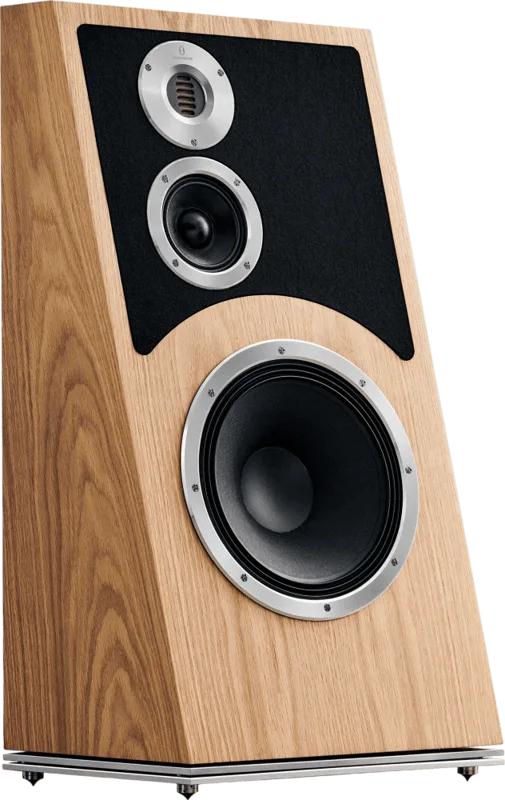
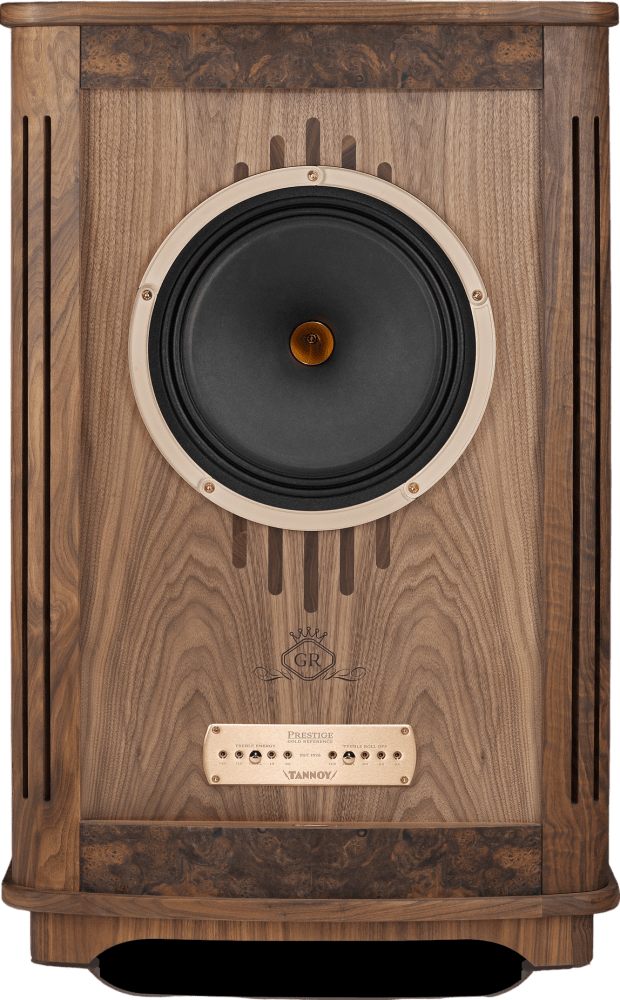
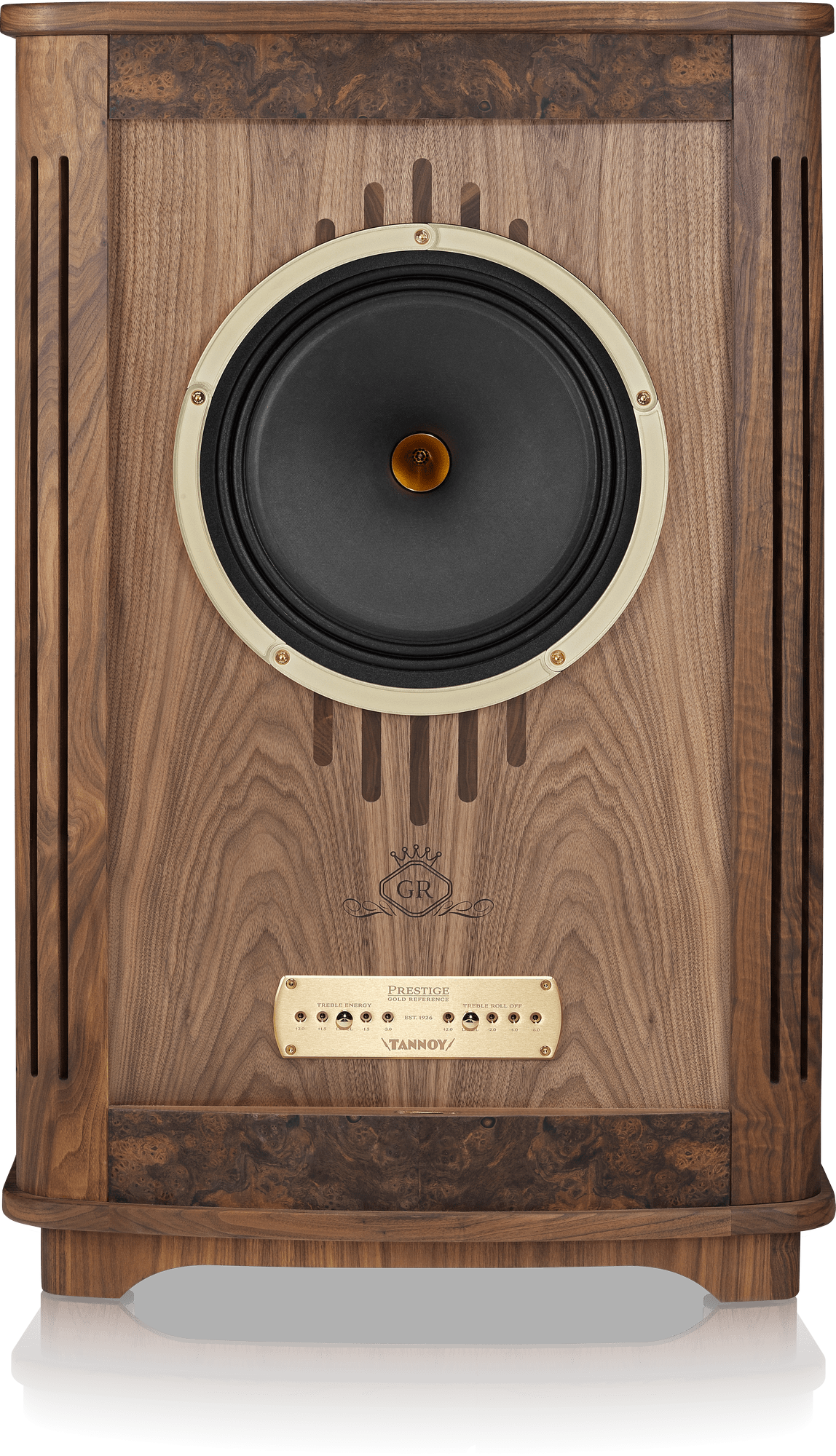
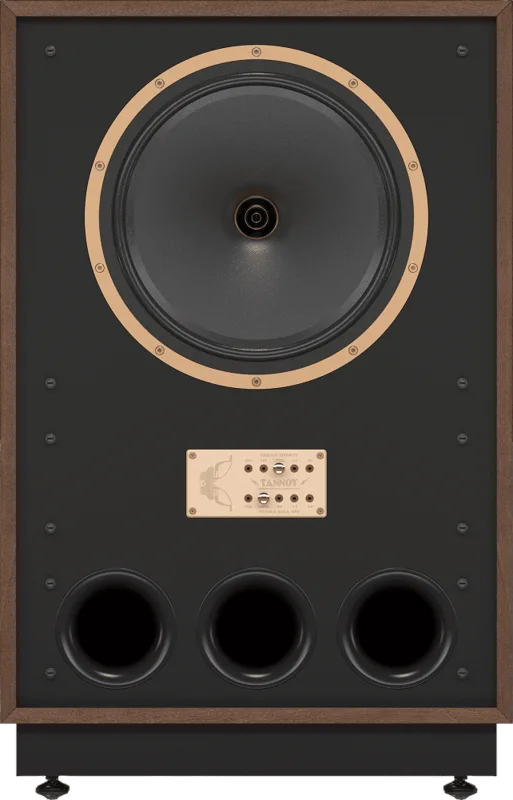
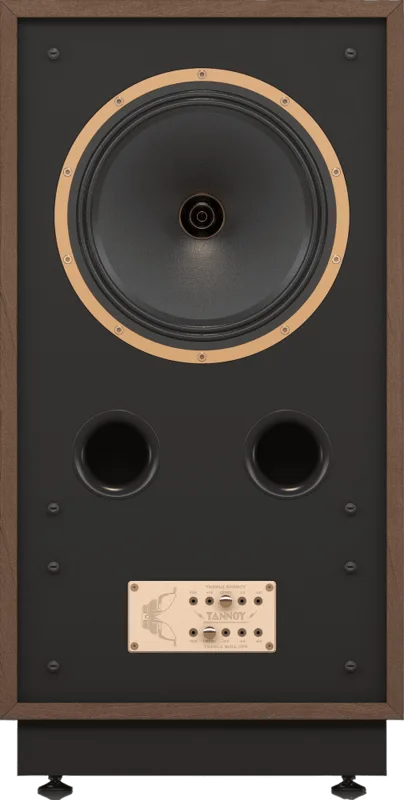
Tannoy's Canterbury GR-OW is a floorstanding speaker built around a 15-inch driver. At 96 dB sensitivity, a modest amp can drive it. In its review, it was praised for its midrange, and for bass and treble adjustments that let you tune it to your room.

New here? ExtremeHiFi is a free hifi encyclopedia: reviews, prices and used listings. We don’t sell anything.
Summary
Tannoy's Canterbury GR-OW is a floorstanding speaker built around a 15-inch driver. At 96 dB sensitivity, a modest amp can drive it. In its review, it was praised for its midrange, and for bass and treble adjustments that let you tune it to your room.
What reviewers love
The Canterbury is an excellent speaker that offers detailed, integrated, dynamic, and warm sound, making for a stimulating listening experience with virtually all musical styles. It combines expertly-crafted woodwork and metalwork with adjustable bass and treble to fit any listener's preference.
Product Strengths
- Mid-range is undeniably world-class, providing realism of voices
- Real bottom end that can be adjusted to personal taste with the help of slats
- Super easy to drive with a benign impedance, working well with both low-watt tube amps and high-power solid-state amps
- Highly detailed treble without shrillness, offering natural detail with excellent pace, rhythm, and timing
- Delivers a combination of detail, warmth, depth, and power that is excellent and very musical
- Height of the mid-section of the Dual Concentric might require elevating the speaker for optimal listening, as the tweeter may be below ear level
Product Considerations
Comparisons (according to reviewers)
- The performer placement is very good, though not quite the level of Vivid Giya G1, and the soundstage is both wide and deep, just a tad less expansive than the Giya
- The tonality is similar to that exhibited by the one-tenth-as-expensive Sonus Faber Verere 3.0, just with a lot more force and bass extension
Takeaway: The Canterbury is an excellent speaker that offers detailed, integrated, dynamic, and warm sound, making for a stimulating listening experience with virtually all musical styles. It combines expertly-crafted woodwork and metalwork with adjustable bass and treble to fit any listener's preference.
Written reviews0
Awards0

Bookshelf, floorstanding, in-wall, and powered speakers, compared on the specs that matter in a real room: bass extension, sensitivity, and tweeter type.
Buying tips that apply to the Canterbury GR-OW
- Get placement right before anything else. Pulling speakers 2–3 feet (60–90 cm) from the wall behind them tames boomy bass; the listening seat should sit at the third point of an equilateral triangle, with toe-in adjusted to set the width of the image.
- Match speaker size to the room. Large towers in a small room often sound bloated, and nearfield listening at a desk favors small two-way designs.
- Each 3 dB of extra sensitivity halves the power needed for the same volume. For moderate listening levels, speakers rated 90 dB or more allow a smaller, cheaper amp.
- Treat the room before spending more on speakers. Bass traps in the corners and absorption at the first reflection points often do more than a step up in speakers.
- Used speakers lose value quickly, so two- or three-year-old models from established brands often sell well below their new price.
- Three-way designs free the midrange driver from bass duty, which can lower distortion in voices, though a well-designed two-way can image just as precisely.
- Tweeter dispersion matters more than its frequency response. Wide dispersion gives a bigger sweet spot but lights up more room reflections; controlled directivity suits lively rooms.
- Open-plan rooms lose bass. If the room opens onto other spaces, budget for a subwoofer instead of bigger main speakers.
- Audition with familiar music. Voicing varies a lot between brands, and a pair that excites on rock can grow tiring on strings.
- Many brands put their flagship tweeter into smaller models. A bookshelf speaker from a brand's top range often beats a cheaper tower in a small room.
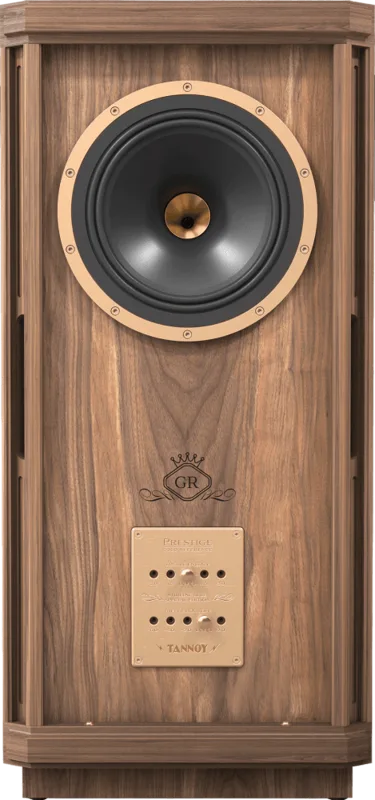
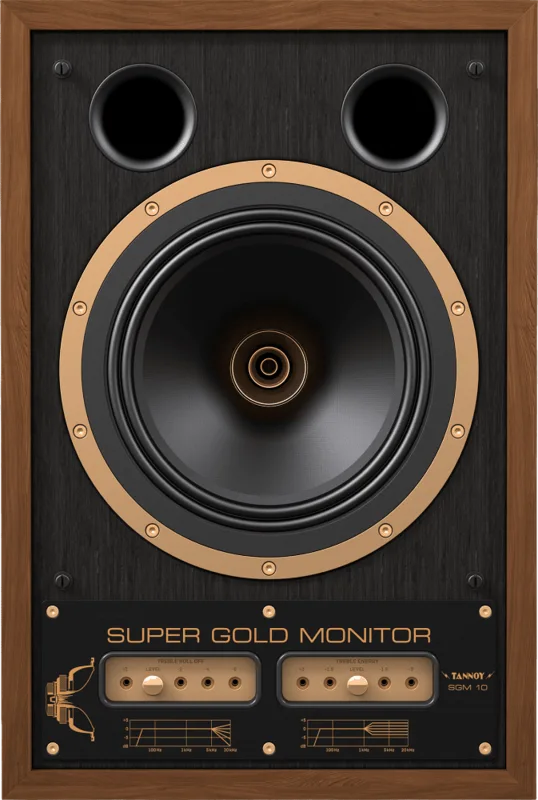
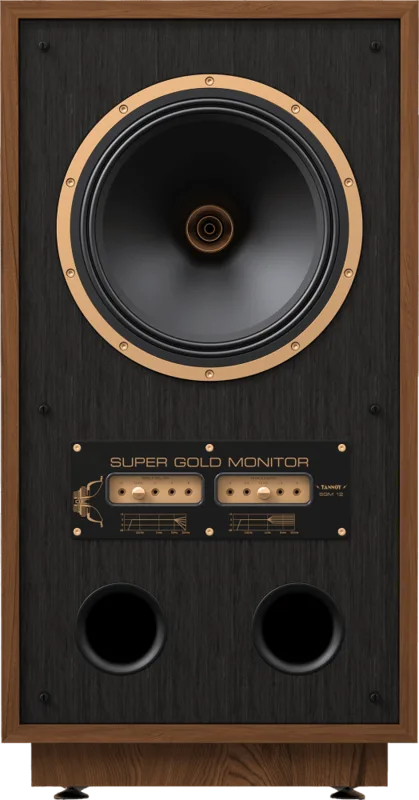
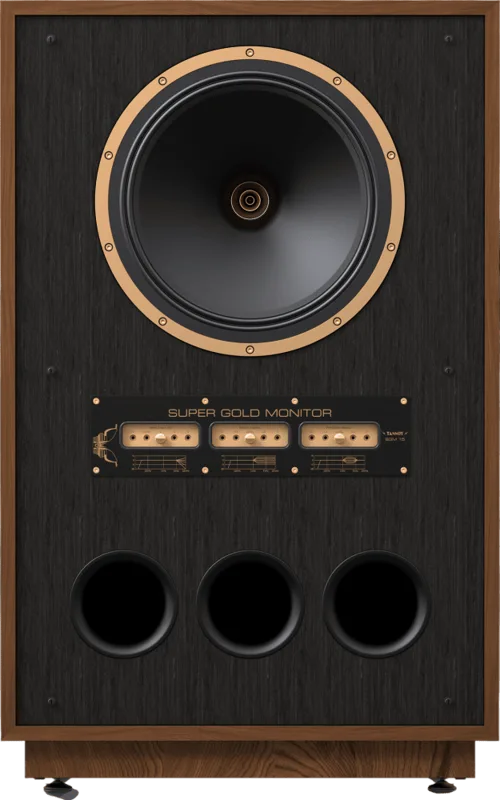
Canterbury GR-OW photos
Features and specs
Specs
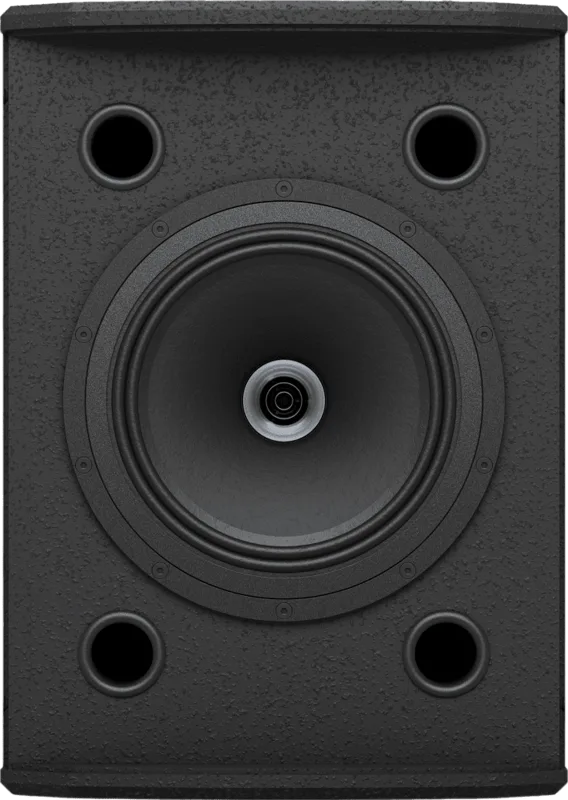
- Driver: 15" Dual Concentric
- Sensitivity: 96 dB/Watt
- Peak Power Handling: 600 Watt
- Cabinet Volume: 235 litre
Manufacturer's description

Used Canterbury GR-OW for sale0 listings
All used Tannoy
Where to buy the Canterbury GR-OW66 dealers
About Tannoy
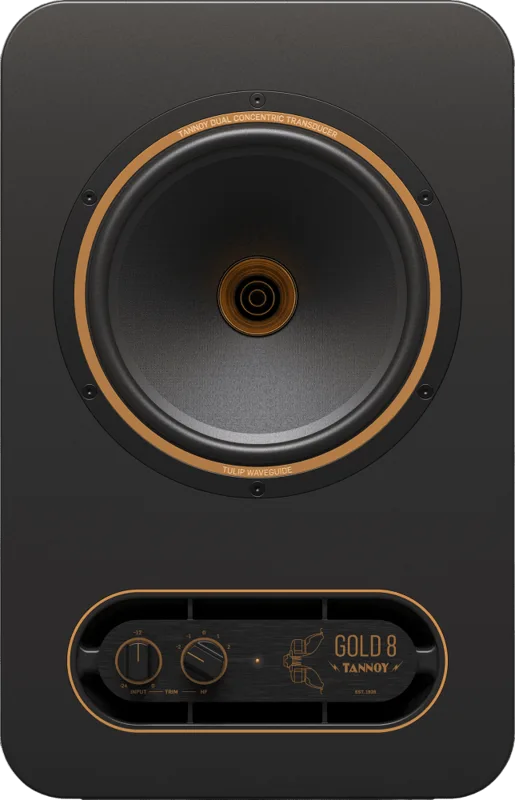
Tannoy is a British loudspeaker maker, founded in 1926 by Guy R. Fountain. Its defining technology is the Dual Concentric driver, introduced in 1947, which places the tweeter inside the woofer so every frequency leaves from a single point. Reviewers hear wide stereo imaging with a broad sweet spot and a bold, weighty bass. The company builds studio monitors and hifi speakers on the same idea. The GOLD 8 is a bi-amplified nearfield studio monitor, and the Stirling III LZ Special Edition has two treble controls so owners can tune it to their room.
Brand highlights
- Tannoy emphasizes a "Dual Concentric" driver design, positioning the tweeter within the woofer for a single point source, leading to exceptional stereo imaging and a broad sweet spot.
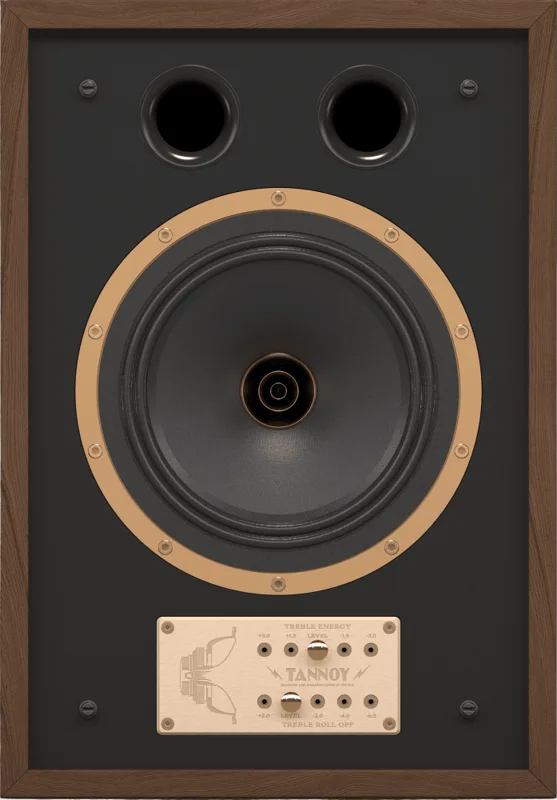
- They offer models with adjustable front baffle controls for treble energy and roll-off, allowing users to tailor the sound to their specific room acoustics and personal preferences.
- Tannoy speakers are often described as providing a 3D soundstage, where instruments and vocals are distinctly positioned with air and space around them.
- The brand values a "meaty," "strong," and "bold" sound, particularly in the bass frequencies.