Reference 3 Meta
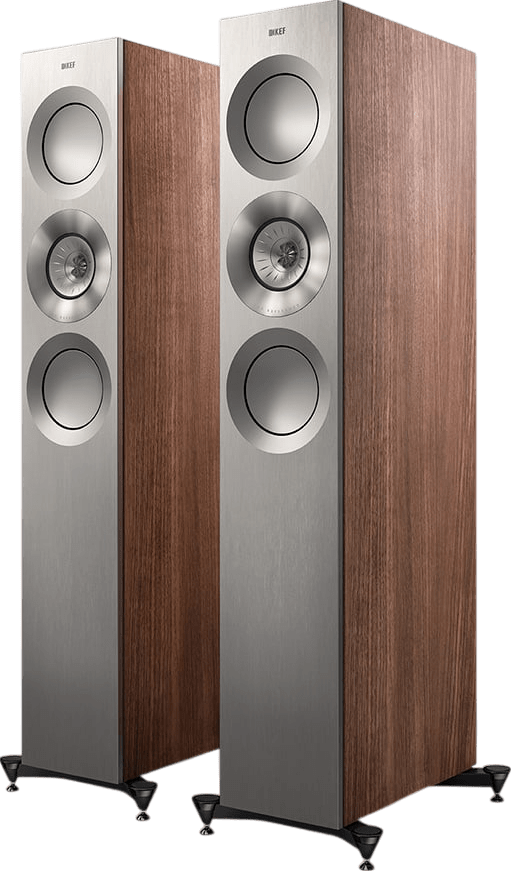
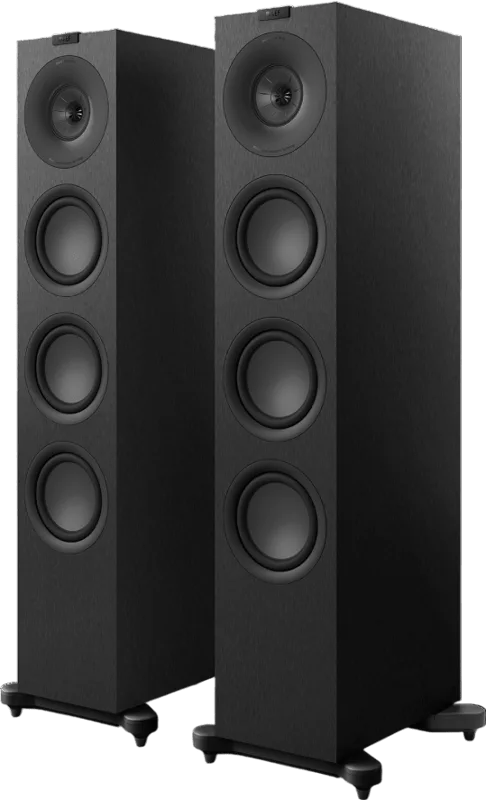
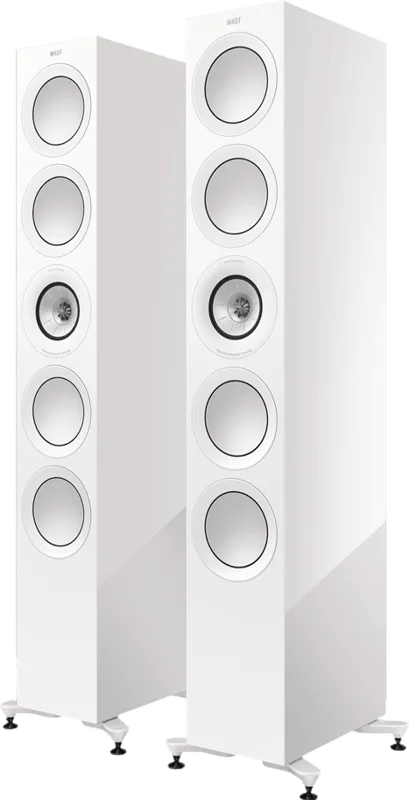
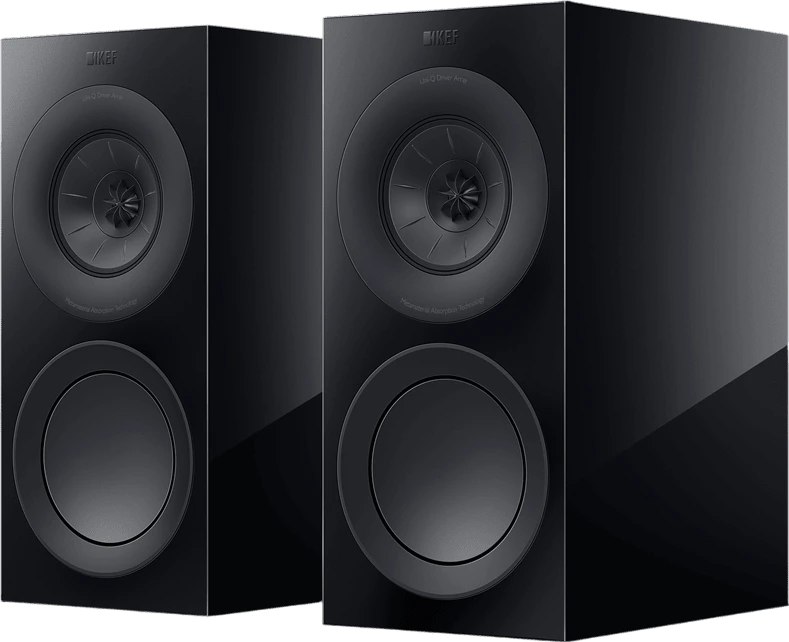
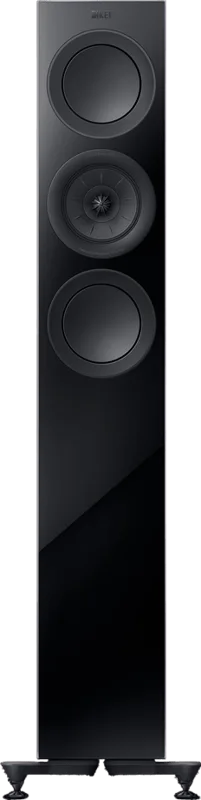
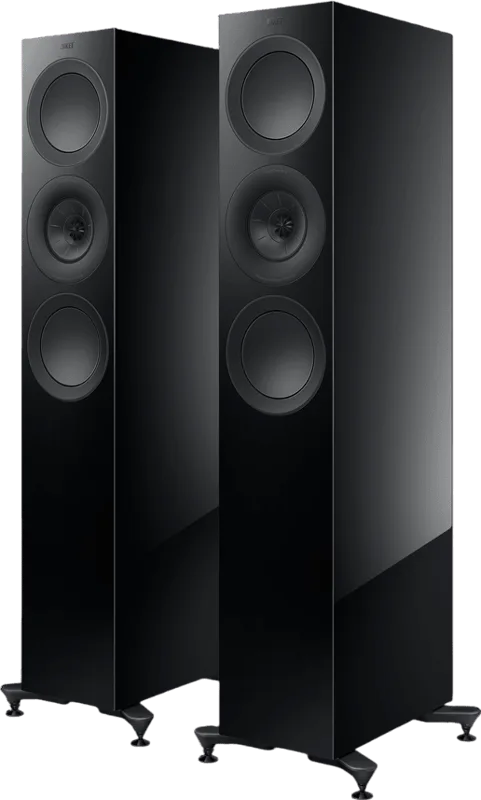
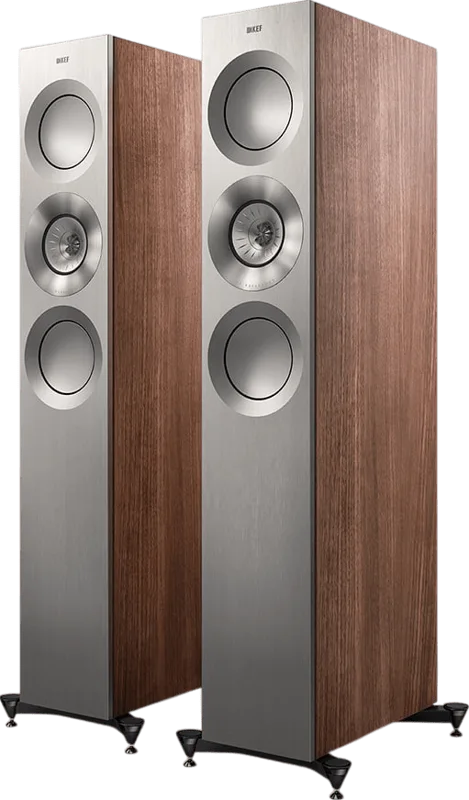
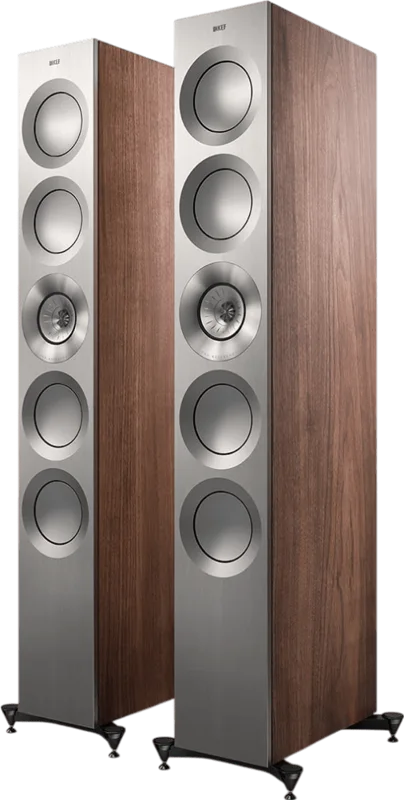
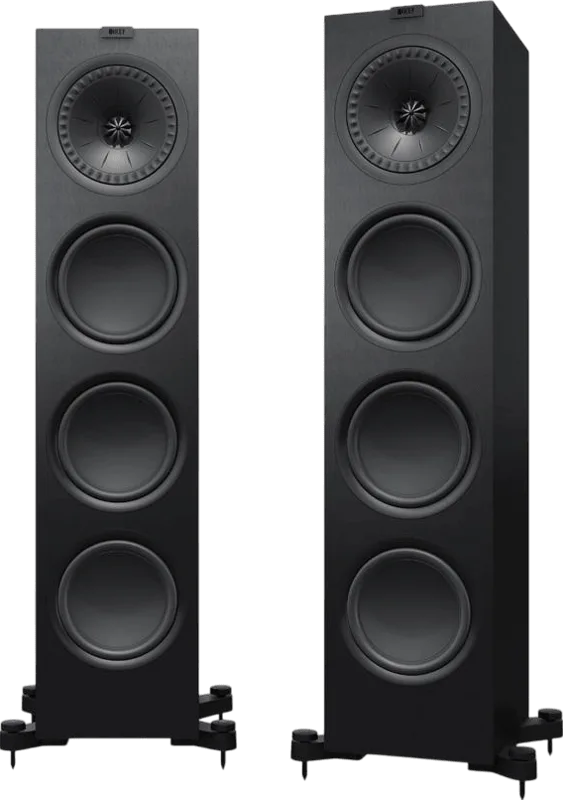
KEF's Reference 3 Meta is a floorstanding speaker with a bass port that comes in short and long versions. It is known for tight, fast bass, excellent imaging and soundstage, and sound that holds up across the room.
New here? ExtremeHiFi is a free hifi encyclopedia: reviews, prices and used listings. We don’t sell anything.
Summary
KEF's Reference 3 Meta is a floorstanding speaker with a bass port that comes in short and long versions. It is known for tight, fast bass, excellent imaging and soundstage, and sound that holds up across the room.
What reviewers love
The KEF Reference 3 Meta provides a detailed and engaging listening experience with great imaging and clarity. If you want premium sound and are willing to invest in quality amplification, these speakers could be a great fit for your system.
Product Strengths
- Exceptional clarity, detail, and dynamic range are delivered across all genres of music, revealing intricate details in tracks
- A big, spacious, and incredibly well-focused soundstage is produced
- The cabinet is expertly engineered to minimize resonances, and the speakers are built to order
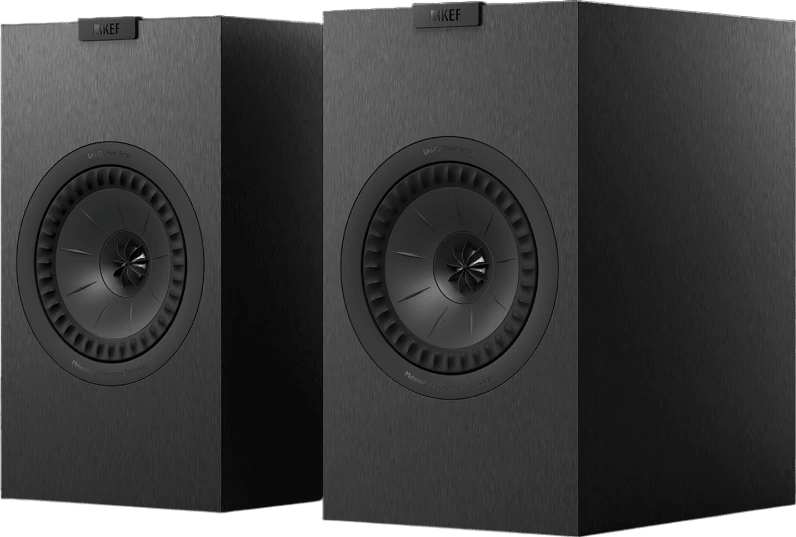
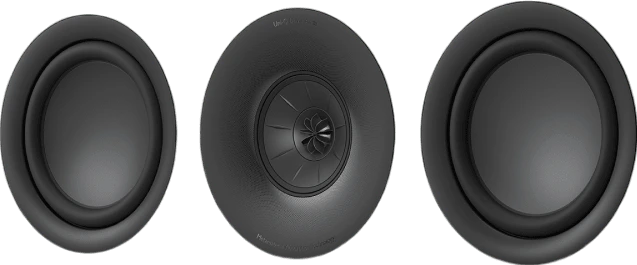
- The 12th generation Uni-Q driver array ensures seamless and accurate sound dispersion
- The speakers are relatively easy to control, even for a 60 watt amp
Product Considerations
- Quite a lot of power is demanded to sound their best, and entry-level class D amplifiers may not be suitable
- The bass may not be deep enough for some listeners, though this can be adjusted with different port tubes
- Source and amplifier quality is revealed, sounding thin or lifeless with entry- to mid-level equipment
- A big room is needed to unleash the fullest potential
- The highs can be fatiguing and harsh if the music is played at higher volumes
Comparisons (according to reviewers)
- Compared to Klipsch Cornwall 4, the Reference 3 Meta has better overall clarity, transparency, and integration
- Compared to Reference 5 Meta, the Reference 3 Meta performs 95% as good as the Reference 5 Meta
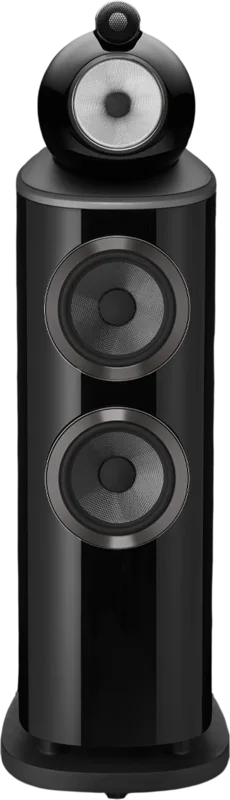
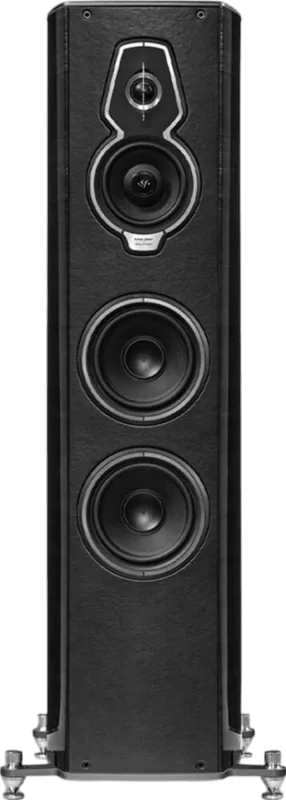
- Compared to Sonus Faber Olympica Nova III, the KEF has better dynamics, but Olympica Nova III shares the warm richness and resolution
- Compared to Bowers & Wilkins 803 D4, B&W is in the same class as the Reference 5 Meta
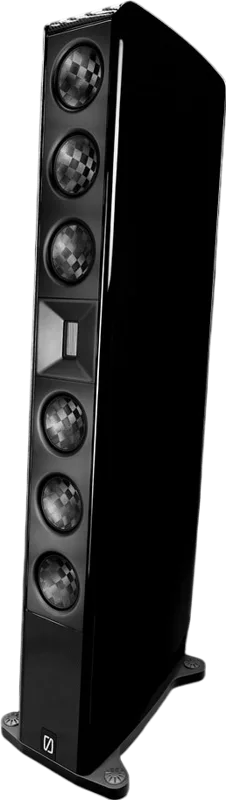
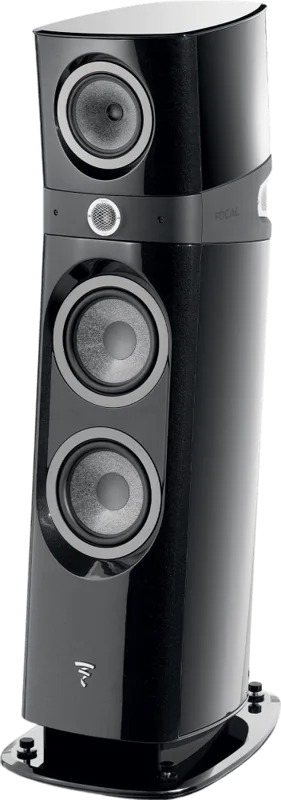
- The KEF Reference 3 Meta has qualities close to Focal Sopra N°2 and is worth comparing with
Takeaway: The KEF Reference 3 Meta provides a detailed and engaging listening experience with great imaging and clarity. If you want premium sound and are willing to invest in quality amplification, these speakers could be a great fit for your system.
Written reviews0
Awards0

Bookshelf, floorstanding, in-wall, and powered speakers, compared on the specs that matter in a real room: bass extension, sensitivity, and tweeter type.
Buying tips that apply to the Reference 3 Meta
- Get placement right before anything else. Pulling speakers 2–3 feet (60–90 cm) from the wall behind them tames boomy bass; the listening seat should sit at the third point of an equilateral triangle, with toe-in adjusted to set the width of the image.
- Match speaker size to the room. Large towers in a small room often sound bloated, and nearfield listening at a desk favors small two-way designs.
- Each 3 dB of extra sensitivity halves the power needed for the same volume. For moderate listening levels, speakers rated 90 dB or more allow a smaller, cheaper amp.
- Treat the room before spending more on speakers. Bass traps in the corners and absorption at the first reflection points often do more than a step up in speakers.
- Used speakers lose value quickly, so two- or three-year-old models from established brands often sell well below their new price.
- Three-way designs free the midrange driver from bass duty, which can lower distortion in voices, though a well-designed two-way can image just as precisely.
- Tweeter dispersion matters more than its frequency response. Wide dispersion gives a bigger sweet spot but lights up more room reflections; controlled directivity suits lively rooms.
- Open-plan rooms lose bass. If the room opens onto other spaces, budget for a subwoofer instead of bigger main speakers.
- Audition with familiar music. Voicing varies a lot between brands, and a pair that excites on rock can grow tiring on strings.
- Many brands put their flagship tweeter into smaller models. A bookshelf speaker from a brand's top range often beats a cheaper tower in a small room.
Features and specs
Specs
- Design: Three-way bass reflex
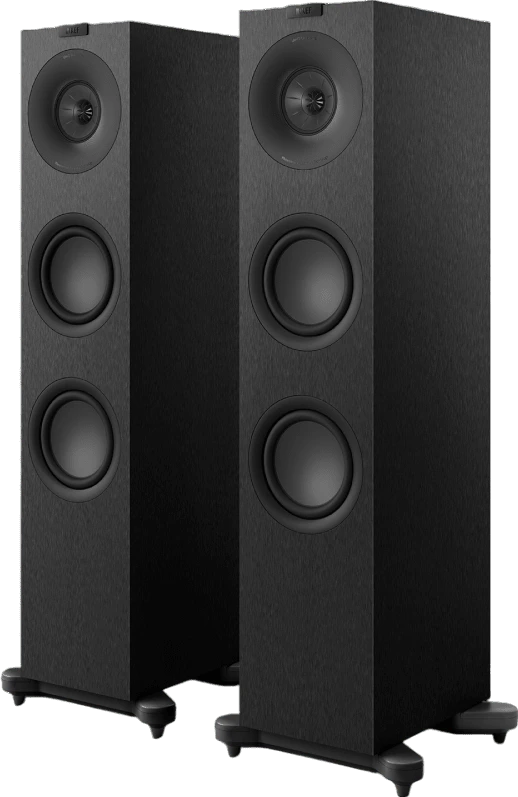
- Drive units: Uni-Q driver array: HF: 25 mm (1 in.) aluminium dome with MAT, MF: 125 mm (5 in.) aluminium cone, Bass units: LF: 2 x 165 mm (6.5 in.) aluminium cone
- Frequency range free field (-6dB): Short port: 38Hz - 45kHz, Long port: 35Hz - 45kHz
- Frequency range typical in room bass response (-6dB): 28Hz
- Frequency response (±3dB): 43Hz – 35kHz
- Crossover frequency: 450 Hz, 2.1 kHz
- Amplifier requirements: 50 - 300W
- Sensitivity (2.83V/1m): 86dB
- Harmonic distortion: 2nd & 3rd harmonics (90dB, 1m) <0.5% 40Hz – 100kHz, <0.2% 200Hz – 2kHz, <0.1% 2kHz - 20kHz
- Maximum output: 113.5dB
- Impedance: 4 Ω (min. 3.2 Ω)
- Weight: 51.3 kg (113.1 lbs.)
- Dimensions (H x W x D)(with grille and terminal): 1155 x 205 x 462 mm (45.5 x 8.1 x 18.2 in.)
- Dimensions (H x W x D)(with grille, terminal & plinth): 1207 x 323 x 467 mm (47.5 x 12.7 x 18.4 in.)
Manufacturer's description
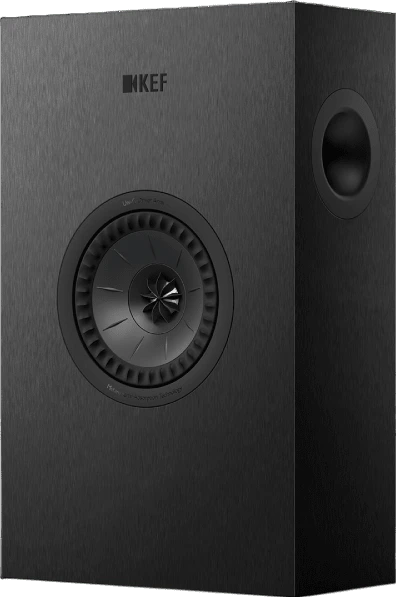
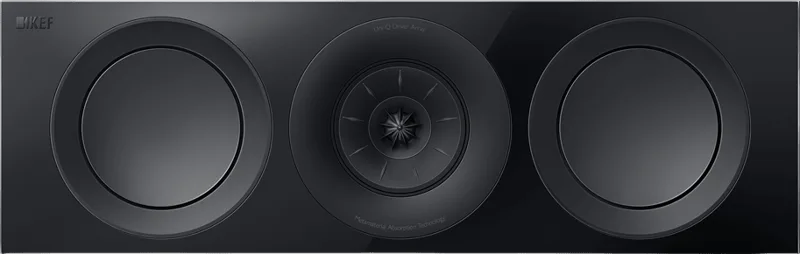
The floorstanding Reference 3 Meta is capable of delivering a sensational sound stage for a wide range of listeners. At its heart sits the 12th generation Uni-Q® driver array with MAT™, the latest technological development from KEF, and one which puts you solidly at the heart of the action.

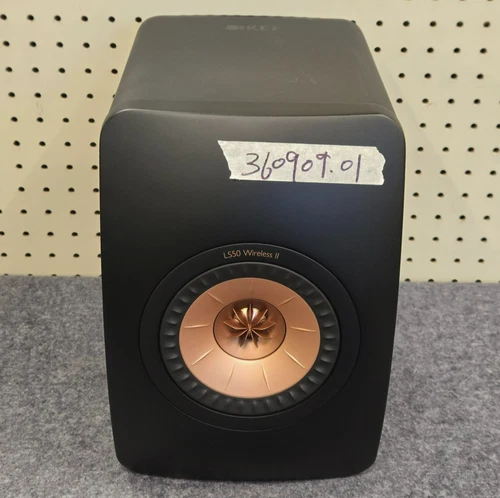
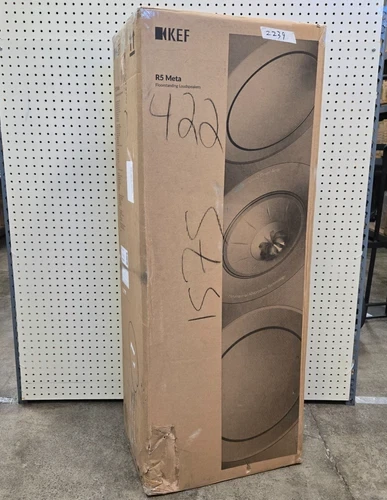
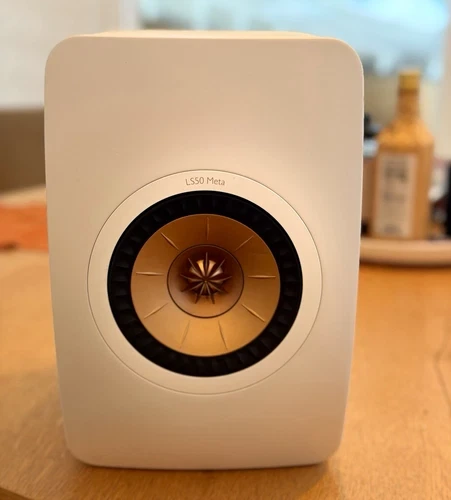
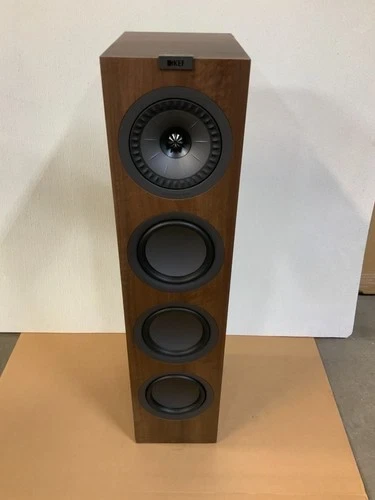
Used Reference 3 Meta for sale4 listings

All used KEF
Where to buy the Reference 3 Meta313 dealers
About KEF
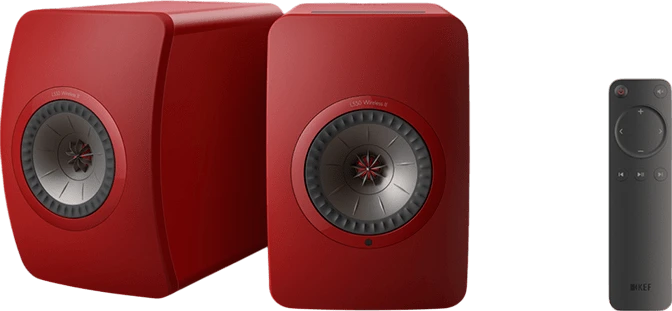
KEF's idea is the Uni-Q driver, which puts the tweeter in the center of the woofer so every frequency leaves from the same point and the stereo image holds together. The British company, founded in 1961 by former BBC engineer Raymond Cooke, builds almost its whole range around it. Recent models add Metamaterial Absorption Technology, a maze-like structure that absorbs the sound coming off the back of the driver, and the LS50 Wireless II and LS60 Wireless put Uni-Q in a powered cabinet with streaming built in.
Brand highlights
- KEF's designs prioritize a "Single Apparent Source" through coaxial driver technology, aiming for a coherent soundstage where frequencies appear to originate from a single point, enhancing realism and spatial accuracy.
- The brand incorporates "Metamaterial Absorption Technology (MAT)" into its drivers, utilizing a maze-like structure to absorb unwanted sound waves from the rear of the driver, resulting in cleaner and more defined output.
- They offer a wide range of streaming and connectivity options, with their powered loudspeakers responding to the proprietary KEF Connect app, which delivers multiple streaming services and facilitates setup and customization.
- KEF frequently collaborates with renowned industrial designers to create visually striking products that seamlessly blend into modern living spaces, balancing aesthetic appeal with acoustic performance.