L30 II
TOPPING's L30 II is a stereo headphone amplifier that suits both sensitive and hard-to-drive headphones, with a wide gain range and preamp use. Reviewers single out its clean, neutral sound and the strong power it brings to a wide range of headphones.

New here? ExtremeHiFi is a free hifi encyclopedia: reviews, prices and used listings. We don’t sell anything.
Summary
TOPPING's L30 II is a stereo headphone amplifier that suits both sensitive and hard-to-drive headphones, with a wide gain range and preamp use. Reviewers single out its clean, neutral sound and the strong power it brings to a wide range of headphones.
What reviewers love
The Topping L30 II is an amplifier that delivers clean power and ease of use. It offers good value and is suitable for a wide range of headphones and IEMs.
Product Strengths
- Improved detail and tuning over the original
- The 37Vpp output level, 1.4A output peak current, and the wider range of gain settings make pairing with both easy and hard-to-drive gears stress-free
- The analog knob is a high-quality part considering its price point
- Easy to understand
Product Considerations
- Exercise caution when using an alternative power supply
- Softness in certain areas loses definition
- The texts are legible enough to be read from afar in a brightly lit room, but turn on the dim lights and it will suddenly become a lot harder to read
Comparisons (according to reviewers)
- The Topping stack (E30 II + L30 II) offers superior resolution, clarity, accurate imaging, and layering compared to Yulong DA-ART Aurora
- The L30 II sounds weightier in the bass and midbass section, which lends boldness to the whole sound too, with a darker background with better layering and a more three-dimensional presentation compared to Topping L30
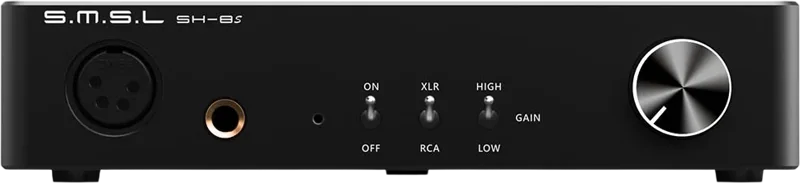
- The L30 II offers greater clarity and separation, with a slightly darker background as a bonus compared to SMSL SH-6
Takeaway: The Topping L30 II is an amplifier that delivers clean power and ease of use. It offers good value and is suitable for a wide range of headphones and IEMs.
Written reviews0
Awards0

Integrated, power, and headphone amplifiers compared by power, design class (A, AB, D, or tube), and the features that matter for a given pair of speakers.
Buying tips that apply to the L30 II
- Size power to the speakers and room. Each 3 dB of speaker sensitivity halves the power needed, so check sensitivity before watts. A desk setup needs 20–30 W; less sensitive speakers in a large room may need 100 W or more.
- Below about $2,000, integrated amps usually give better value than separates, because the money goes into one chassis and power supply instead of two.
- Used amps from established brands such as Bryston, Pass Labs, and Parasound hold up well and are often good value.
- Check power into 4 ohms as well as 8. An amp that nearly doubles its output into 4 ohms has a strong power supply and will handle difficult speakers.
- Look for continuous power across the full 20 Hz–20 kHz band. Peak figures or power at a single frequency make an amp look stronger than it is.
- A signal-to-noise ratio above 100 dB keeps background hiss inaudible, which matters most with sensitive speakers.
- Low-impedance speakers such as Magnepans need an amp that's stable into 4 ohms or lower, so check the spec before buying.
- Good amps differ more in how they handle dynamics and high volume than in frequency response, so audition them at normal listening levels.
Features and specs
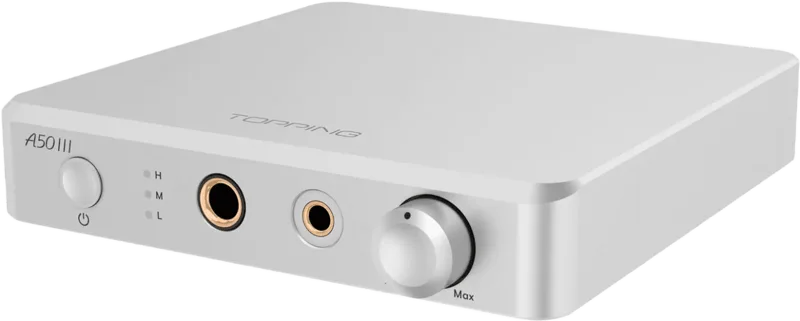

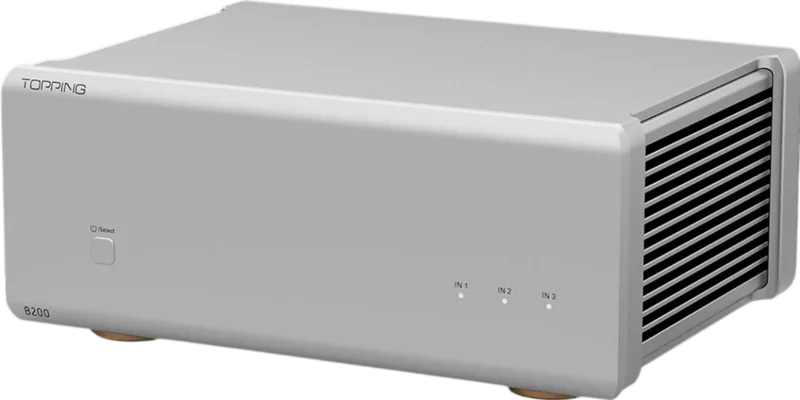








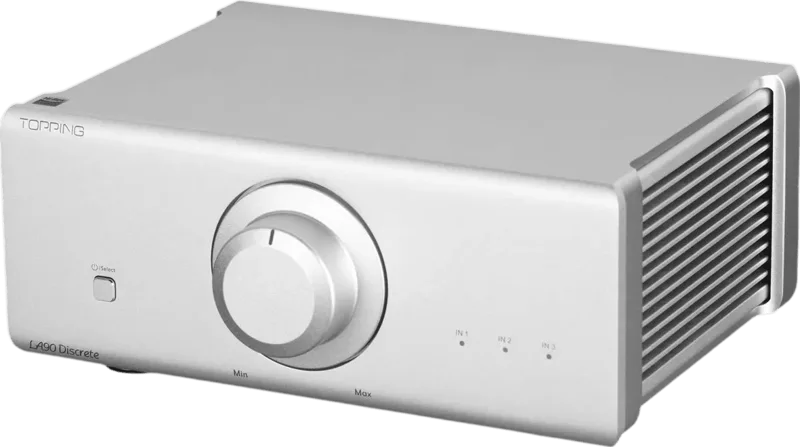

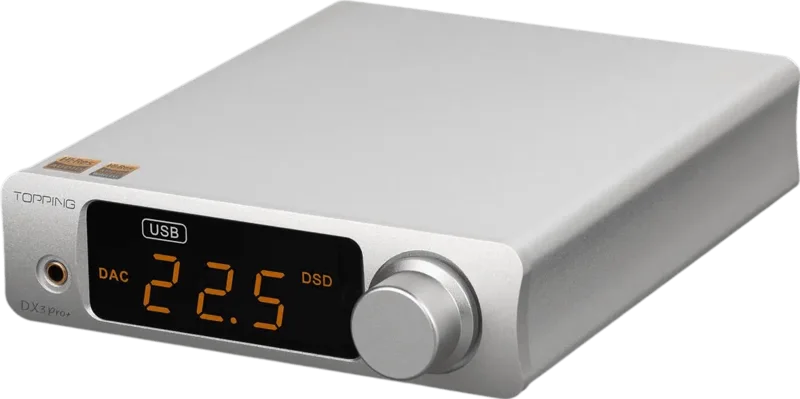





All used TOPPING


Where to buy the L30 II14 dealers
About TOPPING
Topping's idea is measured performance, pushing distortion and noise so low that the figures reach the limits of the test equipment. The Chinese company, founded in 2008, has an R&D team of more than 40 engineers and tests its products on five APx555 and APx555B audio analyzers. Its DACs and amplifiers stack together into a tidy desktop system, so a buyer can start with a D10s DAC and add an amplifier later. The D90 III (Discrete) uses a fully discrete circuit and is on our Best DACs list.
Brand highlights
- Topping emphasizes achieving extremely low distortion and high signal-to-noise ratios in their products, often exceeding the measurable limits of testing equipment.
- They offer a range of products (DACs, headphone amplifiers, and integrated amps) that can be easily stacked together, creating a cohesive and aesthetically pleasing desktop setup.