Diamond 12.2
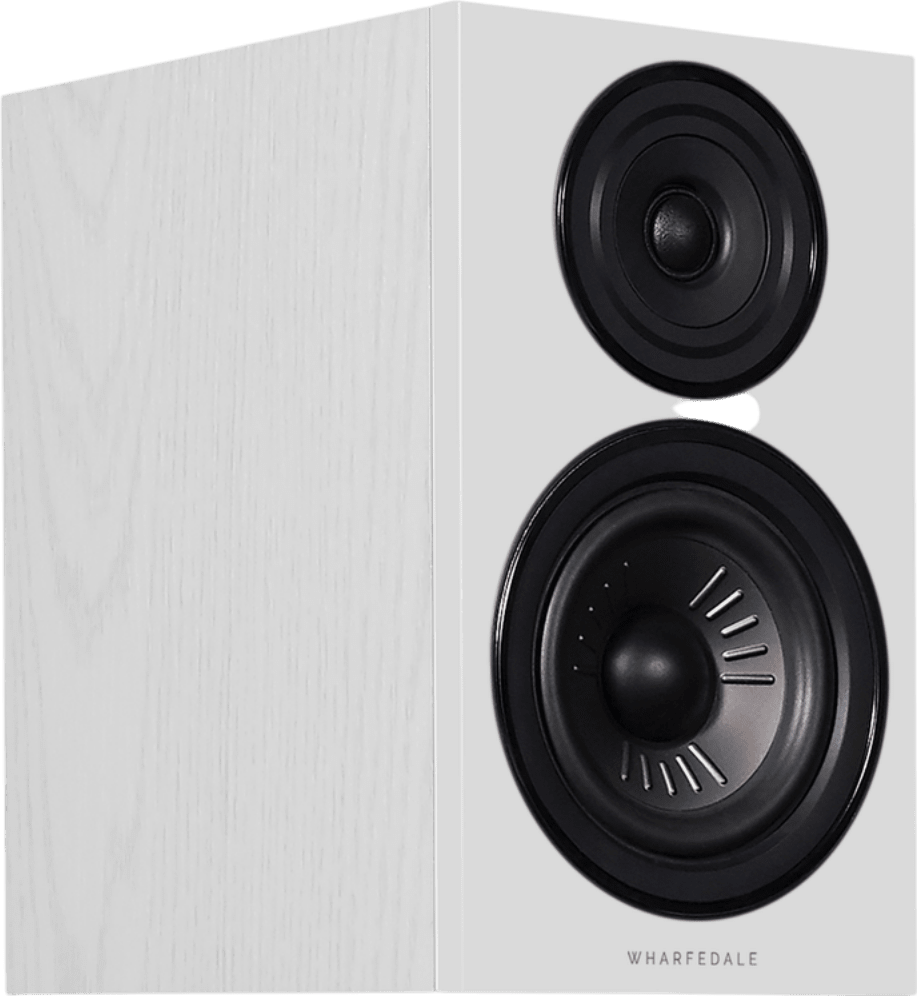
Wharfedale's Diamond 12.2 is a bookshelf speaker with a 6.5-inch bass driver, made for larger rooms and more powerful two-channel systems. Reviewers single out its deep, tight bass.


New here? ExtremeHiFi is a free hifi encyclopedia: reviews, prices and used listings. We don’t sell anything.
Summary
Wharfedale's Diamond 12.2 is a bookshelf speaker with a 6.5-inch bass driver, made for larger rooms and more powerful two-channel systems. Reviewers single out its deep, tight bass.
What reviewers love
The Wharfedale Diamond 12.2 speakers are a great option because they are well-built and sound great. If you want speakers that can handle any kind of music, these could be a good pick.
Product Strengths
- Well-built with solid cabinet construction and computer-optimized bracing that minimizes cabinet resonance
- Balanced and composed sound, with nice detail on the top end, accurate midrange, and tight bass
- Good imaging with focused placement of instruments and a 3D effect soundstage
- More dynamic sound compared to previous Diamond models, with a faster, more agile presentation
- Good at handling power at quiet, medium, and fairly loud listening levels
Product Considerations
- May sound a little cold and lack warmth in the upper bass and low mids for some listeners
- The treble can be a bit harsh and fatiguing for some listeners
- Soundstage isn't very wide
- Can be too directional and lacking warmth sometimes
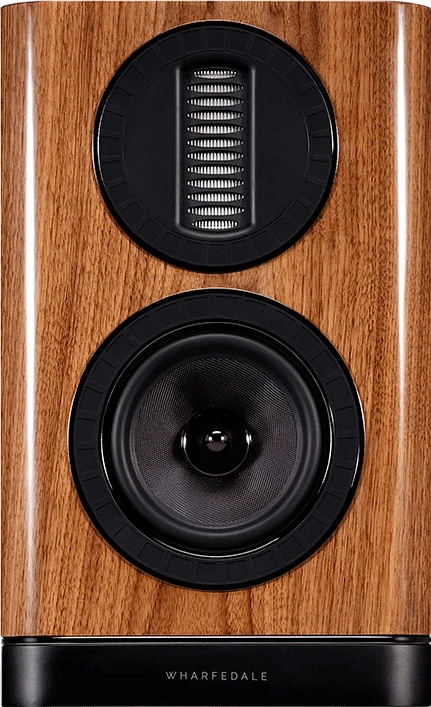
- The black drivers and supplied black grille may look incongruous with the white/light oak finish
Comparisons (according to reviewers)
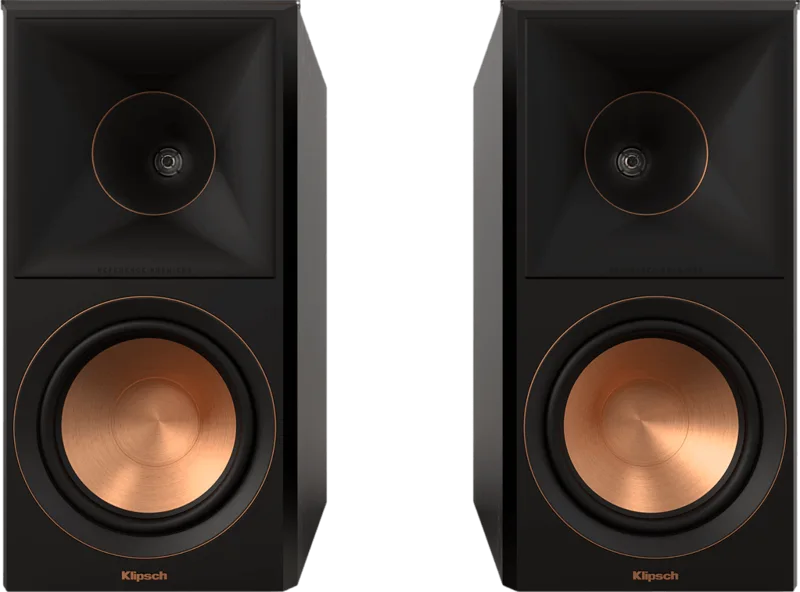
- Vs Klipsch RP600M: Fuller and sweeter presentation, better acoustic quality, and more resonance, but the 600M is more forward, immediate—and exciting
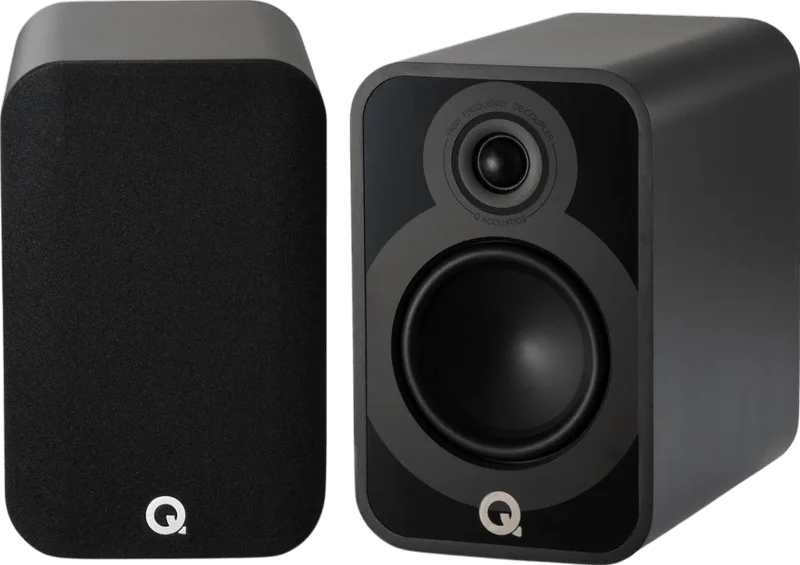
- Vs Q Acoustics 3030i: More open, with much more scale and air between instruments, and is more propulsive
- Vs Bowers & Wilkins 607 S2 Anniversary Edition: The 607 S2 is brighter, airier, more spacious, and open sounding, whereas darker
Takeaway: The Wharfedale Diamond 12.2 speakers are a great option because they are well-built and sound great. If you want speakers that can handle any kind of music, these could be a good pick.
Written reviews0
Awards0

Bookshelf, floorstanding, in-wall, and powered speakers, compared on the specs that matter in a real room: bass extension, sensitivity, and tweeter type.
Buying tips that apply to the Diamond 12.2
- Get placement right before anything else. Pulling speakers 2–3 feet (60–90 cm) from the wall behind them tames boomy bass; the listening seat should sit at the third point of an equilateral triangle, with toe-in adjusted to set the width of the image.
- Match speaker size to the room. Large towers in a small room often sound bloated, and nearfield listening at a desk favors small two-way designs.
- Each 3 dB of extra sensitivity halves the power needed for the same volume. For moderate listening levels, speakers rated 90 dB or more allow a smaller, cheaper amp.
- Treat the room before spending more on speakers. Bass traps in the corners and absorption at the first reflection points often do more than a step up in speakers.
- Used speakers lose value quickly, so two- or three-year-old models from established brands often sell well below their new price.
- Three-way designs free the midrange driver from bass duty, which can lower distortion in voices, though a well-designed two-way can image just as precisely.
- Tweeter dispersion matters more than its frequency response. Wide dispersion gives a bigger sweet spot but lights up more room reflections; controlled directivity suits lively rooms.
- Open-plan rooms lose bass. If the room opens onto other spaces, budget for a subwoofer instead of bigger main speakers.
- Audition with familiar music. Voicing varies a lot between brands, and a pair that excites on rock can grow tiring on strings.
- Many brands put their flagship tweeter into smaller models. A bookshelf speaker from a brand's top range often beats a cheaper tower in a small room.
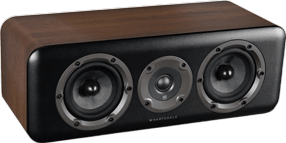
Diamond 12.2 photos

Features and specs
Specs
- General description: 2-way bookshelf speaker
- Enclosure type: bass reflex
- Bass driver: 6.5"(150mm) advanced PP Cone
- Treble driver: 1"(25mm) Textile Dome
- AV shield: No
- Sensitivity: 88dB
- Recommended amplifier power: 20-120W
- Peak SPL: 96dB
- Nominal impedance: 8Ω
- Minimum impedance: 4.0Ω
- Frequency response(+/-3dB): 50Hz ~ 20kHz
- Bass extension(-6dB): 43Hz
- Crossover frequency: 2.0kHz
- Cabinet Volume: 11.8L
- Dimensions (H x W x D): 335 x 200 x (285+28) mm
- Net weight: 8.2kg/pcs
Manufacturer's description


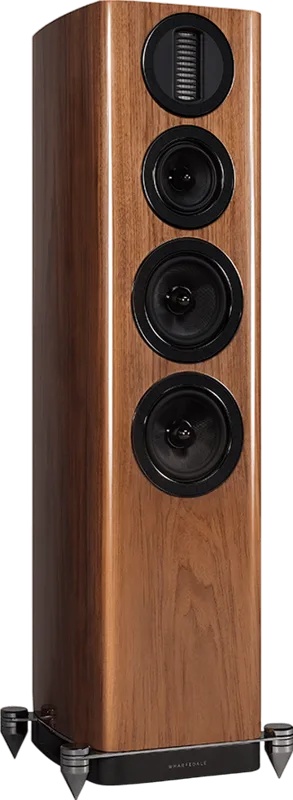
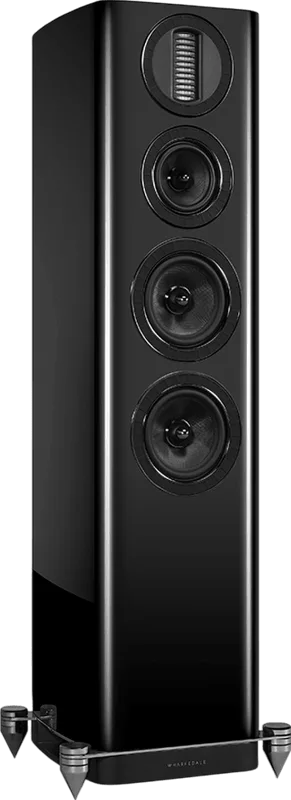

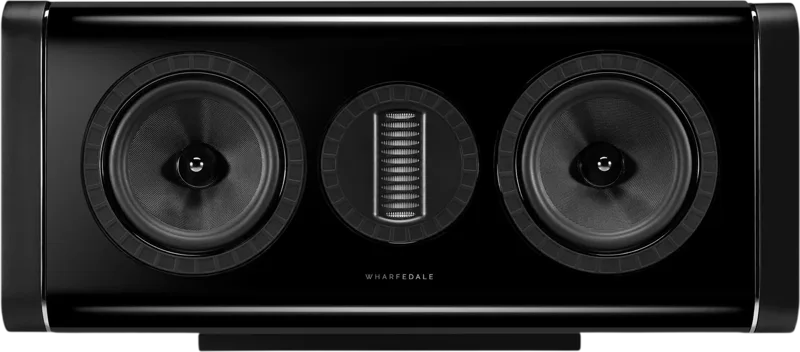


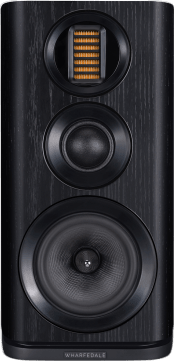






All used Wharfedale


Where to buy the Diamond 12.2210 dealers
About Wharfedale
Wharfedale is a British speaker maker, founded in 1932 by Gilbert Arthur Briggs. Its Heritage Series recreates famous models from its past, such as the Linton Heritage and Denton 85, rebuilt with modern materials in real wood veneer. Technology from the flagship Elysian series, including AMT tweeters and slot-loaded bass ports, carries down into the Aura and Evo4 ranges. The speakers are voiced to sit fairly close to a wall, which suits smaller rooms, and reviewers hear a warm, easygoing sound. The Evo4.2 is on our Best Bookshelf Speakers list.
Brand highlights
- Drawing from its flagship Elysian series, Wharfedale incorporates trickle-down technology such as AMT tweeters, heavily braced curved cabinets, and slot-loaded bottom ports to deliver a high-end experience at a more accessible price point.
- The brand's loudspeakers are designed with a focus on creating a seamless integration between all components and the surrounding system, allowing the strengths and weaknesses of the amplifier to be more easily discerned.
- Wharfedale speakers offer versatility by being voiced with the intention to be positioned relatively close to the wall, providing set-up flexibility that caters to a variety of listening environments, particularly smaller rooms.
- They provide excellent value by producing an easy-to-enjoy, musical sound in part due to their wide baffle design that captures warmth and delivers an immersive, full sound without being overly analytical.