Blade Two Meta
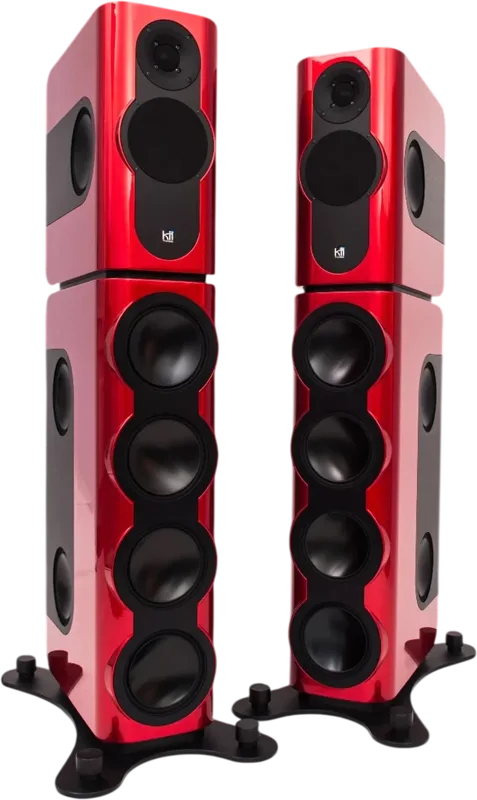
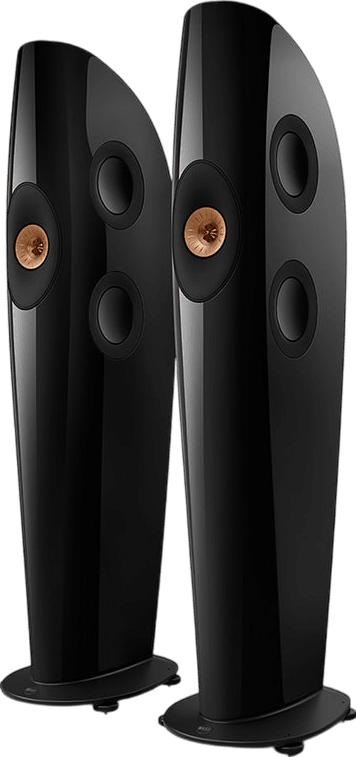
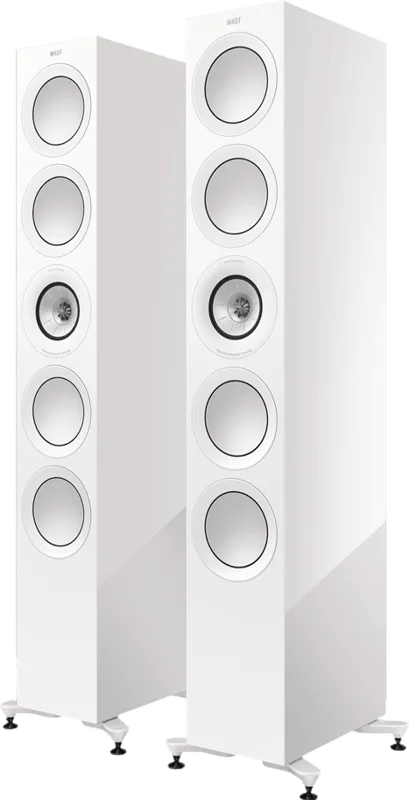
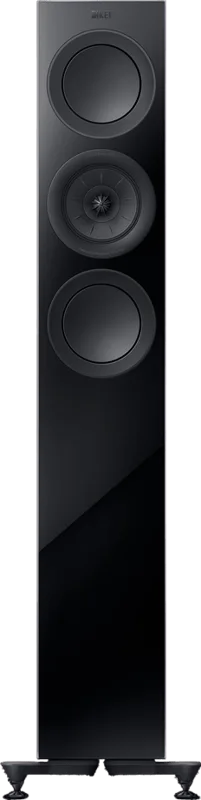
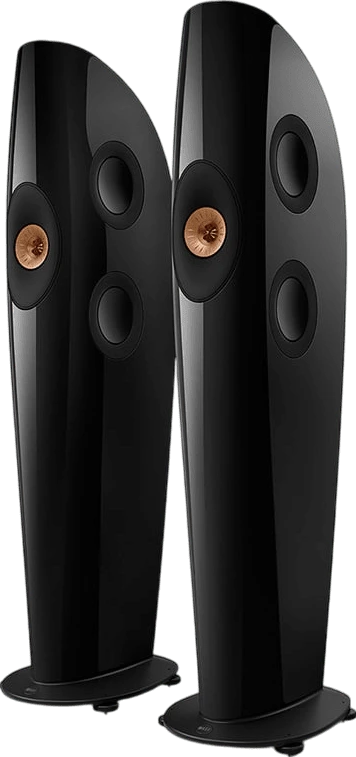
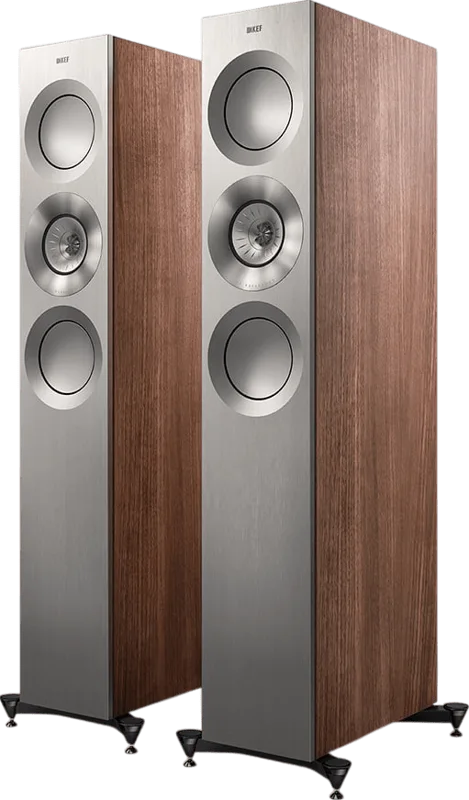
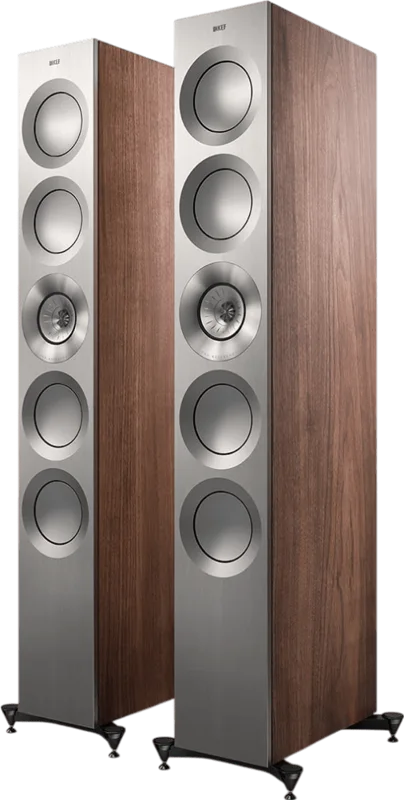
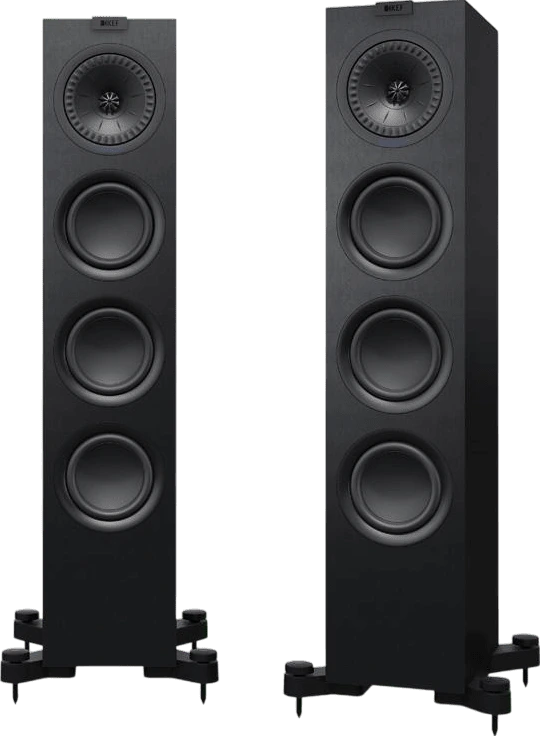
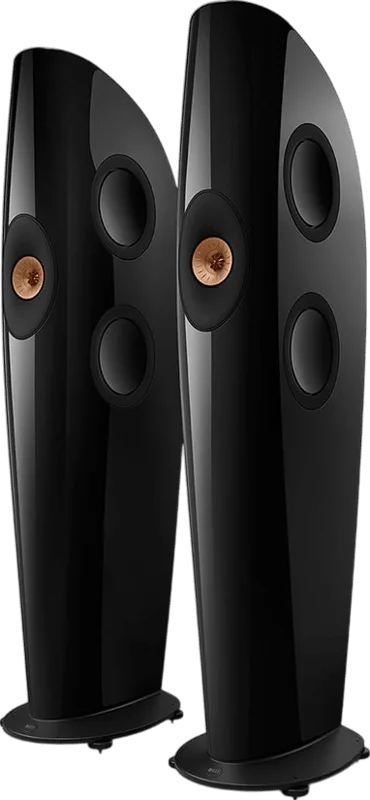
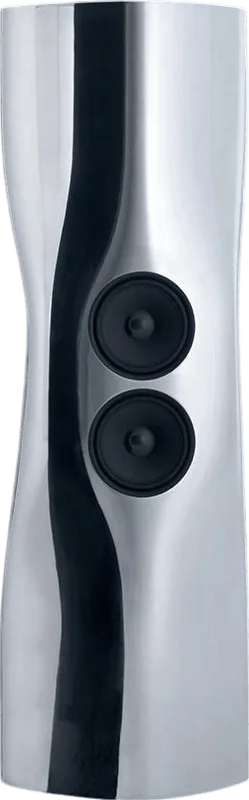
KEF's Blade Two Meta is a floorstanding speaker with four 6.5-inch bass drivers and bass reaching down to 31Hz to 40Hz. Reviewers agree it delivers a wide, cohesive soundstage and imaging.
New here? ExtremeHiFi is a free hifi encyclopedia: reviews, prices and used listings. We don’t sell anything.
Summary
KEF's Blade Two Meta is a floorstanding speaker with four 6.5-inch bass drivers and bass reaching down to 31Hz to 40Hz. Reviewers agree it delivers a wide, cohesive soundstage and imaging.
What reviewers love
The KEF Blade Two Meta are stunning speakers that transport you into the recording, offering amazing design and sound. If you want a speaker that blends into the environment while delivering amazing sound quality, these are worth considering.
Product Strengths
- Exceptional sound quality with objective measurements and impressive soundstage
- Incredible on-axis linearity and top-notch off-axis performance
- Rounded baffle eliminates diffraction issues
- Coaxial design and point source capabilities provide a very consistent radiation pattern both horizontally and vertically
- Sleek design and customizable colors
Product Considerations
- Bass response can be a little light for those wanting a full bass capable of handling modern electronica
- Sensitivity is only 86dB, requiring a powerful amplifier to reach its full potential
Comparisons (according to reviewers)
- Meta MAT behind the Uni-Q does a spectacular job in clarifying the treble and midrange to new levels compared to the original Blade Two
Takeaway: The KEF Blade Two Meta are stunning speakers that transport you into the recording, offering amazing design and sound. If you want a speaker that blends into the environment while delivering amazing sound quality, these are worth considering.
Written reviews0
Awards0

Bookshelf, floorstanding, in-wall, and powered speakers, compared on the specs that matter in a real room: bass extension, sensitivity, and tweeter type.
Buying tips that apply to the Blade Two Meta
- Get placement right before anything else. Pulling speakers 2–3 feet (60–90 cm) from the wall behind them tames boomy bass; the listening seat should sit at the third point of an equilateral triangle, with toe-in adjusted to set the width of the image.
- Match speaker size to the room. Large towers in a small room often sound bloated, and nearfield listening at a desk favors small two-way designs.
- Each 3 dB of extra sensitivity halves the power needed for the same volume. For moderate listening levels, speakers rated 90 dB or more allow a smaller, cheaper amp.
- Treat the room before spending more on speakers. Bass traps in the corners and absorption at the first reflection points often do more than a step up in speakers.
- Used speakers lose value quickly, so two- or three-year-old models from established brands often sell well below their new price.
- Three-way designs free the midrange driver from bass duty, which can lower distortion in voices, though a well-designed two-way can image just as precisely.
- Tweeter dispersion matters more than its frequency response. Wide dispersion gives a bigger sweet spot but lights up more room reflections; controlled directivity suits lively rooms.
- Open-plan rooms lose bass. If the room opens onto other spaces, budget for a subwoofer instead of bigger main speakers.
- Audition with familiar music. Voicing varies a lot between brands, and a pair that excites on rock can grow tiring on strings.
- Many brands put their flagship tweeter into smaller models. A bookshelf speaker from a brand's top range often beats a cheaper tower in a small room.
Features and specs
Specs
- Design: Three-way bass reflex Single apparent source
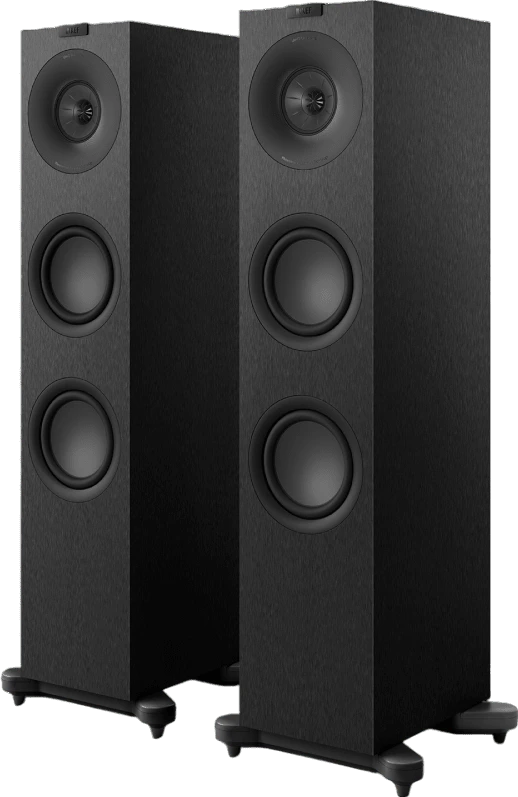
- Drive units: Uni-Q driver array: HF: 25 mm (1 in.) aluminium dome with MAT, MF: 125 mm (5 in.) aluminium cone, Bass units: LF: 4 x 165 mm (6.5 in.) aluminium cone, force cancelling
- Frequency range free field (-6dB): 30Hz -45kHz
- Frequency range typical in room bass response (-6dB): 25Hz
- Frequency response (±3dB): 33Hz - 35kHz
- Crossover frequency: 450 Hz, 2.2k Hz
- Amplifier requirements: 50-400W
- Sensitivity (2.83V/1m): 86dB
- Harmonic distortion 2nd and 3rd harmonics (90dB, 1m): <0.5% 40Hz - 100kHz, <0.2% 200Hz - 2kHz, <0.1% 2kHz - 20kHz
- Maximum output: 116dB SPL
- Impedance: 4 Ω (min. 3.2 Ω)
- Weight: 35.5kg (77.8 lbs.)
- Dimensions - with plinth (H x W x D): 1461 x 338 x 475 mm (57.5 x 13.3 x 18.7 in.)
Manufacturer's description
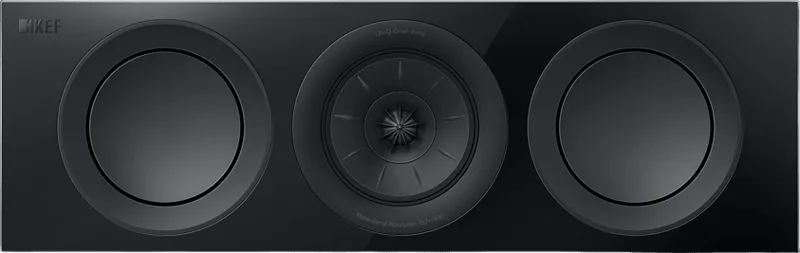
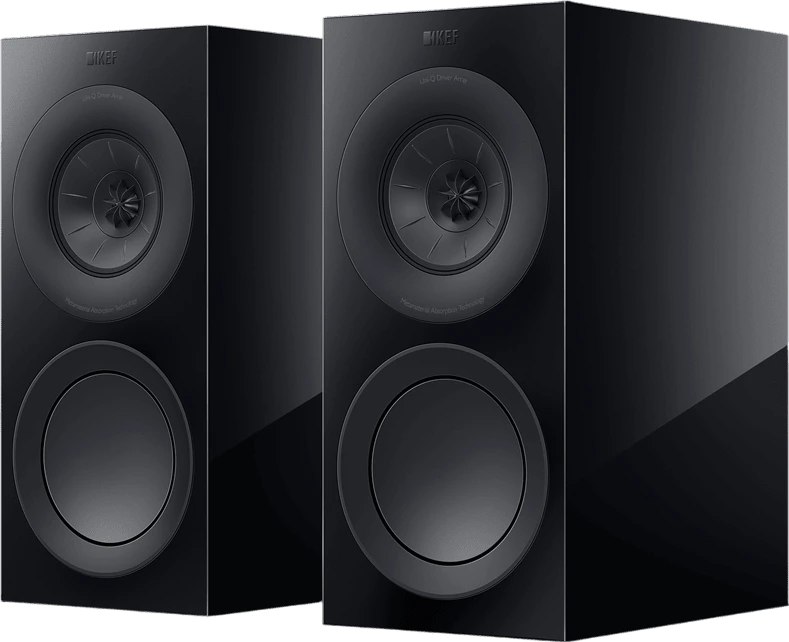
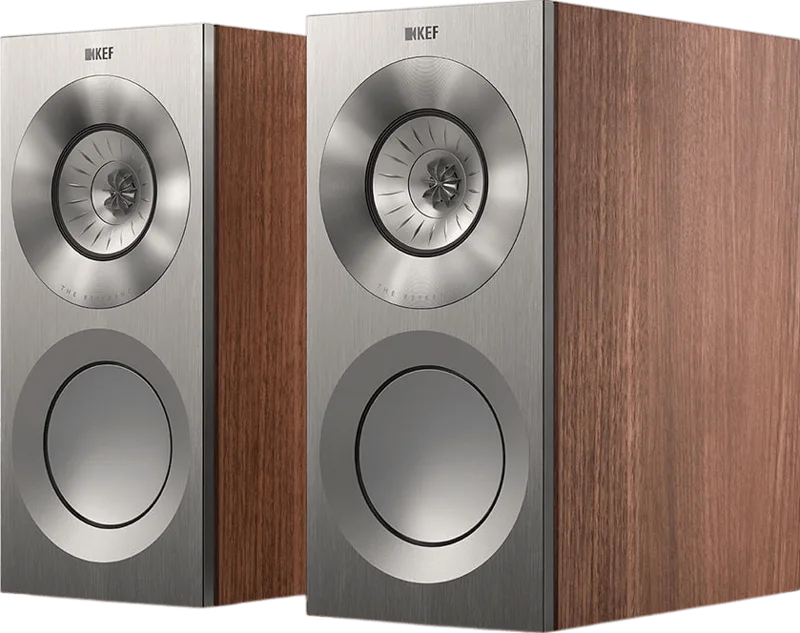
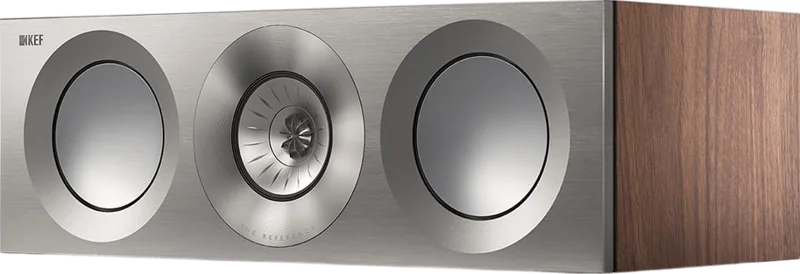
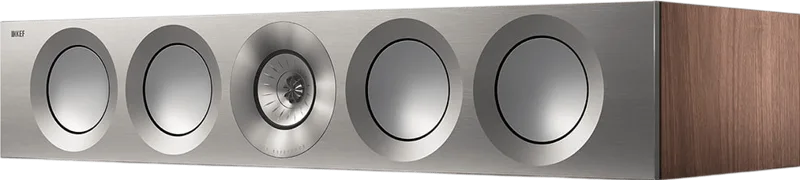
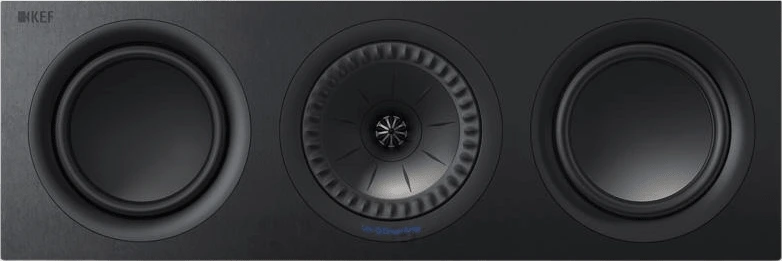
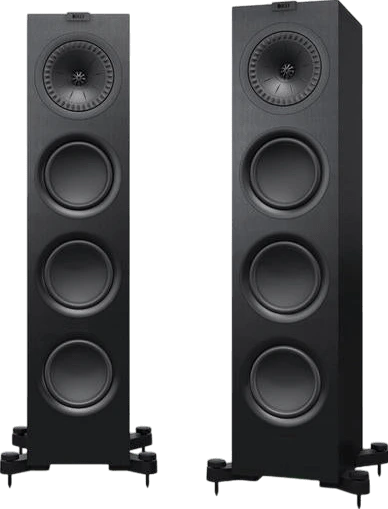
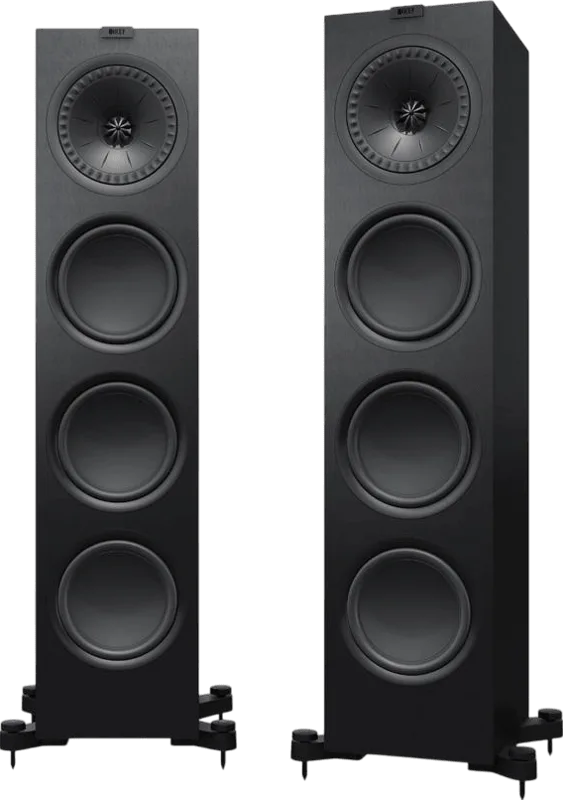
Sharing the same DNA as Blade One Meta, Blade Two Meta offers all the acoustic prowess and iconic design on a slightly smaller scale. Blade Two Meta features Single Apparent Source technology with four 165mm (6.5 in.) force-cancelling bass drivers and 12th generation Uni-Q® driver array with MAT™.
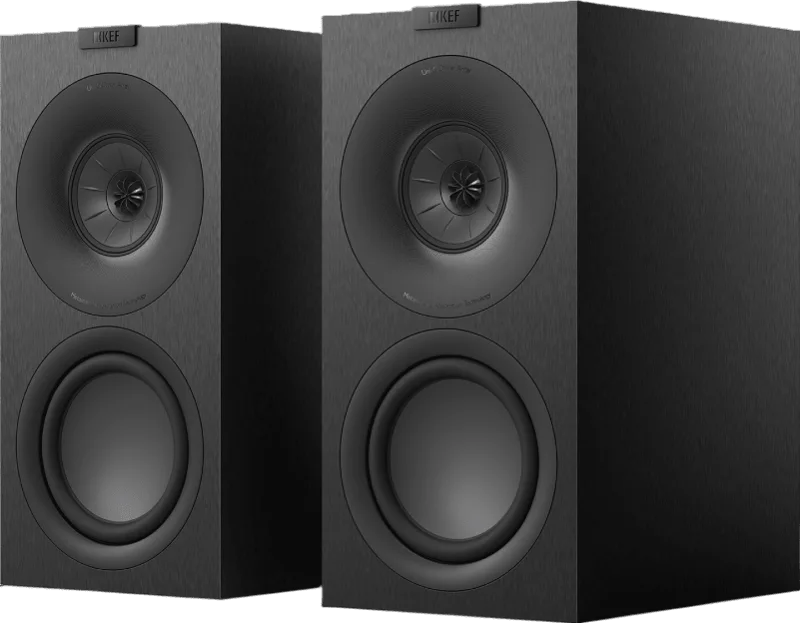
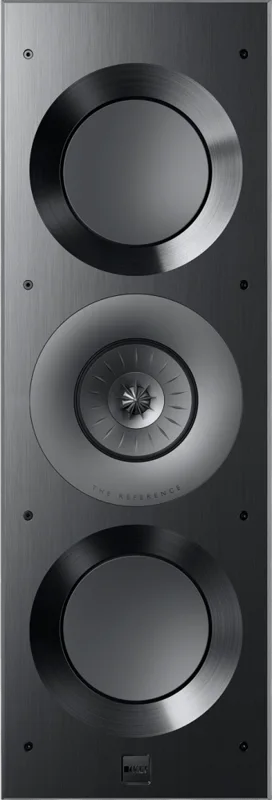
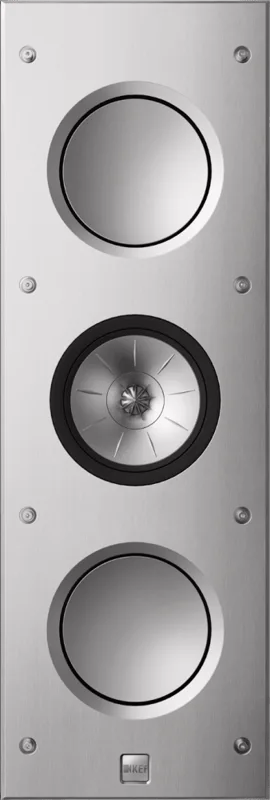
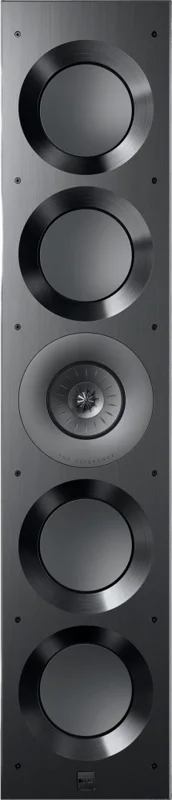

All used KEF
Where to buy the Blade Two Meta313 dealers
About KEF
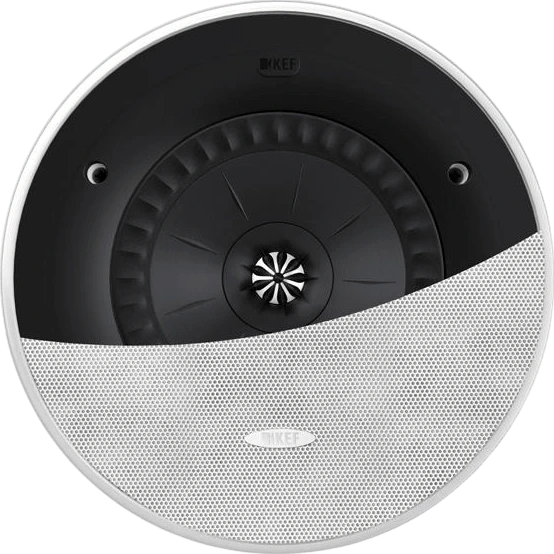
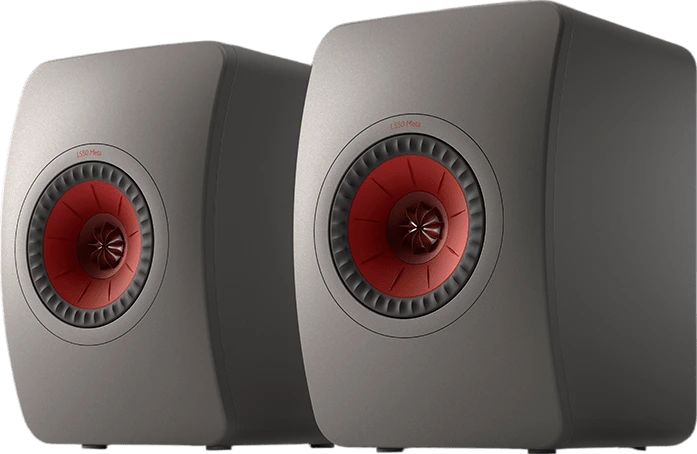
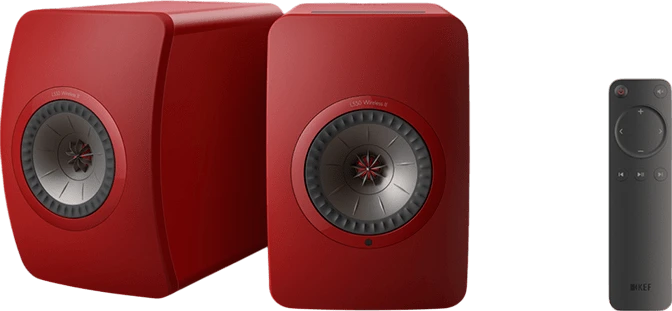
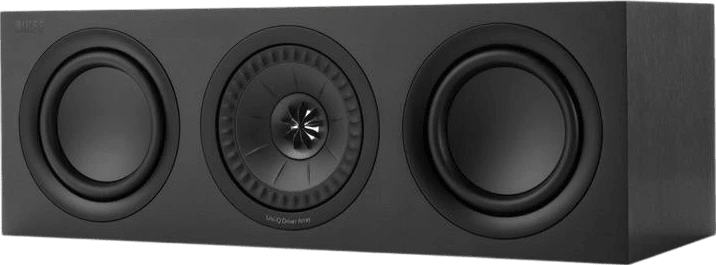
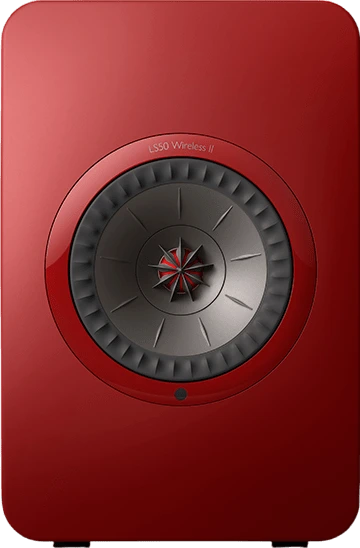
KEF's idea is the Uni-Q driver, which puts the tweeter in the center of the woofer so every frequency leaves from the same point and the stereo image holds together. The British company, founded in 1961 by former BBC engineer Raymond Cooke, builds almost its whole range around it. Recent models add Metamaterial Absorption Technology, a maze-like structure that absorbs the sound coming off the back of the driver, and the LS50 Wireless II and LS60 Wireless put Uni-Q in a powered cabinet with streaming built in.
Brand highlights
- KEF's designs prioritize a "Single Apparent Source" through coaxial driver technology, aiming for a coherent soundstage where frequencies appear to originate from a single point, enhancing realism and spatial accuracy.
- The brand incorporates "Metamaterial Absorption Technology (MAT)" into its drivers, utilizing a maze-like structure to absorb unwanted sound waves from the rear of the driver, resulting in cleaner and more defined output.
- They offer a wide range of streaming and connectivity options, with their powered loudspeakers responding to the proprietary KEF Connect app, which delivers multiple streaming services and facilitates setup and customization.
- KEF frequently collaborates with renowned industrial designers to create visually striking products that seamlessly blend into modern living spaces, balancing aesthetic appeal with acoustic performance.