New here? ExtremeHiFi is a free hifi encyclopedia: reviews, prices and used listings. We don’t sell anything.
Summary
What reviewers love
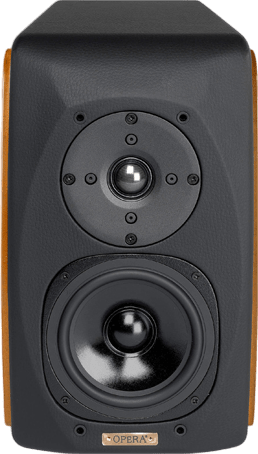
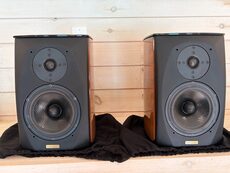
The Mezza speakers offer a blend of Italian style and balanced sound, making them an attractive option for those who appreciate design and a refined listening experience. They are steady and pleasing to the ear and can be a good fit for someone looking for a more elegant and subtle audio experience.
Product Strengths
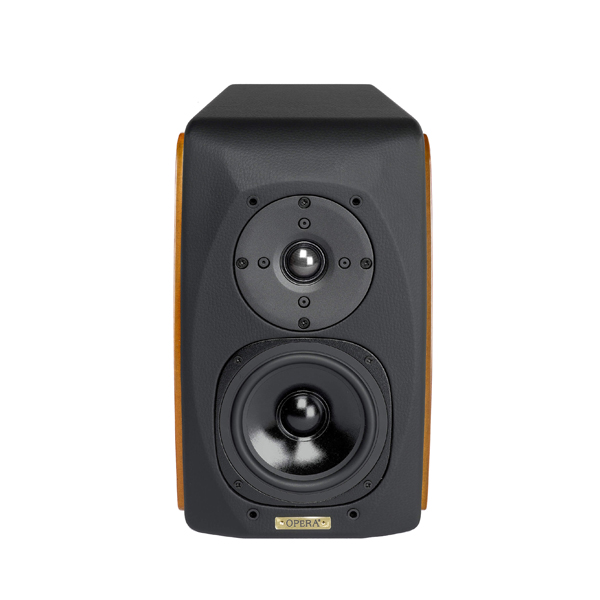
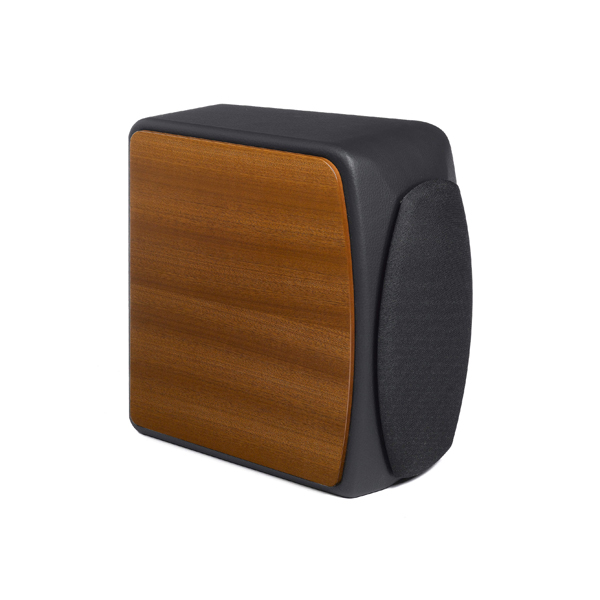
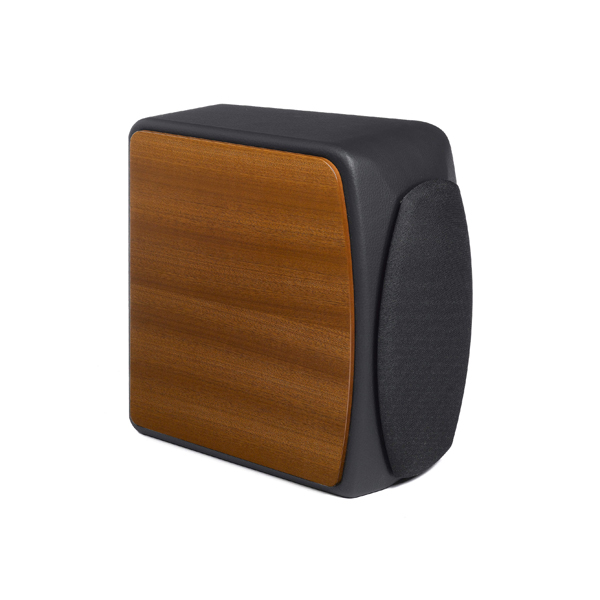
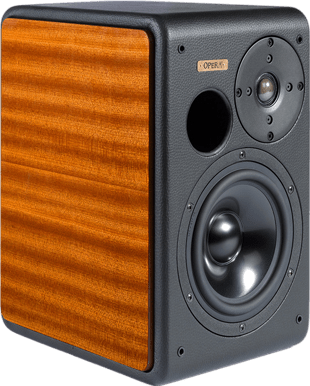
- Smart appearance and finish with a classy, attractive design and solid, sturdy veneered cabinet
- Balanced, unified, smooth, and sweet midrange sound
- Good detail and well-defined bass
- Superior neutrality and smoothness
- Surprising bass weight considering its small size
Product Considerations
- Timing could be a touch better, lacking sonic assertiveness
- Low frequencies lack authority
- Limited dynamic expression and excitement, delivery is matter-of-fact
- Top end might be a little too strong for some tastes and systems
- Focus could be tighter, and some lack of overall coherence
Comparisons (according to reviewers)
- Mezza does not look as showy compared to KEF.
Takeaway: The Mezza speakers offer a blend of Italian style and balanced sound, making them an attractive option for those who appreciate design and a refined listening experience. They are steady and pleasing to the ear and can be a good fit for someone looking for a more elegant and subtle audio experience.
Written reviews0
Awards0

Bookshelf, floorstanding, in-wall, and powered speakers, compared on the specs that matter in a real room: bass extension, sensitivity, and tweeter type.
Buying tips that apply to the Mezza
- Get placement right before anything else. Pulling speakers 2–3 feet (60–90 cm) from the wall behind them tames boomy bass; the listening seat should sit at the third point of an equilateral triangle, with toe-in adjusted to set the width of the image.
- Match speaker size to the room. Large towers in a small room often sound bloated, and nearfield listening at a desk favors small two-way designs.
- Each 3 dB of extra sensitivity halves the power needed for the same volume. For moderate listening levels, speakers rated 90 dB or more allow a smaller, cheaper amp.
- Treat the room before spending more on speakers. Bass traps in the corners and absorption at the first reflection points often do more than a step up in speakers.
- Used speakers lose value quickly, so two- or three-year-old models from established brands often sell well below their new price.
- Three-way designs free the midrange driver from bass duty, which can lower distortion in voices, though a well-designed two-way can image just as precisely.
- Tweeter dispersion matters more than its frequency response. Wide dispersion gives a bigger sweet spot but lights up more room reflections; controlled directivity suits lively rooms.
- Open-plan rooms lose bass. If the room opens onto other spaces, budget for a subwoofer instead of bigger main speakers.
- Audition with familiar music. Voicing varies a lot between brands, and a pair that excites on rock can grow tiring on strings.
- Many brands put their flagship tweeter into smaller models. A bookshelf speaker from a brand's top range often beats a cheaper tower in a small room.
Mezza photos
Features and specs
Specs
- Dimensions: 20 x 32 x 32.5 cm (LxHxD)
- Weight: 16kg
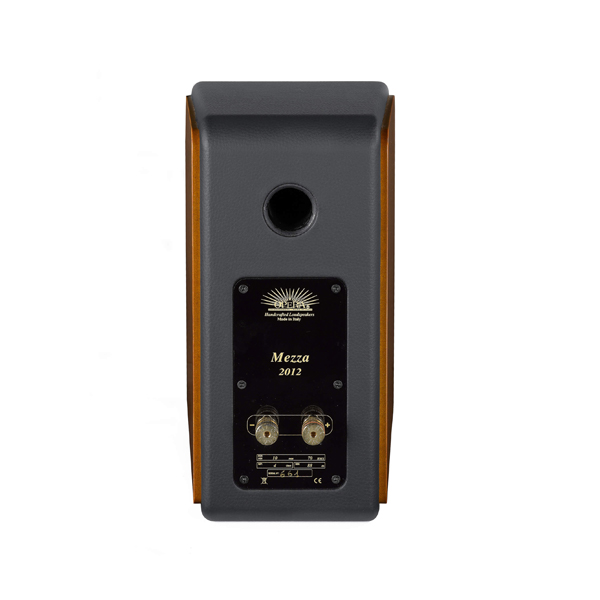
- System: stand or shelf, reflex with back firing duct
- Drivers: 1x5" woofer (Seas), 1x1" dome Tweeter (Scanspeak)
- Number of ways: 2
- Frequency response: 40-25000 Hz
- Crossover frequency: 1850 Hz
- Power: 70 watt RMS
- Amplifier requirement: Starting from 10 Watt RMS or more
- Sensitivity: 88 dB/1watt/1meter
- Nominal Impedance: 4 ohm (Z min > 4 ohm)
Manufacturer's description
Product release timeline
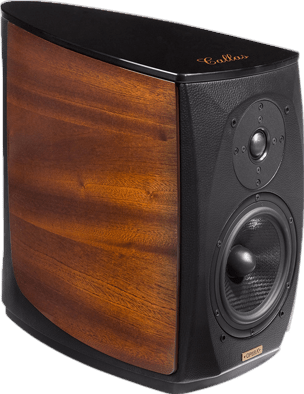
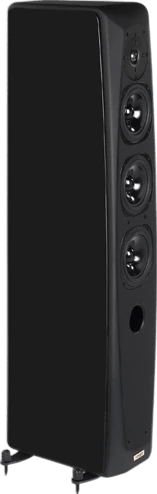
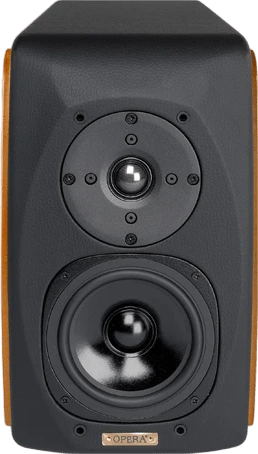
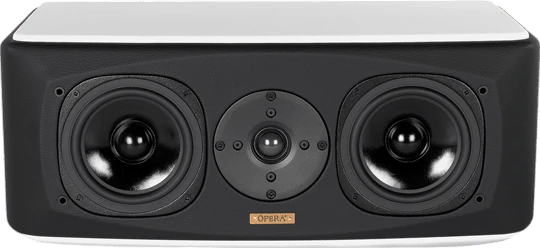
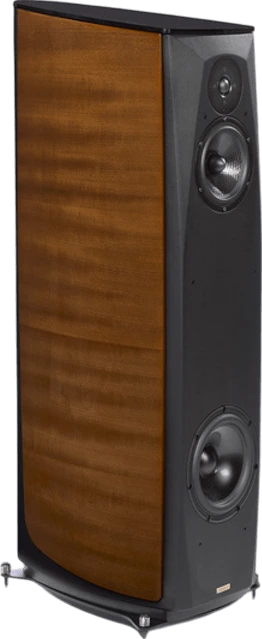

All used Opera Loudspeakers
Where to buy the Mezza20 dealers
About Opera Loudspeakers
Opera Loudspeakers is an Italian speaker maker, founded in 1989. The Nasta family builds every speaker by hand in its Treviso workshop, using woods and leathers from local craftsmen. The aim is speakers that are easy to drive and comfortable to hear for hours. The Linea Classica covers bookshelf, floorstanding and center channel models, and the Callas line is the reference series, topped by the Grand Callas. A special Callas edition comes in coral-red Padouk wood. The Seconda can run as a reflex or a closed box, giving owners a choice of bass loading.
Our interview with Opera Loudspeakers

What makes you different from other brands?
We were started in the 80s by two audiophiles: a furniture maker and an English audiophile who took care of the engineering side of things. This combo permeates: Gorgeous Italian cabinetry and a serene, inviting English sound. Beauty and brawn.
We use third party drivers and cabinetry made specifically for us. Why? We laser focus on what we can uniquely do better than anyone else in hifi: integration, aesthetics, and sonics.
Our speakers are forgiving. They can give you detail and dynamics but will retain that beautiful, warm Italian sound that'll be compatible with poorly recorded tracks.