

.png)
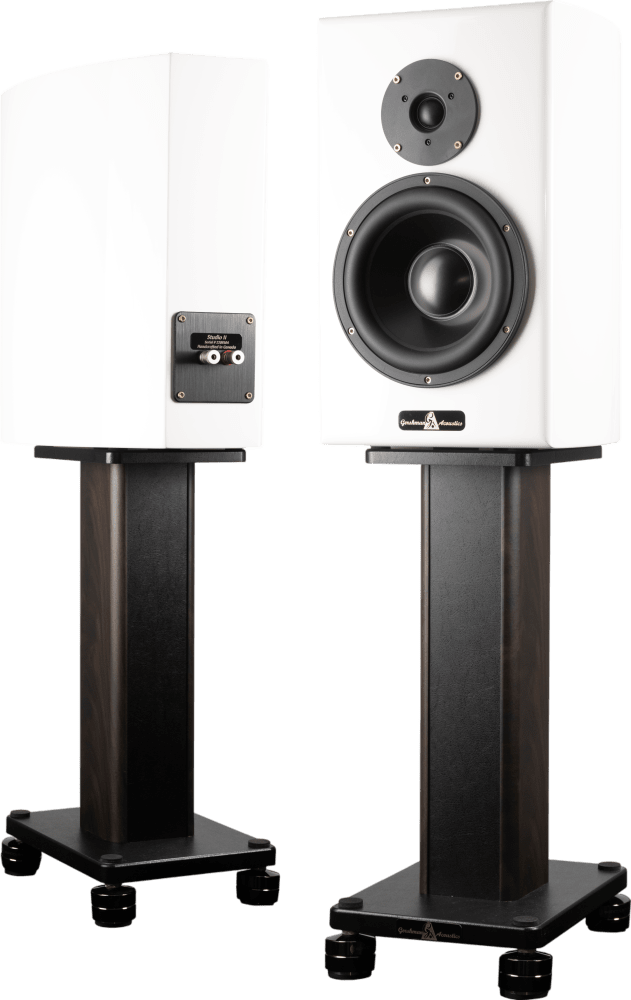


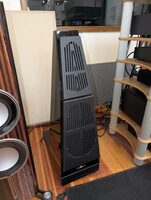
Note that this is a discontinued product. You may want to visit the brand's page here to browse their newer products.
What reviewers think
Bloggers and YouTubers have tried this product—so we've summarized their strongest opinions below. Links to full reviews follow.
Product Strengths
- Full-range sound, impressive bass response, and the ability to pressurize a room, often negating the need for a separate subwoofer
- Smooth, warm, and coherent midrange provides natural and engaging vocals and instruments for long listening sessions without fatigue
- Well-extended treble presents in a naturally smooth, enjoyable, and pleasing manner
- Excellent imaging and soundstage capabilities create a realistic and immersive listening experience
- Sound reproduction makes it a speaker that one can live with
- Connectivity options are available
Product Considerations
- Quality amplification with sufficient power and current is required to achieve optimal performance and control the woofer effectively
- The backplate for bass adjustment uses wood screws, making it easy to strip if not handled carefully
- Placement and setup, especially stand height and toe-in, are crucial for achieving the best high-frequency response, it can sound dull if not optimized
- May not be ideal for listeners who prefer a brighter, more forward sound signature or those who prioritize extreme loudness levels
- Grilles may cause micro-rattling at moderate to loud listening levels due to weaker magnets
Comparisons (according to reviewers)
- Vs Totem Acoustic Manny 2 Signature: The Studio 2 has a more forgiving presentation, denser midrange, and stronger bass
- Vs Klipsch Forte 3: The Studio 2 offers a more natural tone, especially in the midrange and upper bass, along with greater soundstage depth
- Vs Vienna Acoustics Mozart Symphony Editions: The Studio 2 beats them in bass and midrange
- Vs Harbeth (SHL5 and Compact 7 XTs): The Studio 2 cannot be matched by the Harbeth's articulate bass response
- Vs Celestion SL6-S: The Studio 2 has deeper roots in the trunk, and they got high branches and leaves, but they don't go all the way up to the highest branches and leaves at the tippy top
Takeaway:
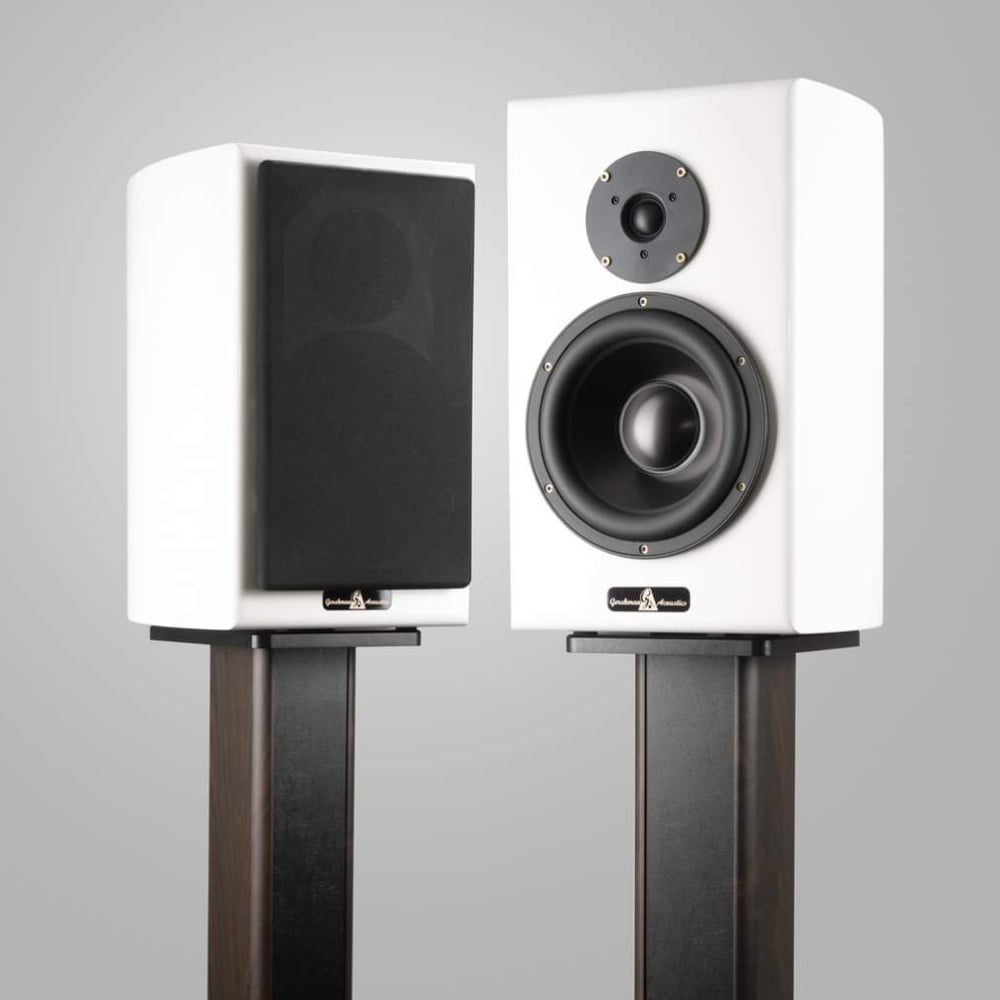
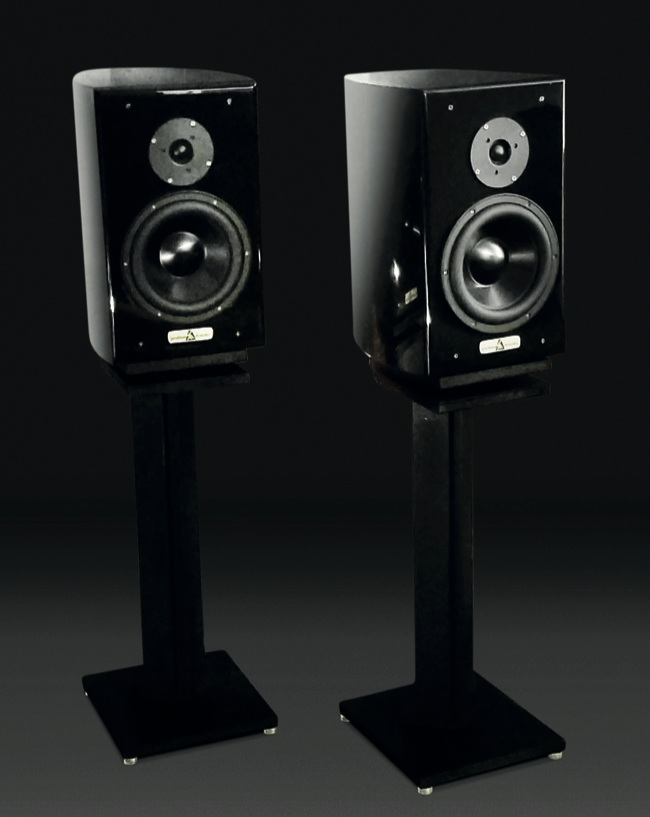
The Studio 2 is a well-built bookshelf speaker that delivers a smooth, full-range sound with surprising bass and clear imaging, making for an engaging listening experience. With the right setup and quality components, these speakers can provide years of musical enjoyment in a variety of room sizes.
All
Studio II
reviews


Manufacturer details
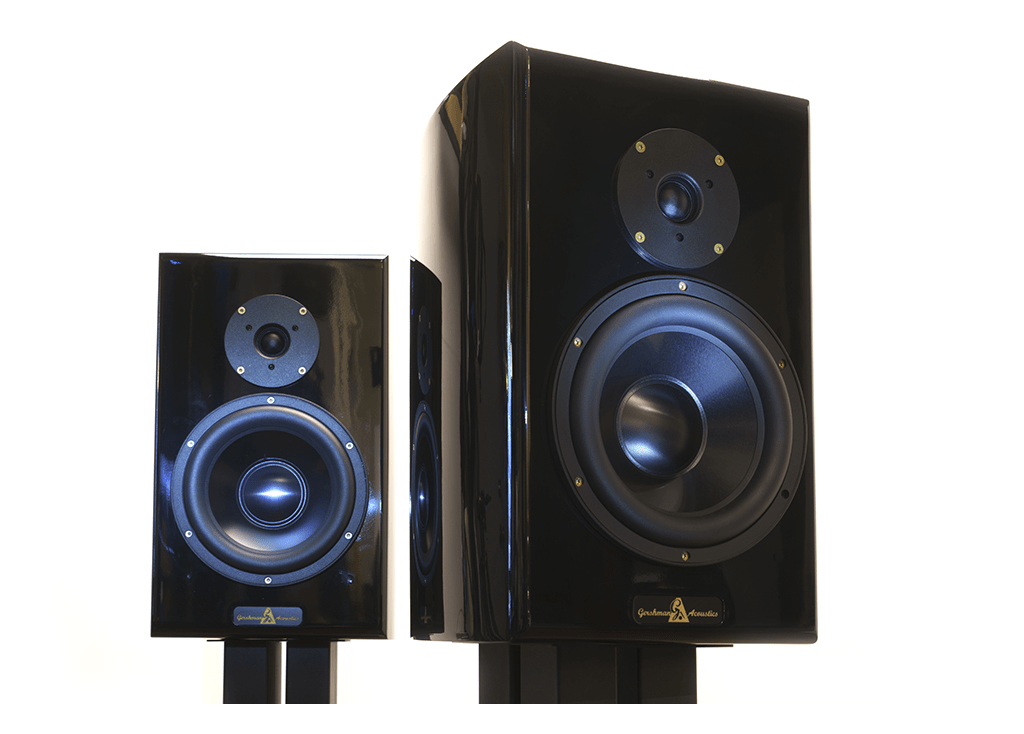
- Frequency response: 28Hz-24 KHz
- Sensitivity: 87 dB
- Impedance: 6 Ohms
- Recommended power: 70w-500w
- Weight: 50 lb
- Height: 17"
- Width: 10"
- Depth: 14"
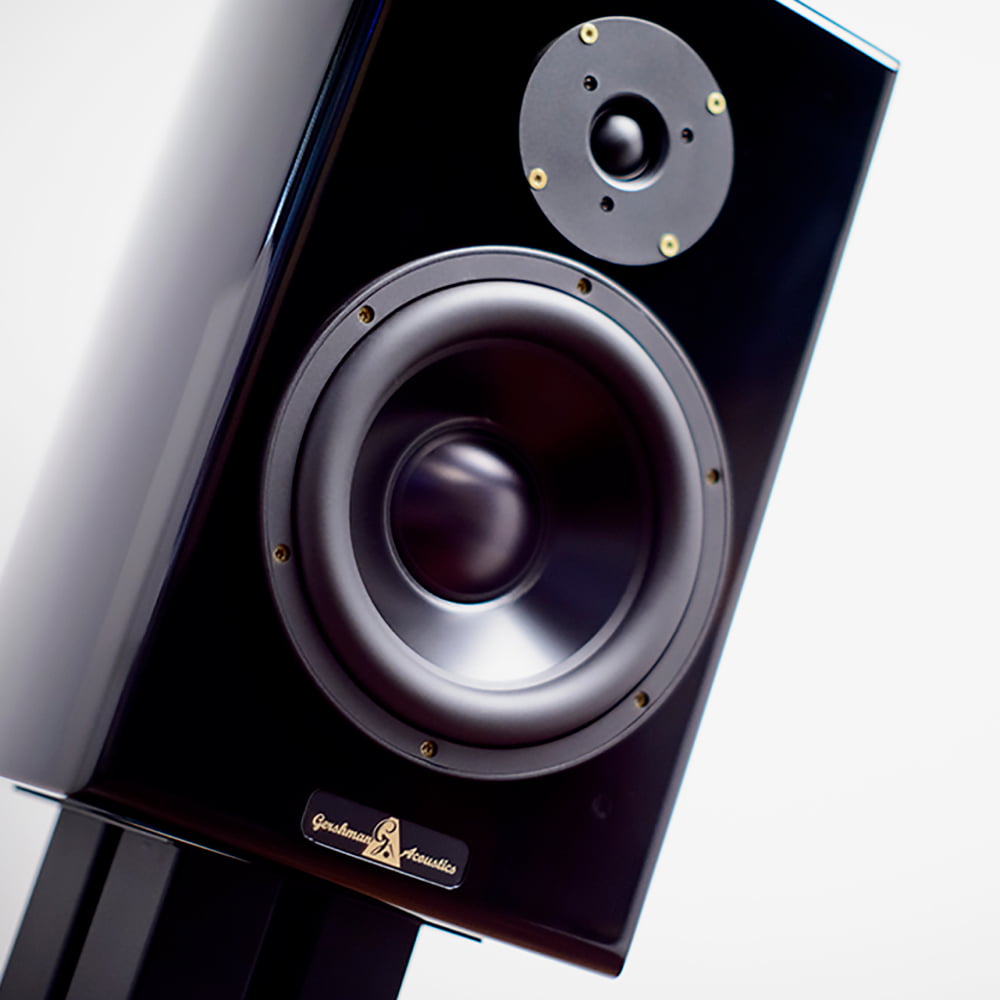
- Woofers: 8"
- Tweeter: 1" soft dome





Brand highlights
Taking a step back to look at reviewers' thoughts of the brand's entire lineup—not just this product—what stands out most is the following:
Select products
Studio II
- Positioning: The entry-level model in the Gershman Acoustics lineup.
- Description: Offers a full-range sound in a compact design, making it ideal for small to medium-sized rooms. Its unique feature is the use of a dual-chamber for the tweeter, which enhances sound clarity and imaging compared to the Studio XdB. This model is perfect for those with a moderate budget who seek high-quality sound without the need for additional subwoofers.
Studio XdB
- Positioning: A mid-range model designed for audiophiles seeking enhanced bass performance.
- Description: Stands out with its patented Bass Trap technology, which extends bass response and reduces resonance, offering deeper bass than the Studio II. This makes it suitable for larger rooms or users who prioritize bass depth.
Black Swan
- Positioning: A high-end model known for its exceptional design and performance.
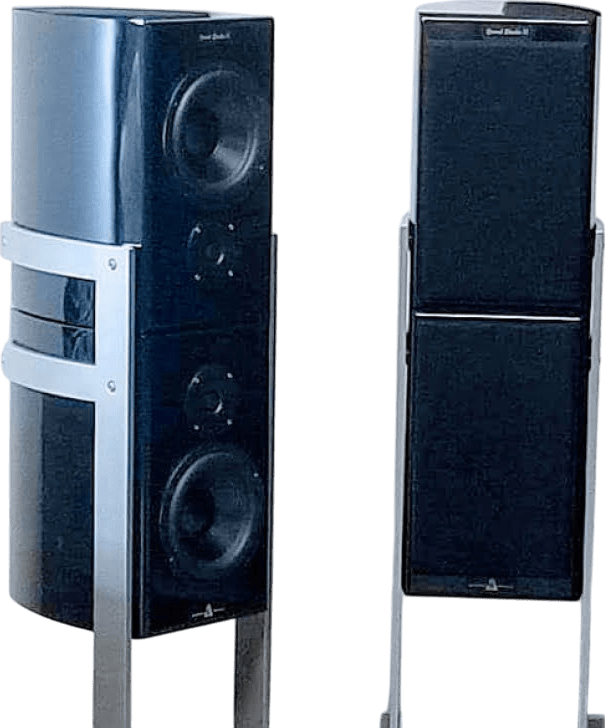
- Description: Uses the SSAS (Separate Sub Alignment System), which isolates the bass from mid and high frequencies, offering clearer sound and better resolution than the Grand Avant Garde.
Posh
- Positioning: The flagship model, representing the pinnacle of Gershman Acoustics' design and technology.
- Description: Features a groundbreaking two-part design with separate enclosures for the midrange and bass, providing unmatched sound separation and detail. It surpasses the Black Swan in build quality and technical sophistication, delivering an unparalleled sound experience.

Our take on the brand
Look inside the brand
Our interview with the brand
What are two key technological innovations or strong opinions that differ you from other brands?
What's your approach to customer support?
What are your favorite tracks for showcasing the strength of your products?
What other products pair best with yours?








What if you spend more?
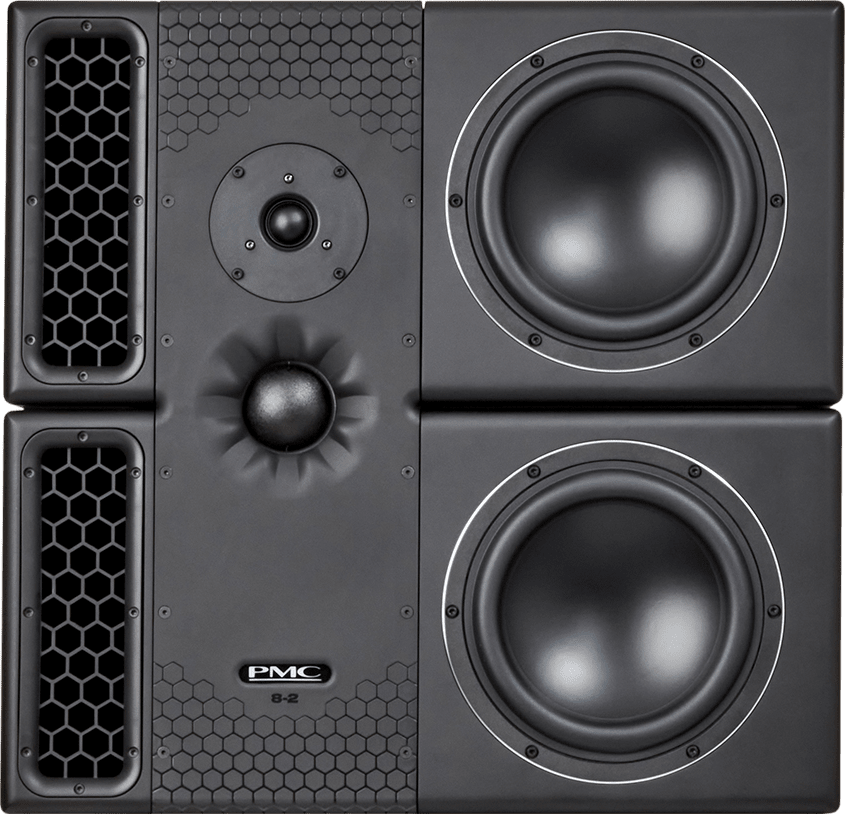


As with any PMC loudspeaker, thanks to its super-consistent dispersion and tonal balance, the PMC8-2 may be simply and seamlessly combined with smaller PMC speakers to create larger multi-channel or immersive systems. The twin bass drivers are partnered with the same PMC55 mid-range tweeter, DSP system and four channels of 400W Class-D amplification used in the PMC6-2. Again, the speaker is configurable directly via the rear panel or using the browser-based SoundAlign™ software from a computer or tablet.
Together with the precisely tuned ATL™ cabinet and hexagonal Laminair™ vents, the PMC8-2 delivers phenomenal performance that approaches that of our Main reference monitors, with smooth and consistent bass response down to 25Hz, a revealing mid-range and wide, stable sound-staging. As with the rest of the range, the PMC8-2's superb definition, fidelity, dynamics and bass accuracy allow mix decisions to be made quickly with complete confidence, and with no listening fatigue even after long sessions.
PMC8-2s can be upgraded through the addition of a PMC8-2 SUB to create an XBD system, enhancing the system's bass headroom by 6dB. Dedicated short and taller floor-stands are available for the PMC8-2 and PMC8-2 XBD systems which position them on the ideal listening axis.
"Active 3-way nearfield reference monitor with ATL™ bass loading Frequency response: 25Hz - 25kHz (- 3dB @1m full space, on-axis) Max. cont. SPL: 113dB @1m (half space value calculated as +3dB from full space measurement. Unweighted input, 20-20kHz Pink Noise (IEC) with 12dB CF for 2 hours AES2-1984 duration) State-of-the-art Class-D amplifiers: HF 400W, MF 400W, LF 2x 400W Analogue / AES3 digital input (16/24-bit, 18 -192kHz sample rate) Digital 'through' output (AES3 24-bit 96kHz SoundAlign™ network control interface for single or group EQ & settings Sophisticated DSP crossover, driver protection, EQ, and delay/polarity options PMC8-2 + PMC8-2 SUB creates PMC8-2 XBD, with up to 6dB of additional headroom Optional dedicated floor stands for PMC8-2 (40") and PMC8-2 XBD (19")"

.svg)
Our summary
Product Strengths
- Unparalleled clarity, definition, and utmost accuracy
- Excellent bass extension and clarity, as well as proper tonal balance at every volume
- Super wide dispersion, and thus a bigger sweet spot
Product Considerations
- It would be overkill in smaller rooms
- A pair is a significant investment, so it makes sense that it's geared toward large, professional recording environments
- They weigh nearly 100 pounds apiece
Takeaway: The PMC 8-2 is a wise investment for professional studios that delivers detailed and accurate monitoring, so it could very well be the only monitor needed It uses proprietary technology to deliver its signature sound
Video review
Our take on the brand
What competes at this price?
Our Summary
Product Strengths
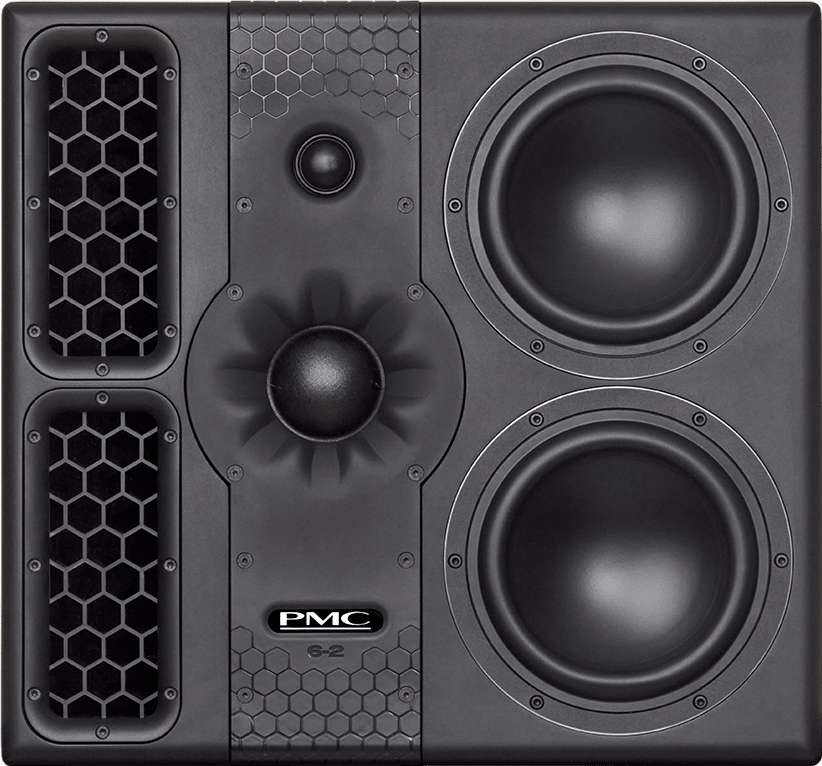
- Extremely clear sound, making them better for mixing and mastering than many other monitors
- Sound like main monitors, offering a large sound footprint not typically found in near-field or mid-field monitors
- Wide bandwidth accuracy and dependability at any volume level
- Midrange performance is particularly notable for realistic, unhyped accuracy, especially on naturally recorded human voices
- Bass performance combines extended bandwidth with great dynamic, pitch, and temporal accuracy
Product Considerations
- Require a significant break-in period
- To get the most out of them, an interface that can connect via AES is needed, as the conversion when using analog is not as transparent
- Correct placement is crucial; at least four and a half feet of distance is needed between the listener and the monitor to be able to get all of the sound that it's trying to give
- SoundAlign software, while useful for EQ adjustments, may introduce unwanted digital artifacts to the sound
- Expensive, these monitors are at the higher end of this sector and share that space with some well-respected designs
Comparisons (according to reviewers)
- Vs ATC SCM25a: The reviewer finds an absence of 'not hearing the box' evident in the 6-2 compared to the ATCs
- Vs Neumann KH310s: The 6-2s outperform them in every respect, sounding much better, with other monitors sounding colored by comparison
- Vs ATC 150s: The reviewer prefers these PMC6-2s over the ATC 150s
Takeaway: The PMC6-2 is a high-performance studio monitor that delivers exceptional clarity and detail. For those seeking accurate and dependable sound at all volumes, these monitors are worth consideration.
Video review
Our take on the brand

Our Summary
Product Strengths
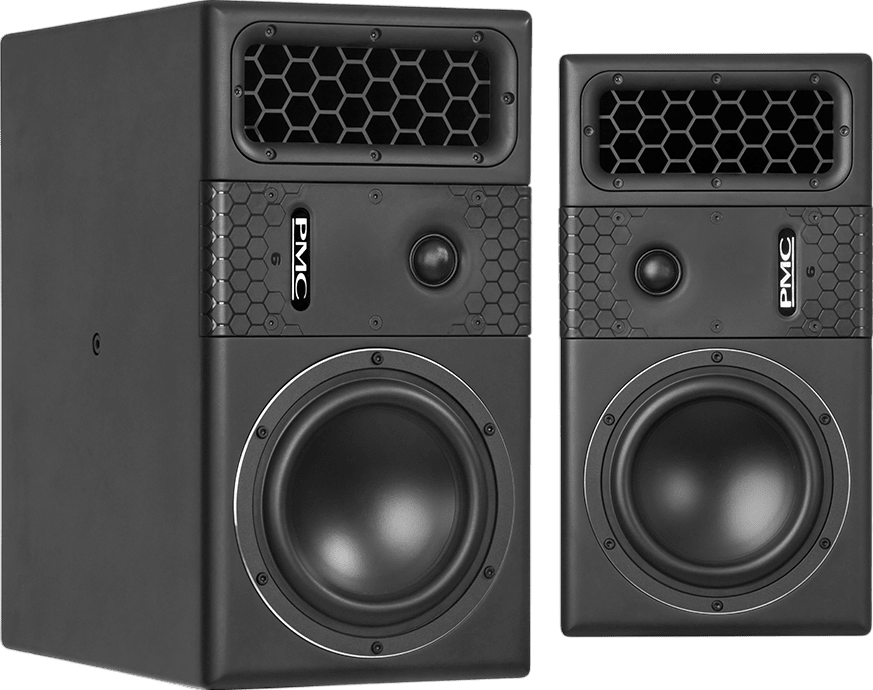
- Detailed and accurate sound reproduction
- Extended bass response due to PMC's Advanced Transmission Line (ATL) technology
- Exceptional stereo imaging allowing for precise mixing and monitoring
- Easy configuration through the SoundAlign web interface, offering versatile adjustments
- Attractive and versatile design suitable for both portrait and landscape orientations
Product Considerations
- Minor dip in the frequency response around 300Hz, potentially due to transmission line harmonics, though it doesn't affect the overall performance
- High mids may be revealing and fatiguing to some users
- Users need to ensure proper network connectivity for using the SoundAlign app
Comparisons (according to reviewers)
- Vs ATC SCM20ASL Pro Mk2, the PMC6 has a stronger low-end, while the ATC offers unmatched clarity and articulation in smaller rooms
- Vs PSI Audio A21-M, the PMC6 is more powerful
- Vs Genelec 8341A, the Genelec has a wider frequency response
Takeaway: The PMC6 is an impressive nearfield monitor that provides trustworthy sound to work on your audio and mixes. It's a valuable studio tool because it allows users to make mix choices with confidence.
Video review
Our take on the brand
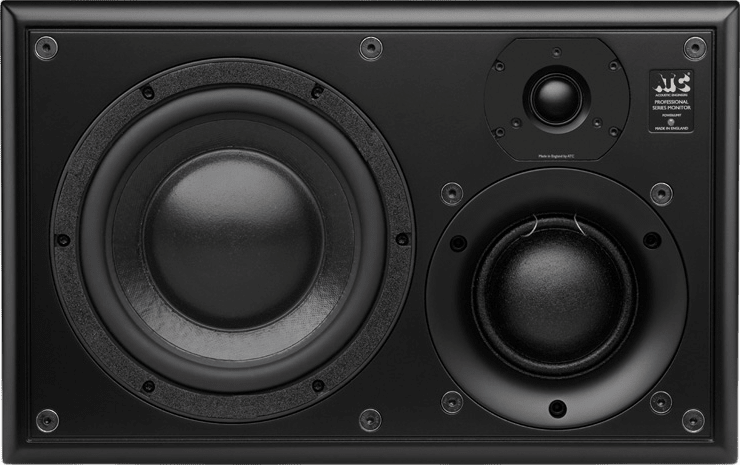

Our Summary
Product Strengths
- Broad dynamic range with extended high frequencies and low distortion
- Precise and detailed high end that is clean and dimensional
- Highly dimensional, reach-out-and-touch-it midrange representation
- Full, firm, and punchy low end
- Tonal consistency is good no matter where you are in the room
Product Considerations
- Requires the purchase of a left and right model
- Low mids may be more forward than some users are accustomed to
- Needs a robust speaker stand due to its weight
- The sweet spot seemed a bit shallower in depth than other monitors produce
Takeaway: The SCM25A is a studio monitor with great clarity that can help make better mixing decisions and identify problem areas in tracks. It's built to provide accurate and trusted counsel, making the technical parts of tone-building quicker.
Video review
Our take on the brand
Questions? Ask the brand's dealers.
How to buy
Speakers
Search all hifi products
Explore our database of 10,000+ new and 25,000+ used hifi products.