Legend L800
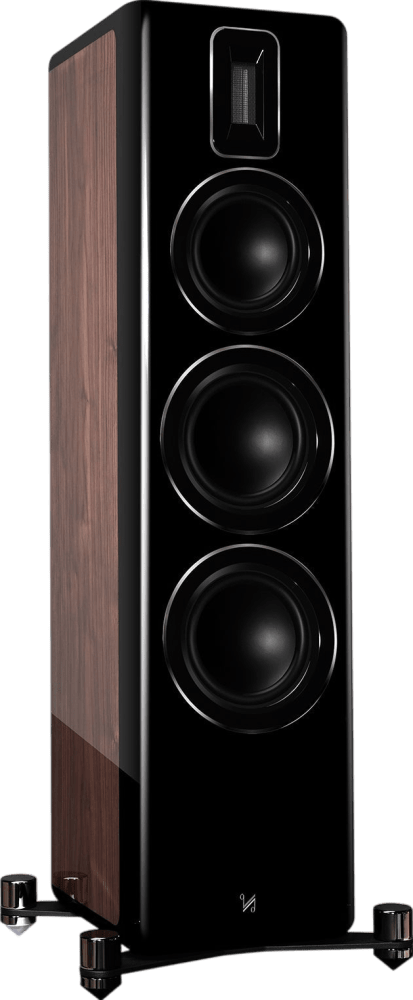
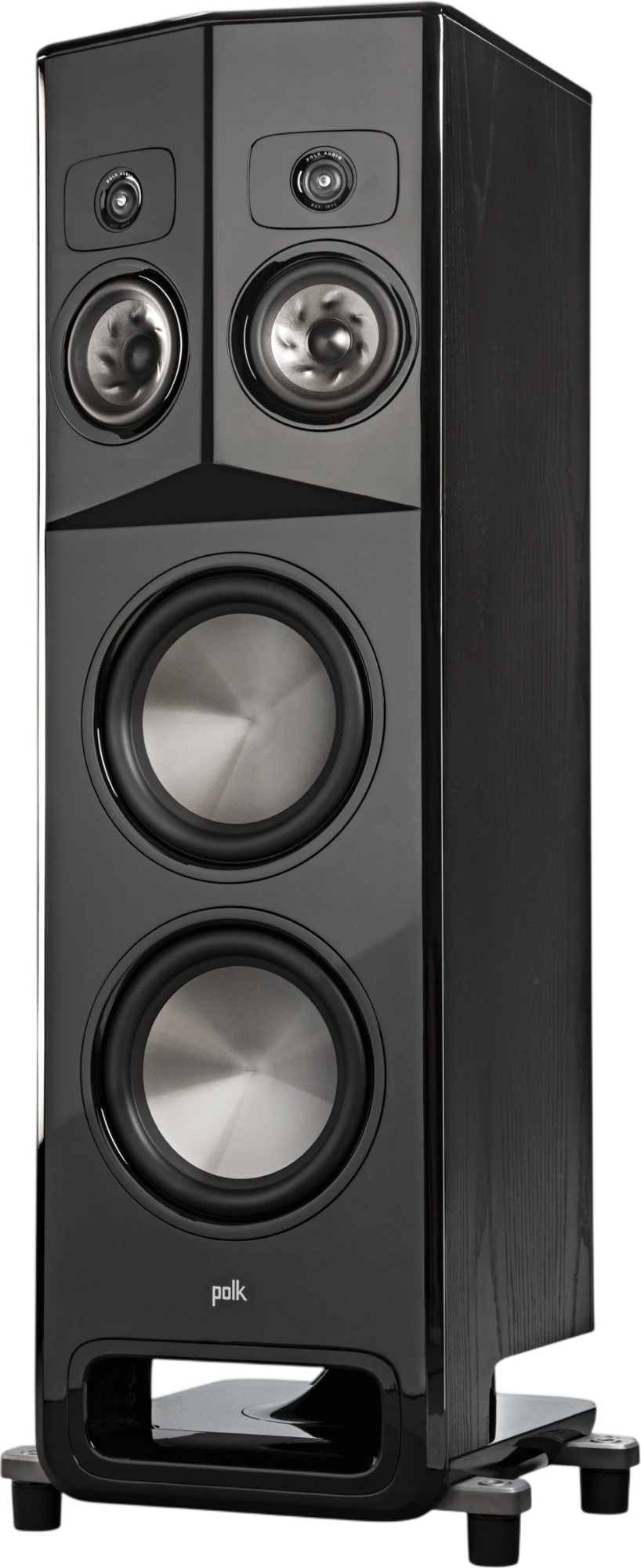
Polk's Legend L800 is a flagship floorstanding speaker with two 10-inch woofers. It is sold individually in left and right versions, so a stereo pair means adding both. Reviewers widely praise its soundstage and imaging, and describe the bass as tight and deep.

New here? ExtremeHiFi is a free hifi encyclopedia: reviews, prices and used listings. We don’t sell anything.
Summary
Polk's Legend L800 is a flagship floorstanding speaker with two 10-inch woofers. It is sold individually in left and right versions, so a stereo pair means adding both. Reviewers widely praise its soundstage and imaging, and describe the bass as tight and deep.
What reviewers love
The Polk Legend L800 produces amazing imaging and bass. The L800 is a super speaker for the price that will bring music to life.
Product Strengths
- Phenomenal soundstage and imaging, creating a wide and realistic sound experience, especially with binaural recordings
- Real deep bass extension, providing a full and visceral sound without the need for a separate subwoofer
- Neutral tonality that can also reveal harshness in poorly recorded tracks
- Unique SDA Pro technology enhances the listening experience by reducing inter-aural crosstalk and expanding the stereo image
- High build quality with real wood veneer cabinets, beefy components, and substantial weight
Product Considerations
- Specific placement is required for optimal SDA Pro performance, including close speaker spacing and listener positioning
- A single-ended amplifier is needed for the full SDA effect, as differential output amplifiers may not work as well
- The SDA effect can add noticeable timbre coloration
- Dynamic constraints can occur without a powerful amplifier—especially in the bass frequencies
- Large and bulky size may not be suitable for all rooms
Comparisons (according to reviewers)
- Gedley Abbeys have a more precise soundstage
- These speakers provide a different soundstage than JTR and Martin Logan Bookshelves, many not as good as the Legend L800s but with aspects of imaging that were preferred
Takeaway: The Polk Legend L800 produces amazing imaging and bass. The L800 is a super speaker for the price that will bring music to life.
Written reviews0
Awards0

Bookshelf, floorstanding, in-wall, and powered speakers, compared on the specs that matter in a real room: bass extension, sensitivity, and tweeter type.
Buying tips that apply to the Legend L800
- Get placement right before anything else. Pulling speakers 2–3 feet (60–90 cm) from the wall behind them tames boomy bass; the listening seat should sit at the third point of an equilateral triangle, with toe-in adjusted to set the width of the image.
- Match speaker size to the room. Large towers in a small room often sound bloated, and nearfield listening at a desk favors small two-way designs.
- Each 3 dB of extra sensitivity halves the power needed for the same volume. For moderate listening levels, speakers rated 90 dB or more allow a smaller, cheaper amp.
- Treat the room before spending more on speakers. Bass traps in the corners and absorption at the first reflection points often do more than a step up in speakers.
- Used speakers lose value quickly, so two- or three-year-old models from established brands often sell well below their new price.
- Three-way designs free the midrange driver from bass duty, which can lower distortion in voices, though a well-designed two-way can image just as precisely.
- Tweeter dispersion matters more than its frequency response. Wide dispersion gives a bigger sweet spot but lights up more room reflections; controlled directivity suits lively rooms.
- Open-plan rooms lose bass. If the room opens onto other spaces, budget for a subwoofer instead of bigger main speakers.
- Audition with familiar music. Voicing varies a lot between brands, and a pair that excites on rock can grow tiring on strings.
- Many brands put their flagship tweeter into smaller models. A bookshelf speaker from a brand's top range often beats a cheaper tower in a small room.
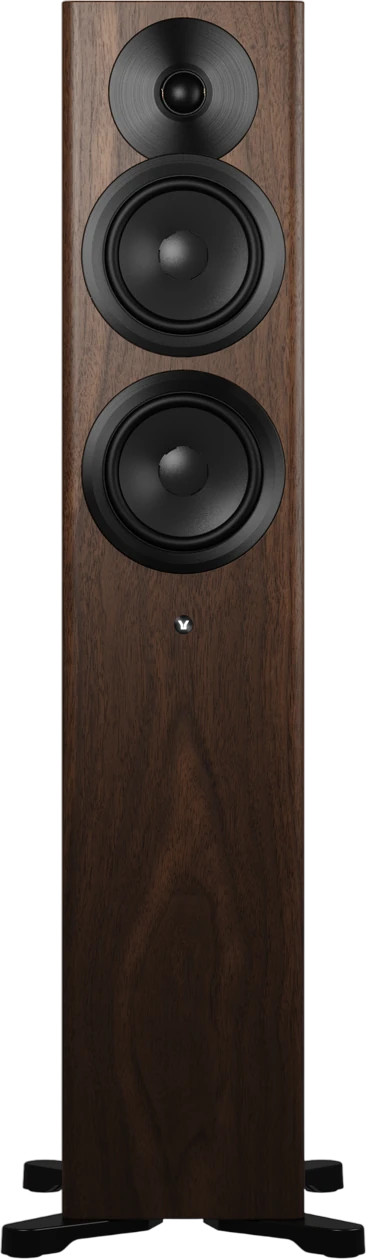
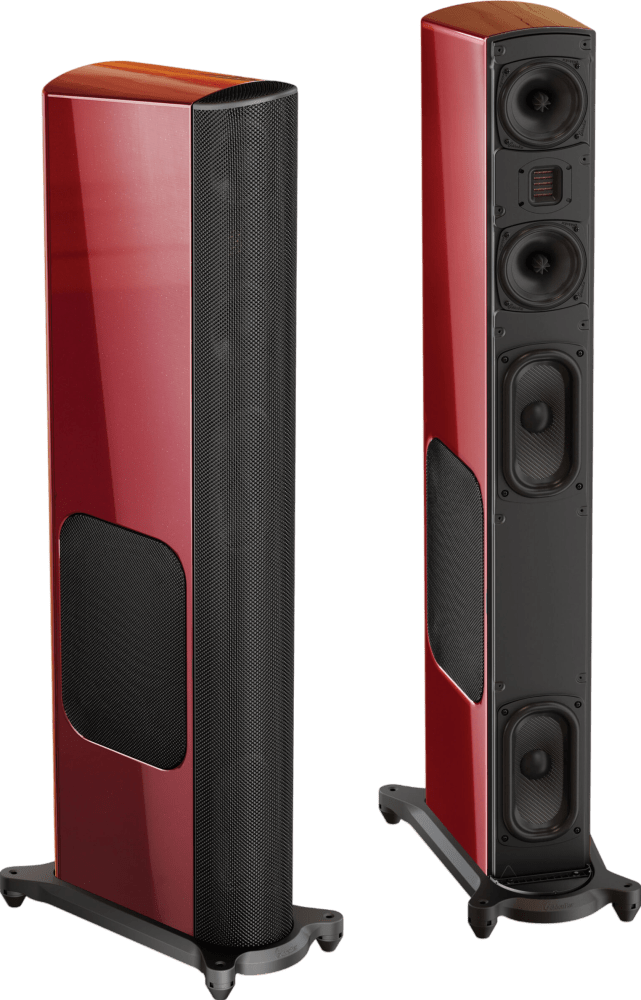
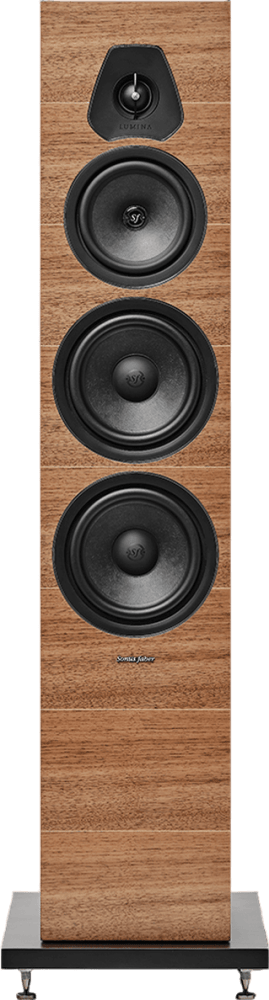
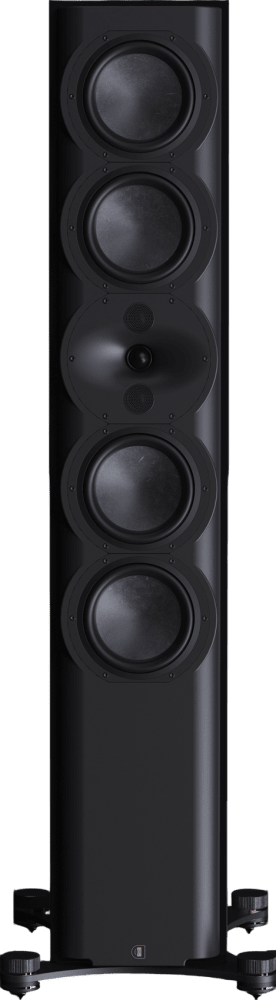
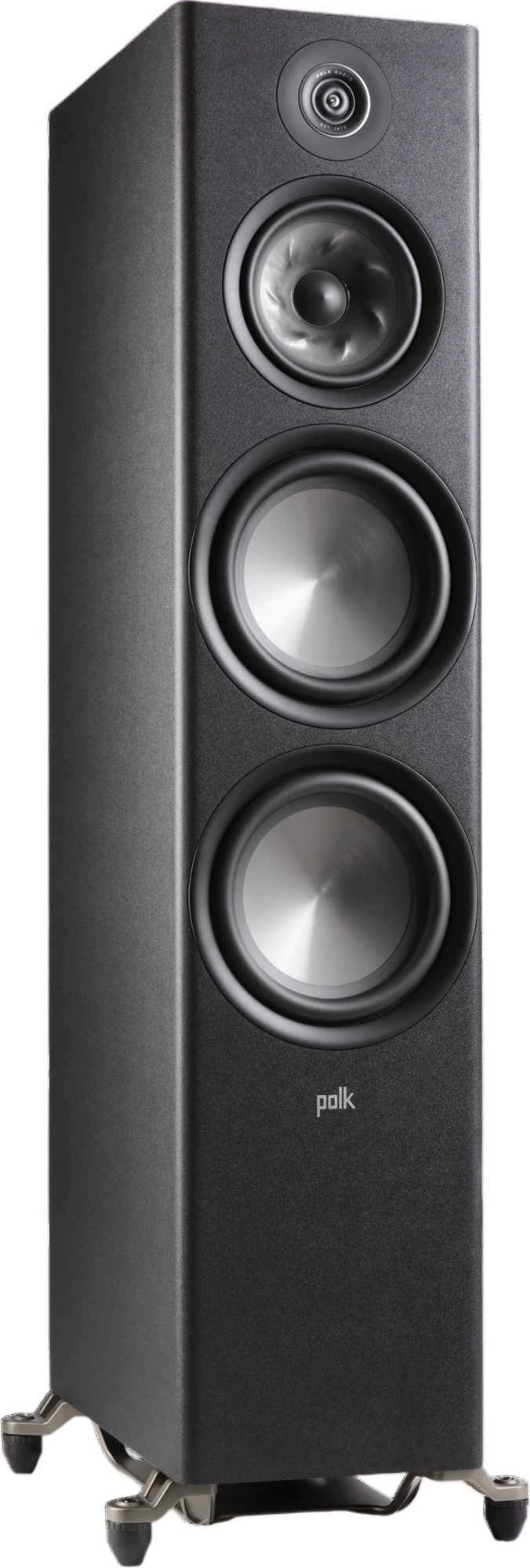
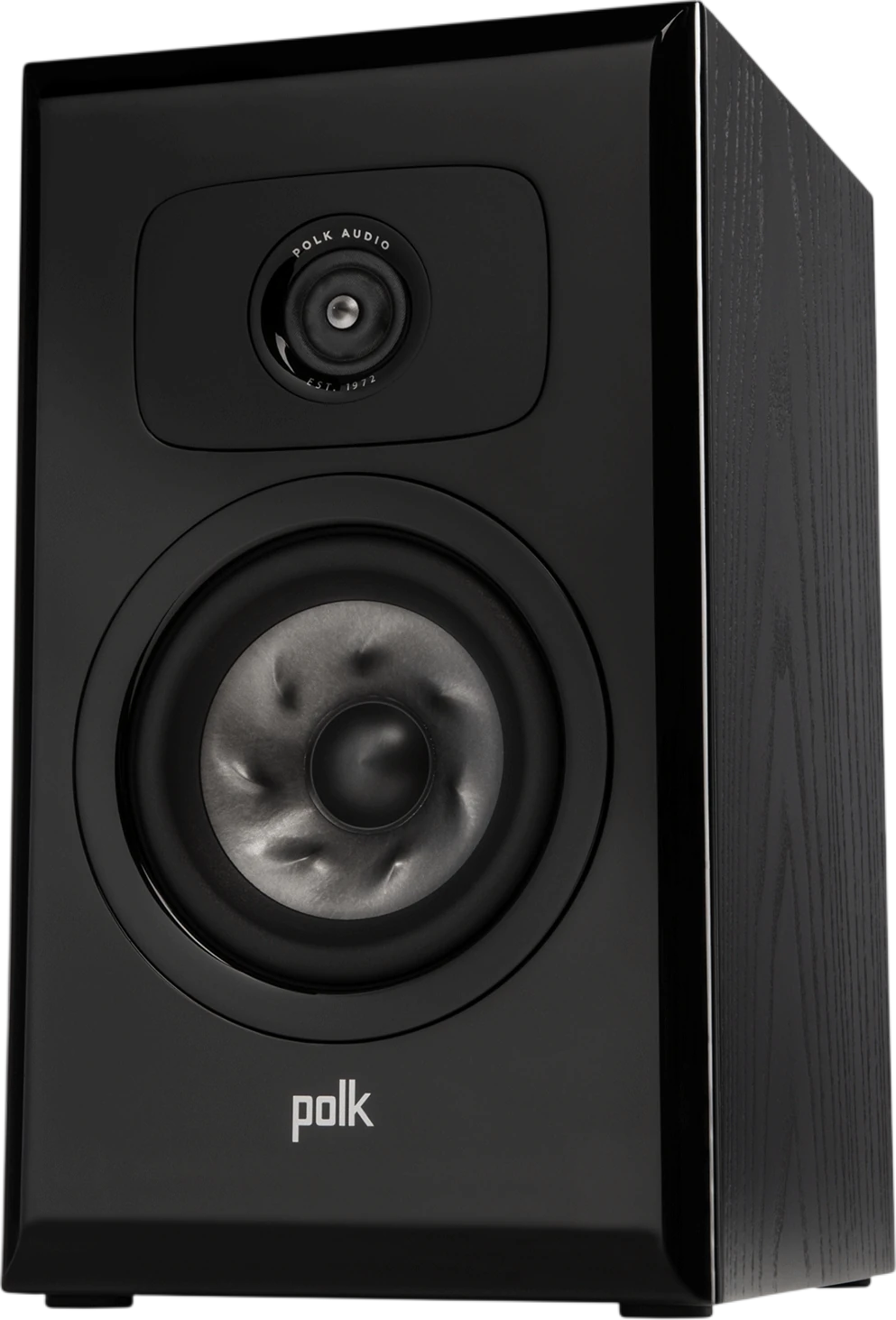
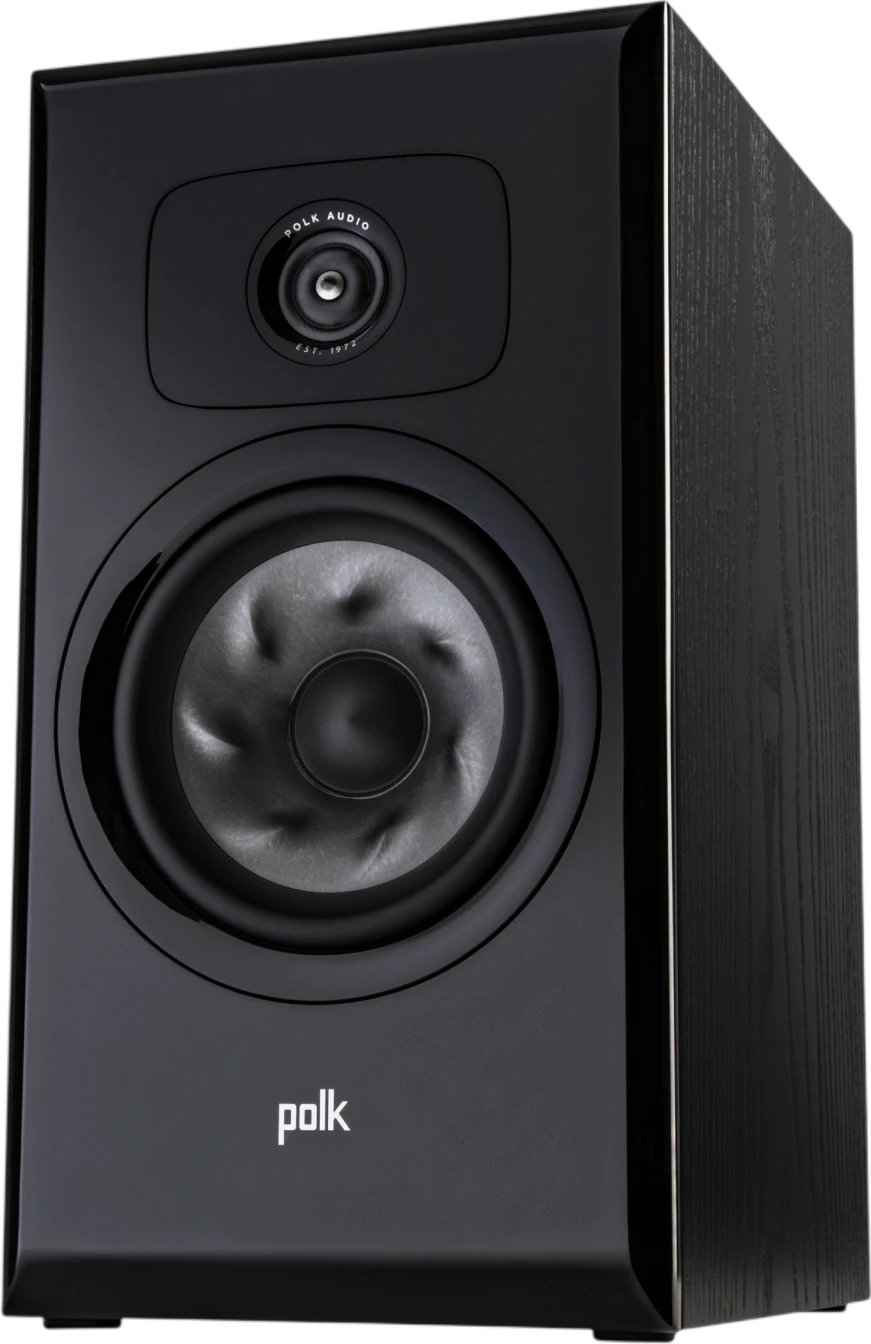
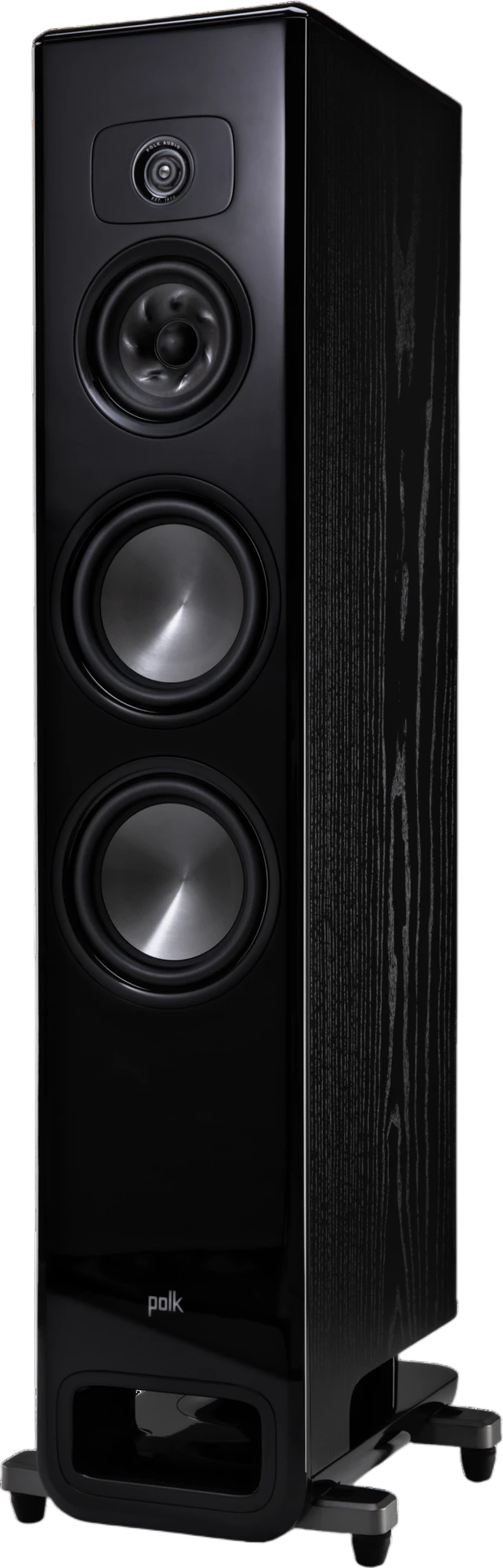
Legend L800 photos
Features and specs
Specs
- Total Pieces: 8
- Height: 48.6" (123.45 cm)
- Width: 17.94" (45.56 cm)
- Depth: 17.38" (44.14 cm)
- Weight: 118 lbs (53.5 kg)
- Driver Complement: (2) 1" (2.54 cm) d (Round) Pinnacle Ring Radiator - Tweeter, (2) 5.25" (13.34 cm) d (Round) Turbine Cone - Midrange, (2) 10" (25.4 cm) d (Round) - Mid/Woofer
- Recommended Amplifier Power: 100W
- Total Frequency Response: 24 Hz → 50,000 Hz
- Nominal Impedance Range: 2.8 ohms → 4 ohms
- Sensitivity: 87 dB (1 watt @ 1 meter)
- Lower and Upper -3dB Limits: 32 Hz → 38,000 Hz
- Type: 3-way Orth Crossover (x2)
- Midrange Woofer Crossover Frequency: 370 Hz
- Tweeter Midrange Crossover Frequency: 2800 Hz
- Power Handling per channel: 25 watts → 300 watts
- Peak Power Handling: 300 watts
Manufacturer's description
If you want an immersive experience that no other technology can deliver, the L800 speakers are for you. Built on the legendary SDA technology that became synonymous with Polk innovation, you will be absolutely blown away by this true flagship experience. Note: These speakers are sold individually with specific Left and Right variations. You must add both to your cart to receive a stereo pair.





















All used Polk

Where to buy the Legend L80089 dealers
About Polk
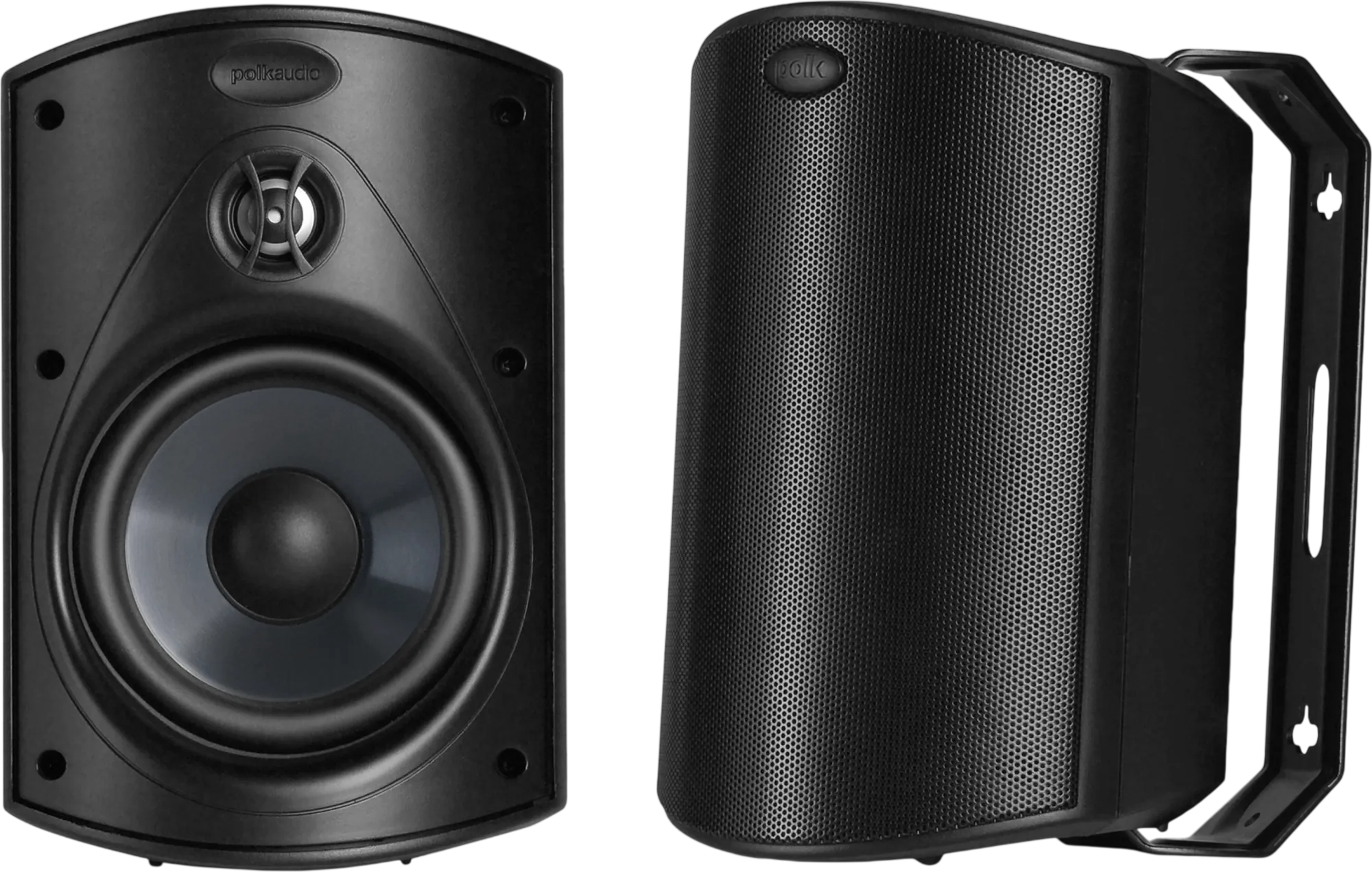
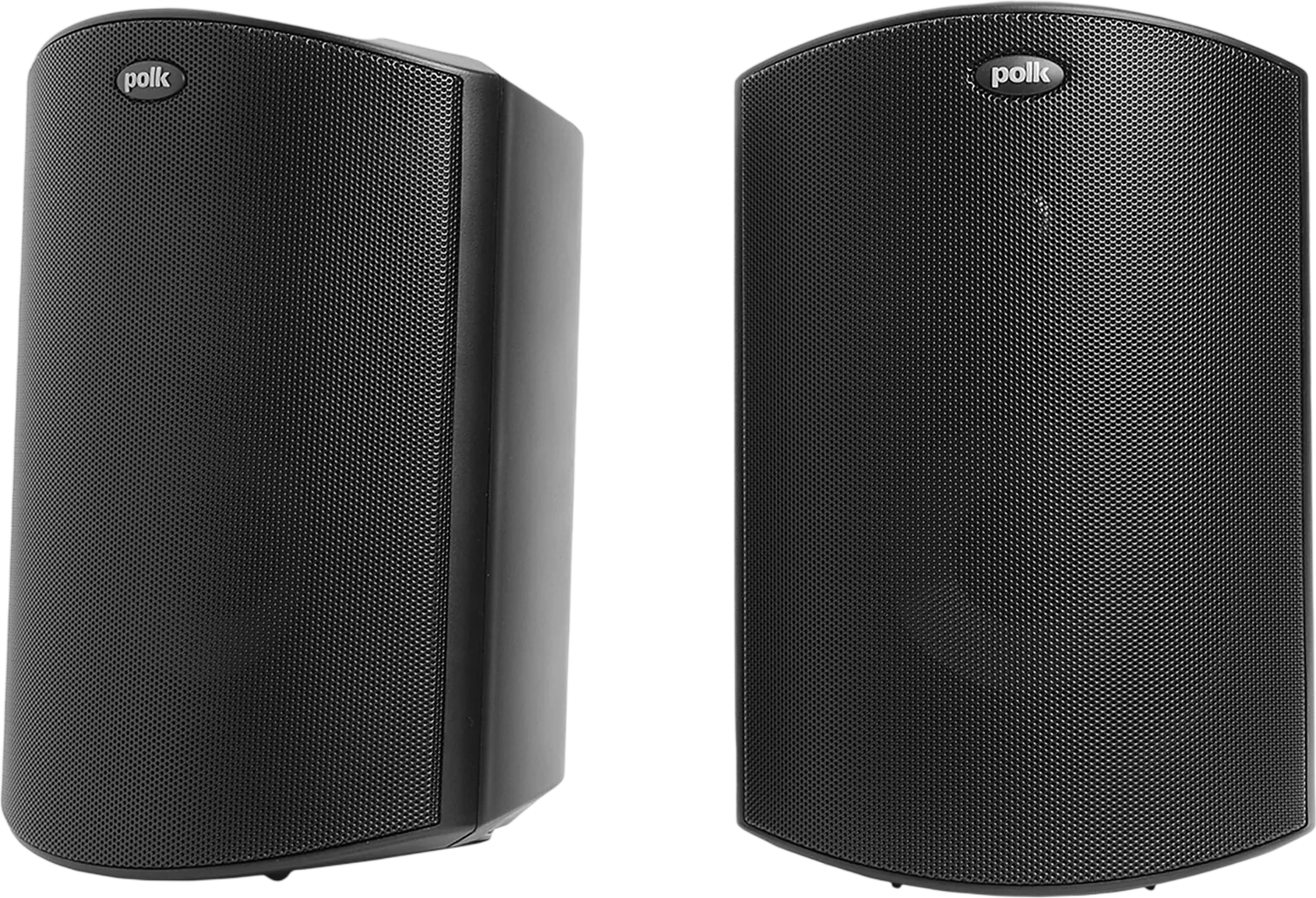
Polk's idea is to carry technology from its flagship speakers down into affordable ones. The American company was started in Baltimore in 1972 by Matthew Polk, Sandy Gross and George Klopfer, and it still engineers its speakers there. Its signature technology is SDA, or Stereo Dimensional Array, which addresses the crosstalk between the ears that narrows a stereo image, and the Legend L800 uses it. The Reserve series brings Legend acoustic technology to more affordable models. Owners who want sound outdoors can look at the Atrium 6.
Brand highlights
- They stand out for incorporating technologies typically found in their higher-end lines, such as ring radiator tweeters and Power Port designs, into more accessible product lines like the Monitor and Signature Elite series.
- Polk specifically designs many of their speakers, especially in-wall and outdoor models, to be versatile and weather-resistant, making them suitable for a variety of listening environments beyond traditional living rooms.