Reserve R100
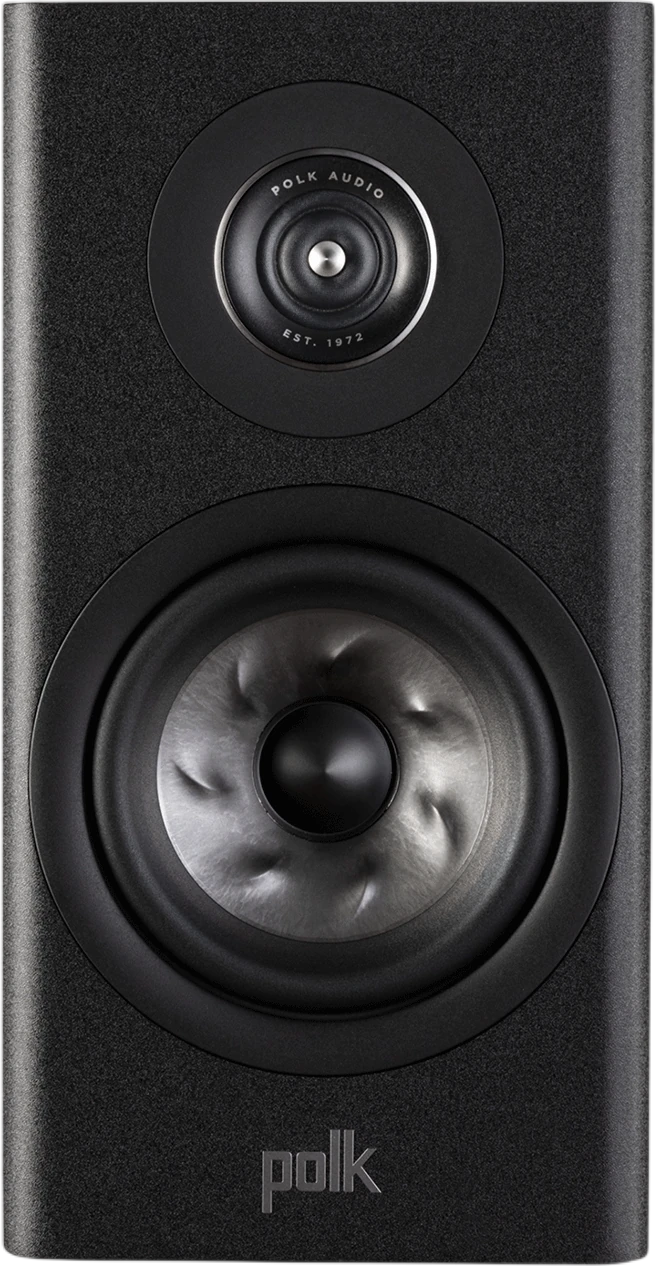
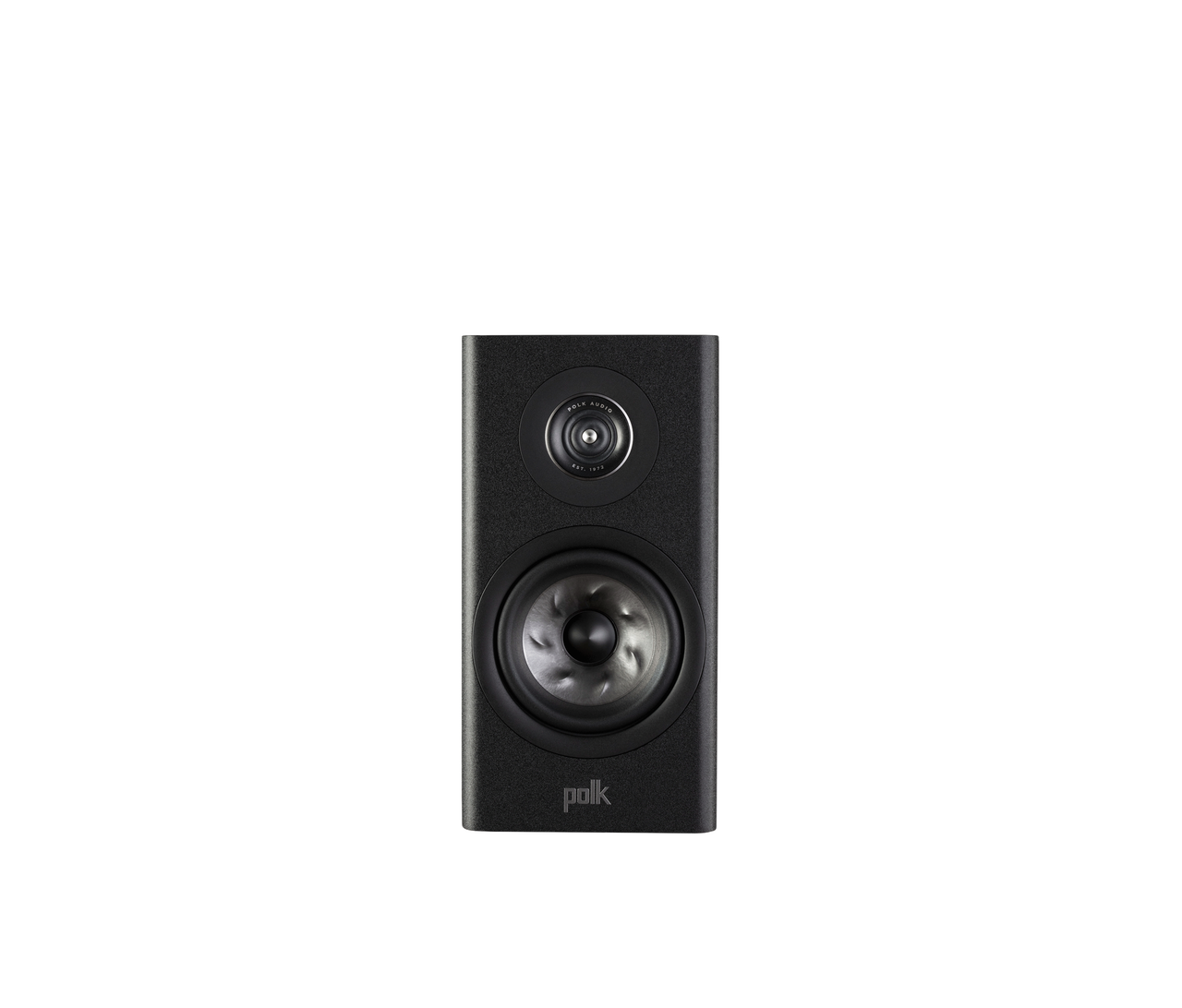
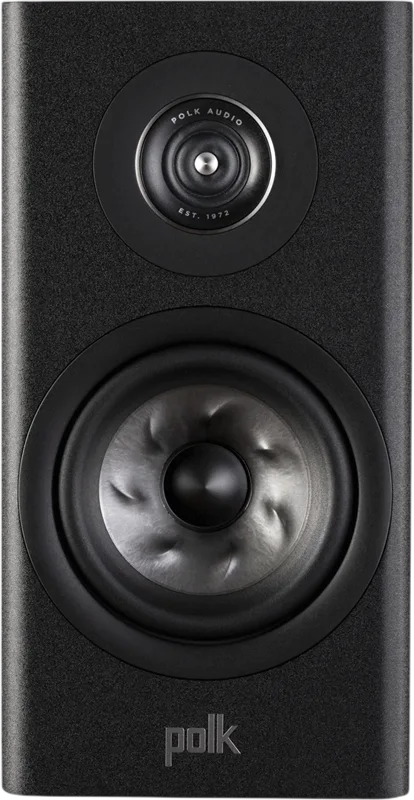
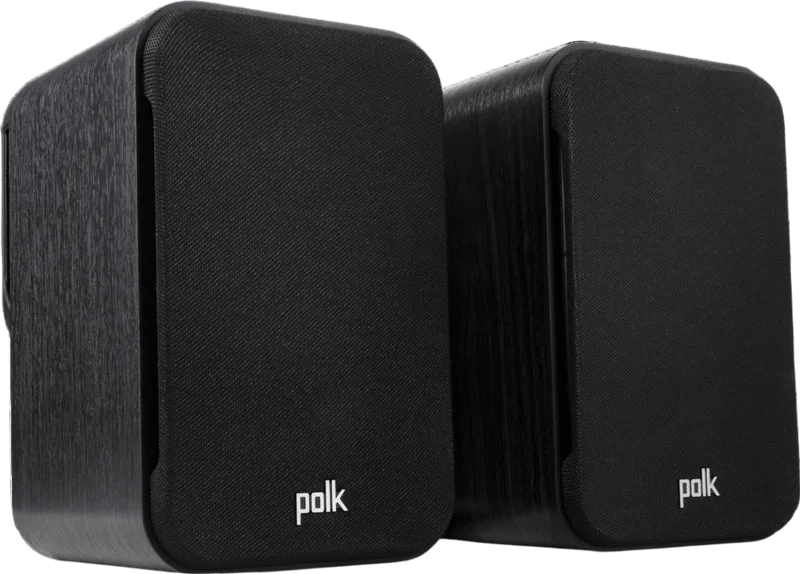
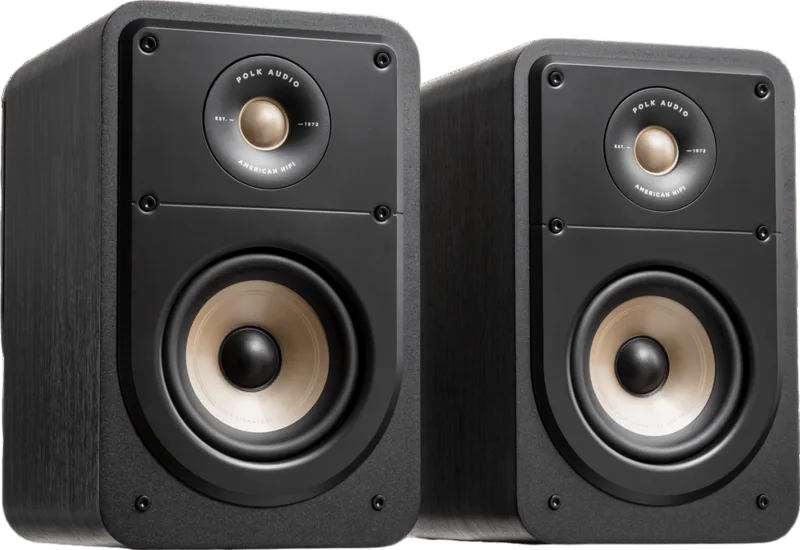
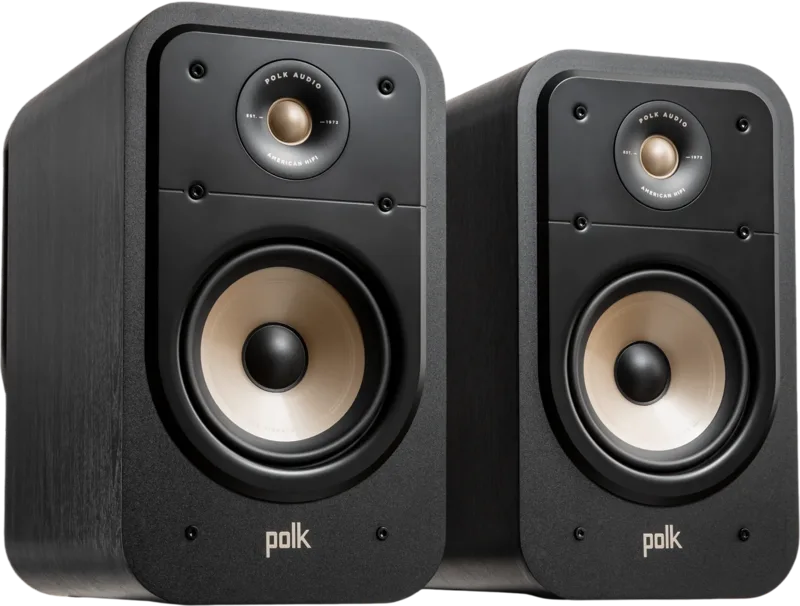
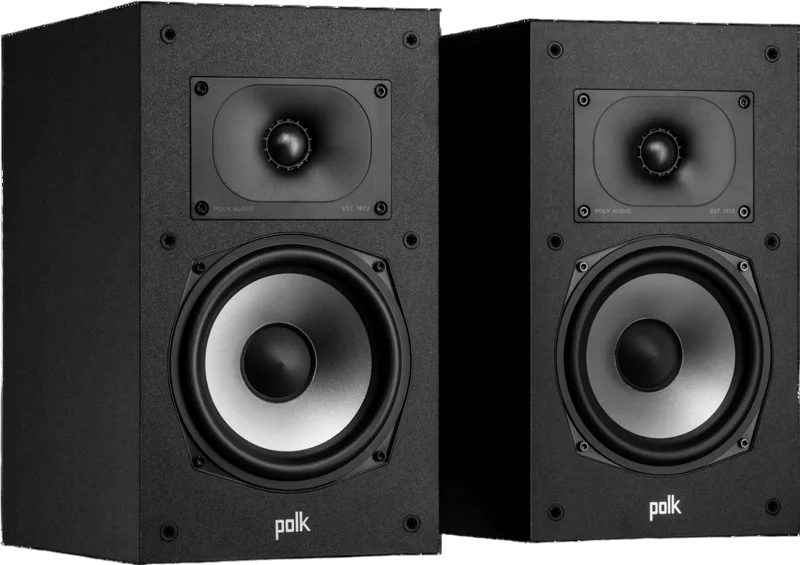
Polk's Reserve R100 is a compact bookshelf speaker that suits a small stereo pair, the front stage of a larger system, or surround duty, and it sits equally well on a shelf or a stand. It is known for a warm, natural midrange and smooth treble.
New here? ExtremeHiFi is a free hifi encyclopedia: reviews, prices and used listings. We don’t sell anything.
Summary
Polk's Reserve R100 is a compact bookshelf speaker that suits a small stereo pair, the front stage of a larger system, or surround duty, and it sits equally well on a shelf or a stand. It is known for a warm, natural midrange and smooth treble.
What reviewers love
The Polk Audio Reserve line offers a good balance of performance and value, bringing technology from higher-end models to a more affordable price point. With good soundstage and imaging and clear vocals, these speakers are a solid choice for listeners looking for an engaging and enjoyable listening experience.
Product Strengths
- Great soundstage and imaging.
- Performs well with vocals, both male and female.
- The R100/R200 speakers have a neutral and clean sound.
- The R100 punches above its weight and is one of the best Polk speakers.
Product Considerations
- The R100 may require a subwoofer for those desiring more bass.
- The R100 may exhibit some strain when played at high volumes.
- The R200 is larger than the R100, which could be a consideration for some users.
- At higher volumes the tweeter becomes too much.
Comparisons (according to reviewers)
- The R100 is similar to the Elac DBR-62, but with more flavor, and the Elac DBR-62 had fuller bass and leading edge to its bass.
- Compared to the Bowers & Wilkins 607S2, the R100 is more neutral.
- The R200 has a larger and fuller sound than the R100, with greater ease when playing loud.
- The R200's transparency and purity pulled ahead of the Klipsch RP-600M.
- The Reserve R100 is better for music only, the Monitor Audio Bronze 100 is better in a mixed system because it is so good with dialogue clarity.
- The Elac Uni-Fi UB 52 is just about as good as the Reserve R100.
Takeaway: The Polk Audio Reserve line offers a good balance of performance and value, bringing technology from higher-end models to a more affordable price point. With good soundstage and imaging and clear vocals, these speakers are a solid choice for listeners looking for an engaging and enjoyable listening experience.
Written reviews0
Awards0

Bookshelf, floorstanding, in-wall, and powered speakers, compared on the specs that matter in a real room: bass extension, sensitivity, and tweeter type.
Buying tips that apply to the Reserve R100
- Get placement right before anything else. Pulling speakers 2–3 feet (60–90 cm) from the wall behind them tames boomy bass; the listening seat should sit at the third point of an equilateral triangle, with toe-in adjusted to set the width of the image.
- Match speaker size to the room. Large towers in a small room often sound bloated, and nearfield listening at a desk favors small two-way designs.
- Each 3 dB of extra sensitivity halves the power needed for the same volume. For moderate listening levels, speakers rated 90 dB or more allow a smaller, cheaper amp.
- Treat the room before spending more on speakers. Bass traps in the corners and absorption at the first reflection points often do more than a step up in speakers.
- Used speakers lose value quickly, so two- or three-year-old models from established brands often sell well below their new price.
- Three-way designs free the midrange driver from bass duty, which can lower distortion in voices, though a well-designed two-way can image just as precisely.
- Tweeter dispersion matters more than its frequency response. Wide dispersion gives a bigger sweet spot but lights up more room reflections; controlled directivity suits lively rooms.
- Open-plan rooms lose bass. If the room opens onto other spaces, budget for a subwoofer instead of bigger main speakers.
- Audition with familiar music. Voicing varies a lot between brands, and a pair that excites on rock can grow tiring on strings.
- Many brands put their flagship tweeter into smaller models. A bookshelf speaker from a brand's top range often beats a cheaper tower in a small room.
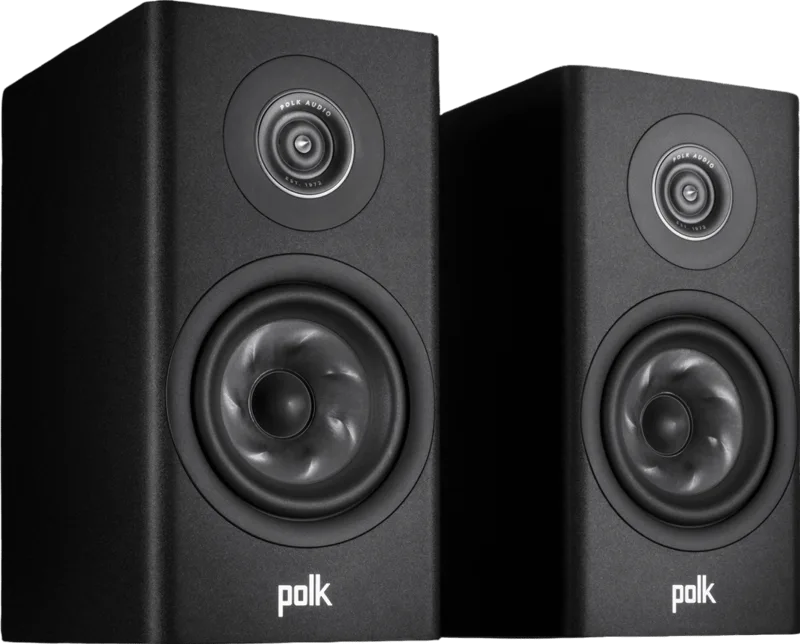
Reserve R100 photos
Features and specs
Specs
- Speaker Type: Standmount (Bookshelf)
- UOM: Pair
- Tweeter: 1" Pinnacle Ring Radiator
- Woofers: 5 ¼" Turbine Cone
- Overall Frequency Response: 44Hz - 50kHz
- Frequency Response (-3dB limits): 58Hz - 39kHz
- Recommended Amplifier Power: 30 - 150W
- Minimum Impedance: 3.6Ω
- Sensitivity: 86dB (2.83V/1m)
- Tweeter/Mid-range Crossover Frequency: 2700
- Dimensions (W x H x D): 166 x 324 x 259.5mm (6.5 x 12.8 x 10.2 in)
- Weight (each): 12.2 lbs/5.5 kg
- Shipping Weight: 28.4 lbs/12.9 kg
- Mid-Bass/Woofer Enclosure Type: Rear X-Port
- Available Finishes: Black/Walnut/White
- Binding Posts: Nickel-plated 5-Way Single
- Hi-Res Certified: Yes
Manufacturer's description
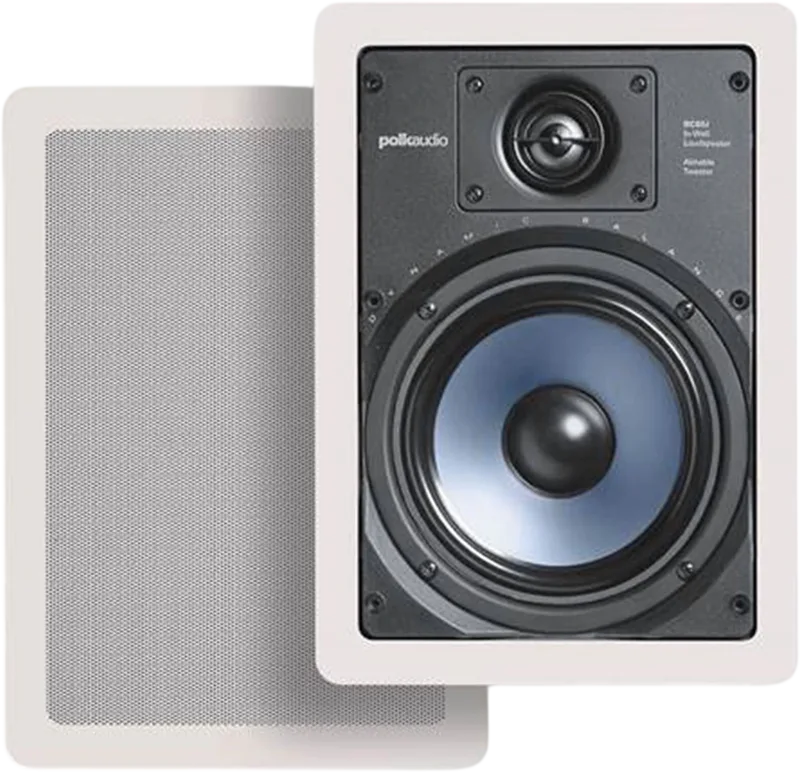
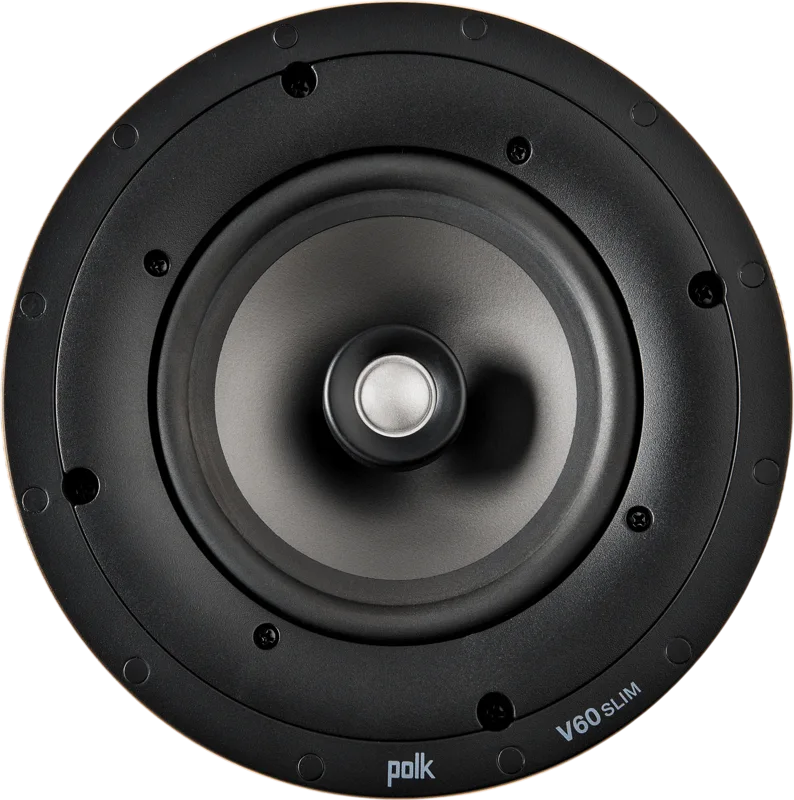

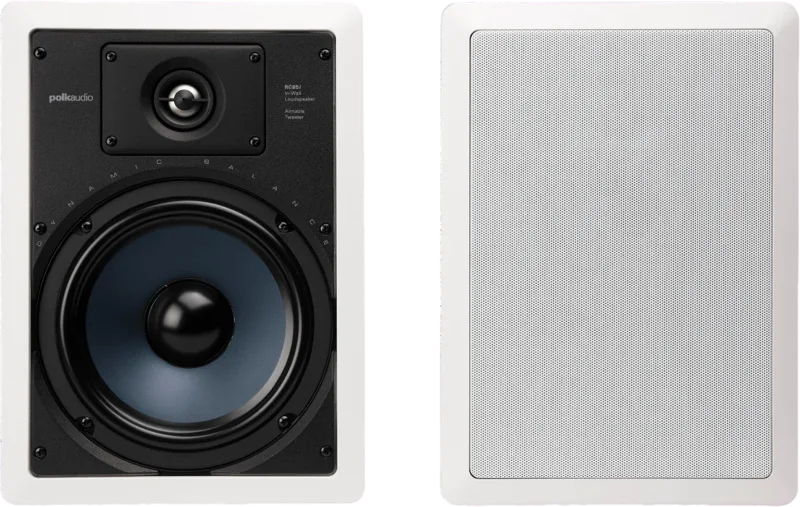
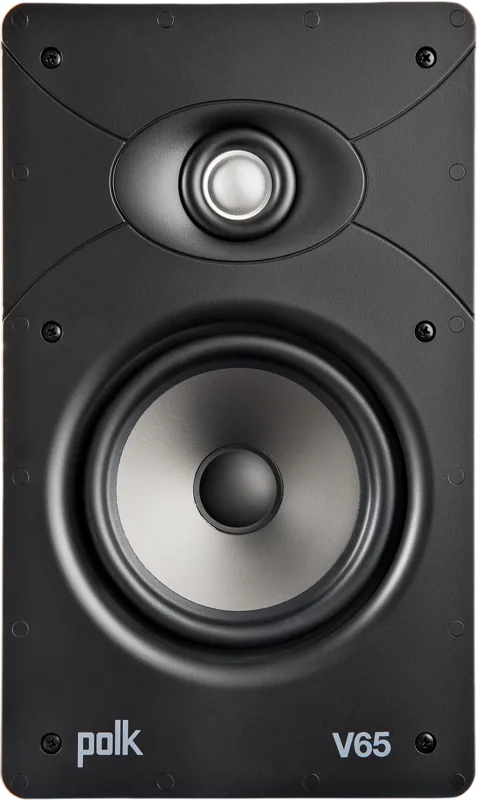
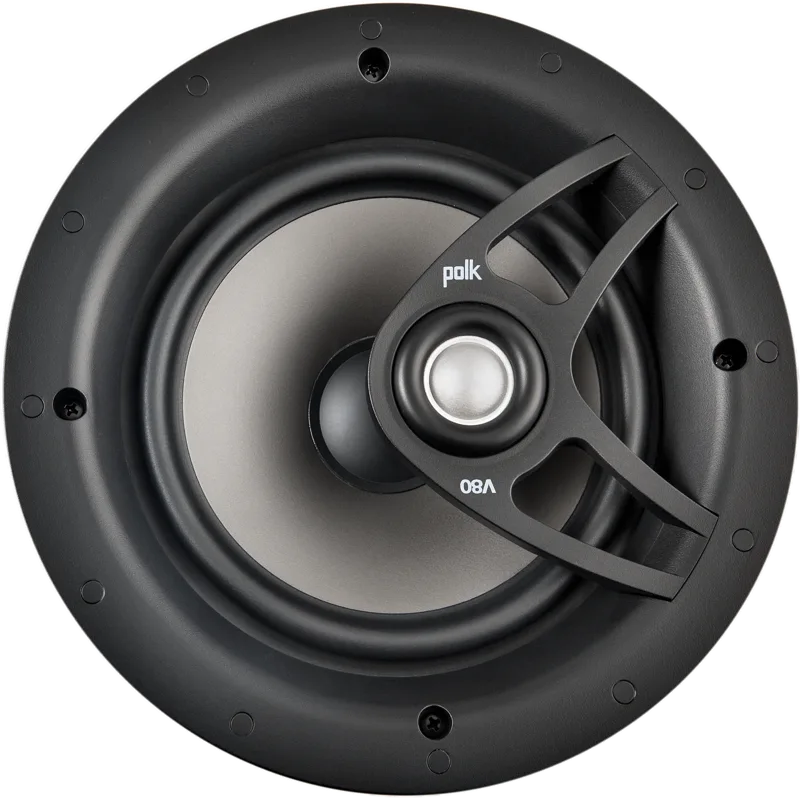
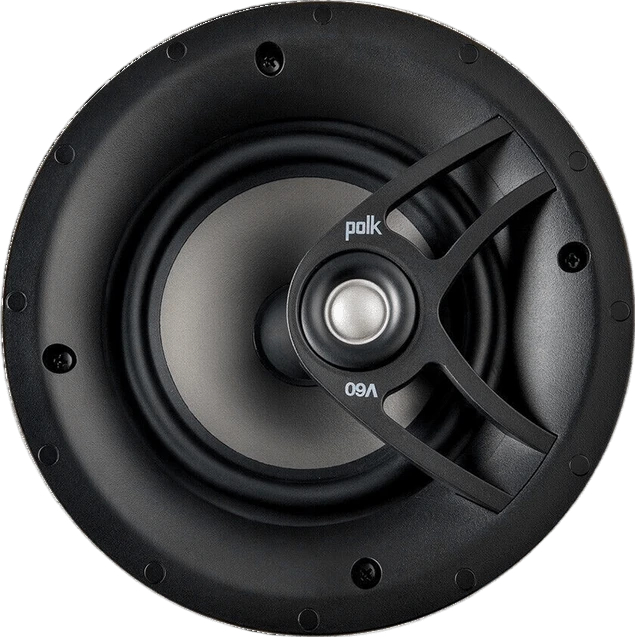
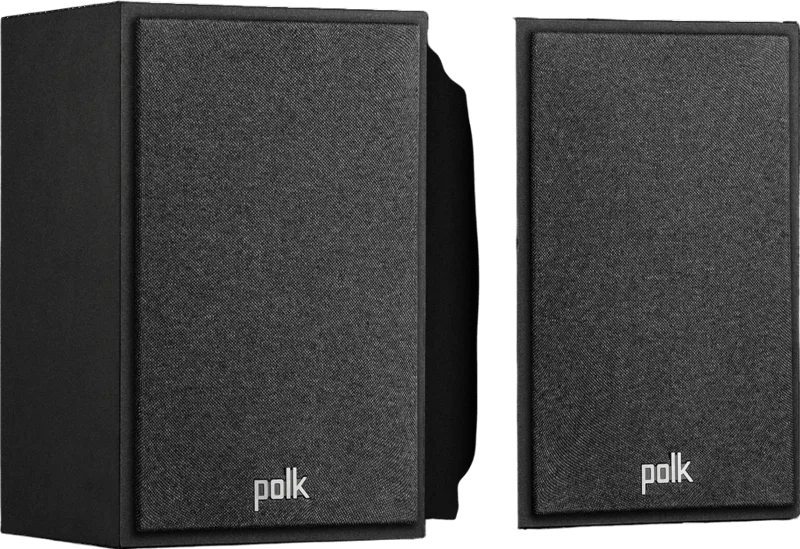


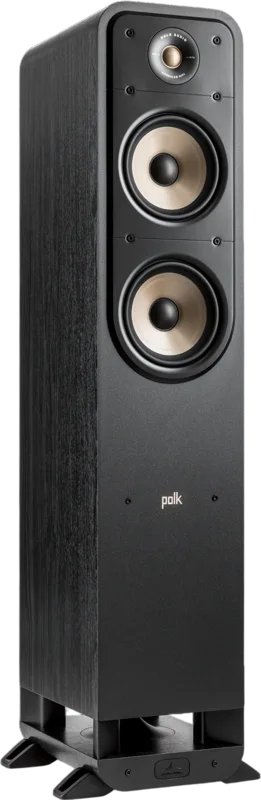
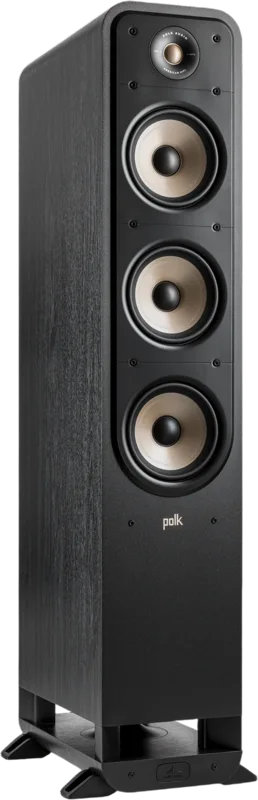
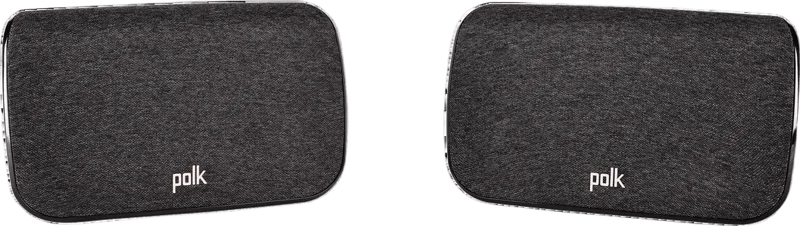
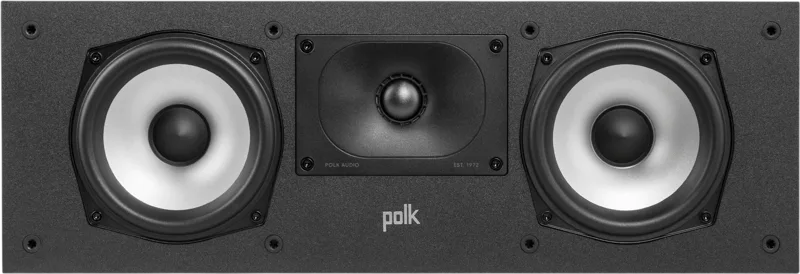

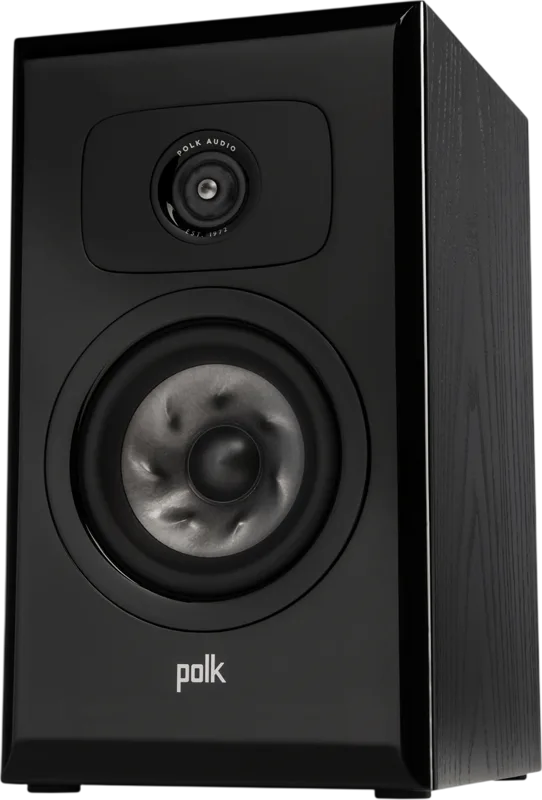
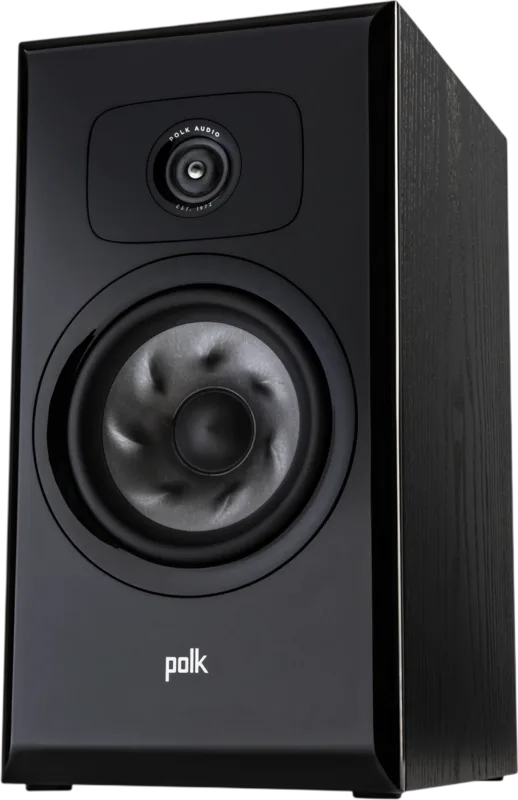
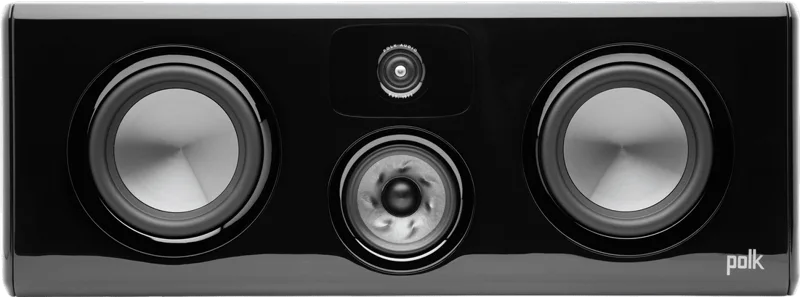
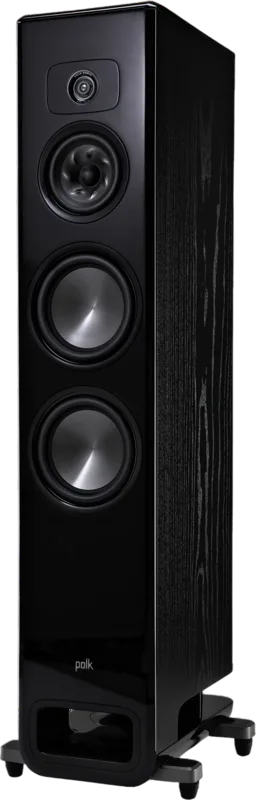
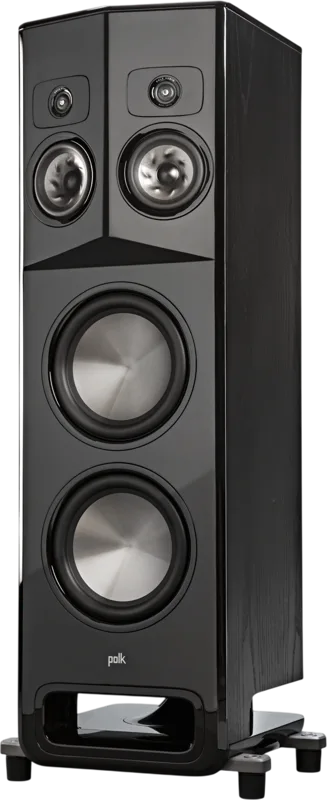
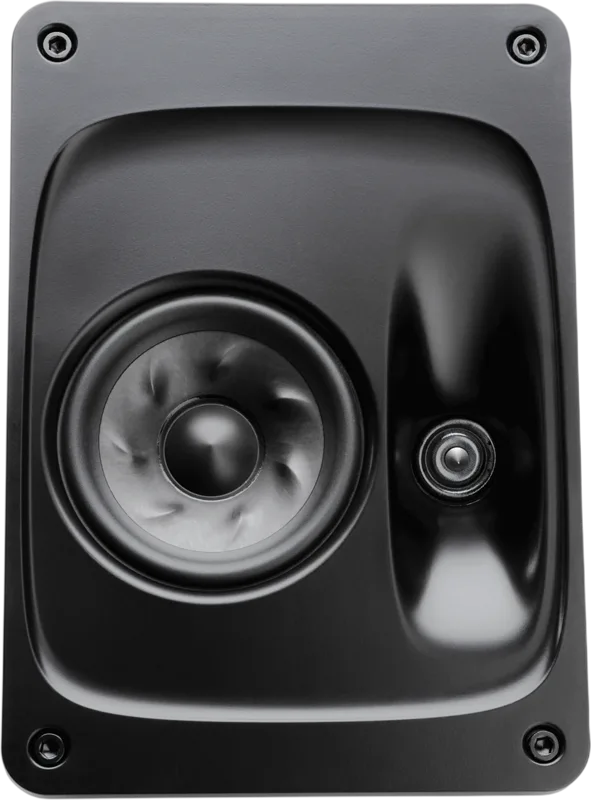
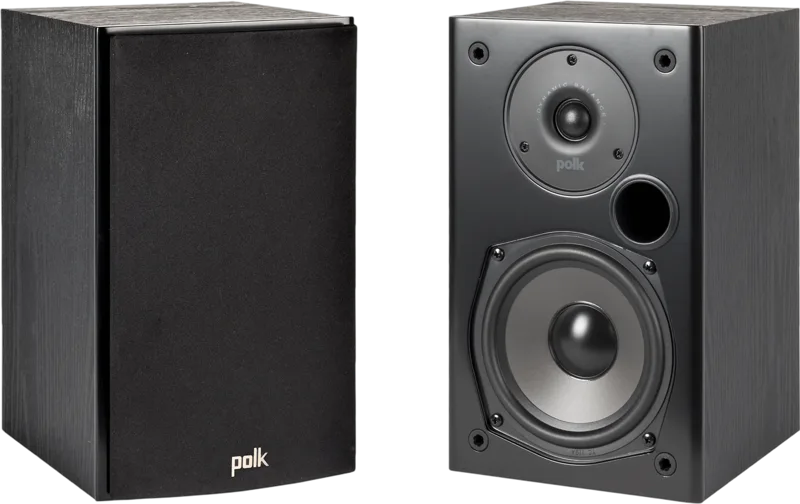
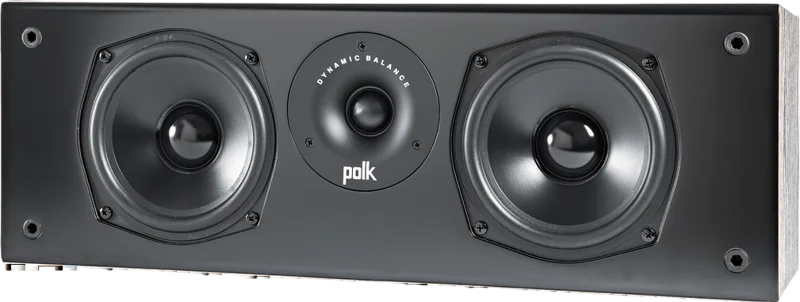
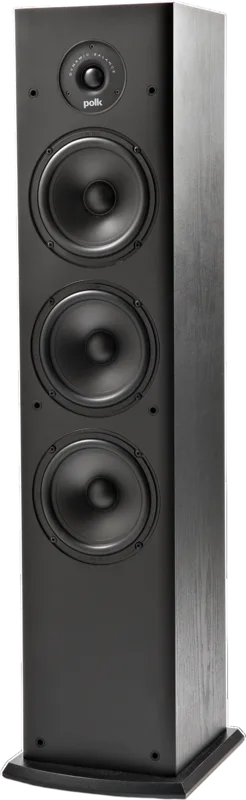
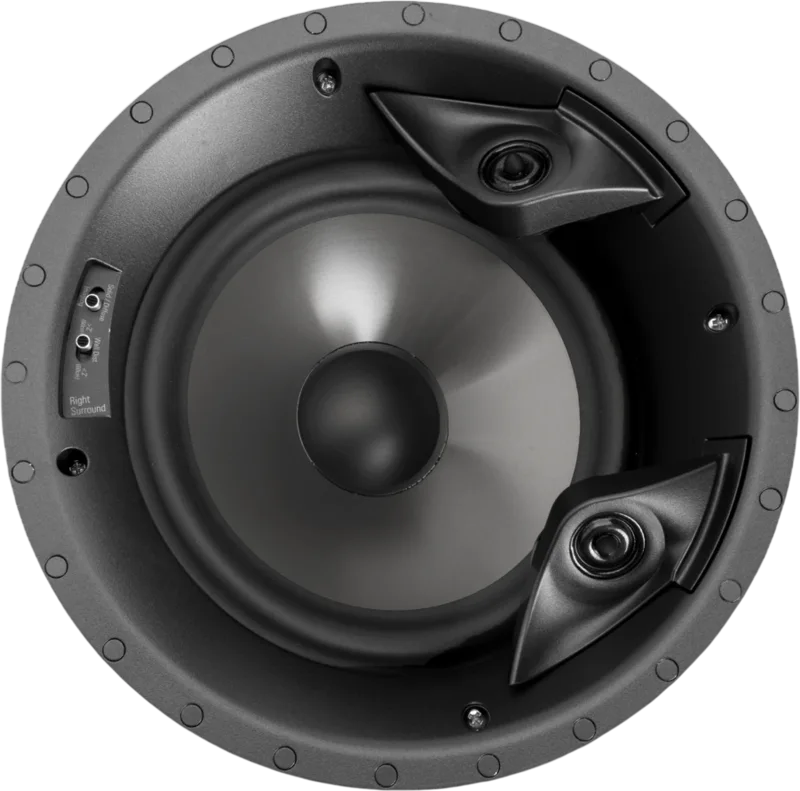
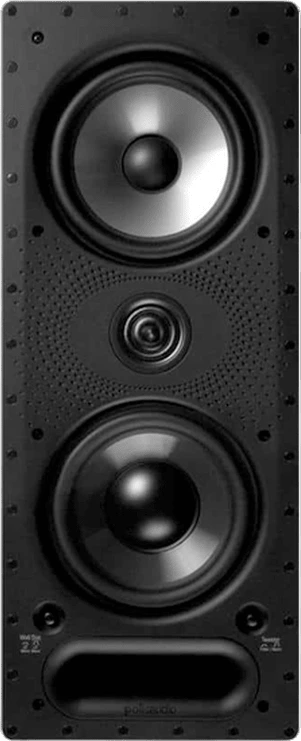
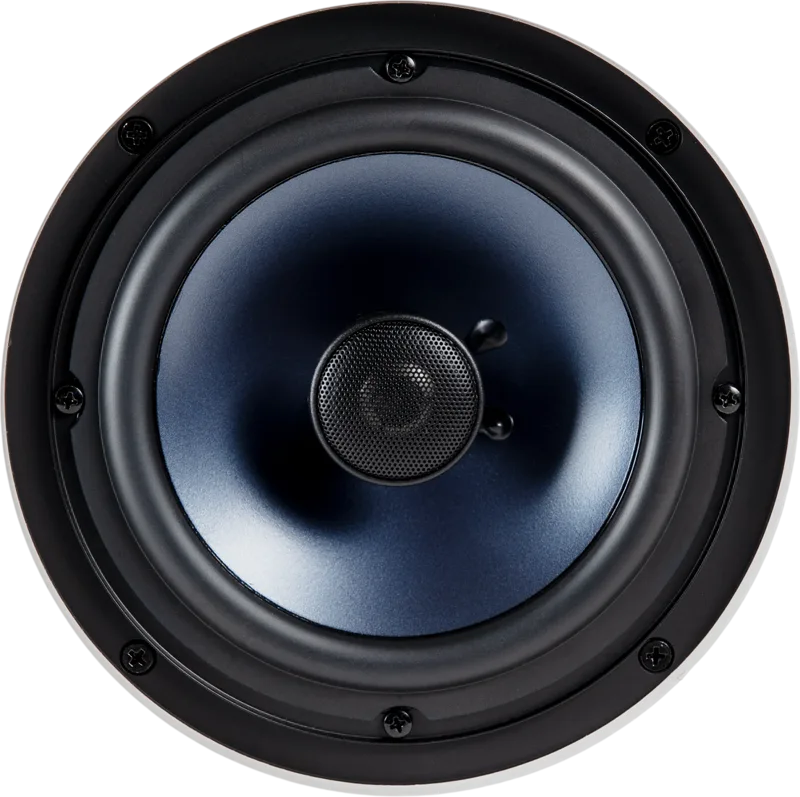


All used Polk

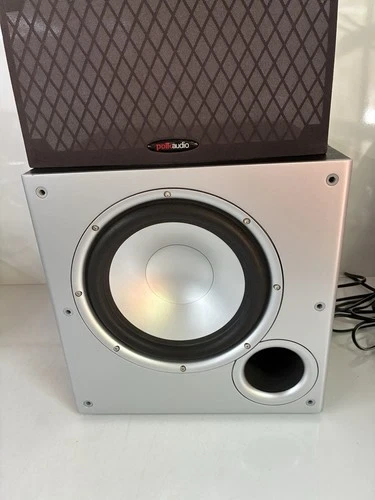
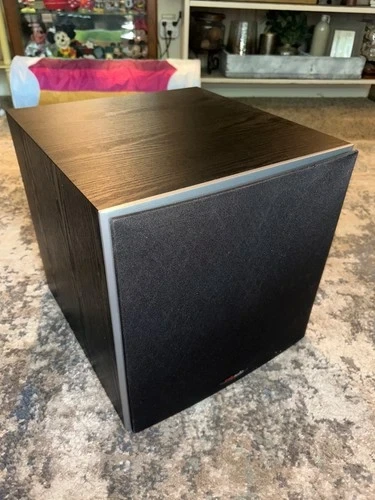
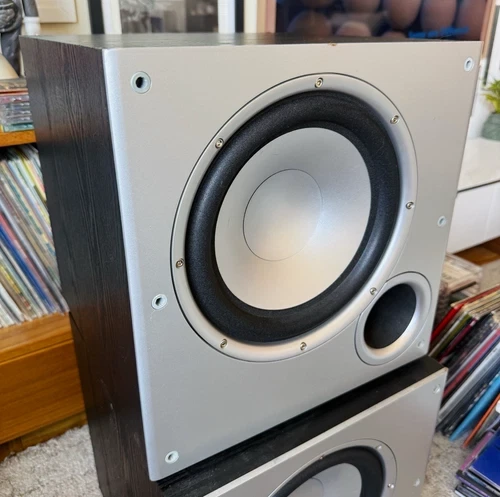
Where to buy the Reserve R10089 dealers
About Polk
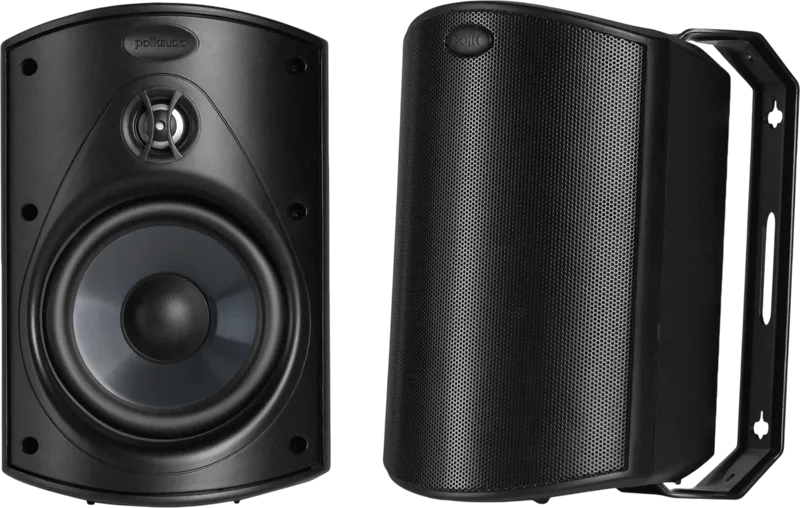
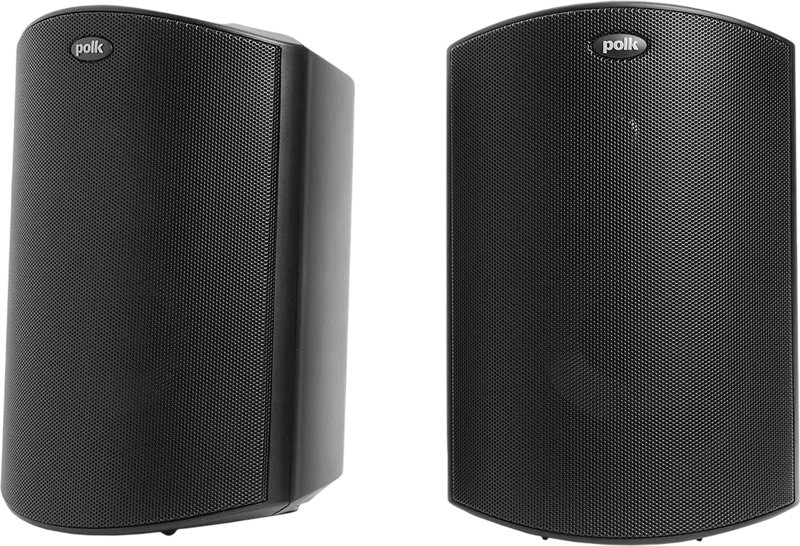
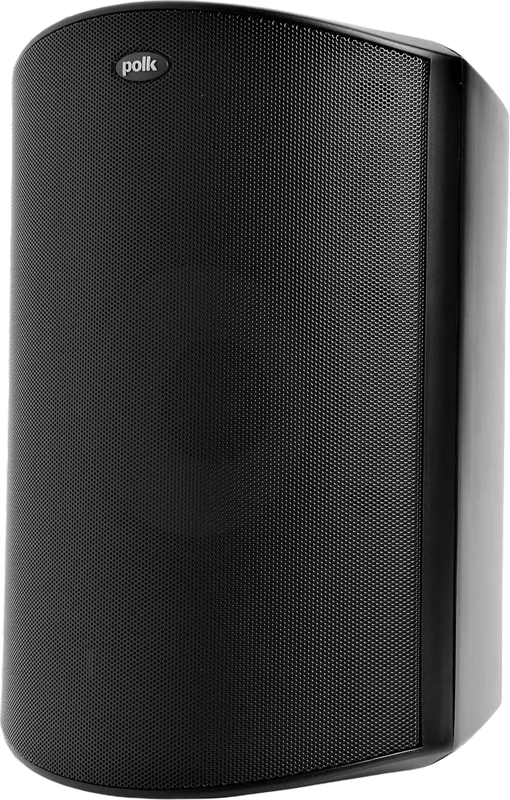
Polk's idea is to carry technology from its flagship speakers down into affordable ones. The American company was started in Baltimore in 1972 by Matthew Polk, Sandy Gross and George Klopfer, and it still engineers its speakers there. Its signature technology is SDA, or Stereo Dimensional Array, which addresses the crosstalk between the ears that narrows a stereo image, and the Legend L800 uses it. The Reserve series brings Legend acoustic technology to more affordable models. Owners who want sound outdoors can look at the Atrium 6.
Brand highlights
- They stand out for incorporating technologies typically found in their higher-end lines, such as ring radiator tweeters and Power Port designs, into more accessible product lines like the Monitor and Signature Elite series.
- Polk specifically designs many of their speakers, especially in-wall and outdoor models, to be versatile and weather-resistant, making them suitable for a variety of listening environments beyond traditional living rooms.