Carmel 3
YG Acoustics' Carmel 3 is a compact floorstanding speaker for two-channel systems, with a 7.25 inch driver and bass that reaches down to 32 Hz. Reviewers single out its bold, detailed and transparent presentation, and say it is easy to set up and position.
New here? ExtremeHiFi is a free hifi encyclopedia: reviews, prices and used listings. We don’t sell anything.
Summary
YG Acoustics' Carmel 3 is a compact floorstanding speaker for two-channel systems, with a 7.25 inch driver and bass that reaches down to 32 Hz. Reviewers single out its bold, detailed and transparent presentation, and say it is easy to set up and position.
What reviewers love
The Carmel 3 is a compact yet powerful speaker that delivers exceptional detail and dynamic sound, making it a great fit for audiophiles who want a high-end listening experience in small- to medium-sized rooms. Its ability to reveal the nuances in music makes listening sessions consistently engaging and enjoyable.
Product Strengths
- Exceptional build quality with precision-machined aluminum alloy cabinets minimizing resonances
- Striking dynamic punch and surprising low-end power for its size, with tight, controlled bass
- Presents a vivid, lifelike midrange and highs with extraordinary detail, scalpel-sharp resolution, and refinement
- Wide dispersion from the tweeter leads to seamless integration and a larger listening sweet spot
- Tonally balanced with a pleasing, slightly colored sound that avoids harshness, making it versatile across genres
Product Considerations
- Can be ultra-fussy about recording and system quality, highlighting deficiencies in less-than-perfect recordings
- Requires high-quality partnering equipment to achieve peak performance and reveal its capabilities fully
- While not particularly difficult to drive, it benefits from an amplifier with plenty of muscle
Comparisons (according to reviewers)
- The Carmel 3 surpasses the Magico S1MK2 as an absolute favorite two-way speaker
- The Carmel 3 is more revealing of recording flaws, while the Audiovector R 6 Arreté smooths over some imperfections
- Rivals such as Wilson Benesch reveal at least as much as the Carmel 3, including the odd hard edge to sound, but don't focus on it—YG seems to want to highlight every deficiency rather than give a more balanced view of the recording
Takeaway: The Carmel 3 is a compact yet powerful speaker that delivers exceptional detail and dynamic sound, making it a great fit for audiophiles who want a high-end listening experience in small- to medium-sized rooms. Its ability to reveal the nuances in music makes listening sessions consistently engaging and enjoyable.
Written reviews0
Awards0

Bookshelf, floorstanding, in-wall, and powered speakers, compared on the specs that matter in a real room: bass extension, sensitivity, and tweeter type.
Buying tips that apply to the Carmel 3
- Get placement right before anything else. Pulling speakers 2–3 feet (60–90 cm) from the wall behind them tames boomy bass; the listening seat should sit at the third point of an equilateral triangle, with toe-in adjusted to set the width of the image.
- Match speaker size to the room. Large towers in a small room often sound bloated, and nearfield listening at a desk favors small two-way designs.
- Each 3 dB of extra sensitivity halves the power needed for the same volume. For moderate listening levels, speakers rated 90 dB or more allow a smaller, cheaper amp.
- Treat the room before spending more on speakers. Bass traps in the corners and absorption at the first reflection points often do more than a step up in speakers.
- Used speakers lose value quickly, so two- or three-year-old models from established brands often sell well below their new price.
- Three-way designs free the midrange driver from bass duty, which can lower distortion in voices, though a well-designed two-way can image just as precisely.
- Tweeter dispersion matters more than its frequency response. Wide dispersion gives a bigger sweet spot but lights up more room reflections; controlled directivity suits lively rooms.
- Open-plan rooms lose bass. If the room opens onto other spaces, budget for a subwoofer instead of bigger main speakers.
- Audition with familiar music. Voicing varies a lot between brands, and a pair that excites on rock can grow tiring on strings.
- Many brands put their flagship tweeter into smaller models. A bookshelf speaker from a brand's top range often beats a cheaper tower in a small room.
Features and specs
Specs
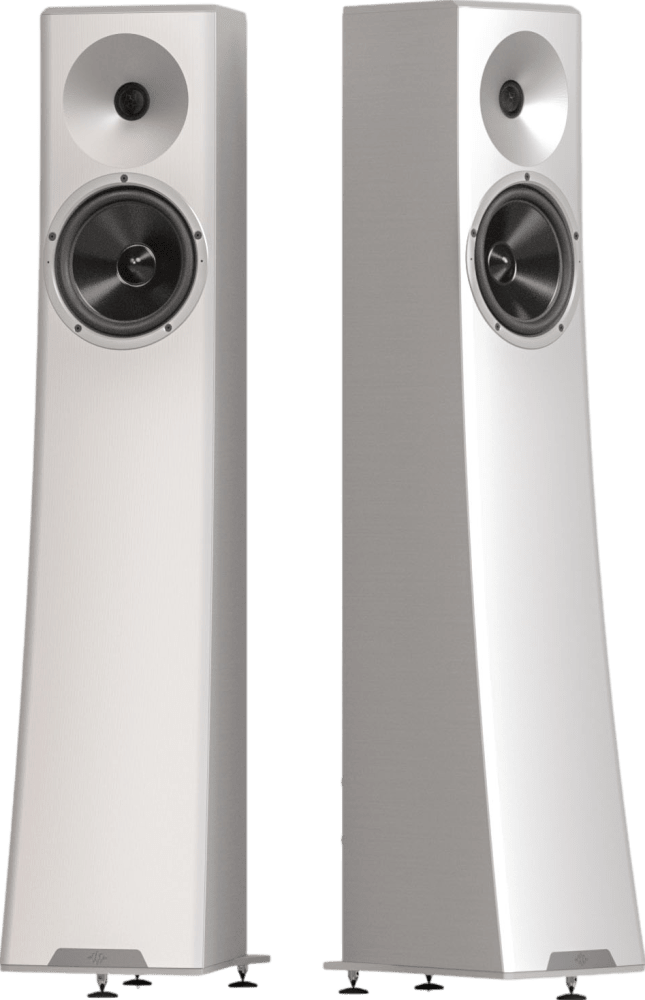
- Speaker Type: 2-way passive floor-standing loudspeaker
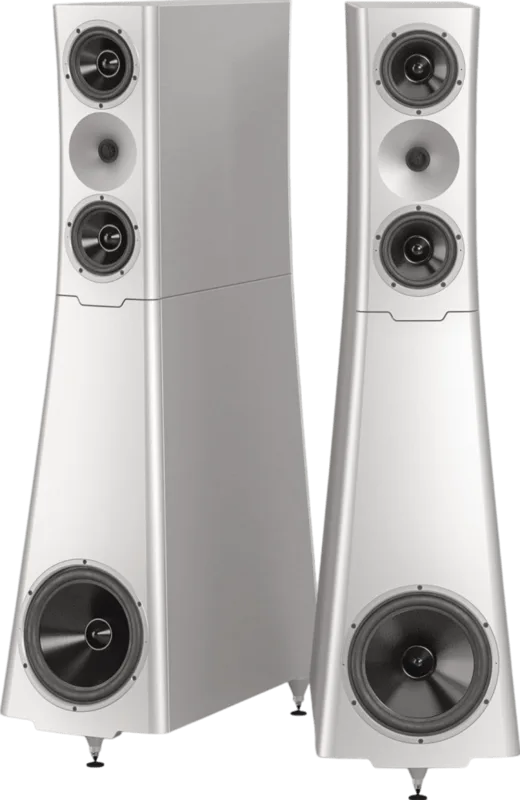
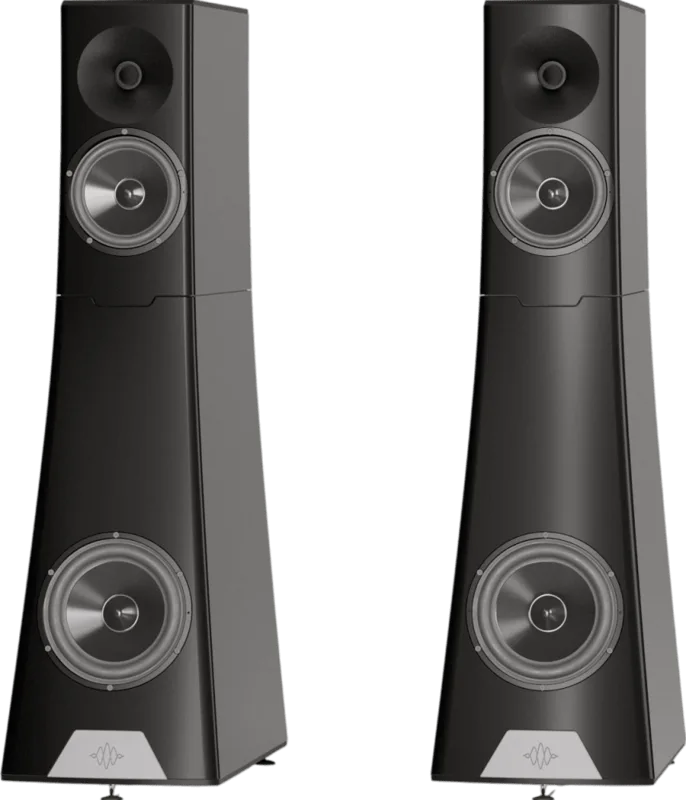
- Drivers: Lattice hybrid tweeter with advanced airframe, 18.5 cm (7.25") BilletCore driver with advanced neodymium motor magnets
- Crossover: Ultracoherent circuit with crossover at 1.75 kHz
- Response: Usable output extends from 32 Hz to 40 kHz
- Sensitivity: 87 dB
- Impedance: 6 Ohms average, 3.2 Ohms minimum
- Dimensions: 103 × 23 × 31 cm (H × W × D) / 41 × 9 × 13" (H × W × D)
- Weight: 39 kg per speaker / 85 lbs per speaker
Manufacturer's description
Our Reference range demonstrates the very best that can be achieved in accuracy and musicality. We are honored that these models are some of the most awarded loudspeakers in the world. They combine advanced materials with cutting edge science and engineering. They are designed without compromise, with the singular aim of transporting listeners into the heart of the music.
Carmel 3 delivers the highest accuracy and musicality possible from a compact two-channel loudspeaker. We have applied many of our technologies from the XV, Sonja and Hailey to a compact form factor that is compatible with any room. Carmel 3 throws a huge sound-stage with effortless detail. Incredible delicacy is combined with huge power and authority.
The Reference speakers are structured from high-grade aerospace aluminum, machined in-house to an incredible precision. The speakers are meticulously hand-built by experts in our Colorado workshop. The Reference 3 models include new technologies and design innovations based on novel theoretical models, detailed multi-domain simulations and thousands of hours of listening. The end result: loudspeakers which convey every nuance of emotion, each musical cue from the tiniest microdetail to the visceral impact of the most thunderous crescendo.
An entirely new, hybrid Lattice tweeter uses a novel airframe in a specially-selected aerospace alloy, machined by YG Acoustics. It delivers exceptionally low distortion over a huge bandwidth, with wide angular dispersion to support a large sweet-spot. Groundbreaking, third-generation Ultracoherent crossovers apply a deep understanding from simulation to deliver performance never before possible. Our BilletCore drivers use advanced motors and cones machined in-house from solid billet, offering some of the highest performance and lowest distortion in any driver available today.
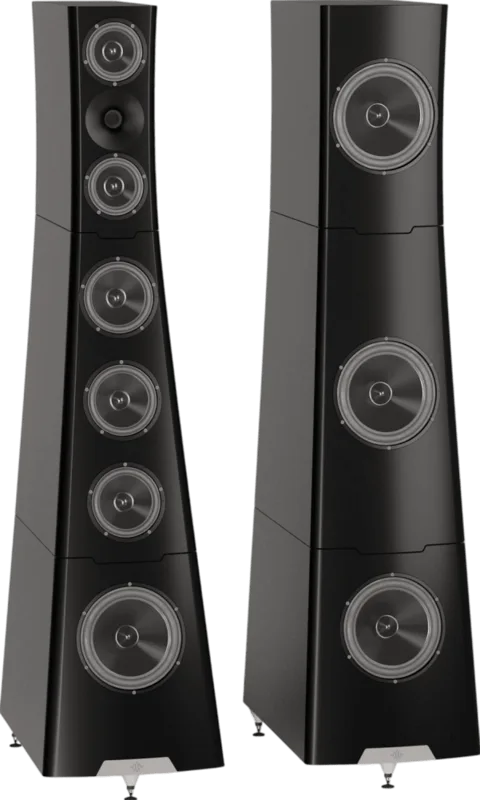
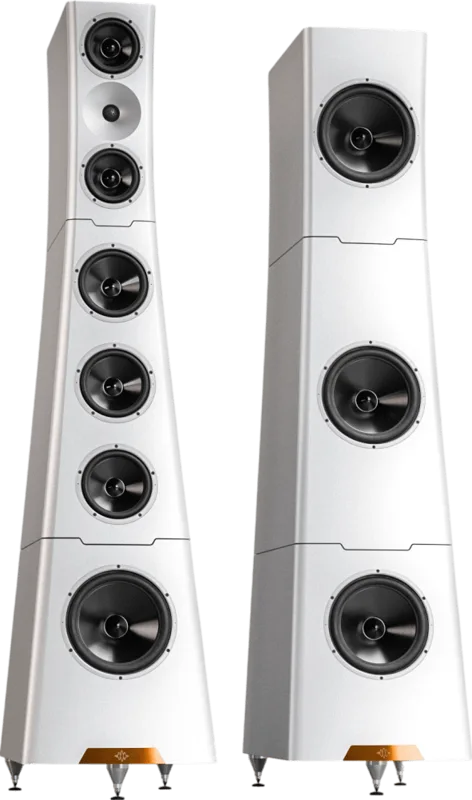
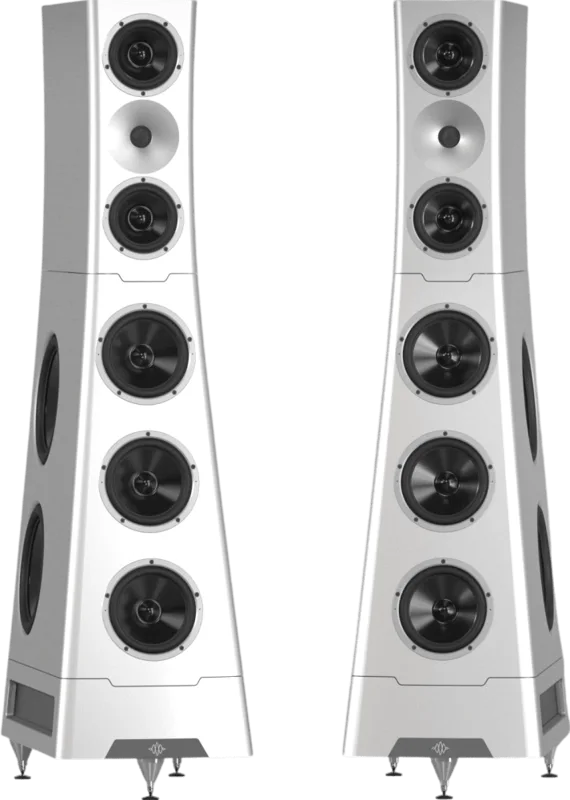
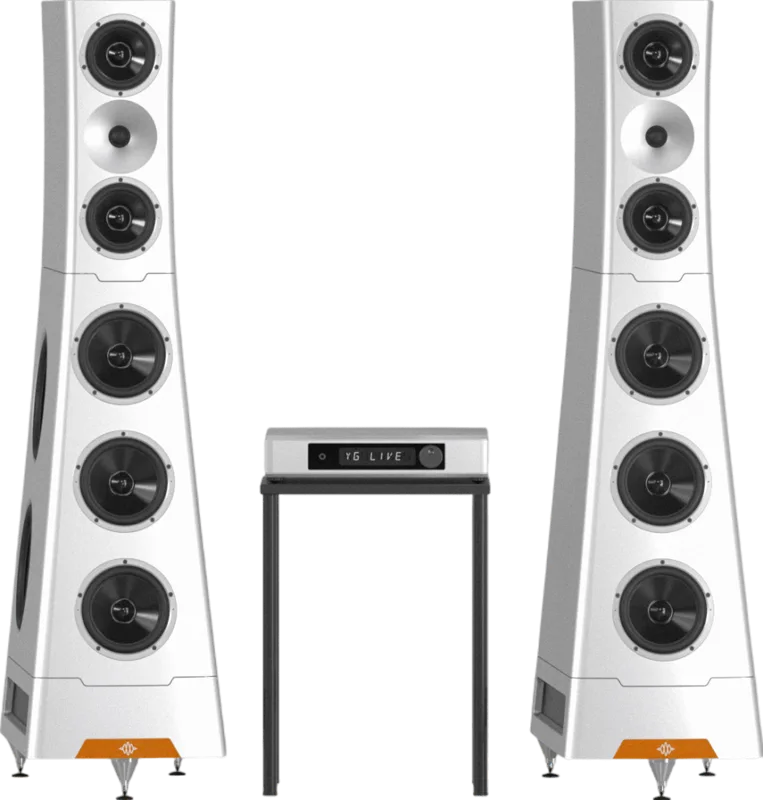

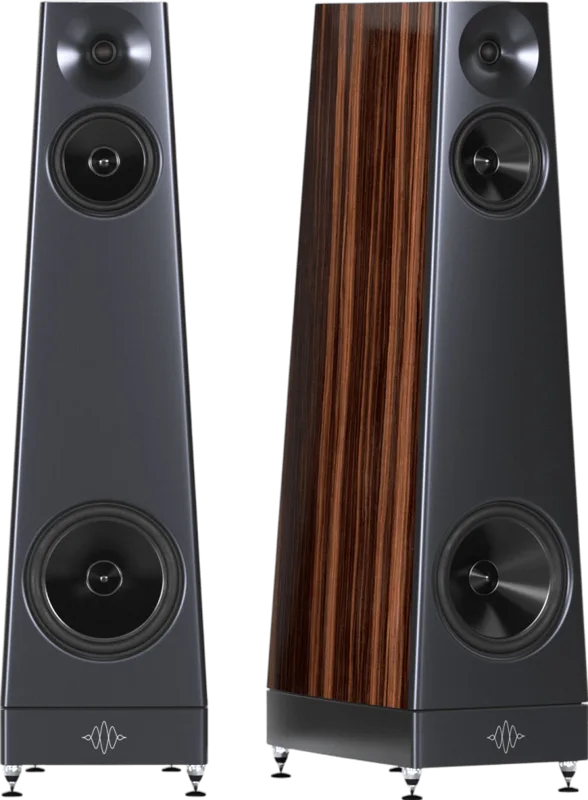
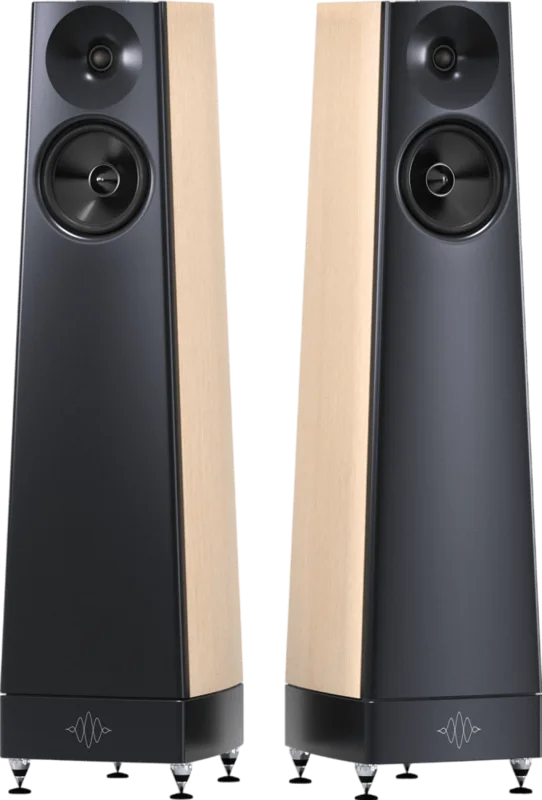
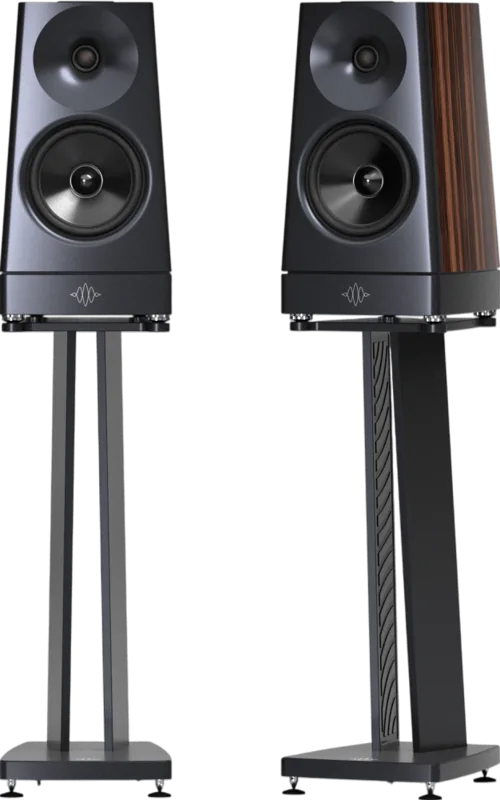

All used YG Acoustics
Where to buy the Carmel 339 dealers
About YG Acoustics
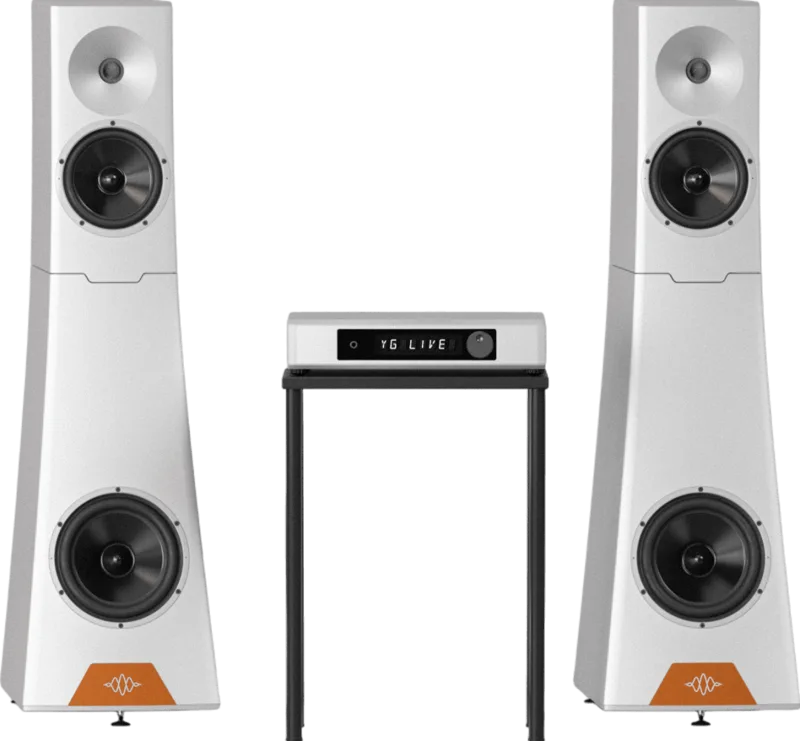
YG Acoustics is an American speaker maker, founded in 2002, that machines its own parts on CNC equipment in Denver. Its BilletCore drivers and ForgeCore tweeters are made in-house, and Reference series enclosures are milled from aluminum. A research hub in Cambridge, UK, has its own GPU cluster, and YG's modeling includes the amplifier and room along with the speaker. The Peaks series, including the Cairn and Tor, uses HDF cabinets with constrained layer damping and hand-built crossovers. The Vantage 3 Live has amplifiers and DACs built in, so it plays without separate electronics.
Brand highlights
- YG Acoustics leverages in-house CNC machining expertise, including billet aluminum construction and meticulously crafted ForgeCore tweeters and BilletCore drivers, to achieve exceptionally low distortion across the frequency spectrum.
- YG Acoustics employs sophisticated multi-domain computer modeling that goes beyond traditional techniques, incorporating amplifier simulations and room interactions, resulting in speakers that perform consistently well with various equipment and in different environments.
- The Peaks series, while more affordable, maintains a high level of attention to detail, including custom-designed crossovers with hand-built circuit boards, and constrained layer damping, resulting in a balance of performance and accessibility.