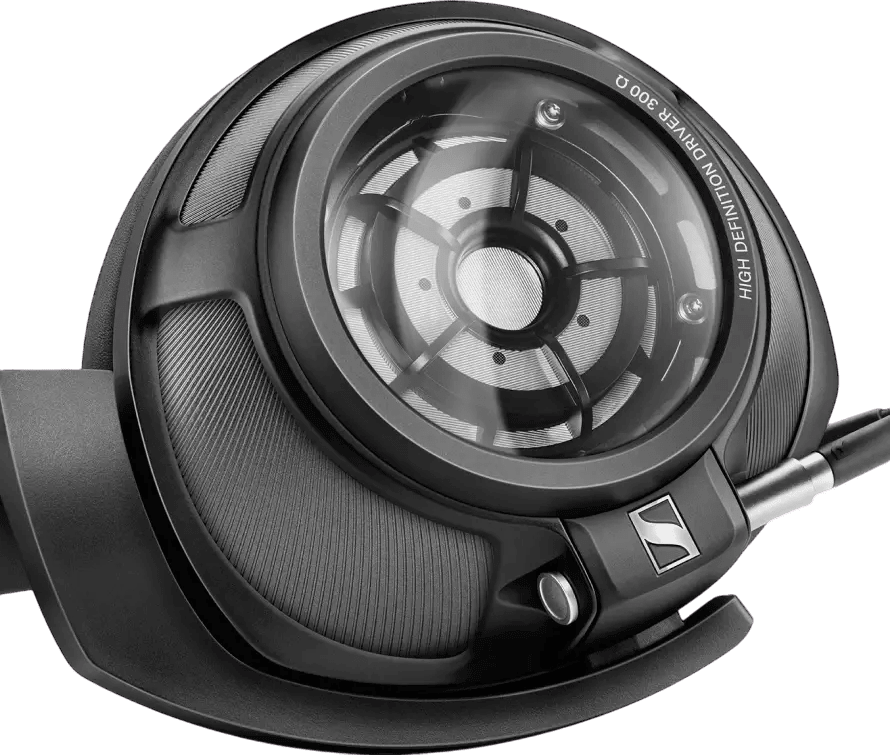
HD 820
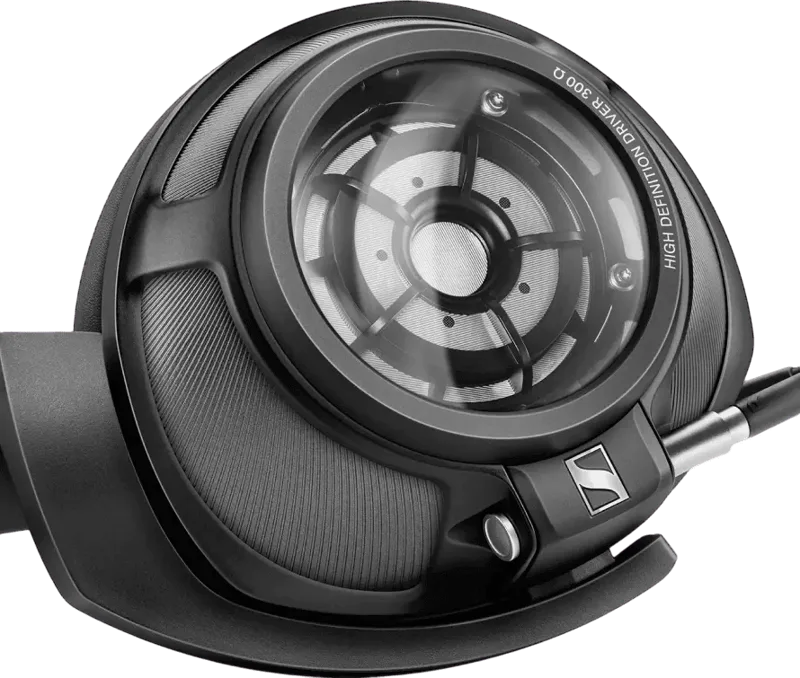
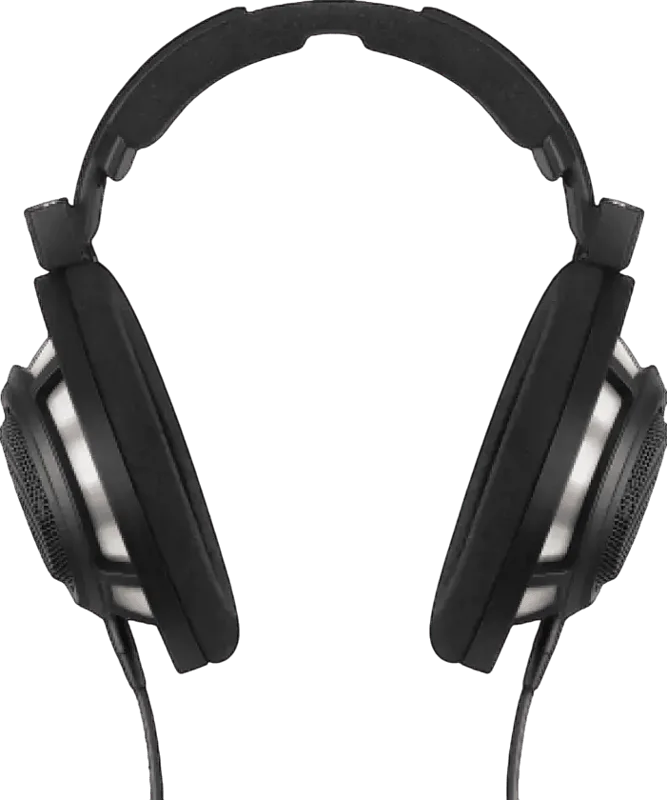
Sennheiser's HD 820 is a closed-back, over-ear headphone that suits shared rooms. It is meant to be driven by a dedicated headphone amp rather than a phone. Reviewers single out its wide soundstage, imaging and detail, and its comfort over long sessions.


New here? ExtremeHiFi is a free hifi encyclopedia: reviews, prices and used listings. We don’t sell anything.
Summary
Sennheiser's HD 820 is a closed-back, over-ear headphone that suits shared rooms. It is meant to be driven by a dedicated headphone amp rather than a phone. Reviewers single out its wide soundstage, imaging and detail, and its comfort over long sessions.
What reviewers love
The HD 820 is a comfortable and well-built closed-back headphone that excels in soundstage and detail retrieval. It is a great option for those who want a closed-back listening experience with EQ capabilities to adjust the sound to their liking.
Product Strengths
- Superb build quality, similar to the HD 800S, with refined look, feel, and comfort, including thicker and more comfortable pads.
- Soundstage is quite spacious for a closed-back headphone, making it a main selling point, with fantastic image separation and distinction.
- Decent clarity even before EQ, and detail retrieval is surprisingly good, close to the open-back HD 800S.
- The treble is generally clear and smooth, with no significant peaks or dips, well-controlled in the sibilance range.
- Lightweight design (360g) and well-thought-out ergonomics contribute to outstanding comfort.
Product Considerations
- The default tuning may not be to everyone's taste, with a wild bass boost that can result in a congested low-end.
- The midrange has a distinctive 'honky' feel due to a tonal imbalance, with a relative lack of lower-mids and lower treble.
- Sound isolation is not as good as other closed-back designs.
- Bass response is sensitive to the integrity of its earpad sealing, with earpad leakage potentially reducing bass and lower midrange output.
Comparisons (according to reviewers)
- Vs HD800S: HD820 has better bass, but the HD800S has a wider soundstage.
- Vs Focal Elegia: The HD820 does slightly better at detail retrieval.
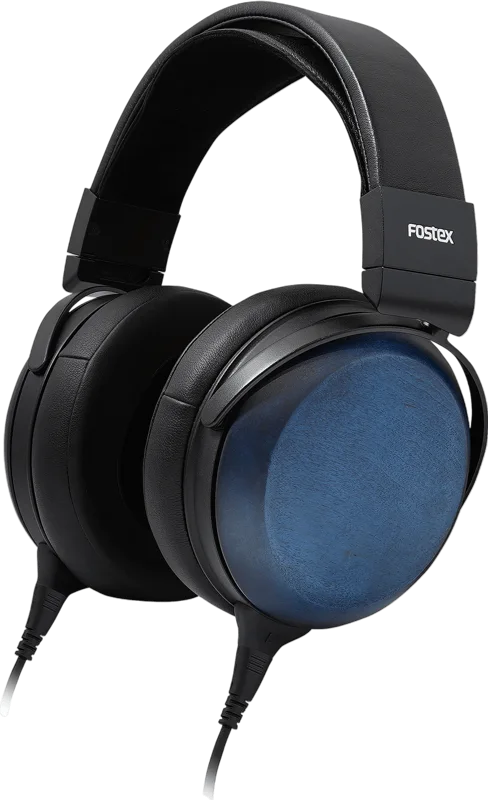
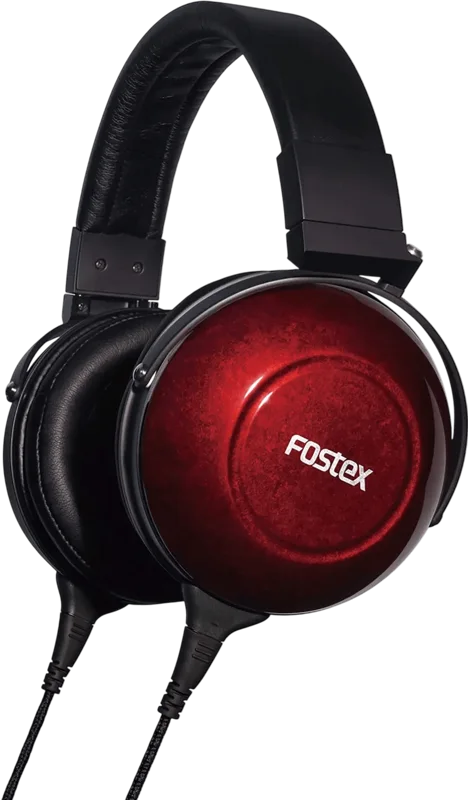
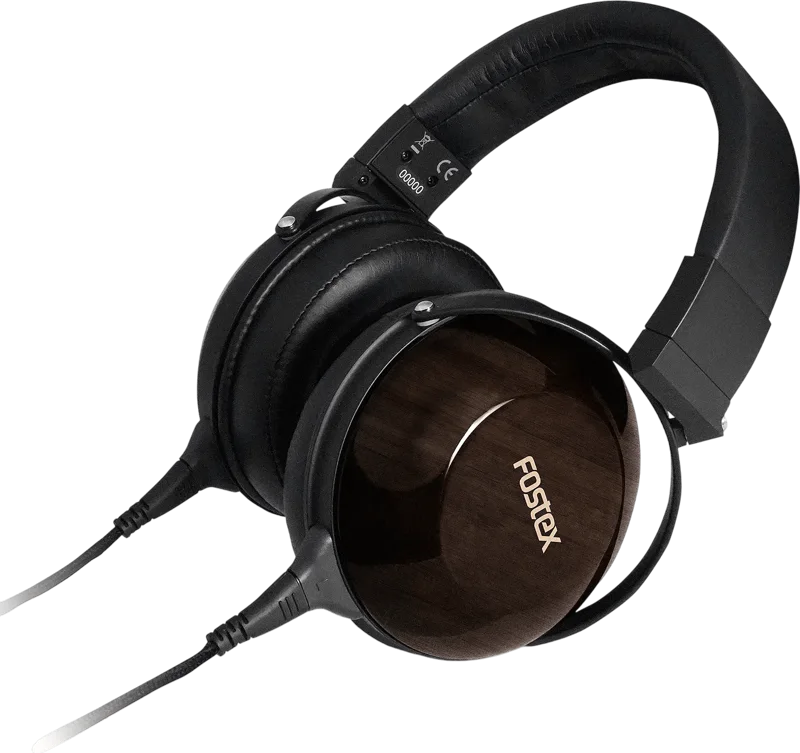
- Vs Fostex TH900: The Fostex TH900, sharing an abundance in bass quantity, has a tighter and punchier stock tuning.
- Vs Sony MDR-Z1R: The soundstage and clarity of the HD820 remain superior.
Takeaway: The HD 820 is a comfortable and well-built closed-back headphone that excels in soundstage and detail retrieval. It is a great option for those who want a closed-back listening experience with EQ capabilities to adjust the sound to their liking.
Written reviews0
Awards0

Over-ear, on-ear, and in-ear headphones, open- and closed-back, with the specs that decide which amp they need: driver type, impedance, and sensitivity.
Buying tips that apply to the HD 820
- Check impedance and sensitivity before choosing an amp. Low-sensitivity planars and 300-ohm dynamic headphones need real power, while most IEMs run well from a phone dongle.
- Watch the sensitivity unit. Some makers quote dB/mW and others dB/V, and on a 300-ohm headphone the two figures differ by about 5 dB.
- Open-backs leak sound in both directions, so they suit a quiet room. Closed-backs and IEMs suit commutes, offices, and late nights.
- Pads change the sound. Worn or swapped pads shift bass and treble more than most amp upgrades, so budget for new pads on a used pair.
- IEM fit comes first. A poor seal loses most of the bass, so try several tip sizes and materials before judging the sound.
- Planar magnetic headphones often weigh 400 g or more. Check the weight before buying a pair for long sessions.
- Electrostatic headphones need a dedicated energizer that can cost as much as the headphones, so price the two together.
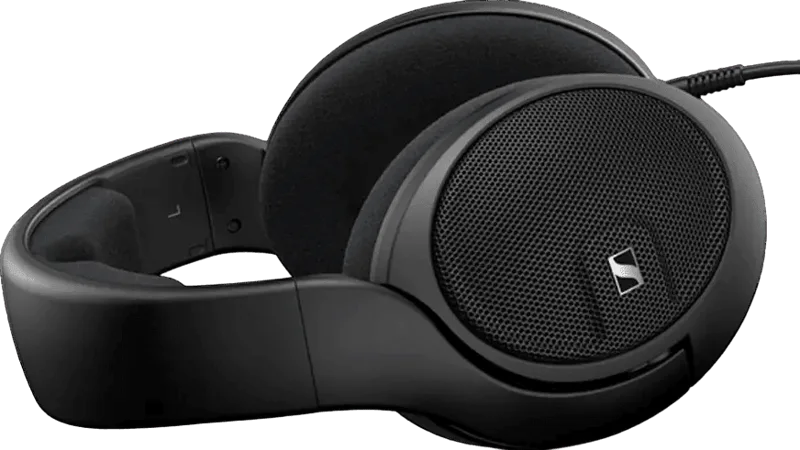
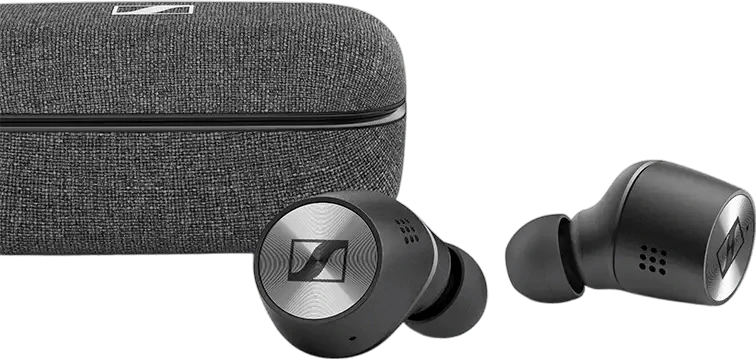
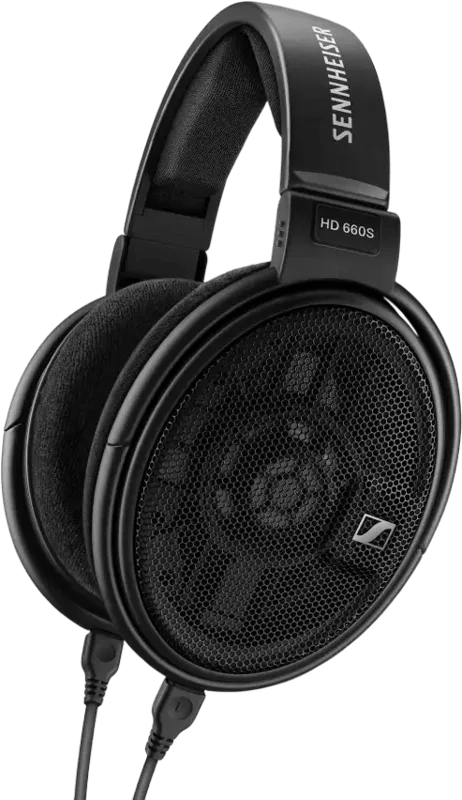
HD 820 photos

Features and specs
Specs
- Frequency response: 6 Hz - 48,000 Hz (-10 dB)
- Sound pressure level (SPL): 103 dB (1 V)
- Impedance: 300 Ω
- Total harmonic distortion (THD): < 0.02% (1 kHz, 100 dB)
- Driver: 56mm Ring Radiator dynamic transducer
Manufacturer's description
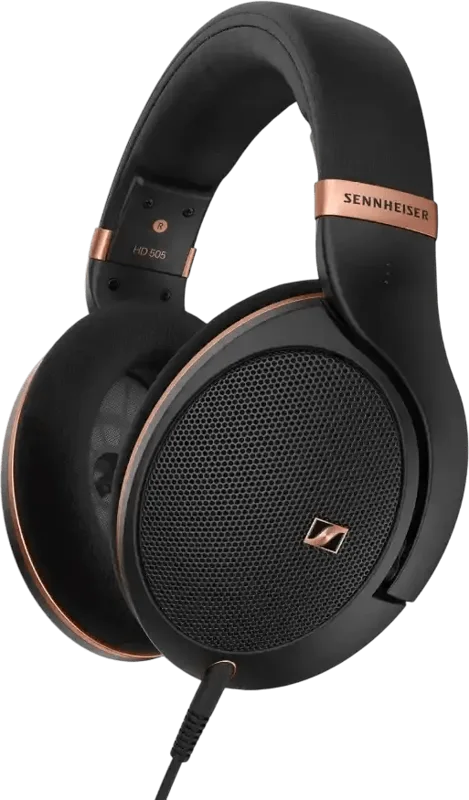
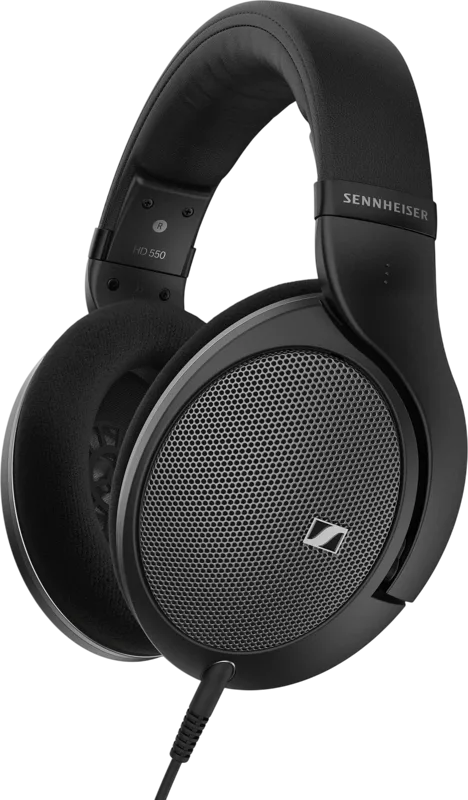

Where to buy the HD 820117 dealers
About Sennheiser
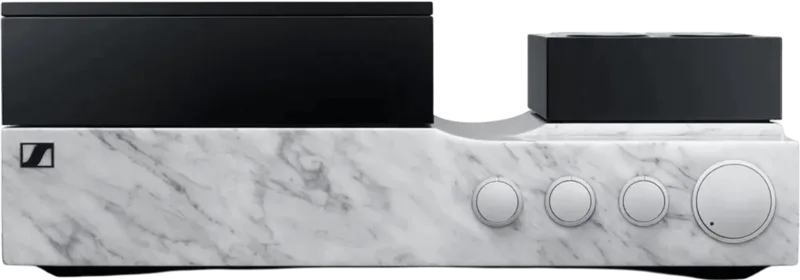
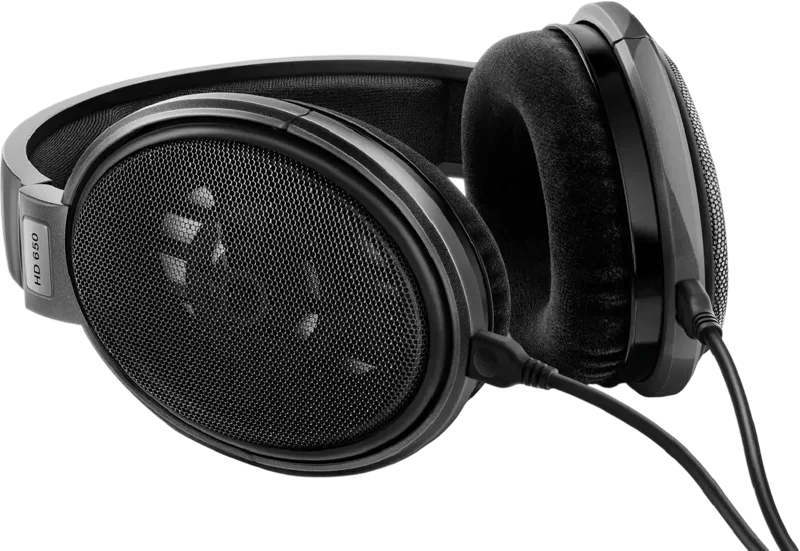
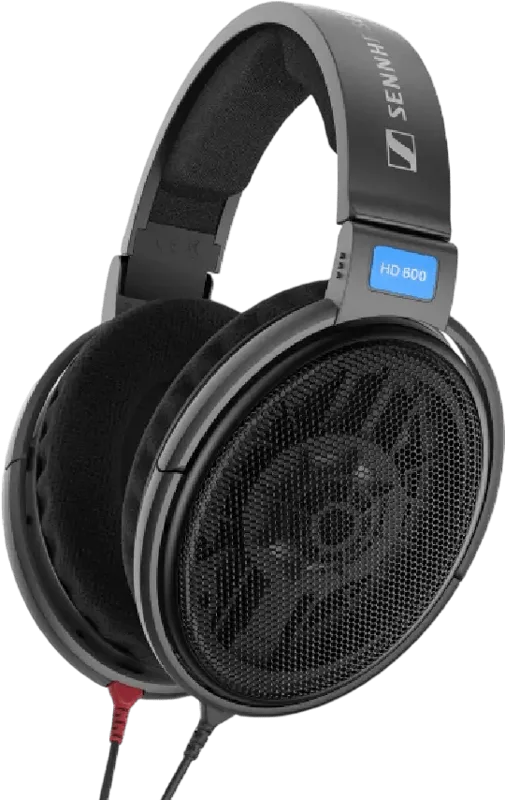
Sennheiser made the first open-back headphone, the HD 414 of 1968, and the open-back is still the center of its hifi range. The HD 600 has been the reference at its price for twenty-five years, the HD 660S2 is the warmer, fuller step up, and the HD 800 S, built for detailed, analytical listening, is on our Best Open-Back Headphones list. The HD 820 is the closed-back alternative, and then there is the HE 1, with its high-voltage amplifiers built into the earcups and a chassis cut from Carrara marble.