




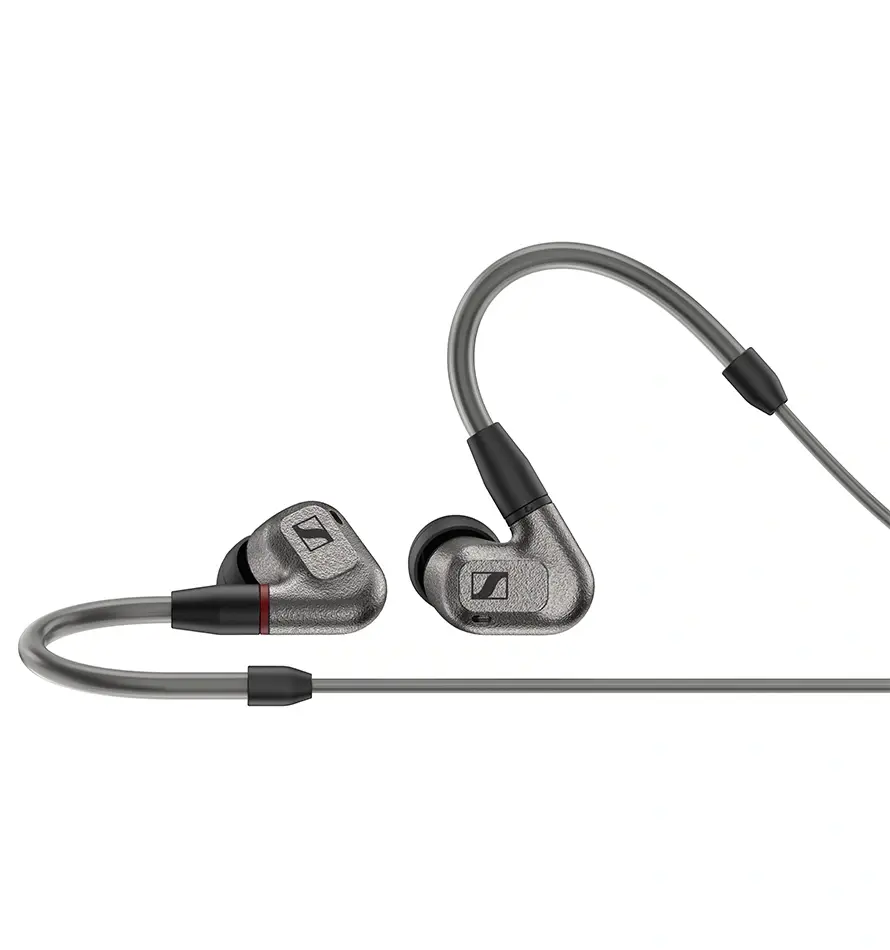
Note that this is a discontinued product. You may want to visit the brand's page here to browse their newer products.
What reviewers think
Bloggers and YouTubers have tried this product—so we've summarized their strongest opinions below. Links to full reviews follow.
Product Strengths
- Agreeable, natural sonic signature
- Sounds very good, feels tough, and comes with most of the accessories needed
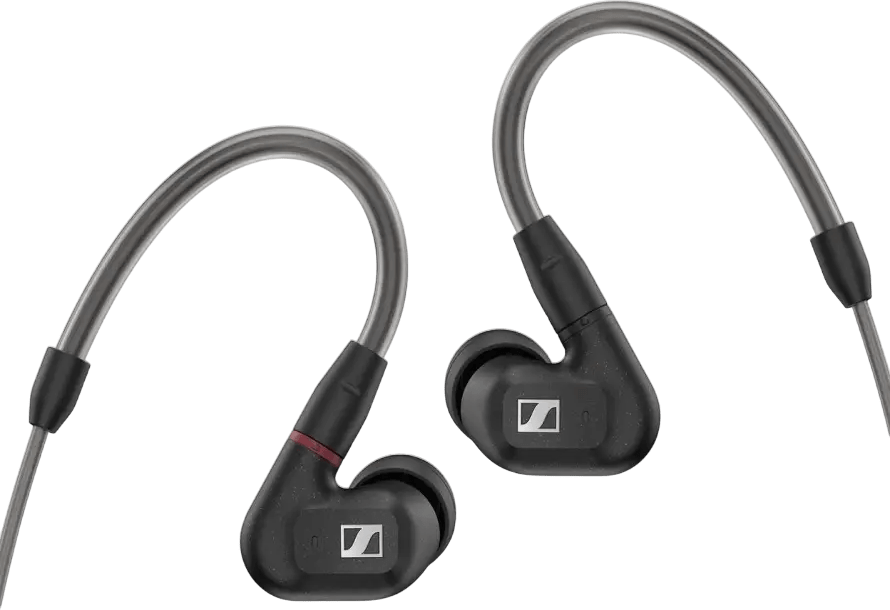
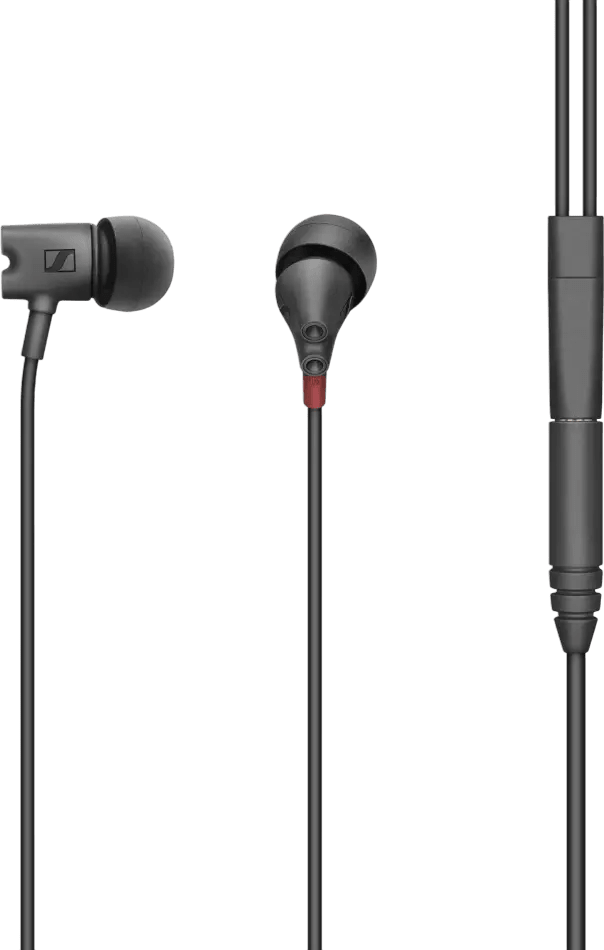
- Precision-milled housings follow the company’s IE 900, IE 200, and IE 300 models, shape wise, and therefore comfort wise
- A well-engineered product that sounds excellent
- Measured performance closely aligns with a headphone preference curve, so it sounds excellent
Product Considerations
- Basic silicone eartips that don’t fit everyone
- The MMCX connector is an atypical version that will not work with most other cables
- The texture of the AMLOY-ZR01 finish is not everyone's favorite to wear
- Treble is a bit subdued with cymbals resolving reasonably well, but way behind the IE 900
- Stock tips that come with Sennheiser's earphones are poorly designed; the silicone lacks rigidity to the point of which it more often than not collapses against the ear when one inserts the IEMs, thus making a proper seal very difficult to achieve
Comparisons (according to reviewers)
- Vs IE 900: The easier-to-drive IE 900 have a tighter, less thumpy low end and a leaner midrange, which results in better separation between the two, and also in better midrange resolution and clarity
- Vs IE 900: The IE 900 also have a much superior (perceived) treble extension and resolution, and a much wider soundstage
- Vs Final E5000: The final E5000 offer fuller voices, more bass, but less treble than the IE 600, and a narrower stage
- Vs Meze ADVAR: The ADVAR's sound is taller than the IE 600, the latter has more width, and imaging is tight and well-produced in both IEMs, with the IE 600 edging out the ADVAR by the slightest of margins
Takeaway: The IE 600 is a great set of earphones that will appeal to listeners owing to their punchy tonality and is pretty much unparalleled in their class. With the IE 600, listeners get undistorted audio and great isolation, and durable materials that will always sound good.
All
IE 600
reviews


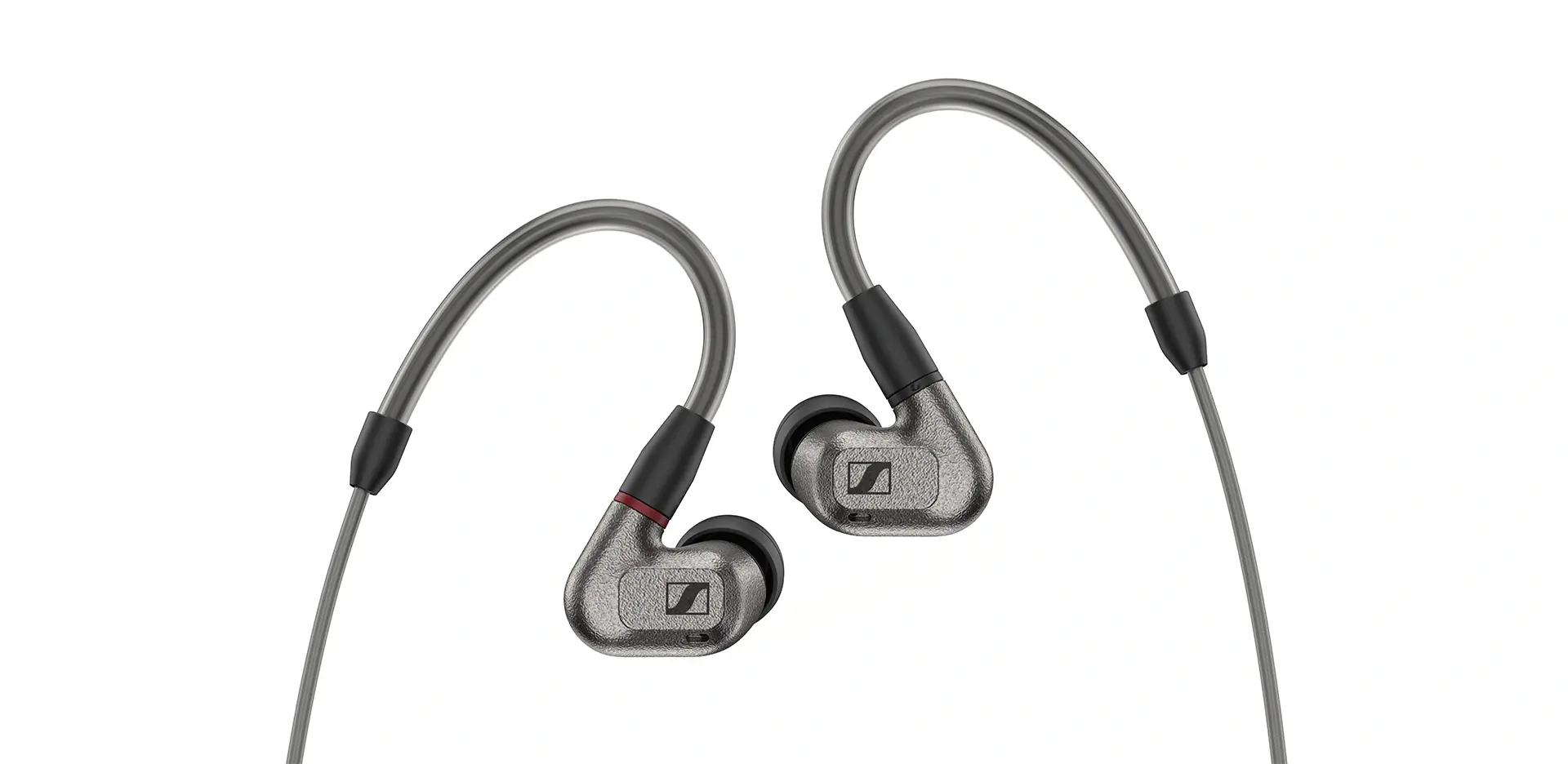
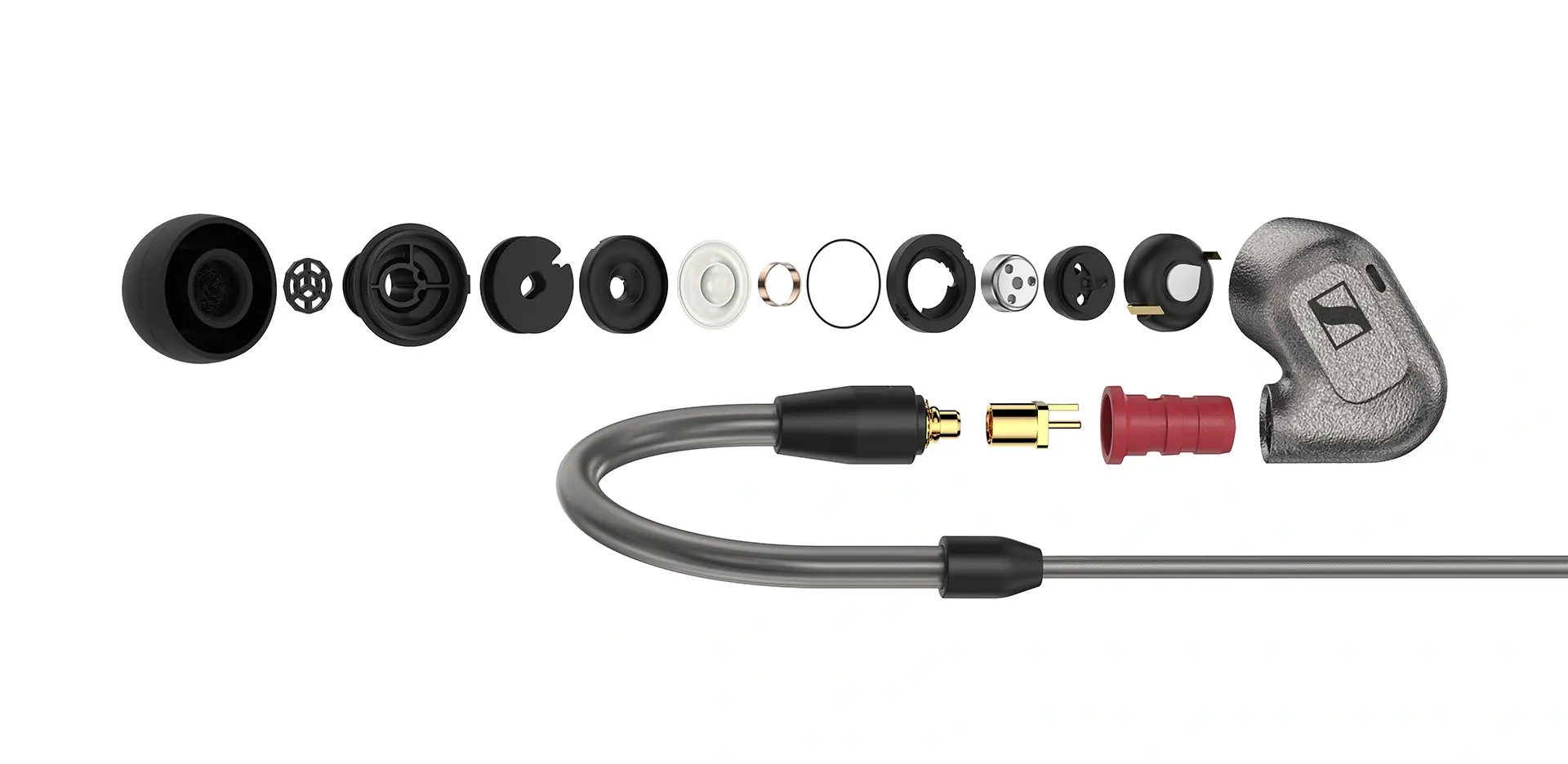
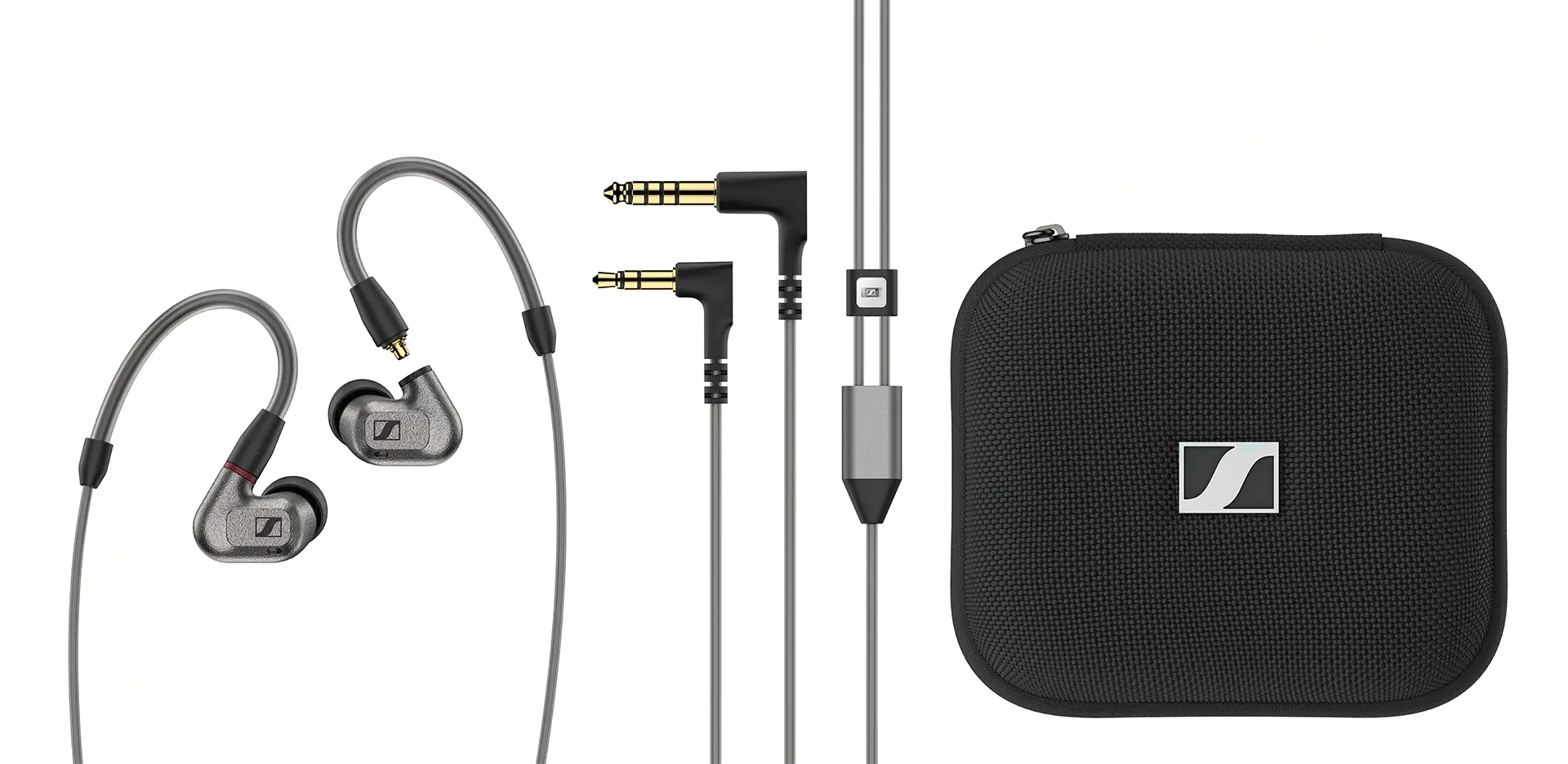
Manufacturer details
- Transducer principle: Single Dynamic Driver, Pressure Chamber
- Frequency response: 4 - 46,500 Hz
- Sound pressure level (SPL): 118 dB at 1 kHz, 1 Vrms
- Impedance: 18 ohms
- THD: 0.06% (1 kHz, 94 dB)





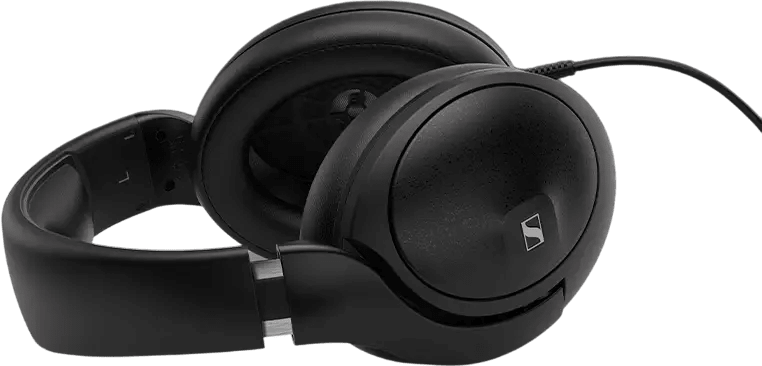
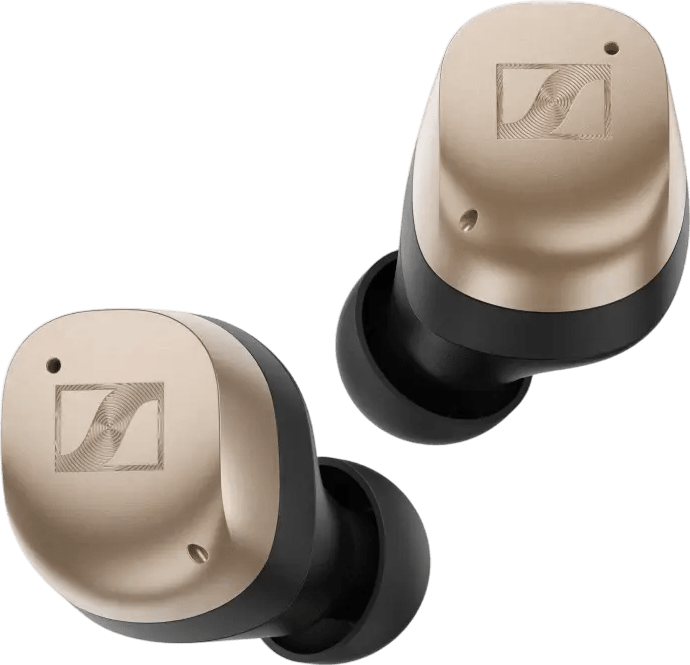

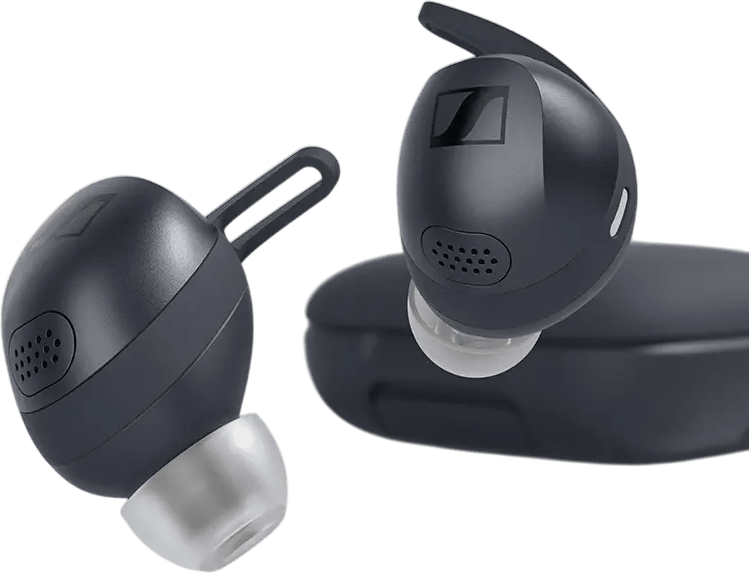

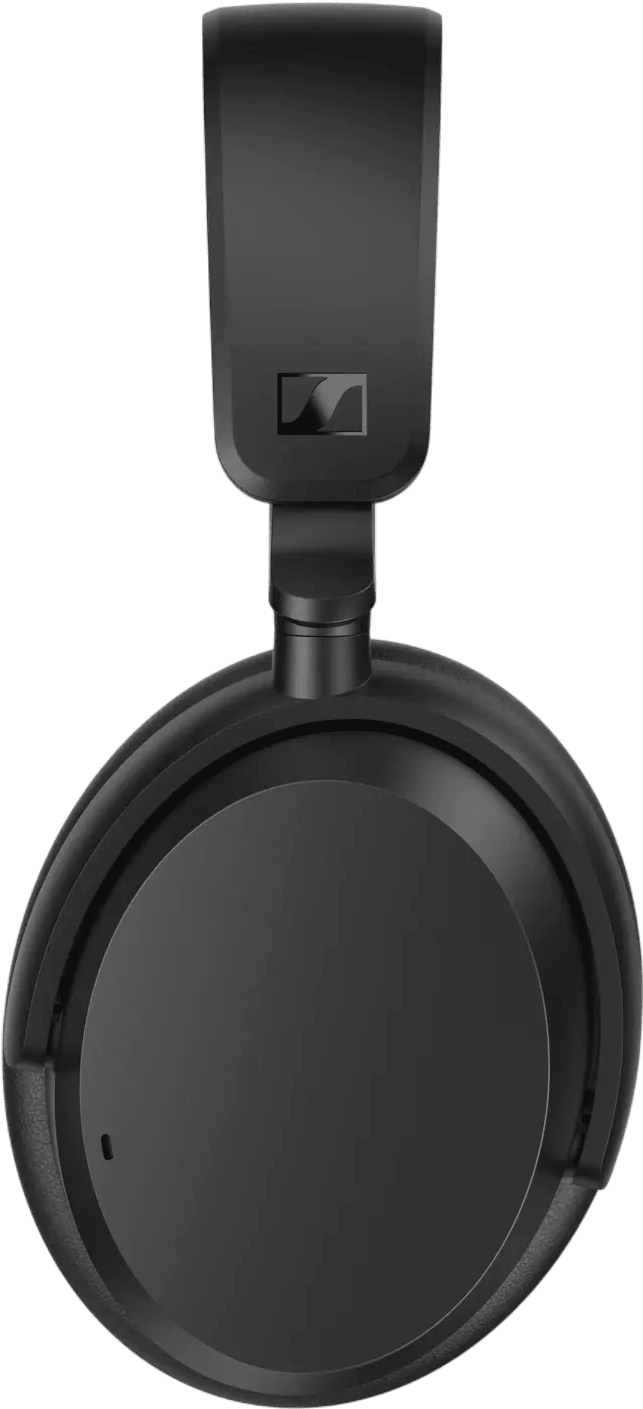





Brand highlights
Taking a step back to look at reviewers' thoughts of the brand's entire lineup—not just this product—what stands out most is the following:
Select products

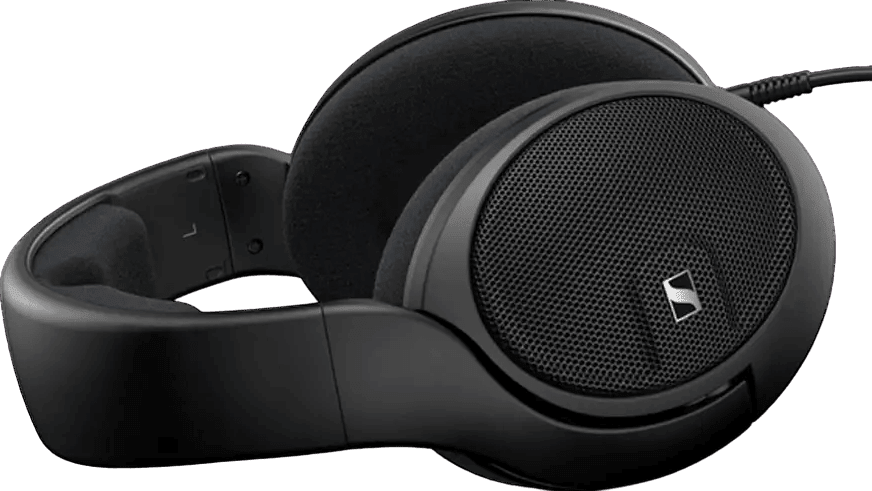
HD-559
- Positioning: Entry-level design focused on affordability and everyday listening needs.
- Description: Offers clear sound and comfortable design with a straightforward acoustic setup suitable for small rooms and casual music enjoyment. Compared to the HD-560S and HD-660S2, its basic performance and limited feature set make it a better fit for buyers with lower budgets and simple functionality needs.
HD-560S
- Positioning: Mid-tier model balancing cost and improved technical performance.
- Description: Delivers enhanced clarity and precision with a refined tuning approach that benefits home or studio use. When compared with the HD-559 and HD-660S2, it provides better sound detail while remaining accessible for buyers seeking moderate cost and practical functionality.
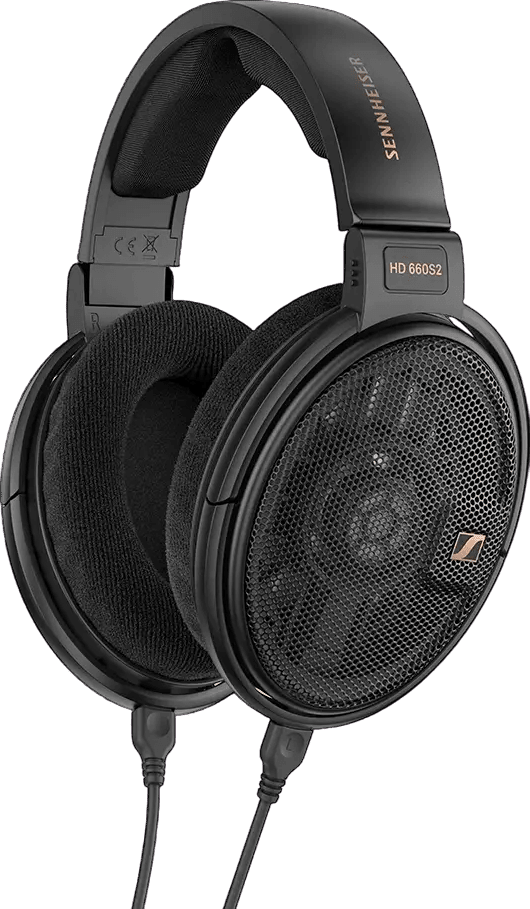
HD-660S2
- Positioning: Mid to high-level design crafted for a richer and fuller sound experience.
- Description: Offers a warmer sound signature with improved bass impact and a wider soundstage. Relative to the HD-560S and HD-800S, its technical enhancements and superior build quality justify the higher investment for users aiming for more refined performance without reaching the premium flagship tier.
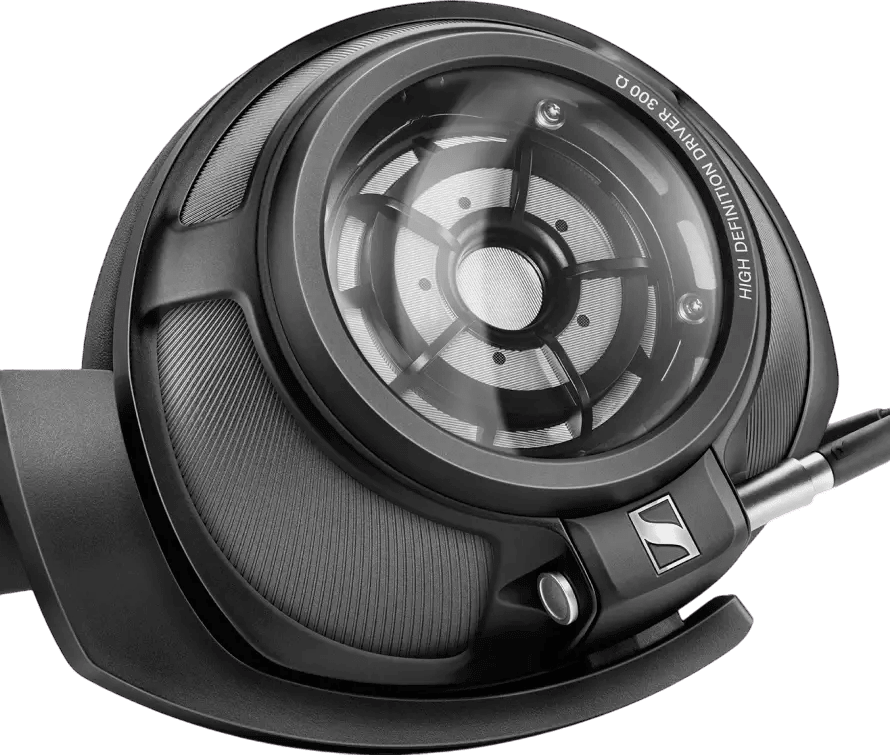
HD-800 S
- Positioning: High-end open-back design intended for detailed, analytical listening applications.
- Description: Provides natural, transparent sound with a wide soundstage and precise imaging that benefits critical listening in controlled environments. Compared to the HD-660S2 and HD-820, it emphasizes technical accuracy and spatial detail.
HD-820
- Positioning: Premium closed-back design engineered for reference-class listening in isolated environments.
- Description: Features a unique closed-back design that merges open headphone sound characteristics with enhanced bass warmth and improved isolation, suited for quiet and nearfield environments. In comparison with the HD-800 S, it prioritizes sound isolation and versatility over the expansive open-air presentation.

Our take on the brand
Look inside the brand
Our interview with the brand
What are two key technological innovations or strong opinions that differ you from other brands?
What's your approach to customer support?
What are your favorite tracks for showcasing the strength of your products?
What other products pair best with yours?

Used
Sennheiser







What if you spend more?




.svg)
Product Strengths
- Exceptional bass performance with rawness, texturing, and a sense of dynamics.
- Excellent treble extension and resolution, delivering sparkle and airiness without harshness or sibilance.
- Comfortable, small, and lightweight design, making it easy to wear for extended listening sessions.
- Comes with a comprehensive set of accessories, including multiple cables with different terminations (3.5mm, 2.5mm, 4.4mm) and various ear tip options.
- Provides great sound isolation, effectively blocking out external noise without relying on active noise cancellation.
Product Considerations
- Midrange has a recessed upper-midrange, which can make vocals and certain instruments sound veiled or distant, sounding 'stuffy' due to a lack of vocal presence around 3-4kHz.
- Proprietary MMCX connector system that limits compatibility with aftermarket cables.
- Is tip-sensitive, and the stock silicone tips can be slippery and difficult to get a consistent seal.
- Imaging is average.
- Treble is close to being too much for some reviewers.
Comparisons (according to reviewers)
- Vs IE 300: Is better overall than the IE 300, retaining similar sound characteristics but with deeper sub-bass, cleaner bass, and less sibilant treble.
- Vs Unique Melody Mast: Feels more detailed but has a more v-shaped tuning.
- Vs Dunu Zen: Has wider soundstage and treble extension, but the Dunu Zen is easier to drive, bassier, and has a spicier upper midrange.
- Vs Final E5000: Has better treble extension, but the Final E5000 is warmer, has fuller vocals, and is bassier.
- Vs IE 600: Is more finely woven and has better imaging.
Takeaway: The IE 900 is a comfortable and well-built IEM that delivers exceptional bass and detailed treble, making music sound lively and engaging. The IE 900 could be a great choice for those who want top-notch sound in a convenient package.
Video review
Our take on the brand
.png)
Product Strengths
- Impressive technical performance, clarity, detail retrieval, and resolution due to its planar magnetic drivers.
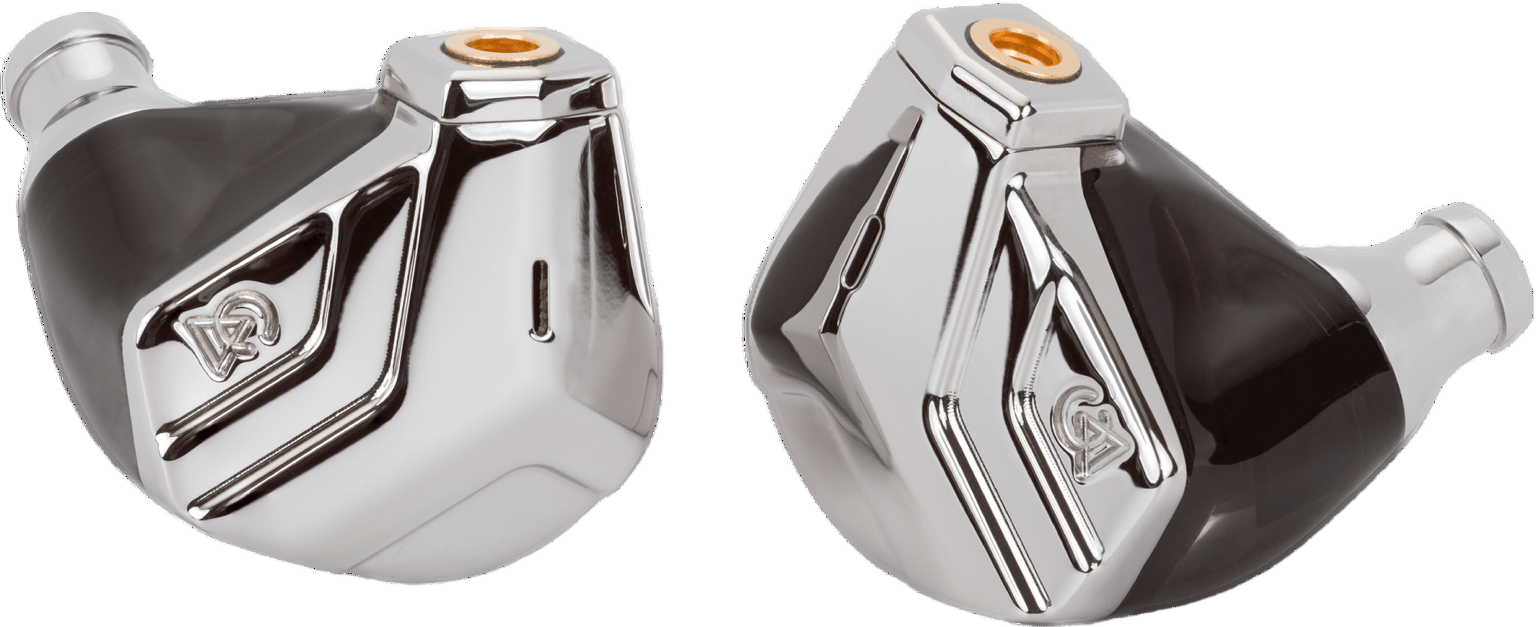
- Features a new, comfortable, and ergonomic shell design that's also lightweight and durable.
- Includes two upgraded Time Stream Metal cables, providing both 3.5mm and 4.4mm terminations.
- Delivers a strong, extended bass response, with texture and speed, plus a nimble, airy top-end.
- Exhibits a spacious, wide, and holographic soundstage with good imaging and instrument separation.
Product Considerations
- Lower sensitivity might require a dedicated DAP or amplifier for optimal performance, and can sound anemic when paired with just a phone.
- Can be sensitive to source pairings, warmer DACs might wash out the mids and some pairings may bring out sibilance.
- Stock tips might not provide the best seal for everyone, and the stock tip selection is poor.
- Silicone eartips can make the treble sound harsh.
- The mirror-finished stainless steel faceplate is prone to fingerprints and smudges.
Comparisons (according to reviewers)
- Vs. Campfire Audio Bonneville: Astrolith has superior mids, clarity, detail and transparency, and better treble extension, articulation, and overall resolution.
- Vs 64 Audio Volür: Astrolith offers bigger bass and a more exciting presentation, as well as faster and more resolving sound, but Volür is more accurate overall.
- Vs. Oriolus Monachaa: Astrolith has a faster and more controlled bass with better texture, a more natural and realistic midrange with a fabulous timbre.
- Vs. Elysian Acoustic Labs Annihilator: Astrolith delivers a more robust and organic mid-range with realistic and natural timbre and more defined lower mids.
Takeaway: The Astrolith is a technically impressive IEM with a comfortable design that delivers a powerful and detailed sound. It could be a great pick for listeners who want high-end sound that can play all kinds of music well.
Video review
Our take on the brand

Product Strengths
- Captures the sound of the original Svanar, with a balanced tuning emphasizing bass and treble while maintaining the mids
- Incredible imaging performance, offering a wide, well-rounded, three-dimensional soundstage with excellent positioning and separation—highly competitive, even compared to non-TWS IEMs under $1000
- Has an R2R DAC which permits unreachable technical performance
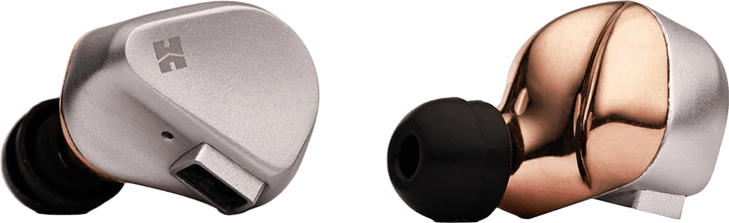
- Very light and comfortable
- Excellent connectivity and usability
Product Considerations
- LDAC connectivity issues with invasive intermittence and noise cutting
- ANC and Transparency mode aren’t very useful and lack dynamic, delivering leaner dynamic, less musicality
- Plastic build might not be most durable if dropped
- High-frequencies are quite sensible to the source, making it one of the least forgiving TWS
- Hiss is also present
Comparisons (according to reviewers)
- The Svanar Wireless is punchier, with better bass detail and imaging, and a wider soundstage, while the Final ZE8000 has a warmer, more neutral sound
- The Svanar Wireless has stronger imaging performance, a wider soundstage, and a better balance between separation and cohesion
- The Svanar Wireless is superior in technicalities and tonal balance, as well as timbre and tone naturalness, and ultimately musicality
- The Svanar Wireless' soundstage is taller and wider but not as deep, since clarity isn’t as sharp and clean, silence being more "noisy"
- The Svanar Wireless has better sound and performs better technically
- The Sony TWS has bloated bass that overwhelms everything else; in comparison, the soundstage and treble performance of the Svanar Wireless is miles ahead, presenting a much more detailed, natural, and sophisticated kind of sound
Takeaway: The Svanar Wireless sounds impressive for wireless earbuds, and it has great connectivity and features. For those seeking high-end wireless sound, these are worth considering.
Video review
Our take on the brand

.png)
Product Strengths
- Praised for its beautiful design
- Very comfortable, almost expected from an IEM based on resin
- Easy to drive due to its low impedance and high sensitivity
- Provides a lot of clarity
- Has a very natural tonality, even with balanced drivers
Product Considerations
- Its design might be too fragile and prone to scratches
- May lack impact and slam for music with a lot of low-octave focus
- Some amplifiers might not synergize well, needing experimentation
Comparisons (according to reviewers)
- Compared to the Moondrop variations, the Cadenza is preferred for its handling of transitions
Takeaway: The Cadenza is a beautiful IEM with great clarity that's also comfortable to wear. It is an easy to drive IEM, with great potential to provide enjoyable listening sessions.
Video review
Our take on the brand
What competes at this price?

Our Summary
Product Strengths
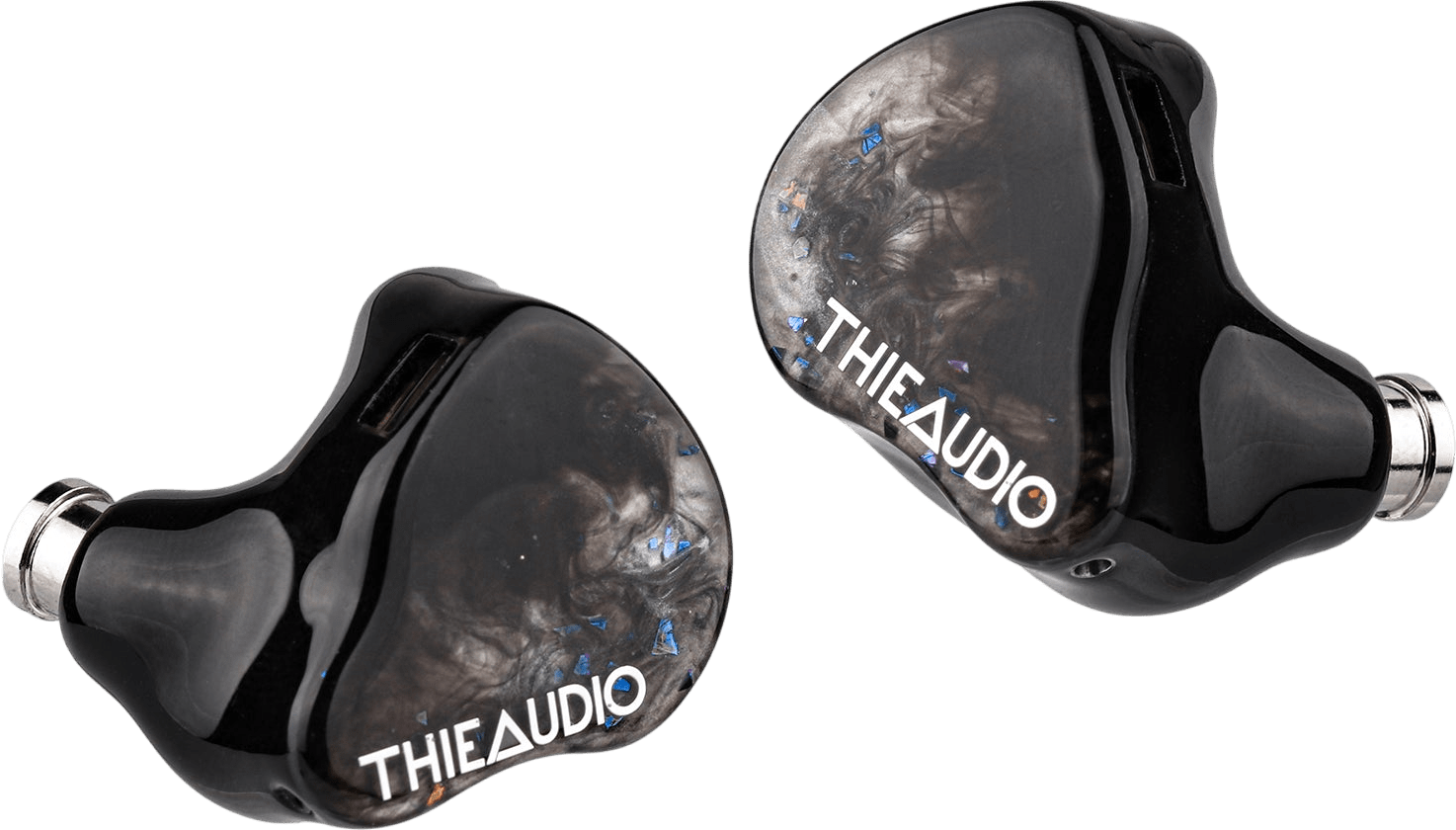
- Offers excellent midrange resolution, highlighting subtle details in instruments
- Features a safe yet exciting U-shaped tuning suitable for all genres
- Presents a dynamic and exciting sound signature, clear vocal performances, and a resolving staging performance
- The included cable is of high quality and features interchangeable plugs
- Has great audio reproduction accuracy and consistent audio delivery
Product Considerations
- The upper treble may be a little exaggerated for some listeners
- The shell is larger than average for a universal IEM, which may cause fit issues for some
- Stock ear tips are just okay
- Bass resolution could be better
- Does not have an integrated microphone, so a standalone mic is needed to take calls
Comparisons (according to reviewers)
- Vs. Monarch MKII: The MKIII has increased richness in its midrange and an upper treble exaggeration, offering a slightly U-shaped signature compared to the MkII's balanced profile
- Vs. Symphonium Helios: MkIII's midbass body contrasts Helios' dipped lower mids, MkIII has better overall resolution, but a more exaggerated treble
- Vs. 64 Audio U4s: The MkIII is better tuned compared to the U4s, with the U4s having a thicker midrange and weightier timbre
- Vs. MOONDROP x Crinacle DUSK: The THIEAUDIO have a more detailed treble range
- Vs. MOONDROP Blessing 3: The THIEAUDIO have a more elevated bass range
- Vs. TRUTHEAR x Crinacle ZERO: RED: The THIEAUDIO do a better job blocking out external noise and leak less audio
Takeaway: The Monarch MKIII is a well-tuned IEM that is great for all kinds of music and has excellent technical performance. If one is looking for a high-end IEM with a versatile sound, this could be a great choice.
Video review
Our take on the brand


.png)
Our Summary
Product Strengths
- Very comfortable, suitable for long listening sessions and wearing in bed, due to its small size, lightweight design, and ergonomic shape
- Delivers a neutral and natural sound presentation, making it appropriate for stage and studio monitoring
- Excellent sound isolation, effectively blocking out external noise
- Good detail retrieval and resolution, presenting information accurately
Product Considerations
- May sound a bit boring or dull if one is looking for a more dynamic and engaging sound with more bass and treble emphasis
- The plastic build quality may not feel as premium as some other IEMs
- Requires a bit more power to drive it to sound best
Comparisons (according to reviewers)
- Mach 60 has a more neutral presentation, while ADV M512D is more elevated in the mids and treble and has more bass impact
- Mach 60 is more neutral and natural, while Unique Melody MEST delivers excellent detail and resolution
Takeaway: The Westone Mach 60 is a comfortable and well-built in-ear monitor that delivers a neutral and natural sound, great for musicians and audiophiles looking for an accurate representation of their music. It is a great tool as a stage monitor and comfortable for long listening sessions.
Video review
Our take on the brand

Our Summary
Product Strengths
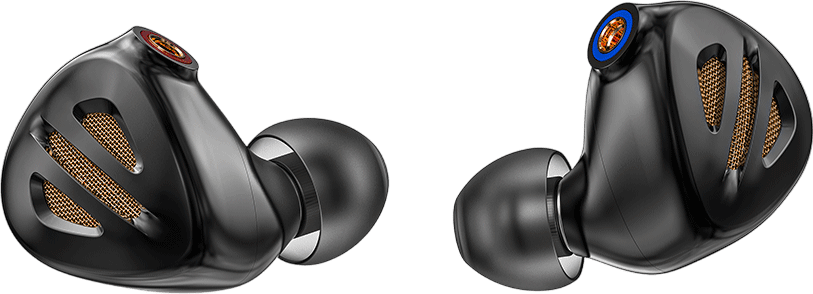
- Convincingly balanced sound performance with a slight bass emphasis
- A wide and deep soundstage
- High-quality build, using a titanium housing, making it feel robust
- Good clarity and sparkle in the highs, with a natural and airy treble that feels relaxed
- Comes with a decorative, braided balanced cable made of silver wire, with interchangeable ends
Product Considerations
- A larger earbud which may affect the fit for some users
- A slight emphasis in the bass area and a sober sound, which may be a matter of taste
- Semi-open design is less isolating
- High frequencies might be too elevated for some
Comparisons (according to reviewers)
- Vs FiiO FH5s: Better bass texture, transparency, resolution, and treble definition, and sounds more cohesive and balanced
- Vs FiiO FH7: Better design, a better carrying case, more accessories, better build quality, better refinement, more resolution, transparency, treble definition, dynamism, and a wider and deeper soundstage
- Vs Kinera Norn: Better mid-range definition, tonality, and transparency, the Norn has a more V-shaped sound signature with splashy and aggressive treble
Takeaway: The FiiO FH9 is a well-crafted IEM with a balanced sound signature and customizable options, making it enjoyable for a wide range of listeners. It has excellent detail retrieval and a wide soundstage that immerses the listener in the music.
Video review
Our take on the brand

.png)
Our Summary
Product Strengths
- Smooth, natural, and easy to listen to sound signature that is not fatiguing
- Impressive and beautiful design, with unique 3D faceplate and premium feel
- Good build quality and comfortable ergonomic fit for most ears
- High-quality modular cable with interchangeable plugs (3.5mm, 2.5mm, 4.4mm)
- Full-bodied vocals and a versatile sound that works well with various genres
Product Considerations
- Can be considered large and thick, protruding from the ears
- Bass can lack definition, separation, and impact for some listeners
- Stock cable may not unleash the full potential of the IEMs, and an upgraded cable is recommended by some reviewers
- Midrange separation could be better for some users
Comparisons (according to reviewers)
- Vs. the FiiO FH7: The URD is less aggressive, more charming, and has a wider soundstage, the FH7 has faster, more controlled bass but can be fatiguing
- Vs. the DITA Audio Twins Fealty: The URD prioritizes weight, soft tonal balance, and timbre density, the Fealty emphasizes amplified resolution and detailed texture
Takeaway: The Kinera URD is a beautiful and comfortable IEM that offers a smooth and natural sound, making it a great choice for long listening sessions across many music genres. It stands out with its design, accessories, and non-fatiguing sound.
Video review
Our take on the brand


Our Summary
Product Strengths
- Excellent build quality with a CNC titanium alloy material shell, giving it a premium feel
- Many reviews praise the natural and well-tuned midrange
- An airy and sparkly treble region that is not fatiguing or offensive
- The fit and comfort are excellent due to its smaller shell and ergonomic design
- The packaging and accessories are nice and extravagant, contributing to a premium unboxing experience
Product Considerations
- The bass response is underwhelming, lacking mid-bass emphasis and sub-bass authority, and may not satisfy bass enthusiasts
- The stock cable is often considered flimsy and not up to par for a flagship-level IEM, and lacks modularity
- The unique design of the faceplate may not appeal to everyone
- Some reviewers mention a lack of pneumatic pressure relief, leading to pressure buildup in the ear canal for some users
- Some dryness in the treble region
Comparisons (according to reviewers)
- Compared to Moondrop S8, the S8 does not have the same contrastiness, but offers more microcontrast and texturing in vocal content
- Compared to 7th Acoustic Supernova, the Supernova has better imaging performance and adds more mid-bass
- The Mystic 8 reminds reviewers of the Cadenza 4 (particularly the midrange)
- Vs Letshuoer Cadenza 12, the Cadenza 12 has more bass volume and depth, superior dynamics, imaging, and staging, but the Mystic 8 has more open mids
Takeaway: The Mystic 8 is a well-built IEM with a balanced and natural sound, making it great for critical listening and those who appreciate a mature and refined sound signature. Comfortable and technically proficient, it is a great choice for those who prioritize clarity and detail retrieval over emphasized bass.
Video review
Our take on the brand
How to buy
Headphones
Search all hifi products
Explore our database of 10,000+ new and 25,000+ used hifi products.

.png)
.png)
.png)