New here? ExtremeHiFi is a free hifi encyclopedia: reviews, prices and used listings. We don’t sell anything.
Summary
What reviewers love
The LS3 is a capable monitor that reproduces the tonal quality and dynamic nuance of voices and acoustic instruments, while still being nicely balanced throughout the entire audio band without obvious emphasis. It could be a great option for those seeking a compact monitoring solution.
Product Strengths
- Articulate, and capable of lithe changes in microdynamics
- Excellent vocal articulation
- Voices have a correctness of pitch and timbre
- Has a clarity and natural tonality to its reproduction of voices in particular that is hugely satisfying
- Gives the listener a lot of what the LS3/5 or LS3/5a might offer
Product Considerations
- Slight emphasis on the upper bass
- Not as precise at rendering the decay and release of piano tones
- Bass is not totally accurate
- Very small stereo listening space—it doesn't fill the room with sound quite as well as the LS3/5a or bigger speakers
- Relatively limited ability to play at high volume levels
Comparisons (according to reviewers)
- Compared to the LS3/5 or LS3/5a, it gives the listener a lot of what the LS3/5 or LS3/5a might offer
- Compared to the LS3/5a, it's not an LS3/5a 'lite' in every respect
- Compared to the LS3/5a, it does better than most in getting speech reproduction right
- Compared to the Linn Kan, it is more like a tamed Linn Kan, with the added excitement, fun, and its impersonation of bass energy that loudspeaker turned in
Takeaway: The LS3 is a capable monitor that reproduces the tonal quality and dynamic nuance of voices and acoustic instruments, while still being nicely balanced throughout the entire audio band without obvious emphasis. It could be a great option for those seeking a compact monitoring solution.
Written reviews0
Awards0

Bookshelf, floorstanding, in-wall, and powered speakers, compared on the specs that matter in a real room: bass extension, sensitivity, and tweeter type.
Buying tips that apply to the LS3
- Get placement right before anything else. Pulling speakers 2–3 feet (60–90 cm) from the wall behind them tames boomy bass; the listening seat should sit at the third point of an equilateral triangle, with toe-in adjusted to set the width of the image.
- Match speaker size to the room. Large towers in a small room often sound bloated, and nearfield listening at a desk favors small two-way designs.
- Each 3 dB of extra sensitivity halves the power needed for the same volume. For moderate listening levels, speakers rated 90 dB or more allow a smaller, cheaper amp.
- Treat the room before spending more on speakers. Bass traps in the corners and absorption at the first reflection points often do more than a step up in speakers.
- Used speakers lose value quickly, so two- or three-year-old models from established brands often sell well below their new price.
- Three-way designs free the midrange driver from bass duty, which can lower distortion in voices, though a well-designed two-way can image just as precisely.
- Tweeter dispersion matters more than its frequency response. Wide dispersion gives a bigger sweet spot but lights up more room reflections; controlled directivity suits lively rooms.
- Open-plan rooms lose bass. If the room opens onto other spaces, budget for a subwoofer instead of bigger main speakers.
- Audition with familiar music. Voicing varies a lot between brands, and a pair that excites on rock can grow tiring on strings.
- Many brands put their flagship tweeter into smaller models. A bookshelf speaker from a brand's top range often beats a cheaper tower in a small room.
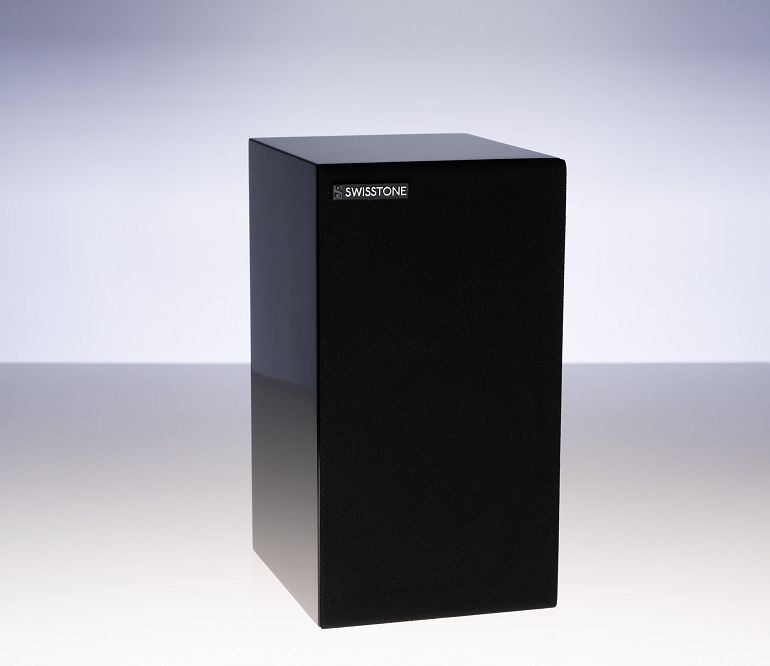
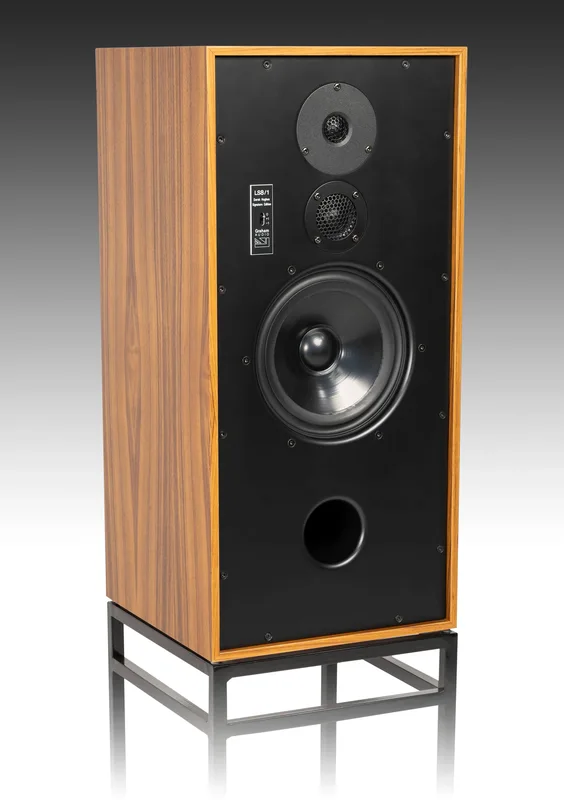
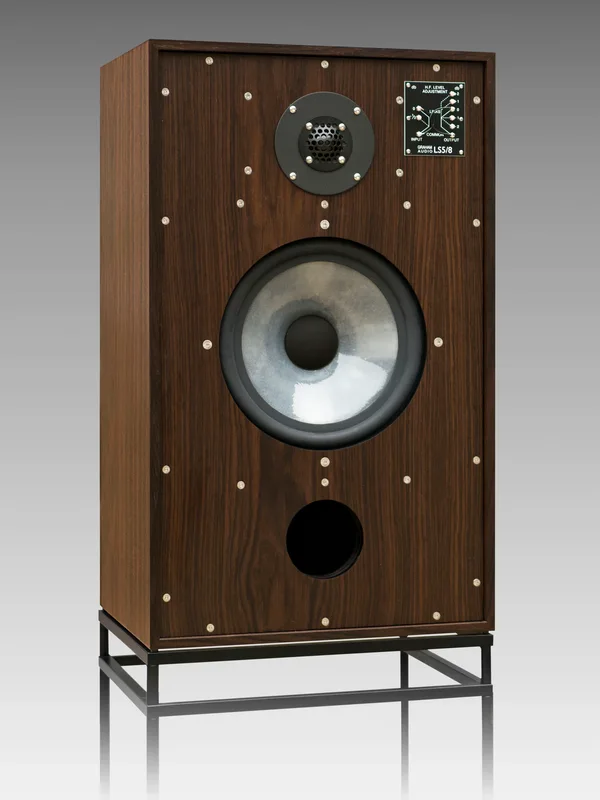
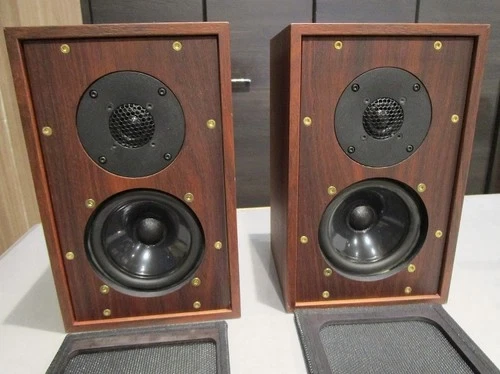
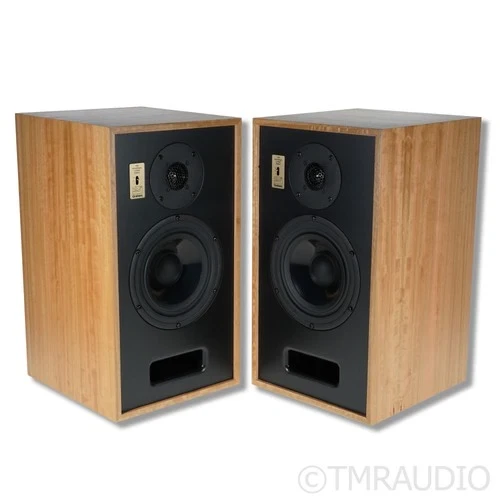
LS3 photos
Features and specs
Specs
- System: 2 Way, sealed enclosure
- Enclosure: Thin wall damped construction
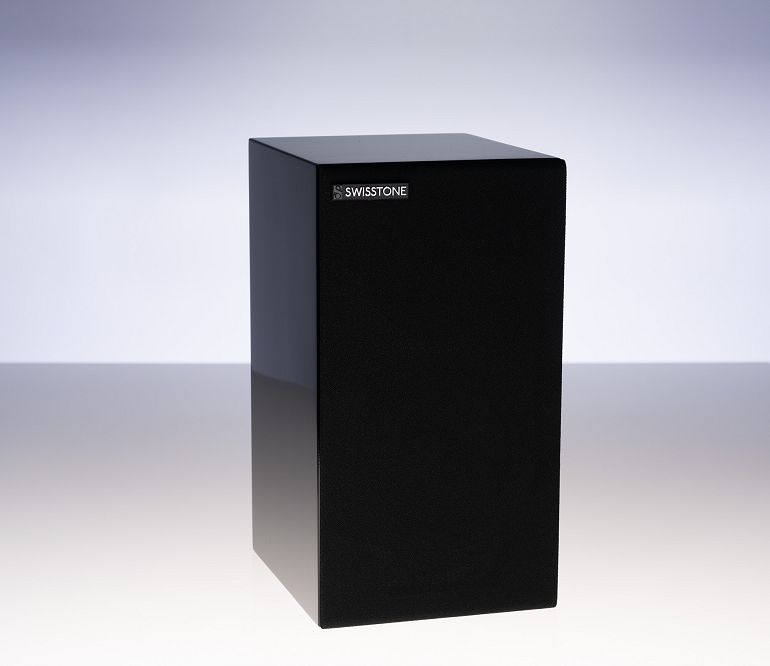
- Finish: High gloss paint
- Dimensions (w/h/d): 16.5cm by 30.4cm by 19.5cm
- Weight: 5.3kg
- Frequency response: 70Hz to 20kHz, ±3dB
- Nominal impedance: 8Ω
- Sensitivity: 83dB SPL (2.83V, 1m)
- Maximum output: 96dB for a pair at 2m
- Bass/midrange: 110mm polypropylene
- Tweeter: 19mm dome tweeter
- Recommended amplifier power: 25 to 50 watts unclipped programme
- Connections: Gold plated terminals
Manufacturer's description
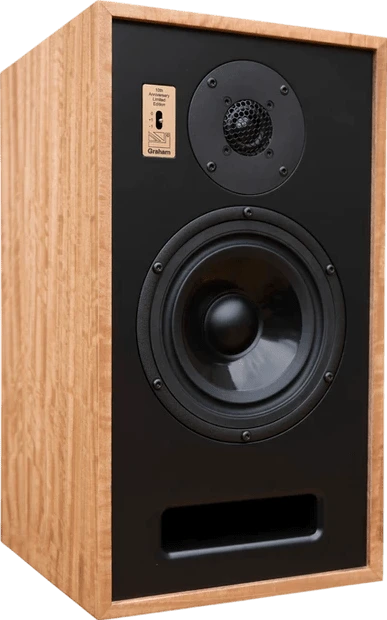
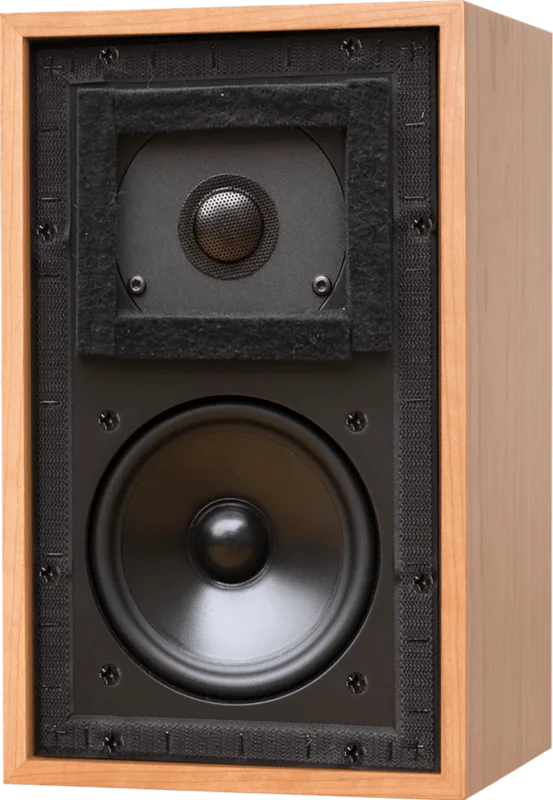
The new compact monitor from Graham Audio, the LS3 is a similar size to the classic LS3/5 and LS3/5A, but uses modern drive units in a sleek cabinet finished in high gloss paint that compliments any interior style.
The bass driver is a newly developed unit that uses a polypropylene diaphragm and a die-cast aluminium chassis. It has an extremely smooth frequency response, meaning that the crossover does not need to be as complex as the BBC models, thus assuring high levels of transparency. Coupled with the bespoke SEAS tweeter, which is custom-built for Graham Audio, the results are truely monitor class.
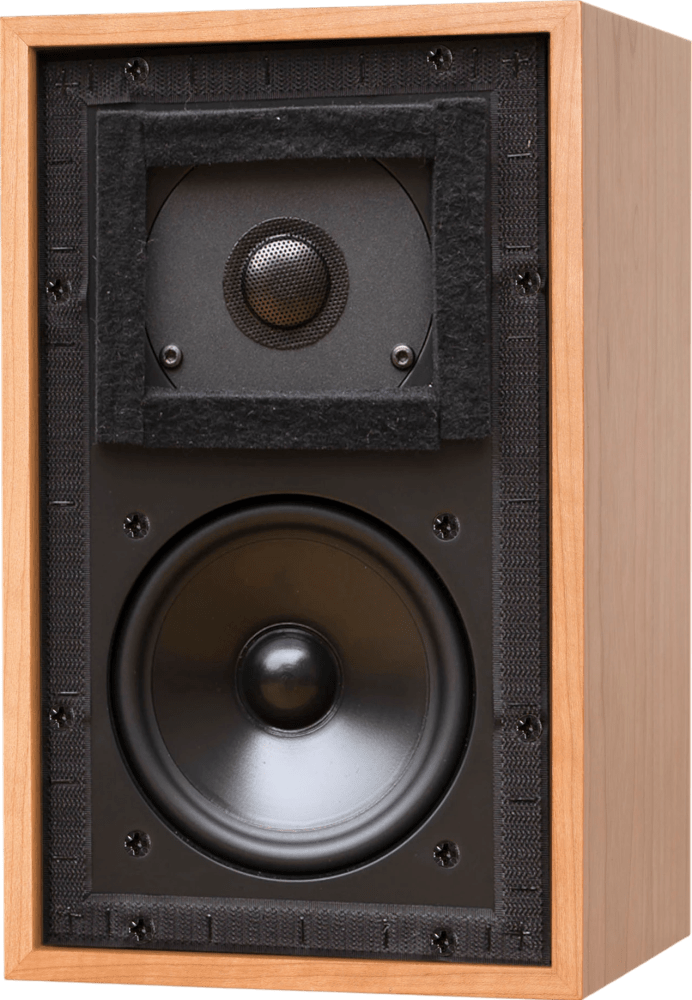
In the usual Graham Audio way, the grille is held in place using magnets that are hidden, so the front of the speaker looks clean and uncluttered, whether you choose to use the grilles or not. On the rear panel are a pair of high quality multiway binding posts that will accept the majority of loudspeaker connections.
Graham Audio is proud to present the LS3 under the iconic Swisstone brand - once the trading vehicle of one of the biggest BBC licencees.
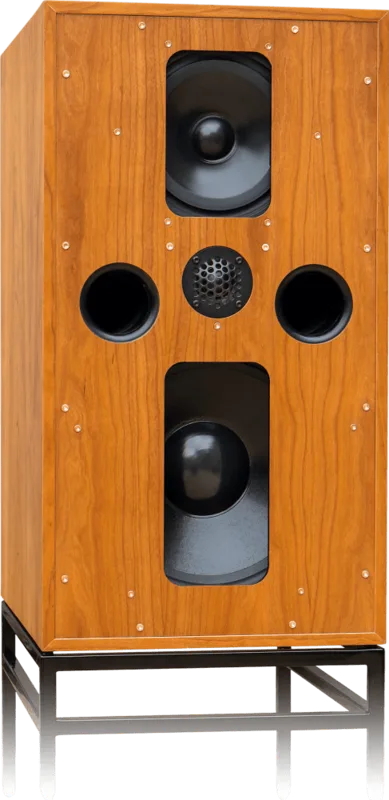
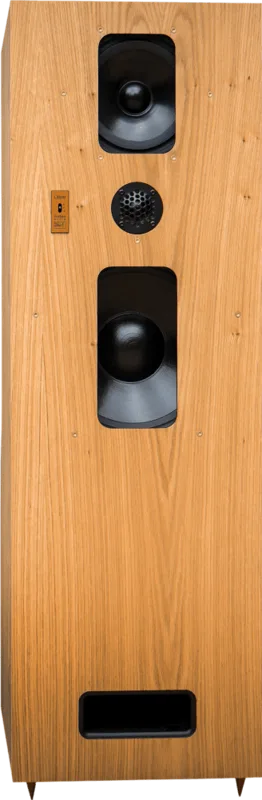
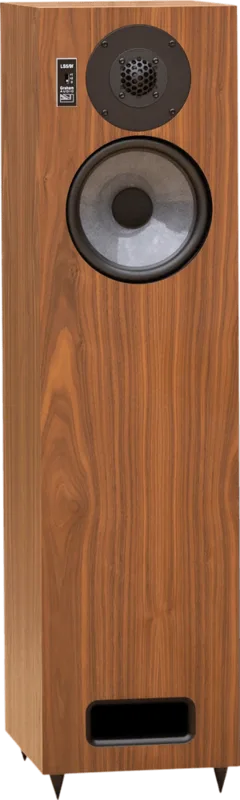
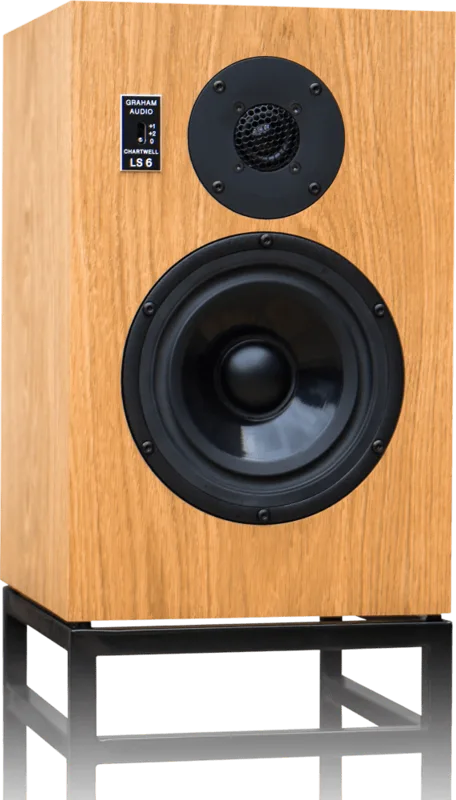
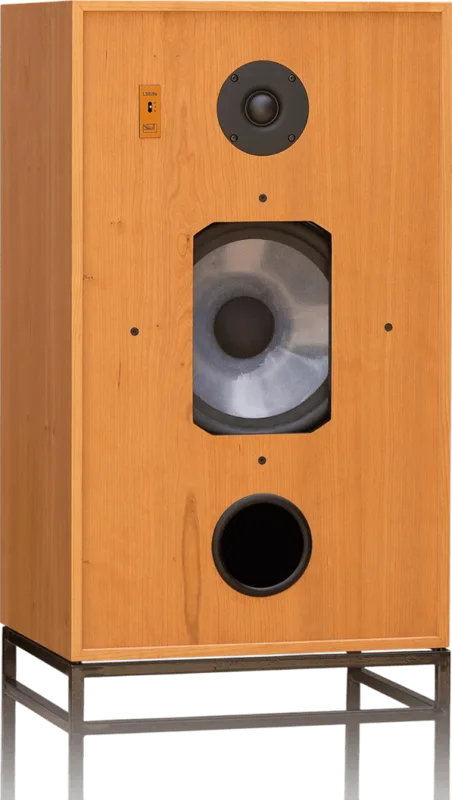
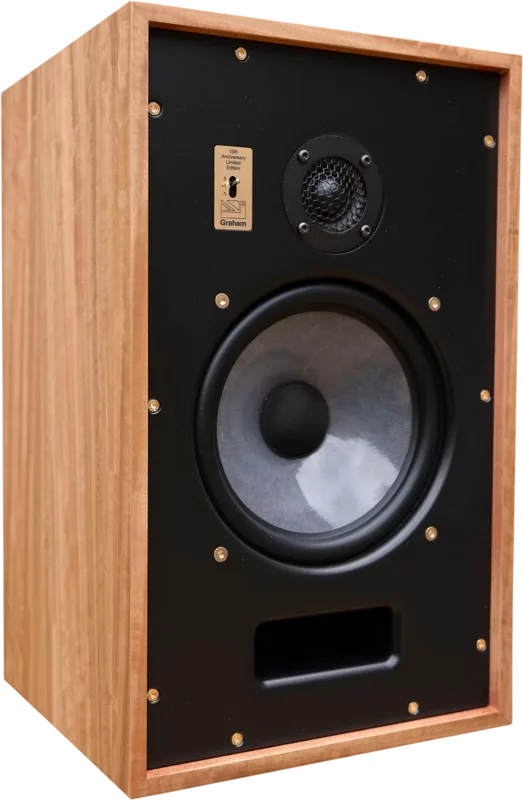
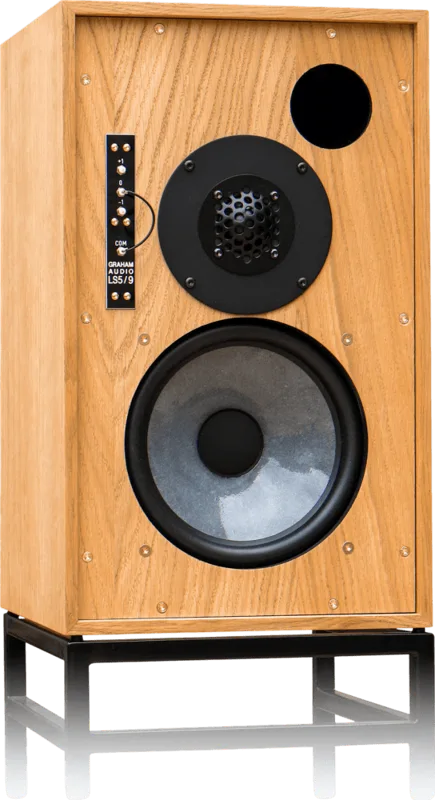
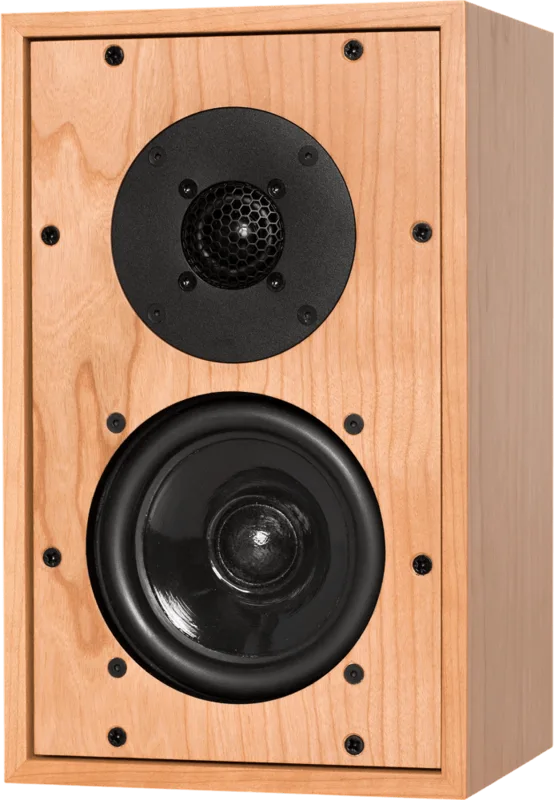

All used Graham
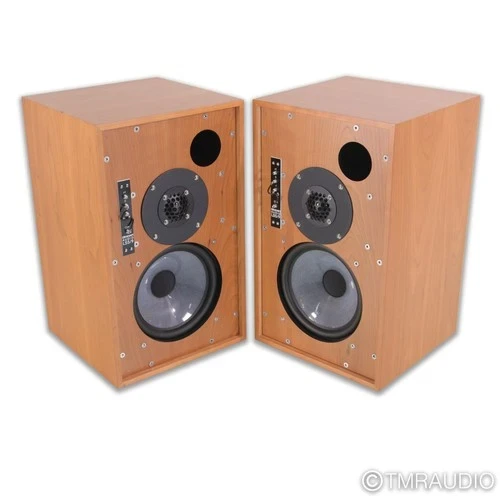
Where to buy the LS324 dealers
About Graham
Graham Audio is a British speaker maker, founded by Paul Graham to keep classic BBC monitor designs in production. It hand-builds BBC-licensed models including the LS3/5, LS5/9 and LS5/8 in Devon, with thin-wall birch plywood cabinets and bespoke drive units, working with designer Derek Hughes. One person builds and tests each speaker, and a second person repeats the tests, including a comparison with master reference samples. The LS3/5 is a nearfield monitor for small to medium rooms, and it is on our Classic Speakers Still in Production list with the LS5/9 and LS6.
Brand highlights
- Graham Audio's designs benefit from Derek Hughes's expertise, son of Spencer Hughes (Spendor), maintaining a strong connection to the classic BBC sound.
- The brand is committed to BBC "thin-wall" cabinet construction, using birch plywood, corner fillets, and strategically placed mastic elements to manage resonances.
- Musical Fidelity speakers deliver a clean, smooth, even, and detailed sound with pleasing subtlety, tight bass, and fine imaging.
- Graham Audio's LS3/5A variants provide both a historically accurate sound reproduction and dynamic range for smaller spaces, as well as offer an opportunity for use in larger rooms.