
New here? ExtremeHiFi is a free hifi encyclopedia: reviews, prices and used listings. We don’t sell anything.
Summary
What reviewers love
The Chartwell LS6 is a well-designed speaker that brings both a vintage aesthetic and modern capabilities with strong performance. It's a good option for those looking for a blend of classic BBC monitor sound with added bass and versatility.
Product Strengths
- Offers more bass extension and greater dynamics compared to the LS3/5A
- Good midrange with detail, warmth, and smoothness
- Very flat across the board, very pleasant to listen to, even at high volumes
- Cabinet construction allows for a natural tone
Product Considerations
- Bass can occasionally be over prominent, depending on the equipment
- Requires careful matching with an amplifier to avoid a peaky midrange
Comparisons (according to reviewers)
- Compared to the LS3/5A, the LS6 has more bass extension and dynamics, making it more versatile
- Reviewers differ, one favors the LS6 for immediacy, the other the Spendor Classic 3/1 for top to bottom cohesion
- Compared to the Dynaudio Heritage Specials, Dynaudio is more transparent and dynamic, while the LS6 feels more comfortable and familiar
Takeaway: The Chartwell LS6 is a well-designed speaker that brings both a vintage aesthetic and modern capabilities with strong performance. It's a good option for those looking for a blend of classic BBC monitor sound with added bass and versatility.
Written reviews0
Awards0

Bookshelf, floorstanding, in-wall, and powered speakers, compared on the specs that matter in a real room: bass extension, sensitivity, and tweeter type.
Buying tips that apply to the LS6
- Get placement right before anything else. Pulling speakers 2–3 feet (60–90 cm) from the wall behind them tames boomy bass; the listening seat should sit at the third point of an equilateral triangle, with toe-in adjusted to set the width of the image.
- Match speaker size to the room. Large towers in a small room often sound bloated, and nearfield listening at a desk favors small two-way designs.
- Each 3 dB of extra sensitivity halves the power needed for the same volume. For moderate listening levels, speakers rated 90 dB or more allow a smaller, cheaper amp.
- Treat the room before spending more on speakers. Bass traps in the corners and absorption at the first reflection points often do more than a step up in speakers.
- Used speakers lose value quickly, so two- or three-year-old models from established brands often sell well below their new price.
- Three-way designs free the midrange driver from bass duty, which can lower distortion in voices, though a well-designed two-way can image just as precisely.
- Tweeter dispersion matters more than its frequency response. Wide dispersion gives a bigger sweet spot but lights up more room reflections; controlled directivity suits lively rooms.
- Open-plan rooms lose bass. If the room opens onto other spaces, budget for a subwoofer instead of bigger main speakers.
- Audition with familiar music. Voicing varies a lot between brands, and a pair that excites on rock can grow tiring on strings.
- Many brands put their flagship tweeter into smaller models. A bookshelf speaker from a brand's top range often beats a cheaper tower in a small room.
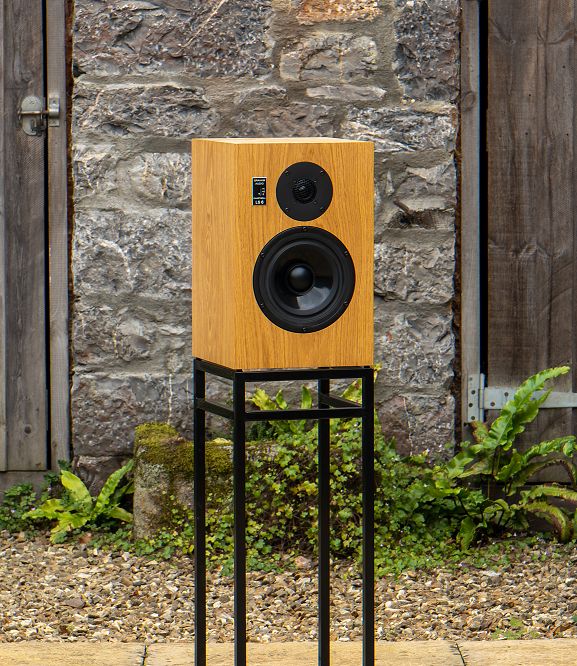
LS6 photos
Features and specs
Manufacturer's description
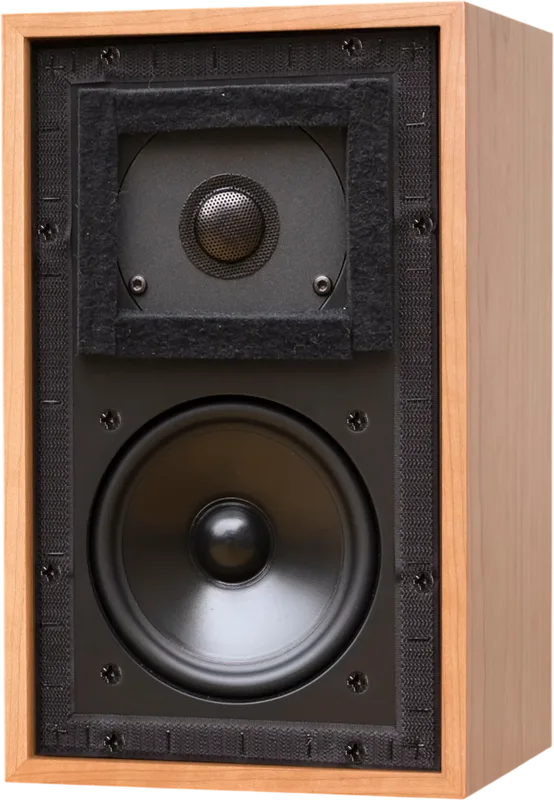
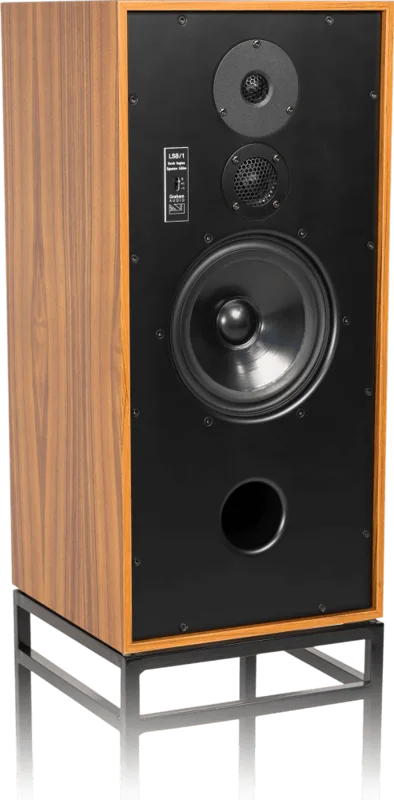
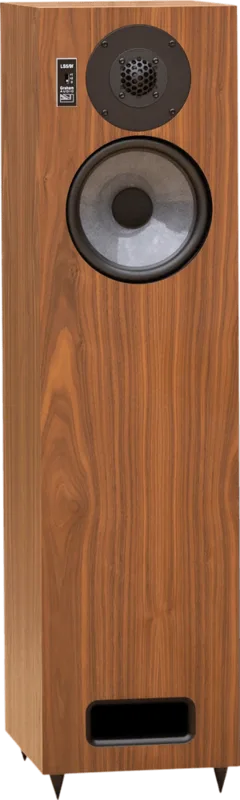
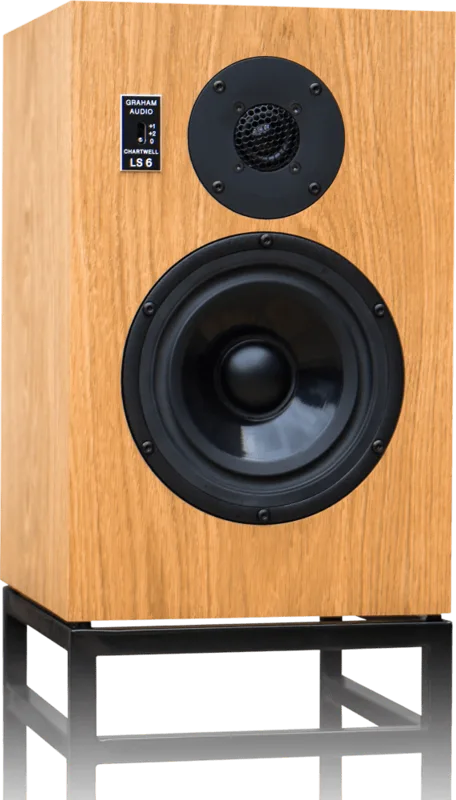
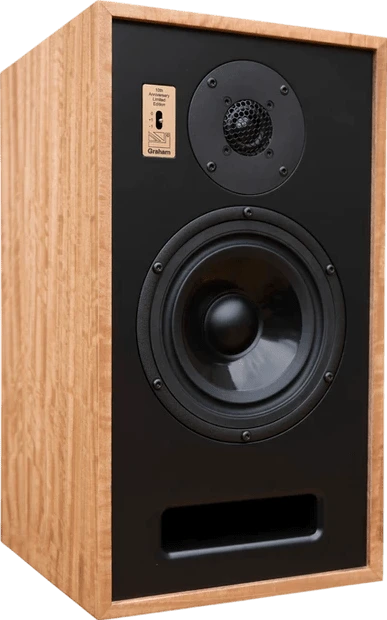
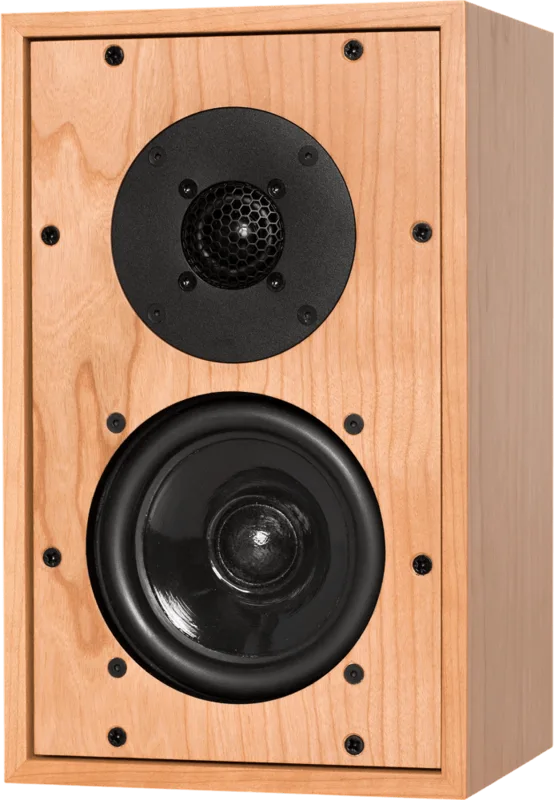
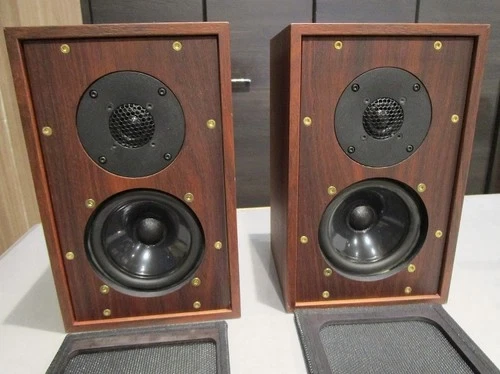
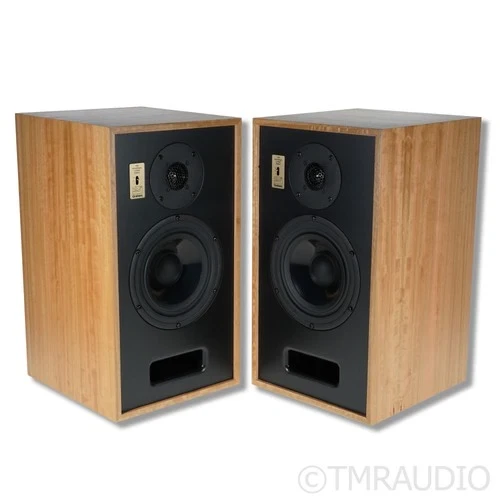
Following the success of the Graham Audio LS3/5 and LS5/9, we were curious to discover what could be done with a cabinet that was sized somewhere between the two. The result is the Chartwell LS6, designed by Derek Hughes.
A custom built 6 inch long-throw bass drive unit mated to a compact 17 litre cabinet gives bass extension and power handling that is comparable to the LS5/9. The bespoke 19mm dome tweeter extends to beyond 20kHz. The overall response retains the smoothness of both the LS3/5 and LS5/9.
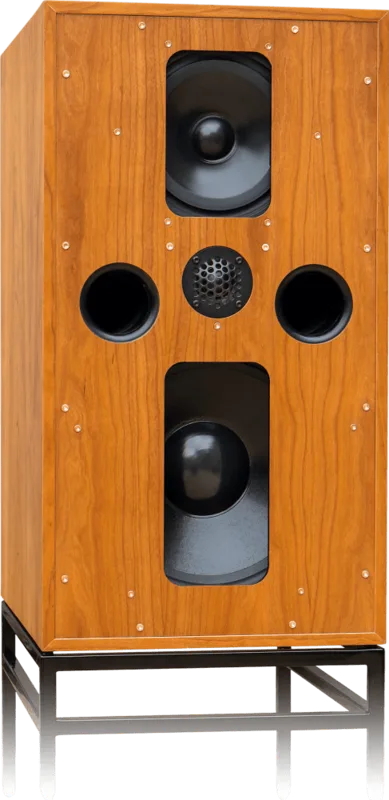
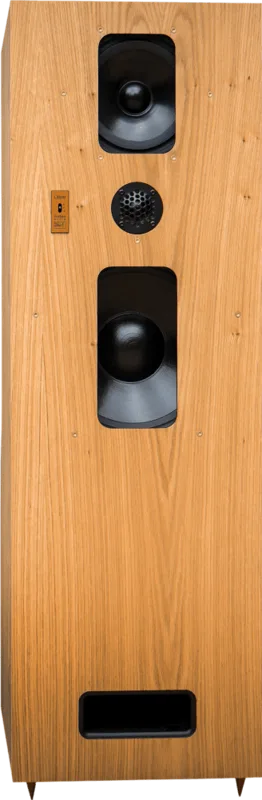
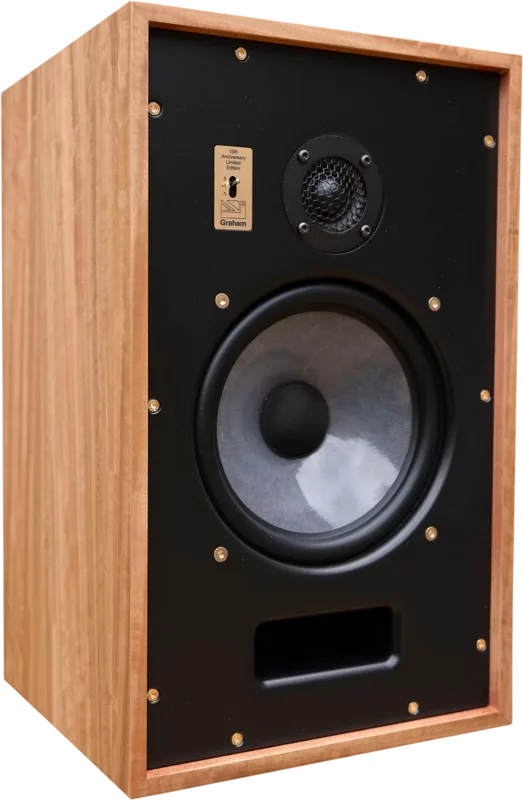
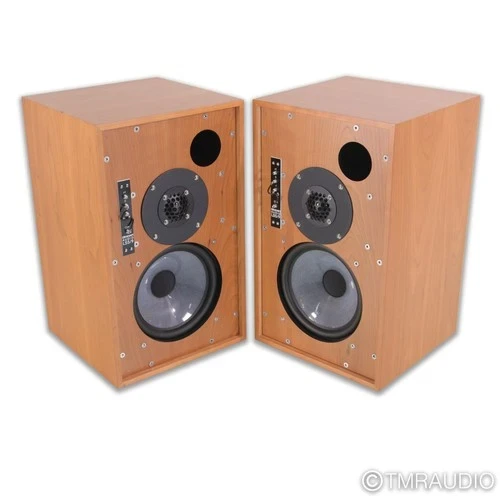
A large rear mounted port gives effortless bass, while allowing us to minimise the size of the cabinet to allow it to blend easily into typical domestic environments. A sophisticated crossover network blends the two units and equalises the overall response for optimum performance in free space. A switch on the front baffle adjusts the tweeter level to +1dB or +2dB. This can be useful for situations where the listening position is off axis.
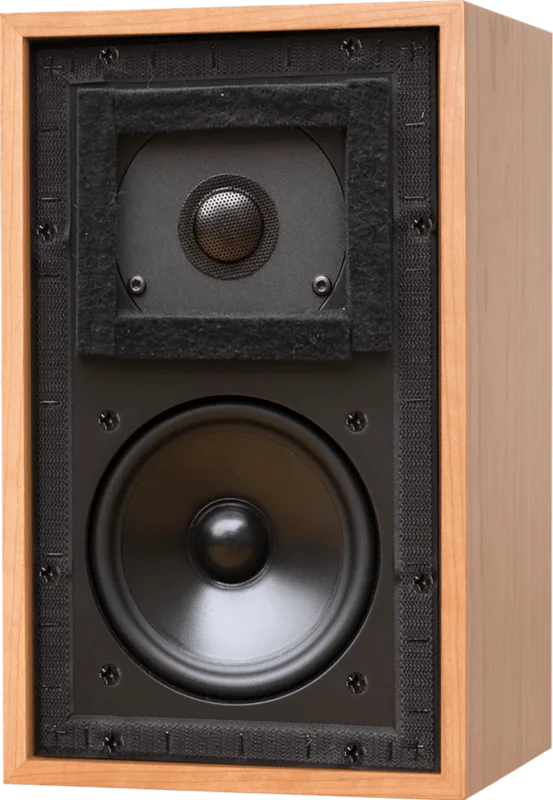
In common with all our loudspeakers, the cabinet uses the classic BBC "thinwall" construction, where the panels are mass-loaded to ensure that resonances are moved away from the critical mid-range region, and a layer of Rockwool is held in place by fabric to provide air damping. Hand-matched veneers are applied and finished to a very high standard. The grille is carefully designed to minimise diffraction effects and is held in place by concealed rare-earth magnets.

All used Graham
Where to buy the LS624 dealers
Lists this product is on
About Graham
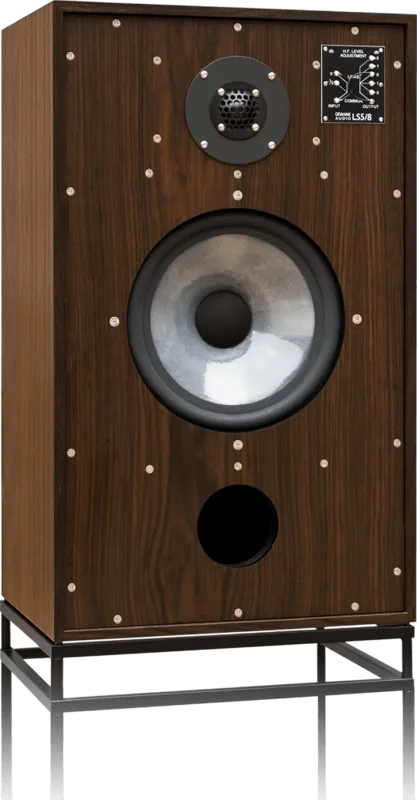
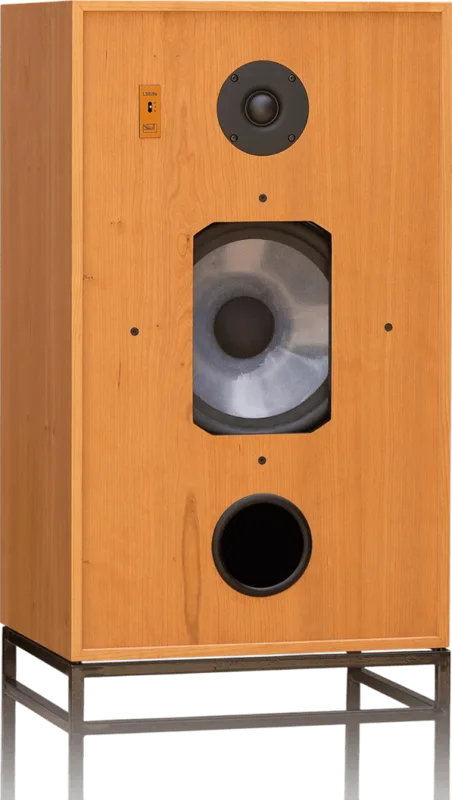
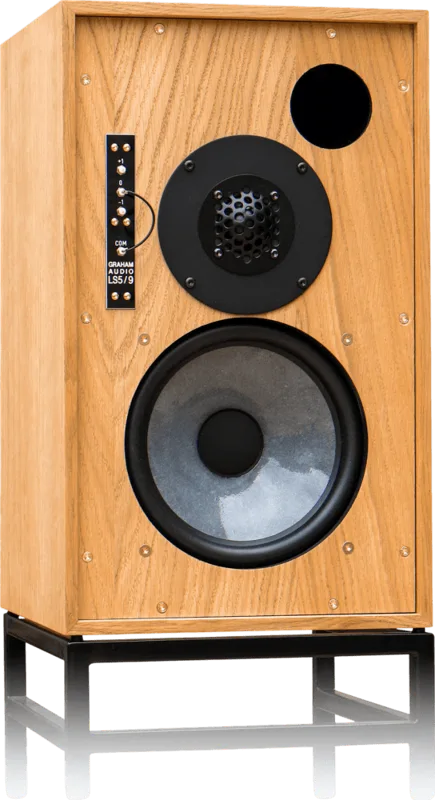
Graham Audio is a British speaker maker, founded by Paul Graham to keep classic BBC monitor designs in production. It hand-builds BBC-licensed models including the LS3/5, LS5/9 and LS5/8 in Devon, with thin-wall birch plywood cabinets and bespoke drive units, working with designer Derek Hughes. One person builds and tests each speaker, and a second person repeats the tests, including a comparison with master reference samples. The LS3/5 is a nearfield monitor for small to medium rooms, and it is on our Classic Speakers Still in Production list with the LS5/9 and LS6.
Brand highlights
- Graham Audio's designs benefit from Derek Hughes's expertise, son of Spencer Hughes (Spendor), maintaining a strong connection to the classic BBC sound.
- The brand is committed to BBC "thin-wall" cabinet construction, using birch plywood, corner fillets, and strategically placed mastic elements to manage resonances.
- Musical Fidelity speakers deliver a clean, smooth, even, and detailed sound with pleasing subtlety, tight bass, and fine imaging.
- Graham Audio's LS3/5A variants provide both a historically accurate sound reproduction and dynamic range for smaller spaces, as well as offer an opportunity for use in larger rooms.