
New here? ExtremeHiFi is a free hifi encyclopedia: reviews, prices and used listings. We don’t sell anything.
Summary
What reviewers love
The LS3/5 is a high-quality speaker with balanced and accurate sound, perfect for listeners who prioritize clarity and detail in their music. It offers a taste of classic British audio engineering, recreating the original master at a smaller cost.
Product Strengths
- Accurate tonal balance, especially through the voice region, producing natural and uncolored vocal reproduction
- Good low-frequency time domain performance for a small, closed-box speaker, delivering accurately pitched bass without boominess
- Clear, detailed, and enjoyable overall bass, mids, and highs, making them well-rounded speakers
- Organic and detailed reproduction allows for long, stress-free listening sessions
- Soundstage has good depth
Product Considerations
- Limited low-frequency bandwidth extension and maximum volume level, making them unsuitable for large spaces or bass-heavy music
- The original design prioritized tonal accuracy and beauty over dynamic freedom
- Sensitivity is rated at 83dB, making them difficult to drive and requiring careful amplifier matching
- May not give as much detail in the top end as some modern-day monitors
- The matching speaker stands are expensive
Comparisons (according to reviewers)
- Vs Rogers LS3/5A: The LS3/5 is generally slightly brighter in the high-frequency balance
Takeaway: The LS3/5 is a high-quality speaker with balanced and accurate sound, perfect for listeners who prioritize clarity and detail in their music. It offers a taste of classic British audio engineering, recreating the original master at a smaller cost.
Written reviews0
Awards0

Bookshelf, floorstanding, in-wall, and powered speakers, compared on the specs that matter in a real room: bass extension, sensitivity, and tweeter type.
Buying tips that apply to the LS3/5
- Get placement right before anything else. Pulling speakers 2–3 feet (60–90 cm) from the wall behind them tames boomy bass; the listening seat should sit at the third point of an equilateral triangle, with toe-in adjusted to set the width of the image.
- Match speaker size to the room. Large towers in a small room often sound bloated, and nearfield listening at a desk favors small two-way designs.
- Each 3 dB of extra sensitivity halves the power needed for the same volume. For moderate listening levels, speakers rated 90 dB or more allow a smaller, cheaper amp.
- Treat the room before spending more on speakers. Bass traps in the corners and absorption at the first reflection points often do more than a step up in speakers.
- Used speakers lose value quickly, so two- or three-year-old models from established brands often sell well below their new price.
- Three-way designs free the midrange driver from bass duty, which can lower distortion in voices, though a well-designed two-way can image just as precisely.
- Tweeter dispersion matters more than its frequency response. Wide dispersion gives a bigger sweet spot but lights up more room reflections; controlled directivity suits lively rooms.
- Open-plan rooms lose bass. If the room opens onto other spaces, budget for a subwoofer instead of bigger main speakers.
- Audition with familiar music. Voicing varies a lot between brands, and a pair that excites on rock can grow tiring on strings.
- Many brands put their flagship tweeter into smaller models. A bookshelf speaker from a brand's top range often beats a cheaper tower in a small room.
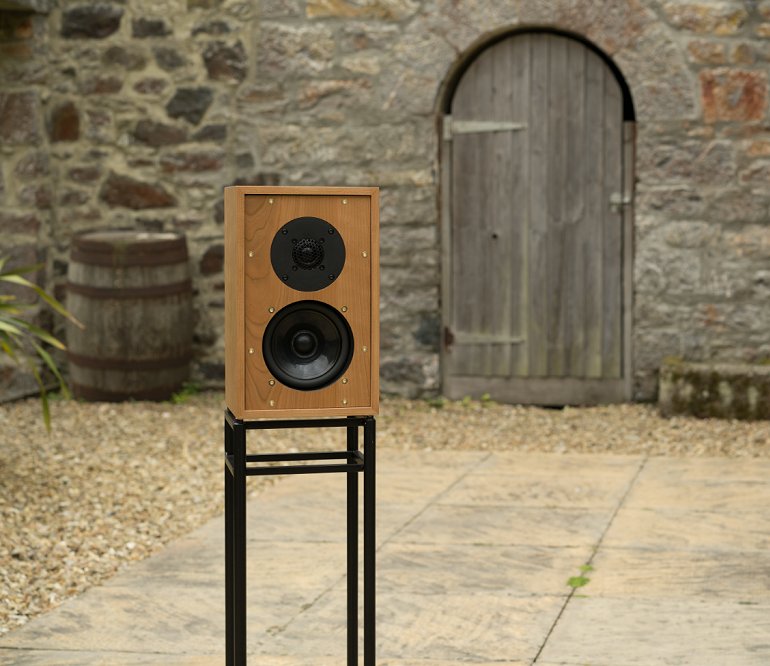
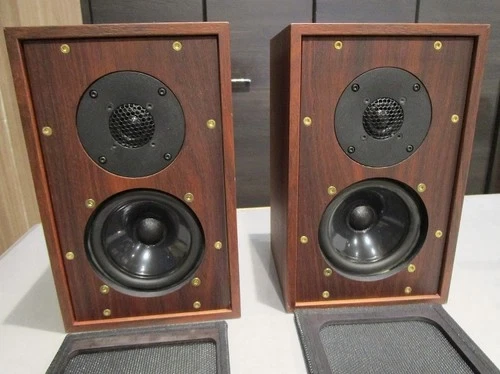
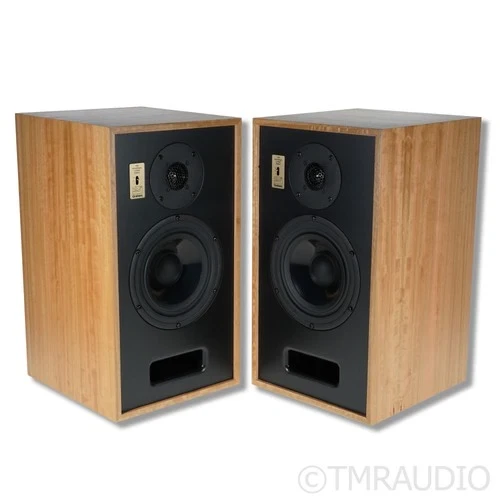
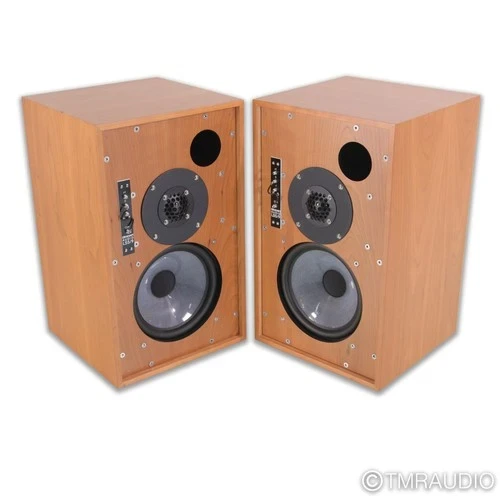
LS3/5 photos
Features and specs
Specs
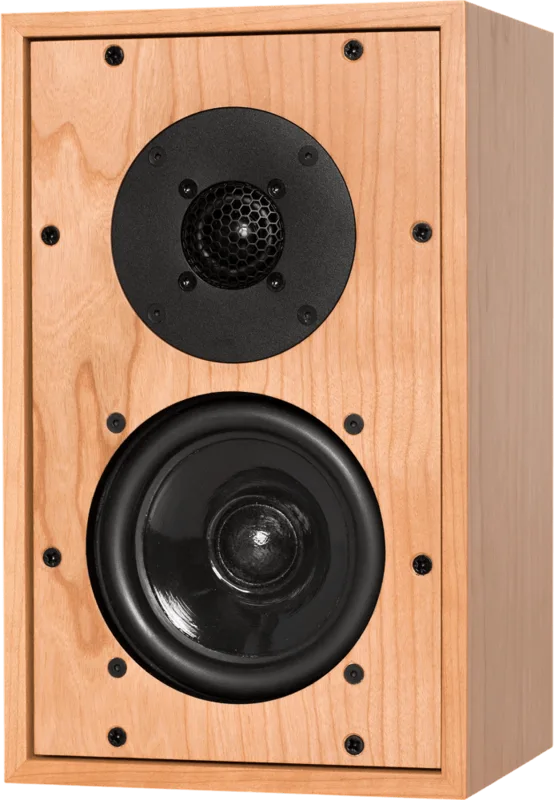
- System: 2 Way, sealed enclosure
- Enclosure: Thin wall construction, 9mm birch plywood, removable rear panel
- Finish: Real wood veneer
- Dimensions (w/h/d): 18.5cm by 30cm by 16.5cm
- Weight: 5.3kg
- Frequency response: 70Hz to 20kHz, ±3dB
- Nominal impedance: 9Ω
- Sensitivity: 83dB SPL (2.83V, 1m)
- Maximum output: 95dB for a pair at 2m
- Bass/midrange: 110mm Bextrene
- Tweeter: 19mm dome tweeter
- Recommended amplifier power: 25 to 50 watts unclipped programme
Manufacturer's description
The LS3/5 loudspeaker was originally designed by the BBC for use in a small environment and specifically to reproduce the sound of musical performance as accurately as possible. Only 20 original pairs of the LS3/5 were ever produced and due to a change in available components the LS3/5 was redesigned by the BBC as the LS3/5A
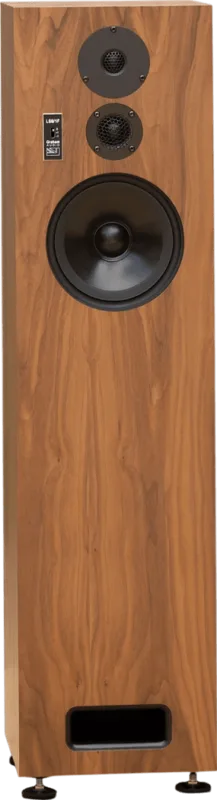
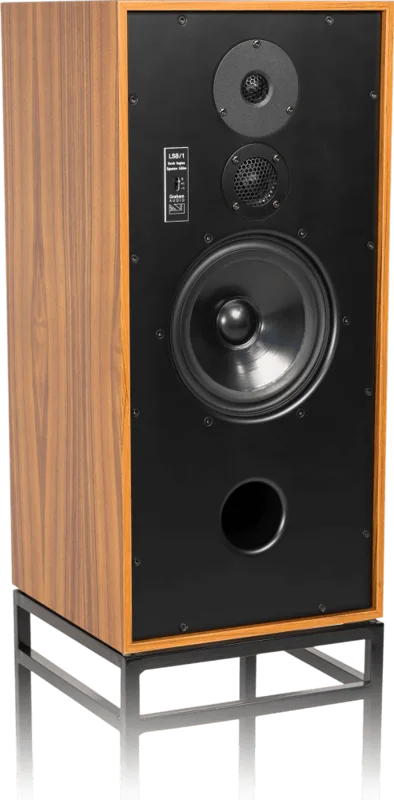
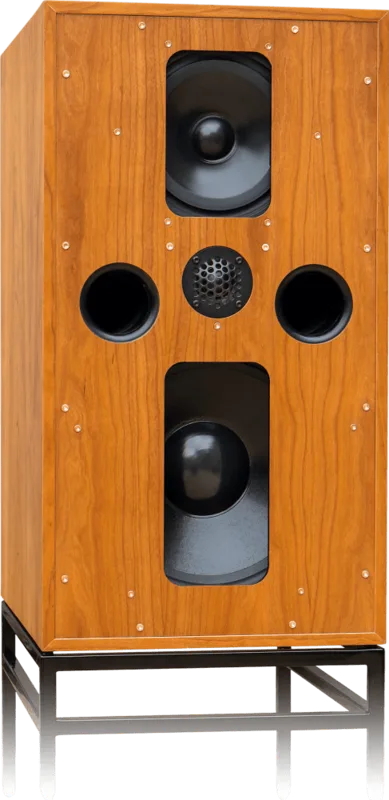
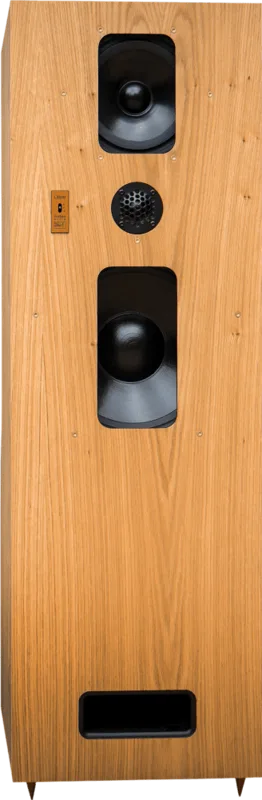
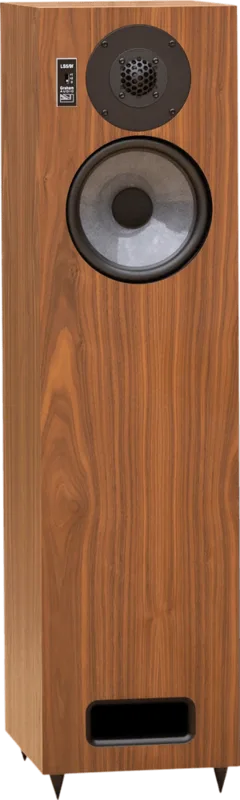
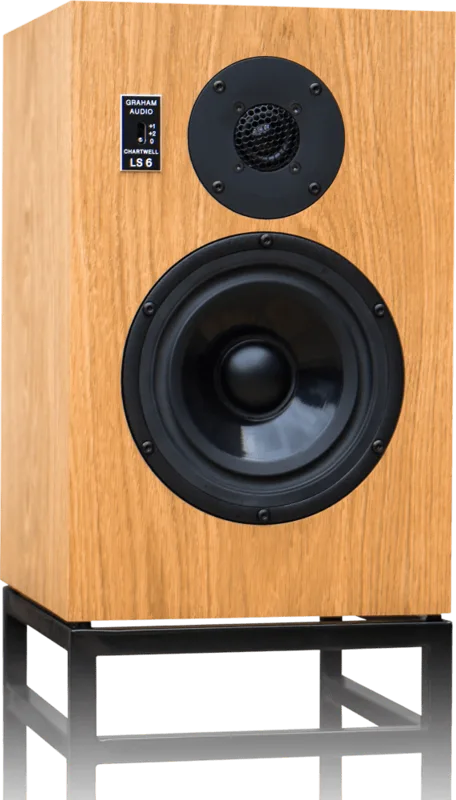
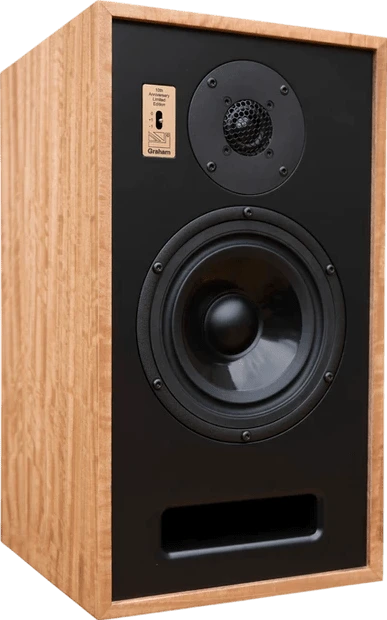
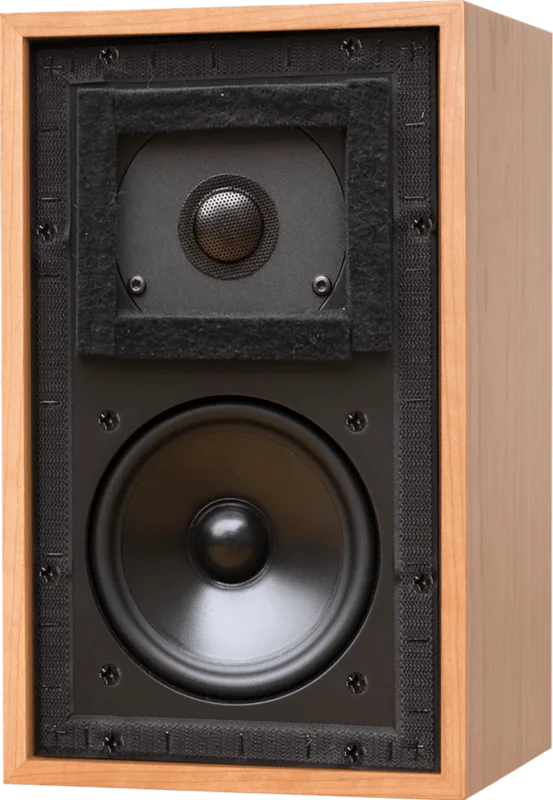
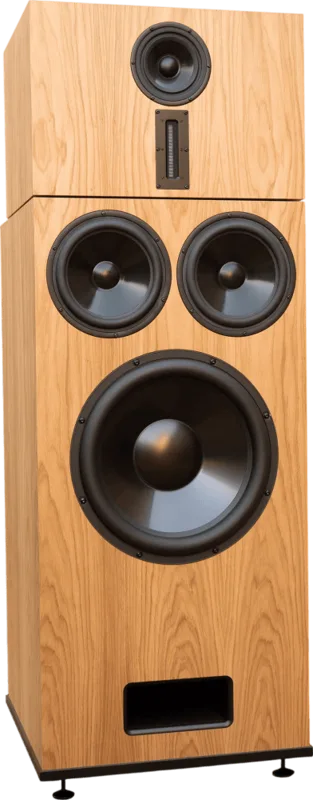
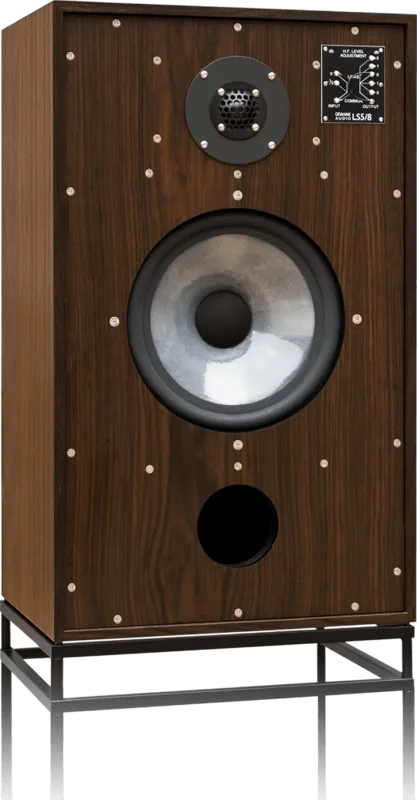
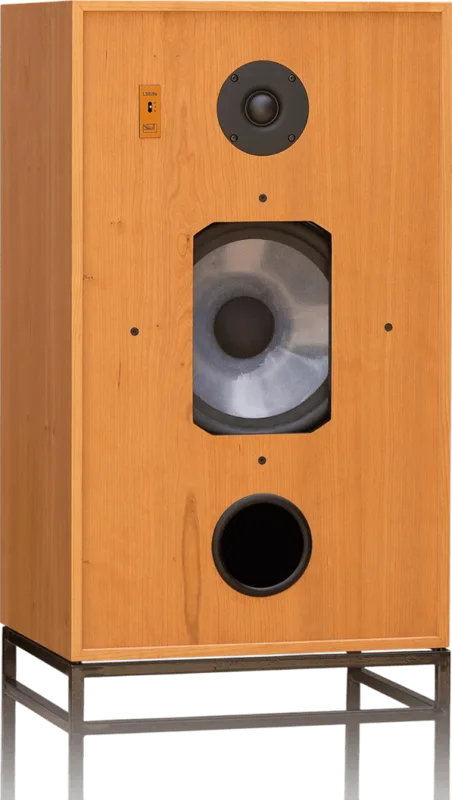
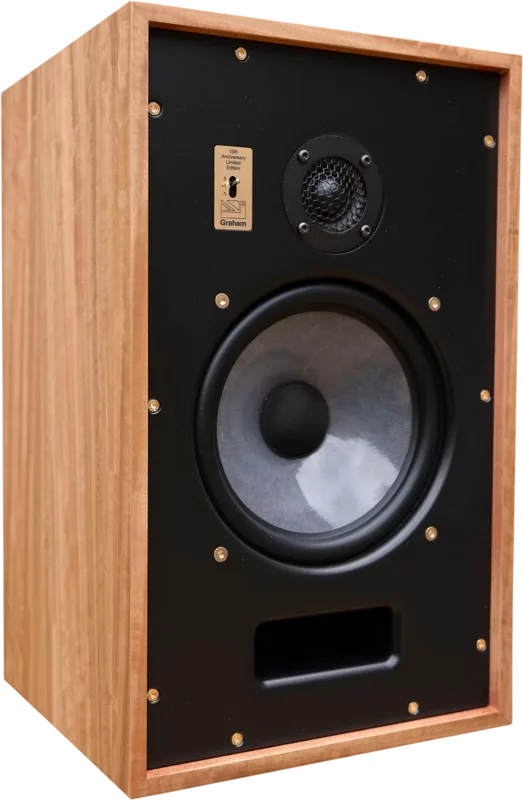

All used Graham
Where to buy the LS3/524 dealers
Lists this product is on
About Graham
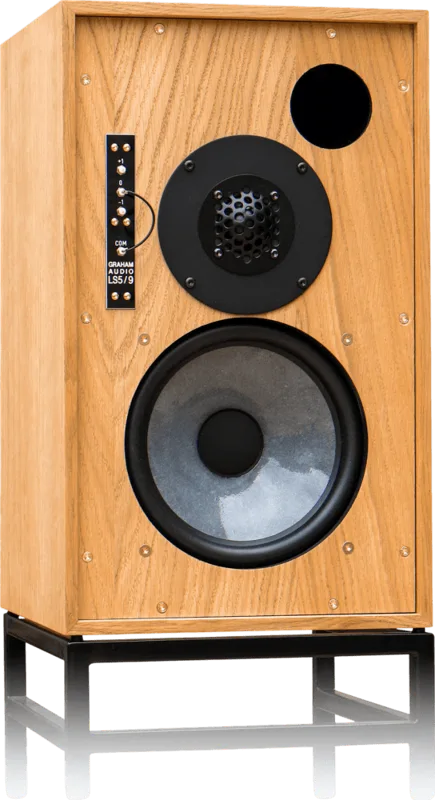
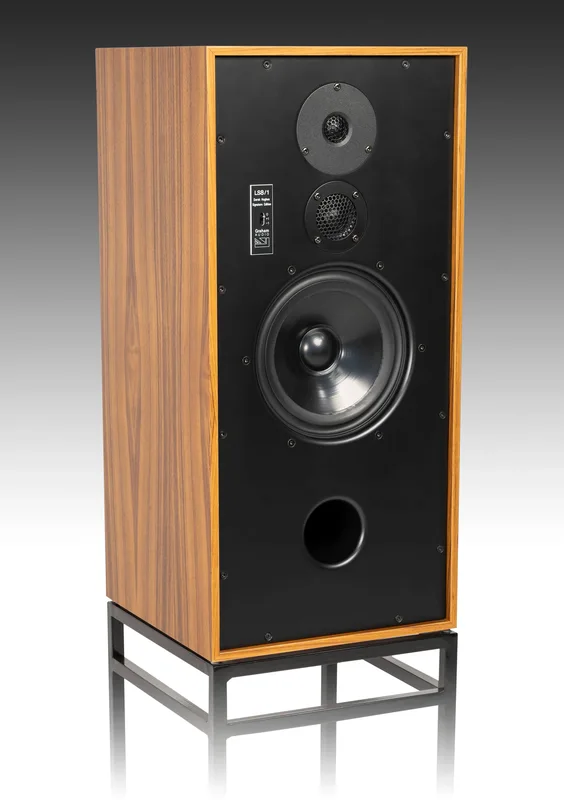
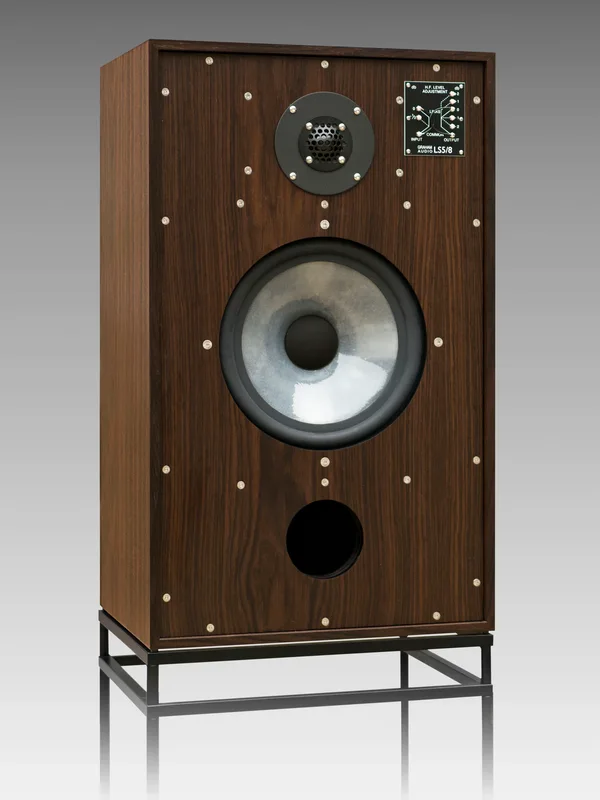
Graham Audio is a British speaker maker, founded by Paul Graham to keep classic BBC monitor designs in production. It hand-builds BBC-licensed models including the LS3/5, LS5/9 and LS5/8 in Devon, with thin-wall birch plywood cabinets and bespoke drive units, working with designer Derek Hughes. One person builds and tests each speaker, and a second person repeats the tests, including a comparison with master reference samples. The LS3/5 is a nearfield monitor for small to medium rooms, and it is on our Classic Speakers Still in Production list with the LS5/9 and LS6.
Brand highlights
- Graham Audio's designs benefit from Derek Hughes's expertise, son of Spencer Hughes (Spendor), maintaining a strong connection to the classic BBC sound.
- The brand is committed to BBC "thin-wall" cabinet construction, using birch plywood, corner fillets, and strategically placed mastic elements to manage resonances.
- Musical Fidelity speakers deliver a clean, smooth, even, and detailed sound with pleasing subtlety, tight bass, and fine imaging.
- Graham Audio's LS3/5A variants provide both a historically accurate sound reproduction and dynamic range for smaller spaces, as well as offer an opportunity for use in larger rooms.