




Note that this is a discontinued product. You may want to visit the brand's page here to browse their newer products.
What reviewers think
Bloggers and YouTubers have tried this product—so we've summarized their strongest opinions below. Links to full reviews follow.
Product Strengths
- Classical tonal accuracy and minimal coloration
- Particularly good at voices, with a very coherent, organic—well-balanced design
- Excellent resolving power, spatial detail, and bass extension
- Full, natural sound with good bass
- Uncanny immediacy in midrange
Product Considerations
- Bass may be perceived as slightly slow and not as sharply defined in terms of time or pitch
- Does not offer the same level of magic as the LS3/5
- Bass can be occasionally over prominent
- Requires careful matching with amplifiers
Comparisons (according to reviewers)
- Vs LS3/5A: Has more bass extension and greater dynamics
- Vs LS5/9: Is smaller and more affordable
- Vs Harbeth C7/2: Delivers greater clarity, more detail, a bigger soundstage, and clearer bass
- Vs Neat Explorers: Improves with greater depth
- Vs Spendor Classic 3/1: Has a midrange impact with uncanny immediacy, with transient immediacy offering a slight listener's edge—but with less bass extension
- Vs ATC and Amphion passive monitors: Is an alternative
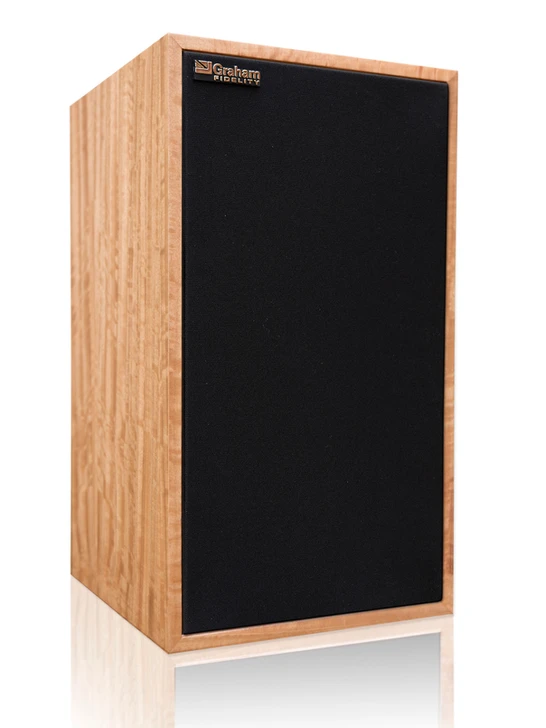
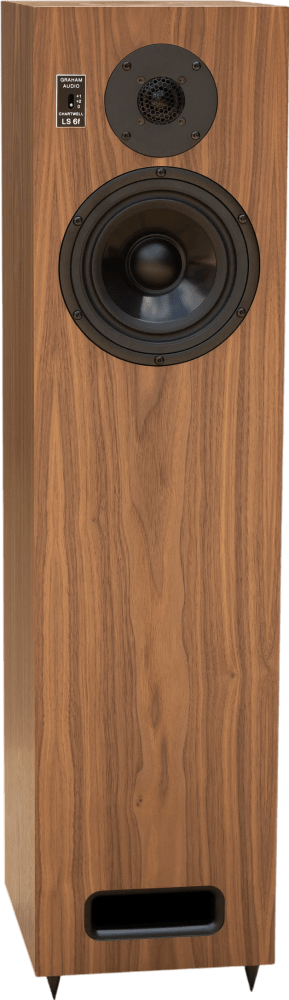
Takeaway: The LS6 is a classy loudspeaker delivering classical tonal accuracy and minimal coloration, especially good at voices. It offers a balance between resolving power and musical flow, making it a versatile and enjoyable choice.
All
LS6 (SE)
reviews


Manufacturer details







Brand highlights
Taking a step back to look at reviewers' thoughts of the brand's entire lineup—not just this product—what stands out most is the following:
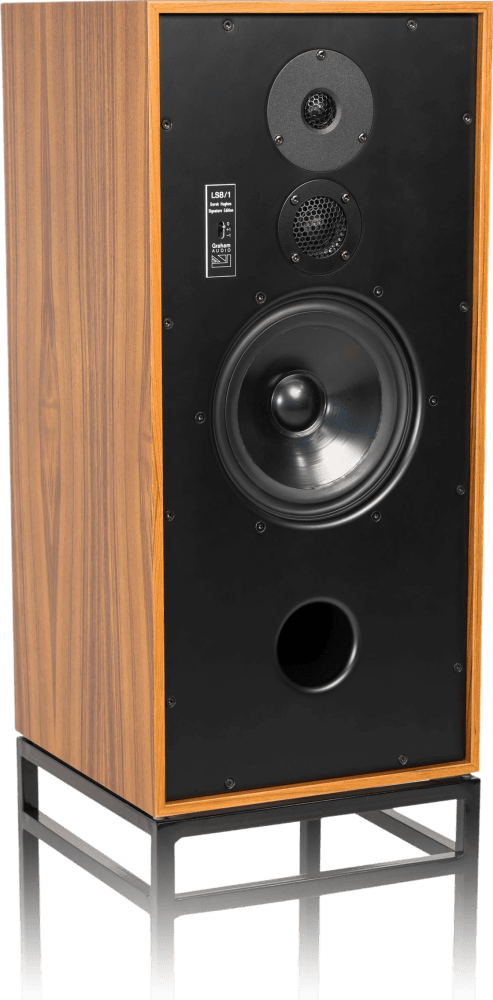
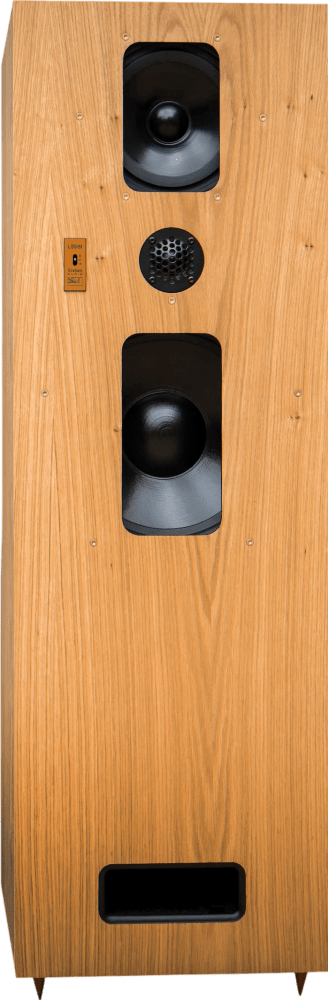
- Graham Audio's designs benefit from Derek Hughes's expertise, son of Spencer Hughes (Spendor), maintaining a strong connection to the classic BBC sound.
- The brand is committed to BBC "thin-wall" cabinet construction, using birch plywood, corner fillets, and strategically placed mastic elements to manage resonances.
- Musical Fidelity speakers deliver a clean, smooth, even, and detailed sound with pleasing subtlety, tight bass, and fine imaging.
- Graham Audio's LS3/5A variants provide both a historically accurate sound reproduction and dynamic range for smaller spaces, as well as offer an opportunity for use in larger rooms.
Select products
Chartwell LS3/5
- Positioning: The entry-level model in the Chartwell series, designed for small spaces and nearfield listening.
- Description: Praised for its natural and uncolored sound, making it ideal for those who prioritize vocal clarity and detail in compact environments. Unlike larger models in the lineup, it lacks deep bass extension, which is a trade-off for its small size and portability, making it less suitable for those seeking a full-range sound in larger rooms.
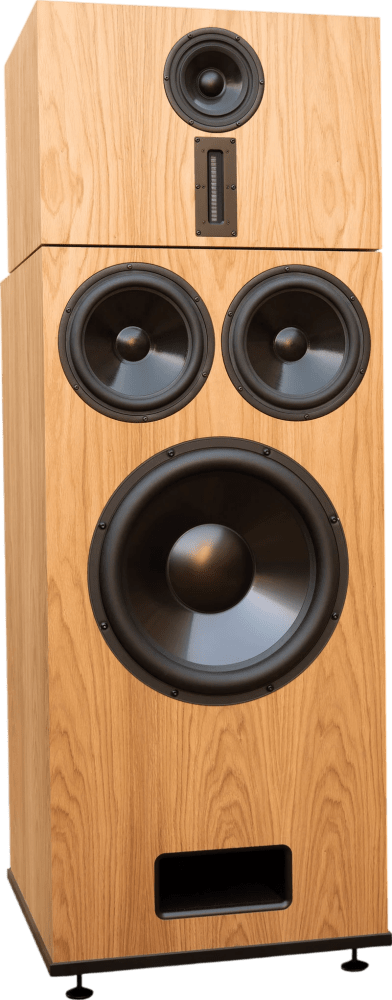
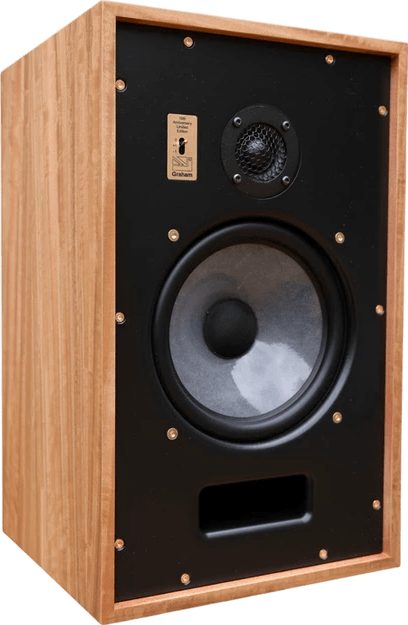
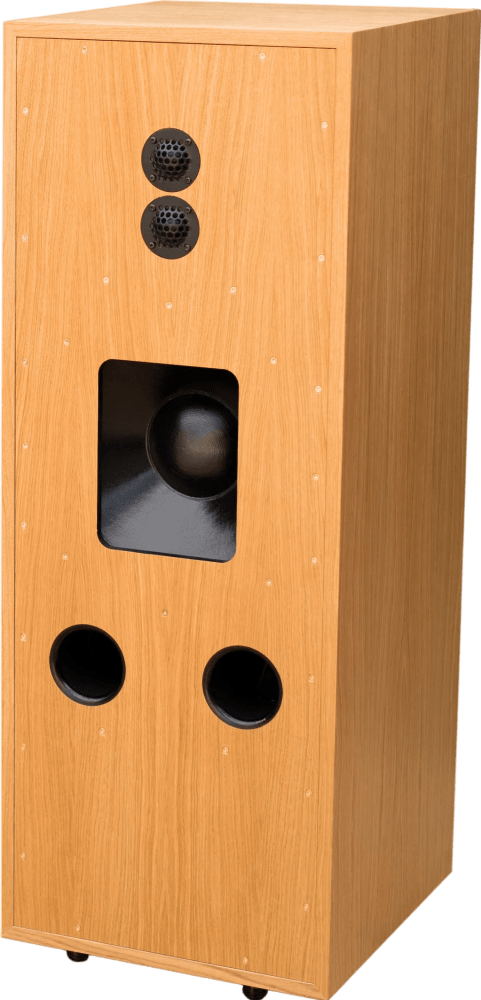
Chartwell LS6
- Positioning: A mid-range model in the Chartwell series, offering a balance between size and performance.
- Description: Stands out with its modern driver technology, providing greater clarity and a bigger soundstage compared to the LS3/5. It offers a more detailed and dynamic sound.
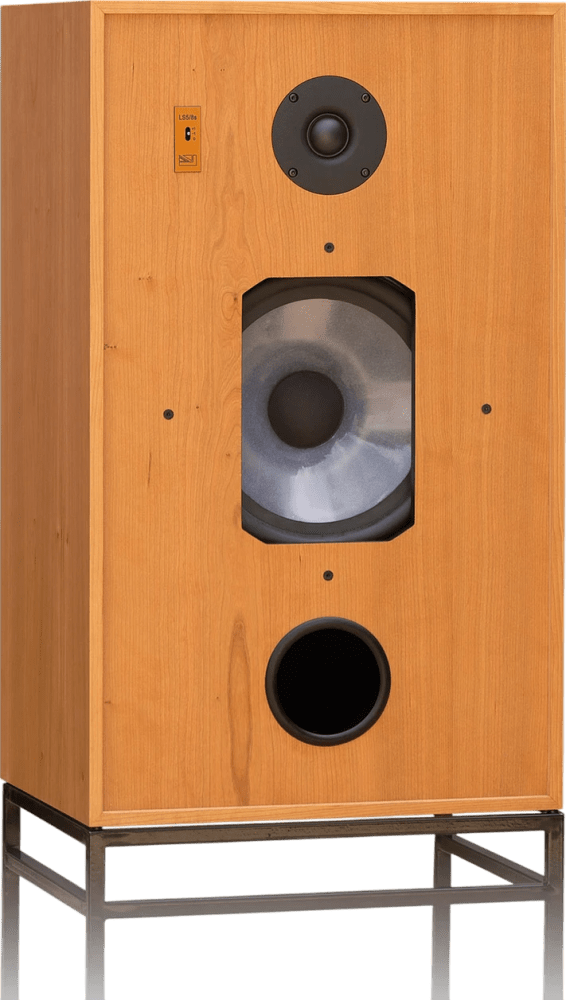
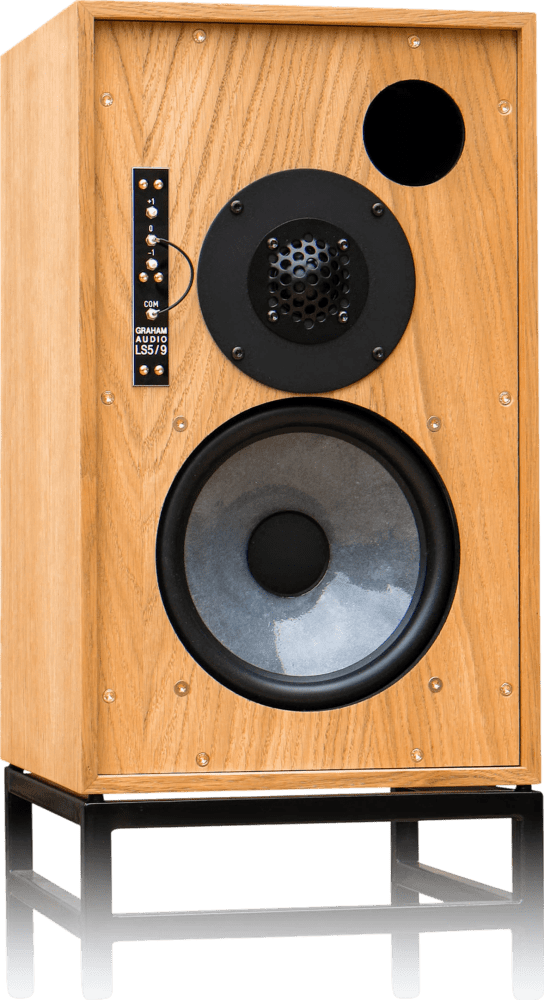
Graham LS5/9
- Positioning: A classic model in the Graham lineup, known for its BBC heritage and studio monitor accuracy.
- Description: This model is celebrated for its superb midrange and natural vocal reproduction, making it a favorite for critical listening and professional use. Compared to the LS3/5, it offers a fuller sound with better bass response.
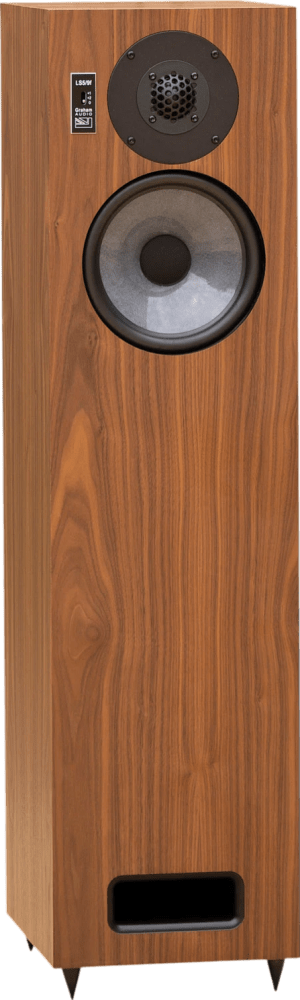
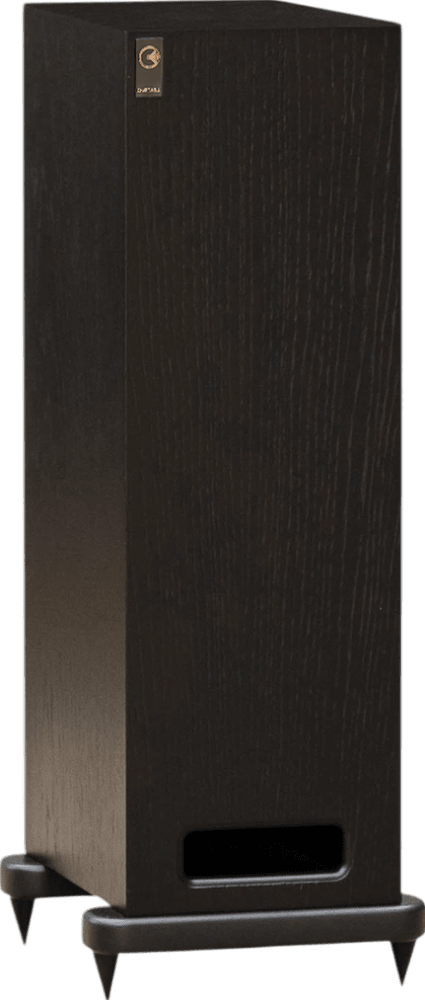
Graham LS5/9f
- Positioning: An advanced floor-standing version of the LS5/9, designed for enhanced bass and room-filling sound.
- Description: Enhances the classic LS5/9 design with a floor-standing cabinet, providing deeper bass and a more expansive soundstage.
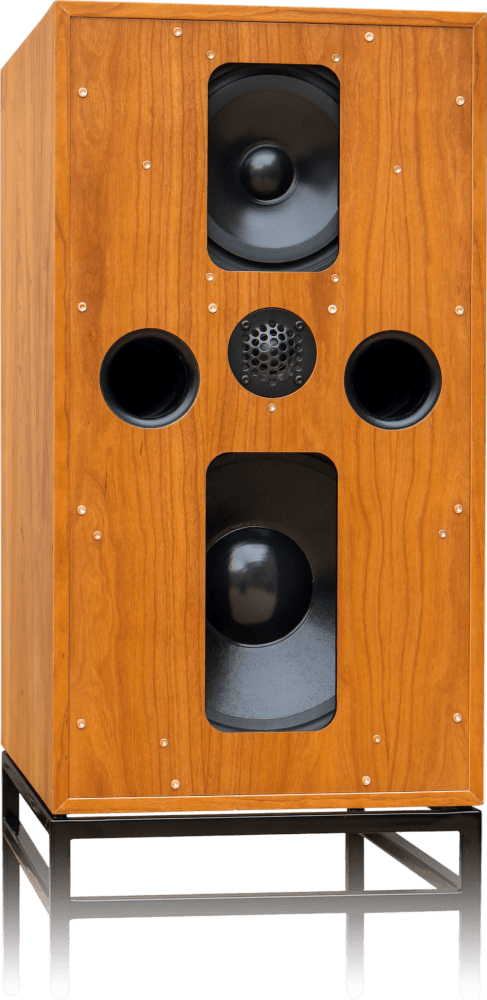
Graham LS5/8
- Positioning: A high-end model in the Graham lineup, offering professional-grade performance for audiophiles and studios.
- Description: Known for its exceptional accuracy and wide frequency response. It surpasses the LS5/9 in terms of bass depth and overall power.

Our take on the brand
Look inside the brand
Our interview with the brand
What are two key technological innovations or strong opinions that differ you from other brands?
What's your approach to customer support?
What are your favorite tracks for showcasing the strength of your products?
What other products pair best with yours?

Used
Graham







What if you spend more?


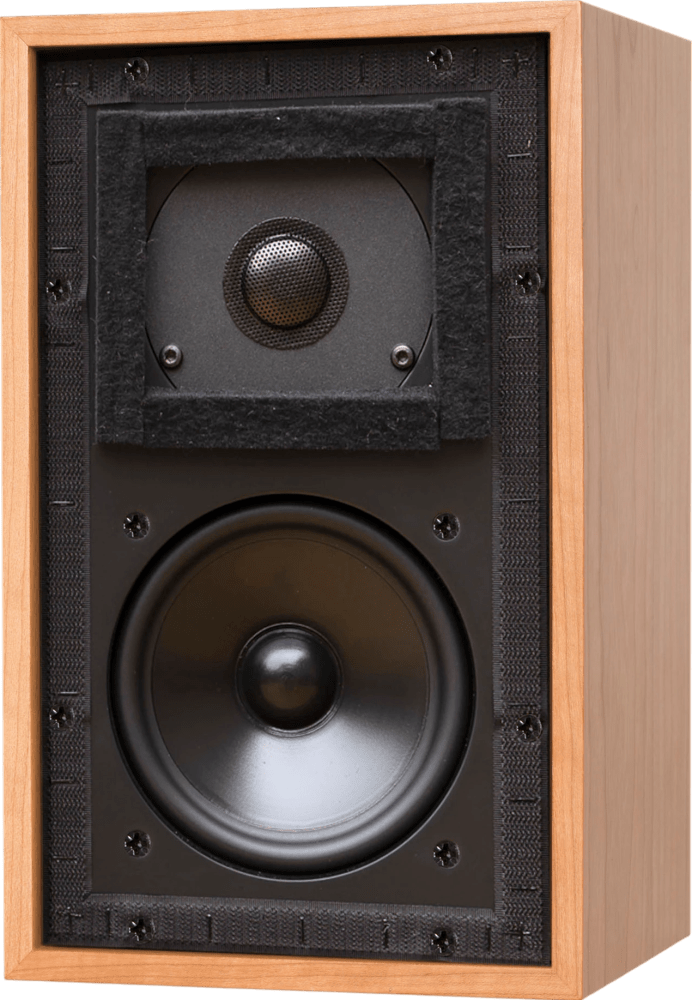
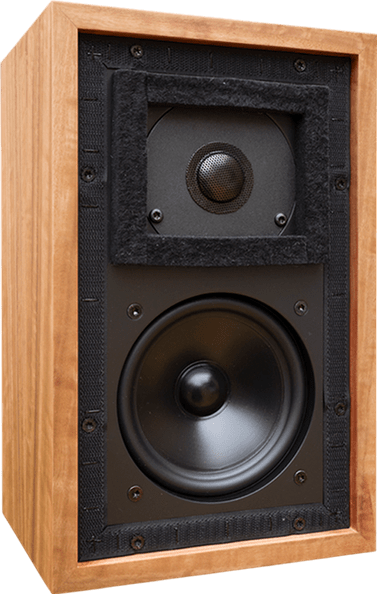
By popular demand, Graham Audio are proud to present the BBC-licensed Chartwell LS3/5A. The LS3/5A was produced by BBC Designs Department in response to detail changes in the performance of the drive units that were originally chosen for the LS3/5 as designed by BBC Research and Development. It is the most well-known of all the BBC loudspeakers, and remains the compact loudspeaker of choice for many today.
As you would expect, our version - engineered by Derek Hughes - includes authentic details such as the perforated metal tweeter grille, thick felt pads surrounding the tweeter, and Velcro rather than our usual hidden magnets to secure the grille frame. The cabinet uses 12mm panels and a fixed rear panel, according to BBC Designs Department's specification.
As the only company to have ever manufactured the LS3/5, and now also the LS3/5A, audiophiles are now in the unique position of being able to hear for themselves the differences that these changes made to the design originally intended by BBC R&D.

.svg)
Our summary
Product Strengths
- Midrange is clear, sweet, realistic, and natural, especially with voices, offering a 'magical' quality
- Soundstage can be surprisingly large and substantial for their size
- Smooth and even performance was a revelation—the sound is clean, smooth, even, and detailed, with pleasing subtlety
- Small size makes them room-friendly
Product Considerations
- Bass is modest and lacks low-end extension, and the lack of attack is noticeable
- Speakers are flat sounding and cannot create soundstage depth illusion
- Power handling and sensitivity are low, requiring caution with the volume control
- The speaker is a bit warm and romantic sounding, the treble is a little uneven with some perceived peakiness
- Uneven sound quality compared to larger speakers
Comparisons (according to reviewers)
- The Graham Audio LS3/5a sounds 'leaner' compared to the LS3/5 model, which sounds 'fuller'
- The Graham Anniversary speakers are much tauter compared to earlier versions of the Rogers LS3/5a
- Versus Harbeth P3ESR, Harbeth does a better job at fooling listeners into thinking that they are listening to much bigger speakers
- Modern speakers are more capable of delivering slam and solidity than the LS3/5A
- Speakers are not as lively and direct as the Xavian Perlas
Takeaway: The LS3/5A is a compact speaker with a magical midrange that makes music enjoyable, especially for vocals and acoustic instruments, and the LS3/5a delivers a smooth sound. It's best for smaller rooms where its small size and focus on accurate midrange can really shine.
Video review
Our take on the brand

Product Strengths
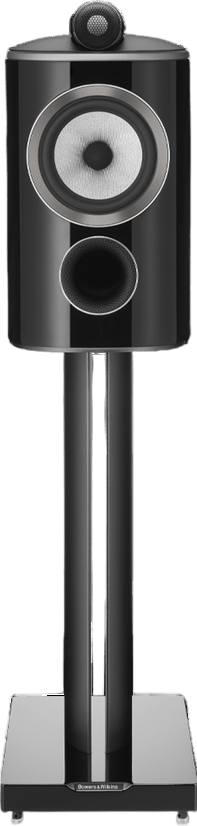
- Excellent build quality, featuring a blend of aluminum, leather, and wood veneer, or gloss paint.
- Detailed sound with excellent stereo imagery.
- Good detail and clarity.
- Wide and deep soundstage.
- Design features contribute to cabinet rigidity and reduced coloration.
Product Considerations
- May sound bright with the wrong amplifier or cables.
- May require a high-power solid-state amp.
- Needs quality amplification and may sound soft if underpowered.
- Requires stands, adding to the overall cost.
- Bass may not satisfy those seeking high-output bass without a subwoofer.
Takeaway: The 805 D4 is an excellent speaker that is beautifully built and delivers a detailed and engaging sound. It's a great option for those seeking a premium listening experience.
Video review
Our take on the brand
.png)
Delivers performance beyond what is typically associated with its price.
Our summary
Product Strengths
- Full-range sound, impressive bass response, and the ability to pressurize a room, often negating the need for a separate subwoofer
- Smooth, warm, and coherent midrange provides natural and engaging vocals and instruments for long listening sessions without fatigue
- Well-extended treble presents in a naturally smooth, enjoyable, and pleasing manner
- Excellent imaging and soundstage capabilities create a realistic and immersive listening experience
- Sound reproduction makes it a speaker that one can live with
- Connectivity options are available
Product Considerations
- Quality amplification with sufficient power and current is required to achieve optimal performance and control the woofer effectively
- The backplate for bass adjustment uses wood screws, making it easy to strip if not handled carefully
- Placement and setup, especially stand height and toe-in, are crucial for achieving the best high-frequency response, it can sound dull if not optimized
- May not be ideal for listeners who prefer a brighter, more forward sound signature or those who prioritize extreme loudness levels
- Grilles may cause micro-rattling at moderate to loud listening levels due to weaker magnets
Comparisons (according to reviewers)
- Vs Totem Acoustic Manny 2 Signature: The Studio 2 has a more forgiving presentation, denser midrange, and stronger bass
- Vs Klipsch Forte 3: The Studio 2 offers a more natural tone, especially in the midrange and upper bass, along with greater soundstage depth
- Vs Vienna Acoustics Mozart Symphony Editions: The Studio 2 beats them in bass and midrange
- Vs Harbeth (SHL5 and Compact 7 XTs): The Studio 2 cannot be matched by the Harbeth's articulate bass response
- Vs Celestion SL6-S: The Studio 2 has deeper roots in the trunk, and they got high branches and leaves, but they don't go all the way up to the highest branches and leaves at the tippy top
Takeaway:
The Studio 2 is a well-built bookshelf speaker that delivers a smooth, full-range sound with surprising bass and clear imaging, making for an engaging listening experience. With the right setup and quality components, these speakers can provide years of musical enjoyment in a variety of room sizes.
Video review
Our take on the brand
Our summary
Product Strengths
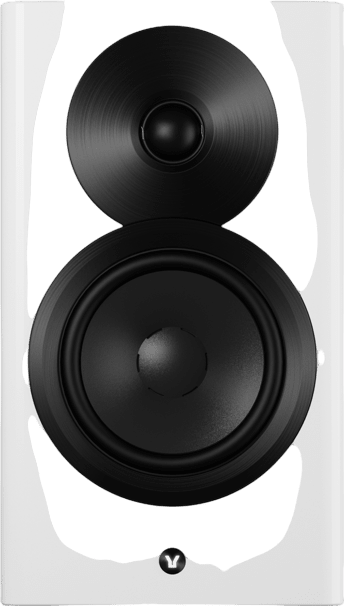
- Integrated technology allows direct high-resolution listening without extra devices
- The speaker uses the same Pascal Class D amplification and processing technology from Dynaudio's Pro line Core series
- Discrete amplification channel per driver: 110 watts for the tweeter and 280 watts for the woofer
- Dirac Live room correction is available, which can tune some of the annoying sounds of a garage, for example, using the soft dome tweeter
Product Considerations
- Running a digital coaxial cable from one speaker to the next results in the signal being sent at 24-96 kilohertz, which is a lower quality than what the master speaker receives (24-192)
- There is no HDMI arc or e-arc connection
- Drilling holes may be required to attach the speaker to stands
- Setting up the speaker with the app is not as quick or seamless as Bluesound
- A microphone is required to do Dirac room calibration
Comparisons (according to reviewers)
- Vs PSB Alpha IQs: Plays louder with a higher level of amplification
- Vs Dynaudio Core 7: The Core 7 has more power and a slightly better tweeter and woofer, but is not as aesthetically pleasing and needs a Bluesound Node
- Vs Dynaudio Evoke: It is similar to an Evoke speaker, but with a bigger woofer
Takeaway: The Focus recMsY5ljWopDD7UU is a sophisticated wireless speaker that pulls technology from Dynaudio's Pro line and features Dirac room calibration. It is ideal for someone looking for high-resolution listening without extra devices and who values sophisticated sound and aesthetics.
Video review
Our take on the brand
What competes at this price?

Our Summary
Product Strengths
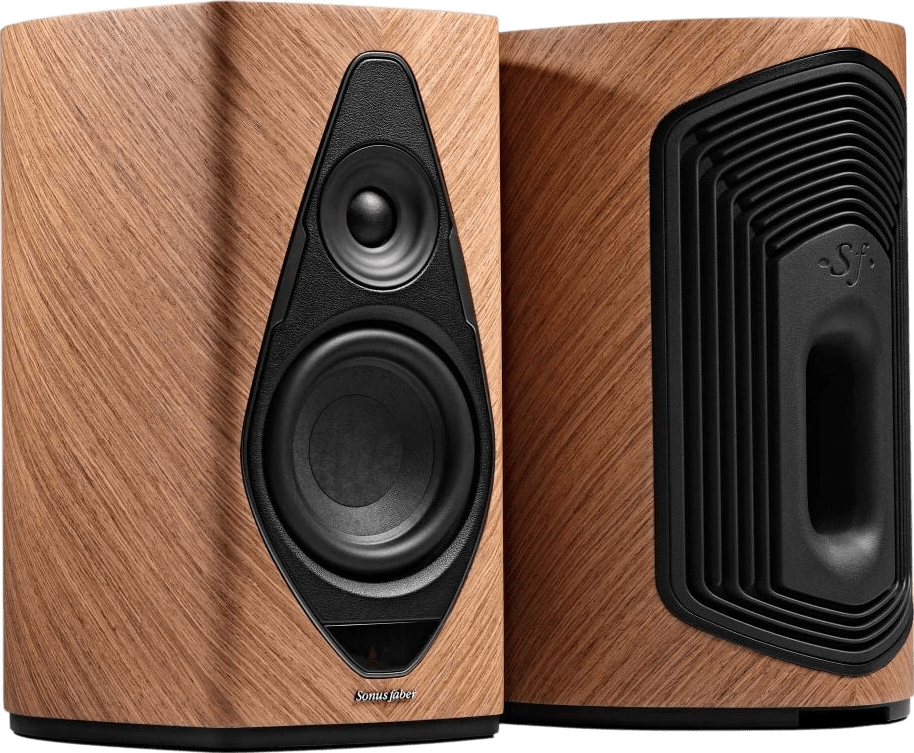
- Gorgeous sound is clear, smooth, detailed, and dynamic
- Elegant design is dashingly elegant, minimalist aesthetic, and painstakingly crafted for equal parts style and substance
- Impressive bass extension and output, described as deep and firm, surprising for their size
- Clear midrange makes voices sound purposeful, characterful, and entirely present
- Versatile connectivity with streaming and input options, including Chromecast, AirPlay 2, phono pre-amp, and HDMI ARC/eARC
Product Considerations
- Some reviewers experienced streaming and HDMI ARC reliability issues
- Input and control layout can be inconvenient and awkward
- Prototype unit had operational bugs
- No bass level adjustment is available, though it could be added in mobile app
Comparisons (according to reviewers)
- Vs KEF LS50 Wireless II—the KEF LS50 Wireless II is a similarly high-end option
- Vs PSB Alpha iQ—the PSB Alpha iQ is a more compact wireless speaker package than the Sonus Faber and is comparatively lighter on bass
Takeaway: The Sonus Faber Duetto speakers are well-suited for those seeking amazing sound and a beautiful design in one package. These speakers are easy to connect and use, and fill the room with rich, detailed audio.
Video review
Our take on the brand

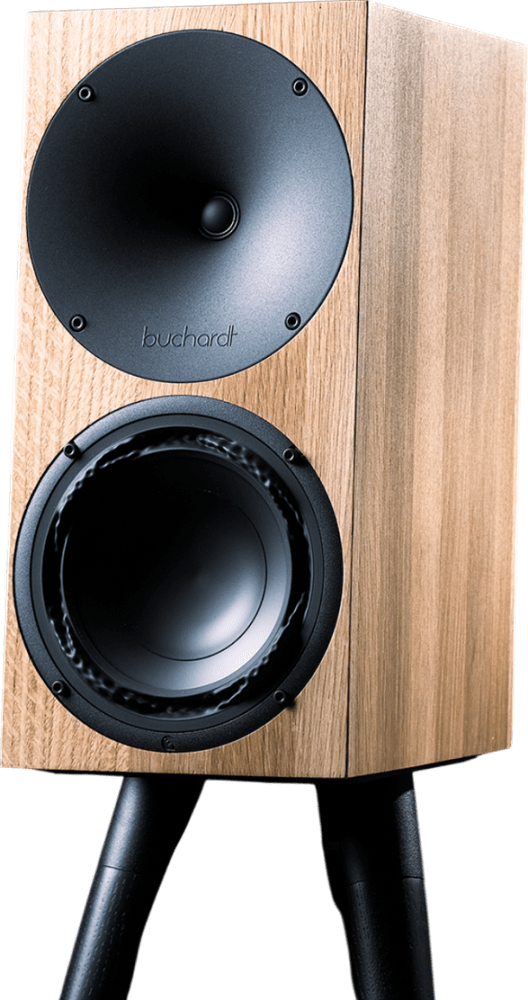

Our Summary
Product Strengths
- Exceptional bass performance for its compact size, with bass that is fast, clear, and tight
- Multiple 'Master Tunings' offer customizable sound profiles, adapting to different room acoustics and user preferences
- A high-quality Purifi woofer and SB Acoustics tweeter contribute to clarity, detail, and low distortion
- A solid wood cabinet made in Denmark provides a luxurious look and feel
Product Considerations
- Bass output may diminish or be limited at high volumes to protect the drivers from damage
- A separate purchase of the Platin Stereo Hub may be required for full wireless functionality and room correction
- The 'Made in China' label applies to the electronics inside the cabinet
- While the A10 offers impressive bass, some may still prefer to add a subwoofer for a true full-range experience
Comparisons (according to reviewers)
- Vs Buchardt S400 Mark II, the A10 is more transparent with greater inner detail, clarity, and top-end extension—and deeper, tighter bass—while the S400 Mark II is more relaxed and forgiving with harsh recordings
- Vs Buchardt A500, the A10 has comparable performance, with possibly a crisper sound in some instances
Takeaway: The Buchardt Anniversary 10 is a compact yet powerful speaker that offers a customizable listening experience. Its impressive bass and versatile tuning options make it a great choice for those seeking a high-quality audio solution in a small to medium-sized room.
Video review
Our take on the brand
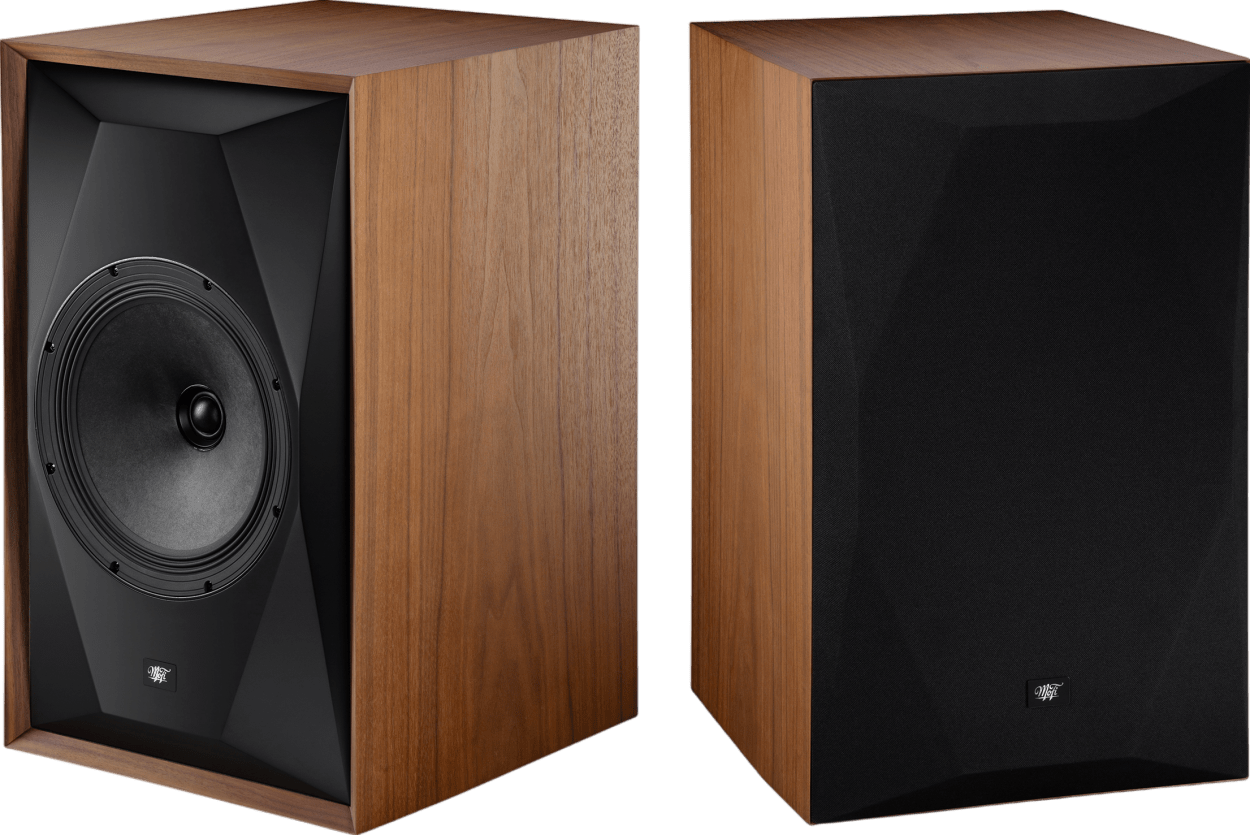

Our Summary
Product Strengths
- Remarkable sound power and early directivity indexes make it a true point source speaker.
- Special sound quality for the price offers a level of performance not typically found in speakers at this price point.
- Very good neutrality is present when the speaker is turned off axis.
- It is a very versatile speaker to drive.
- The midrange presentation is very dead center and coherent.
Product Considerations
- The bass does not reach as low as some listeners might prefer.
- The speaker can get bright at times.
- Care should be taken to place it not directly on axis, because when placed directly on axis, it is no longer a neutral speaker.
- There's no stand included in the package.
- It is made in China, and construction can be suspect.
Comparisons (according to reviewers)
- Vs PureAudioProject Duet 15, the SourcePoint 10 is more precise and focused, while the PureAudioProject has a bigger soundstage.
- Vs Fleetwood Deville SQ, they sounded more alike than different when in action, but SourcePoint was more extended from top to bottom and brought more lively dynamics and impact.
- Vs Klipsch Heresy IV, the SourcePoint 10 is the superior speaker in every way from build to sound, with more refinement and smoothness, and it seems just as dynamic as the Klipsch.
- Vs Dynaudio Special 40s, the SourcePoint 10 sounds much bigger, more dynamic, has much better bass, and fills a room with ease.
- Vs KEF LS50 META, the LS50 sounds smaller, leaner, and not as special in the vocal region.
Takeaway:
The SourcePoint is a speaker with a neutral sound that originates from a single point, and it has remarkable early directivity indexes. It is a speaker that offers very good performance for the money, but careful attention needs to be paid to its placement in the room.
Video review
Our take on the brand
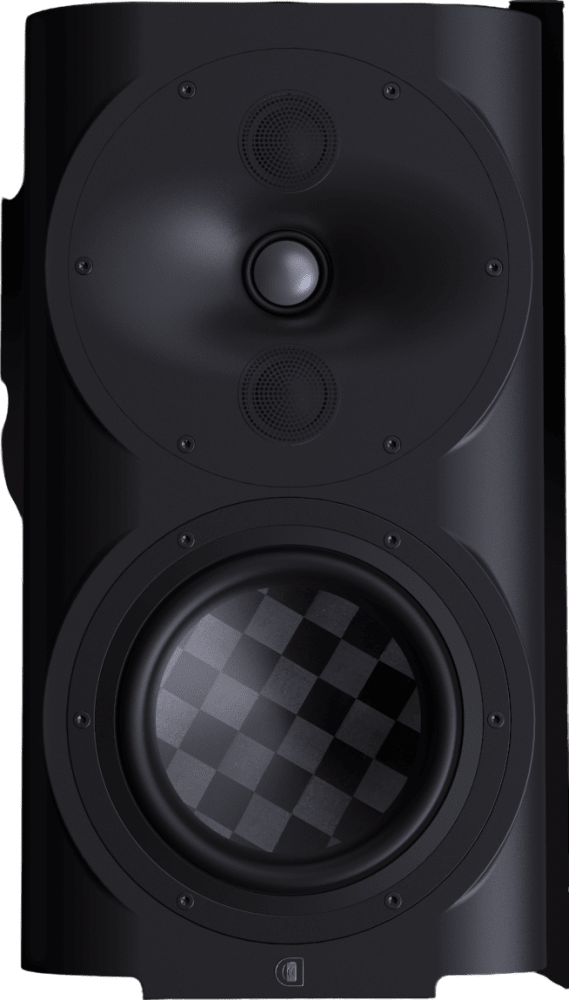

Our Summary
Product Strengths
- Solidly built with an inert cabinet, contributing to overall performance
- Crazy linear/neutral sound from about 100Hz upwards
- The beryllium tweeter provides nuanced, airy, and extended highs with a hint of shimmer for realistic metallic instruments
- It creates a three-dimensional soundstage, making the speakers disappear sonically
Product Considerations
- It does not have a great deal of bass on its own and may require a subwoofer for full-range playback, starting its roll-off at around 100Hz
- While placement is flexible, a solid amplifier is required
- The styling might be an acquired taste and could be considered overcomplicated by some
- The high gloss finishes may not appear different from less expensive speakers, making it harder to justify the luxury price tag
Comparisons (according to reviewers)
- Vs Bowers & Wilkins 805 D4: The S4B is more neutral/accurate, while the 805 D4 adds bass and treble energy
- Vs Focal Canta No. 1: The S4B outperforms the Canta No. 1, which has chestiness in its bass and midrange due to its cabinet
- Vs Revel Studio 2: The S4B reminded the reviewer of the Revel Studio 2, though the Revels had more bass
- Vs Focal Diablo Utopia: The Perlisten are a great alternative if the Utopias are outside of your reach and are a more neutral and less bright speaker
- Vs EgglestonWorks Nico Evo: The EgglestonWorks presentation is a little more mid-forward and less 3D than the Perlisten
Takeaway: The Perlisten S4b is a high-performing speaker that offers excellent clarity and a neutral sound, making it a great choice for audiophiles and home cinema enthusiasts alike. The speaker's ability to create a detailed and immersive soundstage can bring music and movies to life.
Video review
Our take on the brand
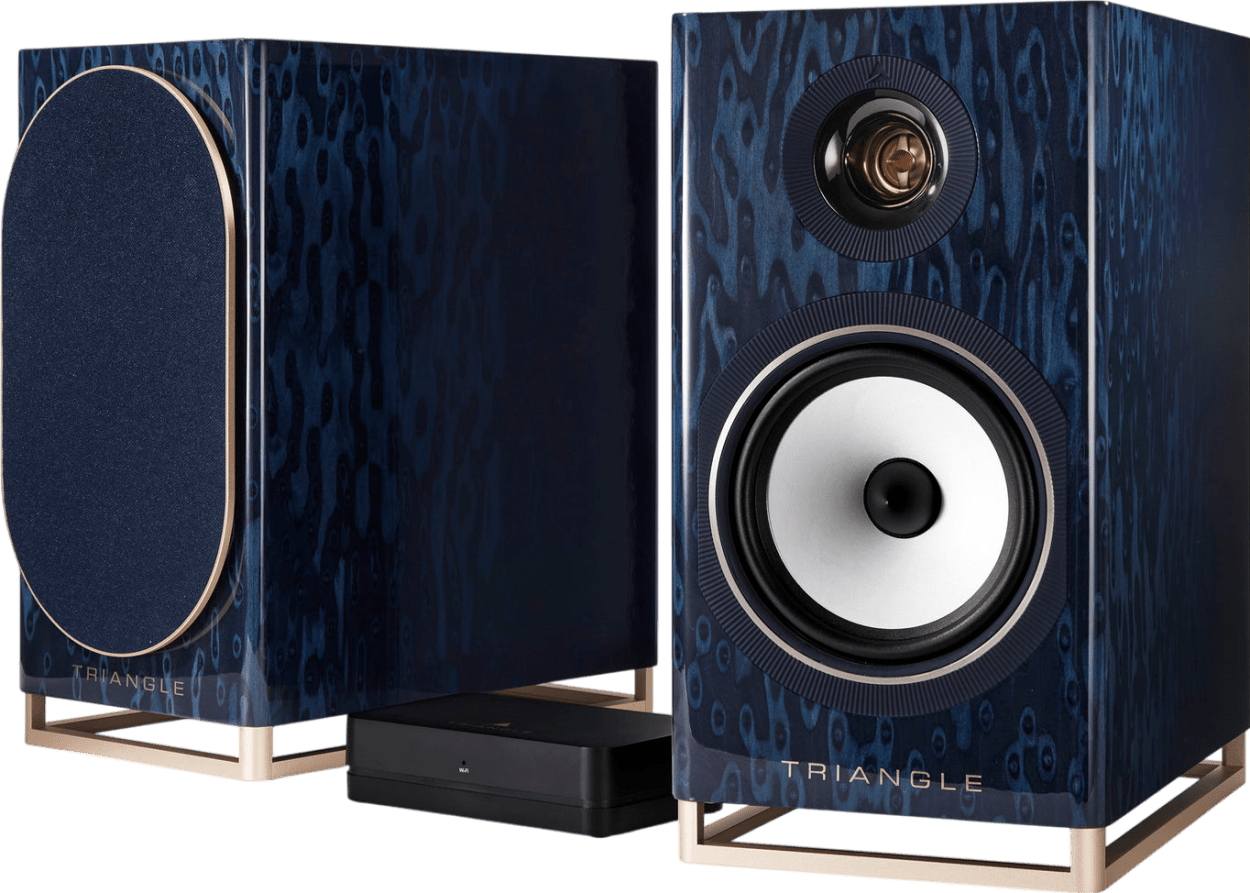

Our Summary
Product Strengths
- Excellent wireless stability, pairing easily and remaining connected even with other wireless activity
- Big, confident, and enjoyable sound, with surprising bass extension for its size
- Aesthetically pleasing design, with unique and attractive finish options
- Versatile connectivity options through its media hub, including multiple digital and analog inputs, plus Bluetooth, AirPlay, and Chromecast
Product Considerations
- The absence of a dedicated streaming app may require reliance on third-party apps or external streamers
- The system could benefit from a slightly more refined sonic presentation, needing a touch more sweetness and natural warmth
- There can be some audible amplifier noise at idle/start-up, depending on proximity
- The base of the speakers can be quite large, potentially requiring dedicated stands for proper placement
- No wired subwoofer output
Comparisons (according to reviewers)
- Compared to KEF LS50 Wireless II, the Capella will appeal to those who would rather have a more classic, wood-cabineted speaker on show than the ultra-modern aesthetic of the Brit boxes
- Compared to Triangle Borea BR03 BT, the Triangle Capella active speaker system is much more ambitious, with more advanced drivers and superior fit and finish
- Compared to Buchardt A10, the Triangle Capella and Buchardt A10 are more similar than different, but still pretty different, as they use the same concept
Takeaway: The Triangle Capella is a convenient and stylish all-in-one system that delivers a big and enjoyable sound. It's a great choice for those seeking hifi audio without the complexities of traditional separates.
Video review
Our take on the brand
How to buy
Speakers
Search all hifi products
Explore our database of 10,000+ new and 25,000+ used hifi products.