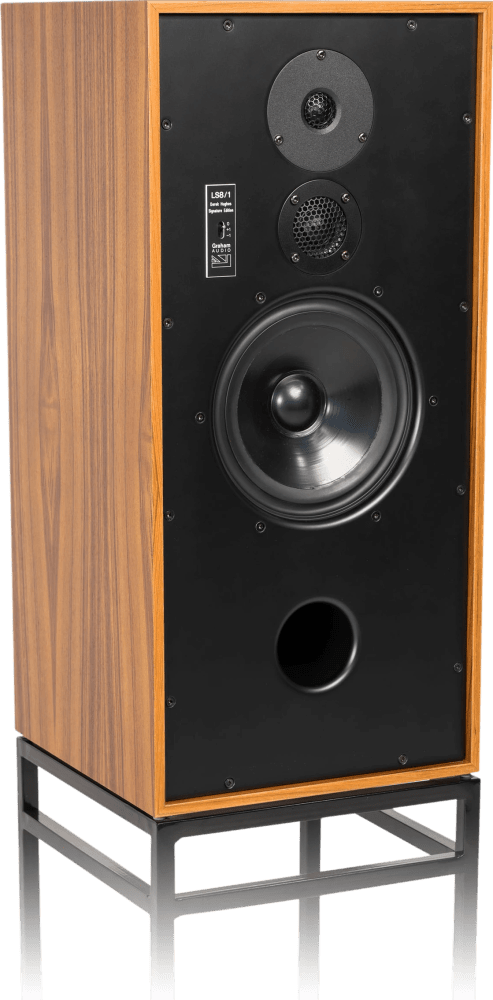
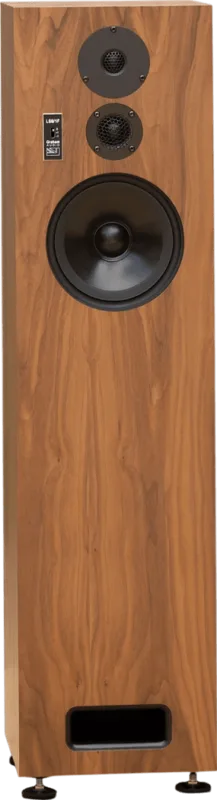
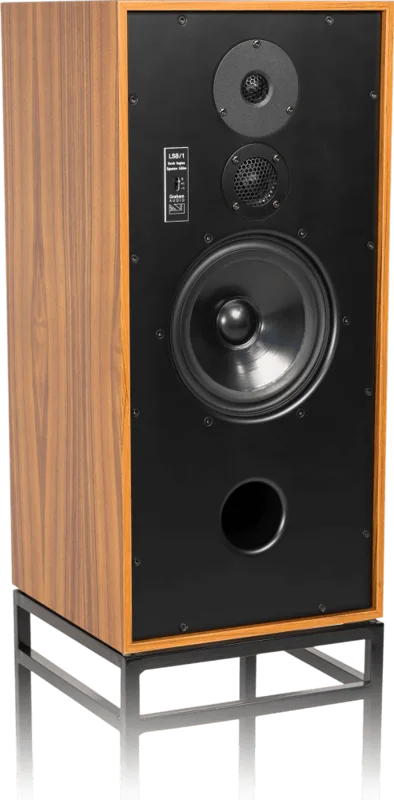
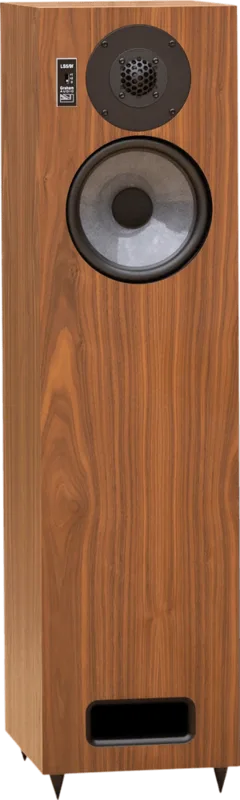
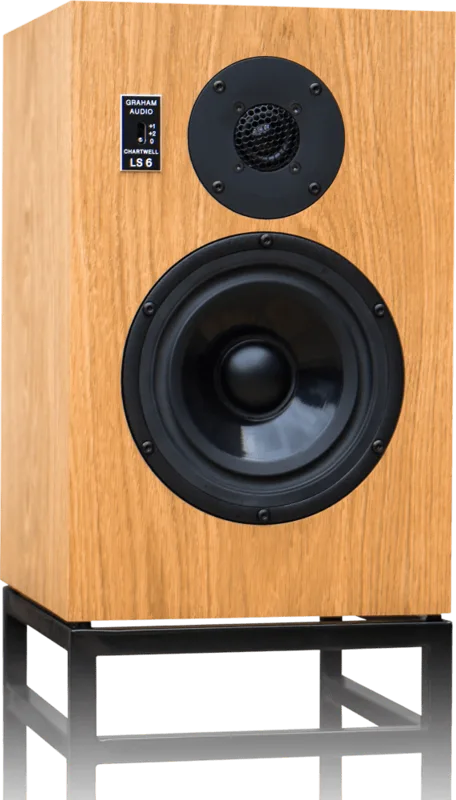
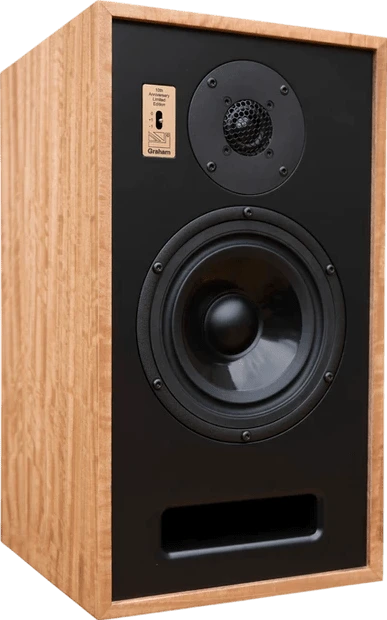
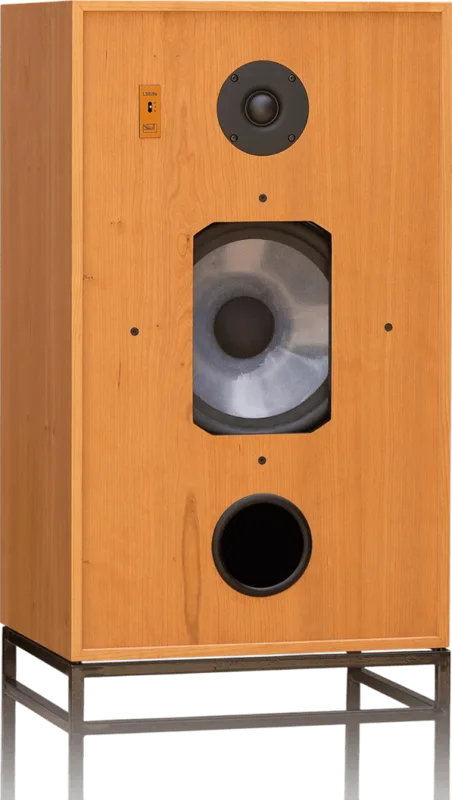
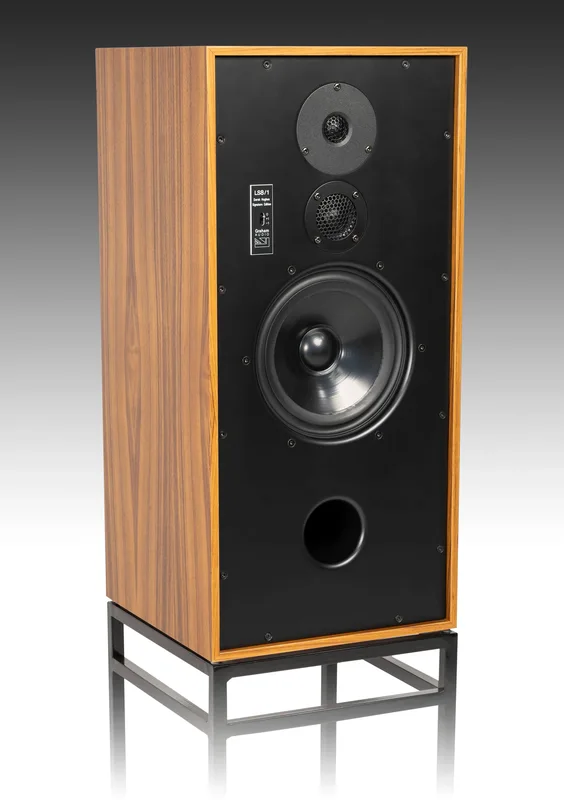
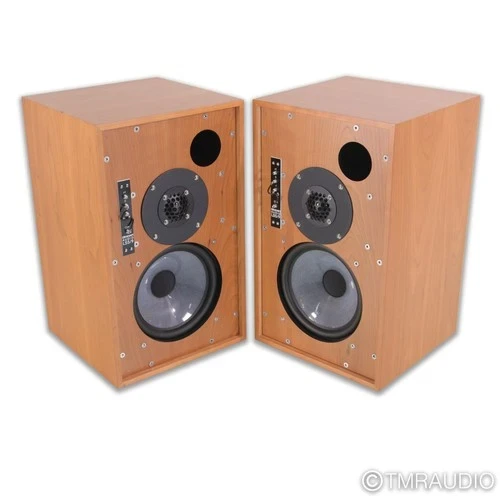
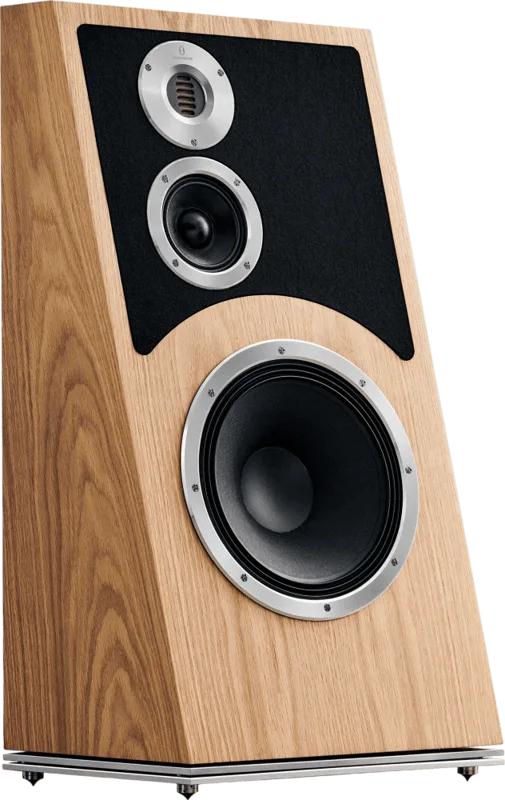
Graham's LS8/1 is a floorstanding three-way speaker with a front-panel treble control, so you can adjust the highs to suit your room. Its detail and midrange drew the most praise from reviewers.
Graham's LS8/1 is a floorstanding three-way speaker with a front-panel treble control, so you can adjust the highs to suit your room. Its detail and midrange drew the most praise from reviewers.
Bass driver in a 2 cubic foot box format, with a high temperature motor design and materials for greater power handling
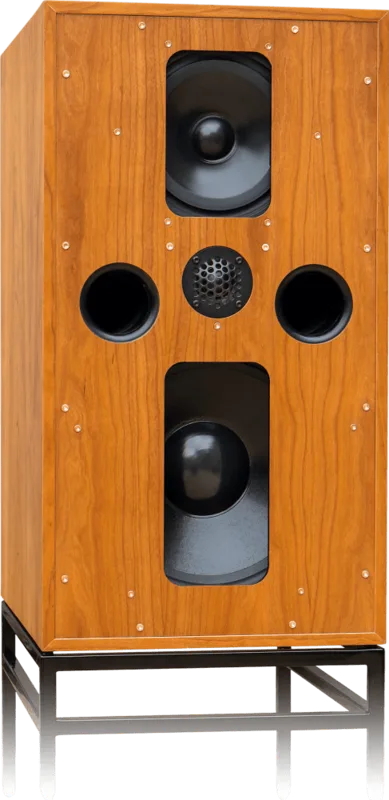
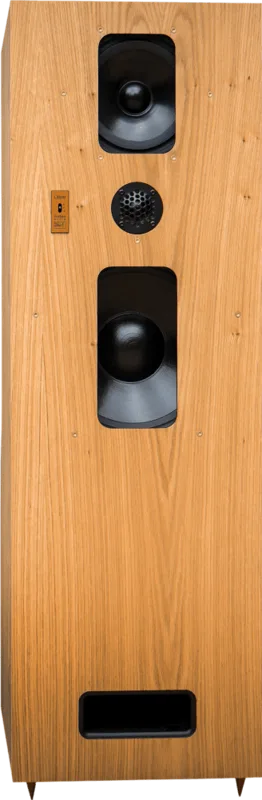
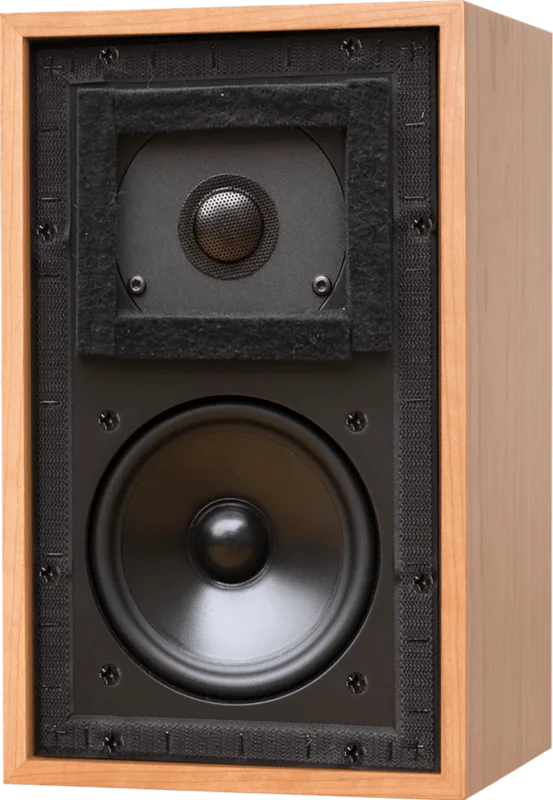
Front and rear panels screwed to the cabinet rather than glued, decoupling the panels to reduce coloration and easing future maintenance
Soft-dome tweeter and super-tweeter, both with protective metal grilles
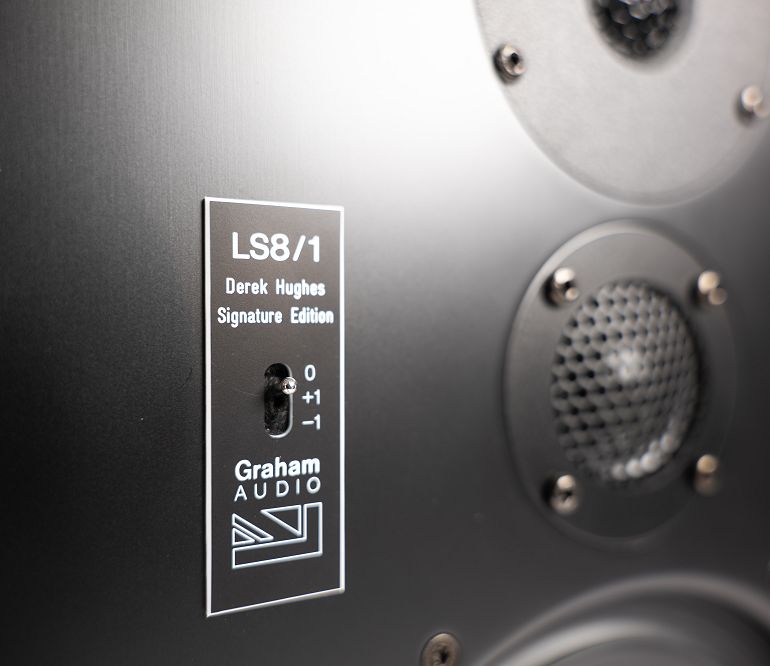
HF level adjustable from the front panel, with the grille held by concealed magnets for easy removal
The LS8/1 offers a very clean midrange and insightful sound, while paying homage to British audio heritage. It will provide a deep and enduring level of sonic truth and musical satisfaction.
Product Strengths
Excels in midrange reproduction, making vocals and instruments sound natural and detailed
Greater bass extension and tighter bass than previous Hughes family descendants of the original Spendor BC1 design
Dynamically lively, possessing what is described as 'jump factor'
Stereo imaging is better, the stereo focus is overwhelming and fascinating
The design rings true
Product Considerations
May require a more powerful amplifier to deliver its full potential
In a really large room, one might need to add a subwoofer system to good effect
Intended to be used far from sidewalls or with sidewalls damped
Comparisons (according to reviewers)
Vs Spendor BC-1s: Has a tighter bass and is less 'floppy'
Vs Spendor BC1: Has a more controlled, better, more modern bass
Vs Stirling Broadcast LS3/6: Has more robust bass, stronger and more dynamically capable bass, and also more bass extension, and a slightly more forward sound at around 2kHz, but a little recession from 800–1000Hz
Takeaway: The LS8/1 offers a very clean midrange and insightful sound, while paying homage to British audio heritage. It will provide a deep and enduring level of sonic truth and musical satisfaction.
[{"title":"Graham LS8/1 Loudspeaker","link":"https://www.theabsolutesound.com/articles/graham-ls8-1-loudspeaker","source":"The Absolute Sound","datePublished":"2022"},{"title":"2022 Golden Ear: Graham Audio LS8/1 Loudspeaker","link":"https://www.theabsolutesound.com/articles/2022-golden-ear-graham-audio-ls8-1-loudspeaker","source":"The Absolute Sound","datePublished":"2023"},{"title":"Review Graham LS8-1 monitor speaker – British Pride","link":"https://www.alpha-audio.net/review/review-graham-ls8-1-monitor-speaker-british-pride","source":"Alpha Audio","datePublished":"2023"},{"title":"Graham Audio LS8/1 Speakers: A First Look Audition","link":"https://wallofsound.ca/audioreviews/speakers/graham-audio-ls8-1-speakers-a-first-look-audition","source":"Wall of Sound","datePublished":"2023"},{"title":"Graham Audio LS8/1","link":"https://hifiplus.com/articles/graham-audio-ls8-1","source":"Hi-Fi+","datePublished":"2024"},{"title":"Graham audio LS8/1 How good is it ??","link":"https://www.youtube.com/watch?v=yHhpRl7bILE","source":"Stereo review X","datePublished":"2025"},{"title":"The New Graham Audio LS8/1 Video Review! (..is that the Spendor BC1 standing next to them? Why yes!)","link":"https://www.youtube.com/watch?v=OfkoW5op56I","source":"Phonostage Audio","datePublished":"2022"}]
Bookshelf, floorstanding, in-wall, and powered speakers, compared on the specs that matter in a real room: bass extension, sensitivity, and tweeter type.
Get placement right before anything else. Pulling speakers 2–3 feet (60–90 cm) from the wall behind them tames boomy bass; the listening seat should sit at the third point of an equilateral triangle, with toe-in adjusted to set the width of the image.
Match speaker size to the room. Large towers in a small room often sound bloated, and nearfield listening at a desk favors small two-way designs.
Each 3 dB of extra sensitivity halves the power needed for the same volume. For moderate listening levels, speakers rated 90 dB or more allow a smaller, cheaper amp.
Treat the room before spending more on speakers. Bass traps in the corners and absorption at the first reflection points often do more than a step up in speakers.
Used speakers lose value quickly, so two- or three-year-old models from established brands often sell well below their new price.
Three-way designs free the midrange driver from bass duty, which can lower distortion in voices, though a well-designed two-way can image just as precisely.
Tweeter dispersion matters more than its frequency response. Wide dispersion gives a bigger sweet spot but lights up more room reflections; controlled directivity suits lively rooms.
Open-plan rooms lose bass. If the room opens onto other spaces, budget for a subwoofer instead of bigger main speakers.
Audition with familiar music. Voicing varies a lot between brands, and a pair that excites on rock can grow tiring on strings.
Many brands put their flagship tweeter into smaller models. A bookshelf speaker from a brand's top range often beats a cheaper tower in a small room.
Reaches 41–50 Hz, typical of a bookshelf speaker. Bass guitar and kick drums come through, but the deepest notes will sound lighter, and many listeners add a subwoofer. The ±3 dB rating means output is still within 3 dB of normal level at this frequency, a strict spec that's comparable between brands.
A tall speaker that stands on the floor. The bigger cabinet and extra drivers give deeper bass and more volume than bookshelf models, often without needing a subwoofer.
Uses a conventional closed or ported box cabinet, the most common speaker design. The box contains the rear wave of the drivers and can be tuned with a port to extend bass.
Uses a soft dome tweeter made of fabric or silk. Soft domes are often described as smooth and easy to listen to; metal and ceramic domes tend to sound more detailed but can be bright.
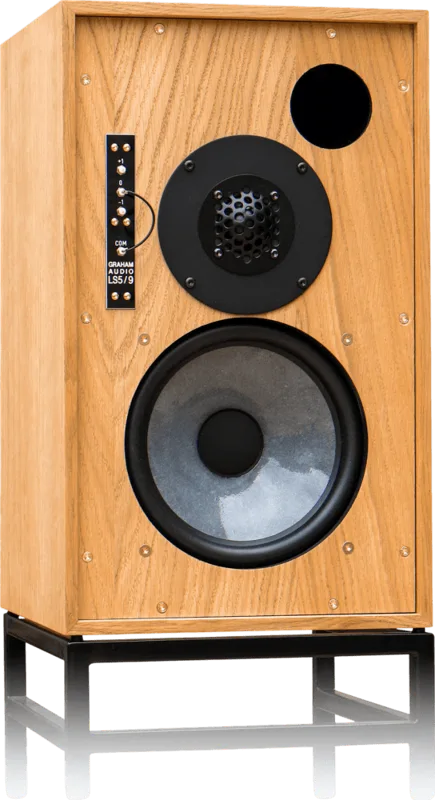
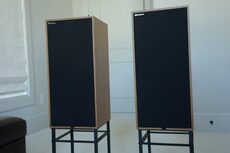
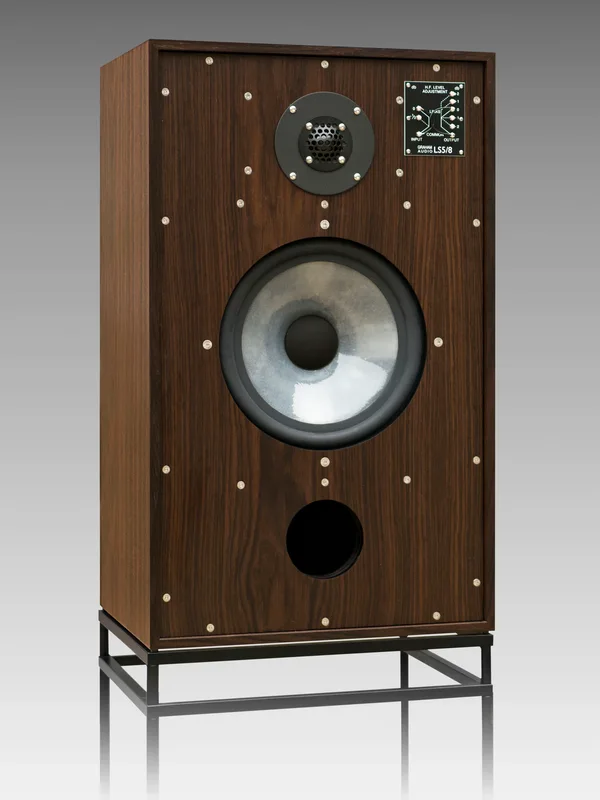
The LS8/1 is Graham Audio's take on the classic 8 inch bass driver in a 2 cubic foot box format, as used by many designers over the years, including our own Derek Hughes (and his father Spencer, who of course designed the BBC LS3/6). Some earlier models suffered from reliability problems because of limited power handling. Some had a bass response that didn't work optimally in domestic listening environments. But many were able to give hi-fi enthusiasts their first taste of studio monitor neutrality, especially through the midrange, thanks to the "thinwall" cabinet construction and the innovative - for the time - use of plastics for the mid-bass driver diaphragm. The Graham Audio LS8/1 draws on decades of experience and modern techniques. High temperature motor design and materials permit much greater power handling than ever, while building on the midrange openess and resolution of the original LS3/6. Sophisticated soft-dome units are used for the tweeter and super-tweeter, both with protective metal grilles, and in common with many Graham Audio designs, the HF level can easily be adjusted from the front panel to help match the loudspeakers to the acoustic environment they are being used in. To do so, the grille can readily be removed as it is held in place with concealed magnets. As with the original LS3/6, the front and rear panels are attached to the cabinet with srews rather than glued joints, helping to reduce colouration by decoupling the panels, and easing future maintenance, should that become necessary. High quality birch ply is used beneath the premium hand-matched veneers.
Graham Audio is a British speaker maker, founded by Paul Graham to keep classic BBC monitor designs in production. It hand-builds BBC-licensed models including the LS3/5, LS5/9 and LS5/8 in Devon, with thin-wall birch plywood cabinets and bespoke drive units, working with designer Derek Hughes. One person builds and tests each speaker, and a second person repeats the tests, including a comparison with master reference samples. The LS3/5 is a nearfield monitor for small to medium rooms, and it is on our Classic Speakers Still in Production list with the LS5/9 and LS6.
Popularity
Top 100
Typical price
$5,001-$10,000
Dealers
24
Used for sale
35
Brand highlights
What reviewers notice across
Graham
's whole lineup, not only the
LS8/1
.
Graham Audio's designs benefit from Derek Hughes's expertise, son of Spencer Hughes (Spendor), maintaining a strong connection to the classic BBC sound.
The brand is committed to BBC "thin-wall" cabinet construction, using birch plywood, corner fillets, and strategically placed mastic elements to manage resonances.
Musical Fidelity speakers deliver a clean, smooth, even, and detailed sound with pleasing subtlety, tight bass, and fine imaging.
Graham Audio's LS3/5A variants provide both a historically accurate sound reproduction and dynamic range for smaller spaces, as well as offer an opportunity for use in larger rooms.
The Graham LS8/1 is a well-designed speaker with a focus on clean midrange and an insightful sound, making it a good choice for listeners who appreciate a detailed and engaging audio experience. The speaker's good finish and retro design contribute to its appeal.
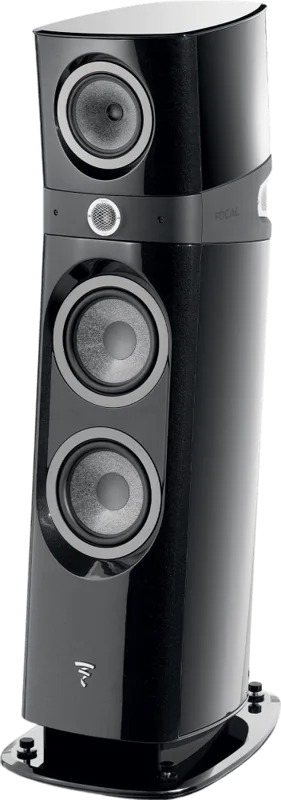
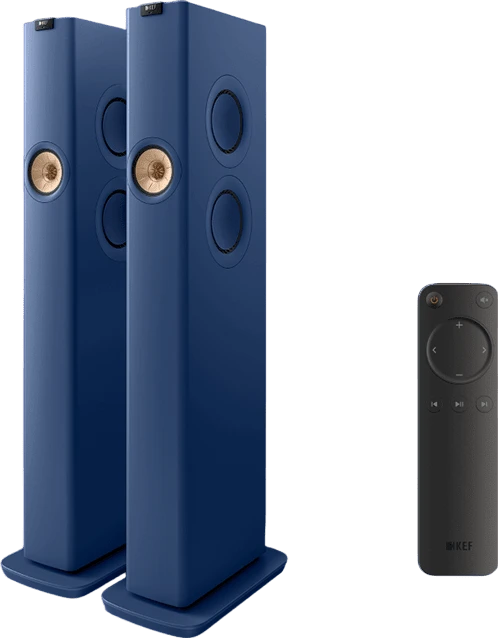
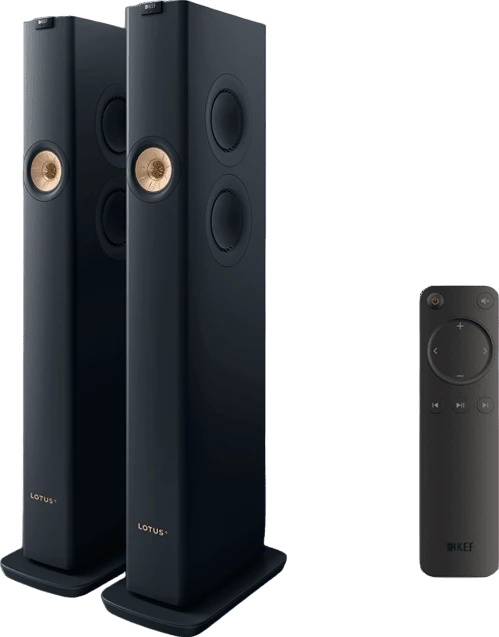
The KEF LS60 Wireless are stylish, all-in-one speakers that deliver a balanced, detailed sound with advanced technology. They are a convenient, high-performing solution for those seeking a streamlined audio setup.
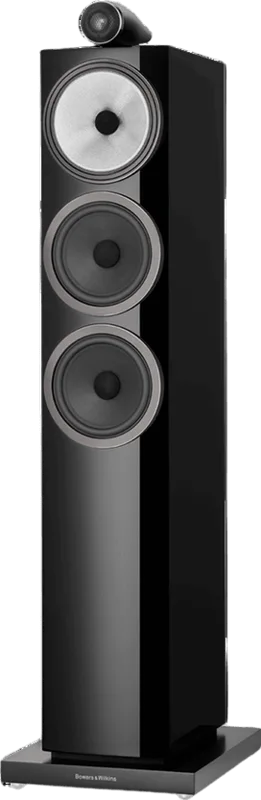
The 703 S3 makes listening engaging and fun, with dynamic sound suitable for both music and movies. It brings clarity to vocals, especially at lower volumes, making it great for late-night listening.
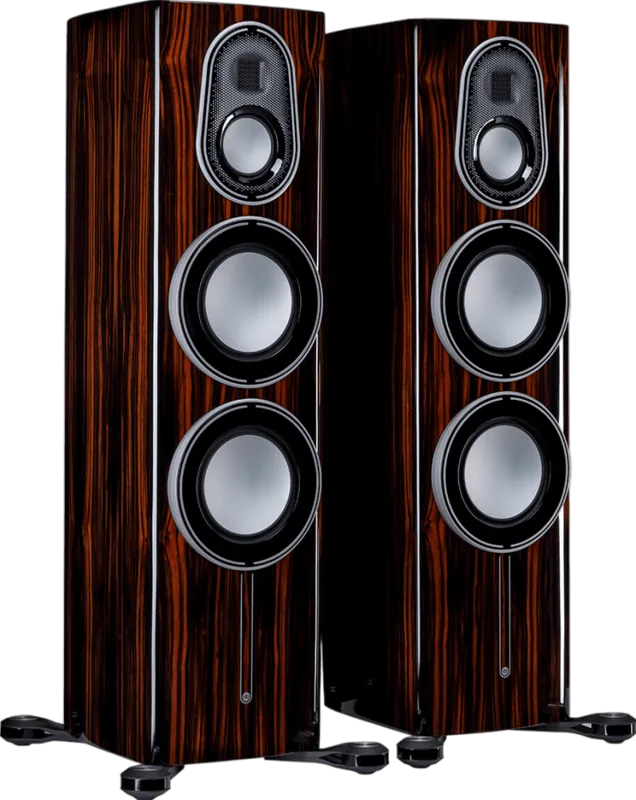
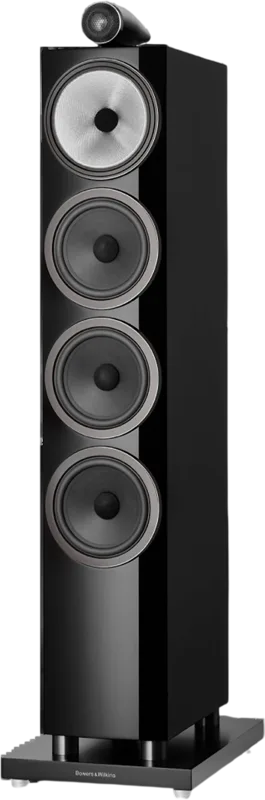
The 702 S3 is a well-built loudspeaker offering a significant upgrade in sound quality. Trickle-down technology gives a taste of Bowers & Wilkins' flagship series at a more affordable price.
The KEF LS60 Wireless is a fantastic, all-in-one speaker system that sounds great and looks stylish. They are easy to set up and use, and will fill a room with music for years to come.
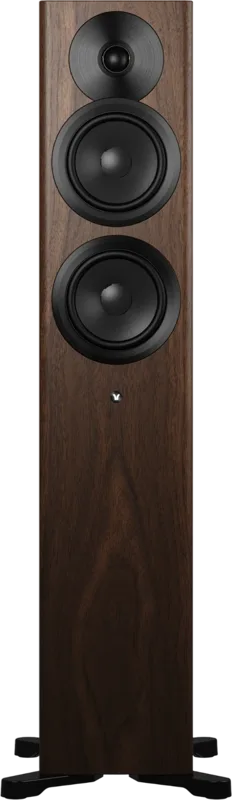
The Dynaudio Focus 30 is a great system because it sounds very detailed with pinpoint imaging. The Focus 30 is perfectly suited as a wireless speaker for those seeking excellent sound in their home.
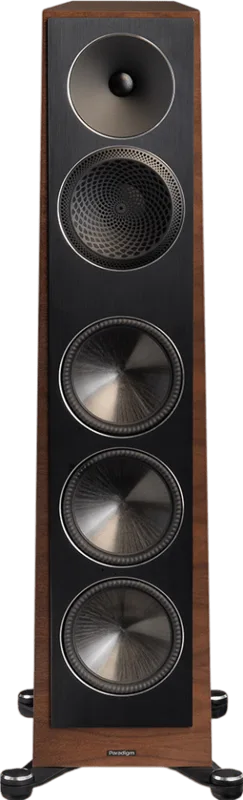
The Paradigm Founder 120H offers high-performance sound and technology, like room correction, at a more accessible price. The active bass section, quality design, and build make this a compelling listening experience for any music genre.
The Arendal 1528 is a well-built speaker that sounds great, is capable of high SPL output, and delivers deep bass without distortion. Its neutral sound signature makes it suitable for both music and home theater, making it a versatile choice for those who have the space and the budget.
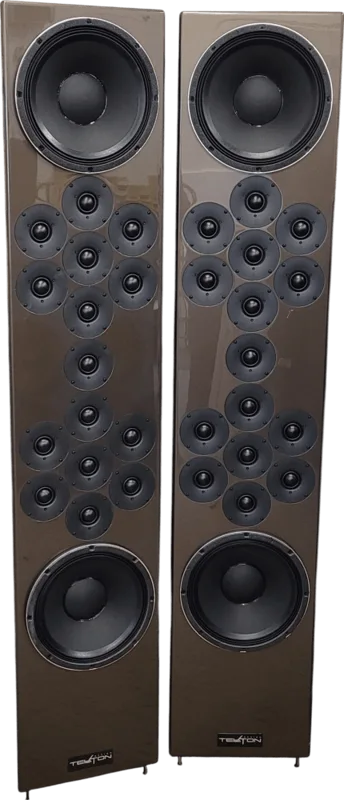
The Tekton Moab are suitable for listeners who like their music to sound like a live performance with the ability to deliver solid sound. For listeners who want speakers that emit a wall-to-wall soundscape, these speakers could be the right choice.
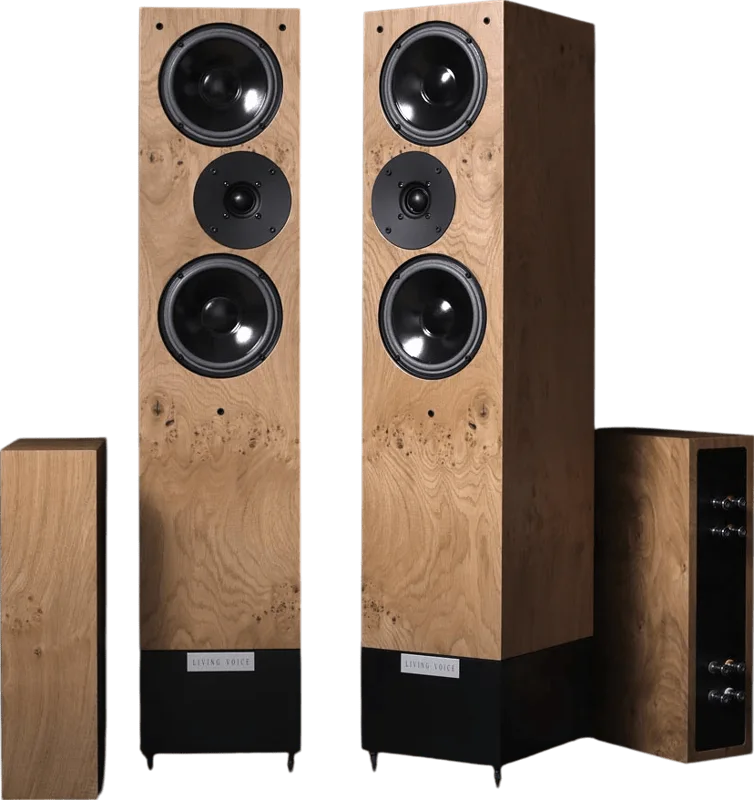
The Living Voice Auditorium R25A is a suitable loudspeaker for those seeking a musically engaging and easy-to-drive design, especially if appreciating a classic sound balance. Their high sensitivity and coherence makes music sound alive and involving, letting one simply enjoy the performance.
The PIEGA Premium Wireless Gen2 701 is a stylish speaker that offers a wide soundstage and a rich listening experience. Its modern design and high-quality build make it a great addition to any contemporary living space.
The Kensington GR is a well-made speaker that delivers music with impressive force and clarity. Its detailed design and sound make it a charming and unique addition to any room.