Welcome
A few speaker designs have stayed in production for forty or fifty years because nothing replaced them: the Klipsch Heritage range, the BBC monitors and their licensed copies, the Wharfedale and KLH revivals, the Quad electrostatic. This is the vintage-speaker list for people who want the sound without the restoration project.


Products on this list





What reviewers think
Product Strengths
- Improved bass performance due to the rear port offers tighter and faster low frequencies, and reduces port noise
- A new midrange horn delivers a much larger and more realistic voice presentation
- Super sensitive at 99DB efficient, even low powered single ended tubes can be magical
- Sound is live and alive
- Sound belies cabinet size
Product Considerations
- A subwoofer may be needed in larger rooms or for bass-heavy music genres
- Not as delicate and nuanced as some modern designs
- The bass response is remarkably balanced but not overly deep
- Looks a bit boxy from the front
- Bass does not dig overly deep
Takeaway: The Klipsch Heresy IV is a classic speaker improved to deliver exciting, dynamic, and lifelike sound. These speakers provide a fun and engaging listening experience.
Video review
About the brand


What reviewers think
Product Strengths
- The Cornwall IV delivers a big, massive sound capable of filling both small and large spaces alike
- It has a lively and forward-sounding character
- The mid-range has a huge sense of scale and good tone, especially with the human voice
- Dynamics are excellent—the speaker can move a lot of air, specifically highlighted for classical music
- The Cornwall IV is made in the USA and comes with a ten-year warranty
Product Considerations
- The Cornwall IV is large, weighing 100 pounds apiece, and requires significant space
- Placement is critical to getting the mid-range just right, as poor placement can cause low mid-bass detail to be lost
- The bass is more about quality than producing thunderous, visceral bass
- The speaker's design may not appeal to those seeking a modern aesthetic
Comparisons (according to reviewers)
- Compared to Heresy 4, the Cornwall IV has almost the same signature but more 'fullness'
- Compared to Forte 4, the Cornwall IV plays lower, but its base is more boosted, requiring more careful placement
- Compared to La Scala, the Cornwall plays notably deeper than the La Scala, but its base is more boosted and thus requires more careful placement to get the best results
- Compared to Polk R700, the R700s are easier to live with and set up and sound good across every genre
- Compared to Wharfedale Elysians, the Elysians are better across a wider range of genres, easier to set up, and less critical to placement
Takeaway: The Klipsch Cornwall IV is a unique speaker providing a big, live sound that is fun to listen to. This well-built speaker offers engaging sound and can become a lasting part of a listener's audio history.
Video review
About the brand

What reviewers think
Product Strengths
- Delivers weighty bass that can be felt due to its 15-inch passive bass radiator, a unique feature among Klipsch Heritage speakers
- Offers an open, transparent, true-to-life sound and a greater sense of scale compared to smaller Klipsch speakers, getting very close to the standards set by the La Scala in midrange clarity
- Detailed and nimble high frequencies, refined and easier on the ears than past Klipsch designs due to crossover updates
- Known for superb imaging, even better than some high-end bookshelf speakers, with a clean, sparkly, detailed, and 3-dimensional sound character
- Plays bigger, fatter, and taller than most speakers under £10,000, delivering effortless dynamics and a full-blooded, immediate sonic presentation
Product Considerations
- Placement is crucial; close to the wall can result in too much bass, compromising clarity, while too far can diminish bass capability
- May reveal faults in recordings, with some modern recordings not sounding as good as expected, and proper amplifier matching is essential to avoid tweeter hiss
- Can sound a bit more treble centric and forward compared to other Heritage speakers, potentially sounding hotter on top and thinner in the mids with certain amplifiers
- Requires careful amplifier matching, as the speaker can reveal weaknesses in the system
Comparisons (according to reviewers)
- Vs Heresy Mark 4: Forte IV has more bass and scale, though some may prefer the size and styling of the Heresy
- Vs La Scala: Forte IV gets close to the La Scala's transparency but provides more bass
- Vs KLH Model 5: Forte IV is the better speaker overall, with greater scale, openness, and dynamics, but the Model 5 is easier to place and more forgiving of poor recordings
- Vs JBL L100 Classic: Forte IV has a more open and live sound
Takeaway: The Klipsch Forte 4 is a highly regarded speaker, offering a great blend of detail, dynamics, and bass performance making it a very enjoyable listening experience. With careful placement and amplifier matching, it can deliver exceptional sound quality that rivals more expensive speakers.
Video review
About the brand

What reviewers think
Product Strengths
- High sensitivity and efficiency makes it easy to drive with low-powered amplifiers, including tube amps
- Exceptional dynamics, scale, and ability to recreate the feeling of a live performance
- Excels in midrange reproduction, with many emphasizing the realistic and engaging quality of vocals
- Well-built with high-quality materials, with its book-matched wood veneer and hand-finished cabinet
- Excellent imaging and soundstage, with the speakers disappearing in the room
Product Considerations
- Lack of deep bass extension, with the speaker rolling off around 50Hz, meaning a subwoofer may be needed for those who listen to bass-heavy music
- Large size can be a challenge, requiring a large listening room
- Placement can affect the sound, with some finding it sounds best when not pushed up against a wall
- Potential to sound bright or harsh, particularly with improper setup or amplification, so careful matching of equipment is recommended
- Polarizing aesthetics, while some appreciate the La Scala's retro looks, others may find its appearance unattractive or dominating in a living space
Comparisons (according to reviewers)
- Vs Heresy Mark IV, La Scala has better transparency, effortlessness, dynamics, detail, and scale, but the Heresy Mark IV can produce arguably deeper bass
- Vs Cornwall IV, La Scala has a nicer and bigger midrange, better imaging, and provides a more holographic presentation
- Vs Forte IV, La Scala has better musicality and bigger sound that is not nearly as bright
Takeaway: The Klipsch La Scala AL5 is a unique loudspeaker that delivers an engaging and dynamic sound, especially when paired with the right equipment. If one values a lifelike presentation and has the space to accommodate them, these speakers could bring one closer to their music than ever before.
Video review
About the brand
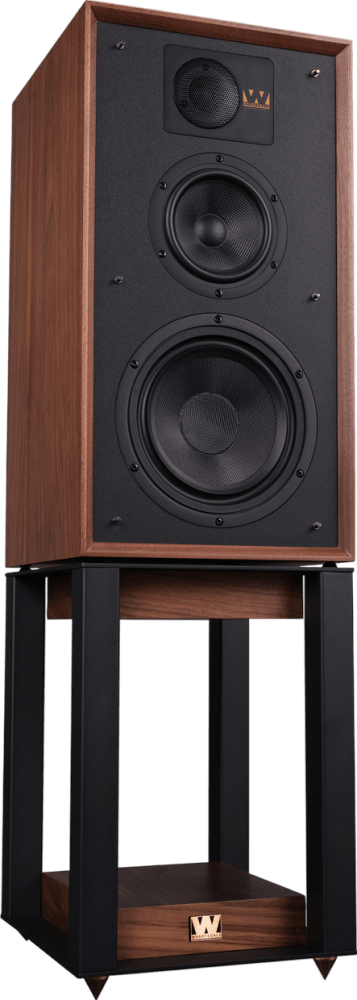

What reviewers think
Product Strengths
- Excellent value for money, performing above expectations
- Quality exudes in its design and construction, with attention to detail in the veneer, binding posts, and grilles
- Smooth and pleasant reproduction of music with surprising openness
- Cool, retro aesthetic blends in with furniture while making a bold statement
- High sensitivity due to its larger drivers and wide baffle
Product Considerations
- Bass can boom if not positioned correctly—requires distance from the wall
- Treble can sound overly 'crispy'
- Imaging can be a little blurry and not super-precise
- Mid area can sound pretty up-front
- Stands are essentially a must-have
Comparisons (according to reviewers)
- Vs KEF LS50: The KEF LS50 offers better imaging precision
Takeaway: The Wharfedale Linton Heritage speakers are a well-made, retro-styled speaker that provides a lot of value and sounds great. They offer an enjoyable listening experience with a touch of fun, making them a solid choice for real-world listening.
Video review
About the brand
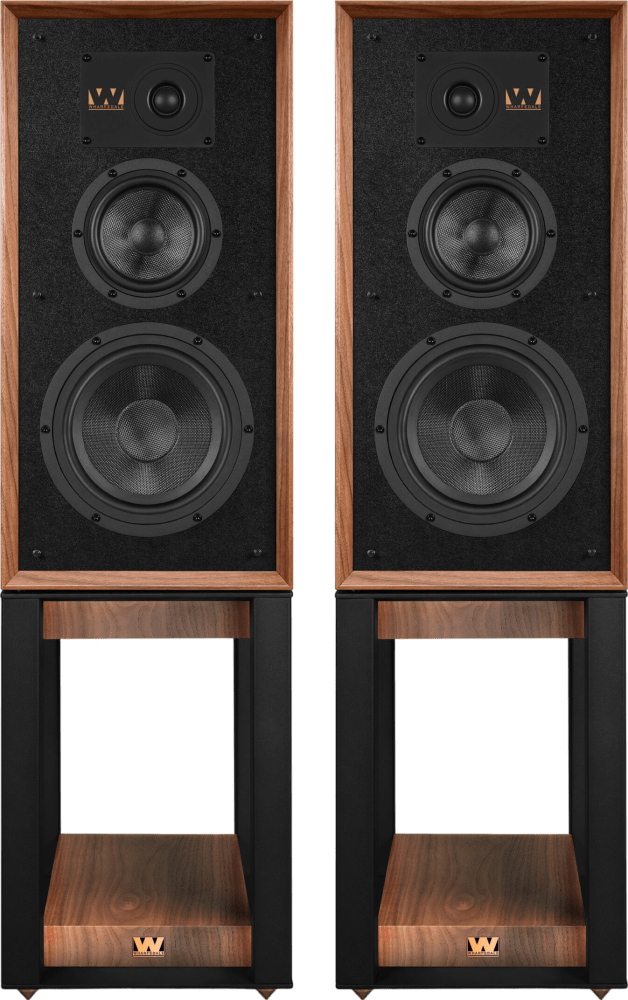
This updated model is part of a line of award-winning speakers that are renowned for their exceptional musicality and have won the hearts of tens of thousands of music lovers. Led by Peter Comeau, the Director of Acoustic Design, Wharfedale’s engineers revisited every aspect of the speaker’s design, including the cabinet, drive units, and crossover. The outcome of their efforts is the newly upgraded Super Linton.
The SUPER LINTON speakers are now available in 3 different finishes. Walnut, Mahogany, and now Black oak.
What reviewers think
Product Strengths
- Robust cabinet, with a dual-layer fiberboard construction and latex damping glue, reduces resonances and sound coloration
- Improved woofer with larger cabinet and better motor system delivers deeper, more controlled, and impactful bass with better clarity
- Updated tweeter design, similar to the Dovedale speaker, delivers a big difference in treble delivery
- Internal crossovers are upgraded with better quality inductors, coils, and cabling
- Clearer, faster, and more three-dimensional soundstage compared to the original Linton
Product Considerations
- Initial treble response might be lively and energetic, potentially causing sibilance, but this mellows out after a break-in period
- Left-to-right imaging can sometimes feel like the sound is coming directly from the speaker instead of the space around it
- Vocals can sometimes come across a little too forward or present in the upper vocal range, depending on the music and amplifier
- May require careful matching with amplifiers and hifi systems to achieve the desired balance of sound
- Some reviewers initially found the bass punch lacking compared to the original Linton, although this may improve with break-in or by using the loudness control in the amplifier
Comparisons (according to reviewers)
- Compared to Linton, Super has a clearer, faster, more 3D soundstage, crisper details, and more dynamic bass and treble
- Compared to Mission 770, Super has better clarity, dynamics, speed, liveliness and soundstage, but Mission has smoother vocals
Takeaway: The Super is a clear and transparent speaker, offering a detailed and lively listening experience. It is a good choice for audiophiles wanting flexibility to tailor their sound with different hifi systems.
Video review
About the brand
What reviewers think
Product Strengths
- Delivers a mature, balanced, open, detailed, and sophisticated sound, reproducing recordings as faithfully as possible
- Offers a spacious and involving presentation with excellent tonal reproduction and stereo imaging, creating a three-dimensional soundstage
- Compact size makes it ideal for smaller spaces without compromising on audio quality
- Combines vintage charm with contemporary performance, appealing to both traditionalists and tech-savvy audiophiles
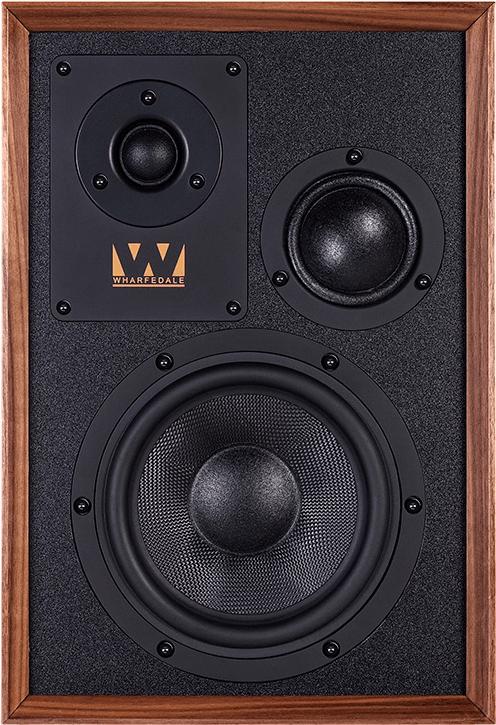
- Features a three-way driver configuration that allows for a level of detail and separation that is rare in speakers of this size, with tight, punchy lows, silky smooth mids, and crystal-clear highs
Product Considerations
- The retro design might not appeal to everyone
- The Super Denton is not the most ballistic-sounding speaker, and there are other £1,000 models that can hit a little harder
- May require careful placement (minimum 20cm from the wall) for optimal performance due to rear-firing dual port arrangement
- Has a mild dip from about 200 to 800Hz, and an upper mid-range scoop
Comparisons (according to reviewers)
- Vs Wharfedale Linton 85: The Linton is preferred overall, with a more linear on-axis response, but the Super Denton's estimated in-room response is more linear; the Linton has a noticeable scoop in the upper midrange, making it sound a bit more laid-back compared to the Super Denton
Takeaway: The Wharfedale Super Denton is a well-crafted speaker that delivers a detailed and balanced sound, making it a great fit for audiophiles and music lovers alike. Its compact size and retro aesthetic make it a unique option for those seeking a blend of classic design and modern audio technology.
Video review
About the brand

What reviewers think
Product Strengths
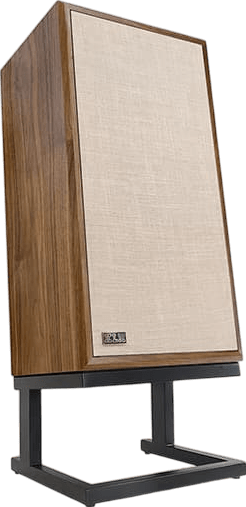
- Retro aesthetics reminiscent of vintage speakers, with a well-applied veneer and woven front panel
- Balanced sound with clarity in the midrange and treble, creating an immersive listening experience
- Good sensitivity makes them relatively easy to drive with a range of amplifiers
- Acoustic suspension design provides tight bass and allows for flexible placement near walls
- Three-position attenuation switch allows for adjustment to different room acoustics
Product Considerations
- Can sound a bit bright out of the box, requiring a break-in period
- Sound can harden a little when provoked by poor or bright recordings, and they are finicky about upstream electronics
- Bass might not be punchy enough for some listeners, potentially requiring a subwoofer or EQ adjustments
- Lack of provision for spikes to fasten the speakers to the carpet
- Grilles need to be off for best sound, according to one reviewer
Comparisons (according to reviewers)
- Compared to the JBL L100, the Model Five is better balanced and more enjoyable to listen to
- Compared to the NHT C3, the Model Five is an upgraded variant, offering deeper, wider sound and more resolution
- Compared to the Buchardt S400, the Model Five sounds more open, brighter, and more detailed—with better instrument placement
- Compared to the Aurender S5W, the Model Five reaches lower frequencies and has better overall resolution and detail
- Compared to the Graham LS6, they perform on par, albeit via a different approach, trading in some refinement for a more direct—in-your-face sound
Takeaway: The KLH Model Five is a speaker with retro style and balanced sound. They are versatile and can be used in different listening spaces.
Video review
About the brand

What reviewers think
Product Strengths
- Detailed and dynamic sound quality rivals larger loudspeakers
- Tight and crisp bass response due to the acoustic suspension design
- Imaging is surprisingly good, especially considering its size, and speaker placement is versatile
- The vintage-inspired design is aesthetically pleasing and suits both modern and retro-styled homes
- Stands are included, providing a complete and visually cohesive package
Product Considerations
- Bass performance may be lacking in larger rooms without a subwoofer, particularly for bass-heavy music or film content, and can become bloated and overbearing at higher volumes
- Treble may sound a bit forward or fatiguing to some listeners, especially at higher volumes or with certain music genres
- Appearance with grilles removed may not be as appealing
- May require more power than expected to 'open up' and perform optimally
- Takes up nearly as much floor space as the larger Model 5
Comparisons (according to reviewers)
- Vs KLH Model 5: Model 3 has a similar sound signature, but the Model 5 has more bass presence, extension, and volume, and the Model 5's midrange driver creates a more complete experience
- Vs Wharfedale Linton: The Linton is more directly comparable to the Model 5, with a more vintage/less technically perfect sound, but the Model 3 is easier to place in different settings
- Vs Revel M106: The M106 offers more precision and technical accuracy, while the Model 3 provides more bass and 'soul'
- Vs Dali Oberon 3: The Oberon 3 has a better grasp of the mids and highs, while the Model 3 provides more prominent bass
- Vs Wharfedale Denton: The Model 3 is superior, as the Denton is more laid back
Takeaway: The KLH Model Three is a speaker with great detail and tight bass that offers a fun listening experience thanks to its distinctive retro looks. It is worth buying if one values a compact design and a balanced, engaging sound.
Video review
About the brand


What reviewers think
Product Strengths
- Some reviewers consider the Falcon Acoustics LS3/5A the best version of the LS3/5A they have ever heard
- Offers a charming, engaging, and satisfying sound that has spawned a whole hifi subculture centered around the delights of small speakers
- Can be played harder and louder than most classic LS3/5A designs, while retaining composure
- Reviewers mention versatility and ability to play all types of music with commitment
- Is a design icon
Product Considerations
- Lacks bass extension and has limited maximum output level
- Some reviewers noted that the aesthetics of the 2024 Limited Edition might be an acquired taste
- Some claim there's virtually no bass at all
Takeaway: The Falcon Acoustics LS3/5A is a special speaker with excellent build and sound quality, worth the cost for those looking for the best version of this iconic design. It provides an engaging listening experience with a classic sound signature.
Video review
About the brand

What reviewers think
Product Strengths
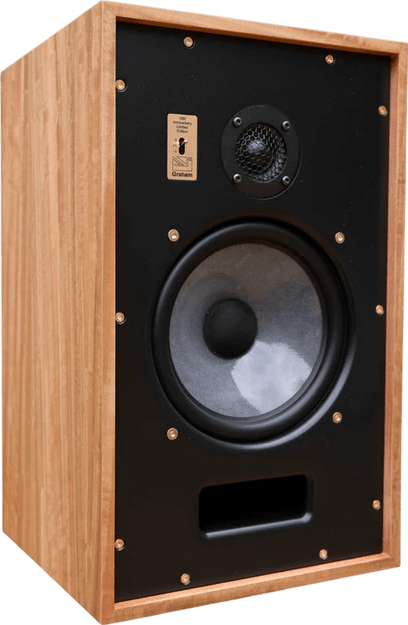
- The LS5/9 produces a sound as close as possible to live instruments, speech, and music
- Exceptional stereo spread and clear, but polite footprint that can make any music sound pleasurable
- Accurate and smooth midrange with excellent vocal reproduction
- The speaker has a balance very close to neutral and surprising dynamic capacity
- It goes loud without strain to an impressive extent
Product Considerations
- The LS5/9 ruthlessly reveals every shortcoming in bad recordings
- A hint of 'leanness' to the upper mid/treble frequencies with some program material
- The smaller cabinet means that the LS5/9 rolls off at approximately 45hz
- Graham Audio advises keeping the speaker grilles on, as this is how the speakers were voiced
- There is disagreement among BBC enthusiasts about the speaker's midrange—some finding it recessed
Comparisons (according to reviewers)
- Vs Harbeth C7ES-3 XD—the LS5/9 offers a high-quality dose of audiophile history and nostalgia that cannot be found anywhere else
Takeaway: The Graham Audio LS5/9 is a speaker that brings the listener closer to the sound of the recording with surprising dynamic capacity, allowing listeners to enjoy the music as the artist intended it to be heard. It is especially suited for those who appreciate accurate and smooth midrange reproduction.
Video review
About the brand

What reviewers think
Product Strengths
- Accurate tonal balance, especially through the voice region, producing natural and uncolored vocal reproduction
- Good low-frequency time domain performance for a small, closed-box speaker, delivering accurately pitched bass without boominess
- Clear, detailed, and enjoyable overall bass, mids, and highs, making them well-rounded speakers
- Organic and detailed reproduction allows for long, stress-free listening sessions
- Soundstage has good depth
Product Considerations
- Limited low-frequency bandwidth extension and maximum volume level, making them unsuitable for large spaces or bass-heavy music
- The original design prioritized tonal accuracy and beauty over dynamic freedom
- Sensitivity is rated at 83dB, making them difficult to drive and requiring careful amplifier matching
- May not give as much detail in the top end as some modern-day monitors
- The matching speaker stands are expensive
Comparisons (according to reviewers)
- Vs Rogers LS3/5A: The LS3/5 is generally slightly brighter in the high-frequency balance
Takeaway: The LS3/5 is a high-quality speaker with balanced and accurate sound, perfect for listeners who prioritize clarity and detail in their music. It offers a taste of classic British audio engineering, recreating the original master at a smaller cost.
Video review
About the brand

What reviewers think
Product Strengths
- Offers more bass extension and greater dynamics compared to the LS3/5A
- Good midrange with detail, warmth, and smoothness
- Very flat across the board, very pleasant to listen to, even at high volumes
- Cabinet construction allows for a natural tone
Product Considerations
- Bass can occasionally be over prominent, depending on the equipment
- Requires careful matching with an amplifier to avoid a peaky midrange
Comparisons (according to reviewers)
- Compared to the LS3/5A, the LS6 has more bass extension and dynamics, making it more versatile
- Reviewers differ, one favors the LS6 for immediacy, the other the Spendor Classic 3/1 for top to bottom cohesion
- Compared to the Dynaudio Heritage Specials, Dynaudio is more transparent and dynamic, while the LS6 feels more comfortable and familiar
Takeaway: The Chartwell LS6 is a well-designed speaker that brings both a vintage aesthetic and modern capabilities with strong performance. It's a good option for those looking for a blend of classic BBC monitor sound with added bass and versatility.
Video review
About the brand

What reviewers think
Product Strengths
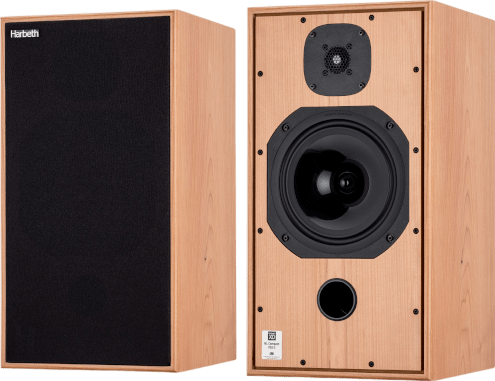
- Exceptional neutrality and natural tonal balance over its usable range
- Miraculous midrange accuracy that makes the listener feel as if they are listening to the real thing
- Deceptively strong and realistic bass for the speaker's size
- Clear and silky smooth treble response
- Easy to drive with a benign impedance load
Product Considerations
- Limited deep bass extension
- Available only in Cherry or Tamo Ash finish
- Custom stands required
- Some reviewers find the XD upgrade to be incremental rather than a major overhaul
Comparisons (according to reviewers)
- Compared to Quad ESLs, the C7ES-3 XD offers similar coherence, transparency, and resolution, rivalling the Quads
Takeaway: The Harbeth C7ES-3 XD is a speaker that gets the midrange right, making vocals and instruments sound incredibly lifelike, and is easy to place in most rooms. This speaker provides a listening experience that can be enjoyed for hours on end.
Video review
About the brand
What reviewers think
Product Strengths
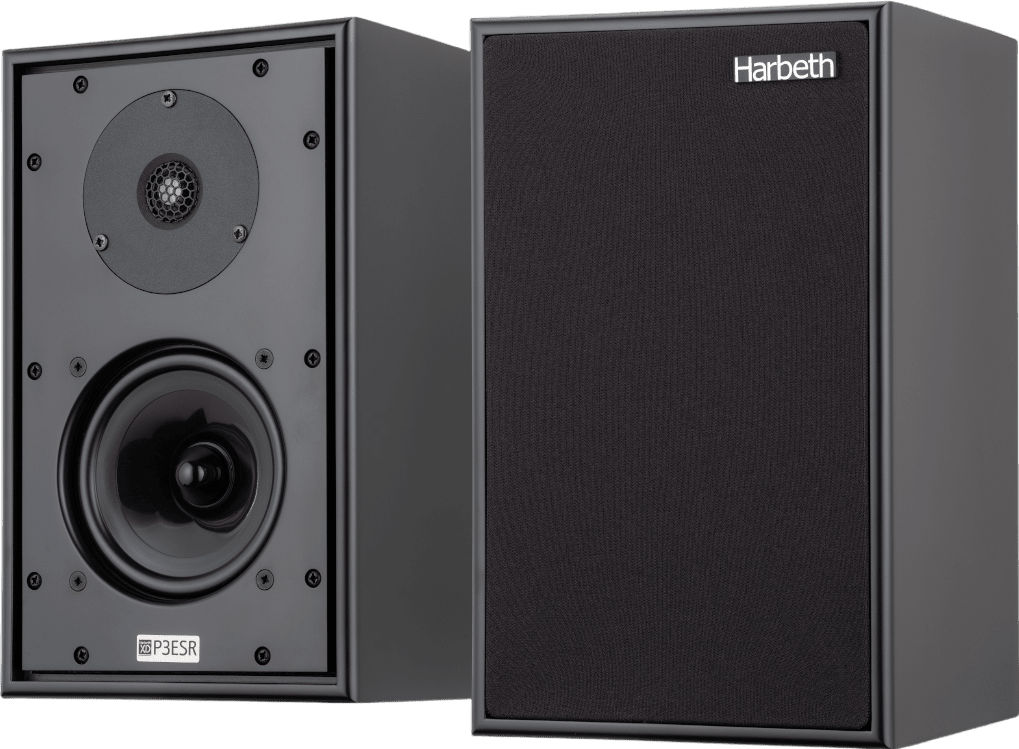
- Breathtaking transparency, accurate bass and dynamic integration across the audio spectrum
- Capable of being used in a wide range of listening environments and optimised to present an easy electrical load to even low powered amplifiers
- Superior fit and finish
- Clean and clear of tone
Product Considerations
- The numbers reveal a not especially efficient box with less than optimal bass response
- Requires close listening distance, and careful positioning
Comparisons (according to reviewers)
- The P3ESR XD was always a touch warmer than the Falcon Gold Badge LS3/5a, and better balanced but thicker than the 5a in the upper bass/lower midrange, this XD version is outstandingly clean in that region
Takeaway: The Harbeth Audio P3ESR XD is a great option for audiophiles who want high-quality sound in a smaller package, and it is a remarkable value for its price. With its adaptability and refined sound, the P3ESR XD can bring a warm embrace to the musical intentions of the artists and engineers.
Video review
About the brand


What reviewers think
Product Strengths
- Realistic and beautiful midrange and high frequency
- Cohesive sound presentation, well-extended in lower and higher frequencies
- Exemplary build quality
- Generous 88db sensitivity, making it a good match for either valve amps or solid state electronics
Product Considerations
- Likely to lose their prowess in the bass in a very large room
- The Spendor/Unison pairing was found to be somewhat soft and underwhelming
- Some may feel the mid-range is not as open and expansive
- Stands are very expensive for what is involved
Comparisons (according to reviewers)
- Vs Buchardt S400 MKII: The Classic 3/1 stages larger, sounds more effortless especially in the bass region, and maintains bass control at louder volumes
- Vs Cabasse Murano: The Murano has more treble energy while the Classic 3/1 is more relaxed, the Murano has a little warmth whereas the Classic 3/1 is a lot warmer
- Vs Graham Audio LS6: Spendor offers a smooth and velvety midrange whereas the Graham Audio LS6 offers uncanny immediacy
Takeaway: The Spendor Classic 3/1 is a speaker that brings you to the very heart of the performance with warmth and richness combined with clarity and transparency. If one wants a speaker that gets the mid-range right, has excellent resolution, and good frequency extension in both lows and highs, this could be the speaker for you.
Video review
About the brand

What reviewers think
Product Strengths
- Impressive scale and authority with the ability to deliver dynamics with grace
- Finesse and insight with a lovely, unforced presentation
- The mid-range is phenomenal
- Easy-going sonic nature draws the listener into the music
- Retains the charm and easy-going nature of predecessors
Product Considerations
- Partnering stands cost £600
- Large size needs to be positioned well clear of walls to sound balanced, likely most at home in medium-to-large rooms
- The grills are a bit of a bugger to get off because they fit into this sort of recess slot at the front
Comparisons (according to reviewers)
- Vs Klipsch Heresy III: Klipsch has superior analytical capacities and more obvious authority
- Vs Tannoy Legacy Eaton: Tonal balance is similar, but the highs are more refined and chic on the Tannoy, soundstage is more precise on the Tannoy
- Vs Dynaudio Special Fortys: The Classic 2/3 reveal a level of rhythmic momentum that challenges the Dynaudio's award-winning Special Fortys
- Vs Harbeth Compact 7 ES3: The Classic II 3's certainly have way more low frequency power scale
- Compared to previous generations, there's far more in the way of precision—the Classics revealing the texture of low frequency notes with considerable skill
Takeaway: The Spendor Classic 2/3 is a remarkably large compact speaker that is relaxing and allows very long listening sessions. It has the punch and rhythmic precision to work well with a wider range of music.
Video review
About the brand


What reviewers think
Product Strengths
- Taut and punchy bass, delivering lows with conviction
- Clear and open presentation, offering a good sense of detail and scale
- Impressive soundstage, wide and well-appointed
- Nicely made with good aesthetics, with retro appeal
- Dynamically capable and able to play loud without a lot of fuss
Product Considerations
- Sound lacks cohesion and dynamic finesse compared to class leaders
- Treble response can be a little 'toppy' and may become tiring if not matched carefully with equipment
- Cabinet is less dampened or inert than the 770
- Listeners may find the mid-range isn't wholly neutral
- Stands require assembly, and some reviewers thought they could cheapen the overall look
Comparisons (according to reviewers)
- Compared to the Mission 770, the 700 offers 80-85% of the 770's performance for less than half the price, and the 770 is the better speaker, with better detail and more refinement
- Compared to the Wharfedale Linton, the Linton is considered a better value with a more full-range sound
- The Mission destroys the JBL L82 in terms of materials and construction, while sonic quality is a tie
- The Mission is better built with nicer materials than the Polk R200AE, but sonically the R200 is in the same conversation
- Compared to the Wharfedale Evo 4.2, the Mission 700 offers improved sound quality, refinement, and solidity
Takeaway: The Mission 700 is a fun, engaging speaker with a retro look. It is best suited for those who enjoy rock, pop, or electronic music and are looking for a speaker that's lively and can play loud.
Video review
About the brand
What reviewers think
Product Strengths
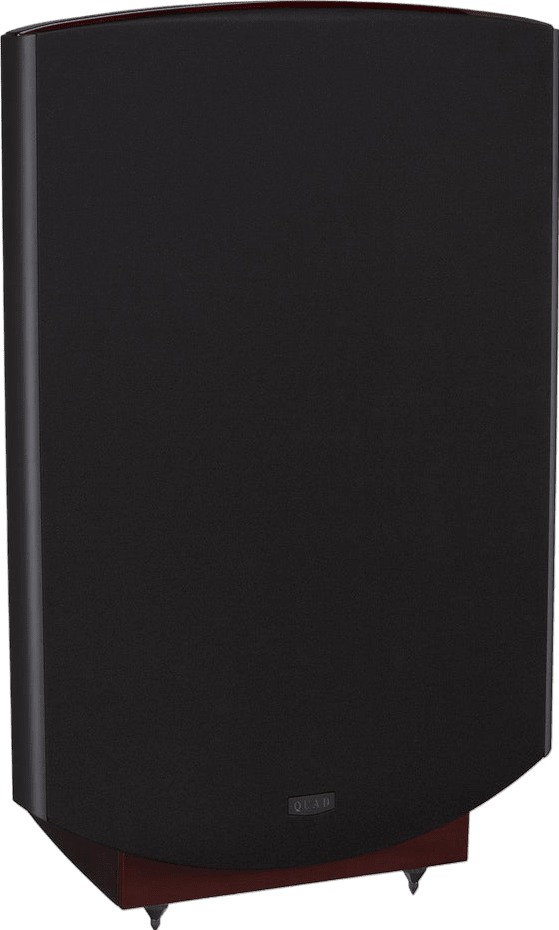
- Physically the best version of the Quad ESL63 design to date in physical integrity
- Clarity, purity, and coherence, creating an image that floats in the air between the speakers
- Very low distortion levels
- Vocals delivered with plenty of subtlety and focus, and a mass of detail without sounding overtly analytical—just unforced and natural
- A classic of audio design
Product Considerations
- Fussy about positioning and partnering kit
- Requires mains power to work despite being passive speakers, as the power is needed for the stators
- Midrange oriented, with a definite hole that tends to exist between 150 and 500Hz or so
- Damping behind the speakers is really needed for satisfactory results—a lot of damping
- Does not have the broad range of dynamic expression that some conventional speakers do, and simply cannot compete when it comes to sheer air-moving power and strength
Comparisons (according to reviewers)
- Vs Focal Diablo Utopias: Has a smooth presentation, without perhaps the openness of the Focal
- Vs. Magnepan 3.7i: The sound of the spherically radiating electrostatic technology was the most holographic among speakers experienced, and the degree of spatiality surpassed even that of the Magnepan 3.7i
Takeaway: The Quad ESL-2812 is a speaker that offers a unique listening experience with unparalleled coherence, clarity, and low distortion. If one values insight and unexaggerated smoothness, this speaker could be worth the effort of careful setup and system matching.
Video review
About the brand


What reviewers think
Product Strengths
- Very obvious increase in bass compared to the .7 or the LRS
- Incredible soundstage
- Unparalleled holographic soundstage
- The placement and spacing of performers in the venue were truly remarkable
- Clear, detailed, and enjoyably realistic
Product Considerations
- The amplifier is critical—driving them correctly is essential for true fidelity
- Some sonic damping material on the walls behind the speakers can reduce the ratio of reflected-to-direct sound
- More room is needed than the LRS or the 0.7
- Significant break-in time is required before certain sonic constraints gradually melt away, leaving a far better transducer
Comparisons (according to reviewers)
- Compared to the Dahlquist DQ-10—the bottom end of the Maggies was the best, quick, clean, and had exemplary pitch definition
- Compared to the Harbeth M40.1—Harbeths can definitely make poorer and brighter recordings easier on the ear, whereas, Maggies have a lot less mercy
Takeaway: The Magnepan 1.7i is a highly detailed speaker that realistically reproduces the soundstage and spacing of instruments, especially for live music. It is an exceptional choice for those who appreciate the beauty of live music.
Video review
About the brand

What reviewers think
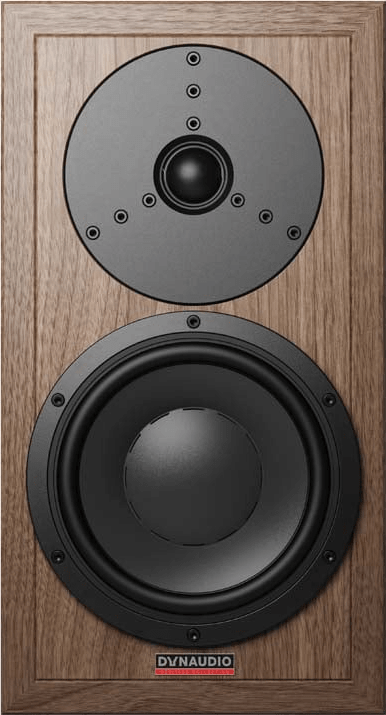
Product Strengths
- Could get 'stupid loud' for a bookshelf speaker without mechanical noise or port chuffing
- Robust bass performance that doesn't diminish as volume increases
- Very big soundstage
- Awesome output level
Product Considerations
- Upper midrange may sound 'soft'
- Potential for sibilance in the treble, particularly around 4-6 kHz, depending on the track
- Placement and aiming can be temperamental
Comparisons (according to reviewers)
- Heritage Special has more nuanced and refined treble, a bigger sound, and more mid-bass impact, compared to Dynaudio Special 40
Takeaway: The Dynaudio Heritage Special sounds great and can get very loud for its size. This is a strong choice for listeners who enjoy loud music on bookshelf speakers.
Video review
About the brand


What reviewers think
Product Strengths
- Beautiful finish and attention to detail
- Features modern technology like the IsoFlare driver and BassTrax porting system
- User-friendly due to the high frequency energy and presence adjustments for room placement
- Offers a blend of warmth and excitement that brings life to the music
- Spacious and expansive sound
Product Considerations
- The looks are a matter of taste
- Large size may require consideration of room size
- Overall levels of resolution are reasonable, not exceptional, for this class
- Not the last word in dynamics or resolving fine detail
Comparisons (according to reviewers)
- Compared to the ATC SEM40s, the ATC SEM40s increase sonic engagement considerably thanks to a thumping—well-defined bass and rich mid-range, but are a little dark on top
- Compared to the Spendor D7.2, the Spendor exhibits less colouration and can generate deeper low-end, and is easier to accommodate, but the Fyne Vintage Classic VIII is easier to drive, produces a wider stereo image and offers greater adjustability
- Compared to the Mission 770, the Fyne is arguably a little faster, if perhaps not so gloriously unflappable
- Considering that the Kudos Super 20A is now more expensive, this does put into focus that the Fyne is quite keenly priced
Takeaway: The 'Vintage' speaker combines retro design with modern technology for a great listening experience. It's easy to place and enjoy in different rooms and with different equipment, making it a fun and versatile choice.
Video review
About the brand