New here? ExtremeHiFi is a free hifi encyclopedia: reviews, prices and used listings. We don’t sell anything.
Summary
Awards0

Bookshelf, floorstanding, in-wall, and powered speakers, compared on the specs that matter in a real room: bass extension, sensitivity, and tweeter type.
Buying tips that apply to the NLE-1
- Get placement right before anything else. Pulling speakers 2–3 feet (60–90 cm) from the wall behind them tames boomy bass; the listening seat should sit at the third point of an equilateral triangle, with toe-in adjusted to set the width of the image.
- Match speaker size to the room. Large towers in a small room often sound bloated, and nearfield listening at a desk favors small two-way designs.
- Each 3 dB of extra sensitivity halves the power needed for the same volume. For moderate listening levels, speakers rated 90 dB or more allow a smaller, cheaper amp.
- Treat the room before spending more on speakers. Bass traps in the corners and absorption at the first reflection points often do more than a step up in speakers.
- Used speakers lose value quickly, so two- or three-year-old models from established brands often sell well below their new price.
- Three-way designs free the midrange driver from bass duty, which can lower distortion in voices, though a well-designed two-way can image just as precisely.
- Tweeter dispersion matters more than its frequency response. Wide dispersion gives a bigger sweet spot but lights up more room reflections; controlled directivity suits lively rooms.
- Open-plan rooms lose bass. If the room opens onto other spaces, budget for a subwoofer instead of bigger main speakers.
- Audition with familiar music. Voicing varies a lot between brands, and a pair that excites on rock can grow tiring on strings.
- Many brands put their flagship tweeter into smaller models. A bookshelf speaker from a brand's top range often beats a cheaper tower in a small room.
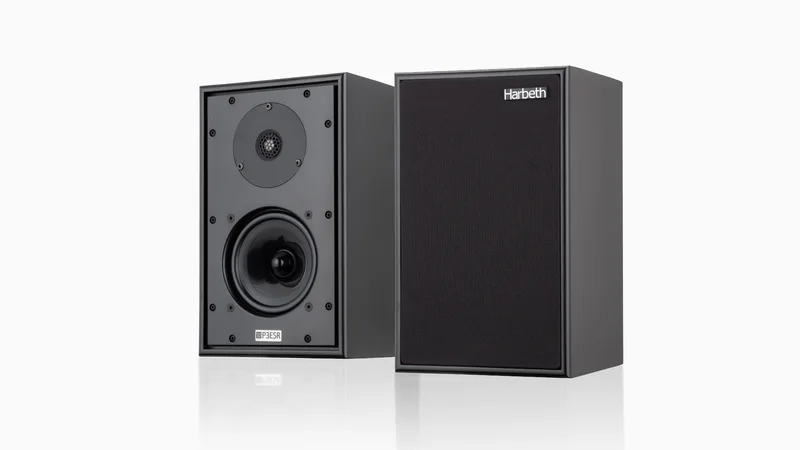
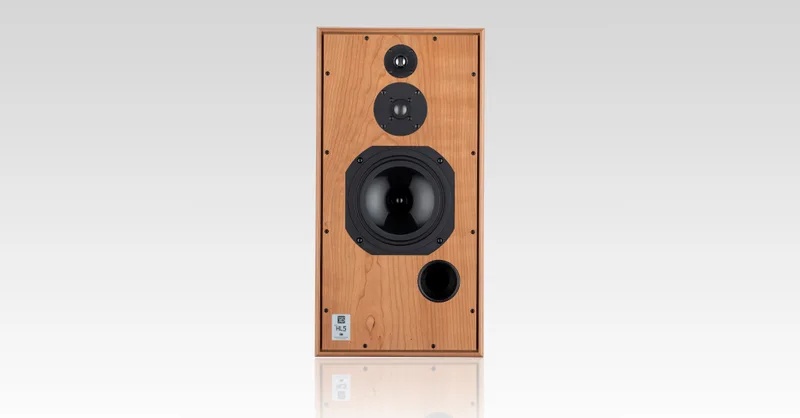
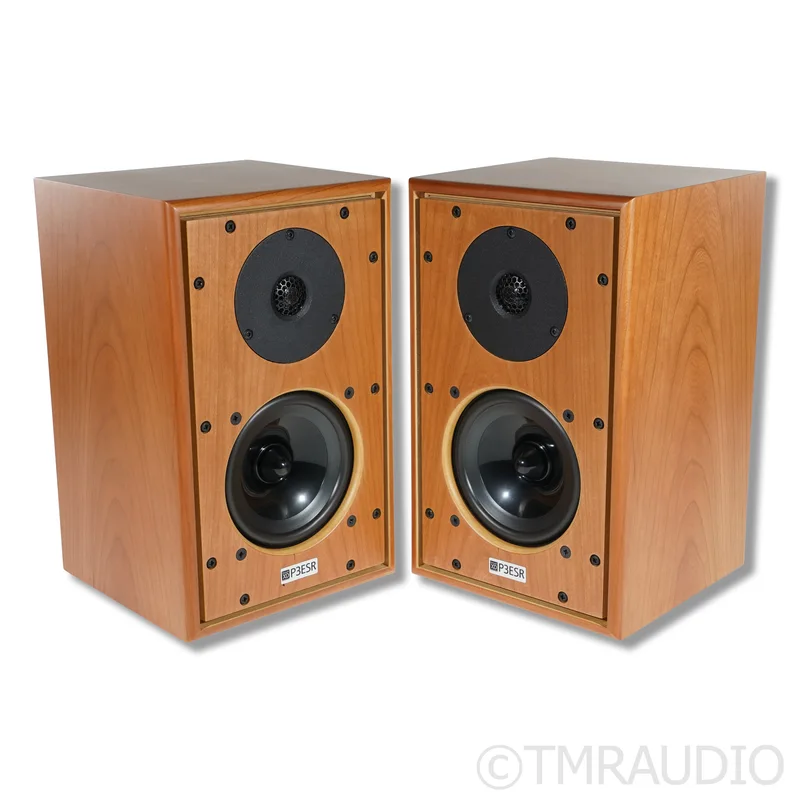
NLE-1 photos
Features and specs
Specs
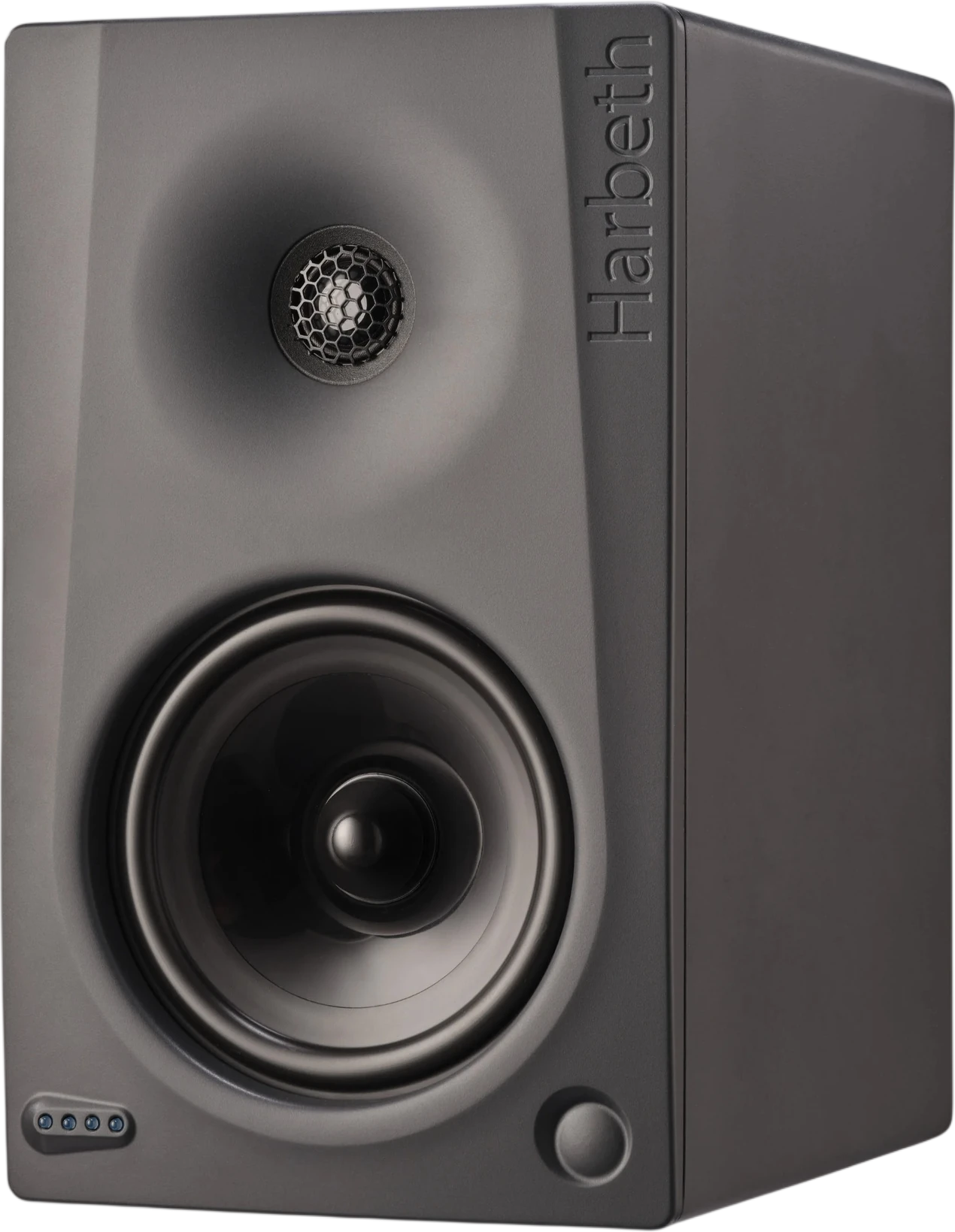
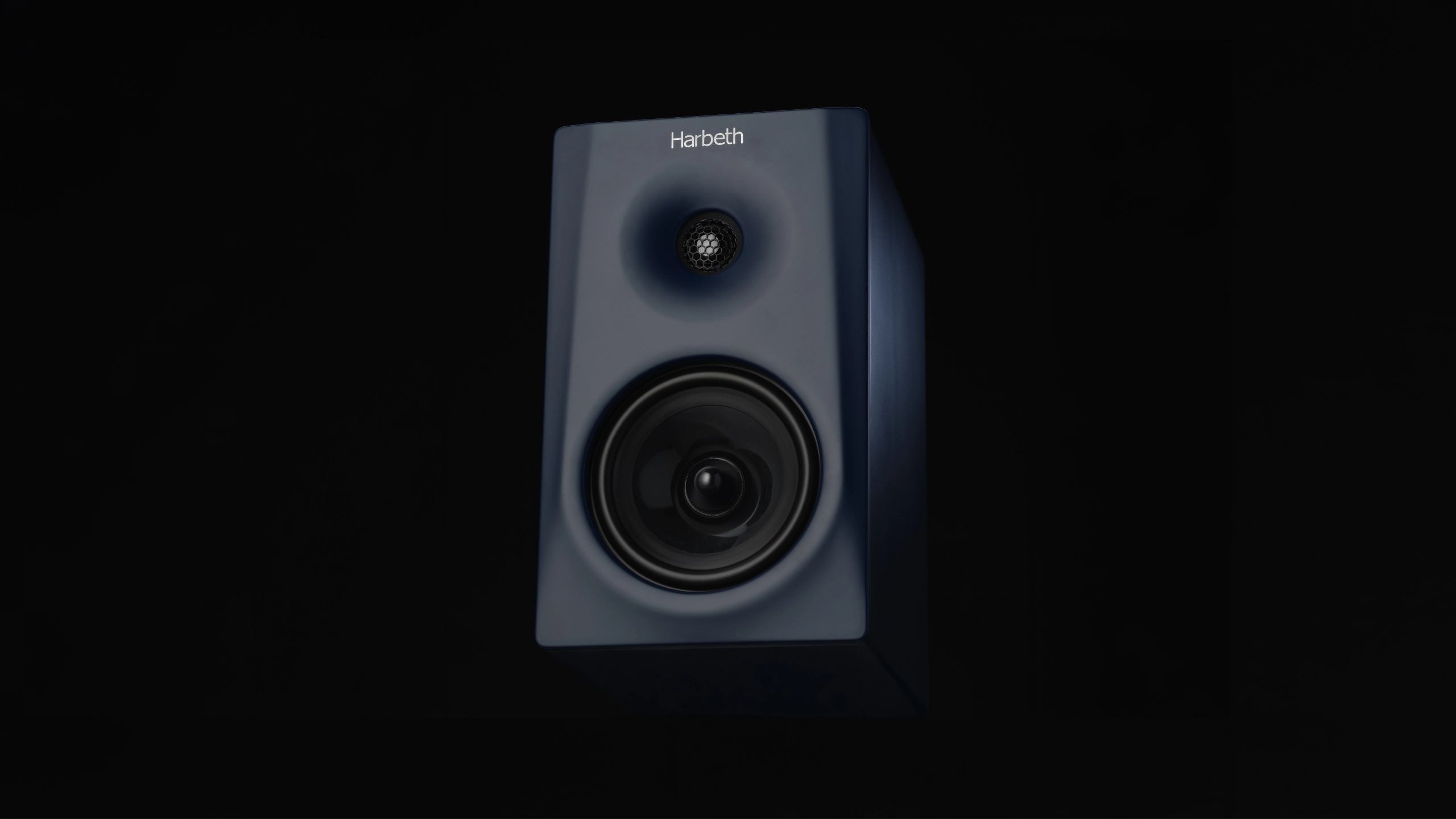
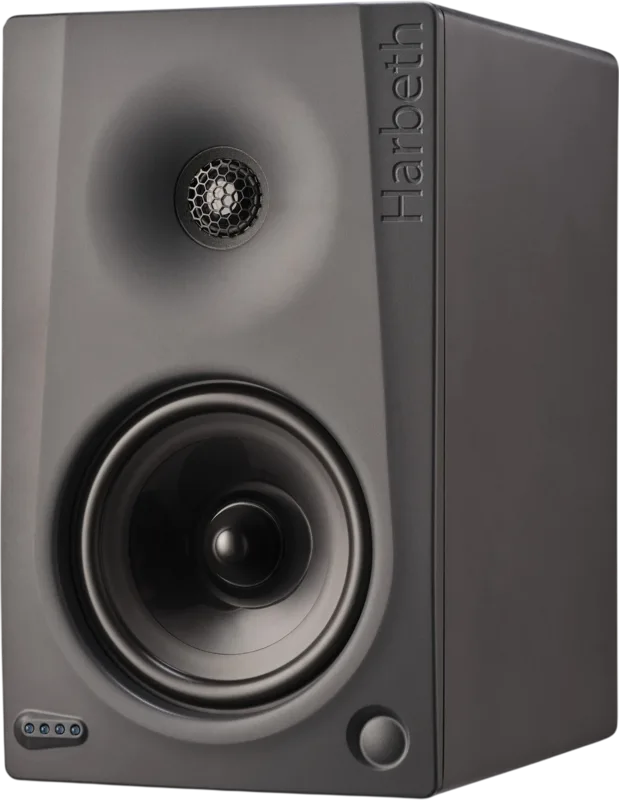
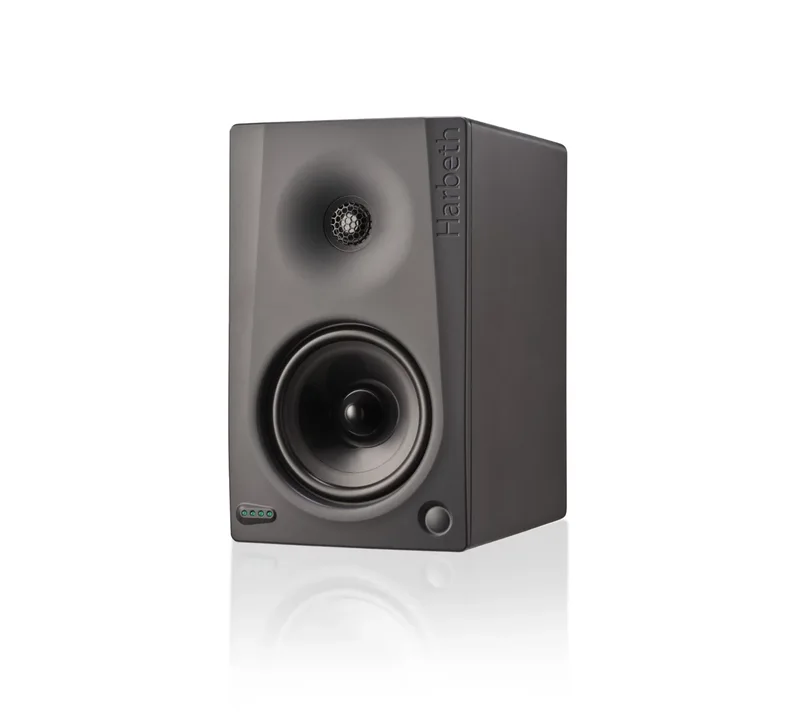
- Drive Units: 110mm Harbeth-made RADIAL drive unit, 19mm ferrofluid-cooled tweeter
- Frequency range: 75Hz – 20kHz, ±3dB free-space
- Inputs: XLR and RCA
- Power consumption (idle): 60mW
- Power consumption (max): 50W
- Dimensions (HxWxD): 275mm x 166mm x 230mm
- Weight: 7.6kg each (without packing), 11.2kg (with packing)
- Amplification: 2x 50W Class-D amplifiers
Manufacturer's description

Used NLE-1 for sale7 listings
All used Harbeth
Where to buy the NLE-177 dealers
About Harbeth
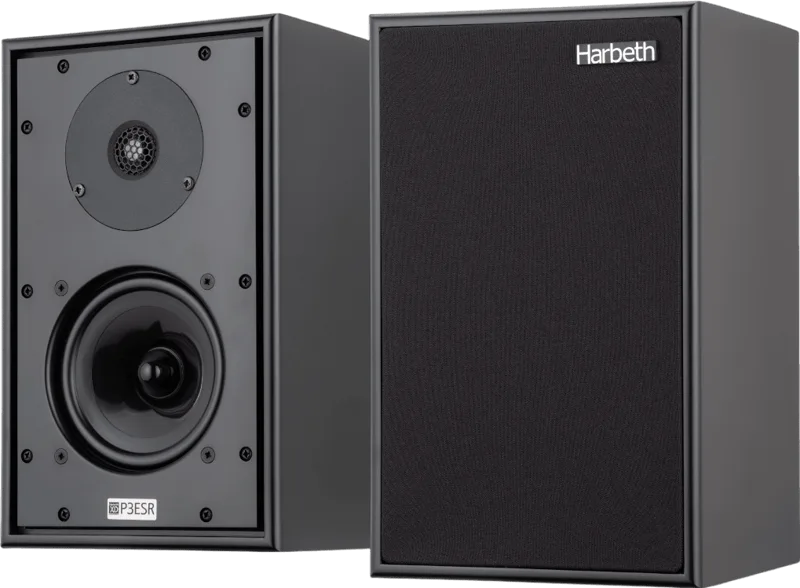
Harbeth is a British speaker maker founded by H.D. Harwood, who had led loudspeaker development at the BBC. His 1977 HL Monitor used a polypropylene bass-midrange cone he had patented, the first of its kind. Under designer Alan Shaw, who took over in 1986, Harbeth developed its own RADIAL cone material, and its cabinets use thin walls with damped panels. They are easy to drive and work with both tube and solid-state amplifiers, and the compact P3ESR XD suits small rooms while the M40.3 XD flagship suits large ones.
Brand highlights
- The brand prioritizes natural, neutral sound reproduction rooted in BBC design principles, updated with proprietary technology like RADIAL2 cone material.
- Harbeth's cabinets utilize thin-walled construction with specifically damped panels, allowing them to "breathe" and contribute to a warm, involving low end while maintaining a clean midrange.
- They are designed to be relatively easy to drive, working well with a wide range of amplifiers, including tube and solid-state options, emphasizing quality over high power.
- Alan Shaw meticulously refines existing designs over long periods, with "XD" versions incorporating small but significant improvements in crossover components and internal wiring for enhanced clarity and integration.