Contact

We'd love to hear from you.

We're obsessed with hifi too. We read every email and fix every bug in our free time—and we'd love your help! We're committed to the site being free forever, and not running advertising.

Julian fell in love with hifi after walking into a local dealer and realizing that—when a system is set up right—you can be convinced you're at a concert while relaxing in your living room.

Cameron became obsessed with hifi after buying his first measurement equipment and becoming fascinated by how engineering advancements can improve music playback.

Along with our team, our goal is to be the database of hifi and headfi that we always wanted to exist, and to help more people fall in love with hifi like we did. The best way we can do that is to make it easy to find your next system and to convince you to step foot into your local hifi dealer. That's what this is about.

P.S. Scroll down for an easter egg.

Website author headshot
Cameron Oatley
ExtremeHiFi
Website author headshot
Julian Shapiro
ExtremeHiFi
We've received your message.
Oops! Something went wrong while submitting the form.
Contact
1857
Scott de Martinville invents the Phonautograph, the first device to "draw" sound waves on paper, though it couldn’t play them back.
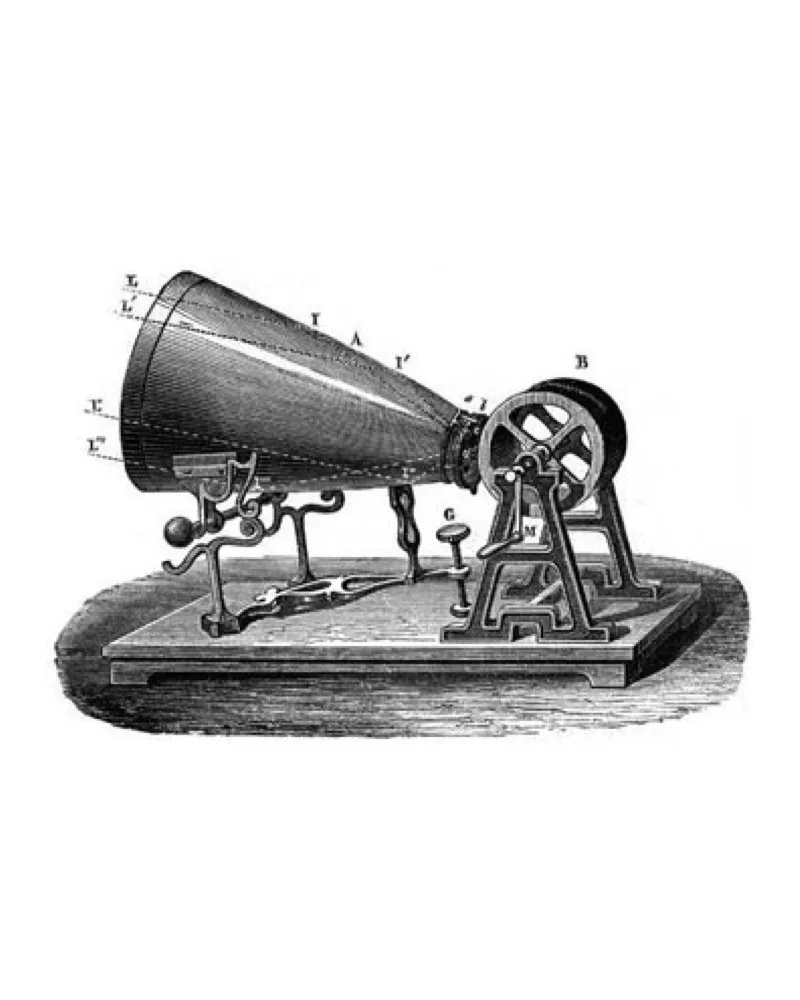
Phonautograph image
1877
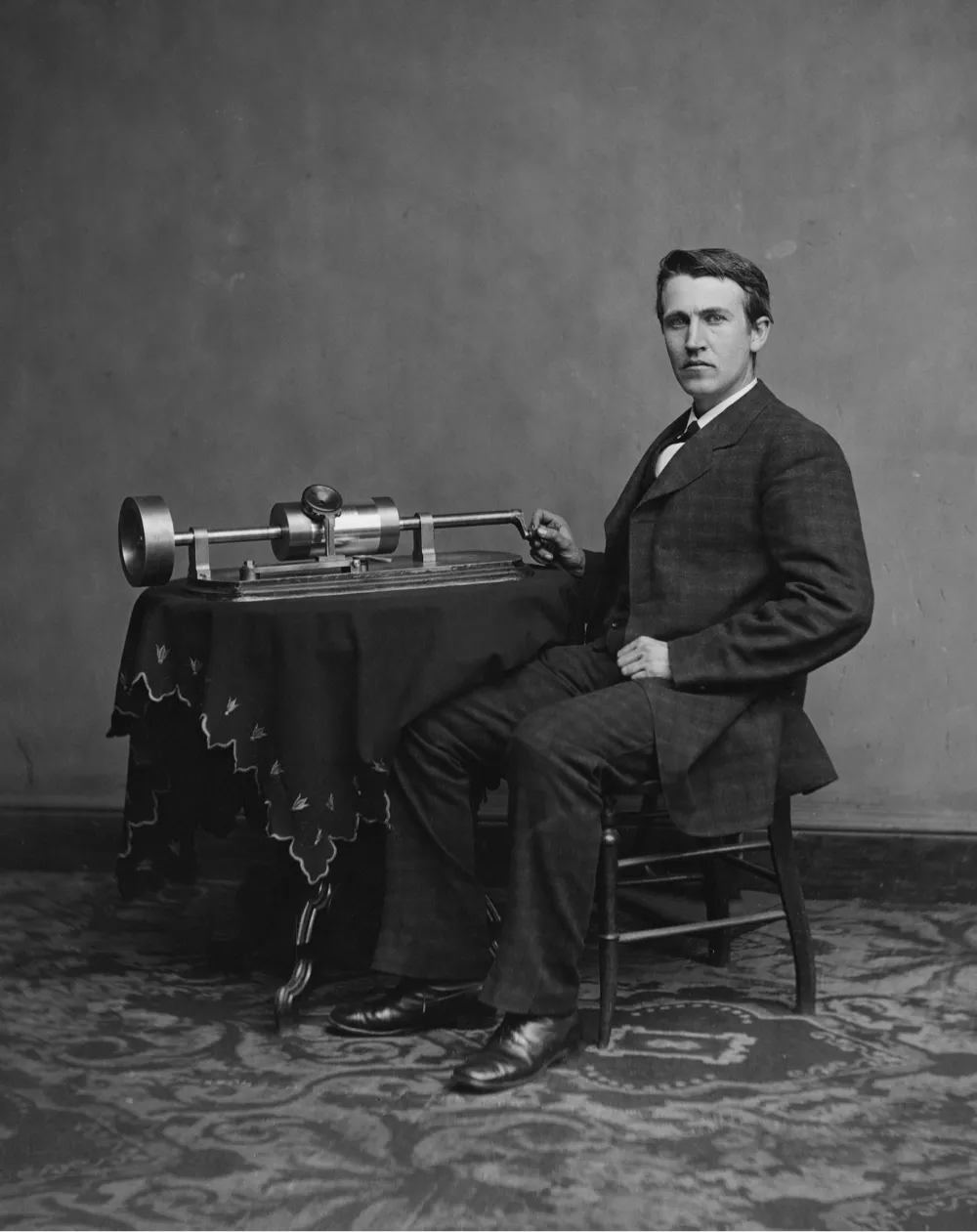
Edison unveils the Phonograph, capable of recording and reproducing sound on tin foil-wrapped cylinders.
Phonograph image
1906
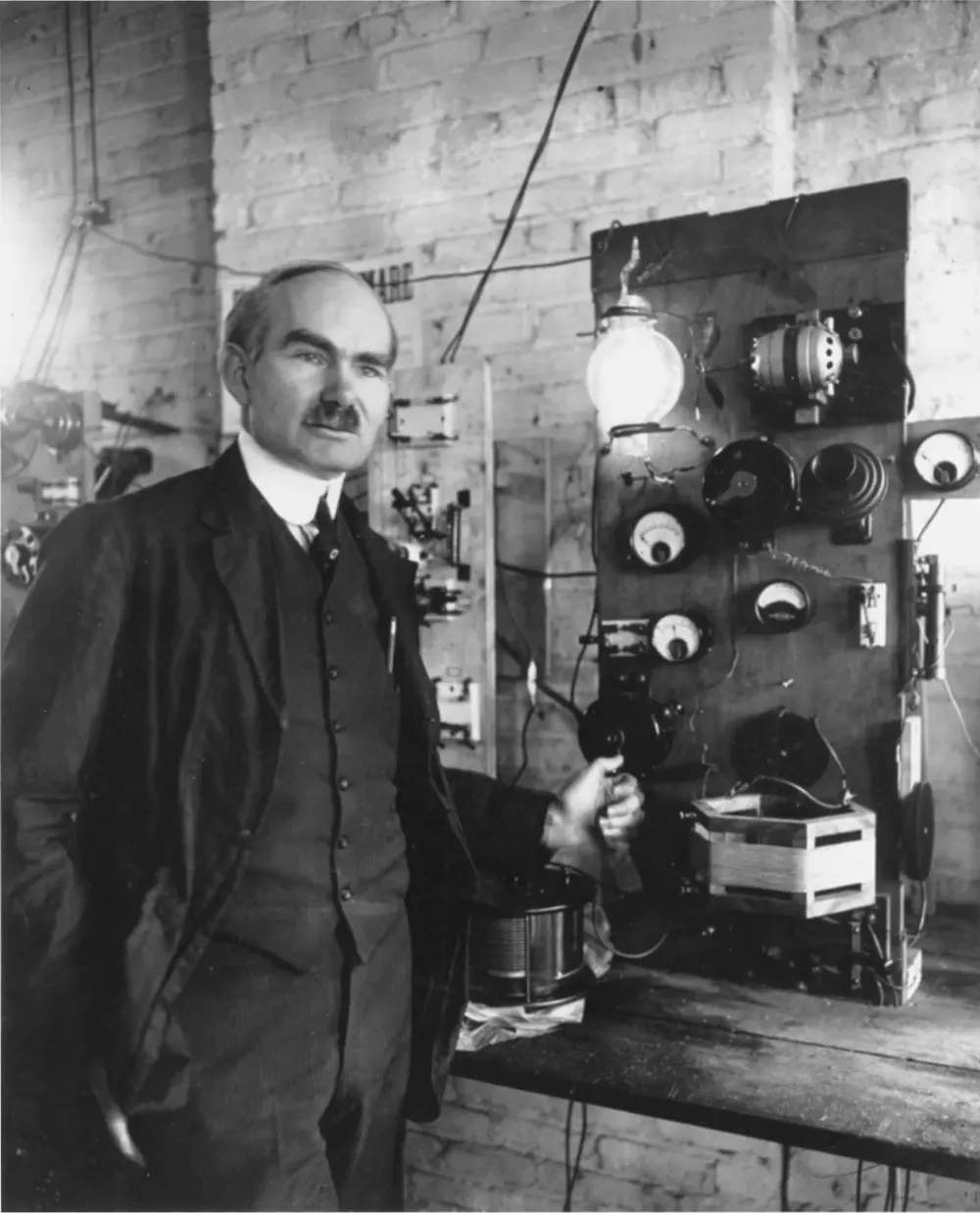
de Forest invents the Audion tube, enabling amplification of audio signals and laying the groundwork for modern sound systems.
Audion tube
1925
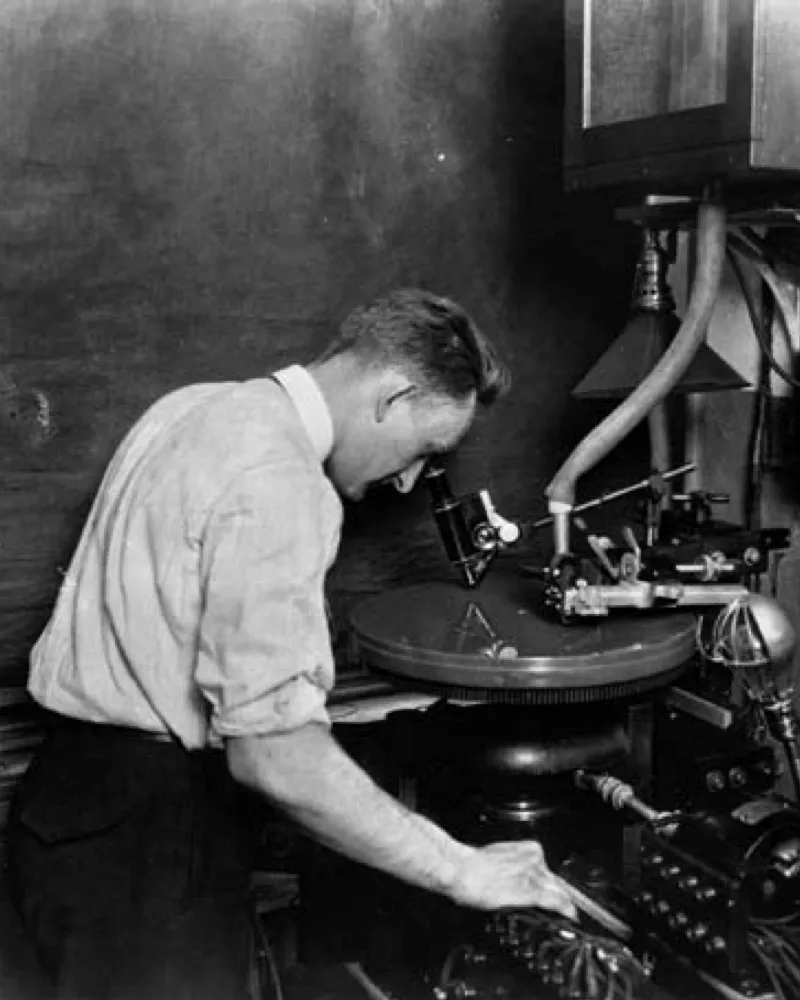
Western Electric pioneers electrical recording with microphones and amplifiers, drastically improving sound fidelity.
Man using microscope to study audio equipment
1931
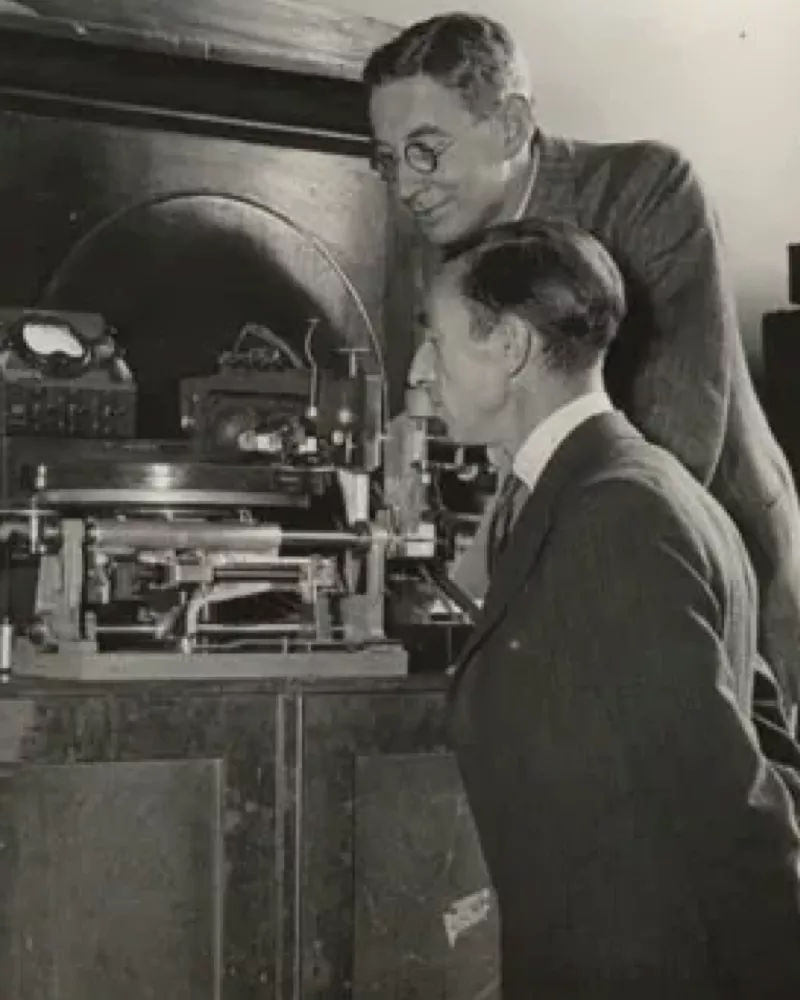
Alan Blumlein patents stereophonic sound, creating the foundation for two-channel audio recording and playback.
Two men stairing at what looks like like an early record player
1948
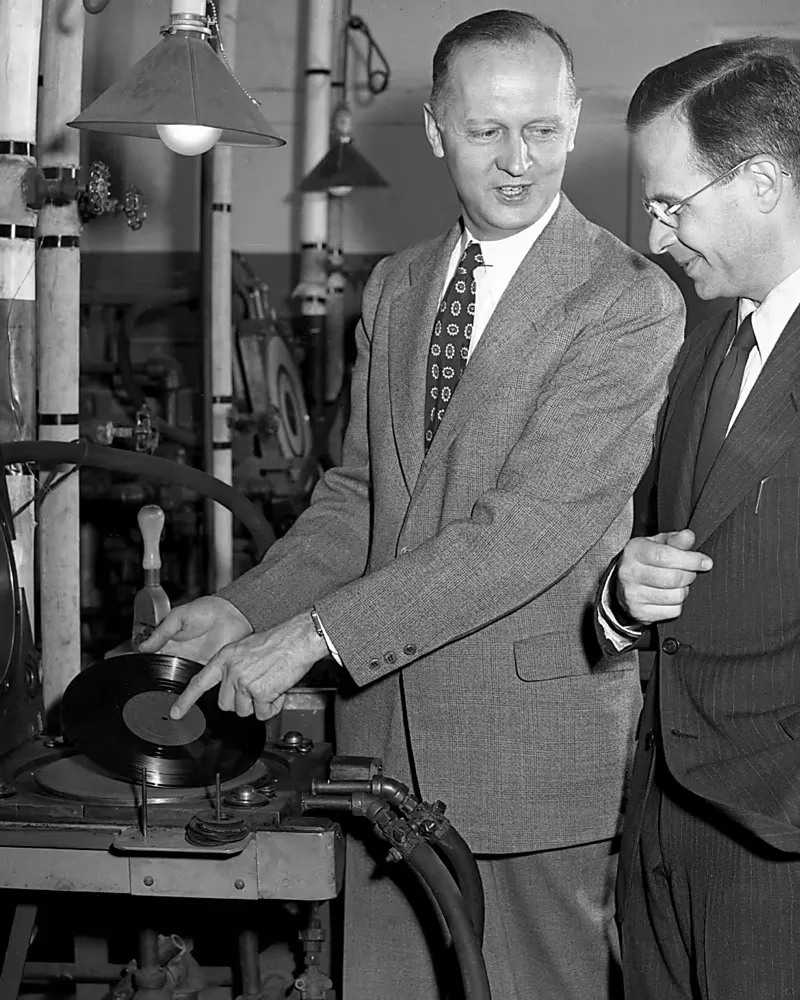
Columbia introduces the 33⅓ RPM long-play (LP) record, offering extended playtime and quieter playback with vinyl.
A man holding an LP
1957
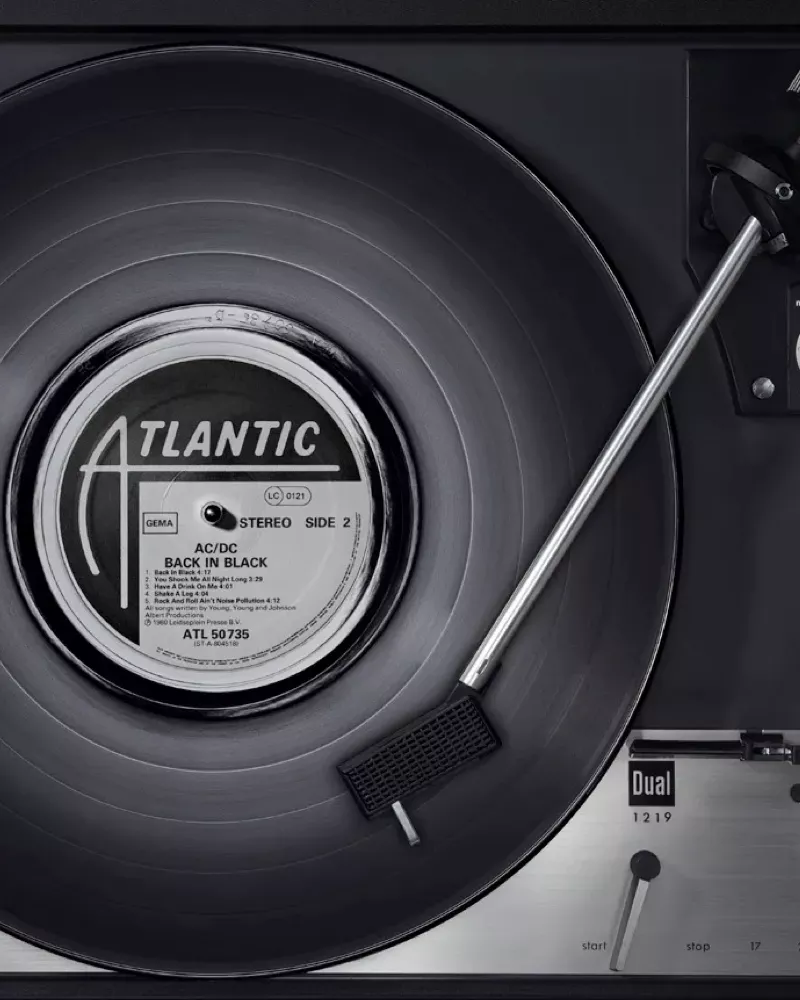
Stereo LPs debut, transforming how music is heard, with instruments and voices separated across channels.
Stereo LP closeup
1963
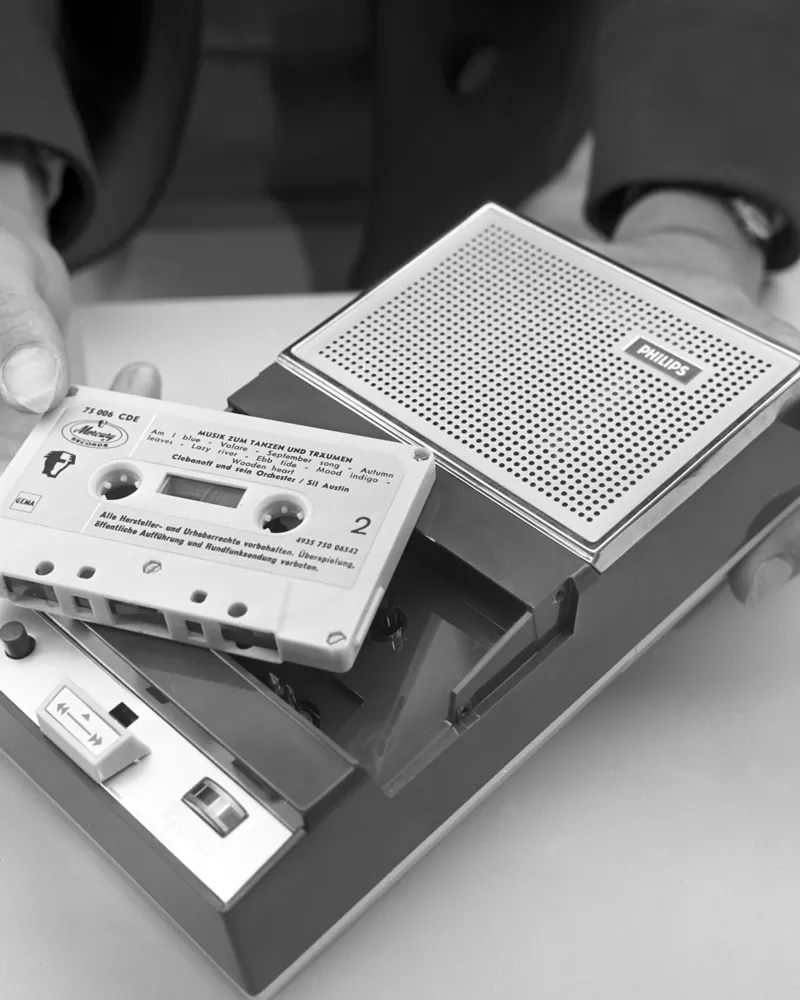
Philips launches the compact cassette, a portable and recordable tape format that reshapes personal audio.
Tape cassette
1970s
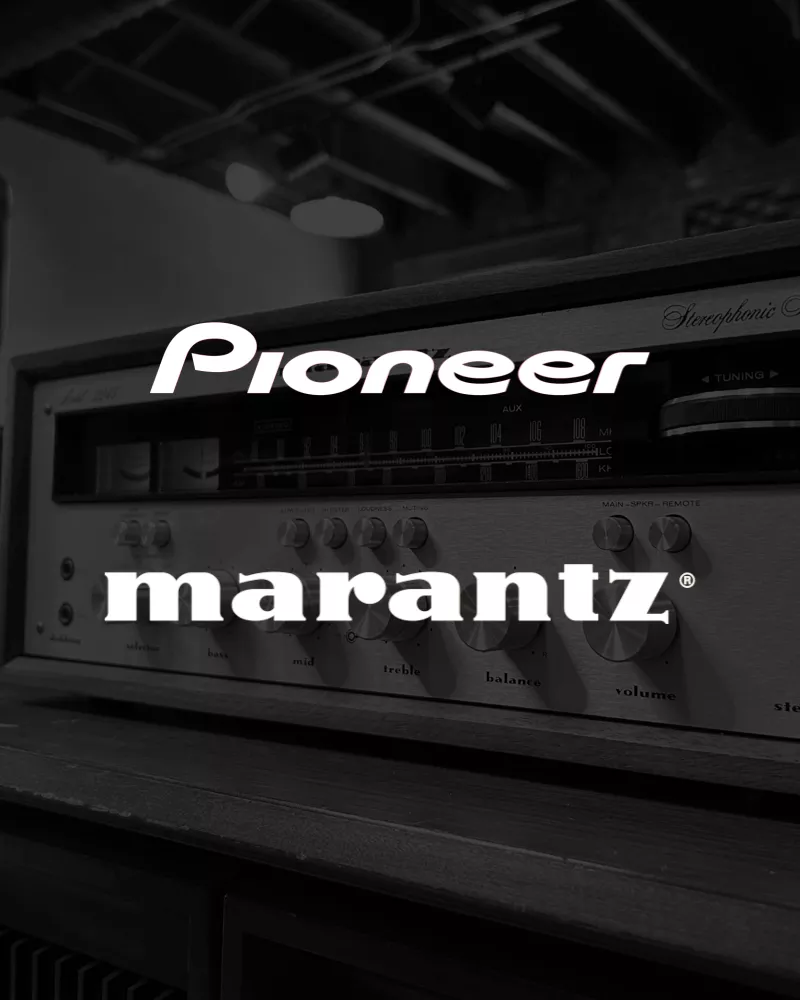
Silver-faced stereo receivers from brands like Pioneer and Marantz dominate, signaling the golden age of home hi-fi systems.
Stereo receiver
1982
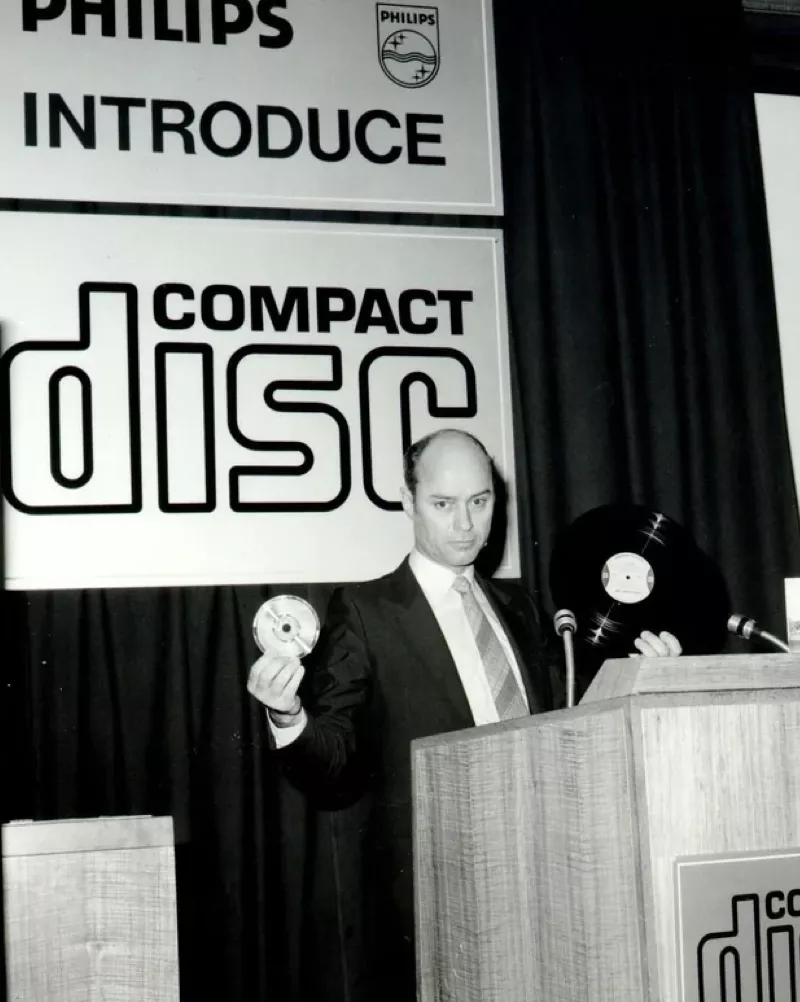
Sony and Philips release the Compact Disc (CD), offering digital “perfect sound” and durability over analog formats.
Man announcing CD technology on stage
1991
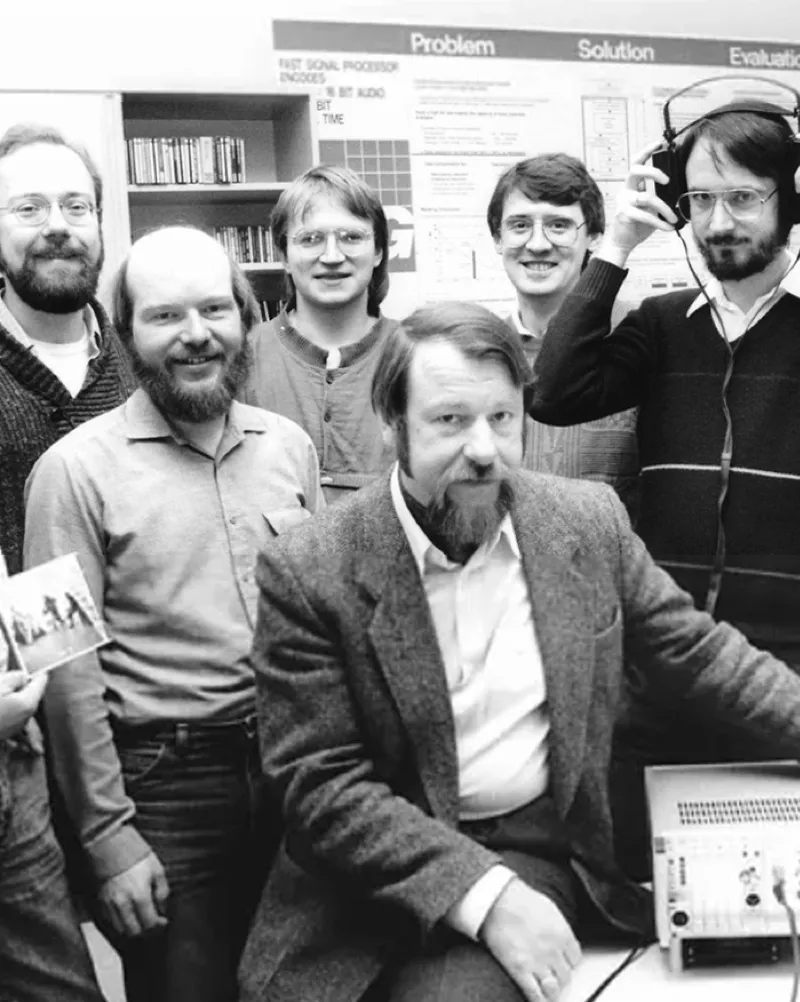
Fraunhofer releases the MP3 format, making digital compression feasible and laying the groundwork for the music-sharing boom.
The team behind the MP3
1999
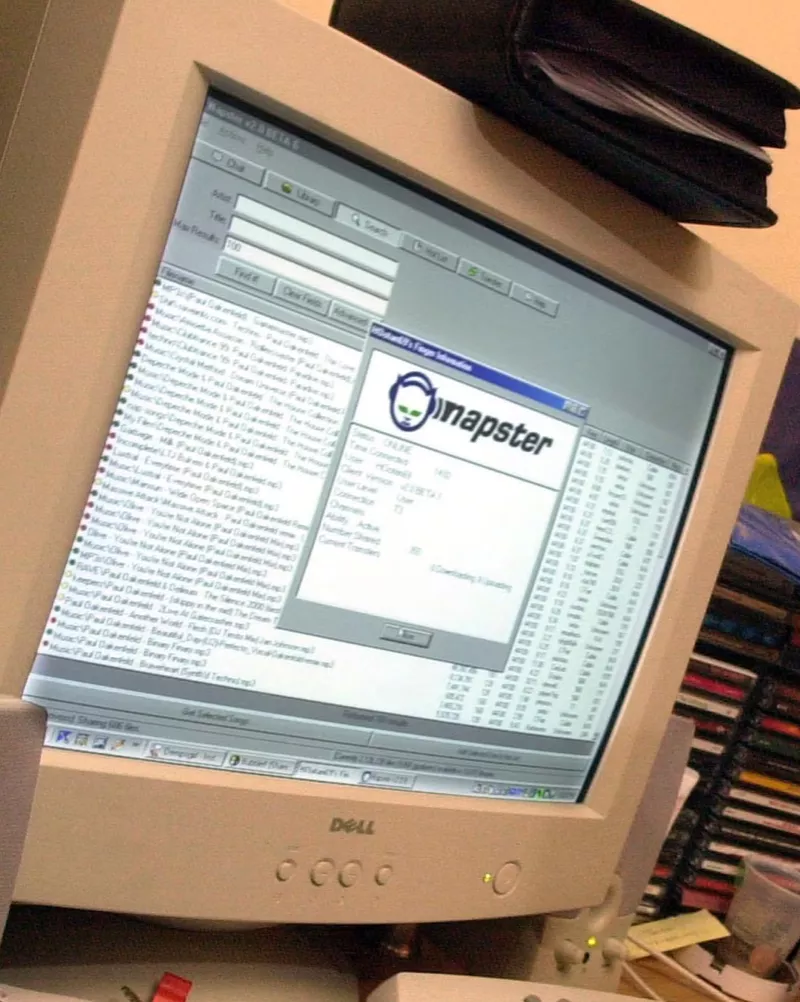
Napster introduces peer-to-peer file sharing, disrupting the music industry and democratizing access to digital audio.
Naper app on a CRT monitor
2001
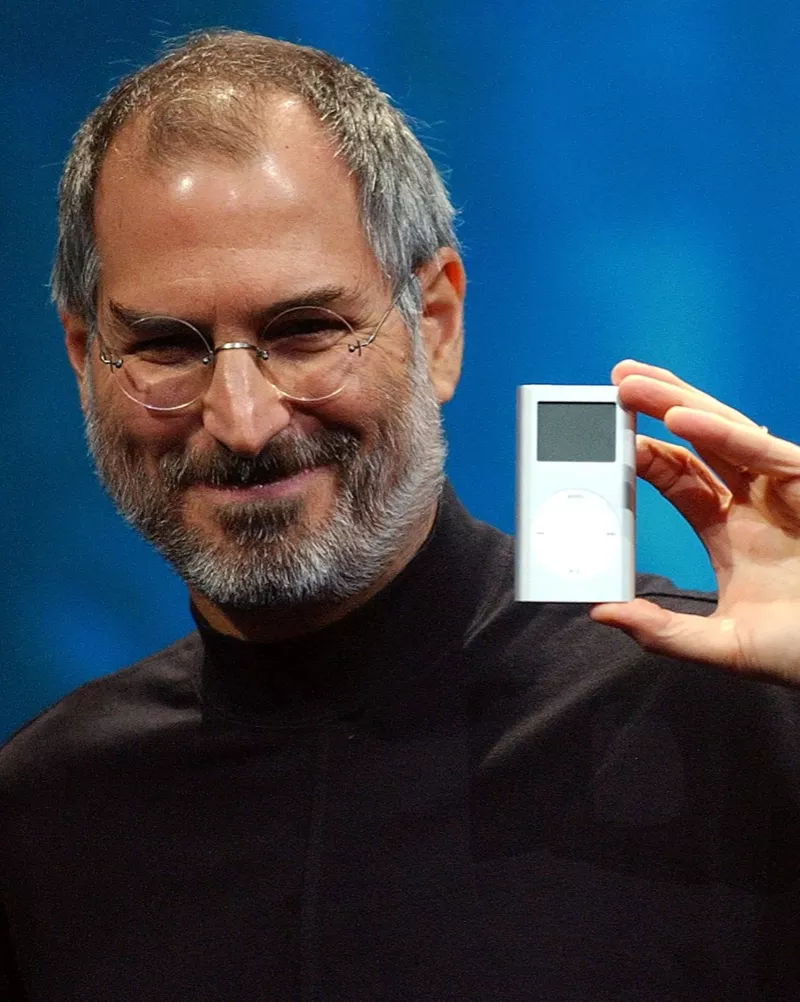
Apple releases the iPod, enabling people to carry thousands of songs in their pocket with a sleek design.
Steve Jobs holding an iPod
2008
Spotify launches, popularizing music streaming and offering access to vast libraries with instant playback.
Spotify logo
2010s
High-end personal audio grows, with planar magnetic headphones, advanced in-ear monitors, and boutique DACs gaining popularity.
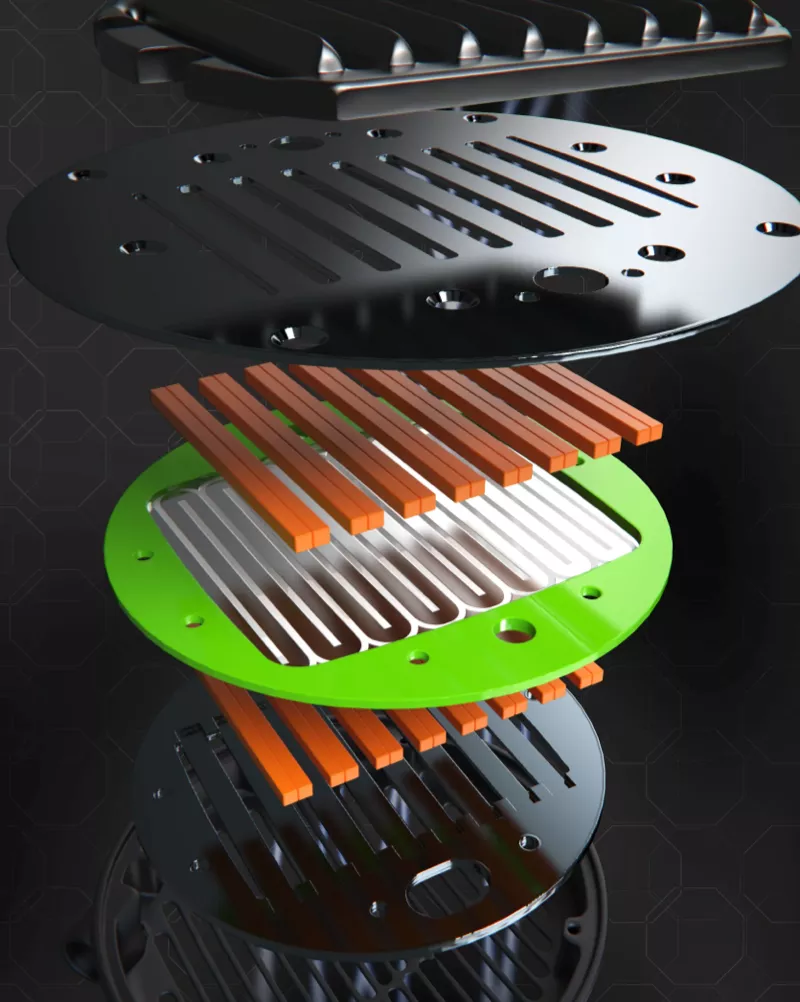
Ribbon tweet assembly
Modern Era
Wireless audio achieves high fidelity with advanced Bluetooth codecs like aptX and LDAC, bridging quality and convenience.
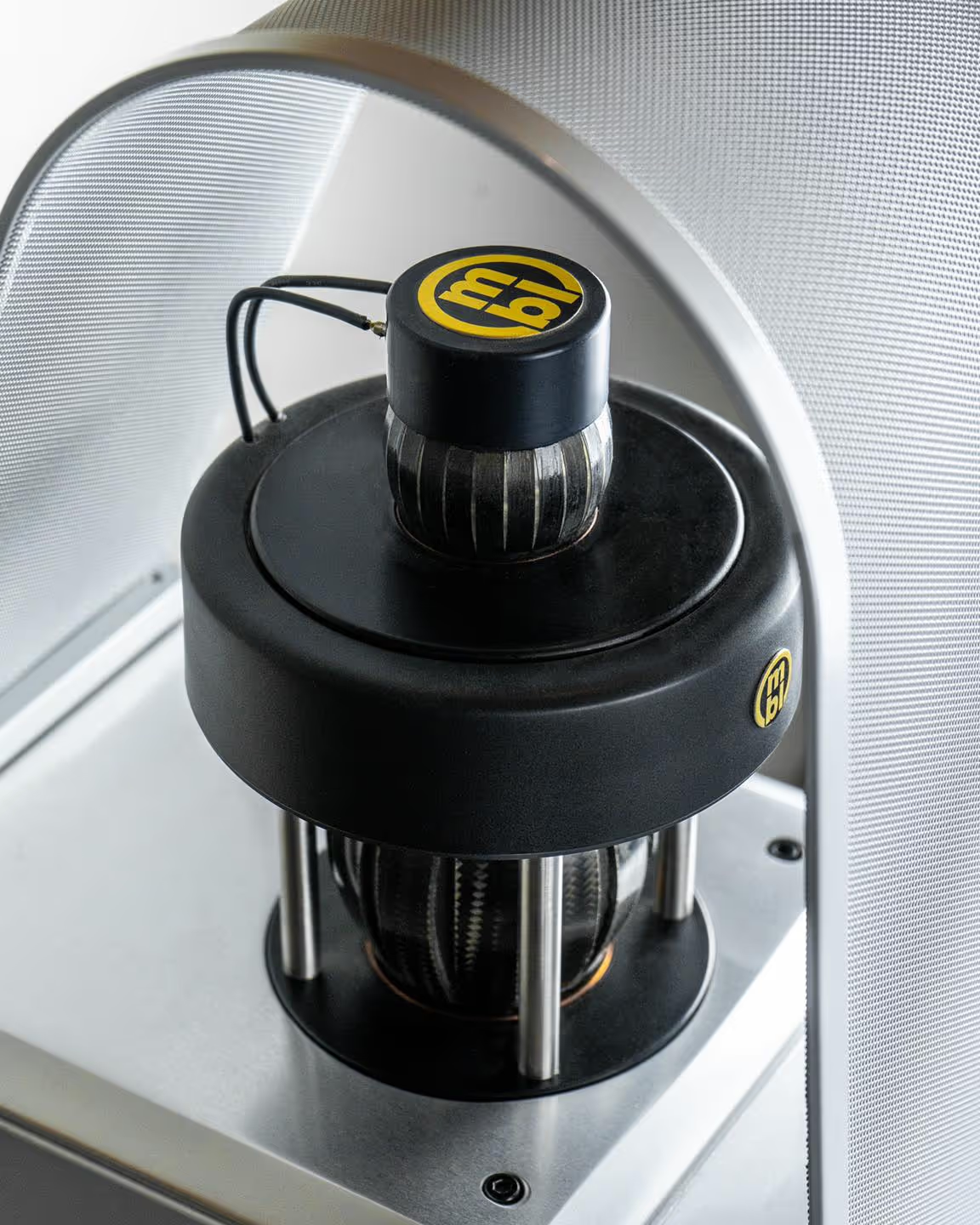
MBL omnidirectional tweet closeup