What's unique about the brand
Brand overview
The 10X5 MkII is the way in, and it comes in two versions. The high-output one is strong enough for an ordinary moving magnet phono input. Chris Kelly of The Ear used the phono stages built into two integrated amps and called it "a taste of the Champagne lifestyle on a Prosecco budget." The low-output version has fewer turns of wire on its coils, and Kevin Fiske of The Ear explains that lighter coils let it trace the groove more faithfully. He heard more detail and air from it, though it needs a moving coil phono stage or a step-up transformer. The next step is the XX-2 MkII, which Dynavector's US distributor calls probably the "sweet spot" in the lineup, and Reichert notes it is the least expensive Dynavector with a solid boron cantilever. Dynavector recommends loading the XX-2A above 30 ohms, and Chris Frankland, also of The Ear, tried 100 and 30 ohms and preferred 30.
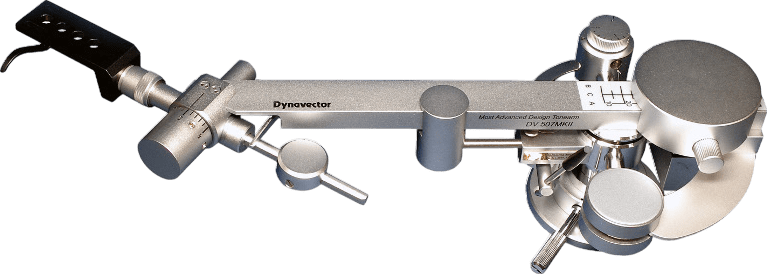
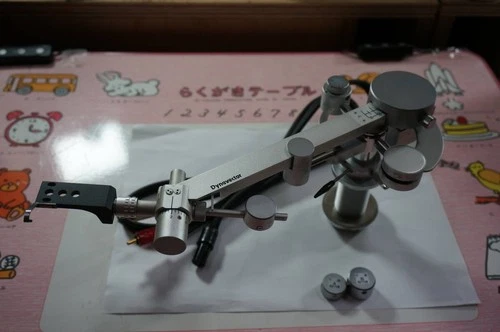
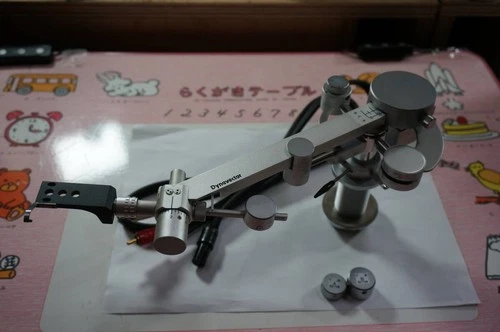
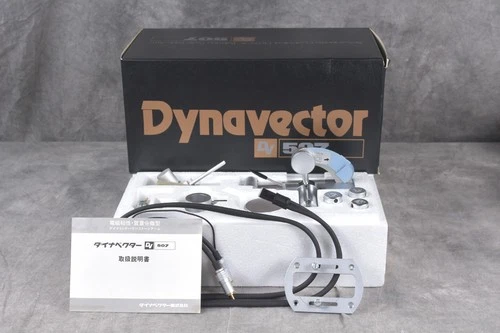
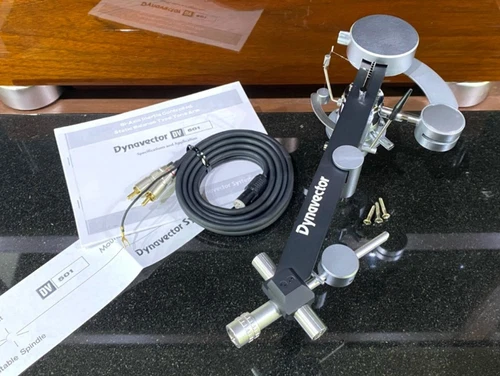
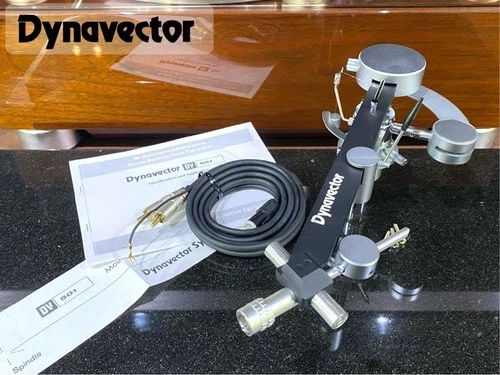
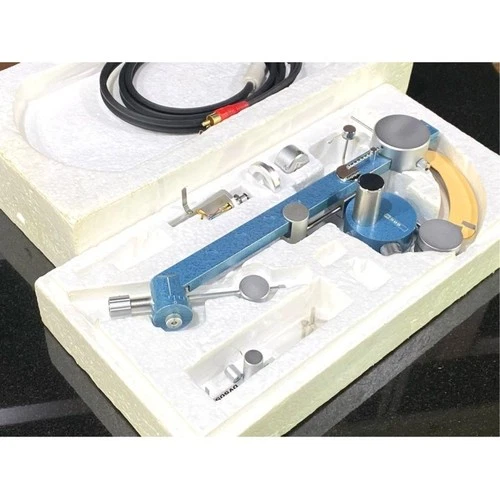
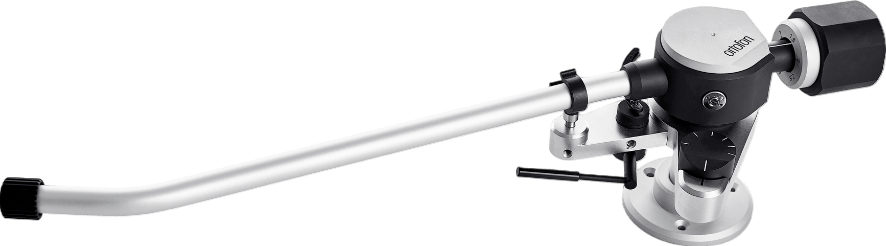
Noboru Tominari, who founded Dynavector, was a professor of mechanical engineering at Tokyo Metropolitan University. Hi-Fi News credits him with the first successful high-output moving coil, which played through the moving magnet input then standard on every amplifier, and Dynavector says the 10X5 first appeared in 1978. Dynavector's dispersion theory holds that a shorter, stiffer cantilever, the little rod that carries the stylus, distorts the waveform less. In Audio magazine's 1980 test of the Karat Diamond, the cantilever was a rod of natural diamond less than half the usual length, and today's Karat 17DX still uses a solid diamond cantilever. The DV-507 MkII tonearm splits the work between a high-inertia main arm that swings sideways and a short, light sub-arm that moves up and down to ride over warps. Scott Faller of Enjoy the Music played Telarc's 1812 Overture, which he says can throw a cartridge from the groove, and the 507 held on. The Te Kaitora Rua came from work with Dynavector New Zealand, and its name is Maori for "The Discoverer."
Sources
Our interview with the brand
What are two key technological innovations or strong opinions that differ you from other brands?
What's your approach to customer support?
What are your favorite tracks for showcasing the strength of your products?
What other products pair best with yours?

Products overview
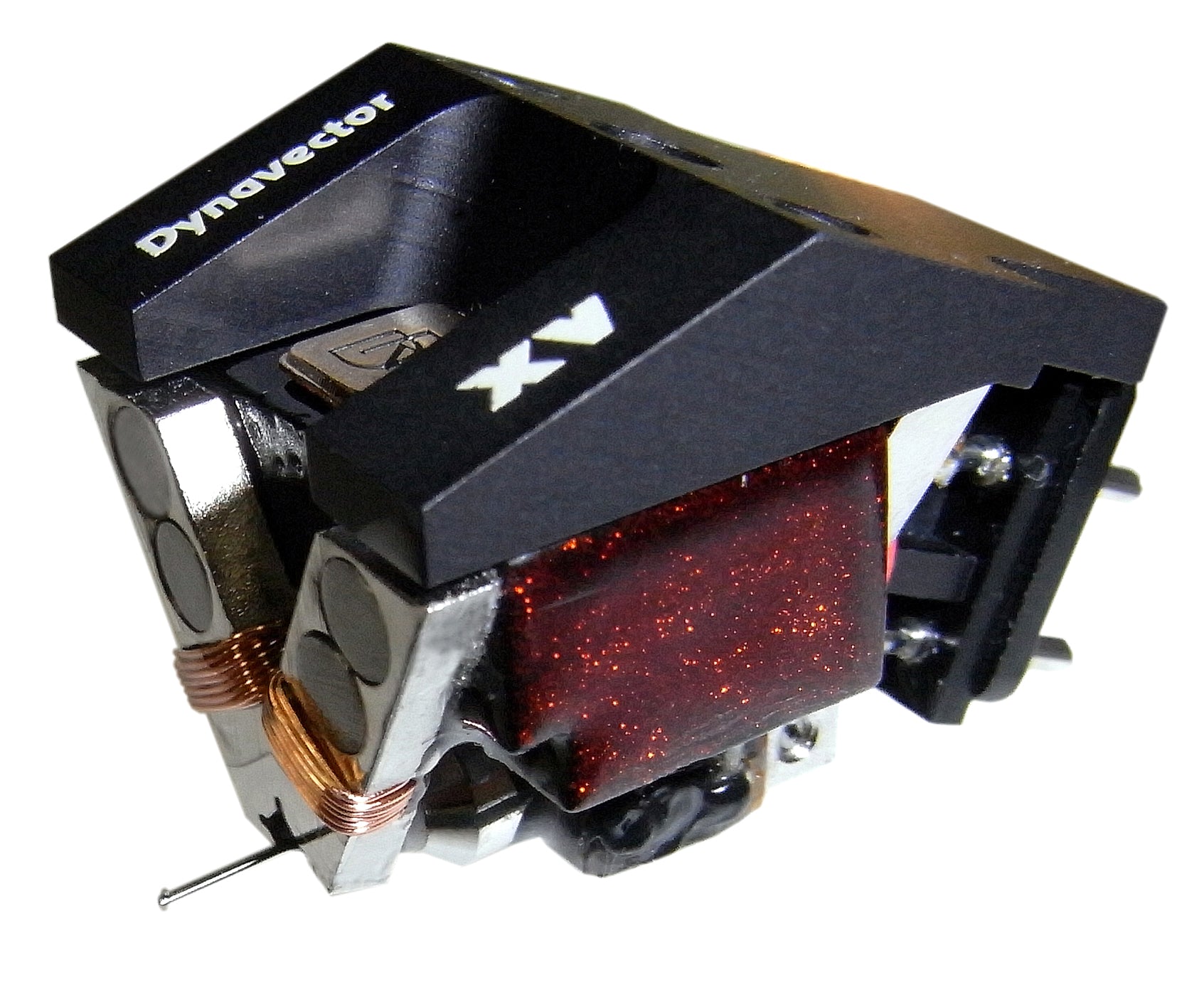
Every Dynavector cartridge is a moving coil with a patented flux damper that steadies the magnetic field for lower noise. The DV 10X5 MkII is the entry, with 2.8 mV output, so it plugs into a moving magnet input without a step-up. The XX-2 MkII adds an Alnico magnet and solid boron cantilever for steady output and lively treble. The DV DRT XV-1t tops the range with multiple Alnico magnets that keep the field even across the gap.
- Start here. A first-time buyer whose amplifier has only a basic turntable input should pick the DV 10X5 MkII, because it needs no extra gear.
- Sweet spot. The XX-2 MkII suits a listener with a dedicated moving coil input who wants 30 dB channel separation and a response held within 1 dB, which the cheaper cartridges do not offer.
- All in. The DV DRT XV-1t extends the DV DRT XV-1s within the same price bracket, and its Alnico column magnets even out the magnetic field across the gap, so a high end system gets more from the groove.
Product list




What reviewers are saying
We read all the reviews, and here's what stands out:
- Dynavector cartridges, especially the DRT series, incorporate a unique Alnico magnet design featuring multiple magnets and a magnetic flux damper system, contributing to stable magnetic flux and reduced distortion.
- The brand's Karat series are known for their short, solid gemstone cantilevers (historically ruby or diamond), a distinct design choice aimed at increased rigidity and reduced resonance.
- Dynavector offers specific high-output moving coil cartridges, like the 10X5 models, engineered to be compatible with moving magnet phono stages, simplifying system matching for some users.
- Their cartridges benefit from the company's proprietary "softened magnetism" technology, which employs highly permeable materials to minimize magnetic flux fluctuations, yielding an improved signal-to-noise ratio and transient response.
Quotes we liked:
- "The incorporation of silver-wired coils and the unique square-shaped armature delivers a listening experience that's nothing short of extraordinary. The cartridge's ability to render micro-details while maintaining musicality is remarkable." (https://www.theaudiotailor.com.au/blogs/reviews/dynavector-te-kaitora-rua-moving-coil-cartridge-review-a-masterclass-in-vinyl-precision)
- "Every time I played "Monkey Chant" with the Dynavector's 20X2 MC into the Sutherland SUTZ and the all-tube SunValley SV EQ1616D phono equalizer, I was awed and dizzified by the raw clarity, breakneck speed, and free-swinging dynamics of the presentation; those "tjak" transients came through sharply and powerfully with noticeable spaces between chanters' voices." (https://www.stereophile.com/content/gramophone-dreams-70-sutherland-engineering-sutz-lounge-audio-copla-headamps-dynavector-dv)
- "Now let me tell you that with the XX-2 MKII bass will astound you! It is remarkably powerful and tuneful, with real texture and micro dynamic detail." (https://www.tnt-audio.com/sorgenti/xx2mk2_e.html)
Used
Dynavector
Every month, we find the brand's used items for sale across the web and offline hifi stores. We have the largest database of used hifi products. Search it here.




Similar
Turntable Cartridges
brands



Featured products


About the brand
Our interview with the brand
What are two key technological innovations or strong opinions that differ you from other brands?
What's your approach to customer support?
What are your favorite tracks for showcasing the strength of your products?
What other products pair best with yours?


Featured products



About the brand
Our interview with the brand
What are two key technological innovations or strong opinions that differ you from other brands?
What's your approach to customer support?
What are your favorite tracks for showcasing the strength of your products?
What other products pair best with yours?

Featured products


About the brand
Our interview with the brand
What are two key technological innovations or strong opinions that differ you from other brands?
What's your approach to customer support?
What are your favorite tracks for showcasing the strength of your products?
What other products pair best with yours?
Search hifi products
Explore our database of 10,000+ new and 25,000+ used hifi products.