What's unique about the brand
Brand overview
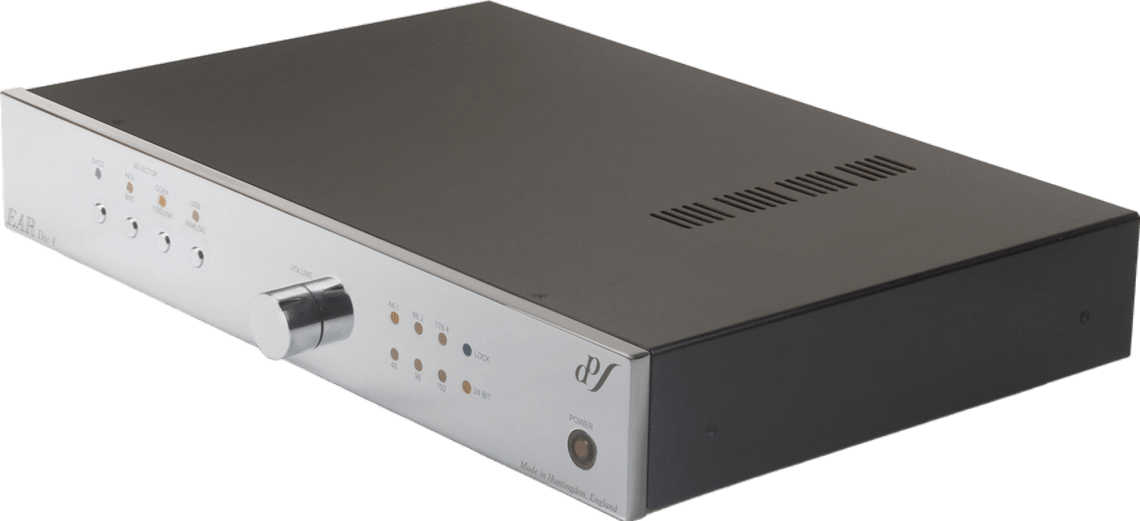
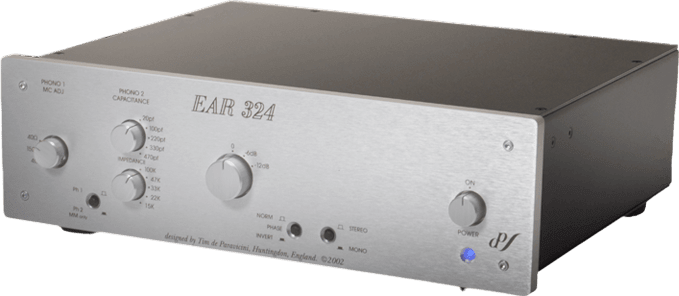
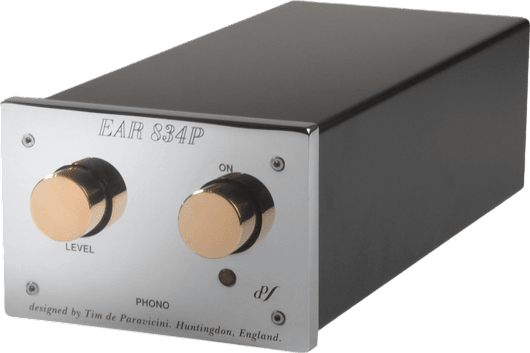
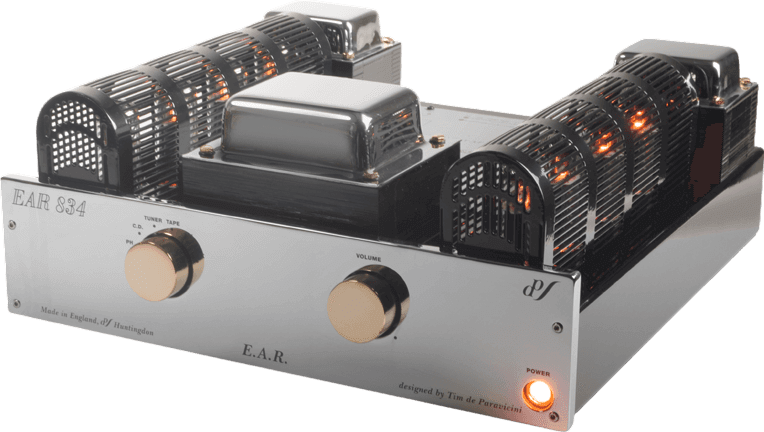
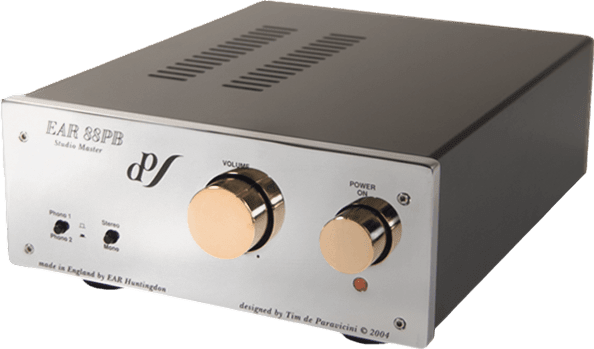
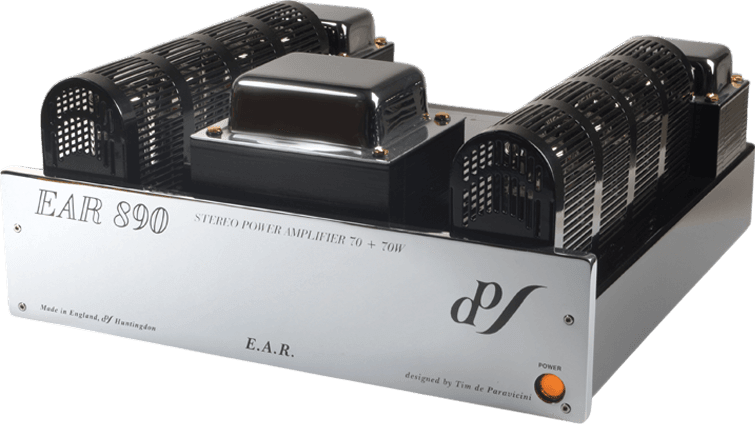
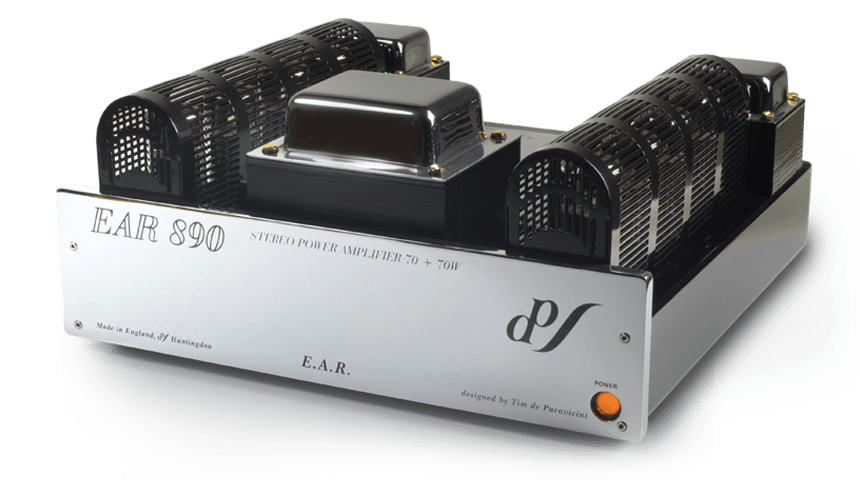
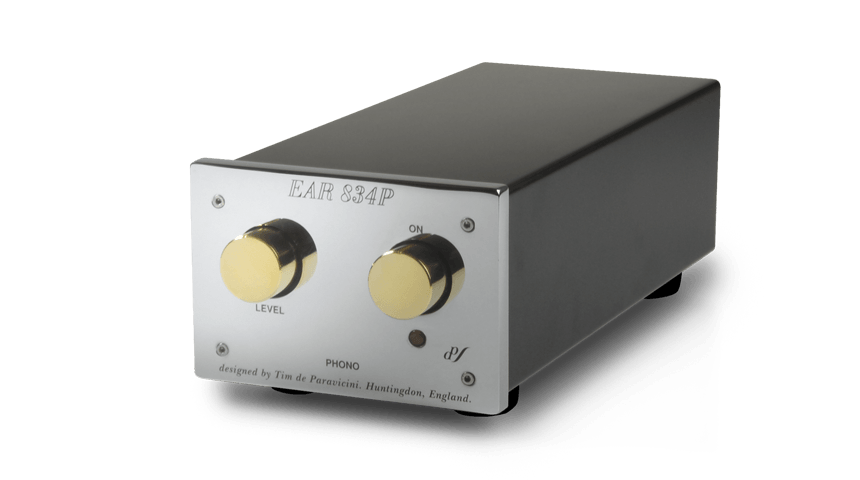
The 834P phono stage is the usual way in, and de Paravicini said it sold very well all over the world. It takes moving-magnet cartridges directly and has built-in step-up transformers for moving coils. Tony Fafoglia of SoundStage! found that it ran cool, and US distributor Dan Meinwald estimated several years of use from a set of tubes. The version with a volume knob can drive a power amp on its own, and Fafoglia heard more forceful bass once he took his preamp out of the chain. If you do use a preamp, Meinwald suggested leaving that knob all the way up. If you own several cartridges, look at the solid-state 324, which puts a wide range of settings on its front panel. Robert H. Levi of Positive Feedback called it "an LP time machine" and compared finding the right setting to locking in a cartridge's tracking angle. For amplification, Art Dudley of Stereophile ran the 890 with his Quad electrostatics, and a switch on top turns it into a monoblock with twice the power.
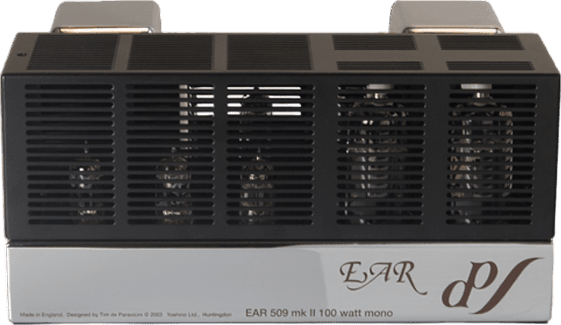
De Paravicini was schooled in England and spent seven years in South Africa, where he did repairs and consulting for a store that imported McIntosh and Luxman. Visiting Lux salesmen invited him to Japan, and in the 1970s he spent four years as Lux's chief amplifier designer, creating the C1000 preamp and M6000 power amp. Art Dudley writes that he perfected his craft with output transformers there. Back in England he started EAR, for Esoteric Audio Research. The 509 of 1977 was named for the single PL509 tube in it, and the habit stuck, so the 834 uses eight EL34s. In the 1980s he built record-cutting electronics for Island Records, and later a disc-cutting system for Mobile Fidelity Sound Lab. He designed the A1 integrated for Musical Fidelity and consulted for Quad. The EAR 859 won a Stereo Sound award, and he said he sold more 859s in Japan in 1995–96 than all other valve amplifier makers combined. Steve Harris of Stereophile wrote that he had designed at least one of every part of a recording system, from microphones to tape recorders.
Sources
Our interview with the brand
What are two key technological innovations or strong opinions that differ you from other brands?
What's your approach to customer support?
What are your favorite tracks for showcasing the strength of your products?
What other products pair best with yours?

Products overview
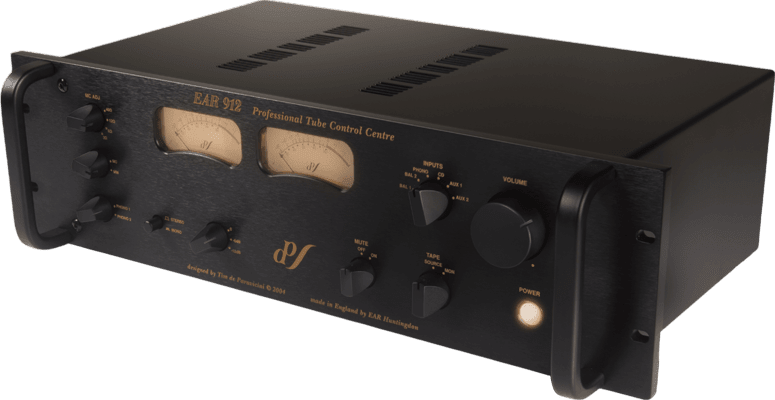
Many EAR Yoshino designs lean on transformers, which gives a rich, harmonic sound that suits a wide range of speakers. The EAR 869 is the entry model, a 15 watt per channel integrated amplifier for efficient speakers in a small room. The EAR 834 steps up to 50 watts per channel to drive harder speakers. The EAR 912 is the flagship phono preamp, with two phono inputs and impedance settings down to 3 ohms for more cartridges.
- Start here. Choose the EAR 869 if you are new to tube amplifiers and want five inputs for your sources at the lowest price in the range.
- Sweet spot. The EAR 834P suits a vinyl owner, adding a phono stage that takes moving magnet cartridges as standard and moving coil as an option, which the entry EAR 869 lacks.
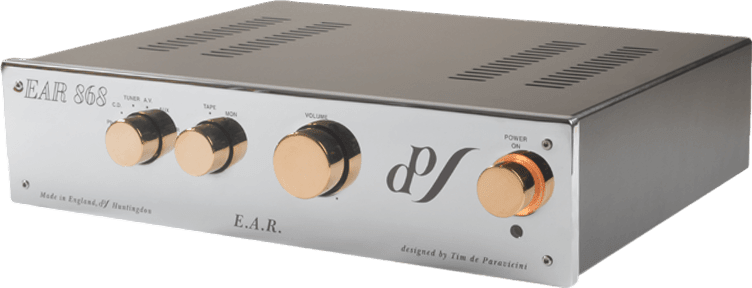
- All in. The EAR 912 is an iteration of the EAR 868 recipe at a modest step up, and its gain settings tame over compressed records without losing dynamic range.
Product list





What reviewers are saying
We read all the reviews, and here's what stands out:
- They achieve high-quality sound without relying on glamorous or expensive components.
- Their designs often employ transformers in both the input and output stages, even in solid-state designs, to achieve tube-like characteristics.
- EAR's equipment is known for exceptional versatility due to easily accessible front-panel controls allowing users to fine-tune various settings, especially impedance and capacitance, to optimize performance with different cartridges and system configurations.
- The designs have a signature voicing that balances detail and musicality, presenting a rich, harmonic sound that integrates well with various speaker types, especially those known to be bright.
Quotes we liked:
- "With non-stop musicality, rounded tonality, spot-on timbres, depth and breadth you must hear to believe, and a subtle, delicate sweetness that lives between the notes, the V12 is the ultimate for anyone with speakers in the 89db or higher efficiency. Perfectly integrated from top to bottom, the airy bloom and impactful, highly detailed bass are just right, and compliment any type of music imaginable." (https://positive-feedback.com/Issue78/ear_v12.htm)
- "The V12 is virtually free of phase distortion, giving space a sense of truthfulness or realism not always heard in tube gear. Solid-state gear has this clean sense of space, but usually adds a crisp edge to the vocals plus a dry ambient envelope." (https://positive-feedback.com/Issue78/ear_v12.htm)
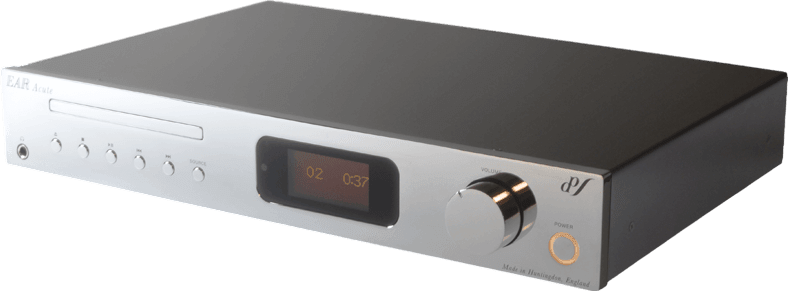
- "Well, my friends, and I say this without reservation: The E.A.R. Acute 4/DAC 4 CD/SACD player is solidly, musically, state-of-the-art, and the best player/DAC combo I have auditioned in the world!" (https://positive-feedback.com/reviews/hardware-reviews/e-a-r-acute-4dac-4-cdsacd-player)
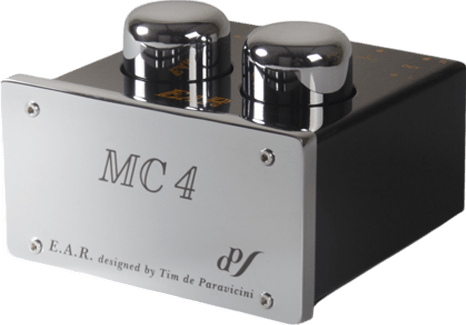
- "But the EAR was adding more than that; better soundstage, faster response but most of all timbral beauty. The damn thing sprinkles fairy dust over the performance stage." (https://www.audiophilia.com/reviews/2024/4/24/ear-mc4-cartridge-step-up-transformer)
- "The sound of the E.A.R. was absolute musical perfection, with the best definition and truth, bold dynamics, and layered organic textures—you get the idea. It was as if Percy's ghost had appeared over the E.A.R., gesturing to me." (https://www.positive-feedback.com/Issue6/ear324.htm)
Used
EAR Yoshino
Every month, we find the brand's used items for sale across the web and offline hifi stores. We have the largest database of used hifi products. Search it here.




Similar
Amplifiers
brands


Featured products






About the brand
Our interview with the brand
What are two key technological innovations or strong opinions that differ you from other brands?
What's your approach to customer support?
What are your favorite tracks for showcasing the strength of your products?
What other products pair best with yours?


Featured products



About the brand
Our interview with the brand
What are two key technological innovations or strong opinions that differ you from other brands?
What's your approach to customer support?
What are your favorite tracks for showcasing the strength of your products?
What other products pair best with yours?

Featured products




About the brand
Our interview with the brand
What are two key technological innovations or strong opinions that differ you from other brands?
What's your approach to customer support?
What are your favorite tracks for showcasing the strength of your products?
What other products pair best with yours?

Featured products




About the brand
Our interview with the brand
What are two key technological innovations or strong opinions that differ you from other brands?
What's your approach to customer support?
What are your favorite tracks for showcasing the strength of your products?
What other products pair best with yours?

Featured products


About the brand
Our interview with the brand
What are two key technological innovations or strong opinions that differ you from other brands?
What's your approach to customer support?
What are your favorite tracks for showcasing the strength of your products?
What other products pair best with yours?

Featured products




About the brand
Our interview with the brand
What are two key technological innovations or strong opinions that differ you from other brands?
What's your approach to customer support?
What are your favorite tracks for showcasing the strength of your products?
What other products pair best with yours?
Search hifi products
Explore our database of 10,000+ new and 25,000+ used hifi products.