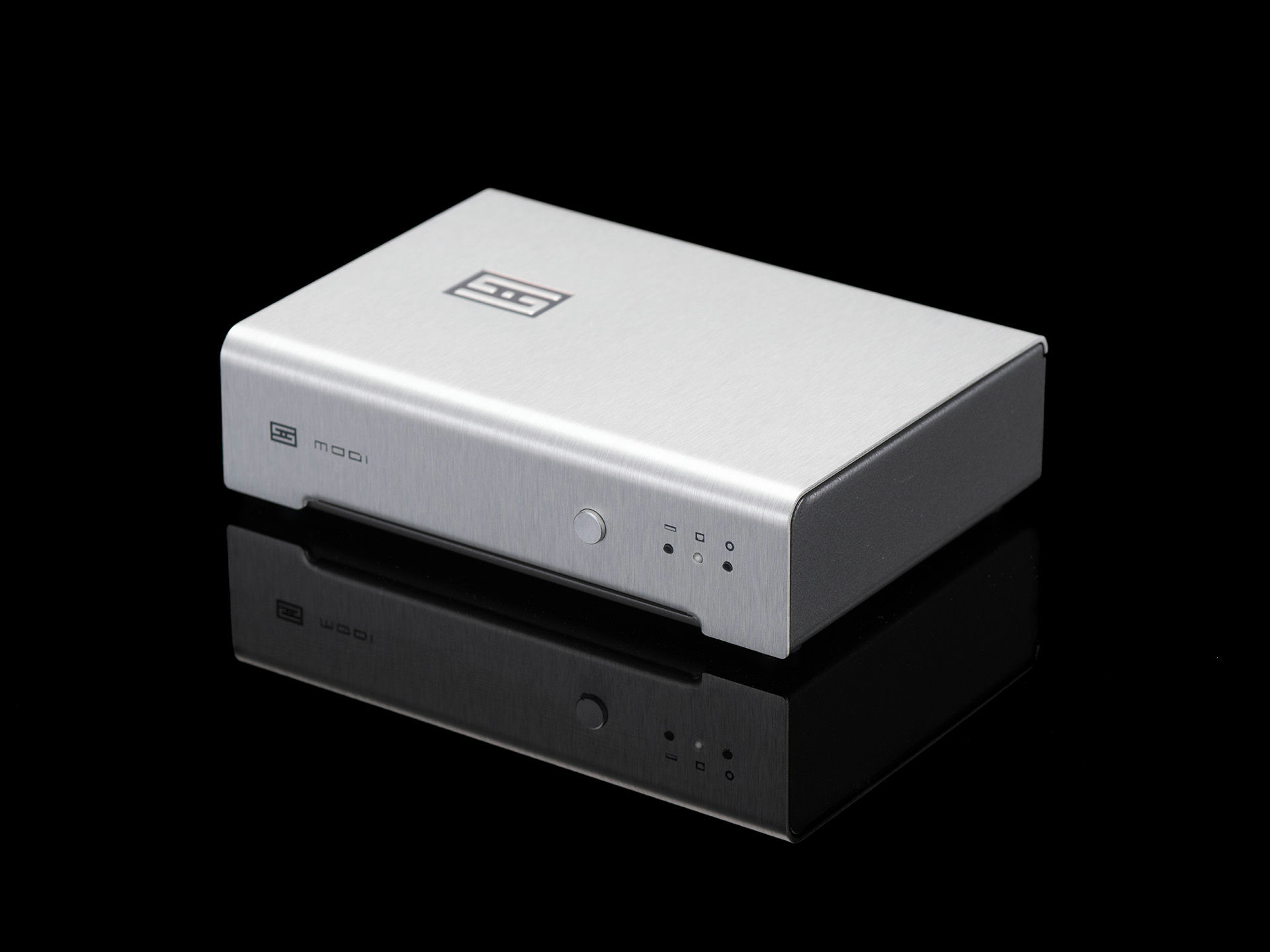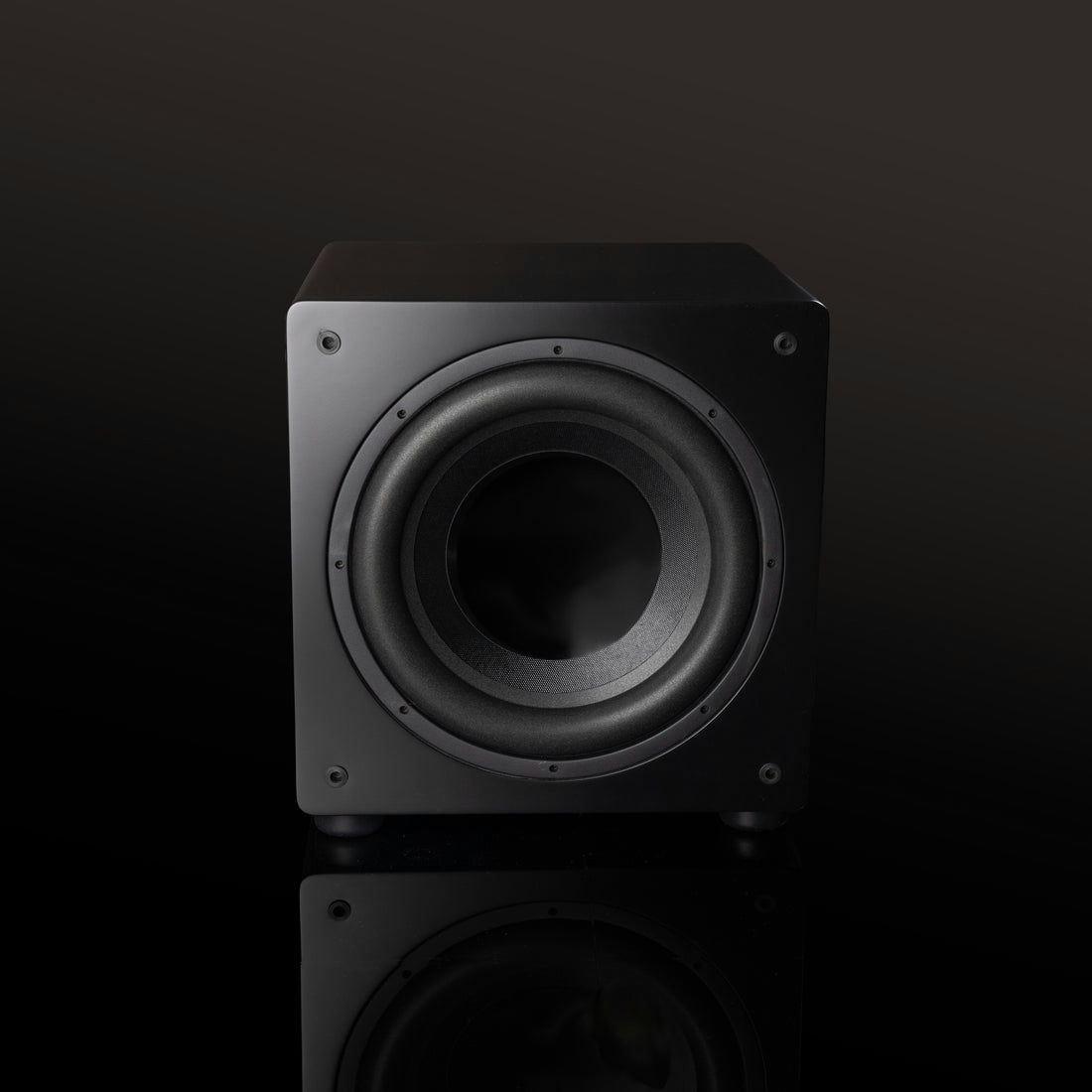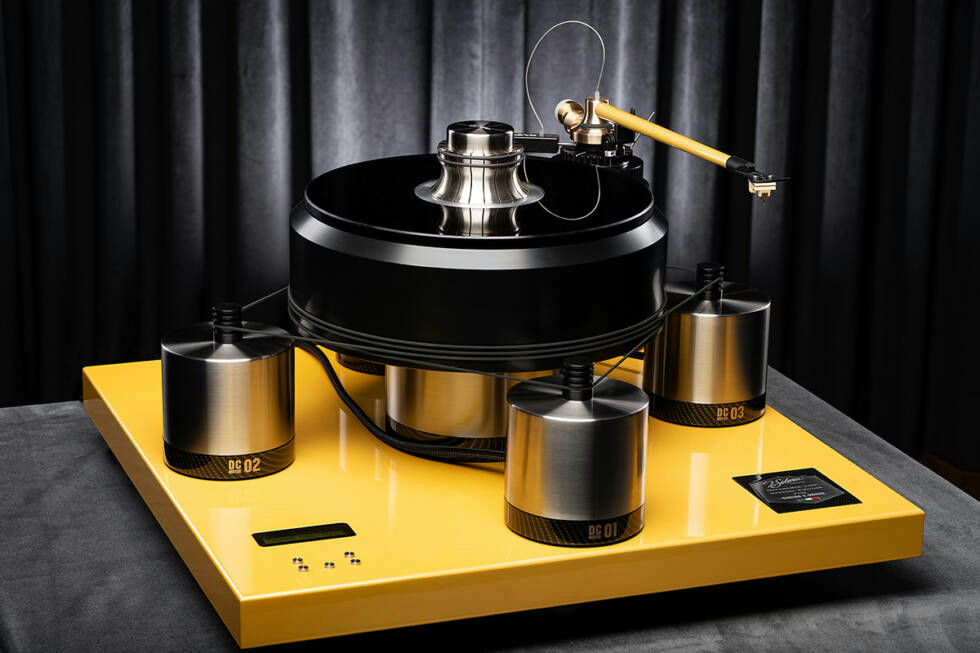



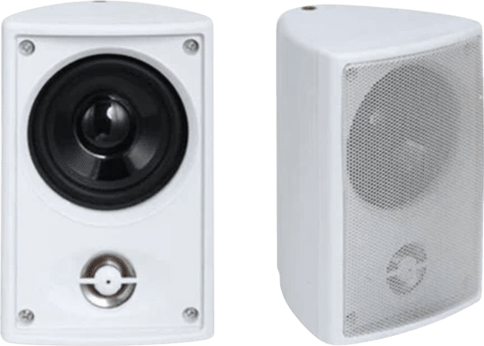


Note that this is a discontinued product. You may want to visit the brand's page here to browse their newer products.
What reviewers think
Bloggers and YouTubers have tried this product—so we've summarized their strongest opinions below. Links to full reviews follow.
All
Tl-G31
reviews

Manufacturer details
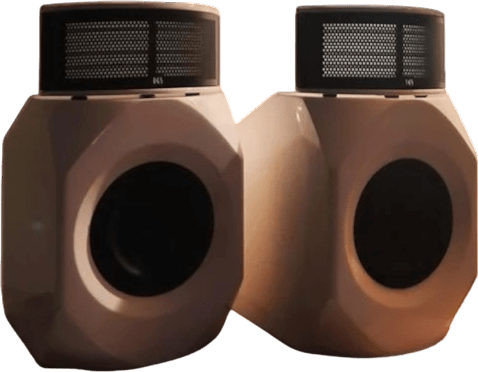
- Impedance: 8Ω
- Rated Power: 10W
- Dimensions: L93 x H140 x D98mm











Brand highlights
Taking a step back to look at reviewers' thoughts of the brand's entire lineup—not just this product—what stands out most is the following:
Select products

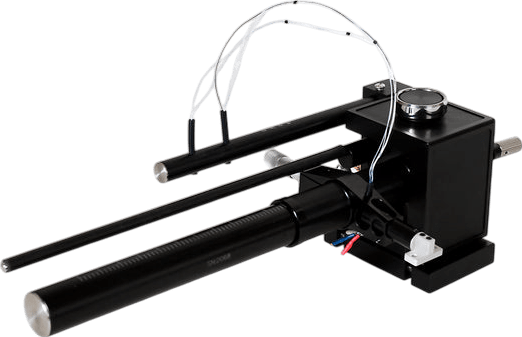

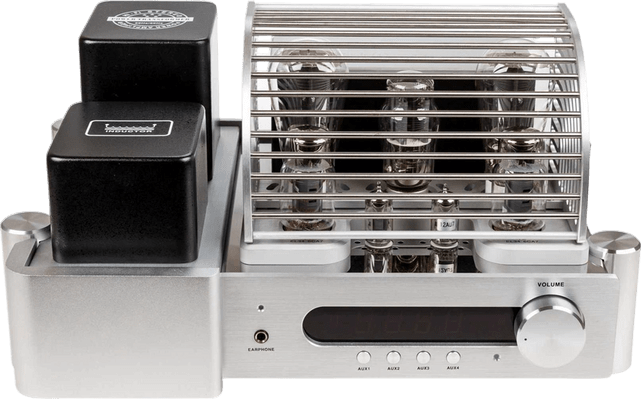
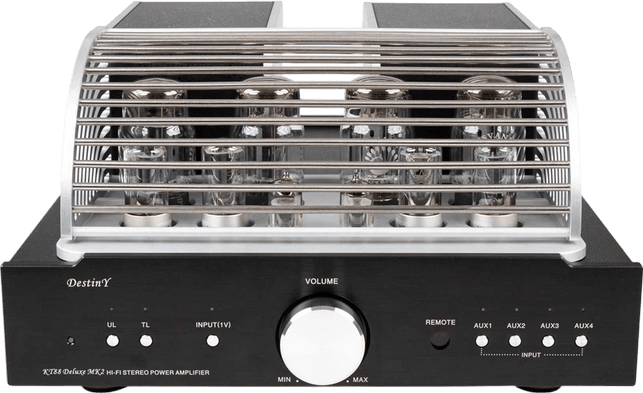
DESTINY EL34PLUS RC:
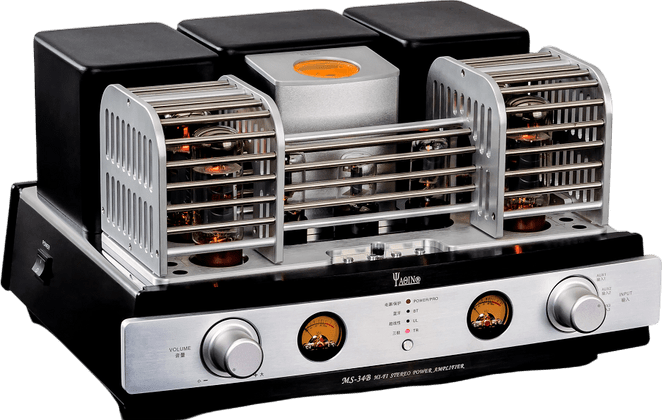
- Positioning: An entry-level tube amplifier offering warm sound with a refreshed, solid build.
- Description: Uses updated aluminum housing that minimizes vibration while preserving the tube's natural warmth, making it a practical choice for smaller rooms and budget setups. Compared to later models like the KT120SE or hybrids, it maintains essential tube characteristics without extra modern features, serving buyers who want classic tube sound at an affordable price.
DESTINY DC-222T MKII HYBRID AMPLIFIER:
- Positioning: A hybrid amplifier that blends tube preamplification with solid-state strength at a modest price.
- Description: Uses dual transformers with a tube-based preamplifier to deliver clear, direct sound similar to solid-state performance but with tube warmth. Compared to the simpler EL34PLUS RC, it introduces hybrid circuitry for improved accuracy and reliability.
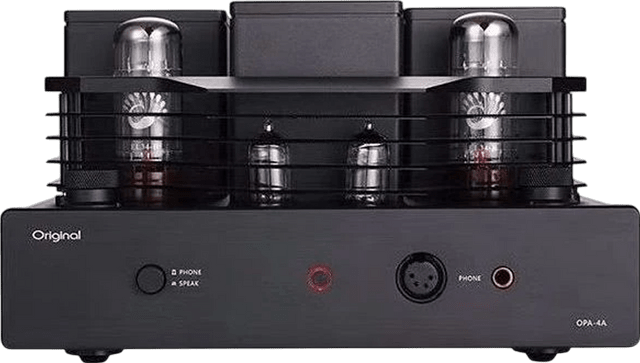
ORIGINAL OPA 3A - 300B SINGLE ENDED TUBE AMPLIFIER:
- Positioning: A classic single-ended design that embodies timeless tube simplicity and sonic purity.
- Description: Uses premium 300B and 2AU7 tubes in a design that emphasizes traditional tube warmth and minimal processing. In contrast to more modern models like the KT120SE, it offers a straightforward, time-tested approach.
DESTINY KT120SE SINGLE ENDED TUBE AMPLIFIER:
- Positioning: A modern tube amplifier that integrates advanced features while preserving a traditional tube tone.
- Description: Features powerful KT120 tubes with selectable triode or ultra-linear modes and separate rectification for a precise power supply. Unlike the Original OPA 3A, it adds modern options such as Bluetooth connectivity and flexible operating modes.
DESTINY PURER 3.8 30TH ANNIVERSARY HYBRID AMPLIFIER:
- Positioning: A flagship hybrid amplifier that combines tube preamplification with high-power transistor output for ultimate flexibility.
- Description: Incorporates a monoblock design featuring a tube preamplifier paired with a transistor power section that automatically switches between Class A, A2, and AB modes to suit varying listening conditions. Compared to all other models in the lineup, it stands out by offering superior output power, advanced versatility, and robust performance.


Our take on the brand
Look inside the brand
Our interview with the brand
What are two key technological innovations or strong opinions that differ you from other brands?
What's your approach to customer support?
What are your favorite tracks for showcasing the strength of your products?
What other products pair best with yours?








What if you spend more?




.svg)
Our summary
Product Strengths
- Superb value for money in terms of looks, build quality, and sound quality
- Full bass and overall full and bassy sound, impressive for its size and price
- Clear and precise soundstage with good width
- Impressive detail and a coherent, unforced presentation
- Excellent tonal balance with both upper and lower frequencies in sync
Product Considerations
- Mid-range may not deliver a sound to match the bass, with some softening of certain notes or vocals
- Soundstage doesn't rise very high above the physical speakers
- Not the prettiest speaker, with unusual proportions that may not be aesthetically pleasing
- Limitations can be revealed when driven hard
Comparisons (according to reviewers)
- Vs Bowers & Wilkins 606: The 3030i sounds more substantial in its bass
- Vs Q Acoustics 3020i: The 3030i offers a sense of space and air around the soundstage, and bass weight is more substantial
- Vs Martin Logan 15i: The 15i speakers provide an impressive precision that the 3030i speakers couldn't match, but the bass did travel a tad further downwards than the 15i speakers could fall
Takeaway: The Q Acoustics 3030i offers amazing quality at a low price point, making it a terrific value and a perfect first hifi speaker. It is an easy-going speaker that is easy to set up and is very undemanding for a new user on their system quality and setup.
Video review
Our take on the brand


Product Strengths
- The GoldenEar BRX is a compact speaker that delivers a large, high-quality sound
- The HVFR tweeter contributes to a bright, airy, and detailed presentation
- Authoritative and accurate bass response, even at higher volumes, is achieved thanks to its passive radiators
- It images precisely and soundstages well
- The BRX exhibits a smoothish midrange and relative lack of harshness
- Exceptional engineering, design, and quality control
- The BRX reproduces the timbral and harmonic complexities and spatial qualities of real acoustic settings
- The tweeter is agile, airily transparent, and non-fatiguing, and the critical sibilance range is smooth and natural
Product Considerations
- At lower volumes, the bass can be less pronounced, leading to a leaner tonal balance
- Some reviewers noted a flatter soundstage with less depth and spaciousness compared to more expensive speakers
- The tweeter's output drops significantly when not listening on-axis, requiring careful positioning and stand height
- The BRX requires a fair amount of power to sound confident and alive—needing a more muscular amp
- May sound slightly soft and polite in the high frequencies
- Passive radiators look awkward with the grilles removed
Comparisons (according to reviewers)
- Vs Magnepan .7: The BRX has more bite and sparkle in sitar plucks and harmonics, while the .7s sound slightly muffled, and the .7s have a bigger and more solid sound in the 50Hz-500Hz range, reproducing the Carnegie stage floor better
- Vs KEF LS50: The BRX specializes in reproducing luster and harmonically charged atmospherics, unlike the drier, more precise LS50, and the LS50's notes seem tight and slightly hardened compared to the supple-sounding BRX
- Vs Falcon Acoustics LS3/5a: The BRX goes much louder and deeper than the LS3/5a
- Vs Focal Chora 806: The BRX has punchier, faster bass, and cleaner sound in the complex chorus sections than the Chora 806
- Vs Revel M126Be: The BRX is close to the Revel M126Be in overall sound, particularly in tonal balance, but the Revels go deeper in bass and retrieve a bit more detail
Takeaway: The GoldenEar BRX is an affordable speaker with a well-rounded performance, particularly excelling in clarity, imaging, and bass for its size. For listeners seeking high-end sound without a huge speaker, these could be a suitable choice.
Video review
Our take on the brand
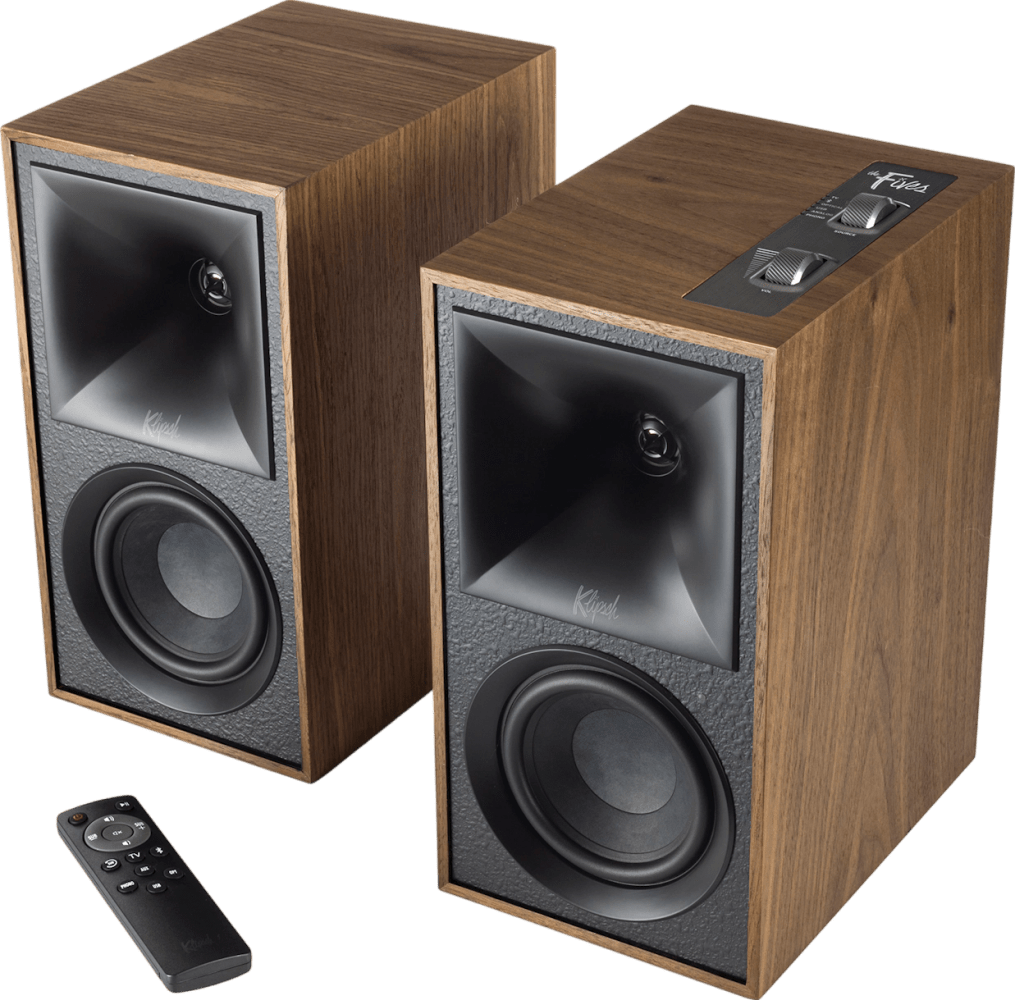

Enjoy superior stereo sound from a powerful and beautifully crafted tabletop system. With virtually endless connection possibilities, including HDMI-ARC, The Fives provide a better listening experience than a traditional sound bar with the same easy plug-and-play setup. Award-winning acoustics, state-of-the-art DSP, and tuning alongside discrete left and right channels, the Fives feature removable magnetic grilles, including a free pair of beige grilles, multiple finish options, and a subwoofer output.
Our summary
Product Strengths
- Excellent sound signature with crisp, detailed highs, and round, rich bass depth
- Handsome design with removable grilles
- Versatile nature, able to be used as a hifi system, desktop speakers, or a soundbar alternative
- Capable of hi-res music playback
- Lots of connectivity options, including Bluetooth, HDMI, optical, and an input for turntables
Product Considerations
- Expensive compared to newer options with similar features
- Uneven tonality
- No app or EQ support initially, limiting sound customization
- Dynamic Bass EQ might need to be turned off for music listening, and the bass can be overpowering at times
- Limited upgrade path since it's a complete system
Comparisons (according to reviewers)
- The Fives provide better stereo separation, real bass depth, crisp highs, and ease of use compared to soundbars, also offering a much wider soundstage
- The Sonos Arc has a feature-packed app, however, The Fives sound better for music and offer turntable connectivity
- The Klipsch is more powerful and offers a sleeker and more slender look compared to the Q Acoustics M20 HD powered system
- The Rega Io and Triangle Borea BR03 are slightly better, particularly with vinyl playback, but the Klipsch has digital decoding
Takeaway: The Fives is a versatile and great-sounding powered speaker system that offers a stylish design and a wide range of connectivity options for various audio sources. It is an excellent choice for those seeking a simple, all-in-one audio solution with an emphasis on both music and TV audio quality.
Video review
Our take on the brand
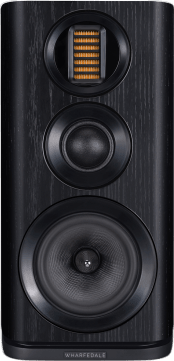

Wharfedale’s new EVO4 has grown out of the extensive research and development that produced the ELYSIAN flagship loudspeakers and borrows much of the technology involved in ELYSIAN.
Our summary
Product Strengths
- Excellent focus and separation, with the speakers 'disappearing' to create a natural soundstage
- Impressive low-end performance, adding authority to the music
- Cohesive driver integration, with no perceivable handover between the AMT tweeter, midrange dome, and woofer
- Remarkable neutrality in the midrange, with a detailed yet smooth treble—avoiding harshness even at higher volumes
- Clear and detailed sound reproduction, extracting nuances and levels of information outstanding for its price
Product Considerations
- Vertical off-axis performance of the AMT tweeter is not good, so correct speaker height and toe-in are important
- Soundstage is not super wide, with the presentation mostly between the speakers
- Some reviewers found the aesthetics or proportions to be awkward or not to suit all tastes
- Bass may be a bit polite for some listeners wanting subwoofer-type rumble
- The midrange can be fatiguing if the listener's ear is at the midrange driver level
Takeaway: The Evo4.2 is a well-rounded speaker that delivers excellent sound quality with impressive imaging, detail, and tonal balance. It is capable of providing an audiophile experience at an affordable price.
Video review
Our take on the brand
What competes at this price?
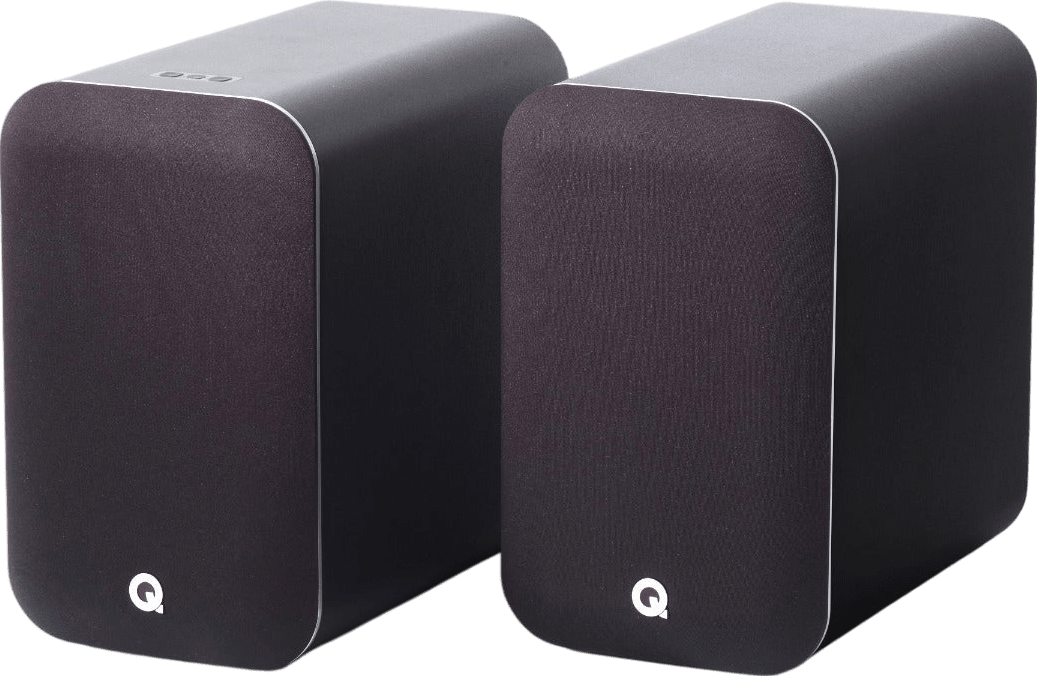

Our Summary
Product Strengths
- Effortlessly detailed and balanced sound
- Excellent stereo imaging and dynamics
- High-quality Bluetooth streaming
- Simple setup and control
- Multiple connection options, including subwoofer output, digital input for TV, and analog inputs
Product Considerations
- No HDMI ARC for seamless control with TV remote
- No dedicated app for adjusting settings
- Bass output may be lacking for some listeners, potentially requiring a subwoofer
- Grilles are non-removable
- Speakers power down after 20 minutes at rest, requiring manual Bluetooth pairing each time
Comparisons (according to reviewers)
- Compared to Ruark Audio MR1 Mk2, the Q Acoustics M20 sounds fuller, louder and less compressed
Takeaway: The Q Acoustics M20 HD speakers offer detailed, balanced sound and are easy to set up with various devices. They're a versatile audio solution for upgrading sound, whether for music, movies, or gaming.
Video review
Our take on the brand


Our Summary
Product Strengths
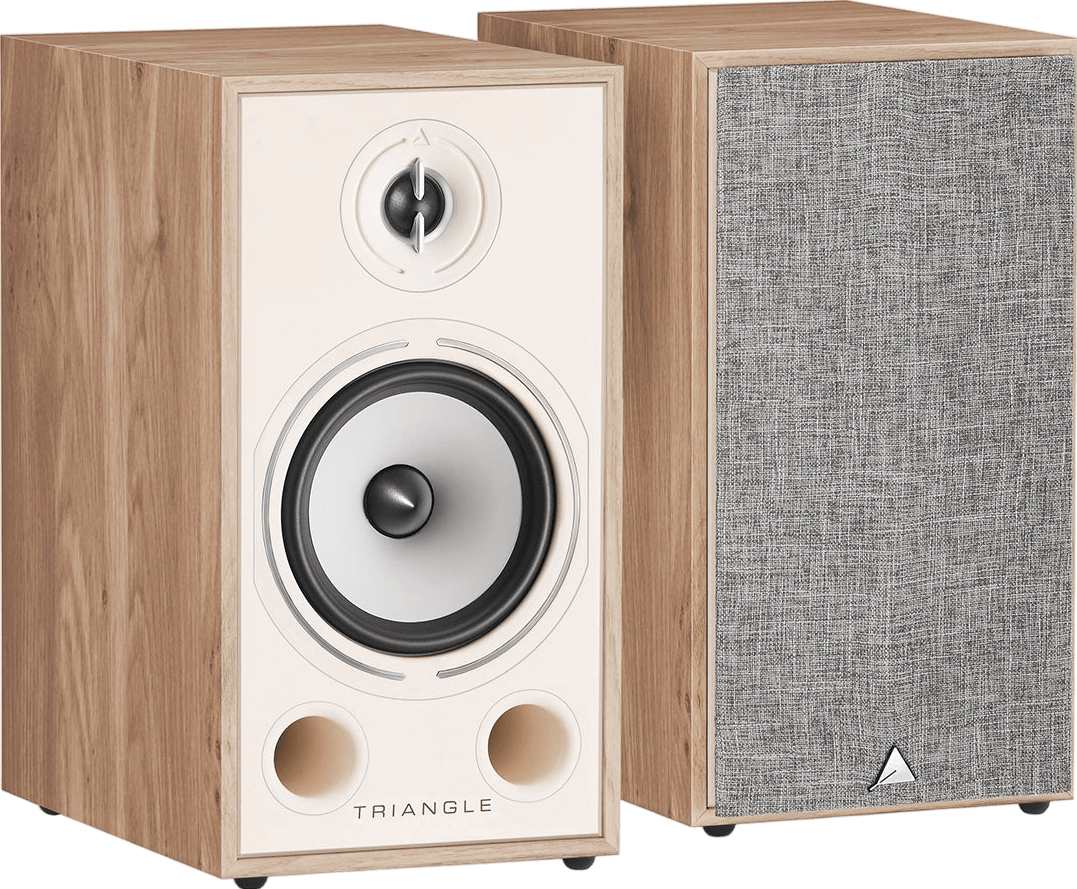
- Open, airy, lively midrange that was smooth yet rich, and with inviting tonality
- Imaging prowess and transparency were evident, with every nuance of the sounds of plucked strings untainted by any speaker-cabinet colorations
- The tweeter is designed to make high frequencies less directional, thus improving off-axis performance
- Positions every tone with precision, creating a good soundstage width
Product Considerations
- Treble can be bright, requiring careful matching with other equipment to avoid excessive brightness
- A lack of midrange was noticed, giving a mellow sound rather than a warm one
- One reviewer found inconsistent sound and technical flaws, like resonances, breakups, and other problems that make the midrange sound recessed compared to the higher frequencies
- Bass extension and fullness were a bit underwhelming for a ported minimonitor of this size
- The speaker's sound has a definite character with a little bit of emphasis in the midrange and the top of the treble
Comparisons (according to reviewers)
- Vs Q Acoustics 3030i: The Borea BR03 is more engaging and forward-sounding, with more punch and a livelier sound overall—but probably needs more care with pairing
- Vs Klipsch RP-600M: The RP-600M can create an even wider soundstage and equals Triangle when it comes to dynamics, but the Borea BR03 is better when it comes to imaging and layering
- Vs ELAC Debut 2.0 B5.2: The Elac is tonally more balanced and its frequency spectrum is more coherent, while the Triangle Borea BR03 offers bassline authority, dynamics, speed, resolution, and overall engagement that Elac simply can't match
- Vs Bowers & Wilkins 685 S1: The Borea BR03 presented a more spacious, detailed, and airy midrange, and better high-frequency extension
Takeaway: The Triangle Borea BR03 is an engaging speaker that offers a lively sound, especially in the midrange and treble frequencies. With its detailed sound and good imaging, it can bring a lot of enjoyment to listening sessions.
Video review
Our take on the brand

Our Summary
Product Strengths
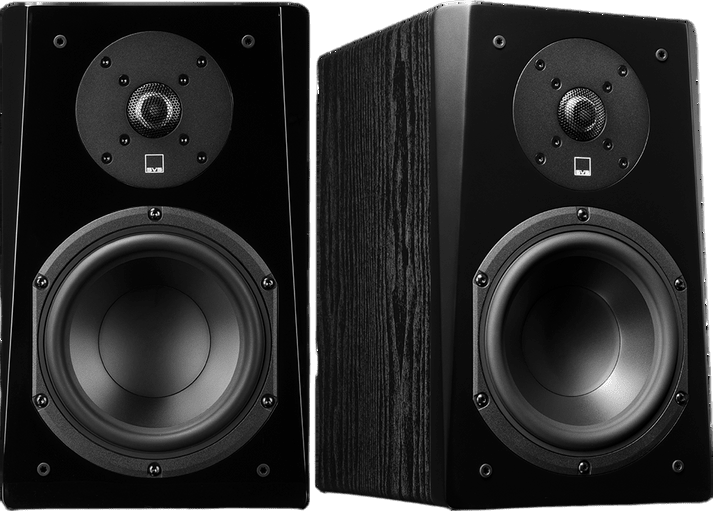
- Good ability to get loud, clean sound without distortion or compression issues above 80 Hz when paired with a subwoofer
- Really good build quality cabinet
- Very clear, immediate, vivid sounding speaker
- Ultra-focused sounding, clean, and nicely balanced vocals
- A lot of treble liveliness combined with quality clarity and crispness
Product Considerations
- Treble is a little bit bright
- Not the most neutral speaker
- Leaner sound in terms of bass delivery
- Very tight, tuneful, and on-point bass, but the perceived amount of bass is less substantial than other speakers reviewed
- Some port noise or chuffing can be heard when setting the speakers to deliver as much bass as the Klipsch RP600M
Takeaway: The SVS Prime bookshelf is a sweet little speaker that delivers clear and vivid sound and has great build quality. It's also versatile, as it can be used in a stereo setup or as part of a home theater system.
Video review
Our take on the brand


Our Summary
Product Strengths
- Detailed yet easy-going sound with a smooth and balanced tonal nature
- Good build quality with a solid and well-constructed cabinet designed to control resonances
- Impressive bass performance for its size and price, exceeding expectations
- Vocals are clear, never lost, and have a balanced presentation
- Excellent price-to-performance ratio, offering great value for the money
Product Considerations
- Slight softening of the upper mid frequencies
- Treble may be a bit rolled-off or mellow, lacking some sparkle or edge for some listeners
- Bass lacks precision and focus and can sound 'bouncy' with certain music genres, leading to slight 'chuffing' or port noise at times
- Requires a good amplifier with sufficient power (50-60W) to fully open up and avoid sounding strained
- Vertical directivity issues can impact sound if listener is not positioned at the correct height
Comparisons (according to reviewers)
- Compared to the ELAC Debut B5.2/B6.2, the ELAC offers more transparency in the midrange and a greater rhythmic snap—better dynamics, while the Diamond 12.1 counters with a less analytical, more easy-going nature
- Compared to the Q Acoustics 3030i, the Q Acoustics 3030i has a larger overall sound presentation with more bass but less clarity, organization, and balance than the Diamond 12.1
- Compared to the Wharfedale EVO 4.2, the EVO 4.2 provides a larger sound with more clarity but at more than twice the price of the Diamond 12.1
- Compared to the DALI Oberon 1, the Diamond 12.1 has a more homogeneous and comfortable soundscape, while the Oberon 1 offers a more accurate perspective but can be a bit slim
- Compared to the Triangle Borea BR03, the Triangle Borea BR03 gives a tad more insight
Takeaway: The Wharfedale Diamond 12.1 speakers offer great sound for the price, with clear sound and strong build. They are a good choice for listeners wanting speakers that are easy to enjoy and won't cost too much.
Video review
Our take on the brand


Our Summary
Product Strengths
- Improved stereo sound compared to the original Move, due to the addition of dual tweeters
- Significantly longer battery life—advertised up to 24 hours—making it suitable for extended use indoors and outdoors
- Designed with portability in mind, featuring a built-in handle for easy carrying and an IP56 rating for dust and water resistance
- The speaker benefits from the Auto Trueplay feature, which automatically optimizes the sound to the unique acoustics of your space, delivering a balanced audio experience
- Versatile connectivity options including Wi-Fi, Bluetooth, and AirPlay 2, and can even stream Bluetooth audio to other Sonos speakers
Product Considerations
- Considered hefty and not as easily portable as smaller options like the Sonos Roam
- Google Assistant is no longer supported, which may be a drawback for users heavily invested in the Google ecosystem
- It cannot be used as a speakerphone for calls
- Despite being a stereo speaker, channel separation isn't always very distinct, and it can sound more like an expansive mono speaker
- An adapter is needed for a line-in connection, and a carrying case are sold separately, which increases the overall cost
Comparisons (according to reviewers)
- Vs Sonos Move: The Move 2 offers stereo playback—as opposed to mono—longer battery life, and more connectivity options
- Vs Sonos Roam: The Move 2 sounds better and gets louder, but the Roam is smaller and lighter
- Vs Sonos Era 300: The Era 300 has Dolby Atmos support, but is not portable or water-resistant like the Move 2
- Vs Sonos Era 100: The Move 2 can be taken on the go unlike the Era 100 and is rated for dust and water resistance
- Vs Bose SoundLink Max: The Sonos Move 2 sounds a bit more balanced out of the box, and its battery can even be replaced down the line, while the Bose has a longer-lasting battery and doesn't require an adapter to connect to analog line-in sources, but it can't connect to Wi-Fi
Takeaway: The Sonos Move 2 is a versatile and improved portable speaker, offering great sound and battery life for both indoor and outdoor use, and its integration with the Sonos ecosystem makes it an easy choice for existing Sonos users.
Video review
Our take on the brand
Questions? Ask the brand's dealers.
How to buy
Speakers
Search all hifi products
Explore our database of 10,000+ new and 25,000+ used hifi products.