



Note that this is a discontinued product. You may want to visit the brand's page here to browse their newer products.
What reviewers think
Bloggers and YouTubers have tried this product—so we've summarized their strongest opinions below. Links to full reviews follow.
Product Strengths
- Fully discrete dual-mono DC-coupled class A circuitry with no global feedback
- Built to military standards
- Includes a stylish and practical remote control
Product Considerations
- Volume control has only 43 steps of 2dB each
- Aesthetic might be considered 'menacing' or 'badass' by some
Comparisons (according to reviewers)
- Vs Esoteric Grandioso C1: The C1 sounds more exciting and transparent with superior reproduction of leading edges, detail, and transient impact and better noise rejection and overall cleanness of sound, while the Zena sounded very slightly fuller and more romantic
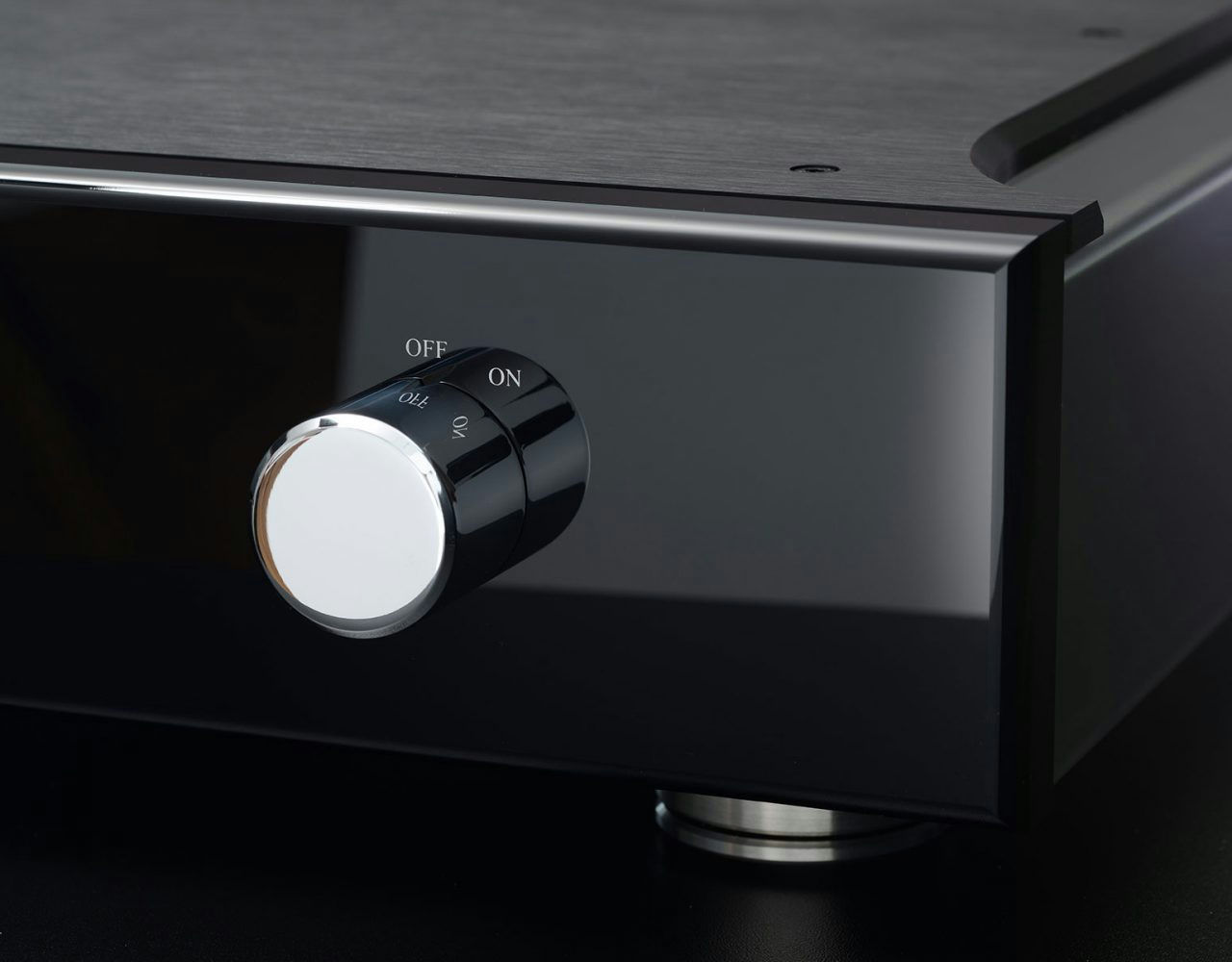
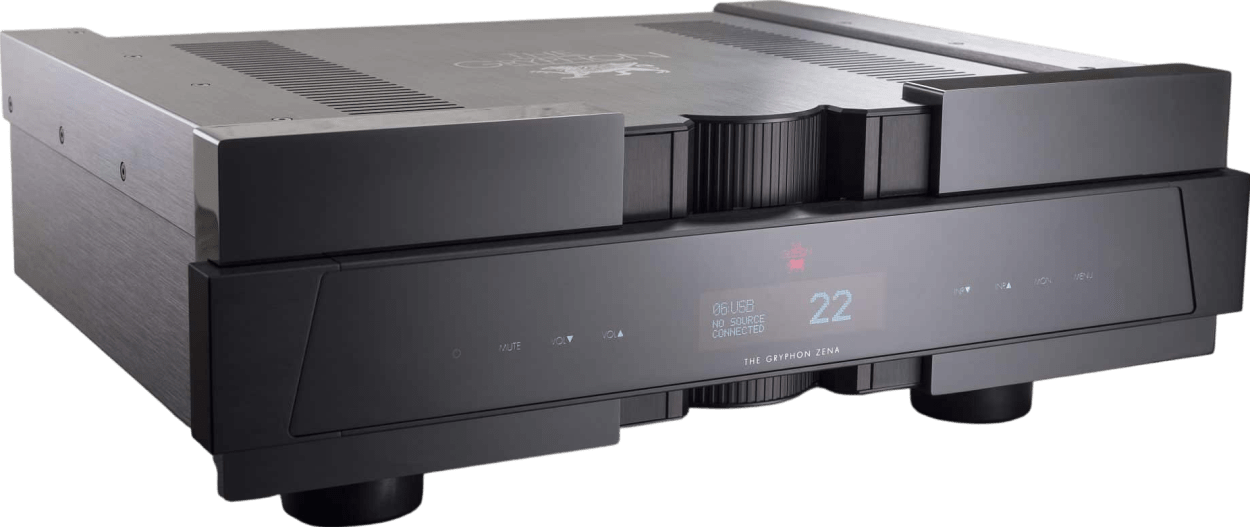
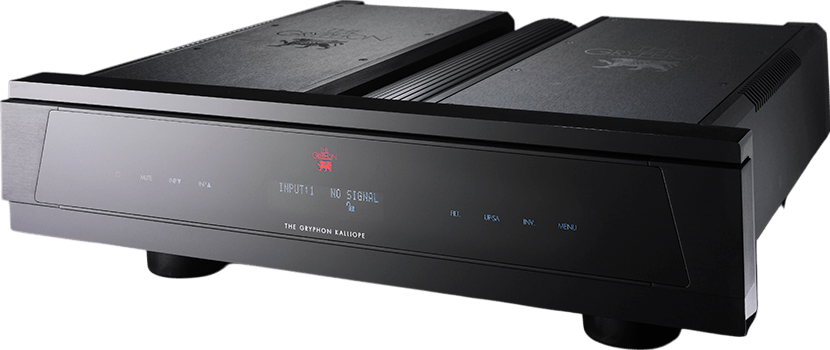
Takeaway: The Gryphon Zena is an impeccably designed and built preamplifier with exquisite sound quality and an aesthetic that blends the badass with sleek lines. It is an engaging and musical component.
All
Zena
reviews


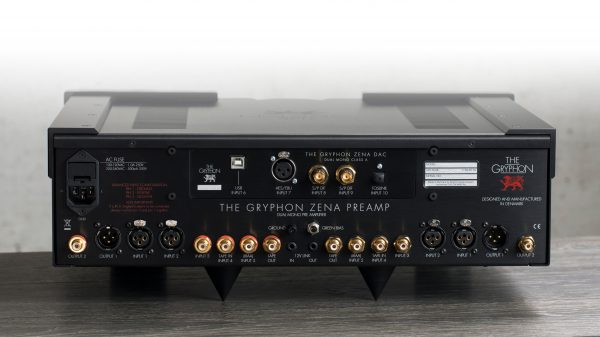
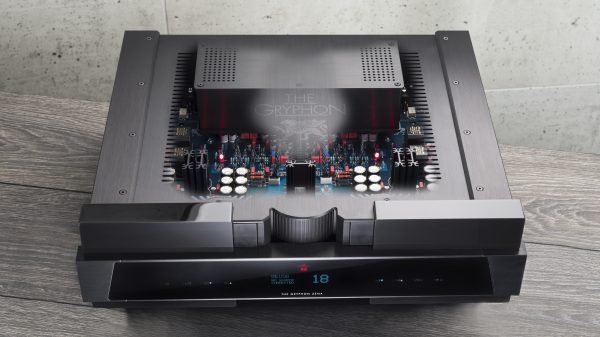
Manufacturer details
- Gain: +18 dB
- Output Impedance: 15 Ohm (XLR), 22.5 Ohm (phono)
- Frequency Bandwidth: 0.1 Hz – 1 MHz (-3 dB)
- Power Supply Capacity: 2 x 26,000 microFarad
- Input Impedance balanced: 50 kOhm (20 Hz – 20 kHz)
- Input Impedance single-ended: 25 kOhm (20 Hz – 20 kHz)


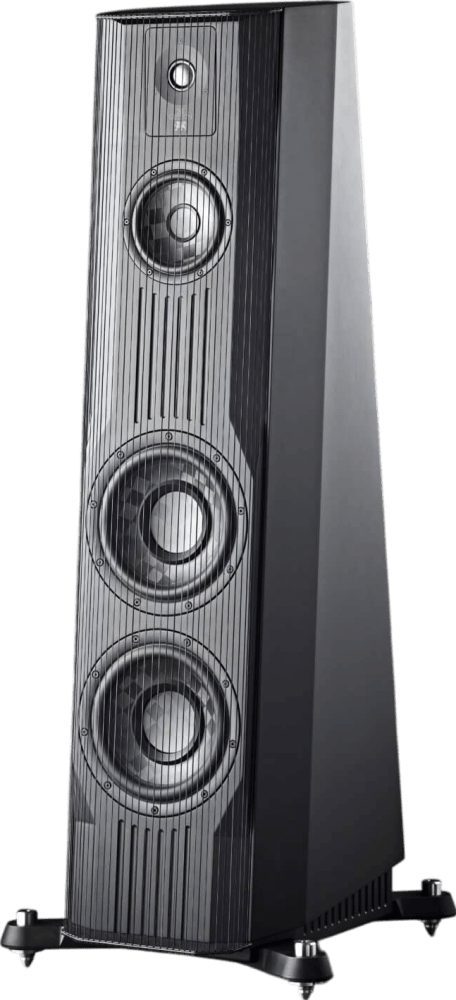
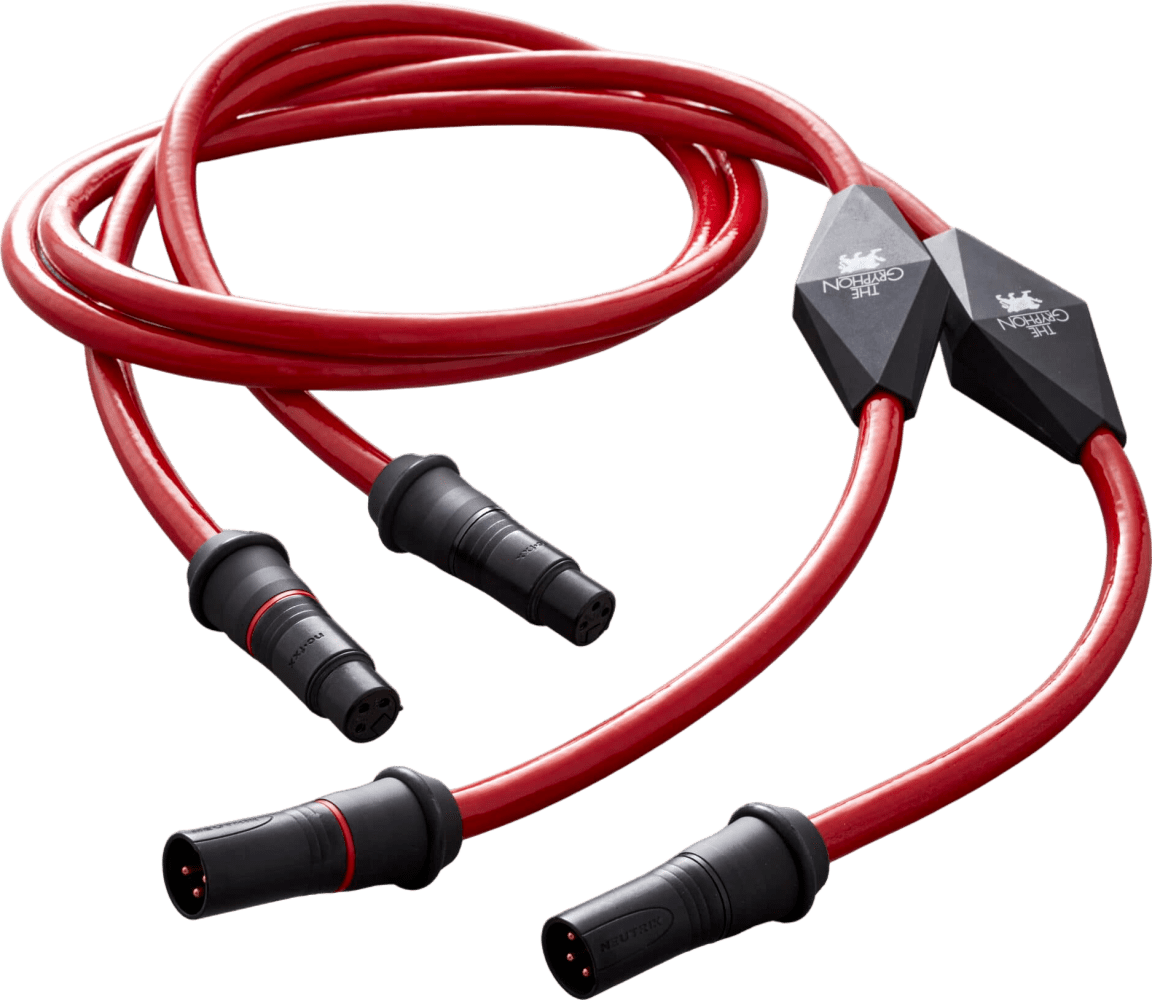
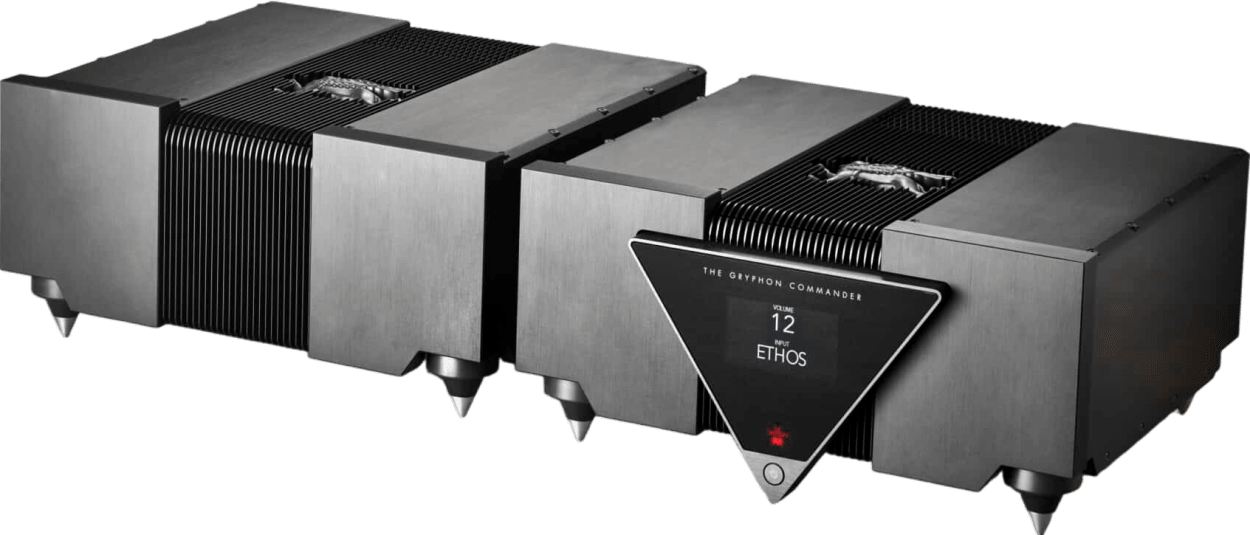






Brand highlights
Taking a step back to look at reviewers' thoughts of the brand's entire lineup—not just this product—what stands out most is the following:
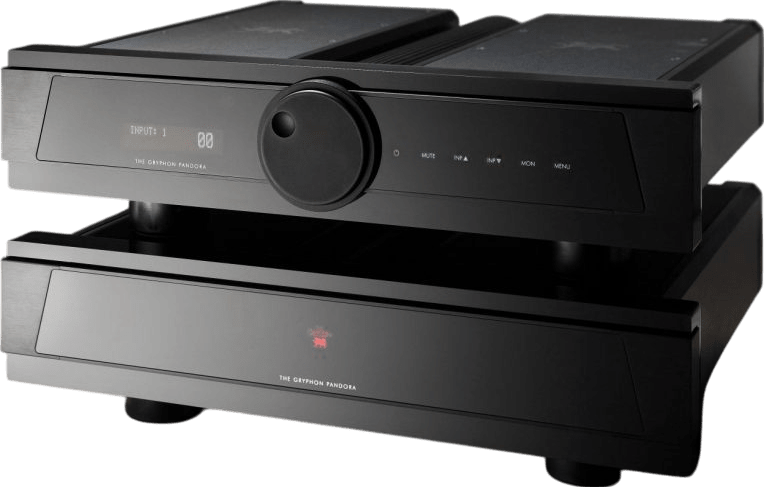
- Gryphon amplifiers use a distinctively robust power supply featuring custom-made toroidal transformers and substantial filter capacitance, contributing to exceptional dynamic headroom and speaker control.
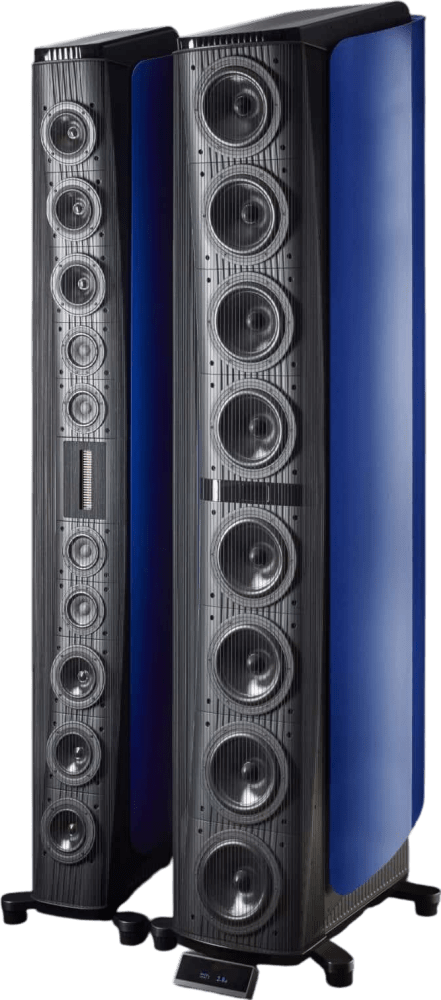
- The brand's industrial design, originally led by Flemming Rasmussen, combines bold aesthetics with practical functionality, creating visually striking components with user-friendly interfaces.
- Gryphon prioritizes short, direct signal paths and minimal internal wiring to maintain signal purity and transparency, enhancing sonic performance by reducing potential noise and interference.
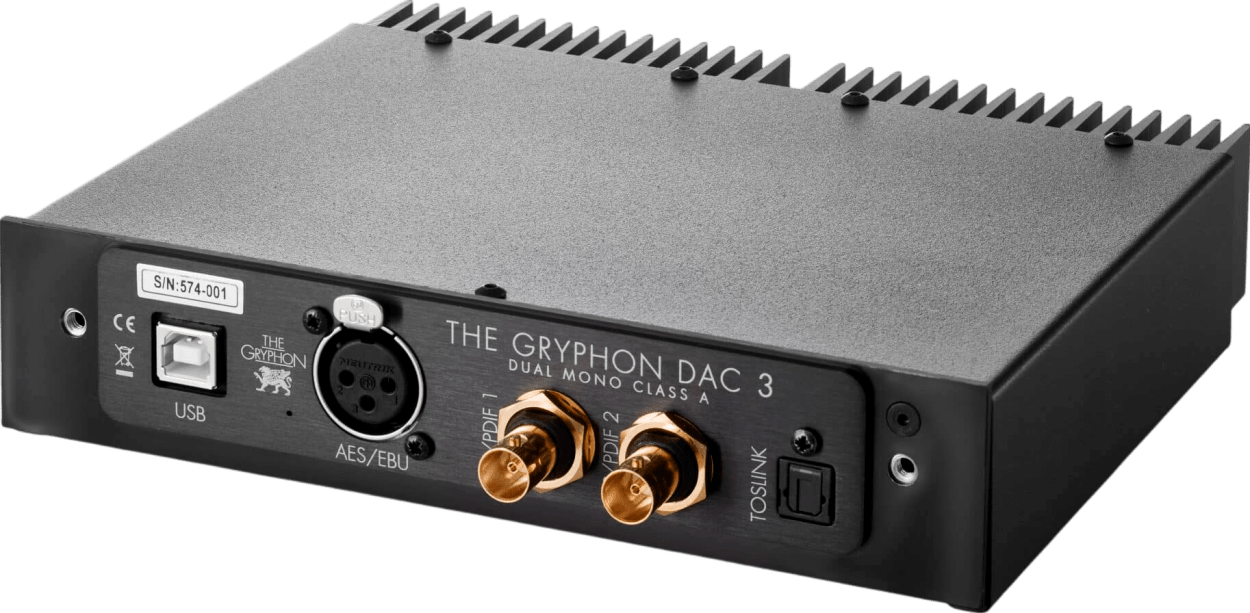
- They offer modular designs with optional phono stage and DAC modules, allowing customers to tailor their components to their specific system needs and upgrade in the future.
Select products
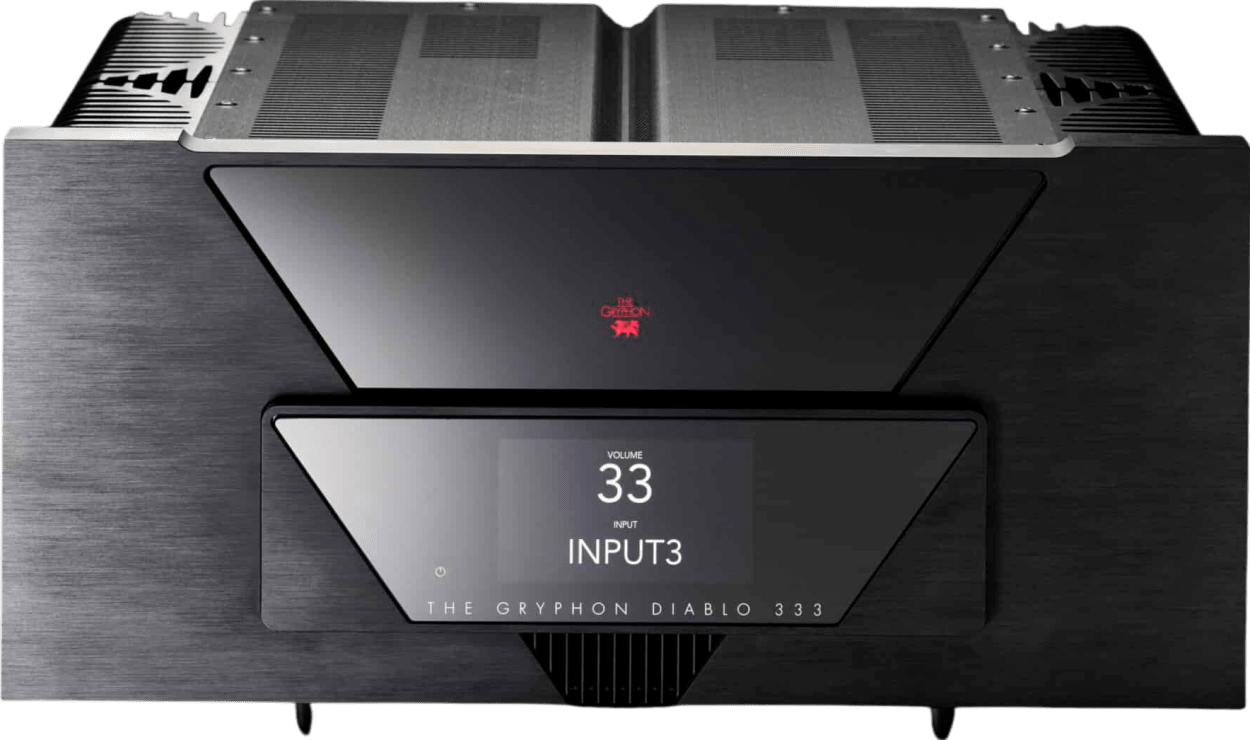
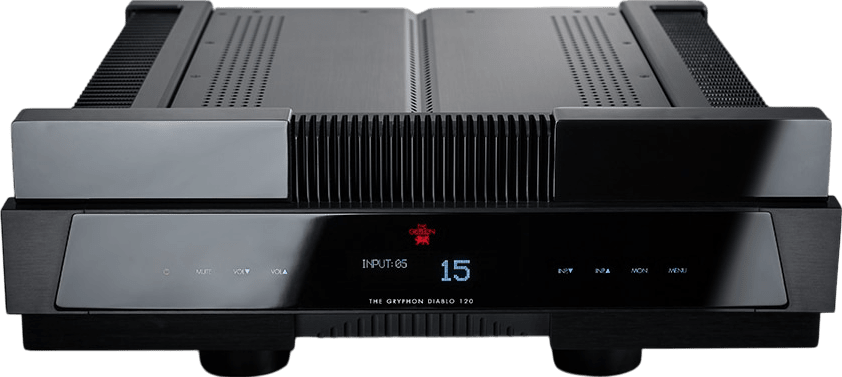
Diablo 333
- Positioning: Gryphon's top integrated amplifier, succeeding the Diablo 300.
- Description: Integrates advanced technologies from Gryphon's flagship models, offering enhanced musicality and power. Features a dual mono configuration and optional phono and DAC modules, providing flexibility and high compatibility with various audio systems. This amplifier is ideal for users with a higher budget who desire a compact yet powerful system for larger rooms.
Essence
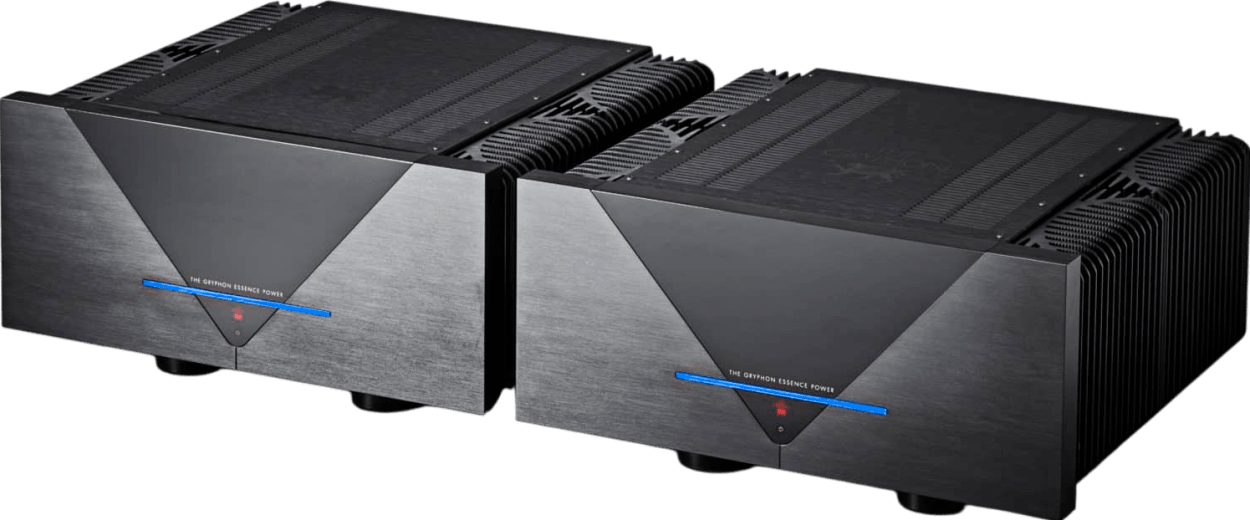
- Positioning: The entry-level high-end power amplifier in Gryphon's lineup.
- Description: Offers pure Class A operation with a focus on sonic neutrality and dynamic ease, making it ideal for small to medium-sized rooms. Features a dual mono design with separate power supplies for the output and driver stages, which is a step up from integrated designs like the Diablo 333.
Antileon Evo
- Positioning: A mid-tier power amplifier known for its high current capability.
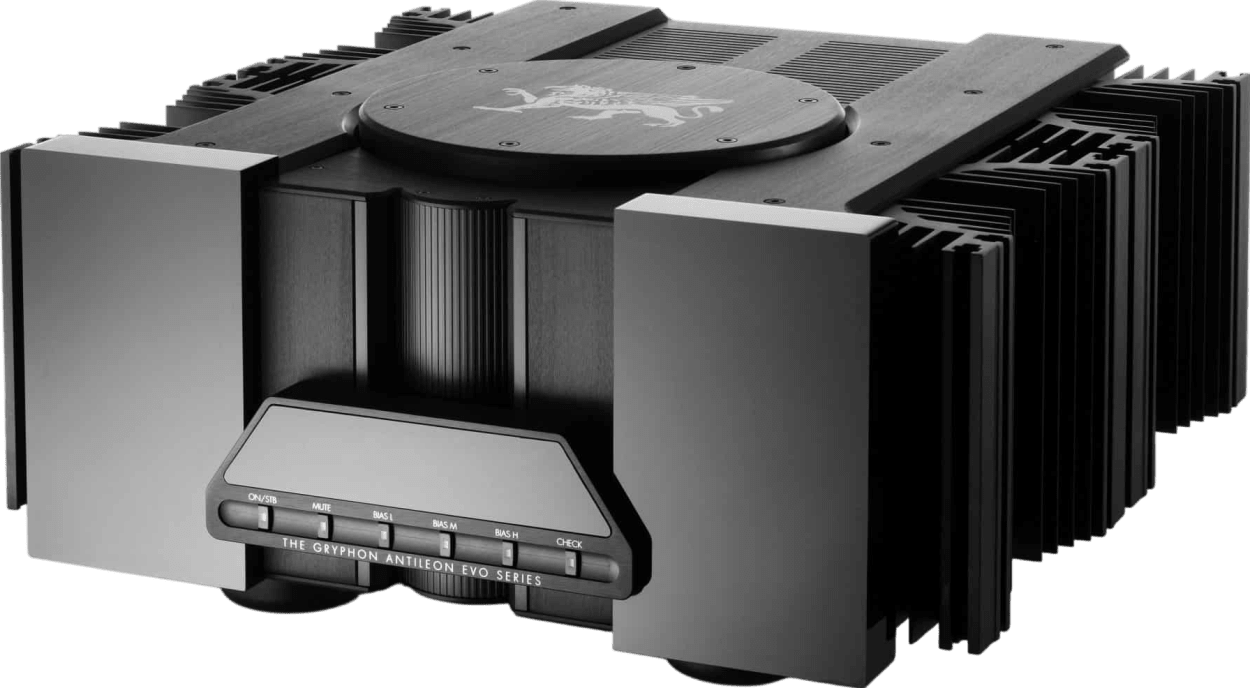
- Description: Excels in delivering high instantaneous current, ensuring compatibility with demanding loudspeakers, which is a significant advantage over the Essence. Uses pure Class A bias and features a dual mono configuration, offering superior control and speed.
Mephisto
- Positioning: A high-end power amplifier designed for the most demanding audiophiles.
- Description: Offers exceptional current delivery and stereo separation, making it ideal for large rooms and high-end audio setups. Features a dual mono design with separate power supplies, providing superior channel separation and control compared to the Antileon Evo.
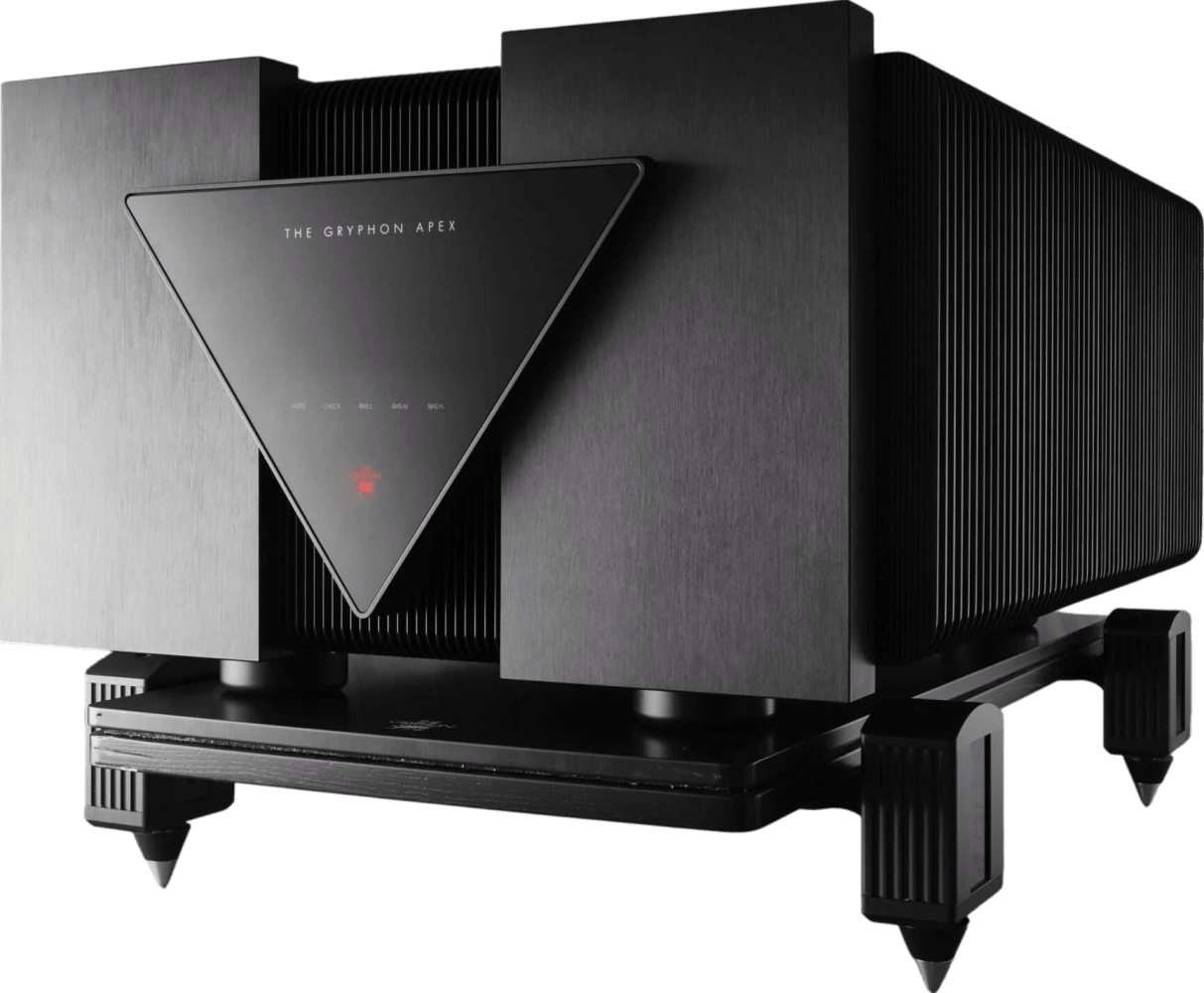
Apex
- Positioning: Gryphon's flagship power amplifier, representing the pinnacle of their design and engineering.
- Description: Delivers immense power and refinement, capable of driving any loudspeaker with ease. Features pure Class A operation with a massive power reserve, surpassing the capabilities of the Mephisto. This amplifier is for those with an unlimited budget who demand the absolute best in audio performance and are willing to invest in a statement piece for their audio system.

Our take on the brand
Look inside the brand
Our interview with the brand
What are two key technological innovations or strong opinions that differ you from other brands?
What's your approach to customer support?
What are your favorite tracks for showcasing the strength of your products?
What other products pair best with yours?

Used
Gryphon







What if you spend more?


.png)

.svg)
Our summary
Product Strengths
- Dual-mono design with separate channels and power supplies minimizes crosstalk and interference
- Balanced circuits reject common-mode noise and are inherently suited to phono cartridges
- Offers selectable MC input impedance and gain
- Implements heavily regulated, multi-stage power supplies that act as main conditioning filters
- Delivers deep, controlled, and elastic bass, with tonal saturation and complete resolution
- Requires LEMO connectors for input, which may necessitate reterminating tonearms or phono cables
Product Considerations
- Requires space for two chassis on an equipment rack
- Settings for gain and loading are adjusted via jumpers on the circuit boards, which are less accessible than some other phono stages
- Fully balanced design may be overkill for some users
Comparisons (according to reviewers)
- Vs. Audio Research Reference Phono 2 SE—the Legato Legacy has more bass depth and power, whereas the Reference Phono 2 SE presents space in a grander way
- Vs. Allnic H-3000V—the Allnic conjures more palpable images, whereas the Legato Legacy presents music from a quieter background and has more tonal saturation and midbass punch
Takeaway: The Gryphon Legato Legacy is a high-performing phono stage with a focus on minimizing noise and preserving the purity of the analog signal. It unleashes musicality from vinyl.
Video review
Our take on the brand


Product Strengths
- Exceptional clarity, resolution, transparency, and natural sound, allowing the recording itself to provide resolution, depth, warmth, and dynamics
- High level of detail retrieval with excellent depth and layering of the soundstage
- Versatile, functioning as a top-class D/A converter, preamplifier, headphone amplifier, and streamer with Roon Ready and JPLAY certification
- Offers extensive digital signal processing (DSP) capabilities with algorithms used in professional audio products for mixing and mastering
- Impeccable build quality with a robust double chassis design featuring a stainless-steel frame and thick aluminum paneling
Product Considerations
- Lacks a conventional front-mounted headphone jack, requiring an adapter cable connected to the rear outputs for headphone use
- The many DSP features carry a learning curve and may not be straightforward for audiophiles without a recording studio background
- Some reviewers found the initial sonic presentation slightly aggressive or studio-like out of the box
- A larger display screen would be beneficial
- Some audiophiles seeking a particularly flavorful or additive listening experience might find it too neutral
Comparisons (according to reviewers)
- Weiss Helios excels in retrieval of detail, excellent bass management, and highly specific placement of images on the soundstage, while the Bricasti M21 Platinum Edition DAC had wider linear image presentation
- Helios offers an upgraded digital-to-analog stage and analog output section for enhanced clarity and involvement with the music, compared to the Weiss DAC502
- Helios is claimed to have many of the same qualities as the Berkeley Audio Design Alpha DAC Reference Series 3–great timbral awareness, high levels of clarity, excellent retrieval of detail, superb bass, and highly specific image placement
- Helios has superior detail retrieval and sense of depth, whereas the Weiss MEDUS Reference DAC is a bit more forgiving and a bit more generous in the bass
Takeaway: The Weiss Helios is a top-tier DAC that delivers exceptional sound quality with a high level of detail and clarity, while also offering a wide range of customizable features for both speaker and headphone setups. It is a great choice for audiophiles seeking a versatile and high-performing digital audio solution.
Video review
Our take on the brand
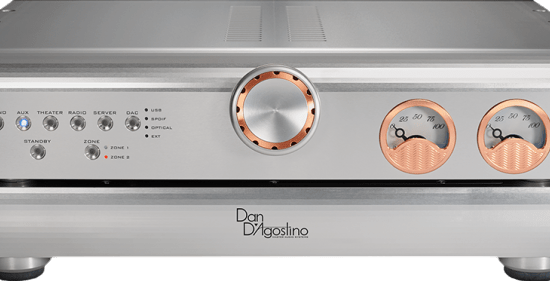

Product Strengths
- The D'Agostino Progression Preamplifier delivers warmth like tubes without the headaches
- The Progression Preamplifier has a lower audible noise floor
- The Progression Stereo amplifier provides a sense of authority, dynamism, energy, and slam
- The Progression offers exceptional life, dynamic detail, and apparent power
- The Progression Stereo Amplifier runs surprisingly cool due to its innovative heatsink design
- The Progression Preamplifier has a limited number of inputs, especially single-ended, which may be problematic for larger systems
Product Considerations
- The Progression Preamplifier has a limited number of inputs, especially single-ended, which may be problematic for larger systems
- The Progression Preamplifier's DAC set-up instructions are basic and may require expert help
- The progression preamplifier has a slight bit more midrange liveliness and detail than usual, and just a touch of added energy in the upper midrange
Comparisons (according to reviewers)
- Vs Ayre Acoustics KX-R Twenty: The Ayre is a highly regarded solid-state preamplifier with a fully balanced, no feedback topology, but unlike the Progression, it does not have a DAC option
- Vs Mark Levinson N° 526: The Mark Levinson is also a fully balanced, solid-state preamplifier, but adds a phono stage in addition to the built-in DAC
- Vs Pass Labs XP-30 preamplifier: Like the Progression, it is a fully balanced, solid-state, multiple-chassis design, but it is scalable up to six channels
- Vs D'Agostino Momentum: The Progression Stereo delivers more power than its more upmarket Momentum Stereo counterpart
- Vs D'Agostino Momentum: The Progression looks like the more flexible option, rather than a 'discount design'
- Vs D'Agostino Momentum: The Progression is a more uncompromising design—balanced operation only, without a built-in optional DAC or Bluetooth operation for the remote
Takeaway: The Progression is a set of very well-engineered audio components offering great sound and power. They are a good option for people who appreciate high-quality audio.
Video review
Our take on the brand
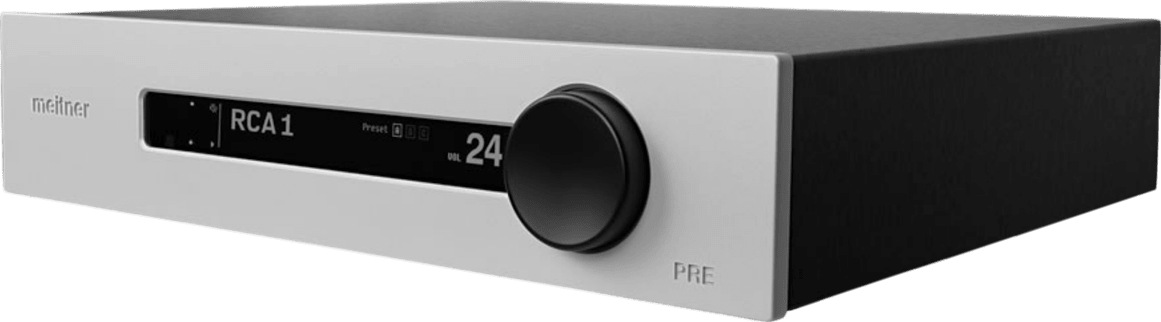

Ed Meitner recognizes that the analog preamplifier is at the heart of every music system and warrants the utmost care and precision. This recognition motivates him to consistently push the boundaries of performance in his designs. Starting with the Meitner PA6i and progressing to the multi-award winning EMM Labs PRE2, he has never failed to push the state-of-the-art in the industry.
Ed Meitner's latest design, the reference PRE, embodies this drive for perfection and culminates in his most significant statement in the preamplifier category to date. Stunning transparency is achieved via fully discrete dual-balanced signal paths, sophisticated contactless switching solutions and precision software-driven analog volume control.
Using custom, aerospace-grade, composite laminate circuit boards in the PRE provides several advantages over conventional boards: Microscopically smooth copper traces resulting in a reduction in skin effect issues Superior strength and vibration resistance Lower dielectric losses and superior heat conduction ensuring uniform temperature distribution, increasing stability and longevity
With six sets of stereo analog inputs and three sets of stereo analog outputs, the PRE allows the option of bi-amplification and tri-amplification setups. Three sets of user programmable volume presets per input allows the user to easily recall their favourite volume settings for different types of music.
Result… the most sophisticated and musically accurate preamplifier from EMM Labs. Capable of controlling everything, except your enthusiasm.
Our summary
Product Strengths
- Noted for its neutrality, accuracy, and uncolored sound, providing a truthful representation of recordings
- Remarkably quiet in operation, with no pops or noise when switching inputs or muting
- Beautifully crafted chassis and a large, easy-to-read display
- Offers useful features like volume presets for each input and a balance control
- Detailed and relaxed sound
- Offers two RCA inputs, one XLR input, one RCA output, and one XLR output
Product Considerations
- Minimalist design results in a limited number of inputs and outputs
- Volume knob doesn't have a silky smooth feel
- Dynamic range could be wider on challenging recordings
- Sound might be too smooth at times, which slightly dulled the thrilling edge of some works
Comparisons (according to reviewers)
- The Meitner PRE exhibited better edge definition, speed, transients, and treble airiness, as well as improved bass definition and clarity, than the Linear Tube Audio preamplifier
- The Pass Labs XP30 had more fullness in the bottom end and more dynamic kick than the Meitner PRE
- The Meitner PRE was considered more detailed and more relaxed than the EMM Labs PRE2
- The EMM Labs DV2 DAC offered a broader image and a greater ease of presentation than the Meitner PRE
Takeaway: The Meitner PRE preamplifier is a beautifully built and easy-to-use piece of equipment with a neutral and accurate sound signature that lets the music pass through with clarity. It is an exceptional preamp that is worth considering for those seeking high-quality analog sound reproduction.
Video review
Our take on the brand
What competes at this price?
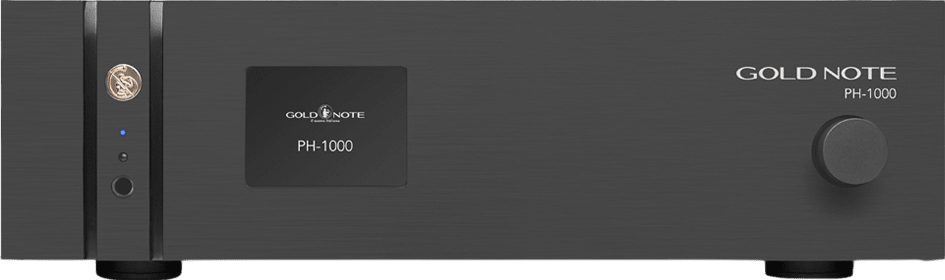

Our Summary
Product Strengths
- Unparalleled cartridge matching capabilities with adjustable gain levels and load options
- Features a multitude of equalization options, including preset EQ options alongside the option to set up custom curves
- Exceptional build quality with a chassis precision-machined from solid aluminum, offering superior electromagnetic shielding and aesthetic elegance
- Intuitive operation is ensured by the clear display and the Single Knob Control (SKC) system, despite the unit's complexity
- Class A circuitry throughout delivers a warmth and naturalness that brings vinyl playback to life, while maintaining exceptional detail and clarity
Product Considerations
- Premium price point makes it a high-end investment
- Complex feature set may require a learning curve for full usage
- Large form factor requires adequate rack space
- The remote control has a mute function that requires two clicks to unmute, which can be slightly annoying
- The Owners' Manual could be improved and is not very informative
Comparisons (according to reviewers)
- Vs Gold Note PH-10: PH-1000 has more cartridge loading possibilities
- Vs Gold Note PSU-1250 & TUBE-1012: PH-1000 lacks a warm tube sound, but if you add the PSU-1250 & TUBE-1012, details are brought out with added sharpness and the music becomes more cohesive—reaching a new level of harmonic wholeness
Takeaway: The Gold Note PH-1000 is a sophisticated phono preamplifier with a wide range of features and exceptional sound quality, perfect for vinyl enthusiasts seeking to get the best out of their collections. Its flexibility and upgradeability make it a worthwhile investment for those serious about analog audio.
Video review
Our take on the brand

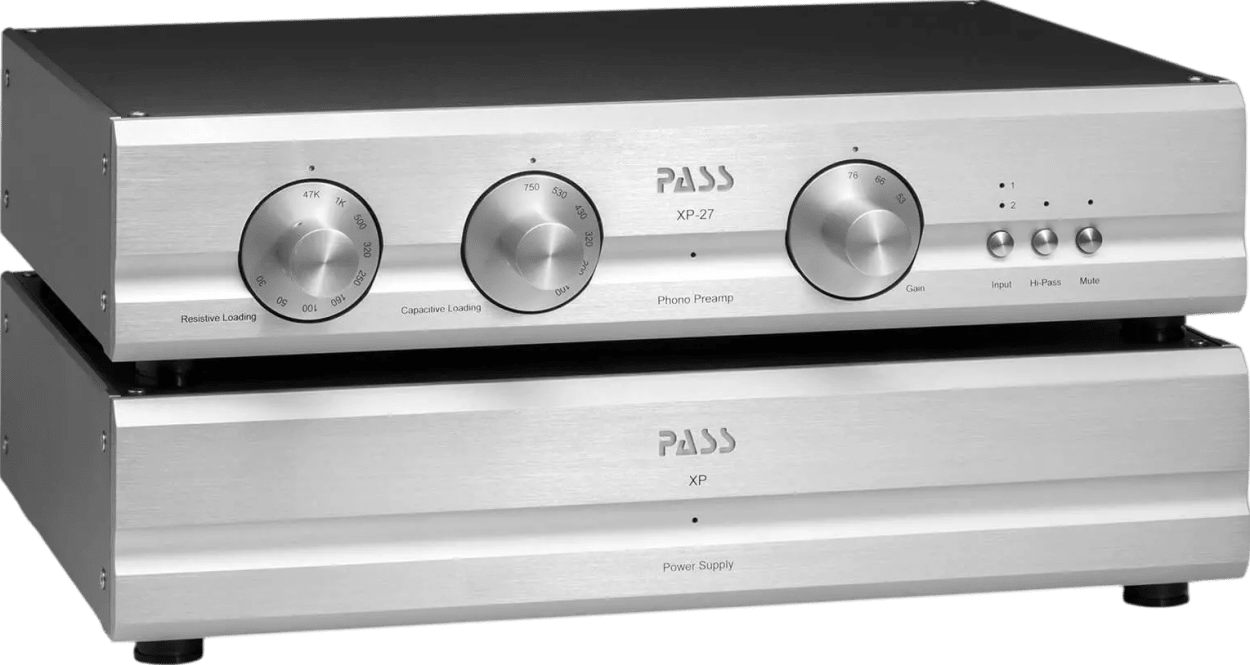

Our Summary
Product Strengths
- Separate chassis for the power supply and signal circuitry minimizes noise, improving low-level detail retrieval
- Front panel controls for gain, resistive loading, and capacitive loading, provide flexibility for cartridge matching
- Two RCA inputs accommodate two turntables or tonearms, simplifying analog setups
- Superb detail, clarity, and a clean sound, leads to a musically involving experience
- A high-pass filter reduces low-frequency noise, helpful for systems with subwoofers
Product Considerations
- The two-chassis design may be problematic for audiophiles with limited space, as the power supply is ideally placed separate from the main unit
- No remote control is included, requiring manual adjustments at the unit itself
- Settings are not automatically remembered when switching between tonearm inputs, requiring manual readjustment
- Some reviewers would have liked to see larger LED indicators and labels for easier visibility
Comparisons (according to reviewers)
- The XP-27 offers a host of useful features and operates with a great deal of attention paid to lower distortion, even RIAA performance is accomplished at much lower distortion levels than previous versions in the same price class
- Vs Pass Labs XP-25, the XP-27 offers incremental improvements including lower noise and better bass performance due to dual transformers—vs single in the XP-25—lower noise resistors, upgraded rectifiers and improved power filtering and regulation
- Vs Pass Labs XP-17, the XP-27 offers superior dynamics, clarity, imaging and musicality
- Vs Pass Labs XP-22, the XP-27 is the star of the two-component show: XP-22-line preamplifier and XP-27 phono preamplifier
Takeaway: The Pass Labs XP-27 is a versatile and high-performing phono preamplifier that extracts remarkable detail and clarity from vinyl recordings. Its flexible loading options and dual inputs make it a great choice for vinyl enthusiasts seeking exceptional sound quality.
Video review
Our take on the brand
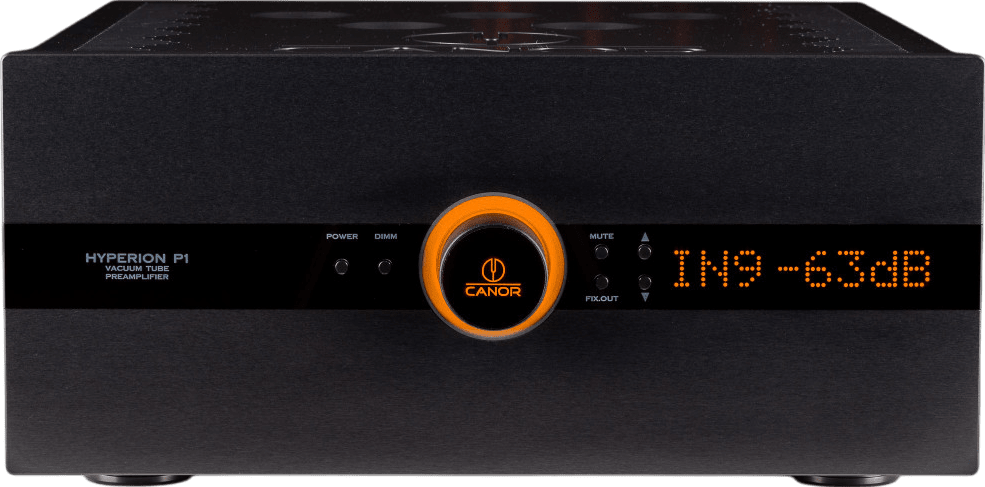

Our Summary
Product Strengths
- Delivers a natural, spacious, and clean sound
- Attenuator is located in a special aluminum box (10 mm thick walls) which provides perfect shielding and absorbs the vibrations
- Is a Class-A preamplifier and was designed to avoid ANY global feedback
- Analogue part is separated from the power part by a solid aluminium wall (10 mm thick) which contributes to the elimination of interference
Product Considerations
- The tubes require a lengthy break-in period of several hundred hours
- The system remote control could be bigger
Comparisons (according to reviewers)
- The Hyperion and Virtus combo's sovereignty brings the acoustic events to 'life' more convincingly
Takeaway: The Hyperion P1 is made to provide high signal quality sound. It has excellent workmanship to ensure amazing sound quality.
Video review
Our take on the brand
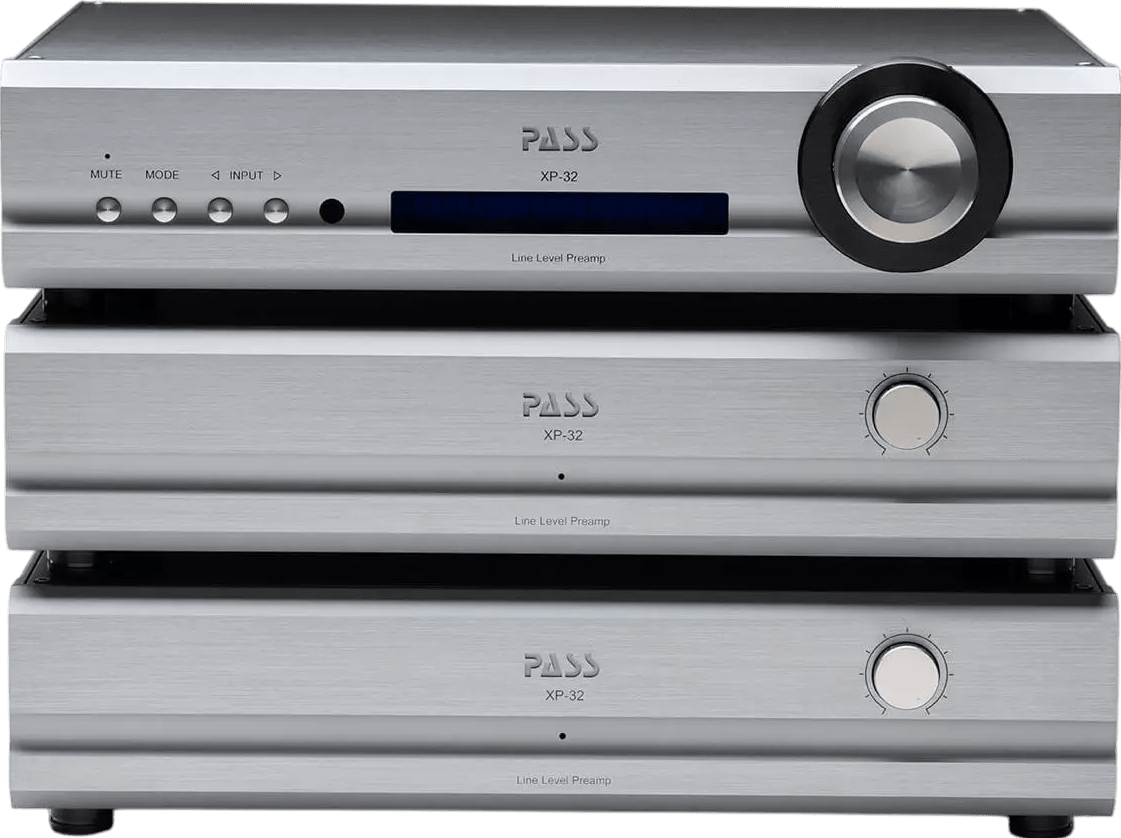
Our Summary
Product Strengths
- Tonally, the XP-32 is a more beautiful, engaging preamplifier with a beautiful class A sound that presents fatigue-free
- Exceptional build quality
- Supreme clarity of sound lends a feeling of speed, precision, and vivacity in music across various genres, from jazz to opera, symphonic to rock
- Brings forth a feeling of speed, precision, and vivacity in various genres of music, from jazz to opera, symphonic to rock
- The metaphor of the veil being lifted—or ripped away—is applicable here
Product Considerations
- Not the most neutral or transparent unit
- Needed a lot of volume for it to get a Griffin amplifier moving
- Takes up a lot of space, especially if not stacked
- Missing was a touch of body to Netrebko's voice and a sense of air around it
Comparisons (according to reviewers)
- Compared to PASLabs XB30, the XP-32 is a better line stage
- Compared to the XS preamplifier, the XP-32 uses a single-stage volume control as used in the XS preamplifier and has more range, with 0.5dB steps; it is quieter and more accurate
- Compared to the XP-30, the XP-32's inputs are DC-coupled and a servo is used after trimming
- Compared to the XP-22, it was just slightly more explicit
Takeaway: The XP-32 is a well-built preamplifier that gives a clean and clear sound, bringing more excitement to music. If you want to hear everything in music, the XP-32 might be what you are looking for.
Video review
Our take on the brand
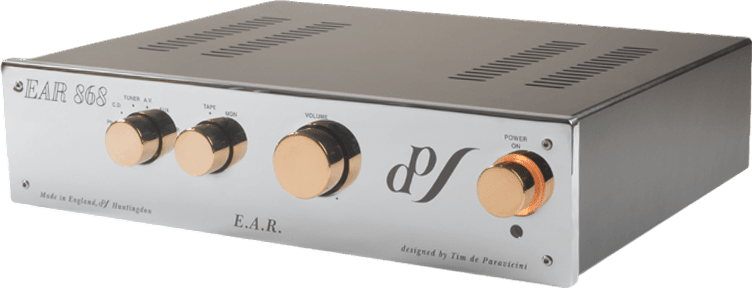
.png)
Our Summary
Product Strengths
- Transparent and neutral sound signature with a richness that gives music life and texture without coloration
- Top-notch fit and finish with a thick chrome faceplate that exudes quality
- The tube phono stage sends the signal to a third stage of amplification and dedicated moving coil step-up transformers, which provides dead quiet amplification—plus serves as the resistive load seen by the cartridge
- Offers balanced and single-ended inputs and outputs
- The EAR 868 is a versatile preamplifier that can drive both tube and solid-state amplifiers without issue
Product Considerations
- The user manual is sparse and lacks information on setting up the phono stage, requiring either expertise or dealer assistance
- The manual recommends 60 seconds of warmup to reach operating temperature—it took 30-40 minutes to reach its fullness of sound and best resolution
- The 868 is not fully balanced, but a conventional unbalanced design in which input and output transformers interface with XLR cables to reject common-mode interference
Comparisons (according to reviewers)
- Compared to the Primare Pre30, the EAR 868 was noticeably more transparent
- Compared to the Herron VTPH-2 phono stage, the Mercury-plus-Herron's tone on mono pop recordings such as Nat King Cole's Unforgettable was more open—leaner, more contemporary-sounding—while the 868's sound was dense and eerily saturated on Cole's baritone
Takeaway: The EAR 868 is a well-regarded preamplifier known for its transparent, neutral sound, and high-quality build, making it a great addition to a high-end audio system. With its versatility and ability to enhance the musicality of various recordings, the EAR 868 is a valuable component for audiophiles.
Video review
Our take on the brand
How to buy
Preamplifiers
Search all hifi products
Explore our database of 10,000+ new and 25,000+ used hifi products.