



Note that this is a discontinued product. You may want to visit the brand's page here to browse their newer products.
What reviewers think
Bloggers and YouTubers have tried this product—so we've summarized their strongest opinions below. Links to full reviews follow.
All
ZEN Air
reviews

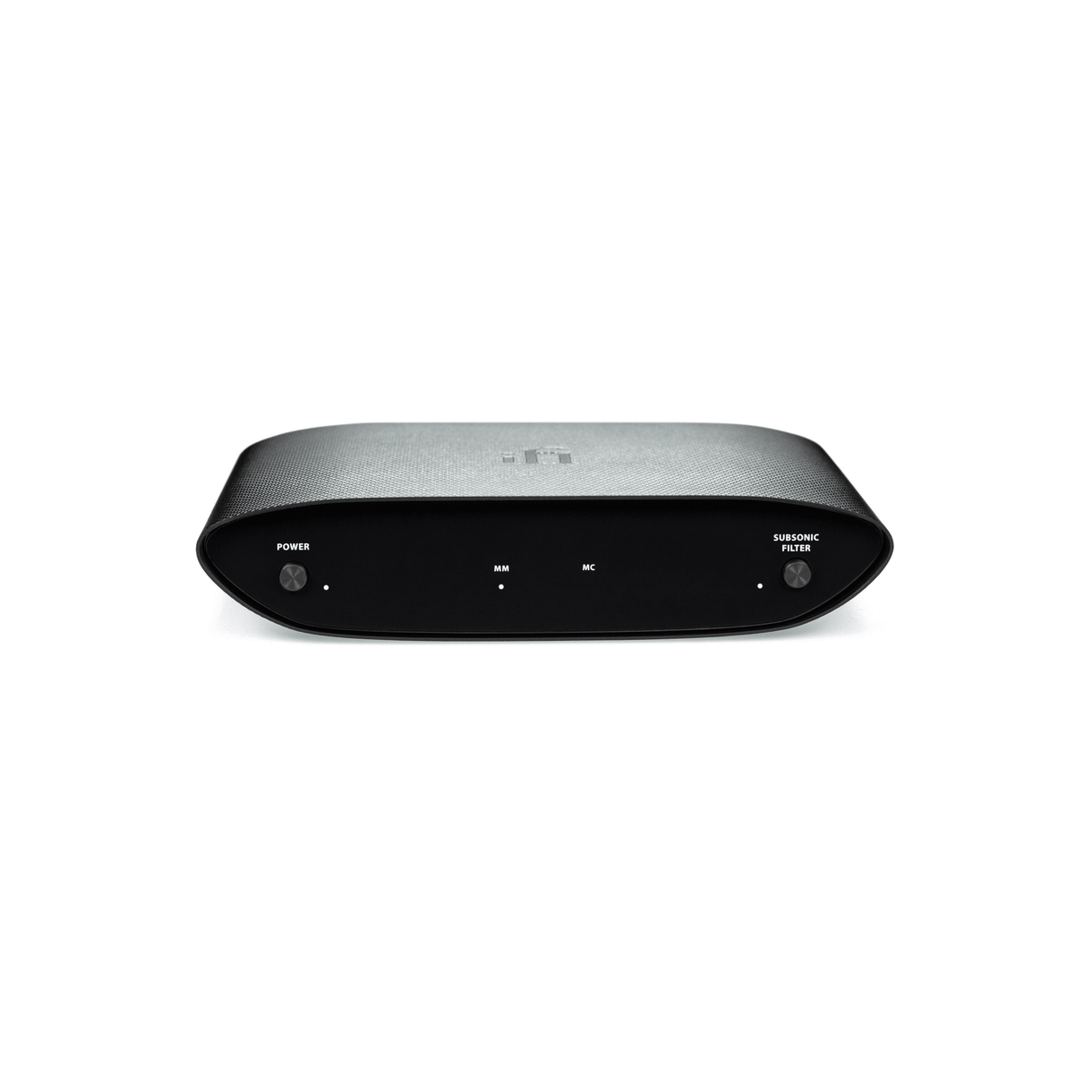
Manufacturer details
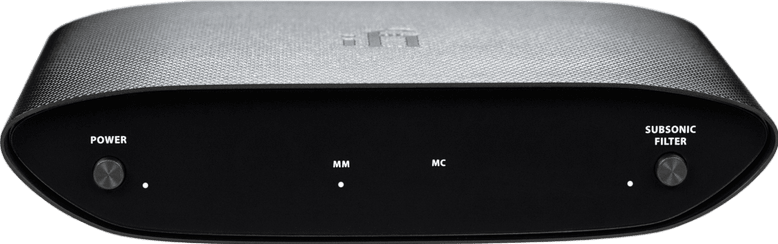
- Channel Separation: >75dB (1kHz all modes)
- Dimensions: 158 x 117 x 35 mm (6.2" x 4.6" x 1.4")
- Frequency Response: 20Hz -20kHz (±0.15dB)
- Gain: MM 40dB / MC 64dB
- Input Impedance: MM 47k / MC 1k
- Maximum Output Voltage: 6.5V RMS 600Ω(<1% THD & N)
- Net Weight: 320g (0.71 lbs)
- Output Impedance: 100Ω
- Power Consumption: <1.8W
- Power Supply Requirement: DC 5V/1.0A (centre +ve)
- Total Harmonic Distortion: MC: <-80dB / 0.01% re 1V, MM: <-90dB / 0.005% re 1V



Brand highlights
Taking a step back to look at reviewers' thoughts of the brand's entire lineup—not just this product—what stands out most is the following:
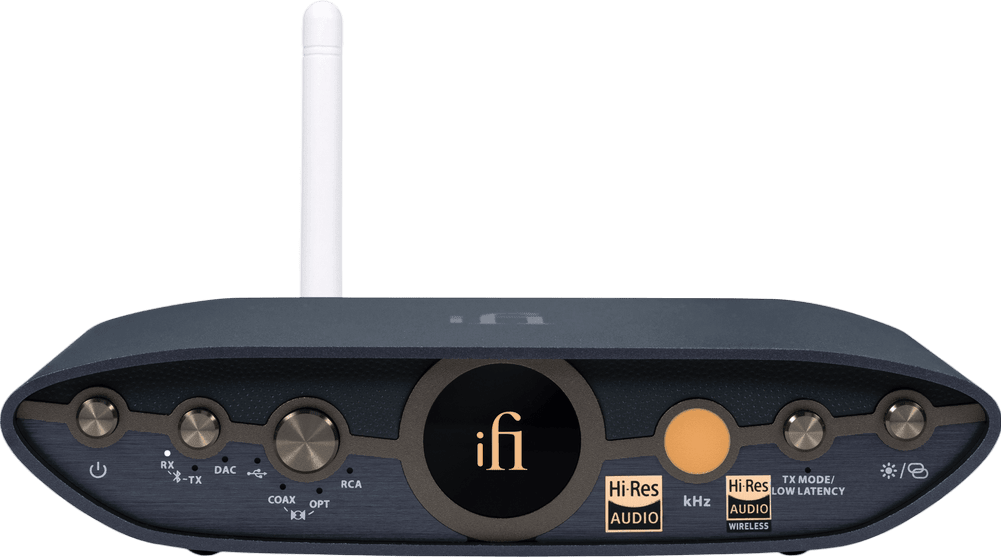
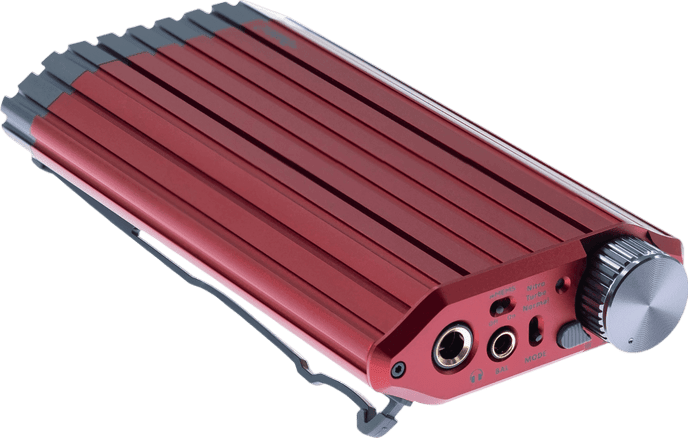
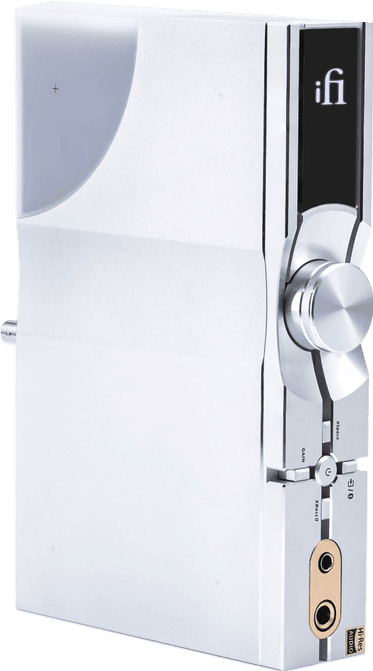
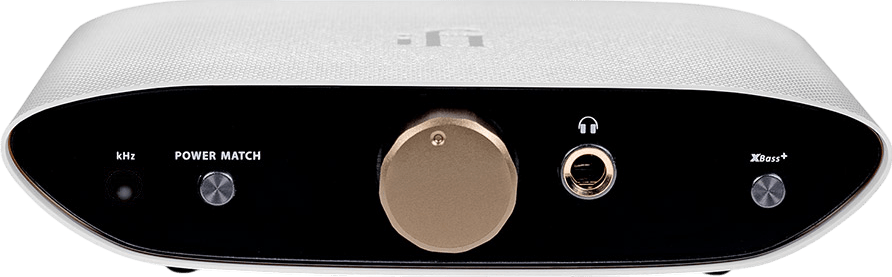
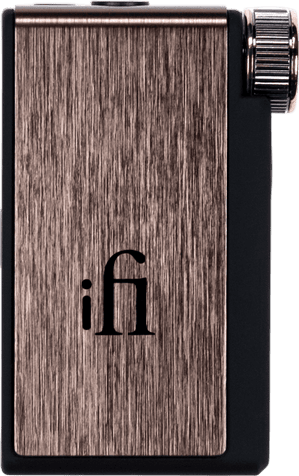
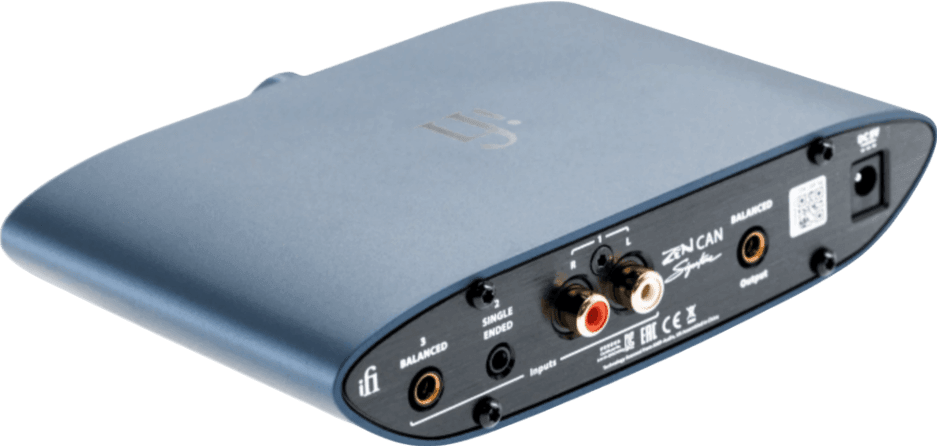
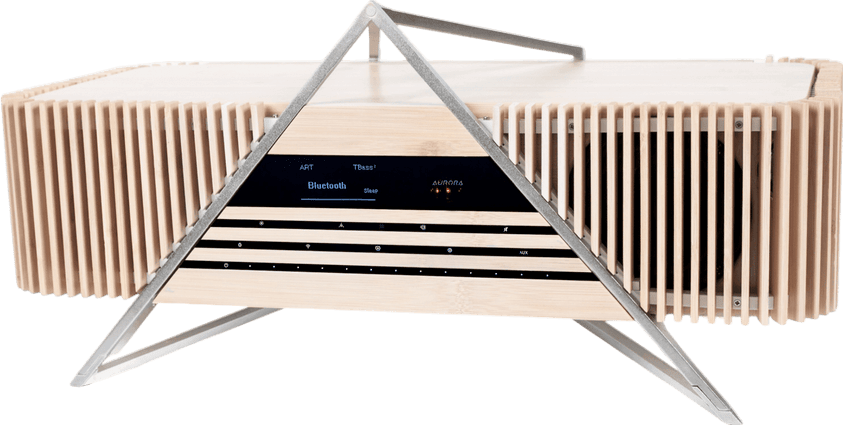
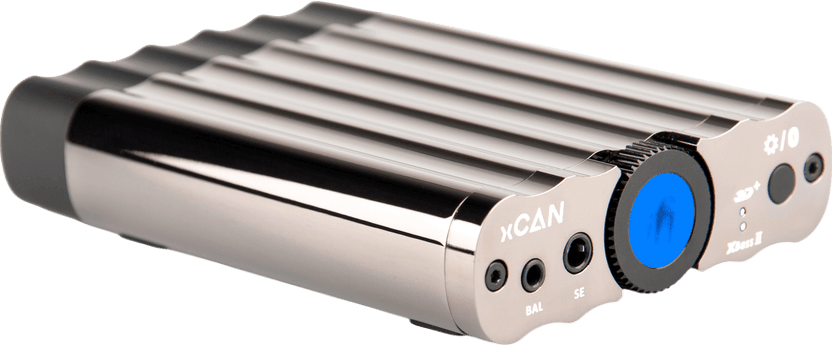
- iFi offers a wide range of devices, from portable to desktop solutions, catering to diverse audio needs and preferences.
- They emphasize versatility, often combining multiple functionalities like DAC, amplifier, and Bluetooth connectivity in a single unit.
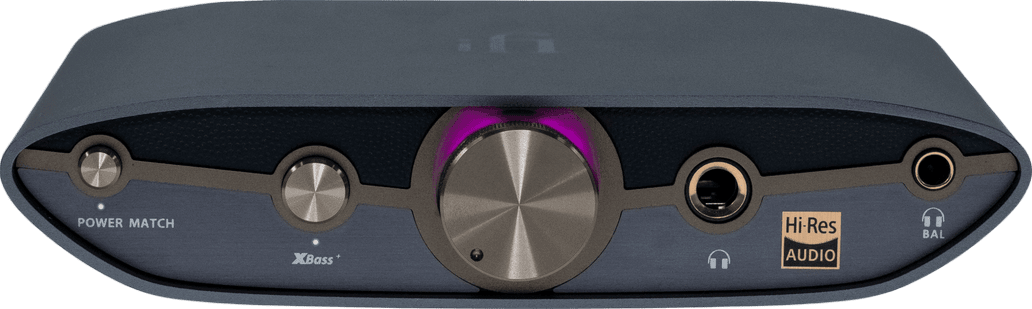
- iFi employs its own custom technologies and features, such as XBass and XSpace, to enhance the listening experience, tailoring sound to individual preferences.
- The brand is known for its commitment to high-resolution audio, supporting various formats, including DSD, MQA, and lossless Bluetooth codecs.
Select products
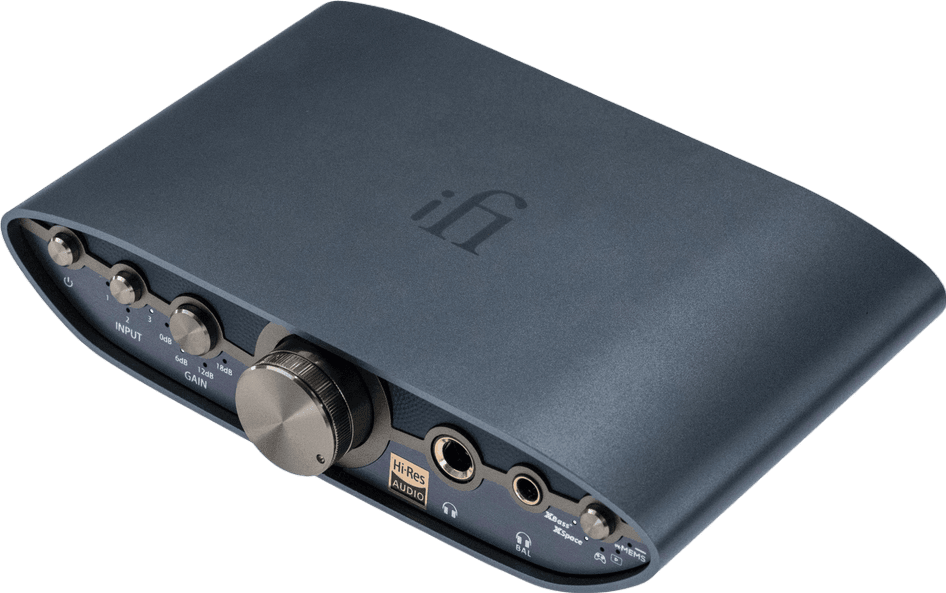
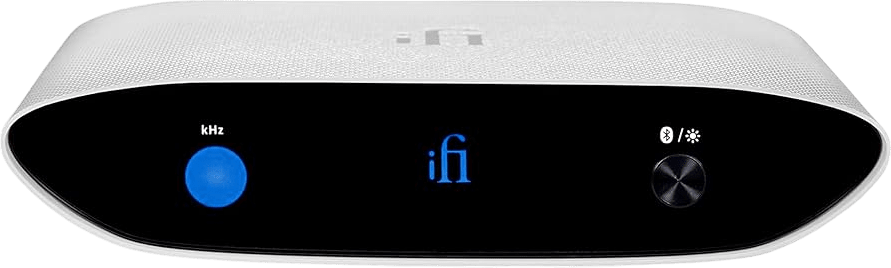
ZEN DAC 3
- Positioning: The entry-level desktop DAC in the iFi lineup.
- Description: Offers high-resolution audio support up to PCM 768kHz and DSD512, making it a great choice for those seeking high-quality sound on a budget. Features a Burr-Brown DAC chip for True Native playback, which is a step up from the ZEN Blue 3's focus on Bluetooth capabilities. Its balanced outputs and USB-C connectivity provide versatility for both headphones and active speakers, unlike the ZEN One Signature which lacks a headphone amp.
ZEN Blue 3
- Positioning: A Bluetooth DAC in the iFi lineup.
- Description: Notable for being the first Bluetooth DAC to support aptX Lossless, offering CD-quality audio wirelessly. Excels in wireless connectivity with Bluetooth 5.4, unlike the ZEN DAC 3 which focuses on wired connections. Its ability to function as a wired DAC with USB and S/PDIF inputs adds flexibility.
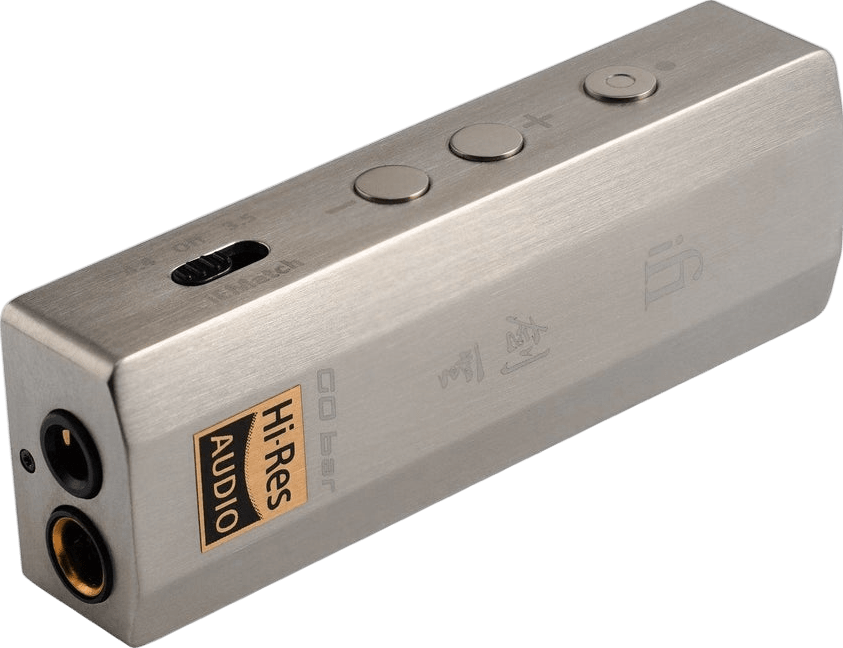
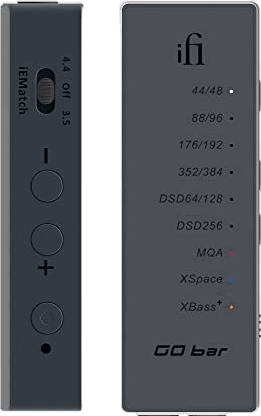
GO bar
- Positioning: A portable DAC/amp designed for on-the-go use.
- Description: Compact yet powerful, offering up to 475mW output, which is significantly more than typical portable devices. Features iEMatch and Turbo modes for optimal headphone performance, setting it apart from the ZEN DAC 3's desktop focus. Its portability and balanced circuitry make it ideal for users who need high-quality audio in a small package, unlike the iDSD Diablo 2 which is more powerful but less portable.
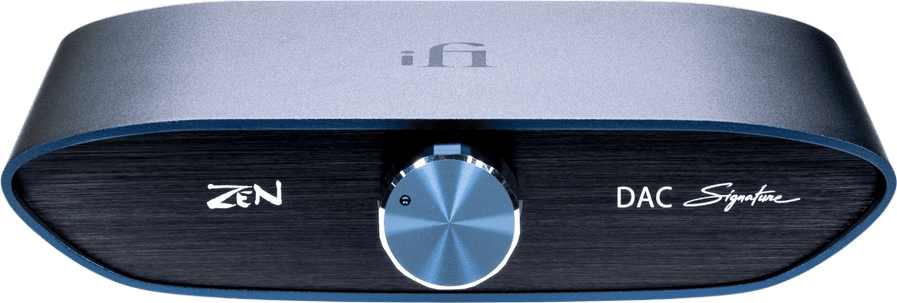
ZEN One Signature
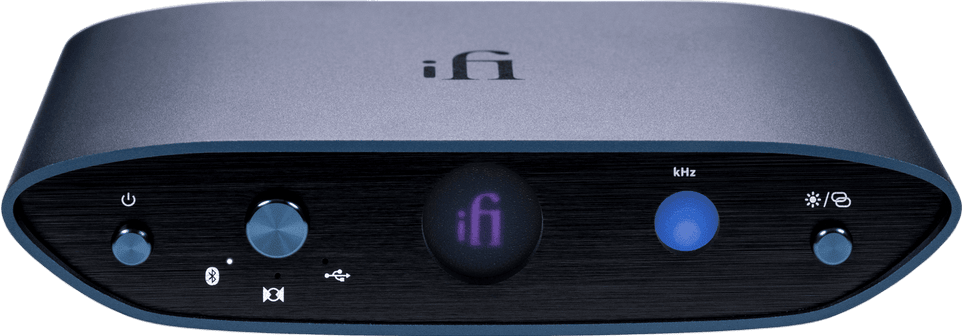
- Positioning: A mid-range DAC in the iFi lineup, designed as a home audio hub.
- Description: Combines high-definition Bluetooth with multiple digital inputs, making it a versatile choice for home setups. Supports a wide range of audio formats, including MQA and DSD256, similar to the ZEN DAC 3 but with added Bluetooth capabilities. Its focus on connectivity and premium components makes it suitable for users who want a central audio hub, unlike the GO bar which is designed for portability.
iDSD Diablo 2
- Positioning: The flagship portable DAC/amp in the iFi lineup.
- Description: Offers groundbreaking power with up to 5,180mW output, making it ideal for driving demanding headphones. Features advanced technologies like xMEMS compatibility and aptX Lossless Bluetooth, providing superior audio quality compared to the GO bar's more compact design. Its high power and versatility make it suitable for audiophiles who need a portable solution without compromising on performance.


Our take on the brand
Look inside the brand
Our interview with the brand
What are two key technological innovations or strong opinions that differ you from other brands?
What's your approach to customer support?
What are your favorite tracks for showcasing the strength of your products?
What other products pair best with yours?

Used
iFi







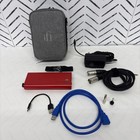
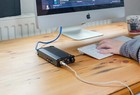
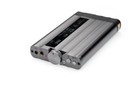
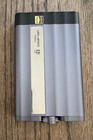
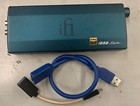
What if you spend more?



.svg)
Our summary
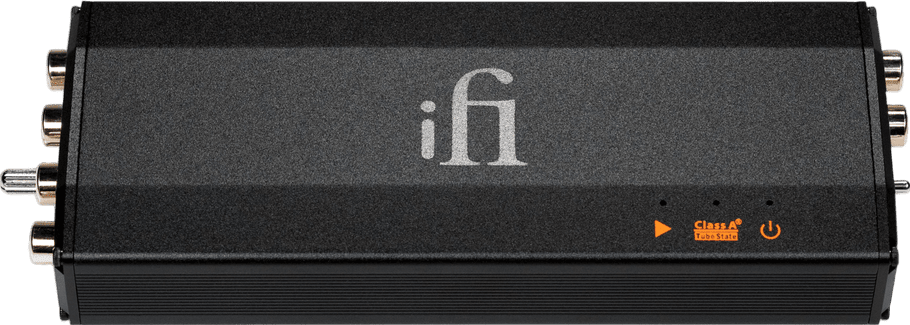
Product Strengths
- Very low noise floor, resulting in quiet backgrounds and enhanced dynamic range
- Highly adjustable, with DIP switches and an online calculator for easy setup with various cartridges
- Offers multiple EQ curves beyond RIAA for older LPs
- Provides a detailed and accurate sound reproduction
- Excellent micro- and macro-dynamics
Product Considerations
- The dip switches on the underside for adjustments are considered fiddly by some reviewers
- Its lightweight can make it difficult to sit flat due to cable weight
- Some may find its accuracy lacking in 'character' or 'warmth', preferring a more colored sound
Comparisons (according to reviewers)
- The iPhono3 offers vast improvements in dynamics, lower noise floor, smoother treble, and better resolution compared to iFi iPhono2
- Dynamics are where the iPhono3 excels, while the Allnic Audio H-1202 offers a warmer, more tube-like sound with greater midrange purity
- Microdynamics are comparable, but the iPhono3 lacks the midrange 'flesh on bones' of the Zesto Andros 1.2
- The iPhono3 clearly surpassed the PS Audio in noise floor, resolution, imaging—and bass response
Takeaway: The iFi iPhono3 Black Label is a versatile and high-performing phono stage that offers a clean and detailed sound. It's a great option for those seeking accuracy and adjustability in a compact design.
Video review
Our take on the brand

Our summary
Product Strengths
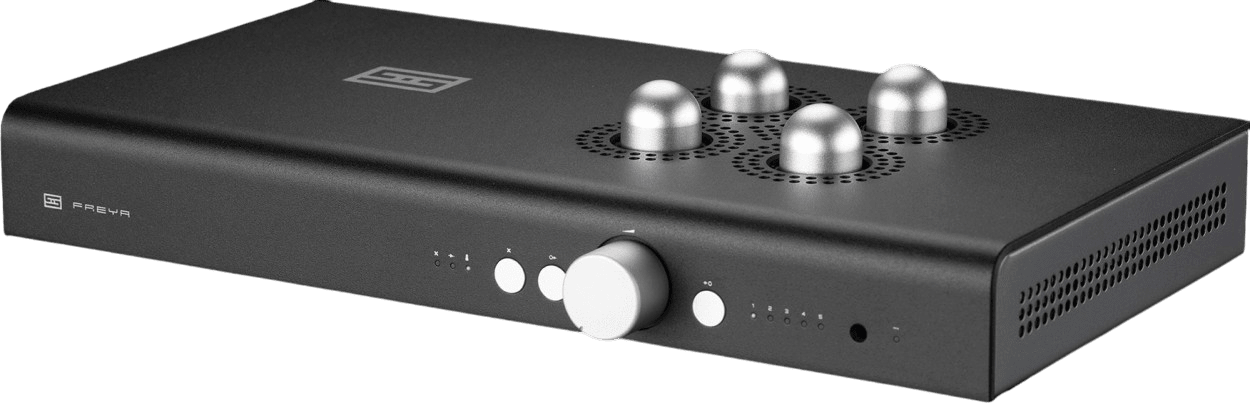
- The Freya+ offers a balanced design with XLR inputs and outputs, a 128-stepped attenuator, and dual single-ended outputs
- Multiple reviews mention its versatility due to its three distinct circuit configurations—passive, solid state, and tube—effectively functioning as three preamplifiers in one
- The Freya+ excels at accurately reproducing the natural timbre of instruments, offering a transparent, clear, and ultra-resolved sound across the entire musical range
- Reviewers highlight the improved features over previous models, including a better remote control, upgraded chassis, and a redesigned tube stage that lowers the noise floor
- Connectivity options with XLR inputs and outputs, a 128-stepped attenuator, and dual single-ended outputs
Product Considerations
- Several reviewers mention the tiny and cryptic labels on the front panel controls and remote, making them difficult to see and requiring memorization or constant reference to the manual
- Some find the remote control's volume adjustments to be too sensitive, making minimal incremental changes difficult
- The placement of the power switch on the back of the unit is inconvenient
- The unit gets hot in active tube mode
Comparisons (according to reviewers)
- Compared to the Schiit Saga+, the Freya+ includes a FET buffered passive output or active tube amplification, and more inputs/outputs
- Compared to the Rotel RC-1572 MKII, the Freya+ has a clear edge due to bigger, more three-dimensional sound, and more dynamically engaging sound with Freya's tube mode engaged
Takeaway: The Schiit Freya+ is a versatile preamplifier with multiple modes and flexible connectivity, offering great sound quality. It provides an accessible way to explore tube amplification with added convenience.
Video review
Our take on the brand

Our summary
Product Strengths
- Excellent measurements and state-of-the-art signal-to-noise ratio imply high transparency
- Fully balanced design with both single-ended (RCA) and balanced (XLR) inputs and outputs
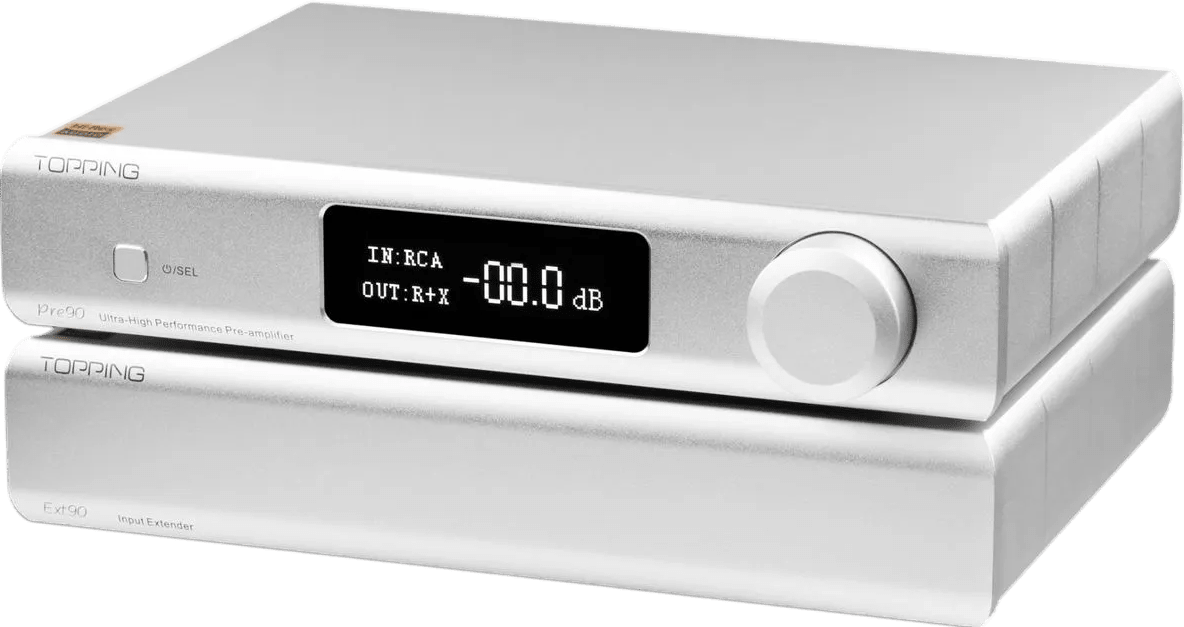
- Small form factor and sleek design with cases matching other Topping Series 90 components, allowing for easy integration into various spaces
- Precise volume control with 0.5dB steps via high-quality Japanese analog relays ensures perfect channel balance
- Can significantly improve sound quality when paired with DACs that have weaker output stages or higher output impedance
Product Considerations
- Remote control is unresponsive, requiring precise aiming and close proximity to the unit to function properly
- Limited number of inputs (one RCA and one XLR) unless the EXT90 input extender is purchased separately
- Some reviewers found the Pre90 to sharpen up the sound and bring things more forward, potentially leading to listening fatigue for some users
- The included umbilical cord for the EXT90 is short, limiting placement options to an over-under configuration
Comparisons (according to reviewers)
- Pre90 offers more focused and detailed imaging, tighter bass, and a lower noise floor, while Freya has tube airiness and extended decay
Takeaway: The Topping Pre90 is a transparent and high-performing preamplifier that can improve the sound of many systems, especially when paired with DACs that need a boost, or when a high level of detail retrieval is desired. It is a great value for those seeking clean and precise sound without coloration.
Video review
Our take on the brand

Product Strengths
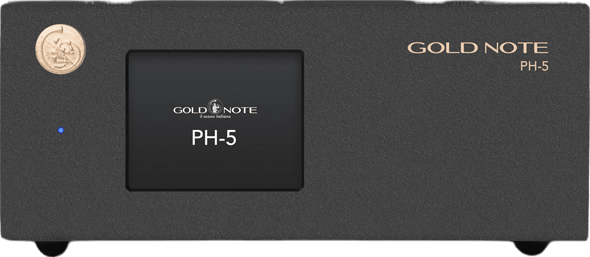
- Offers a versatile range of adjustments, including nine input impedance choices and four gain options, to match various cartridges
- Offers three different equalization curves (RIAA, Decca London, and American Columbia), unusual for phono stages in its price range
- Produces a clean, smooth, lucid, and well-balanced sound that is uncolored and neutral, allowing for greater transparency and speed
- Musical, smooth, coherent and dynamic, with a very good pace, rhythm, and timing
- Touchscreen interface is easy and intuitive to use
Product Considerations
- Moving magnet capacitance is set at 220pF and is not adjustable
- Some reviewers express concern about potential RF interference from the digital display affecting the analog circuitry, particularly with sensitive MC cartridges
- Instrumental images may be smaller than with other phono stages
- May sound a little weightless compared to significantly more expensive phono preamps
- Reviewers note the forthcoming PSU-5 power supply
Comparisons (according to reviewers)
- Compared to a similarly priced phono stage, the Gold Note PH-5 provided greater insights into how Miles Davis played each note, and was more full-bodied and dynamic
- The Pathos In the Groove was more spacious and shapely sounding but lacked the PH-5's sense of control and smoothness
- Compared to the Gold Note PH-10, there's a remarkably similar sound, with a tad more weight to recordings played through the more expensive PH-10
- The PH-5 sounds closer to the GrandiNote Celio MK IV—a bit richer, smoother, and more saturated—whereas the ESE Lab Nibiru is more about speed, precision, and transparency
Takeaway: The Gold Note PH-5 is a versatile phono stage that sounds musical and natural. It provides many options to adjust the sound, and it is an affordable way to get great performance from vinyl records.
Video review
Our take on the brand
What competes at this price?

Our Summary
Product Strengths
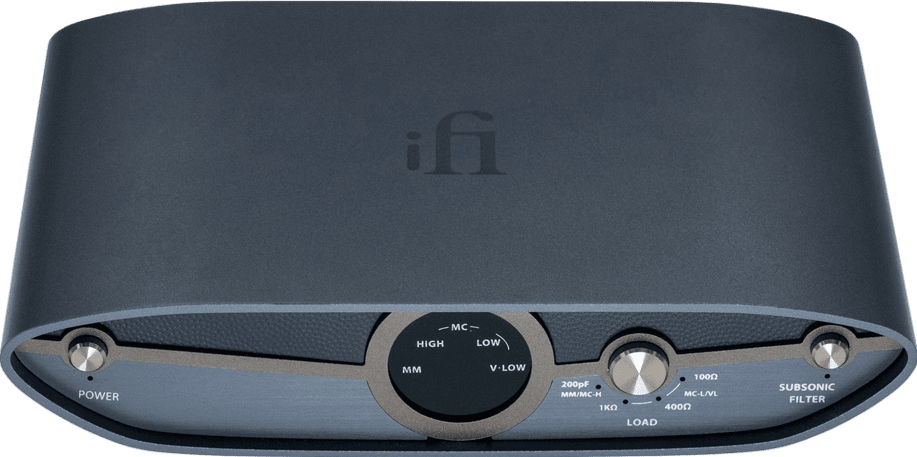
- A very low noise floor, even with high gain settings for moving coil cartridges
- Various gain settings for moving magnet and moving coil cartridges, making it versatile
- An 'intelligent' subsonic filter effectively reduces rumble without negatively impacting bass frequencies
- A balanced 4.4mm output, which is uncommon in phono stages at this price point
- Impressive sound quality for its price, including a wide soundstage and good dynamics
Product Considerations
- Large diameter RCA plugs may not fit due to the small chassis
- The number of load settings is stated inconsistently across sources, with some stating four and others stating three
- Connecting RCA and balance output together simultaneously to two different amplifiers can result in noticeable humming noise
- One reviewer mentioned a 'clinical' sound that might pair better with warmer cartridges, though this was addressed by changing the setup
Comparisons (according to reviewers)
- The ZEN Phono 3 has a wider soundstage and better dynamics than the iFi Zenfone Stage
- The ZEN Phono 3 has deeper bass than the Accuphase AD-60, but slightly less clarity and definition in the bass region
- The ZEN Phono 3 delivers a larger, beefier—and more rhythmic sound than the built-in phono stage in the U-Turn Orbit Special
- The ZEN Phono 3 produces significantly less noise than the Musical Fidelity M5SI phono stage
Takeaway: The ZEN Phono 3 is a valuable phono stage that provides a clean and dynamic sound, along with features typically found in more expensive units. It is especially useful for those looking to upgrade from a basic phono stage or for vinyl enthusiasts who want to explore different cartridge types.
Video review
Our take on the brand


Our Summary
Product Strengths
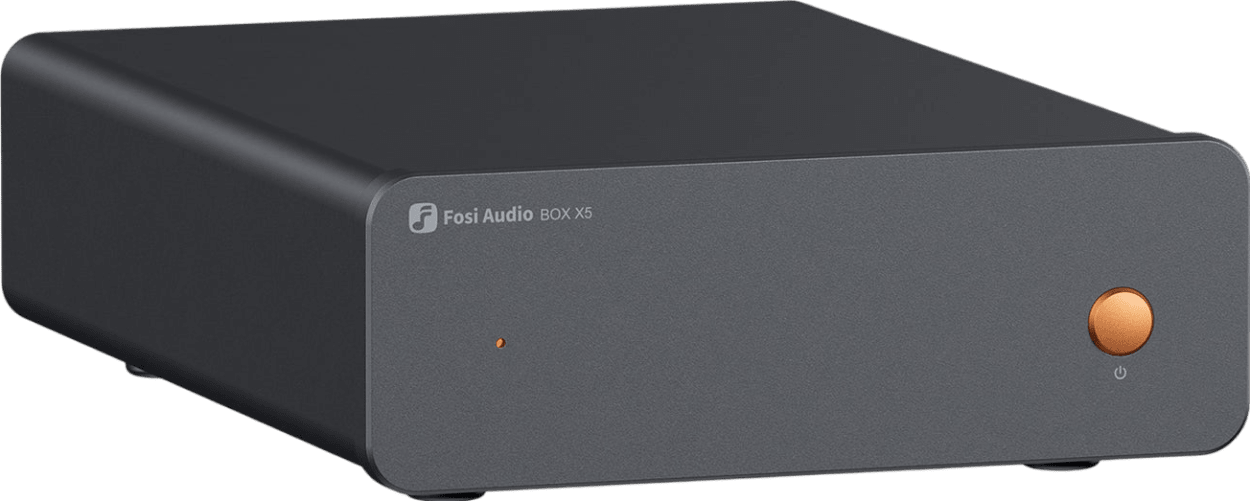
- Good sound quality, warm with lows and highs present, and a quiet noise floor
- Supports both Moving Magnet (MM) and Moving Coil (MC) cartridges
- Adjustable gain settings to match different cartridge output levels
- Metal construction for durability and shielding
- Offers DIY upgradeability with a socketed op-amp that can be swapped to change the sound signature
Product Considerations
- The ground post is positioned close to the power input, which can be inconvenient
- To power it off, one must press and hold the power button instead of pressing it quickly to turn it on, which is not intuitive
- Lacks a headphone jack
- Does not have a subsonic filter or capacitive loading switch
Comparisons (according to reviewers)
- Compared to the Schiit Audio phono preamp, the Fosi Audio Box X5 is on par or better than the Schiit Audio phono preamp generation one version
Takeaway: The Fosi Audio Box X5 is a great value phono preamp that provides good sound quality and versatile features for both MM and MC cartridges. It is a solid choice for anyone looking to upgrade from a built-in preamp or start with their first turntable.
Video review
Our take on the brand

Our Summary
Product Strengths
- Delivers a warm, engaging, and detailed sound signature
- Compatible with both MM and MC cartridges, making it versatile for different turntables
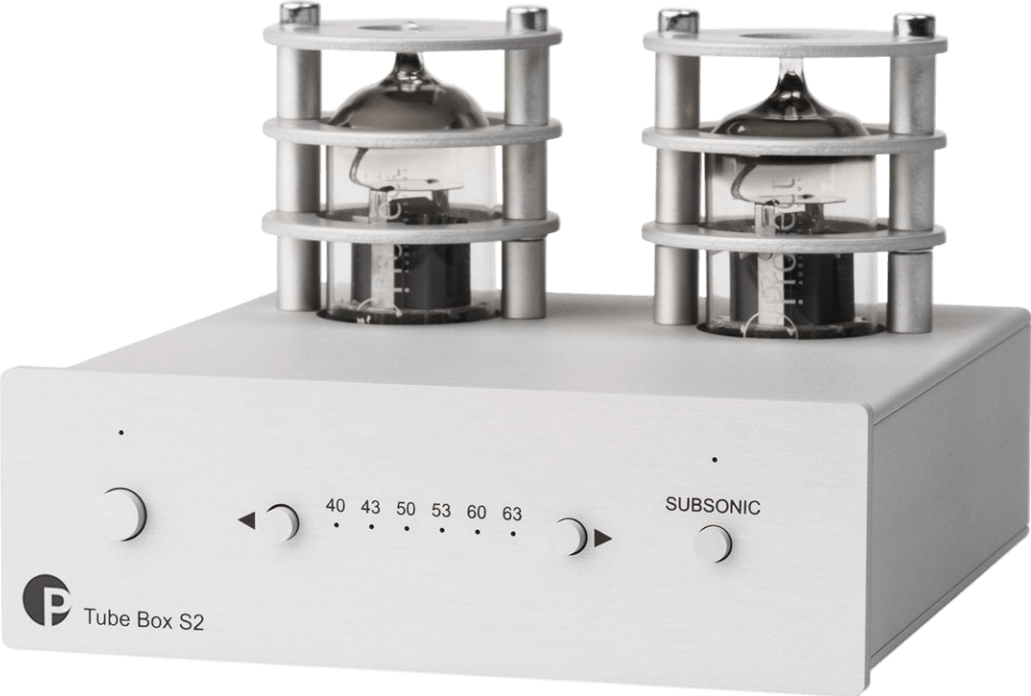
- Features adjustable impedance and capacitance settings for optimal cartridge matching
- Fully discrete circuit design avoids the use of OpAmps
- Offers tube rolling capabilities to customize the sound
Product Considerations
- Adjusting impedance and capacitance settings involves using dip switches on the bottom, which can be inconvenient
- Limited to ECC83 tubes and their direct equivalents for tube rolling
- The chassis rings and may benefit from damping sheets to reduce vibrations
- Soundstage doesn't expand as much vertically and horizontally, compared to other preamps
Comparisons (according to reviewers)
- Vs. Denon AVR-2802's built-in phono preamp, the Tube Box S2 offers better bass, more defined detail, a wider soundstage, and cleaner timbral presence
- Vs. Rega Fono Mini A2D, the Tube Box S2 adds more warmth and character
- Vs. Cambridge Audio Alva Duo, it is more fun and engaging
- Vs. Rega Phono Mk5, the Pro-Ject is warmer with richer bass and smooth sonics, while the Rega is more detailed and transparent
Takeaway: The Pro-Ject Tube Box S2 is a versatile tube phono preamp that brings warmth and detail to vinyl playback, making it a great option for enhancing the listening experience. With adjustable settings and tube rolling, one can fine-tune the sound to match their system and preferences.
Video review
Our take on the brand

Our Summary
Product Strengths
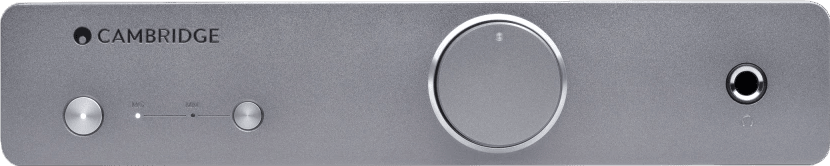
- Handles both MM and MC turntable cartridges
- Built-in headphone amplifier
- Balance control on the rear panel, which is unusual for a phono stage
- Produces a generously sweet sonic picture that was well-extended from top to bottom, midrange-neutral, and that honestly presented all of the acoustic instruments in front of a commendably quiet backdrop
Product Considerations
- The headphone output may not have enough power to drive more difficult audiophile headphones
- Cambridge Audio's Duo has no MC loading options, instead fixing it at 100 ohms, with gain fixed at 60dB
- The Alva Duo's volume control only controls the headphone output
Comparisons (according to reviewers)
- Cambridge Duo doesn't quite match the punch delivered by Rega's Award-winning Fono MM MK3
- The Cambridge Duo's performance was everything the Linn's was, but just a tiny smidge better than a Linn Majik 1P preamp from 1996
Takeaway: The Cambridge Audio Alva Duo is a well-specified, dynamic performer that offers great value for its price, and would be great as a starter phono preamp or in a small system. It also handles both moving magnet and moving coil cartridges.
Video review
Our take on the brand

Our Summary
Product Strengths
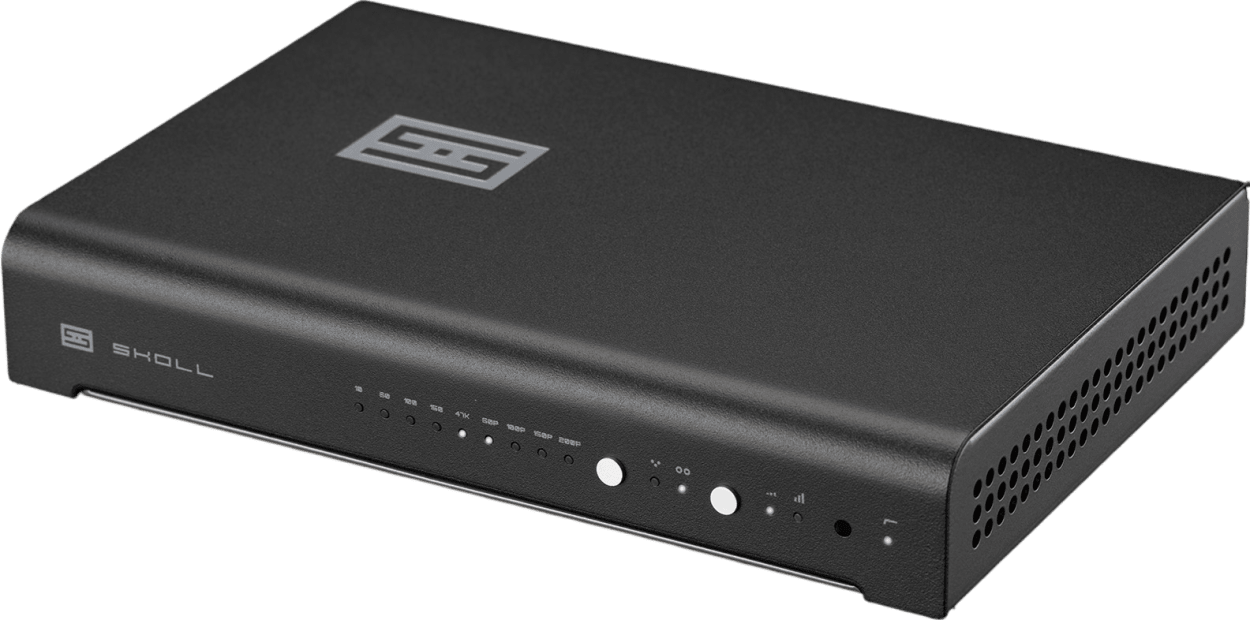
- Offers a full feature set including balanced XLR inputs and outputs, typically found in more expensive units
- Provides remote control functionality for adjusting gain, loading, and filters from the listening position
- Delivers detailed, clean, and modern sound reproduction, with good transient clarity and precision, and quiet backgrounds
- Offers versatile settings for both Moving Magnet (MM) and Moving Coil (MC) cartridges
- Improves system sound, adding clarity and a warmer feel compared to budget options
Product Considerations
- Some users experienced a static or buzzing noise in the left channel, with inconsistent severity
- The initial balanced input tests revealed D.C. issues, causing speaker drivers to alarmingly suck in and out
- The unit's physical aesthetics are not particularly eye-popping or luxurious
- The tiny silkscreened letters and icons associated with the front panel LEDs might be difficult to read
- May not be ideal for systems already on the lean side, as it might not add warmth
Comparisons (according to reviewers)
- Vs Schiit Manny, the Skoll is much quieter
- Vs Michael Yee PFE1, the Skoll has less hum and more hiss
- Vs Fosi Audio Box X4, the Skoll has better clarity
Takeaway: The Schiit Skoll is a versatile and feature-rich phono preamp that delivers impressive sound quality and customization options. It can be a great upgrade to get more enjoyment out of vinyl records.
Video review
Our take on the brand
How to buy
Preamplifiers
Search all hifi products
Explore our database of 10,000+ new and 25,000+ used hifi products.