



Note that this is a discontinued product. You may want to visit the brand's page here to browse their newer products.
What reviewers think
Bloggers and YouTubers have tried this product—so we've summarized their strongest opinions below. Links to full reviews follow.
Product Strengths
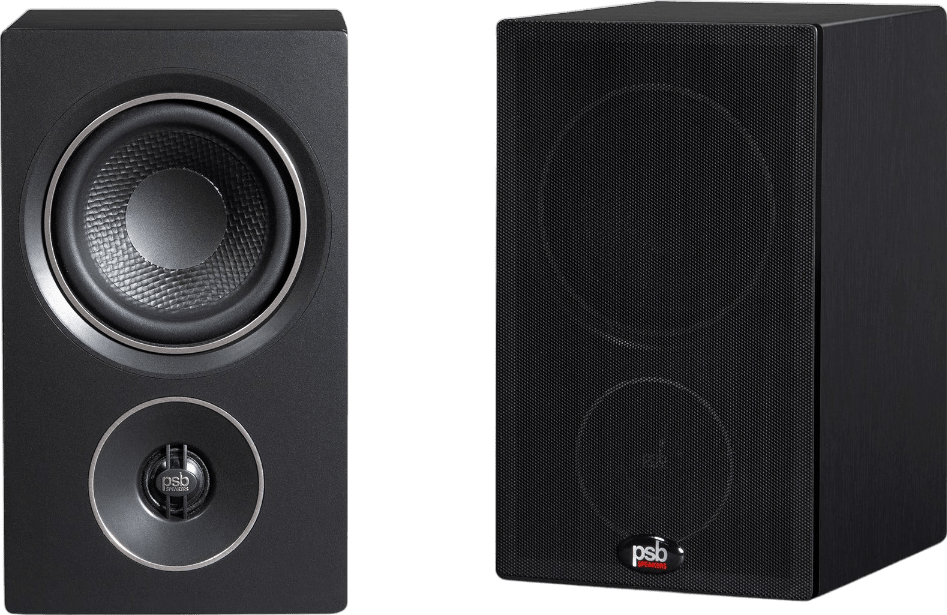
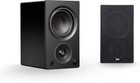
- Compact size makes it a true 'bookshelf' speaker that can fit comfortably on a shelf
- Refined and detailed high frequencies stay on the right side of the crisp/coarse dividing line
- Surprisingly large-scale sound escapes the confines of its cabinet
- Clean, dynamic, and free sound from the upper bass through the midrange and on to the highs
- Given the diminutive size of the speakers, they can play loud and the woofers do not bottom out
Product Considerations
- Lacks extension and rigour at the bottom of the frequency range, with bass that can be fuzzy and jagged
- Not the warmest sound
- The finish isn't great, just a vinyl wrap
- Mid-range detail loss
- Can get fatiguing and distorted at higher volumes, especially with bass-heavy music
Comparisons (according to reviewers)
- Vs ELAC BS41: PSB Alpha P3s had tighter, more refined bass, and did everything that's good about the BS41 better in a smaller package
- Vs Q Acoustics 3010is/3020is: The PSB Alpha P3 has poise and agility, but the Q Acoustics are more composed when the music gets bassy
- Vs Dynaudio Evoke 10s: The Dynaudio Evokes are much better than the PSB Alpha P3s
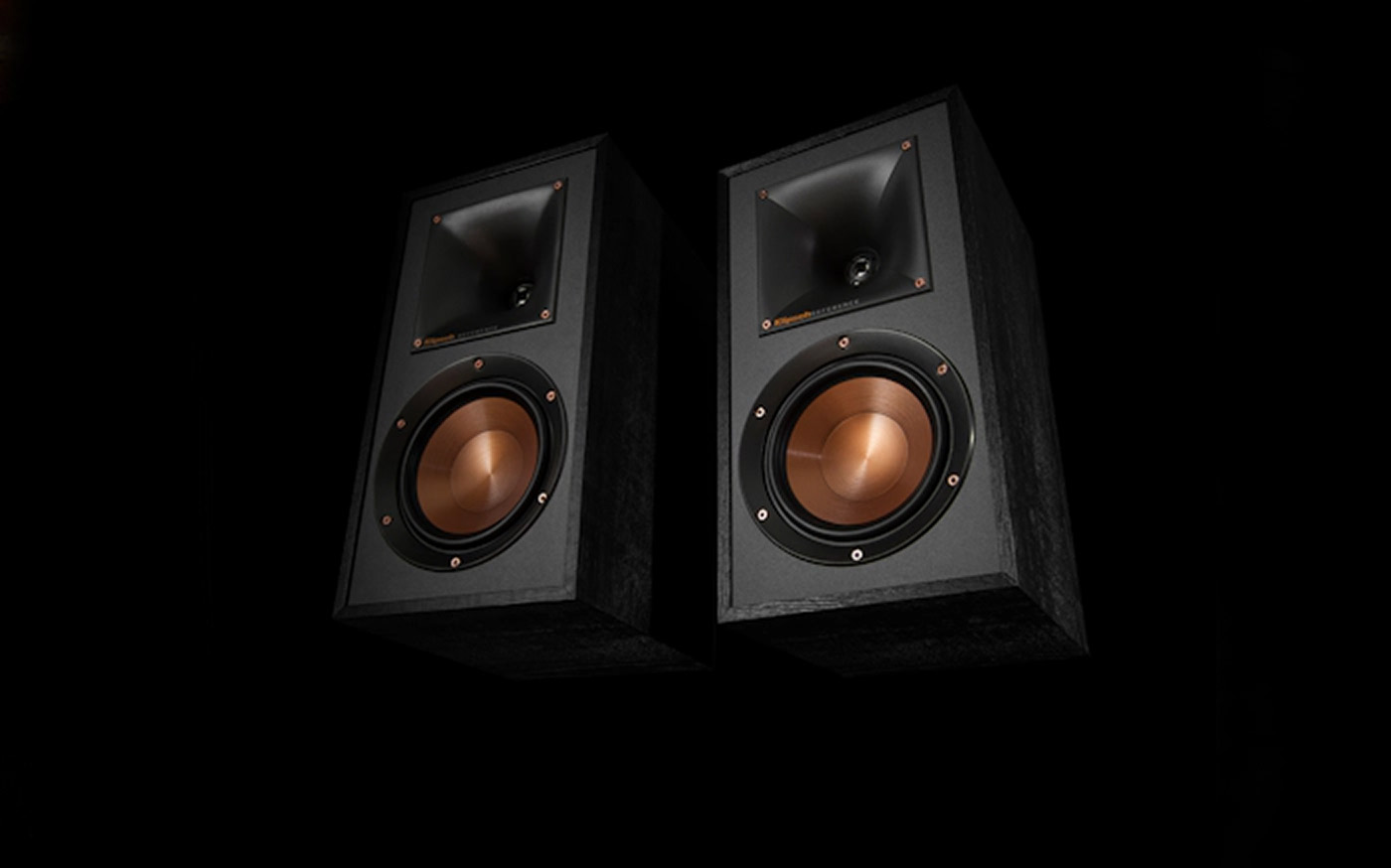
- Vs Klipsch RP600M: The PSB Alpha P3s are a little bit closed down in comparison
Takeaway: The PSB Alpha P3 is a compact and affordable speaker that delivers surprisingly large-scale sound with refined highs and a clean midrange and highs, and it could be great as desktop speakers. If you value quality sound in a small package for a great price, it's worth trying out a pair.
All
Alpha P3
reviews


Manufacturer details



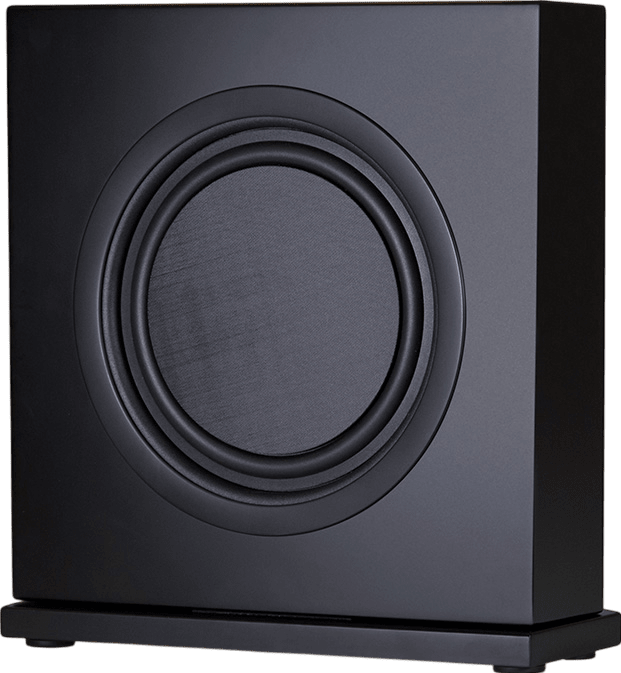


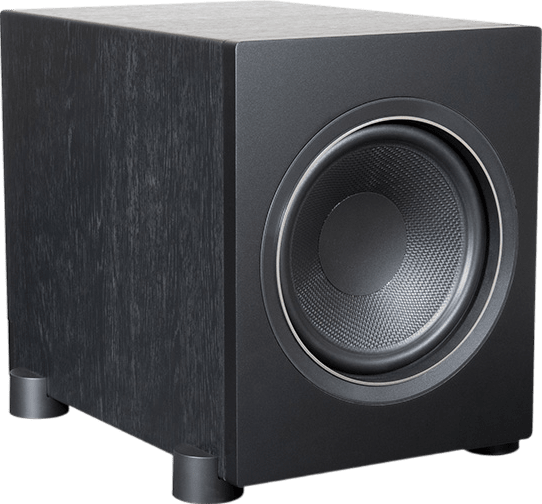
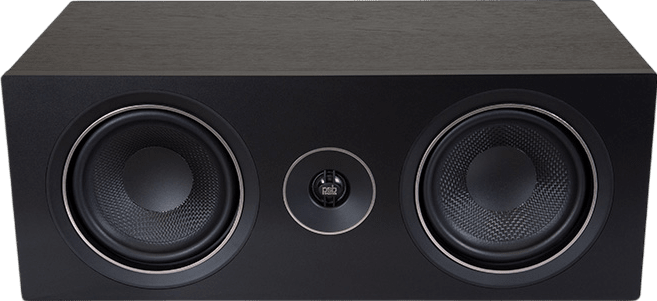
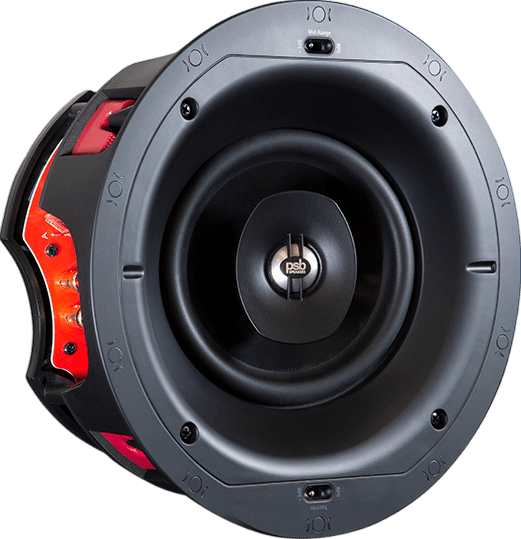

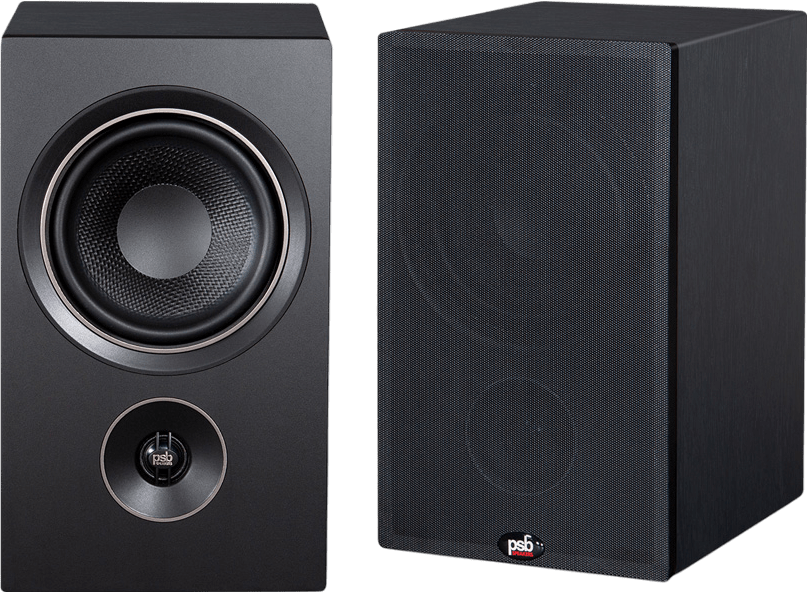

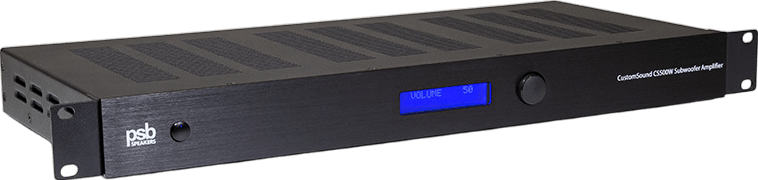

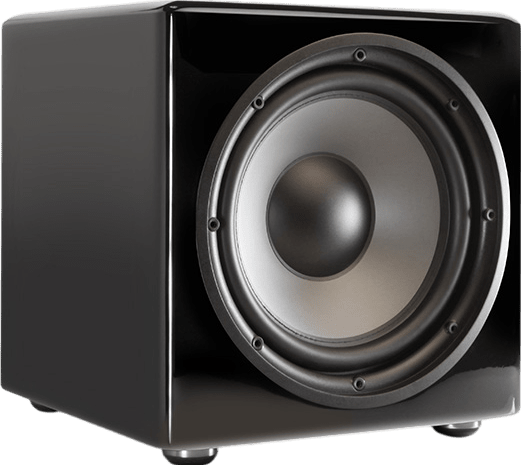

Brand highlights
Taking a step back to look at reviewers' thoughts of the brand's entire lineup—not just this product—what stands out most is the following:
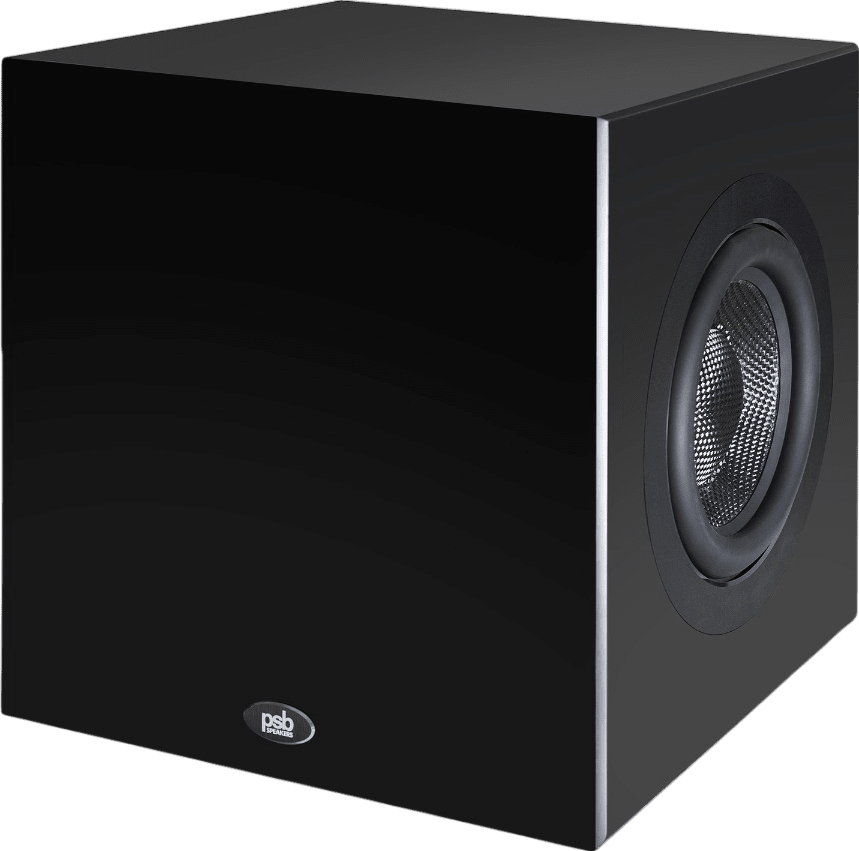
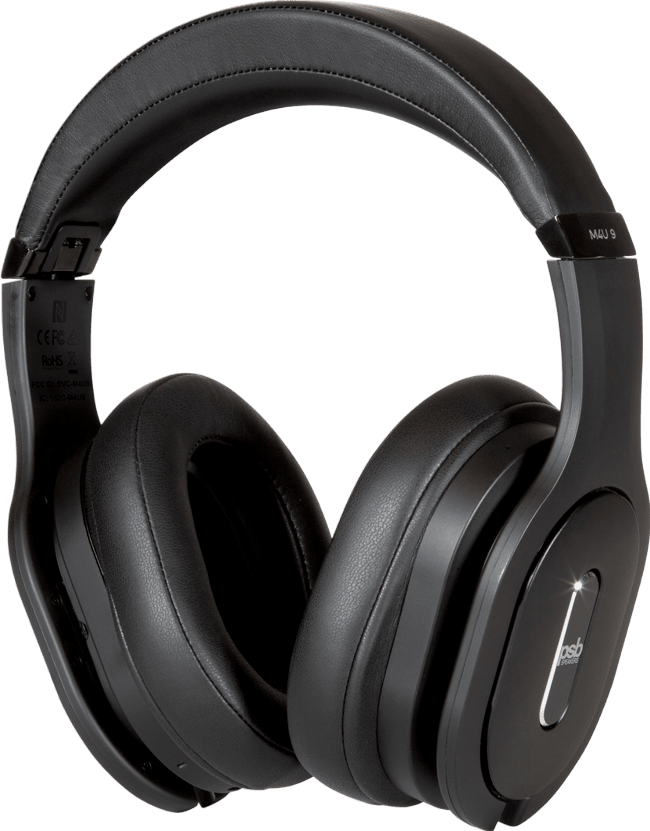
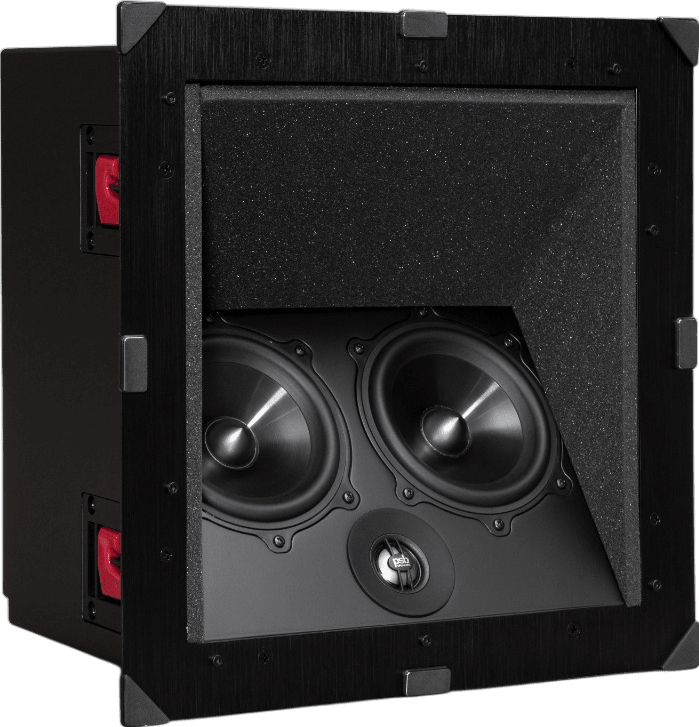
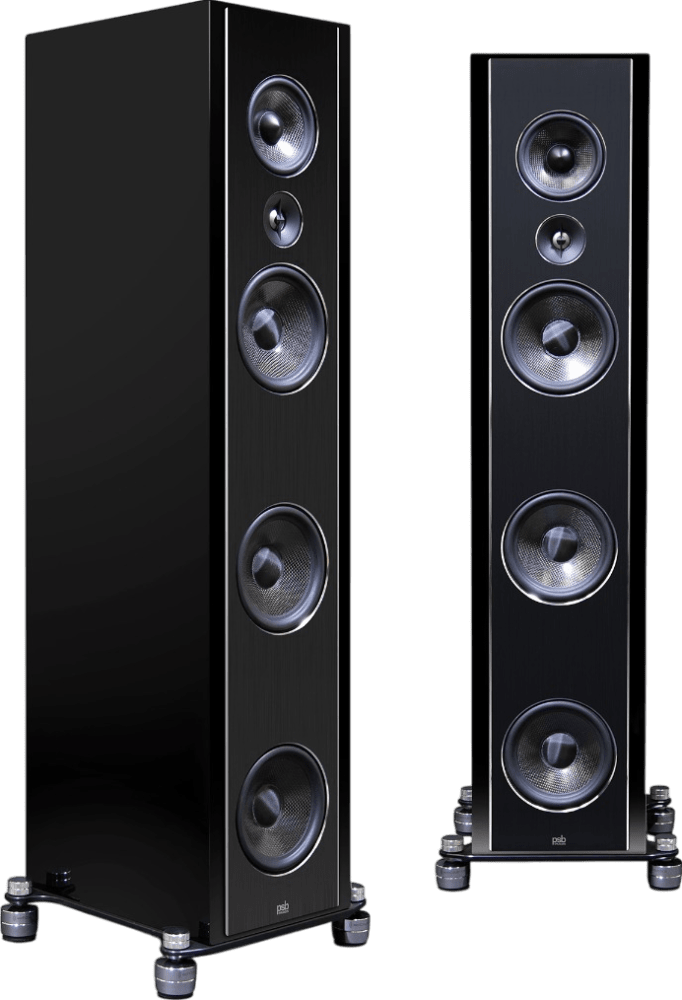
- PSB's loudspeaker designs, refined at Canada's National Research Council for 50 years, emphasize wide bandwidth, low distortion, and broad, even dispersion.
- The brand offers exceptional value by using lessons learned from flagship Synchrony lines in more affordable speakers, often outperforming competitors at similar price points.
- Unlike many brands, PSB resists the urge to design cost-no-object loudspeakers, remaining committed to creating high-end audio components that people can afford.
- They have developed their own Amplitude Perfect Linkwitz-Riley 4th order crossover, featuring high-voltage poly film capacitors and oxygen-free interconnect wire for precise driver control.
Select products
Alpha T20 Tower
- Positioning: The entry-level model in the PSB lineup, offering an affordable yet high-quality audio experience.
- Description: Delivers a rich and full-bodied sound with its dual 5 ¼" woofers and ¾" aluminum dome tweeter, making it ideal for small to medium-sized rooms. Unlike the more expensive models, it focuses on providing excellent sound quality at a budget-friendly price, making it perfect for those who want good sound without breaking the bank.
Imagine T65
- Positioning: A mid-range offering in the PSB lineup, providing a balance of performance and price.
- Description: Stands out with its 3-way dual bass reflex design, offering deep bass and clear highs, making it suitable for both music and home theater use. It provides a more refined sound compared to the Alpha series, with better bass response and higher power handling.
Passif 50
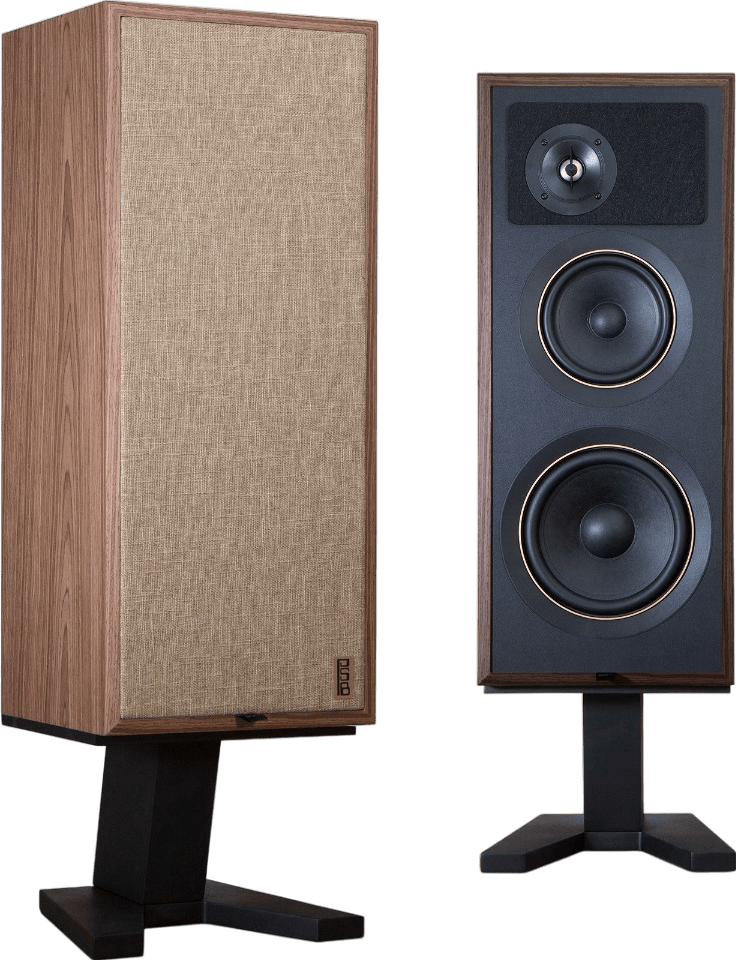
- Positioning: A special edition model celebrating PSB's 50th anniversary, positioned as a premium offering with a vintage aesthetic.
- Description: Combines retro design with modern technology, featuring a 1" titanium dome tweeter and a 6.5" woofer with an 8" passive radiator for precise bass. It offers a unique blend of nostalgia and advanced audio performance, setting it apart from the more modern-looking models like the Imagine T65.
Synchrony T800 Tower
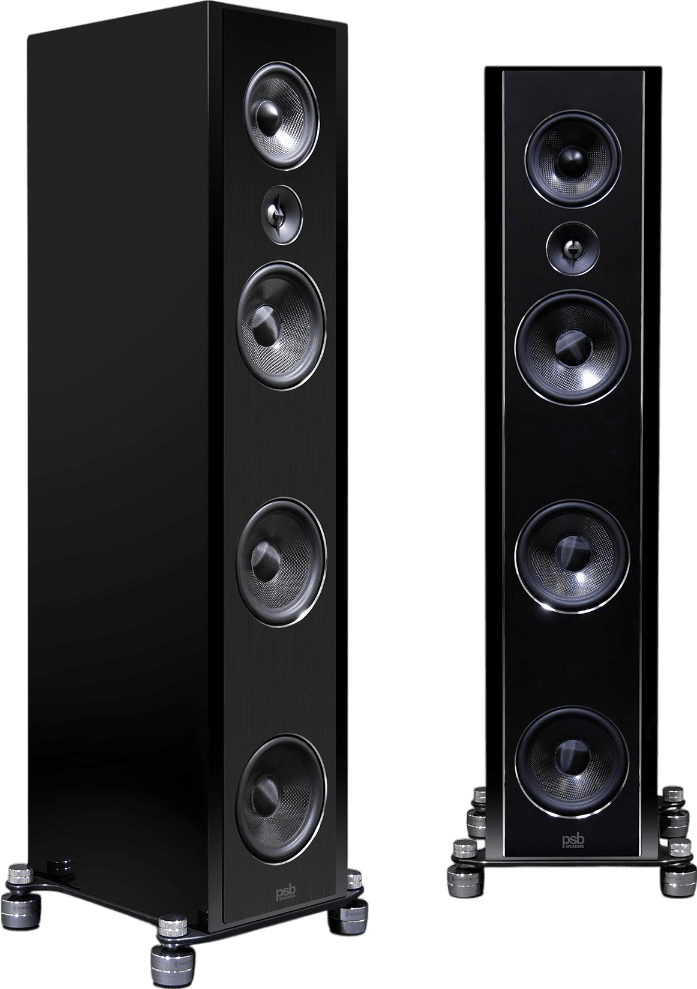
- Positioning: The flagship model in the PSB lineup, offering the highest level of performance and craftsmanship.
- Description: The groundbreaking Synchrony T800 Tower is engineered for audiophiles seeking the ultimate listening experience, with its advanced motor structure and sophisticated crossover design for minimal distortion and high sound pressure levels. It surpasses other models in the lineup with its superior build quality and acoustic performance, making it ideal for large rooms and those who desire the best soundstage and clarity. Its premium price reflects its top-tier status, offering features and sound quality that justify the investment for serious audio enthusiasts.

Our take on the brand
Look inside the brand
Our interview with the brand
What are two key technological innovations or strong opinions that differ you from other brands?
What's your approach to customer support?
What are your favorite tracks for showcasing the strength of your products?
What other products pair best with yours?

Used
PSB








What if you spend more?



.svg)
Product Strengths
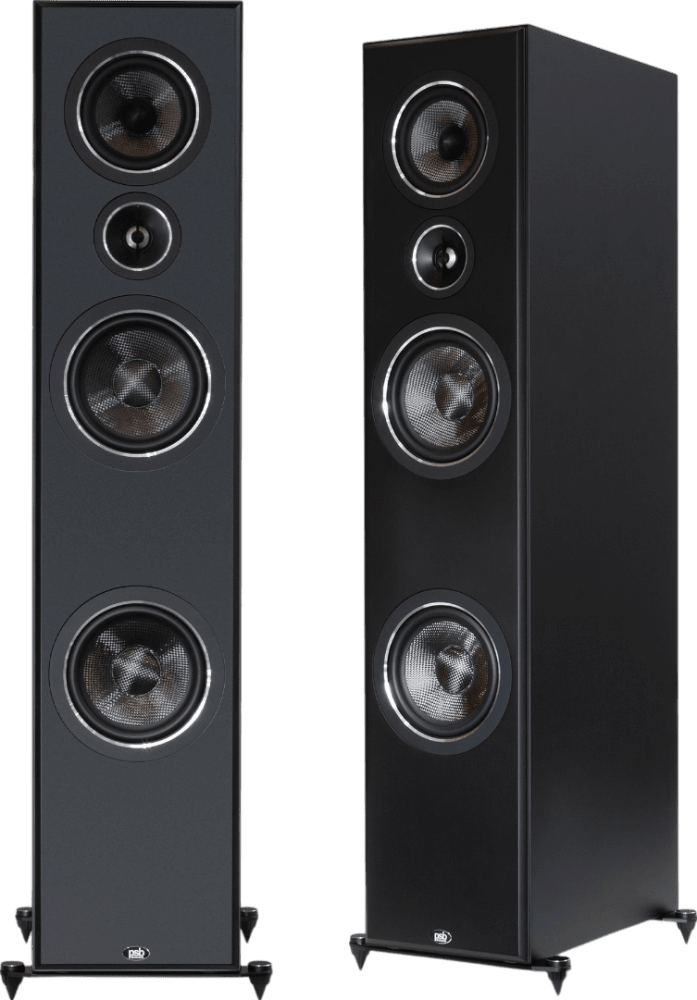
- The Imagine T65 benefits from technologies passed on from the company's flagship Synchrony Series
- The dual 6.5-inch woofers produce serious bass, with good depth and authority
- Features a dedicated 5.25-inch midrange driver, leading to a more resolved and clear midrange
- Strong output capability and low distortion
- The speakers have a wider vertical window for better home theater use than is typical
Product Considerations
- The midrange may need some equalization work, especially if dialogue in movies and vocals in music are not at the forefront
- The white cabinet finish might look and feel a little more like primer than high-quality paint
- The upper bass range might be a bit much from time to time, and tunable ports may have helped
- The gold-plated binding posts are nice, but the large, plastic fixture might be undesirable
- Placement in too small a room could overwhelm it, resulting in muddied sound
Comparisons (according to reviewers)
- Vs Sonus Faber Lumina V: The Lumina V may edge out the T65's in mid-bass performance, but they are more different—not overall better
- Vs Paradigm Premier 700F: The Paradigm is a remarkably refined loudspeaker that has a smaller form factor than the T65
Takeaway: The PSB Imagine T65 is a refined and powerful speaker that provides a lot of energy, making it great for both two-channel and home theater environments. It is a good choice for those looking for a full-range speaker that plays clean and loud.
Video review
Our take on the brand
Product Strengths
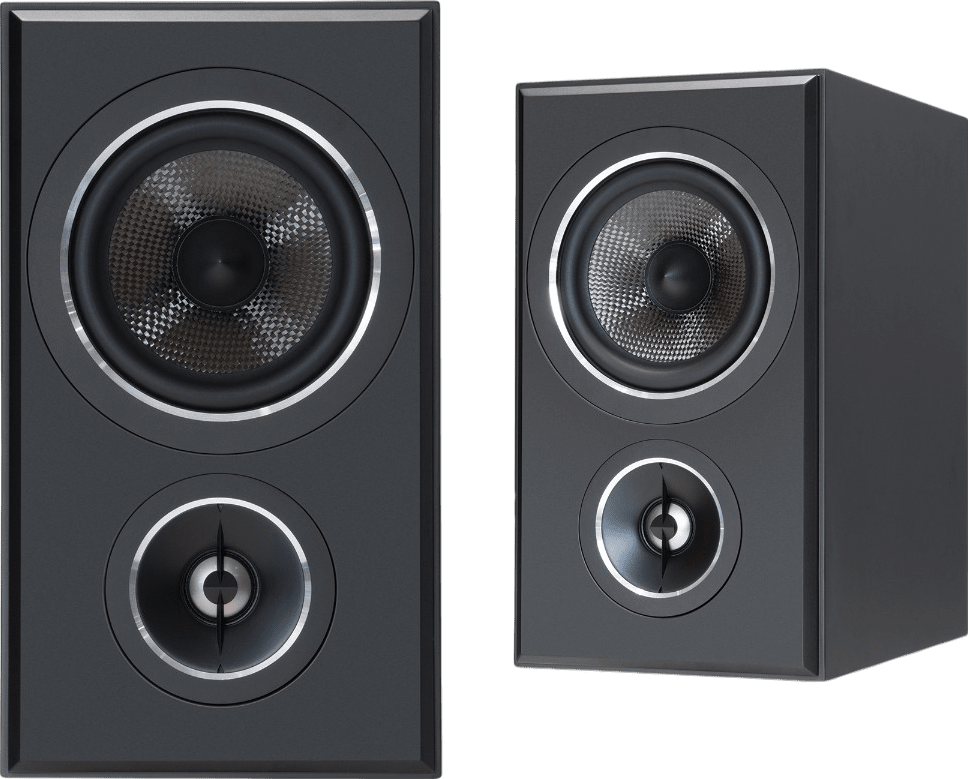
- The Imagine B50 offers a delightfully neutral midrange response.
- The Imagine B50 has well-controlled directivity.
- The Imagine B50 has a very nice response curve across the listening window.
- The Imagine B50 overall is easy to position.
- The Imagine B50 delivers a delightful soundstage and wonderful image specificity.
Product Considerations
- Cabinet resonance can sneak through the mix at high volumes—around 95dB peaks.
- The variances in linearity occur at different points and over different bandwidths.
- There is a directivity mismatch horizontally where the tweeter balloons out compared to the narrowing midrange around 4kHz.
Comparisons (according to reviewers)
- Vs Monitor Audio Bronze 50 6G: The reviewer doesn't remember the Bronze 50's bass being as deep, nor as hard-hitting.
- Vs Paradigm Premier 100B: The Imagine B50 horizontal dispersion is very much on par with the Paradigm Premier 100B, but the reviewer doesn't remember the Premier 100B reaching quite so deep as the B50.
- Vs PSB T65 tower: The reviewer found the PSB T65 tower more impressive, and felt that the B50 didn't have the same sound signature.
Takeaway: The PSB Imagine B50 combines good qualities such as dispersion and sound power with a surprising amount of meaningful bass extension. This little overachiever can fill your listening space without needing to be precisely placed, making it a solid choice as a cornerstone for your audio system.
Video review
Our take on the brand
Product Strengths
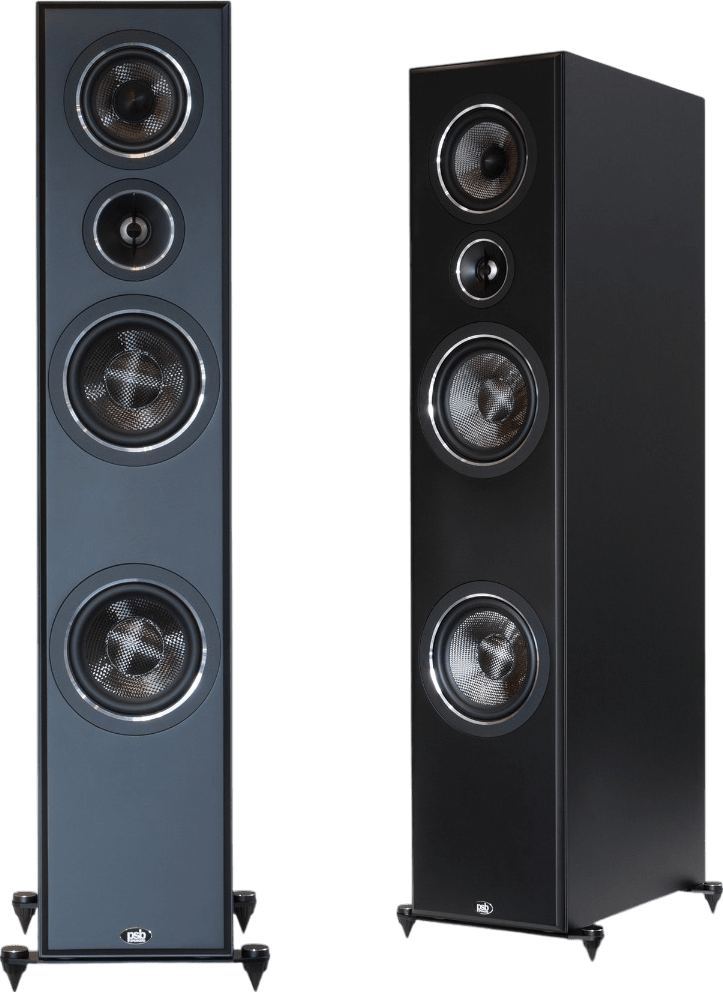
- First-class construction in a non-resonant enclosure
- Fine dynamic range that can handle a wide range of amplifiers
- Clean, undistorted audio, and impressive imaging skills
- Solid left-to-right image with no gaps
- Attractive finish with a nice magnetic grill that can be on or left off
Product Considerations
- Many prospective buyers, especially home theater users, may want a subwoofer to extend the low end, because the two 5 1/4 inch woofers are small
- Sound is thin at low volumes, but comes alive when played at mid- to full-volumes
- Two ducted ports on each speaker help the low end, but then placement gets more important
- Buyers will need to do a bit of room matching
Takeaway:
The Imagine T54 speakers are well-engineered with impressive imaging and dynamic range. With careful room matching or the addition of a subwoofer, these speakers offer a solid and competitive value for casual listening or home theater use.
Video review
Our take on the brand
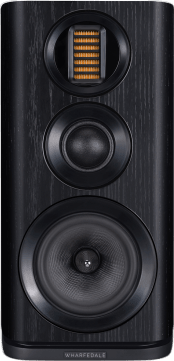

Wharfedale’s new EVO4 has grown out of the extensive research and development that produced the ELYSIAN flagship loudspeakers and borrows much of the technology involved in ELYSIAN.
Our summary
Product Strengths
- Excellent focus and separation, with the speakers 'disappearing' to create a natural soundstage
- Impressive low-end performance, adding authority to the music
- Cohesive driver integration, with no perceivable handover between the AMT tweeter, midrange dome, and woofer
- Remarkable neutrality in the midrange, with a detailed yet smooth treble—avoiding harshness even at higher volumes
- Clear and detailed sound reproduction, extracting nuances and levels of information outstanding for its price
Product Considerations
- Vertical off-axis performance of the AMT tweeter is not good, so correct speaker height and toe-in are important
- Soundstage is not super wide, with the presentation mostly between the speakers
- Some reviewers found the aesthetics or proportions to be awkward or not to suit all tastes
- Bass may be a bit polite for some listeners wanting subwoofer-type rumble
- The midrange can be fatiguing if the listener's ear is at the midrange driver level
Takeaway: The Evo4.2 is a well-rounded speaker that delivers excellent sound quality with impressive imaging, detail, and tonal balance. It is capable of providing an audiophile experience at an affordable price.
Video review
Our take on the brand
What competes at this price?
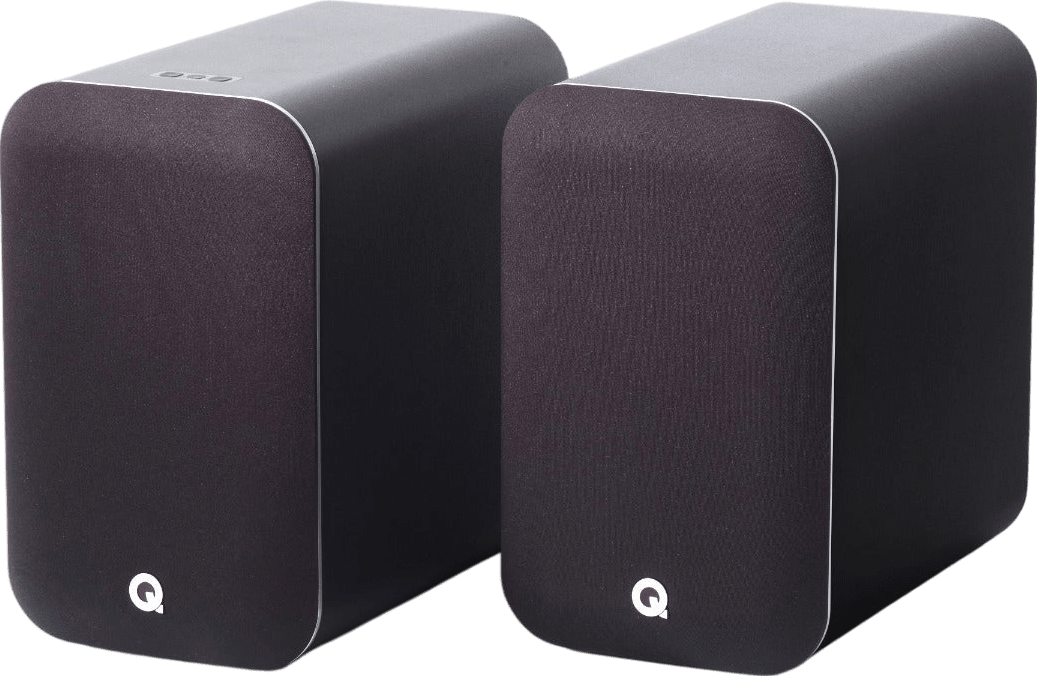

Our Summary
Product Strengths
- Effortlessly detailed and balanced sound
- Excellent stereo imaging and dynamics
- High-quality Bluetooth streaming
- Simple setup and control
- Multiple connection options, including subwoofer output, digital input for TV, and analog inputs
Product Considerations
- No HDMI ARC for seamless control with TV remote
- No dedicated app for adjusting settings
- Bass output may be lacking for some listeners, potentially requiring a subwoofer
- Grilles are non-removable
- Speakers power down after 20 minutes at rest, requiring manual Bluetooth pairing each time
Comparisons (according to reviewers)
- Compared to Ruark Audio MR1 Mk2, the Q Acoustics M20 sounds fuller, louder and less compressed
Takeaway: The Q Acoustics M20 HD speakers offer detailed, balanced sound and are easy to set up with various devices. They're a versatile audio solution for upgrading sound, whether for music, movies, or gaming.
Video review
Our take on the brand

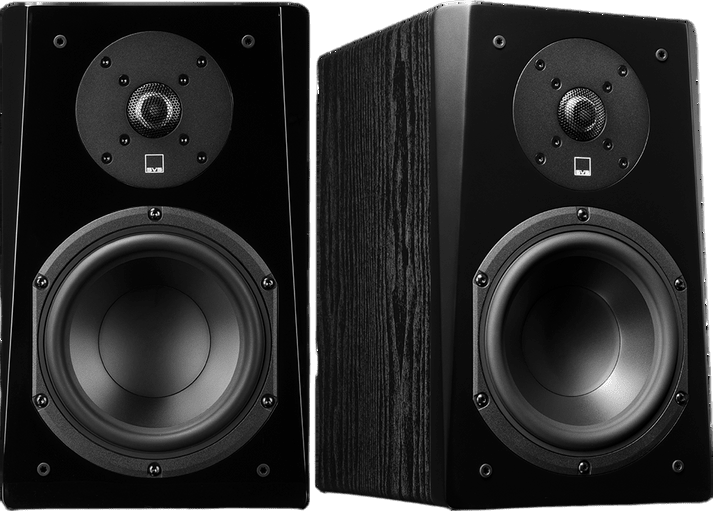

Our Summary
Product Strengths
- Good ability to get loud, clean sound without distortion or compression issues above 80 Hz when paired with a subwoofer
- Really good build quality cabinet
- Very clear, immediate, vivid sounding speaker
- Ultra-focused sounding, clean, and nicely balanced vocals
- A lot of treble liveliness combined with quality clarity and crispness
Product Considerations
- Treble is a little bit bright
- Not the most neutral speaker
- Leaner sound in terms of bass delivery
- Very tight, tuneful, and on-point bass, but the perceived amount of bass is less substantial than other speakers reviewed
- Some port noise or chuffing can be heard when setting the speakers to deliver as much bass as the Klipsch RP600M
Takeaway: The SVS Prime bookshelf is a sweet little speaker that delivers clear and vivid sound and has great build quality. It's also versatile, as it can be used in a stereo setup or as part of a home theater system.
Video review
Our take on the brand
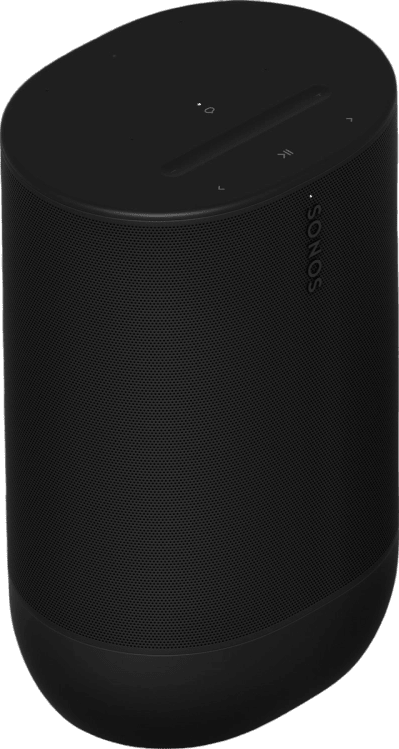

Our Summary
Product Strengths
- Improved stereo sound compared to the original Move, due to the addition of dual tweeters
- Significantly longer battery life—advertised up to 24 hours—making it suitable for extended use indoors and outdoors
- Designed with portability in mind, featuring a built-in handle for easy carrying and an IP56 rating for dust and water resistance
- The speaker benefits from the Auto Trueplay feature, which automatically optimizes the sound to the unique acoustics of your space, delivering a balanced audio experience
- Versatile connectivity options including Wi-Fi, Bluetooth, and AirPlay 2, and can even stream Bluetooth audio to other Sonos speakers
Product Considerations
- Considered hefty and not as easily portable as smaller options like the Sonos Roam
- Google Assistant is no longer supported, which may be a drawback for users heavily invested in the Google ecosystem
- It cannot be used as a speakerphone for calls
- Despite being a stereo speaker, channel separation isn't always very distinct, and it can sound more like an expansive mono speaker
- An adapter is needed for a line-in connection, and a carrying case are sold separately, which increases the overall cost
Comparisons (according to reviewers)
- Vs Sonos Move: The Move 2 offers stereo playback—as opposed to mono—longer battery life, and more connectivity options
- Vs Sonos Roam: The Move 2 sounds better and gets louder, but the Roam is smaller and lighter
- Vs Sonos Era 300: The Era 300 has Dolby Atmos support, but is not portable or water-resistant like the Move 2
- Vs Sonos Era 100: The Move 2 can be taken on the go unlike the Era 100 and is rated for dust and water resistance
- Vs Bose SoundLink Max: The Sonos Move 2 sounds a bit more balanced out of the box, and its battery can even be replaced down the line, while the Bose has a longer-lasting battery and doesn't require an adapter to connect to analog line-in sources, but it can't connect to Wi-Fi
Takeaway: The Sonos Move 2 is a versatile and improved portable speaker, offering great sound and battery life for both indoor and outdoor use, and its integration with the Sonos ecosystem makes it an easy choice for existing Sonos users.
Video review
Our take on the brand
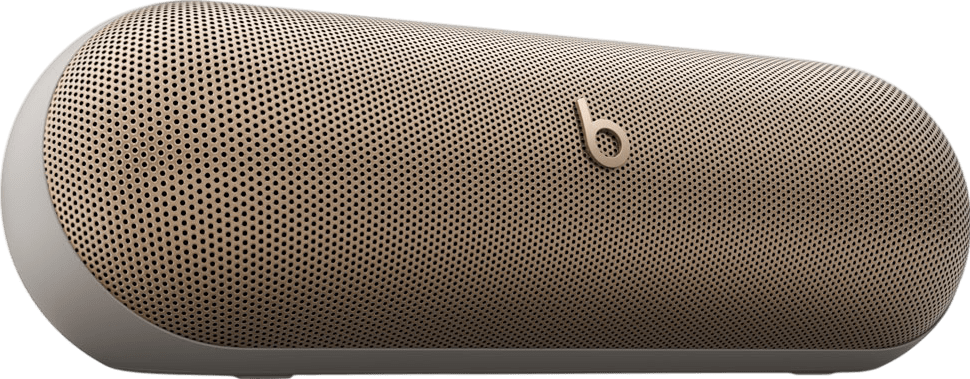

Our Summary
Product Strengths
- Simple Bluetooth speaker connects and pairs easily without needing an app
- Rated IP67 against water and dust, making it durable for splashes and rain
- Can be used to charge other small devices via USB-C
- Lightweight and portable, making it easy to carry around with a removable lanyard
- Plays nicely with both iOS and Android devices
Product Considerations
- The soft touch rubber coating is a dust magnet
- The Beats app is barebones, with no EQ controls
- Can't playback stereo content without pairing another speaker
- Audio can get muddy and lose detail at high volumes
- Some controls have a learning curve
Comparisons (according to reviewers)
- Vs Beats Pill+: The 2024 Beats Pill is lighter, has better build quality, a more balanced sound, and support for voice assistants, but lacks Bluetooth multipoint support and stereo playback without pairing
- Vs JBL Flip 6: Has a more balanced sound out-of-the-box, a longer battery life, and voice assistant support, but JBL is better built and offers a graphic EQ in the companion app
Takeaway: The Beats Pill is a simple, portable, and durable Bluetooth speaker that sounds good, especially at its price. It's easy to connect to devices and take anywhere.
Video review
Our take on the brand
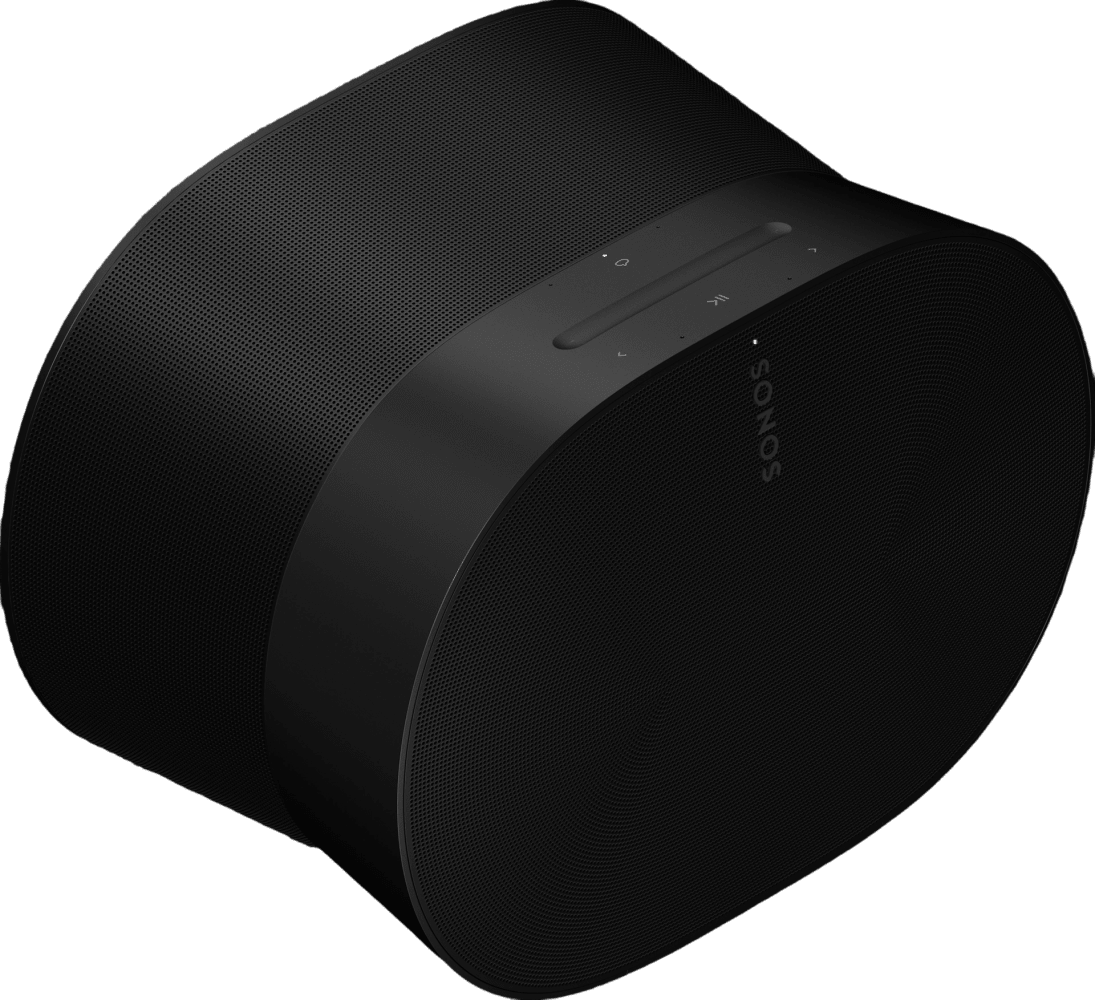
Our Summary
Product Strengths
- Impressive spatial audio delivers a more immersive and 3D soundscape compared to traditional stereo, when playing Dolby Atmos content
- Wide, room-filling sound projects further and more confidently than other similar wireless speakers
- Can be used as Dolby Atmos surround speakers, delivering multi-channel rears for the first time
- Includes both Bluetooth and Wi-Fi (Wi-Fi 6) connectivity
Product Considerations
- The spatial audio experience is heavily dependent on the quality of the Dolby Atmos mix, and some mixes can be disappointing
- Touch controls don't provide the tactile feedback of physical buttons
- The Sonos app can be slow and not always intuitive to use
- Spatial audio tracks can only be played over Wi-Fi, not Bluetooth
- No Google Assistant
Comparisons (according to reviewers)
- The Era 300 offers a more refined sound, with a deeper bassline and better wraparound sound, compared to Amazon Echo Studio
- The Era 300 has better dynamics, and supports Dolby Atmos, compared to Sonos Five—the slightly larger Five can reproduce a more extended low bass and offers superior stereo music playback
- Era 300 gets slightly louder and has slightly better directivity and features both Wi-Fi and Bluetooth compatibility, whereas the Apple HomePod (2nd generation) can only connect via Wi-Fi
Takeaway: The Sonos Era 300 excels at spatial audio playback, and the spatial audio from a single wireless speaker feels detailed, engaging and accomplished. It's a great addition to any home, offering immersive sound for both music and movies.
Video review
Our take on the brand
How to buy
Speakers
Search all hifi products
Explore our database of 10,000+ new and 25,000+ used hifi products.