



Note that this is a discontinued product. You may want to visit the brand's page here to browse their newer products.
What reviewers think
Bloggers and YouTubers have tried this product—so we've summarized their strongest opinions below. Links to full reviews follow.
Product Strengths
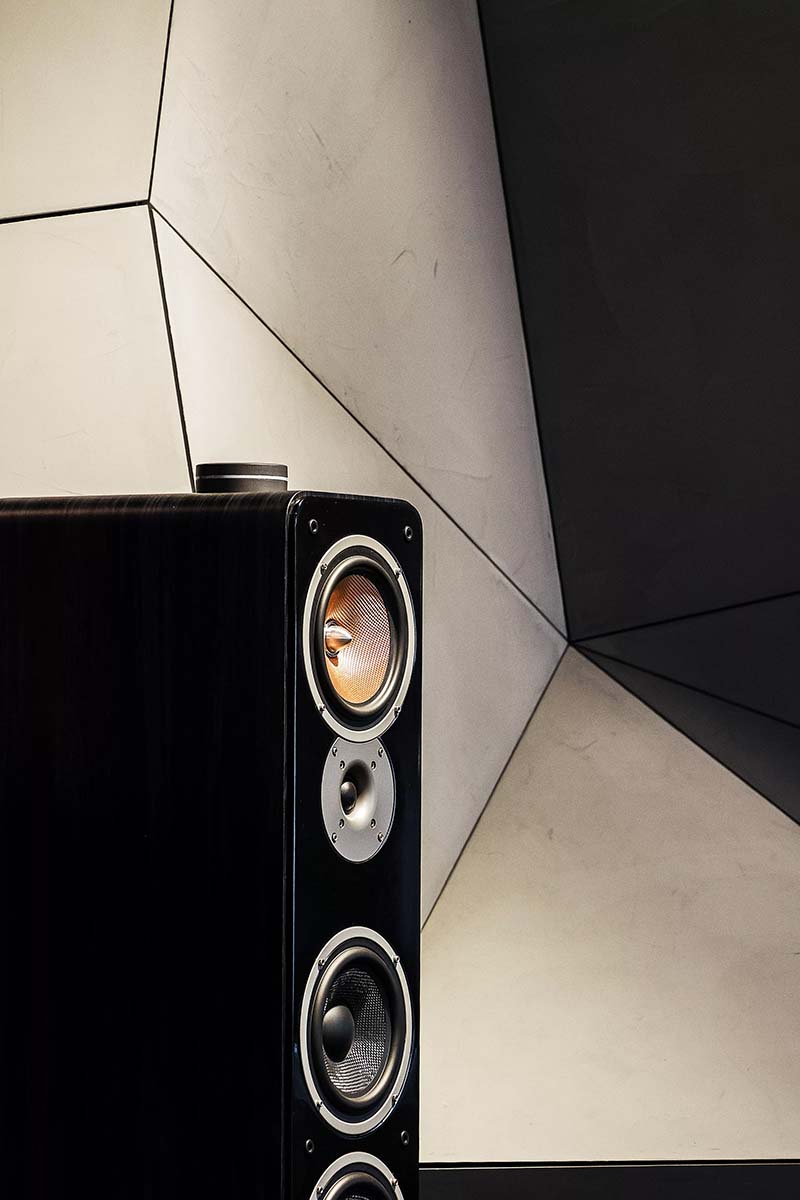
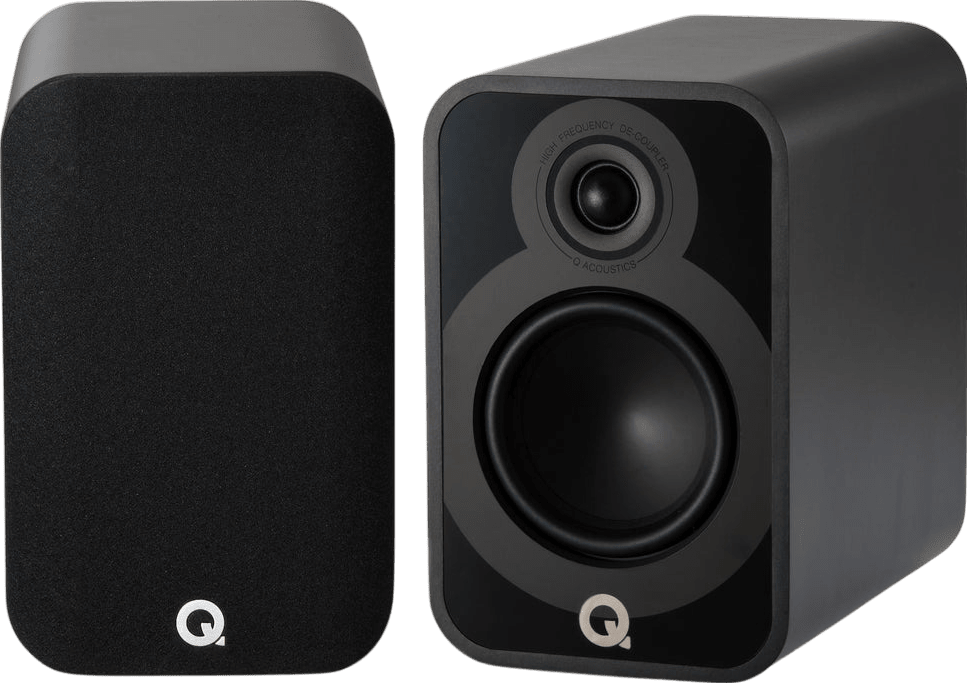
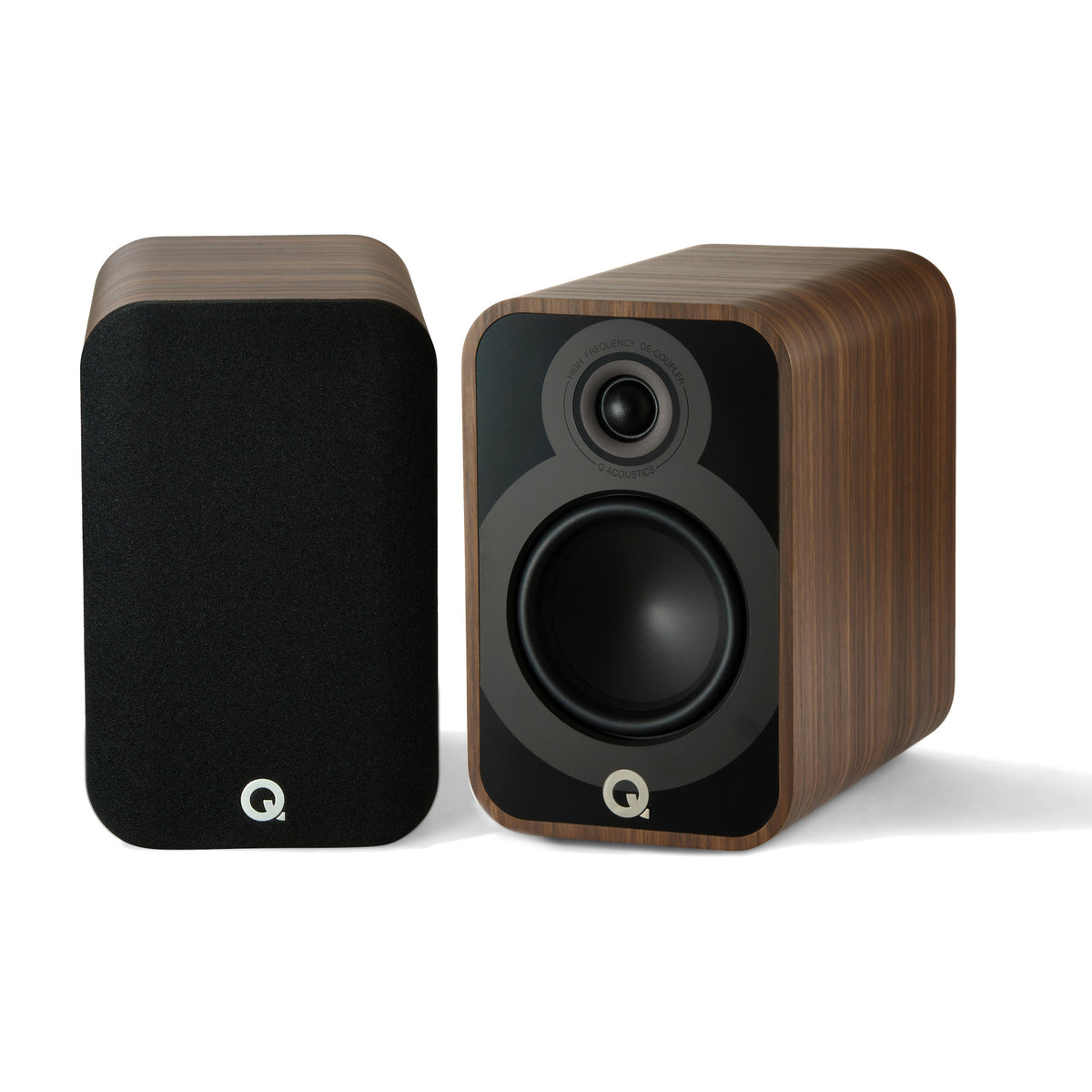
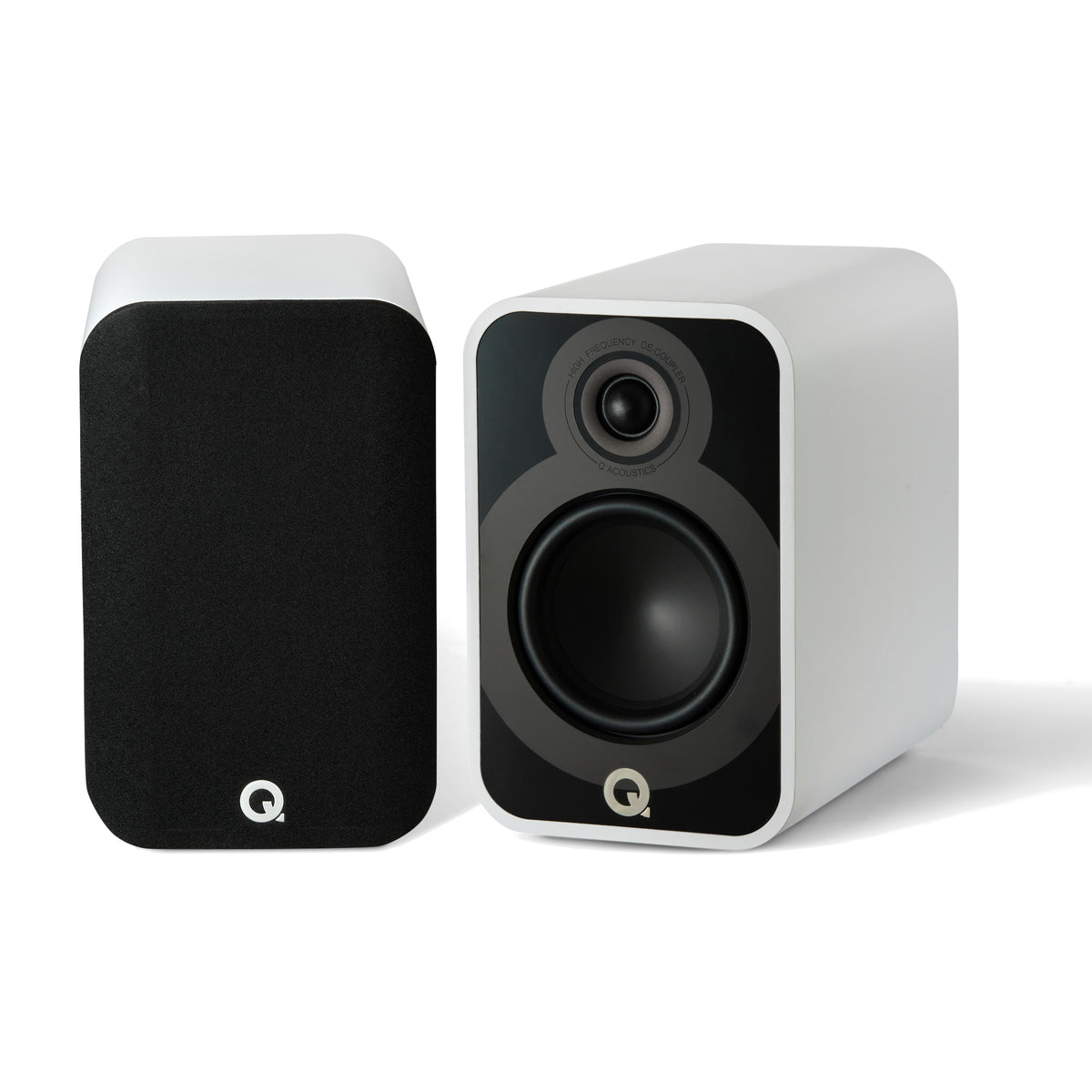
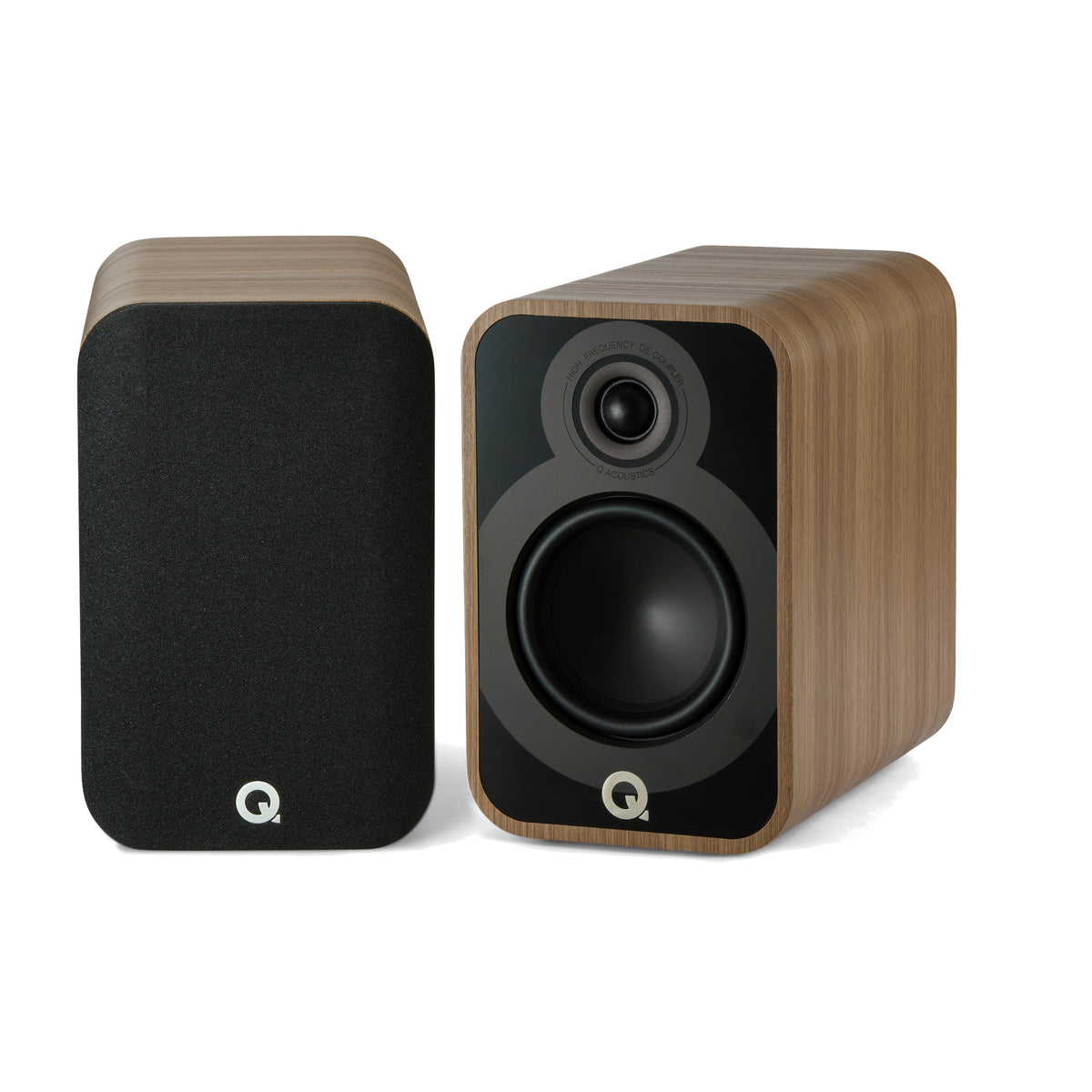
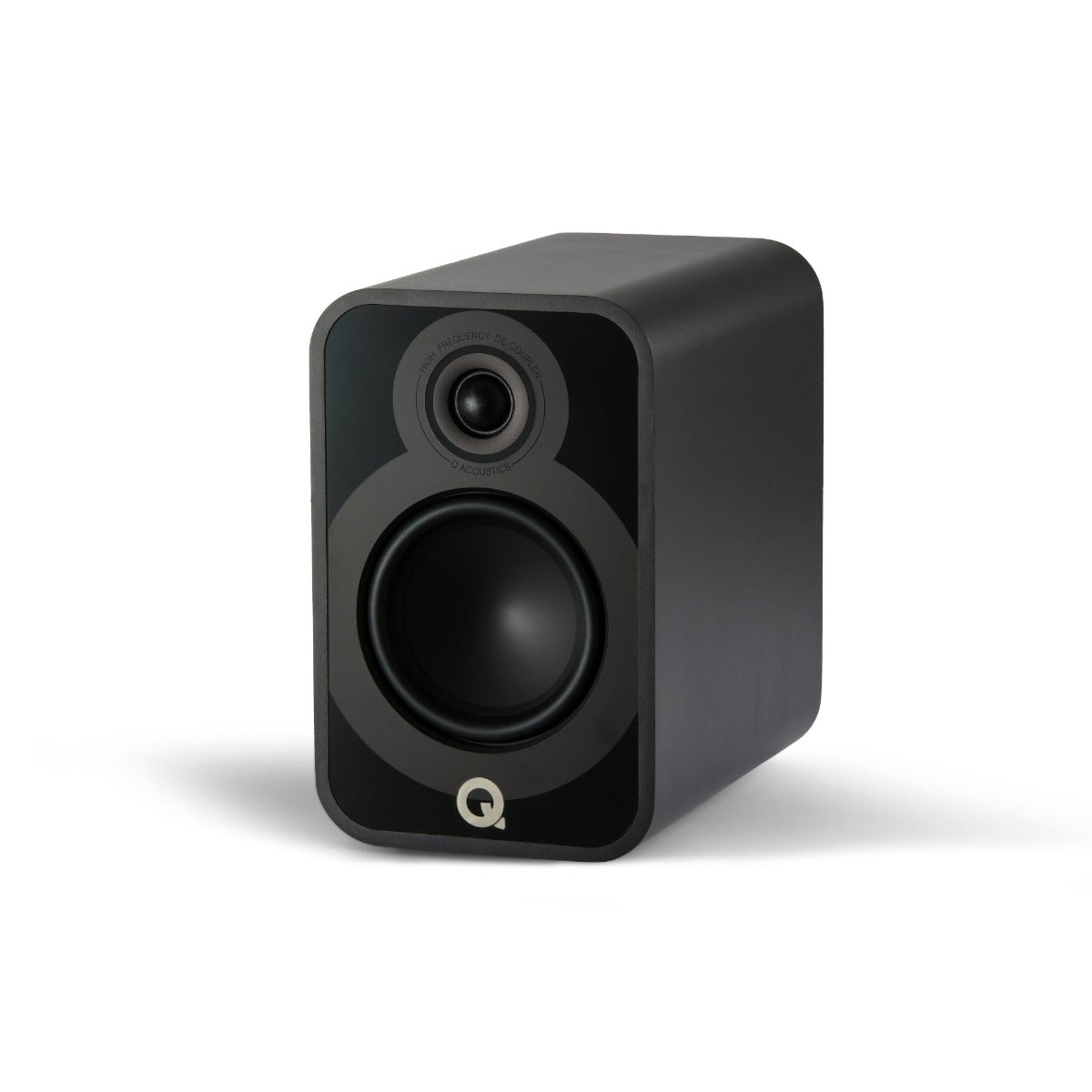
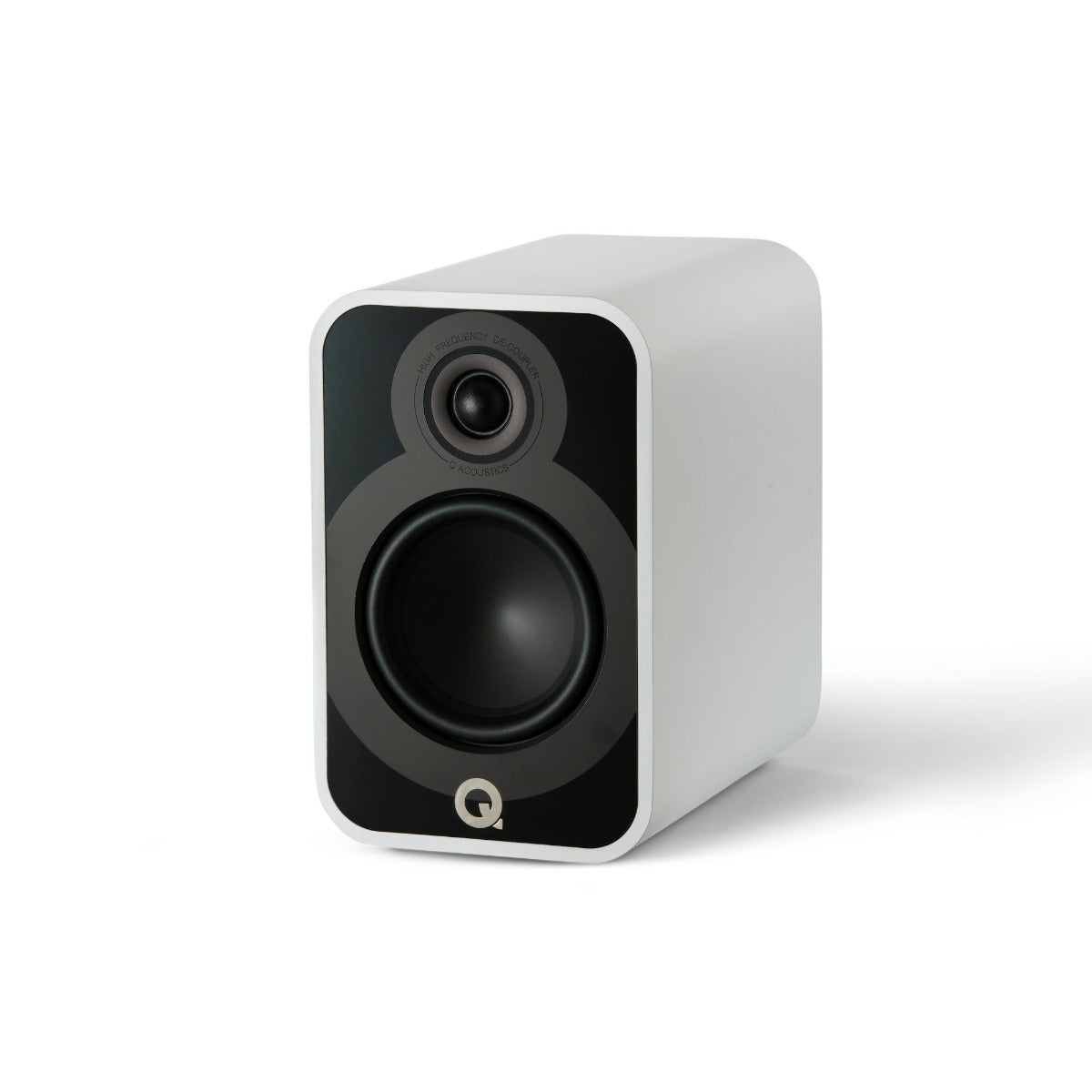
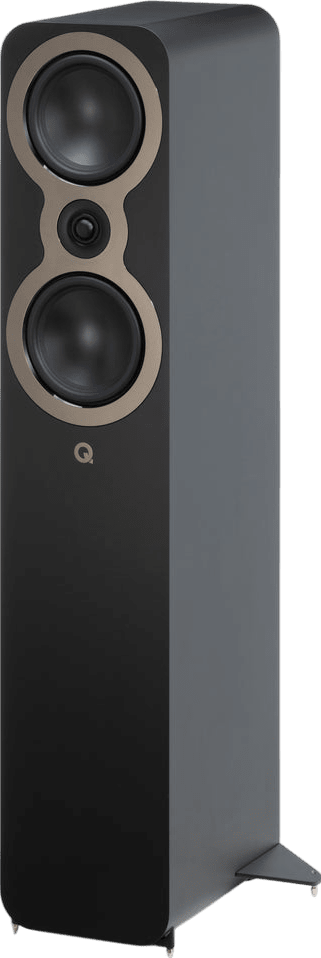
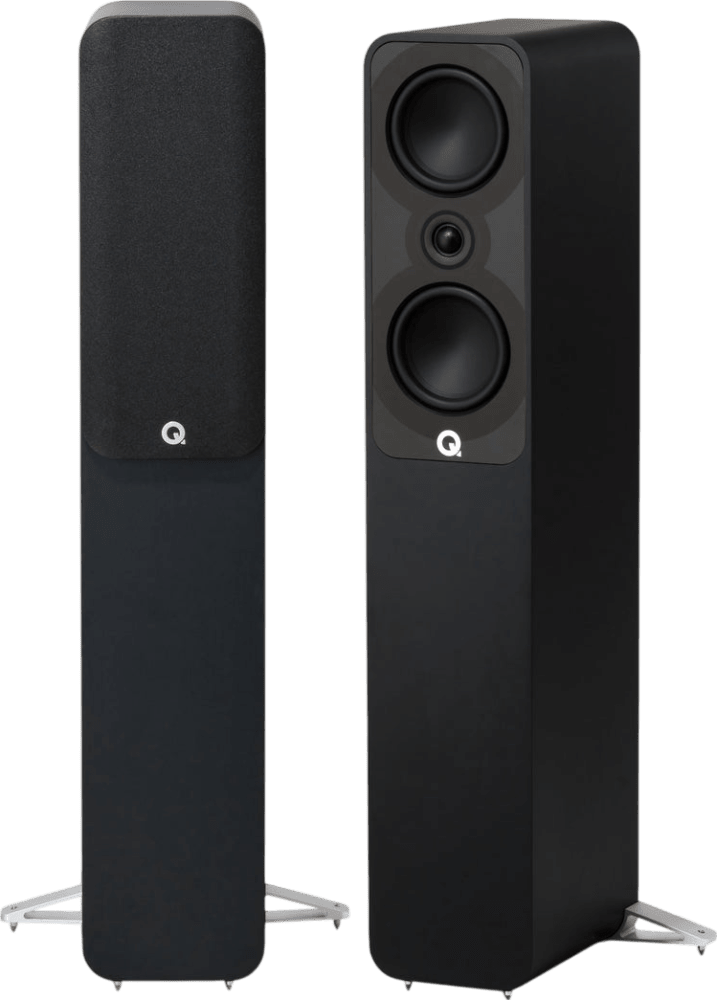
- Attractive design with rounded cabinet edges and multiple finish options (Satin Black, Satin White, Santos Rosewood, Holme Oak)
- Good midrange reproduction—clean and uncolored—especially for the price
- Clear and detailed sound with good separation of instruments
- Taut and agile bass performance
- Internal bracing (P2P) stiffens the cabinet, reducing vibrations and improving stereo image
- Connectivity options such as binding posts
Product Considerations
- Can tend towards brightness, potentially causing fatigue during longer listening sessions—especially with the wrong equipment pairing
- Cabinet size is relatively large for a bookshelf speaker
- Bass response is somewhat subdued
- Some reviewers noted imaging issues, with vocals lacking a firm presence in the center
- Grilles muddle the sound
Takeaway: The Q Acoustics 5020 is a great-looking speaker that offers a rich and musical sound, making it a very entertaining listen for the price. With its ability to reveal details from recordings, it's a wise choice for those looking for a well-built and sonically pleasing speaker.
All
5020
reviews


Manufacturer details
- Bass unit: 1 x 125 mm (5.0 in)
- Treble unit: 1 x 25 mm (1.0 in)
- Frequency response(-6dB): 53 Hz - 30 kHz
- Nominal impedance: 6 Ω
- Minimum impedance: 3.3 Ω
- Sensitivity (2.83V @ 1kHz): 87.9 dB/w/m
- Recommended amplifier power: 25-100 W
- Crossover frequency: 2.5 kHz
- Effective volume: 6.8 L
- Dimensions (per loudspeaker / HxWxD): 284 x 180 x 293 mm (11.2 x 7.1 x 11.5 in)
- Weight (per loudspeaker): 7.0 kg (15.4 lbs)









Brand highlights
Taking a step back to look at reviewers' thoughts of the brand's entire lineup—not just this product—what stands out most is the following:
- Q Acoustics employs point-to-point (P2P) bracing and Helmholtz Pressure Equalizers (HPE) in their speaker cabinets, reducing internal air pressure and unwanted resonance.
- They are known for their "Continuous Curved Cone (C3)" driver design in mid/bass drivers to blend bass and midrange performance seamlessly.
- Q Acoustics consistently prioritizes a clean, modern, and minimalist aesthetic across their product lines.
- The brand offers a sonic signature that is often described as a balance of warmth, refinement, and detail, proving easy to listen to over long periods.
Select products
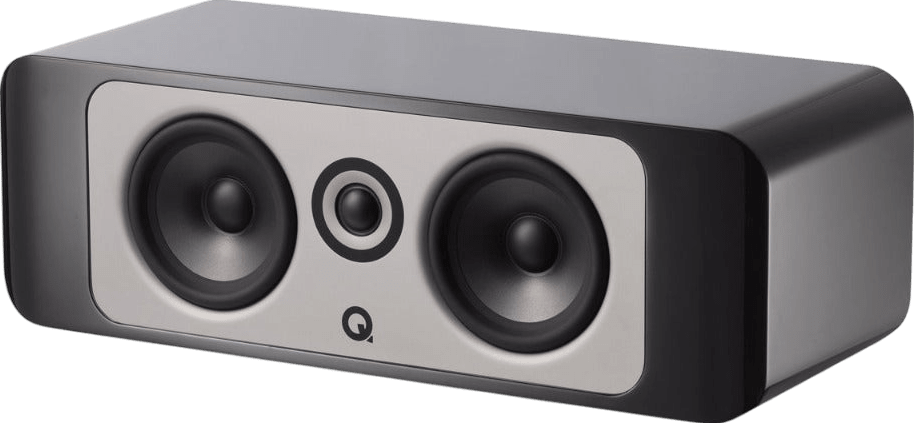
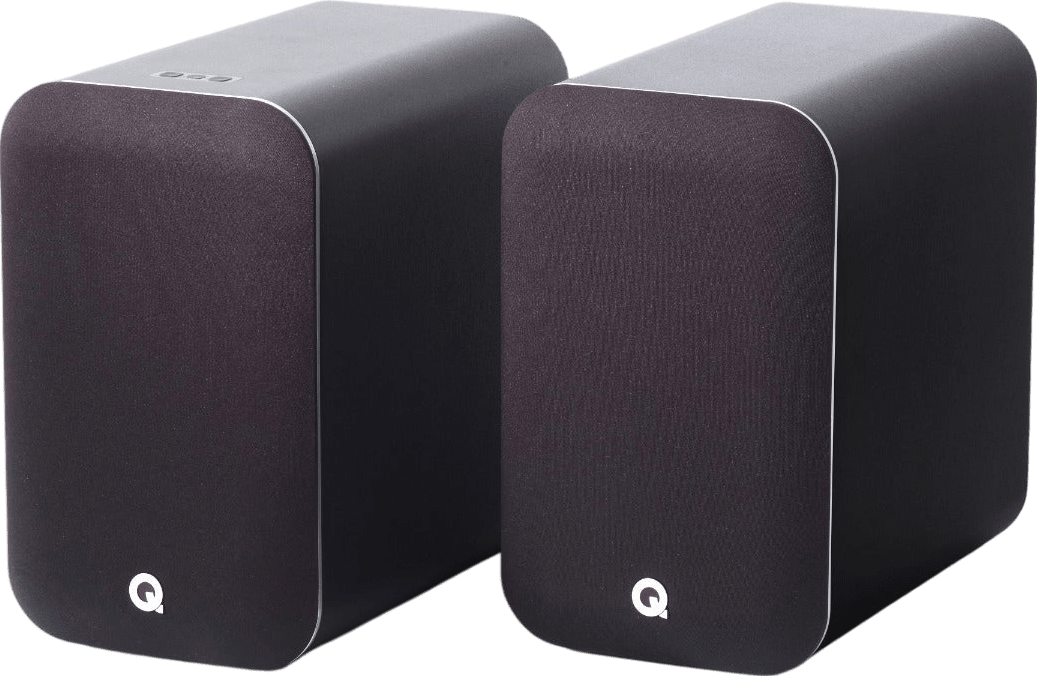
Q Acoustics M40
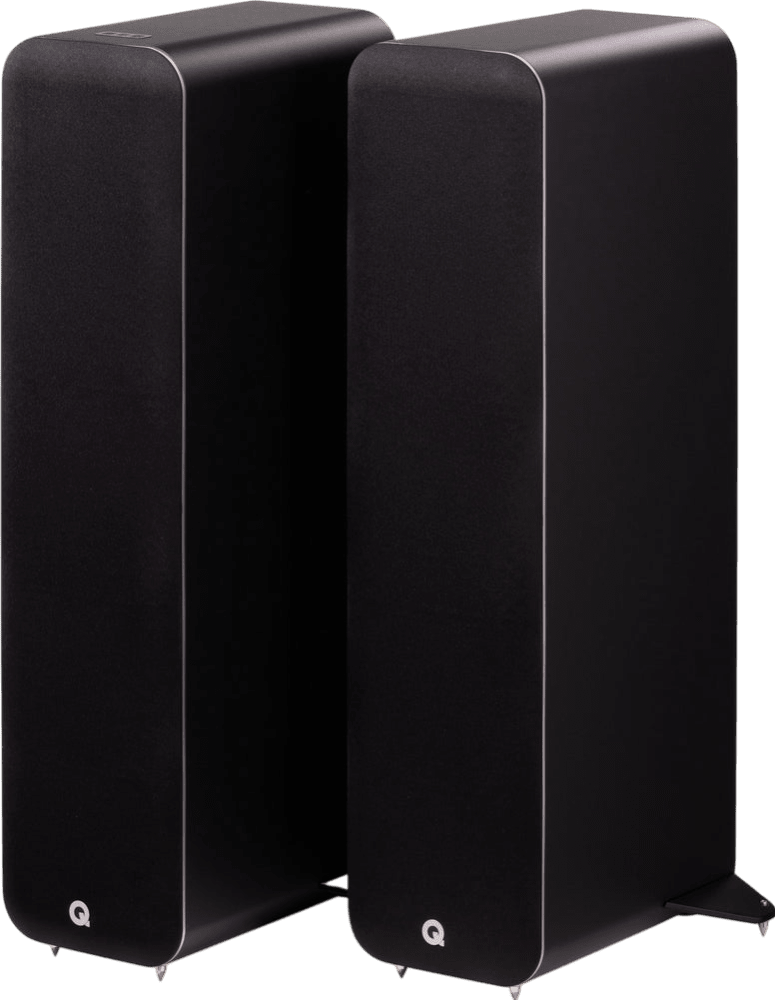
- Positioning: The entry-level, cost-effective micro-tower speaker designed for compact spaces.
- Description: Offers a compact design with built-in amplification, making it ideal for small rooms or as a secondary system. Its C3 Continuous Curved Cone design provides smooth integration and controlled bass, similar to the 5040 but in a more compact form. Unlike the Q Active 400, it lacks wireless streaming capabilities, making it more suitable for users with simpler connectivity needs.
Q Acoustics 3050C
- Positioning: The mid-range floorstanding speaker in the 3000c series, offering a balance of performance and affordability.
- Description: Features the C3 Continuous Curved Cone for superior bass dynamics, similar to the 5040, but with a larger cabinet for more powerful sound. It includes P2P bracing and HPE technology for reduced distortion, offering a more refined soundstage than the M40.
Q Acoustics 5040
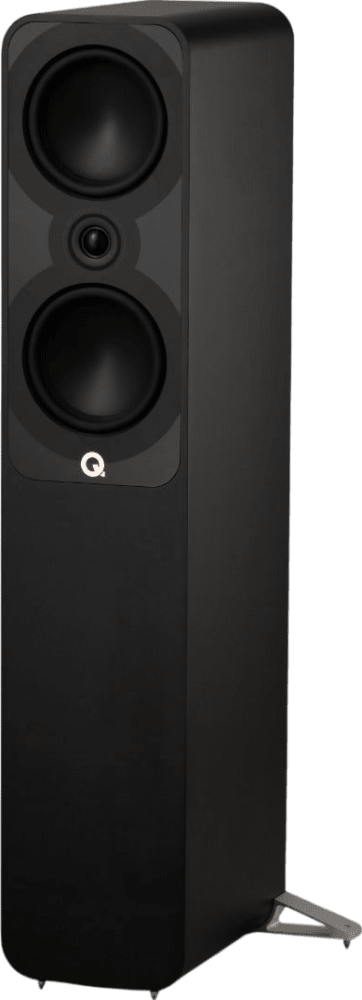
- Positioning: The compact floorstander in the 5000 series, designed for those seeking high performance in a small footprint.
- Description: Uses the C3 Continuous Curved Cone for enhanced bass and smooth high-frequency integration, similar to the 3050C but with a more advanced design. It features P2P bracing and HPE technology for improved sound clarity, offering a more sophisticated sound than the M40. Unlike the Q Active 400, it is not wireless, making it ideal for traditional hi-fi setups.
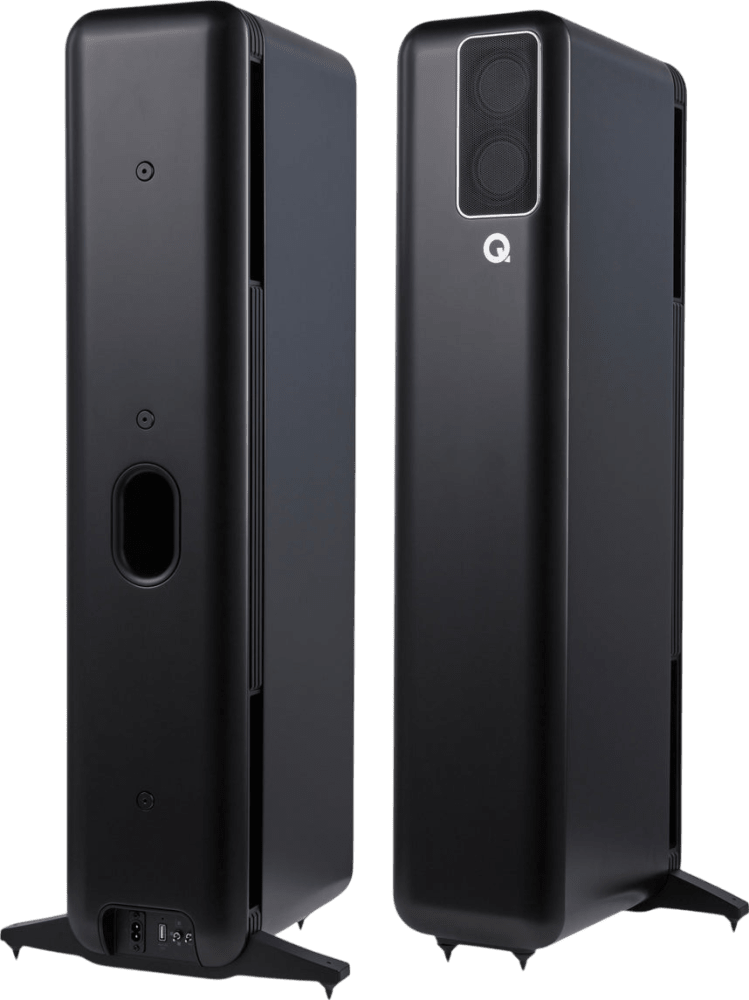
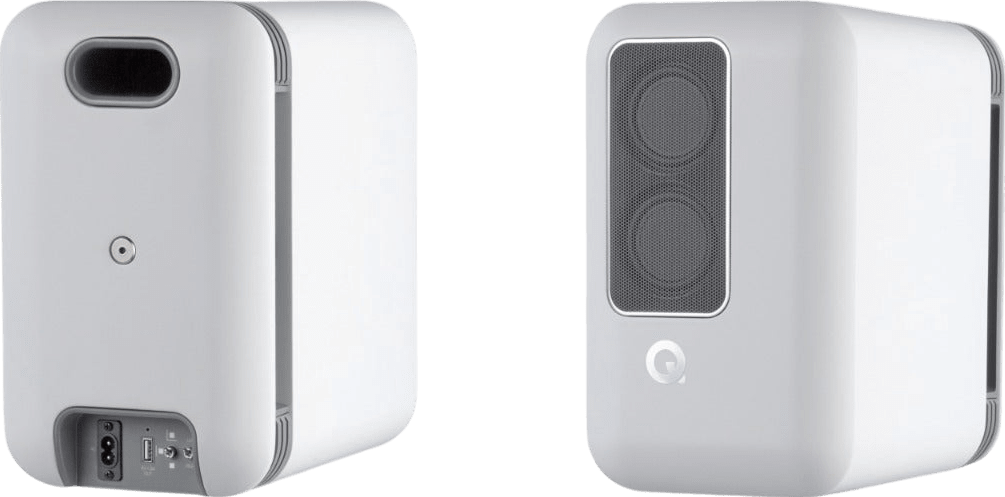
Q Acoustics Q Active 400
- Positioning: The high-resolution wireless audio system, offering a modern, versatile listening experience.
- Description: Provides true wireless connectivity with multiple streaming services, making it ideal for tech-savvy users who value convenience. Its BMR drive units deliver a wide soundstage, surpassing the M40's compact design. Unlike the Concept 500, it integrates seamlessly with modern smart home systems.
Q Acoustics Concept 500
- Positioning: The flagship model, designed for audiophiles seeking the pinnacle of sound quality.
- Description: Combines P2P bracing and HPE technology for exceptional audio precision, offering a more refined sound than the 5040. Its advanced cabinet design minimizes vibrations, providing a superior soundstage compared to the 3050C. Unlike the Q Active 400, it is tailored for traditional high-end audio systems, making it ideal for those with a higher budget and a focus on ultimate sound quality.

Our take on the brand
Look inside the brand
Our interview with the brand
What are two key technological innovations or strong opinions that differ you from other brands?
What's your approach to customer support?
What are your favorite tracks for showcasing the strength of your products?
What other products pair best with yours?

Used
Q Acoustics








What if you spend more?



.svg)
Our summary
Product Strengths
- Smooth, refined, and punchy performance, with a big, open, and clear sound makes listening enjoyable
- The cabinet design with Gelcore technology helps to reduce unwanted resonance, resulting in a cleaner, more detailed sound
- Excellent imaging creates a three-dimensional listening space
- Tonal accuracy is maintained across the frequency range and coloration is avoided, giving a natural sound
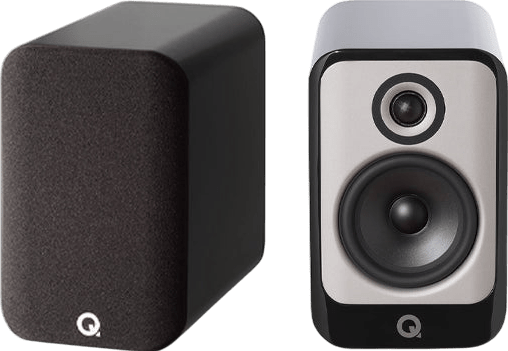
- Exceptional design and build quality make for an elegant-looking speaker
Product Considerations
- May lack dynamic subtlety, failing to fully communicate the interplay and changes in feeling within some musical pieces
- The stands, while visually appealing, are an expensive optional extra and can be difficult to assemble
- May not be as forgiving with poor recordings, revealing any flaws in the source material
- While the bass is controlled and natural, it may not extend as low as some competitors
Comparisons (according to reviewers)
- Vs KEF LS50 Meta: The Concept 30 offers a smoother and more forgiving listen, and matches the KEF's creation of a three-dimensional listening space
- Vs Sonus Faber Lumina II: The Concept 30 retains the joy and ease of drive of the Lumina II, while being technically accomplished as the LS50 Meta
- Vs Acoustic Energy AE500: The Concept 30 has a presentational energy and perceived speed closer to the Acoustic Energy AE500
- Vs Q Acoustics 3030i: Concept 30 provides more forceful, focused, and precise bass, the treble is more delicate, and describes the cymbal itself in a realistic manner, giving a mature and tonally accurate presentation
- Vs Martin Logan 15i: The Concept 30 had a far stronger hold on what was going on—giving an organized and structured sound, unlike the naive and undisciplined Martin Logan 15i
Takeaway: The Concept 30 is an outstanding speaker that combines exceptional sound quality with a stunning design, making it a stylish addition to any listening room. It is a great choice for listeners who want a detailed and engaging musical experience.
Video review
Our take on the brand
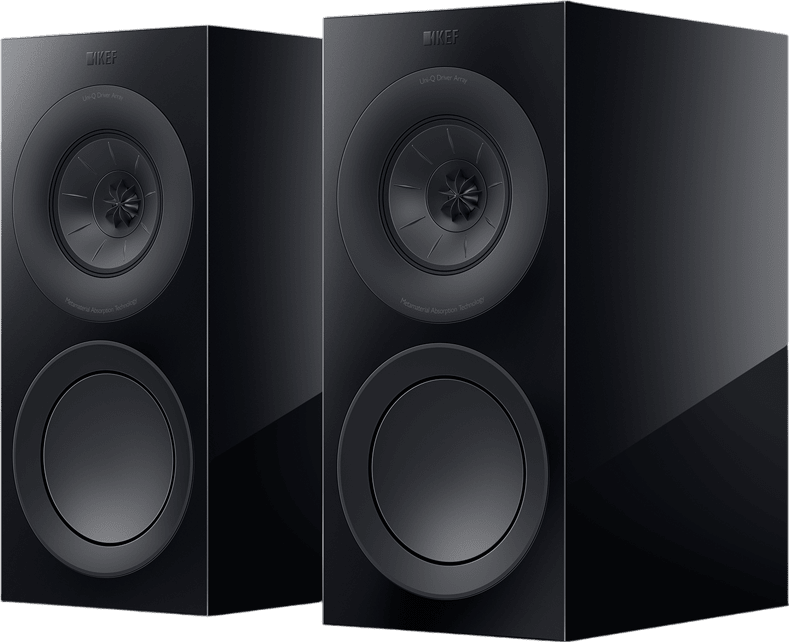

R3 Meta redefines bookshelf speaker’s performance. Sharing the same drivers as the range-topping R11 Meta, the R3 Meta is a true three-way design. It has a 12th generation Uni-Q® driver array with MAT™ and a powerful 6.5” hybrid aluminium bass driver that pushes performance to new extremes.
Product Strengths
- Remarkably precise, unusually musical, and vivid sound, creating an open, inviting sound and bringing superb clarity and resolution to music
- Wide, airy, and holographic soundstage with excellent directivity, spreading reflections evenly for a consistent sound experience even when not in the 'sweet spot'
- Innovative Meta Material Absorption Technology (MAT) absorbs 99% of unwanted sound coming from the rear of the tweeter, leading to improved clarity, precision, and detail in the high frequencies—and better overall composure when the mix gets complicated
- A dedicated woofer handles the bass, allowing the coaxial system to focus on the important midrange without interference, which results in improved bass performance and power handling
- Neutrality and balanced frequency response, combined with excellent linearity, makes it very suitable for equalization, allowing users to adjust the sound to their preferences
Product Considerations
- The bass, while tight and tuneful, might not provide the 'gut punch' or chest-thumping experience some listeners prefer, and a subwoofer is recommended for those seeking more pronounced low-end dynamics
- The treble response, while detailed and airy, may sound a bit bright when the speaker is aimed directly at the listener (on-axis), and a slight toe-out (5-10 degrees) is recommended to relax the high frequencies
- Some reviewers note that they may sound a little flat or leaner at very low listening volumes, excelling more when given some 'juice' and volume
- The piano black finish, while beautiful, is prone to fingerprints and requires care to maintain its appearance
Comparisons (according to reviewers)
- Vs. LS50 Meta: Considered a better, more complete speaker with a more balanced presentation from top to bottom—and a more fleshed-out sound
- Vs. Bowers & Wilkins 705 S3: Puts the treble on a much tighter leash, while the 705 S3 can come on as just too much in that lower treble region
- Vs. Buchardt S400 Mark II: Is leaner, airier, and more spatial, while the Buchardt is warmer, thicker, and has more bass punch
- Vs. Revel M106: The Revel M106's directivity is nowhere near as good as the Kef R3 meta
Takeaway: The KEF R3 Meta is a well-rounded and high-performing loudspeaker, offering a detailed and balanced sound signature with excellent imaging capabilities. It is a great choice for those seeking a neutral and engaging listening experience.
Video review
Our take on the brand

Our summary
Product Strengths
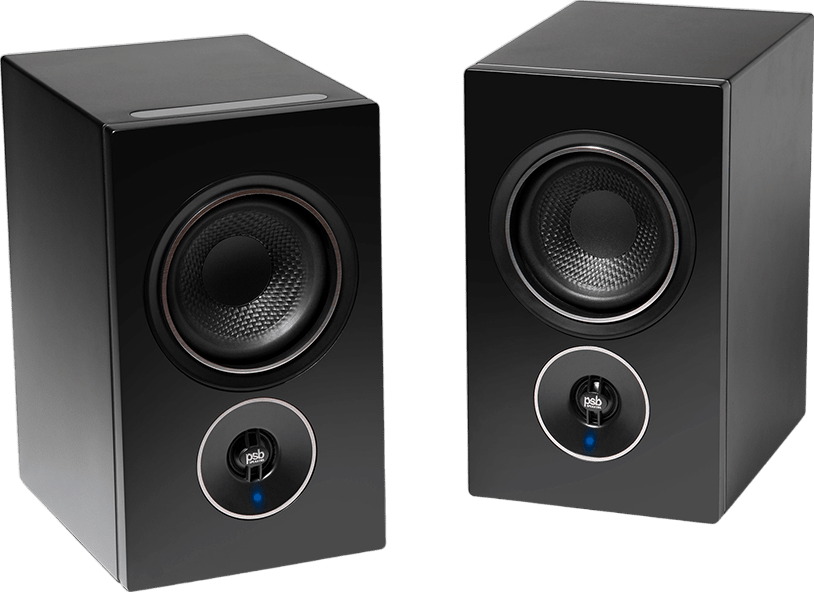
- Highly accurate sound with surprising dynamic and bass abilities
- Intuitive BluOS app provides access to many streaming services, multi-room control, and customisation options
- Wide range of connectivity options including HDMI eARC, phono inputs, USB, Wi-Fi, and aptX HD Bluetooth
Product Considerations
- BluOS app required for setup and primary use, no dedicated remote control is provided
- BluOS app can be quirky, and there are potential setup difficulties and HDMI connectivity issues
- Lacks room EQ features for near-wall or desktop placement, and doesn't have enough output for larger rooms without a subwoofer
Comparisons (according to reviewers)
- Vs SVS Prime Wireless Pro, the Alpha iQ provides a deeper soundstage and more filled-in sound
- Vs Q Acoustics's Q Active 200, the Alpha iQ delivers greater sense of scale
- Vs Bowers & Wilkins Panorama 3, the Alpha iQ provides more transparent sound and better dynamic range
- Vs ELAC Debut ConneX, the Alpha iQ offers wider-ranging connectivity and a dedicated control app
- Vs KEF LSX II, the Alpha iQ has a feature-rich app and multi-room audio skills
- Vs Alpha AM3, the Alpha iQ is physically larger, with more rated power and wireless connection between speakers
Takeaway: The PSB Alpha iQ is a compact, all-in-one streaming speaker system with excellent sound quality and versatility, making it a great addition to smaller spaces. Its multiple connectivity options and simple setup allow one to easily enjoy music from various sources.
Video review
Our take on the brand

Our summary
Product Strengths
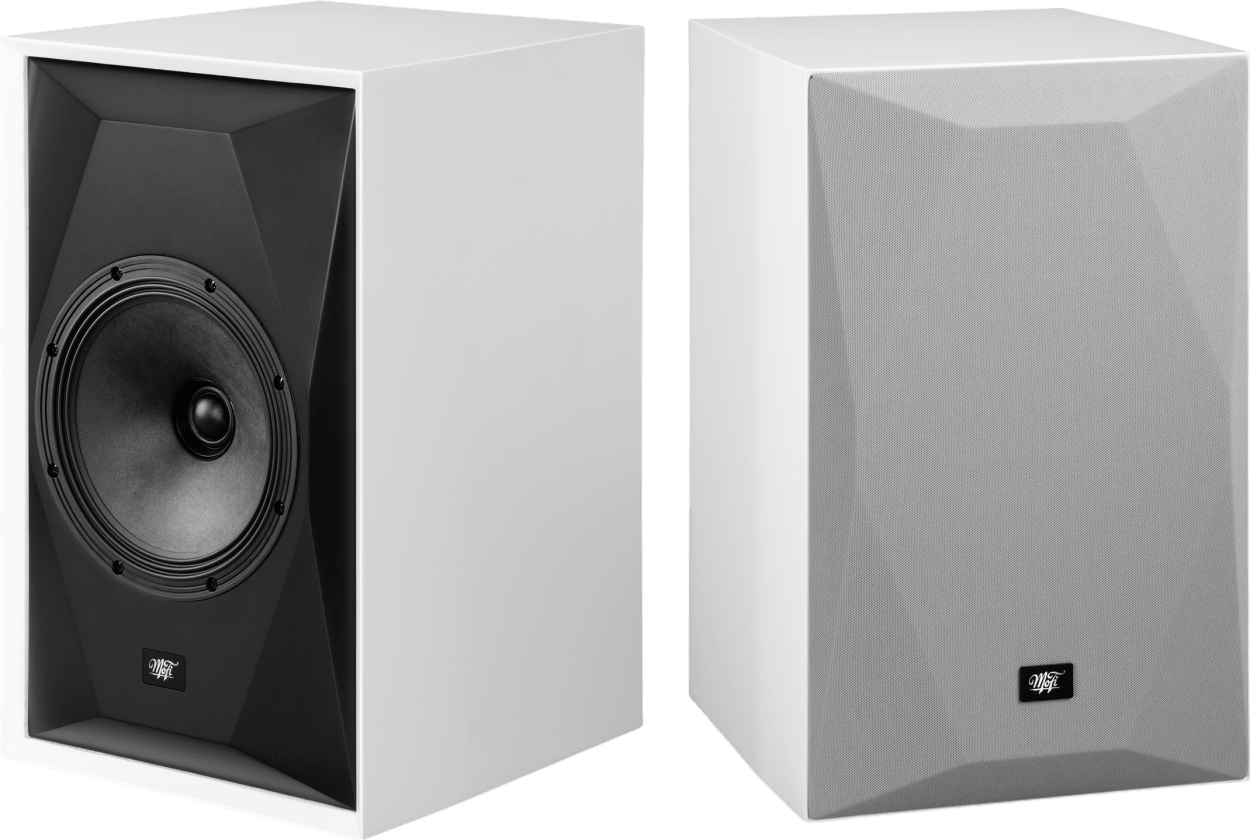
- Precise and stable stereo imaging
- Good detail retrieval
- Neutral tonal balance
- Versatile directivity
Product Considerations
- Bass extension requires a subwoofer for full-range playback, especially below the mid-40Hz range
- Potential for brightness, especially when toed-in directly towards the listening position
- Requires careful setup and experimentation with placement to optimize sound, especially in relation to the rear wall and toe-in
Comparisons (according to reviewers)
- The SourcePoint 8 is more neutral, with a less elevated top end, while the SourcePoint 10 is brighter
Takeaway: The SourcePoint 8 is a well-engineered speaker that stands out for its clear imaging and ability to convey musical detail across different genres. It offers a balanced and neutral sound that makes it an engaging listening experience.
Video review
Our take on the brand
What competes at this price?


Our Summary
Product Strengths
- Clear and detailed sound
- Controlled, taut bass reproduction
- Well-made and nicely finished
- Assertive and direct sound
- Impressive powers of resolution
Product Considerations
- Class leaders offer a more involving listen
- Rhythms could be more fluid
- Partnering needs real care
- Slightly lacking in both dynamic and low-end power
- Some limits to bass extension
Comparisons (according to reviewers)
- The 3020c are excellent at pulling out instrumental textures, outshining previous standmount members of the 3000 series by a considerable margin
- Dali Oberon 1 speakers have far more dynamic shading and differentiation, granting a greater sense of drama as a result
- Elac Debut 3.0 DB63 have the all-around sonic talent to really take the fight to the Q Acoustics
- The tweeter in the Q Acoustics 5020 manages to convey a little more energy and sparkle and manage a little more refinement at the same time
Takeaway: The Q Acoustics 3020c are capable speakers with clarity, agility and punch. They are a good option for those who admire a standard of build and finish that belies the asking price.
Video review
Our take on the brand


Our Summary
Product Strengths
- Inert cabinets due to serious cabinet construction
- Treble presentation projects into the room, giving a sense of holographics
- Flexible in terms of subwoofer pairing
- Wide soundstage
- Detailed, dynamic sound
Product Considerations
- Treble might be too forward for people with sensitive ears or those preferring a darker sound
- Bass is respectable for the driver size, but is not a 'bass monster'
- Treble can become a little harsh when pushed above 85dB
- Mid-range might be too neutral for people wanting coloration
Comparisons (according to reviewers)
- Vs Dali Oberon 1, the 5010's treble is energetic, but less sharp than the Oberon 1
Takeaway: The Q Acoustics 5010 is a great-sounding speaker in a small size that is built well. With good detail and a dynamic sound, it is a nice choice for people with space concerns.
Video review
Our take on the brand
Our Summary
Product Strengths
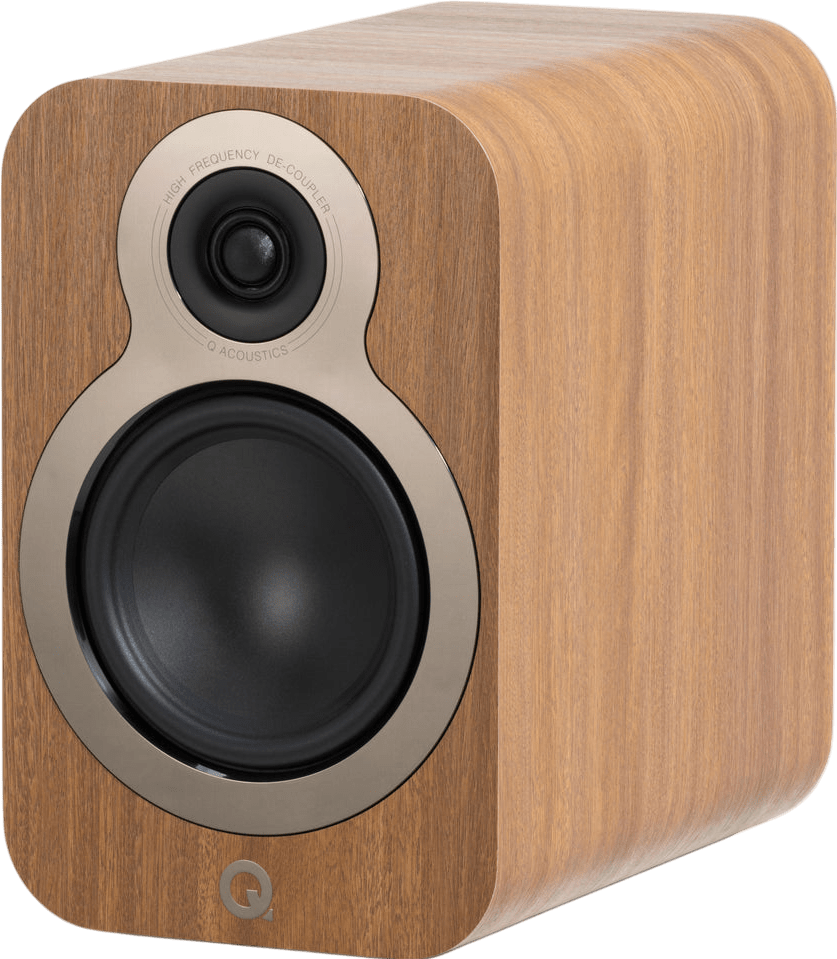
- Excellent bass performance
- High frequencies are very well expressed
- Very easy to drive with different amplifiers
Product Considerations
- The midrange is a little bit thick and cloudy
- The cabinet in the 3000 series speaker is not as inert as the 5000 series speaker
- Limitations in midrange resolution can impact soundstage and imaging
Comparisons (according to reviewers)
- The 3030c has greater bass impact due to extra cabinet volume and cone surface area, compared to the Q Acoustics 5020
- The Acoustic Energy AE100 Mk2 has a more natural and articulate midrange, but less bass impact and treble refinement
Takeaway: The Q Acoustics 3030Cs are recommended because they offer excellent bass and well-expressed high frequencies at a sensible price. They are a competent speaker that will appeal to people who enjoy a punchy bass.
Video review
Our take on the brand

Our Summary
Product Strengths
- Excellent focus and separation, with the speakers 'disappearing' to create a natural soundstage
- Impressive low-end performance, adding authority to the music
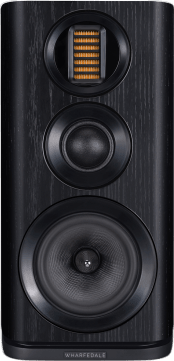
- Cohesive driver integration, with no perceivable handover between the AMT tweeter, midrange dome, and woofer
- Remarkable neutrality in the midrange, with a detailed yet smooth treble—avoiding harshness even at higher volumes
- Clear and detailed sound reproduction, extracting nuances and levels of information outstanding for its price
Product Considerations
- Vertical off-axis performance of the AMT tweeter is not good, so correct speaker height and toe-in are important
- Soundstage is not super wide, with the presentation mostly between the speakers
- Some reviewers found the aesthetics or proportions to be awkward or not to suit all tastes
- Bass may be a bit polite for some listeners wanting subwoofer-type rumble
- The midrange can be fatiguing if the listener's ear is at the midrange driver level
Takeaway: The Evo4.2 is a well-rounded speaker that delivers excellent sound quality with impressive imaging, detail, and tonal balance. It is capable of providing an audiophile experience at an affordable price.
Video review
Our take on the brand

Our Summary
Product Strengths
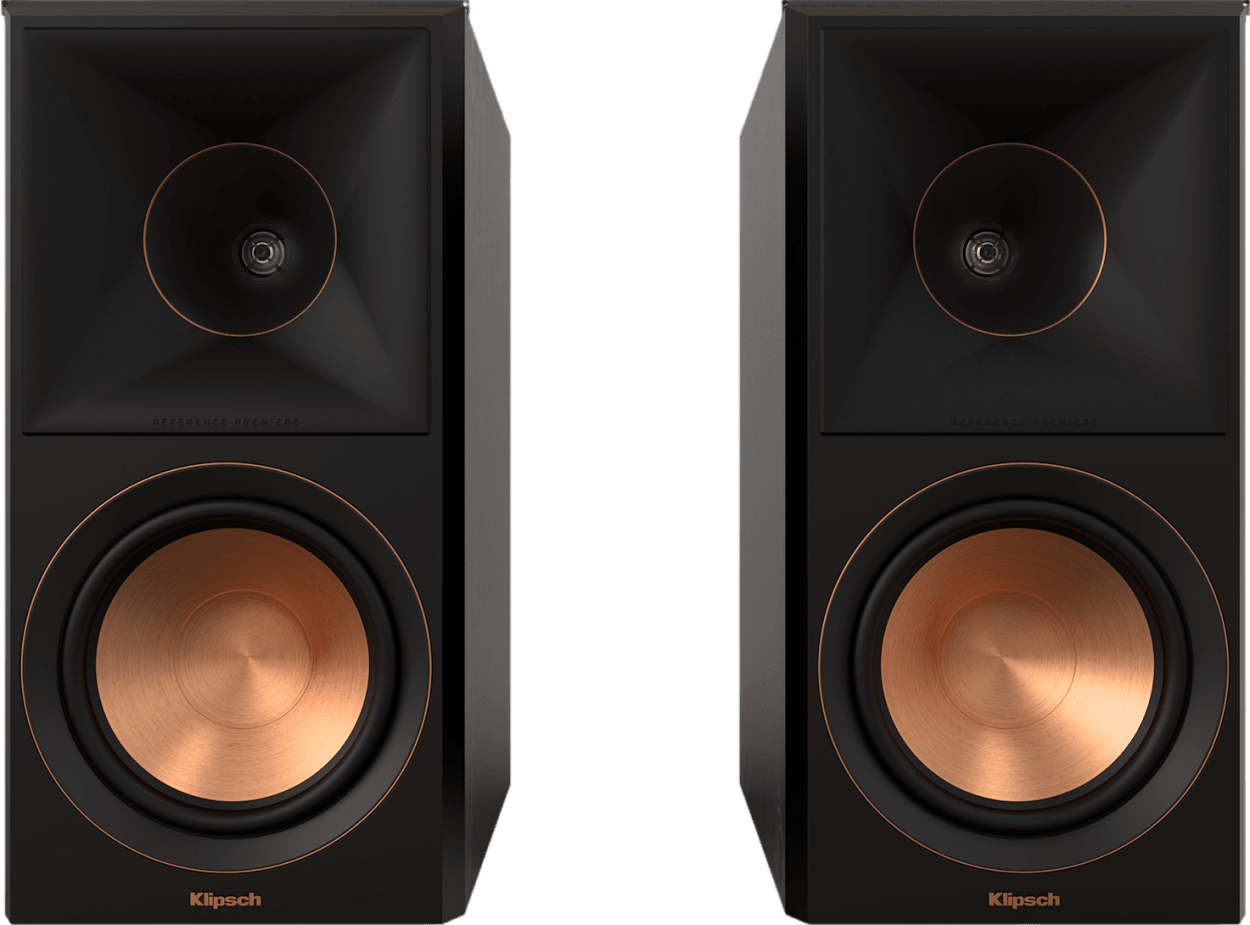
- Larger horn tweeter and a new Cerametallic woofer, compared to its predecessor
- Upgraded binding posts and crossover plate elevate to Reference Premiere status
- Larger diameter voice coils and aluminum shorting rings on the woofers give the speaker better linearity throughout the bass, decrease distortion while upping power handling resulting in improved speed and accuracy
- Better detail retrieval, more articulate bass, and vastly improved soundstage width and imaging, compared to the RP-600M
- The binding posts are the same that are found on costlier Heritage speakers
Product Considerations
- Finish options did not receive an upgrade over the outgoing model, leaving customers with the same ebony or walnut wraps
- The tweeter may be too bright for some listeners who are sensitive to a more aggressive top end
- Rated sensitivity is 94.5dB, which is a decrease compared to the original's reported sensitivity of 96
- Needs a bit of space behind them and to the sides, or at least positioning on open shelves, if the powerful output from that port isn't to muddy the sound
Comparisons (according to reviewers)
- Compared to the older RP-600M, the new sounds far more linear
- The new is very easy to listen to for long periods of time, and while it still has a presence, a speed and transparency to the artist or instrument—at least with respect to the midrange—it is not as forward sounding as past designs
- The new proved to be surprisingly flat, but best of all, not the least bit fatiguing
- There was very little difference in tone with respect to the mids between the new and a costlier Revel bookshelf
- These two are actually pretty neck and neck
- As for the Wharfedale Evo 4.1, the Evo is better constructed, not to mention nicer looking
Takeaway: The RP-600M II is a refined speaker with better components, improved sound, and better bass response and imaging. It's a speaker that would be great for someone who likes to listen to a variety of music genres and wants a good-sounding speaker that can last a long time.
Video review
Our take on the brand
How to buy
Speakers
Search all hifi products
Explore our database of 10,000+ new and 25,000+ used hifi products.