What's unique about the brand
Brand overview
The Prestige models are the way in. The SR80 has stayed in the range longer than any other Grado, and What Hi-Fi credits the SR80x with "class-leading transparency." Stephen Dawson of Addicted to Audio picked the SR325x as the step up and the standout of the series, with "a truly balanced and attractive sound." Grados are easy to drive, and Guttenberg ran the RS1x straight from an iPhone, though he says a dedicated amplifier sounds better. Dawson's measurements give one tip that matters. Avoid the headphone jack on an AV receiver, because its high output impedance can swell the bass on the SR325x by up to 11 dB in his bench test, and he prefers a headphone amp with the lowest possible output impedance. Earpads are cheap and easy to change, and What Hi-Fi heard more refinement and a little more bass from the RS1x with the larger Statement Series pads. Be patient with a new pair, too. Guttenberg and Levi each give one at least 100 hours before judging it.
Joseph Grado was a master watchmaker who had worked at Tiffany & Company, and in 1953 he began making phono cartridges at his kitchen table in Brooklyn. He then closed the Grado fruit shop around the corner and opened Grado Laboratories, in a building the family had bought in 1918. Wikipedia credits him with the first stereo moving-coil cartridge, and he entered the Audio Hall of Fame in 1982. His nephew John started out sweeping the floors in 1965, and in the early 1990s he and his wife, Loretta, built Grado's first headphones at a workbench. About a year in, What Hi-Fi recounts, John woke up one night with the idea of a wooden headphone and went downstairs to carve what became the RS1. The family also planned Grado Towers, ceiling-high speakers built from headphone drivers, but the headphones were such an immediate success that no more than five pairs were made. Grado still assembles its cartridges in Brooklyn, and the HP100 SE of 2024 marked the 100th anniversary of Joseph's birth.
Sources
Our interview with the brand
What are two key technological innovations or strong opinions that differ you from other brands?
What's your approach to customer support?
What are your favorite tracks for showcasing the strength of your products?
What other products pair best with yours?

Products overview
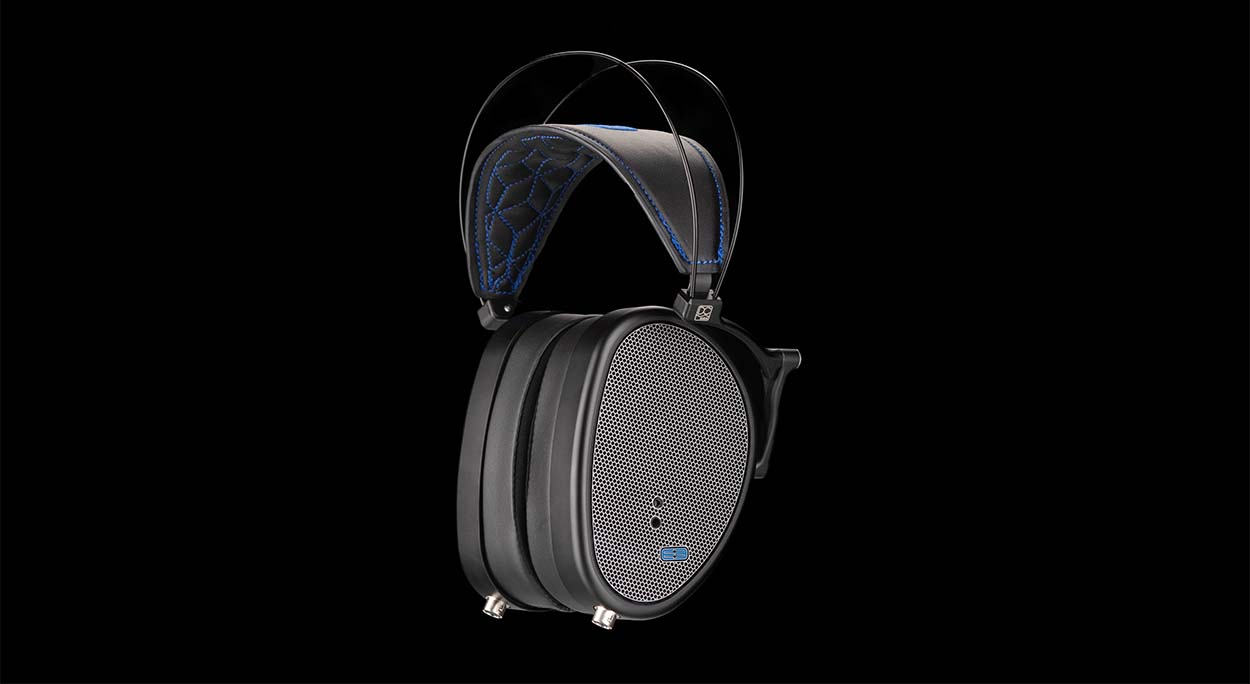
Every model is an open-back dynamic headphone at 38 ohms, so a phone or small amp drives any of them easily. The SR60x is the entry, a clear step up from ordinary consumer headphones. The RS1x moves to 50mm drivers and a response out to 30,000 hz, so you hear more at both ends. The Signature HP100 SE tops the range with 52mm drivers and a detachable cable you can match to your amp. The GW100x is the wireless one.
- Start here. The SR60x is the cheapest model, a good first pair for a listener who wants headphones that stay by the computer on a tight budget.
- Sweet spot. The SR325x gives you a wider 18 to 24 kHz response than the SR60x, so you hear more of the extremes while it stays under $500 and easy to drive.
- All in. The Signature HP100 SE is a modest extension of the Signature S950, priced in the same bracket, with drivers matched to .04 dB so left and right channels stay balanced for critical listening.
Product list



What reviewers are saying
We read all the reviews, and here's what stands out:
- The brand's headphones are known for their open-back design which trades noise isolation for an expansive and airy soundstage favored by audiophiles.
- Grado largely retains a characteristically "vintage" or "retro" design, despite ongoing component upgrades, making them visually distinct and instantly recognizable.
- They are designed for easy amplification, working well even with smartphones without requiring dedicated headphone amplifiers.
Quotes we liked:
- "The Grado RS1x Reference Series Headphone is everything you expect in a reference headphone. Linear but not sterile, musical but not veiled, dynamic, detailed, open and airy but with deep bass extension, with a massive three-dimensional soundstage, and on top of that unbelievably light and comfortable that allows for hours-long listening sessions." (https://headphone.guru/grado-rs1x-reference-series-headphone)
- "After sitting down with the SR325x, the best the series has to offer, the excitement that Grado generates for some people finally clicked with me. It's not about EQ accuracy and analytical listening: it's about an absolutely off-the-wall energy that made me feel helpless against the temptation to pump the volume and get the biggest dose of vibrating harmonic energy possible." (https://majorhifi.com/grado-sr325x-reiview)
- "The speed of the HP100 SE driver is shocking. One forgets the dynamic capabilities of a carefully engineered pistonic driver operating in just 3 or 4 cubic inches of air." (https://positive-feedback.com/reviews/hardware-reviews/grado-labs-signature-hp100-se-headphones)
- "Turns out that reaction wasn't a fluke—I whispered "Wow!" when I started my formal tests with "Trouble Is a Man," from Patricia Barber's Clique (24-bit/176.4kHz FLAC, Impex/Qobuz), because the RS2xes delivered such a realistic sense of space—more like what you'd hear with one of the better Dolby Atmos music mixes played on a really, really good surround-sound system. Very few headphones I've heard, at any price, could come close to the RS2x headphones' ability to produce a realistic sense of musicians playing in a room." (https://www.soundstagesolo.com/index.php/equipment/headphones/324-grado-rs2x-headphones)
Used
Grado
Every month, we find the brand's used items for sale across the web and offline hifi stores. We have the largest database of used hifi products. Search it here.
Similar
Headphones
brands





About the brand
Our interview with the brand
What are two key technological innovations or strong opinions that differ you from other brands?
What's your approach to customer support?
What are your favorite tracks for showcasing the strength of your products?
What other products pair best with yours?


Featured products
About the brand
Our interview with the brand
What are two key technological innovations or strong opinions that differ you from other brands?
What's your approach to customer support?
What are your favorite tracks for showcasing the strength of your products?
What other products pair best with yours?

Featured products



About the brand
Our interview with the brand
What are two key technological innovations or strong opinions that differ you from other brands?
What's your approach to customer support?
What are your favorite tracks for showcasing the strength of your products?
What other products pair best with yours?

Featured products


About the brand
Our interview with the brand
What are two key technological innovations or strong opinions that differ you from other brands?
What's your approach to customer support?
What are your favorite tracks for showcasing the strength of your products?
What other products pair best with yours?

Featured products
About the brand
Our interview with the brand
What are two key technological innovations or strong opinions that differ you from other brands?
What's your approach to customer support?
What are your favorite tracks for showcasing the strength of your products?
What other products pair best with yours?


Search hifi products
Explore our database of 10,000+ new and 25,000+ used hifi products.