


Welcome
Here's every hifi brand known for endgame-quality amps. It doesn't get better than these—if you have the money to spend.
What to look for when choosing an amp


So you want to buy a new amplifier, but you are not sure what you should pay attention to. At ExtremeHiFi, we have the world's largest database for audio products. Here is a brief overview of the most important functions and design aspects that distinguish amplifiers and that you should pay attention to.
The first and most important aspect of an amplifier is how much power it has. Can it actually drive your speakers? The easiest way to check this is to look at what the manufacturer recommends for your speakers. At ExtremeHiFi, you can see the recommended performance in the specifications section and ask your manufacturer if they don't provide this information.
Certain types of speakers, such as horns, are often much more sensitive and in many cases require only a little wattage to become extraordinarily loud. Therefore, you shouldn't buy a 100W per channel amplifier for sensitive horns, as you won't use most of the dynamic range of the amplifier. You'll achieve better results with a lower-powered amplifier. However, if you have something like Focal Grande Utopias that require a few hundred watts, you should make sure that you buy an amplifier with sufficient power to drive the speakers properly, without being too quiet or distorted from overexertion.
In the upper market segment, many people prefer monoblock amplifiers. These amplifiers only have one channel, so you have to buy two of them. This can have some advantages in terms of quality. They take up more space and probably cost more than a corresponding stereo amplifier. However, since the amplifiers are spatially distant from each other, there is no possibility of electrical interference or so-called crosstalk between the two channels. In addition, they have their own power supply. So if one channel is heavily tasked, the other is not affected in any way. They have their own heat dissipation, and with monoblock amplifiers, you can generally achieve a slightly higher performance limit than with a stereo amplifier.
When deciding which amplifier to buy, there is a third criterion that can have a drastic influence on the sound that you actually get and on some compromises that you have to make. This is the class of the amplifier, where the three most common options are Class A, Class AB, and Class D.
Class A amplifiers have the reputation among audio experts to offer the best sound quality. This is mainly because Class A amplifiers are the purest form of audio amplification. They have a single or a group of transistors that amplify the entire cycle of the audio signal—completely positive and negative. This means that the behavior at different levels is extremely consistent, and many people think that Class A amplifiers sound best.
But that's a trend, not a rule. There are many terrible Class A amplifiers, but also many fantastic Class AB and Class D amplifiers.
In fact, most people do not use Class A amplifiers because the compromises that you have to make are quite large. They generate a huge amount of heat. If you need a stereo amplifier with 100W per channel, a Class A amplifier could permanently draw 800W from the socket, even at idle, and release this power as heat into your room. Especially if you have high power demands for your speakers, a Class A amplifier may simply not be practical.
Class AB amplifiers work similarly to Class A amplifiers. Instead of a single group of transistors that amplify the entire positive and negative cycle, they have one group that amplifies the positive cycle, another group that amplifies the negative cycle, and the summed output signal is the intended audio signal. This has the advantage that they are much more efficient. At idle, they don't consume as much energy as a Class A amplifier. They run much cooler, and you can often get much more power from a physically smaller device because you don't have to dissipate so much heat.
However, this also means that the distortion behavior of Class AB amplifiers in relation to the output level can be slightly different from that of Class A amplifiers. Nowadays, however, the quality difference between Class A and Class AB amplifiers has diminished significantly compared to earlier times, possibly even no longer existing. There are some fantastic Class AB amplifiers on the market.
So if you have very sensitive speakers, it can still be worthwhile to look at Class A amplifiers, as it is much easier to get a Class A amplifier with 20W per channel than one with 100 or 200W.
However, if you have power-hungry speakers, don't think that you have to sacrifice a lot when buying a Class AB amplifier, as some of the Class AB products on the market are really extraordinary.
Now, there is a third category of amplifiers that is becoming more and more popular, the so-called Class D. These amplifiers work completely differently than Class A and Class AB. Instead of amplifying the signal one-to-one, they actually turn it into a series of extremely high-frequency pulses. If you then use a low-pass filter that filters out the high-frequency components, the originally intended signal is reproduced.
Class D is particularly suitable for requirements with very high power and a small form factor. It is often found in subwoofers, in car radios, or in places where you need a lot of power in a small housing. This is because Class D is the most efficient amplifier type, often over 90 percent efficient. This means that they consume almost no more electricity than they actually output. They emit almost no heat.
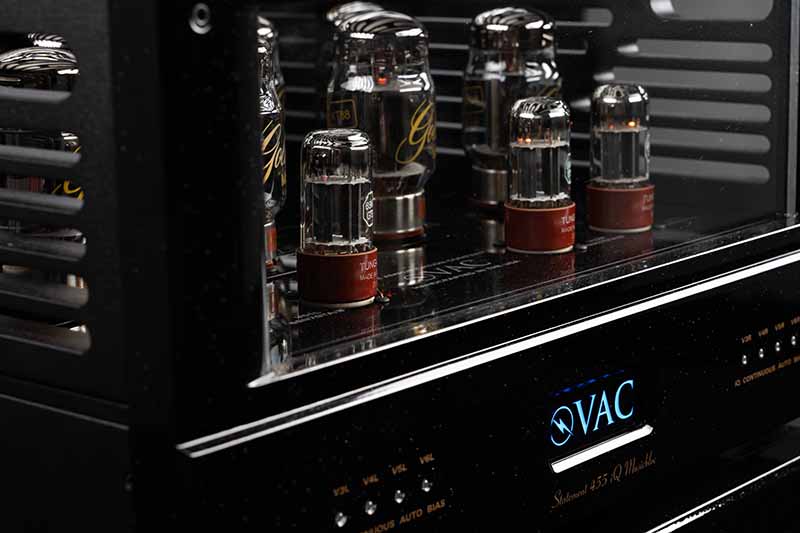
Another important aspect to consider in addition to the amplifier class is whether you want a transistor or a tube amplifier. Tube amplifiers are usually Class A amplifiers but use tubes instead of transistors and are objectively less accurate than most transistor amplifiers. They have higher distortion and color the sound more than a typical transistor amplifier. But the reason why so many of them are still produced and why they are still so popular is that some of these distortions and colorations provide a really pleasant end result that many people prefer over a more neutral, linear, or accurate sound. So if you prefer a warmer, slightly colored, but more pleasant sound, a tube amplifier could be something for you.
Regardless of how powerful your required amplifier should be or which amplifier class you prefer, you should consider whether you need a power amplifier or an integrated amplifier. Power amplifiers are extremely common in audio technology and do not have their own volume control. They are called power amplifiers because they provide a fixed gain. They take an input signal that is amplified by a fixed amount, and that's all. For this reason, when buying power amplifiers, you should make sure that either your DAC has an integrated volume control that you can use, or that you use a separate preamplifier for the volume control.
Power amplifiers don't omit volume controls for cost reasons, but because for quality reasons you don't want to have the sensitive line-level circuit as close to a large, powerful amplifier as possible. For higher-quality setups, instead of an amplifier with an integrated volume control (which is referred to as an integrated amplifier), you usually use a separate power amplifier and then a preamplifier or a DAC with an integrated volume control, rather than having all the sensitive circuitry in the same device as the amplifier itself.
However, if you have limited space, you can look for an integrated amplifier, which combines the functions of the power amplifier and the preamplifier and often includes both the input circuit and the volume control. Sometimes the DAC itself is also housed in the same device.
There are so many different amplifiers on the market, which are all suitable for different tastes and preferences. The best way to find out what is actually suitable for your personal preferences is to read the reviews and see what people say about them. With ExtremeHiFi, this is very easy thanks to our rating system. You can go to each product page and take a quick look. This gives you an overview of what people think about it and which competing products you should pay attention to.
Products on this list
Brands





.svg)
Learn about the brand
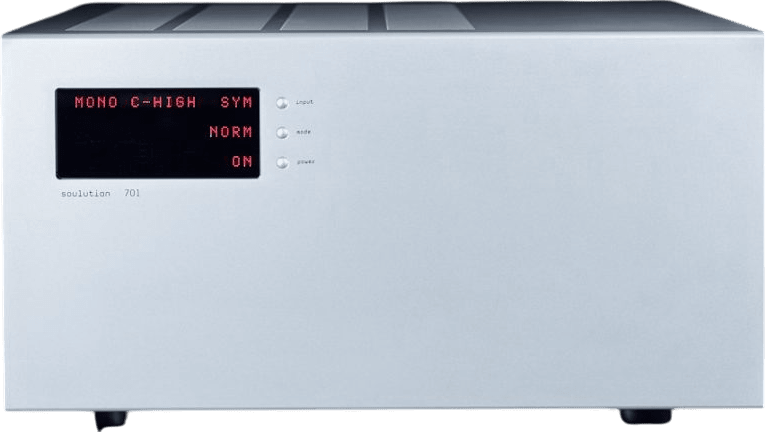
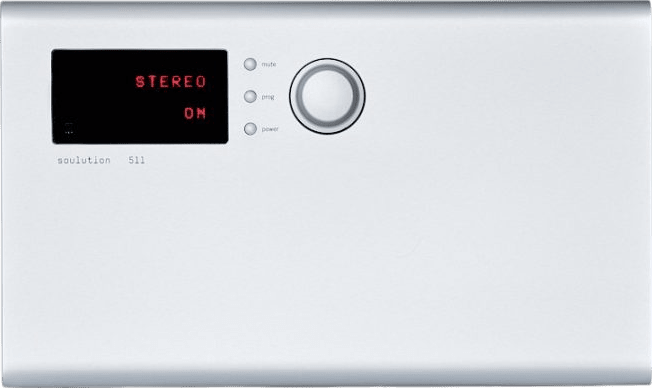
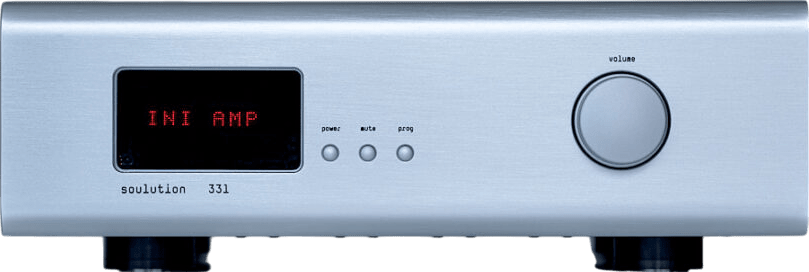
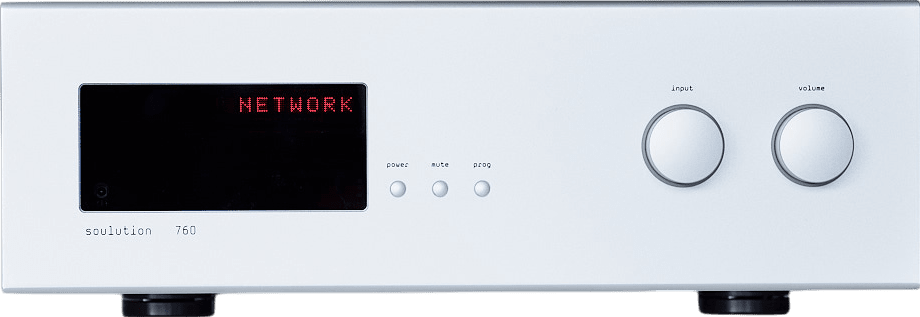
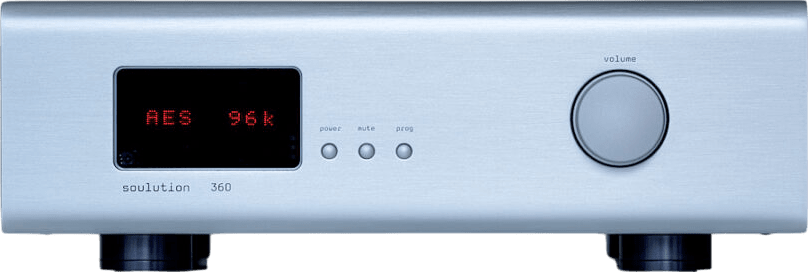
- Soulution's designs prioritize extremely high-speed circuits and substantial local negative feedback, dramatically reducing distortion and phase errors compared to traditional solid-state amplifiers.
- They utilize sophisticated switched-mode power supplies (SMPS) for exceptionally stable and clean power delivery, allowing for greater dynamic linearity and bass control.
- The brand's components, while solid-state, are often described as having a "tube-like" soundstage and imaging, with a three-dimensional bloom and a natural presentation of instrumental images.
- Soulution integrates advanced digital volume control (Leedh Processing) that preserves signal purity and micro-details, making a separate linestage preamplifier potentially unnecessary.
Our interview with the brand
What are two key technological innovations or strong opinions that differ you from other brands?
What's your approach to customer support?
What are your favorite tracks for showcasing the strength of your products?
What other products pair best with yours?



Learn about the brand
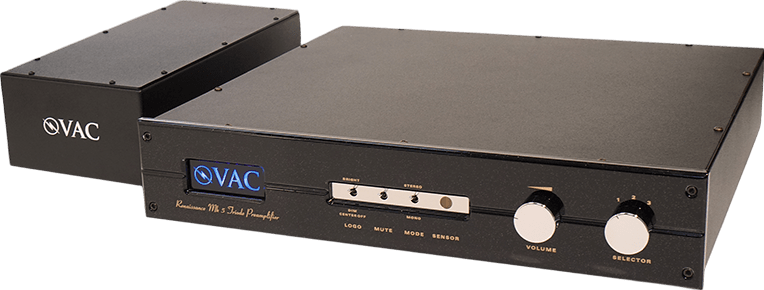
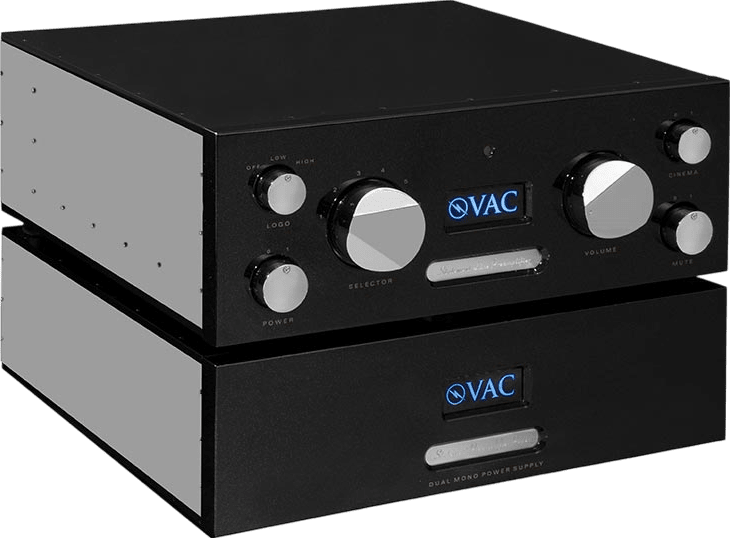
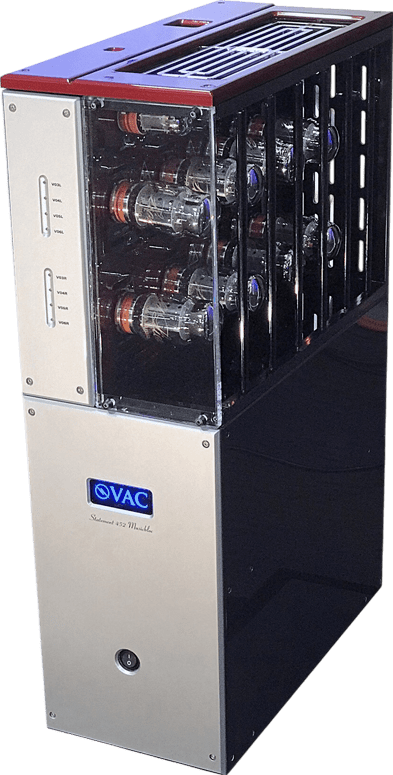
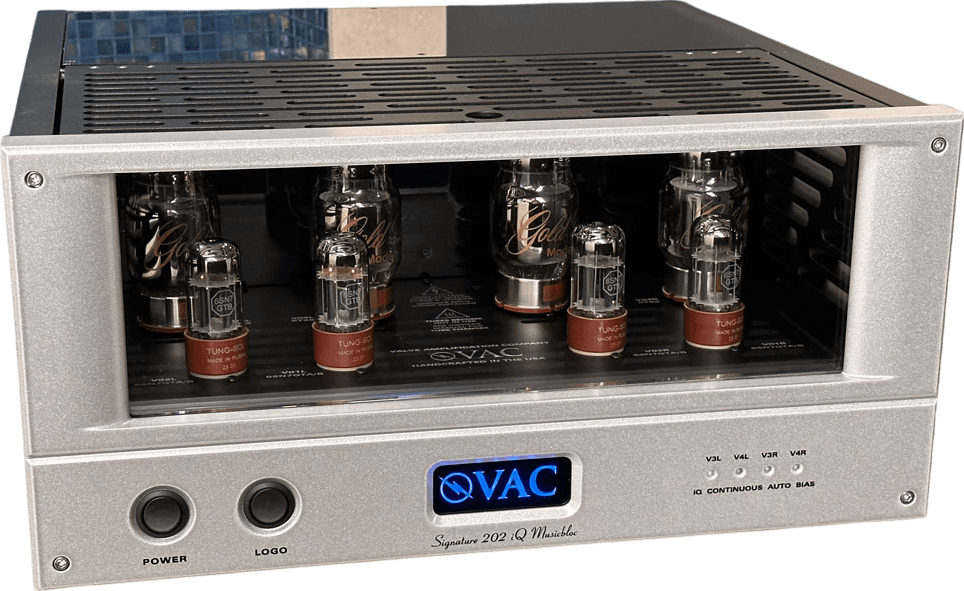
- VAC designs and manufactures its own bespoke transformers in the USA, winding them with stick-wound EI cores and encapsulating them in a special gel to dampen noise and vibration.
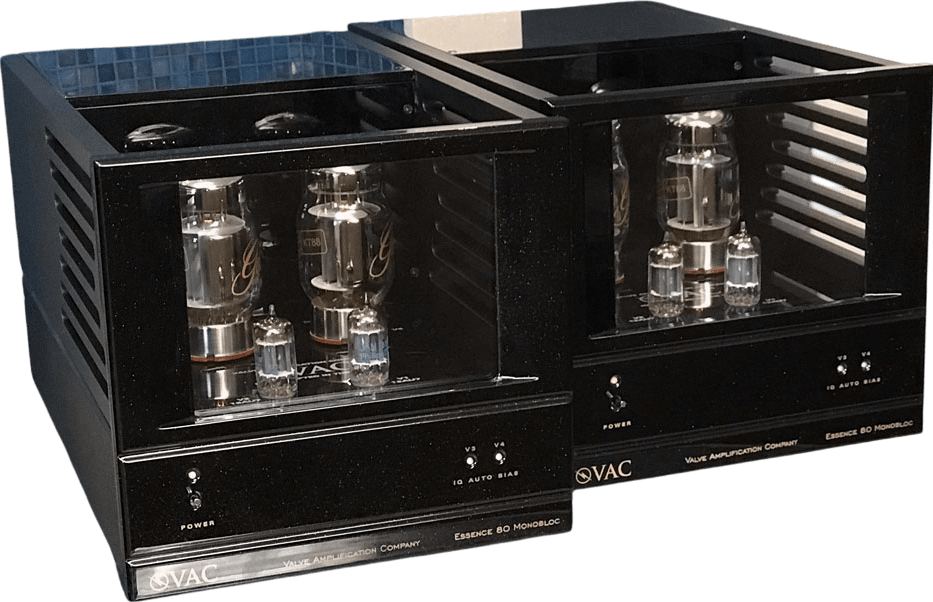
- The "iQ" Continuous Automatic Bias System, a patented technology, continuously monitors and adjusts the bias of the output tubes, optimizing performance and extending tube life without manual intervention.
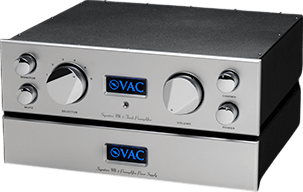
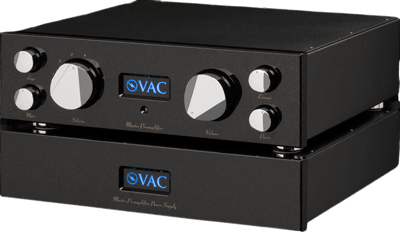
- VAC Statement components are meticulously hand-wired with point-to-point connections and use silver turrets for junctions, minimizing signal path and maximizing RF rejection and signal purity.
- They employ a specific sequence of plating metals—aluminum, copper, nickel, and chrome—on Statement preamplifier and iQ power amplifier parts to create coactive circuits.
Our interview with the brand
What are two key technological innovations or strong opinions that differ you from other brands?
What's your approach to customer support?
What are your favorite tracks for showcasing the strength of your products?
What other products pair best with yours?

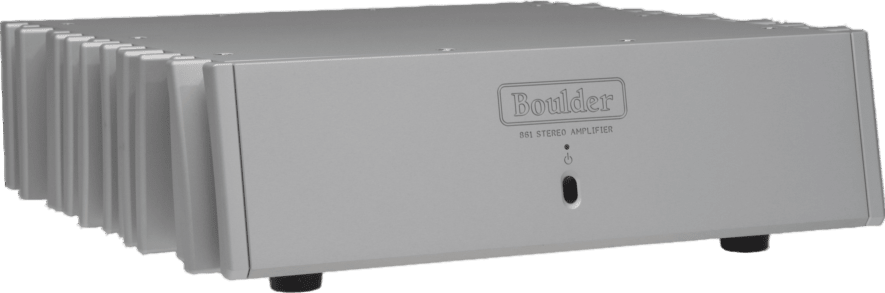

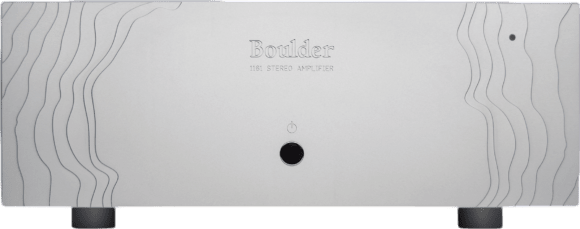

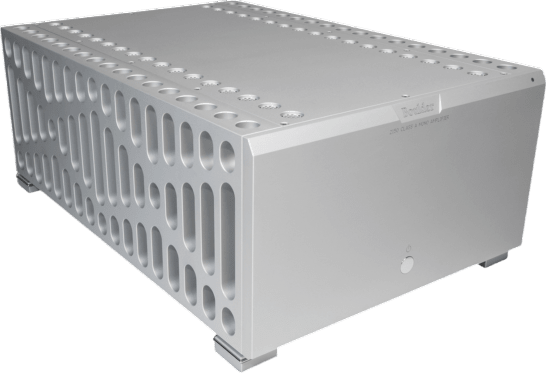
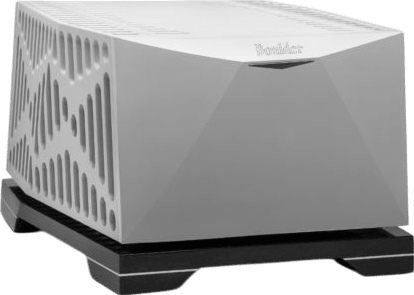
Learn about the brand
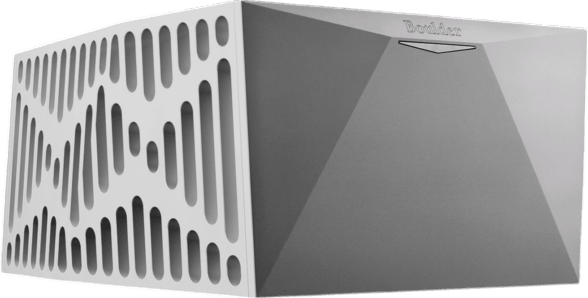
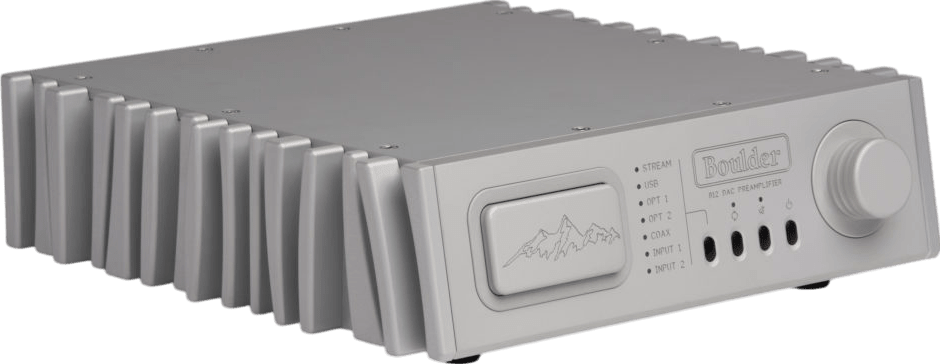
- Boulder prioritizes a "straight wire with gain" philosophy, focusing on neutrality and avoiding any specific sonic signature, allowing the source material to dictate the sound.
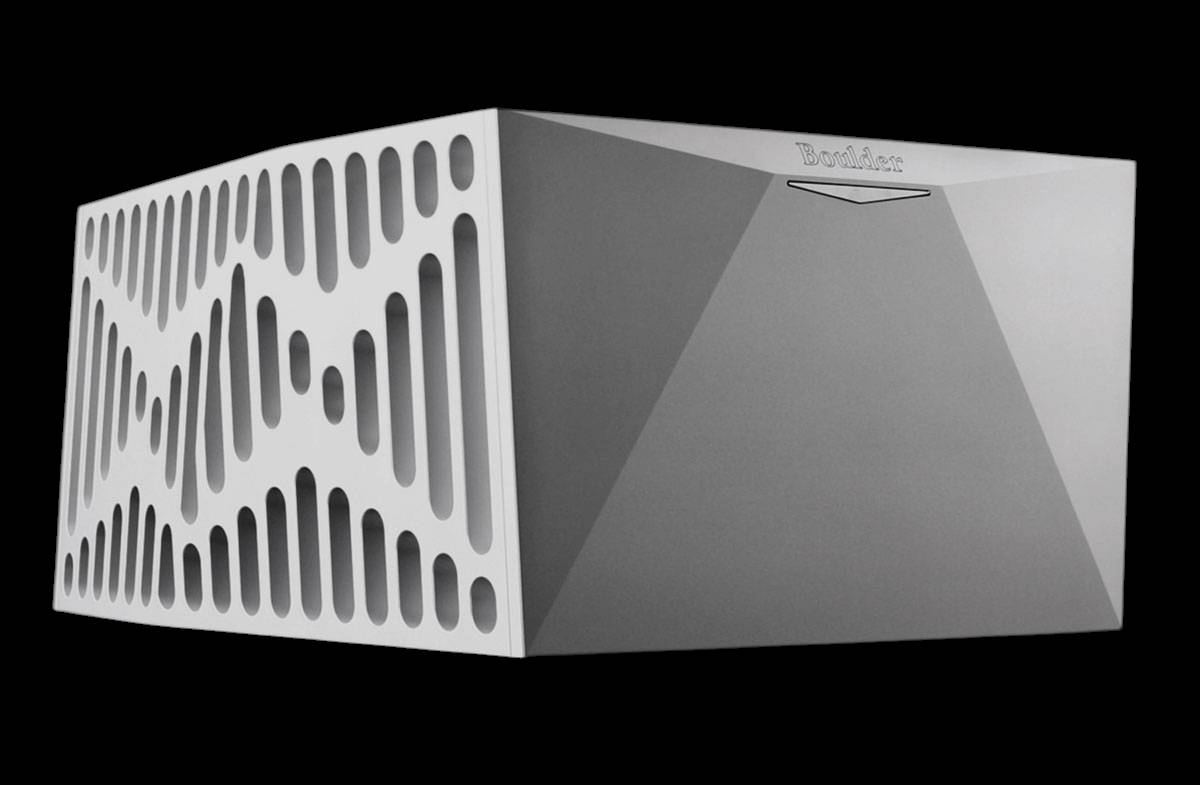
- The brand is known for a distinct industrial design, often featuring topographical contours and heatsinks that are considered aesthetically pleasing.
- They are committed to building all components in-house, including metalwork and circuit boards, to maintain exceptional quality control and durability, resulting in products with high secondary market value.
- Boulder's products are designed for long-term use and reliability, withstanding daily use and long periods of being left on with excellent circuit protection, although power consumption can be high.
Our interview with the brand
What are two key technological innovations or strong opinions that differ you from other brands?
What's your approach to customer support?
What are your favorite tracks for showcasing the strength of your products?
What other products pair best with yours?
.png)
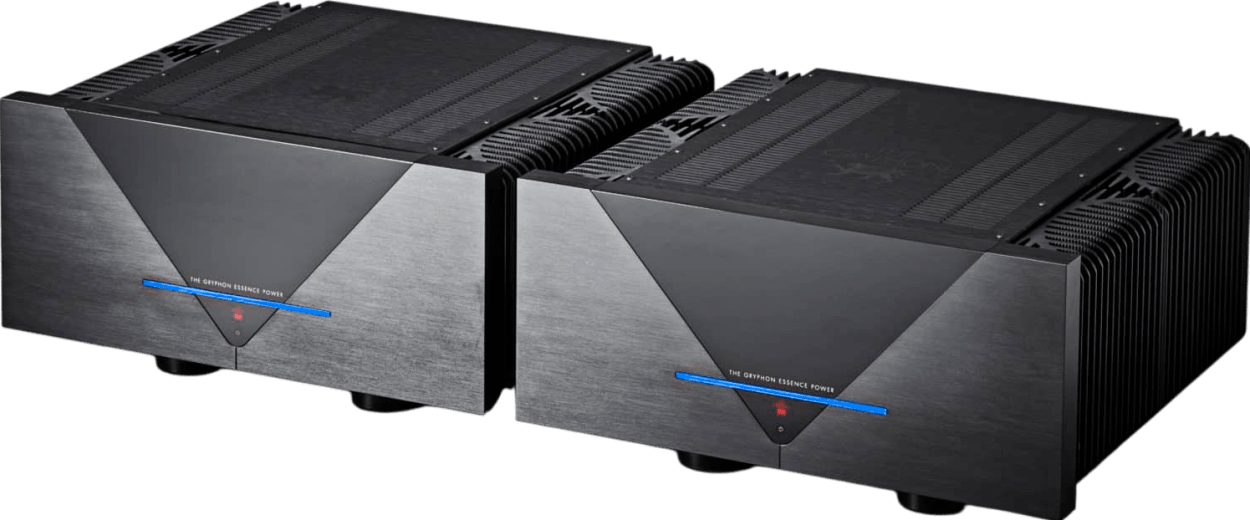

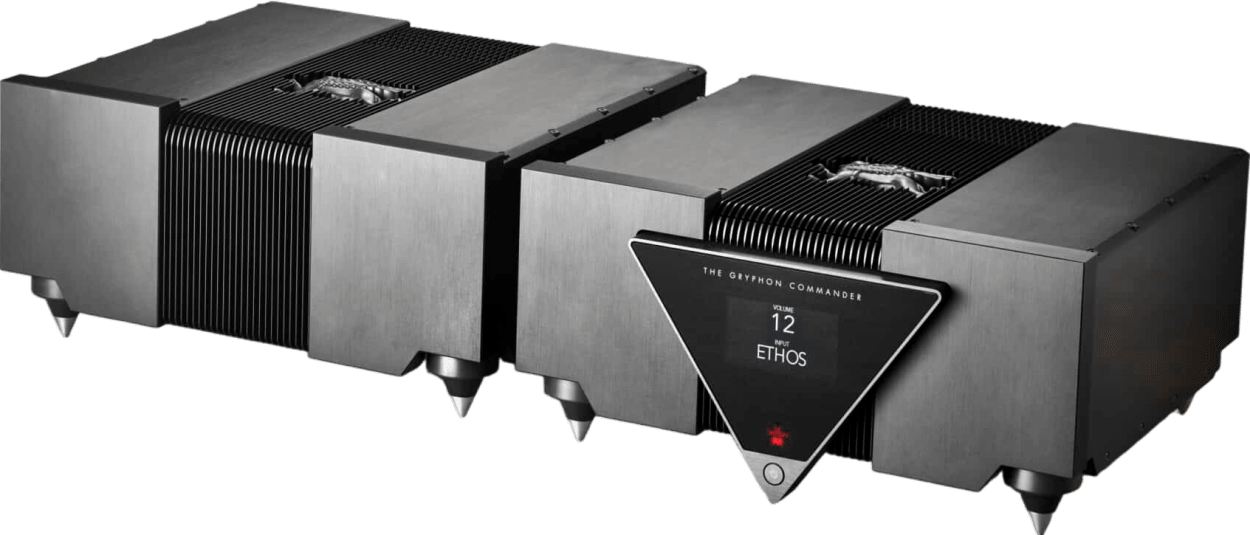

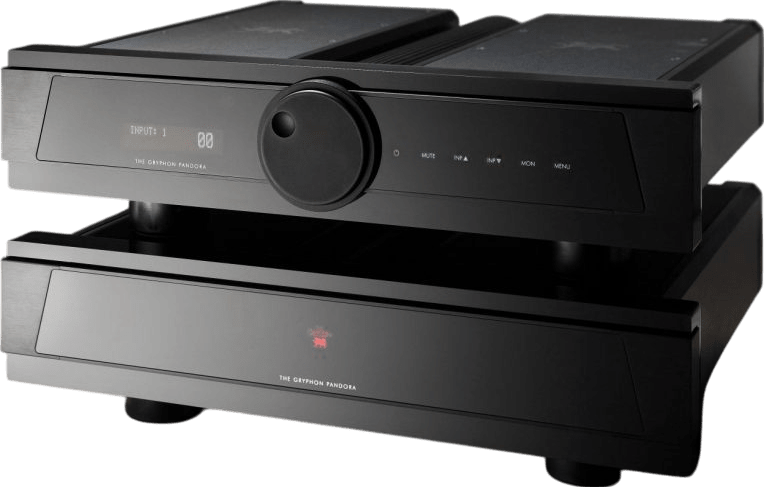
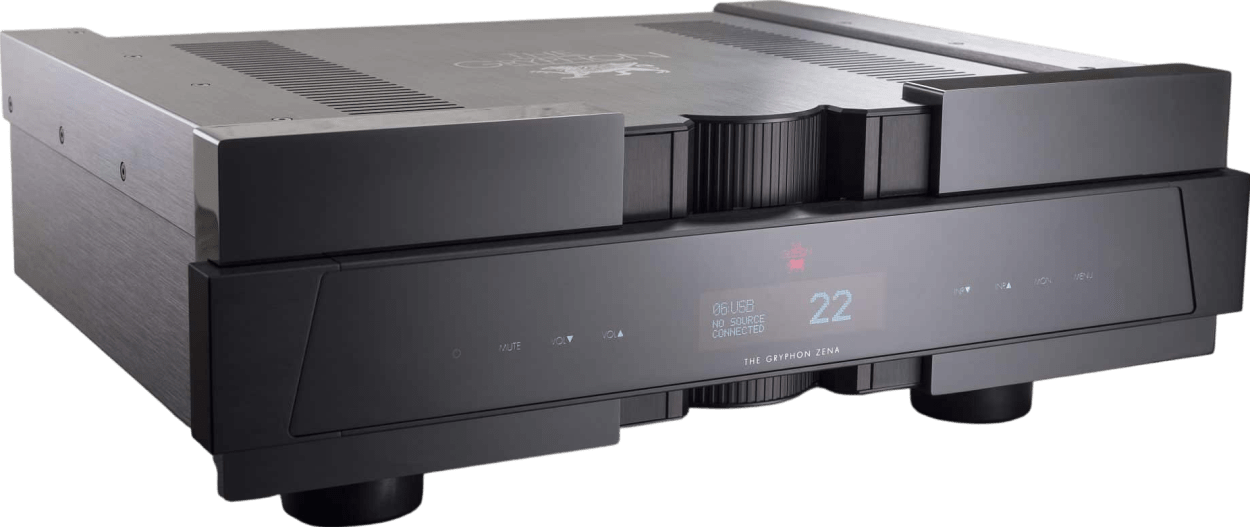
Learn about the brand
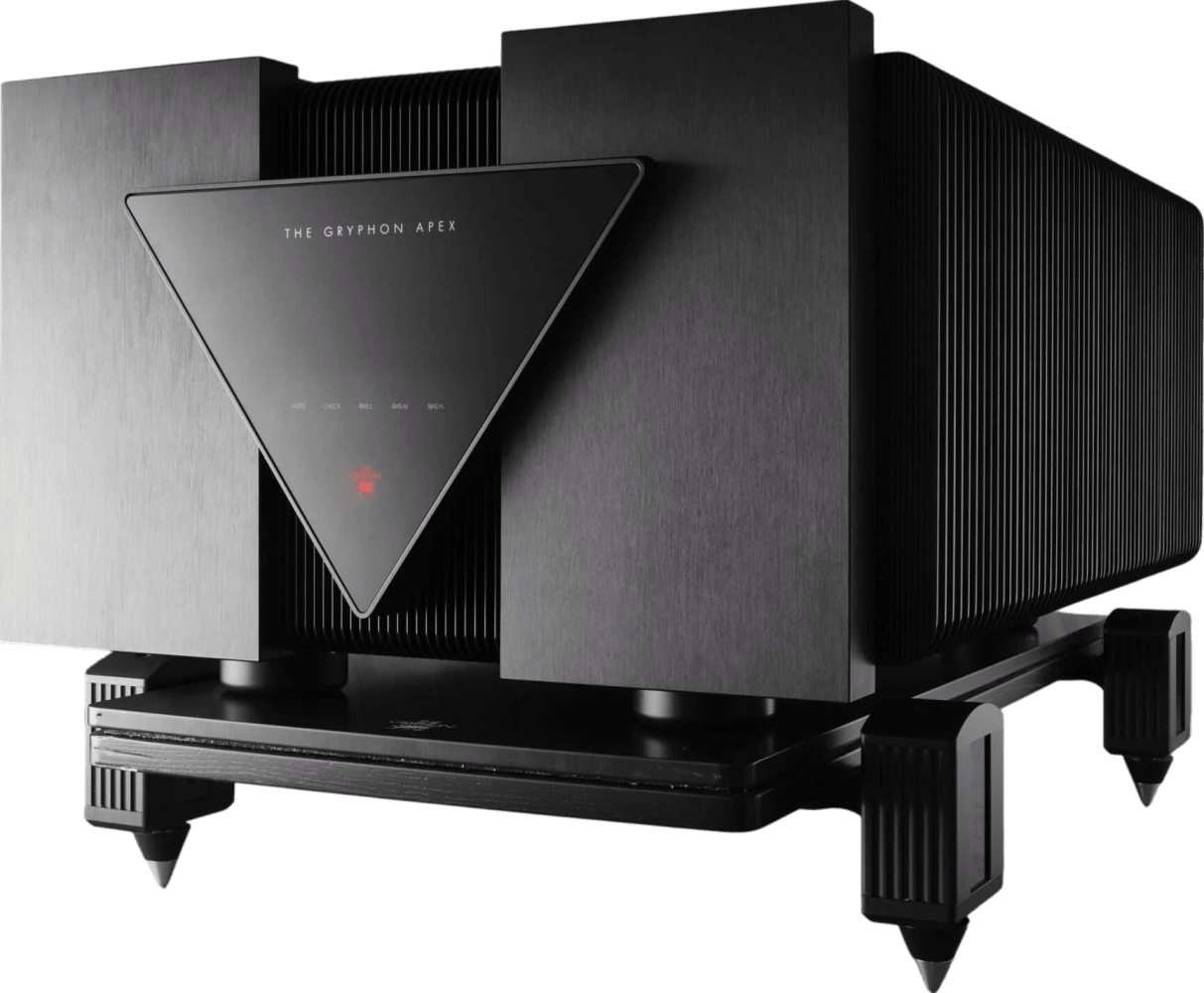
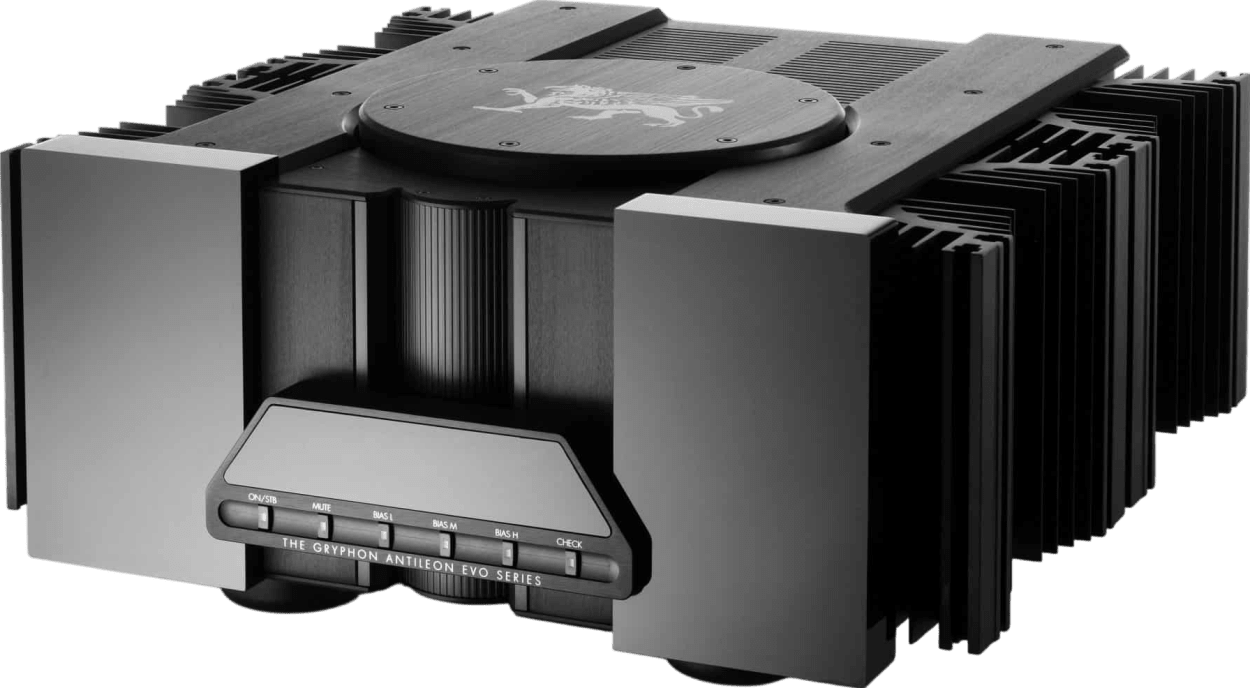
- Gryphon amplifiers use a distinctively robust power supply featuring custom-made toroidal transformers and substantial filter capacitance, contributing to exceptional dynamic headroom and speaker control.
- The brand's industrial design, originally led by Flemming Rasmussen, combines bold aesthetics with practical functionality, creating visually striking components with user-friendly interfaces.
- Gryphon prioritizes short, direct signal paths and minimal internal wiring to maintain signal purity and transparency, enhancing sonic performance by reducing potential noise and interference.
- They offer modular designs with optional phono stage and DAC modules, allowing customers to tailor their components to their specific system needs and upgrade in the future.
Our interview with the brand
What are two key technological innovations or strong opinions that differ you from other brands?
What's your approach to customer support?
What are your favorite tracks for showcasing the strength of your products?
What other products pair best with yours?



Learn about the brand
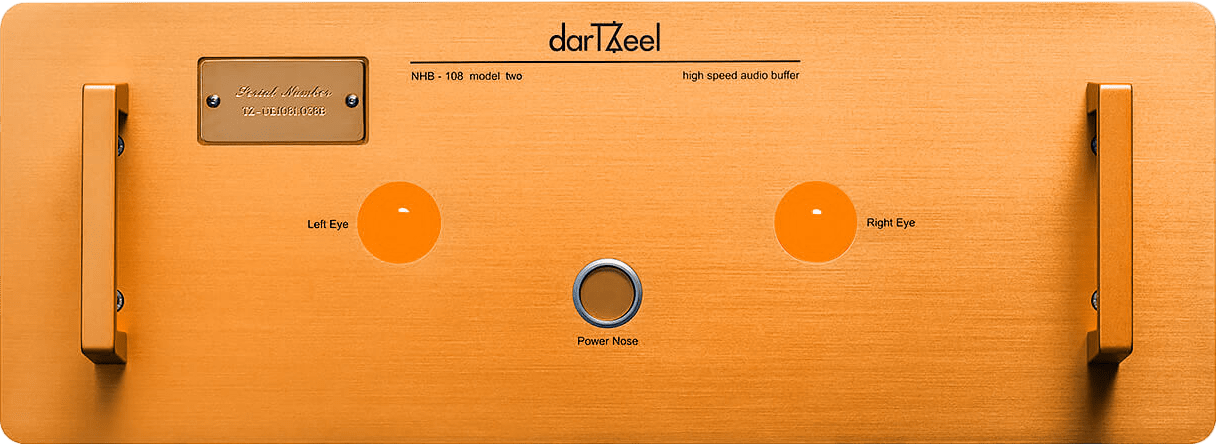
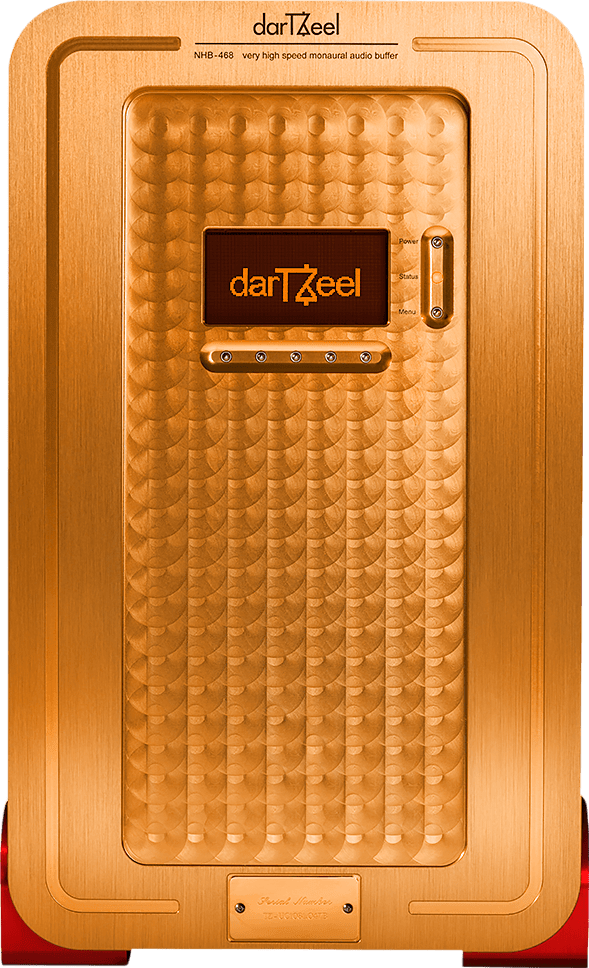
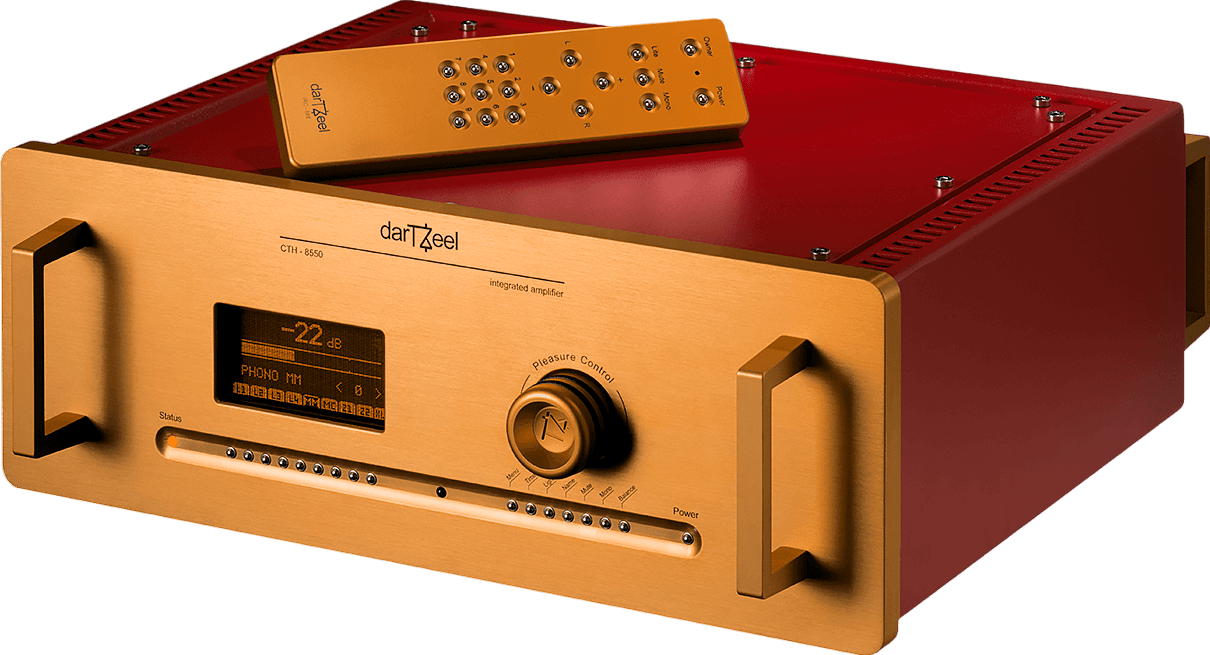
- The brand's products are visually striking, using a consistent design language that includes red casework, gold front panels, and unique internal component arrangements, intended to express its luxurious origin.
- They often incorporate unusual design choices, including the "Power Nose" on/off switch, "Pleasure Control" volume knob, and a display that shows "Foreplay" upon power-up and "Climaxed" when powered off.
- darTZeel utilizes a proprietary 50-ohm BNC connection, branded as "Zeel" for inputs and "darT" for outputs, aimed at creating a matched impedance link between their components for optimal signal transmission.
- Delétraz's designs minimize components in the signal path, avoiding switches or relays for input selection, and use a contactless optical volume control system to maintain signal purity.
Our interview with the brand
What are two key technological innovations or strong opinions that differ you from other brands?
What's your approach to customer support?
What are your favorite tracks for showcasing the strength of your products?
What other products pair best with yours?


Learn about the brand
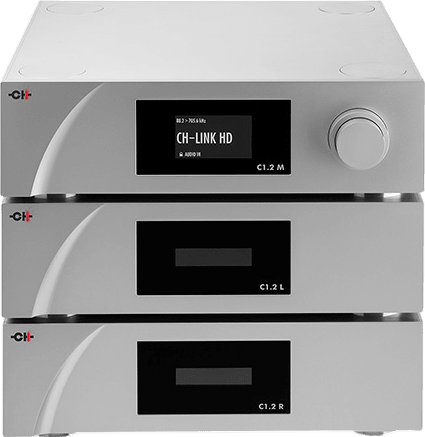
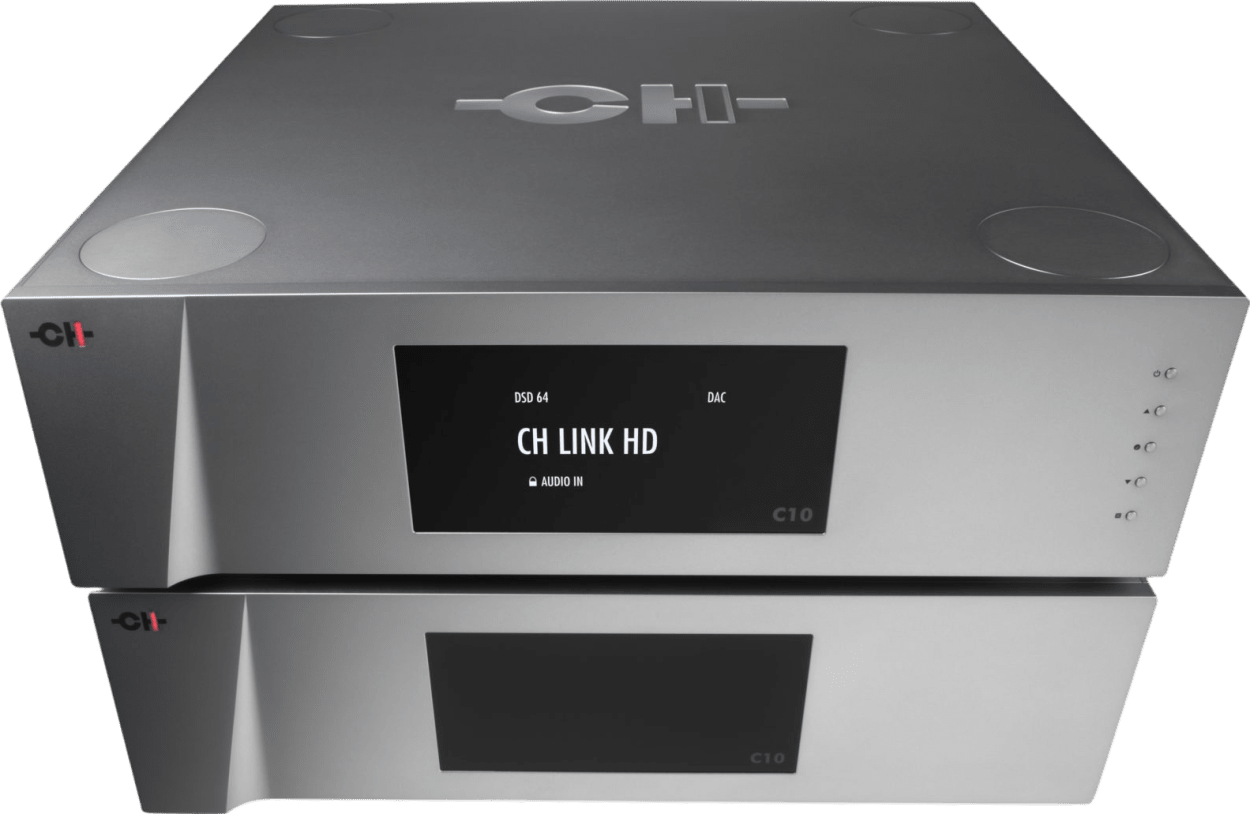
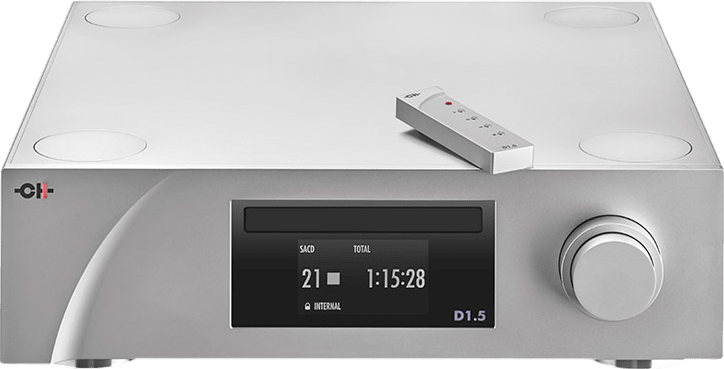
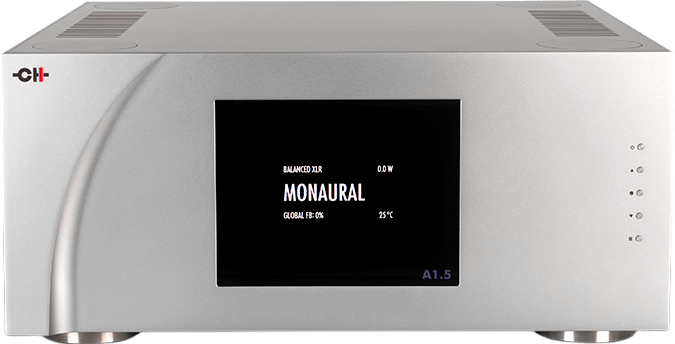
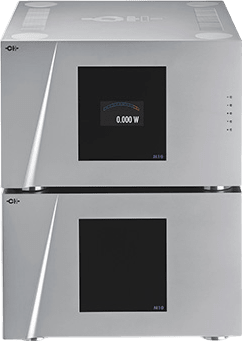
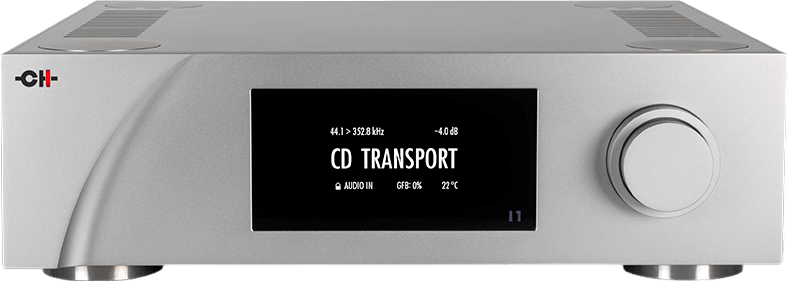
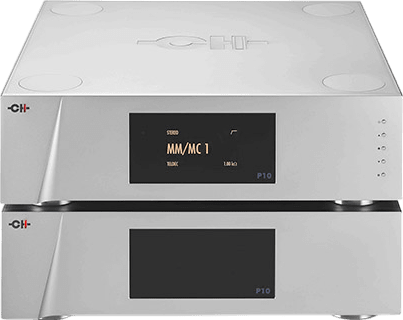
- CH Precision's modular design allows for extensive customization and upgradability of its components, protecting customer investment and offering future-proof audio solutions.
- They emphasize precise signal management through proprietary technologies such as ExactBias circuitry and adjustable feedback ratios, enabling optimization for various speaker systems and listening preferences.
- The brand's components are built to exacting standards, using high-quality materials and construction techniques akin to luxury watchmaking, resulting in aesthetically refined and robust products.
- CH Precision utilizes sophisticated software and hardware to continuously monitor and adjust the performance of its amplifiers, actively counteracting DC offset and optimising temperature for consistent and linear output.
Our interview with the brand
What are two key technological innovations or strong opinions that differ you from other brands?
What's your approach to customer support?
What are your favorite tracks for showcasing the strength of your products?
What other products pair best with yours?



Learn about the brand
Our interview with the brand
What are two key technological innovations or strong opinions that differ you from other brands?
What's your approach to customer support?
What are your favorite tracks for showcasing the strength of your products?
What other products pair best with yours?

Featured products


Learn about the brand
Our interview with the brand
What are two key technological innovations or strong opinions that differ you from other brands?
What's your approach to customer support?
What are your favorite tracks for showcasing the strength of your products?
What other products pair best with yours?

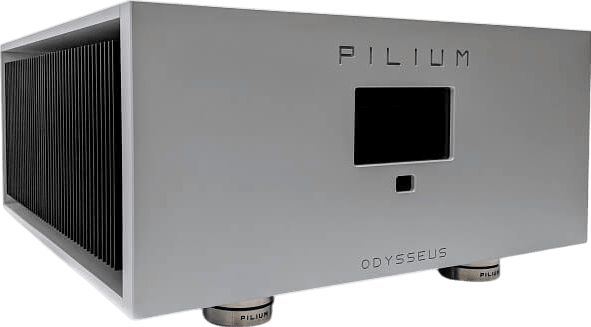


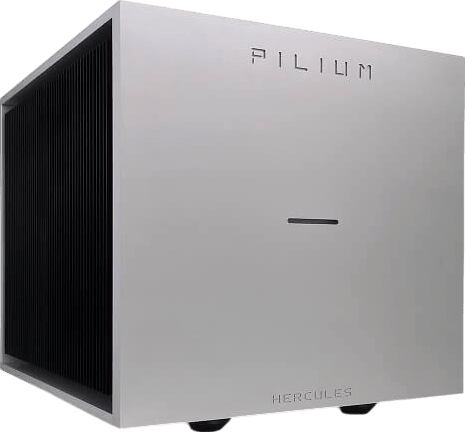
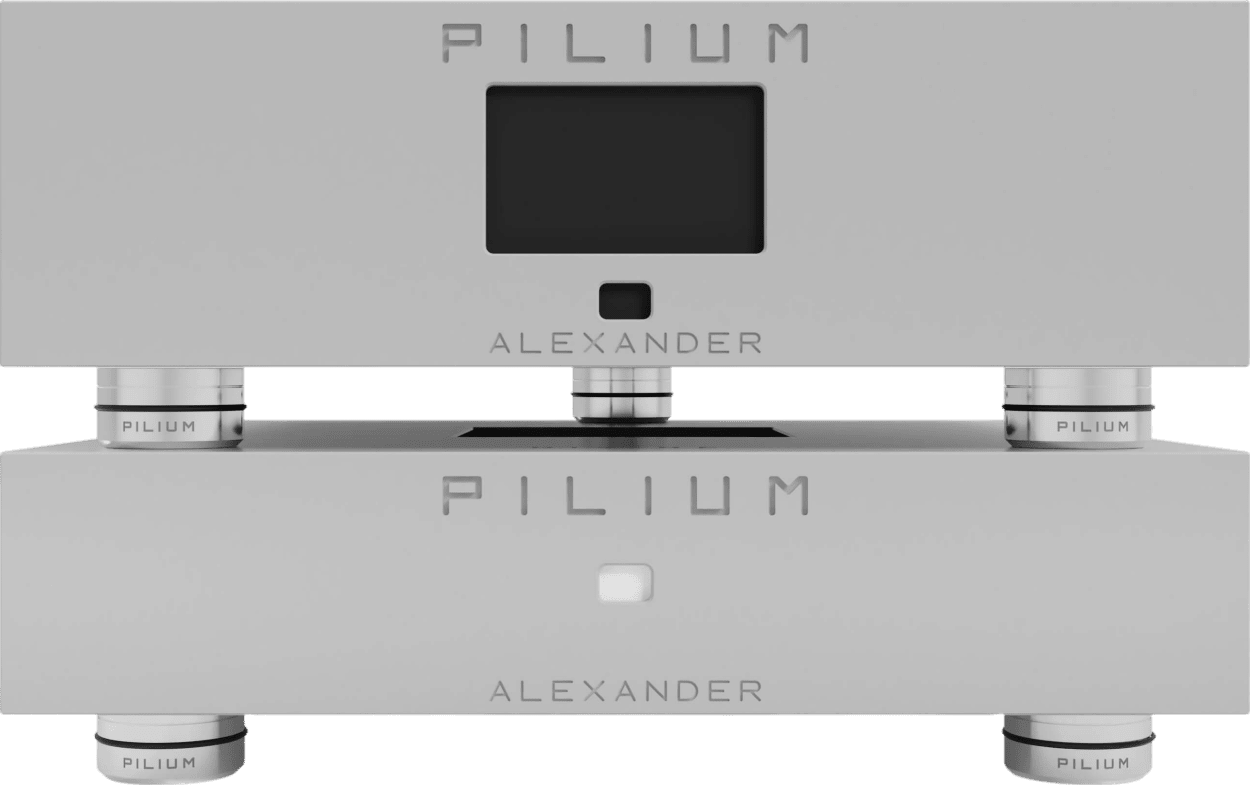

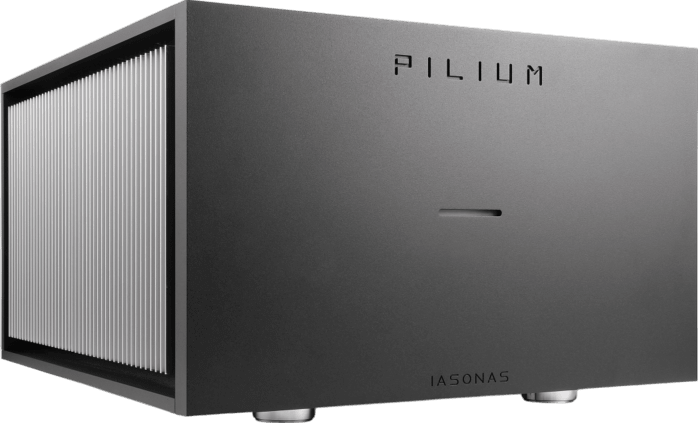
Learn about the brand
Our interview with the brand
What are two key technological innovations or strong opinions that differ you from other brands?
What's your approach to customer support?
What are your favorite tracks for showcasing the strength of your products?
What other products pair best with yours?




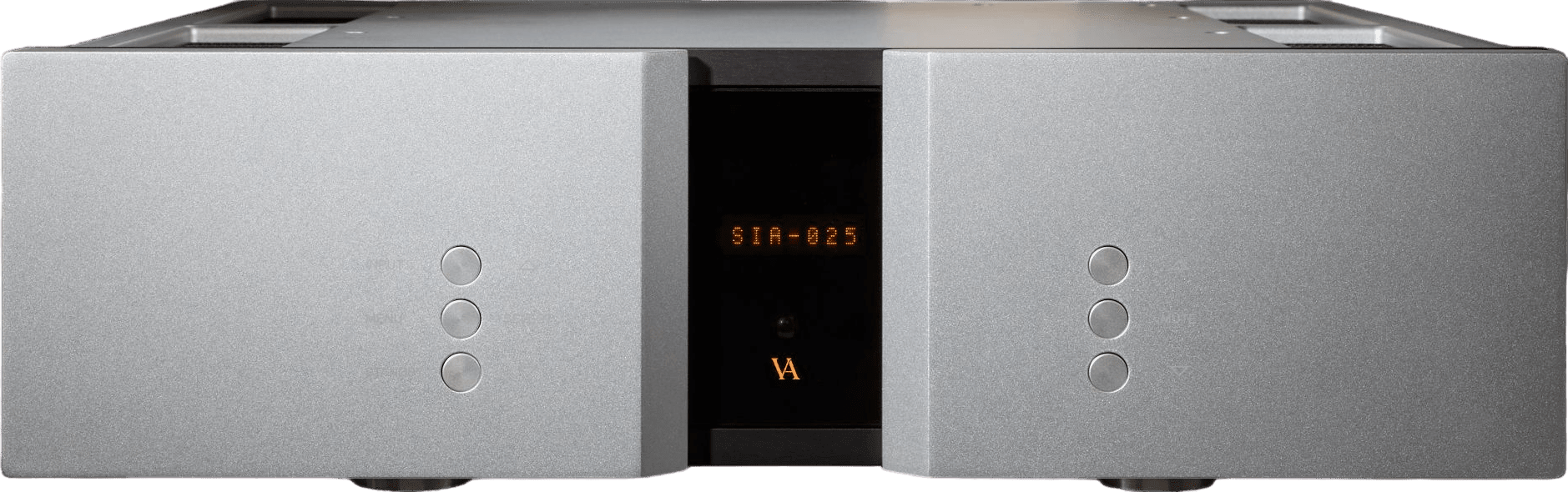

Learn about the brand
- They deliver a sound that is musical and emotional, aiming for an involving experience rather than sterile hi-fidelity.
- Components are often modular in design, constructed with matched transistors and high-quality components and local shunt-regulated power supplies, allowing for interchangeability and future upgrades.
Our interview with the brand
What are two key technological innovations or strong opinions that differ you from other brands?
What's your approach to customer support?
What are your favorite tracks for showcasing the strength of your products?
What other products pair best with yours?
.png)
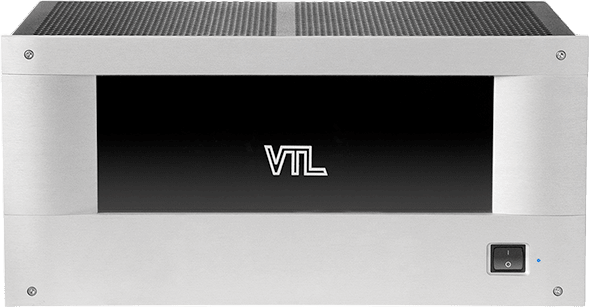
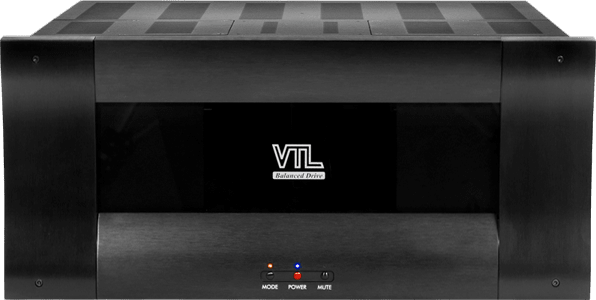
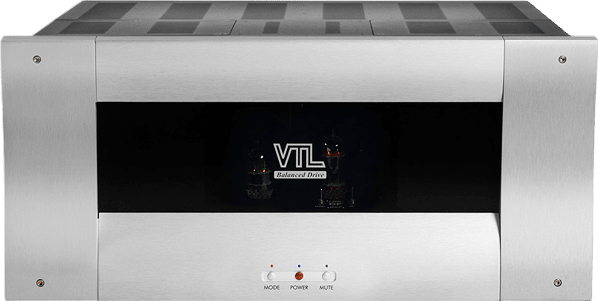


Learn about the brand
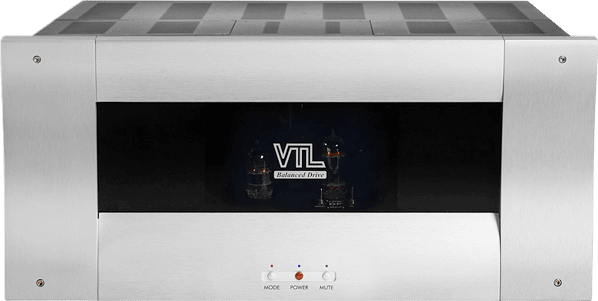
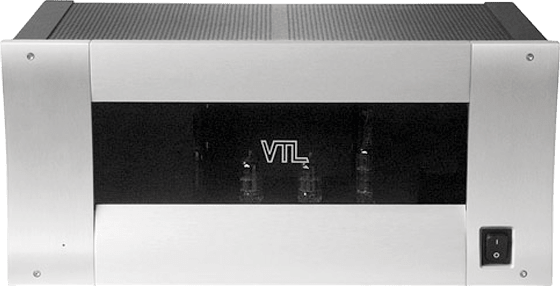
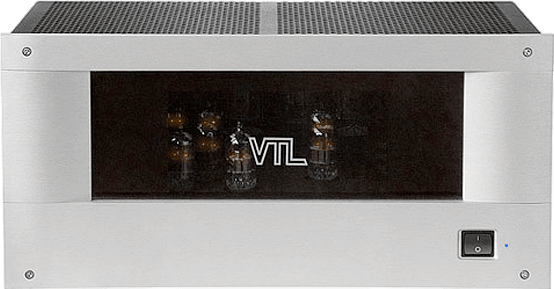
- VTL distinguishes itself by "Making Tubes User Friendly" through features like automated biasing and comprehensive fault sensing, easing the ownership experience.
- They employ a "clean box/dirty box" design, isolating audio amplification circuitry from power supplies and control functions in separate chassis for lower noise.
- VTL's amplifiers offer versatile speaker matching via adjustable damping factor, catering to individual preferences and loudspeaker characteristics.
Our interview with the brand
What are two key technological innovations or strong opinions that differ you from other brands?
What's your approach to customer support?
What are your favorite tracks for showcasing the strength of your products?
What other products pair best with yours?