

Welcome
Every speaker setup relies on an amplifier, which takes modest electrical signals and magnifies them enough to move the drivers effectively.
Although your phone or computer includes a built-in amp, a standalone unit can significantly elevate your listening experience. It delivers more headroom, tighter control, and a richer overall sound.
Why does it matter? High-quality amplifiers draw on robust power supplies, premium parts, and refined circuitry to maintain clear, consistent output—even when the music gets complex. They also provide superior damping (managing speaker motion) and can handle power-hungry speakers that smaller devices can’t drive properly.
Many models come with helpful extras like balanced inputs, multiple gain settings, or remote capabilities.
If you’ve already invested in decent speakers and want to hear their full potential, a proper amplifier is a must. It isn’t just about higher volume—it’s about enhancing dynamics, clarity, and authority.
What to look for when choosing an amp


So you want to buy a new amplifier, but you are not sure what you should pay attention to. At ExtremeHiFi, we have the world's largest database for audio products. Here is a brief overview of the most important functions and design aspects that distinguish amplifiers and that you should pay attention to.
The first and most important aspect of an amplifier is how much power it has. Can it actually drive your speakers? The easiest way to check this is to look at what the manufacturer recommends for your speakers. At ExtremeHiFi, you can see the recommended performance in the specifications section and ask your manufacturer if they don't provide this information.
Certain types of speakers, such as horns, are often much more sensitive and in many cases require only a little wattage to become extraordinarily loud. Therefore, you shouldn't buy a 100W per channel amplifier for sensitive horns, as you won't use most of the dynamic range of the amplifier. You'll achieve better results with a lower-powered amplifier. However, if you have something like Focal Grande Utopias that require a few hundred watts, you should make sure that you buy an amplifier with sufficient power to drive the speakers properly, without being too quiet or distorted from overexertion.
In the upper market segment, many people prefer monoblock amplifiers. These amplifiers only have one channel, so you have to buy two of them. This can have some advantages in terms of quality. They take up more space and probably cost more than a corresponding stereo amplifier. However, since the amplifiers are spatially distant from each other, there is no possibility of electrical interference or so-called crosstalk between the two channels. In addition, they have their own power supply. So if one channel is heavily tasked, the other is not affected in any way. They have their own heat dissipation, and with monoblock amplifiers, you can generally achieve a slightly higher performance limit than with a stereo amplifier.
When deciding which amplifier to buy, there is a third criterion that can have a drastic influence on the sound that you actually get and on some compromises that you have to make. This is the class of the amplifier, where the three most common options are Class A, Class AB, and Class D.
Class A amplifiers have the reputation among audio experts to offer the best sound quality. This is mainly because Class A amplifiers are the purest form of audio amplification. They have a single or a group of transistors that amplify the entire cycle of the audio signal—completely positive and negative. This means that the behavior at different levels is extremely consistent, and many people think that Class A amplifiers sound best.
But that's a trend, not a rule. There are many terrible Class A amplifiers, but also many fantastic Class AB and Class D amplifiers.
In fact, most people do not use Class A amplifiers because the compromises that you have to make are quite large. They generate a huge amount of heat. If you need a stereo amplifier with 100W per channel, a Class A amplifier could permanently draw 800W from the socket, even at idle, and release this power as heat into your room. Especially if you have high power demands for your speakers, a Class A amplifier may simply not be practical.
Class AB amplifiers work similarly to Class A amplifiers. Instead of a single group of transistors that amplify the entire positive and negative cycle, they have one group that amplifies the positive cycle, another group that amplifies the negative cycle, and the summed output signal is the intended audio signal. This has the advantage that they are much more efficient. At idle, they don't consume as much energy as a Class A amplifier. They run much cooler, and you can often get much more power from a physically smaller device because you don't have to dissipate so much heat.
However, this also means that the distortion behavior of Class AB amplifiers in relation to the output level can be slightly different from that of Class A amplifiers. Nowadays, however, the quality difference between Class A and Class AB amplifiers has diminished significantly compared to earlier times, possibly even no longer existing. There are some fantastic Class AB amplifiers on the market.
So if you have very sensitive speakers, it can still be worthwhile to look at Class A amplifiers, as it is much easier to get a Class A amplifier with 20W per channel than one with 100 or 200W.
However, if you have power-hungry speakers, don't think that you have to sacrifice a lot when buying a Class AB amplifier, as some of the Class AB products on the market are really extraordinary.
Now, there is a third category of amplifiers that is becoming more and more popular, the so-called Class D. These amplifiers work completely differently than Class A and Class AB. Instead of amplifying the signal one-to-one, they actually turn it into a series of extremely high-frequency pulses. If you then use a low-pass filter that filters out the high-frequency components, the originally intended signal is reproduced.
Class D is particularly suitable for requirements with very high power and a small form factor. It is often found in subwoofers, in car radios, or in places where you need a lot of power in a small housing. This is because Class D is the most efficient amplifier type, often over 90 percent efficient. This means that they consume almost no more electricity than they actually output. They emit almost no heat.
Another important aspect to consider in addition to the amplifier class is whether you want a transistor or a tube amplifier. Tube amplifiers are usually Class A amplifiers but use tubes instead of transistors and are objectively less accurate than most transistor amplifiers. They have higher distortion and color the sound more than a typical transistor amplifier. But the reason why so many of them are still produced and why they are still so popular is that some of these distortions and colorations provide a really pleasant end result that many people prefer over a more neutral, linear, or accurate sound. So if you prefer a warmer, slightly colored, but more pleasant sound, a tube amplifier could be something for you.
Regardless of how powerful your required amplifier should be or which amplifier class you prefer, you should consider whether you need a power amplifier or an integrated amplifier. Power amplifiers are extremely common in audio technology and do not have their own volume control. They are called power amplifiers because they provide a fixed gain. They take an input signal that is amplified by a fixed amount, and that's all. For this reason, when buying power amplifiers, you should make sure that either your DAC has an integrated volume control that you can use, or that you use a separate preamplifier for the volume control.
Power amplifiers don't omit volume controls for cost reasons, but because for quality reasons you don't want to have the sensitive line-level circuit as close to a large, powerful amplifier as possible. For higher-quality setups, instead of an amplifier with an integrated volume control (which is referred to as an integrated amplifier), you usually use a separate power amplifier and then a preamplifier or a DAC with an integrated volume control, rather than having all the sensitive circuitry in the same device as the amplifier itself.
However, if you have limited space, you can look for an integrated amplifier, which combines the functions of the power amplifier and the preamplifier and often includes both the input circuit and the volume control. Sometimes the DAC itself is also housed in the same device.
There are so many different amplifiers on the market, which are all suitable for different tastes and preferences. The best way to find out what is actually suitable for your personal preferences is to read the reviews and see what people say about them. With ExtremeHiFi, this is very easy thanks to our rating system. You can go to each product page and take a quick look. This gives you an overview of what people think about it and which competing products you should pay attention to.
Products on this list

.png)


.svg)
What reviewers think
Product Strengths
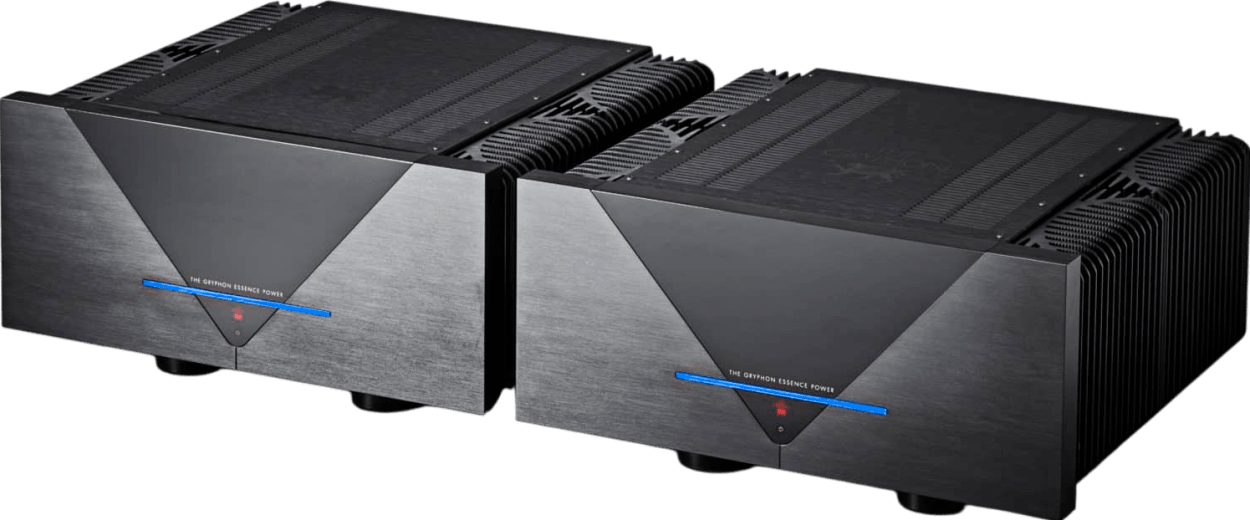
- Exceptional build quality and luxurious feel, with custom-made parts
- Dual-mono design ensures greater channel separation and reduced crosstalk
- Excellent sound quality with detail and articulation, capable of resolving the nuances of individual instruments and voices
- Powerful and controlled bass allows the speakers to come alive in the low frequencies
- Versatile Green Bias system allows for automatic selection of the bias level, offering a choice between Class A and Class AB operation with the preamp
Product Considerations
- The Essence components are expensive, making them aspirational hifi for most
- The Essence Power Amplifier runs very hot in Class A mode, requiring adequate ventilation
- Sonic neutrality might not suit every audiophile, particularly those looking for added character or coloration
- System matching is key to truly hear the best
Comparisons (according to reviewers)
- Vs. NAD M23: The Essence Pre Amplifier feels more substantial
- Vs. Diablo 300: The Essence pre-power is bigger, more dynamic, more clear, more refined, more three-dimensional, more densely packed, with more information, and more energy
- Vs. Plinius Reference A-150: Essence has tighter and more physically present bass
Takeaway: The Gryphon Essence is an excellent pre-power combo that offers supreme control and a rousingly emotional presentation. The Essence brings music to life with liveliness, energy, and drive.
Video review
About the brand


What reviewers think
Video review
About the brand
What reviewers think
Product Strengths
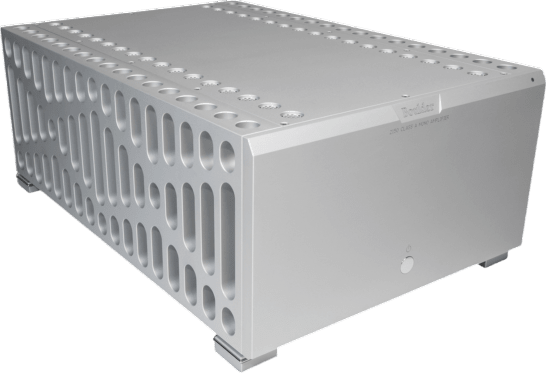
- Conservatively measured at 600W into eight ohms, it can output up to 2.4kW into a two ohm load
- It is an all-balanced design, with out-of signal path protection for DC offset, clipping, and thermal protection
- Its chassis is CNC milled in-house to extraordinary tolerances
- Transparency and faithfulness to the source provides more insight into the recording with less artifice
- It brings an overarching sense of structure and order to the sound, handling complex musical signals and difficult-to-drive loudspeakers with ease
Product Considerations
- It weighs a shade under 100kg
- Being an all-balanced design, single-ended sources need an adaptor or custom cable
- It requires uncompromising sources and loudspeakers to give their best results
- The red LED fault indicator will only glow if there is a source running at greater than 3V of DC offset, indicating a broken or incompetently designed source component
- It uses a 16A plug and socket as the connector, which may be unusual for some users
Comparisons (according to reviewers)
- Vs smaller, faster amplifiers, the Boulder 2160 is as lithe and can deliver the full might of an orchestra
Takeaway: The Boulder 2160 is a robust and powerful amplifier built to last, offering transparency and accuracy in audio amplification. It provides structure and order to the sound, handling complex musical signals with ease, making it a great addition to a high-end system.
Video review
About the brand


What reviewers think
Product Strengths
- Offers powerful bass grip and remarkable slam
- Provides impressive weight accompanied by precise attack, generous but well-controlled sustain, and rapid decay
- Delivers a rich, generous midrange reminiscent of tube amps, while maintaining clarity
- Capable of producing sufficient metal bite to sound convincing with brass instruments
- The upgrade is responsible for a major expansion of dynamic range, providing a deeper pool of available current
Product Considerations
- Large and heavy
- Only offers an Android-only app for amplifier control
- Turn-on clicks are audible through speakers
- More than 20% global feedback made the bass sound overly tight and constricted somewhat the musical flow, less than 20% feedback pushed the sound beyond liquid—into a place that bordered on being soggy
Comparisons (according to reviewers)
- M1.1 is slightly on the warm/slow/rich/forgiving side, while darTZeel NHB-458 is on the bright/fast/lean/analytical side
Takeaway: The CH Precision M1.1 is a versatile and powerful amplifier that can be configured for different systems and delivers excellent sound quality with impressive bass, a rich midrange, and accurate instrument reproduction. It provides a rewarding listening experience and has features to fine-tune your speakers.
Video review
About the brand
What reviewers think
Product Strengths
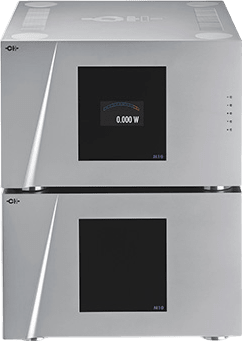
- Can be configured in multiple ways—traditional stereo, mono, bridged, or biamp—selectable from the unit's operating menu
- Offers adjustable gain and feedback to tailor the amp to the speaker system being used
- Connections are color-coded for user-friendliness
- Extremely quiet operation, producing no hum, hiss, or buzz, even with highly sensitive speakers
- Delivers a planted stability to images and instruments because of low-frequency transparency
Product Considerations
- The M10 is massive and heavy, with the amplifier chassis weighing over 120 pounds and the power supply adding another 190
Comparisons (according to reviewers)
- Vs CH Precision M1.1: Has half as much again power, two massive mains transformers, and twice the reservoir capacitance
- Vs CH Precision M1.1: Allows the music to breathe, bringing greater expressive range and a more engaging performance
- Vs CH Precision M1.1: Offers more color and layering and more musical fluency
Takeaway: The M10 is a versatile and configurable amplifier with exceptional performance, providing a clear and direct sound. It brings planted stability to music and a natural quality of energy to the listening room.
Video review
About the brand


What reviewers think
Video review
About the brand

What reviewers think
Video review
About the brand
What reviewers think
Product Strengths
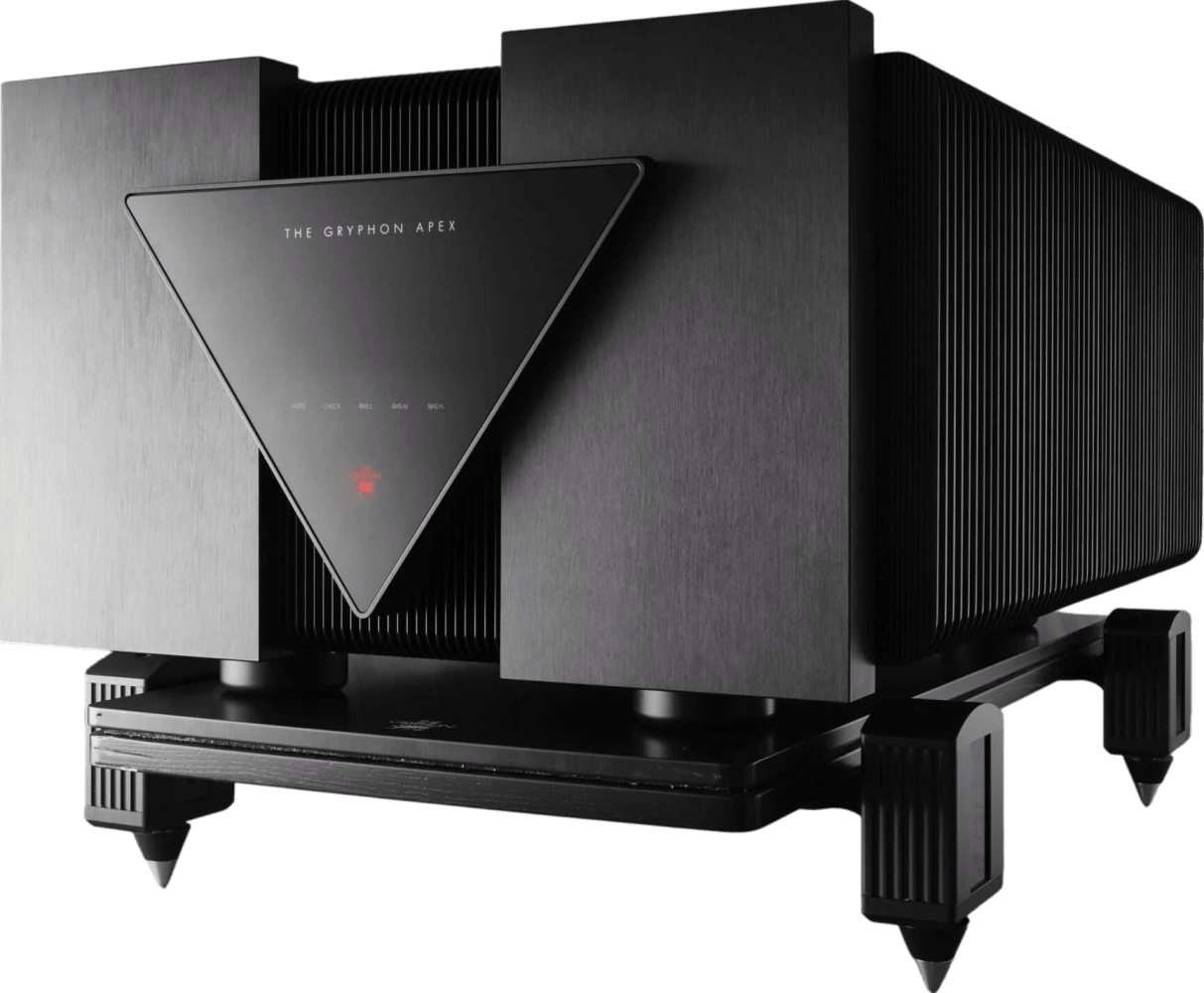
- Delivers lots of current due to a new 2000VA toroidal transformer
- The Apex Stereo's ease of presentation was immediately obvious—it fully engaged the reviewer
- The amp exuded supreme self-confidence
- The amp simultaneously speeds things up and slows things down
- Superior speaker grip, improving organization, timing, and musical flow
Product Considerations
- Initial start-up can be alarming due to flashing error lights
- The size and weight (445 lbs) can make installation challenging
- It's gigantic and heavy, requiring special equipment and tools to handle its production
Comparisons (according to reviewers)
- Vs Boulder 2060: The Apex revealed more tonally saturated sounds
- Vs Boulder 2060: Apex cast a larger soundstage, and within those huge spaces, images were generally larger and more three-dimensional
- Vs Boulder 2060: Apex exposed more detail in the music
Takeaway: The Gryphon Apex Stereo is a powerful amplifier that brings music to life with a balanced and full sound at any volume. Its ability to reveal the resonant nature of instruments transforms listening sessions into immersive experiences.
Video review
About the brand
What reviewers think
Product Strengths
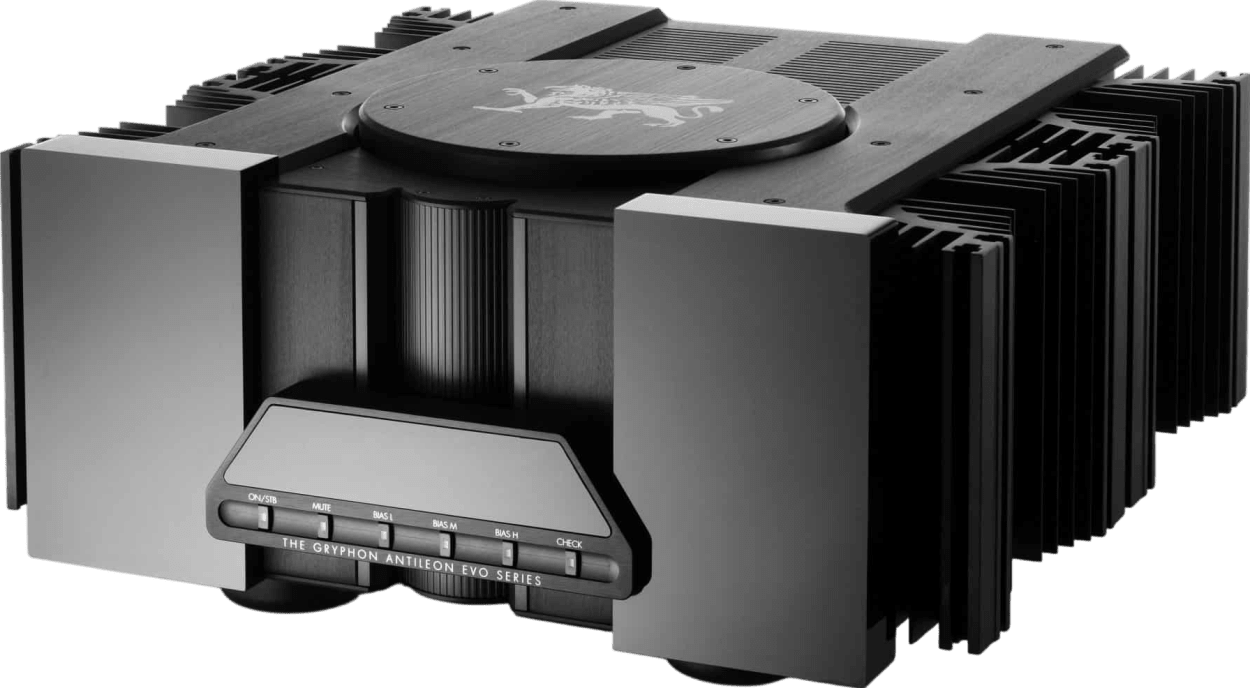
- Pure Class A operation offers timbral liquidity and an absence of treble glare and grain
- Unflappable power supply and overkill output stage delivers high current and doubles its power as impedance halves
- Completely independent left and right channels (including transformers and power cords) minimizes channel crosstalk
- Switchable Class A bias settings (low, medium, high) allow users to tailor power consumption and heat output
- Bold, assertive, and visceral character, with organic and full-bodied warmth renders instruments and voices with density and richness
Product Considerations
- Extremely hot due to its Class A operation, especially in the high-bias mode
- Accepts balanced signals only (XLR inputs), which may require adapters for users with unbalanced sources
- Its size and weight (185 pounds) makes it difficult to move and handle
- High power consumption, even in idle, should be considered
- Sharp heat sinks can be dangerous if one is not careful
Comparisons (according to reviewers)
- Deeper bass and bigger soundstage than the Gryphon Momentum S250 MXVs
- Soundstaging was just a touch bigger than the Gryphon Colosseum's, and virtually matched the Gryphon Mephisto's
- Compared to the Gryphon Mephisto or Gryphon Colosseum, the Antileon Evo sounded more analog, cohesive, and easygoing
Takeaway: The Gryphon Antileon is a powerful amplifier that provides a warm and enjoyable listening experience. It is well-built and can bring out the best in your speakers.
Video review
About the brand

What reviewers think
Product Strengths
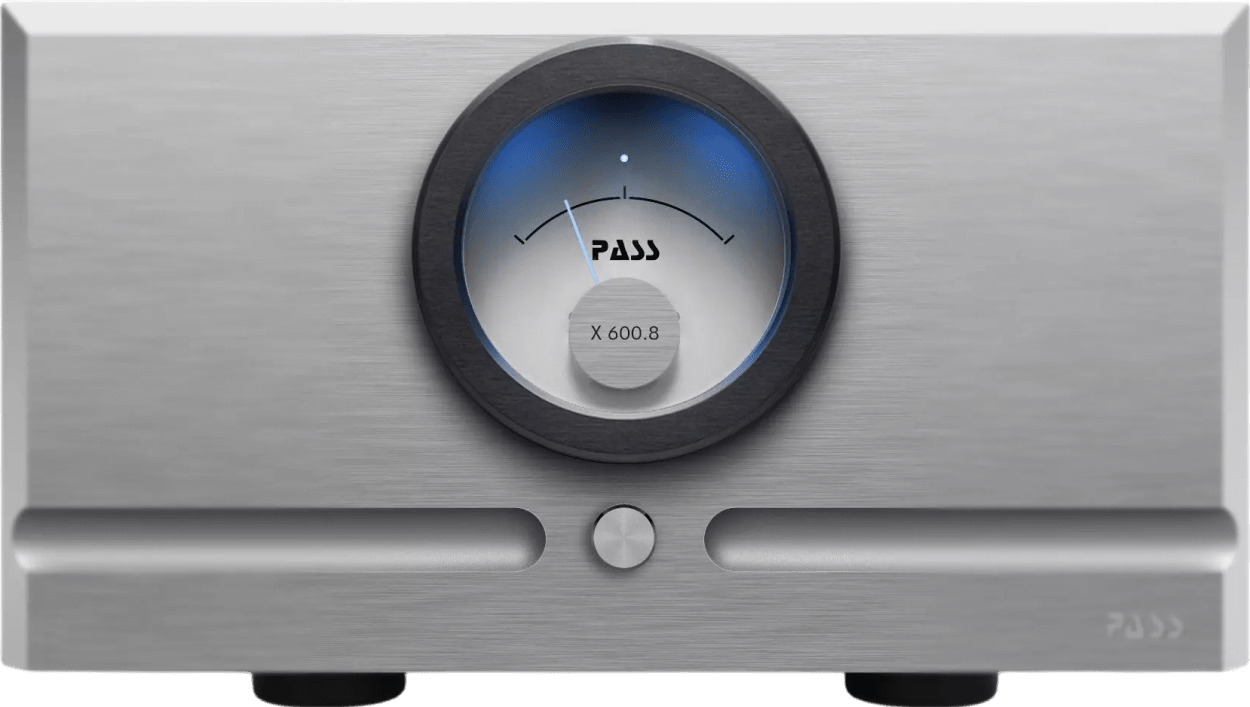
- Sounds very similar to Pass Labs' top-of-the-line Xs series
- Effortless sound quality, even at full tilt, alongside a weight, solidity and unusual sense of depth
- Portrays musicians and their instruments as 3-D, full-size entities, realistically positioned left-to-right and front-to-back across the soundstage
- Offered better-defined lower bass, more weight, and a fuller midrange
- Massive build quality
Product Considerations
- Gets very warm during use due to Class A bias
- Sharp heat fins on the sides mean users should be careful to avoid injury
- Some reviewers indicate that stock power cable may not deliver peak performance
Comparisons (according to reviewers)
- Vs. Pass Labs Xs 300: Has less bass slam and a bit less 'sheen' on musical instruments in the high frequencies
- Vs. Merrill Thor mono blocks: Had better-defined lower bass, more weight and a fuller midrange, and wider perceived dynamic range, but the Thors had a slight edge in overall smoothness
- Vs. Krell units: Had superior bass slam, but showed their age in nearly every other category
Takeaway: The X600.8 is a powerful amplifier that delivers a high-end listening experience with a remarkable and full-bodied presentation. It offers stunning depth with realistic instrument layering, making it a worthwhile audition for serious audiophiles.
Video review
About the brand
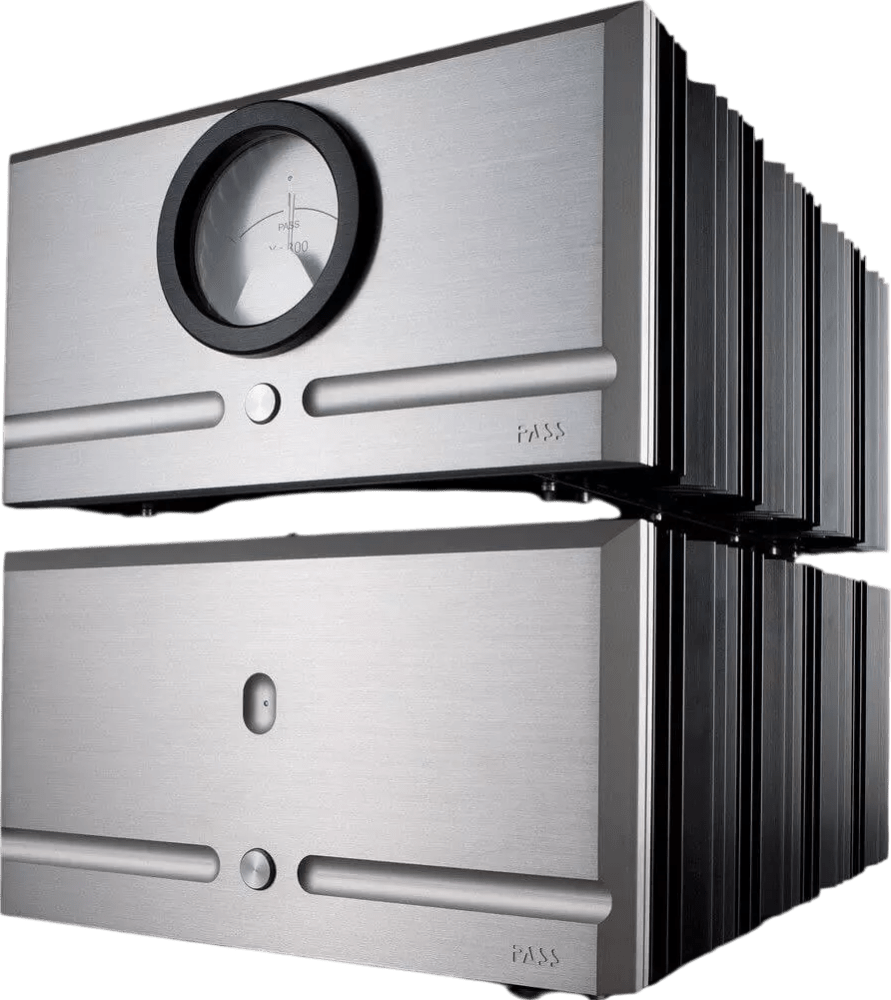
What reviewers think
Product Strengths
- Very liquid sounding and extremely pure
- A lot of bottom end control with a lot of meat on the bass
- Delivers bold, clear vocals
- Provides intense and extremely focused imaging after 24 hours of playtime
- After warm up, the speakers and walls disappear—creating a sense of limitless space
Product Considerations
- Runs hotter than some other amplifiers due to its 4 chassis design
- Takes 24 hours to really hit its stride, sounding vague and congested when first turned on
- May not be the ideal amplifier for panels due to its detailed sound signature
Comparisons (according to reviewers)
- Vs Momentum M400s: XS300 has more bass control and a meatier bottom end
- Vs Momentum M400s: XS300 is more focused, offering greater resolution between the speakers
- Vs Momentum M400s: XS300 sounds more impressive and muscular when turned up
Takeaway: The Pass Labs XS300 offers purity, liquidity, and muscular sound, while the quality of the harmonic structure of the transfer curve allows one to reproduce the quality and integrity of live music. If one has difficult speakers to drive and appreciates Class A amplification, this product is a great choice.
Video review
About the brand

What reviewers think
Video review
About the brand
What reviewers think
Video review
About the brand

What reviewers think
Video review
About the brand

What reviewers think
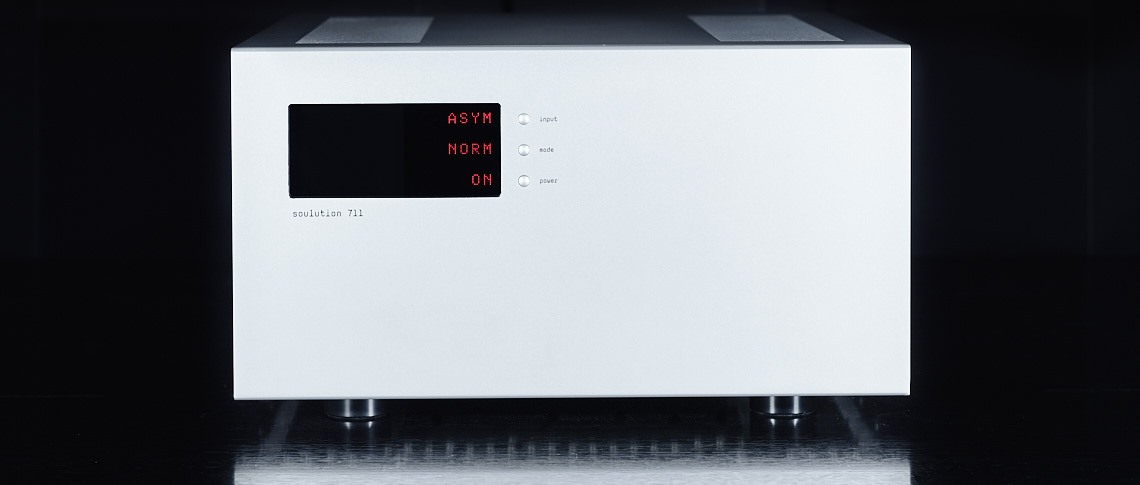
Product Strengths
- The Soulution 711's 'black' backgrounds and control of speaker drivers create great soundstages
- Capable of passing along musical information completely unscathed
- Delivers an amplifier with unparalleled bass-range power, color, and impact
- Tonally dead neutral, exerts complete control over the loudspeakers connected to it, and is utterly quiet mechanically and electrically
- Has much of the same marvelous—and extremely lifelike—sonic stability, sounding virtually the same at very low levels as it does at ear-splittingly high ones
Product Considerations
- Lacks visual bling
- Probably a bit softer than life in the top octaves
- May drive your speakers and your room a little nuts on certain midbass notes in big tuttis
Comparisons (according to reviewers)
- The Soulution 711 was at once tighter, deeper, faster, and more propulsive in the bass
- The 711's bass was every bit as profound as the Gryphon Audio Designs Mephisto
- Had an electrostatic-like speed that was at least the match of the Devialet 400s'
- Where the 711 pulls ahead of the Boulder 2060 is in speed, particularly transient attack
Takeaway: The Soulution 711 is an extraordinary power amplifier that has the potential to please every kind of listener because of its beautiful, thrilling, dynamic, and persuasively lifelike sound. It has excellent build and nigh-on perfect sound.
Video review
About the brand

What reviewers think
Product Strengths
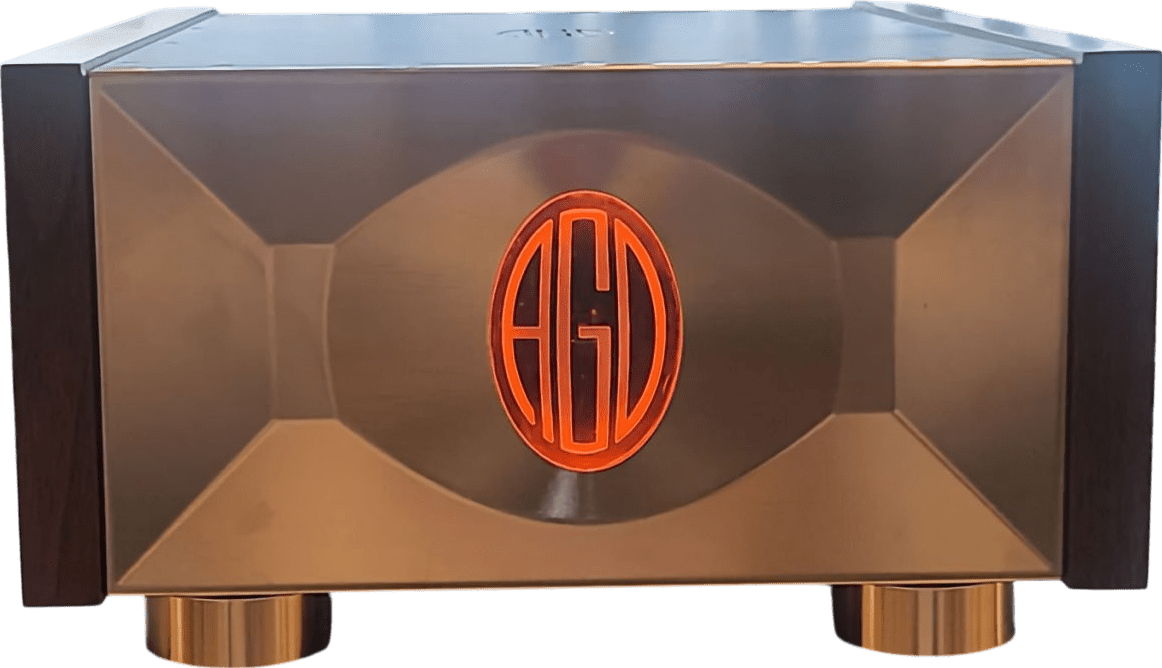
- The AGD Solo monoblocks are described as 'simply extraordinary' with a bold enclosure
- The AGD Solo offers more power and headroom compared to other AGD amplifiers
- The increased frequency of the comparator wave at 800kHz allows the AGD amplifiers to produce a musical delivery with no noticeable undershoot or overshoot of the input signal wave form
- The SOLO delivers an expansive depth and soundstage, excelling in creating air and space around instrumental sources while defining detailed timbral character
- The AGD Solo has an upgradable output stage module which allows users to future-proof their purchases
Product Considerations
- The 'brute force' approach to power supply using a more traditional linear topology based on a classic transformer is less efficient and larger in size than SMPS types
- One reviewer felt they 'felt' mids more when experienced through the DUET, and that mids were ever so slightly forward with the DUET, with subsequently greater presence
- At $23,500 (per pair), the AGD Solo monoblock amplifiers are a significant investment
Comparisons (according to reviewers)
- Vs AGD Duet: The Solo offers more power and available headroom
- Vs AGD Duet: The Solo has more expansive depth and soundstage compared to the Duet—it also excels more in creating air and space around instrumental sources while defining detailed timbral character
- Vs AGD Duet: The Solo expands the discernable frequency spectrum, particularly in the lower frequencies
- Vs AGD Duet: Transient speed was an exceptional forte of the SOLO that, in the reviewer's experience, no other Class D amplification, indeed any amplifier at this price point, can generate
Takeaway: The AGD Solo is a powerful amplifier that delivers realistic musical reproduction with impressive detail and expansive soundstage. Its upgradable design ensures it can remain a top-tier choice for years to come.
Video review
About the brand


What reviewers think
Product Strengths
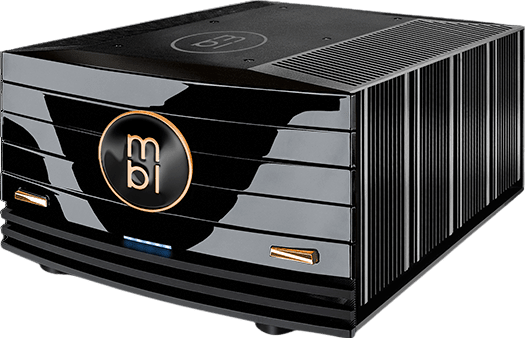
- Dynamically potent and one of the most transparent-to-the-source components
- Huge power reserves meant that, at all times, it loafed while driving the relatively sensitive Wilson Audio MAXX 3s
- Produced a neutral full-range balance
- Meticulous attention to detail will give one insight into the time and effort that goes into building world class amplification
Product Considerations
- If speaker cables have angled spade lugs, the screw-downs will interfere with the spades, making it difficult to fully insert and tightly secure the spades
- High-frequency transients were slightly soft compared to the soulution
- Though bass response driving the Wilson Audio MAXX 3s was complete in terms of extension, texture, and finesse, it was less than fully developed in punch and forward thrust
- It indicates a need to choose appropriate cables for use with this amplifier
Comparisons (according to reviewers)
- It neatly threads the needle between the soulution's cool speediness
- It neatly threads the needle between the VTL's assertive top end
- It neatly threads the needle between the Musical Fidelity's warmer—if less resolving—sound
- Compared to Music Reference, it was simply 'there' in that whatever sonic character it had was not immediately obvious
- The 9011 is capable of delivering three times the long-term power output and twice the short-term current delivery compared to the MBL Reference 9007
Takeaway: The MBL Reference 9011 is a powerful amplifier that offers a transparent and neutral sound, making it a great choice for audiophiles who want to experience their music without coloration. With its ability to drive speakers effortlessly, the 9011 ensures a great amount of listening enjoyment.
Video review
About the brand
What reviewers think
Video review
About the brand