




Note that this is a discontinued product. You may want to visit the brand's page here to browse their newer products.
What reviewers think
Bloggers and YouTubers have tried this product—so we've summarized their strongest opinions below. Links to full reviews follow.
All
PC-7
reviews

Manufacturer details
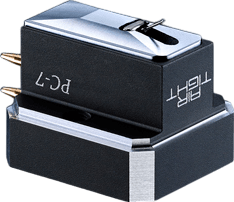
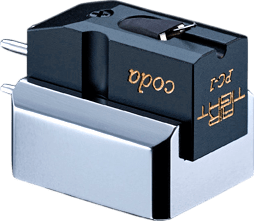
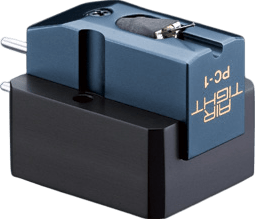
- Cantilever: Boron
- Stylus Type: Microridge
- Internal impedance: 7 ohms (DCR)
- Output voltage: 0.6mV/1kHz
- Stylus pressure: 1.9 - 2.2g
- Channel balance: within 0.5dB/1kHz
- Weight: 9.6g



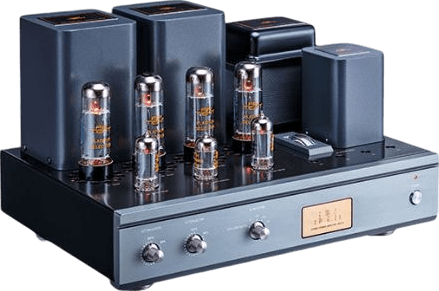

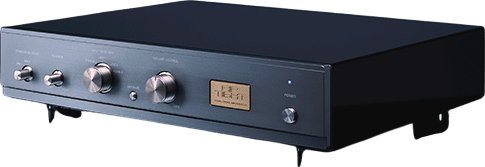
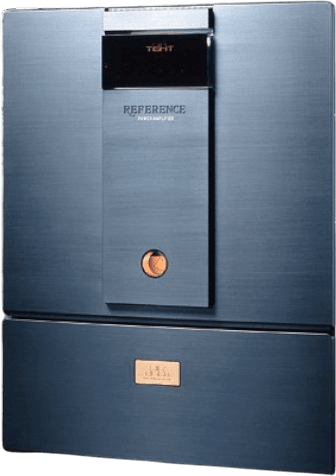
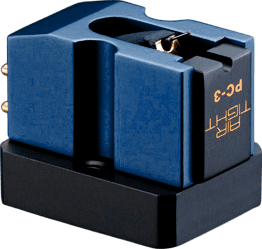

Brand highlights
Taking a step back to look at reviewers' thoughts of the brand's entire lineup—not just this product—what stands out most is the following:
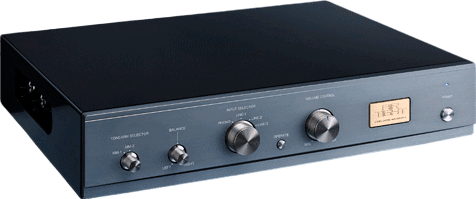
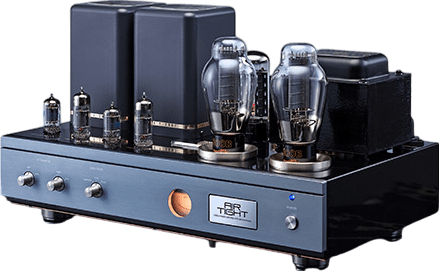
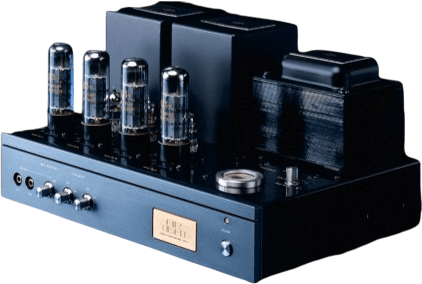
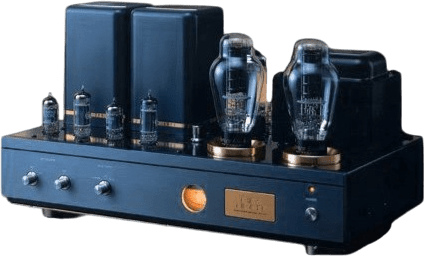
- A&M stands apart with its long-lived designs; models like the ATM-2 remaining in production for over 30 years with only incremental updates, demonstrating a commitment to timeless quality over fleeting trends.
- They incorporate point-to-point wiring, hand-wound transformers (often sourced from small family businesses), and carefully selected components, reflecting a dedication to craftsmanship reminiscent of audio's golden age.
- Their products consistently balance high technical performance with exceptional musicality, delivering lush, textured sound with spatial accuracy and detail retrieval that sparks inner senses.
Select products
ATC-3
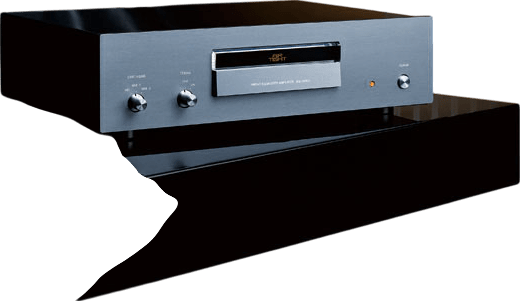
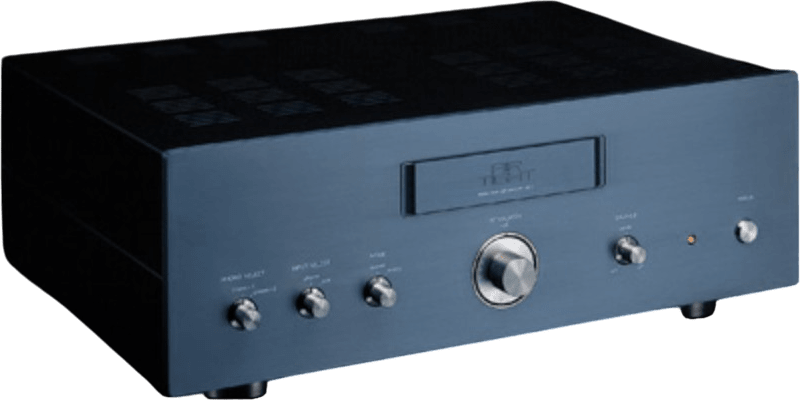
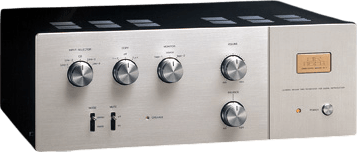
- Positioning: The entry-level stereo line-control amplifier designed for affordability and ease of use.
- Description: Features a simple SRPP design with a reinforced buffer stage and a quick recovery diode power supply that offers very low noise. Compared to the more advanced ATC-7, it has fewer features and lower output capability, making it best for small rooms and buyers with a tighter budget and basic functionality needs.
ATC-7
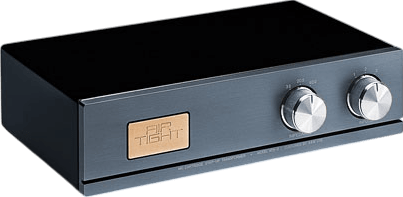
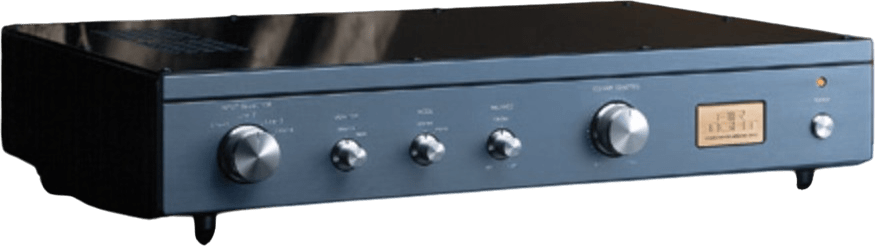
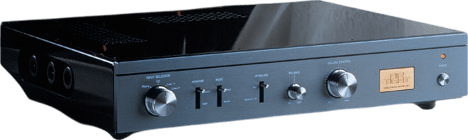
- Positioning: The mid-range stereo line-control amplifier focused on precise signal handling.
- Description: Uses dual 12AX7 and 12AU7 valves to deliver precise control, a wide frequency range, and low distortion. Compared to the entry-level ATC-3, it offers enhanced performance and output voltage while leaving the high-powered driver role to the ATM series.
ATM-1S
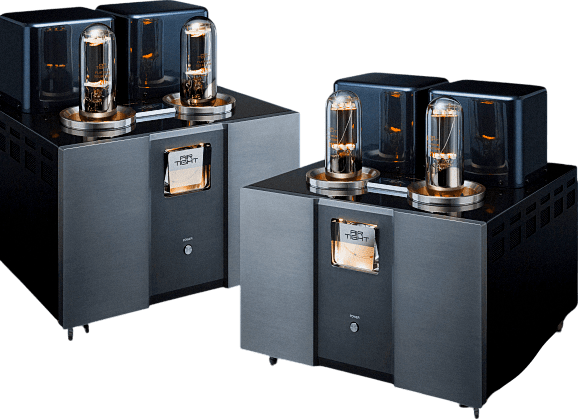
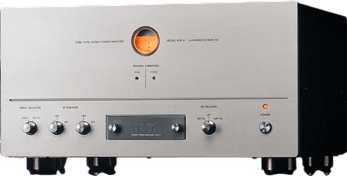
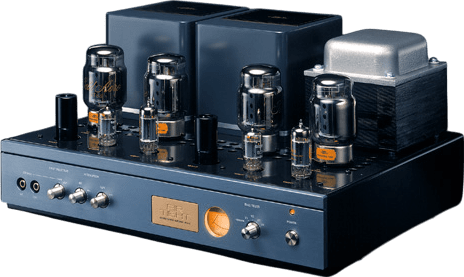
- Positioning: The stereo power amplifier built to deliver dependable and balanced performance.
- Description: Uses a traditional Mullard phase inversion circuit with 6CA7 valves and robust Hashimoto transformers to achieve 36W per channel with solid headroom. Compared to the flagship mono BLOCK ATM-3211 and the preamp line (ATC-7 and ATC-3), it strikes a balance in cost and power.
ATM-3211
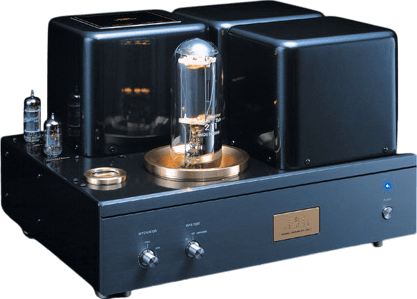
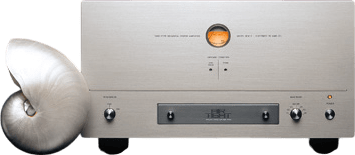
- Positioning: The high-end mono power amplifier engineered for maximum power delivery.
- Description: Uses a five-year developed 211 triode push-pull circuit that produces 120W output with a wide frequency response and premium hand-picked components. Compared to the stereo ATM-1S and the preamp ATC series, it offers higher output power and superior build quality.


Our take on the brand
Look inside the brand
Our interview with the brand
What are two key technological innovations or strong opinions that differ you from other brands?
What's your approach to customer support?
What are your favorite tracks for showcasing the strength of your products?
What other products pair best with yours?

Used
A&M







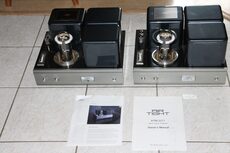
What if you spend more?
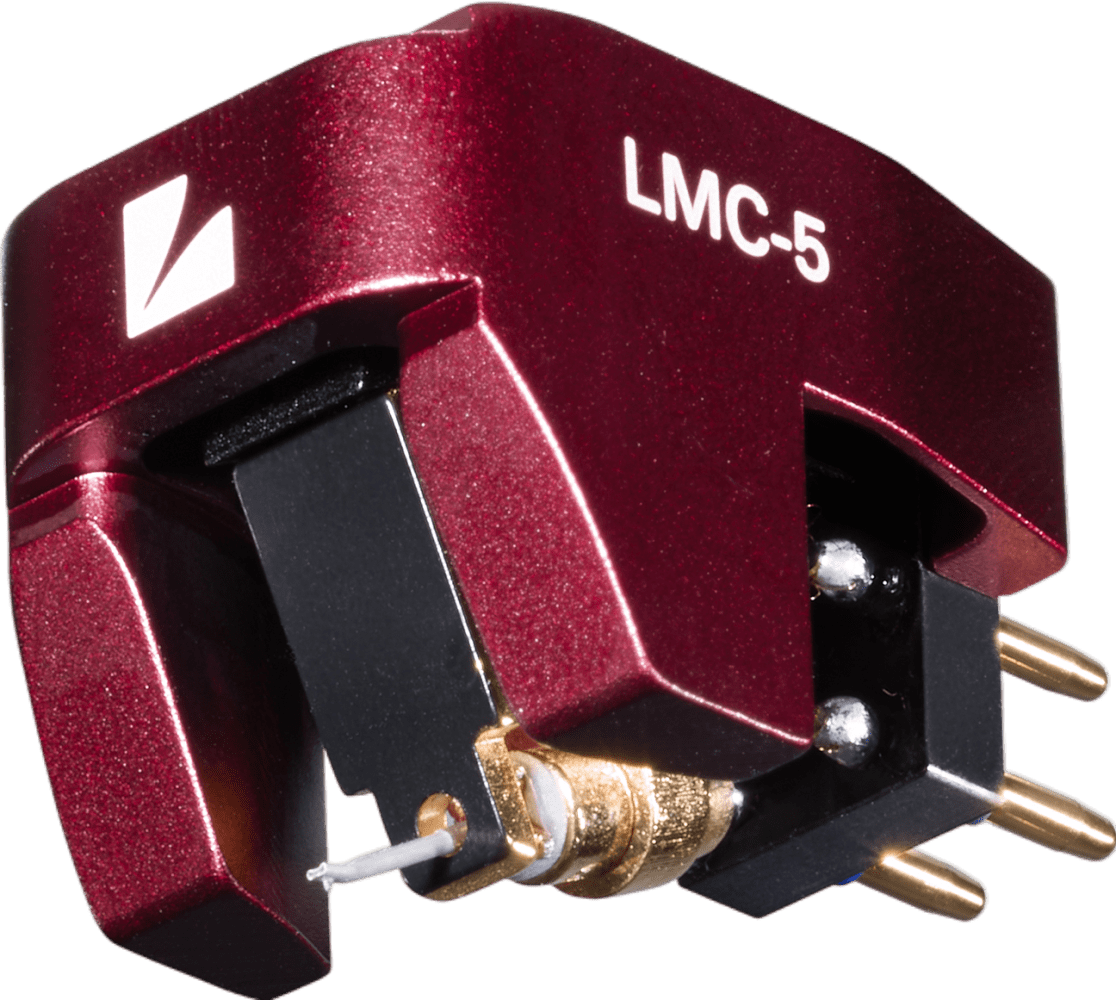


LUXMAN’s latest phono cartridge is the LMC-5. After 40 years’ experience, our aim was to design it to have sensitivity to all the musical information pressed on a record. The MC type power generation engine features a cross-mounted iron core with a compact magnetic system to improve efficiency. For the vibration detection system, we selected a combination of an aluminum cantilever and a SHIBATA stylus, which boasts excellent tracing ability. In addition, the unique housing structure was achieved by repeated prototyping and fine tuning. We have developed this cartridge with confidence for all those who love vinyl and value its musicality.

.svg)
Our summary
Product Strengths
- The LMC-5 creates a clearer window onto the music, offering more clarity, tighter focus, and better soundstage
- Fantastic bass quality
- Well-conceived and constructed with excellent build quality
- The midrange is sonorous, making strings sing
- Easy to mount and align due to its body shape and threaded holes
Product Considerations
- A somewhat polite top end might not be ideal for those who prefer a brighter sound with more sizzle
- Proper VTA/SRA is critical to achieving ideal balance
- The pins may be smaller than the crimps on some tonearm cables, requiring adjustment
- Vocals can be a little lean, depending on the system
Comparisons (according to reviewers)
- Versus Goldring Eroica HX, the LMC-5 creates a clearer window onto the music and has better soundstage
- Versus Denon DL-103 and Ortofon SPU series, the LMC-5 renders people, instruments, and the recording venue in three dimensions, has precise attack, and ultimate refinement
Takeaway: The Luxman LMC-5 is a well-built, beautiful cartridge that offers clarity, detail, and a romantic sweep to the sound, making it worth buying. It is a great cartridge to add to one's system.
Video review
Our take on the brand
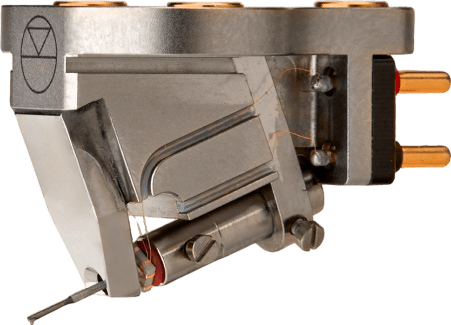

Kendo is a modern martial art form; translated from the Japanese it means "way of the sword". At Linn however, the word has unique connotations. Our sword is forged of boron, with a super-fine-line diamond tip. Our armour is nickel-coated, 7075-grade aluminium.
Kendo is the eager apprentice to its master, Ekstatik; sharing the same values, and picking up many of its traits along the way. Kendo is the outcome of our engineers' efforts to capitalise on the elements of Ekstatik which work so well; using our tried-and-true, trickle-down development methodology to produce a more affordable, high-performance cartridge which retains the same core design principles and acoustic fingerprint.
Kendo possesses a rigid, nickel-coated 7075-grade aluminium body. This specific grade of aluminium matches that of our Arko tonearm, for which Kendo was designed to be the perfect partner. This facilitates superb material synergy throughout the tonearm system, and effectively banishes unwanted resonances away from the delicate generator, along the arm, and out through the sub-chassis.
Our summary
Product Strengths
- Key to the enduring appeal of the LP12 is the indefinable rhythmic joy to the way it makes music
- The Linn Selekt LP12 retains an extraordinary ability to draw you into the performance with a simple rhythmic rightness
- The Selekt offers a level of performance that is an order of magnitude higher than LP12s of old
- Fine details that are so easily lost from the grooves of a record are worked effortlessly into the performance
- The LP12 is utterly painless to live with
Product Considerations
- The Kendo cartridge isn't a very forgiving performer and can sound a little hard and forward with less pristine pressings
- The Arko arm has a rather stiff example—that needs a little force—to move it out of its rest
Takeaway: The Linn Selekt LP12 is an insightful and enjoyable turntable that delivers an absolutely competitive performance with anything else at its price point. It is a formidable turntable that delivers the emotional content of the music above all else
Video review
Our take on the brand
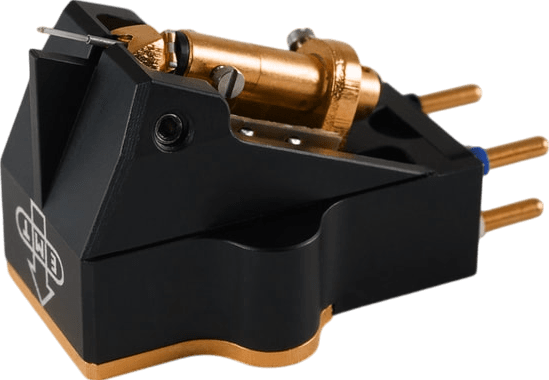

Reference stereo cartridge with sandwich-body The most modern EMT generator of the Reference-products features a multi-facet diamond on sapphire cantilever. Our unique assembling technology makes it possible to tune the individual sound properties of this high-resolution transducer unit to maximum musicality. The body of the JSD Pure is fitted with a high-density layer that reduces unwanted resonance behaviour between cartridge body and tonearm.
Our summary
Product Strengths
- Direct connection with music's dynamism and energy
- Stellar cartridge that gets under the skin of music with outstanding coherence and energy—encompassing, beguiling warmth of vinyl replay
- Honest sound, extracting so much information from the groove, the sound is uncanny
- Superb tracking and an ability to listen through pops and crackle well
- Excellent sight-lining for horizontal alignment within the headshell
Product Considerations
- Nude stylus with no stylus guard requires careful installation
- More about musical drive than about air and spaciousness
Takeaway: The EMT JSD Pure Black is a cartridge that provides a direct and energetic connection to the music and brings out the warmth of vinyl. It is honest and extracts a lot of information to make records sound great.
Video review
Our take on the brand
What competes at this price?
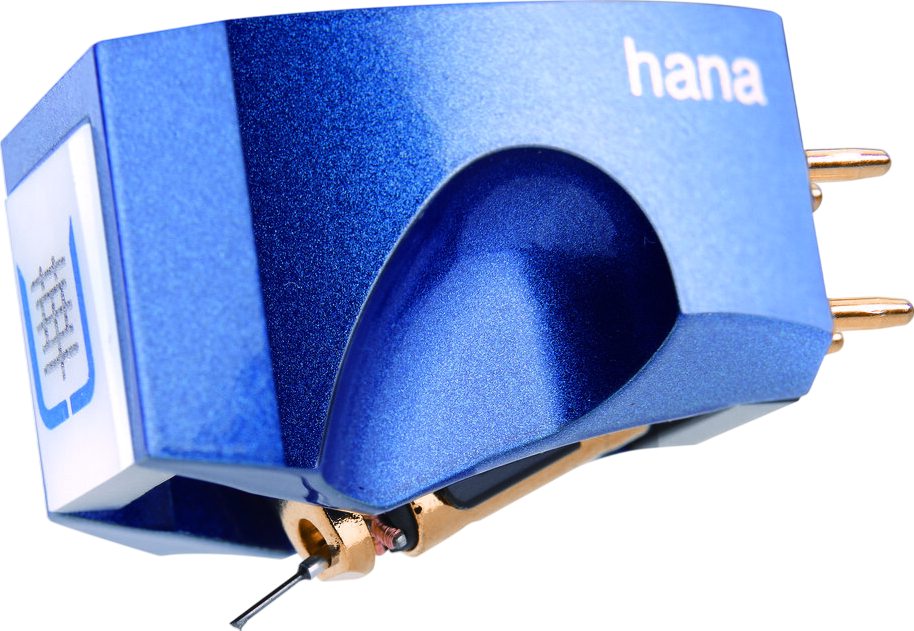

Our Summary
Product Strengths
- Provides a balance of analog qualities with high resolution and detail retrieval
- Clear and devoid of specific character, with a silky and extended tonal balance
- Impressive dynamics without sounding bloated or overly punchy
- Excellent tracking ability and low noise floor, revealing details and nuances in recordings
- Delivers an involving and intimate musical reproduction, described as 'brilliant and gorgeous'
Product Considerations
- Clean vinyl records are essential as the Microline stylus brings out noise
- May not satisfy listeners seeking a cartridge with a strong signature in bass, mids, or highs
Comparisons (according to reviewers)
- Vs. Hana ML: The Umami Blue paints with distinct and detailed lines, while the ML is more 'analog' and focuses on the ensemble sound, with better bass definition than the ML
- Vs. DS Audio 003: The Umami Blue offers a huge amount of transparency, while feeling more analog-like
- Vs. Hana Umami Red: The Umami Blue has the same subtlety and grace, detail and precision, and outstanding imagery as the Red, but the Red has more dynamism and rhythmic drive, as well as extra air in the top-end
Takeaway: The Hana Umami Blue cartridge provides a balanced and detailed listening experience, extracting the essence of recordings without imposing its own colorations, making it a good option. It's a fantastic option for those seeking a high-performance cartridge that offers a window into the music's original character.
Video review
Our take on the brand



Our Summary
Product Strengths
- Exceptional stability and remarkably low magnetic resistance due to the magnetic flux damper technology and Alnico-5 magnet system
- Precise and unwavering tracking, even during demanding musical passages, because of its rigid construction and solid boron cantilever
- Extracts fine details from vinyl grooves while maintaining a natural, organic presentation, capturing every nuance with stunning accuracy
- Precise imaging, deep, controlled bass, and silky, extended highs because of the 0.14 x 0.08mm Line contact PF stylus
- Presents music naturally and in an unforced manner
Product Considerations
- Requires a premium investment
- Needs a high-quality phono stage to perform optimally
- Careful setup is recommended to achieve the best results
- One review noted a 'thuddy' quality to the sound, but this may be due to setup issues or cartridge-tonearm mismatch
- Rich sounding electronics can cause excess warmth due to the bass, according to one review
Comparisons (according to reviewers)
- The XX-2 MKII is more even-handed and produced great slabs of bass, compared to the Lyra Helikon
- The XX-2 MKII has a darker tonal balance and funky bass lines, compared to the Dynavector Te Kaitora Rua
Takeaway: The Dynavector XX-2 MKII is a high-end cartridge that retrieves a lot of detail from vinyl while remaining natural sounding, making it a standout choice for serious vinyl enthusiasts. It is an excellent choice for people looking for a solid upgrade to their analog setup.
Video review
Our take on the brand
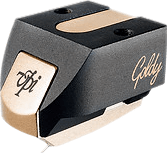

Our Summary
Product Strengths
- Rich and present sound in the lower-midrange fills out the performance beautifully
- Thrilling and highly resolved musical entertainment in broad tonal and dynamic terms
- Drive and excellent timing, yet feels solid, which is a nice combination
- Easy to install due to threaded inserts and clear view of the cantilever and stylus
Product Considerations
- Screws supplied with the Goldring cartridge may not be suitable for all tonearms due to thread length
- The finish is pretty basic, being well done but just a basic black
Takeaway: The Goldring cartridge is a very engaging cartridge that extracts an infectious sound from vinyl, putting a smile on any music lover's face. It will give a live performance in the listening room.
Video review
Our take on the brand
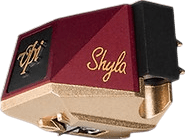
Our Summary
Product Strengths
- Warm sound with increasing frequency response at higher frequencies
- Very responsive to high level tracks
- The cartridge is versatile
- Natural, musical voicing focused on the midrange, while also dialed in to create strong, deep lows, and detailed highs
Product Considerations
- Requires careful mounting, especially connecting the color-coded wire connectors to the cartridge pins
- Can reveal limitations in older recordings
- Adjustments needed for tracking force, vertical tracking angle (VTA), and azimuth
Takeaway: The VPI Shyla phono cartridge provides excellent details, dynamics, and depth of image, while having a good overall balance and perspective. It is musically involving and would be quite appealing to bundle with the purchase of a VPI turntable or as an upgrade cartridge.
Video review
Our take on the brand
.png)
Our Summary
Product Strengths
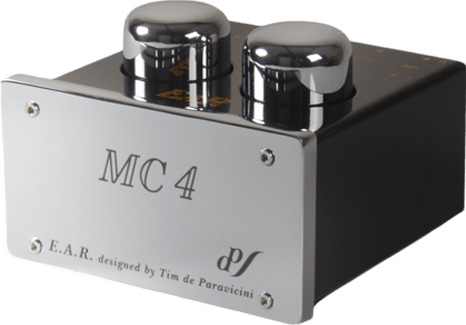
- The EAR MC 4 puts out a consistently pleasing, almost burnished sound that was detailed yet timbrally rich, with saturated instrumental tones and fabulous pace and rhythm
- Offers flexibility with four different sets of gains and impedances via four pairs of gold-plated RCA input jacks, making it suitable for a variety of MC cartridges
- Excelled with mono jazz LPs pressed before 1958, seeming to lower the noise floor and give those records a quieter, cleaner, overall warmer sound
- The review unit had a nice, solid heft that attested to its density
- The MC4 adds better soundstage, faster response but most of all timbral beauty
Product Considerations
- A long burn-in period is required before the EAR MC 4 sounds its best, with the sound continuing to improve over 150–200 hours of listening
- With some symphonic music, tutti's sounded squashed, and timpani strokes rumbly rather than punchy
- One reviewer thought that the free-form avant-garde music on Eric Dolphy's Time Out was far less involving via the Musical Fidelity step-up than the EAR, which sounded so much more dimensional
Comparisons (according to reviewers)
- Vs Music First Step-Up Transformer: The EAR MC 4 was bloomier, sweeter, with more tonal weight and distinct imaging, it presented a wider soundstage and superior jump factor, more timbral richness and sophistication, and tighter bass on jazz and rock tracks
Takeaway: The EAR MC 4 is a flexible and handsome analog instrument that offers rich timbral colors, tonal weight, and rhythmic tightness. Its multiple gain options and small size make it a great choice for enhancing your listening experience.
Video review
Our take on the brand
Questions? Ask the brand's dealers.
How to buy
Turntable Cartridges
Search all hifi products
Explore our database of 10,000+ new and 25,000+ used hifi products.