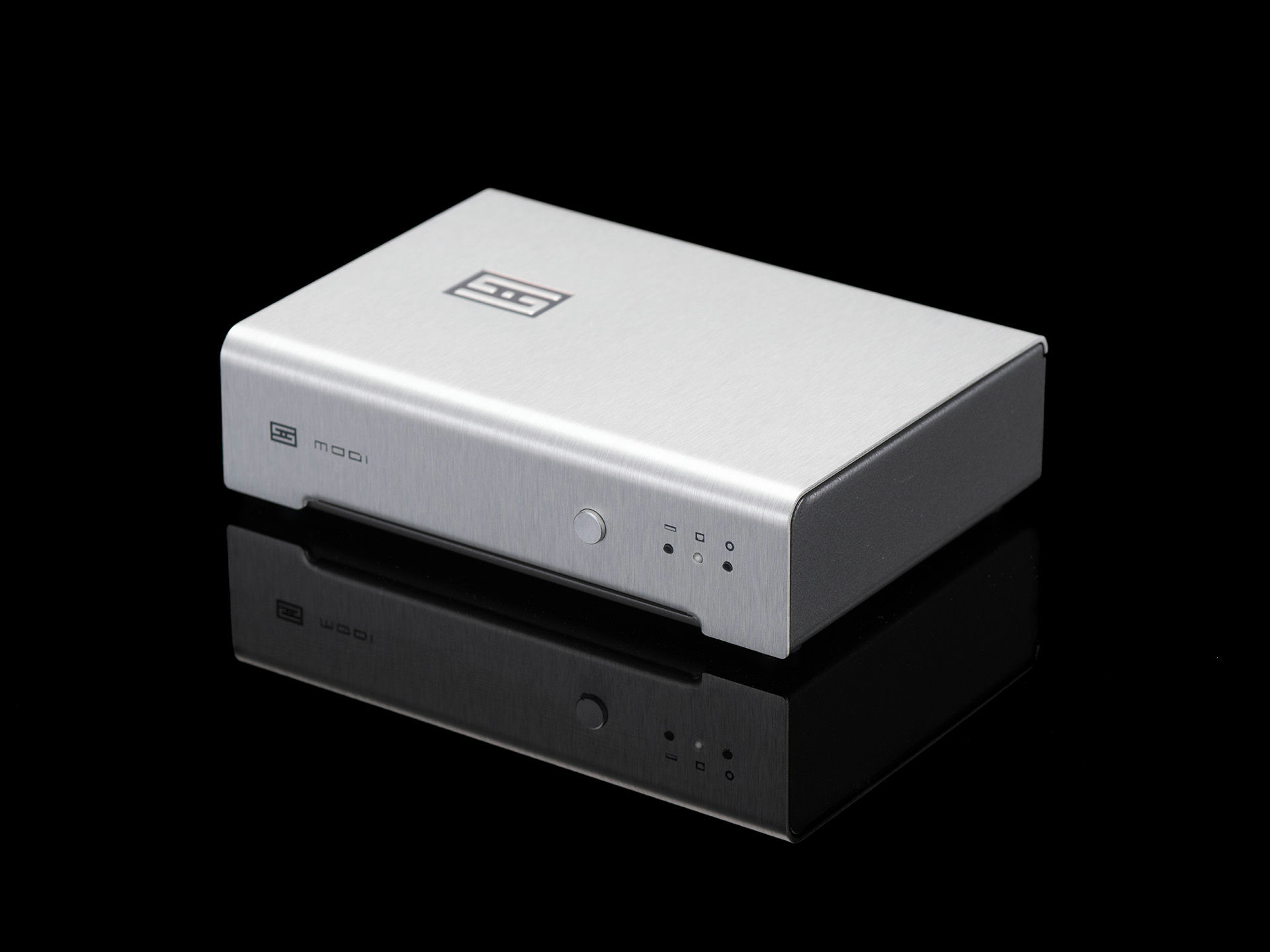





Note that this is a discontinued product. You may want to visit the brand's page here to browse their newer products.
What reviewers think
Bloggers and YouTubers have tried this product—so we've summarized their strongest opinions below. Links to full reviews follow.
Product Strengths
- Excellent build quality with sturdy construction and premium materials
- Sophisticated and refined sound with extended airy treble and lots of detail, avoiding harshness
- User-selectable digital filters (7 for PCM, 4 for DSD) allow customization of the sound
- Expansive and precise soundstage with excellent imaging
- Versatile connectivity options with a comprehensive list of inputs and outputs
Product Considerations
- Could ideally use just a touch more drive and attack when recordings really demand it
- OLED display is smaller and less informative than its predecessor, M-DAC
- Bass is a tiny bit lightweight, mostly due to there not being any excess oomph in the upper bass
Comparisons (according to reviewers)
- Vs AURALiC Vega, the M-DAC+ is less clinical and arguably more forgiving, although not as expressively detailed or dynamic
- Vs Ayre QB-9, there is similar midrange purity and tonality, but the M-DAC+ has a tighter—more solid—quality
- Vs PS Audio NWD, the NWD has beefier bass and fuller tonality, but not the same level of neutrality, resolution, and refinement as the M-DAC+
- Vs Cambridge Audio DacMagic 200M, the Cambridge Audio DacMagic 200M delivers a smooth and insightful sound that's easy to live with and suits a wide range of headphones
Takeaway: The M-DAC+ is a well-built and versatile DAC that provides a detailed and refined sound, making it a great choice for those seeking high-quality audio reproduction. With its extensive features and customizable settings, it offers an enjoyable listening experience for a wide range of music.
All
M-DAC+
reviews


Manufacturer details
- DAC: ESS Sabre32 9018 chip
- Sampling Rate: 24-bit/192kHz (Optical, Coaxial, AES), 32-bit/384kHz (USB), 2.8MHz (DSD64), 5.6MHz (DSD128), 11.2MHz (DSD256)
- Digital Input: 2x Coaxial, 2x Toslink Optical, 1x AES/EBU, 1x USB for PC USB, 1x USB for iPod/iPhone/iPad
- Digital Output: 1x Coaxial, 1x Toslink Optical
- Output Voltage: Balanced: 4.5V RMS, Unbalanced: 2.25V RMS
- Output Impedance: Balanced: 20Ω, Unbalanced: 10Ω
- THD: <0.002% (1kHz 0dB 20Hz - 20kHz A wtd)
- Frequency Response: 20Hz - 20kHz (± 0.2dB)
- Signal to Noise Ratio: RCA: > -115dB, XLR: > -120dB
- Dynamic Range: RCA: > 115dB, XLR: > 120dB
- Crosstalk: RCA: > 120dB, XLR: > 130dB
- Dimensions: 114mm x 247mm x 292mm
- Weight: 3.7kg

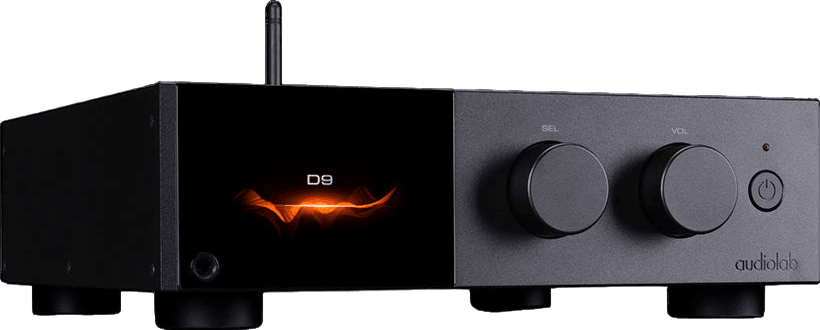
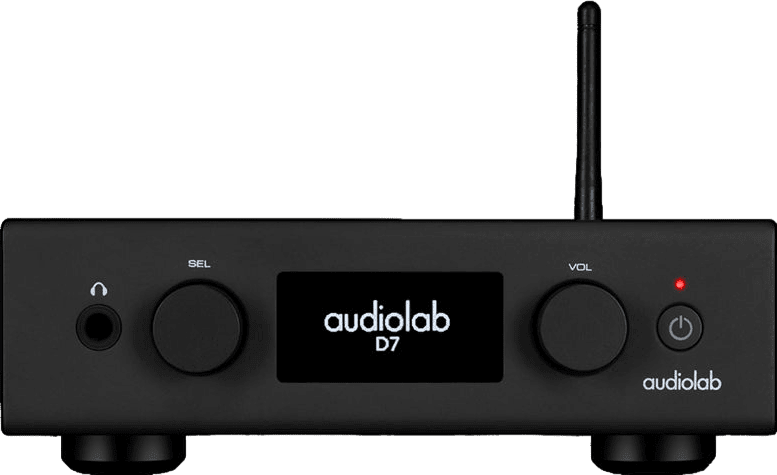
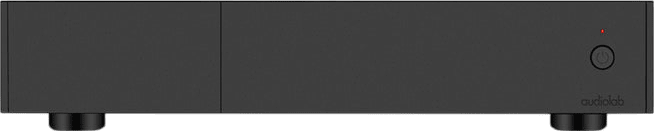






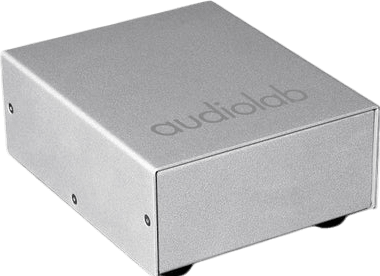

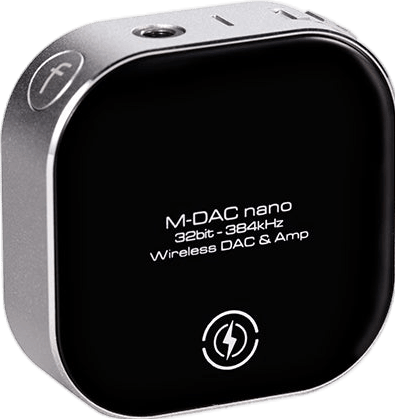



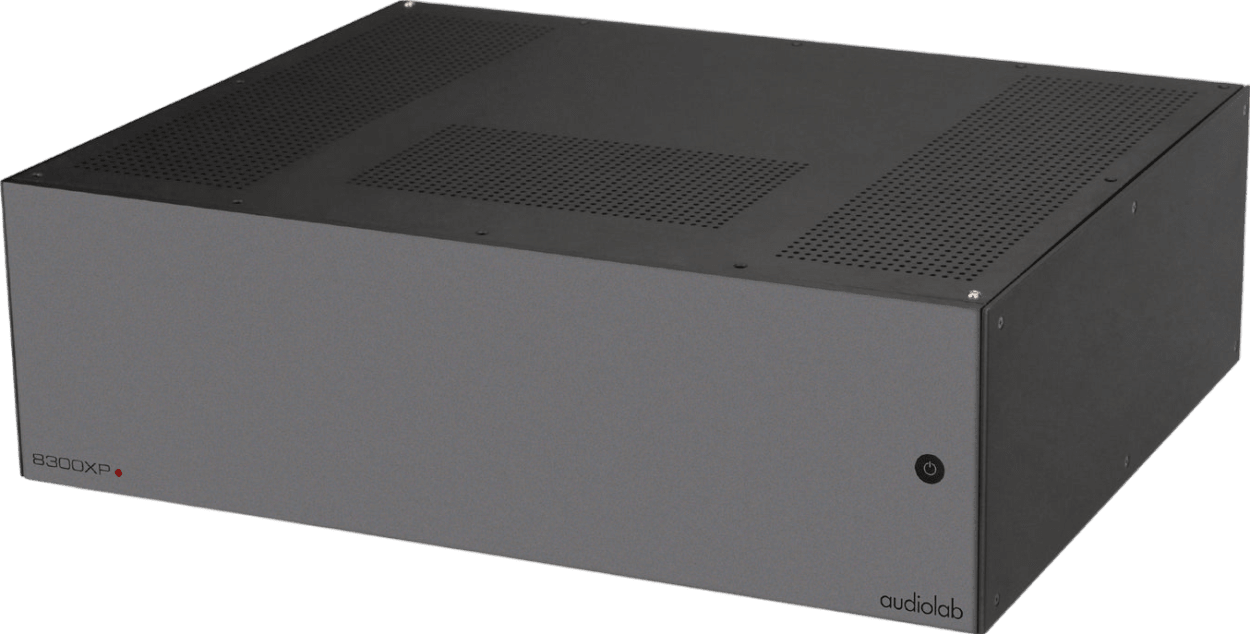


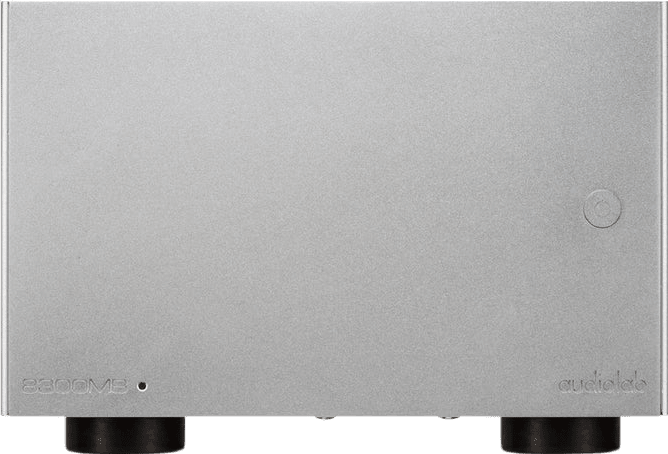



Brand highlights
Taking a step back to look at reviewers' thoughts of the brand's entire lineup—not just this product—what stands out most is the following:
- Audiolab components strike a balance between detailed, punchy sound and refinement, avoiding harshness.
- Audiolab consistently aims for high value for money, offering impressive functionality and sonic performance relative to its price point, sometimes outperforming more expensive competitors.
Select products
6000 Series
- Position: Entry-level series providing high-quality performance with essential features.
- Description: Includes components like the 6000A integrated amplifier, delivering 50W per channel into 8 ohms and features an ESS Sabre32 9018 DAC for digital inputs. It offers Bluetooth connectivity and a moving magnet phono stage, distinguishing it from higher-tier models that may provide more advanced DACs and additional connectivity options.
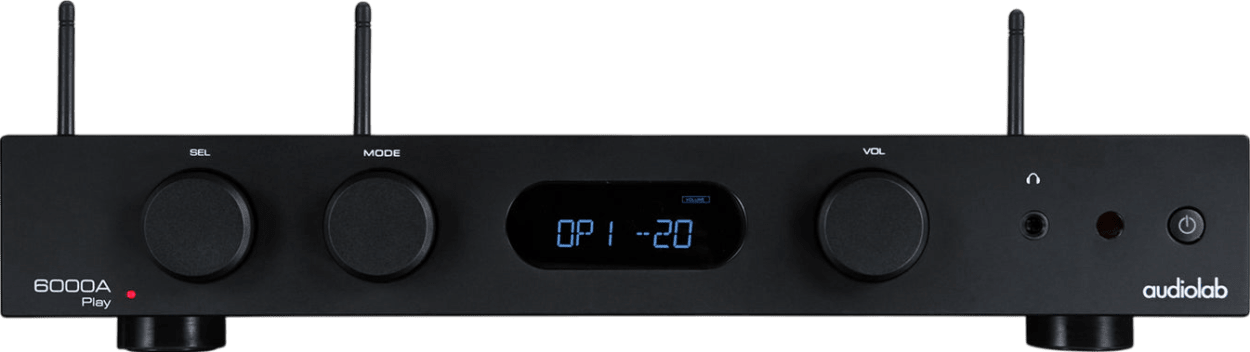
6000A Play
- Position: Enhanced version of the 6000A with integrated streaming capabilities.
- Description: Building upon the 6000A, includes DTS Play-Fi technology for wireless streaming, allowing access to services like Spotify, Tidal, and Qobuz. This integration offers greater convenience compared to the standard 6000A, which lacks built-in streaming functionality.
7000 Series
- Position: Mid-tier series offering improved performance and additional features over the 6000 Series.
- Description: The 7000A integrated amplifier provides 70W per channel into 8 ohms, featuring an upgraded ESS Sabre32 9038Q2M DAC and HDMI ARC connectivity. This series bridges the gap between the 6000 and 9000 Series.
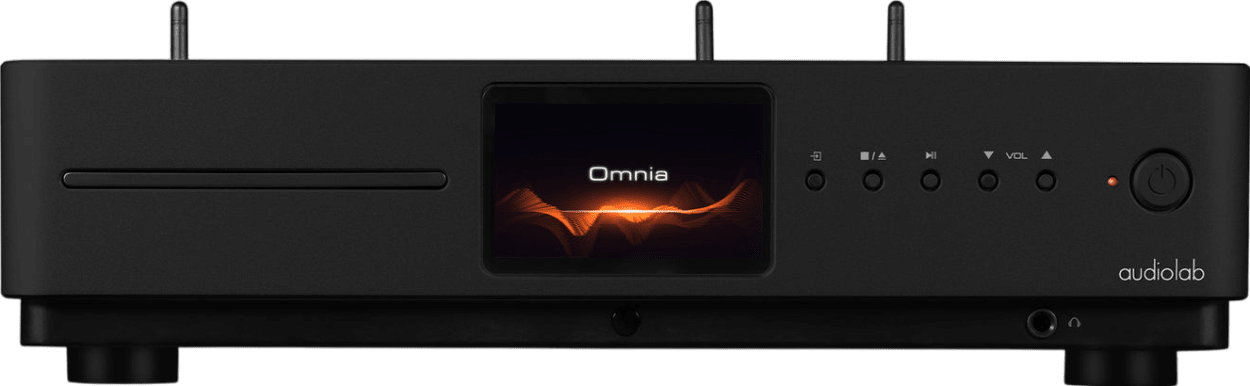
Omnia
- Position: All-in-one system combining amplification, DAC, CD playback, and streaming capabilities.
- Description: Features a built-in CD player, network streaming via DTS Play-Fi, and a high-quality DAC, providing a comprehensive solution for various audio sources. Its all-in-one design offers convenience over separate components found in other series.
9000 Series
- Position: Flagship series delivering top-tier performance and advanced features.
- Description: The 9000A integrated amplifier outputs 100W per channel into 8 ohms, using a high-end ESS Sabre32 9038 Pro DAC and offering balanced XLR inputs for superior connectivity. The 9000N streamer uses a Lumin-based platform, providing extensive file compatibility and Roon Ready certification, setting it apart from the 7000 Series with its premium streaming capabilities.

Our take on the brand
Look inside the brand
Our interview with the brand
What are two key technological innovations or strong opinions that differ you from other brands?
What's your approach to customer support?
What are your favorite tracks for showcasing the strength of your products?
What other products pair best with yours?

Used
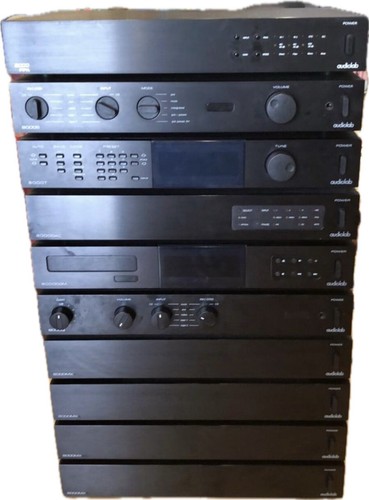
Audiolab









What if you spend more?




.svg)
Our summary
Product Strengths
- Uncluttered sound presentation
- Solid, well-formed bass
Product Considerations
- Not the most exciting listen
- No Bluetooth or DSD file support
- DTS Play-Fi app starting to feel clunky
- The Play-Fi app is not as responsive or likeable as other platforms, and the presentation of services like Tidal isn't as detailed or intuitive when used through the Play-Fi portal
- Surprisingly doesn't support DSD files, which feels like a striking omission
Comparisons (according to reviewers)
- Vs Bluesound Node (2021) and Cambridge Audio MXN10: Competitors demonstrably offer more dynamism, energy and rhythmic drive
Takeaway: The Audiolab 7000N offers a well-ordered and uncluttered sound that provides a pleasing listening experience. It is transparent enough to show up most of the detail from your music with ease.
Video review
Our take on the brand
.jpeg)
Our summary
Product Strengths
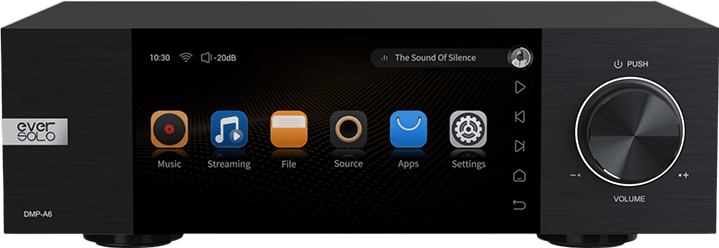
- Excellent and responsive touchscreen display, and user-friendly interface that is intuitive and easy to navigate
- Versatile as an all-in-one device, functioning as a streamer, DAC, pre-amp, and media storage server with a competitive price point
- High build quality, featuring a solid aluminum alloy chassis
- Supports a wide variety of streaming services, including Tidal, Qobuz, Spotify, Amazon Music, Apple Music, and more
- Rock solid as a streamer, especially when going into a separate DAC
Product Considerations
- Customer support from Eversolo may be limited, with some reviewers noting slow or nonexistent responses to inquiries
- Internal DAC, while good, is not on par with higher-end—more expensive DACs
- Lack of a traditional I/R remote could be a drawback for some users
- Some unusual control procedures are noted, such as the inability to power on the unit from the mobile app
Comparisons (according to reviewers)
- The DMP-A6 sounds just as good as the Lumin U2 Mini as a streamer
- The A6 beats the Bluesound Node when used only as a streamer
- The A6 has similar features, a similar control/display, and a similar size and shape
- The Lumin U2 has more "shine", dynamics, solidity and is a touch more refined than the A6
- The Eversolo is favored over the iFi Neo Stream, especially as a streaming DAC
- Eversolo proves it can play with Cambridge Audio CXN (V2) in many ways
Takeaway: The Eversolo DMP-A6 is a versatile and user-friendly streamer that delivers great value, and it provides a great streaming experience with its screen. It is a great entry point into high-resolution digital audio and can serve as the center of a modern hifi system.
Video review
Our take on the brand
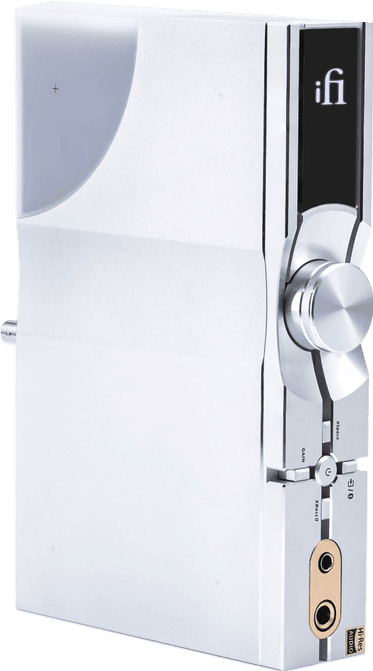

Product Strengths
- The NEO iDSD 2 functions as a versatile all-in-one (AIO) solution, working as a DAC, headphone amplifier, and preamplifier
- It has a significantly more powerful amplifier section than its predecessor, making it better at driving a wider range of headphones
- Includes sound-shaping features such as XBass and XSpace, plus selectable digital filters, allowing users to customize the sound
- Comprehensive connectivity options include USB, S/PDIF (coaxial/optical), Bluetooth 5.4 with aptX Lossless, and both balanced XLR and single-ended RCA outputs
Product Considerations
- The amplifier section may not be powerful enough to drive some very power-hungry headphones to their full potential
- The Nexis app only works with a 2.4ghz WiFi signal
- There is a slight click or noise when switching inputs as a pre-amp
- Some reviewers would have preferred the inclusion of the iPower X power adapter instead of the iPower V2, considering the unit's price
- The variable volume output may not save the last used settings
Takeaway: The iFi Audio NEO iDSD 2 combines a high-quality DAC with a significantly improved headphone amplifier, making it a good all-in-one solution for desktop audio. With its wide range of features, solid build quality, and pleasing sound, the NEO iDSD 2 is a worthwhile upgrade.
Video review
Our take on the brand
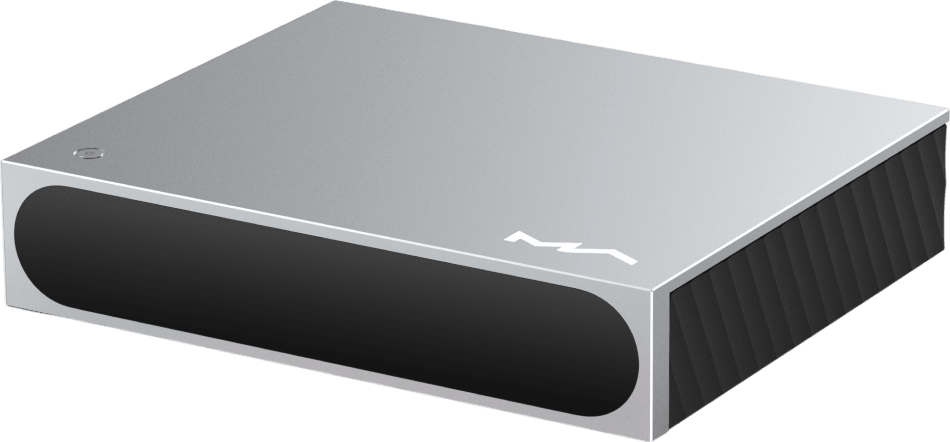

The all-new music streamer mini-i 4 does not only have a rich set of digital inputs with excellent digital audio processing capabilities, but also supports various network streaming protocols. Combined with a self-developed high-quality digital audio/streaming playback system MA Player and the controller app MA Remote App, it easily plays a vast amount of online streaming music, provides you with an exceptional high-fidelity listening experience.
Product Strengths
- Excellent sonic performance, characterized by neutrality, transparency, and detail retrieval
- The MA Remote app is intuitive and feature-rich, offering access to various streaming services and settings
- Solid build quality with an aluminum chassis, though the sides are plastic, and a bright, clear LCD screen
- Versatile connectivity with a wide array of inputs, including USB-C for external storage, HDMI ARC, optical, coaxial, and analog RCA inputs
Product Considerations
- Lacks wireless connectivity—no Wi-Fi or Bluetooth
- Does not come with a physical remote, the RM5 is sold separately
- Some users have experienced issues with navigating large local music libraries
- Some reviews mention the touch screen controls being a bit fiddly
- No digital output to support an external DAC
Comparisons (according to reviewers)
- Vs Bluesound Node (2021): Mini-i 4 has better detail retrieval and is cleaner sounding
- Vs EverSolo DMP-A6: DMP-A6 sounds more natural with bolder bass and better soundstaging, while Mini-i 4 sounds tonally and spatially flatter
- Vs Matrix Audio Mini-i 3 Pro: Mini-i 4 has a wider range of source repositories and USB storage reader
Takeaway: The Matrix Audio Mini-i 4 is a great sounding device for anyone wanting a DAC and streamer that can do it all. With its comprehensive set of features and focus on audio quality, enjoying music becomes easy.
Video review
Our take on the brand
What competes at this price?

Our Summary
Product Strengths
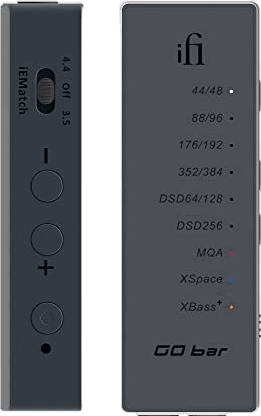
- Comprehensive specifications, aiming to equal or improve upon existing portable DACs
- Features a balanced 4.4mm output and a single-ended 3.5mm headphone output
- High power output, described as the most powerful headphone amp of its size
- Includes XBass+ and XSpace analog processing for sound enhancement
- Supports PCM up to 384kHz, DSD up to 256, and DXD
Product Considerations
- The blue text on the blue chassis is hard to read in almost any lighting condition
- Can be considered chunky compared to other dongle DACs
- Can be noisy and produce audible hiss with sensitive IEMs, though IEMatch can help mitigate this
- High power consumption potentially impacts battery life of the source device
- The digital filters can be tricky to access, according to one review
Takeaway: The iFi Audio GO bar is a powerful and versatile portable DAC/amp that can drive most headphones, providing a clean and detailed sound. It is packed with features and offers good sound quality, making it a great option for enjoying high-resolution music on the go.
Video review
Our take on the brand


Our Summary
Product Strengths
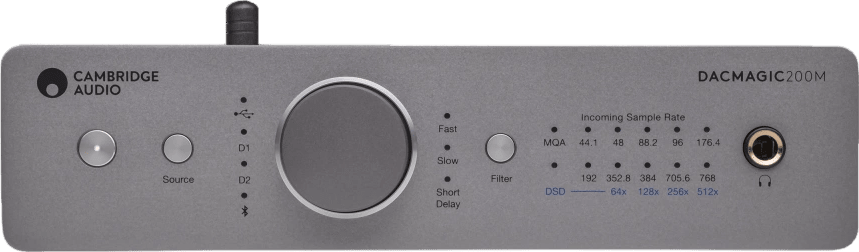
- Rich feature set is its ace card
- Presents a very clean, detailed, and dynamically punchy sound
- Tonal smoothness and expansive soundstage
- Balanced and unbalanced outputs, plus a headphone output
Product Considerations
- Front fascia is a wee bit cluttered
- Lacklustre feel of the volume control
- No remote control
- The headphone output is a useful convenience feature, but it doesn't live up to the unit's performance in other areas
- Auto-shut-off feature turns it off after a little while of not being used
Comparisons (according to reviewers)
- Vs Chord Mojo: Chord edges ahead in performance, delivering even greater subtlety and rhythmic precision, but it can't match the DacMagic 200M's impressive feature versatility
- Vs Schiit Bifrost: Bifrost offers more meat on music's bones, making the DacMagic 200M sound comparatively lighter weight, presenting a skinnier version of the music at hand
- Vs Denafrips ARES II: The DacMagic 200M sounds pale as it does its best to tease out music's kaleidoscope of tone colors
- Vs Audiolab M-DAC+: Rhythmically the DacMagic 200 does a good enough job, it can't compete with the next tier up of DACs costing close to twice its price
- Vs Pro-Ject Pre Box S2 Digital: The sound of the Pro-Ject DAC was not as different from that of the DacMagic
Takeaway: The DacMagic 200M is a feature-rich device with good sound, offering balanced and unbalanced outputs, plus a headphone output. Its versatile feature set makes it a great all-rounder at its price point.
Video review
Our take on the brand
Our Summary
Product Strengths
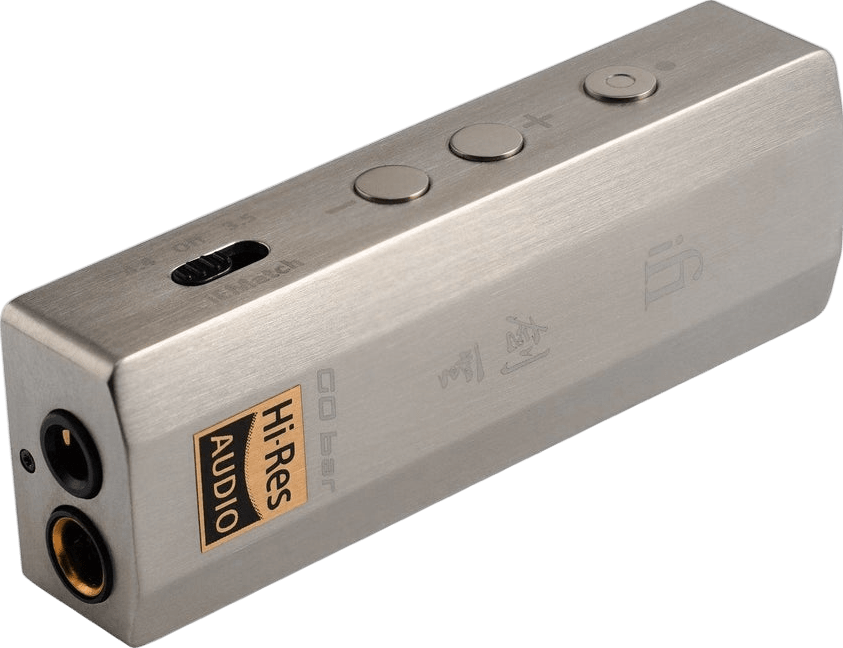
- Detailed, organized, and spacious sound.
- Strong output power for a dongle.
- Premium build quality with tactile Japanese stainless steel.
- Feature-rich with exclusive sound-tuning options, like K2HD processing, XBass, XSpace, and digital filters.
- Improved clocking and circuitry contribute to less background noise, no jitter, and increased audio quality.
Product Considerations
- Treble can sound rather relentless—overstated, hard-edged, and thin.
- The device can get quite warm during use.
- High power draw can drain a mobile phone battery quickly.
- Stainless steel exterior is prone to collecting fingerprints and scratches.
- Controls can be difficult to understand at first, necessitating the manual.
Comparisons (according to reviewers)
- The Kensei offers slight improvements in clarity and bass accuracy compared to the original GO Bar, with less warmth in the lower mids.
Takeaway: The iFi GO Bar Kensei is a premium, well-built portable DAC/amp that delivers a detailed and powerful sound experience. It's packed with features and offers a noticeable upgrade for those serious about high-quality mobile hifi listening.
Video review
Our take on the brand
Our Summary
Product Strengths
- Delivers clean, musical, and entertaining sound
- Features a new USB-C input
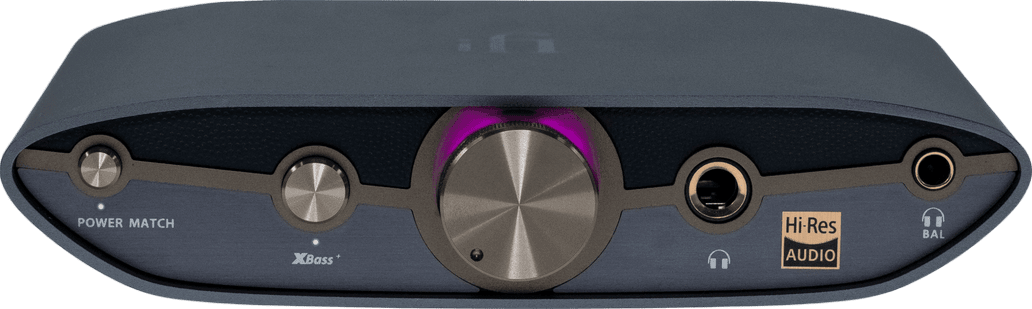
- Good build quality and aesthetic design
- Includes XBass+ for bass enhancement
- Simple to set up and use
Product Considerations
- Audible noise floor reported, especially with sensitive IEMs
- May not have enough power for demanding planar headphones
- Simultaneous output to all connected devices may require manual switching
- XBass+ may be too much for some users or cause distortion at higher volumes
- Some reviewers feel the power output is a downgrade from previous models
Comparisons (according to reviewers)
- ZEN DAC 3 has more practical outputs for desktop use, but Go Bar has lower noise floor and is more portable
- ZEN DAC 3 is more colorful, dynamic, and crisp, while C200 sounds flatter
- Similar vivid sound, but ZEN DAC 3 has warmer, punchier bass
- ZEN DAC 3 sounds warmer and punchier, while X5 creates a wider soundstage
- DX3 Pro+ offers more power and a more neutral sound, while ZEN DAC 3 offers a more musical sound signature
Takeaway: The iFi ZEN DAC 3 is a stylish and easy-to-use DAC/AMP that delivers a musical and engaging sound, making it a good all-around choice for desktop audio. It offers a lot of features for the price, like balanced outputs and XBass+, so listeners can enjoy music with great sound.
Video review
Our take on the brand

Our Summary
Product Strengths
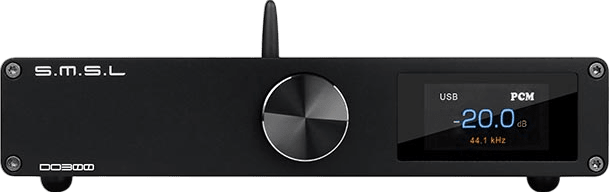
- The DO300 is packed with features like XMOS XU-316, PCM support up to 32-bit/768 kHz, DSD support to DSD512, I2S input, and Bluetooth 5.0 with LDAC, aptX HD, AAC, and SBC
- Offers a wide range of input and output options, including USB, Optical, Coaxial, AES/EBU, I2S, RCA, and XLR
- Provides a clean, detailed, and neutral sound signature with a smooth texture and no audible distortion or background noise
- Offers a variety of digital filters (PCM and DSD) and 'Sound Color' DSP settings to tweak the sound characteristics to personal preferences
- Good build quality, featuring a solid, well-built aluminum chassis
Product Considerations
- Stage depth and microdynamics are lacking compared to higher-end DACs
- Issues with DSD file playback have been noted, citing high replay gain and reduced dynamic range
- The matte black coating of the chassis tends to attract fingerprints and grease
- The rotary encoder (volume knob) is described as feeling cheap and mushy
- Lacks an auto-standby feature and a status LED when the LCD screen is turned off, potentially leading to the device being left on unintentionally
Comparisons (according to reviewers)
- Compared to the SMSL SU-9 Pro, the SU-9 Pro has a more laid-back midrange and a tidier bassline, while the DO300 has a more forward presentation, fuller bass, and warmer midrange
- Compared to the Topping E70 Velvet, the E70 Velvet is tonally somewhere in between the SU-9 Pro and DO300, slightly warmer than the SU-9 Pro but not as warm as the DO300
- Compared to the HIFIMAN EF400, the EF400 is more natural-sounding, making instruments sound more like themselves, but it's not as quiet or detailed as the DO300
- Compared to the SMSL M400, the DO300's treble is not as etched as the M400's, and it doesn't push upper-mids forward as much
- Compared to the SMSL DO200 MKII, the DO300 provides more nuance, separation, depth, and detail
- Compared to the Pro-Ject DAC BOX DS, the SMSL DO300 has better connectivity, detailed, dynamic, impactful sound, a wider soundstage, and better instrument separation
Takeaway: The SMSL DO300 is a feature-rich DAC that delivers a clean and enjoyable listening experience. It could be a great addition to an audio setup to provide versatile connectivity and a customizable sound.
Video review
Our take on the brand
How to buy
DACs
Search all hifi products
Explore our database of 10,000+ new and 25,000+ used hifi products.