




Note that this is a discontinued product. You may want to visit the brand's page here to browse their newer products.
What reviewers think
Bloggers and YouTubers have tried this product—so we've summarized their strongest opinions below. Links to full reviews follow.
Product Strengths
- Extremely resolving, clear, and transparent, providing a full reproduction of the signal without embellishment
- Considered a very neutral source, simply reproducing the signal without injecting additional flavor or character
- Super linear and considered a technical sounding DAC
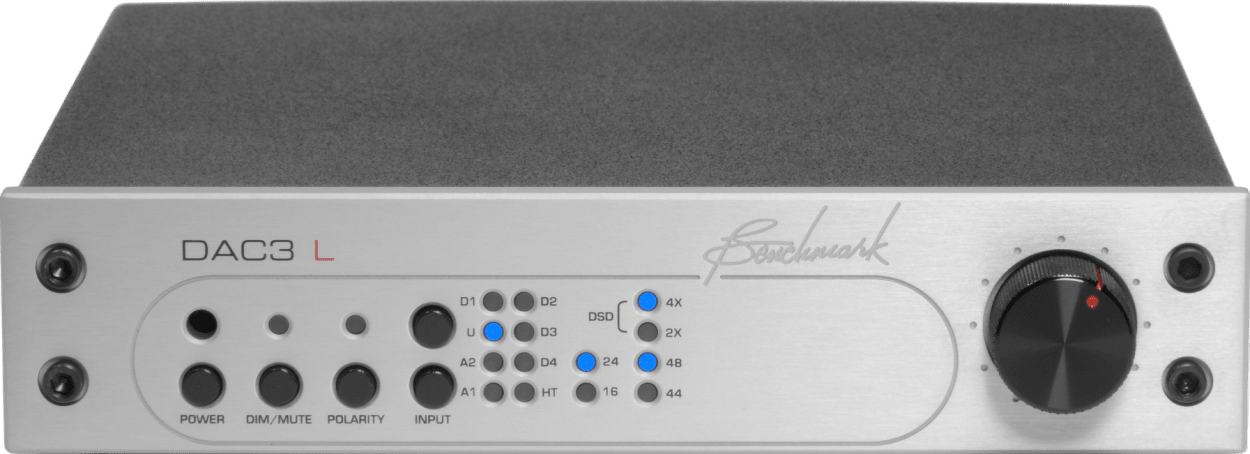
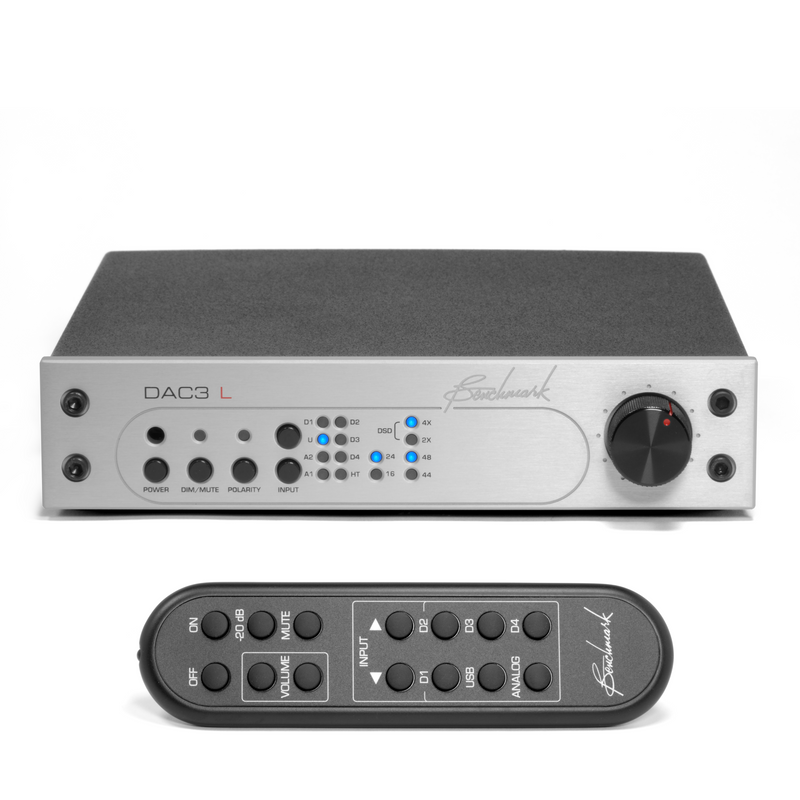
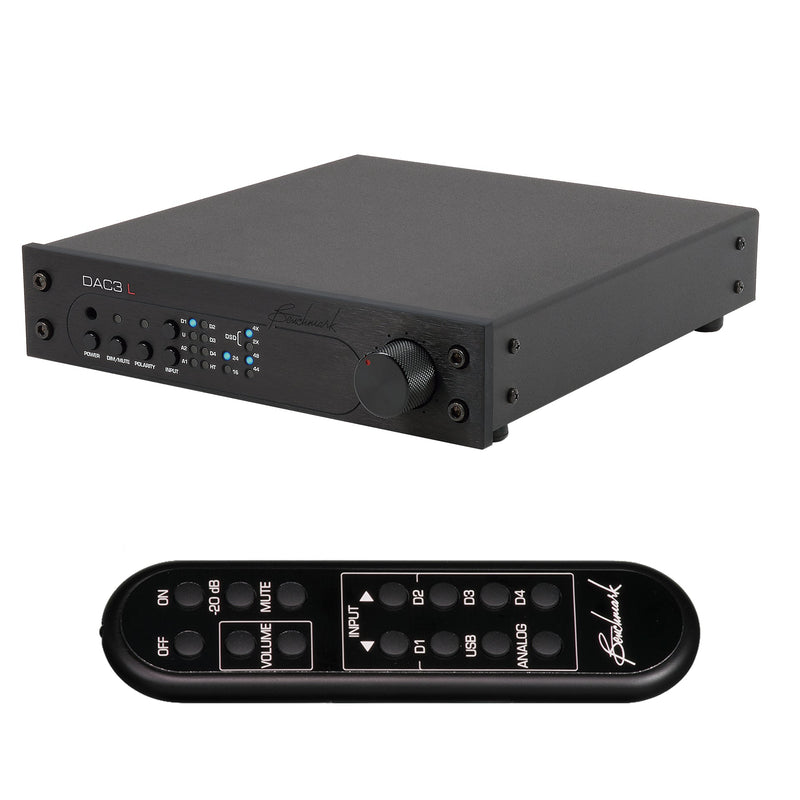
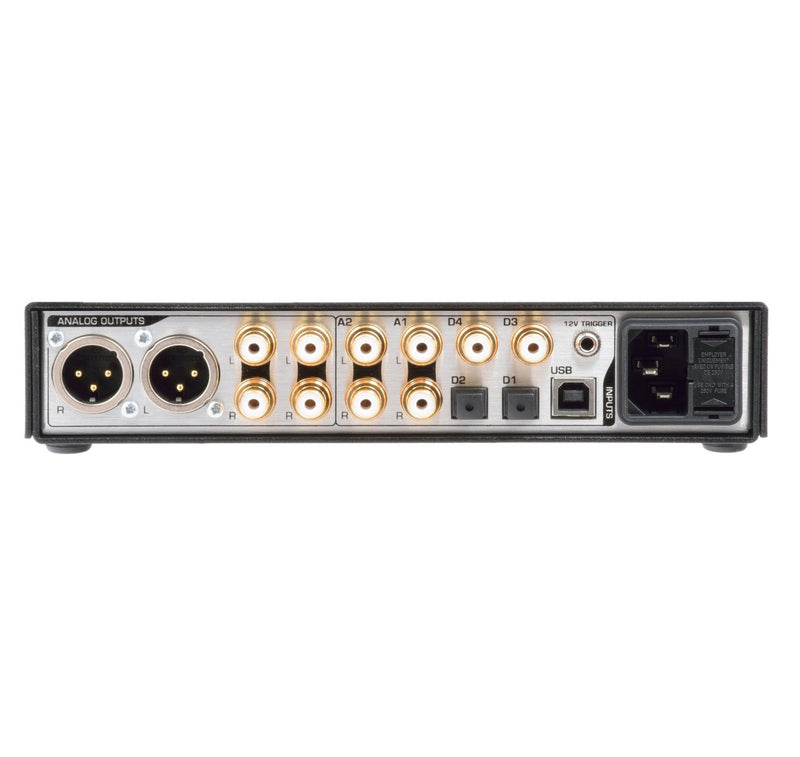
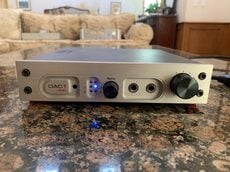
- Two digital coax ends, two optical ends, USB, and an analog, also two sets of unbalanced outs and one set of balanced outs
Product Considerations
- Can sound dry depending on the listening environment and associated equipment
- Very unforgiving, so it will reveal problems in the audio chain
- More forward and not as wide (soundstage) as other DACs
Comparisons (according to reviewers)
- Benchmark DAC3 vs Sonos Internal DAC: The Benchmark killed the Sonos, the Benchmark had better bass resolution, mid-range clarity, treble resolution, and overall musicality
- Benchmark DAC3 vs Matrix Element X: The Element X sounded wider and deeper, but the DAC3L was more focused with sharp outlines
- Benchmark DAC3 vs Mytek Brooklyn DAC+: Both have an intimate and tall soundstage, but the DAC3 doesn't emphasize treble as much as the Brooklyn
Takeaway: The Benchmark DAC3 is a very precise and technically proficient DAC for those who want a transparent and revealing sound, and who are confident in their existing audio system. It can be used as a reference point because it does not add coloration to the sound.
All
DAC3 L
reviews



Manufacturer details
- SNR A-Weighted: 128 dB (0 dBFS = +27 dBu)
- THD+N (1 kHz at 0 dBFS): -113 dBFS, -113 dB, 0.00022%
- Frequency Response at Fs=192 kHz: +0 dB, -0.015 dB (20 to 20 kHz)
- Digital Inputs: 5 (1 USB, 2 Optical, 2 Coaxial)
- Balanced Output Impedance: 60 Ohms (Attenuator off)
- Maximum Output Level: +30 dBu
- Power Consumption: 12W typical, 15W maximum
- Dimensions: 9.5" (249 mm) W x 1.725" (44.5 mm) H x 9.33" (237 mm) D
- Weight: 3 lb (unit only), 4 lb with accessories



Brand highlights
Taking a step back to look at reviewers' thoughts of the brand's entire lineup—not just this product—what stands out most is the following:
- Benchmark's products are rooted in professional electronics, emphasizing ultra-low distortion and noise for clean sound. While engineering-oriented, they also value listening tests in product development.
- The brand often incorporates THX Achromatic Audio Amplifier (AAA) technology, which utilizes a patented feed-forward design to drastically reduce harmonic, intermodulation, and crossover distortion, contributing to sonic transparency.
- Benchmark implements highly precise volume controls, often using relay-based systems with numerous small steps (e.g., 256 steps in 0.5dB increments) to minimize noise and allow for accurate level adjustments.
- They meticulously focus on optimizing the signal path and rejecting interference; for instance, they prefer balanced connections and employ shielding techniques to maintain signal integrity.
Select products
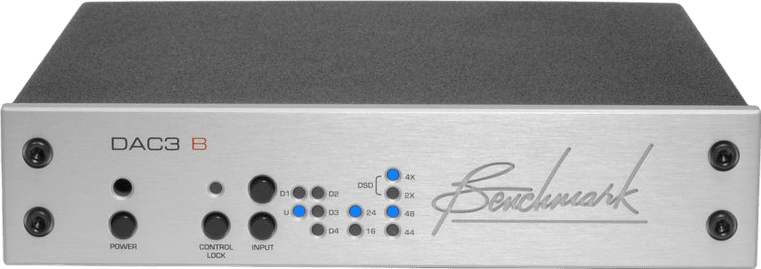
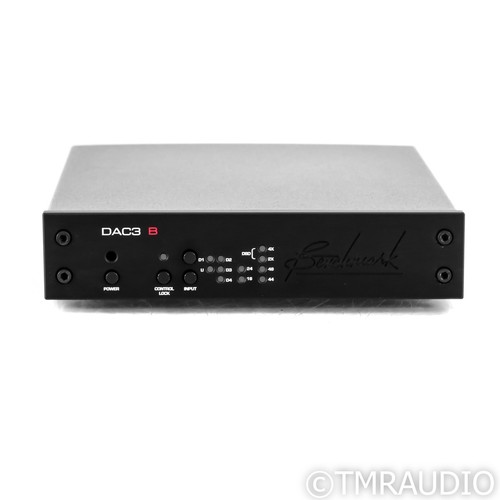
DAC3 B
- Positioning: The entry-level model in the DAC3 series, designed for professional studio applications and integration with Benchmark's HPA4 or LA4 amplifiers.
- Description: Offers exceptional audio performance with its advanced high-headroom digital filter design and UltraLock3 jitter attenuation system, making it ideal for studio use. Unlike the DAC3 HGC, it lacks volume control, analog inputs, and a headphone amplifier, which makes it more affordable and suitable for users who already have these components in their setup.
DAC3 L
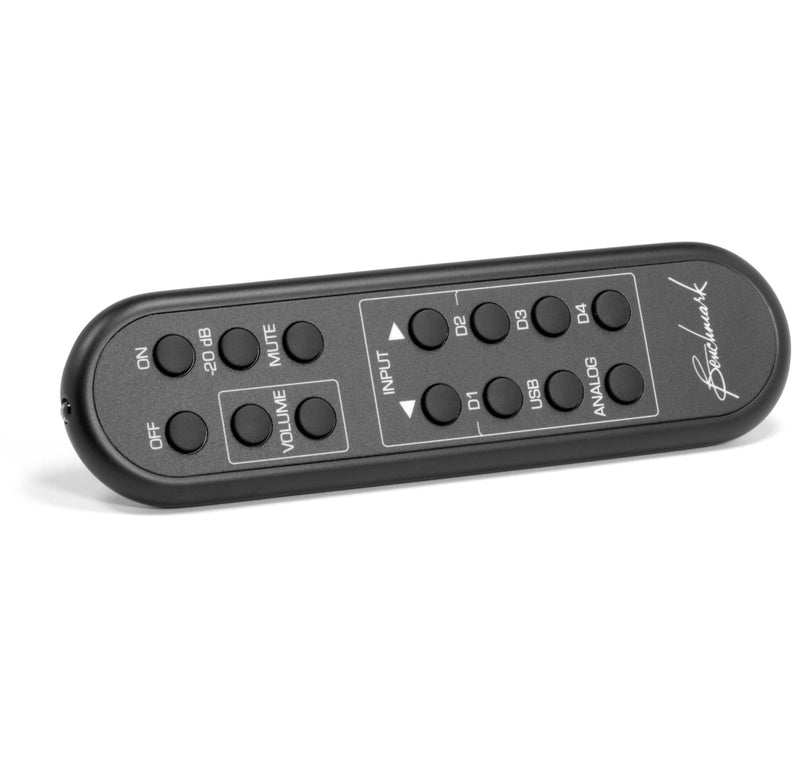
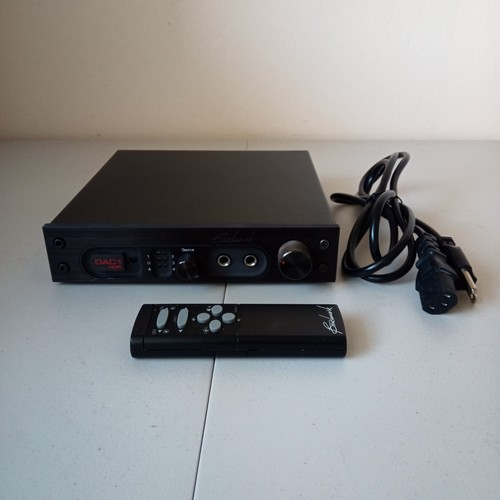
- Positioning: A step up from the DAC3 B, providing the same high-quality conversion but with additional features like a remote control and home theater bypass.
- Description: Delivers outstanding musical detail and precise stereo imaging, similar to the DAC3 HGC, but without the internal headphone amplifier. This makes it a great choice for users who need a high-performance DAC without the need for headphone amplification.
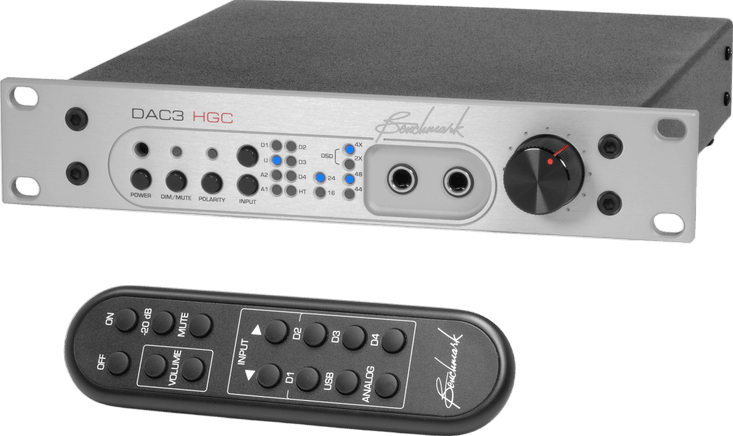
DAC3 HGC
- Positioning: The flagship model in the DAC3 series, offering the most comprehensive feature set including a headphone amplifier and hybrid gain control.
- Description: Stands out with its hybrid gain control system and native DSD conversion, providing exceptional audio clarity and flexibility. It is ideal for users who require a complete DAC solution with integrated headphone amplification, making it suitable for both home and professional use.
LA4 Line Amplifier
- Positioning: A high-end line amplifier designed to provide the ultimate analog signal path between a DAC and a power amplifier.
- Description: Features a fully relay-controlled gain stage with 256 steps, ensuring precise volume control and minimal noise. It is perfect for users who need a high-performance preamplifier without headphone outputs.
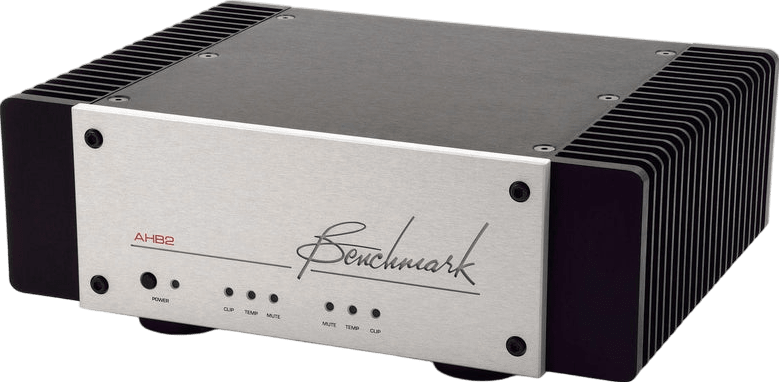
AHB2 Power Amplifier
- Positioning: A high-end power amplifier known for its ultra-low noise and distortion, making it a reference standard in audio amplification.
- Description: Uses THX-patented AAA technology to virtually eliminate distortion, providing a dynamic range of 132 dB. It is perfect for users who demand the highest fidelity in power amplification, suitable for driving difficult speaker loads with ease.
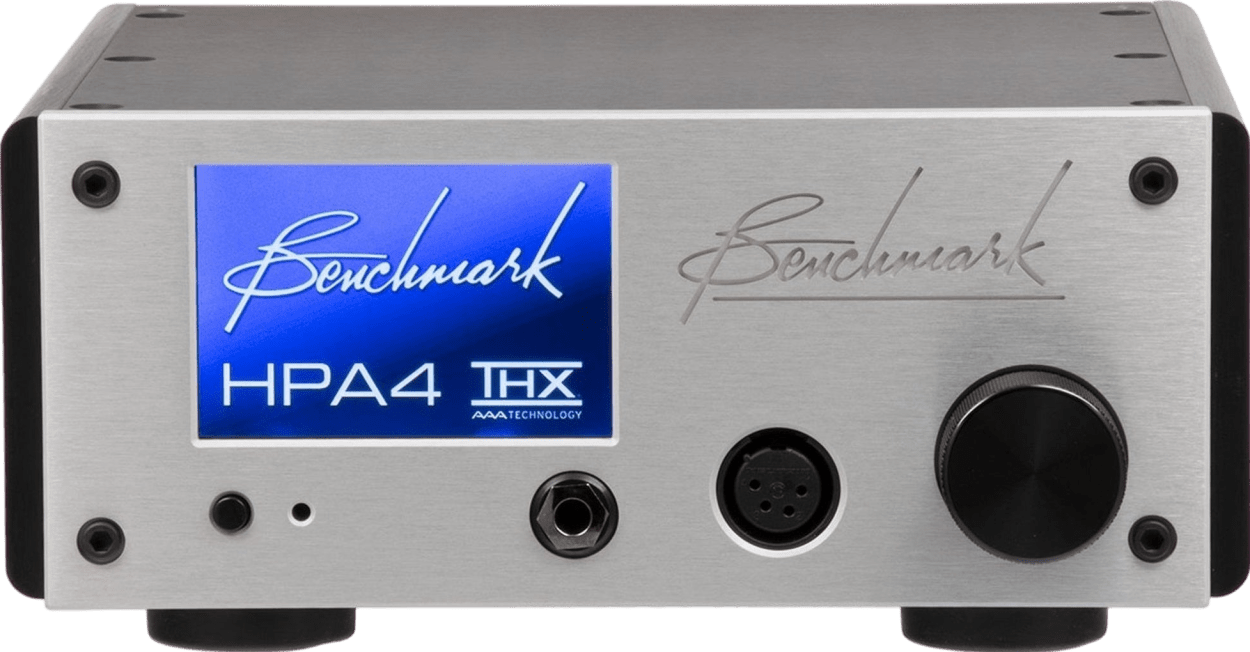
HPA4
- Positioning: A premium headphone and line amplifier, offering excellent audio fidelity with THX AAA technology.
- Description: Features the THX-888 amplifier design, providing ultra-low distortion and noise, making it ideal for critical listening environments. It is best suited for users who need both headphone and line amplification, offering excellent performance for high-impedance headphones and line-level outputs.

Our take on the brand
Look inside the brand
Our interview with the brand
What are two key technological innovations or strong opinions that differ you from other brands?
What's your approach to customer support?
What are your favorite tracks for showcasing the strength of your products?
What other products pair best with yours?

Used
Benchmark







What if you spend more?



.svg)
Our summary
Product Strengths
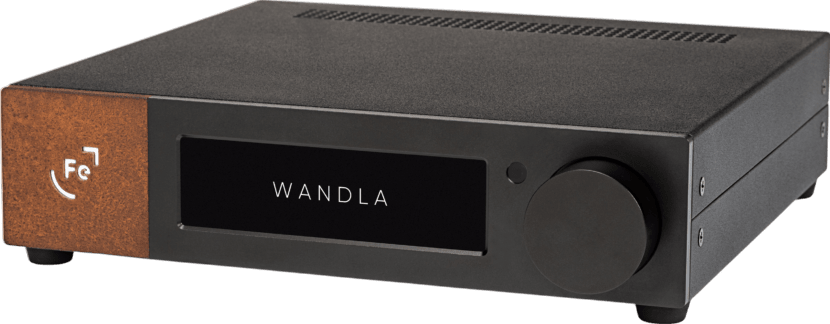
- Unique features and impressive performance in a compact form factor
- Exceptional build quality
- Larger, responsive, and intuitive touchscreen UI
- Considered by one reviewer to be the best sounding DAC they have heard under $3,000
- Genuinely neutral and lifelike sound signature, without compromising resolving capability
Product Considerations
- Expensive, at $2,800 or 2,800 euros, which is a significant investment
- Limited display viewing angles, due to using a TN panel instead of an IPS, VA, or OLED
- Hypsos power supply is a subtle upgrade, not necessarily worth the extra cost unless already owning other Ferrum products
- Stock power supply is not as good as the Hypsos
Comparisons (according to reviewers)
- Compared to Gustard X18, Wandla lacks the sterile presentation, offering a more genuine neutral sound
- Compared to EverSolo DAC Z8, Wandla is closer to a true neutral sound signature and overall more realistic sounding
- Compared to Holo May KTE, Wandla was happily trading blows on outright soundstage size, and resolution was pretty much on par
- Compared to Chord Dave, Wandla provides similar sound and performance at a more attractive price
- Compared to Rockna Wavedream Signature, Wandla has similar liquidity and refinement but at a fraction of the price
Takeaway: The Wandla is an impressive DAC focused on sound quality, offering a number of unique features and customizability options. It is a great option for those looking for high end sound in a small package.
Video review
Our take on the brand

Our summary
Product Strengths
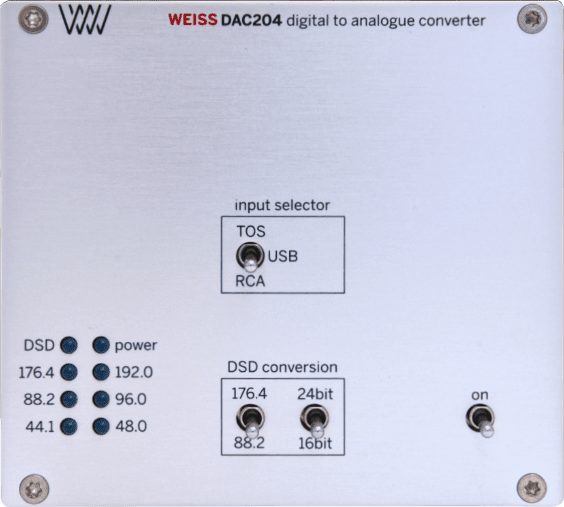
- Precise, accurate, and musical sound, delivering what the disc or file was created to sound like
- Excellent jitter suppression, getting the most out of digital sources
- Versatile, it can be used as a digital format converter
- Weighty, full-bodied—tape or vinyl-like—sound
Product Considerations
- The stock power supply can be improved with a higher quality 6 to 9 volt supply or the Weiss PSU-102
- High-resolution sampling frequencies via USB of 352.8 and 384 are down sampled to half their value at 176.4 and 192
- May be a bit too harsh, even for some systems
Comparisons (according to reviewers)
- Some reviewers preferred the Weiss DAC204 to the Chord Dave due to impressive detail and holographic 3D imaging, although the Weiss is not as sharp or dynamic
- The DAC204 is considered to be on the same level of sound quality as the Chord Hugo 2 and Chord Cutest
- The DAC204 sounds just like the 501, despite being significantly less expensive and lacking the DSP, preamp, display, and remote control features
- The Weiss DAC204 is more open, dynamic, and punchy, while the Meitner is all about the midrange with beautiful and rich vocals
- The Weiss DAC204 brought more of everything making music sound more present, more physical, and more engaging in comparison to the AudioQuest DragonFly Cobalt DAC
- The main difference noted between the Weiss and the Totaldac d1-unity was one of body and weight
Takeaway: The Weiss DAC204 is a compact and versatile DAC that delivers high-end sound quality. A good fit for those who want a DAC that provides natural, realistic reproduction and accuracy without extra features.
Video review
Our take on the brand

Our summary
Product Strengths
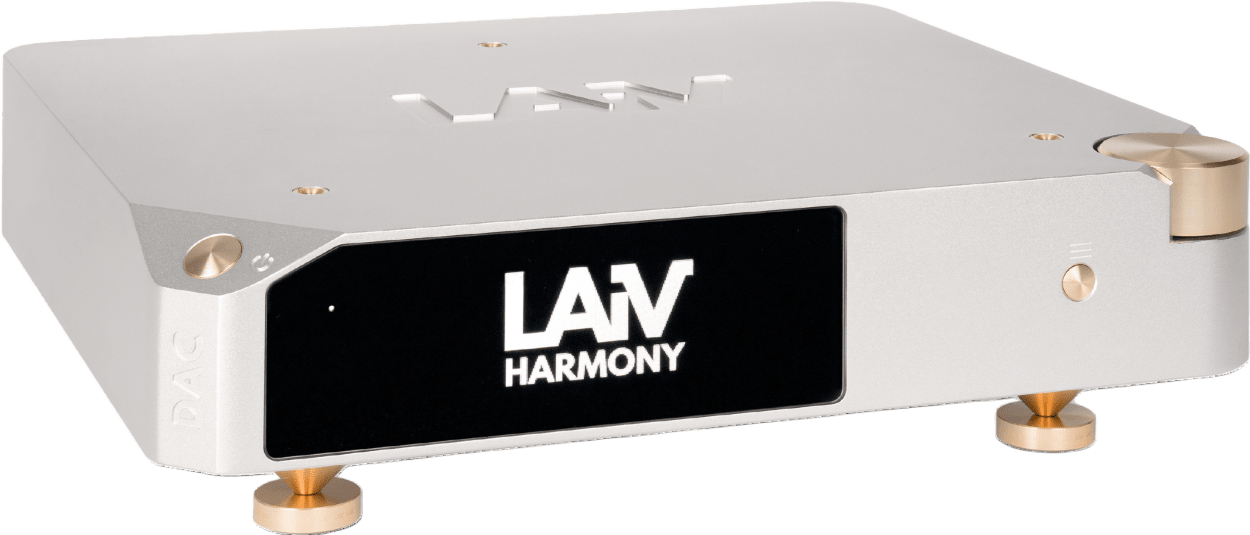
- Exemplary build quality, with a chassis milled from a single block of aluminum and high-quality components.
- Delivers a large soundstage with very good imaging and detail.
- Produces a harmonically rich presentation that R2R enthusiasts seek.
- The unboxing experience is premium, with a metal certificate of authenticity and a remote control made from solid metal.
Product Considerations
- The high output impedance (1200 ohms on XLR) might cause issues when pairing with amplifiers that have unusually low input impedance.
- Optical and coaxial inputs might not deliver the same performance as USB and I2S inputs.
- It is DAC-only unit, so it does not have preamp functionality or volume control.
- Spiked feet could scratch surfaces.
Comparisons (according to reviewers)
- Vs Denafrips Ares II: The Harmony DAC has more instrument separation and a little bit more detail through USB or I2S.
- Vs Gustard R26: The Harmony DAC is fuller in the bass and lower mid-range with a warmer presentation and wider soundstage through USB or I2S.
- Vs Denafrips Venus II: The Venus sounds bigger with more tangibility to where performers reside and more space between them.
- Vs Denafrips Pontus II: The Harmony DAC shares similarities but is slightly more resolving and realistic.
- Vs SMSL Raw Pro: The Harmony DAC is more enjoyable to listen to overall, although the Raw Pro is more detailed.
- Vs HIFIMAN EF400 and EF500: The Harmony DAC is an upgrade in detail retrieval, staging, and treble quality.
Takeaway: The Harmony DAC stands out with its build, engaging sound, and focus on providing a high-quality digital-to-analog conversion. Its ability to create a large soundstage and deliver rich detail makes it a solid option for audiophiles looking for an immersive listening experience.
Video review
Our take on the brand
Product Strengths
- Wonderfully detailed sound signature and plenty of clarity create a rediscovering of your music
- Impressive flagship-level hardware delivers flagship-level results due to the ES9038 Pro chip
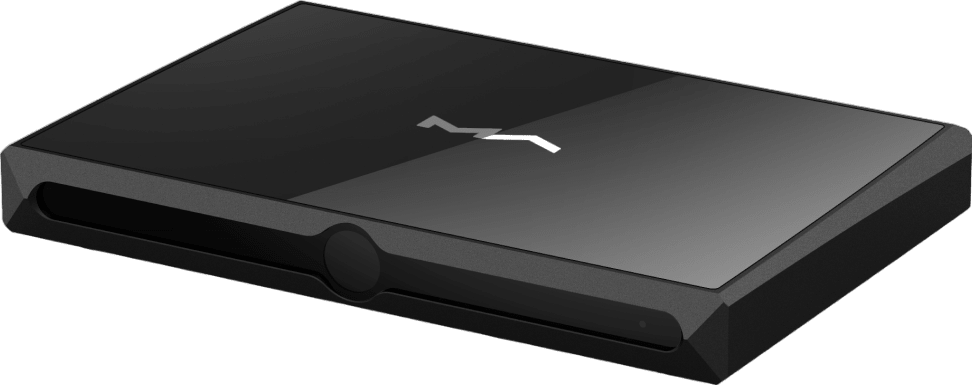
- The chassis is well-built with a premium feel due to the use of metal and tempered glass
- A low noise floor exists due to the isolation of power, digital, and analog circuitry in separate compartments inside the chassis
- Versatile streaming capabilities are available, including Tidal Connect, Spotify Connect, and Roon Ready certification
Product Considerations
- The screen is small and may not be useful unless you are sitting right next to the unit
- The tempered glass top is a fingerprint magnet
- Menu navigation is not the most intuitive, and there is a bit of a learning curve
- The touch-sensitive buttons have a short lag before the screen displays the change
- Some reviewers feel it does not support a few streaming services natively
Comparisons (according to reviewers)
- Compared to the McIntosh C2600 II preamp with a built-in DAC, the Matrix offers more clarity and transparency
- Compared to the Matrix Element I, the difference is night and day
Takeaway: The X-Sabre 3 is a well-built DAC streamer that provides detailed and clear sound. It is a versatile device that can enhance the listening experience.
Video review
Our take on the brand
What competes at this price?

Our Summary
Product Strengths
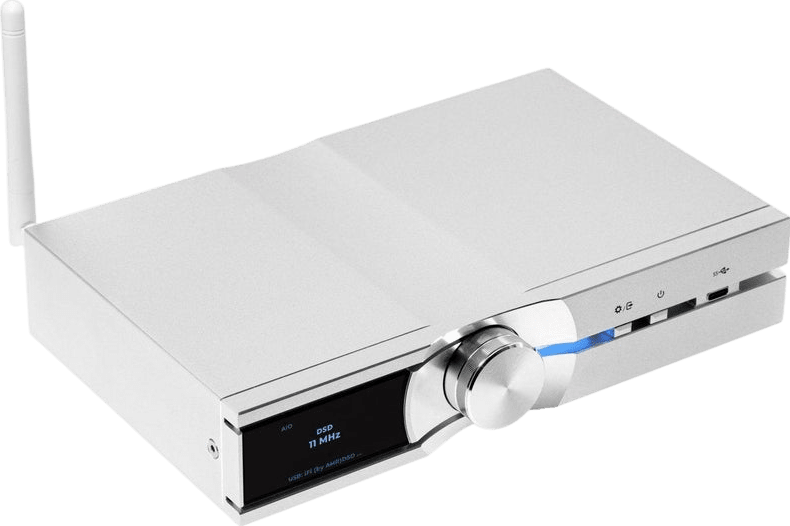
- Fantastic sound quality and usability for the price
- Easy to set up and use
- Includes the OptiBox, which improves sound quality via optical Ethernet connection
- Streams hi-res files and DSD without converting to PCM first
- Has a custom DAC that sounds phenomenal
Product Considerations
- There can be occasional lag when switching songs
- No hardware remote is supplied
- The screen is on the smaller side and may be difficult to see at a distance
- The NEO Stream is not an all-in-one media hub, as it doesn't have any other inputs aside from network and USB storage, and it doesn't work as a DAC for other sources
- No Bluetooth capability
Comparisons (according to reviewers)
- Compared to the Bluesound Node, the iFi NEO Stream has a larger, more organic sound and a wider soundstage
- Compared to the Cambridge Audio CXN V2, the Cambridge has S/PDIF inputs (coaxial and optical) like the NEO, but includes a Type-B USB input for its DAC, and also has balanced XLR stereo outputs, but lacks the iFi's more advanced networking connectivity
Takeaway: The iFi NEO Stream is an impressive streaming DAC. It offers great sound quality, multiple features and makes enjoying high-quality streamed audio easy.
Video review
Our take on the brand


Our Summary
Product Strengths
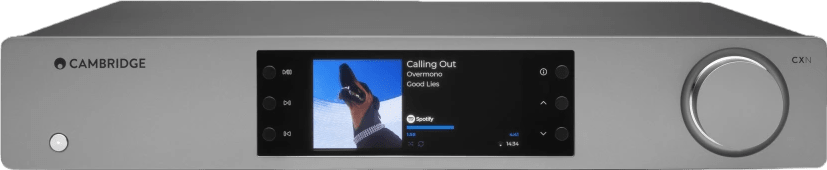
- Clean, precise, and articulate sound with ample detail
- Expansive and open soundstage
- StreamMagic control app is stable, logical, user-friendly, and easy to navigate
- Features AirPlay 2, Chromecast, Bluetooth, Tidal Connect, Spotify Connect, Qobuz, Deezer, and internet radio
Product Considerations
- Loses a touch of its predecessor's sonic solidity and warmth
- Does not include HDMI ARC
- Bluetooth is only compatible with SBC and AAC codecs
- Can be provoked by careless system-matching with bright, treble-centric equipment
- Volume is not controlled through the StreamMagic app
Comparisons (according to reviewers)
- CXN100 has improved clarity, precision, and spaciousness, but is missing some of the CXN (V2)'s sonic solidity and warmth, compared to the Cambridge Audio CXN (V2)
- CXN100 trades off detail functionality to offer a user experience that is polished and genuinely pleasurable, and is able to take less than stellar recordings and avoid sounding strident or aggressive a little better than the EverSolo DMP-A6
- CXN100 has better low end and a slightly greater perception of space, compared to the Cambridge Audio MXN10
- CXN100 has a more natural quality to vocals with better realism and less fatigue, compared to the Bluesound Node
Takeaway: The CXN100 is a user-friendly and feature-rich music streamer that provides clear and detailed sound. It is an excellent choice for those seeking to add modern streaming capabilities to a classic hifi system.
Video review
Our take on the brand

Our Summary
Product Strengths
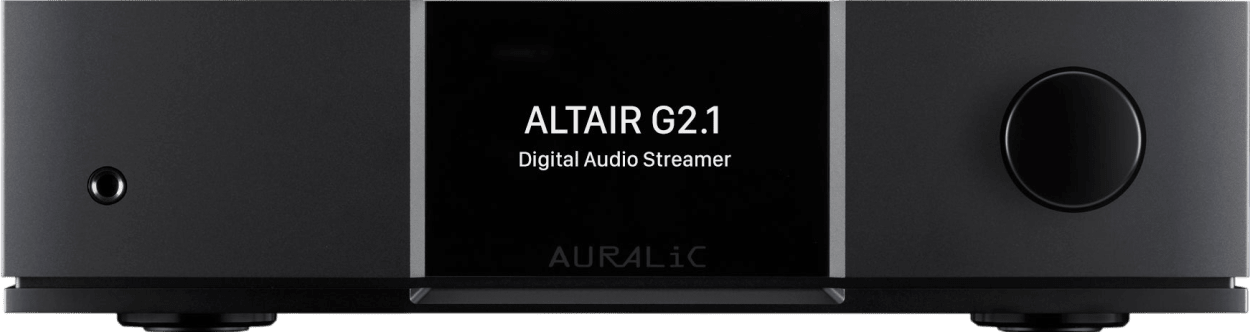
- Solid digital sound, good authority, solid bass, and a weighty sound with good scale
- Excellent clarity, very good timing, and a very good soundstage
- Outstanding build quality—solidly made and near indestructible
- Versatile unit that can become the hub of the digital audio world
- Clean and effortless digital processing
- Connectivity options
Product Considerations
- The Lightning DS app is only available for iOS
- The 4-inch non-touch screen is adequate, but not exceptional
- When written instructions feature on the screen, the words can be small and difficult to see
- The alphabetical order of the albums is not followed when used with an external hard drive
- Some reviewers felt a need for a high-end turntable setup, as the analog input feeds directly to the analog output stage—bypassing the digital stage altogether
Comparisons (according to reviewers)
- Vs NAD M10 V2: The Altair offers a step up in sound quality
- Vs AURALiC Aries G1: The Altair G2.1 chassis is a significant upgrade with an internal copper sub-chassis, tuned feet, and a solid steel base
Takeaway: The AURALiC Altair G2.1 is a versatile and well-built streaming DAC preamplifier that offers a clean and detailed sound. Comprehensive features and excellent sound quality make it a great choice for audiophiles looking for an all-in-one solution.
Video review
Our take on the brand


Our Summary
Product Strengths
- Top-tier packaging and sound quality
- Detailed, modern, and holographic sound
- Excellent soundstage
- Remote control can also manage PS Audio DAC
Product Considerations
- Requires about an hour to reach peak performance when powered on using the back switch
- Soundstage might not suit all tastes, which is subjective
- Top-end extension is slightly less extended
- Bass is slightly less punchy
Takeaway: The Stellar Gold Preamp is a great choice for those seeking a modern and transparent sound with good dynamics in their audio system and a smooth, non-aggressive presentation. It especially shines with recordings that have a good soundstage, making the performance feel convincingly real.
Product Strengths
- Great, ear-pleasing sound
- Easy to use, especially with the remote control
- Offers loading presets and custom loading options for moving coil cartridges
- Low noise performance
- Clarity of sound
- Good depth of field for its price
Product Considerations
- Sensitive to grounding, ultra-low capacitance cables, RF, and other interference
- Does not have adjustable resistive and capacitive loading for fixed-coil/high-output cartridges
- Can have a high-pitched noise if cables are not oriented well
Comparisons (according to reviewers)
- The Stellar sounds more interesting than the Cambridge Audio Alva Duo
- The Stellar is not as bright as the iFi iPhono3 Black Label
- Bass extension and grip are not as powerful as more expensive phono preamps
Takeaway: The Stellar Phono Preamplifier delivers great sound and an enjoyable user experience with its flexible settings and remote control, making it a worthy addition to any vinyl lover's system. Its clarity and low noise floor allow listeners to fully appreciate the nuances of their record collection.
Product Strengths
- High damping factor for bass control and plenty of headroom
- Near-perfect linearity, low distortion, and high efficiency
- Neutral and colorless tonal balance
- Combines speed and power with a bass-range grip
Product Considerations
- Lacks the epic bass extension and hard-core slam of more expensive amplifiers
- Top end lacks the effortless harmonic bloom of other amplifiers
Takeaway: The PS Audio Stellar S300 is an excellent choice for a powerful, clean, and neutral-sounding amplifier. It offers high performance and finesse, delivering dynamic contrasts and excellent bass control, making it a worthwhile addition to any high-end audio setup.
Product Strengths
- Musicality and cohesiveness to music
- Nice drive with solid dynamics and 3-D imaging
- Delivers impressive drive with solid dynamics and 3-D imaging, accompanied by nice depth in both soundstage and low frequencies
Product Considerations
- I2S input is not HDMI compatible
Takeaway: The PS Audio Stellar Gain Cell DAC/Preamp is a great choice for an DAC/Preamp that makes music easy and joyful to listen to. This product allows for great flexibility with its full-featured options and can become the centerpiece of a hifi system.
Video review
Our take on the brand
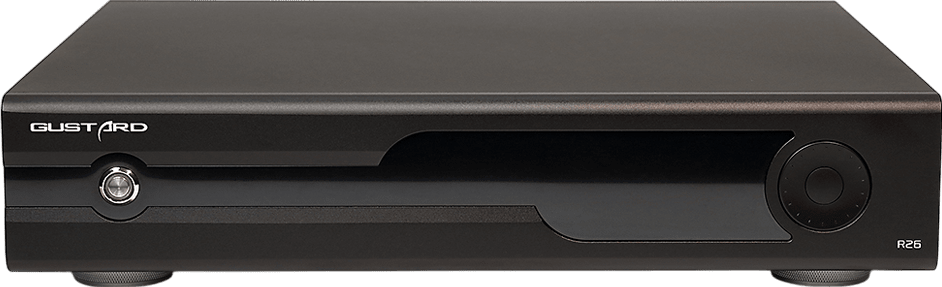

Our Summary
Product Strengths
- Natural and organic timbre with rich and vibrant overtones, offering a remarkable sense of realism
- Stands out as a highly musical DAC within its category, while maintaining an impressively competitive level of technical performance
- Exceptional build quality, made of thick aluminum, ensuring durability and a sleek appearance
- Almost inaudible noise floor, remaining dead silent and free from any hint of distortion
- Wide range of digital inputs, and an integrated streamer, offering versatility and convenience
Product Considerations
- The LCD screen can be difficult to read from a distance greater than 20-30 cm
- The embedded streamer can experience occasional interruptions and buffering issues when streaming high-resolution files
- Some reviewers experienced small hiccups when skipping songs using the internal streamer
Comparisons (according to reviewers)
- Vs Chord Qutest: Has a bigger soundstage, equally sweet highs, much fuller tone timbre and a more muscly bassline—sounding more lifelike
- Vs Ladder Schumann: Gustard R26 hits with more clarity and speed, with a darker background, and an even deeper soundstage
Takeaway: The Gustard DAC-R26 is a musical and technically impressive DAC with excellent build quality and versatile features, including a streamer, making it a great choice for a top-notch audio experience. The natural sound and engaging performance create a lasting impression.
Video review
Our take on the brand
How to buy
DACs
Search all hifi products
Explore our database of 10,000+ new and 25,000+ used hifi products.