


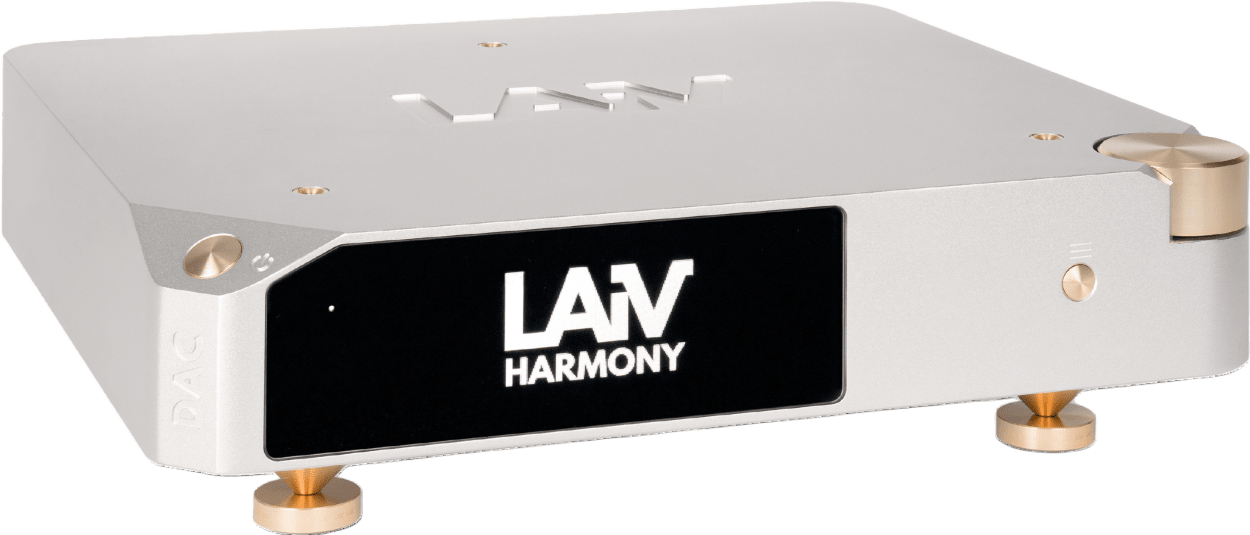


Note that this is a discontinued product. You may want to visit the brand's page here to browse their newer products.
What reviewers think
Bloggers and YouTubers have tried this product—so we've summarized their strongest opinions below. Links to full reviews follow.
Product Strengths
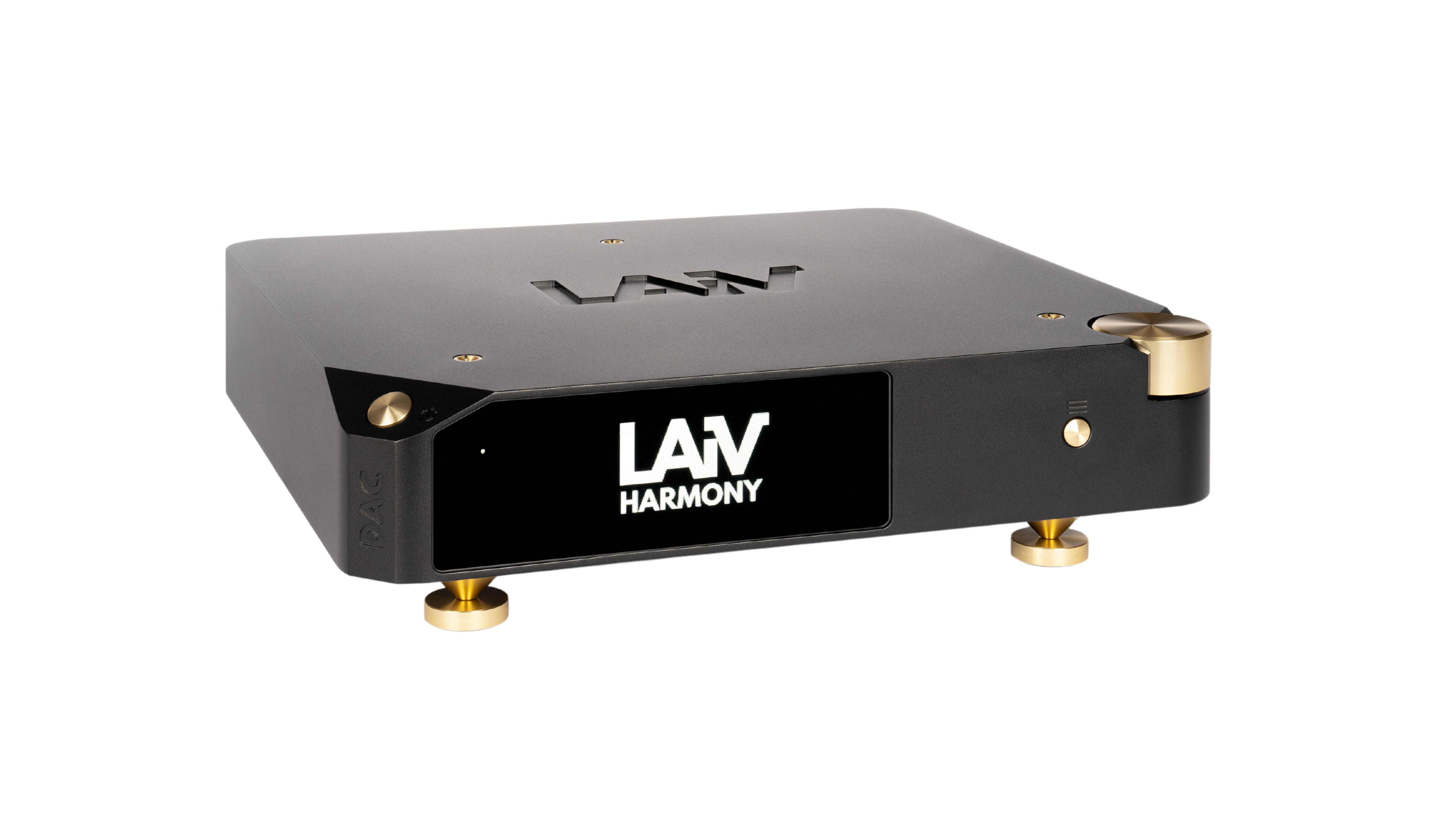
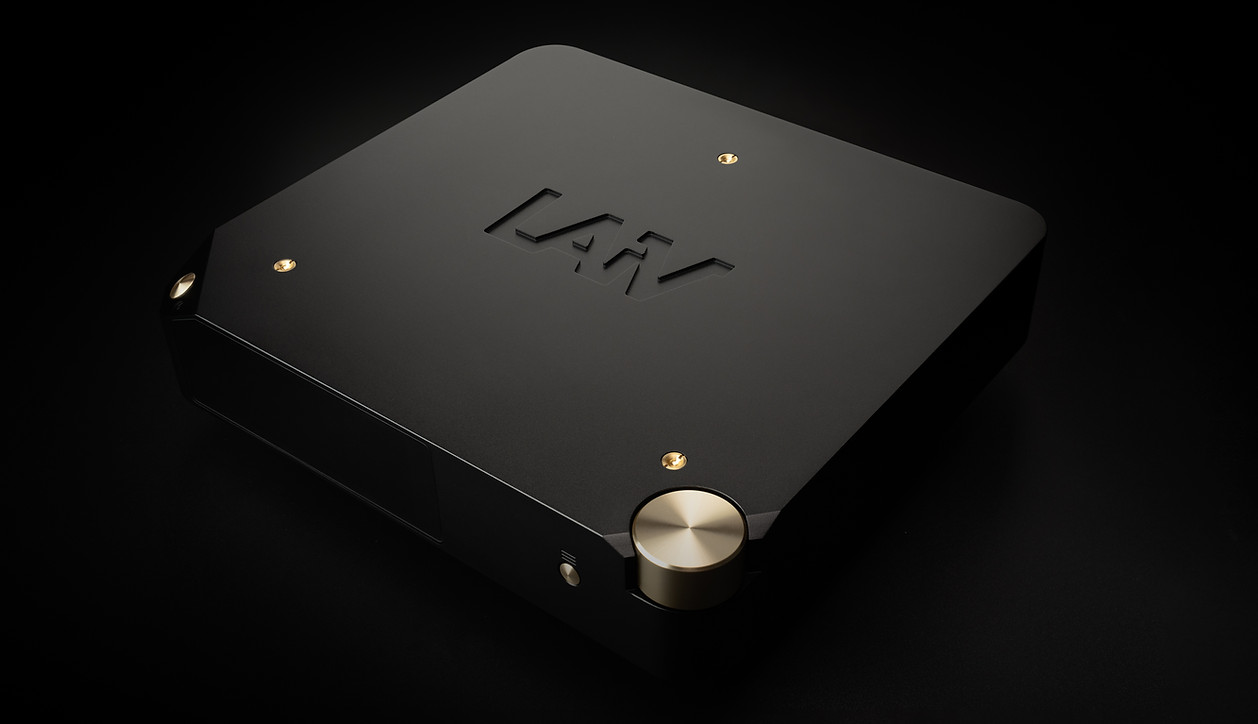
- Exemplary build quality, with a chassis milled from a single block of aluminum and high-quality components.
- Delivers a large soundstage with very good imaging and detail.
- Produces a harmonically rich presentation that R2R enthusiasts seek.
- The unboxing experience is premium, with a metal certificate of authenticity and a remote control made from solid metal.
Product Considerations
- The high output impedance (1200 ohms on XLR) might cause issues when pairing with amplifiers that have unusually low input impedance.
- Optical and coaxial inputs might not deliver the same performance as USB and I2S inputs.
- It is DAC-only unit, so it does not have preamp functionality or volume control.
- Spiked feet could scratch surfaces.
Comparisons (according to reviewers)
- Vs Denafrips Ares II: The Harmony DAC has more instrument separation and a little bit more detail through USB or I2S.
- Vs Gustard R26: The Harmony DAC is fuller in the bass and lower mid-range with a warmer presentation and wider soundstage through USB or I2S.
- Vs Denafrips Venus II: The Venus sounds bigger with more tangibility to where performers reside and more space between them.
- Vs Denafrips Pontus II: The Harmony DAC shares similarities but is slightly more resolving and realistic.
- Vs SMSL Raw Pro: The Harmony DAC is more enjoyable to listen to overall, although the Raw Pro is more detailed.
- Vs HIFIMAN EF400 and EF500: The Harmony DAC is an upgrade in detail retrieval, staging, and treble quality.
Takeaway: The Harmony DAC stands out with its build, engaging sound, and focus on providing a high-quality digital-to-analog conversion. Its ability to create a large soundstage and deliver rich detail makes it a solid option for audiophiles looking for an immersive listening experience.
All
Harmony DAC
reviews


Manufacturer details
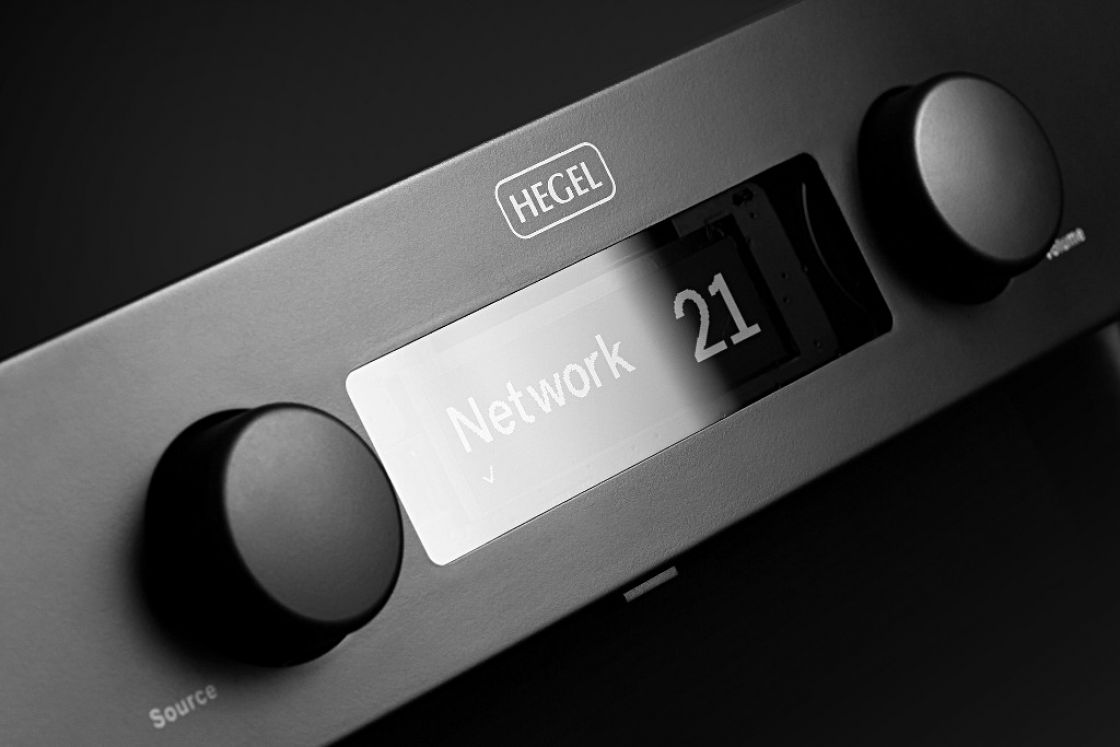
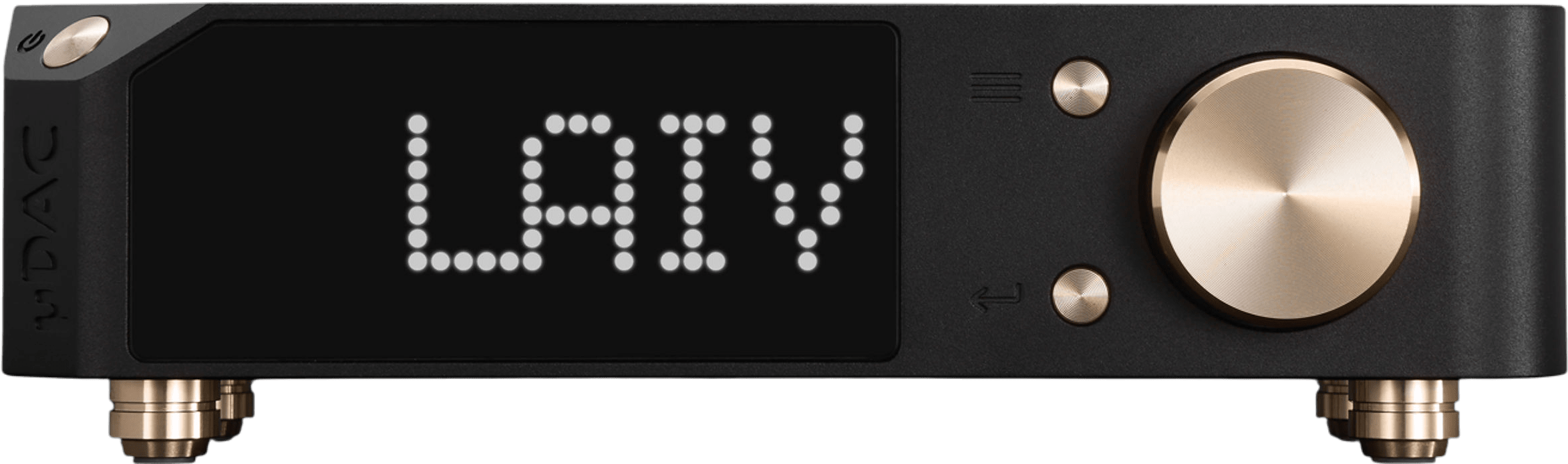
- Display: 3.83-inch diagonal white monochrome OLED, 320x132 pixels, 16-bit grayscale
- Resistor Tolerance: 0.05%
- Components: Crystek crystal, Audio Note Kaisei capacitors, Rubycon ZLH capacitors



Brand highlights
Taking a step back to look at reviewers' thoughts of the brand's entire lineup—not just this product—what stands out most is the following:
- They prioritize delivering high-end sound and aesthetics at a relatively accessible price point, challenging the notion that exceptional audio performance requires exorbitant spending.
- Their modular design allows for easy repairs and potential future upgrades, moving away from the traditional complexity of hifi audio components.
- The Harmony DAC is designed to integrate seamlessly within a complete ecosystem, with plans for complementary products like a preamplifier, monoblock amplifiers, and a network streamer, all sharing a similar design language.
Select products
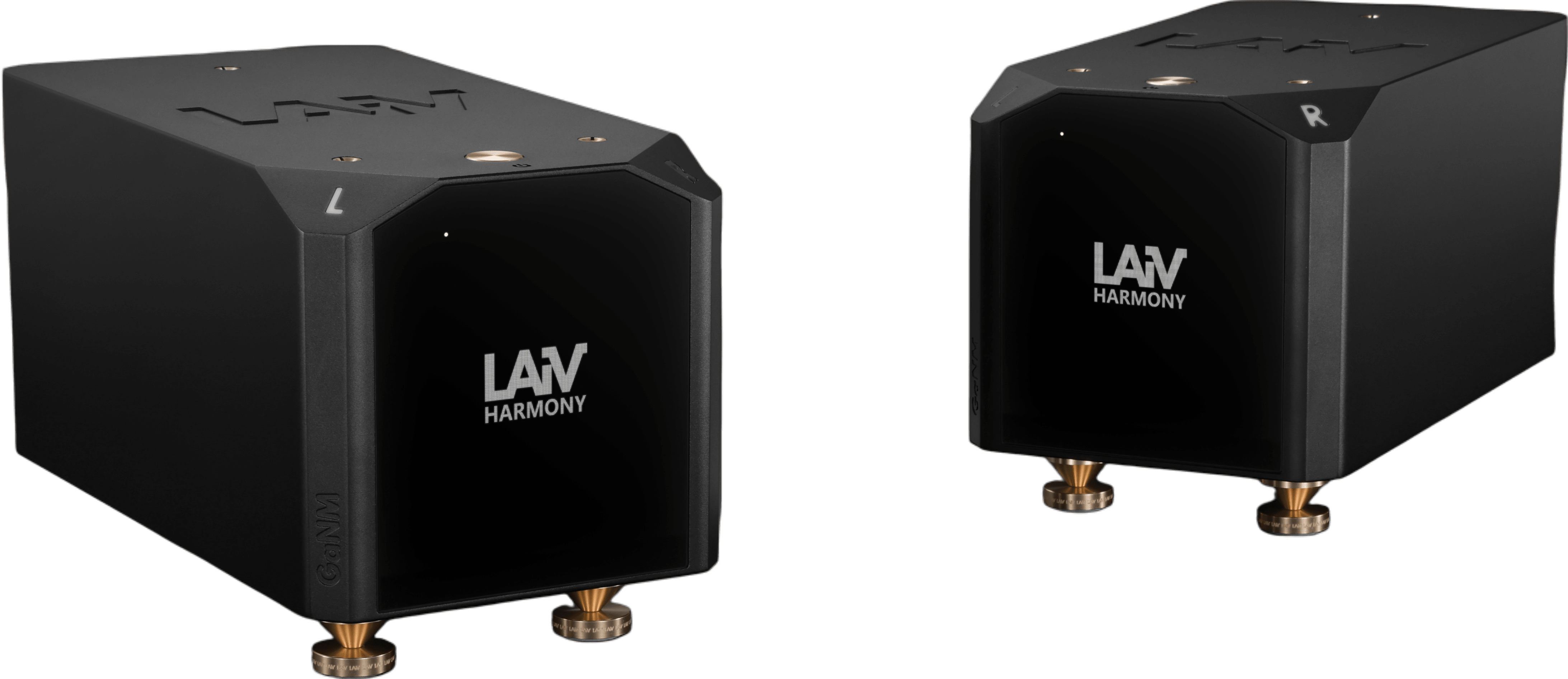
Harmony µDDC
- Positioning: A compact digital-to-digital converter for precise audio signal management.
- Description: Excels with its ultra-low phase noise femto clock, ensuring exceptional timing accuracy and audio clarity, making it perfect for desktop setups where space is limited. Unlike the Harmony DAC, which converts digital signals to analog, the µDDC focuses on refining digital signals, offering features like FIFO buffering and galvanically isolated I²S outputs for users who prioritize pristine digital audio signal integrity.
Harmony DAC
- Positioning: A high-end digital-to-analog converter for audiophiles.
- Description: Features balanced discrete R-2R architecture, delivering rich and natural sound reproduction, ideal for users seeking high-fidelity audio in larger setups. Compared to the Harmony µDDC, which is more compact and digital-focused, the DAC offers a modular design for future upgrades.
Harmony LEXT
- Positioning: An expansion module designed for enhancing connectivity.
- Description: Allows users to expand their audio setup with additional inputs, such as phono or balanced XLR, making it ideal for those who want to integrate more sources into their system. Unlike the Harmony DAC, which focuses on digital-to-analog conversion, the LEXT provides flexibility in connectivity, catering to users who need to connect various audio devices without compromising sound quality.
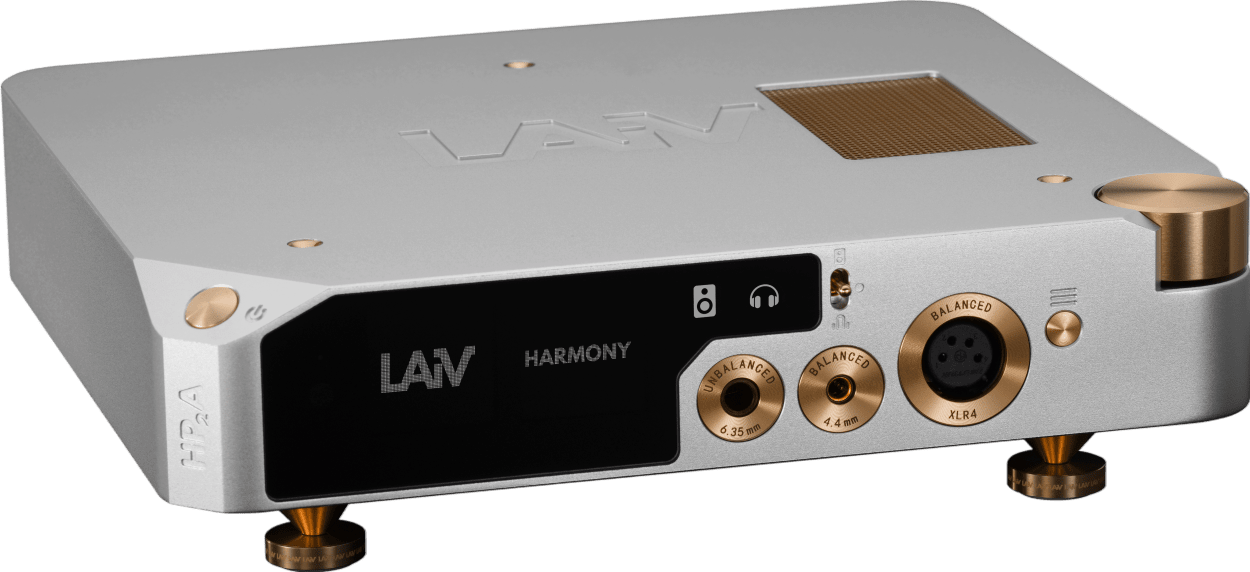
Harmony HP2A
- Positioning: A premium headphone amplifier and preamplifier.
- Description: Features a true balanced Class A preamplifier and high-power headphone amplifier, providing excellent signal integrity and audio clarity, perfect for audiophiles with high-impedance headphones.

Our take on the brand
Look inside the brand
Our interview with the brand
What are two key technological innovations or strong opinions that differ you from other brands?
What's your approach to customer support?
What are your favorite tracks for showcasing the strength of your products?
What other products pair best with yours?

Used
Laiv
What if you spend more?



.svg)
Our summary
Product Strengths
- Top-notch build quality and impressive part selection.
- Noise and distortion-free performance with a black background.
- Holographic, open, and wide soundstage with impressive depth, layering, and imaging.
- Full-bodied, organic, and natural sound with a warmer tonality.
- Covers the frequency response in full, without roll-offs.
Product Considerations
- Only a DAC—lacking preamp functionalities or a remote control.
- Not the most detailed sounding unit in its stock form.
- Not the fastest sounding unit in its stock form.
- Denafrips GAIA is a must-have upgrade to squeeze the absolute best out of it.
Comparisons (according to reviewers)
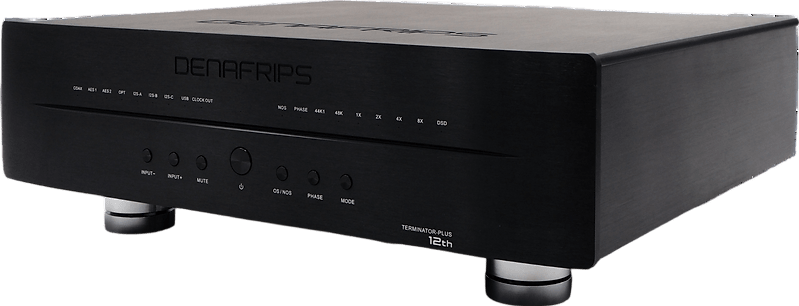
- Terminator Plus terminates other R-2R dacs like Denafrips Venus, Audio-gd R7 and Musician Aquarius.
- Terminator Plus delivers a clearer, punchier, and faster overall performance than Matrix Audio Element X and Gustard X26 PRO.
- Terminator Plus was just by a hair smoother and considerably more impactful than Gold Note DS-10 Plus.
- Terminator Plus added a much-needed weight and punch in the lowest octaves compared to Denafrips Venus or Ares.
- Terminator Plus was adding a lot more meat on their bones than SMSL DO200 and Gustard X18.
Takeaway: The Denafrips Terminator Plus is an impressively built DAC that offers an emotional and engaging listening experience with its open soundstage and natural sound, making it easy to enjoy your music. It brings a level of realism and impact that can make your system sound its best.
Video review
Our take on the brand

Our summary
Product Strengths
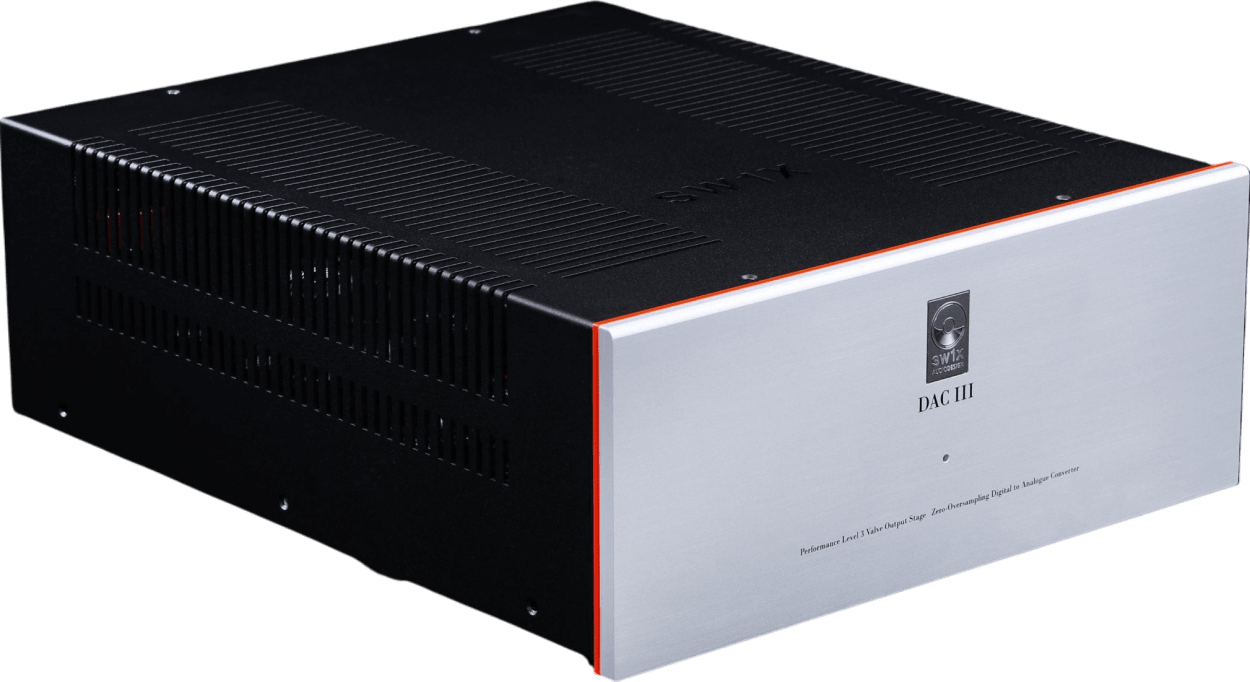
- A 'stupendous piece of gear' that invites the user to listen differently from the rest.
- Exceptionally well-designed and well-built.
- The circuits are unusual.
- Features an all-tube, no oversampling, no filtering design.
- Voices were floating around the listening room—musical instruments could easily be discerned.
Product Considerations
- Not for digital purists seeking modern digital brickwall filters and megahertz FPGA oversampling technologies.
- A single input DAC with two possible interfaces.
- USB and SPDIF cables must be swapped manually.
Comparisons (according to reviewers)
- Vs PS Audio Directstream DAC—not even close.
Takeaway: The SW1X DAC III is a well-designed and built piece of gear that invites the user to listen to music differently. It offers an organic and realistic sound, making it a worthwhile option for those seeking a unique listening experience.
Video review
Our take on the brand
What competes at this price?

Our Summary
Product Strengths
- Musical and natural sound, avoiding harshness or fatigue
- High linearity and a realistic 24-bit dynamic range
- Bit-perfect volume control by varying reference voltage directly from the DAC chips
- Roon Ready, easy to set up and use
Product Considerations
- Does not support DSD playback
- The I2S input uses an RJ45 connector, not the more common HDMI, limiting cable compatibility
- Some reviewers would like a sample rate/bit depth display on the front panel
- Direct-to-amp usage might not sound as good as using a separate preamplifier, depending on the system
Comparisons (according to reviewers)
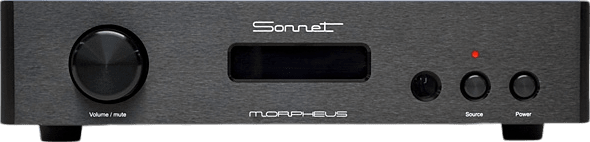
- Morpheus offers performance equal to Metrum Acoustics Adagio/Pavane without the heavy casing
- Morpheus is better than Metrum Acoustics Onyx or Jade, with more options, expansions, and better build
- Morpheus offers greater apparent resolution and a broader dynamic range than Totaldac d1-tube DAC/Streamer
- Morpheus is better than Denafrips Pontus with soundstage, timbre, tones, and attack, and no listening fatigue on the Sonnet
- Hermes and I2S was simply much better in every way than Primare Prisma NP5 Network Player, where music sounded paler, softer, and less exciting
Takeaway: The Morpheus DAC is a great option for audiophiles seeking accurate, natural, and musically pleasing sound. Sonnet designs deliver high quality sound and could convert even the most stubborn digital skeptics.
Video review
Our take on the brand

Our Summary
Product Strengths
- Natural and engaging sound, praised for its 'non-digital digital sound' and ability to connect the listener to the music's emotive power
- Richness and fullness to the sound, achieving a balance between not being overly warm or rich nor clinical or sterile, offering a natural tonality
- Wide and deep soundstage with precise instrument placement, creating spatial dimensions comparable to higher-priced DACs
- Dynamically lively and snappy, handling complex musical passages without sounding overwhelmed
- High-quality internal parts, robust build quality, and elegant appearance
Product Considerations
- Lacks some of the detail retrieval and resolution compared to other DACs, meaning it may not deliver the same level of micro-textures
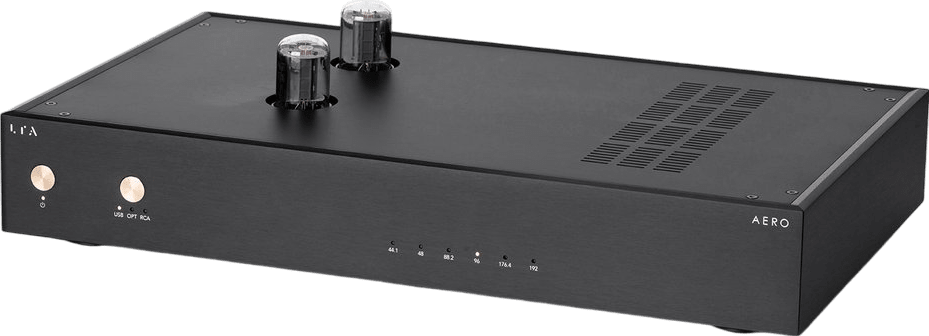
- PCM only up to 192k sampling rate, so there is no DSD support
- Some reviewers wished for I squared S and also AESEBU, the XLR input
Comparisons (according to reviewers)
- Vs Mola Mola Tembaki, the Tembaki gave more high-frequency air, clarity and better portrayed the acoustics of the recording venue, but the Aero sounded more humid, with more weight and richness
- Vs Border Patrol DAC, the Aero is more transparent and pure
- Vs Laiv Harmony DAC, the Aero slots in between with a more pleasing and engaging balance between color and resolution
Takeaway: The Linear Tube Audio Aero DAC offers a natural, engaging, and enjoyable listening experience with great soundstage. It brings musical enjoyment for those who prioritize tonality and timbrel accuracy.
Video review
Our take on the brand
Questions? Ask the brand's dealers.




How to buy
DACs
Search all hifi products
Explore our database of 10,000+ new and 25,000+ used hifi products.