

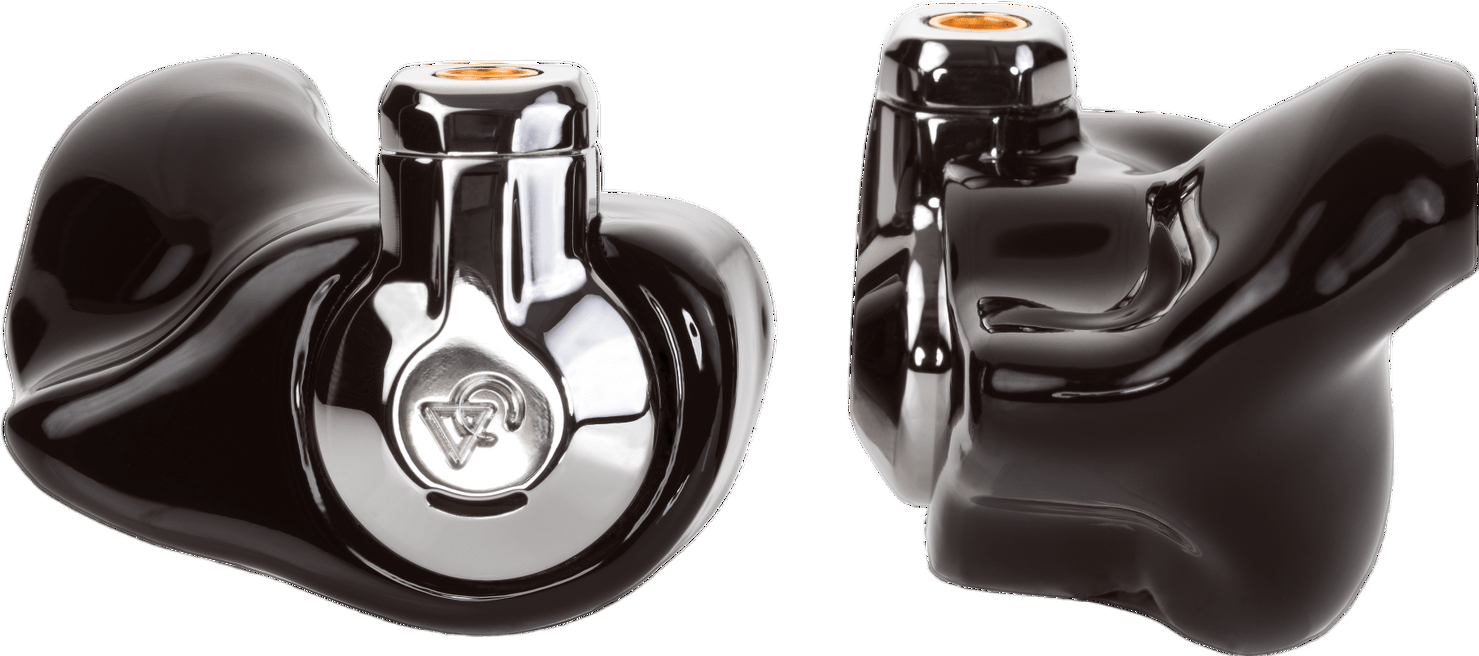


Note that this is a discontinued product. You may want to visit the brand's page here to browse their newer products.
What reviewers think
Bloggers and YouTubers have tried this product—so we've summarized their strongest opinions below. Links to full reviews follow.
All
Cascara Custom
reviews


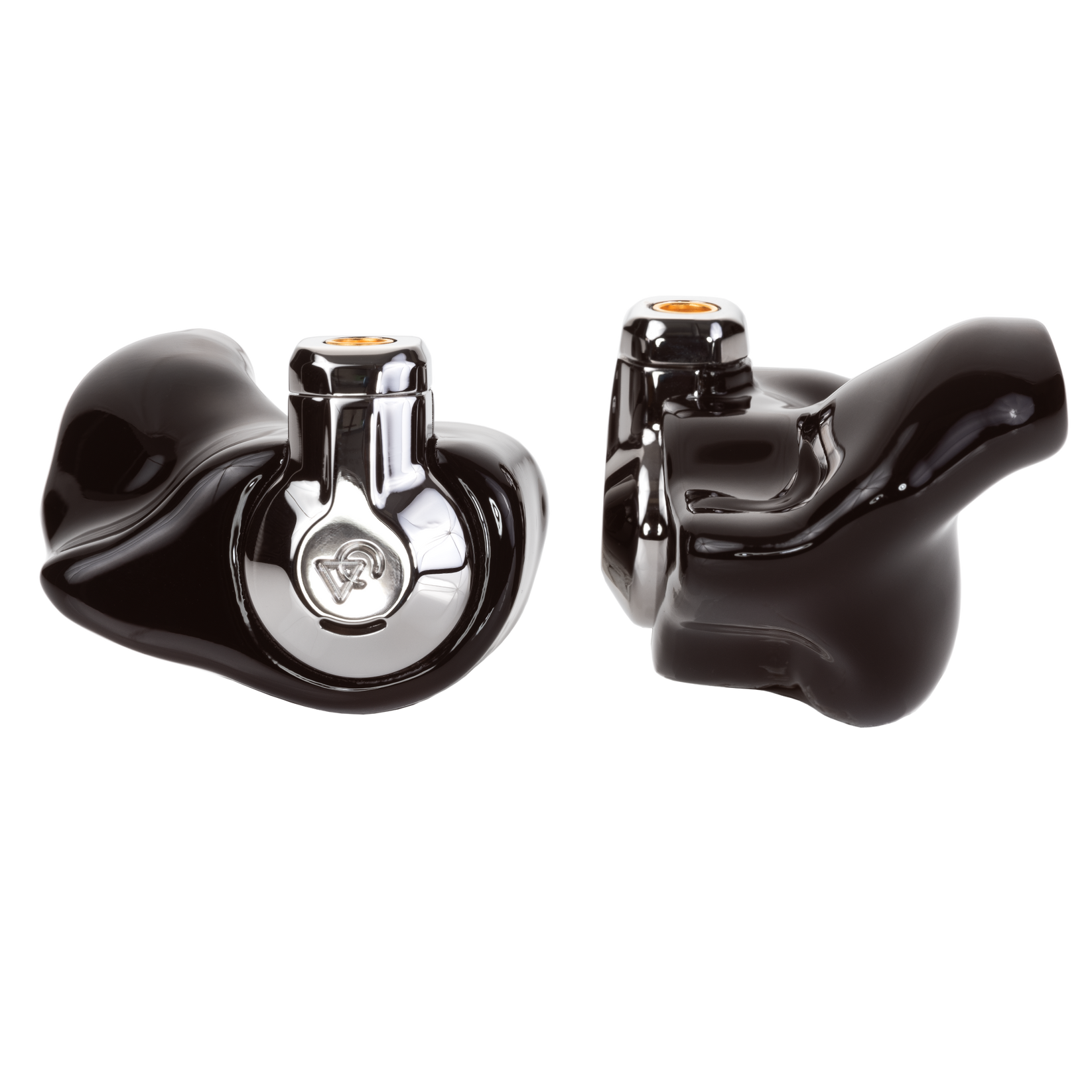
Manufacturer details
- Frequency Response: 5Hz–20 kHz
- SPL: 94 dB @ 1 kHz: 16.6 mVrms
- Impedance: 23 Ohms @ 1 kHz
- Total Harmonic Distortion: Less than 1%





Brand highlights
Taking a step back to look at reviewers' thoughts of the brand's entire lineup—not just this product—what stands out most is the following:
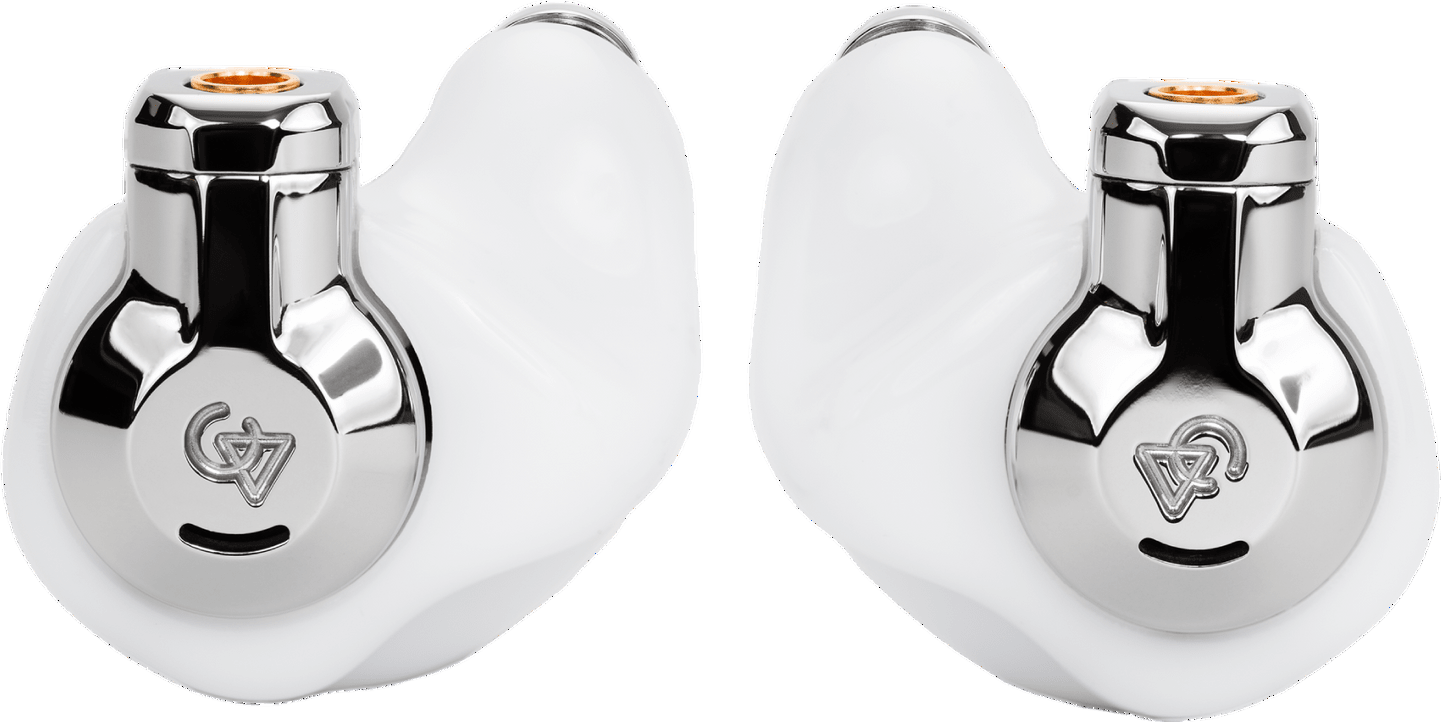
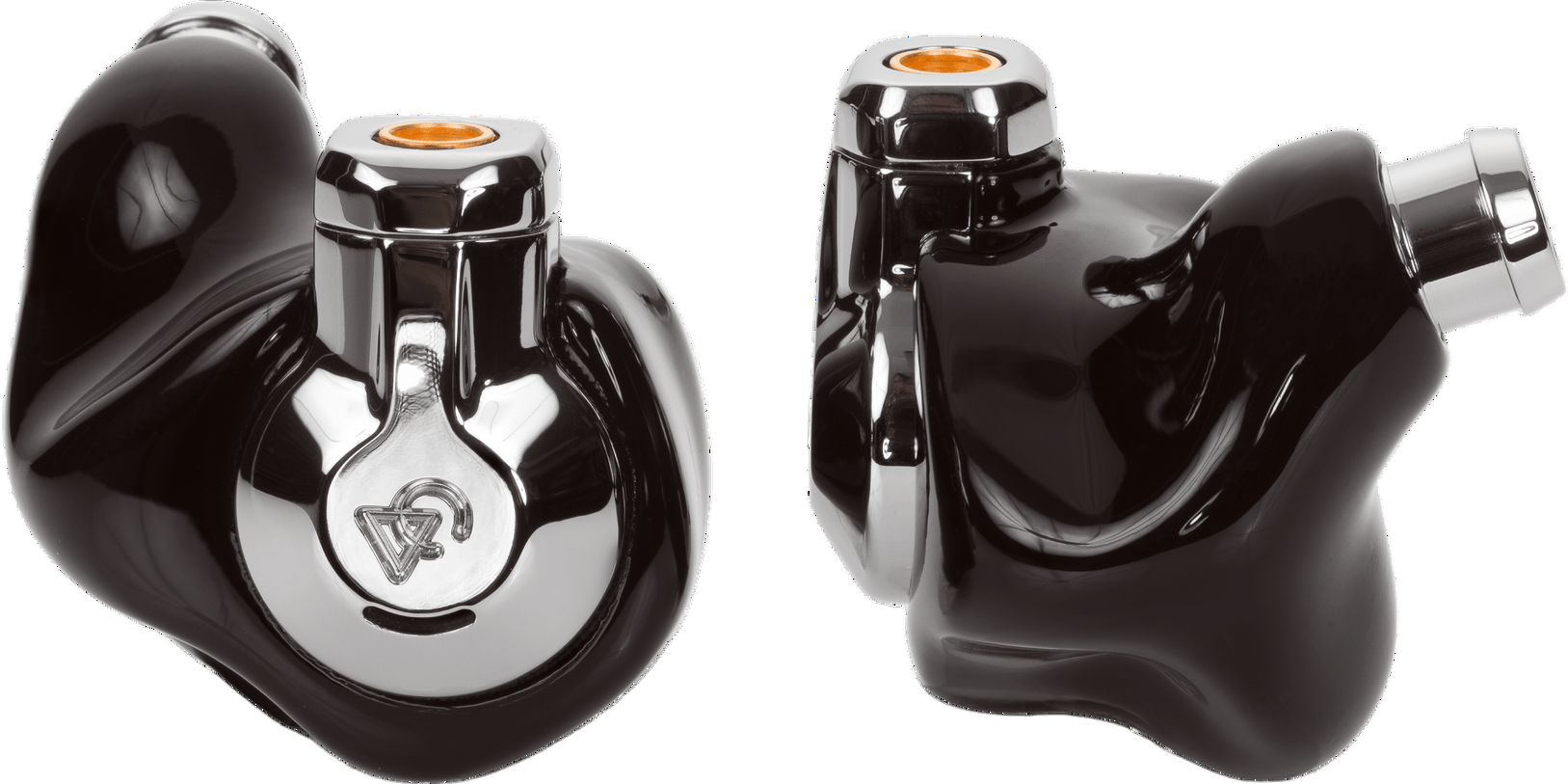
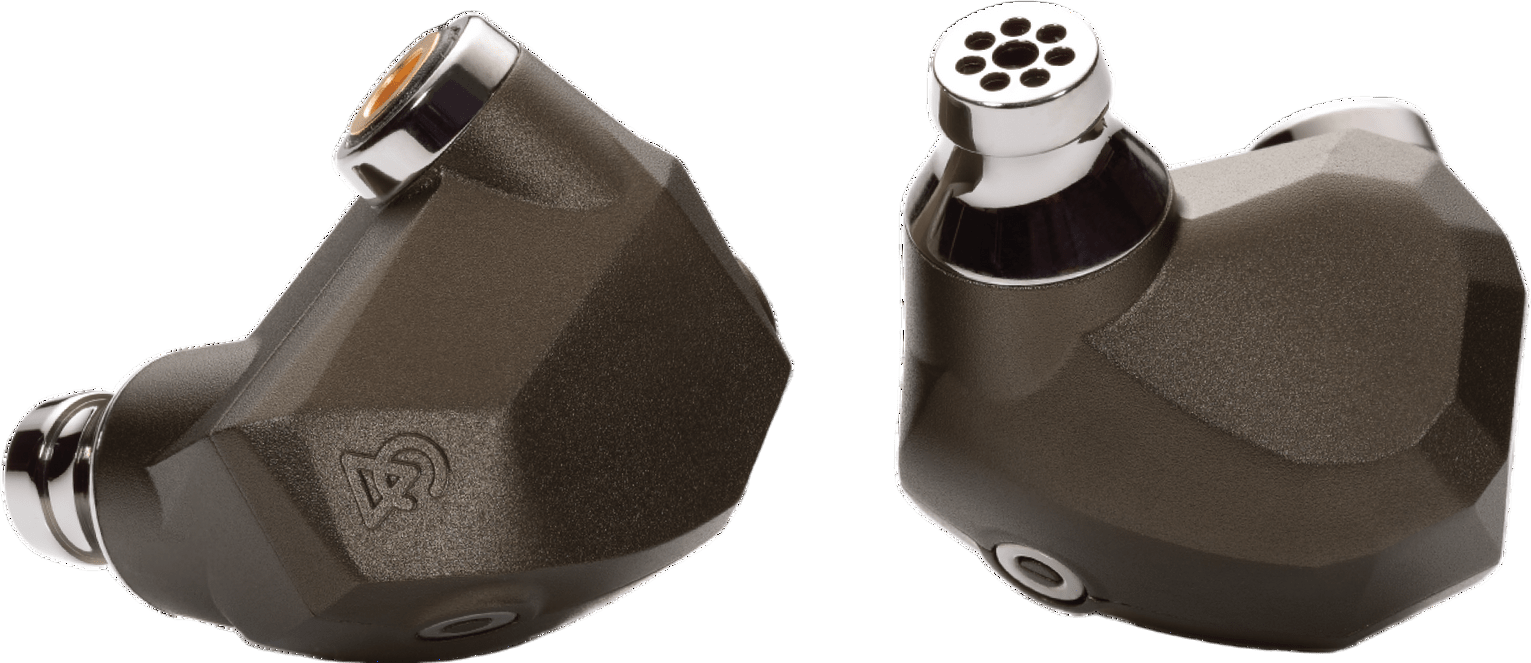
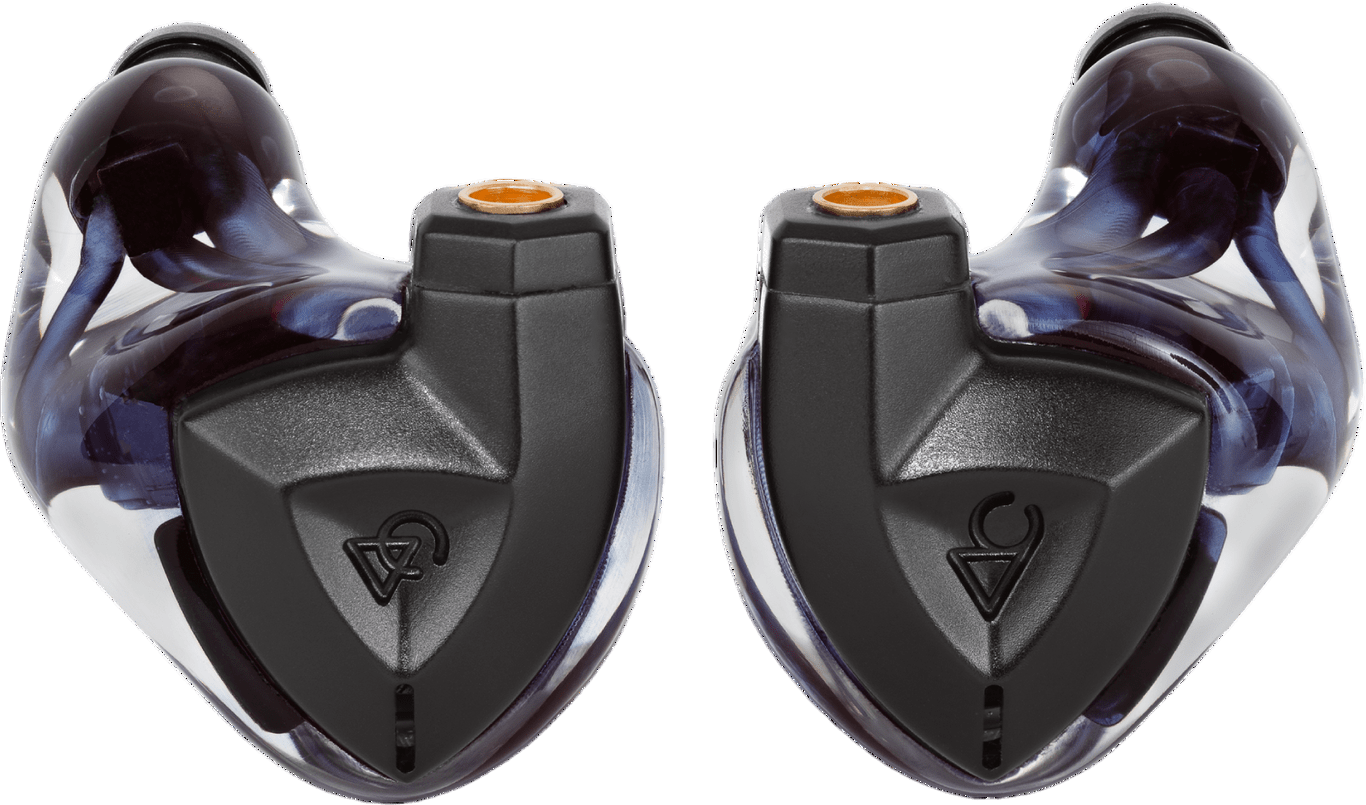
- Campfire Audio is known for its unique and often bold aesthetic designs, often employing striking color palettes, transparent housings showcasing internal components, and unconventional shapes.
- They offer a high degree of customization, allowing customers to choose between universal or custom-fit options, select cable terminations, and opt for different accessory packages.
- They often boast a spacious and holographic soundstage, providing excellent instrument separation and precise imaging, creating an immersive listening experience akin to over-ear headphones.
Select products
Cascara
- Positioning: The entry-level option designed for affordability and compact design.
- Description: Offers a clear and approachable sound signature with a simplified driver setup that makes it ideal for everyday small-room use. Compared to the more advanced models like Fathom, Solaris Siren, Astrolith, and Trifecta Cosmic Gateway, it provides basic functionality without the extra technical refinements and higher build costs.
Fathom
- Positioning: A balanced midrange option focused on neutral, reference-like tuning.
- Description: Features six custom balanced armature drivers that deliver a neutral and detailed presentation. Compared to the entry-level Cascara or the flagship models such as Trifecta Cosmic Gateway and Solaris Siren, it offers enhanced performance without the additional premium technologies found in the higher-end lineup.
Solaris Siren
- Positioning: A model with linear, neutral tuning placed above the midrange for refined performance.
- Description: Brings a tighter, more agile bass response with a design that emphasizes a linear sound and technical neatness in driver implementation. Compared to the Fathom's broader neutrality and the more complex offerings of both Astrolith and Trifecta Cosmic Gateway, Solaris Siren provides a balanced solution for users looking for clarity in medium-sized rooms.
Astrolith
- Positioning: A premium option built around advanced planar magnetic technology.
- Description: Uses dual planar magnetic drivers that deliver a detailed soundstage with refined precision and technical clarity. Compared to the midrange Fathom and the more linear Solaris Siren, Astrolith stands out for its expansive sonic presentation and higher build quality.
Trifecta
- Positioning: A flagship model featuring an innovative, complex multi-driver layout for maximum performance.
- Description: Features a state-of-the-art six-balanced-armature configuration that pushes the limits of technical sophistication and offers a dynamic, expansive audio experience. Compared to other models like Fathom and Solaris Siren, which provide a more straightforward design, the Trifecta Cosmic Gateway delivers the most advanced performance and functionality.


Our take on the brand
Look inside the brand
Our interview with the brand
What are two key technological innovations or strong opinions that differ you from other brands?
What's your approach to customer support?
What are your favorite tracks for showcasing the strength of your products?
What other products pair best with yours?

Used
Campfire Audio
What if you spend more?

.png)

.svg)
Product Strengths
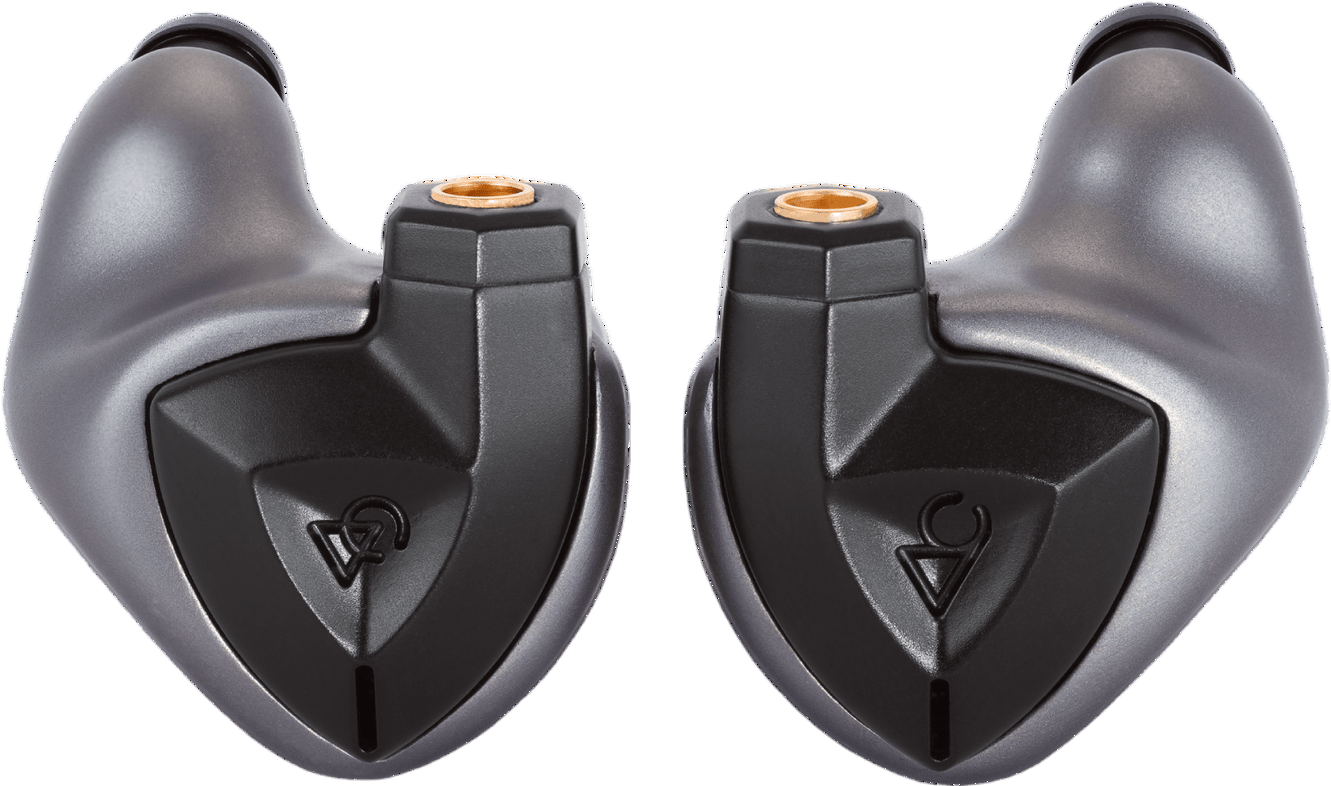
- Impressive technical performance, clarity, detail retrieval, and resolution due to its planar magnetic drivers.
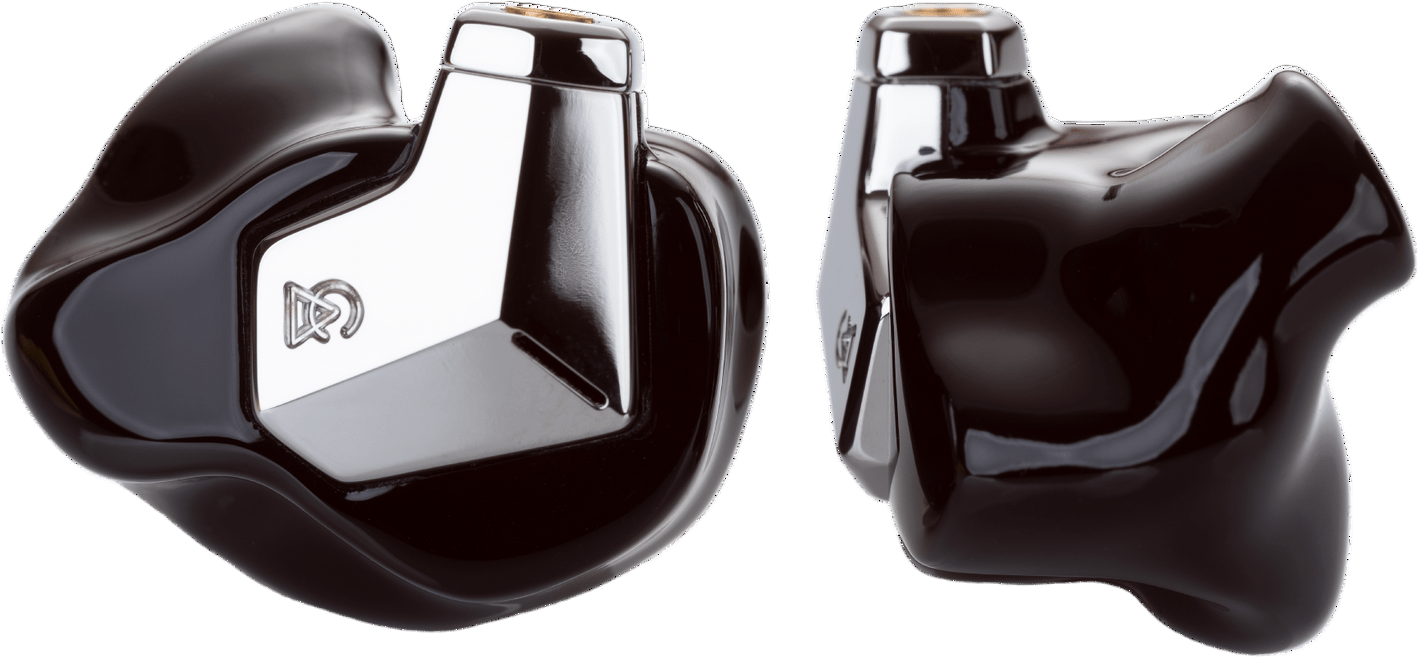
- Features a new, comfortable, and ergonomic shell design that's also lightweight and durable.
- Includes two upgraded Time Stream Metal cables, providing both 3.5mm and 4.4mm terminations.
- Delivers a strong, extended bass response, with texture and speed, plus a nimble, airy top-end.
- Exhibits a spacious, wide, and holographic soundstage with good imaging and instrument separation.
Product Considerations
- Lower sensitivity might require a dedicated DAP or amplifier for optimal performance, and can sound anemic when paired with just a phone.
- Can be sensitive to source pairings, warmer DACs might wash out the mids and some pairings may bring out sibilance.
- Stock tips might not provide the best seal for everyone, and the stock tip selection is poor.
- Silicone eartips can make the treble sound harsh.
- The mirror-finished stainless steel faceplate is prone to fingerprints and smudges.
Comparisons (according to reviewers)
- Vs. Campfire Audio Bonneville: Astrolith has superior mids, clarity, detail and transparency, and better treble extension, articulation, and overall resolution.
- Vs 64 Audio Volür: Astrolith offers bigger bass and a more exciting presentation, as well as faster and more resolving sound, but Volür is more accurate overall.
- Vs. Oriolus Monachaa: Astrolith has a faster and more controlled bass with better texture, a more natural and realistic midrange with a fabulous timbre.
- Vs. Elysian Acoustic Labs Annihilator: Astrolith delivers a more robust and organic mid-range with realistic and natural timbre and more defined lower mids.
Takeaway: The Astrolith is a technically impressive IEM with a comfortable design that delivers a powerful and detailed sound. It could be a great pick for listeners who want high-end sound that can play all kinds of music well.
Video review
Our take on the brand
Product Strengths
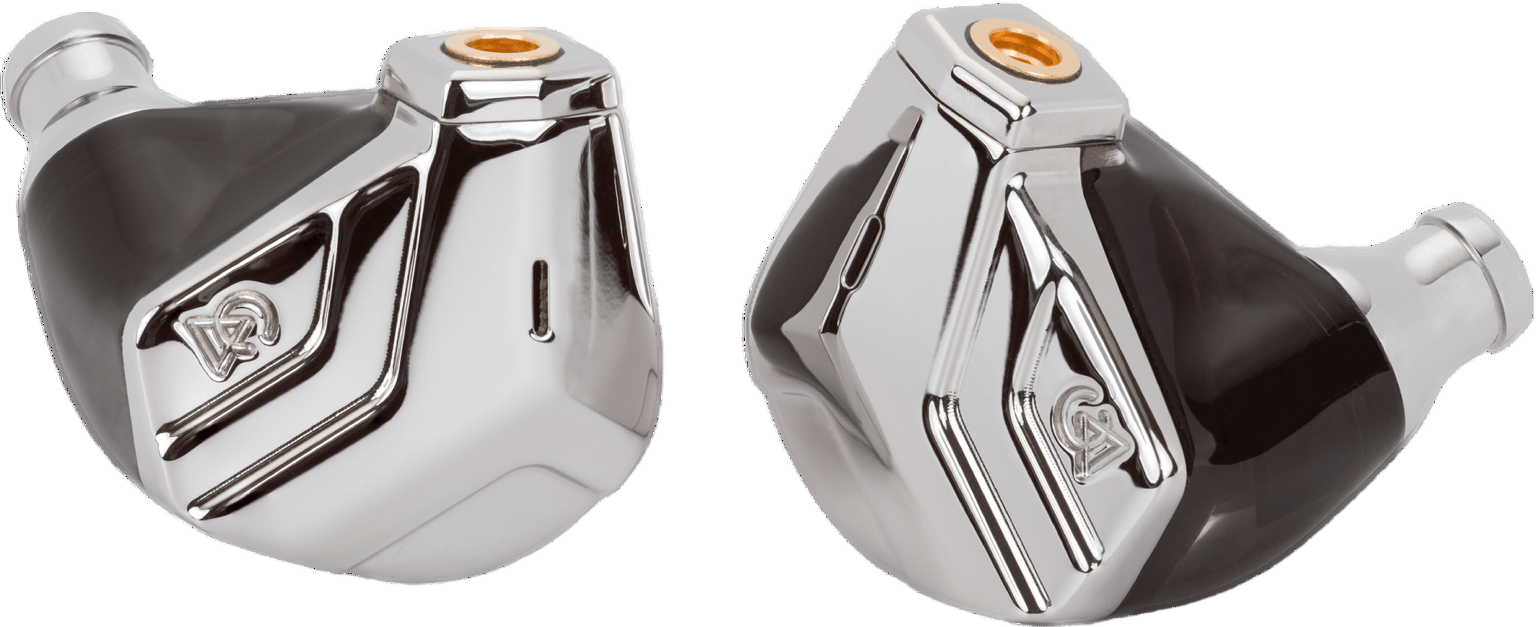
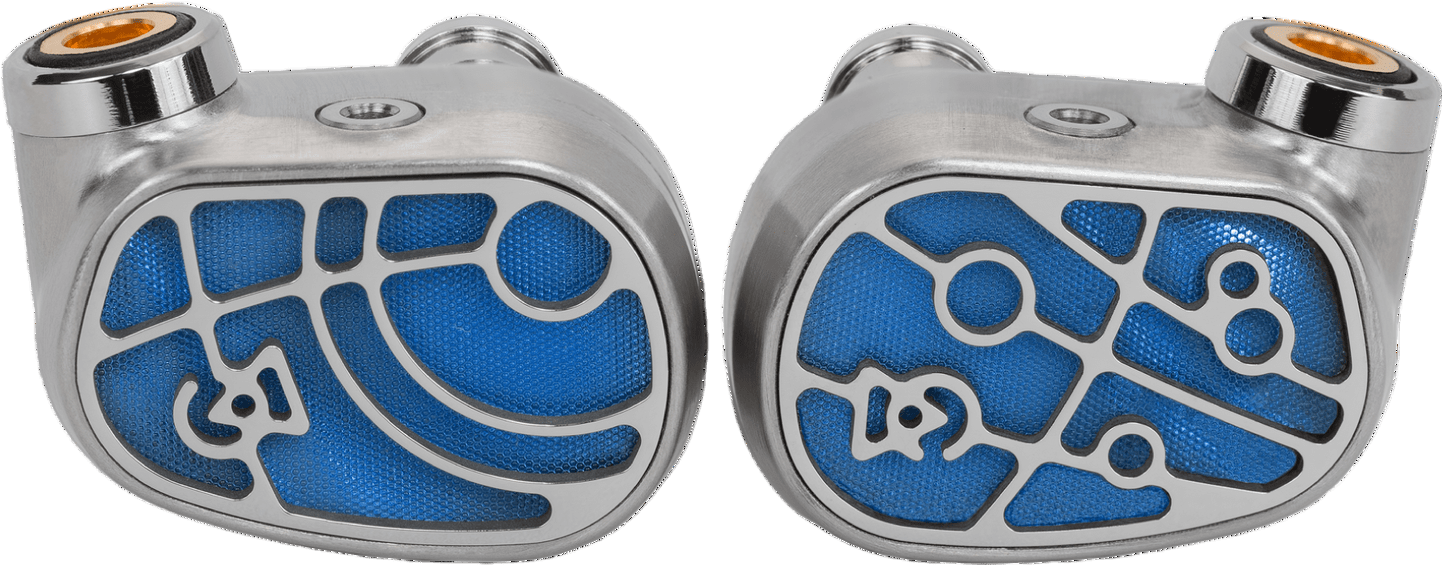
- Unique and visually appealing design with a brushed stainless steel housing and intricate gold inlay faceplate
- Excellent detail retrieval and clarity across the entire frequency spectrum
- Wide and three-dimensional soundstage, with precise imaging
- Balanced and natural sound signature, improving upon previous Solaris versions
- High-quality packaging and accessories, including multiple Time Stream cables and a display box
Product Considerations
- Bass response could lack significant impact or be considered lean
- Highs may have a metallic timbre and could potentially be fatiguing for some listeners
- A high-quality source and amplification are required to avoid revealing weaknesses in the gear
- Fit can be hit or miss for some users due to the nozzle length
- Driver flex may be experienced
Comparisons (according to reviewers)
- Vs. Noble Audio Sultan: Solaris Stellar Horizon has a better build, design, and package
- Vs. 64 Audio U12t: Solaris Stellar Horizon demonstrates stronger detail and texture in the bass
Takeaway: The Solaris Stellar Horizon offers great design and a well-balanced, detailed sound that audiophiles can enjoy across many genres. It is an IEM that can bring a new level of listening to music.
Video review
Our take on the brand
Product Strengths
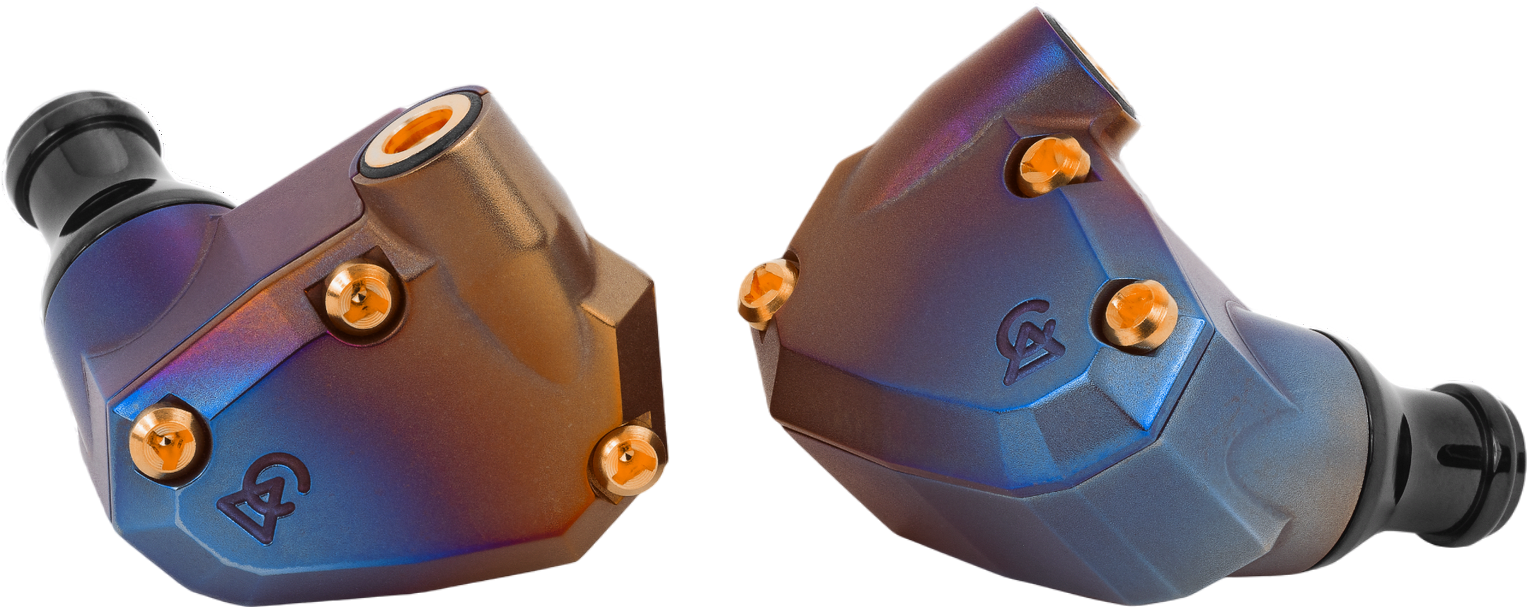
- Unique and eye-catching design, due to the hand-flame-treated titanium shells, making each unit one-of-a-kind
- Durable build quality, with aircraft-grade titanium shells, gold-plated screws, and black PVD steel spout, creating a robust and premium feel
- Balanced, neutral-leaning sound signature, offering a reference-level tuning suitable for audiophiles seeking accuracy
- Good soundstage, providing a wide and spacious listening experience with excellent instrument separation
- Comfortable fit for many users, due to the refined classic shell design
Product Considerations
- The heat-treated color may not be as vibrant as in product photos, with some units showing minimal effect
- Some reviewers found the mid-range to be a little cool or nasally
- The sealed design can cause pressure build-up in the ear, leading to discomfort for some users
- Stock cable is considered basic for the price point, and the stock tips aren't ideal for the sound signature
- Bulky size may not be comfortable for users with smaller ears
Comparisons (according to reviewers)
- Compared to the Campfire Audio Aura, the Moon Rover sounds more normal overall and has fewer issues
- Compared to the 64 Audio Solo, the Moon Rover has a more neutral and unique sound, whereas the 64 Audio Solo is warmer and bass-heavy
- Compared to the Campfire Audio Fathom, the Moon Rover is more detailed and resolving, but less smooth and easy to enjoy
- Compared to the Campfire Audio Supermoon, the Moon Rover is more refined and neutral, while the Supermoon is brighter and more extreme
- Compared to the Campfire Audio Bonneville, the Moon Rover is more neutral and accurate, while the Bonneville is tuned for enjoyment with a big bass response
- Compared to the Audeze LCD-X, the Moon Rover is like an LCD-X in an IEM package, offering a flat response with a touch more bass and mid doctoring
Takeaway: The Campfire Audio Moon Rover is a well-built and unique IEM that offers a balanced and detailed sound signature. It is a good choice for audiophiles looking for accuracy and clarity in their listening experience.
Video review
Our take on the brand
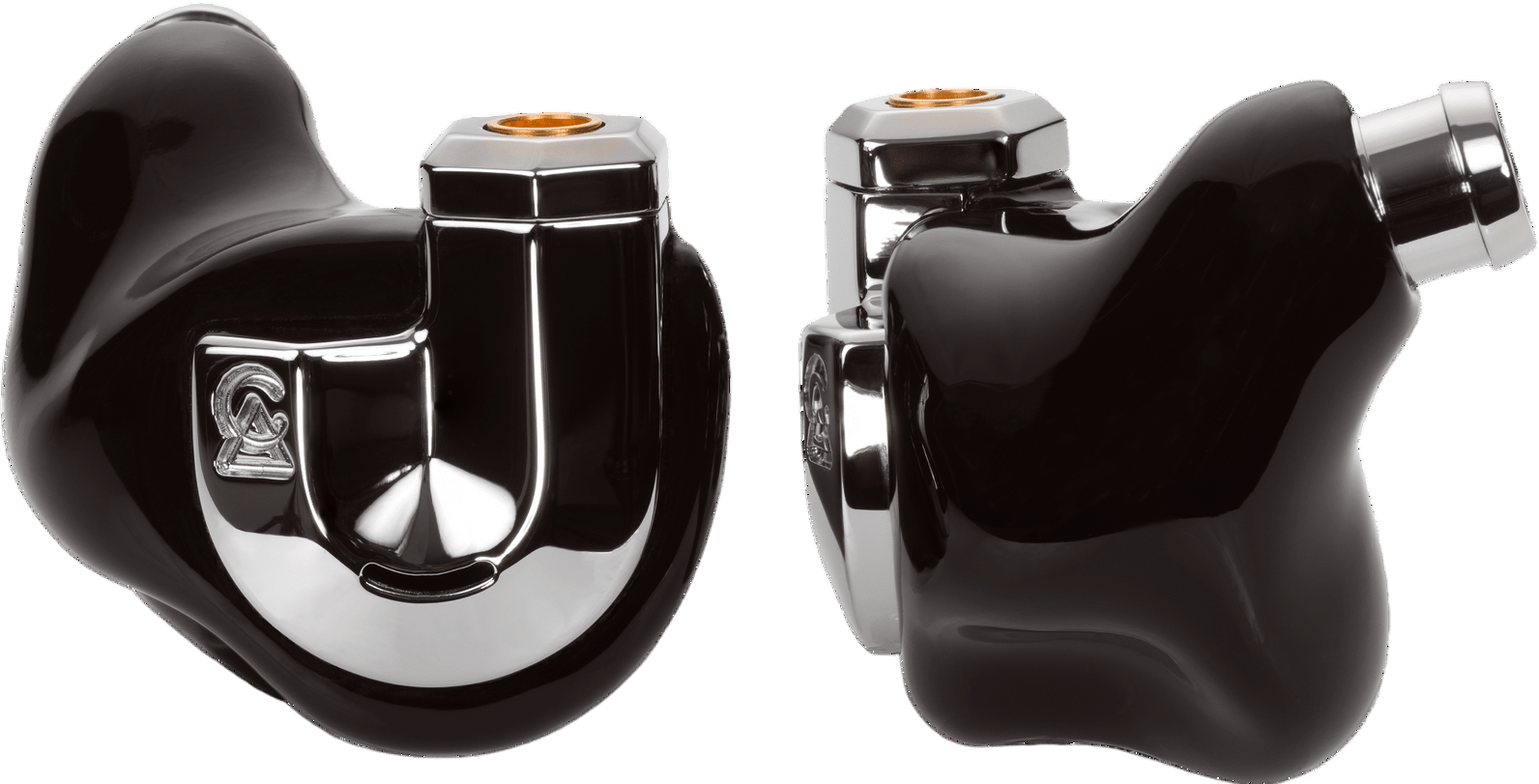
Our summary
Product Strengths
- Balanced IEM, with emphasis on an excellent sub-bass to mid-bass ratio.
- Masterclass technical performance, with excellent resolution, soundstage, and imaging.
- Good fit and passive isolation due to semi-custom shape.
- Wide and spacious soundstage, with precise imaging.
- Lows are delivered with a visceral sensation that extends deep into the chest, while remaining controlled.
Product Considerations
- Those averse to mid-bass or very sub-bass oriented sound might not prefer it.
- May not be the best fit for listeners seeking an extremely analytical sound.
- Can be a bit uncomfortable after a couple of hours for those with smaller ear canals.
- Design might be too bland for some.
Comparisons (according to reviewers)
- Bonneville has deeper sub-bass, warmer mids, more energetic treble, and a wider soundstage than the Meze Audio Rai Penta.
- Vocals have more clarity on the Campfire Supermoon, overall presentation has more clarity.
- Staging and imaging are slightly better on the Bonneville than the Campfire Supermoon.
- The Bonneville provides comparable performance to the Sony IER-Z1R without the fit issues, offering a valid alternative to the Z1R.
- If you are treble averse, then the Bonneville is better suited than the Sennheiser IE 900, while those preferring a hassle-free fit should gravitate towards the IE 900.
Takeaway: The Bonneville is a versatile and balanced IEM with impressive technical capabilities and a comfortable fit, making it an enjoyable choice for various music genres. If you want something unique and with an explosive bass, this could be a great choice.
Video review
Our take on the brand
What competes at this price?
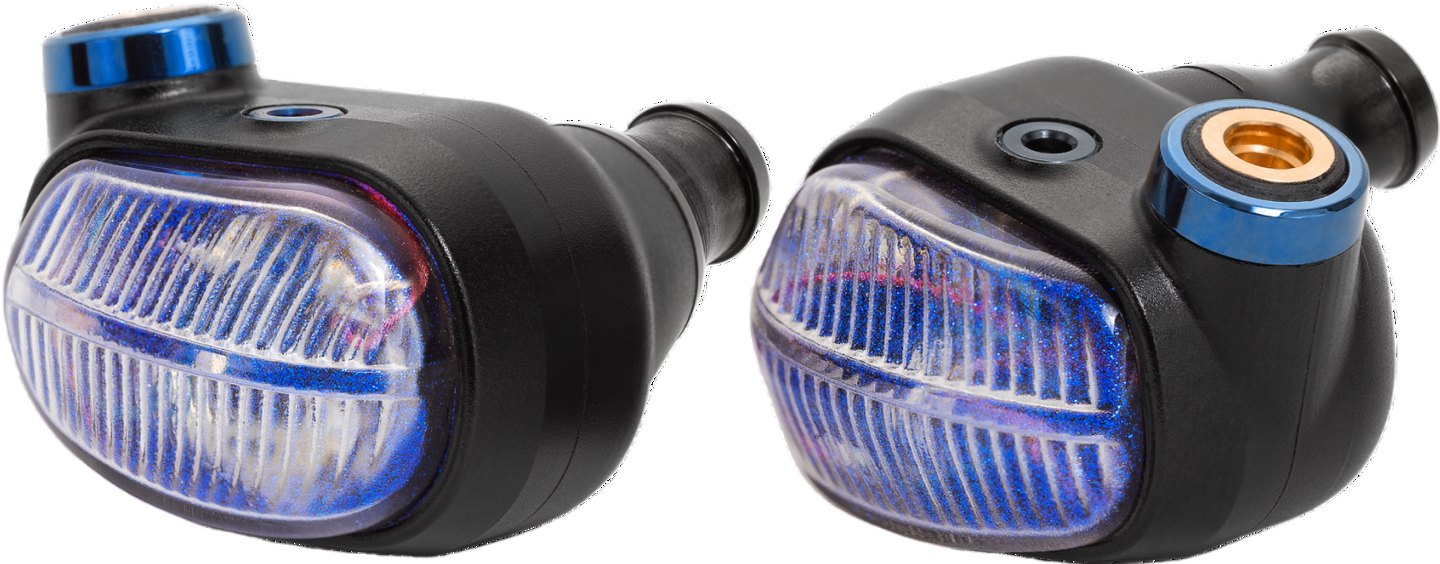

Our Summary
Product Strengths
- Solid build quality, feels premium.
- Smaller shell size contributes to a more comfortable and snugger fit, especially for those with smaller ears.
- Balanced sound signature with good bass extension and clarity.
- Comes with a generous accessory package, including two cables (3.5mm and 4.4mm) and a USB-C dongle DAC.
- Impressive soundstage with good imaging presentation, specifically with peripheral imaging.
Product Considerations
- Some found the upper mids on the Alien Brain can be too subdued, while others find them good.
- Some have reported a 10k peak that may cause fatigue.
- The stock cable quality could be better, feeling generic and cheaply built for the price.
- Fit can be tricky due to the angled nozzle, requiring experimentation with different ear tips to achieve a good seal.
- Very sensitive to source and prone to picking up background noise and interference, not recommended with tube amps.
Comparisons (according to reviewers)
- Vs the Audio Monarch MK3: Alien Brain has a smaller shell, better build, and offers a more universally comfortable fit, the sound is smoother than the Monarch MK3 which is brighter and more energetic.
- Vs Campfire Audio Fathom: Alien Brain offers a more traditional target tuning, while Fathom is warmer and more focused in the low-mid to mid-bass range.
- Vs Campfire Audio Bonneville and Cascara: The dual-magnetic dynamic driver is the same iteration that has been used in both the Bonneville and Cascara IEMs.
- Vs the Audio Hype 4: Alien Brain provides better technical performance with a better fit and comfort.
- Vs Campfire Audio Supermoon: Alien Brain is more fleshed out due to having better stock tips as well as a type-C dongle.
- Vs Campfire Audio Blackstar: Alien Brain has very good sub bass extension and very good rumble.
Takeaway: The Alien Brain stands out with its unique design, comfortable fit, and balanced sound, and is well-suited for those looking for an IEM that delivers a smooth, detailed, and enjoyable listening experience across various genres. Good build quality and a great accessory package make it a worthwhile option in its price range.
Video review
Our take on the brand


Our Summary
Product Strengths
- Excellent build quality due to its solid body design, 3D printed housing, and stainless steel faceplate
- The planar magnetic driver provides clarity, accuracy, and speed, which enhances versatility across diverse music collections
- Great extension in the bass provides sub-bass rumble along with firm and punchy mid-bass, never feeling overly dark or heavy
- Good isolation when paired with foam tips
- Planar bass is of a high-quality, delivering speed, punch, slam, and even good texturing
Product Considerations
- The upper mids might be too forward for some listeners, resulting in shout that becomes noticeable in tracks with sparse instrumentation, little to no bass presence, and high-pitched vocals
- Treble may be too energetic for some
- The lower-mids lack weight and appropriate “thickness” for baritone vocals
Comparisons (according to reviewers)
- Vs Moon Rover: More colored, warmer, and thicker sounding, the Moon Rover is more neutral
- Vs Sennheiser IE 900: More impact in EDM and pop tracks, and tracks with a sub-bass focus
Takeaway: The Supermoon by Campfire Audio provides accurate, clear sound through its innovative design. Its impressive ability to evenly distribute sound makes it a worthwhile choice for sound enthusiasts.
Video review
Our take on the brand
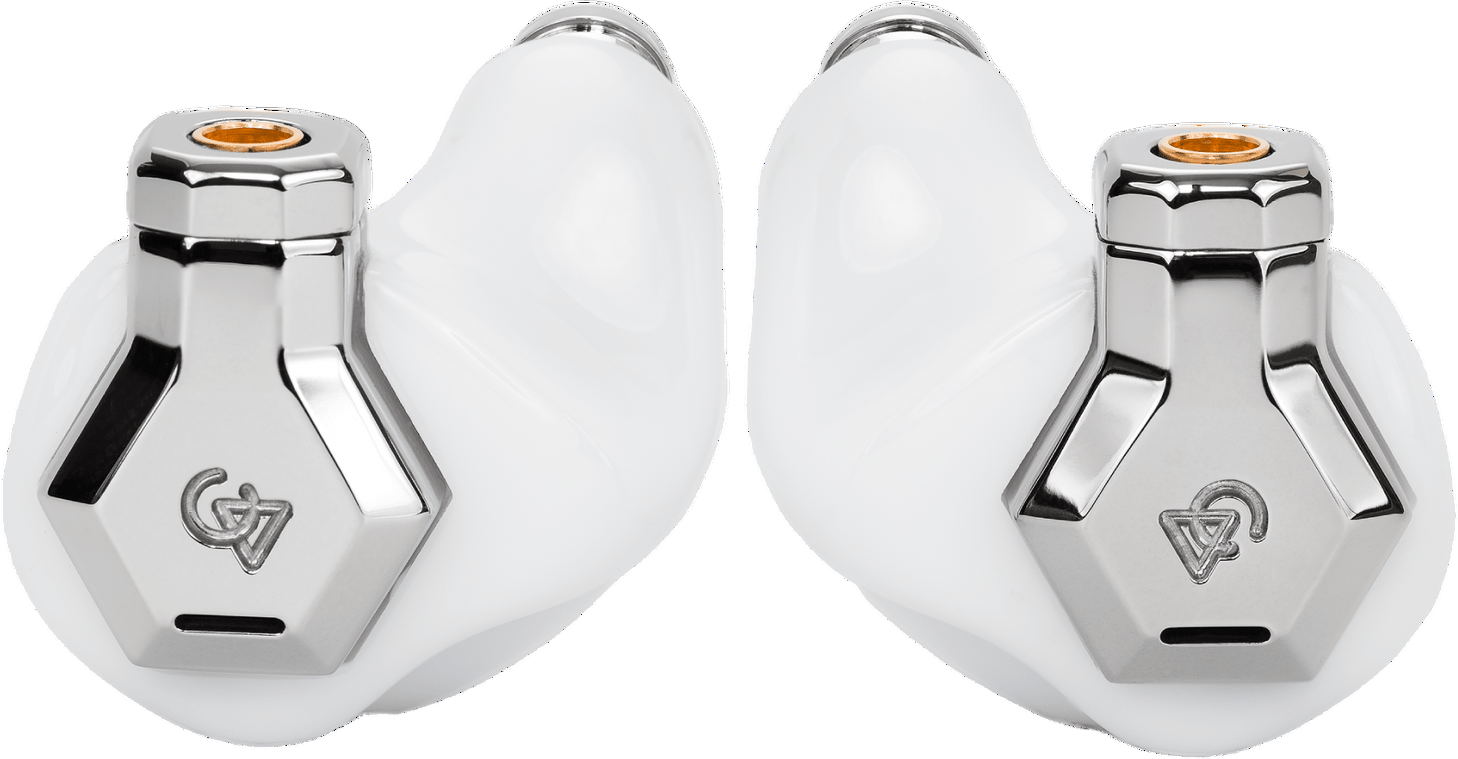
Our Summary
Product Strengths
- Technically capable and versatile IEM with widespread appeal due to its warm, robust low-end, and energetic, non-fatiguing mid and upper range performance
- Easy to drive and isolates well from background noise
- The universal shell design is based on the average of thousands of ear impressions, making it comfortable and secure for most users
- Balanced soundstage between width, depth, and height with precise and accurate channel-to-channel imaging
Product Considerations
- Moderate soundstage size compared to some other Campfire Audio products
- Some harshness can occur in the lower treble on certain tracks
- The universal Ponderosa is larger than average, which may not be comfortable for users with smaller ears
- Those who prefer a more neutral bass might find that it colors the sound more than they’d like, potentially making it boomy
Comparisons (according to reviewers)
- Versus Andromeda: Ponderosa does not give that wow factor since there is not a huge difference in sound signature, Ponderosa has all the exhilarating elements that are unmistakably Campfire, and it may be hard to tell them apart in a blind test
Takeaway:
The Ponderosa is a versatile IEM that offers a warm and engaging sound signature, and is comfortable to wear. If you appreciate the classic Campfire Audio sound and are looking for a more affordable alternative to the Andromeda, the Ponderosa is worth considering.
Video review
Our take on the brand
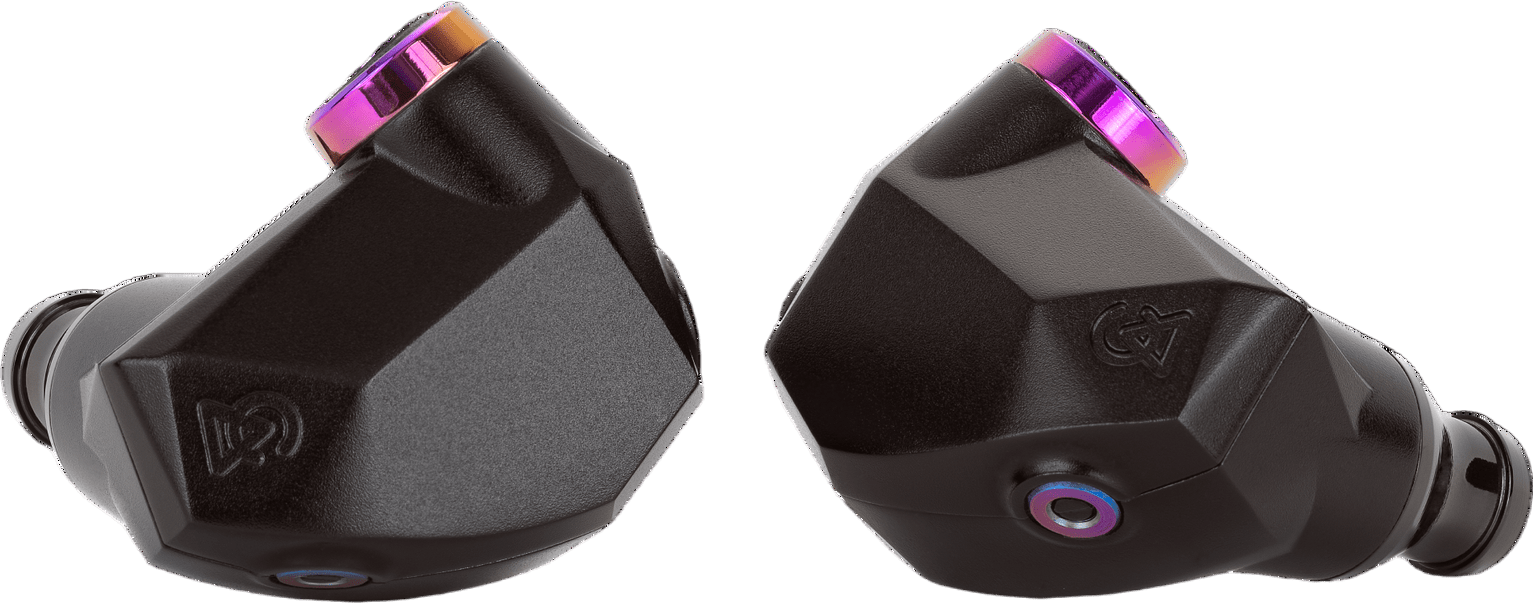
Our Summary
Product Strengths
- Balanced sound signature with a natural, agreeable quality, excellent vocal presence, and impressive imaging
- Sleek, compact, and smooth form factor is comfortable, even for hours of listening
- Exceptional build quality with flawless solidity and perfect tolerances
- Improved end-to-end extension and excellent imaging
Product Considerations
- Lacks sub-bass power
- Foam tips dull the vibrancy of the performance
- Smoother edging and smaller form factor make it slightly slippery
- Bass is a touch tubby
- Sensitive to hiss and output impedance
Comparisons (according to reviewers)
- Vs Campfire Audio Andromeda Emerald Sea: Fathom fills the gap created by the more radically changed Emerald Sea as Campfire Audio’s premium all-rounder
- Vs Campfire Audio Solaris Stellar Horizon: Fathom is more relaxed in the midrange and brighter on top, making it a more entertaining listen focused more on being unique than to always be as accurate as possible, whereas the Solaris is more neutral
- Vs Campfire Audio Supermoon: Fathom is more forgiving, more universal, has a nice smoothness to the midrange, and a nice, impactful bass, where the Supermoon is a hyper-detailed oriented IEM that has basically zero warmth to it
- Vs Campfire Audio Bonneville: Fathom is brighter, not as dynamic, and offers a more chill midrange performance, while the Bonneville is a rather dark and dynamic sounding IEM with fantastic bass response
- Vs Unique Melody MEXT: Fathom is more natural and effortless sounding, also being significantly more universal when it comes to music and equipment pairing, and has better detail retrieval and a more airy presentation
- Vs Campfire Audio Ara: Fathom is warmer and fuller, subjectively a bit more balanced, and also easier to drive
Takeaway: The Fathom is a beautifully crafted IEM with a design that is engaging yet polished and easy to listen to. It fills a void in Campfire Audio’s lineup and can be considered the company’s new BA-based all-rounder.
Video review
Our take on the brand

Our Summary
Product Strengths
- Versatile IEM with a widespread appeal thanks to its warm, robust low-end, and energetic, but non-fatiguing mid and upper range performance
- Easy to drive and isolates well from background noise
- Design slots into the ear like it was made to be there and weight distribution is excellent
- Has a commanding sense of width and obvious dimension and precise imaging
- Detailed and powerful low-end
Product Considerations
- The universal Ponderosa is larger than average, and on the brink of what some ears will accept comfortably
- There is some occasional harshness in the lower treble
- Sound stage is moderate in size, especially for a Campfire Audio product
- The sub bass frequencies are perhaps not as visceral as some of the other contending models in this price range
Comparisons (according to reviewers)
- Compared to the Campfire Audio Andromeda, there’s not a huge difference in sound signature.
- The Ponderosa low-end feels a bit darker than the Andromeda
Takeaway: The Ponderosa provides listeners with a jack-of-all-trades sound that works with pretty much everything, and the design works wonders for comfort and isolation. If one wants Campfire's classic sound at a more affordable price than the Andromeda, the Ponderosa is a good option.
Video review
Our take on the brand




How to buy
Headphones
Search all hifi products
Explore our database of 10,000+ new and 25,000+ used hifi products.