



Note that this is a discontinued product. You may want to visit the brand's page here to browse their newer products.
What reviewers think
Bloggers and YouTubers have tried this product—so we've summarized their strongest opinions below. Links to full reviews follow.
All
CP54E
reviews


Manufacturer details


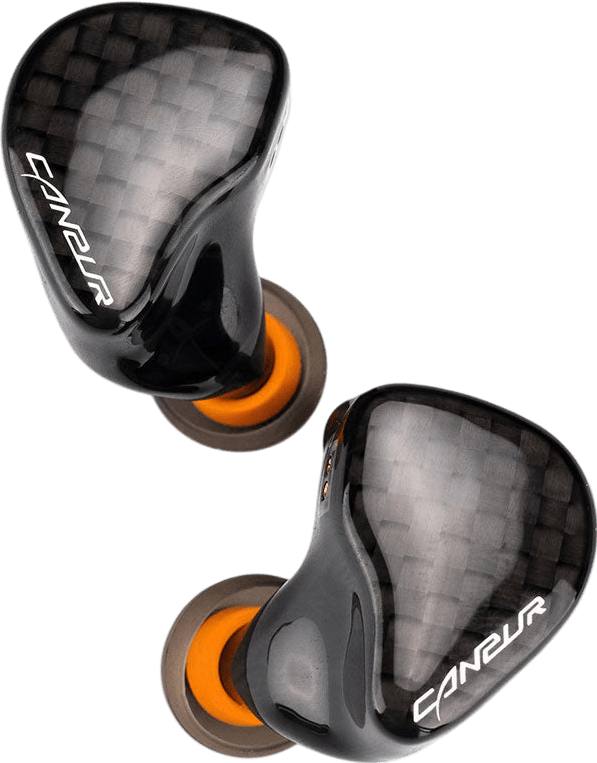

Brand highlights
Taking a step back to look at reviewers' thoughts of the brand's entire lineup—not just this product—what stands out most is the following:
Select products
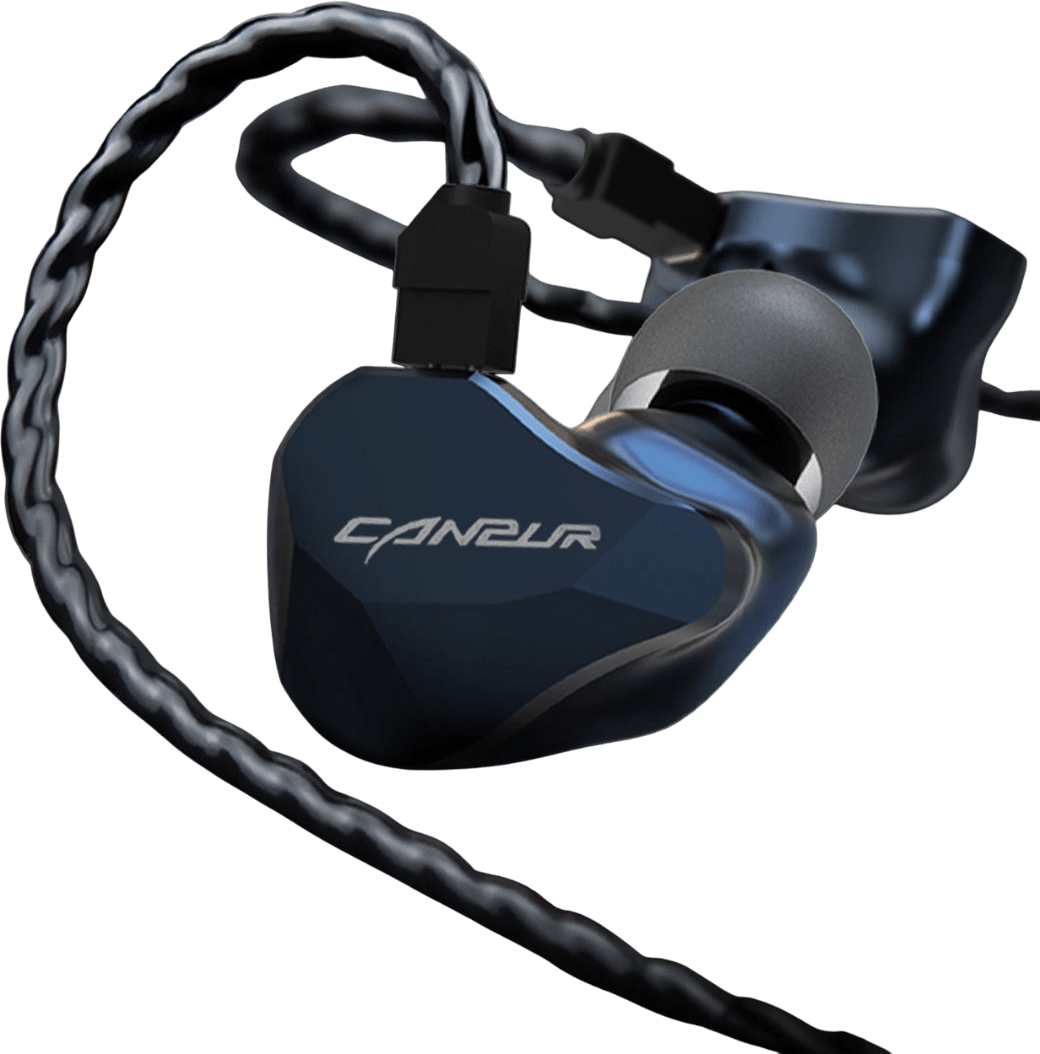
CANPUR DEEP BLUE
- Positioning: Entry-level dynamic driver IEM designed for affordability and compactness.
- Description: Offers enhanced tuning and a balanced sound signature with natural detail that suits casual listening and smaller spaces. In comparison to other models, it lacks advanced circuitry and a high driver count but provides a simple, accessible solution for everyday use.
CANPUR JOYFULL 1
- Positioning: Basic model in the Joyfull series offering quality sound at a lower price point.
- Description: Provides clear, pleasant sound and is compact enough for portable use, making it a practical option for daily listening. Compared to its advanced siblings, it has fewer technical features but still delivers solid performance.
CANPUR CPBA7
- Positioning: An advanced model featuring a sophisticated four-frequency circuit architecture intended for high-resolution audio reproduction.
- Description: Offers clear, detailed sound across all frequencies by dedicating circuits to individual ranges, which supports demanding listening scenarios and technical performance needs. Compared to less intricate models, its design delivers higher resolution and technical sophistication.
CANPUR JOYFULL 1&1
- Positioning: An advanced mode in the Joyfull series that steps up performance and features above the basic model.
- Description: Uses enhanced tuning and rigorous sound calibration to produce a more immersive audio experience, catering to users who need extra technical refinement. Relative to the basic Joyfull 1 and other central offerings, it delivers improved accuracy and performance.
CANPUR JOYFULL 1&2
- Positioning: The flagship in-ear monitor that combines the most advanced technologies available from Canpur.
- Description: Uses state-of-the-art driver configurations and high-end circuitry to deliver a highly immersive and detailed sound signature, making it ideal for professional applications and larger sound environments. Compared to every other product in the lineup, it offers the utmost technical sophistication and functionality.

Our take on the brand
Look inside the brand
Our interview with the brand
What are two key technological innovations or strong opinions that differ you from other brands?
What's your approach to customer support?
What are your favorite tracks for showcasing the strength of your products?
What other products pair best with yours?

Used
Canpur
What if you spend more?

.png)

.svg)
Our summary
Product Strengths
- Enormous amounts of detail makes details pop out effortlessly
- Bass is visceral and powerful, and the 50 to 100 Hertz range has an insane slam and impact with excellent control
- The IEM has a pretty reference sound that does not over exaggerate any specific frequency
Product Considerations
- Fit can be an issue for people with smaller ears
- Vocals are not extremely forward, and the lower mids introduces a slight bit of warmth, so a little vocal air and nuance is missed
Comparisons (according to reviewers)
- 64 Audio CP622B Ti Vs 64 Audio CP622B: The CP622B feels richer and warmer, with more sub-bass, while the Ti version is more precise and clear, but with less mid-bass impact
- Vs Sony IER M9: The CP622B easily outperforms it in imaging
- Vs Unique Melody Maven II: The CP622B has a more elevated sub-bass rumble and more forward upper mids/vocals, with an overall warmer tonality, while the Maven II tuning is more balanced, less colored, and has more clarity and higher resolution in upper frequencies
Takeaway: The 64 Audio CP622B is a reference-tuned IEM that delivers a lot of details and a visceral bass experience thanks to the bone conduction driver. This could be a pretty good choice for those looking for one of the best IEMs in the world.
Video review
Our take on the brand

Our summary
Product Strengths
- Clear sound with a smooth and sweet focus
- Gentle w-shaped sound signature carefully highlights all three frequency ranges, offering a reference-like linearity while achieving full musicality and enjoyable dynamics
- Exceptional quality control and assurance
- Beautiful blend of gentleness and a lilting atmosphere in the vocal reproduction
- High quality packaging and accessories
Product Considerations
- Bass, though moist and smooth, may not satisfy bassheads
- Smaller soundstage, compared to other models
Comparisons (according to reviewers)
- Compared to the CP622B, the CP74E is a set that is just under it by about a thousand dollars, it's got one extra driver, but it doesn't have the BCD drivers
Takeaway: The CP74E is a good choice for those who value clear and smooth sound, especially with vocals, and appreciate excellent quality control. It offers a balanced and enjoyable listening experience that competes well in its price range.
Video review
Our take on the brand
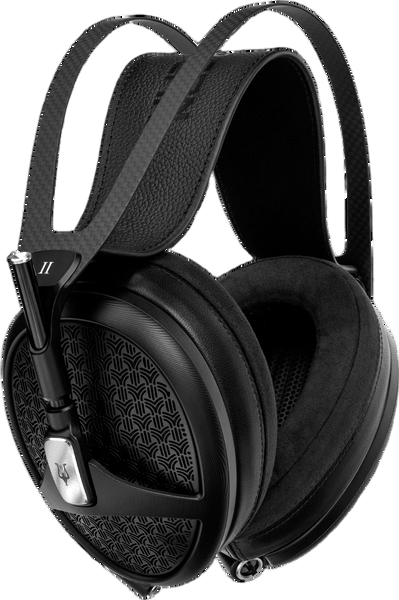

Product Strengths
- Top-notch build quality, with premium materials and a comfortable design
- Excellent sound quality with a balanced presentation—no outstanding weaknesses across the frequency spectrum
- Two sets of earpads are included (Duo and Alcantara) for sound customization
- The design has a strong aesthetic, and the magnetic pad swapping system is easy to use
- Wider soundstage and more three-dimensional imaging
Product Considerations
- Sensitivity has dropped compared to the original Empyrean and Elites, requiring slightly more power to drive
- There might be a little bit of extra emphasis around the three to four kilohertz mark, which can make them a little bit fatiguing—a little bit bitey in the treble
- Not the largest soundstage that can be experienced at this price point
- The open design leaks sound and doesn't offer much in the way of isolation
- Those particularly sensitive might hear some spikiness in the lower treble region
Comparisons (according to reviewers)
- Vs Original Meze Empyrean: Empyrean II has a more neutral tuning, is more defined, and has better detail separation
- Vs Meze Elite: Empyrean II offers stronger bass extension and more of the engaging emotional delivery
- Vs Meze Elite: The Elite seems more expansive than Empyrean 2, though not by a lot
- Vs HIFIMAN HE1000SE: The HE1000SE sound is more spacious, the bass is snappier, and the amount of detail is slightly above the Elite and Empyrean
Takeaway: The Empyrean II is an enjoyable headphone, improving on the original with a more accurate and versatile sound that maintains the core Empyrean identity. The comfort, build quality, and well-balanced sound make it a great choice for a high-end listening experience.
Video review
Our take on the brand


Product Strengths
- Detailed and energetic listening experience, engaging and resolving with a low-end weight and warmth that is fun and non-fatiguing
- Dynamics are impactful, transients are notably quick, and it has Beryllium drivers with an almost electrostatic speediness
- Exceptional build quality with high-quality leather and beautifully shaped metal parts, giving the headphones a strong aura of undeniable luxury
- Easy to drive, delivering a full sound regardless of the source, and can be driven by almost anything with a headphone jack
- Likely the most spacious closed-back pair of headphones encountered by one reviewer, and presents a three-dimensional soundstage
Product Considerations
- Somewhat intimate soundstage compared to open-back headphones
- The included rubber-coated cables are slightly stiff and somewhat microphonic
- Bass can be a bit boomy with stock pads
Comparisons (according to reviewers)
- Vs Sennheiser HD800: Stellia offers a similar soundstage, but the Sennheisers require more power and sound thinner
- Vs Sennheiser HD650: Stellia sounds like a more detailed and bassy HD650
- Vs Focal Clear MG: Clear MG is more balanced, more open sounding, and has a better soundstage
Takeaway: The Focal Stellia is an extremely well-built and luxurious headphone that provides a detailed and enjoyable listening experience with a punchy and clean sound. For those seeking a closed-back headphone that can reveal every detail in music, it is worth considering.
Video review
Our take on the brand
What competes at this price?
.png)
Our Summary
Video review
Our take on the brand

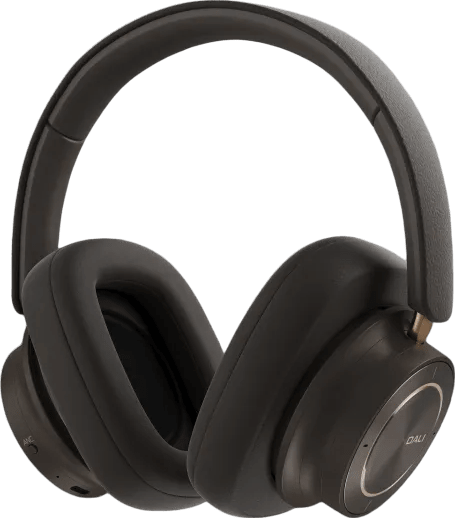

Our Summary
Product Strengths
- Incredible sound quality, with neutrality, detail, and balance across the frequency range
- Excellent build quality with premium materials and comfortable, luxurious design, making them suitable for extended listening sessions
- Adequate battery life, with reviewers reporting around 35 hours of wireless playback with ANC
- Effective active noise cancellation reduces low-frequency sounds without significantly impacting sound quality
- Versatile connectivity options including Bluetooth, USB-C for high-resolution audio, and a 3.5mm analog input that can be used passively
Product Considerations
- High price point puts them out of reach for many consumers
- Lack of a companion app limits customization options like EQ settings, firmware updates via mobile, and custom control settings
- Large earcups and overall weight may not be suitable for those with smaller heads, and the headband may slip
- Included travel case is large
- Some reviewers found the dark chocolate color scheme unappealing
Comparisons (according to reviewers)
- The DALI IO-12 has better ANC than the Focal Bathys
- The IO-12 is similar in sound signature to the Mark Levinson No. 5909
Takeaway: The DALI IO-12 is a high-end wireless headphone that delivers exceptional sound quality, comfort, and versatility, making it a great choice for audiophiles who want a premium listening experience on the go. Its blend of wired and wireless capabilities, combined with a mature design, makes it an excellent all-around performer.
Video review
Our take on the brand


Our Summary
Product Strengths
- Impressive sound quality bridges the gap between wired and wireless performance
- It is a versatile product that can be used as a passive headphone, a USB DAC, or a Bluetooth headphone
- High build quality, with premium materials like milled aluminum contributing to a robust and luxurious feel
- Comfortable to wear for extended periods
- Long battery life, especially in standard mode—up to 70 hours
Product Considerations
- The fit may not be ideal for those with wider heads
- The treble response could be sweeter
- The active noise cancellation may not be class-leading compared to some competitors
- The volume in wireless mode may not be loud enough for some listeners
- Soundstage presentation feels intimate compared to full-sized reference headphones
Comparisons (according to reviewers)
- Vs Mark Levinson No.5909: The Solitaire T has more detail and better organization, though the No. 5909 has a bigger, more spacious presentation
- Vs Bowers & Wilkins PX8: The noise cancelling of the PX8 is better
- Vs Focal Celestee: The Solitaire T is comparable when used as a passive wired headphone
Takeaway: The T+A Solitaire T is a versatile and well-built headphone that offers high-quality sound in both wired and wireless modes, making it a great choice for audiophiles on the go or those who want one set of headphones for all situations. Listeners can enjoy music in a lot of different ways with these, and they sound very good.
Video review
Our take on the brand
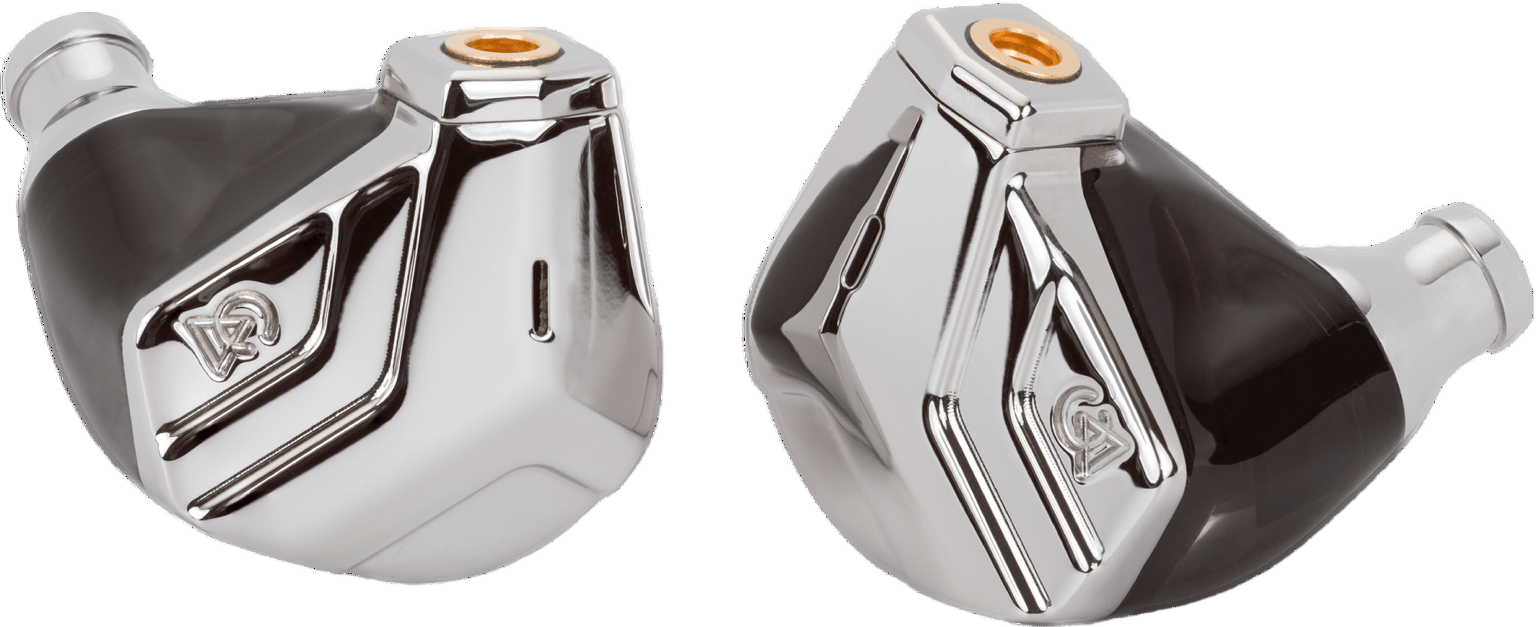

Our Summary
Product Strengths
- Impressive technical performance, clarity, detail retrieval, and resolution due to its planar magnetic drivers.
- Features a new, comfortable, and ergonomic shell design that's also lightweight and durable.
- Includes two upgraded Time Stream Metal cables, providing both 3.5mm and 4.4mm terminations.
- Delivers a strong, extended bass response, with texture and speed, plus a nimble, airy top-end.
- Exhibits a spacious, wide, and holographic soundstage with good imaging and instrument separation.
Product Considerations
- Lower sensitivity might require a dedicated DAP or amplifier for optimal performance, and can sound anemic when paired with just a phone.
- Can be sensitive to source pairings, warmer DACs might wash out the mids and some pairings may bring out sibilance.
- Stock tips might not provide the best seal for everyone, and the stock tip selection is poor.
- Silicone eartips can make the treble sound harsh.
- The mirror-finished stainless steel faceplate is prone to fingerprints and smudges.
Comparisons (according to reviewers)
- Vs. Campfire Audio Bonneville: Astrolith has superior mids, clarity, detail and transparency, and better treble extension, articulation, and overall resolution.
- Vs 64 Audio Volür: Astrolith offers bigger bass and a more exciting presentation, as well as faster and more resolving sound, but Volür is more accurate overall.
- Vs. Oriolus Monachaa: Astrolith has a faster and more controlled bass with better texture, a more natural and realistic midrange with a fabulous timbre.
- Vs. Elysian Acoustic Labs Annihilator: Astrolith delivers a more robust and organic mid-range with realistic and natural timbre and more defined lower mids.
Takeaway: The Astrolith is a technically impressive IEM with a comfortable design that delivers a powerful and detailed sound. It could be a great pick for listeners who want high-end sound that can play all kinds of music well.
Video review
Our take on the brand


Our Summary
Product Strengths
- Captures the sound of the original Svanar, with a balanced tuning emphasizing bass and treble while maintaining the mids
- Incredible imaging performance, offering a wide, well-rounded, three-dimensional soundstage with excellent positioning and separation—highly competitive, even compared to non-TWS IEMs under $1000
- Has an R2R DAC which permits unreachable technical performance
- Very light and comfortable
- Excellent connectivity and usability
Product Considerations
- LDAC connectivity issues with invasive intermittence and noise cutting
- ANC and Transparency mode aren’t very useful and lack dynamic, delivering leaner dynamic, less musicality
- Plastic build might not be most durable if dropped
- High-frequencies are quite sensible to the source, making it one of the least forgiving TWS
- Hiss is also present
Comparisons (according to reviewers)
- The Svanar Wireless is punchier, with better bass detail and imaging, and a wider soundstage, while the Final ZE8000 has a warmer, more neutral sound
- The Svanar Wireless has stronger imaging performance, a wider soundstage, and a better balance between separation and cohesion
- The Svanar Wireless is superior in technicalities and tonal balance, as well as timbre and tone naturalness, and ultimately musicality
- The Svanar Wireless' soundstage is taller and wider but not as deep, since clarity isn’t as sharp and clean, silence being more "noisy"
- The Svanar Wireless has better sound and performs better technically
- The Sony TWS has bloated bass that overwhelms everything else; in comparison, the soundstage and treble performance of the Svanar Wireless is miles ahead, presenting a much more detailed, natural, and sophisticated kind of sound
Takeaway: The Svanar Wireless sounds impressive for wireless earbuds, and it has great connectivity and features. For those seeking high-end wireless sound, these are worth considering.
Video review
Our take on the brand




How to buy
Headphones
Search all hifi products
Explore our database of 10,000+ new and 25,000+ used hifi products.