



Note that this is a discontinued product. You may want to visit the brand's page here to browse their newer products.
What reviewers think
Bloggers and YouTubers have tried this product—so we've summarized their strongest opinions below. Links to full reviews follow.
Product Strengths
- Combines features, performance, and affordability, consolidating Denon's position in the mid-range market
- Loaded with features, potentially the hub of one's home theater and music system for the foreseeable future
- Includes Dolby Atmos, DTS:X, Auro 3D, and even IMAX Enhanced, 360 Reality Audio, and MPEG-H
- Excellent sound quality—dynamic, exciting, and visceral—with clean and detailed soundstage
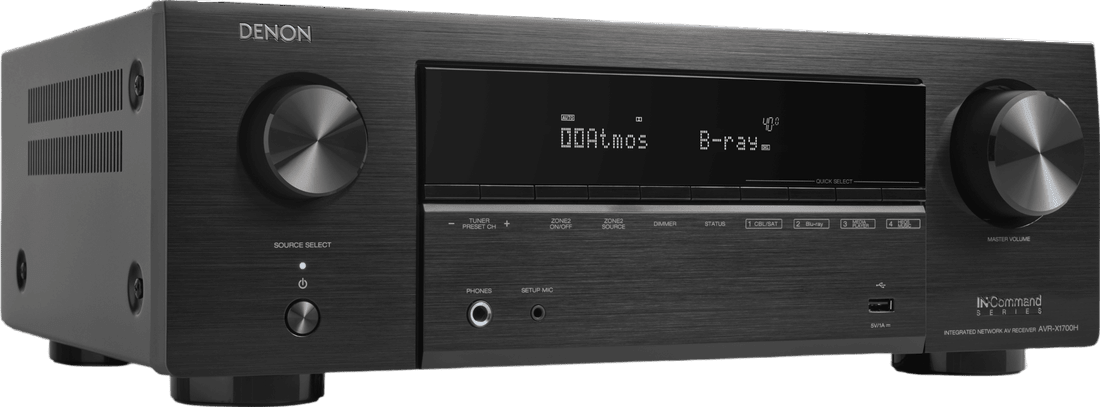
- Has seven HDMI 2.1 inputs and three HDMI outputs, all support 8K/60Hz and 4K/120Hz passthrough
Product Considerations
- Classic AVR design is not fashion forward
- Lacks a front mounted HDMI input and front AV inputs
- Audyssey room correction, while effective, is beginning to feel a bit long in the tooth
- Dirac Live upgrade comes at an additional cost
Comparisons (according to reviewers)
- Denon AVR-X4800H has IMAX enhanced and Dirac Live, while Yamaha RX-A6A does not
- Denon AVR-X4800H has a third zone, extra triggers, and composite and component video inputs, as well as a monolithic amplifier layout with a rated increase in power of 20W per channel
- Denon AVR-X4800H was every bit as good when strictly used as a pre-amplifier, and possibly better, than the Marantz 7703
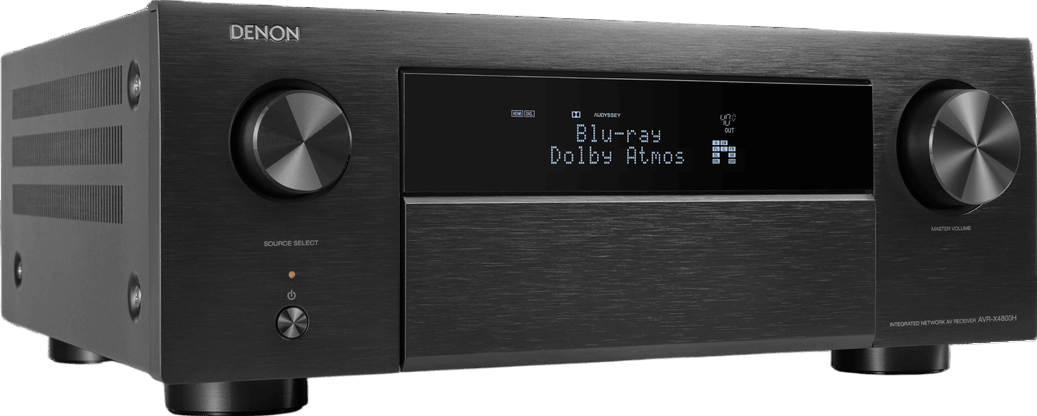
Takeaway: The Denon AVR-X4800H is a versatile and powerful home theater amplifier that offers a compelling combination of features, performance, and value. It is a great choice for anyone looking to create a truly immersive home cinema experience with plenty of options for future expansion.
All
AVR-X4800H
reviews


Manufacturer details
- Power Output (8 ohm, 20 Hz - 20 kHz, 0.05% 2ch Drive): 125W
- Power Output (6 ohm, 1 kHz, 0.7% 2ch Drive): 165W
- Power Output (6 ohm, 1 kHz, 10% 1ch Drive): 235W
- Power Consumption: 710W
- Dimensions (W x D x H): 17.1 x 15.3 x 6.6 inches
- Weight: 29.1 lbs
- HDMI Inputs: 7
- HDMI Outputs: 3
- Subwoofer Outputs: 4

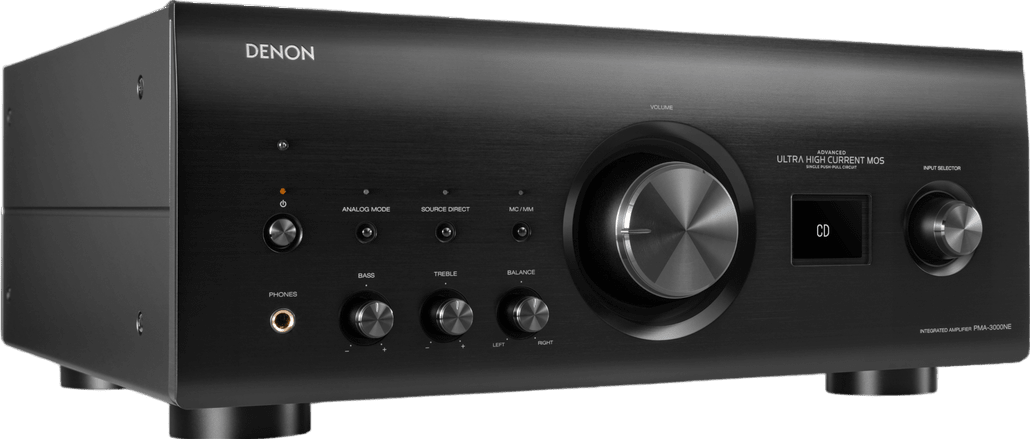
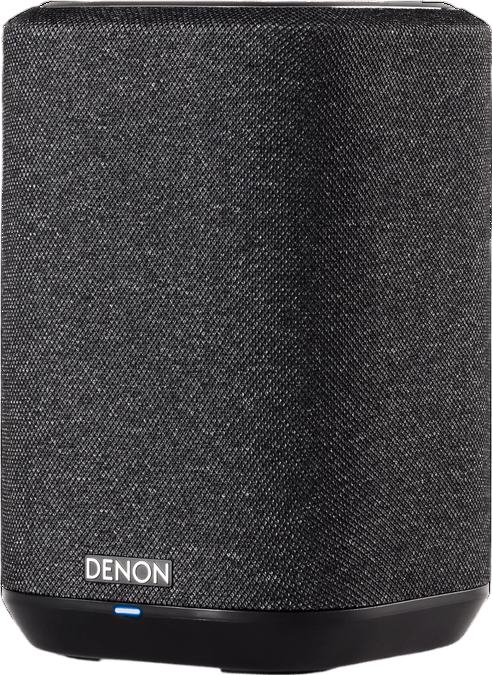
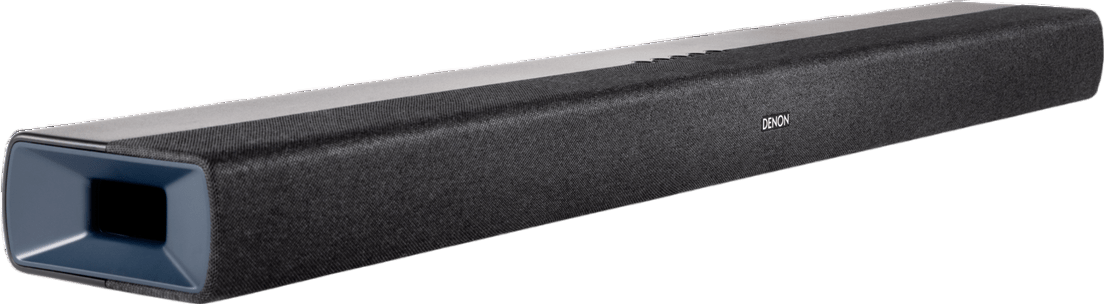

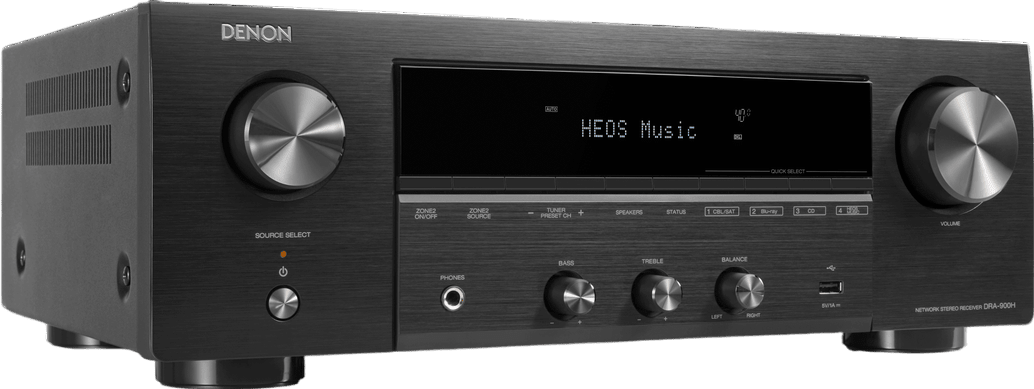


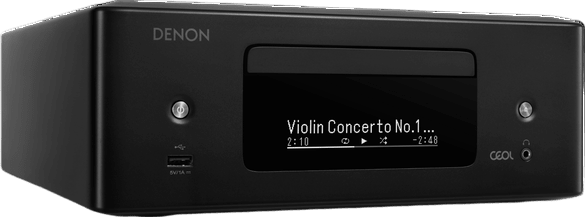
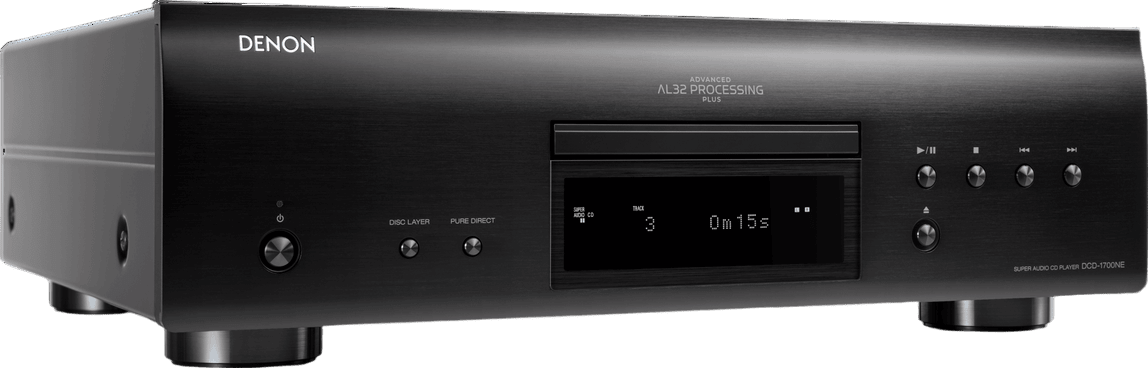

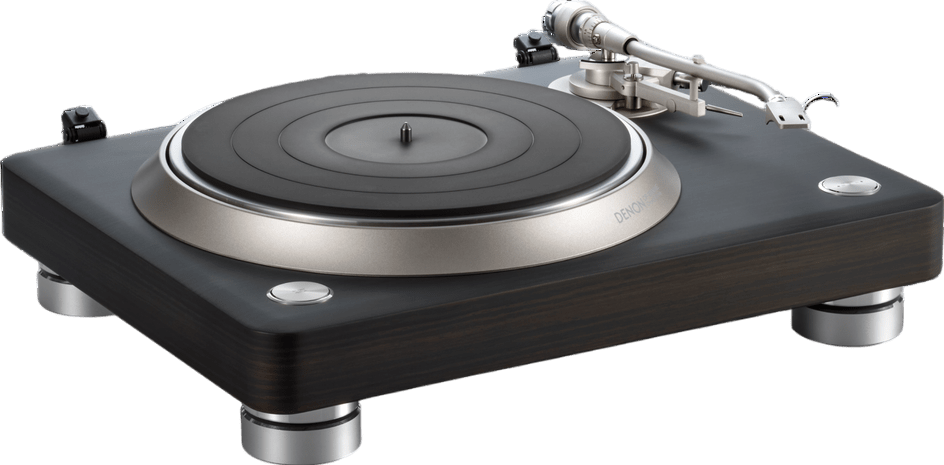

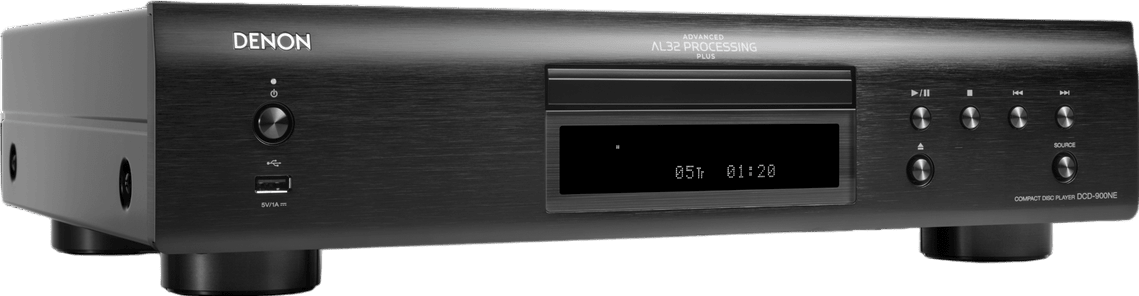
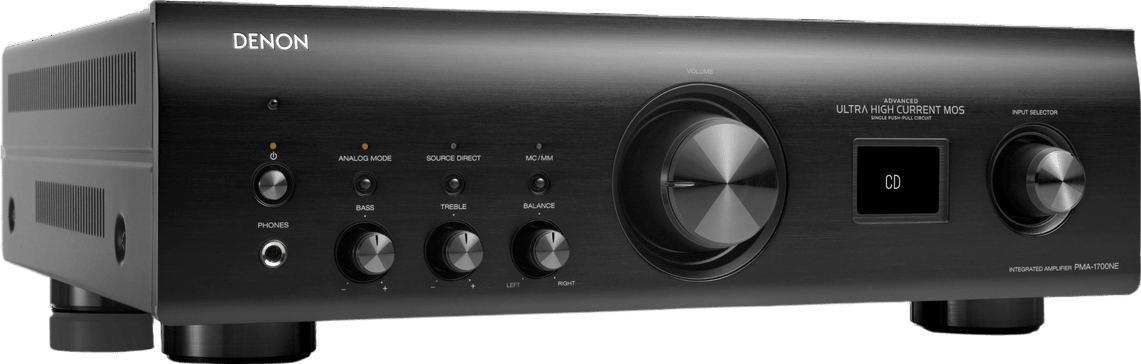
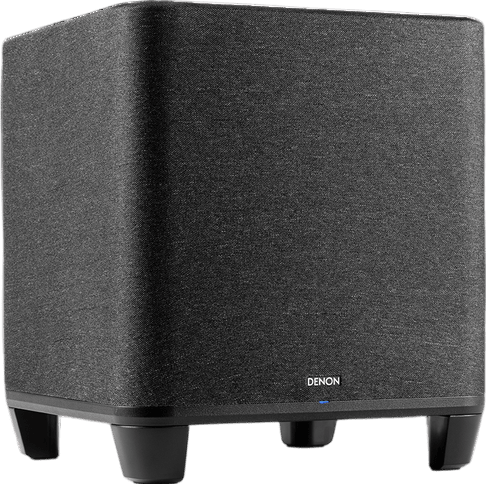
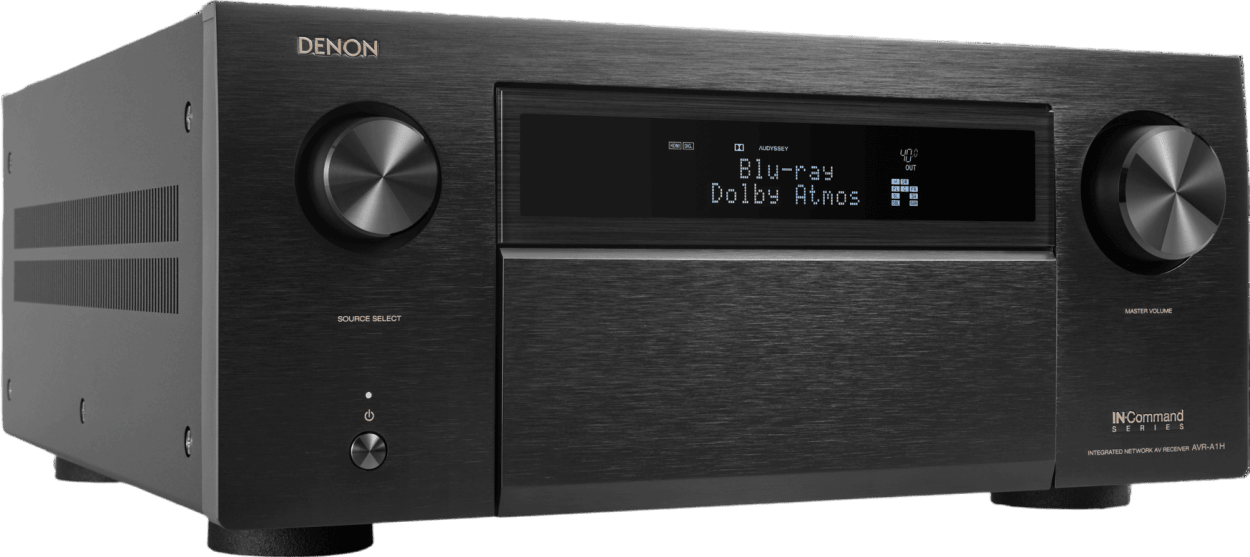
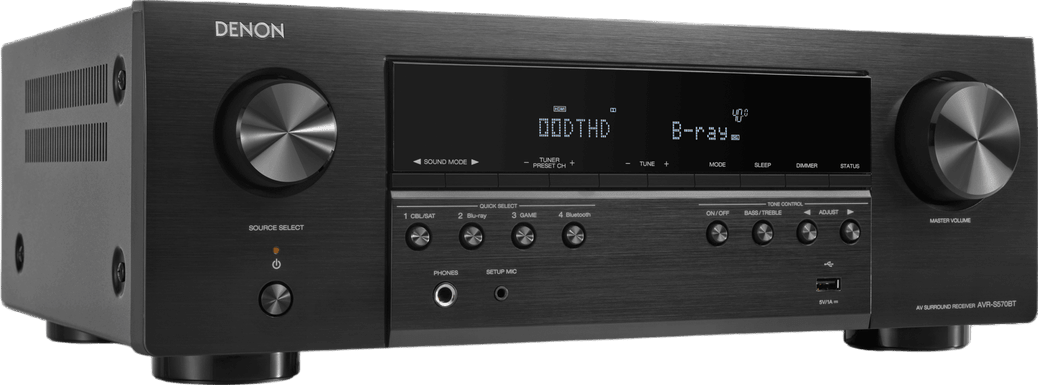
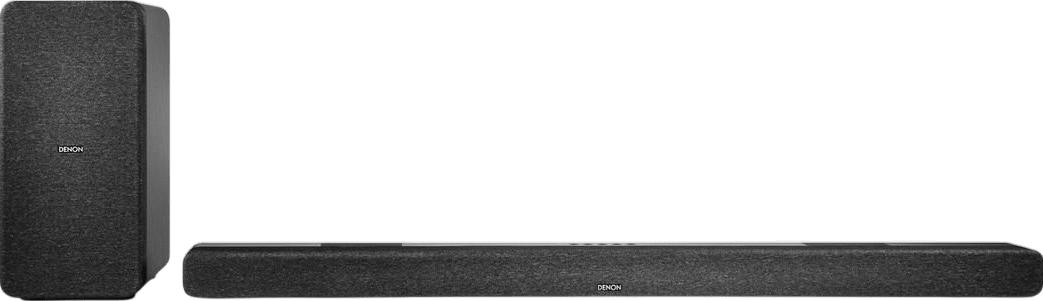
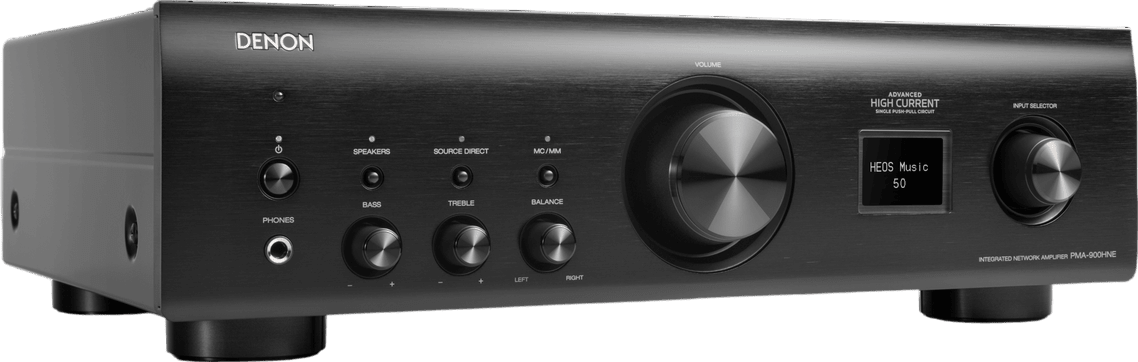

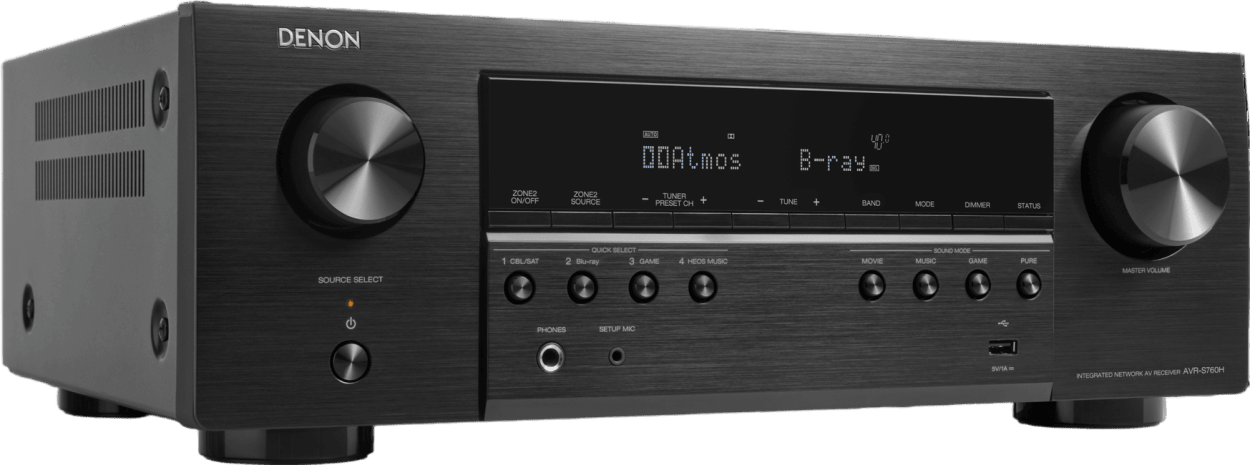
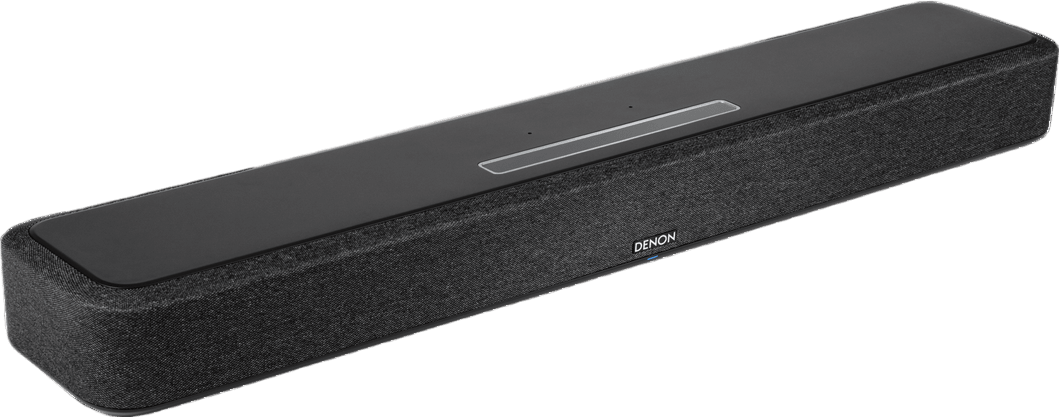

Brand highlights
Taking a step back to look at reviewers' thoughts of the brand's entire lineup—not just this product—what stands out most is the following:
- Denon AVRs are known for being user-friendly, offering a straightforward setup process guided by an intuitive on-screen menu.
- They often provide extensive connectivity options, including legacy analog inputs alongside modern HDMI 2.1 ports, allowing for flexibility with various devices.
- Denon receivers frequently include Audyssey MultEQ XT32 for room correction, and many offer an upgrade path to Dirac Live, allowing users to tailor the sound to their listening environment.
- HEOS wireless multi-room audio technology is often built in, allowing seamless integration with other HEOS-enabled products for a whole-home audio experience.
Select products
AVR-S970H
- Positioning: The entry-level model in Denon's lineup, ideal for those seeking a balance between performance and affordability.
- Description: Offers a great introduction to 8K video and 3D audio, making it perfect for medium-sized rooms. Features 7.2 channels and 90 watts per channel, which is less powerful compared to the higher-end models like the AVR-X8500HA. Still supports Dolby Atmos and DTS:X, providing a solid immersive audio experience for those on a budget.
AVR-X8500HA
- Positioning: A high-end model in Denon's lineup, designed for serious home theater enthusiasts who demand top-tier performance.
- Description: Stands out with its 13.2 channel processing and 150 watts per channel, offering a more immersive 3D audio experience than the AVR-S970H. Supports advanced video specs like 8K/60Hz pass-through and 4K/120Hz for gaming.
AVR-A1H
- Positioning: Denon's flagship model, representing the pinnacle of their AV receiver technology.
- Description: Distinguished by its 15.4 channel configuration and 150 watts per channel, providing the most comprehensive audio experience in Denon's lineup. Supports a 9.4.6 speaker setup, surpassing the AVR-X8500HA's capabilities, and includes features like Dirac Live Room Correction for precise audio tuning.

Our take on the brand
Look inside the brand
Our interview with the brand
What are two key technological innovations or strong opinions that differ you from other brands?
What's your approach to customer support?
What are your favorite tracks for showcasing the strength of your products?
What other products pair best with yours?

Used
Denon
What if you spend more?



.svg)
Product Strengths
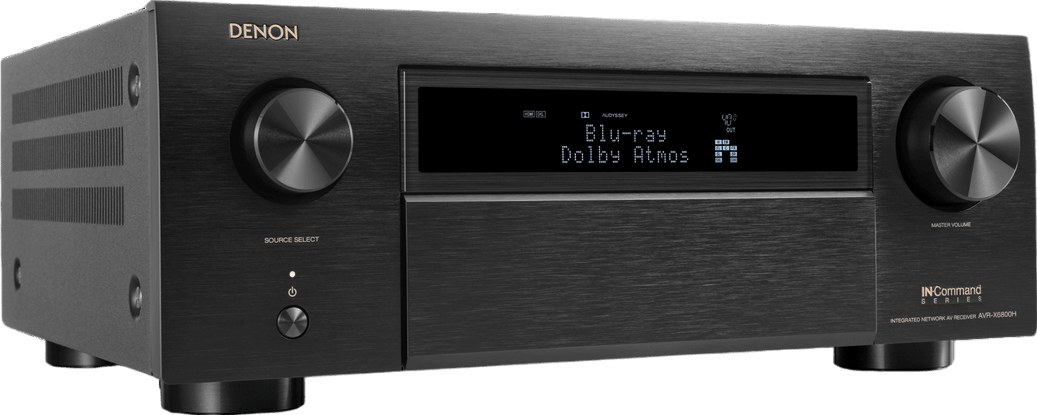
- Seventeen channels of processing, 13 speaker channels, and 4 subwoofer channels
- Eleven internal amplifiers to power the 13 channels it can process, and the last two have to be powered externally
Product Considerations
- Denon Marantz startup time is 12 to 14 seconds
- There are limitations on speaker configuration, so picking the closest match will functionally work
- Compatible with Dirac Live, however, Dirac Live requires additional costs and setup
Comparisons (according to reviewers)
- The AVR-X6800H adds two more channels over the Denon AVRX 4800
- The AVR-X6800H has an advantage since rear surrounds or surround back speakers do not have to be disabled in order to use all the immersive channels
- The AVR-X6800H replaces the 6700 with a very similar feature set but a couple of new extras, more subwoofer counts, etc
Takeaway: The AVR-X6800H is a receiver that provides very good value, capable of creating a very immersive sound experience. It gives many speaker configuration options.
Video review
Our take on the brand
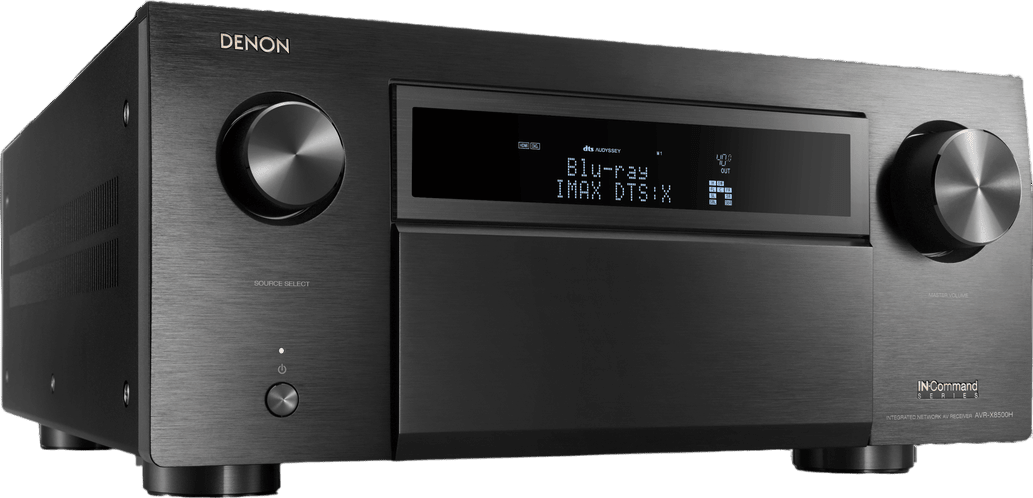
Product Strengths
- HDMI 2.1 provides future-proofing in terms of 8K and 4K 120, plus next-gen gaming features in HDR formats
- Thirteen channels of processing and 13 channels built-in allow for a full 13.2 channel system without additional amplification
- Denon's setup wizard guides users through the setup process, making it relatively easy
- A provided microphone allows the user to EQ the entire system for the room, the bass, and tonal balance
- It is feature-packed, and reviewers find no better specified receiver on the market
Product Considerations
- It does not have a tuner, so technically it is an AV amplifier, not a receiver
- It is big and heavy
- It has only a single 8K input, which is also the only 4K/120 input
- It is approaching the end of its lifespan
Comparisons (according to reviewers)
- Vs Arcam AVR 31: The AVC-X8500HA has more connectivity and analog/digital inputs, while the Arcam AVR 31 has a simpler back panel
Takeaway: The Denon AVC-X8500HA offers a complete, feature-rich home theater experience with its 13 channels and future-proofed HDMI 2.1, making it a great option for immersive sound. If the user wants a high-end receiver with pretty much every feature available, this is it.
Video review
Our take on the brand
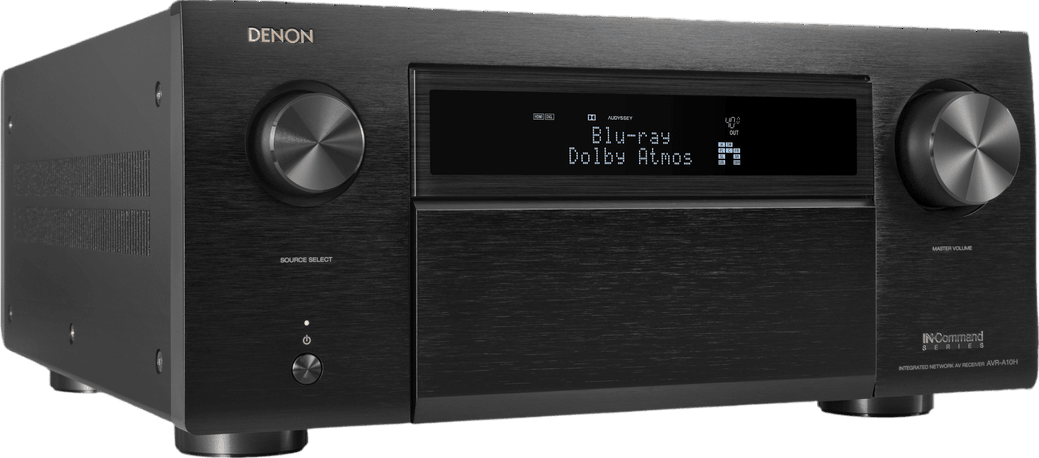
Product Strengths
- Delivers 150 watts per channel and packs in similar features to the A1H, but comes at a lower price for those who do not need more than 13 channels
- Better power supply transformer and introduces newer upgraded features inspired by Denon's flagship A1H receiver
- Built in Denon's Shirakawa, Japan facility and meticulously tuned by Denon soundmasters to meet the high standards
- Features 7 total HDR10 Plus and Dolby Vision compatible HDMI inputs that are fully 8K capable and can offer 4K 120Hz for gamers
- Uses 9 high-end 2-channel ESS DAC chips for all 13.4 channels, delivering details in music and movies in their purest form up to 24-bit, 192 kHz
Product Considerations
- Dirac requires extra costs to use
- Qobuz and Apple Music are missing from the Heos support
Comparisons (according to reviewers)
- The A10H has 13.4 available channels instead of the A1H's 15.4 channels, costing around $2,000 less
- The A10H shares the same specs as its predecessor but packs a better power supply transformer and introduces newer upgraded features—inspired by Denon's flagship A1H receiver
Takeaway: The Denon AVR-A10H is a high-performance receiver that delivers excellent sound quality and a wide range of features for a home theater experience. With its powerful amplification, advanced processing, and comprehensive connectivity, the A10H is a good choice for upgrading a home entertainment system.
Video review
Our take on the brand
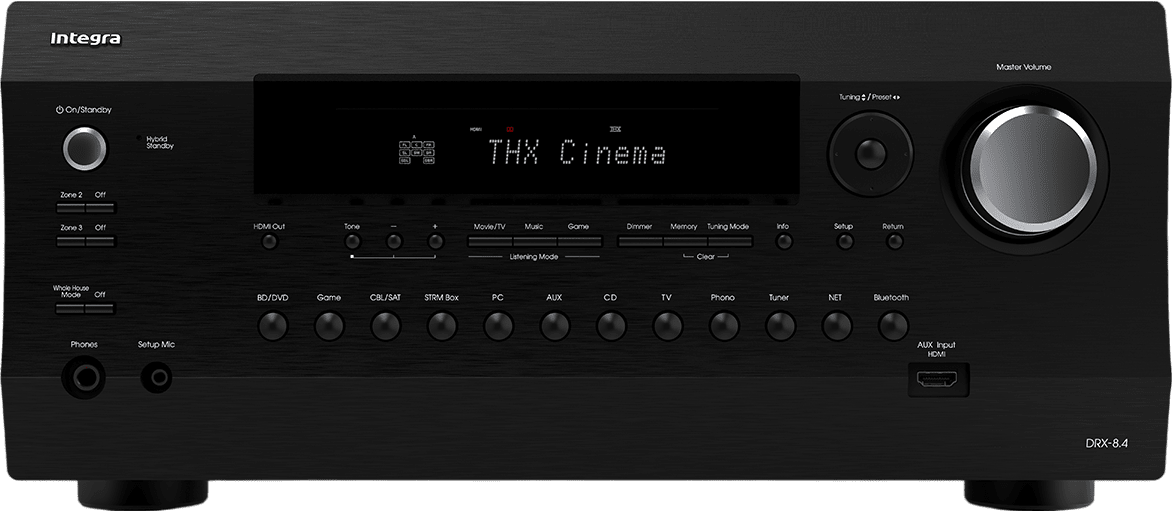

Product Strengths
- Premium Dirac Live license for room correction is included, which is considered top-of-the-line
- 11.4 channels with 150 watts per channel (into 8 ohms) are offered, and Dolby Atmos, DTS-X, IMAX Enhanced, and Dolby Atmos Music are supported
- XLR outputs for front left, center, and right channels, as well as discrete subwoofer channels, are featured, which are uncommon in this category and provide a balanced audio signal less susceptible to noise
- Amplified and preamp zone 2 and zone 3 outputs are provided without sacrificing main zone amp outputs, and a dedicated subwoofer RCA output for each of these zones is included
- Designed with custom installers in mind, it features easy setup, configuration, and integration with third-party control platforms, as well as a white backplate for easy connection visibility
Product Considerations
- Despite having four RCA subwoofer outputs, only two are independent channels, the other two are parallel outputs mirroring the same signal
- Integra does not publish power ratings for all channels driven simultaneously, the 150 watts per channel is only rated with two channels driven
- The unit is heavy, weighing nearly 50 pounds, which may pose a challenge for placement in tight spaces
- Dirac implementation had initial issues with subwoofer level matching when setting up on a PC, and the upload section was broken after a software update, requiring the use of the iPad app and the basic microphone instead
- The unit's styling and appearance are considered generic and not particularly elegant
Comparisons (according to reviewers)
- Compared to the last generation DRX-7.3, the DRX-8.4 has an upgraded amplifier—providing a worthy step-up in power
- Sonically similar to the Onkyo TX-RZ70 due to similar ESS Sabre DACs, although the Integra has a slightly higher power rating (150W vs 140W)
- In a blind test, the DRX-8.4 had better clarity of highs in dialogue compared to the Denon AVR-X8500HA, despite tonal similarities
- Compared to the Marantz Cinema 40, the Integra DRX-8.4 has 11 channels of onboard amplification versus only 9, and it offers XLR outputs for the front LCR preamp channels, which the Marantz does not
Takeaway: The Integra DRX-8.4 is a feature-rich AV receiver that sounds great and is easy to integrate into a smart home system. It is a solid choice for users who want high-end audio performance and flexible multi-zone capabilities.
Video review
Our take on the brand
What competes at this price?
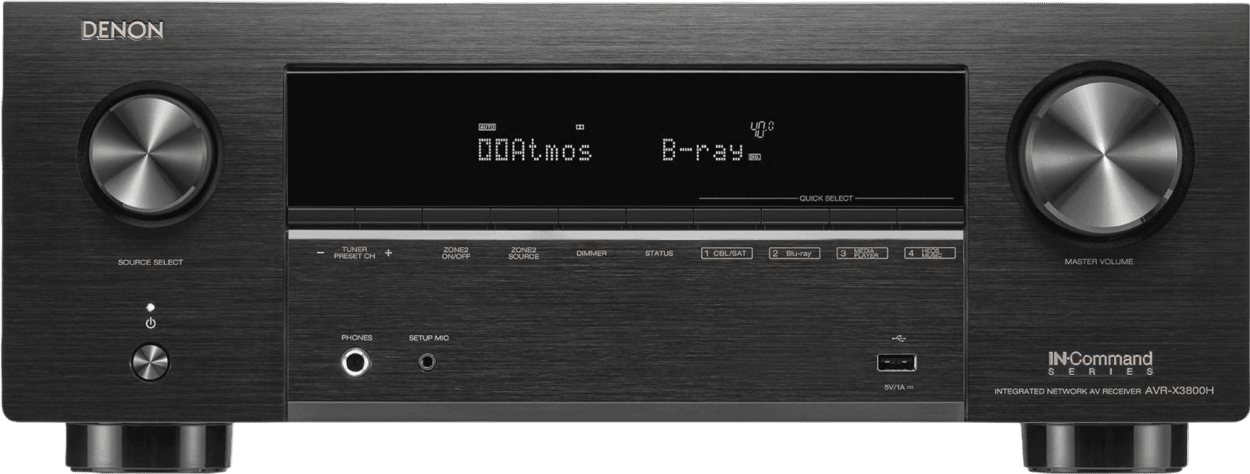
Our Summary
Product Strengths
- Balanced and natural sound across the frequency spectrum, with detailed and crisp highs and warm midrange tones
- Supports the latest surround sound formats, like Dolby Atmos, DTS:X, Auro 3D, and Sony's 360 Reality Audio, creating an immersive audio experience
- Offers Audyssey XT32 room correction—with Dirac Live as an extra-cost option—for improved bass tightness, definition, and midrange focus
- Features HEOS multi-room streaming ecosystem and voice assistant integration with Google Assistant, Amazon Alexa, and Apple HomePod
- Equipped with HDMI 2.1 on all inputs and outputs, supporting 8K video, 4K upscaling, and gaming-friendly features, like ALLM and VRR
Product Considerations
- The HEOS app is required for streaming music services
- The included remote is not backlit
- The user manual needs more explanations for the average homeowner on how to set up different items
- The unit warms up and produces a fair amount of heat overall, even in preamp mode
- The transformer makes a loud clicking noise when switching surround modes
Comparisons (according to reviewers)
- Denon offers a better value advantage due to similar features at a lower price point, compared to Marantz Cinema 50
- The AVR-X3800H is an improved version of the AVR-X3700H
- The AVR-X3800H is slightly inferior to the more expensive AVR-X4800H model—and has less power (105W per channel vs 145W per channel)
Takeaway: The Denon AVR-X3800H is a competent and feature-rich AV receiver that brings high-quality sound and modern video capabilities to a home theater setup. With its support for various surround sound formats and user-friendly design, it is a great choice for immersive entertainment.
Video review
Our take on the brand

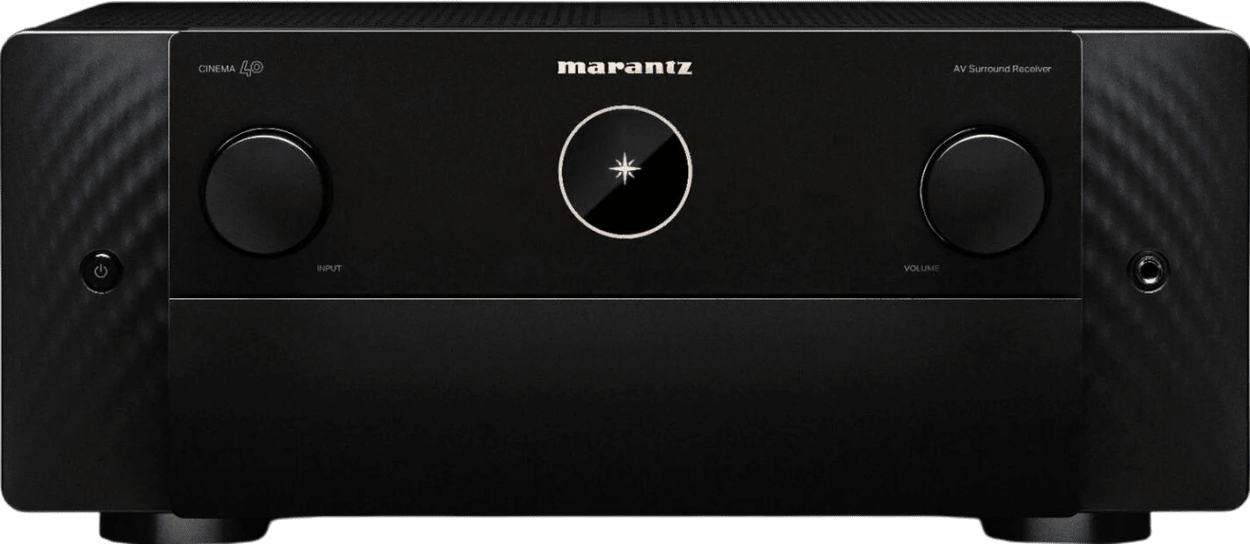

Our Summary
Product Strengths
- Equipped with premium features, state-of-the-art surround format processing and the latest 8K video support
- Delivers a realistic, engaging surround sound experience
- High ultra textures tonality full of details, intelligibility and transparency
- Can be controlled with IR remote, free Marantz app, Amazon Alexa, Google Home, and Apple HomePod
- Excellent video connectivity is state of the art and provides backward compatibility with older video devices by the provision of the composite and component video inputs
Product Considerations
- HDMI-CEC is buggy, but the entire AV industry is full of HDMI-CEC issues, so it's not just Marantz
- Makes a loud clunking when powering the unit on and off—probably about the power supply
- Dynamic scenes like explosions or orchestra crescendo felt a bit constrained
- For those who still own legacy components, like a LaserDisc or a VHS player, the Cinema 40 is worth the added investment given that the Cinema 50 lacks any and all analog video inputs
- Does not support Qobuz natively
Comparisons (according to reviewers)
- Compared to Sony 7000ES, the Cinema 40 has been the first receiver that has had reviewers questioning the decision to make the Sony 7000ES their personal reference receiver
- Compared to the Cinema 50, these two receivers sound very similar, though the Cinema 40 offers up a little bit more power
- Compared to NAD's T778, the Cinema 40 has all the features beat, but the NAD's T778 is still a great receiver, though it has fewer channels and no 8K60 4K120 support, at least not yet
- Compared to the Yamaha A8A, the only reason to choose the Yamaha over the Marantz would be for its manual PEQ functionality
- As for the Anthem, it sounds fantastic, but when it comes to the user experience, it's outclassed
Takeaway: The Cinema 40 is a versatile receiver with a full set of features and great performance, making it a solid choice for creating an immersive home theater. The warm sound and multiple connectivity options make it a great centerpiece for a home entertainment system.
Video review
Our take on the brand
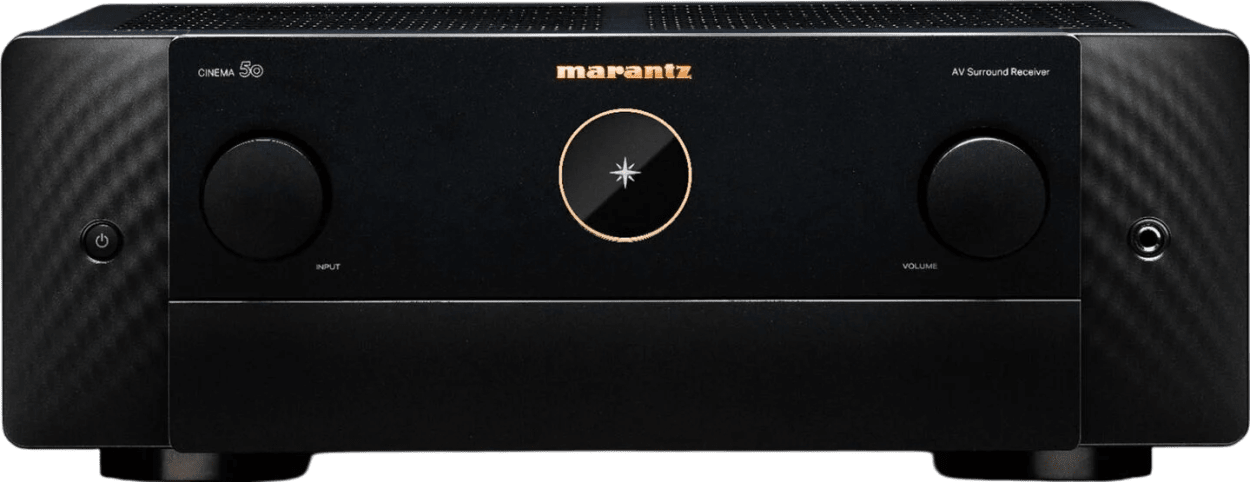
Our Summary
Product Strengths
- Nicer finish and a bit more musicality on music compared to the Denon AVR-X800.
- Features four independent subwoofer outs, which is a mind-blowing addition.
- Music playback is sublime.
- Excellent room-correction capabilities with an innovative multiple-subwoofer option.
- HDAM amplification circuitry gives a characteristically warm Marantz sound.
Product Considerations
- A bit light on power if coming from a higher-end unit like the Marantz 8015, may need a power amplifier.
- The on-screen interfaces are still a bit slow.
- Native streaming mostly requires the HEOS app.
- Lacks affirmation of surround mode (Atmos) when streaming from TV.
- No front-mounted HDMI input.
Comparisons (according to reviewers)
- Vs Denon AVR-X800: The Cinema 50 has a nicer finish and a bit more musicality on music.
- Vs Marantz 8015: By itself, the Cinema 50 is a bit light on power, but with a power amplifier, it beats the 8015 due to new functionality.
- Vs Marantz Cinema 40: The Cinema 40 is broadly comparable in specification, and mostly justifies its price hike with a higher claimed power output.
- Vs Marantz Cinema 60: The Cinema 60 is available in FM and FM/DAB versions, priced lower, with power rated at 100W/8ohm, via seven onboard channels.
Takeaway: The Marantz Cinema 50 is a refined AV receiver that brings both musicality and exciting sound performance, making it great for both movies and music. Its modern design and future-proofed connectivity make it a good choice for those wanting a high-end home theater experience.
Video review
Our take on the brand
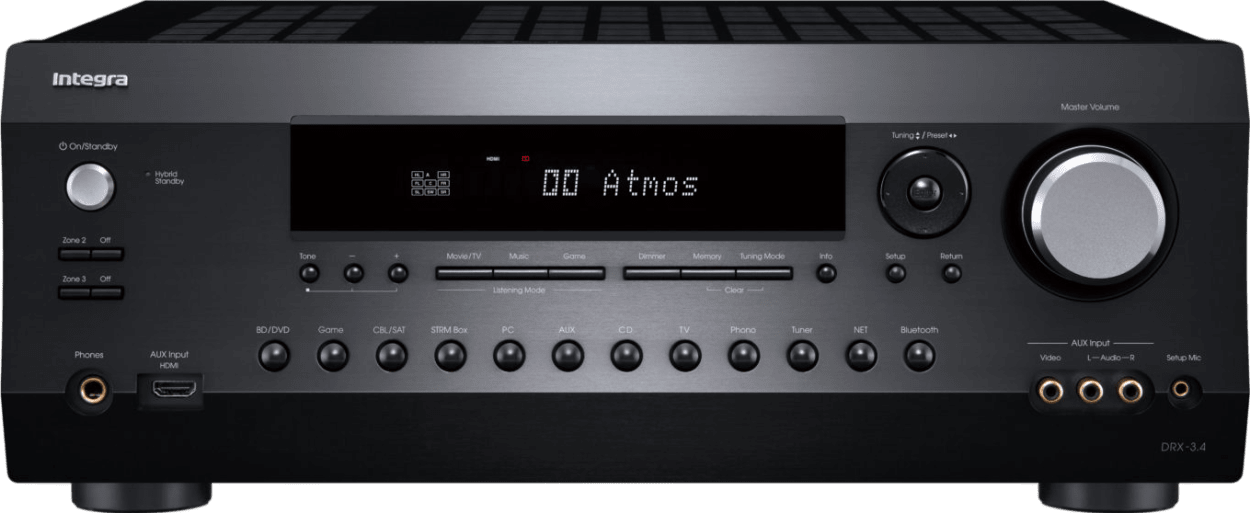

Our Summary
Product Strengths
- Support for Dolby Atmos, DTS-X, as well as IMAX enhanced content
- Supports the latest video formats, which include 8K60 and 4K120
- Dirac Live is among the best room correction solutions on the market right now, and its implementation here is flawless
- Integra's sound is basically neutral or true to the source
- Full preamp outputs for all channels are included, allowing addition of a third party amplifier for more power or for a second zone
Product Considerations
- The DRX design is a little dated
- Dirac Live bass management is not available, unlike some competitors
Comparisons (according to reviewers)
- Sound wise, the reviewer prefers the Integra to that of the Yamaha, and Dirac is better than Y-POW
- Integra provides more by way of features and connectivity for less money, while giving up little to nothing in the sound department
Takeaway: The Integra DRX 3.4 is a solid receiver with great sound, a neutral profile, and support for modern formats like 8K and Dolby Atmos. The inclusion of Dirac Live makes it a fantastic choice for anyone looking to get great sound in a home theater.
Video review
Our take on the brand
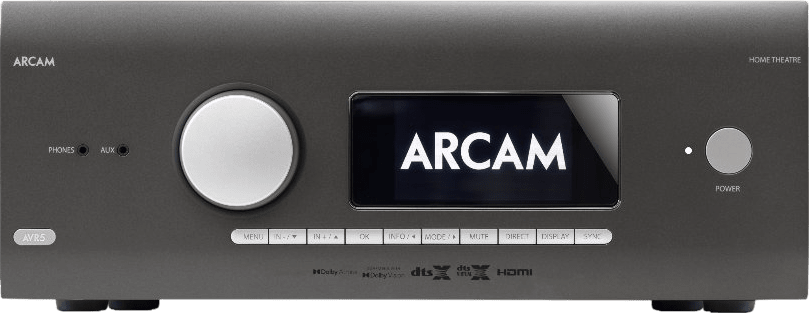

Our Summary
Product Strengths
- Agile and rhythmic sonic performance is delivered with a full and clear delivery
- Transparent sound brings subtle sonic touches to life, rare for a home cinema amp
- The DAC is the same as the higher end models, so there's no compromise for its performance
- Built to last with new core features introduced through firmware or modular cabinet designs
- It can power seven channels, which means that a 5.1.2 can be directly connected to this amplifier as of now, and can be upgraded later on
Product Considerations
- Lacks inbuilt calibration, Dirac Live Room Correction software is upgradeable access at an additional cost
- HDMI ports only support HDMI 2.0, with eARC being the only nod toward next-gen HDMI features
- The AVR5 has 11.1 channel processing for Dolby Atmos, DTS X and Auro 3D audio formats, but it can power only seven channels
- Lacks some of the functionality and usability of the competition
- The AVR5 doesn't output its full menu system to the TV or projector to which it's connected
Comparisons (according to reviewers)
- Vs Denon AVC-X6700H: The Denon has more robust low end delivery, but the Arcam sounds more fleet-footed
- Compared to regular AV receivers, Arcam has a higher signal to noise ratio for stereo and multichannel mode, making it deliver more dynamic sound
Takeaway: The AVR5 is an engaging home cinema amplifier that prioritizes sound quality with sparkling clarity and agility. It is a good option for those who value sonic performance and don't necessarily need all the latest features.
Video review
Our take on the brand




How to buy
AV Receivers
Search all hifi products
Explore our database of 10,000+ new and 25,000+ used hifi products.