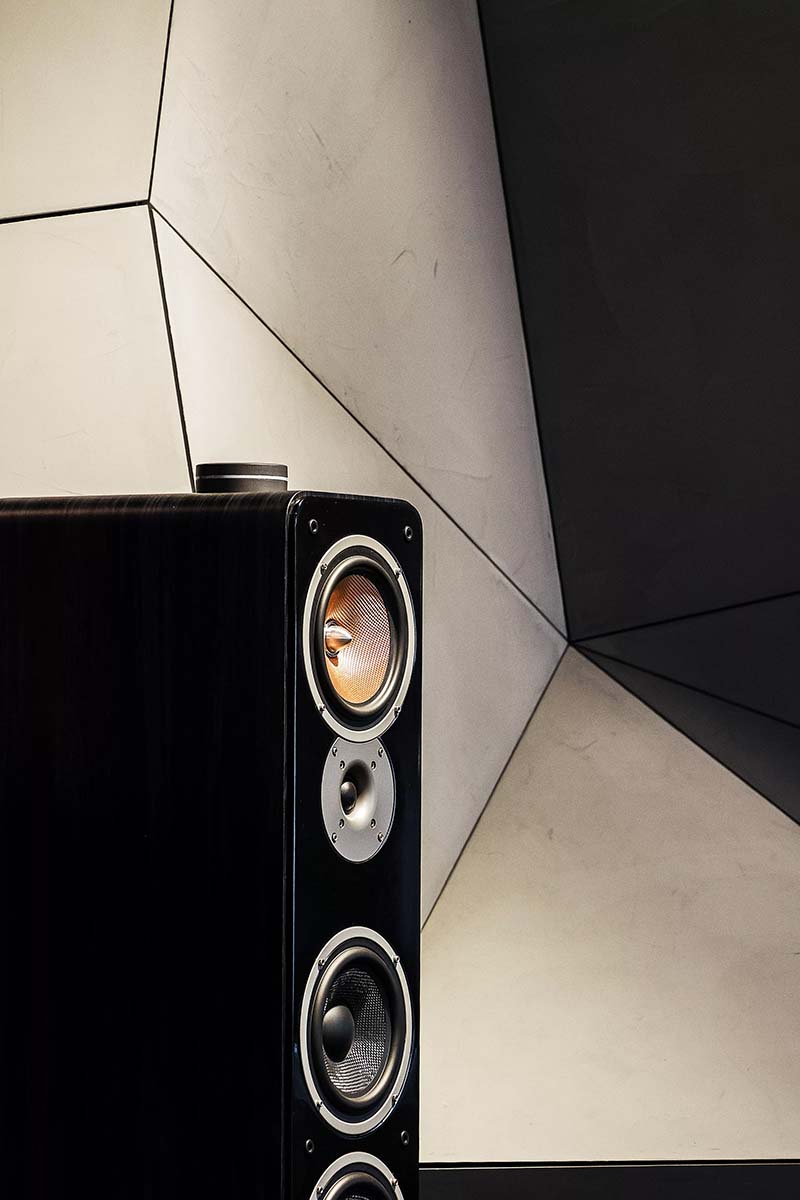




Note that this is a discontinued product. You may want to visit the brand's page here to browse their newer products.
What reviewers think
Bloggers and YouTubers have tried this product—so we've summarized their strongest opinions below. Links to full reviews follow.
Product Strengths
- Exceptional sound quality with topflight neutrality and resolution
- Surprising bass extension and weight for its size
- Detailed and spacious soundstage
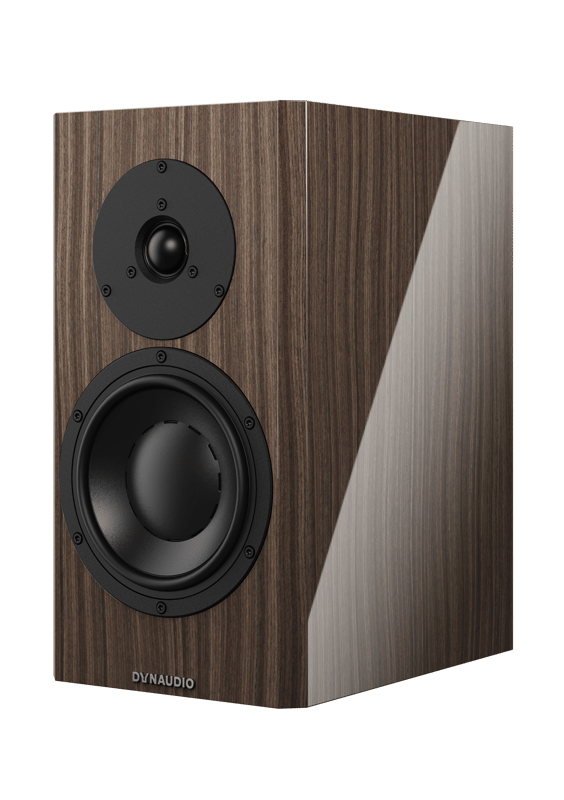
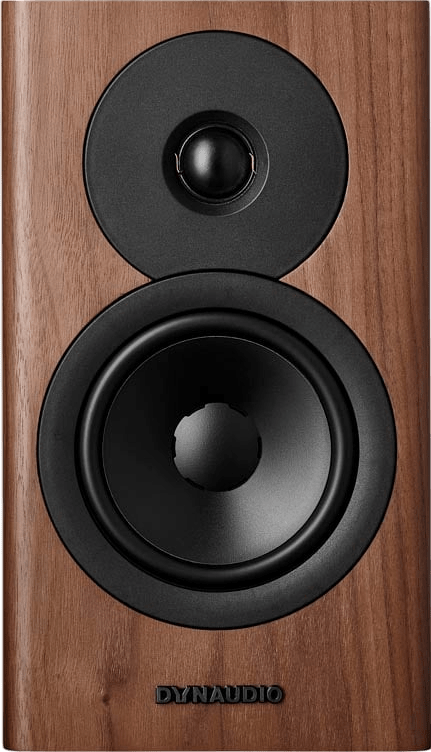
- Beautiful cabinet finish
- Good build quality
Product Considerations
- Cabinet resonance has been noted by some reviewers
- May sound a tad forward or hard in the upper midrange to some listeners
- Requires a quality amplifier with high current to reach its full potential
- Grilles degrade the sound
Comparisons (according to reviewers)
- Vs Klipsch Cornwall III, the Special 40's have more detail, spaciousness, and a 3-dimensional soundstage, vocals are amazing, and there is more detail
- Vs Sonus Faber Guarneri Evolutions, the Special 40's are lighter and smaller sounding, not as full in the mid-bass, have more detail and do not exaggerate any frequency
- Vs Focal Sopra 2, the Special 40 pumps out more quality bass
- Vs Focal Sopra 1, the S40 is better with a more recessed thinner midrange
- Vs KEF LS50, the Special 40 has better bass and power range
- Vs ATC SCM19, the S40's are more relaxed in the treble region with voices being sublimely smooth with perfect body
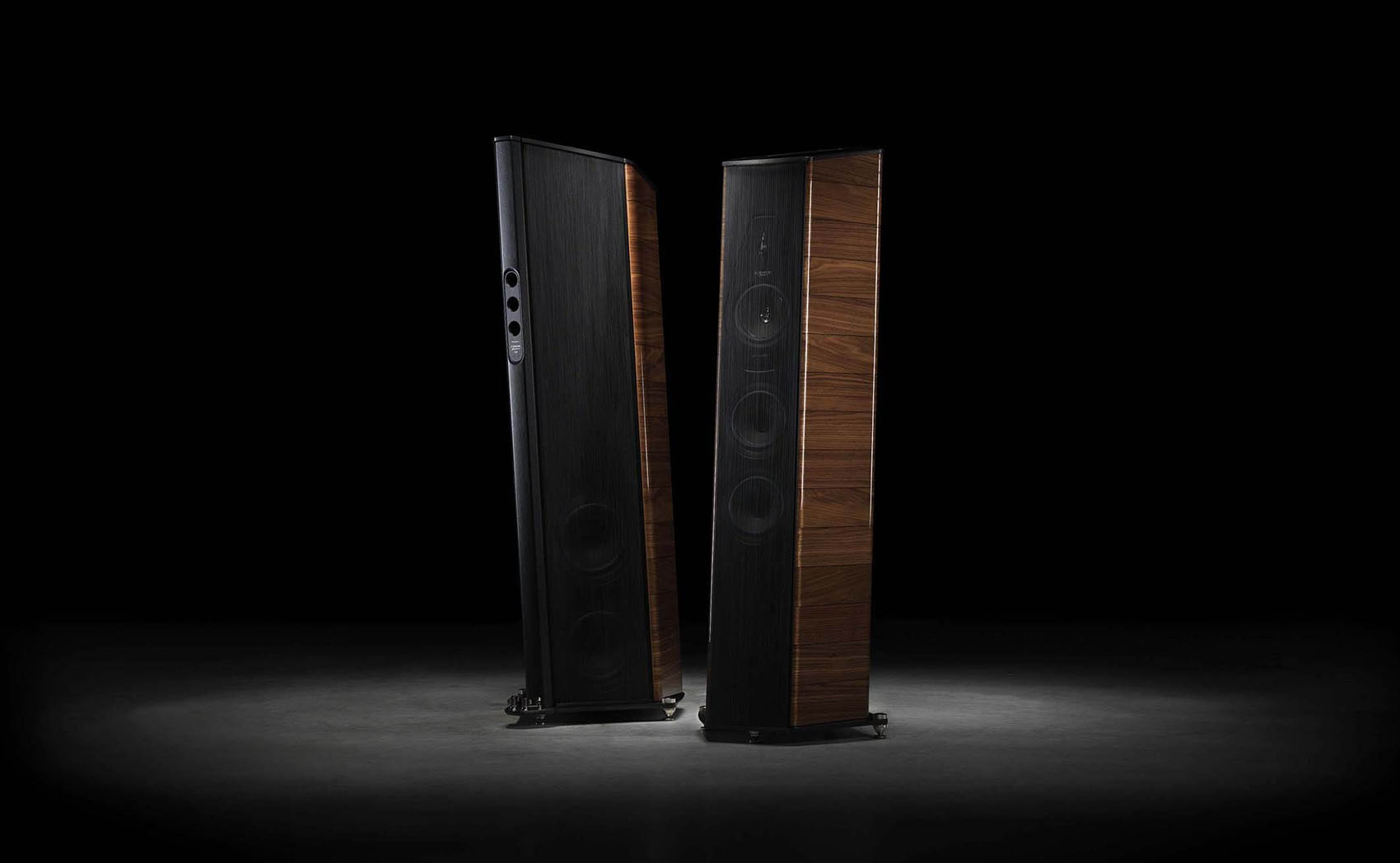
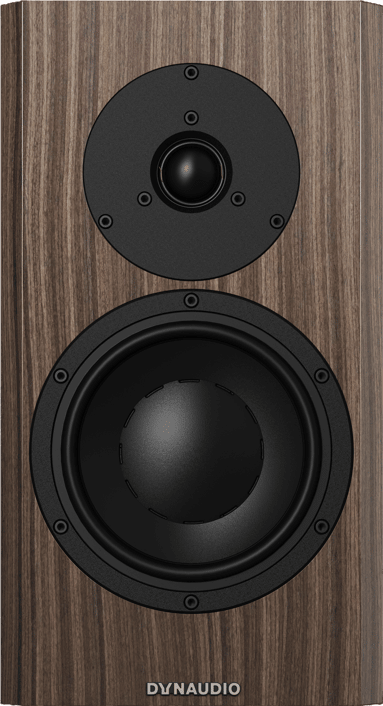
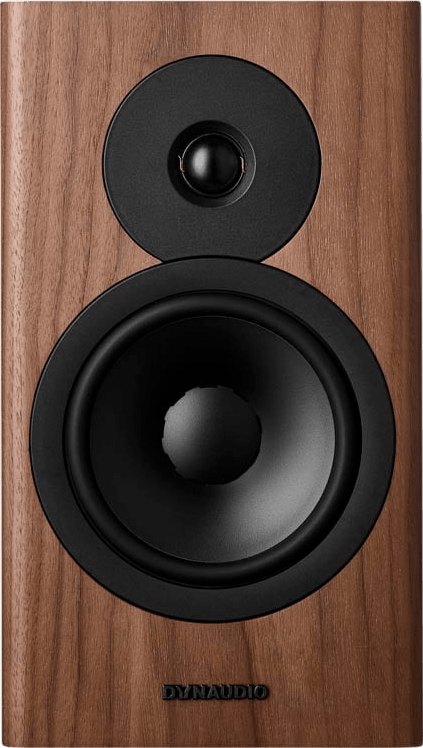
Takeaway: The Dynaudio Special Forty is a well-regarded speaker offering a balanced and detailed sound, surprising bass, and beautiful aesthetics, making it a standout choice for audiophiles. Its ability to create a spacious soundstage and deliver realistic vocals makes it a compelling option for music lovers seeking a high-performance standmount loudspeaker.
All
Special Forty
reviews


Manufacturer details
- Status: Current
- Type: Bookshelf
- Sensitivity: 86 dB @ 2.83V/1m
- IEC Power Handling: 200W
- Rated Impedance: 6 Ohm
- Lower Cutoff: 41 Hz @ +/- 3 dB
- Upper Cutoff: 23 kHz @ +/- 3 dB
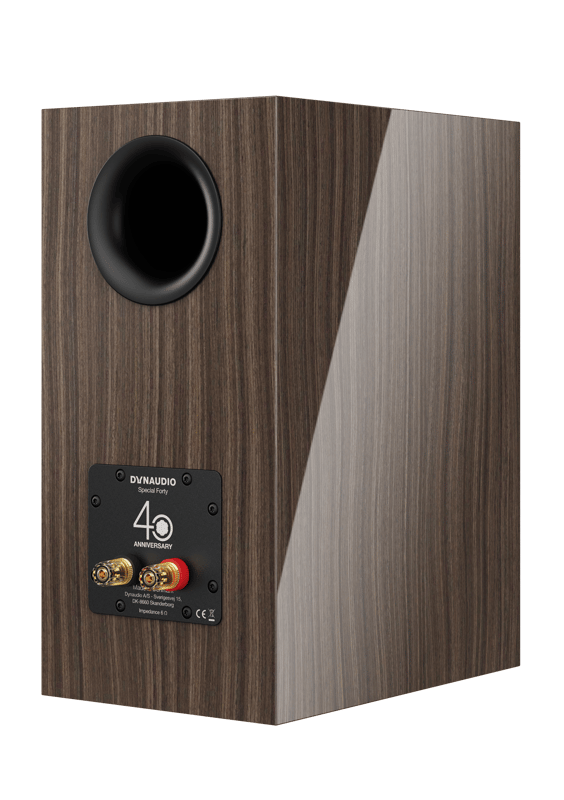
- Box Principle: Bass reflex rear ported
- Crossover: 2-way
- Crossover Frequency: 2000 Hz
- Crossover Topology: 1st order
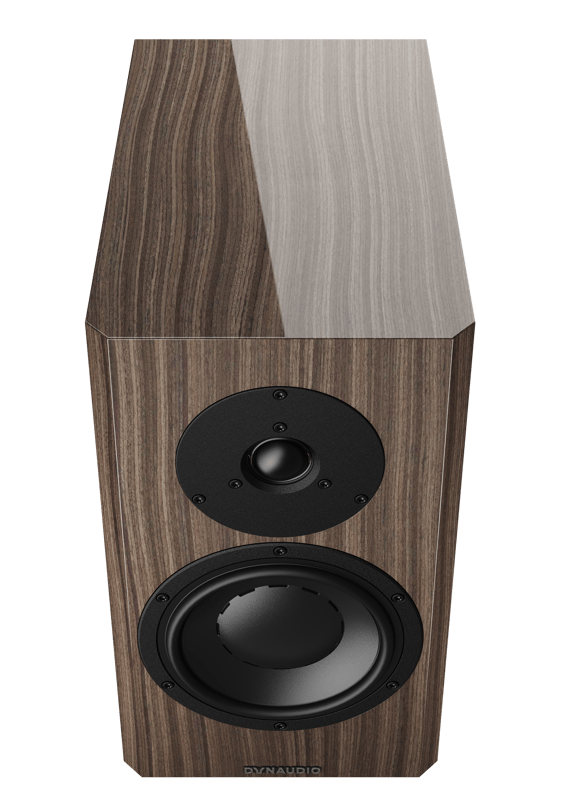
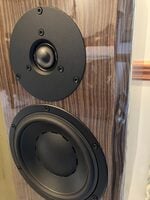
- Tweeter: 28 mm Esotar Forty
- Midrange/Woofer: 17 cm MSP
- Weight: 8.1 kg (17.9 lbs)
- Width: 198 mm (7 6/8 inches)
- Height: 360 mm (14 1/8 inches)
- Depth: 307 mm (12 1/8 inches)
- Width incl. feet/grill/stand: 198 mm (7 6/8 inches)
- Height incl. feet/grill/stand: 360 mm (14 1/8 inches)
- Depth incl. feet/grill/stand: 322 mm (12 5/8 inches)
- Grille: Black


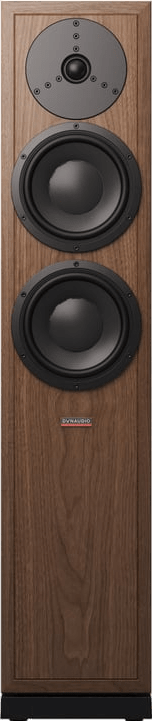
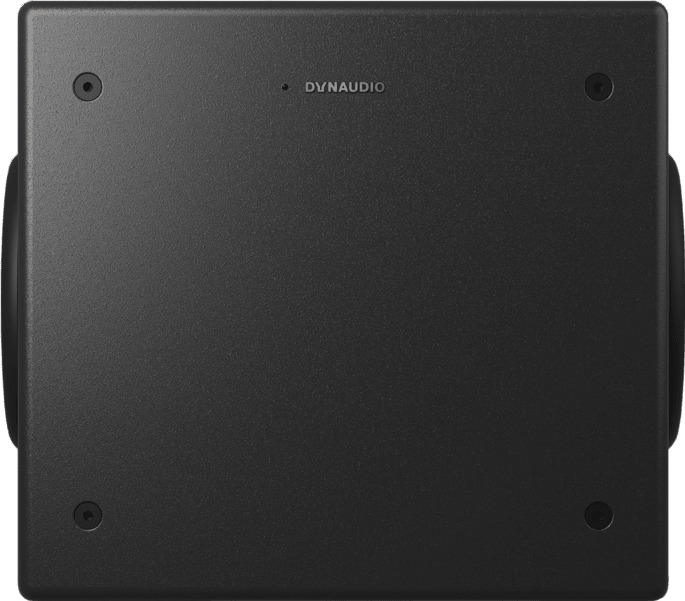
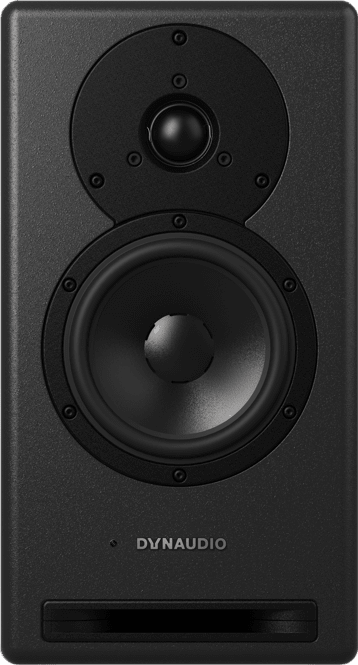
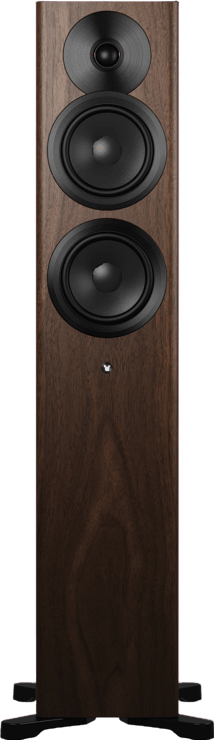

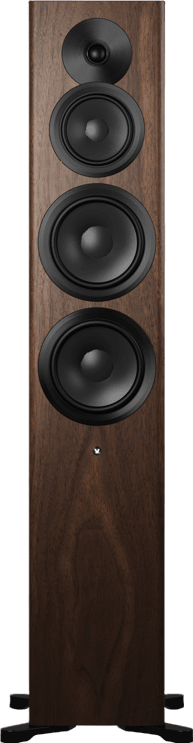
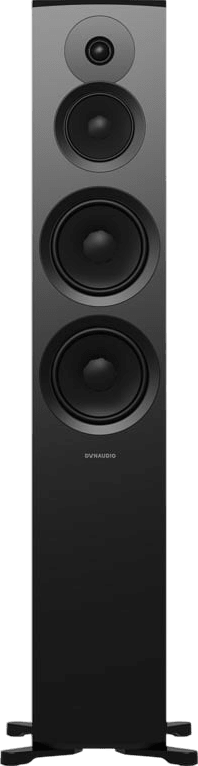
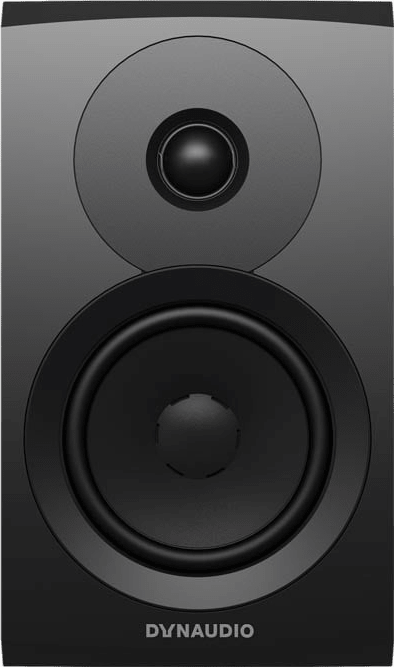

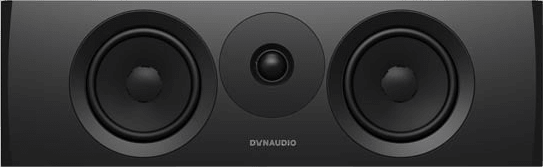
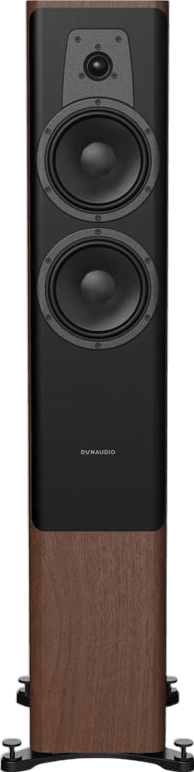
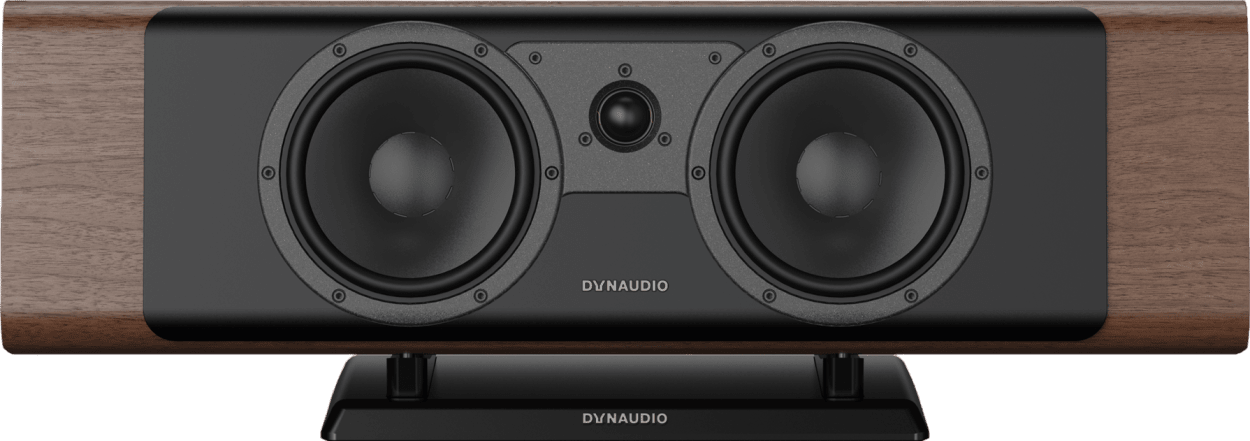
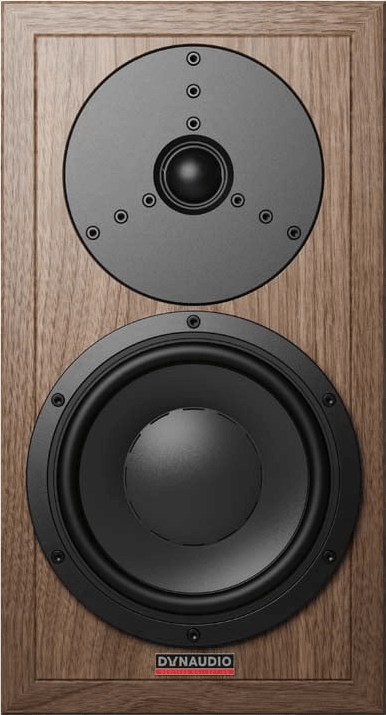
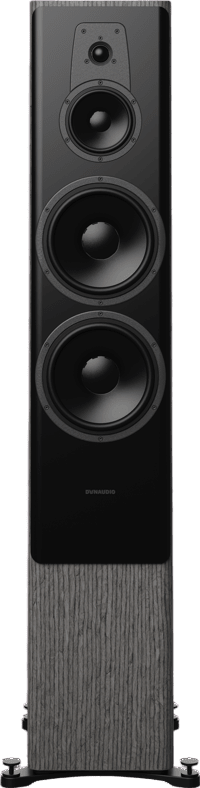



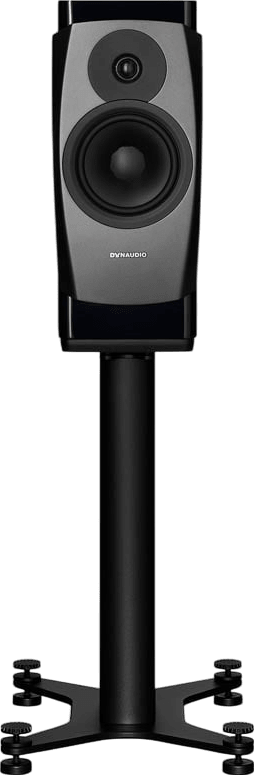


Brand highlights
Taking a step back to look at reviewers' thoughts of the brand's entire lineup—not just this product—what stands out most is the following:
- Dynaudio meticulously crafts its own drivers in-house, from diaphragm to magnet, allowing for precise control over every aspect of sonic performance, a commitment extending even to entry-level models.
- They exhibit a characteristically refined, smooth, and non-fatiguing sound signature that is well-suited for extended listening sessions, which is very beneficial for mixing/mastering purposes.
- Dynaudio designs its speakers with the modern home in mind, offering features such as wireless connectivity, app-based control, and DSP room correction to seamlessly integrate into various living spaces.
Select products
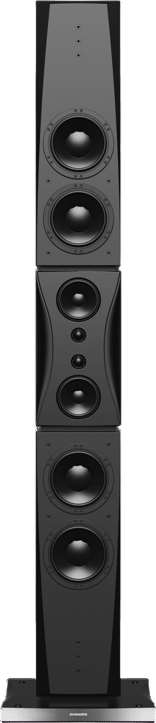
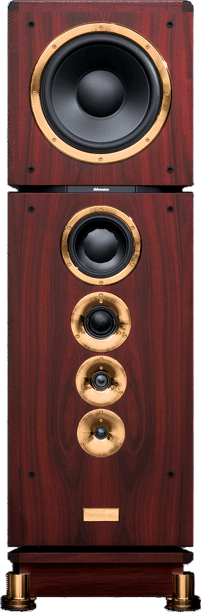
Emit
- Positioning: The entry-level range, designed to introduce users to high-end audio.
- Description: Offers a great entry point into high-fidelity sound with MSP cone material and Cerotar tweeters, which are also found in the higher-end Evoke range. Compared to the Evoke, Emit is more budget-friendly, making it ideal for those new to high-end audio or with smaller rooms, while still providing a taste of the advanced technologies used in Dynaudio's premium models.
Evoke
- Positioning: Sits in the mid-range of Dynaudio's lineup, offering advanced technology at a more accessible price point.
- Description: Uses technology from Dynaudio's top-tier models, such as the Esotar Forty tweeter and MSP woofers, providing a detailed and dynamic sound.
Contour i
- Positioning: Positioned as a high-performance option for serious audiophiles, offering significant improvements over its predecessors.
- Description: Features the Esotar 2i tweeter with Hexis technology and updated woofers, delivering enhanced clarity and precision. It surpasses the Evoke series in terms of detail and soundstage.
Confidence
- Positioning: Represents Dynaudio's flagship range, showcasing the pinnacle of their audio engineering.
- Description: Features the Esotar3 tweeter and DDC Lens technology, providing groundbreaking sound precision and control. They are designed for the most discerning audiophiles who seek the ultimate in audio performance, offering a more refined experience than the Contour series.
Consequence Ultimate Edition
- Positioning: A limited-edition model, designed as a tribute to Dynaudio's legacy of high-end audio excellence.
- Description: Features a unique five-way crossover and advanced driver technology, providing a wide dynamic range and low distortion. It stands apart from the Evidence Master with its focus on musicality and exclusivity.

Our take on the brand
Look inside the brand
Our interview with the brand
What are two key technological innovations or strong opinions that differ you from other brands?
What's your approach to customer support?
What are your favorite tracks for showcasing the strength of your products?
What other products pair best with yours?

Used
Dynaudio







What if you spend more?



.svg)
Our summary
Product Strengths
- Integrated technology allows direct high-resolution listening without extra devices
- The speaker uses the same Pascal Class D amplification and processing technology from Dynaudio's Pro line Core series
- Discrete amplification channel per driver: 110 watts for the tweeter and 280 watts for the woofer
- Dirac Live room correction is available, which can tune some of the annoying sounds of a garage, for example, using the soft dome tweeter
Product Considerations
- Running a digital coaxial cable from one speaker to the next results in the signal being sent at 24-96 kilohertz, which is a lower quality than what the master speaker receives (24-192)
- There is no HDMI arc or e-arc connection
- Drilling holes may be required to attach the speaker to stands
- Setting up the speaker with the app is not as quick or seamless as Bluesound
- A microphone is required to do Dirac room calibration
Comparisons (according to reviewers)
- Vs PSB Alpha IQs: Plays louder with a higher level of amplification
- Vs Dynaudio Core 7: The Core 7 has more power and a slightly better tweeter and woofer, but is not as aesthetically pleasing and needs a Bluesound Node
- Vs Dynaudio Evoke: It is similar to an Evoke speaker, but with a bigger woofer
Takeaway: The Focus recMsY5ljWopDD7UU is a sophisticated wireless speaker that pulls technology from Dynaudio's Pro line and features Dirac room calibration. It is ideal for someone looking for high-resolution listening without extra devices and who values sophisticated sound and aesthetics.
Video review
Our take on the brand

Product Strengths
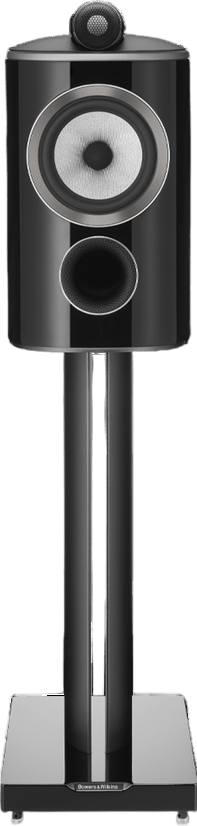
- Excellent build quality, featuring a blend of aluminum, leather, and wood veneer, or gloss paint.
- Detailed sound with excellent stereo imagery.
- Good detail and clarity.
- Wide and deep soundstage.
- Design features contribute to cabinet rigidity and reduced coloration.
Product Considerations
- May sound bright with the wrong amplifier or cables.
- May require a high-power solid-state amp.
- Needs quality amplification and may sound soft if underpowered.
- Requires stands, adding to the overall cost.
- Bass may not satisfy those seeking high-output bass without a subwoofer.
Takeaway: The 805 D4 is an excellent speaker that is beautifully built and delivers a detailed and engaging sound. It's a great option for those seeking a premium listening experience.
Video review
Our take on the brand
.png)
Delivers performance beyond what is typically associated with its price.
Our summary
Product Strengths
- Full-range sound, impressive bass response, and the ability to pressurize a room, often negating the need for a separate subwoofer
- Smooth, warm, and coherent midrange provides natural and engaging vocals and instruments for long listening sessions without fatigue
- Well-extended treble presents in a naturally smooth, enjoyable, and pleasing manner
- Excellent imaging and soundstage capabilities create a realistic and immersive listening experience
- Sound reproduction makes it a speaker that one can live with
- Connectivity options are available
Product Considerations
- Quality amplification with sufficient power and current is required to achieve optimal performance and control the woofer effectively
- The backplate for bass adjustment uses wood screws, making it easy to strip if not handled carefully
- Placement and setup, especially stand height and toe-in, are crucial for achieving the best high-frequency response, it can sound dull if not optimized
- May not be ideal for listeners who prefer a brighter, more forward sound signature or those who prioritize extreme loudness levels
- Grilles may cause micro-rattling at moderate to loud listening levels due to weaker magnets
Comparisons (according to reviewers)
- Vs Totem Acoustic Manny 2 Signature: The Studio 2 has a more forgiving presentation, denser midrange, and stronger bass
- Vs Klipsch Forte 3: The Studio 2 offers a more natural tone, especially in the midrange and upper bass, along with greater soundstage depth
- Vs Vienna Acoustics Mozart Symphony Editions: The Studio 2 beats them in bass and midrange
- Vs Harbeth (SHL5 and Compact 7 XTs): The Studio 2 cannot be matched by the Harbeth's articulate bass response
- Vs Celestion SL6-S: The Studio 2 has deeper roots in the trunk, and they got high branches and leaves, but they don't go all the way up to the highest branches and leaves at the tippy top
Takeaway:
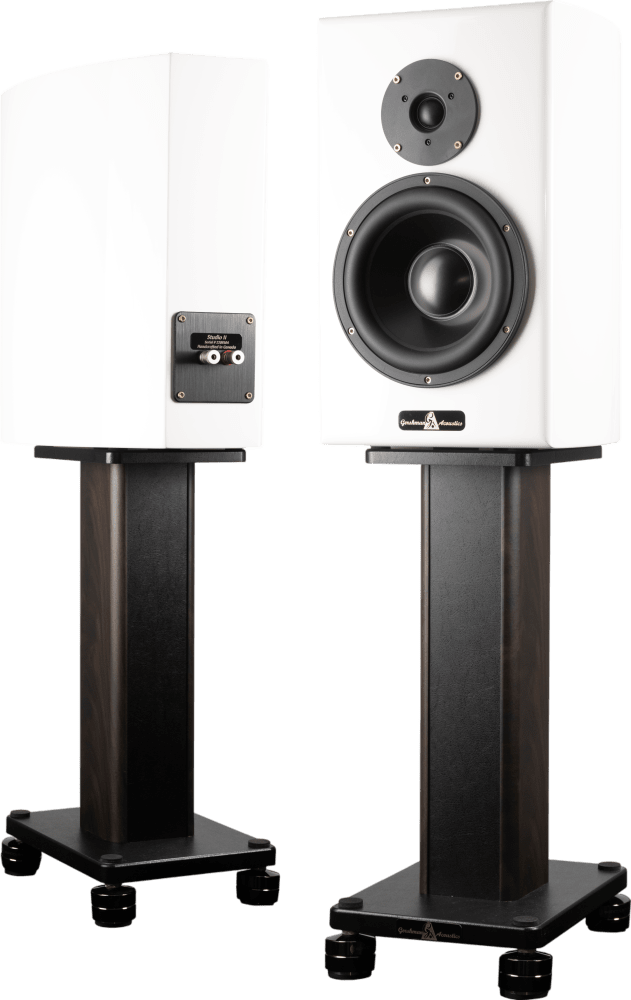
The Studio 2 is a well-built bookshelf speaker that delivers a smooth, full-range sound with surprising bass and clear imaging, making for an engaging listening experience. With the right setup and quality components, these speakers can provide years of musical enjoyment in a variety of room sizes.
Video review
Our take on the brand
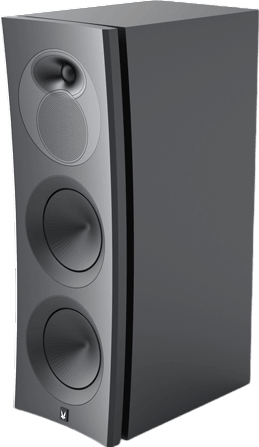

Generating a powerful sound in a (slightly) less imposing form factor than 1528 Towers, 1528 Monitors deliver a clarity and depth that outshines many floor-standing speakers. Feel every detail with stunning precision, deep bass, and a rich, immersive soundstage. Sleek, modern design and versatile settings ensure perfect sound tailored to your environment. Enjoy full-range sound without needing a subwoofer.
Our summary
Product Strengths
- Exceptionally well-built, described as monolithic and like concrete bricks
- The tweeter provides detailed highs, comparable to a good AMT tweeter, and performs effortlessly even at high volumes
- The midrange is special, with a carbon graphene construction for well-behaved out-of-band performance and high output
- The speaker's design allows for significant room gain, providing real bass extension below 20 Hz
- Immense potential, described to be a top shelf product
Product Considerations
- The image was a little high
- The speakers want power from a good amplifier to really open up
- The listener might not always be as emotionally convinced by the result as they perhaps should have been
- The speakers are large and may be obtrusive for most UK spaces
Comparisons (according to reviewers)
- vs Paradigm Founder 120Hs: Similar to the Paradigm Founder 120Hs, which have active jumpers
- vs RBH SVTRs: The reviewer loves the RBH SVTRs, and these new speakers are being tested to see if they can be a game changer in the industry
- vs Spendor Classic 3-1: Arendal 1528 is neutral from top to bottom, while Spendor is warm from top to bottom
- vs Cabasse Morano: Cabasse Morano has some coloration, but the Arendal 1528 is dead neutral
Takeaway:
The Arundel Sound 1528 recMsY5ljWopDD7UU speakers are incredibly well-built with high-quality components that deliver an excellent listening experience. They are capable of filling large rooms with detailed sound and powerful bass.
Video review
Our take on the brand
What competes at this price?
Our Summary
Product Strengths
- Delivers greater tightness and precision from the crossover point on down
- Delivers an extended high-frequency range, with greater detail and more openness without harshness
- Stereo imaging is amongst the best
- Has no sweet 'spot', which allows the engineer, producer, and client a fairly similar listening experience
- Has a smoothly extended bass response that reveals what is really going on in that elusive bottom octave
Product Considerations
- The BM-15As may be overkill for a smaller mixing environment and better suited for larger rooms
- High end is as clean and accurate as the BM-12s, but the mids were a little lacking
- While they have a slightly forward characteristic, it doesn't get in the way of accurate monitoring
Comparisons (according to reviewers)
- Vs Dynaudio BM-12 MK3s—BM-15A has more bass extension and pure raw SPL power
- Vs Dynaudio BM-12 MK3s—BM-12 MK3s have more detail in the mid-range
- Vs Dynaudio BM-12 MK3s—BM-15A are far louder and put out substantially larger amount of energy in the bass and subs
- Vs Genelec, Focal, Neumann, and Event—the Dynaudio BM series are in the same class as these monitors
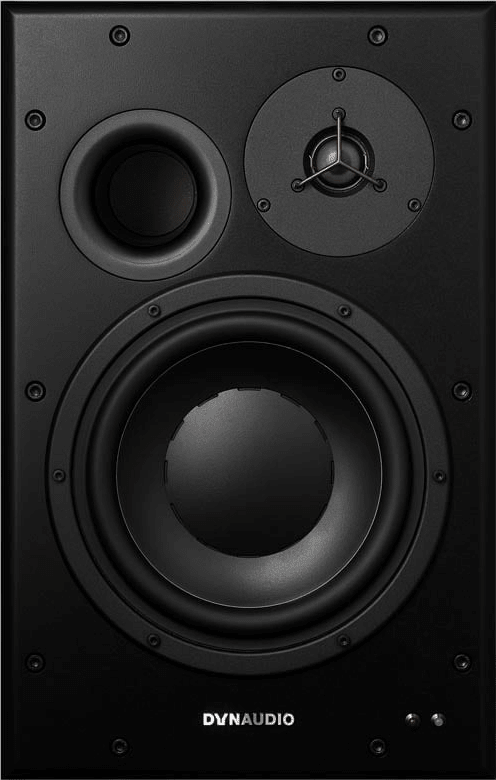
Takeaway: The BM15A is a speaker that gives great stereo imaging with a wide frequency range, and produces an accurate sound which is nice to listen to for long periods. Full-range monitoring in a smaller studio is possible with these speakers.
Video review
Our take on the brand


Our Summary
Product Strengths
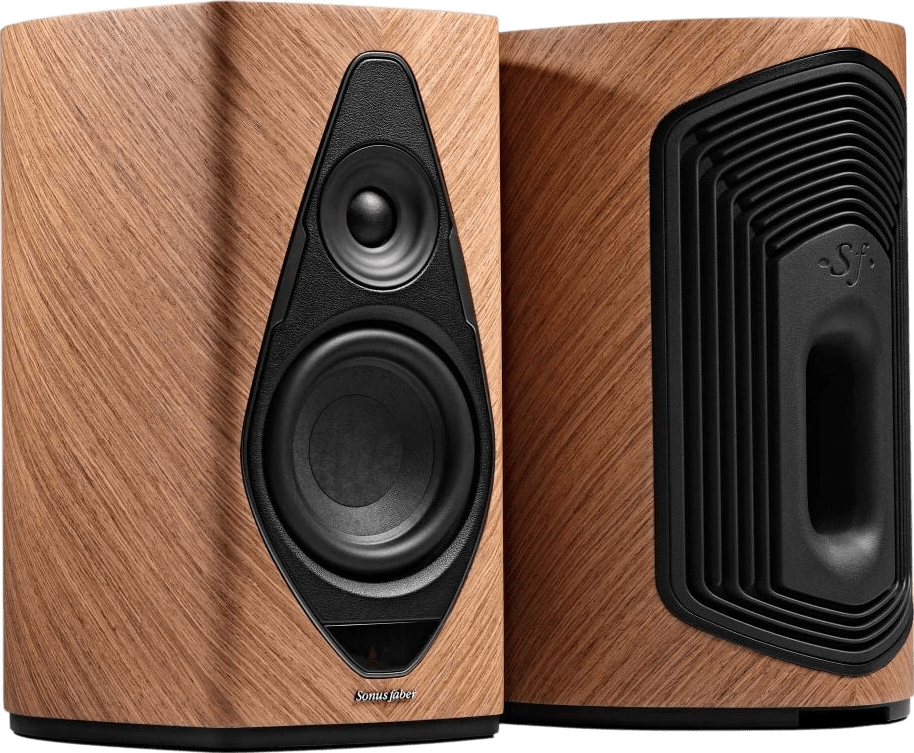
- Gorgeous sound is clear, smooth, detailed, and dynamic
- Elegant design is dashingly elegant, minimalist aesthetic, and painstakingly crafted for equal parts style and substance
- Impressive bass extension and output, described as deep and firm, surprising for their size
- Clear midrange makes voices sound purposeful, characterful, and entirely present
- Versatile connectivity with streaming and input options, including Chromecast, AirPlay 2, phono pre-amp, and HDMI ARC/eARC
Product Considerations
- Some reviewers experienced streaming and HDMI ARC reliability issues
- Input and control layout can be inconvenient and awkward
- Prototype unit had operational bugs
- No bass level adjustment is available, though it could be added in mobile app
Comparisons (according to reviewers)
- Vs KEF LS50 Wireless II—the KEF LS50 Wireless II is a similarly high-end option
- Vs PSB Alpha iQ—the PSB Alpha iQ is a more compact wireless speaker package than the Sonus Faber and is comparatively lighter on bass
Takeaway: The Sonus Faber Duetto speakers are well-suited for those seeking amazing sound and a beautiful design in one package. These speakers are easy to connect and use, and fill the room with rich, detailed audio.
Video review
Our take on the brand

Our Summary
Product Strengths
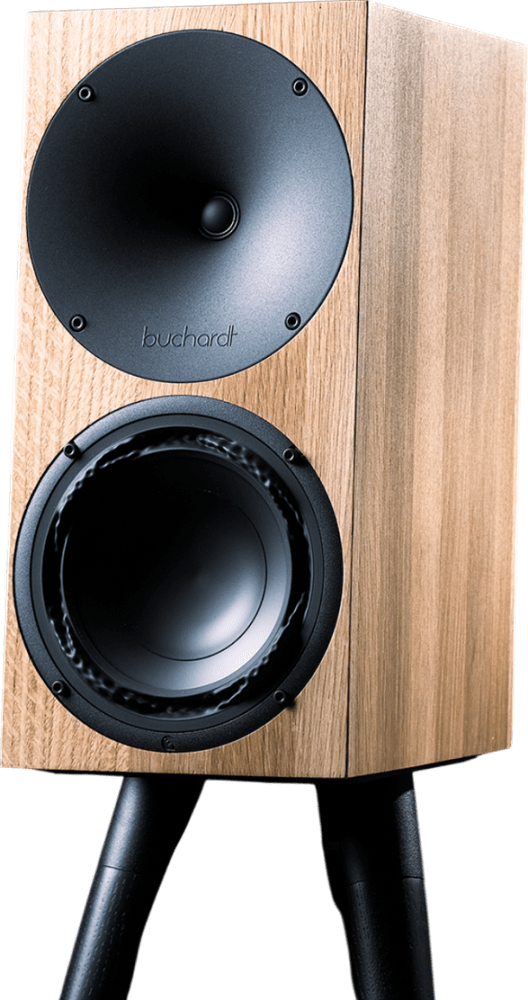
- Exceptional bass performance for its compact size, with bass that is fast, clear, and tight
- Multiple 'Master Tunings' offer customizable sound profiles, adapting to different room acoustics and user preferences
- A high-quality Purifi woofer and SB Acoustics tweeter contribute to clarity, detail, and low distortion
- A solid wood cabinet made in Denmark provides a luxurious look and feel
Product Considerations
- Bass output may diminish or be limited at high volumes to protect the drivers from damage
- A separate purchase of the Platin Stereo Hub may be required for full wireless functionality and room correction
- The 'Made in China' label applies to the electronics inside the cabinet
- While the A10 offers impressive bass, some may still prefer to add a subwoofer for a true full-range experience
Comparisons (according to reviewers)
- Vs Buchardt S400 Mark II, the A10 is more transparent with greater inner detail, clarity, and top-end extension—and deeper, tighter bass—while the S400 Mark II is more relaxed and forgiving with harsh recordings
- Vs Buchardt A500, the A10 has comparable performance, with possibly a crisper sound in some instances
Takeaway: The Buchardt Anniversary 10 is a compact yet powerful speaker that offers a customizable listening experience. Its impressive bass and versatile tuning options make it a great choice for those seeking a high-quality audio solution in a small to medium-sized room.
Video review
Our take on the brand

Our Summary
Product Strengths
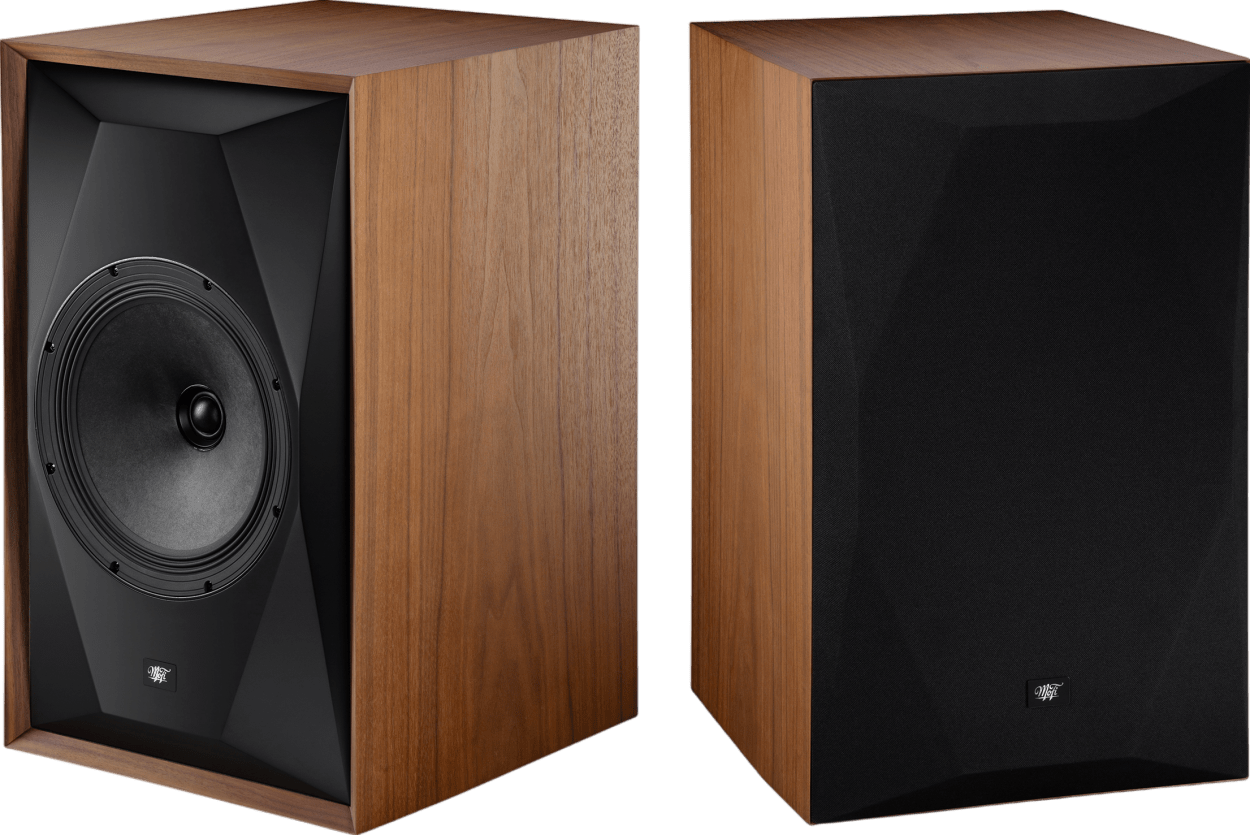
- Remarkable sound power and early directivity indexes make it a true point source speaker.
- Special sound quality for the price offers a level of performance not typically found in speakers at this price point.
- Very good neutrality is present when the speaker is turned off axis.
- It is a very versatile speaker to drive.
- The midrange presentation is very dead center and coherent.
Product Considerations
- The bass does not reach as low as some listeners might prefer.
- The speaker can get bright at times.
- Care should be taken to place it not directly on axis, because when placed directly on axis, it is no longer a neutral speaker.
- There's no stand included in the package.
- It is made in China, and construction can be suspect.
Comparisons (according to reviewers)
- Vs PureAudioProject Duet 15, the SourcePoint 10 is more precise and focused, while the PureAudioProject has a bigger soundstage.
- Vs Fleetwood Deville SQ, they sounded more alike than different when in action, but SourcePoint was more extended from top to bottom and brought more lively dynamics and impact.
- Vs Klipsch Heresy IV, the SourcePoint 10 is the superior speaker in every way from build to sound, with more refinement and smoothness, and it seems just as dynamic as the Klipsch.
- Vs Dynaudio Special 40s, the SourcePoint 10 sounds much bigger, more dynamic, has much better bass, and fills a room with ease.
- Vs KEF LS50 META, the LS50 sounds smaller, leaner, and not as special in the vocal region.
Takeaway:
The SourcePoint is a speaker with a neutral sound that originates from a single point, and it has remarkable early directivity indexes. It is a speaker that offers very good performance for the money, but careful attention needs to be paid to its placement in the room.
Video review
Our take on the brand

Our Summary
Product Strengths
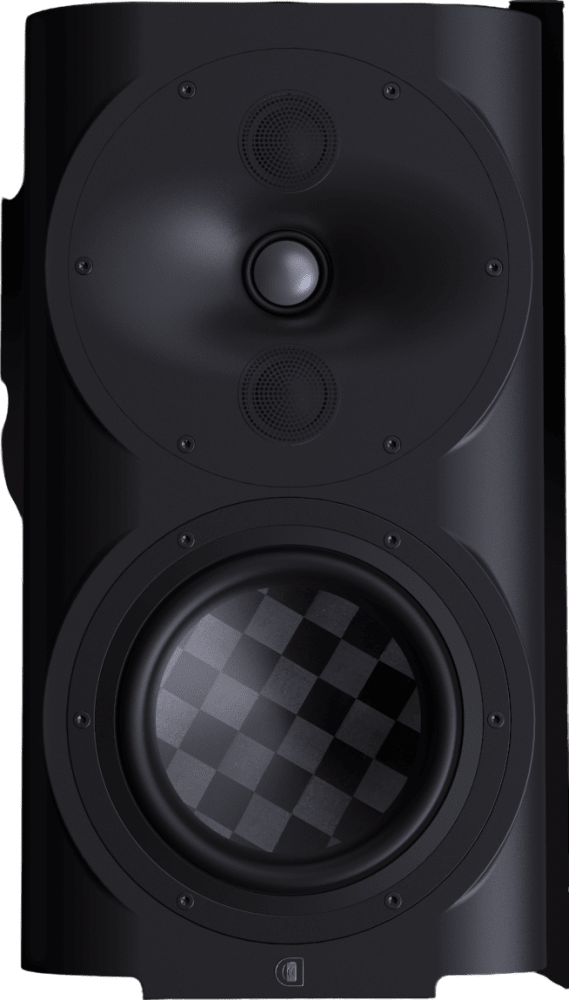
- Solidly built with an inert cabinet, contributing to overall performance
- Crazy linear/neutral sound from about 100Hz upwards
- The beryllium tweeter provides nuanced, airy, and extended highs with a hint of shimmer for realistic metallic instruments
- It creates a three-dimensional soundstage, making the speakers disappear sonically
Product Considerations
- It does not have a great deal of bass on its own and may require a subwoofer for full-range playback, starting its roll-off at around 100Hz
- While placement is flexible, a solid amplifier is required
- The styling might be an acquired taste and could be considered overcomplicated by some
- The high gloss finishes may not appear different from less expensive speakers, making it harder to justify the luxury price tag
Comparisons (according to reviewers)
- Vs Bowers & Wilkins 805 D4: The S4B is more neutral/accurate, while the 805 D4 adds bass and treble energy
- Vs Focal Canta No. 1: The S4B outperforms the Canta No. 1, which has chestiness in its bass and midrange due to its cabinet
- Vs Revel Studio 2: The S4B reminded the reviewer of the Revel Studio 2, though the Revels had more bass
- Vs Focal Diablo Utopia: The Perlisten are a great alternative if the Utopias are outside of your reach and are a more neutral and less bright speaker
- Vs EgglestonWorks Nico Evo: The EgglestonWorks presentation is a little more mid-forward and less 3D than the Perlisten
Takeaway: The Perlisten S4b is a high-performing speaker that offers excellent clarity and a neutral sound, making it a great choice for audiophiles and home cinema enthusiasts alike. The speaker's ability to create a detailed and immersive soundstage can bring music and movies to life.
Video review
Our take on the brand
How to buy
Speakers
Search all hifi products
Explore our database of 10,000+ new and 25,000+ used hifi products.