




Note that this is a discontinued product. You may want to visit the brand's page here to browse their newer products.
What reviewers think
Bloggers and YouTubers have tried this product—so we've summarized their strongest opinions below. Links to full reviews follow.
Product Strengths
- Delivers a 'big, brash, fun basshead' sound with energy, power, and physicality
- The low end is thunderous and well-controlled with a unique bass region
- Midrange has a nice, even sound with good detail, and solid timbre; vocals stand out well
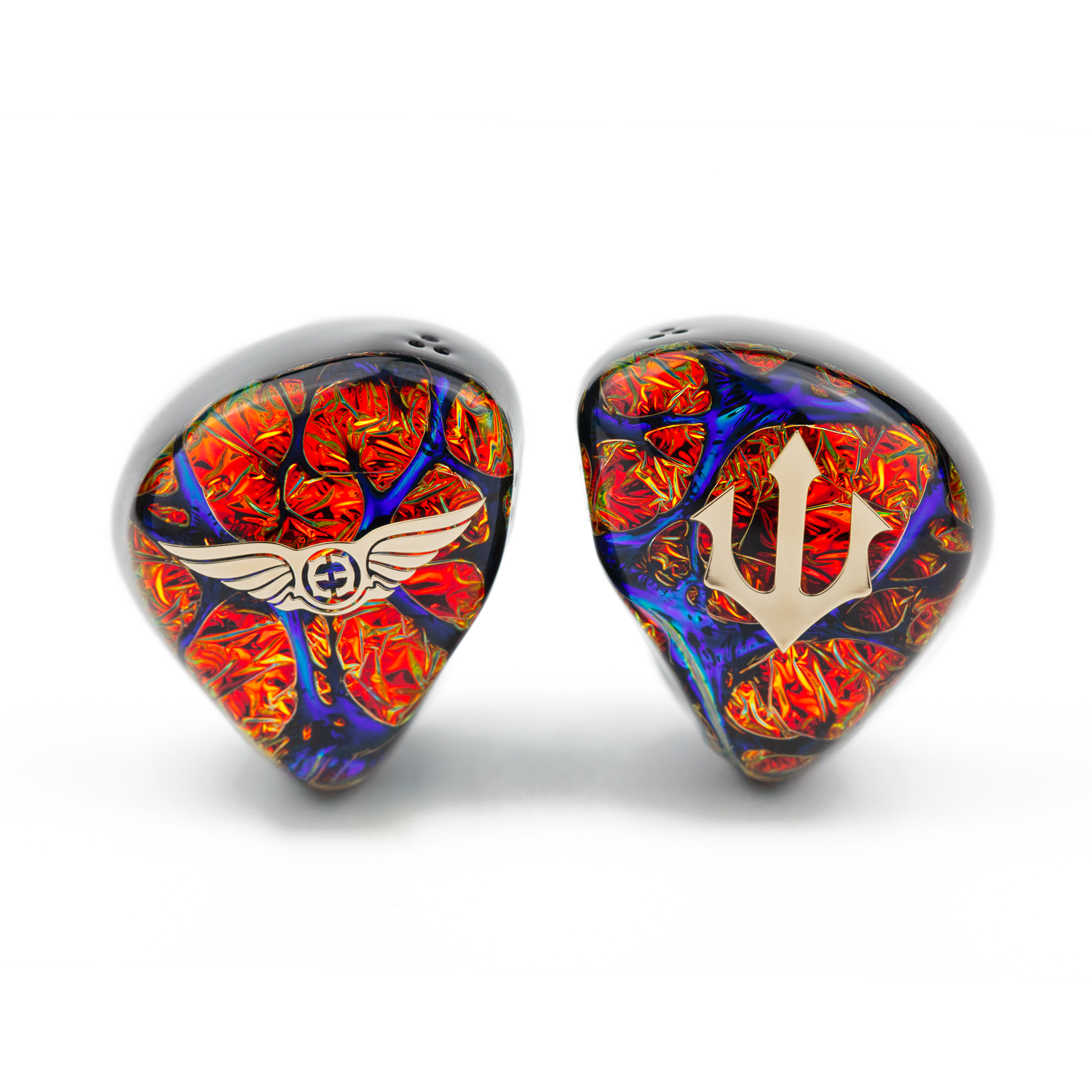
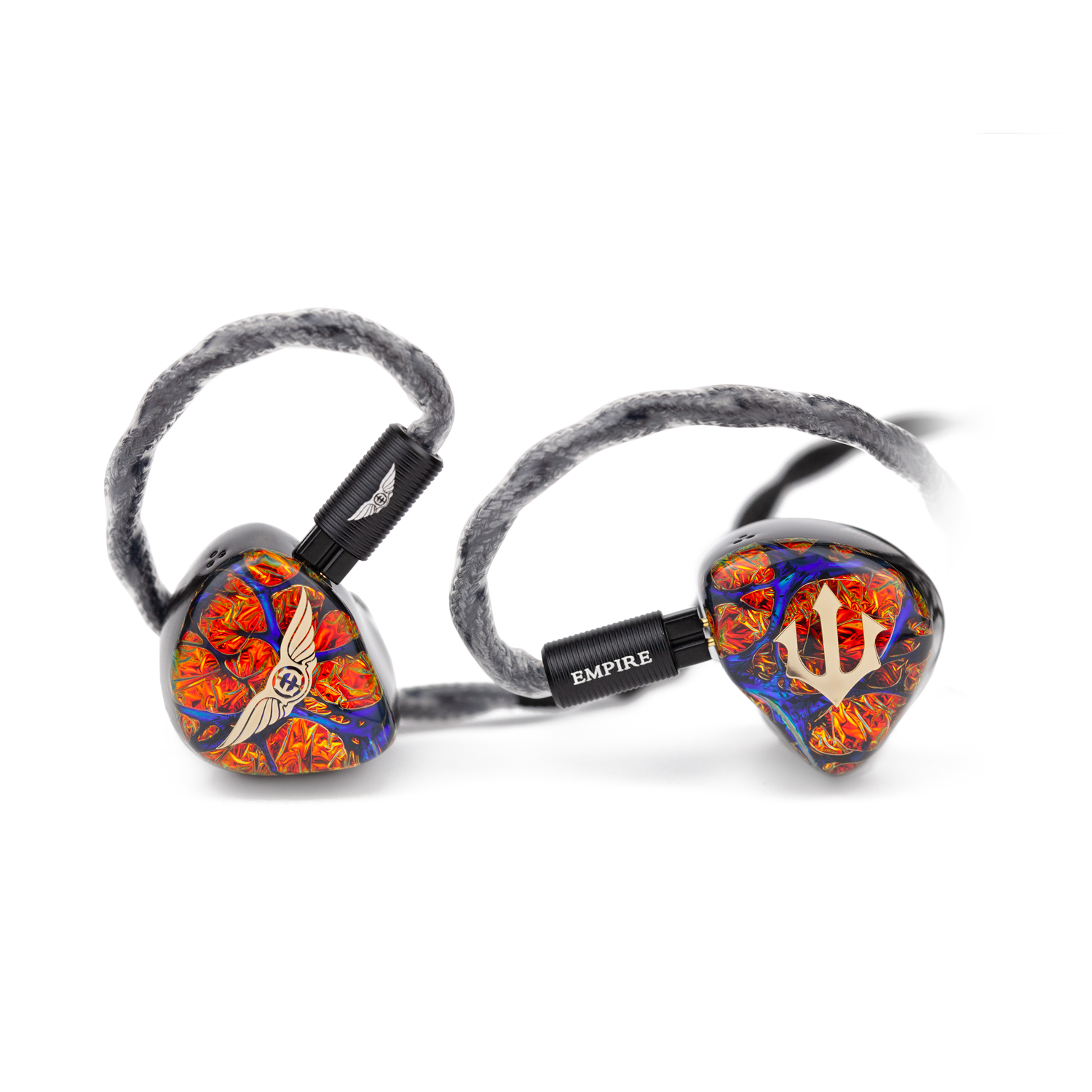
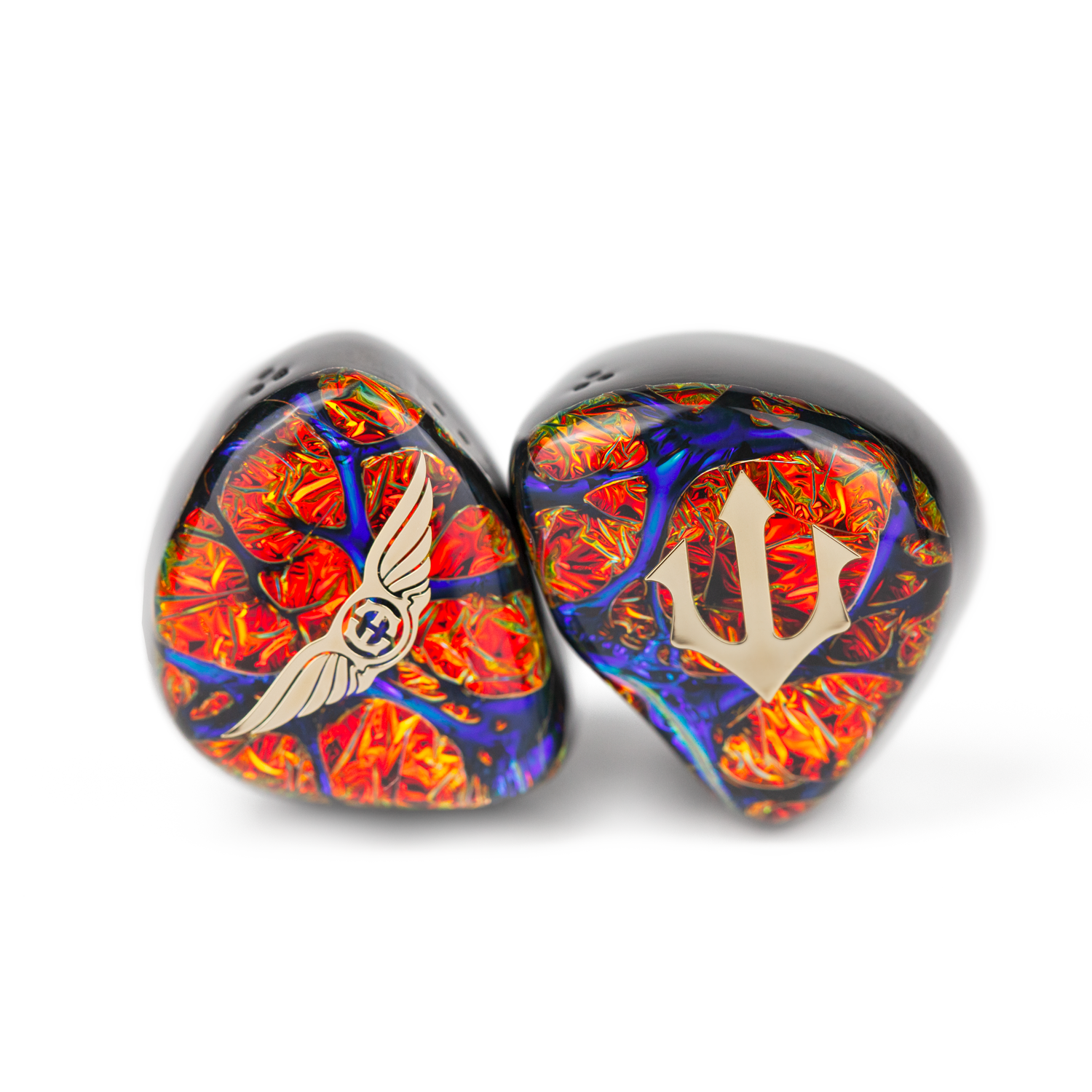
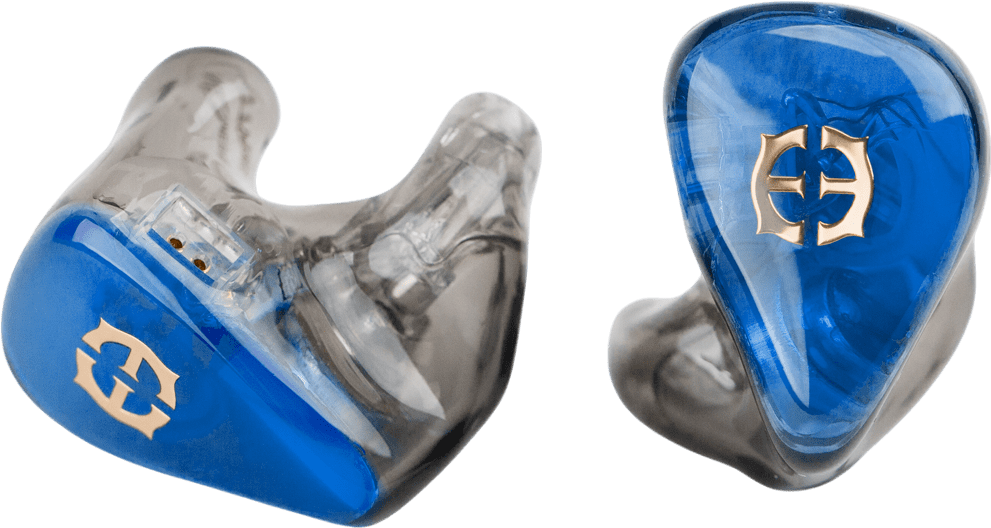
- Build quality is excellent with premium materials and a layered resin faceplate for a 3D holographic visual effect
Product Considerations
- Low impedance and low sensitivity can create variability in source pairing
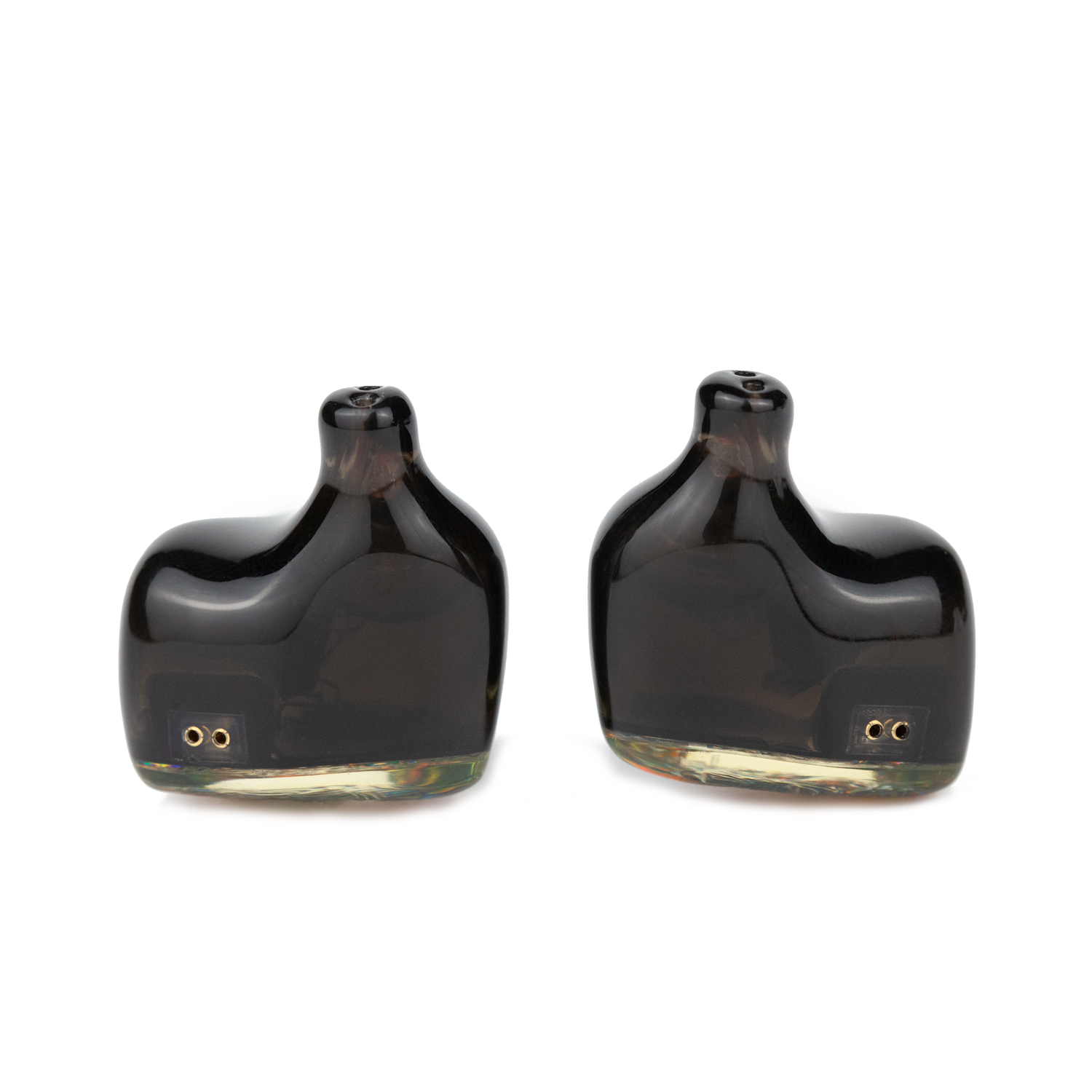
- Housing is large, which may present a fit issue for those with smaller ears
- Bass can be a little too bloomy at times
Comparisons (according to reviewers)
- Vs FlipEars Artha: Artha has a tighter punch to the bass but less rumble and depth, Artha's vocals are more forward, but Triton's vocals are generally preferred
- Vs Campfire Audio Astrolith: Astrolith offers more texture and details in the bass, but Triton has a lush warmth that Astrolith lacks
Takeaway: The Empire Ears Triton is a unique IEM delivering fun, hard-hitting bass with a balanced sound. It is great for those who want both powerful bass and good sound quality.
All
Triton
reviews


Manufacturer details
- Impedance: 2.8 ohms @ 1kHz
- Frequency Response: 5 Hz - 40kHz
- Sensitivity: 99dB @ 1kHz, 1mW



Brand highlights
Taking a step back to look at reviewers' thoughts of the brand's entire lineup—not just this product—what stands out most is the following:
- Empire Ears IEMs often employ a multi-driver hybrid design, combining dynamic drivers for bass, balanced armatures for mids and highs, and sometimes electrostatic drivers for enhanced treble, all managed by a complex crossover network.
- The brand's proprietary Weapon IX or W9+ dynamic drivers, known for their innovative bass-reflex system, consistently deliver a powerful, impactful, and well-textured bass response.
- They offer a high degree of customization for their custom IEMs, including a wide variety of faceplate materials, shell colors, and logo options, allowing customers to create a personalized aesthetic design.
Select products
ESR MKII Universal
- Positioning: A balanced, cost-effective universal option designed for everyday listening.
- Description: Features a hybrid 5-driver design that provides clear mids and precise highs, making it suitable for small rooms and regular use. Compared to higher-tier products, its performance and functionality meet basic needs without the advanced features found in models like the Odin MKII or custom versions.
Triton
- Positioning: A versatile universal in-ear engineered for improved tonal balance and dynamic sound.
- Description: Features a refined acoustic chamber and enhanced bass tuning that deliver richer sub-bass and more defined treble. When compared with the ESR MKII Universal, it shows better low-end performance while remaining more affordable than the flagship Odin models.
Odin MKII
- Positioning: A flagship universal offering tuned for precision and a wide, controlled soundstage.
- Description: Features a quad-bridge balanced-armature system combined with a dynamic bass driver, resulting in detailed, expansive audio reproduction.
Odin Custom
- Positioning: A premium custom-fit in-ear focused on delivering tailored sound and an optimized seal.
- Description: Features a multi-driver configuration with a custom design that enhances sound accuracy and comfort. In comparison to the universal Odin MKII, it offers a personalized listening experience.
ESR MKII Custom
- Positioning: The top-tier custom solution providing advanced technology and best-in-class personalized performance.
- Description: Uses an upgraded 5-driver hybrid design, blending triple balanced armatures with dual electrostatics to achieve outstanding clarity and speed. When compared to other models in the lineup, it stands out for its superior technology.

Our take on the brand
Look inside the brand
Our interview with the brand
What are two key technological innovations or strong opinions that differ you from other brands?
What's your approach to customer support?
What are your favorite tracks for showcasing the strength of your products?
What other products pair best with yours?

Used
Empire Ears
What if you spend more?

.png)

.svg)
Product Strengths
- Excellent technical performance and detail retrieval, considered several cuts above other IEMs
- Outstanding imaging performance, with precise soundstage and instrument separation
- The bass response is a highlight, delivering a punchy sub-bass with texture and articulation
- Offers a warmer tonal balance that is easy to get into with a mostly 'neutral' sound
- Bone conduction enhances low-frequency extension, reverb, and detail
Product Considerations
- Large chassis that may be uncomfortable for some users, particularly those with smaller ears
- The subdued treble range may not provide enough energy and sparkle for some listeners
- Stock cable is lackluster in terms of usability due to its plasticky feel, rigidity, and microphonic feedback
- Driver flex (a harmless crinkling sound upon insertion) is present
Comparisons (according to reviewers)
- Legend Evo delivers a stronger bass impact, depth, and extension than the Legend X
- Legend Evo produces better constructed highs than the Legend X
- Legend Evo shows better clarity than the Legend X, and has more detail
- The Legend X can sound veiled concerning the Legend Evo
- The Legend Evo feels a touch smoother than the Empire Ears ODIN
Takeaway: The Legend Evo is a top-tier IEM with innovative bone conduction technology that creates a unique and immersive listening experience with enhanced bass. It is a great option for those seeking flagship-level performance with a warm, bass-focused sound signature.
Video review
Our take on the brand
Our summary
Product Strengths
- Tremendous transparency, offering a wealth of microdynamics and spatial cues, critical in determining positioning and layering.
- Incredibly clear sound, yet wrapped in a warm, lush, and inviting overall picture.
- Highs are extended, detailed, and wonderfully resolved, easily able to summon the ethereal or holographic when called for.
- The soundstage is quite impressive—deep, wide, with very good headroom, and holographic when called to be so.
- The shell design is comfortable with a short nozzle, and light weight.
Product Considerations
- The treble is a little bit relaxed, and some songs may not cut through the way they need to.
- Amplifiers for this particular headphone are going to matter, and they are going to make a difference between several different amplifiers.
- The bass does not bring the rumble, nor the impact, nor does it reach to the stygian depths of the Holy-Bass-Head-Grail.
- Though the Odin provides for a comfortable fit, it can be uncomfortable for people who have really small ear holes, as the stem itself is quite wide.
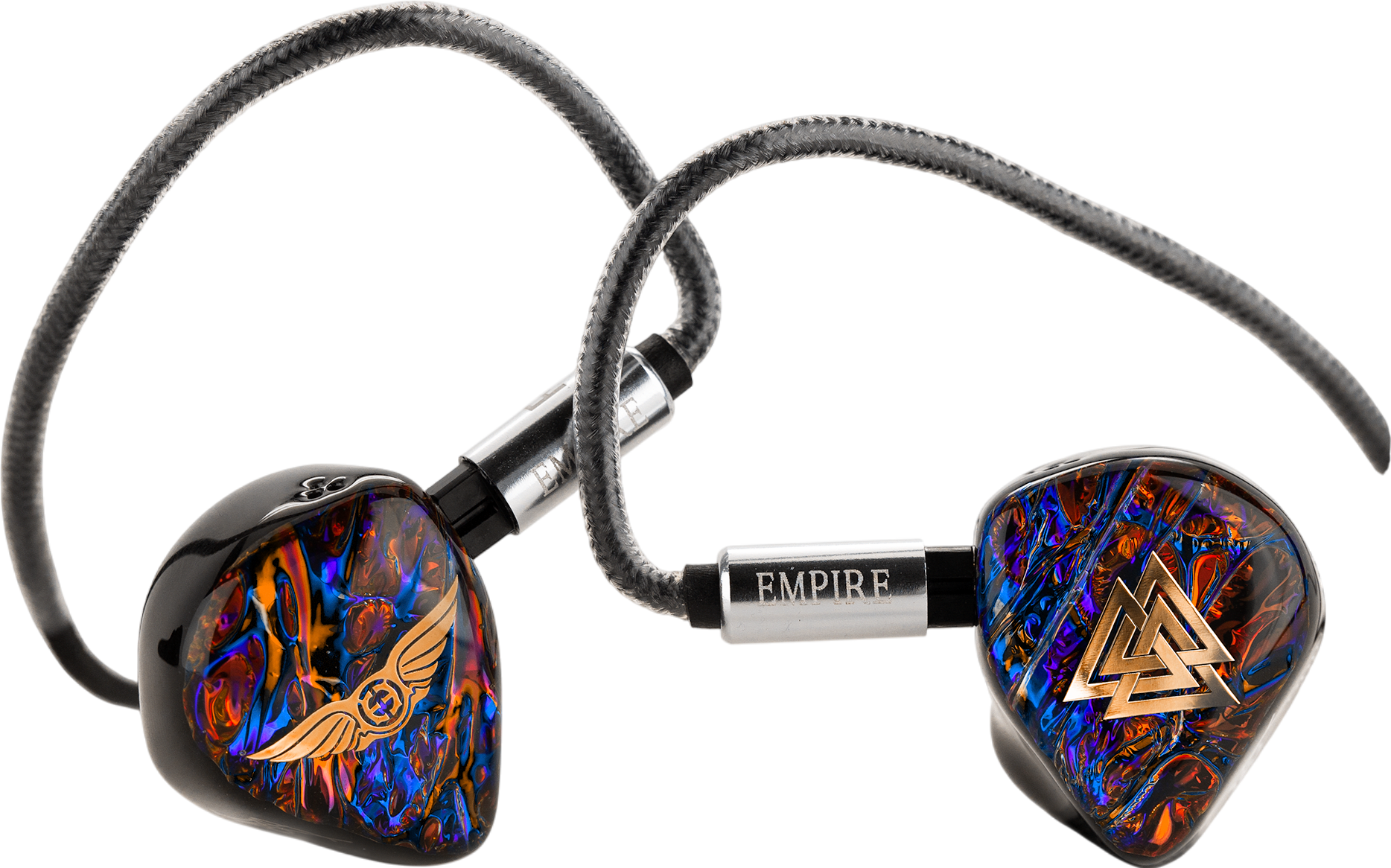
- The 'Bifröst' faceplate design might be too flashy for some.
Comparisons (according to reviewers)
- Vs Empire Ears Zeus: The Odin smashes the Zeus all day, every day, for sound quality, with a better midrange and significantly nixed highs.
- Vs 64 Audio U12T: Odin is at least as good, if not better, in the mids and the bass, and has better punch and slam to the bass frequencies.
- Vs Empire Ears Legend X: The Odin is a much more balanced-tuned IEM.
- Vs 64 Audio Tia Forte: The Odin has a more agreeable frequency response.
- Vs Thieaudio Monarch: The Monarch has a really nice bass shelf, but the Odin has better technical performance and a better frequency response.
Takeaway: The Empire Ears Odin offers an easygoing listening experience and clear sound, and has tight bass response with a great midrange. It could be a great choice for those seeking a warm IEM with finesse.
Video review
Our take on the brand
Our summary
Product Strengths
- Incredibly clear and detailed sound, offering a transparent window into the music
- Well-defined, punchy, and high-quality bass response, with good impact and rumble, without being muddy
- Smooth and well-defined treble, avoiding sibilance or harshness, and retaining excellent resolution
- Broad and deep soundstage with excellent imaging, layering, and separation of instruments
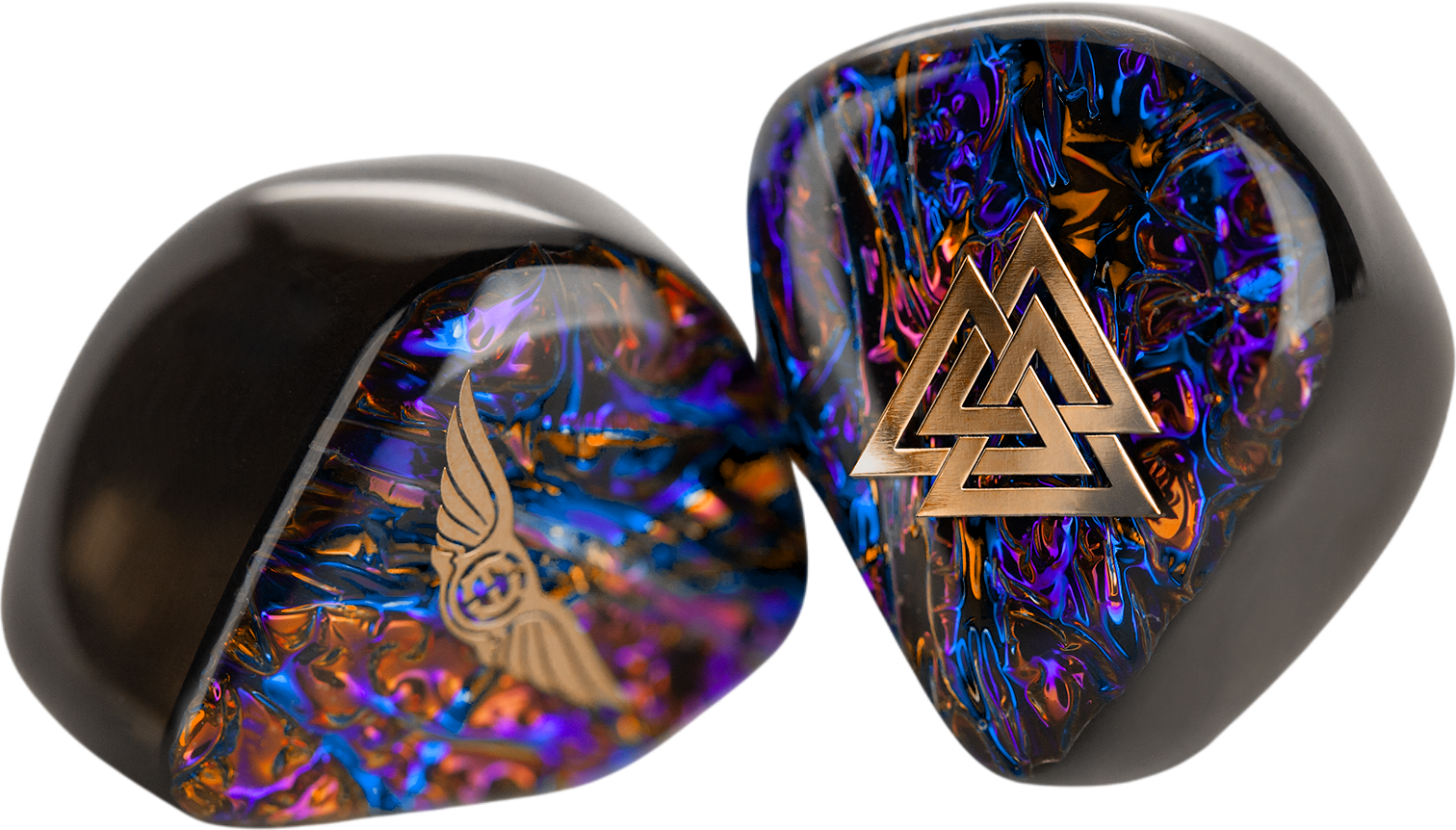
- Visually striking and beautiful Bifrost faceplate design
Product Considerations
- The fit may be uncomfortable for users with smaller ears, as the stem is quite wide and the monitors themselves are fairly large
- Upper mid-range can be forward, and at times can be borderline shouty or fatiguing in some tracks
- Treble response, while detailed, might be a little relaxed for some, not cutting through as much as some other IEMs
- Some reviewers found the build quality of the resin shell to be just okay, not feeling particularly premium or durable relative to the price
Comparisons (according to reviewers)
- Vs. 64 Audio U12T: The Odin has better punch and slam in the bass, while the U12T has a more layered and separated sound with slightly more micro-details
- Vs. Empire Ears Legend X: The Odin is much more balanced and refined compared to the bass-heavy Legend X
- Vs. Fir M5: The M5 has a more forward and clearer treble response and wider soundstage, but the Odin's midrange is more forward and produces a more enjoyable vocal response
- Vs. Empire Ears Zeus: The Odin is smoother with more bass response and a better mid range
- Vs. Vision Ears Elysium: The Elysium brings an analog-like ease to the midrange, but is not a match for the Odin in detail and transient speed
Takeaway: The Empire Ears Odin is a technically impressive IEM with a smooth, clear sound, detailed bass and a striking design. If one is seeking a high-end listening experience where details are clearly displayed in an immersive 3D stage, these could be a great match.
Video review
Our take on the brand
Our summary
Product Strengths
- Delivers an explosive, amazing, and enjoyable sound
- Extraordinary bass that is thunderous when needed, but not bass-heavy, with amazing mids and trebles that do not overpower each other
- Excellent lateral width to its soundstage, top-tier layering, and a strong sense of center image
- Provides excellent vocal dynamics; whether intimate, epic, whispered or shouted, everything sounds natural with everything in its place
- Captures the almost over the top intensity of Odin, but also offers more weight, thickness, and a touch more realism
Product Considerations
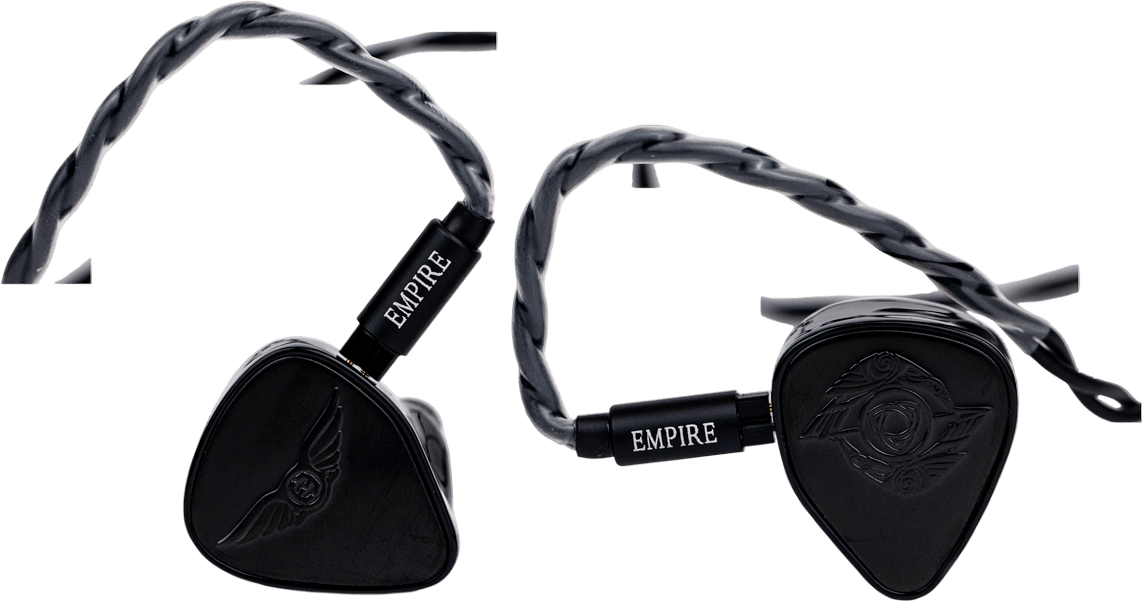
- The Raven is a very large IEM, which may be uncomfortable for those with smaller ears
- The treble has a strong emphasis on lower-treble, leading to a distinctive, dry “chhh” on percussive hits, which can be fatiguing at louder volumes
- There are clear distinctions between its bass, midrange, and treble wherein it sounds like they are being handled by different driver types
- The Raven has a bass-centric tuning where the mid-bass is the most forward frequency
Comparisons (according to reviewers)
- Compared to Empire Ears Odin: The Raven's bone conduction driver gives it an edge in bass extension and in the general texture and balance of the bass
- Compared to Elysian Annihilator 2023: Has a wider soundstage, while the Annihilator sounds sharper, faster, and more detailed due to its thinner midrange and nearly linear treble response
- Compared to Empire Ears EVO: Sub-bass depth and extension is similar between the two, however the Raven has slightly more forwardness in the mid-bass
- Compared to Noble Viking Ragnar: The Raven captures its greater weight and body, but opts for a little more bass, while Ragnar opts for more treble
Takeaway: The Raven provides an engaging and immersive experience that will allow one to fully enjoy their music. It will put you in your own little world, where nothing gets out or in.
Video review
Our take on the brand
What competes at this price?

Our Summary
Product Strengths
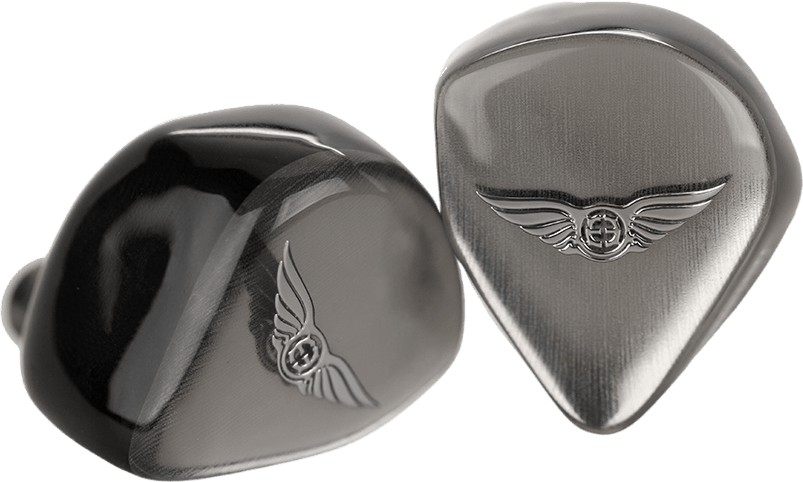
- Elegant and smooth design with a brushed silver aluminum faceplate gives it a classy and serious look.
- Excellent build quality, featuring smooth one-piece acrylic shells and tight 2-pin sockets.
- Comes with a high-quality Alpha-IV Bespoke 26AWG UPOCC Copper Litz Cable from Effect Audio.
- Very comfortable and secure fit, due to its lightweight design and quasi-custom curving.
- Excellent isolation, especially since it lacks bass port vents.
Product Considerations
- The original ESR was cheaper, though the MKII has an enhanced driver design.
Comparisons (according to reviewers)
- Vs Campfire Audio Andromeda 2020, Meze Rai Penta, and MMR Gae Bolg, all are similarly priced 5-driver IEMs, but the ESR MKII is designed to be a reference choice with a flat/neutral voicing.
Takeaway: The Empire Ears ESR MKII is a well-built and comfortable IEM with a classy design. It offers a reference-like sound signature and excellent isolation, making it a great choice for critical listening.
Video review
Our take on the brand


Our Summary
Product Strengths
- Impressive technical performance, clarity, detail retrieval, and resolution due to its planar magnetic drivers.
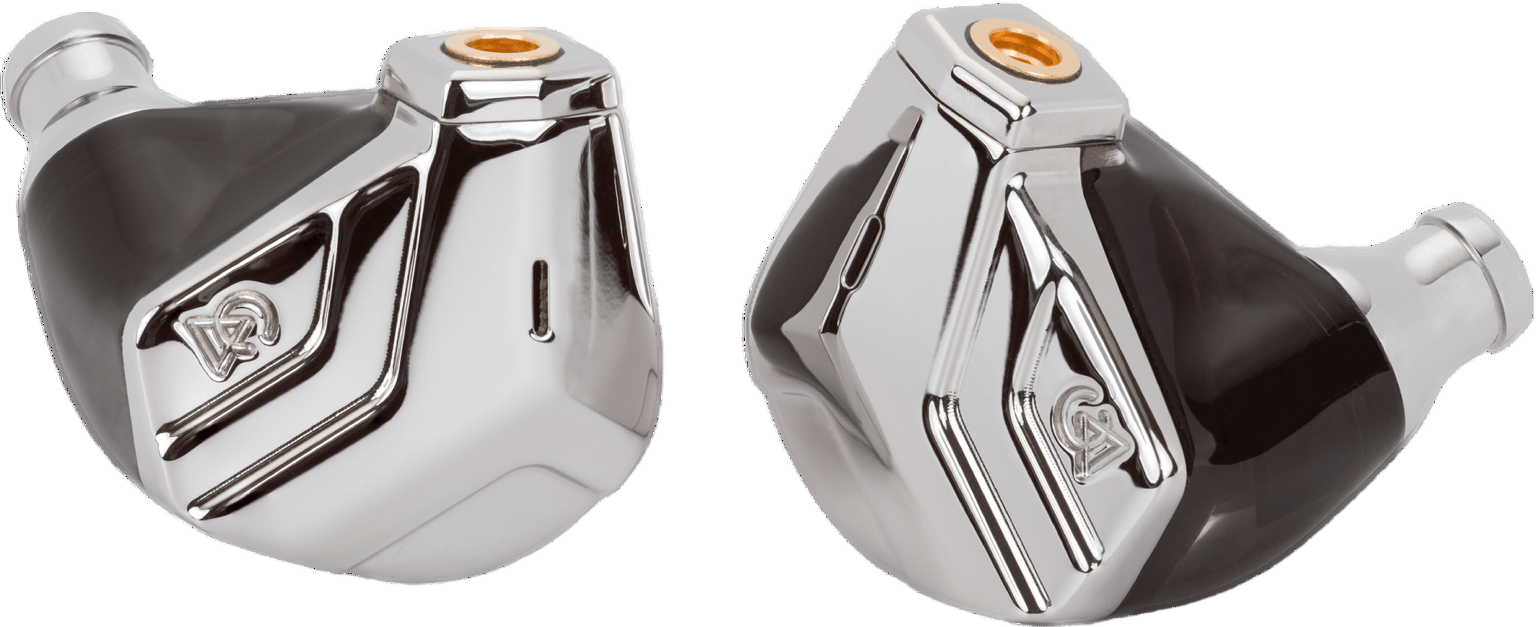
- Features a new, comfortable, and ergonomic shell design that's also lightweight and durable.
- Includes two upgraded Time Stream Metal cables, providing both 3.5mm and 4.4mm terminations.
- Delivers a strong, extended bass response, with texture and speed, plus a nimble, airy top-end.
- Exhibits a spacious, wide, and holographic soundstage with good imaging and instrument separation.
Product Considerations
- Lower sensitivity might require a dedicated DAP or amplifier for optimal performance, and can sound anemic when paired with just a phone.
- Can be sensitive to source pairings, warmer DACs might wash out the mids and some pairings may bring out sibilance.
- Stock tips might not provide the best seal for everyone, and the stock tip selection is poor.
- Silicone eartips can make the treble sound harsh.
- The mirror-finished stainless steel faceplate is prone to fingerprints and smudges.
Comparisons (according to reviewers)
- Vs. Campfire Audio Bonneville: Astrolith has superior mids, clarity, detail and transparency, and better treble extension, articulation, and overall resolution.
- Vs 64 Audio Volür: Astrolith offers bigger bass and a more exciting presentation, as well as faster and more resolving sound, but Volür is more accurate overall.
- Vs. Oriolus Monachaa: Astrolith has a faster and more controlled bass with better texture, a more natural and realistic midrange with a fabulous timbre.
- Vs. Elysian Acoustic Labs Annihilator: Astrolith delivers a more robust and organic mid-range with realistic and natural timbre and more defined lower mids.
Takeaway: The Astrolith is a technically impressive IEM with a comfortable design that delivers a powerful and detailed sound. It could be a great pick for listeners who want high-end sound that can play all kinds of music well.
Video review
Our take on the brand

Our Summary
Product Strengths
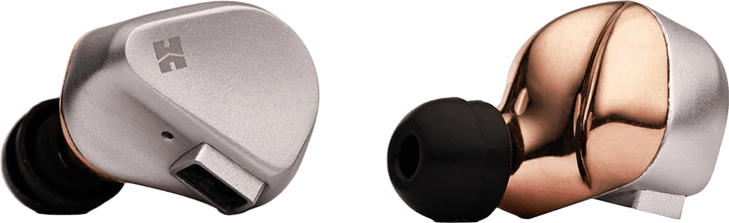
- Captures the sound of the original Svanar, with a balanced tuning emphasizing bass and treble while maintaining the mids
- Incredible imaging performance, offering a wide, well-rounded, three-dimensional soundstage with excellent positioning and separation—highly competitive, even compared to non-TWS IEMs under $1000
- Has an R2R DAC which permits unreachable technical performance
- Very light and comfortable
- Excellent connectivity and usability
Product Considerations
- LDAC connectivity issues with invasive intermittence and noise cutting
- ANC and Transparency mode aren’t very useful and lack dynamic, delivering leaner dynamic, less musicality
- Plastic build might not be most durable if dropped
- High-frequencies are quite sensible to the source, making it one of the least forgiving TWS
- Hiss is also present
Comparisons (according to reviewers)
- The Svanar Wireless is punchier, with better bass detail and imaging, and a wider soundstage, while the Final ZE8000 has a warmer, more neutral sound
- The Svanar Wireless has stronger imaging performance, a wider soundstage, and a better balance between separation and cohesion
- The Svanar Wireless is superior in technicalities and tonal balance, as well as timbre and tone naturalness, and ultimately musicality
- The Svanar Wireless' soundstage is taller and wider but not as deep, since clarity isn’t as sharp and clean, silence being more "noisy"
- The Svanar Wireless has better sound and performs better technically
- The Sony TWS has bloated bass that overwhelms everything else; in comparison, the soundstage and treble performance of the Svanar Wireless is miles ahead, presenting a much more detailed, natural, and sophisticated kind of sound
Takeaway: The Svanar Wireless sounds impressive for wireless earbuds, and it has great connectivity and features. For those seeking high-end wireless sound, these are worth considering.
Video review
Our take on the brand


Our Summary
Product Strengths
- Praised for its beautiful design
- Very comfortable, almost expected from an IEM based on resin
- Easy to drive due to its low impedance and high sensitivity
- Provides a lot of clarity
- Has a very natural tonality, even with balanced drivers
Product Considerations
- Its design might be too fragile and prone to scratches
- May lack impact and slam for music with a lot of low-octave focus
- Some amplifiers might not synergize well, needing experimentation
Comparisons (according to reviewers)
- Compared to the Moondrop variations, the Cadenza is preferred for its handling of transitions
Takeaway: The Cadenza is a beautiful IEM with great clarity that's also comfortable to wear. It is an easy to drive IEM, with great potential to provide enjoyable listening sessions.
Video review
Our take on the brand

Our Summary
Product Strengths
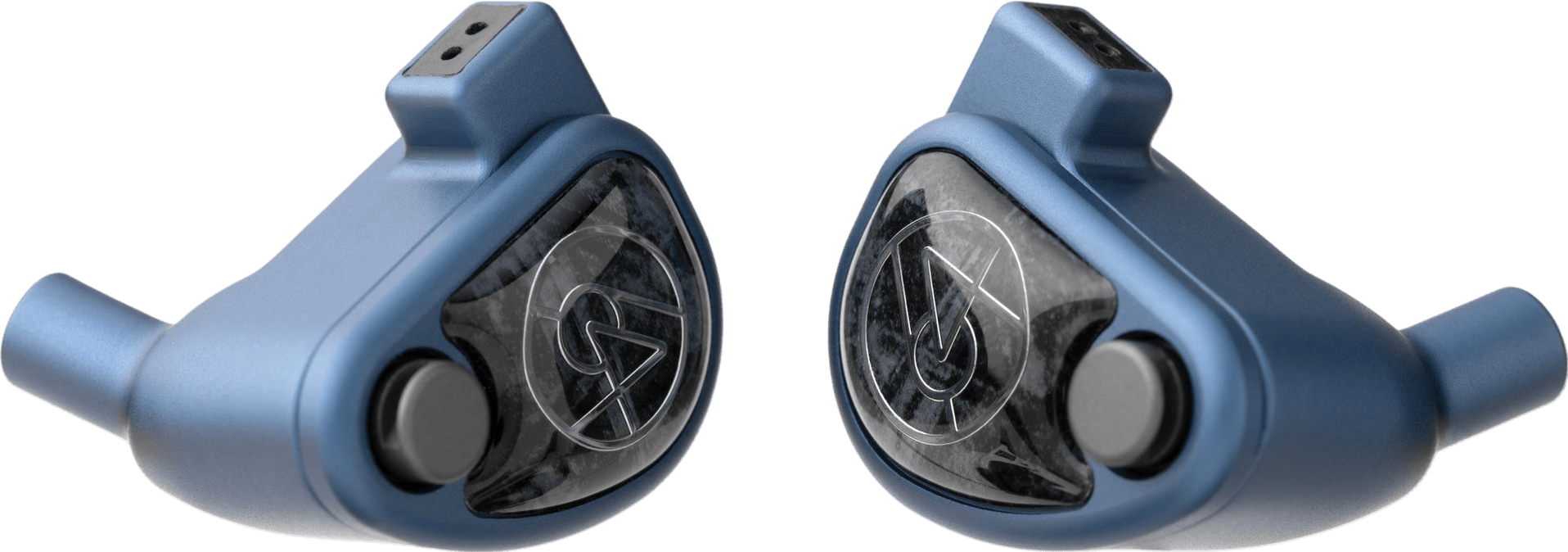
- Versatile sound signature, going from bassy to neutral with the use of included tuning modules
- Excellent bass response with a dynamic driver, providing strong texture, deep extension, and impact
- Very good treble extension, air, and sparkle for detail retrieval without harshness
- Expertly captures the 64 Audio character of balancing pro audio sensibilities and a more audiophile-friendly sound
- Comfortable and durable design, with a lightweight anodized aluminum shell and well-thought-out accessories
Product Considerations
- Imaging and instrument separation are decent, but not standout for the price range
- Mid-range may sound a bit thin to some, with a more relaxed upper mid-range that results in vocals being a little bit on the husky side
- The nozzle doesn’t have lip holder and is a bit problematic
- Isolation isn't exceptional due to the apex module
Comparisons (according to reviewers)
- Vs 64 Audio Neo: U4S is preferred due to the U4S being the cheaper IEM
- Vs Thieaudio Monarch MkII: The Monarch is comparatively lean sounding
- Vs 64 Audio U6T: U6T is a little more neutral overall with a stronger technicality, but the U4S injects a little more fun into the sound
- Vs Campfire Audio Andromeda Emerald Sea: The U4S offers a more natural mid-range presentation
- Vs 64 Audio Nio: The U4s effectively undercuts the Nio by a third of the price with comparable sound quality
- Vs Custom Art Fibae 5: If you want technicalities and details, Fibae 5 is superior, if you want a very capable yet slightly musical and mainstream IEM, opt for the U4s
Takeaway:
The 64 Audio U4s is a well-rounded IEM that offers a fun and engaging sound signature with the ability to customize the bass response. With its comfortable fit and excellent build quality, it's a great option for those looking for a versatile and enjoyable listening experience.
Video review
Our take on the brand
Questions? Ask the brand's dealers.




How to buy
Headphones
Search all hifi products
Explore our database of 10,000+ new and 25,000+ used hifi products.

.png)