





Note that this is a discontinued product. You may want to visit the brand's page here to browse their newer products.
What reviewers think
Bloggers and YouTubers have tried this product—so we've summarized their strongest opinions below. Links to full reviews follow.
Product Strengths
- Refined and modern aesthetic, integrating well with various interior decors.
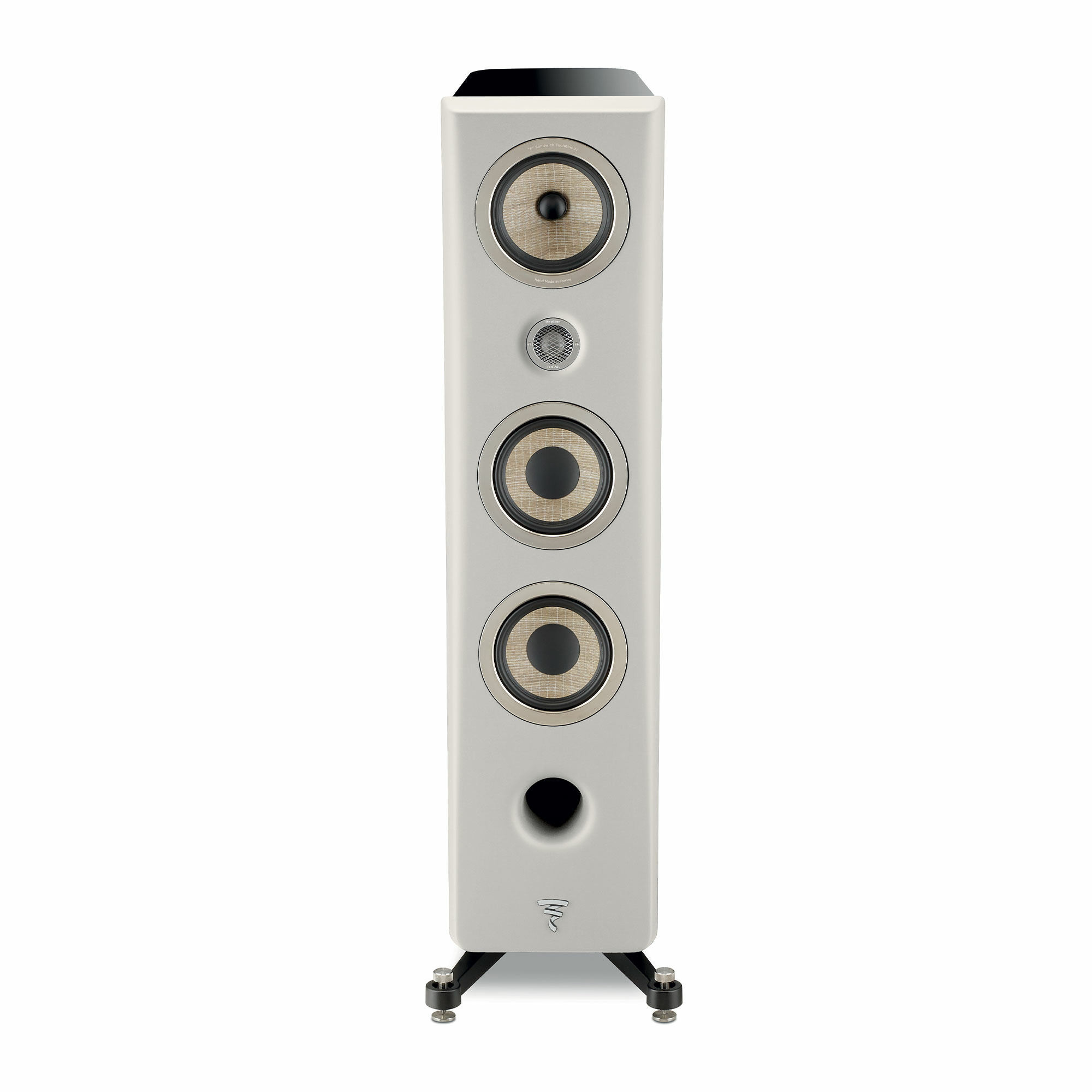
- A Beryllium tweeter resolves fine detail, and Flax Sandwich Cone material provides a slightly warmer presentation than the Sopra tweeter.
- Well-controlled, powerful, and authoritative bass.
- A wide and deep soundstage when properly placed in a room, and relatively easy placement.
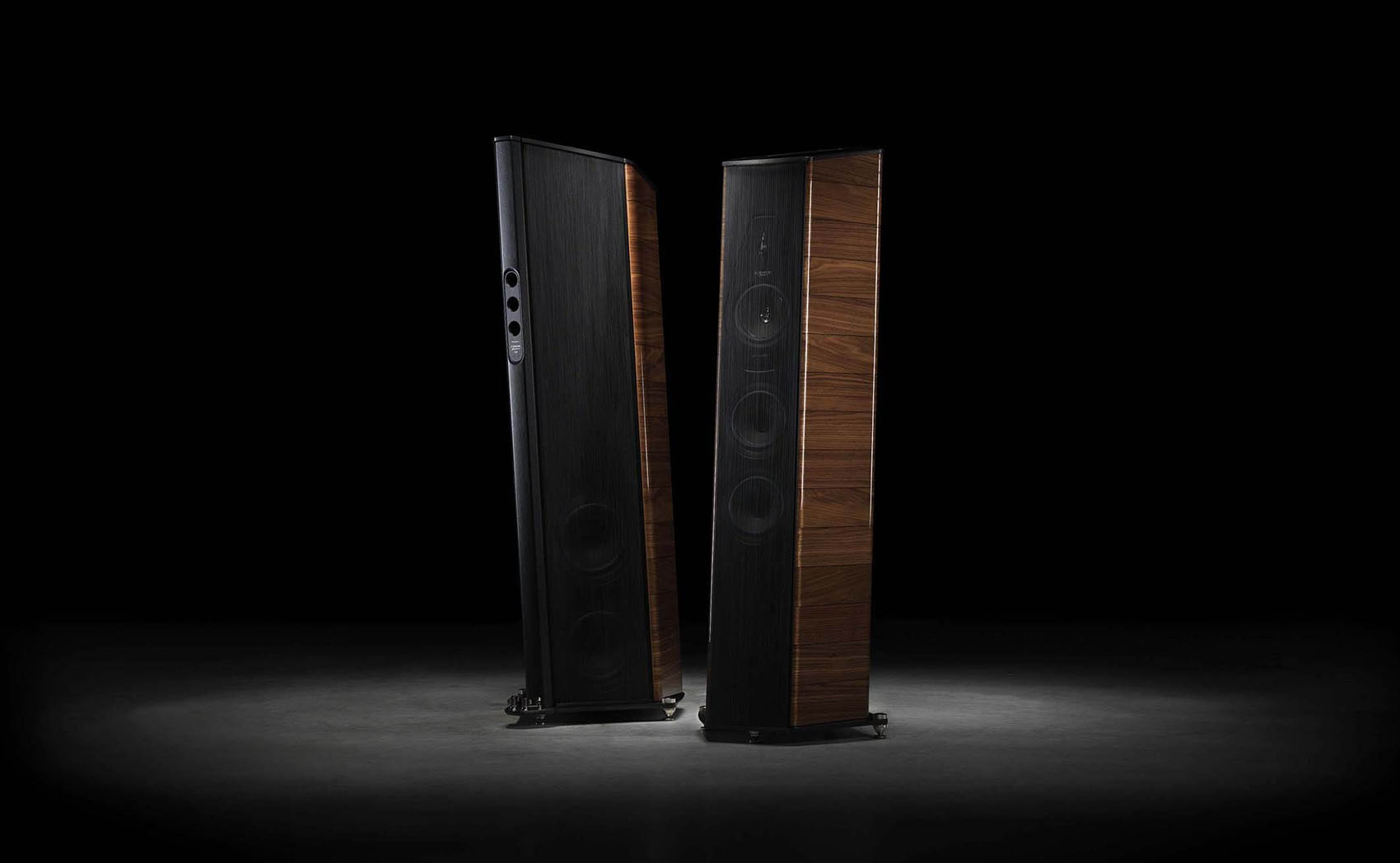
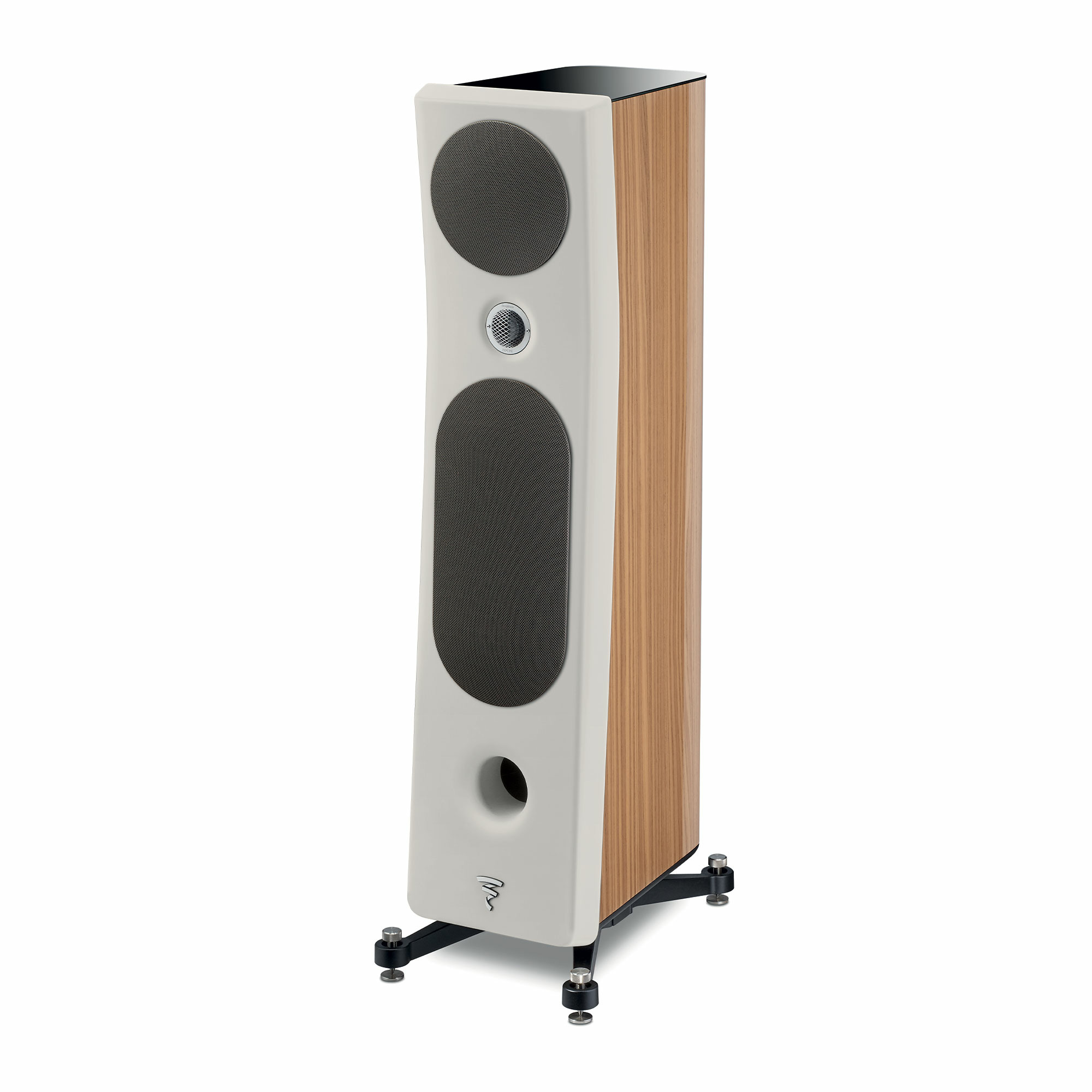
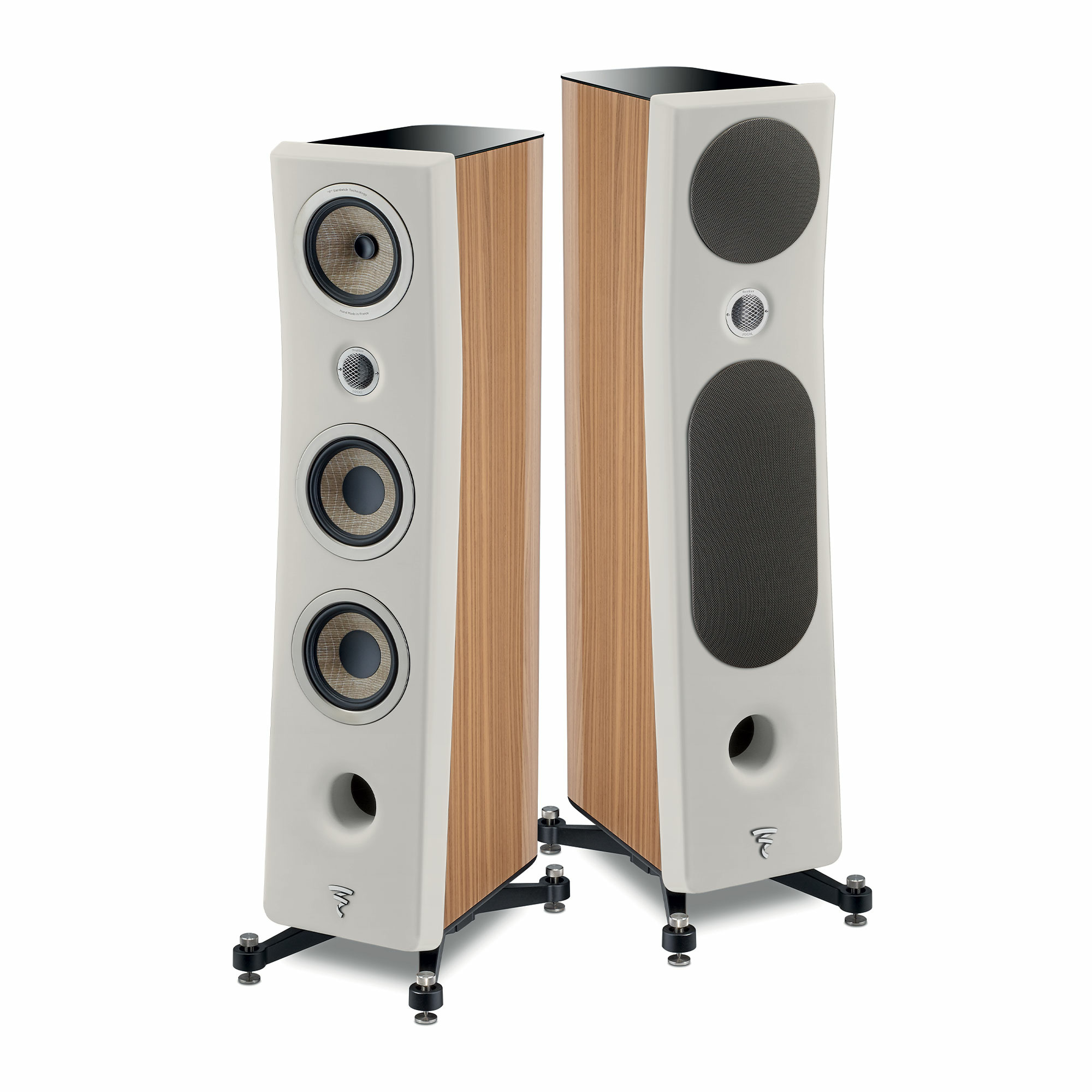
- Very high build quality, with liquid glass smooth paint finish, well-machined bases and feet, and excellent fit and finish.
Product Considerations
- May be 'finicky' or require careful matching with amplification and room acoustics to avoid sounding bright or aggressive.
- Binding posts are described as not very impressive, and move a little bit when twisted, which causes concern.
- One negative is that it cannot be bi-amped.
- An extended audition in own system is recommended because it may be a tougher load than the published specifications indicate.
Comparisons (according to reviewers)
- Vs Focal Sopra—slightly warmer/laid back in comparison.
- Vs Bowers & Wilkins 804 D3—fuller sounding and a clear winner, after a listening comparison.
- Vs Magico A3—better bass authority and power, being more convincing overall.
- Vs Paradigm Persona 3F—the Persona was okay, but not extraordinarily special.
- Vs Dynaudio Contour 60—too big for the room, and the tweeter was too high.
Takeaway: The Focal Kanta No. 2 speakers offer a combination of beautiful design, high-quality sound, and innovative technology. They are a choice for those seeking a high-performance speaker that fits well into any living space.
All
Kanta N°2
reviews


Manufacturer details
- Product type: Bass-reflex 3-way column
- Woofer: 2x 6.5" (16.5cm) Flax woofer with NIC motor
- Medium: 6.5" (16.5cm) Flax midrange drivers with TMD suspension and magnet
- Tweeter: 11/16" (27mm) 'IAL3' pure Beryllium inverted dome tweeter
- Frequency response (+/- 3dB): 35 Hz - 40 kHz
- Minimum impedance: 3.1 Ω
- Nominal Impedance: 8 Ω
- Recommended amplifier power: 40 - 300 W
- Sensitivity: 91 dB
- Height: 1,118 mm (44 in)
- Width: 477 mm (18.75 in)
- Depth: 321 mm (12.62 in)
- Weight: 35 kg





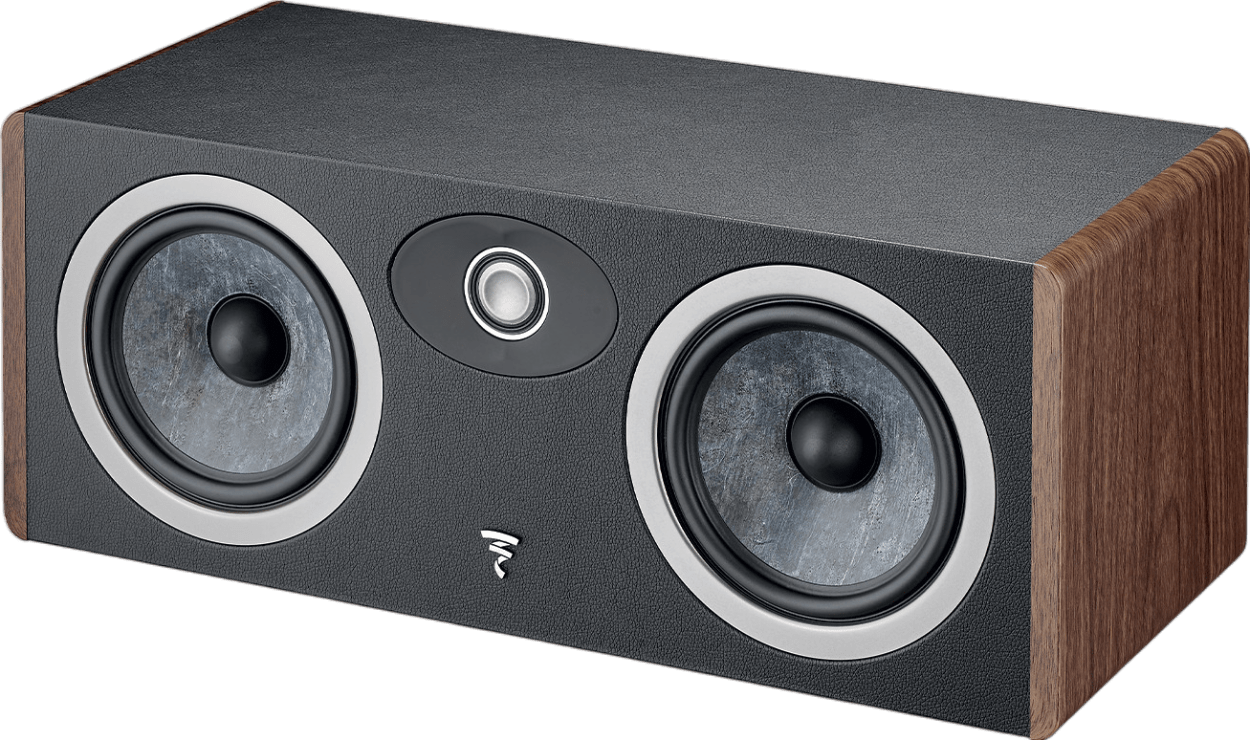
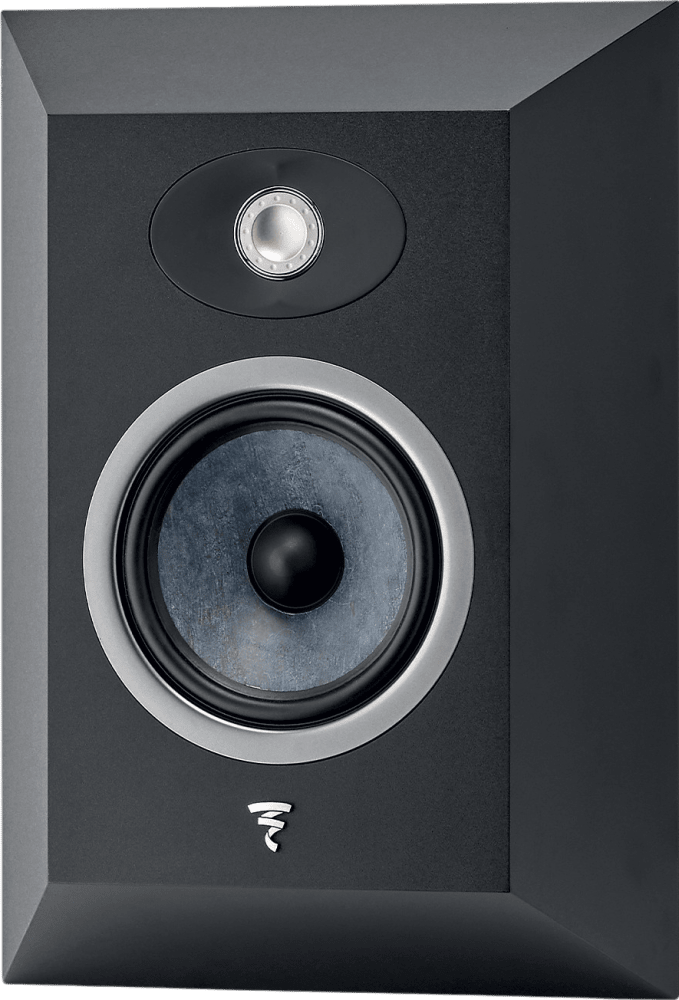
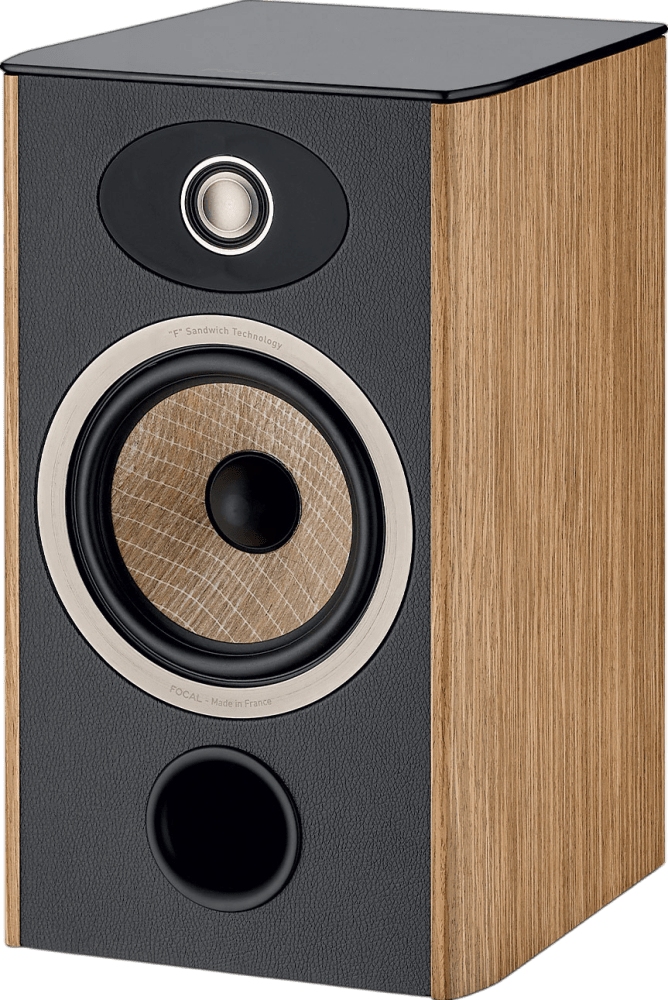
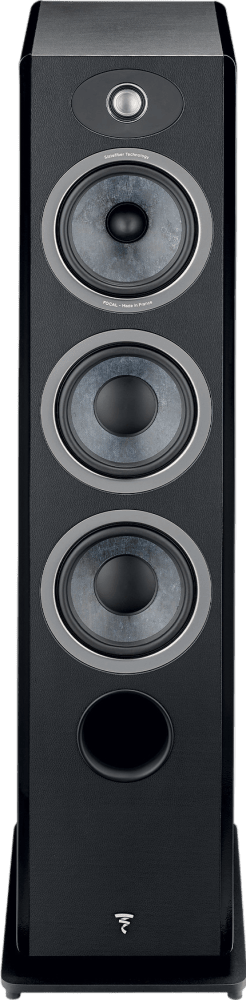




Brand highlights
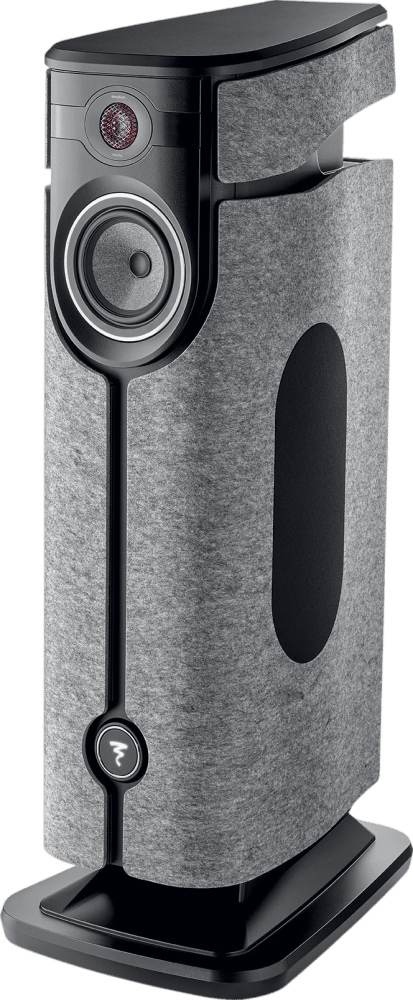
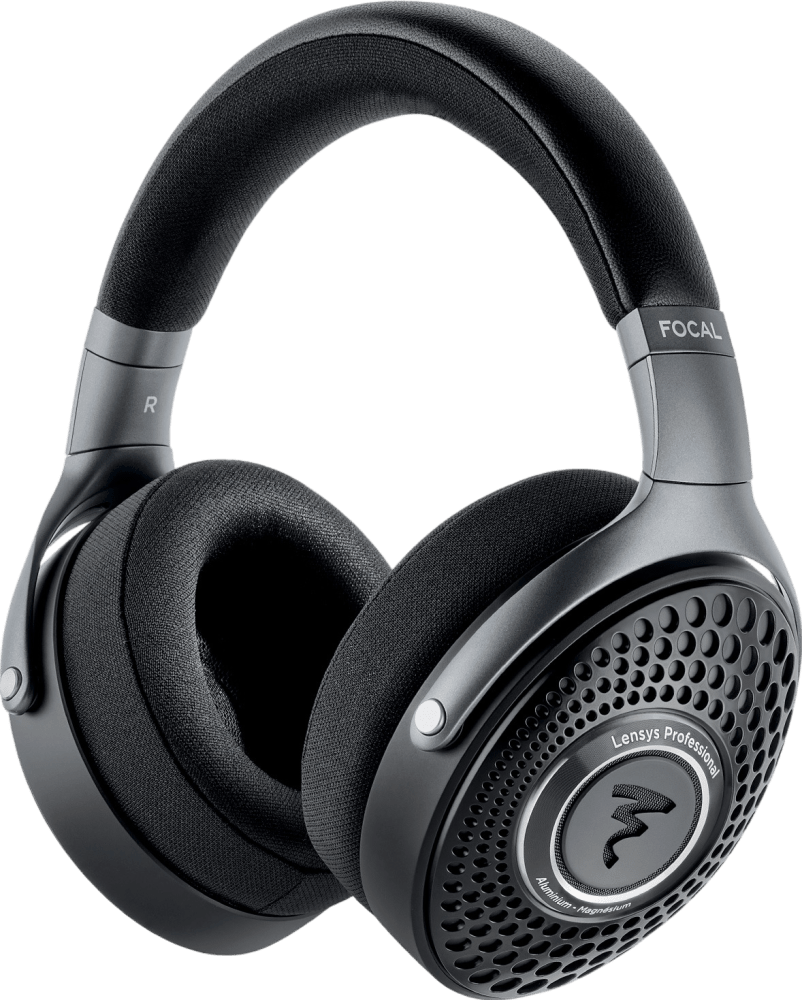
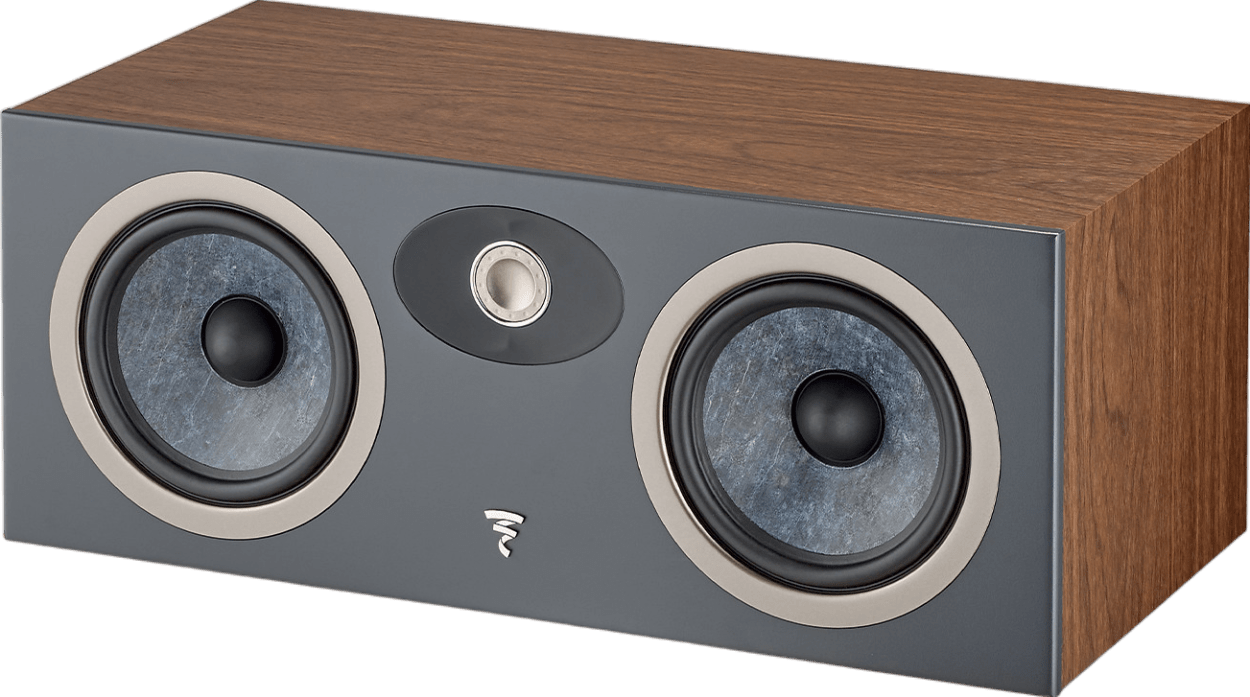
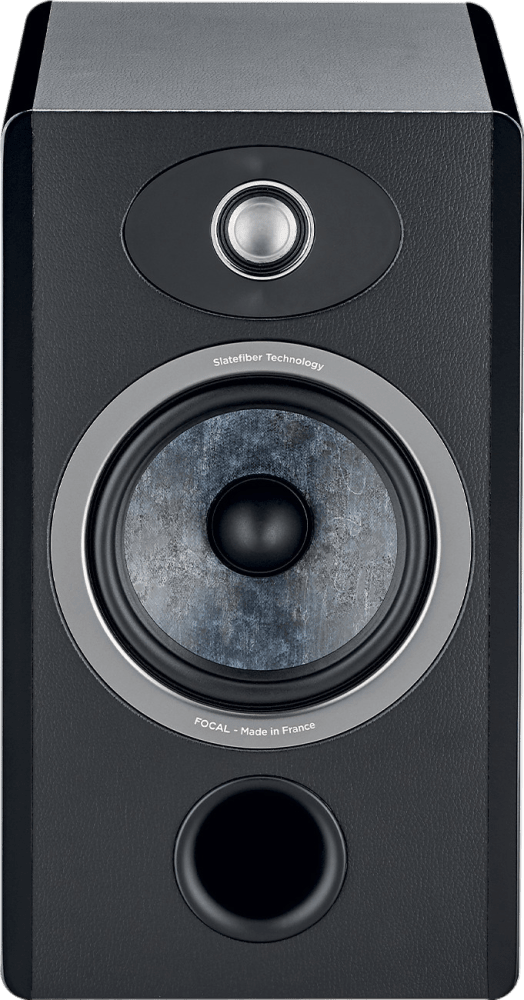
Taking a step back to look at reviewers' thoughts of the brand's entire lineup—not just this product—what stands out most is the following:
- Focal monitors are noted for their "mid-forward" sound, guiding users toward balanced mixes, particularly in the midrange frequencies, which aids in crucial EQ and dynamics decisions.
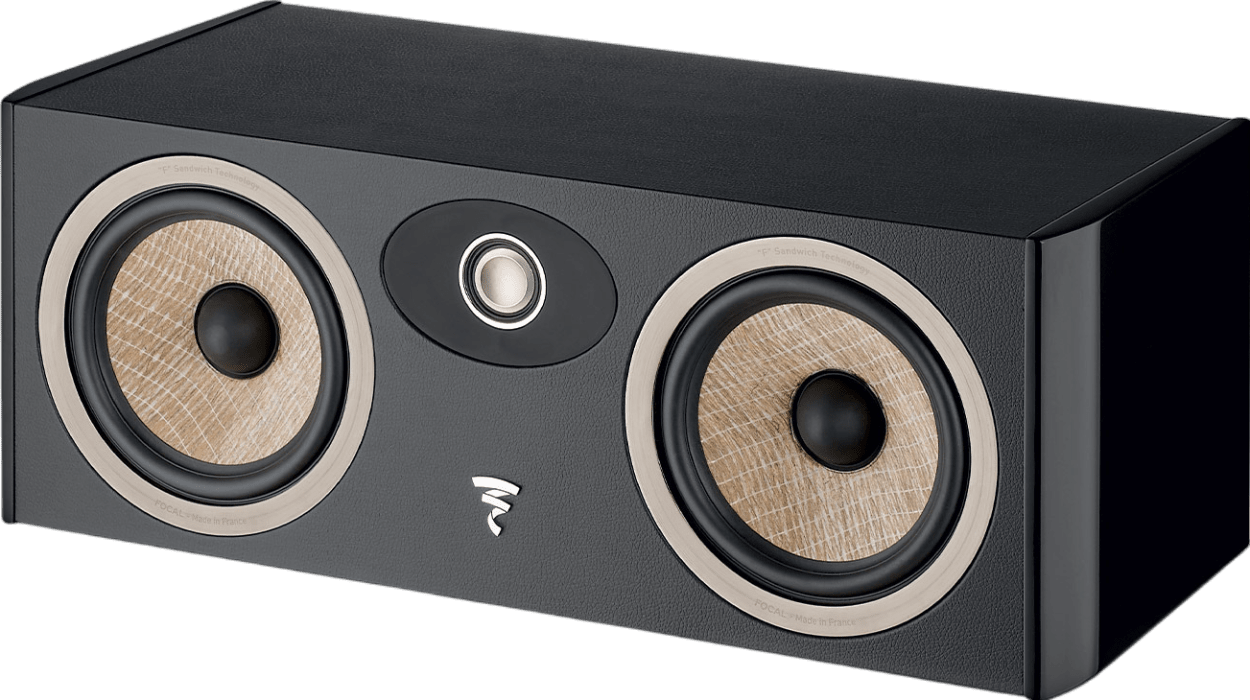
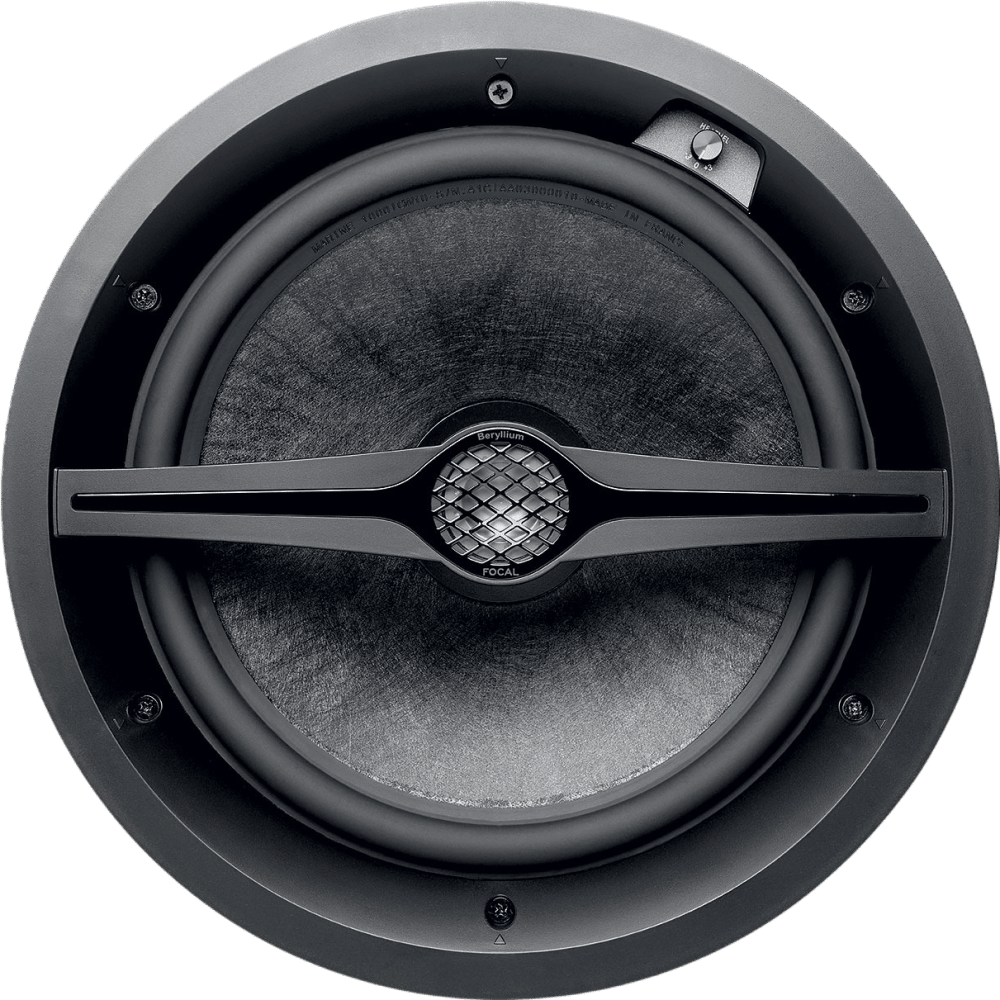
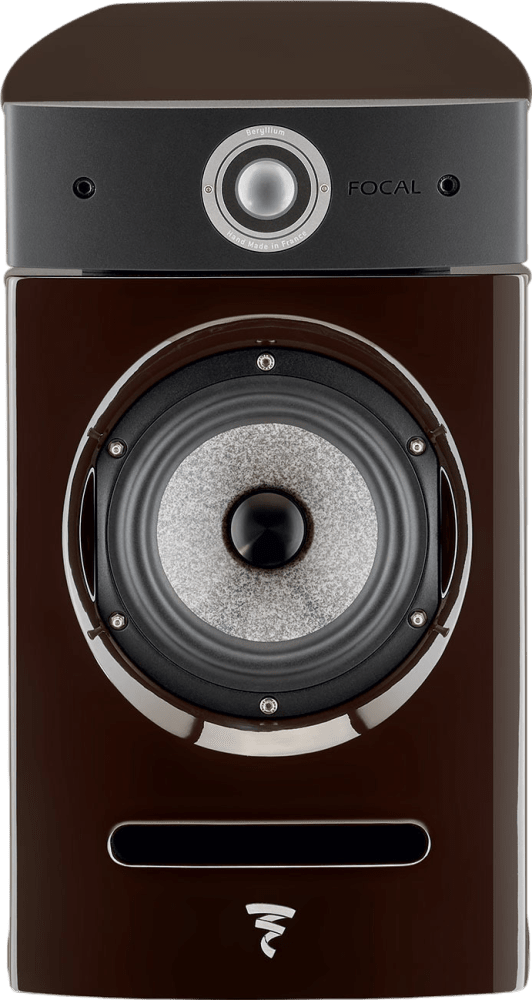
- They integrate an inverted dome tweeter crafted from Aluminum/Magnesium or Beryllium, optimizing high-frequency dispersion and minimizing distortion through back wave absorption.
- Focal frequently employs flax or "W" composite sandwich cones in their mid-bass drivers, providing a lightweight yet rigid diaphragm construction that delivers exceptional definition and controlled bass.
Select products
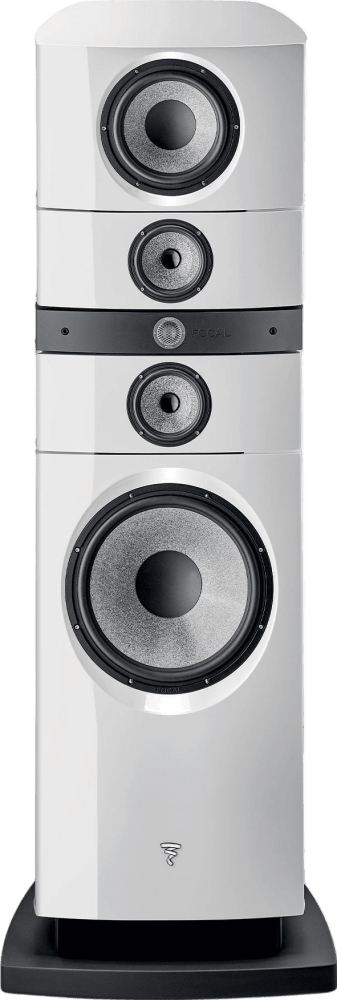
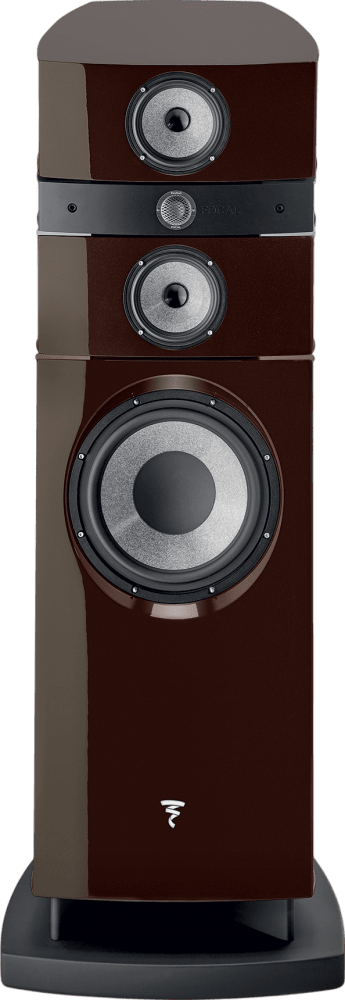
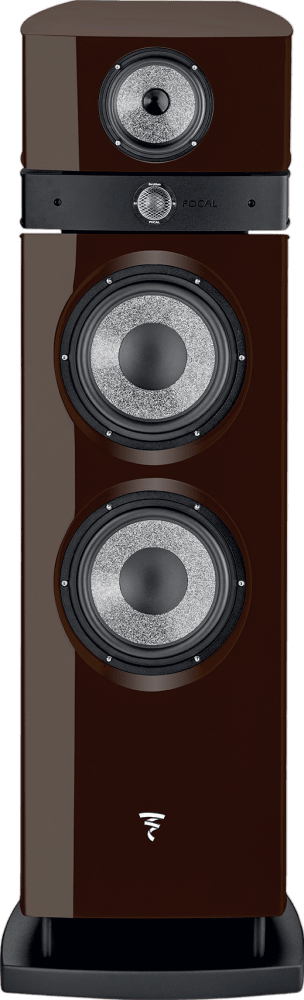
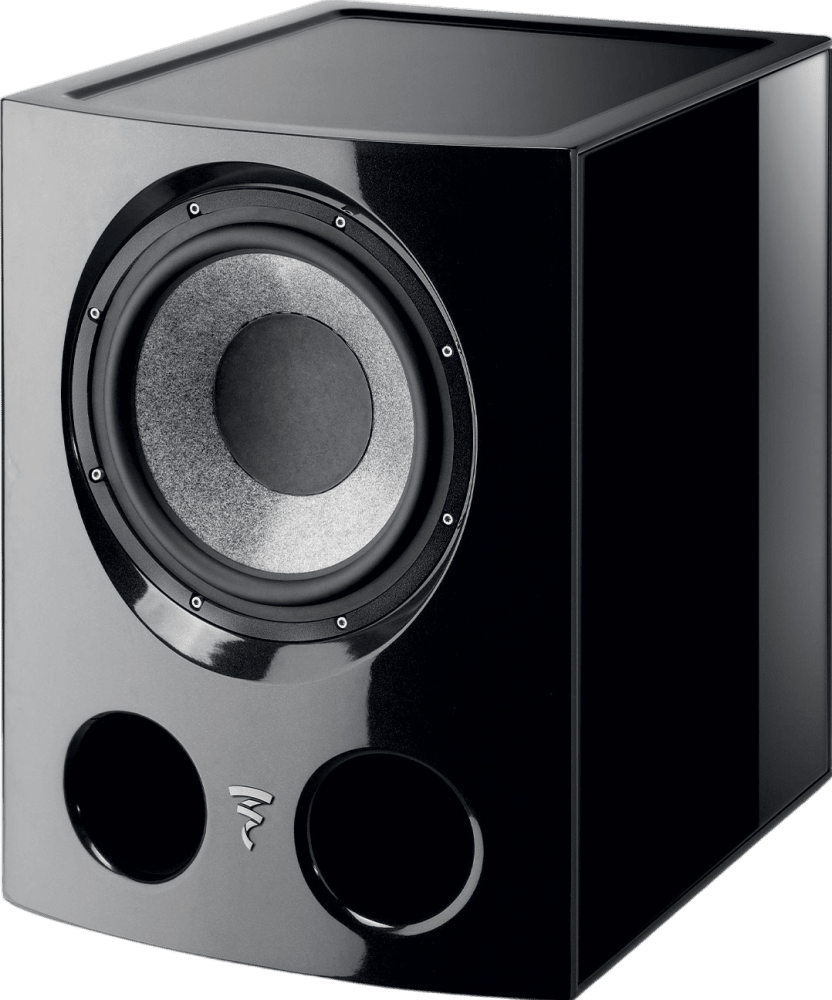

Theva
- Positioning: The entry-level series in Focal's high-fidelity lineup.
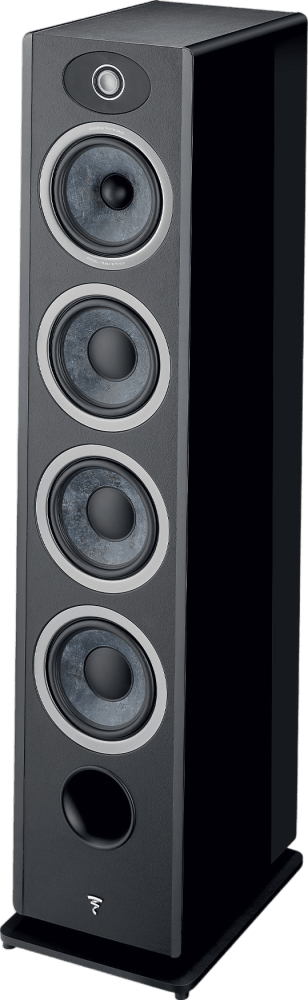
- Description: Features Focal's signature technologies like the TNF tweeter for clear treble. Compared to the Aria Evo X, offers a more budget-friendly option with simpler cabinet designs. While it lacks the advanced materials found in the Kanta series, still provides a solid performance for its price range, suitable for basic home audio setups.
Aria Evo X
- Positioning: Sits in the mid-range of Focal's lineup, offering a balance between performance and affordability.
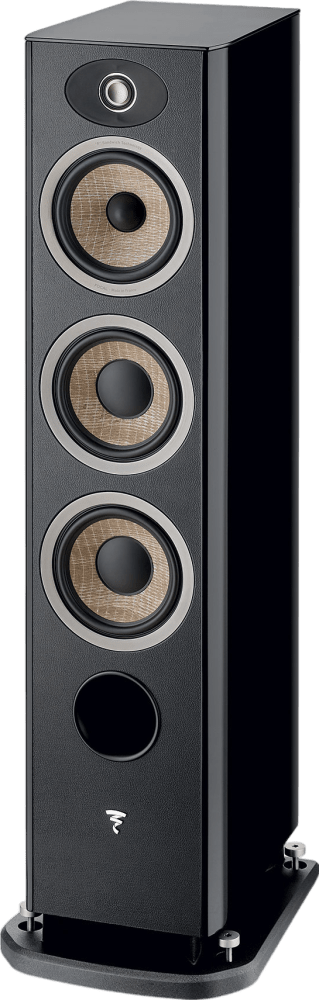
- Description: Features flax cone technology, providing natural sound and excellent dynamics. More refined than Theva, offering better build quality and soundstage.
Kanta
- Positioning: A premium series, offering advanced technology and design.
- Description: Known for their innovative design and use of materials like the Flax sandwich cone and Beryllium tweeter, delivering precise and detailed sound. They offer a more sophisticated sound profile than Aria Evo X, with enhanced clarity and warmth.
Sopra
- Positioning: A high-end series, just below the flagship Utopia line, focusing on compactness and performance.
- Description: Excels in sound transparency and precision, featuring technologies like the Infinite Horn Loading system for improved treble. They offer a richer harmonic experience than Kanta.
Utopia III Evo
- Positioning: Focal's flagship series, representing the pinnacle of their speaker technology.
- Description: Renowned for their exceptional sound quality and luxurious design, incorporating technologies like the Beryllium tweeter and W composite sandwich cone. They surpass Sopra in every aspect, offering groundbreaking soundstage and detail, ideal for large dedicated listening rooms and those with no budget constraints.

Our take on the brand
Look inside the brand
Our interview with the brand
What are two key technological innovations or strong opinions that differ you from other brands?
What's your approach to customer support?
What are your favorite tracks for showcasing the strength of your products?
What other products pair best with yours?

Used
Focal







What if you spend more?
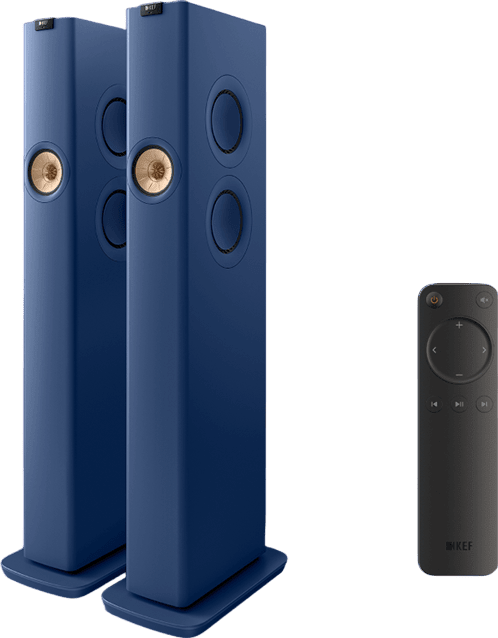


Bring the track spirit into your home with LS60 Wireless Lotus Edition, created in partnership with and inspired by the British Racing Green of the iconic brand.

.svg)
Product Strengths
- Striking, sleek, and modern design that complements modern interiors
- Incorporates KEF's Uni-Q driver array and Metamaterial Absorption Technology (MAT) for neutral, open, detailed sound, reducing unwanted sound from the rear of the tweeter
- Includes Uni-Core force-canceling woofers that reduce cabinet vibrations, contributing to balanced and detailed bass
- The KEF Connect app allows for adjustments to fit the listening environment
- Offers high connectivity and is a true stand-alone system
Product Considerations
- Bass can be a bit too much out of the box, requiring adjustments via the app or placement considerations
- Not well-suited for those who have many signal sources to connect to
- Some reviewers found the bass lacked definition in the upper bass, with unclear instrument placement, even after adjusting EQ settings
- The included remote control is considered basic or cheap
- Mandatory online registration and administrator-level internet connection requirements for the app may be a drawback for privacy-conscious users
Comparisons (according to reviewers)
- Compared to the Bang & Olufsen Beolab 28, the LS60 Wireless can achieve similar sound quality with adjustments, at a lower price point, although the Beolab 28 sounds 'more right' straight out of the factory
- Compared to the KEF LS50 Wireless II, the LS60 Wireless is preferred stylistically, achieves near full-range playback, and has a more slim design, although it costs more and also provides much deeper bass
- Compared to the Q Acoustics Active 400 Towers, the LS60 Wireless has no issues with products not working
Takeaway: The KEF LS60 Wireless are stylish, all-in-one speakers that deliver a balanced, detailed sound with advanced technology. They are a convenient, high-performing solution for those seeking a streamlined audio setup.
Video review
Our take on the brand

Product Strengths
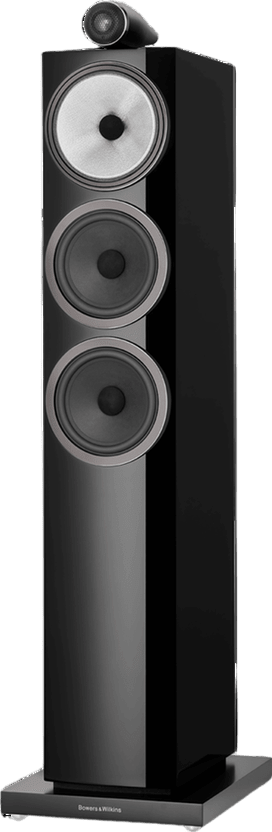
- Superb design and build quality.
- Articulate sound, especially in the upper midrange and treble regions.
- Very good imaging, with strong definition and delineation between instruments and performers.
- Vivid and clear midrange, revealing subtle details in recordings.
- Transparency ensures more of the music is heard as it was intended.
Product Considerations
- A capable amplifier is needed due to impedance dips to 3.1 ohms.
- Not a bass-heavy speaker.
- The tweeter can become too much if listening to poorly recorded music or at very high volumes.
- The bass can sound a bit thin, depending on room size and personal preference.
- Can sound a little bit cool when playing certain types of music.
Comparisons (according to reviewers)
- Vs KEF R11 Meta—KEFs presented more physical scale with respect to soundstage, with even greater width.
- Vs Polk R700 and Klipsch RP8000F Mk2—Not better than the B&Ws, but aren't embarrassed by them either.
- Vs B&W 805 D IV—In one listening room, the 703 is nearly as good.
- Zoo sound a little bit warmer.
Takeaway: The 703 S3 makes listening engaging and fun, with dynamic sound suitable for both music and movies. It brings clarity to vocals, especially at lower volumes, making it great for late-night listening.
Video review
Our take on the brand
Product Strengths
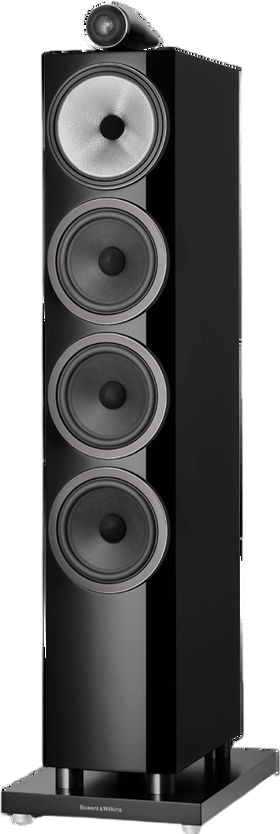
- Trickle-down technology from the 800 series narrows the gap with higher-end models
- Improved clarity of details, accuracy, and soundstage width compared to previous 702 models
- Clean and articulate bass is often attributed to the downward-firing port and plinth arrangement
- Excellent imaging and soundfield, with impressive width and height
- Delivers high definition and low coloration, offering a taste of the 800 Series experience
Product Considerations
- Careful positioning is required to achieve optimal tonal balance and musicality
- A reasonably powerful amplifier (minimum 75W recommended) is needed to perform at its best
- May not be a great match for valve amplifiers, preferring solid-state options
- The satin black MDF plinths are integral and require additional floor space
- Difficult to move around due to their weight (over 40 kg each) and lack of handholds
Comparisons (according to reviewers)
- Compared to the 702 S2 and 702 Signature, the S3 has improved clarity, accuracy, and soundstage width
- Compared to the Focal Aria 936 K2, the reviewer prefers the aesthetics of the 702 S3
Takeaway: The 702 S3 is a well-built loudspeaker offering a significant upgrade in sound quality. Trickle-down technology gives a taste of Bowers & Wilkins' flagship series at a more affordable price.
Video review
Our take on the brand
Product Strengths
- Excellent sound quality, with reviews noting neutral and balanced sound, meticulous detail retrieval, and delicate micro-dynamics
- Good imaging and soundstage, with the ability to create a wide and immersive soundstage with precise imaging
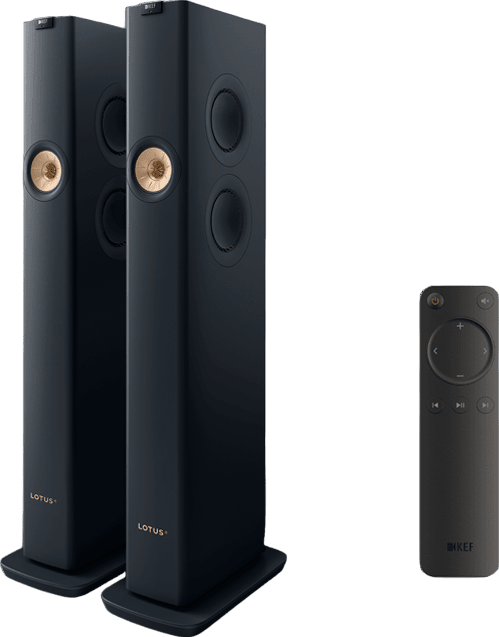
- Sleek design, with their elegance and ability to complement modern interiors
- Powerful and well-controlled bass, thanks to the Uni-Core driver technology
- Wide array of connectivity options, including HDMI eARC, optical, coaxial, RCA, Ethernet, Wi-Fi, AirPlay 2, Google Chromecast, Spotify Connect, Tidal Connect, Amazon Music, Deezer, and Qobuz
Product Considerations
- Relatively expensive compared to other active speaker systems
- Some reviewers noted occasional signal dropouts between the primary and secondary speakers when connected wirelessly
- The KEF Connect app is essential for full functionality and optimal setup, which may not appeal to users who prefer physical controls
- Bass output can be sensitive to room placement and may require adjustments to avoid boominess
- Connecting multiple external devices can result in significant cable clutter, despite being marketed as wireless
Comparisons (according to reviewers)
- Vs Bang & Olufsen Beolab 28: The LS60 offers comparable performance at roughly half the price, though the Beolab 28 is noted as sounding better out-of-the-box without EQ
- Vs KEF LS50 Wireless II: The LS60 offers improved performance and near full-range playback, but at a higher price, the LS50 Wireless II offers similar clarity with a slightly warmer sound
- Vs Klipsch Forte 4: The LS60 is more suited for home theater use and surface more detail
- Vs Q Acoustics Q Active 400 Towers, Dali Oberon 7C Wireless, and Bowers & Wilkins Formation Duos: The LS60 is considered a better, more refined and adjustable package
- Vs Hegel H190 & KEF LS50 Meta with KEF KC-62 Subwoofer: The LS60 communicates the forward force of music better and has features such as Tidal Connect and room EQ
- Vs Lindemann TD-AI1120, KEF LS50 Meta & KEF KC-62 Subwoofer: The LS60 cannot be matched in scale and effortless dynamics
Takeaway: The KEF LS60 Wireless is a fantastic, all-in-one speaker system that sounds great and looks stylish. They are easy to set up and use, and will fill a room with music for years to come.
Video review
Our take on the brand
What competes at this price?


Our Summary
Product Strengths
- Neutral on-axis response, providing balanced tonality when the listener is directly facing the speakers
- Wide dynamic range, allowing them to play loudly and handle a wide range of sound variations without requiring a lot of amplification
- Beautiful and stylish cabinetry, with the Moss Green High Gloss finish being particularly attractive and fitting well in various living spaces
- Wide and enveloping soundstage, enhancing the listening experience
- Updated tweeters and magnetic fields help to create a clear and detailed sound
Product Considerations
- Due to the high mounting of the tweeter and its narrow vertical dispersion window, listeners with ear heights well below the tweeter may experience a decrease in sound quality unless seated at a significant distance
- The speaker's impedance dips to lower levels at certain frequencies, requiring a decent receiver with good current drive to avoid potential issues, especially at high SPLs
- Bass extension is good but not exceptional, so those seeking the lowest rumbles for movies may want to add a subwoofer
- The tweeter has an off-axis flare that can make the speaker sound bright in reflective rooms
- The grilles may add some diffraction to the speaker's acoustic response
Comparisons (according to reviewers)
- Vs RBH Sound 61-SFM/R: The RBH Sound 61-SFM/R digs deeper and has its tweeter at a more typical listening height, but the No.4 is better looking
- Vs SVS Ultra Evolution Pinnacles: The SVS Ultra Evolution Pinnacles have deeper and more powerful bass, but its overall frequency response isn't as neutral as the No.4
- Vs JBL HDI-3800: The JBL HDI-3800 has a very wide dynamic range, similar to the Aria Evo X No.4, but a narrower dispersion with a more even off-axis response
- Vs Arendal Sound 1723 Tower: The Arendal 1723 Towers have more elevated treble on-axis and deeper bass, but the build quality is superior to the No.4
Takeaway: The Aria Evo X No.4 speakers are well-regarded for their balanced sound, wide dynamic range and appealing aesthetics, making them a strong contender for anyone seeking high-quality floor-standing speakers. Another win from Focal.
Video review
Our take on the brand

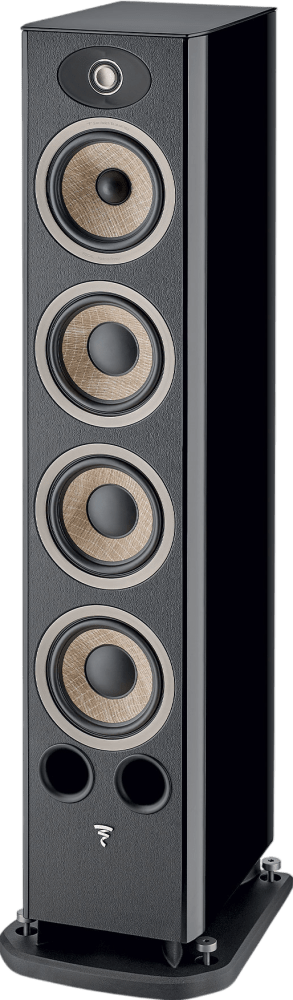
Our Summary
Product Strengths
- Perfect for both music and movie listening
- Elegant design with a modest footprint
- Near full range end of things, leading to better separation, more articulate bass, and a fuller sound overall
- Available in 3 colors: Black gloss, Prime Walnut, and Moss Green Gloss
Takeaway: The Aria Evo X N°3 speakers offer an elegant design with a modest footprint that is great for both music and movies. With articulate bass and a fuller sound overall, they are a good choice for anyone looking for floor-standing speakers.
Video review
Our take on the brand
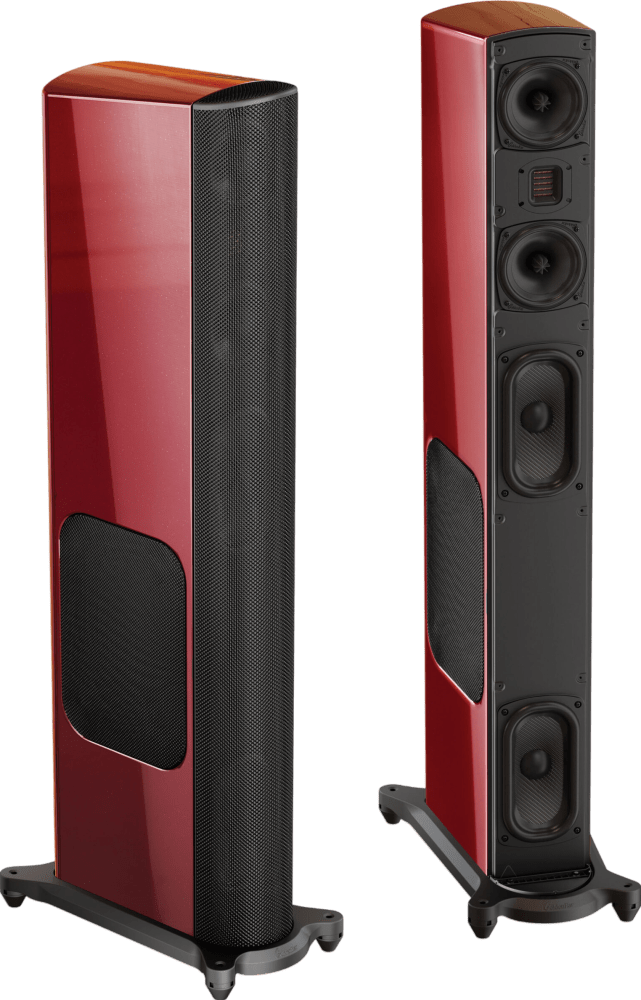

Our Summary
Product Strengths
- Excellent bass performance is a defining feature, providing tight, smooth, even, solid, and tangible bass extension into the 20 Hz range, eliminating placement issues associated with separate subwoofers
- Balanced overall sound, coherence, and ability to present music in a natural and effortless way is consistently praised
- High levels of detail come through with the High-Velocity Folded Ribbon AMT tweeter and cast-basket mid/bass units
- A holographic image over the seating area of a typical sofa is capable with excellent imaging and a wide and open soundstage, even when not seated in the exact sweet spot
- The Santa Barbara Red finish option receives high marks for its visual appeal
Product Considerations
- Still a significant investment, especially the Santa Barbara Red finish
- The metal grille covering the drivers is not designed to be easily removed
- Care should be taken with system matching, due to a slightly hot high-end
Comparisons (according to reviewers)
- The T66 offers more refinement and a more 'of-a-piece' sound than the Triton One.R
- Has internal structural improvements that make it even more stable and rigid than previous generations
Takeaway: The GoldenEar T66 delivers audiophile-grade sound and aesthetics, with powerful bass and exceptional detail. These speakers are easy to incorporate into nearly any environment, and have the power to let the listener appreciate all the nuances in favorite songs or movies.
Video review
Our take on the brand
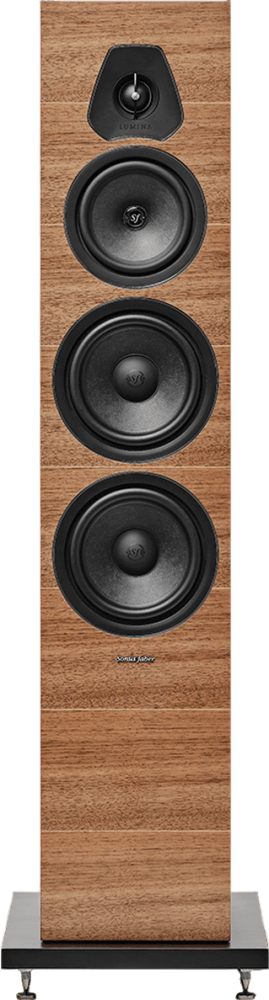

Our Summary
Product Strengths
- Elegant design with a combination of wood and leather that gives a classy appearance
- Impressive bass output, with some reviewers noting deep and tuneful bass
- The midrange is articulate and expressive, delivering vocals with palpability and detail
- Smooth and detailed high-end reproduction, thanks to the Damped Apex Dome (DAD) tweeter
- Relatively easy to drive with a sensitivity of 89-90dB
Product Considerations
- Requires careful placement to achieve the best balance, especially regarding toe-in
- The bass can sometimes be perceived as boomy depending on the room acoustics
- Some reviewers mention the included binding posts are cheap
Comparisons (according to reviewers)
- Compared to the Q Acoustics Concept 50, the Lumina V has a more live sound, but the Concept 50 is more neutral, and more inert
- Compared to the Polk R700, the Lumina V is sonically similar to the R700, but with slightly less bass and a smaller cabinet—with better aesthetics; the R700 is more full range and warmer
- Compared to the Spendor A4 or ProAc Response DT8, the Lumina V is not as precise, but offers a natural sonic grace
Takeaway: The Sonus Faber Lumina V is an elegant speaker that delivers detailed sound and impressive bass. It is a great option if you want speakers that look as good as they sound.
Video review
Our take on the brand
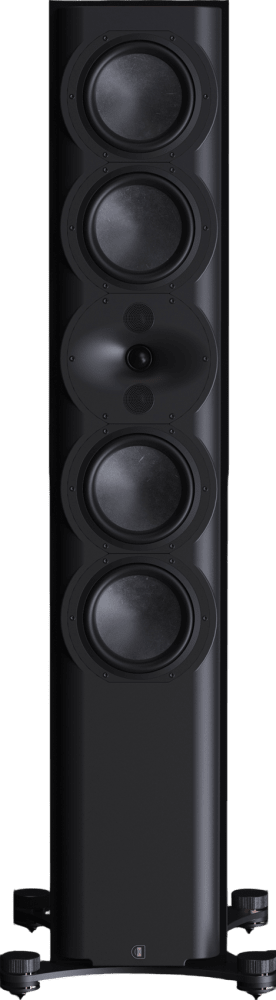

Our Summary
Product Strengths
- Remarkably coherent and balanced sound profile, resulting from well-engineered and matched drivers and cabinet
- An uncanny ability to 'disappear' in the listening room
- The DPC array design contributes to a wide horizontal dispersion, allowing a broader sweet spot for multiple listeners
- Accurate sound reproduction and neutral enough for studio use
- A high level of dynamic ability, good low-end control, and a cavernous soundstage
Product Considerations
- Only available in gloss black and gloss white finishes, which might not suit all tastes or home décor
- The price point is a significant investment, placing it beyond the reach of many
- Some reviewers noted a mild treble roll-off, or smooth character that was overly kind on poor recordings and might lack the sparkle and excitement some listeners prefer
- Setting up requires assistance, due to the weight
- The lower bass extension may not satisfy deep bass enthusiasts, with extension starting to drop below 40Hz
Comparisons (according to reviewers)
- Compared to the Perlisten S7t, the S7t offers more overall weight, bottom-end reach, resolution, and dynamic speed, but the R7t shines brightly on its own
- Compared to the EgglestonWorks Oso, the Oso presented a more muscular version of the music with more bottom end oomph, while the R7t conveyed music's finer points with more apparent resolution
- Compared to the KEF Reference 3, the KEF may yield deeper bass extension due to greater cabinet volume, and the scale of the soundstage may also be improved, but the Perlisten offers a superior disappearing act
Takeaway: The Perlisten R7t are well-built speakers that provide a detailed and immersive listening experience, with their advanced design and unique driver array creating a spacious soundstage. Their cutting-edge design creates a great listening experience.
Video review
Our take on the brand
How to buy
Speakers
Search all hifi products
Explore our database of 10,000+ new and 25,000+ used hifi products.